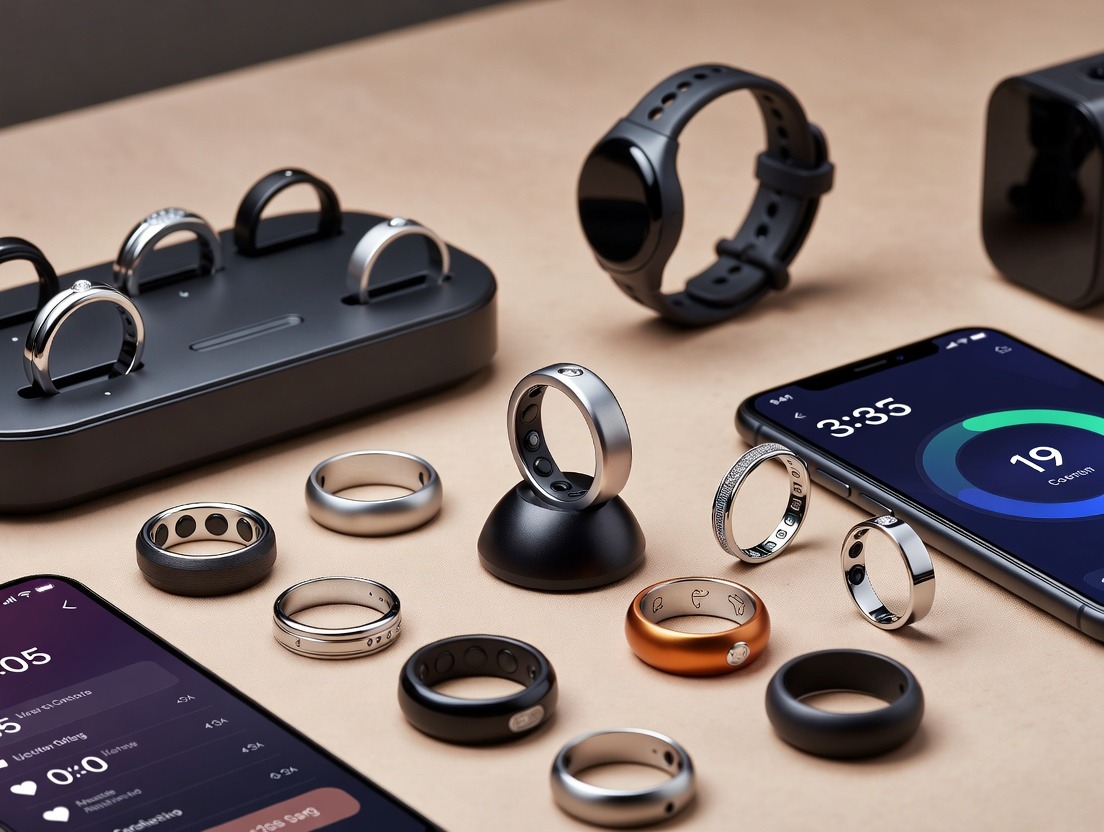
Activity Level Optimization for Busy Professionals: Time-Efficient Strategies
Time-efficient strategies for busy professionals.
Activity Level Optimization for Busy Professionals: Time-Efficient Strategies
In the relentless rhythm of the modern professional's life, "activity" often feels like a checklist item that never gets checked. It’s the first sacrifice at the altar of a looming deadline, a client call, or an overflowing inbox. We oscillate between periods of frantic, chair-bound productivity and intense, unsustainable bouts of weekend warriorism or evening gym guilt trips. This all-or-nothing approach is not just ineffective; it’s a direct path to burnout, metabolic stagnation, and a profound disconnect between our health aspirations and our daily reality.
But what if the narrative could change? What if optimizing your activity wasn't about finding more hours you don't have, but about radically redefining what "activity" means within the constraints of your existing schedule? This isn't about squeezing in marathon training sessions between meetings. It's about a strategic, intelligent, and data-informed approach to weaving movement into the very fabric of your day. It's about understanding that a consistent, moderate "drip feed" of activity often outperforms erratic, high-intensity floods for long-term health, cognitive function, and stress resilience.
Welcome to the era of Activity Level Optimization—a precision framework for the busy professional. This philosophy moves beyond simplistic step counts and into the realm of movement quality, metabolic window utilization, and recovery intelligence. It leverages modern technology, behavioral science, and time-management principles to create a sustainable system. With tools like a comprehensive wellness ring from Oxyzen.shop, you gain a continuous, unobtrusive data partner, transforming guesswork into strategy. It validates what works for your body, in your life, turning the aspiration of a vibrant, active life into a measurable, achievable daily practice.
This guide will serve as your master blueprint. We will dismantle the myths of time-consuming fitness, introduce you to the powerful concept of Non-Exercise Activity Thermogenesis (NEAT), and provide tactical strategies for every part of your day—from your morning alarm to your evening wind-down. We’ll explore how to harness technology not as a distraction, but as a coach, and how to align your movement with your body's innate rhythms for maximum impact with minimum time investment. Let's begin the journey from time-poor and stagnant to time-smart and optimally active.
The Professional’s Paradox: High Performance at Work, Low Movement in Life
The modern office—whether physical or virtual—is a masterpiece of human efficiency and a disaster for human physiology. We’ve engineered movement out of our professional lives. Email replaces walking to a colleague's desk. Video conferencing eliminates travel. Streamlined software automates tasks that once required physical ledger flipping or filing. The result is what scientists term the "active couch potato" phenomenon: an individual who may engage in sporadic, structured exercise but remains sedentary for the overwhelming majority of their waking hours.
This creates a profound paradox. You are likely performing at a high cognitive level, solving complex problems, and managing significant stress—all while your body remains in a state of physiological stagnation. The consequences are insidious and well-documented:
Metabolic Slowdown: Prolonged sitting is linked to reduced insulin sensitivity, increased triglyceride levels, and a suppressed metabolic rate. Your body becomes less efficient at using the energy you feed it.
Cognitive Drain: Contrary to the belief that constant sitting aids focus, it actually impairs cerebral blood flow. Studies show that even light movement boosts creativity, problem-solving, and memory recall—the very tools of professional success.
The Stress-Movement Trap: High stress triggers the release of cortisol. In our ancestral past, this hormone prepared the body for physical action (fight or flight). Today, that physical release rarely happens, leaving cortisol to circulate, contributing to anxiety, weight gain (particularly visceral fat), and sleep disruption. You’re all gas and no brake.
Pain and Dysfunction: The classic forward-leaning posture at a desk creates muscular imbalances. Tight hip flexors, weak glutes, and strained cervical spines lead to chronic pain, which further demotivates movement, creating a vicious cycle.
The first step in optimization is recognizing this paradox not as a personal failing, but as a design flaw in our professional environment. The goal isn't to abandon your career for a life of hiking; it's to strategically re-engineer movement back into the ecosystem of your workday. Breaking this sedentary pattern is the cornerstone of healthy aging, as consistent, low-grade activity protects against the cellular decline associated with prolonged inactivity. For a deeper dive into building a movement-centric life at any age, our resource on healthy aging tips that start working at any age offers foundational strategies.
The solution lies not in working less, but in working smarter—with your body’s needs as a key performance indicator. It begins with understanding the most powerful, time-efficient lever you have: your non-exercise activity.
NEAT: Your Secret Weapon for 24/7 Calorie Burn and Metabolic Health
Forget for a moment the 45-minute spin class you can't seem to schedule. The most significant component of your total daily energy expenditure (TDEE) that you can actively influence is Non-Exercise Activity Thermogenesis (NEAT). NEAT encompasses every calorie you burn that isn't from sleeping, eating, or deliberate exercise. It’s the energy of tapping your foot, taking the stairs, pacing during a phone call, gardening, cooking, and even standing.
For the busy professional, NEAT is nothing short of a superpower. While a grueling hour at the gym might burn 400-600 calories, research indicates that consistently elevating your NEAT throughout a 12-hour day can burn an additional 800 to 2,000 calories—and it does so without requiring dedicated gym time, special clothing, or a shower.
Why NEAT is the Optimal Strategy for Professionals:
Seamless Integration: NEAT activities don't require blocking out time. They are behaviors you can layer onto existing tasks. They are the definition of time-efficient.
Metabolic Momentum: Unlike exercise, which creates discrete spikes in metabolism, elevated NEAT keeps your metabolic engine idling higher all day long. This constant, low-grade burn improves insulin sensitivity and lipid metabolism far more effectively than sporadic, intense effort.
Cognitive and Physical Break: NEAT breaks are movement snacks. Standing up and walking for two minutes every hour resets your posture, increases blood flow to the brain, and can break the cycle of deep focus that leads to mental fatigue. It’s a system reboot.
Sustainability: Because it’s not punishing or overly time-consuming, a NEAT-focused strategy is inherently sustainable. It builds a habit of movement, not a chore of exercise.
From Theory to Tactics: Your NEAT Action Plan
The 20-8-2 Rule: For every 20 minutes of sitting, stand for 8 minutes and move for 2. Use a simple timer or a smart device alert to enforce this rhythm.
Workstation Re-engineering: Invest in a standing desk converter or a dynamic stool that engages your core. Place your printer, trash can, or a water bottle across the room.
Communication in Motion: Take all phone calls and virtual meetings (where video is optional) while walking—around your home, office, or even in place. It’s the perfect socially acceptable pacing.
The Power of the "Inefficient" Errand: Park in the farthest spot. Use a restroom on a different floor. Get off the subway or bus a stop early. These deliberate "inefficiencies" are NEAT goldmines.
The challenge with NEAT is that it’s inherently invisible. We are poor judges of our own daily movement. This is where objective data becomes transformative. A device like the Oxyzen smart ring automatically tracks these subtle shifts in activity levels, heart rate variability, and overall energy expenditure, giving you a clear, honest picture of your NEAT score each day. It turns an abstract concept into a measurable, gamifiable metric. To see how continuous monitoring supports long-term vitality, explore how smart ring data supports healthy aging goals through HRV monitoring.
Micro-Workouts: The 10-Minute Revolution for Strength and Resilience
While NEAT forms the crucial background activity of your day, structured strength and resilience cannot be built by pacing alone. Enter the Micro-Workout: the ultimate time-efficient tool for building and maintaining functional muscle, boosting metabolism, and fortifying your body against the rigors of desk life.
A Micro-Workout is a focused, intense bout of exercise lasting between 5 and 12 minutes, requiring minimal to no equipment. Its power lies in density and consistency, not duration. The principle is simple: when time is limited, you eliminate rest and filler, focusing purely on compound movements that engage multiple muscle groups.
The Science of the Micro: Research in exercise science supports the efficacy of short, high-intensity efforts. They effectively stimulate muscle protein synthesis, improve cardiovascular markers, and elevate excess post-exercise oxygen consumption (EPOC)—the "afterburn" effect where your body continues to burn calories at a heightened rate to recover. For the busy brain, these brief bursts also trigger the release of neurotransmitters like dopamine and norepinephrine, providing a potent, clean energy boost that outperforms caffeine.
Designing Your Micro-Workout Arsenal:
Your micro-workouts should target the key areas weakened by sedentary life: the posterior chain (glutes, hamstrings, back), the core, and the mobility of the hips and thoracic spine.
Sample 7-Minute "Desk De-Creator" Micro-Workout: Perform each exercise for 45 seconds, followed by 15 seconds of rest/transition. Repeat for 2 rounds.
Bodyweight Squats: Re-engage dormant glutes and leg muscles.
Push-Ups (or Incline Push-Ups on desk): Counter the hunched-forward posture.
Alternating Reverse Lunges: Improve hip mobility and unilateral stability.
Plank: Activate the entire core complex to protect your spine.
Desk Rows (using your sturdy desk): Pull your shoulders back and strengthen the upper back.
Glute Bridges (on the floor): Isolate and fire up the glutes, combating "dead butt syndrome."
Jumping Jacks or High Knees in Place: Spike the heart rate for systemic benefits.
Strategic Implementation: The magic is in the scheduling. Link these micro-sessions to existing daily anchors:
The "Pre-Shower" Protocol: First thing in the morning, before you step into the shower.
The "Meeting Buffer" Burst: The 10 minutes you have between back-to-back video calls.
The "Evening Reset": After logging off for the day, to physically and mentally demarcate work from personal time.
The "Pre-Dinner" Pump: While waiting for the oven to preheat or water to boil.
By reframing "a workout" from a 60-minute calendar block to a 7-minute focused burst, you remove the primary barrier: time. Consistency with these micro-doses yields remarkable cumulative results, preserving the muscle mass and functional strength that are critical for longevity. This aligns perfectly with strategies to maintain muscle mass after 60, proving it's never too early—or too late—to start.
The Commuter’s Advantage: Transforming Transit into Training
For millions, the daily commute represents "lost time"—a passive, often stressful interval between home and work. Activity Level Optimization demands we reclaim this time. Whether your commute is 15 minutes or an hour, it presents a structured, predictable window for strategic movement.
For the Public Transit Commuter:
Stand, Don't Sit: Make this your default. Standing on a moving train or bus is a dynamic stability workout for your core and lower-leg muscles.
The Isometric Game: Practice subtle isometric exercises. Squeeze your glutes for 30-second intervals. Engage your core by drawing your navel toward your spine. Press your palms together in front of your chest to activate your chest and back. These are invisible but potent.
Walk the Platform/Lobby: If you have a transfer or arrive early, walk laps. Don't stand stationary scrolling. This is pure NEAT accumulation.
Backpack as Weight: A loaded backpack can be used for gentle, controlled forward or side raises (if space allows) or simply adds load to your standing, increasing calorie burn.
For the Driver:
Parking Perimeter Strategy: As with the NEAT principle, park in the spot farthest from the entrance. This simple act guarantees a 2-5 minute walk at both ends of your workday.
Pre-Entry & Post-Exit Ritual: Before you enter your car in the morning and after you exit it at work (or home), perform a 90-second routine. This could be 10 squats, 5 walking lunges per leg, and 30 seconds of arm circles. It bookends the sedentary act of driving with purposeful movement.
Isometric Steering Wheel Presses: At red lights, practice pressing your palms into the steering wheel as if trying to bend it inward (left vs. right) or pull it apart (up vs. down). Hold for 15-20 seconds. This engages the chest, back, and arms.
For the Walker/Cyclist: You are already winning. The optimization here is about intention.
Interval Your Walk: For one block out of every five, pick up the pace to a brisk, "talk-test-failing" speed. Add in walking lunges or high knees for 20 steps.
Up the Grade: Seek out hills or stairs on your route. Inclines dramatically increase the cardiovascular and muscular demand.
Cycling Sprints: On your bike, after a warm-up, do 30-second all-out sprints followed by 90 seconds of easy recovery pedaling. Repeat 4-5 times.
The goal is to shift your mindset: your commute is not dead time, but a protected movement opportunity. It's a time when you are already "in transit," and by adding a layer of physical intent, you arrive at your destination not just physically transported, but physically activated—more alert, less stiff, and with a significant portion of your daily movement goal already achieved.
The Active Workspace: Engineering Movement into Your 9-to-5
Your workspace—be it a corporate office, a home desk, or a co-working hub—is where you will spend the majority of your waking hours. Optimizing this environment for movement is the single most impactful thing you can do for your daily activity level. This goes beyond a standing desk; it's about creating a dynamic, movement-prompting ecosystem.
Layer 1: The Foundational Setup
The Dynamic Desk: A sit-stand desk is the cornerstone. The key is variability, not just standing. Alternate every 30-60 minutes. Consider a balance board or wobble stool for when you stand to engage your micro-muscles.
The "Far-Away" Principle: Organize your space so that nothing you need frequently is within arm's reach. Place your phone charger across the room. Use a small water glass instead of a large bottle, forcing refill trips. Position your trash can, printer, and reference materials in a location that requires a 10-step walk.
Layer 2: The Movement-Embedded Workflow
The Pomodoro-Plus Technique: Use the classic 25-minute work sprint, but instead of a 5-minute scroll break, make it a 5-minute movement break. Set a timer. When it goes off, you must stand and move—stretch, walk, do 10 squats—for the full five minutes.
Walk-and-Talk Culture: Champion this. Suggest "walking one-on-ones" with colleagues for brainstorming or informal catch-ups. The side-by-side walking often reduces meeting formality and sparks more creative thinking.
The Post-Email Ritual: Create a personal rule: after sending a particularly long or stressful email, immediately stand up and perform a 60-second stretch or movement sequence. This physically releases the mental tension associated with the task.
Layer 3: The Stealth Fitness Office Keep simple, quiet equipment in a drawer or under your desk:
Resistance Bands: Perfect for seated rows, shoulder dislocations, and leg extensions.
Lacrosse Ball/Golf Ball: For self-myofascial release on feet, glutes, and back against your chair.
Grip Strengthener: An isometric tool for hand strength and forearm engagement during long calls or reading.
The Data Feedback Loop: An active workspace is self-reinforcing when you can see its results. A smart wellness device provides the crucial feedback. Did your heart rate variability (HRV) improve on days you used the standing desk more? Did your resting heart rate trend downward after a week of consistent movement breaks? This data, available from a device like those explored at Oxyzen.ai, transforms subjective feeling ("I feel better") into objective proof ("My recovery score improved 12%"). This proof is the ultimate motivator for sustaining these environmental changes. Seeing the direct correlation between your engineered workspace and your physiological metrics solidifies these behaviors into non-negotiable habits, much like the foundational role of sleep quality for healthy aging.
The Mindful Movement Merge: Using Activity for Cognitive Reset and Stress Inoculation
For the high-performing professional, mental fatigue and accumulated stress are often greater barriers to activity than lack of time. The thought of a "hard" workout after a demanding day can feel overwhelming. This is where the concept of Mindful Movement becomes a game-changer. It reframes activity from a physical performance task to a cognitive reset and stress inoculation tool.
Mindful movement is any physical activity performed with deliberate, non-judgmental attention to the sensations in your body and your breath. It’s the bridge between the purely physical (exercise) and the purely mental (meditation).
Why It’s a Critical Optimization Tool:
It Lowers the Barrier to Entry: A 10-minute mindful yoga flow or a slow, intentional walk feels more accessible than a HIIT class when you're mentally drained. It meets you where you are.
It Directly Counters Work Stress: It activates the parasympathetic nervous system (the "rest and digest" state), directly opposing the sympathetic ("fight or flight") dominance of a stressful workday.
It Enhances Body Awareness: By tuning into subtle sensations, you become better at identifying tension (e.g., in your jaw or shoulders) before it becomes pain, allowing for proactive micro-adjustments at your desk.
It Improves Movement Quality: Mindfulness during movement reduces injury risk by promoting better form and alignment, even in simple tasks like lifting a box or picking up a child.
Practical Applications for the Busy Professional:
The 3-Minute Desk De-stress Sequence: On the hour, every hour, pause. Perform three movements with full attention:
Seated Cat-Cow: Inhale, arch your back, look up. Exhale, round your spine, tuck chin. (60 seconds).
Seated Spinal Twist: Gently rotate your torso to each side, using the chair for leverage. Feel the stretch. (60 seconds).
Diaphragmatic Breathing: Place a hand on your belly. Inhale deeply for 4 counts, feeling your belly expand. Exhale slowly for 6 counts. (60 seconds).
The Mindful Transition Walk: Use the walk from your desk to your car, or from your home office to your living room, as a sensory reset. Leave your phone behind. Notice the feeling of your feet on the ground, the air on your skin, the sounds around you. This 2-3 minute practice effectively erases the mental "room" of work, preventing stress from spilling into your personal life.
Yoga or Tai Chi Micro-Sessions: Use an app for a guided 10-minute evening session focused on relaxation and release. The combination of gentle movement and breathwork is profoundly restorative for a wired nervous system.
Mindful movement proves that the most time-efficient activity is sometimes the slowest. By merging mental recovery with physical motion, you achieve a dual objective, making your "activity time" work harder for your holistic well-being. This integrative approach to stress is a pillar of long-term health, as detailed in our exploration of stress management and connection for healthy aging.
The Weekend Warrior, Reengineered: Strategic Recovery and Activity Stacking
The classic "Weekend Warrior" pattern—sedentary all week, then engaging in intense, prolonged activity on Saturday and Sunday—is a recipe for injury, excessive soreness, and poor recovery. Activity Level Optimization doesn't eliminate weekend activity; it re-engineers it to be strategic, sustainable, and synergistic with your weekday micro-efforts.
The goal for the weekend is two-fold: 1) Engage in longer-duration, enjoyable movement that you can't do during the week, and 2) Actively support recovery to prepare for the week ahead.
Principle 1: The Weekend as "Practice," Not "Payback" Your weekend hike, bike ride, tennis match, or longer gym session should not be an attempt to "make up for" the week. This mindset leads to overexertion. Instead, view it as the weekly "practice" of the fitness and resilience you've maintained with your NEAT and micro-workouts. You’ve been tuning the engine all week; now you take it for a proper drive.
Principle 2: Prioritize "Activity Stacking" Weekends offer the time for Activity Stacking—combining social, family, and fitness goals into a single, efficient block. This is the ultimate time-multiplier for the busy professional.
Social Stacking: Instead of meeting a friend for brunch and then working out separately, meet for a walk-and-talk, a hike, or a pickleball game followed by a healthy meal.
Family Stacking: Replace passive family screen time with an active adventure—a bike ride to the park, a geocaching hunt, a home obstacle course build. The activity is the bonding.
Errand Stacking: Batch your errands, but do them actively. Walk or bike to the farmer's market, the hardware store, or the coffee shop. Use a backpack to carry goods home.
Principle 3: The Sunday Recovery Protocol Sunday evening should be dedicated not to dread for Monday, but to strategic recovery that sets you up for success. This is non-negotiable for the optimizing professional.
Mobility & Soft Tissue Work: Spend 15-20 minutes with a foam roller, lacrosse ball, and/or doing dynamic stretching. Focus on areas tightened from the week and weekend (hips, shoulders, back).
Preparation Ritual: Lay out your workout clothes for Monday morning's micro-workout. Prep healthy lunches. This reduces "friction" for the week ahead, making your optimized routine easier to execute.
Digital Sunset & Relaxation: A true recovery protocol includes mental separation. A device that tracks physiological readiness, like the Oxyzen ring, can provide a concrete "recovery score" each morning, showing you the direct benefit of this Sunday wind-down. This reinforces the behavior, creating a positive feedback loop where you see how proper rest fuels higher performance. For a comprehensive look at building such routines, our guide on 50 healthy aging tips a smart ring helps implement daily provides a wealth of actionable ideas.
By reframing the weekend as a time for complementary, enjoyable movement and deliberate recovery—rather than frantic compensation—you protect your body, enhance your enjoyment, and build a sustainable, lifelong activity rhythm.
Tracking What Matters: Moving Beyond Step Count to Holistic Metrics
In the quest for activity optimization, what gets measured gets managed. But for the professional seeking sustainable health, measuring the wrong thing can be counterproductive. The ubiquitous step count is a useful starting point, but it's a painfully incomplete metric. It says nothing about intensity, quality, heart strain, or, most importantly, how your body is recovering from and adapting to that activity.
True optimization requires a dashboard of holistic metrics. This is where advanced wearable technology, particularly smart rings worn 24/7, becomes an indispensable co-pilot.
Key Metrics for the Activity-Optimizing Professional:
Heart Rate Variability (HRV): This is your single most important biomarker for recovery and readiness. A higher HRV (within your personal norm) indicates a relaxed, resilient nervous system ready for stress and activity. A lowered HRV is a clear signal from your body to prioritize rest, hydration, and gentle movement. Overtraining or accumulating life stress without recovery manifests here first. Monitoring HRV allows you to dynamically adjust your activity plan daily—pushing harder when you're ready, pulling back when needed. Learn more about its critical role in our article on HRV monitoring for healthy aging goals.
Resting Heart Rate (RHR): A trend of decreasing RHR over weeks and months is a strong indicator of improving cardiovascular fitness. A sudden, unexplained elevation can be an early sign of illness, dehydration, or excessive stress.
Activity Strain/Score: Advanced devices calculate a composite score that considers not just steps, but movement intensity (via heart rate and accelerometer data), duration, and your personal fitness profile. This gives you a much more nuanced picture of your day's physical impact than 10,000 steps ever could.
Recovery Score: A synthesized metric (often combining HRV, RHR, sleep data, and activity balance) that gives you a direct, 0-100 score each morning answering the question: "How ready is my body for today's demands?" This is your daily prescription for activity intensity.
Sleep Metrics: Activity optimization is a cycle: you move to improve sleep, and you sleep to recover from movement. Tracking sleep stages, duration, and disturbances (like via SpO2 monitoring) is non-negotiable. Poor sleep destroys activity motivation, impairs recovery, and increases injury risk. The foundational link between rest and vitality is explored in depth in our piece on sleep as the foundation of healthy aging.
From Data to Wisdom: The power of this data is not in the numbers themselves, but in the patterns and correlations you discover. Does your HRV dip after days with back-to-back client presentations, even if you didn't work out? That's stress load. Does your sleep score improve on days you take your mindful afternoon walk? That's a causal link.
This level of insight allows for truly personalized optimization. You move from generic advice ("get 150 minutes of moderate activity") to a personalized prescription ("today, based on my 72% recovery score, I will focus on NEAT and a light micro-workout, and prioritize an early bedtime"). This is the future of personal wellness—data-informed, intuitively executed, and perfectly tailored to the complex reality of a high-performing life. To see how this approach plays out over the long term, consider how a smart ring tracks healthy aging progress over time.
Fueling for Movement: Nutritional Timing for the Time-Crunched Professional
An optimized activity engine requires optimized fuel. For the professional, the challenge isn't just what to eat, but when to eat to support energy for movement, enhance recovery, and avoid the post-lumber slumps that sabotage afternoon productivity and motivation. Strategic nutritional timing acts as a leverage point, amplifying the effects of your movement efforts without requiring extra time.
The Pre-Activity Fuel: Light and Leveragable For the micro-workout or the planned walk-and-talk meeting, you don't need a full pre-game meal. The goal is to prevent low blood sugar (which causes lightheadedness and fatigue) without feeling heavy.
The 15-Minute Rule: 15-30 minutes before your scheduled movement burst, consume ~100-150 easily digestible calories with a focus on simple carbohydrates and little fat/fiber. Examples: A small piece of fruit (banana, apple slices), a rice cake, or a few whole-grain crackers. This provides readily available glucose for your muscles and brain.
Hydration is Prime Fuel: Chronic, low-level dehydration is a silent energy killer. Drink a full glass of water upon waking and another 30 minutes before any planned activity. Your performance, both cognitive and physical, declines with as little as 2% dehydration.
The Post-Activity Recovery Window: The 45-Minute Opportunity This is the most critical window for the professional who trains consistently. After exercise (even a micro-workout), your muscles are primed to replenish glycogen stores and utilize protein for repair. Capitalizing on this window speeds recovery, reduces next-day soreness, and ensures you're ready for your next effort.
The 2:1 Carb-to-Protein Ratio: Aim for a snack or meal with this approximate ratio within 45 minutes of finishing. This doesn't require a complex shake. Examples: Greek yogurt with berries; a turkey and avocado wrap; a glass of chocolate milk (a classic for good reason); or a hard-boiled egg with a piece of fruit.
The "Desk Drawer Recovery Kit": Keep non-perishable options at work: single-serve packets of almond butter, a quality protein bar (check sugar content), or a stash of roasted chickpeas and a banana.
Meal Timing for All-Day Energy:
Breakfast as Metabolic Ignition: After a night's fast, break it with a protein and healthy fat-focused meal. This stabilizes blood sugar for hours, preventing the mid-morning crash that leads to poor snack choices. Think eggs, avocado, or a protein smoothie.
Lunch: The Strategic Refuel: This meal should support your afternoon, not sabotage it. Avoid massive carbohydrate loads (big pasta dishes, heavy sandwiches) that trigger insulin spikes and subsequent crashes. Opt for a "plate method": ½ plate non-starchy vegetables, ¼ plate lean protein, ¼ plate complex carbs (quinoa, sweet potato, lentils). This provides sustained energy for afternoon tasks and any planned post-work activity.
Dinner for Recovery and Preparation: This meal should aid overnight recovery. Include a lean protein source for muscle repair, healthy fats for hormone production, and fiber for gut health. Limit heavy, spicy, or large meals close to bedtime, as they can impair sleep quality—the very thing your active body needs most.
This nutritional strategy isn't about restrictive dieting; it's about strategic logistics. It ensures the food you're already eating works for your activity goals, not against them. Proper fueling is a key component in the fight against cellular aging, providing the raw materials for repair and energy production. For more on this connection, see our insights on healthy aging tips to fight cellular aging.
The Power of Accountability: Systems Over Willpower for the Busy Professional
Relying on willpower to maintain an optimized activity regimen is a losing strategy. Willpower is a finite resource, depleted by decision fatigue, stress, and long workdays. The professional's success, therefore, hinges on building systems of accountability that automate positive behaviors and make inaction more difficult than action.
System 1: The Technological Nudge Use technology as an external brain and coach.
Schedule Movement as a Non-Negotiable Meeting: Block 10-minute "Movement Sprints" in your calendar. Treat them with the same respect as a meeting with your CEO. The calendar reminder serves as an external cue, removing the need to decide "if" you should move.
Leverage Smart Alerts: Configure your wellness device or phone to give you gentle, non-intrusive nudges. A vibration reminding you to stand after 50 minutes of sitting. A notification suggesting a breathing exercise when high stress is detected. These are automated accountability partners.
Data-Driven Gamification: Use the metrics from your tracking device to play a personal "game." Can you maintain a weekly activity score above a certain threshold? Can you improve your average nightly HRV this month? Seeing the data provides objective feedback that pure feeling cannot.
System 2: The Social Contract Humans are social creatures. We are hardwired to respond to social expectations.
The Activity Buddy: Partner with a colleague or friend for a daily or weekly check-in. This isn't about doing the same workout; it's about a simple text: "Did you hit your movement breaks today?" The anticipation of that check-in creates powerful accountability.
Public Commitment: Share a specific, measurable goal with your team or on a semi-public platform (e.g., a team Slack channel, a social media fitness app). "This month, I'm committing to a 7-minute micro-workout every weekday before 9 AM." The positive social pressure of being seen to follow through is a potent motivator.
Join a Challenge: Many wellness platforms, including those that sync with devices like Oxyzen, offer community challenges. Participating in a "Week of Wellness" or "Step Challenge" with a group taps into our competitive and collaborative instincts, making the activity more engaging.
System 3: The Environment as Enforcer As discussed with the active workspace, you can design your environment to make the right action the default, easiest action.
The Night-Before Prep: This is the master system. Lay out your workout clothes. Fill your water bottle and put it in the fridge. Pre-pack your gym bag and place it by the door. In the morning, when willpower is lowest, the path of least resistance is already pointed toward your goal.
The "Friction" Audit: Identify points of friction in your desired routine and eliminate them. Is it too complicated to get to the gym? Shift to home workouts. Do you forget your resistance bands? Leave them draped over your desk chair. Make the desired behavior ridiculously easy to start.
By building these layered systems—technological, social, and environmental—you outsourced the burden of motivation. You create a structure where consistent, optimized activity becomes the default path, preserving your precious willpower for the complex decisions of your professional life. This principle of creating supportive systems is a universal pillar of lasting health, as emphasized in our resource on science-backed healthy aging tips that actually work.
Overcoming the Inevitable: Strategy for Travel, Crunch Times, and Sick Days
No optimization plan survives first contact with reality unscathed. Business travel, project deadlines ("crunch time"), and illness are not failures; they are predictable stressors that test the resilience of your system. The key is to have pre-defined, ultra-simple contingency protocols that prevent a complete derailment and allow for a swift rebound.
Protocol A: The High-Efficiency Travel Strategy Travel disrupts routine, diet, sleep, and access to your normal equipment. The goal is maintenance, not progression.
NEAT is Your Travel Anchor: The airport, train station, and hotel are NEAT paradises. Never take moving walkways or escalators when stairs are available. Purposefully walk the terminal before your flight. Request a hotel room on a higher floor and use the stairs for trips up to the 5th floor. Use the hotel gym for 15 minutes, even if just to walk on the treadmill.
The Bodyweight-Only Hotel Room Micro: Have a go-to, no-equipment routine you can do in 10 minutes: squats, push-ups (against the desk or wall), lunges, planks, and glute bridges. Done is better than perfect.
Pack for Success: Always pack resistance bands (they weigh nothing), workout clothes, and a reusable water bottle. The physical act of packing them reinforces your commitment.
Protocol B: The "Crunch Time" Energy Preservation Protocol When work demands peak for a defined period (e.g., a week-long launch), your activity optimization shifts from "building" to "preserving energy and sanity."
The 5-Minute Rule: Suspend your normal standards. The rule becomes: "I must do something physically intentional for at least 5 minutes, every day." This could be a brisk walk around the block, a set of sun salutations, or a quick stretch sequence. This maintains the habit neuron pathway and provides a crucial mental break.
Double Down on Breathwork: When you can't move your body, move your breath. Three rounds of 4-7-8 breathing (inhale 4, hold 7, exhale 8) can lower cortisol and reset your nervous system in under two minutes at your desk.
Prioritize Sleep Over Everything Else: In a trade-off between a 30-minute workout and 30 minutes of extra sleep, choose sleep. Cognitive performance and recovery from mental stress are paramount during crunch times. A well-rested brain makes better decisions faster, shortening the crunch period.
Protocol C: The Sick Day Reset Pushing through illness is counterproductive and can lead to longer recovery times. Listening to your body is the ultimate optimization.
Follow the "Neck Rule": If symptoms are above the neck (sniffles, mild sore throat), very light activity (gentle walking) may be okay. If symptoms are below the neck (chest congestion, body aches, fever) or systemic, rest is mandatory. Your body's resources are needed to fight infection.
Focus on Hydration and Nutrition: Your "activity" becomes consuming broth, herbal tea, water, and nutrient-dense foods. This is active recovery.
Use Your Data: Your wearable data is invaluable here. A significantly elevated resting heart rate and lowered HRV are clear, objective signs from your body that it's under stress and needs rest, validating the "neck rule" with hard data.
Having these protocols ready transforms potential setbacks from demoralizing failures into managed events. You stay in control, adapt, and protect the core of your routine, allowing for a rapid return to your optimized baseline when the disruption passes. This adaptive resilience is key to preserving long-term health and independence, a theme we explore in tips to preserve independence longer.
The Long Game: Periodization for Life, Not Just Athletics
The concept of periodization—cycling through phases of different training focuses—is a cornerstone of athletic coaching. For the busy professional, adopting a simplified version of this for your life is the master key to avoiding plateaus, burnout, and maintaining motivation over decades. It’s about planning seasonal shifts in your activity focus to align with the natural rhythms of your work, energy, and environment.
Why Life Periodization Works: It acknowledges that you cannot, and should not, be at peak optimization intensity year-round. It builds in planned, productive "down" phases, preventing the body and mind from adapting to a single, monotonous strain and then revolting via injury or complete loss of interest.
A Simplified Annual Periodization Plan for Professionals:
Phase 1: Foundation & Consistency (e.g., January - March).
Focus: Re-establishing daily habits post-holidays. Emphasis on high NEAT, daily micro-workouts, and perfecting sleep hygiene.
Goal: Build the unshakeable "floor" of daily movement. No heroic efforts, just unwavering consistency.
Metric to Track: Daily activity score completion and sleep consistency.
Phase 2: Energy & Intensity (e.g., April - June).
Focus: Leveraging the solid foundation to add more intensity. Micro-workouts get slightly longer or more challenging. Weekend activities become more vigorous (longer hikes, cycling, sport leagues). Introducing one slightly longer (20-30 min) session per week.
Goal: Build cardiovascular fitness and strength. Capitalize on spring energy.
Metric to Track: Resting Heart Rate trend, improvements in workout performance.
Phase 3: Sustain & Explore (e.g., July - September).
Focus: Maintenance of gains, but with an emphasis on joy and variety. This is the season for "activity stacking" with family and friends—swimming, kayaking, beach volleyball, trail running. The work is disguised as play.
Goal: Prevent burnout, associate activity with pleasure, and use novelty to challenge the body in new ways.
Metric to Track: Adherence and subjective enjoyment scores.
Phase 4: Reflect & Recover (e.g., October - December).
Focus: Intentional pullback. Accepting shorter days and busier social/professional calendars. Shifting back to maintenance mode: prioritizing NEAT, shorter micro-workouts, and introducing more mindfulness, yoga, or mobility work. This is the phase for your "Crunch Time" protocol if work demands it.
Goal: Active recovery, stress management, and entering the new year feeling refreshed, not depleted.
Metric to Track: Heart Rate Variability (HRV) stability and sleep quality.
By viewing your year through this lens, you move from a reactive, guilt-based relationship with activity to a proactive, strategic one. You give yourself permission to ebb and flow, which is the true rhythm of sustainability. This long-view approach is the essence of healthy aging, aligning your efforts with your body's changing needs over time, a topic explored in our guide on movement strategies for every decade.
Beyond the Burn: How Optimized Activity Enhances Cognitive Function and Professional Output
The final, and perhaps most compelling, argument for Activity Level Optimization for the busy professional is its direct, potent impact on cognitive function and professional performance. This moves the benefits from the personal health column (important, but often deprioritized) into the business performance column (directly tied to career success and achievement).
The Brain-Body Connection in Action:
Neurogenesis and BDNF: Physical activity, particularly aerobic exercise, stimulates the production of Brain-Derived Neurotrophic Factor (BDNF). Think of BDNF as "Miracle-Gro for your brain." It encourages the growth of new neurons and strengthens existing neural connections, directly enhancing learning, memory, and higher-order thinking.
Executive Function Boost: The prefrontal cortex—responsible for focus, decision-making, planning, and impulse control—is acutely sensitive to movement. Studies show that even a single bout of moderate exercise improves executive function for up to two hours afterward. Your post-walk brainstorming session will be more productive.
Creativity and Divergent Thinking: Movement, especially rhythmic movement like walking or running, can induce a flow-like state and quiet the default mode network (the brain's "inner critic"). This allows for more free-associative, divergent thinking—the birthplace of innovative ideas and creative solutions. History is littered with thinkers who had their breakthrough insights on walks.
Stress Resilience and Emotional Regulation: As covered, activity metabolizes stress hormones and boosts endorphins. This translates to better emotional control in high-stakes meetings, greater resilience in the face of setbacks, and a more balanced leadership demeanor. You become harder to knock off your game.
The Energy Dividend: Counterintuitively, expending energy through intelligent movement creates more energy. It improves mitochondrial efficiency (your cells' energy powerhouses) and enhances cardiovascular delivery of oxygen and nutrients to all tissues, including the brain. The professional who moves consistently experiences less of the classic 3 PM energy crash.
Making the Business Case: Frame your activity optimization not as a personal indulgence, but as a professional development tool. You are "sharpening the saw," as Stephen Covey put it. The 10 minutes you invest in a micro-workout is not 10 minutes lost to work; it's an investment that yields 60 minutes of more focused, creative, and error-free output afterward.
When you track this holistically with a device that also monitors sleep and readiness, you begin to see the direct correlations. You can literally observe how a day of high NEAT and good sleep leads to a higher cognitive output day. This turns self-care into strategic performance optimization. Protecting this cognitive edge is a lifelong pursuit, detailed in our article on healthy aging tips to protect cognitive function.
This concludes the first major portion of our comprehensive guide. We have established the "why" and the core "how," covering the foundational strategies from NEAT and micro-workouts to environmental design, nutritional timing, and accountability systems. We've also addressed how to handle disruptions and view activity through the long lens of periodization and cognitive benefit.
*In the next portion, we will delve even deeper into advanced integration. We will explore specific protocols for different professional archetypes (the frequent flier, the remote worker, the executive), delve into the science of heart rate zone training for efficiency, examine the role of community and social connection in sustaining motivation, and provide a detailed, step-by-step framework for conducting your own personal activity audit and building a bespoke 90-day optimization plan. We'll also look at the future of wearable technology and how it will further personalize our paths to vitality.*
The Archetype Optimization: Tailored Strategies for Different Professional Lifestyles
While the core principles of NEAT, micro-workouts, and recovery are universal, their application can be honed for specific professional lifestyles. A one-size-fits-all approach creates friction. Let’s optimize for your specific reality.
Tailored Strategy: The "Portable Gym" & Circadian Reset.
Pre-Travel Protocol: Hydrate aggressively 24 hours before flying. Adjust sleep/wake times by an hour per day towards your destination time zone in the days leading up to travel.
In-Air NEAT: Set a timer to stand/stretch in the galley every 45 minutes. Perform seated isometrics: ankle circles, glute squeezes, abdominal bracing, and gentle neck rolls.
Hotel Room Efficiency: Your 10-minute bodyweight circuit is non-negotiable. Use the hotel business center's printer room for walking laps if the gym is dismal. Priority #1 is sleep recovery: Use blackout clothes pins, a white noise app, and avoid heavy hotel meals late at night to mitigate jet lag's impact on your activity drive. A wearable that tracks SpO2 and sleep stages, like the Oxyzen ring, becomes critical for objectively assessing jet lag recovery and knowing when your body is truly ready for more demanding activity.
Archetype 2: The Remote / Hybrid Worker
Core Challenge: Blurred boundaries, home distractions, and the loss of natural commute-related movement.
The Fake Commute: Create a 10-minute "fake commute" ritual to start and end your workday. Walk around the block, do a short mobility sequence, or bike a short loop. This psychologically separates "home" from "work" and guarantees a movement bookend.
Dedicated Zones: Never work from your couch or bed. Use a dedicated desk space. This creates a physical association: desk = focused work, other spaces = recovery/activity.
Social Movement: Counteract isolation by scheduling virtual co-working or "movement break" check-ins with colleagues. "Let's both do a 5-minute stretch at 2:30 PM and reconvene."
Leverage Flexibility: Use your control over your schedule for strategic timing. Perform your most challenging micro-workout when your energy is naturally highest (e.g., late morning), not when you're forcing it at 6 PM after a draining day.
Archetype 3: The C-Suite Executive / Strategic Leader
Core Challenge: Back-to-back, decision-heavy meetings, high stress, and perceived lack of control over schedule.
Tailored Strategy: The "Meetings Are Movement" Framework & Strategic Recovery.
Command the Format: Institute a policy of "walking one-on-ones" for direct reports or brainstorming sessions. Frame it as a tool for creativity and candor. For longer strategic off-sites, build in actual movement breaks (a short group walk) rather than just coffee breaks.
The Power of the Pause: Between meetings, instead of checking email, institute a mandatory 90-second reset: stand, look out the window at a distant object, take three deep diaphragmatic breaths. This is neurological recovery.
Delegate for Wellness: Your most precious resource is mental energy. Delegate the research and management of your activity systems. Have an assistant schedule your workout blocks as sacred. Use a concierge service for healthy meal prep. Invest in the best home gym equipment to minimize friction.
Track High-Stakes Metrics: For an executive, metrics like HRV and sleep quality are direct indicators of leadership resilience and decision-making capacity. Monitoring them isn't vanity; it's risk management for your most important asset—your cognitive clarity.
Archetype 4: The Creative / Knowledge Worker (Writer, Designer, Developer)
Core Challenge: Deep work immersion leading to prolonged static postures and mental fatigue blocks.
Tailored Strategy: Movement as a Cognitive Tool & Ergonomic Artistry.
The Pomodoro-Plus-Plus: Use the 25-minute work sprint, but with a movement prompt tailored to your work: a writer might do neck and shoulder rolls; a designer might do wrist mobility and eye exercises; a developer might do hip openers and thoracic spine twists.
Solve Problems in Motion: When you hit a creative block or a bug you can't solve, that is a non-negotiable signal to move. The solution will often emerge during a walk, not while staring at the screen.
Invest in Ergonomic Excellence: This is non-negotiable. An ergonomic chair, a high-quality sit-stand desk, proper monitor height, and a split keyboard are not expenses; they are tools that protect your ability to work and move pain-free.
By identifying your dominant archetype and applying these tailored layers, you reduce the mental load of figuring out "how" to make optimization work for your specific job. It becomes a built-in feature of your professional lifestyle. This personalized approach is a form of preventative health, much like the targeted strategies discussed for women navigating hormonal changes across different life stages.
Heart Rate Zone Training: The Efficient Professional’s Guide to Cardiovascular Precision
For the professional seeking maximum return on time invested, understanding and utilizing heart rate zones transforms cardio from a vague "go for a run" into a precise, time-efficient tool with distinct benefits. It’s the difference between digging randomly in your garden and using a map to find buried treasure.
The Five-Zone Model (Simplified for Application):
Zone 1 (Very Light): 50-60% of max HR. Feels easy, conversational. Primary Benefit: Active recovery, improves blood flow and fat metabolism. Time-Efficient Application: Your all-day NEAT goal. Walking meetings, casual pacing.
Zone 2 (Light): 60-70% of max HR. Comfortable pace, can hold a conversation. Primary Benefit: Builds aerobic base, enhances mitochondrial density, dramatically improves metabolic efficiency. The Professional's Sweet Spot: This is where you should aim for your longer weekend activities (easy runs, brisk hikes, steady cycling). 45-60 minutes here yields immense benefit for overall health and endurance.
Zone 3 (Moderate): 70-80% of max HR. Conversational but labored. Primary Benefit: Improves cardiovascular capacity. Application: Your more intense micro-workouts or a brisk interval during a walk. Not the most time-efficient for pure health, but good for variety.
Zone 4 (Hard): 80-90% of max HR. Difficult to speak more than a few words. Primary Benefit: Increases maximum performance (VO2 max), improves lactate threshold. Time-Efficient Application: The core of High-Intensity Interval Training (HIIT). A 10-minute session with 30-second Zone 4 bursts followed by 90-second Zone 1 recovery can improve cardiovascular markers as effectively as much longer moderate sessions.
Zone 5 (Maximum): 90-100% max HR. Unsustainable, all-out effort. Benefit: Peak athletic performance. For Professionals: Rarely needed; can be incorporated as short, 10-20 second sprints in a HIIT protocol.
The Professional’s Weekly Zone Blueprint:
80% of your dedicated cardio time in Zone 2: This builds the foundational, fat-adapting engine that fuels your day and improves recovery. One longer weekend session here is ideal.
20% of your dedicated cardio time in Zone 4/5: This is your high-intensity, time-crunched work. A single 10-15 minute HIIT session per week can yield significant VO2 max benefits.
All-day aim for Zone 1: This is your NEAT baseline.
How to Apply Without Constant Monitoring: You don't need to stare at a heart rate monitor constantly. Use the "talk test."
Zone 2: You can speak in full sentences comfortably.
Zone 4: You can barely gasp out a few words.
The power of a device that provides real-time heart rate feedback, however, is in removing the guesswork. It ensures your "easy" day is actually easy (preventing junk mileage that impedes recovery) and your "hard" day is actually hard enough to stimulate adaptation. This precision prevents wasted effort and optimizes every minute you invest. This data-driven approach validates effective strategies, a concept explored in how a wellness ring validates effective healthy aging tips.
The Community Quotient: Leveraging Social Connection for Sustainable Motivation
Humans are not designed for solo optimization. While systems and data provide the structure, social connection provides the emotional fuel for long-term adherence. The "Community Quotient" is the measure of how integrated your activity goals are with your social fabric. A high CQ makes your regimen resilient and enjoyable.
Moving from Solitary to Social Movement:
The Accountability Partnership 2.0: Move beyond simple check-ins. Partner with a colleague or friend who has similar goals but perhaps different strengths. One might be good at morning consistency, the other at weekend adventures. You "trade" accountability—one ensures the other does their morning micro-workout, the other ensures weekend activity happens.
Join or Create a "Tribe": Find a group that aligns with your interests and schedule. This could be a:
Weekly Sports League: Provides consistent social and movement commitment (e.g., Tuesday night pickleball).
Online Community: A forum or app-based group focused on a specific activity (like hiking or yoga) can provide advice, motivation, and virtual companionship, especially for remote workers.
Involve Your Existing Social Circle: This is activity stacking at its best. Instead of "grabbing drinks," suggest "grabbing a walk." Host an active game day. Plan a weekend group bike ride or rock climbing session. You strengthen social bonds through movement, creating positive associations.
Share Your Journey (Selectively): Sharing progress and challenges on a social platform or with a supportive group can create a powerful feedback loop of encouragement. It also reinforces your own identity as "someone who moves and optimizes."
The Science of Social Sweat: Group activity can increase pain tolerance and effort levels (the social facilitation effect). It also releases neurochemicals like oxytocin, which buffers stress and enhances feelings of trust and bonding. Furthermore, a strong social network is itself one of the most powerful predictors of long-term health and longevity. By merging social connection with physical activity, you address two critical pillars of well-being simultaneously. The profound impact of this synergy is discussed in our article on the social connection factor in healthy aging.
The Personal Activity Audit: A Step-by-Step Framework for Building Your 90-Day Plan
Theory and strategies are meaningless without personal application. Here is a concrete framework to conduct a Personal Activity Audit and construct a bespoke 90-Day Optimization Plan. Set aside 60 minutes for this strategic planning session.
Step 1: The Honest Baseline Assessment (Week 1)
Data Gathering: For one week, live normally but observe. Use a notepad or notes app. Don't change anything yet.
Log: Your wake-up time, work blocks, meeting types, natural energy dips (e.g., 2-3 PM), commute, evening routines.
Track (if possible): Use a basic step counter or your phone to get a crude baseline of daily steps/movement. Note how you feel (energy, stress, stiffness) at key points.
Identify "Movement Deserts": Where are your longest uninterrupted sedentary blocks? (e.g., "Every Tuesday from 9 AM - 12 PM in back-to-back video calls.")
Identify "Energy Peaks & Valleys": When do you naturally feel most alert and energetic? When do you crash?
Step 2: The Friction & Opportunity Diagnosis
List Friction Points: What specifically makes activity hard? ("Gym is 20 mins away," "Don't know short workouts," "Too tired after work," "Forget to take breaks").
List Low-Hanging Fruit: What are the easiest wins? ("I have a perfect 15-min gap between calls at 11 AM," "I already walk to get coffee, I could extend it," "My office has a staircase I never use").
Step 3: The 90-Day Plan Design
Choose Your Primary Metric: Based on your goals, pick ONE core metric to focus on for 90 days. This could be Daily Activity Score (from a wearable), consistent completion of 2 daily movement breaks, or weekly Zone 2 minutes. Not weight, not body fat. Focus on behavioral inputs.
Quarter 1 (Days 1-30): Habit Installation.
Goal: Install 2 keystone habits without fail.
Example 1: A 7-minute morning micro-workout (habit anchor: after brushing teeth).
Example 2: A 5-minute afternoon NEAT break (habit anchor: after your 2 PM stand-up meeting).
Success = 90%+ consistency. Intensity is irrelevant.
Goal: Introduce one element of precision or increased challenge.
Example 1: Convert one micro-workout per week to a Zone 4 HIIT session.
Example 2: Use your wearable data to identify and protect your worst recovery day each week, making it a true light/NEAT-only day.
Step 4: Systematize & Review
Schedule It: Block all recurring habits in your calendar with alerts.
Prep Weekly: Every Sunday, review the week ahead. Identify potential disruption days (travel, late meetings) and apply the relevant contingency protocol.
Monthly Review: At each month's end, spend 15 minutes reviewing your primary metric. What worked? What friction persisted? Tweak your plan for the next month.
This self-directed audit turns you from a passive consumer of advice into the active architect of your own optimized lifestyle. For a wealth of additional actionable ideas to incorporate into such a plan, our compilation of 50 healthy aging tips a smart ring helps implement daily is an excellent companion resource.
The Future of Personalized Optimization: Where Wearable Tech is Heading
The frontier of Activity Level Optimization is moving from generalized tracking to predictive, hyper-personalized, and context-aware guidance. The next generation of wearable technology, embodied in sophisticated devices like the Oxyzen smart ring, will act less like a dashboard and more like an AI-powered chief wellness officer.
1. Predictive Readiness & Prescriptive Guidance: Future algorithms won't just tell you your recovery score; they will prescribe your day. Based on a synthesis of HRV, sleep, activity history, menstrual cycle phase (for women), and even calendar stress (e.g., a big presentation scheduled), your device will suggest: "Today, focus on light Zone 1-2 movement and meditation. Your body is prioritizing neural recovery." Or, "Your metrics indicate high readiness. Consider a challenging HIIT session today for maximum adaptation benefit."
2. Context-Aware Nudging: Your device will understand your environment and habits. Using geofencing and activity detection, it could nudge you: "You've been in a focused work state for 50 minutes. Time for a 2-minute mobility break." Or, "You usually take a walk after lunch on Wednesdays. Your stress metrics are elevated today—this would be an ideal time for it."
3. Integrated Biomarker Sensing: The future points toward non-invasive, continuous monitoring of key biomarkers like blood glucose trends, cortisol levels, and advanced hydration status. This would allow for stunningly precise nutritional and activity timing feedback. Imagine your ring alerting you that your glucose is crashing, suggesting a pre-emptive snack 15 minutes before your usual energy dip, or noting that despite drinking water, your cellular hydration is low, prompting you to add electrolytes.
4. Seamless Ecosystem Integration: Your wellness data will talk to your other devices and apps. It could automatically adjust your smart home lighting to optimize your wind-down based on your sleep debt, suggest recipes via your meal kit app that align with your recovery needs, or even prompt your car to park farther away in the lot on a day your NEAT is low.
5. Longitudinal Healthspan Mapping: The ultimate goal is not just daily optimization, but extending your healthspan. By building a multi-year dataset of your unique physiology, these devices will help identify subtle deviations from your personal baseline that may signal early signs of imbalance, allowing for proactive intervention long before clinical symptoms appear. This turns wearable tech into a true partner in your lifelong journey of vitality.
This future is about removing guesswork and democratizing access to deeply personalized health intelligence. It empowers the busy professional to make every minute of effort count, ensuring their limited time for self-care is directed with surgical precision. To understand the philosophy behind creating such integrated wellness tools, you can learn more about Oxyzen's mission and story.



%402x.svg)