The Activity Level That Optimizes Mental Health and Mood
The activity level that best supports mental health and mood.
The Golden Sweat Spot: Finding The Activity Level That Optimizes Mental Health and Mood
For decades, the conversation around exercise and mental health has been dominated by a simple, almost militant mantra: more is better. Push harder. Run longer. Lift heavier. The underlying assumption has been that our mood and mental resilience scale linearly with our exertion. But what if the most profound psychological benefits of movement aren’t found at the extremes? What if there’s a sweet spot—a precise, personalized bandwidth of activity—that quiets anxiety, elevates mood, and builds cognitive fortitude, without tipping into burnout or exhaustion?
Emerging from the intersection of neuroscience, psychology, and quantified self-technology is a revolutionary concept. It’s not about maximum effort, but optimal engagement. This is the search for your personal Activity Zenith—the specific type, duration, and intensity of movement that acts as a keystone habit, unlocking cascading benefits for your mental and emotional well-being.
This quest moves us past generic advice like “get 150 minutes of moderate exercise.” It asks deeper questions: Does a brisk 20-minute walk calm your nervous system more effectively than a high-intensity interval training (HIIT) session? Does restorative yoga lower your subjective stress more measurably than a weightlifting session? The answers are uniquely individual, shaped by your physiology, your current stress load, your sleep quality, and even your genetic predispositions.
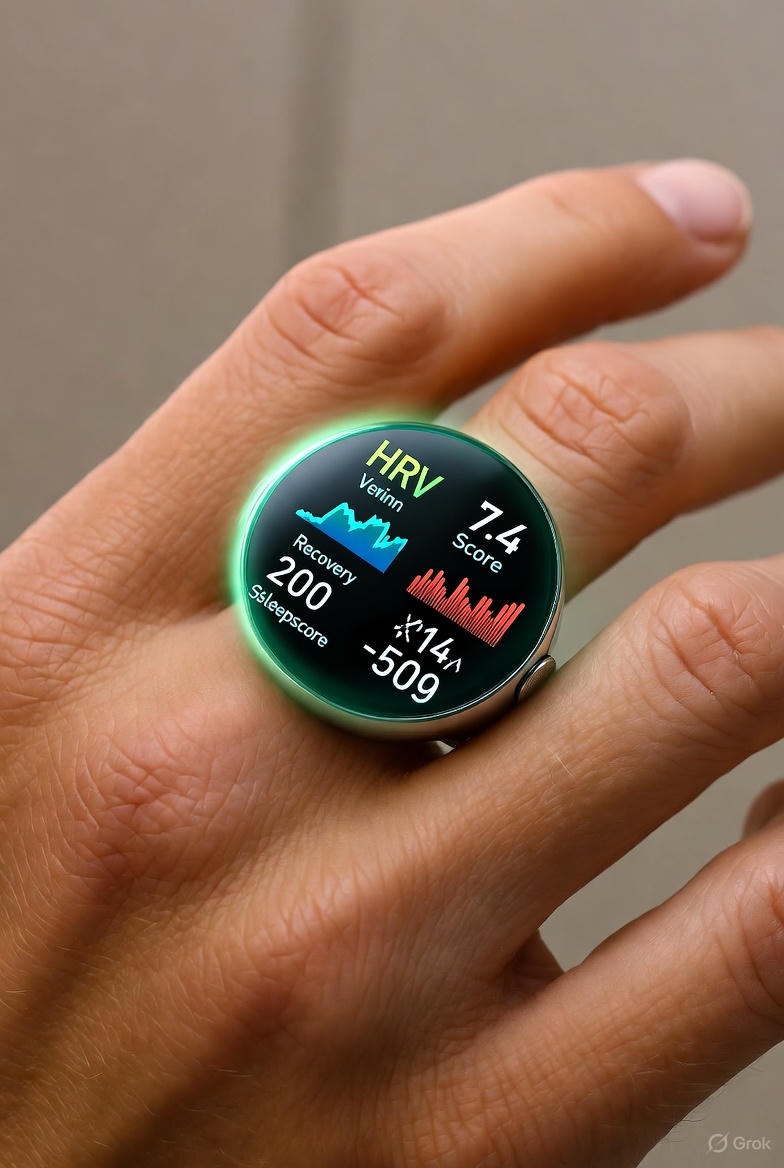
Fortunately, we are no longer guessing in the dark. The advent of sophisticated, wearable technology like the smart ring—a discrete, continuous biometric monitor—provides an unprecedented lens into this mind-body connection. By tracking physiological markers like Heart Rate Variability (HRV), resting heart rate, sleep architecture, and body temperature, we can now see, in real-time, how different activities and intensities actually impact our nervous system’s state. This data moves us from prescriptive, one-size-fits-all fitness plans to a responsive, personalized practice of mental fitness.
This article is your deep dive into the science and strategy of finding your Activity Zenith. We will explore the neurological mechanisms at play, deconstruct the myths of "more is better," and provide a framework for using your own biometric data to build a movement protocol that doesn’t just sculpt your body, but fundamentally optimizes your mind. Consider this the beginning of a journey toward a more thoughtful, evidence-based, and deeply satisfying relationship with movement—one where every step, stretch, and stride is in service of a calmer, sharper, and more resilient you.
The Mind-Body Feedback Loop: How Movement Becomes Medicine
To understand why a specific activity level optimizes mental health, we must first dismantle the artificial barrier between mind and body. Your brain is not a passive passenger in your physical vessel; it is the chief executive officer, constantly receiving signals from every cell, muscle, and system. Movement is one of the most powerful forms of communication you can send to this CEO.
At the heart of this dialogue is the autonomic nervous system (ANS), the control center for your unconscious bodily functions. The ANS has two primary branches: the sympathetic (“fight-or-flight”) and the parasympathetic (“rest-and-digest”). Mental health struggles like chronic anxiety, rumination, and depression are often characterized by a dysregulated ANS—a sympathetic system stuck in overdrive and a parasympathetic system unable to apply the brakes.
Physical activity directly modulates this system. But the effect is not monolithic. Different intensities send profoundly different signals:
Low to Moderate Activity (e.g., walking, gentle cycling, tai chi): This zone primarily stimulates the parasympathetic nervous system. It promotes the release of mild, feel-good endorphins and brain-derived neurotrophic factor (BDNF), a protein that supports neuronal health and resilience. It also enhances circulation, gently flushing stress hormones like cortisol from your system. The signal to the brain is one of safe mobilization. It’s the physiological equivalent of a deep, calming breath.
Moderate to Vigorous Activity (e.g., jogging, swimming, strength training): This engages the sympathetic system productively. It creates a significant, acute stress load that triggers a robust anti-inflammatory response, a potent release of mood-elevating neurotransmitters (serotonin, dopamine, norepinephrine), and a surge in BDNF. The key here is the recovery period that follows. After this sympathetic spike, a well-regulated body experiences a “parasympathetic rebound,” a deep wave of relaxation and repair. This trains your nervous system to be more resilient and responsive.
High-Intensity or Excessive Activity (e.g., marathon training, repeated HIIT without recovery, overtraining): When intensity or volume chronically exceeds your body’s recovery capacity, the signal flips. The acute stress becomes chronic systemic stress. Cortisol remains elevated, inflammation persists, and the parasympathetic system is suppressed. The signal to the brain is one of persistent threat, which can erode mood, disrupt sleep, and fuel anxiety.
Finding your Activity Zenith, therefore, is the practice of strategically dosing movement to train your ANS toward greater balance and flexibility. It’s about applying the right stimulus at the right time to encourage adaptation, not overwhelm. As we’ll explore, tools like the Oxyzen smart ring become invaluable here, offering direct insight into your ANS balance through metrics like HRV, helping you discern whether yesterday’s workout was a tonic or a toxin for your mental state.
Beyond Endorphins: The Neurochemical Symphony of Exercise
While the “runner’s high” and endorphins get most of the popular press, the mental health benefits of activity are orchestrated by a far more complex neurochemical symphony. Understanding these players helps explain why the type of activity matters as much as the amount.
BDNF (Brain-Derived Neurotrophic Factor): Often called “Miracle-Gro for the brain,” BDNF is arguably the most critical player. It supports the survival of existing neurons and encourages the growth and differentiation of new ones, particularly in the hippocampus—a brain region essential for learning, memory, and mood regulation, and one that is often shrunken in cases of depression. Aerobic exercise is a powerful stimulator of BDNF production.
Endocannabinoids: This is the body’s own cannabis-like system. Moderate aerobic exercise increases circulating endocannabinoids, which are associated with reduced anxiety, feelings of calm, and a mild sense of euphoria. This system may be more responsible for the post-workout “glow” than endorphins.
Neurotransmitter Regulation: Exercise acts as a master regulator for the brain’s key chemical messengers.
Serotonin: Influences mood, appetite, sleep, and inhibition. Exercise increases its availability, which is the same goal of many SSRIs (common antidepressants).
Dopamine: Central to motivation, reward, and focus. Movement enhances dopamine signaling, which can counter the anhedonia (lack of pleasure) common in depression.
Norepinephrine: Modulates attention, alertness, and arousal. Exercise helps fine-tune this system, improving executive function and stress response.
Inflammation Reduction: Chronic, low-grade systemic inflammation is a now-recognized contributor to depression and anxiety. Physical activity, particularly regular, moderate exercise, acts as a potent anti-inflammatory. It stimulates the release of myokines (anti-inflammatory cytokines) from muscle tissues, effectively turning your muscles into endocrine organs that fight inflammation with every contraction.
The crucial insight is that different activities compose this symphony differently. A long, slow run may emphasize BDNF and endocannabinoid release. A heavy strength training session might powerfully modulate dopamine and norepinephrine. A yoga or tai chi practice may excel at lowering inflammatory markers and calming the nervous system. Your Activity Zenith isn't just about duration and heart rate; it's about choosing the movements that play the neurochemical notes your brain most needs to hear today. For a deeper exploration of how tracking these physiological changes can inform daily habits, our blog offers extensive resources on science-backed wellness strategies.
The Myth of "More is Better": When Exercise Harms Mental Health
The wellness industry often glorifies extreme fitness—the grueling workouts, the punishing schedules, the “no days off” mentality. While this drive can be admirable, when applied indiscriminately, it can backfire spectacularly on mental health. Recognizing the signs of harmful over-activity is essential to finding your true Zenith.
Overtraining Syndrome (OTS) is the physiological endpoint, but long before that, mental and emotional warning signs appear:
Exercise as Compulsion, Not Joy: Movement becomes a rigid obligation driven by anxiety (about weight, performance, or self-worth) rather than a chosen, enjoyable practice. Missing a session triggers disproportionate distress.
Chronic Irritability and Mood Swings: Instead of the stable mood boost, you experience a “wired but tired” feeling—irritability, agitation, and emotional fragility.
Insomnia and Restless Sleep: Despite physical fatigue, you lie awake with a racing mind. This is a classic sign of a sympathetic nervous system that cannot downshift, often reflected in poor HRV data.
The Disappearance of the “Glow”: The post-workout sense of well-being is replaced by dread, exhaustion, or numbness.
Increased Anxiety Around Performance: Workouts are fraught with pressure to hit certain numbers, leading to pre-exercise anxiety rather than anticipation.
This happens because excessive chronic exercise pushes the body into a state of allostatic overload. The stress-response system, designed for acute threats, is constantly activated. Cortisol dysregulation disrupts sleep and immune function. The constant breakdown of tissue without adequate repair leads to systemic inflammation. Neurotransmitter systems can become depleted or dysregulated.
The lesson is critical: The dose makes the poison. The same activity that is therapeutic at 30 minutes can be damaging at 90 minutes if your body is not recovered. The high-intensity workout that energizes you on a well-rested Monday can crater your mental state on a sleep-deprived Friday.
This is where personalized data transcends fitness dogma. By observing how your nervous system responds—not just how your muscles feel—you can define “better” with precision. A smart ring that tracks your readiness score can tell you if your body is primed for intensity or pleading for rest, helping you avoid the trap of exercise that harms the very mental health you’re trying to protect. For those navigating life’s demanding decades, understanding this balance is a cornerstone of sustainable health, as discussed in our resource on healthy aging tips for your critical 50s.
Defining Your Activity Zenith: The Three Key Dimensions
Your Activity Zenith is not a single number, but a dynamic intersection of three interdependent dimensions. Think of it as a personalized formula: Type + Dose + Timing = Mental Health Optimization.
1. Type: The Nature of the Movement This is the qualitative layer. Different activities have different psychological and physiological signatures.
Aerobic/Steady-State (Running, Cycling, Swimming): Excellent for cognitive clearing, rhythmic meditation, and stimulating BDNF. Can be calming (low intensity) or challenging (high intensity).
Resistance Training (Weightlifting, Bodyweight Circuits): Builds mastery, focus, and tangible strength. Powerful for self-efficacy and regulating dopamine.
Mind-Body (Yoga, Pilates, Tai Chi): Directly targets nervous system regulation, body awareness, and the stress response. Ideal for parasympathetic activation.
Skill-Based or Play (Dance, Rock Climbing, Team Sports): Engages the brain in novel ways, combines social connection, and can induce a state of “flow.”
2. Dose: The Combination of Intensity, Duration, and Frequency This is the quantitative layer, and it’s highly individual.
Intensity: Often measured by heart rate zones (% of max HR) or perceived exertion (RPE scale). Matching intensity to your recovery status is key.
Duration: The sweet spot for mood benefits often lies between 20-45 minutes for most people, but this varies wildly.
Frequency: Consistency is more important than heroic single efforts. For mental health, frequent lower “doses” (e.g., daily 20-minute walks) often outperform infrequent, punishing ones.
3. Timing: Synchronizing with Your Body’s Rhythms
Circadian Timing: A morning workout may help regulate cortisol rhythms and improve daytime focus. An evening workout, if not too intense, may help some people unwind—but for others, it disrupts sleep.
Recovery Timing: The most critical element. Your Zenith activity must be spaced appropriately to allow for the parasympathetic rebound and physical repair that deliver the mental health benefits. This is where daily readiness metrics from a device like the Oxyzen ring become non-negotiable for a data-informed approach.
The goal is to experiment within these dimensions to find combinations that leave you feeling not exhausted, but energized; not wired, but calm; not drained, but resilient. This process of self-discovery is at the core of a modern, proactive wellness strategy, much like the personalized approaches we champion in our guide to movement strategies for every decade of life.
The Quantified Self: Using Biometric Data to Find Your Sweet Spot
Moving from theory and intuition to evidence requires data. This is the era of the quantified self, where wearable technology provides a continuous, objective stream of feedback on your internal state. For the purpose of finding your Activity Zenith, several key biometrics are paramount:
Heart Rate Variability (HRV): The North Star of nervous system balance. HRV measures the subtle variations in time between heartbeats. A higher HRV (at rest) generally indicates a more resilient, adaptable parasympathetic nervous system—a sign of good recovery and readiness for stress. A lower HRV suggests sympathetic dominance and the need for recovery. By tracking your HRV trend, you can answer: Did that workout stress my system appropriately, or did it push me into overload?
Resting Heart Rate (RHR): A well-recovered, fit body typically has a lower RHR. A sudden, sustained increase in RHR can be an early indicator of poor recovery, illness, or excessive cumulative stress from overtraining.
Sleep Metrics: Quality sleep is the foundation upon which the mental benefits of exercise are built. Deep sleep (slow-wave sleep) is crucial for physical repair and memory consolidation, while REM sleep is vital for emotional processing. Exercise should improve sleep architecture over time. If your data shows increased sleep latency (time to fall asleep) or reduced deep/REM sleep after certain workouts, you need to adjust timing or intensity.
Body Temperature: Nocturnal core temperature trends are a powerful proxy for circadian rhythm health and metabolic recovery. Deviations can signal illness, poor recovery, or hormonal imbalances.
The Experimentation Protocol:
Baseline: For one week, maintain your normal activity while wearing a consistent tracker like a smart ring. Note your average HRV, RHR, and sleep scores.
Introduce a Variable: The next week, change one dimension of your activity. For example, switch your evening HIIT class to a morning brisk walk, keeping duration similar.
Observe the Data: Did your nocturnal HRV improve? Did your deep sleep increase? Did your daytime resting heart rate trend down? Most importantly, how did you feel subjectively—calmer, more anxious, more energized?
Iterate: Use this feedback loop to guide your next change. The data validates or challenges your subjective experience.
This process turns fitness from a guessing game into a personal science project. You are no longer following a generic plan, but conducting N-of-1 research to design the most effective mental health intervention for your unique biology. To see how this plays out in long-term wellness, explore how a wellness ring validates effective daily habits over time.
The Role of Low-Intensity Movement: The Unsung Hero of Mental Calm
In the pursuit of an Activity Zenith, we must radically elevate the status of low-intensity, steady-state movement (LISS). This includes walking, leisurely cycling, gentle swimming, and easy hiking. It is not merely “active recovery” or a consolation prize for off days; it is a potent, standalone mental health therapy with a unique neurobiological profile.
Why LISS is Essential for the Zenith:
Parasympathetic Priming: LISS is the most direct way to gently stimulate the vagus nerve, the main conduit of the parasympathetic nervous system, without triggering a significant stress response. This promotes a state of “calm alertness.”
Rhythmic Regulation: The repetitive, rhythmic nature of walking or easy cycling can have a meditative, grounding effect. It can help break cycles of rumination by providing a gentle focal point (the rhythm of breath and steps).
Accessible Neuroplasticity: The mild increase in blood flow and BDNF from LISS creates an optimal environment for the brain to be receptive to new ideas and positive reframing. It’s the perfect companion for listening to a podcast, having a mindful conversation, or simply engaging in reflective thought.
The Cumulative Dose: Because it’s low-impact and low-stress, LISS can be done frequently—even daily. This consistent, daily “dose” of nervous system regulation and anti-inflammatory signaling can have a more profound impact on baseline anxiety and mood than sporadic, intense workouts.
The “Green Exercise” Multiplier: Performing LISS in nature—so-called “green exercise”—adds another powerful layer. Studies show that time in nature further reduces cortisol, lowers activity in the brain’s prefrontal cortex (associated with rumination), and boosts feelings of vitality. A 30-minute walk in a park, therefore, isn’t just physical activity; it’s a combined neurosensory treatment.
In your search for your Zenith, deliberately schedule and honor LISS not as filler, but as foundational therapy. Its role in managing chronic stress is undeniable, a topic we delve into in our article on stress management and social connection for longevity.
High-Intensity Interval Training (HIIT): A Powerful Tool with a Sharp Edge
HIIT—short bursts of all-out effort followed by brief recovery—has been a fitness sensation for its time-efficient metabolic benefits. For mental health, it’s a double-edged sword that must be wielded with knowledge and care.
The Potential Mental Health Benefits:
Rapid Neurochemical Shift: The intense demand can trigger a significant, acute release of endorphins and endocannabinoids, leading to a powerful, immediate mood lift for many.
Mastery and Efficacy: Completing a challenging HIIT session builds a strong sense of accomplishment and self-efficacy, which counteracts feelings of helplessness.
Cognitive Sharpening: The need for extreme focus during work intervals can act as a form of “cognitive stress inoculation,” training your focus and resilience under pressure.
The Risks and Cautions:
Sympathetic Overload: For those with already elevated baseline stress or anxiety, HIIT can be like throwing gasoline on a fire. It provides a massive sympathetic jolt that a dysregulated system may struggle to come down from.
The Recovery Demand: The mental health benefits of HIIT are contingent on a strong parasympathetic rebound. If your recovery resources (sleep, nutrition, life stress) are low, you may not get that rebound, leaving you in a prolonged state of agitation.
Inflammation Trigger: While moderate exercise is anti-inflammatory, extremely intense exercise can acutely increase inflammation. For someone with underlying inflammatory issues, this can negatively impact mood in the 24-48 hours following a session.
HIIT in Your Zenith Formula: HIIT is not a daily practice for mental health optimization. It is a strategic, periodic stimulus—perhaps 1-2 times per week at most—that must be meticulously balanced with ample LISS and recovery. The decision to do HIIT on any given day should be informed by data: Is your HRV high? Was your sleep score strong? If not, swap it for a walk or a yoga session. Using a tool like the Oxyzen ring to check your daily readiness score before a planned HIIT session is the epitome of intelligent, mental-health-first training. This principle of listening to your body’s signals is fundamental at any age, as highlighted in resources like healthy aging tips that start working at any age.
Strength Training: Building Mental Resilience, One Rep at a Time
While often associated with physical aesthetics, resistance training is a profound catalyst for mental and cognitive health. Its benefits operate through distinct, complementary pathways to aerobic exercise.
The Mastery & Agency Pathway: Strength training provides unambiguous, quantifiable feedback. You lifted a weight today you couldn’t lift last month. This tangible progress builds a powerful sense of self-efficacy—the belief in your own ability to overcome challenges. This is a direct antidote to the helplessness and hopelessness that characterize depression.
Neuroendocrine Regulation: Heavy compound lifts (squats, deadlifts, presses) elicit a robust release of testosterone and growth hormone, which have mood-stabilizing and neuroprotective effects. They also powerfully regulate the HPA axis (your central stress response system) over time, making it more robust and less reactive.
Cognitive Engagement: Proper strength training is not mindless. It requires intense focus on form, breathing, and mind-muscle connection. This focused attention is a form of moving meditation that can break the cycle of anxious thoughts.
The “Postural Feedback” Hypothesis: There is emerging psychological theory that our physical posture influences our mental state. The act of standing tall, bracing your core, and moving a load with confidence sends potent “power” signals back to the brain, potentially reducing stress hormones and increasing feelings of assertiveness and control.
Integrating Strength into Your Zenith: The mental health benefits of strength training are best realized with a focus on progressive mastery rather than exhaustive fatigue. Sessions that leave you feeling empowered and energized, not shattered, are the goal. For long-term mental and physical independence, maintaining this capacity is critical, a focus of our guide on maintaining muscle mass after 60. Frequency (2-3x per week) and consistency are more important than marathon sessions. Pairing strength days with attention to high-quality protein intake and sleep will maximize the positive neuroendocrine response and support the preservation of cognitive function through multiple mechanisms.
Mind-Body Practices: The Direct Line to Nervous System Regulation
If strength training builds mental fortitude and aerobic exercise builds cognitive resilience, mind-body practices like yoga, tai chi, and mindful Pilates are the master regulators. They are the most direct method for intentionally shifting your nervous system state, making them non-negotiable components of a complete Activity Zenith.
The Vagal Nerve Stimulation: These practices emphasize slow, diaphragmatic breathing (pranayama in yoga), which is the most accessible manual control we have over the parasympathetic nervous system. Deep breaths stimulate the vagus nerve, triggering a relaxation response that lowers heart rate and blood pressure.
Interoceptive Awareness: Mind-body work trains interoception—your sense of the internal state of your body. This is often impaired in anxiety and trauma. By learning to notice subtle sensations (tightness here, breath holding there) without judgment, you build a healthier relationship with your bodily signals, preventing them from escalating into panic.
The Present-Moment Anchor: The constant gentle instruction to return to the breath or the sensation in a pose is a rigorous training in mindfulness. It strengthens the neural circuits responsible for focus and emotional regulation, pulling you out of the past (rumination) and future (anxiety) and into the present.
Stress Response Re-Patterning: By consciously moving and breathing through mild physical discomfort in a controlled setting (e.g., holding a challenging yoga pose), you teach your brain that not all stress is a threat. This reprograms a maladaptive stress response, building tolerance and resilience.
Practical Integration: Your Zenith does not require 90-minute daily yoga sessions. The integration can be micro-dosed:
A 10-minute morning yoga flow to set a calm tone.
A 5-minute mindful breathing break between work tasks.
A 20-minute evening restorative yoga session to signal to your body that it’s time to rest.
The data from a smart ring can beautifully validate this practice. You can literally watch your heart rate drop and your HRV begin to improve in real-time during a breathing session. This biofeedback loop makes the intangible benefits of mindfulness tangible and reinforces the habit. This foundational practice supports every other aspect of health, much like how sleep quality forms the foundation of all healthy aging strategies.
Personalizing Your Zenith: Activity for Anxiety, Depression, and ADHD
The general principles of finding your Activity Zenith become even more critical when applied to specific mental health landscapes. The optimal "dose" and "type" can vary significantly depending on whether you’re managing generalized anxiety, a depressive episode, or attention-deficit/hyperactivity disorder (ADHD). This is where personalized movement becomes a targeted intervention.
For the Anxious Mind: Calming the Storm Anxiety is often characterized by a runaway sympathetic nervous system and excessive activity in the brain's "default mode network" (responsible for self-referential thought and worry). The goal here is regulation and grounding.
Primary Prescription: Consistent, rhythmic, low-to-moderate intensity aerobic activity. Daily walks, especially in nature, are foundational. The rhythmic motion acts as a somatic anchor, pulling focus away from catastrophic thoughts and into the body.
The Role of Intensity: High-intensity work must be used with extreme caution. For some, a well-timed HIIT session can "burn off" nervous energy and provide a clear neurochemical shift. For many others, it exacerbates the feeling of being "wired." The key is to use biometric feedback. If your pre-workout resting heart rate is already elevated or your HRV is low, choose LISS or mind-body work instead.
Non-Negotiable Practice: Mind-body disciplines like yoga, tai chi, or qigong. These directly train the parasympathetic nervous system through breath and movement, increasing what's known as "vagal tone," which is the body's ability to relax after stress. The focus on interoception helps individuals differentiate between a benign bodily sensation and a signal of danger, reducing panic.
Avoid: Exercising in overly competitive or socially comparative environments if they trigger performance anxiety. The focus should be on internal awareness, not external metrics.
For the Depressive State: Activating the System Depression can involve low energy, anhedonia (inability to feel pleasure), and psychomotor retardation. The goal here is activation, engagement, and generating a sense of accomplishment.
Primary Prescription: Moderate-intensity activity that provides clear, tangible feedback. Strength training is exceptionally powerful here. The act of lifting a heavier weight than before provides an undeniable data point of progress, directly combating feelings of helplessness. The neuroendocrine response from resistance training can also help regulate a dysregulated HPA axis.
The Social Component: Group-based activities, like a recreational sports league or a fitness class, can combat isolation and provide a dual benefit of movement and social connection. The social accountability can also help overcome the motivational hurdles common in depression.
Starting Small: The "Activity Zenith" for someone in a depressive episode may start very modestly—a 5-minute walk around the block. The victory is in the initiation. Using a smart ring to track even this small effort can provide visual proof of engagement, a small but important counter-narrative to the depressive thought that "nothing matters."
Avoid: Long, monotonous solo sessions that allow for excessive rumination. The activity should be engaging enough to demand some focus.
For the ADHD Brain: Channeling the Current The ADHD brain seeks stimulation and thrives on novelty and immediate feedback. Boredom is the enemy. The goal of movement here is regulation of neurotransmitters (especially dopamine) and providing a constructive outlet for excess mental and physical energy.
Primary Prescription: Activities that are engaging, skill-based, or variable. Sports like rock climbing, martial arts, or dance are ideal—they require constant focus, provide immediate feedback, and are inherently novel from moment to moment. High-intensity interval training (HIIT) can also be a good fit due to its changing demands and clear time boundaries.
The Pre-Task "Primer": For many with ADHD, a short burst of physical activity (e.g., 10 minutes of jumping jacks, a quick dance break) before a task requiring sustained mental focus can increase dopamine and norepinephrine levels, "priming" the brain for better concentration.
The Role of Consistency: While novelty is helpful, a consistent movement schedule provides the external structure that the ADHD brain often lacks. It becomes a non-negotiable anchor in the day.
Avoid: Long, repetitive, steady-state cardio without an engaging element (like an audiobook or podcast), as it may fail to hold attention and thus not provide the same regulatory benefits.
Understanding these nuances transforms exercise from a blunt tool into a precision instrument for mental health. It underscores why copying someone else's workout routine may not yield the same psychological results. For more on building a personalized, brain-supportive lifestyle over the long term, our resources on protecting cognitive function offer complementary strategies that align with this personalized approach.
The Critical Role of Rest and Non-Exercise Activity
The pursuit of an Activity Zenith has a silent, equally important partner: strategic rest. In our cultural obsession with optimization, rest is often mischaracterized as laziness or lost time. From a neurobiological standpoint, this could not be more wrong. Rest is not the absence of activity; it is the phase where the mental health benefits of activity are consolidated.
The Physiology of Mental Recovery: When you exercise, you create micro-stresses and stimulate neurochemical and inflammatory responses. The "therapy" happens during the recovery period that follows.
During sleep, particularly deep sleep, the brain's glymphatic system activates, clearing metabolic waste products like beta-amyloid (associated with cognitive decline). Growth hormone is released, facilitating physical and neural repair.
REM sleep is crucial for emotional processing and memory integration, helping to detach intense emotions from the day's events.
Passive rest periods allow the parasympathetic nervous system to lower inflammation, restore hormonal balance, and replenish neurotransmitter stores.
Overtraining the Mind: Just as you can overtrain your muscles, you can overtrain your nervous system. Chronic under-recovery leads to the mental symptoms we discussed earlier: irritability, insomnia, anxiety, and loss of motivation. Your Activity Zenith includes the rest needed to make the activity beneficial. A workout that you cannot recover from is, by definition, outside your optimal zone.
NEAT: The Unsung Hero of Daily Mood Beyond formal exercise and sleep, Non-Exercise Activity Thermogenesis (NEAT)—all the movement you do that isn't sleeping, eating, or sports—plays a massive role in daily mental well-being.
Breaking the Sedentary Pattern: Prolonged sitting is associated with increased inflammation, poorer blood flow, and a stagnant mental state. Simply breaking up sitting every 30-45 minutes with 2-3 minutes of movement (walking, stretching, marching in place) can dramatically improve mood, focus, and energy levels throughout the day.
The Momentum of Micro-Movements: NEAT builds a foundation of consistent, low-grade neurological stimulation. It keeps the body in a state of gentle readiness, which can prevent the mental inertia that makes starting a formal workout feel daunting.
Practical Integration: Use a smart ring or tracker’s inactivity alerts. View them not as nagging, but as a cue for a mental reset. That quick walk to the water cooler is as much for your brain’s circulation as it is for hydration.
Your true Activity Zenith is therefore a cycle: Stimulus (focused activity) → Recovery (rest & sleep) → Foundation (NEAT). Neglecting any one leg of this triad collapses the entire structure. This holistic view of activity aligns with comprehensive approaches to wellness, such as those discussed in our article on 50 healthy aging tips a smart ring can help implement daily.
The Social and Environmental Amplifiers
Human beings are not isolated biological systems. The context in which we move—the social company we keep and the physical environment we inhabit—acts as a powerful amplifier (or dampener) of the mental health benefits of activity.
The Social Movement Effect: Moving with others provides benefits that transcend the physiological.
The Synchrony Boost: Studies show that synchronized movement with others (like in a dance class, rowing crew, or group run) increases pain tolerance, releases endorphins, and fosters feelings of social bonding and trust. This is likely an evolutionary mechanism that strengthened group cohesion.
Accountability and Motivation: For many, the primary benefit of a running club or fitness class is the social connection. It transforms a chore into a social appointment, making it more likely to happen, especially on low-motivation days.
Reduced Perceived Effort: Engaging in conversation during moderate activity can make the time pass faster and the effort feel easier, a psychological trick that increases adherence.
Caution: The social context must be supportive, not a source of comparison or performance anxiety. Finding a community that celebrates participation over performance is key for mental health.
The Environment as Co-Therapist:
"Green Exercise": As mentioned, exercising in natural environments—forests, parks, near water—provides a significant extra mood boost compared to indoor or urban environments. This is attributed to a combination of factors: phytoncides (airborne chemicals from plants) that may boost immune function, the visually "soft" and fascinating stimuli of nature that promote involuntary attention (allowing the brain's directed attention networks to rest), and the simple psychological effect of being away from daily stressors.
"Blue Space": Proximity to water (oceans, lakes, rivers) has been shown to have particularly potent effects on reducing psychological stress and promoting a sense of calm.
Practical Application: When possible, take your activity outdoors. A walk in the park is superior to a walk on a treadmill for mental restoration. If outdoors isn't an option, even viewing nature scenes or incorporating natural elements (plants, natural light) into your indoor workout space can have a positive effect.
Understanding these amplifiers allows you to intentionally design your movement practice for maximum psychological yield. It turns a solo run into a communal hike, or a gym session into an outdoor bodyweight circuit. This emphasis on holistic well-being, connecting with others and our environment, is a recurring theme in our exploration of the social connection factor in healthy aging.
Nutrition: The Fuel for Mental Performance and Recovery
You cannot discuss an optimized activity level for the mind without addressing the fuel that powers both the exertion and the crucial repair that follows. Nutrition provides the raw materials for neurotransmitters, modulates inflammation, and influences every metabolic pathway involved in your stress response and recovery.
Key Nutritional Pillars for the Activity-Mind Connection:
Stable Blood Sugar: The brain runs primarily on glucose. Dramatic spikes and crashes in blood sugar from processed carbs and sugars can cause irritability, brain fog, anxiety, and energy crashes—all of which sabotage both your desire to move and your mental state afterward. Prioritizing complex carbohydrates (whole grains, vegetables, legumes), paired with protein and healthy fats, provides a steady energy stream.
Anti-Inflammatory Foundation: Chronic systemic inflammation is a key player in depression and anxiety. Your diet can either fan these flames or douse them.
Focus on: Omega-3 fatty acids (fatty fish, walnuts, flaxseeds), antioxidants (colorful fruits and vegetables), polyphenols (berries, green tea, dark chocolate), and fiber.
Minimize: Processed foods, refined sugars, and excessive omega-6 fats from industrial seed oils, which are pro-inflammatory.
Protein for Neurotransmitters: Amino acids from dietary protein are the building blocks for serotonin, dopamine, and norepinephrine. Inadequate protein intake can limit your brain's ability to produce these crucial chemicals. Spreading protein intake throughout the day supports both muscle repair for your activity and stable neurotransmitter synthesis.
Micronutrient Support:
B Vitamins: Act as co-factors in the production of neurotransmitters. Vital for energy metabolism.
Magnesium: The "relaxation mineral." Involved in over 300 enzymatic reactions, including nerve transmission and muscle relaxation. Deficiency is linked to increased anxiety and poor sleep.
Zinc & Vitamin D: Both play roles in neuroplasticity, immune function, and mood regulation.
The Recovery Meal: What you eat after activity is a direct signal to your body about how to recover. A post-activity combo of protein (to repair tissue) and carbohydrates (to replenish glycogen stores and help shuttle amino acids into cells) isn't just for muscles; it supports the neural repair and neurotransmitter replenishment processes as well.
Hydration and the Brain: Even mild dehydration (as little as 1-2%) can impair cognitive function, concentration, and mood, and increase perception of effort during exercise. Consistent, daily hydration is a simple yet profound baseline for mental clarity and physical readiness.
Think of nutrition as the soil in which your Activity Zenith grows. The highest-quality movement plan will fail to produce optimal mental health fruits if the soil is depleted. This integrated view of fuel and function is part of a larger conversation about science-backed tips that actually work for long-term wellness.
Leveraging Technology: From Data to Sustainable Wisdom
In the quest for your Activity Zenith, technology is your ally, not your master. The goal is not to become a slave to metrics, but to use data to develop profound self-awareness—to move from external prescription to internal knowing.
The Smart Ring as a Biofeedback Lab: A device like the Oxyzen smart ring serves as a continuous, passive biofeedback mechanism. Its power lies in trend analysis, not daily obsession.
Tracking the Cause and Effect: It allows you to move beyond "I feel tired." You can see: "My HRV dropped 20% and my resting heart rate increased 5 bpm after two consecutive days of high-intensity training. My sleep was fragmented last night." This transforms a vague feeling into an actionable insight: I need a rest day.
Identifying Personal Patterns: Over weeks and months, you'll see patterns emerge. You may discover that your HRV is consistently highest on days after you do yoga. Or that your sleep score plummets when you exercise after 8 PM. This is the data that defines your Zenith.
The "Readiness" Score: Many advanced wearables synthesize data (HRV, RHR, sleep, temperature) into a single "Readiness" or "Recovery" score. This is an excellent, at-a-glance tool to answer the fundamental question: Is my nervous system primed for stress, or is it asking for recovery? Let this score guide your daily activity choice.
Avoiding Data Anxiety:
Look at Trends, Not Dots: A single day's low HRV is meaningless noise. A three-day downward trend is meaningful signal.
Correlate, Don't Isolate: Always pair the data with your subjective feelings. Do you feel as drained as the data suggests? Or do you feel great despite a low score? Your subjective experience is the final validator.
Use it to Learn, Then Let it Go: The ultimate aim is to internalize the lessons. After several months, you may find you can accurately predict your readiness based on how you feel, reducing your dependence on the device. The technology has served its purpose: it has educated your intuition.
This journey of using data to build sustainable wisdom is a cornerstone of modern proactive health, allowing you to track your healthy aging progress over time with clarity and purpose.
Navigating Life Stages and Hormonal Shifts
Your Activity Zenith is not a permanent, fixed point. It is a dynamic target that evolves with age, hormonal changes, and life circumstances. Honoring these shifts is key to maintaining movement as a lifelong support for mental health.
For Women: Navigating the Menopausal Transition The decline in estrogen during perimenopause and menopause has direct effects on the brain (mood, cognition) and body (metabolism, inflammation, sleep). The activity strategy must adapt.
The New Priority: Stress Resilience. The body becomes more sensitive to cortisol. High-intensity exercise that was once well-tolerated may now exacerbate anxiety, sleep problems, and weight gain. The focus should pivot towards stress-modulating activities.
Strength is Non-Negotiable: Resistance training becomes critical to combat the natural loss of bone density and muscle mass, which accelerates post-menopause. Maintaining strength is directly linked to maintaining independence, mood, and cognitive health.
Emphasize Recovery: The need for quality sleep and recovery between sessions intensifies. Mind-body practices and LISS become central pillars for managing hot flashes, sleep disturbances, and anxiety. For a detailed guide on this life stage, see our article on healthy aging tips for women navigating hormonal changes.
For Men: The Androgen Shift While more gradual, the age-related decline in testosterone can impact mood, motivation, and body composition.
Maintaining Intensity, Prioritizing Recovery: Strength training remains a powerful tool to support testosterone levels. However, the ability to recover from intense sessions decreases. Focusing on the quality of reps rather than extreme volume, and allowing longer recovery between heavy sessions, is key.
The Cardiovascular-Mental Link: The risk of cardiovascular issues increases with age, and vascular health is directly linked to brain health. Moderate aerobic exercise for heart health becomes a direct investment in cognitive function and mood stability.
The "Second Half" Strategy: Regardless of gender, the core principle for aging well is moving smarter, not just harder.
Mobility & Stability: Incorporating dedicated mobility work (dynamic stretching, foam rolling) and stability training (balance exercises, single-leg movements) prevents injury, maintains functional independence, and supports confidence in movement.
Listening Deeply: The margin for error with overtraining narrows. The feedback from biometrics becomes even more valuable to differentiate between normal fatigue and excessive strain. The goal shifts from peak performance to sustainable function and mental vitality. This philosophy is explored in depth in our piece on healthy aging tips to preserve independence longer.
Putting It All Together: Your Personalized Action Plan
The science is clear, the principles are established. Now, we synthesize everything into a practical, adaptable framework for discovering and living at your Activity Zenith. This is not a rigid 12-week program, but a cyclical process of observation, experimentation, and refinement.
Phase 1: The Observation Foundation (Weeks 1-2)
Goal: Establish your biometric and subjective baseline.
Action: Wear your smart ring consistently. Go about your normal activity routine. Each evening, note in a journal: 1) Your primary activity (type, duration, intensity). 2) Your subjective mood/energy before and after (rate 1-5). 3) Any notable stress or poor sleep. Do not try to change anything yet.
Phase 2: The Experimentation Cycle (Weeks 3-8)
Goal: Test one variable at a time to see its impact.
Action: Each week, introduce one focused change based on a hypothesis.
Week 3 (Type): Replace one of your usual moderate runs with a yoga session of similar duration. Observe changes in your post-activity calm, sleep data, and next-day HRV.
Week 4 (Intensity): On a day your readiness score is high, swap a steady-state workout for a shorter, well-structured HIIT session. Observe the intensity of the "rebound" and next-day recovery metrics.
Week 5 (Timing): Move your workout from evening to morning (or vice-versa). Observe impacts on your daytime energy, evening wind-down, and sleep architecture.
Week 6 (Recovery): Intentionally schedule a "deload" week with only LISS and mind-body work. Observe trends in HRV, RHR, and subjective sense of restoration.
Phase 3: The Refinement & Integration (Ongoing)
Goal: Create a sustainable, flexible weekly template.
Action: Based on your experiments, draft an ideal week that includes:
2-3 "Stress" Sessions: This could be strength training, HIIT, or a challenging sport. Space them with at least 48 hours between, guided by your readiness score.
2-3 "Nourishment" Sessions: LISS (walks, hikes, easy cycling) and mind-body practices (yoga, tai chi).
1-2 Full Rest Days: Genuine rest, with a focus on sleep hygiene and gentle NEAT.
Daily NEAT Habit: Use inactivity alerts to break up sitting.
The Golden Rule: This template is a guide, not a command. Your daily task is to consult your data and your intuition. If your readiness is low, a "stress" session becomes a "nourishment" session. The plan serves you, not the other way around.
The Long-Term Mindset: Your Activity Zenith will shift with seasons of life, stress, and health. Revisit the Observation and Experimentation phases whenever you feel your routine is no longer serving your mental health. The process itself—of mindful engagement with your body's signals—is the practice that builds lasting mental resilience.
This holistic, data-informed, and compassionate approach to movement is the future of mental fitness. It honors the incredible power of physical activity while respecting the delicate complexity of the human mind and nervous system. By embarking on this journey, you are doing more than finding a workout routine; you are cultivating a fundamental pillar of a conscious, resilient, and vibrant life.
Overcoming the Mental Barriers: From Inertia to Flow
Knowing what to do is only half the battle. The other, often more formidable half, is overcoming the psychological barriers that keep us from starting and sticking with our Activity Zenith plan. These barriers are real, neurological, and must be addressed with strategy, not just willpower.
Barrier 1: "I Don't Have the Energy" (The Depression/Inertia Barrier) This feeling isn't laziness; it's often a symptom of the condition you're trying to treat. The brain's motivational circuitry (heavily reliant on dopamine) is underactive.
Strategy: The 5-Minute Rule. Commit to putting on your shoes and moving for just five minutes. The hardest part is almost always the initiation. Once you're moving, neurochemistry begins to shift. Often, after five minutes, you'll feel capable of continuing. But if not, you've still won—you engaged in a positive, goal-directed behavior, which builds self-efficacy.
Strategy: Link with a Non-Negotiable Habit. "Anchor" your movement to an existing routine. For example: "After I pour my morning coffee, I will walk for 10 minutes." This uses the established neural pathway of your existing habit to carry the new one forward.
Barrier 2: "I'm Too Anxious/Overwhelmed" (The Amygdala Hijack) When the sympathetic nervous system is already in overdrive, the thought of adding the stress of a workout can feel intolerable.
Strategy: Reframe the Goal. The goal is not "a workout." The goal is "nervous system regulation." Choose the activity explicitly designed for this: a slow walk in a quiet place, 15 minutes of gentle yoga, or a guided breathing session. This removes the performance pressure and aligns the action with the true need.
Strategy: Use the Ring Data. Look at your real-time stress or readiness score. If it's in the red or yellow, give yourself explicit permission to choose a restorative activity. This turns a "failure" into an act of intelligent self-care, validated by data.
Barrier 3: "I Hate Exercise" (The Association Problem) This often stems from past negative experiences—feeling forced, incompetent, or in pain.
Strategy: Redefine "Exercise." Ban the word. Call it "movement," "play," "my daily groove," or "outside time." The language shift is powerful.
Strategy: Prioritize Pleasure. For your Experimentation Phase, prioritize activities that contain an element of inherent enjoyment. Did you love dancing as a kid? Try a dance video. Do you love being in nature? Make every session a hike. The brain will seek out and repeat behaviors it associates with reward.
Barrier 4: "All-or-Nothing" Thinking (The Perfectionism Trap) This cognitive distortion insists that if you can't do the full 45-minute workout you planned, it's not worth doing at all.
Strategy: Champion the "Something." Actively celebrate the 10-minute walk, the 5-minute stretch break, the single set of bodyweight squats. These "micro-doses" of activity still deliver neurochemical benefits and, more importantly, keep the identity of "someone who moves" intact. This is where tracking NEAT and small wins on a platform linked to your Oxyzen ring can be visually rewarding.
Barrier 5: Lack of Time (The Modern Life Dilemma) This is often the surface-level complaint masking a deeper issue of prioritization or energy management.
Strategy: Time-Boxing & Bundling. Schedule movement like a critical meeting. Also, "bundle" it with something else you value: listen to your favorite podcast or audiobook only while walking, or have a "walking meeting" with a colleague or friend for connection.
Strategy: Examine the Time Audit. Often, we find time for what we truly prioritize. Using a smart ring’s activity log can provide a non-judgmental mirror of your daily movement patterns, helping you identify where 20-30 minutes could be reallocated from passive screen time to active mental investment.
Overcoming these barriers is a practice of self-compassion and cognitive flexibility. It’s about working with your brain’s current state, not against it, to gently guide it toward the activities that will help it heal and thrive. For more on building sustainable, positive daily habits, explore our blog for additional resources and related articles.
Case Studies: The Activity Zenith in Real Life
To see these principles in action, let’s examine three fictionalized but data-informed case studies of individuals discovering their unique Activity Zenith.
Case Study 1: Maya – The Burnt-Out Professional
Profile: 38, marketing executive, chronic work stress, poor sleep, feels "tired but wired."
Initial Approach: Believing "more is better," she did high-intensity spin classes 5x a week, often at 7 PM.
Subjective State: Chronic anxiety, afternoon energy crashes, irritable, feeling like exercise was another stressful obligation.
Zenith Intervention:
Pause & Observe: Took 3 days completely off structured exercise, focusing on walking and sleep.
Experiment: Replaced evening spin with morning brisk walking (30 min) and 2x weekly lunchtime strength training sessions (moderate weight, focus on form).
Integrate Mind-Body: Added 10 minutes of guided yoga nidra before bed.
Results (After 6 Weeks): HRV increased to avg 52 ms. RHR decreased to 65 bpm. Sleep score improved to 82/100. Subjectively, she reported feeling "calmer yet more energized," less reactive to work stress, and actually looked forward to her walks as mental clarity time. Her activity became a pressure release valve, not another source of pressure.
Case Study 2: David – Navigating Midlife and Low Mood
Profile: 52, software engineer, sedentary job, experiencing low-grade depression, lack of motivation, and weight gain.
Initial Approach: Inactive except for weekend yard work. Felt too tired and unmotivated to start.
Biometric Data: Normal HRV but low activity baseline. Poor sleep continuity.
Tiny Start: Committed to a 10-minute walk after dinner every day, tracked by his ring.
Social Leverage: Joined a beginner-friendly Saturday morning hiking group.
Focus on Mastery: Started a simple bodyweight strength program (2x/week) at home, celebrating each small progression (e.g., going from knee push-ups to full push-ups).
Results: The consistent NEAT from daily walks built momentum. The social connection on hikes provided a potent mood boost. The tangible progress in strength directly countered feelings of helplessness. His sleep improved due to consistent activity. He began to identify as "someone who is active," which reshaped his self-narrative. The data from his ring showed a steady upward trend in daily activity minutes and resting heart rate decrease, providing objective proof of change.
Case Study 3: Chloe – The Active but Anxious College Student
Profile: 21, university student with generalized anxiety, prone to rumination.
Initial Approach: Long-distance runner, using running as her sole coping mechanism, often pushing through pain.
Biometric Data: Highly variable HRV, often spiking low after hard runs with poor recovery. Signs of low-grade overtraining.
Subjective State: Running felt compulsive; she was anxious if she missed a day. Still felt chronically "on edge."
Zenith Intervention:
Diversify: Reduced running from 6 days to 4 days, capping mileage.
Introduce Regulation: Added 2x weekly vinyasa yoga classes and replaced one run with a long, mindful walk in a park.
Data-Informed Recovery: Used her readiness score to decide if a run day should be hard or easy.
Results: Her HRV stabilized and showed an upward trend. She reported feeling less "addicted" to running and more in control of her choices. The yoga provided her with tools (breathwork) to manage anxiety in real-time. Her running performance actually improved due to better recovery, and she enjoyed it more without the compulsive edge.
These cases illustrate that the Zenith is not about a universal prescription, but a personalized alignment of activity with underlying nervous system state and psychological needs. It’s the shift from forcing a behavior to cultivating an ecosystem where well-being can flourish.
Frequently Asked Questions (FAQ)
Q: I get my 10,000 steps a day. Isn’t that enough for mental health? A: Daily steps (NEAT) are a fantastic foundation for general health and provide baseline mood benefits. However, the Activity Zenith concept suggests that optimal mental health often requires a more nuanced "diet" of movement. Just as you need different nutrients, your brain may benefit from the specific stressors and recoveries offered by dedicated strength training (for mastery/neurotransmitters), mind-body practice (for direct nervous system regulation), and perhaps higher-intensity intervals (for neurochemical shifts). Steps are the bread and butter; other activities are the vitamins and minerals.
Q: How long does it take to feel the mental health benefits of a new activity routine? A: The timeline varies:
Immediate (During/Right After): Feelings of calm (from LISS/mind-body) or euphoria (from intense exercise) can be felt immediately due to endorphin, endocannabinoid, and neurotransmitter release.
Short-Term (2-6 Weeks): With consistent practice, you’ll likely notice improved sleep, more stable daily energy, and a reduction in reactivity to minor stressors. This is due to improved ANS regulation and initial adaptations in neurochemistry.
Long-Term (3+ Months): More profound changes in baseline mood, resilience, and cognitive function occur. This correlates with increased neurogenesis (BDNF), improved neural connectivity, and potentially structural changes in brain regions like the hippocampus and prefrontal cortex.
Q: Can I overdo "good" activities like walking or yoga? A: While the risk is lower than with high-intensity overtraining, you can still create a stress load with excessive volume of any activity if it exceeds your recovery capacity. If you're walking 5 hours a day on poor sleep and high life stress, it could contribute to allostatic load. The key is listening to your body and your data. If your HRV is consistently dropping and fatigue rising despite "gentle" activity, you may need more complete rest. Balance is always the goal.
Q: How do I distinguish between "I don’t want to" laziness and "I need to rest" intuition? A: This is the crux of the practice. Use the Data + Desire Check-in.
Check the Data: What is your readiness/recovery score? What was your sleep like? Is your HRV trending down?
Check Your Body: Do you feel specific pain, illness, or deep exhaustion? Or is it a general mental resistance?
Reframe: If data suggests rest but your mind is antsy, choose active rest: gentle stretching, restorative yoga, or a leisurely walk. This honors both signals. If data suggests readiness but your mind resists, use the 5-Minute Rule to overcome inertia. Often, the data provides the objective clarity to override a misleading subjective feeling (or vice-versa).
Q: I have a physical injury/chronic condition. How do I apply this? A: The principles still apply powerfully, but within the boundaries set by your condition. Your "activity" may initially be physical therapy exercises, chair yoga, or aquatic therapy. The focus shifts even more strongly to what movement you can do and how it affects your mental state. The goals of nervous system regulation, mastery, and neurochemical benefit are still perfectly achievable. Always consult with your healthcare provider to establish safe parameters, then use the experimentation framework within that space. Tracking biometrics like HRV can be especially useful to gauge your systemic stress and recovery even with limited movement options. For support on integrating health technology with specific conditions, our FAQ page can be a helpful resource.
Q: Is a smart ring necessary, or can I do this by feel? A: It is absolutely possible to develop this awareness by feel—it’s the ultimate goal. However, for most people, a device like a smart ring acts as a powerful accelerant and validator. It shortens the learning curve by providing objective feedback that educates your intuition. It helps you see patterns and cause-effect relationships you might miss subjectively. Think of it as training wheels for interoceptive awareness. Over time, as you correlate the data with your feelings, you’ll rely on it less. You can start the journey without one, but incorporating technology can make it more precise and insightful. To understand the full scope of what such a device can track, visit Oxyzen.ai to learn more about the technology.
Conclusion: The Zenith as a Way of Life
The journey to discover your Activity Zenith is, in essence, a journey back to a more authentic conversation with yourself. It is a rejection of the noisy, external prescriptions of fitness culture in favor of a quiet, internal dialogue guided by both science and sensation.
We have moved far beyond the simplistic equation of exercise as a mood-enhancer. We now see it for what it truly is: a fundamental, multi-dimensional modulator of our neurobiology. It is a dial we can turn to adjust inflammation, a switch we can flip to engage different branches of our nervous system, and a nutrient we can dose to feed the very structure of our brains. Finding the optimal setting for that dial—your Zenith—is the practice of a lifetime.
This is not a pursuit of perfection, but of intelligent adaptation. Your Zenith today—as a well-rested 30-year-old—will not be your Zenith next month during a stressful project, or in a decade as your hormonal landscape shifts. The power lies not in finding a fixed point, but in mastering the process of listening and responding. It is the practice of asking, daily: "What does my system need to build resilience today? A challenge? A calm? A connection?"
The tools of modern wellness, like the sophisticated biometric tracking offered by a smart ring from Oxyzen.shop, are not here to create more data-driven anxiety. They are here to illuminate the invisible, to give form to the subtle whispers of our bodies so we can understand them. They allow us to see the direct line between a mindful walk in the woods and a rising HRV, between a night of deep sleep and the mental clarity to tackle a difficult task, between a strength session and the enduring sense of agency that defies a low mood.
Embrace this not as another self-optimization project, but as a radical act of self-compassion. You are learning the unique language of your own physiology to better care for your mind. You are building a sustainable, joyful relationship with movement that protects, energizes, and uplifts you for the long run.
Let your Activity Zenith be less of a destination and more of a guiding principle: a commitment to move in the ways that make your mind feel clear, your emotions feel balanced, and your spirit feel resilient. Start listening, start experimenting, and start building your movement practice from the inside out. Your brain—in all its magnificent, complex glory—will thank you for it.
Ready to begin your own discovery? The most profound step is the first one: the decision to pay attention. For further inspiration and to see how others are integrating this wisdom into their lives, explore real user experiences and testimonials or dive deeper into the science and stories on our comprehensive blog.



%402x.svg)