


Body Recovery Basics for Endurance Events
Specialized recovery basics for the demands of endurance training and events.
Specialized recovery basics for the demands of endurance training and events.
%402x.svg)
Crossing the finish line of an endurance event—be it a marathon, an ultramarathon, a century bike ride, or a triathlon—is a euphoric moment of immense personal triumph. You’ve conquered the distance, pushed your limits, and proven your mental and physical fortitude. But as the medal settles around your neck and the adrenaline begins to wane, a new, equally critical challenge begins: recovery. The work you do in the hours, days, and weeks after the event doesn't just determine how sore you’ll be tomorrow; it dictates how quickly you return to training, how you prevent injury, and how your body adapts to become stronger for the next challenge.
Modern recovery is no longer guesswork. It’s a precise science, blending time-tested physiological principles with cutting-edge technology. Today’s endurance athlete has access to a level of personalized, continuous data that was unimaginable a decade ago, transforming recovery from a passive waiting game into an active, optimized process. This guide is your comprehensive roadmap through that process. We will dissect the pillars of post-event recovery, exploring not just the “what” and the “why,” but the “how”—including how innovative tools like the Oxyzen smart ring provide the objective biometric feedback needed to navigate your unique recovery journey intelligently.
Think of your body post-race as a complex system in a state of controlled chaos. You have micro-tears in muscle fibers, depleted glycogen stores, systemic inflammation, potential hormonal fluctuations, and a nervous system that’s been running at full throttle. Proper recovery is the deliberate, strategic process of bringing that system back into harmony, repairing the damage, replenishing reserves, and emerging more resilient. Ignoring this phase is the single biggest mistake an endurance athlete can make, often leading to prolonged fatigue, burnout, suppressed immunity, and overuse injuries.
In this deep dive, we’ll move chronologically and systematically through the recovery timeline, starting from the immediate post-finish moments and extending through the crucial weeks that follow. We’ll integrate the latest sports science with practical strategies, and showcase how leveraging detailed health metrics—like Heart Rate Variability (HRV), resting heart rate, body temperature, and sleep architecture—can remove the uncertainty and empower you to make data-driven decisions for your wellbeing. Your journey to your next personal best starts not at the next starting line, but in the deliberate, informed rest you take right now. Let’s begin.
The clock starts ticking the moment you stop moving. Your body is primed for repair, and the actions you take—or fail to take—in this "golden hour" can significantly accelerate or hinder your entire recovery timeline. This period is not about celebration relaxation just yet; it’s a strategic window for intervention.
Physiology in Flux: When you cease vigorous exercise, your cardiovascular system undergoes a dramatic shift. Blood, which was preferentially shunted to working muscles, can now pool in the extremities, potentially leading to dizziness or even fainting (post-exercise hypotension). Your muscles are screaming for fuel. Glycogen stores are severely depleted, and the microscopic damage to muscle fibers has already triggered an inflammatory response. Your body temperature is elevated, and you are likely in a fluid and electrolyte deficit.
The Four Pillars of Immediate Action:
The Tech-Enabled Perspective: This is where the first data points of your recovery story emerge. A device like the Oxyzen smart ring, worn continuously, can immediately start tracking the initial recalibration of your autonomic nervous system. You might observe a temporarily elevated resting heart rate as your body deals with metabolic byproducts and inflammation. This initial data point becomes your recovery baseline. By monitoring these subtle shifts in your physiology, you begin to understand your body’s unique response to extreme stress. For a deeper look at how continuous monitoring technology has evolved to capture this data seamlessly, explore our article on the evolution of health tracking technology from manual logs to smart rings.
Inflammation has a terrible reputation in wellness circles, but in the context of endurance recovery, it’s a necessary, double-edged sword. The acute inflammatory response is your body’s essential repair crew, rushing to the site of muscle damage to clear debris and initiate healing. The goal of smart recovery isn’t to completely suppress this fire, but to manage it so it burns efficiently and then subsides, preventing it from becoming a chronic, systemic blaze that delays recovery and increases injury risk.
Understanding the Inflammatory Cascade: The muscle soreness you feel 24-48 hours later—Delayed Onset Muscle Soreness (DOMS)—is a direct result of this micro-trauma and the subsequent inflammatory process. Cytokines (inflammatory signaling proteins) are released, increasing blood flow and permeability in the area, which leads to swelling and the sensation of stiffness and pain. This is a normal, adaptive process. However, when the event is exceptionally taxing or nutrition and sleep are poor, this inflammation can become excessive, spilling over from local muscle tissue into a whole-body state that hampers overall system function and immunity.
Proactive Management Strategies:
Listening to Your Body's Signals: How do you know if your inflammation is "normal" or problematic? Subjective feelings of extreme fatigue, brain fog, and pervasive achiness are clues. Objectively, biometrics provide an unparalleled window. A wearable like Oxyzen tracks your nighttime heart rate variability (HRV) and resting heart rate (RHR)—two of the most sensitive indicators of physiological stress and inflammation. A suppressed HRV and an elevated RHR for multiple days post-event are clear signs your nervous system is still under duress and the inflammatory load is high. This data tells you to double down on your nutrition, prioritize sleep, and perhaps postpone that first return to light activity. It turns guesswork into a guided process. To understand the science behind these critical metrics, read our explainer on the sensors and algorithms powering modern health tracking.
You’ve managed the immediate refuel; now comes the multi-day nutritional orchestration required to fully restock your internal warehouses and provide the raw materials for structural repair. Think of this phase as a strategic construction project. The scaffolding (inflammation) is up; now you need the bricks, mortar, and skilled labor (macronutrients, micronutrients, and hormones) to rebuild stronger than before.
Glycogen Resynthesis: Restocking the Energy Banks
Your muscles and liver have been emptied of glycogen, their primary fuel. Replenishing these stores is priority number one for restoring energy levels and preparing your body for future activity.
Protein: The Building Blocks of Repair
Endurance exercise, contrary to old belief, causes significant muscle protein breakdown. Adequate protein intake is not just for bodybuilders; it’s essential for endurance athletes to repair tissue, support immune function (antibodies are made of protein), and promote the synthesis of new mitochondria—the energy powerhouses of your cells.
Micronutrients and Hydration: The Essential Support Crew
Vitamins and minerals are the co-factors for every enzymatic process involved in energy production and repair.
The Gut Health Connection: Extreme physical stress can compromise gut barrier integrity ("leaky gut"), allowing inflammatory particles to enter the bloodstream. Supporting your gut with probiotic-rich foods (yogurt, kefir, sauerkraut) and prebiotic fiber (garlic, onions, asparagus, oats) can help maintain immunity and reduce systemic inflammation.
Personalization Through Data: How much is enough? Generic formulas can only take you so far. Here’s where biometric feedback becomes revolutionary. If your recovery metrics (HRV, RHR) are slow to improve despite you following textbook nutritional advice, it could be a sign that your personal needs are higher. Perhaps you need more calories, more protein, or more specific micronutrients. Conversely, rapid normalization of these metrics can confirm that your nutritional strategy is on point. This closed-loop feedback is the pinnacle of personalized wellness enabled by modern health tracking. For a broad look at how this technology integrates into daily life, our blog offers numerous resources on building sustainable habits.
If nutrition provides the building materials for recovery, sleep is the skilled foreman who directs the entire repair crew. It is during deep, quality sleep that your body releases the majority of its growth hormone, a primary driver of tissue repair and muscle growth. Sleep is when cellular repair processes peak, memories (including muscle memory) are consolidated, and your nervous system resets. Neglecting sleep is like trying to build a house without a supervisor—progress will be slow, messy, and inefficient.
The Physiology of Recovery Sleep:
Optimizing Sleep for Peak Recovery:
Quantifying Your Sleep Debt: Subjectively, you know you’re tired. But objectively measuring sleep quality is a game-changer. A smart ring like Oxyzen goes far beyond simply tracking "time in bed." It analyzes your sleep stages, calculating the duration of light, deep, and REM sleep. It measures sleep latency (how long it takes to fall asleep) and sleep efficiency (the percentage of time in bed actually spent sleeping). Most importantly, it tracks your nighttime HRV and resting heart rate. A high HRV during sleep is one of the strongest indicators of good recovery and readiness. If your data shows poor sleep efficiency or low overnight HRV for multiple nights, it’s a clear, data-driven mandate to double down on your sleep hygiene and perhaps take an extra rest day. This is the cornerstone of preventive health monitoring that a device like this enables.

The phrase "rest day" can be misleading. For an endurance athlete in the thick of recovery, complete, passive rest (bed rest) is only beneficial for the first 24 hours, if at all. After that, strategic, low-intensity movement—active recovery—becomes one of the most powerful tools to reduce stiffness, enhance circulation, and expedite the healing process without imposing new stress.
The Science of Active Recovery: Gentle movement increases blood flow to muscles, which delivers oxygen and nutrients while helping to flush out inflammatory metabolites and waste products that contribute to soreness. It also stimulates the lymphatic system, which relies on muscle contraction to move fluid and reduce swelling. Furthermore, it maintains range of motion and prevents muscles and fascia from tightening up into painful, restricted patterns.
What Constitutes "Active Recovery"? The intensity should be so low that it does not elevate your heart rate significantly or cause any additional muscle damage. A good rule of thumb: you should be able to hold a conversation comfortably.
Listening to Your Body vs. Data: The line between "helpful movement" and "additional stress" is fine. Your subjective feeling is one guide—if a walk feels good, it probably is. But your physiology provides an objective truth. This is a prime example of where continuous biometrics are invaluable. After an active recovery session, check in with your data. If your resting heart rate spikes afterward or your HRV trend takes a dive later that day or night, you likely did too much. The movement was not "recovery" but became another stressor. Conversely, if your metrics hold steady or improve, you’ve nailed the dose. This ability to correlate activity with physiological response is at the heart of building intelligent, data-informed healthy habits.
Endurance events are not just a physical test; they are a monumental stressor on your autonomic nervous system (ANS). The ANS has two main branches: the sympathetic (fight-or-flight) and the parasympathetic (rest-and-digest). During a race, you are in a maximum sympathetic state—heart rate high, blood pressure up, digestion halted, senses heightened. True recovery cannot occur until the balance shifts decisively toward the parasympathetic side. This recalibration is the foundation of all physical repair.
Heart Rate Variability (HRV): The North Star Metric
HRV measures the subtle variations in time between each heartbeat. A higher HRV generally indicates a strong, resilient nervous system that can adapt to stress efficiently. It reflects good parasympathetic tone. A low HRV indicates a stressed, fatigued, or overwhelmed system stuck in a sympathetic state.
Strategies to Promote Parasympathetic Activation:
From Data to Insight: Watching your HRV number daily can become an anxiety trap. The key is to watch the trend over time. A platform that synthesizes HRV, RHR, sleep, and activity data—like the one paired with the Oxyzen ring—can provide a Recovery Score or Readiness Score. This single, algorithmically derived number takes the guesswork out. A low score doesn't just tell you you're tired; it instructs you to prioritize rest, even if you feel okay. This prevents the all-too-common error of returning to training too soon based on fading muscle soreness alone, while your nervous system is still deeply fatigued. This represents the true accuracy revolution in personal health tracking.
In the past, an athlete’s recovery was gauged by perceived soreness and energy levels—highly subjective and often misleading. Today, we have the ability to track objective, physiological biomarkers that tell the true story of your internal state. Think of these as your body’s direct communication lines, and a sophisticated wearable is your translator.
1. Heart Rate Variability (HRV): As discussed, this is your premier metric for autonomic nervous system balance and overall stress/recovery status. Track it first thing in the morning for a consistent reading.
2. Resting Heart Rate (RHR): Your RHR typically decreases with fitness as your heart becomes more efficient. Post-event, an elevated RHR (5-10+ bpm above your normal baseline) is a clear sign of residual fatigue, dehydration, or lingering inflammation. It should return to baseline as you recover.
3. Body Temperature: A slight elevation in core body temperature can persist after an event due to inflammation. More importantly, tracking your basal body temperature can reveal patterns related to menstrual cycle phases (crucial for female athletes) or the onset of illness. A sustained elevation could indicate your body is fighting something off.
4. Blood Oxygen Saturation (SpO2): While usually stable in healthy individuals, monitoring SpO2 overnight can reveal breathing disturbances (like exercise-induced sleep apnea) that may be exacerbated by post-event inflammation or fatigue, impairing sleep quality.
5. Respiratory Rate: Your breathing rate at rest is another indicator of ANS function and metabolic load. An elevated nighttime respiratory rate can be a subtle early sign of physical stress or the onset of illness.
The Power of Synthesis: The magic is not in any single number, but in the confluence of data. For example:
This integrated dashboard approach moves you from reactive to proactive recovery management. It allows you to see the impact of every intervention—did that epsom salt bath improve your deep sleep? Did that extra serving of salmon help normalize your HRV? For athletes curious about the practical application of these features, our FAQ page addresses many common questions about data interpretation and device functionality.

The physical demands of an endurance event are only half the story. The mental and emotional exertion is equally draining. You’ve spent months in a state of focused discipline, culminating in a peak experience that required extreme focus, pain tolerance, and emotional vulnerability. The post-event period often brings a psychological vacuum—a phenomenon sometimes called the "post-marathon blues." Acknowledging and managing this aspect is a non-negotiable part of holistic recovery.
Understanding the Emotional Arc:
Strategies for Mental Recovery:
The Biometric Connection: Your mental state is inextricably linked to your physiology. Chronic stress, anxiety, or low mood will manifest in your biometrics—suppressing HRV, elevating RHR, and disrupting sleep. Conversely, seeing your physical biomarkers improve can have a positive psychological effect, giving you tangible proof that you are recovering and rebuilding. Using a device not as a taskmaster, but as a compassionate observer of your whole-being state, can be incredibly empowering. Reading about real user experiences can highlight how others have used this data for holistic wellness.
Creating Your Personalized Recovery Timeline
There is no one-size-fits-all recovery plan. A 25-year-old first-time marathoner will recover differently from a 50-year-old veteran ultrarunner. The key is to move from a fixed calendar ("I’ll take 7 days off") to a flexible, biofeedback-informed process. Your recovery timeline has distinct, overlapping phases, but their length is dictated by your body’s signals, not a preconceived schedule.
Phase 1: The Repair Zone (Days 1-3)
Phase 2: The Reboot Zone (Days 4-10)
Phase 3: The Rebuild Zone (Week 2 and Beyond)
Using Your Data to Navigate: This is where personalization through technology shines. Your wearable provides daily feedback. Before a reboot or rebuild session, check your readiness score. If it’s in the green, proceed gently. If it’s in the yellow or red, swap the planned activity for a walk or extra rest. This dynamic adjustment prevents digging a deeper recovery hole. It’s the essence of training (and recovering) by feel, informed by hard data. For those considering a device to facilitate this journey, our guide on making the perfect purchase decision for a beginner is an excellent starting point.
The impact of an endurance event extends far beyond sore muscles and tired legs. It sends a profound ripple through your endocrine (hormonal) and metabolic systems, the complex signaling and energy-management networks that govern everything from energy levels to mood to long-term health. Ignoring this deeper layer of recovery is like fixing a cracked wall without addressing the foundation—the problem will resurface, often in a more detrimental way.
The Endocrine Rollercoaster:
Strenuous, prolonged exercise is a potent hormonal stimulus. During the event, you experience a massive surge in stress hormones like cortisol and adrenaline to mobilize energy and increase alertness. Simultaneously, anabolic hormones like testosterone and growth hormone rise to support energy use and begin the repair signal. However, the post-event hormonal landscape is where the delicate balance can be disrupted.
Metabolic Adaptations and "Energy Availability":
Your metabolism isn't just a calorie burner; it's an adaptation machine. After a massive energy expenditure, your body becomes incredibly efficient at storing fuel—a survival mechanism. This is why rapid weight rebound can happen if you immediately return to "normal" eating while being mostly sedentary.
The most critical concept here is Energy Availability (EA): the amount of dietary energy left for all bodily functions after accounting for the energy expended in exercise.
Strategies for Hormonal and Metabolic Recovery:
The Wearable as an Early Warning System: While a smart ring can't measure serum hormone levels, it tracks their profound effects on your autonomic nervous system and metabolism. A consistently suppressed HRV, elevated resting heart rate, and disturbed sleep pattern over many weeks are the cardinal biometric signs of a body struggling with hormonal imbalance and metabolic stress. They are your signal that your recovery is superficial and you need to address these deeper systemic issues, perhaps by consulting a professional and revisiting your nutrition and lifestyle balance. This proactive approach is at the core of how modern health tracking is changing preventive medicine.
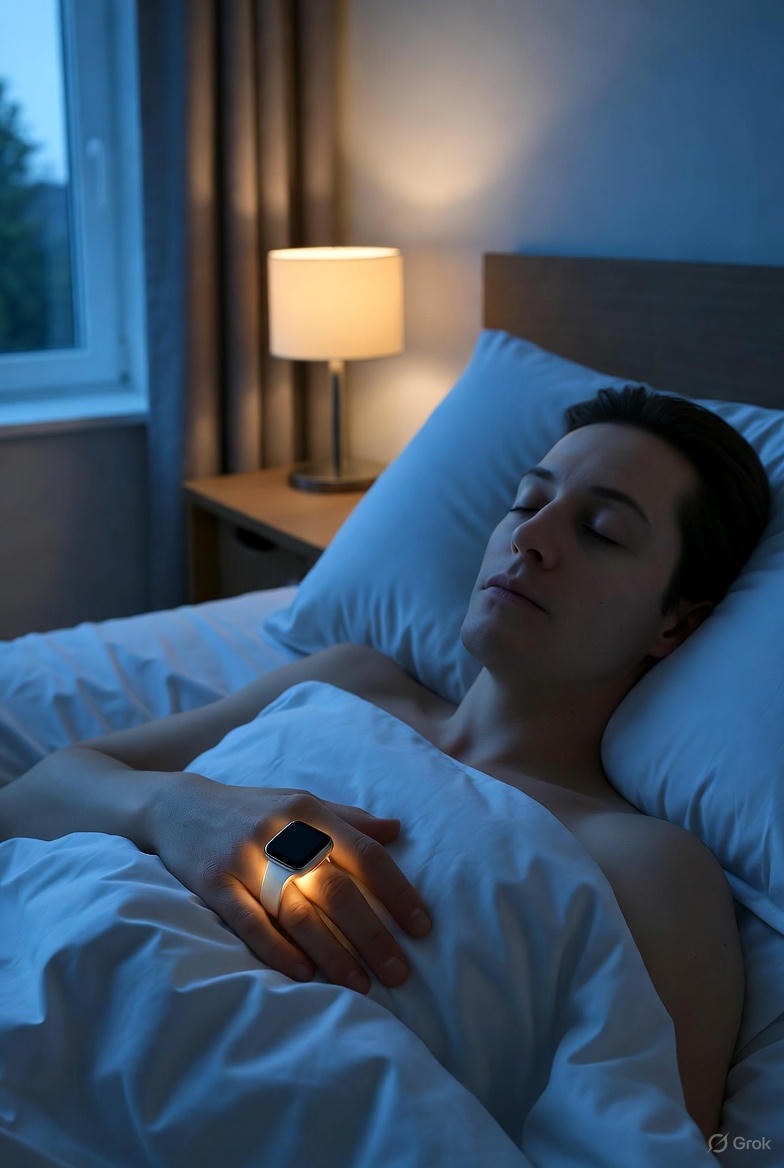
We’ve referenced biometrics throughout this guide. Now, let’s focus on the tool itself. The evolution from basic pedometers to sophisticated, medical-grade wearable sensors represents the most significant shift in personal wellness management in a generation. For the recovering endurance athlete, this isn't about gadgetry; it's about gaining a continuous, objective dialogue with your body's most subtle signals.
Why a Smart Ring? The Unobtrusive Advantage
While wrist-worn devices are common, a smart ring like Oxyzen offers distinct benefits for the serious athlete, especially during recovery:
Core Metrics Decoded for Recovery:
A advanced wellness ring tracks a symphony of data. Here’s what each section means for your post-event comeback:
From Data to Wisdom: The Platform
The raw data is useless without intelligent interpretation. The companion app is where insights become action.
This level of personalization transforms recovery from a passive, generic process into an active, tailored protocol. It empowers you to become the expert on your own body. To understand the sophisticated technology that makes this possible, delve into the science behind the sensors and AI.
Common Recovery Mistakes to Avoid
Even with the best intentions, athletes often undermine their recovery through ingrained habits or misinformation. Awareness of these pitfalls is the first step to avoiding them.
1. The "Soreness = Recovery" Fallacy: Just because your legs don’t hurt doesn’t mean you’re recovered. Nervous system fatigue (low HRV), hormonal imbalance, and depleted glycogen can persist long after DOMS fades. Returning to intense training based solely on lack of soreness is a prime cause of overtraining and injury.
2. Neglecting Low-Intensity Movement: Conversely, complete bed rest beyond the first day can be detrimental. Gentle activity promotes circulation and healing. The key is low intensity—a walk, not a jog.
3. Underfueling or "Eating Like You’re Still Training": Both are dangerous. Severely restricting calories inhibits repair and worsens hormonal disruption. Conversely, continuing to eat massive "training day" caloric surpluses while sedentary leads to unnecessary weight gain. Listen to hunger cues and focus on food quality, letting your energy expenditure guide your intake.
4. Poor Sleep Hygiene: Binging Netflix late into the night because you "don’t have to train tomorrow" sabotages your most powerful recovery tool. Protect your sleep schedule with the same discipline you protect your key workouts.
5. Over-reliance on Passive Therapies (Only): While massage, compression, and cryotherapy feel great and have benefits, they are adjuncts, not replacements, for the pillars: sleep, nutrition, and hydration. You cannot get a massage to fix chronic sleep deprivation.
6. Ignoring the Mental Load: Jumping straight back into planning the next race or analyzing your splits ad nauseam keeps your nervous system in a performance-oriented, sympathetic state. True mental recovery requires detachment and engaging in non-sport passions.
7. Comparing Your Timeline to Others: Recovery is intensely personal. Don’t be pressured because your training partner is running again in 4 days. Your body’s signals—and your biometric data—are the only timeline that matters.
How Technology Helps You Avoid Mistakes: A wearable acts as a neutral, objective coach. It won’t let you rationalize a poor night's sleep. It will flag that your elevated resting heart rate means yesterday's "easy" bike ride was too much. It provides the hard evidence needed to override the "I should be doing more" mentality that plagues driven athletes. By grounding your decisions in data, you avoid the boom-bust cycles that lead to burnout. For a practical look at how users integrate this into their routine, explore wellness ring basics for different health goals.
Let’s synthesize everything into a practical, flexible framework. This plan is a template, not a prescription. Let your subjective feelings and, most importantly, your objective biometric data guide your adjustments.
Pre-Race Preparation: Set up your tech. Ensure your Oxyzen ring is charged and synced. Note your baseline HRV and RHR readings in the days before the race.
Phase 1: Repair & Replenish (Days 1-3)
Phase 2: Reboot & Recalibrate (Days 4-7)
Phase 3: Rebuild & Refocus (Days 8-14)
The Role of Continuous Monitoring: Throughout this plan, your wearable is your guide. A "low readiness" score on a day you planned an easy run means you swap it for a walk. A "high readiness" score on a rest day might mean your body is craving some gentle movement. This dynamic adjustment is the future of intelligent training and recovery. For those ready to explore this technology, the journey begins at our main storefront.
Conclusion: Recovery as the Path to Greater Resilience
The final stride across the finish line is the culmination of one journey and the definitive beginning of another. The period that follows is not empty time to be filled or endured; it is the fertile ground in which the seeds of your next performance—and your long-term health—are sown. True athleticism is not defined solely by the capacity to endure stress, but by the wisdom to embrace and optimize the repair that must follow.
We have moved through the layers of recovery, from the cellular mechanics of inflammation and glycogen replenishment to the systemic recalibration of your nervous and hormonal systems. We’ve highlighted that modern recovery is neither passive nor guesswork. It is an active, informed process, elevated by technology that provides a once-unimaginable lens into your inner physiology. A tool like the Oxyzen smart ring translates the silent language of your biomarkers—HRV, resting heart rate, sleep architecture—into a clear, actionable dialogue. It empowers you to distinguish between general fatigue and systemic stress, between a body that is merely not sore and a body that is truly ready to perform again.
This journey underscores a fundamental truth: recovery is not the opposite of training; it is an integral part of training. It is when adaptation occurs. The muscle isn’t built during the hill repeat; it’s built in the deep sleep that night. The mental fortitude isn’t forged just in the last painful mile; it’s solidified in the reflective calm of the days after, when you integrate the experience. By honoring this phase with the same intention and discipline you apply to your hardest workouts, you do more than just "bounce back." You create a positive feedback loop of stress, intelligent recovery, and adaptation that leads to sustained progress and resilience.
Embrace recovery as your strategic advantage. Listen to the nuanced signals of your body, supported by the clarity of data. Nourish it, rest it, and move it gently. In doing so, you transform the post-event window from a vulnerable period of breakdown into a powerful catalyst for growth. The finish line you just crossed isn’t an end. It’s the foundation for your next, even greater, beginning.
The journey of recovery we’ve outlined establishes a powerful framework. But the human body is not a simple machine, and the path to full restoration is influenced by a myriad of personal and external factors. To move from a general understanding to a truly personalized mastery, we must explore the nuances that differentiate a 25-year-old from a 55-year-old, a local race from a destination event, and an amateur’s approach from the cutting-edge protocols of the elite.
Recovery is not ageless. The physiological processes that underpin repair—protein synthesis, hormonal responsiveness, neuromuscular coordination, and cellular turnover—naturally evolve over time. The recovery strategy that worked brilliantly at 30 may lead to stagnation or injury at 50 if not intelligently adapted. Understanding these changes allows you to work with your biology, not against it.
The Role of Anabolic Resistance and Sarcopenia:
As we age, particularly beyond 40, muscles become less sensitive to the signals that trigger repair and growth, a phenomenon known as anabolic resistance. This means the same dose of protein and exercise stimulus yields a smaller muscle protein synthesis response compared to a younger athlete. Coupled with a natural, gradual loss of muscle mass (sarcopenia), this makes recovery from muscle damage slower and the need for strategic intervention greater.
Connective Tissue and Joint Recovery:
Tendons, ligaments, and cartilage have poorer blood supply than muscle and thus heal more slowly. With age, the rate of collagen synthesis declines. The stiffness felt days after a marathon is often as much in the connective tissue as in the muscle.
Neuromuscular Efficiency and Sleep Architecture:
The nervous system’s ability to recruit muscle fibers efficiently and recover its own state can diminish with age. Furthermore, sleep architecture changes—specifically, the amount of time spent in deep, slow-wave sleep decreases.
The overarching principle for the masters athlete is increased emphasis on the fundamentals with greater patience. Recovery is the main event, not the intermission. For more insights on leveraging technology for healthspan, our article on 50 healthy aging tips a smart ring helps implement daily offers a wealth of actionable strategies.

For many, endurance goals involve travel—to iconic marathon cities, mountain ultras, or coastal triathlons. Travel itself is a significant physiological stressor layered on top of race stress, and poor management of it can sabotage even the most perfect post-race plan. Jet lag, dehydration, disrupted sleep, and unfamiliar food all challenge your recovery systems.
Managing Jet Lag and Circadian Disruption:
Crossing time zones desynchronizes your internal clock (circadian rhythm) from the external environment. This disrupts sleep, hormone release (especially cortisol and melatonin), digestion, and core body temperature—all central to recovery.
The Dehydration and Nutrition Challenge:
Air travel is notoriously dehydrating due to low cabin humidity. Couple this with post-race fluid deficits, and you have a major recovery hurdle. Airport and travel food is often high in sodium, low in nutrients, and hard to digest.
Sleep in Unfamiliar Environments: Hotel rooms can be noisy, too warm, and have uncomfortable pillows and bedding.
The Biometric Travel Companion: A wearable is your anchor in the chaos of travel. It will clearly show the combined stress of the race and the journey: a dramatically suppressed HRV, a spike in RHR, and poor sleep scores. This isn’t discouraging—it’s empowering information. It tells you unequivocally, “You are under compound stress. Your plan now is rest, hydration, and light food, not sightseeing.” It provides the objective justification to prioritize the boring-but-necessary recovery behaviors over the temptation to explore. This is a perfect example of how continuous monitoring provides insights that periodic checks cannot.
While the average athlete doesn’t have access to cryotherapy chambers and personal nutritionists, the principles guiding elite recovery are universally applicable. Their approach is simply more quantified, immediate, and consistent. By deconstructing their protocols, we can extract valuable tactics.
The Immediate Post-Race "Flash Protocol":
For a professional runner finishing a marathon, the clock starts the moment they step off the course. A typical observed sequence:
Takeaway for the Amateur: You may not have a team, but you can have a plan. Pack your recovery shake and warm clothes in your gear check bag. Schedule your post-race meal in advance. The principle of immediate, sequential action is what matters.
The Data-Driven Micro-Cycle:
Elite teams use myriad biomarkers: daily blood tests for hormones and inflammation, urine specific gravity for hydration, and of course, continuous HRV and sleep monitoring. They don’t just look at the data; they prescribe actions based on it.
Takeaway for the Amateur: This is exactly the power democratized by a consumer wearable like Oxyzen. While you’re not getting daily blood draws, you are getting a continuous stream of proxy data for nervous system function and recovery. You can adopt the same if-then rule: "If my readiness score is 'Low,' then my planned activity is swapped for walking or rest." This systematic removal of emotion and guesswork is the most valuable lesson from the elite playbook.
Emphasis on "Marginal Gains" in Recovery: The elite focus on the 1% improvements everywhere. This applies heavily to recovery:
Takeaway for the Amateur: You don’t need their budget, but you can adopt their mindset. Your "marginal gain" might be adding 30 minutes to your sleep routine, buying a high-quality foam roller, or learning a simple breathing technique. The cumulative effect of these small, deliberate recovery-focused choices is profound. For inspiration on how real people integrate these small, smart gains, browse our collection of real customer reviews and experiences.
Beyond the core pillars of sleep and nutrition, various tools and modalities claim to enhance recovery. Let’s examine the evidence-based realities behind some of the most popular.
Compression Garments:
Cryotherapy (Ice Baths & Whole-Body Cryo):
Hyperbaric Oxygen Therapy (HBOT):
The Through-Line: Context is King. No modality replaces fundamentals. Use tools like compression and cryotherapy contextually, based on your immediate goal (pain relief vs. adaptation). And let your data guide you. If a certain modality consistently leads to better sleep scores and HRV readings for you, it’s a valid part of your personalized protocol. For a deeper understanding of how to evaluate and integrate new wellness technologies, our blog offers a comparison of top brands and features.
Your Trusted Sleep Advocate (Sleep Foundation — https://www.sleepfoundation.org/)
Discover a digital archive of scholarly articles (NIH — https://www.ncbi.nlm.nih.gov/
39 million citations for biomedical literature (PubMed — https://pubmed.ncbi.nlm.nih.gov/)
experts at Harvard Health Publishing covering a variety of health topics — https://www.health.harvard.edu/blog/)
Every life deserves world class care (Cleveland Clinic -
https://my.clevelandclinic.org/health)
Wearable technology and the future of predictive health monitoring. (MIT Technology Review — https://www.technologyreview.com/)
Dedicated to the well-being of all people and guided by science (World Health Organization — https://www.who.int/news-room/)
Psychological science and knowledge to benefit society and improve lives. (APA — https://www.apa.org/monitor/)
Cutting-edge insights on human longevity and peak performance
(Lifespan Research — https://www.lifespan.io/)
Global authority on exercise physiology, sports performance, and human recovery
(American College of Sports Medicine — https://www.acsm.org/)
Neuroscience-driven guidance for better focus, sleep, and mental clarity
(Stanford Human Performance Lab — https://humanperformance.stanford.edu/)
Evidence-based psychology and mind–body wellness resources
(Mayo Clinic — https://www.mayoclinic.org/healthy-lifestyle/)
Data-backed research on emotional wellbeing, stress biology, and resilience
(American Institute of Stress — https://www.stress.org/)


