


The Complete Guide to Wellness Ring Basics for Beginners
A foundational guide for newcomers explaining the essential functions and benefits of using a wellness ring.
A foundational guide for newcomers explaining the essential functions and benefits of using a wellness ring.
%402x.svg)
Imagine a piece of technology so subtle it lives on your finger, yet so insightful it knows more about your body’s inner rhythms than you do. It whispers warnings of impending stress before your mind recognizes the tension, reveals the true quality of your sleep beyond just the hours logged, and nudges you toward healthier choices by translating your body’s signals into a language you can understand. This is the power of the modern wellness ring.
Gone are the days when health tracking was confined to clunky wristbands or sporadic doctor visits. The frontier of personal wellness has shrunk to a sleek, always-on accessory: the wellness ring. For the beginner, this new technology can seem like something out of science fiction. What does it actually measure? How accurate can it be? And, most importantly, how can a simple ring move you from simply knowing data to genuinely improving your health?
This guide is designed to demystify it all. We’ll journey from the fundamental "what and why" of wellness rings, through the core metrics they track, and into the practical strategies for using this data to transform your daily life. Whether you’re a biohacker looking to optimize performance, a stressed professional seeking better balance, or someone simply curious about their health, understanding wellness ring basics is your first step toward a more informed, intentional, and healthier you.
Forget overwhelming spreadsheets and confusing medical jargon. Your journey to restful, data-backed living starts here, at the intersection of cutting-edge technology and timeless wellness wisdom.
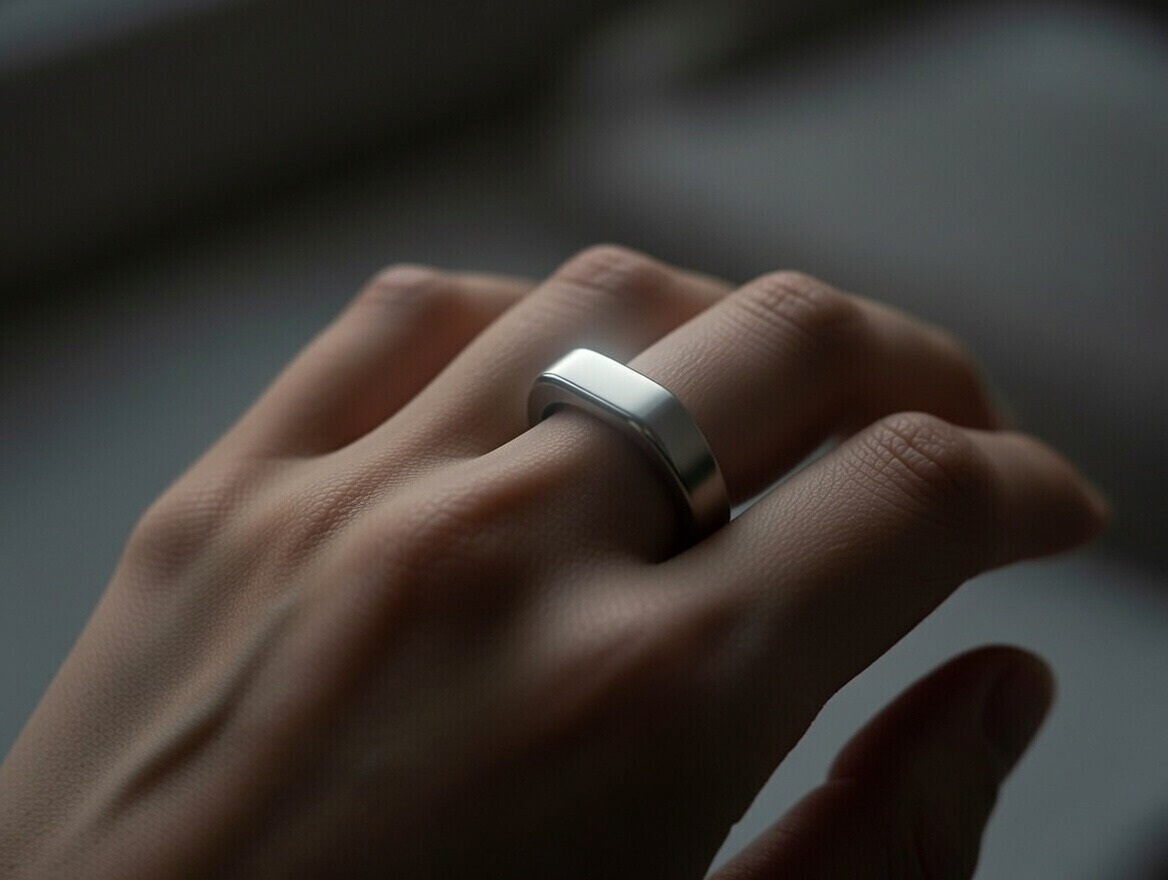
A wellness ring, often called a smart ring, is a wearable device—typically worn on your finger—that continuously collects data about your physiological state. It’s the quiet evolution of the fitness tracker, moving from the wrist to a more discreet and often more accurate location. While a smartwatch might buzz with notifications and demand your attention, a wellness ring’s primary purpose is to listen, not to speak. It acts as a personal biometrical observatory, gathering intimate data while you work, sleep, play, and rest.
At its core, a wellness ring is a marvel of miniaturization. Packed into its slim, often titanium or ceramic body are tiny sensors—usually photoplethysmography (PPG) sensors that use light to measure blood flow, a 3D accelerometer for movement, and a temperature sensor. Some advanced models also include sensors for blood oxygen saturation (SpO2) and electrodermal activity (a measure of stress). This hardware works in concert with sophisticated algorithms to turn raw sensor data into meaningful insights about your health.
But the true genius of the wellness ring lies in its form factor. The finger, particularly the base of the finger, offers a prime location for capturing arterial pulse wave data. This can lead to more consistent heart rate and heart rate variability (HRV) readings compared to the wrist, which is more prone to motion artifacts. Furthermore, by not being a screen-centric device, the ring integrates seamlessly into your life. You don’t “use” it; you wear it. It becomes a part of you, enabling 24/7 monitoring without the digital distraction or the social faux pas of glancing at a watch during a conversation.
This shift represents a broader philosophy in modern wellness tech: the move from reactive tracking to proactive sensing. Instead of you telling the device you’re about to exercise, it understands from your elevated heart rate and movement that you’re active. Instead of you logging your bedtime, it detects when you’ve fallen asleep and, crucially, measures the quality of that sleep. This passive, always-on data collection paints a holistic, unbroken picture of your body’s story, revealing patterns that would be impossible to see through manual logging or occasional check-ups.
For the beginner, this means the wellness ring isn’t just another gadget to manage. It’s a personal health companion designed to work in the background, empowering you with knowledge about your most fundamental asset: your own body.
You might be wondering: with smartwatches and fitness bands dominating the market, why choose a ring? The advantages are distinct and cater to a growing desire for simplicity, accuracy, and holistic insight in health tracking.
Unmatched Discretion and Comfort: A wellness ring is the ultimate in subtle wearable tech. It looks like a piece of jewelry—often a sleek band or a stylish ring—and draws no attention. You can wear it during formal events, while sleeping (where it truly shines), during intense workouts, and even in the shower (if rated waterproof), without ever having to take it off. There’s no bulky screen to bump, no strap to adjust, and no need to charge it daily. For many, the comfort leads to higher compliance; you’re far more likely to wear a ring 24/7 than a watch, leading to more complete and valuable data.
Superior Sleep and Recovery Data: This is the arena where wellness rings excel. Wearing a watch to bed can be uncomfortable for many, and its placement on the wrist-bone can compromise the accuracy of nighttime metrics. A ring on your finger provides a more stable platform for measuring heart rate, heart rate variability, and movement throughout the night. This results in incredibly detailed sleep analysis—not just duration, but sleep stages (light, deep, REM), disturbances, and a true measure of physiological recovery. If understanding and improving your sleep is a priority, a ring is often the superior tool. For a deep dive into what this sleep data means, learn more about sleep score standards and what research says is healthy.
A Focus on Holistic Wellness, Not Just Fitness: While most smartwatches are optimized for fitness metrics (steps, active minutes, GPS-tracked runs), wellness rings are engineered for a broader view of health. They prioritize metrics like stress resilience, readiness to perform, and body battery or recovery scores. They answer questions like: “Is my body stressed or rested?” “Am I recovered enough to tackle a hard workout today?” “How did that late-night meal affect my sleep?” This shift from pure activity tracking to recovery and readiness tracking aligns with a more sustainable, health-first approach.
Long Battery Life and Simplicity: Freed from the power-hungry demands of a bright screen and constant connectivity, wellness rings boast impressive battery life, often lasting 5-7 days on a single charge. The companion app is typically clean and focused on health insights, not app notifications or email previews. This design philosophy encourages you to engage with your data intentionally—perhaps once or twice a day—rather than being pulled into a reactive, notification-driven relationship with your device.
For the beginner stepping into the world of quantified self, a wellness ring offers a gentler, more insightful entry point. It’s less about logging every rep and more about understanding the foundational elements of your health: sleep, stress, and recovery. It empowers you to make connections between your lifestyle and your body’s responses, setting the stage for a journey toward restful living—a philosophy of less hustle and more health.
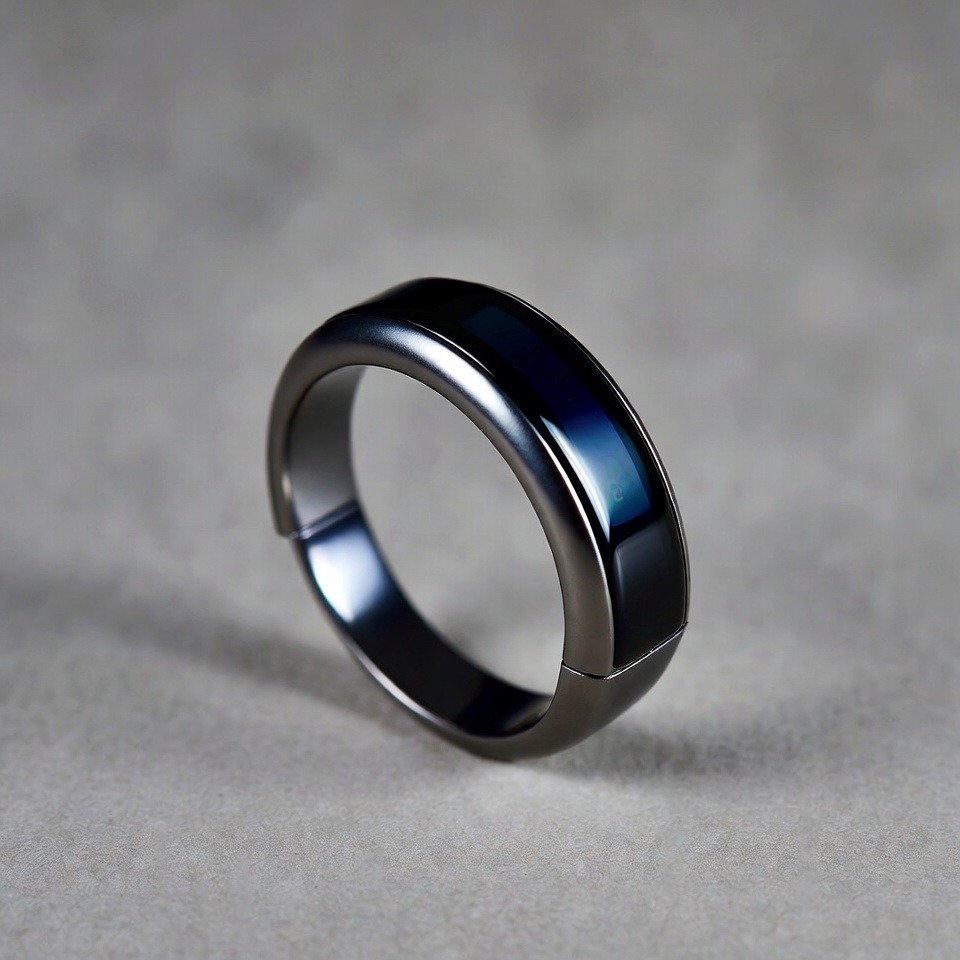
The dashboard of your wellness ring app will present a suite of scores and graphs. To move from data confusion to data empowerment, you need to understand the language it’s speaking. Here are the core physiological metrics every beginner should master.
Heart Rate (HR): This is your number of heartbeats per minute (BPM). While the resting number is useful (lower generally indicates better cardiovascular fitness), the real insight for a wellness ring is in the patterns. It tracks your heart rate throughout the day, noting spikes during activity or stress, and, most importantly, its dip during deep, restorative sleep. An unusually high resting heart rate upon waking can be an early signal of illness, overtraining, or poor recovery.
Heart Rate Variability (HRV): This is the star metric for recovery and stress tracking, and one that wellness rings measure exceptionally well. HRV is the subtle variation in time between each heartbeat. Contrary to what you might think, a higher HRV is generally better. It indicates a flexible, responsive autonomic nervous system—your body can efficiently switch between the energy-burning “fight or flight” (sympathetic) mode and the restorative “rest and digest” (parasympathetic) mode. A low or dropping HRV trend suggests your body is under sustained stress, is fatigued, or may be fighting off an illness. It’s your body’s most honest whisper about its internal strain.
Sleep Stages & Sleep Score: Beyond just tracking hours in bed, your ring uses movement, heart rate, and HRV to estimate your sleep architecture: Light Sleep, Deep Sleep (critical for physical restoration), and REM Sleep (vital for memory and mood). Your overall Sleep Score is a composite metric weighing duration, efficiency (time asleep vs. time in bed), and the balance of these stages. It gives you a single, understandable number to track your sleep health over time. To understand how this score builds a story of your health, you can explore how your sleep score reflects total body recovery.
Body Temperature: Continuous skin temperature tracking is a powerful feature. It establishes your personal baseline and detects deviations. A sustained elevated temperature trend can indicate the onset of illness, inflammation, or even, for women, ovulation. Seeing your temperature not return to baseline overnight can signal poor sleep quality or that your body is working hard to recover or fight something off.
Respiratory Rate: This is the number of breaths you take per minute, typically measured during sleep. Like resting heart rate, a stable respiratory rate is a sign of good health. A significant increase in your sleeping respiratory rate can be an early indicator of respiratory issues, anxiety, or cardiovascular strain.
Activity & Movement: While not as granular as a GPS watch, rings still track general movement and steps. More importantly, they use this data to understand your overall activity balance—periods of movement versus periods of rest—which is crucial for the broader picture of recovery.
When viewed together, these metrics create a dynamic, interconnected map of your well-being. A night of poor deep sleep might lead to a lower HRV the next morning. A stressful workday might keep your heart rate elevated into the evening, impacting your ability to fall asleep. By learning this language, you begin to see the cause-and-effect relationships in your own life, paving the way for meaningful change and the adoption of simple daily habits for deeper calm.
With a growing market of options from brands like Oura, Ultrahuman, RingConn, and Circular, selecting your first wellness ring can feel overwhelming. Focus on these key considerations to find the perfect match for your needs and lifestyle.
Sensor Suite & Accuracy: This is the foundation. At a minimum, ensure the ring has a capable PPG sensor (for HR/HRV), a 3D accelerometer, and a temperature sensor. For deeper insights, look for SpO2 (blood oxygen) sensing, which is valuable for sleep apnea screening and understanding altitude or illness impact. Check reviews and third-party validations for real-world accuracy, especially for sleep staging and HRV, as not all algorithms are created equal.
Battery Life & Charging: Most rings last 4-7 days. Consider your tolerance for charging routines. Some rings come with sleek travel-friendly charging cases, while others use a simple dock. Longer battery life means fewer charging cycles and less chance of forgetting to put it back on, ensuring a continuous data stream.
Design, Size, & Comfort: This is critical for 24/7 wear. Look for a ring with a smooth, rounded interior that won’t irritate adjacent fingers. Sizing is paramount; most companies send a detailed sizing kit. Consider the ring’s profile—is it thick or slim? Do you prefer a matte or glossy finish? Some offer different color and material options (titanium, ceramic, carbon fiber) to suit personal style. Remember, you’ll be sleeping, washing your hands, and working out with it on.
App Experience & Insights: The hardware is only half the product; the app is your window into the data. Download a few apps (if they have demo modes) or watch video reviews. Is the interface intuitive and educational for a beginner? Does it provide clear, actionable insights rather than just raw data? Look for features like a daily “Readiness” or “Energy” score that synthesizes metrics into a simple recommendation, and clear trend analysis over weeks and months.
Subscription Model Awareness: This is a crucial financial consideration. Some rings require a mandatory monthly or annual subscription to access your full historical data and advanced insights. Others are a one-time purchase. Weigh the upfront cost against the long-term subscription fees. Ensure you know exactly what features are locked behind a paywall before you buy.
Compatibility: Ensure the ring is compatible with your smartphone’s operating system (iOS or Android). Some also offer integrations with other health ecosystems like Apple Health, Google Fit, or Strava, allowing you to centralize your health data.
For the beginner, the best ring is the one you’ll wear consistently and whose data you can understand and trust. It’s worth investing time in research, as this device will become a core part of your wellness toolkit. A well-chosen ring doesn’t just track your life; it helps you design a better one, providing the foundational data needed to embrace a restful living mindset and shift from constant doing to mindful being.
You’ve unboxed your sleek new device, charged it up, and paired it with your phone. Now what? The first week is less about immediate transformation and more about establishing a baseline and building a sustainable habit. Follow this roadmap to start strong.
1. The Perfect Fit is Non-Negotiable. Before you even turn it on, ensure you’ve used the physical sizing kit correctly. The ring should fit snugly on your chosen finger (often the index finger) but not be tight enough to leave an imprint or be difficult to remove. It shouldn’t spin freely, as this can affect sensor contact. A proper fit is the single most important factor for accurate data.
2. Wear It 24/7 (Except While Charging). Consistency is the golden rule. Wear it to bed, to work, during workouts—everywhere. The power of the ring is in its continuous data stream. Taking it off creates gaps that break the narrative of your health. Plan your charging around a consistent, low-activity time, like during a shower or a 30-minute desk session.
3. Observe, Don’t Obsess. For the first week, resist the urge to check the app constantly. Your goal is to live your normal life while the ring quietly collects data. This establishes an honest baseline of your current sleep, activity, and stress patterns without you subconsciously altering your behavior. Glance at the data once a day, perhaps in the morning, but treat it as an interesting observation, not a report card.
4. Start a Simple “Ring Journal.” In the notes app on your phone or a physical notebook, jot down a few daily details: what time you ate dinner, if you had alcohol or caffeine, your stress levels, workout intensity, and anything unusual. This practice will become invaluable later when you start to see correlations. For example, you might note, “Late pizza dinner,” and the next morning see a depressed HRV and elevated nighttime temperature. This is where data becomes personal insight.
5. Understand the Baseline Period. Most ring algorithms need about a week (sometimes up to two) of continuous wear to “learn” you—to establish your personal baselines for HRV, resting heart rate, and temperature. Don’t be alarmed if your scores seem low or metrics jump around at first. The system is calibrating. True trends emerge over weeks and months, not days.
6. Explore the App Gently. Use this first week to navigate the app’s interface. Find where your sleep score is, where your daily readiness/recovery score appears, and how to view your heart rate graph. Read the in-app explanations for each metric. This familiarization prevents feeling overwhelmed when you later dive deep into the data.
By the end of your first week, the ring will feel like a natural part of you. You’ll have the beginnings of your health baseline, and you’ll be primed to move from passive observation to active interpretation. This foundational period is the first practical step in a larger journey of restful living, creating an environment where calm and restoration are prioritized.

After your baseline period, you’ll be greeted each morning by a pivotal metric: your Daily Readiness Score (sometimes called Recovery, Energy, or Body Battery score). This is the ring’s synthesized recommendation for how to approach your day. Understanding it is key to moving from data to action.
What It Is: This score (often out of 100) is an algorithmically weighted composite of your previous night’s sleep data, your recovery metrics (like HRV and resting heart rate), and your recent activity load. It’s not a measure of how you feel subjectively (you might feel fine on a low score), but of what your body’s physiological data suggests about its current capacity to handle stress—be it from a tough workout, a big work presentation, or a busy social calendar.
The “Traffic Light” System:
How to Use It Proactively:
Learning to respect your readiness score is a practice in body literacy. It trains you to honor your body’s signals over your mind’s ambitions. This disciplined responsiveness is at the heart of sustainable wellness and prevents the all-too-common cycle of boom-and-bust that leads to chronic stress and eventual burnout.
For many, the sleep data is the most compelling reason to get a wellness ring. But a page full of graphs is useless without interpretation and action. Let’s break down how to move from simply seeing your sleep score to actively engineering better sleep.
Understanding Your Sleep Dashboard:
Actionable Steps Based on Your Data:
Remember, the goal isn’t a perfect 100 sleep score every night—that’s unrealistic. The goal is to understand your personal patterns, identify key disruptors, and create a positive trend over time. Viewing your sleep as a journey of gradual improvement, rather than a nightly performance, is the sustainable path forward, as detailed in the sleep score journey of tracking improvement over months.
One of the most transformative features of a wellness ring is its ability to quantify your body’s stress response, often through HRV and sometimes a dedicated “Stress” metric. Unlike emotional stress, which you feel, physiological stress is what your body experiences—and it can be elevated even when you think you’re relaxed.
How Your Ring Measures Stress: The primary proxy is Heart Rate Variability (HRV). When stressed (sympathetic nervous system dominance), your HRV drops, and your heart beats with a more rigid, metronomic rhythm. Your ring tracks your HRV throughout the day and night, noting periods of dip. Some rings also use a combination of heart rate, HRV, and electrodermal activity to give you a real-time “stress level” score.
Identifying Your Personal Stress Signatures:
Using Data to Build Resilience (Not Just Monitor Strain):
The ultimate goal of stress tracking isn’t to live a stress-free life—an impossibility—but to increase your stress resilience: your ability to encounter stress, recover from it efficiently, and return to baseline. Your wellness ring is the mirror that shows you how well you’re doing at that, and the tool that helps you build a more resilient system, moving you toward the art of restful living in a fast-paced world.

Beyond sleep and stress, your ring’s continuous temperature and activity data offer a fascinating window into your body’s circadian rhythm and energy expenditure. Learning to read these signals helps you align your lifestyle with your natural biology.
Basal Body Temperature & Your Circadian Rhythm: Your body temperature follows a daily cycle, dipping to its lowest point in the early morning (around 4-5 AM) and peaking in the late afternoon. Your ring establishes your personal baseline and shows this wave. Significant deviations are meaningful.
Activity & Non-Exercise Thermogenesis (NEAT): While your ring isn’t a precision fitness tracker, its movement data is perfect for tracking NEAT—the calories you burn from everything that isn’t formal exercise: fidgeting, walking, standing, household chores. This is a huge component of daily energy expenditure.
By observing your natural temperature rhythm and daily movement patterns, you can start to design days that work with your body, not against it. This might mean scheduling creative work during your temperature peak (late afternoon), taking a walk after lunch to aid digestion and boost NEAT, or understanding that a restless night might be linked to a disrupted temperature cycle from late-night screen time. This bio-synchronization is a core principle of how nature supports restful living—getting outside to regulate your natural rhythms.
As with any new tool, there are common missteps that can lead to frustration or wasted potential. Being aware of them from the start will help you get the most value from your wellness ring journey.
Pitfall 1: Data Obsession & Morning Anxiety. Checking your sleep score the moment you wake up and letting a “bad” number dictate your mood is counterproductive. The data is feedback, not a judgment. Practice non-attachment. Look at the trends over weeks, not the daily fluctuations. If you find yourself anxious, limit app checks to once a day.
Pitfall 2: Ignoring How You Feel (“Score Blindness”). Your subjective experience matters. If your readiness score is 45 but you feel energetic and great, don’t force yourself to rest. Conversely, if your score is 85 but you feel exhausted, listen to your body. The ring provides one data set; you are the ultimate integrator of all data—physiological, mental, and emotional.
Pitfall 3: Making Too Many Changes At Once. Seeing poor data can trigger a desire to overhaul your entire life overnight—new sleep time, new diet, new workout, new meditation app. This is unsustainable. Use the data to identify one key leverage point. For example, focus solely on a consistent bedtime for two weeks. Observe the impact on your scores. Then add the next change. This methodical approach yields lasting results and clear cause-and-effect understanding.
Pitfall 4: Comparing Your Data to Others. Your HRV, sleep needs, and temperature are as unique as your fingerprint. Comparing your 50 HRV to a friend’s 80 is meaningless and demotivating. Focus on your own trends. Is your HRV trending up over 3 months? That’s success. This personalized journey is about optimizing you, not competing.
Pitfall 5: Forgetting the “Why.” Don’t get lost in the graphs. Regularly reconnect with your original goal. Did you get the ring to have more energy for your kids? To perform better at work? To feel less stressed? Let those life-centered goals, not the abstract scores, be your ultimate measure of success.
Maximizing Value: The 3-Step Weekly Review.
This disciplined, reflective practice transforms your ring from a passive data collector into an active partner in your wellness journey, helping you avoid the common restful living mistakes that keep you wired and tired.
Your wellness ring is now calibrated, you understand the metrics, and you’ve avoided the early pitfalls. The next, most critical phase is integration. How do you move from having data to living a data-informed life, seamlessly? The goal is to create a sustainable system where the ring empowers choices without becoming a source of stress itself. This is where the technology truly earns its place as a wellness tool, not just a gadget.
From Data Points to Data-Informed Rituals: The magic happens when you attach specific ring insights to specific daily actions. This creates positive feedback loops that reinforce healthy habits. For example:
Building Your Personal "Owner's Manual": Over months of consistent wear, your ring helps you write your unique biological owner’s manual. You’ll discover answers to questions like:
This integration phase is where wellness stops being a separate "project" and becomes the operating system for your life. It fosters a gentle, curious dialogue with your body, moving you toward the essential skill of how to balance productivity with restful living.
Once you’ve mastered the core metrics and integrated them into your daily flow, you can explore the advanced features that many modern wellness rings offer. These features point to the future of hyper-personalized, preventative health.
Blood Oxygen (SpO2) Monitoring: This isn't just for athletes at altitude. Nocturnal SpO2 tracking can reveal subtle dips in blood oxygen saturation during sleep. While not a medical diagnosis, consistently low overnight SpO2 averages or frequent significant dips can be an indicator of sleep-disordered breathing, like sleep apnea, prompting a conversation with a healthcare professional. It’s also invaluable for tracking recovery from respiratory illness or understanding how environmental factors affect you.
Workout Detection & Heart Rate Zones: While not as precise as a chest strap, many rings now automatically detect exercise (walking, running, cycling, etc.) and can provide estimated heart rate zones. This is useful for ensuring your "easy" days are truly easy (Zone 2) and your hard efforts hit the right intensity. It adds a layer of fitness tracking without needing a separate device.
Menstrual Cycle & Fertility Tracking: For women, the continuous temperature sensor is a game-changer. By tracking your basal body temperature (BBT) trend with far more ease and consistency than manual morning measurements, the ring can accurately predict ovulation and map your entire menstrual cycle phase. This provides insights into energy fluctuations, exercise tolerance, and sleep patterns across the cycle, allowing for truly cycle-synced living.
The Future: Continuous Glucose Monitoring (CGM) Integration & AI Insights: The frontier of wellness rings is rapidly expanding. We’re seeing early integration with external continuous glucose monitors (CGMs), allowing the ring app to correlate blood sugar spikes and dips with sleep, stress, and activity data. This provides a revolutionary look at metabolic health. Furthermore, artificial intelligence is being used to provide more predictive and prescriptive insights. Instead of just telling you your sleep was poor, future algorithms may analyze a week’s data and suggest: “Based on your elevated stress markers on Wednesdays, which consistently lower your Thursday sleep score, consider scheduling a 20-minute mindfulness session every Wednesday afternoon.”
The Ecosystem Play: Your ring’s data becomes exponentially more powerful when it talks to other apps. Integrating with Apple Health/Google Fit creates a central health repository. Syncing with Strava or TrainingPeaks allows trainers or advanced athletes to correlate readiness scores with workout performance. Connecting with mindfulness apps like Headspace or Calm can let you see the direct physiological impact of a meditation session on your stress graph.
Engaging with these advanced features transforms your ring from a health dashboard into a proactive health partner. It begins to connect disparate dots—showing how diet impacts sleep, how sleep impacts stress, and how stress impacts metabolism—painting a truly holistic picture. This comprehensive understanding is the cornerstone of a philosophy dedicated to less hustle and more genuine health.
The initial excitement of a new device often fades after a few weeks. The real transformation, however, happens in the quiet, consistent tracking over months and years. This is where you move from observing daily fluctuations to witnessing life-changing trends and solidifying lifelong habits. Here’s how to play the long game with your wellness ring.
Shifting from Daily Scores to Quarterly Trends: Liberate yourself from the tyranny of the daily number. The most important view in your app is the trend graph set to “90 Days” or “12 Months.” Here’s what to look for:
Celebrating Non-Linear Progress: Health is not a straight line. You will have setbacks: periods of work stress, illness, travel, or life events that derail your routines. Your ring’s long-term data is compassionate in these moments. It shows you the dip, but more importantly, it shows you the recovery. Seeing that after a stressful period, your metrics return to baseline faster than they used to is a huge win. It proves increased resilience. The journey is a series of valleys and peaks, with the peaks gradually getting higher over time.
Using Data for Life Transitions: Your ring becomes an invaluable companion during major life changes. Starting a new job, moving, becoming a parent, or training for a marathon—these all leave a clear signature in your biometric data. By observing how your body handles the transition, you can make micro-adjustments to support yourself. For instance, new parents can use sleep and readiness data to strategically tag-team nighttime duties or understand the cumulative impact of sleep deprivation, which is crucial for finding peace in the chaos of parenthood.
Setting Theme-Based, Not Number-Based, Goals: Instead of “get my sleep score to 90,” set intention-based goals for a season:
These thematic goals, guided by trend data, are more sustainable and holistic than chasing a single, often arbitrary, number. They build a lifestyle, not just a statistic.
Staying motivated long-term means connecting the data back to lived experience. When you see a 3-month trend of improved sleep and lower resting heart rate, and you feel more patient, energetic, and clear-headed, the ring has done its job. It has guided you to a place where the external feedback is less necessary because the internal feeling—vitality—has become its own reward. This is the culmination of the journey, where data-informed living becomes simply… intelligent living. To sustain this, explore 15 restful living habits that have the power to transform your energy.
A wellness ring is a sophisticated piece of personal biometry, and like any precision instrument, its performance depends on proper care and an understanding of its limitations. Ensuring consistent, accurate data is crucial for making trustworthy decisions. Here’s your guide to troubleshooting common issues and maintaining your device for the long haul.
Common Data Accuracy Issues & Fixes:
Device Maintenance & Care:
Understanding the Limits: When to Trust & When to Question:
A wellness ring is a powerful wellness guidance tool, not a medical diagnostic device. This distinction is vital.
By maintaining your device and interpreting its data with informed nuance, you ensure it remains a reliable partner in your health journey, helping you avoid common pitfalls and focus on meaningful signals. This careful, educated approach is a form of modern self-care that aligns with restful living on a budget, utilizing zero-cost wellness wisdom.
The journey with a wellness ring can sometimes feel solitary, but it doesn’t have to be. Engaging with a community of like-minded individuals can provide motivation, fresh perspectives, and a deeper understanding of your own data. However, sharing intimate biometric data requires thoughtful boundaries.
The Benefits of Community Engagement:
Guidelines for Responsible Data Sharing:
Using Shared Data with Partners or Coaches:
A more intimate and powerful form of community is sharing your data with a trusted partner, health coach, or personal trainer. This can revolutionize support systems.
Engaging responsibly with community turns personal exploration into shared learning, amplifying the value of your device and embedding your wellness journey within a supportive framework. It’s a practical application of the science that shows why intentional downtime and social connection are fundamental to our well-being.
As we invite these devices to collect our most intimate data—our pulse, our sleep, our stress—we must consciously address the ethical implications. Being an empowered user means being a vigilant steward of your own digital health footprint.
Understanding Data Privacy: What You’re Sharing and With Whom:
Before you sync your ring, read the privacy policy. Key questions to ask:
The Concept of Biometric Data Ownership:
Your heart rate pattern is as unique as your fingerprint. Philosophically and legally, this data should be considered your property. While terms of service often grant companies a license to use it, the push for clear user ownership is growing. Advocate for your rights by supporting companies with transparent, user-centric data policies and by being selective about which third-party apps you connect to your ring’s data stream.
Mindful Use: Preventing Anxiety and Obsession:
The goal of a wellness ring is to reduce stress and improve health, not create a new source of anxiety—a phenomenon sometimes called “orthosomnia” (an unhealthy preoccupation with perfect sleep data). To stay mindful:
Using Data for Good, Not for Self-Judgment:
Your biometric data is a neutral record of your body’s state. It is not a measure of your worth, discipline, or moral character. A low recovery score after caring for a sick child isn’t a failure; it’s a sign of your dedication. The data’s purpose is to inform compassionate self-care, not to fuel a relentless optimization engine that ignores the human experience. It should support a restful living mindset that values being over constant doing.
By navigating the ethical landscape with intention, you ensure that your journey with a wellness ring remains empowering, safe, and aligned with your core values of health and well-being.
The universal metrics of a wellness ring take on unique significance depending on your life stage and goals. Here’s how beginners from different walks of life can tailor their focus to get the most relevant and transformative value from their device.
For the Athlete & Fitness Enthusiast:
For the High-Performing Professional & Entrepreneur:
For Parents & Caregivers:
For Those Managing Chronic Conditions or Seeking Preventative Health:
For the Wellness-Curious & Biohacker:
By focusing on the use case that resonates most with your life, your wellness ring transforms from a general health monitor into a custom-built tool for achieving your specific vision of well-being. This tailored approach ensures the technology serves you, not the other way around, and directly supports how restful living improves sleep quality through natural, personalized means.
The ultimate sign of success with a wellness ring is not a perfect score, but a profound shift in your relationship with it and with your own body. This is the stage of final integration, where the technology fades into the background and its teachings become internalized.
The Shift from External Validation to Internal Awareness: Initially, you need the ring to tell you if you’re stressed or recovered. Over time, as you repeatedly see the correlation between certain bodily feelings and the data, you begin to develop a refined interoceptive sense—the ability to perceive the internal state of your own body. You might feel a subtle tension in your shoulders and know, without checking, that your HRV is likely depressed. You might wake up feeling refreshed and know your sleep score will be high. The ring becomes a training tool for your own innate body wisdom, and checking the app becomes less about discovery and more about confirmation.
Creating Your Own Heuristics: You start to develop simple, personal rules based on months of data. These become your new, data-backed intuition:
The Rhythm of Periodic Check-Ins vs. Constant Wear: Some long-term users find a new rhythm. They may wear the ring continuously for a few months to work on a specific goal (like improving sleep or training for an event), then take it off for a month to simply live by the habits and awareness they’ve built. They then put it back on for a “check-up” to see if their baselines have held or to tune up a new area. This breaks any dependency and reasserts you as the primary authority on your health.
The Ring as a Lifelong Health Journal: At this stage, the ring’s greatest value may be as a longitudinal health record. Having years of your own biometric data—showing how your sleep architecture changed in your 30s vs. 40s, how your resting heart rate responded to a new fitness regimen, how your body adapted to a new climate—is an unprecedented personal asset. It provides a concrete narrative of your healthspan.
When the ring becomes invisible, it has fulfilled its highest purpose. It has educated you, empowered you, and then stepped back. You are left not with a dependency on a device, but with a lasting legacy of self-knowledge, healthier habits, and a deep, trusting connection to the rhythms of your own body. This state of integrated, effortless well-being is the very essence of restful living—a state where you are no longer striving for health, but simply living it. To continue cultivating this state, explore the foundational science behind why this intentional downtime is not a luxury, but a biological necessity.
Your Trusted Sleep Advocate: Sleep Foundation — https://www.sleepfoundation.org
Discover a digital archive of scholarly articles: NIH — https://www.ncbi.nlm.nih.gov/
39 million citations for biomedical literature :PubMed — https://pubmed.ncbi.nlm.nih.gov/
Experts at Harvard Health Publishing covering a variety of health topics — https://www.health.harvard.edu/blog/
Every life deserves world class care :Cleveland Clinic - https://my.clevelandclinic.org/health
Wearable technology and the future of predictive health monitoring :MIT Technology Review — https://www.technologyreview.com/
Dedicated to the well-being of all people and guided by science :World Health Organization — https://www.who.int/news-room/
Psychological science and knowledge to benefit society and improve lives. :APA — https://www.apa.org/monitor/
Cutting-edge insights on human longevity and peak performance:
Lifespan Research — https://www.lifespan.io/
Global authority on exercise physiology, sports performance, and human recovery:
American College of Sports Medicine — https://www.acsm.org/
Neuroscience-driven guidance for better focus, sleep, and mental clarity:
Stanford Human Performance Lab — https://humanperformance.stanford.edu/
Evidence-based psychology and mind–body wellness resources:
Mayo Clinic — https://www.mayoclinic.org/healthy-lifestyle/
Data-backed research on emotional wellbeing, stress biology, and resilience:
American Institute of Stress — https://www.stress.org/


