


How Different Movement Types Affect Your Wellness Ring Metrics
It shows how different types of movement (e.g., walking, strength, stretching) affect various wellness metrics.
It shows how different types of movement (e.g., walking, strength, stretching) affect various wellness metrics.
%402x.svg)
For decades, the pursuit of quantified health was a distant, clinical affair. We stepped on scales, visited labs, and received snapshots of our wellbeing in sterile numbers. Then came the wearable revolution—first on our wrists, then in our pockets—promising a continuous stream of personal data. But something was missing. The noise of daily life, the friction of bulk, and the gap between measurement and meaningful insight often left these devices charging in a drawer, their promise unfulfilled.
Enter the smart ring: a minimalist, always-on companion that moves with you, sleeps with you, and lives with you, almost forgotten on your finger. Unlike its wrist-worn counterparts, it captures a purer, less obtrusive signal of your body’s whispers—your pulse, your temperature shifts, your movement through the world. At Oxyzen, we believe this elegant form factor represents the next frontier in personal wellness: not just tracking, but understanding. Your Oxyzen ring doesn't just count steps; it listens to the subtle symphony of your physiology.
But here lies the critical, often overlooked, truth: not all movement is created equal. The raw data—a spike in heart rate, a dip in heart rate variability (HRV), a burst of accelerometer activity—is just a single note. The meaning is in the context of the type of movement that produced it. The gentle sway of a walk tells a different story than the jarring impact of a run. The sustained burn of a cycling session sings a different tune than the explosive power of a weightlifting set. Your body's physiological response—the very metrics your ring records—is exquisitely tuned to the specific demands you place upon it.
In this exploration, we will decode that language. We will move beyond the generic "activity score" and dive into the nuanced physiological fingerprints of different movement types. You'll learn why your recovery score might dip after a heavy strength session but soar after a yoga class, even if both "burned calories." You'll understand how to interpret your sleep data not in isolation, but as a direct reflection of the day's movement choices. This is the art and science of contextual biofeedback—using your Oxyzen ring not as a passive reporter, but as an active guide to crafting a movement ecosystem that truly optimizes your unique wellbeing.
Before we can interpret how movement affects our metrics, we must first understand the language our ring speaks. Your Oxyzen smart ring is a master of subtlety, employing a suite of sensors to listen to your body's autonomic nervous system (ANS)—the command center that operates below the level of conscious thought, regulating everything from your heartbeat to your digestion. This is where true, actionable wellness data lives.
At its core, the ring uses photoplethysmography (PPG). A tiny LED light shines into the capillaries of your finger, and a sensor measures the minute changes in light absorption as blood pulses through with each heartbeat. This deceptively simple process yields a wealth of information:
The magic happens in the fusion of these data streams. Your ring doesn't see "a workout." It sees a constellation of data: a rapid rise in HR, a corresponding drop in HRV, specific motion signatures, and a post-activity temperature curve. Our algorithms at Oxyzen are designed to synthesize this into coherent wellness scores—Readiness, Activity, and Sleep—giving you a actionable overview of your state. But to move from overview to mastery, we must deconstruct these scores. We must ask: what specific movement input created this specific physiological output?
This foundation in biometrics is essential. For a deeper dive into the remarkable technology that makes this possible, you can explore our detailed explainer on how sleep trackers actually work. Understanding the "how" empowers you to better interpret the "what" and, ultimately, the "why" behind your daily numbers.
In the hierarchy of movement, walking is often relegated to the baseline—the simple, automatic activity we barely consider exercise. But from the perspective of your physiology and your Oxyzen ring, a daily walk is the steady, grounding rhythm upon which the rest of your health symphony is built. Its impact is profound, gentle, and uniquely visible in your long-term metrics.
Unlike high-intensity efforts that shout their presence through dramatic spikes, walking whispers. Its primary signature is one of regulation. During a brisk walk, you'll observe a moderate, sustainable elevation in heart rate. More importantly, you'll often see a phenomenon post-walk: a noticeable, pleasant settling. This is where walking shines. It gently nudges the sympathetic nervous system without overwhelming it, often leading to a rebound increase in HRV as the body slips back into a calm, parasympathetic state more easily than after more strenuous exercise. This is why a consistent walking habit is so powerfully correlated with improved sleep scores. It helps regulate circadian rhythms, manage cortisol levels, and provide a non-sleep form of deep rest that prepares the nervous system for actual sleep later.
Your ring’s accelerometer is particularly adept at characterizing your walk. It can differentiate between a leisurely stroll, a purposeful brisk walk, and a power walk approaching a jogging pace. Each has a distinct fingerprint. A brisk, 30-minute walk might show as sustained, moderate activity with a clean heart rate curve, whereas a day of non-exercise activity thermogenesis (NEAT)—the cumulative effect of taking the stairs, pacing while on calls, puttering around the house—paints a beautiful tapestry of low-grade, continuous movement that keeps your metabolism subtly engaged without requiring recovery.
The true power of walking is revealed in longitudinal data. On your Oxyzen dashboard, look not just at the day of your walk, but at the night that follows and the morning after. You will likely see trends toward higher sleep scores, particularly in sleep stability and restfulness, and a slightly elevated morning readiness score. It's the ultimate recovery activity. For those struggling with sleep initiation, our guide on how to get more deep sleep tonight often starts with this foundational prescription: a daily daylight walk.
Walking is not just exercise; it's rhythmic medicine for the nervous system. It’s the proof that optimizing your wellness metrics isn't always about doing more—it’s often about doing the simple, fundamental things with consistency. It creates a stable physiological platform from which you can safely and effectively explore more intense forms of movement.
If walking is a steady rhythm, running and high-intensity interval training (HIIT) are a crescendo. These forms of movement are explicit, potent stressors. They place a significant, immediate demand on your cardiovascular, musculoskeletal, and nervous systems. Your Oxyzen ring records this demand not as a problem, but as a powerful stimulus for adaptation—if you listen to its feedback.
During a run or HIIT session, expect to see a dramatic, steep climb in heart rate. Your HRV will plummet in real-time, a clear sign of strong sympathetic nervous system activation as your body redirects all resources to fuel your muscles and sustain the effort. The accelerometer registers the repetitive, high-impact pattern, and the ring's temperature sensor may later note a rise in your body's thermal load as it works to cool down. This is the "stress" phase of the stress-adaptation cycle, and it’s written clearly in your data.
The true story, however, is told in the aftermath. The 24-48 hours following a hard cardio session are a critical window where your body repairs, rebuilds, and supercompensates. This is where your ring becomes an indispensable recovery coach. Key metrics to watch:
The art of using your ring for high-intensity cardio is learning your personal recovery signature. Does a 5K run require 36 hours to see HRV normalize, while a sprint session only takes 24? This knowledge allows you to periodize your training effectively, aligning hard efforts with days when your readiness score is high, and scheduling rest or walking when your metrics indicate you’re still in the repair phase. It transforms training from a guessing game into a responsive dialogue with your body.
Strength training—lifting weights, using resistance bands, or bodyweight calisthenics—writes a completely different physiological story than cardio. Its primary goal is not cardiovascular stress but mechanical and metabolic disruption to muscle tissue. This "controlled damage" prompts an anabolic (building-up) response, and your Oxyzen ring captures the unique, often misunderstood, fingerprint of this process.
The acute response during a lifting session can be misleading. Your heart rate will elevate, especially during compound lifts and circuits, but the spikes are often more jagged and intermittent than the smooth curve of a run—peaking with each hard set, then dropping during rest periods. HRV will drop, signaling stress, but the motion signature is utterly distinct: short bursts of powerful, multi-directional movement followed by periods of complete stillness.
The real narrative of strength training unfolds over a longer arc, primarily through two channels:
This has a direct and fascinating impact on sleep. While cardio often increases deep sleep need for cardiovascular repair, strength training can alter the balance of sleep stages as the brain and body coordinate a complex repair protocol. You might see changes in your sleep architecture, which you can learn to decode in our article on deep sleep vs. REM sleep. The key is to view strength training data through a 72-hour lens, not a 24-hour one. The dip in readiness the day after a leg day is not a sign to stop training; it's a sign to prioritize protein, hydration, and perhaps some gentle mobility work—all of which will be reflected in your metrics as you approach your next session.

Cycling, swimming, and rowing represent a fascinating middle ground in the movement spectrum. They are sustained cardiovascular efforts like running, but they are typically low- or no-impact, removing the mechanical stress of pounding the pavement. This unique profile creates a distinct and highly informative signature in your wellness data.
Because these activities are so efficient and often involve smoother, more repetitive motion patterns, they can achieve very high cardiovascular output with a different kind of physiological cost. Your heart rate during a hard cycling session can easily match or exceed that of a run, and your HRV will drop accordingly. However, the motion stress on your joints and connective tissue is minimal. Your ring’s accelerometer will show consistent, rhythmic movement, but without the high-G forces of foot strikes.
The recovery profile is where the difference becomes stark. Without the musculoskeletal damage to repair, the primary recovery burden is on the cardiovascular and metabolic systems. This often leads to a faster rebound in HRV compared to an equivalently hard run. You may see your readiness score recover more quickly, and your sleep may be less disturbed by physical aches. The temperature elevation post-workout is often more related to metabolic heat production than inflammatory repair.
This makes low-impact cardio an incredibly powerful tool for building cardiovascular fitness with a lower recovery tax, something your Oxyzen ring can clearly validate. It's an excellent option for:
By comparing the recovery curves from a running day to a cycling day of similar heart rate effort, you gain a personalized map of which movement types give you the best "fitness ROI" for the least physiological cost. This data-driven insight is at the core of what makes a smart ring like Oxyzen so much more than a step counter; it's a personal biofeedback lab on your finger.
This category of movement stands apart. While yoga and Pilates can certainly build strength and flexibility, their most profound impact—and the one most clearly captured by your Oxyzen ring—is on the autonomic nervous system. These are practices of integration, breath, and awareness. Their data signature is one of regulation and coherence.
During a mindful yoga session, you may not see the dramatic heart rate spikes of cardio or the powerful bursts of strength training. Instead, you might observe a more variable heart rate that syncs with breath (rising slightly on inhalation, falling on exhalation) and, in restorative or yin practices, a gradual lowering of heart rate in real-time. The motion data is a complex blend of stillness, sustained holds, and controlled flows.
The magic, however, happens post-practice. The effect on HRV can be remarkably fast and positive. A 60-minute yoga session, especially one focused on breathwork (pranayama) and parasympathetic activation, can result in an immediate and significant rise in HRV. This is a direct biometric readout of the "rest-and-digest" state being engaged. It's a nervous system reset.
Your ring will also capture the downstream benefits on sleep and readiness. A consistent yoga practice is strongly correlated with:
This makes yoga and Pilates not just "workouts," but essential tools for metabolic and nervous system recovery. On days when your ring shows a low readiness score due to life stress or poor sleep, a gentle yoga flow may be the most potent intervention you can choose—far more effective than pushing through another intense workout. It’s the practice of teaching your body, via the feedback loop of your breath and movement, how to return to equilibrium. For those exploring the mind-body connection to sleep, our resource on the deep sleep formula of temperature, timing, and habits often highlights practices like these as foundational.
Sports like basketball, soccer, tennis, or martial arts are the ultimate physiological puzzles. They are unpredictable blends of explosive sprinting, sudden changes of direction, sustained low-intensity movement, and intense cognitive load. This chaotic, intermittent, and multi-dimensional demand creates a uniquely complex signature in your biometric data—one that challenges and rewards interpretation.
Your Oxyzen ring during a 90-minute soccer game is capturing a storm of signals. The heart rate trace looks like a mountain range: steep peaks during a sprint, rapid descends during a walk back to position, and a consistently elevated plateau throughout. HRV is consistently suppressed under the combined physical and mental stress. The accelerometer data is a frenzy of multi-axis movements—jumps, cuts, twists, and impacts—impossible to categorize as a simple "run" or "weight session."
The recovery demand from such activities is exceptionally high, and it's multifaceted:
This is reflected in your post-game metrics. You may see a more pronounced and prolonged elevation in skin temperature (inflammation from micro-tears), a slower HRV recovery (due to the neurological fatigue), and potentially more significant sleep disruption as your brain processes skills and your body tackles a diverse repair list. Your readiness score the next morning might be low across multiple dimensions.
For the recreational athlete, this data is golden. It provides objective proof of the immense systemic load these fun activities place on the body, justifying the need for dedicated recovery. It can help you plan your week: perhaps a competitive match on Saturday means scheduling a true rest day on Sunday, confirmed by your ring's metrics, rather than a traditional "recovery run." It teaches respect for the holistic cost of play. By reviewing your data, you can also start to see correlations between poor in-game performance and preceding nights of low deep sleep, highlighting the non-negotiable role of recovery in skill execution.
While we devote much attention to dedicated workouts, the vast majority of our daily movement—and its cumulative metabolic effect—comes from Non-Exercise Activity Thermogenesis (NEAT). This is the energy expended for everything that is not sleeping, eating, or sports-like exercise: typing, walking to the car, doing dishes, gardening, fidgeting, even standing. From your Oxyzen ring's perspective, NEAT is the continuous, low-grade background signal that defines your daily movement ecology.
Your ring’s accelerometer is perpetually cataloging this. A day spent at a desk will show long periods of minimal motion with sporadic, short bursts. A day of running errands, cleaning the house, or working on your feet will paint a rich tapestry of low-to-moderate intensity activity spread across 12-16 waking hours. This matters immensely because high NEAT is consistently linked to better metabolic health, weight management, and longevity.
The impact on your core wellness metrics is subtle but powerful. High-NEAT days:
Unlike a workout, NEAT doesn't create a recovery debt. It doesn't suppress HRV or spike inflammation. Instead, it supports your baseline readiness. By using your ring's activity breakdown, you can set goals not just for "active minutes," but for minimizing long periods of utter stillness. The ring becomes a gentle nudge, reminding you that the 30-minute gym session is vital, but so is the collective effect of taking the stairs, having a walking meeting, or pacing during a phone call. It reframes fitness from a discrete event to a continuous state of being.
In a culture obsessed with optimization and output, the most critical "movement" protocol is the intentional absence of it: rest. True recovery is not passive; it is an active physiological process where adaptation occurs. Your Oxyzen ring transforms the invisible work of recovery into visible, validating data. Learning to read and honor this data is the final, master-level skill in using your ring for holistic wellness.
On a dedicated recovery day—or during periods of intentional deloading—your movement metrics will be low. But your physiological metrics should tell a story of rebound and supercompensation. This is what to look for:
The advanced insight comes from correlating your perceived recovery with this measured recovery. Do you feel tired but your metrics are stellar? That might be neurological fatigue asking for a calm, low-stress day, not bed rest. Do you feel energetic but your HRV is still low and RHR high? This is a classic "false energy" scenario, often driven by cortisol. Your ring is advising caution, suggesting that your body is still under stress despite your mind's willingness.
This is the pinnacle of the biofeedback loop. By scheduling rest days based on low readiness scores and then confirming their effectiveness through rising HRV and improved sleep, you train yourself to trust your body's signals over your ego's impulses. You move from a fixed schedule (e.g., "I rest on Sundays") to an intuitive, responsive rhythm guided by data. For answers to common questions about how to interpret these rest states, our comprehensive FAQ is an excellent resource. Ultimately, you learn that the data of doing nothing is the most valuable data of all, for it is the blank space on the canvas that makes the brushstrokes of your activity meaningful.

We’ve examined the distinct physiological signatures of various movements in isolation. But life is not lived in isolated blocks; it’s a continuous stream where your afternoon workout directly converses with your midnight sleep. This interplay is where your Oxyzen ring reveals its most profound insights. Your sleep data is not a separate island; it is the nightly report card on your day’s movement choices. Understanding this dialogue is key to optimizing both your activity and your rest.
Different movement types apply different "pressures" to your system, which your body addresses during sleep by allocating resources and prioritizing specific sleep stages. Think of your sleep architecture—the cyclical progression through light, deep, and REM sleep—as a recovery workshop. The work orders that come in from the day determine which repair crews are busiest overnight.
Cardiovascular & High-Intensity Workouts send a work order for cardiovascular repair, glycogen replenishment, and metabolic rebalancing. This often translates to a measurable increase in deep sleep (Slow-Wave Sleep). Deep sleep is when human growth hormone (HGH) pulses are strongest, facilitating tissue repair and physical restoration. If you’ve had a hard run or HIIT session, you can expect—and your Oxyzen ring will likely show—a higher percentage or longer duration of deep sleep that night, as your body prioritizes physical recovery. This is a primary reason why consistent exercisers often have superior deep sleep metrics. For a deeper understanding of this target, our guide on what your deep sleep numbers should look like provides essential context.
Strength & Resistance Training, with its focus on muscular micro-tears and protein synthesis, also prioritizes deep sleep but adds a layer of neuromuscular system repair. The brain and spinal cord work during sleep to coordinate the neural pathways taxed during complex lifts. You might see not just an increase in deep sleep, but also potential shifts in your sleep cycle patterning. The inflammatory component from lifting can sometimes lead to more frequent, brief awakenings (visible as lower "sleep stability" on your Oxyzen dashboard) as your body manages the local repair processes.
Skill-Based & Cognitive Activities (like team sports or learning a new movement) place a heavy order for brain plasticity and memory consolidation. This is the domain of REM (Rapid Eye Movement) sleep. REM sleep is when the brain processes emotions, solidifies motor skills, and filters the day’s experiences. A day filled with sports, dance rehearsals, or any novel coordination challenge will often result in a richer, more robust REM sleep period as your brain integrates those new patterns. This is a critical reason why sacrificing sleep for extra practice is counterproductive; it’s during sleep that the skill becomes embedded.
Low-Intensity, Regenerative Movement like walking, yoga, or gentle cycling sends a different signal entirely: parasympathetic nervous system reinforcement and cortisol regulation. This doesn’t necessarily create a spike in one sleep stage. Instead, it creates the optimal conditions for all stages to unfold naturally. You’ll likely see improvements in sleep latency (falling asleep faster), sleep efficiency (less time awake in bed), and overall sleep stability. It smooths the path into and through the night by lowering the physiological "noise" of stress.
The timing of movement is the final, crucial variable in this interplay. Intense exercise within 2-3 hours of bedtime can raise core body temperature and stimulate cortisol release, directly opposing the body’s natural sleep-onset cooling process and potentially disrupting your deep sleep formula of temperature and timing. Your ring will capture this as a longer time to fall asleep, more restless light sleep in the first cycle, and a potentially suppressed deep sleep percentage. Conversely, morning or afternoon exercise uses that temperature and cortisol spike to your advantage, reinforcing your circadian rhythm and priming you for a deeper sleep later.
By reviewing your Oxyzen sleep score in the context of the previous day’s activity, you move from wondering "Why did I sleep poorly?" to knowing: "My deep sleep was high because I needed physical repair from my cycling," or "My sleep was fragmented because my late-evening strength session raised my core temperature." This turns your ring into a strategic planner for recovery, allowing you to align your movement type and timing with your sleep optimization goals.
Your Oxyzen Readiness Score is the integrative masterpiece. It’s the algorithm’s best attempt to synthesize the complex, multi-system feedback from last night’s sleep and the previous day’s (and days’) activities into a single, actionable number for the day ahead. It is not a judgment, but a recommendation. To truly harness its power, you must learn to deconstruct it—to understand which movement inputs led to which components of your score.
The Readiness Score is typically built from a weighted combination of factors like:
Now, let’s trace how different movement histories directly sculpt this score:
Scenario A: The Strength Training Hangover. You had a heavy, full-body lifting session 36 hours ago. Yesterday, you took a complete rest day. Your Sleep last night might have been long but perhaps a bit restless (ongoing repair). Your HRV might still be slightly suppressed, and your RHR a touch elevated from the metabolic and inflammatory load. Your Activity balance is low. Your overall Readiness Score might be a moderate 75. The message? Your body is still in a deep recovery phase. The ring isn't saying you're "unready"; it's saying your readiness is best applied to continuing recovery or very light, movement-based activity—not another heavy stressor.
Scenario B: The Cardio & Calm Combo. Two days ago, you did a long run. Yesterday, you did a 30-minute walk followed by 20 minutes of yoga. Your Sleep last night was excellent, with high deep sleep and great efficiency. Your HRV has rebounded strongly. Your RHR is at its baseline. Your Activity balance is neutral. Your Readiness Score could be a high 90. The message? Your body has successfully absorbed the stress of the run and is now supercompensated. You are physiologically primed to perform. This is a day to consider another quality workout.
Scenario C: The NEAT & Life Stress Blend. You haven't "worked out" in three days, but you’ve been on your feet constantly (high NEAT) and dealing with high work demands. Your Sleep has been shorter due to late nights. Your HRV is trending down, and your RHR is creeping up—not from exercise, but from life stress. Your Activity balance might even show a deficit of deliberate exercise. Your Readiness Score could be a low 65. The critical insight here is that not all low readiness is from training. It can be from cognitive load and poor recovery habits. The prescription isn't necessarily rest, but rather stress management and sleep prioritization.
By practicing this deconstruction, you stop seeing your score as a grade and start seeing it as a diagnostic dashboard. A low score with a high activity load suggests you need physical rest. A low score with a low activity load suggests you need better sleep and stress management. This nuanced understanding empowers you to make the right choice for the day, whether that's pushing for a personal record or prioritizing a walk and an early bedtime—a decision that can be further informed by the real experiences shared in our user testimonials.
All of this knowledge—the physiological fingerprints, the sleep interplay, the readiness score deconstruction—converges on one ultimate truth: there is no universal optimal formula. The "best" type of movement is the one that your unique physiology responds to and recovers from most effectively. Your genetics, age, training history, stress landscape, and even diet create a one-of-a-kind bio-individuality. Your Oxyzen ring is the key to discovering this personal blueprint.
This is the journey from following general guidelines to establishing your Personal Movement Signature. It involves becoming a detective of your own data, looking for patterns and correlations over weeks and months.
Start by asking these questions of your data:
Begin conducting simple experiments:
This process of self-discovery is the core of the Oxyzen promise. It’s not about the ring telling you what to do. It’s about the ring reflecting back to you the consequences of your choices with impeccable clarity, allowing you to iteratively design a movement life that makes you feel resilient, energized, and well. For those eager to dive deeper into this data-driven approach to wellness, our blog is constantly updated with research and insights to fuel your journey.
The concept of "periodization"—systematically varying training stress over time to maximize performance and minimize injury—is a cornerstone of elite athletics. But it’s not just for Olympians. With the continuous feedback from your Oxyzen ring, you can apply these principles to your own life, creating a sustainable, responsive movement practice that harmonizes with your work, stress, and seasonal rhythms. This is intelligent training for the real world.
Your ring provides the live data needed to move from a rigid, pre-written plan to a dynamic, responsive periodization. Here’s how to structure it:
The Microcycle (Your Weekly Rhythm): Use your daily Readiness Score as your guide. Plan your week with a flexible mindset.
The Mesocycle (A 3-6 Week Training Block): Look at the trends. After 3-4 weeks of consistent training, even with good weekly rhythms, you’ll likely see a gradual downward trend in average HRV and an upward creep in resting heart rate. Your sleep might become more fragile. This is accumulated fatigue—a normal part of the process. This is your signal to schedule a deload week. Cut your training volume (time, distance, sets) by 40-60% and intensity by 10-20%. Use your ring to validate the deload: by week’s end, you should see HRV surge and RHR drop, leaving you with sky-high readiness scores for the next block.
The Macrocycle (Seasonal & Life Alignment): Your movement shouldn't ignore the seasons or major life events. In winter or during high-stress work periods, you may naturally trend towards lower readiness. Your ring’s data validates this environmental or psychological stress. This is the time to prioritize base-building, low-intensity work, and mobility over peak performance. Conversely, in spring or during a calm life period, leverage high readiness to pursue a new goal. Your ring becomes the compass, ensuring your ambition never outstrips your body’s current capacity.
This data-informed fluidity prevents burnout and plateaus. It replaces the guilt of a "missed workout" with the intelligence of an "orchestrated recovery day." It acknowledges that you are not a machine, but a living system interacting with a complex world. By letting your Oxyzen metrics guide this dance, you build not just fitness, but longevity and resilience. For the philosophy behind this human-centric approach to technology, you can explore our story and the values that drive our mission.
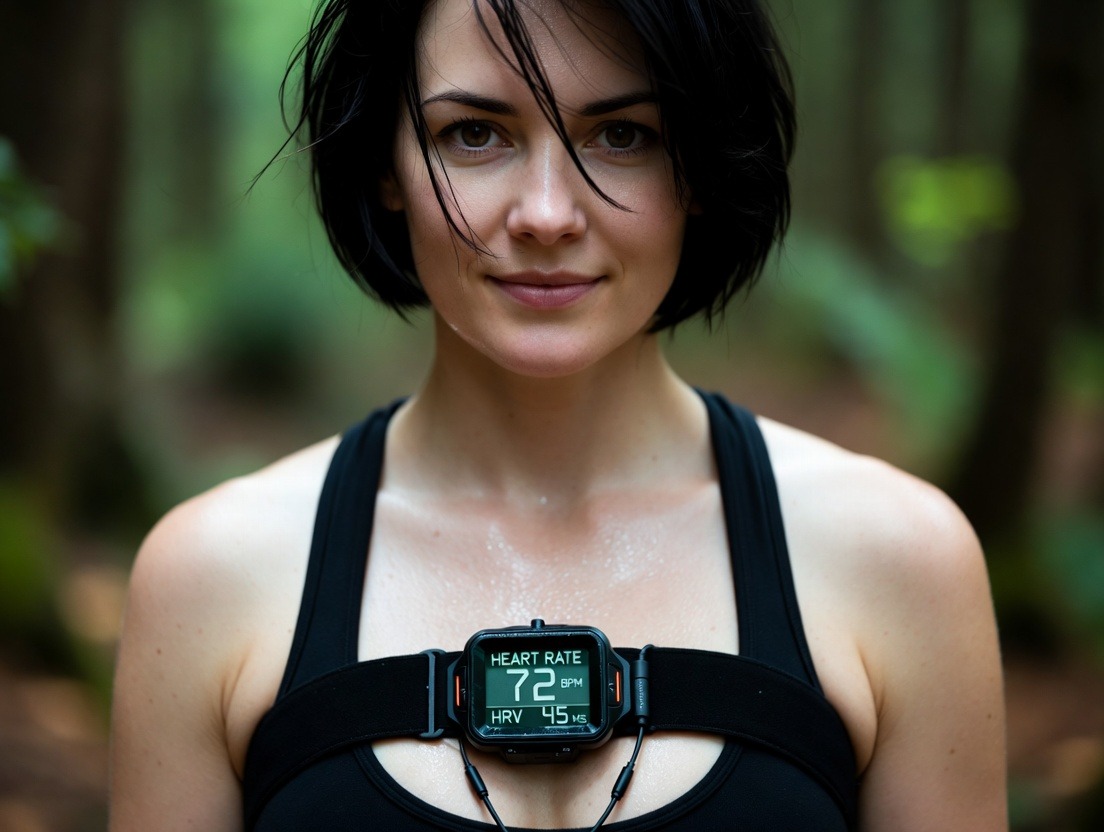
While the Oxyzen ring delivers unparalleled objective data, the final, irreplaceable component is your subjective awareness. The numbers tell the "what," but your mind provides the "why." The most powerful wellness strategy emerges from the marriage of quantitative data and qualitative feeling—the synergy between the ring on your finger and the conscious mind within.
Your ring might show a perfect readiness score of 92, but if you wake up feeling anxious or drained, that subjective feeling is a valid and crucial data point. Conversely, you might feel sluggish with a readiness score of 78, but the data suggests your body is physiologically recovered from a prior strain. In this case, a light, energizing movement session might be the perfect tool to shake off the mental fog, and your ring can confirm it didn’t add undue stress.
This is where intention setting transforms exercise from a metric-driven task into a purposeful practice. Before you move, ask:
Then, after your movement, perform a subjective check-in and compare it to your ring’s data.
Over time, you’ll identify the activities that create the most positive psycho-physiological alignment—where the objective metrics and the subjective experience sing in harmony. These become your cornerstone practices. You’ll also identify mismatches, which are equally valuable. Perhaps high-intensity spin classes give you great cardio metrics but leave you feeling jangled and irritable. That’s a sign it might not be the right modal stress for you, regardless of its calorie burn.
This mindful integration ensures you don’t become a slave to the data. The Oxyzen ring is a magnificent mirror, but you are the one living the life. It provides the feedback; you provide the wisdom. By honoring both, you craft a holistic approach to wellness where movement serves not just your body’s metrics, but your mind’s peace and your spirit’s joy. This balanced perspective is central to our vision at Oxyzen, a vision you can learn more about on our about us page.
As with any powerful tool, there are pitfalls to avoid when interpreting the complex relationship between movement and your wellness metrics. Misreading the signals can lead to unnecessary anxiety, misguided decisions, or a disconnect from your own intuition. Let’s clarify some of the most common confusions.
1. The "More is Better" Fallacy with HRV. A common mistake is believing your HRV should always be high and that a dip is inherently bad. Context is everything. A sharp drop in HRV during and immediately after a hard training session is a normal, expected sign of stress application. It’s proof you’ve challenged your system. The critical metric is the rebound. A healthy system will see HRV recover to baseline within a predictable timeframe (24-72 hours). A problem only arises if HRV stays chronically suppressed for days on end without an obvious stressor, or fails to rebound even with rest. Don’t fear the dip; fear the lack of recovery from it.
2. Misattributing Readiness Dips. A low readiness score doesn’t automatically mean you trained too hard yesterday. It could be due to:
Always cross-reference your readiness score with your sleep breakdown and your own life log before blaming your workout.
3. Overvaluing Single Data Points. Wellness is a trend, not a moment. A single day of low deep sleep or a one-time spike in resting heart rate is noise. Obsessing over it is counterproductive. Instead, look at 3-day and 7-day rolling averages. Is your HRV trend line sloping gently upward over weeks? That’s excellent. Is your deep sleep percentage consistently higher on nights after you lift? That’s a valuable pattern. The ring’s power is in revealing these longitudinal patterns, not in providing a daily score to neurotically optimize.
4. Ignoring the "Feel" for the Number. This is the inverse of the mindfulness pitfall. If your ring says you’re 90% ready but you feel a sharp, unusual pain in your knee, do not train through it because the data looks good. The ring measures systemic, autonomic physiology. It cannot detect localized musculoskeletal issues, impending strains, or pain. It is a guide, not a medical device. Your personal sensation of pain is the ultimate veto authority.
5. Comparing Your Data to Others. Your HRV baseline, your optimal sleep duration, your recovery rate are as unique as your fingerprint. Comparing your 45 ms HRV to a friend’s 80 ms is meaningless and can be demoralizing. Focus on your own trends. Is your personal baseline improving over months of consistent practice? That’s the only comparison that matters.
By steering clear of these misinterpretations, you maintain a healthy, productive relationship with your data. It remains a liberating tool for self-knowledge, not a source of anxiety or competition. For further clarification on how to get the most from your device, our comprehensive FAQ page addresses many common user questions.
Once you’ve mastered the foundational interplay between movement and metrics, you can elevate your practice. Your Oxyzen ring becomes a strategic command center for targeting specific wellness objectives, far beyond general "fitness." By understanding which movement signatures correlate with which outcomes, you can design your activity not just for today’s feel, but for tomorrow’s tangible results. Let’s explore how to apply this data-driven approach to three common goals.
Goal 1: Metabolic Health & Body Composition
The old paradigm of "calories in, calories out" is woefully incomplete. Your ring provides the nuanced data needed for a sophisticated approach.
Goal 2: Endurance & Cardiovascular Performance
For the runner, cyclist, or swimmer aiming to go longer or faster, the ring shifts from a tracker to a precision tuning device.
Goal 3: Strength, Power & Muscular Development
The goal here is adaptation, not just fatigue. The data tells the story of whether you’re providing the right stimulus and then getting out of the way so growth can happen.
By aligning your movement choices with these nuanced data interpretations, you transform random workouts into a coherent, evidence-based protocol for your specific ambitions. The ring provides the feedback loop that tells you not just if you're working hard, but if you're working smart.
Your movement does not occur in a physiological vacuum. The fuel you provide your body is the raw material for every heartbeat, muscle contraction, and recovery process your ring measures. Nutrition and hydration are the silent partners in your movement data, dramatically amplifying or diminishing the signals you see. Ignoring them is like analyzing an engine’s performance while ignoring the quality of its fuel and oil.
Hydration: The Most Immediate Modulator
Water is the medium of your physiology. Even mild dehydration (as little as 2% body weight) has a profound and rapid effect on your Oxyzen metrics:
The Data Experiment: Note your hydration level subjectively before a standard workout. Then, conduct the same workout on a day you are consciously well-hydrated (clear urine, drinking consistently). Compare the heart rate trace, perceived exertion, and most importantly, the speed of your HRV recovery post-session. The difference in your data will make hydration’s importance undeniably clear.
Nutrition: The Master Signal for Recovery & Adaptation
What and when you eat directly instructs your body on how to interpret the stress of movement.
By logging your nutrition (even simply noting "post-workout shake," "large late dinner," or "poor hydration day") alongside your Oxyzen data, you begin to see powerful cause-and-effect relationships. You’ll learn which fueling strategies make you resilient and which leave you fragile. The ring removes the guesswork, showing you the direct physiological impact of your dietary choices on your movement capacity and recovery.
Theory is powerful, but real-world examples crystallize understanding. Let’s examine the hypothetical longitudinal data of three distinct "Movement Archetypes" to see how their chosen activities paint a comprehensive picture of their wellness over time.
Archetype 1: The "Cardio Enthusiast" (Marina)
Archetype 2: The "Strength-Focused Athlete" (David)
Archetype 3: The "Harmonious Hybrid" (Alex)
These archetypes demonstrate that there is no single "right" way to move, but there are identifiable patterns of imbalance and harmony. Your Oxyzen data allows you to diagnose which archetype you currently resemble and offers a roadmap to a more balanced, resilient, and effective movement practice. For more narratives of personal discovery and transformation, our testimonials page shares stories from real users who have engaged in this very process.

Knowledge is only potential power; consistent action is kinetic. One of the most profound applications of your Oxyzen ring is its ability to serve as a catalyst for habit formation and a detective for breaking through frustrating plateaus. It provides the immediate, positive reinforcement and the objective "why" that willpower alone cannot sustain.
Building Unshakeable Movement Habits
The key to a lasting habit is making it obvious, attractive, easy, and satisfying (as outlined in James Clear's Atomic Habits). Your ring supercharges the "satisfying" and "obvious" components.
Diagnosing and Shattering Performance Plateaus
Hitting a plateau—where performance stops improving despite consistent effort—is demoralizing. Your subjective feeling is "I'm working hard but going nowhere." Your ring's objective data can reveal the root cause and point to the solution.
By treating plateaus not as failures but as data-rich diagnostic opportunities, you move from frustration to empowered problem-solving. The ring removes the mystery, providing a clear physiological report that guides your next move.
The current capabilities of smart rings like Oxyzen are impressive, but they represent just the dawn of a new era in personalized wellness. The future lies in the convergence of continuous biometric sensing, advanced machine learning (ML), and a deeper understanding of human physiology. This is not about replacing human intuition, but about augmenting it with insights so complex and personalized they were previously unimaginable.
Predictive Analytics & Proactive Guidance
Today, your ring is largely reactive and descriptive. It tells you what happened to your sleep, your stress, and your recovery. The next leap is into the predictive.
Hyper-Personalized Movement Prescriptions
Beyond general advice ("do more cardio"), the future points to dynamic, AI-generated movement plans.
Integrated Life-Stress Scoring
Movement is just one stressor. Future systems will better weight different life stressors.
The ethical and mindful use of this data will be paramount. The goal of companies like Oxyzen is not to create a system that dictates your life, but to develop a profoundly insightful companion that surfaces patterns and possibilities, always leaving you—the human—in the driver’s seat, making conscious choices informed by a deeper understanding of your unique biology. This journey of innovation is part of the ongoing narrative you can follow on our blog.
Your Trusted Sleep Advocate (Sleep Foundation — https://www.sleepfoundation.org/)
Discover a digital archive of scholarly articles (NIH — https://www.ncbi.nlm.nih.gov/
39 million citations for biomedical literature (PubMed — https://pubmed.ncbi.nlm.nih.gov/)
experts at Harvard Health Publishing covering a variety of health topics — https://www.health.harvard.edu/blog/)
Every life deserves world class care (Cleveland Clinic -
https://my.clevelandclinic.org/health)
Wearable technology and the future of predictive health monitoring. (MIT Technology Review — https://www.technologyreview.com/)
Dedicated to the well-being of all people and guided by science (World Health Organization — https://www.who.int/news-room/)
Psychological science and knowledge to benefit society and improve lives. (APA — https://www.apa.org/monitor/)
Cutting-edge insights on human longevity and peak performance
(Lifespan Research — https://www.lifespan.io/)
Global authority on exercise physiology, sports performance, and human recovery
(American College of Sports Medicine — https://www.acsm.org/)
Neuroscience-driven guidance for better focus, sleep, and mental clarity
(Stanford Human Performance Lab — https://humanperformance.stanford.edu/)
Evidence-based psychology and mind–body wellness resources
(Mayo Clinic — https://www.mayoclinic.org/healthy-lifestyle/)
Data-backed research on emotional wellbeing, stress biology, and resilience
(American Institute of Stress — https://www.stress.org/)


