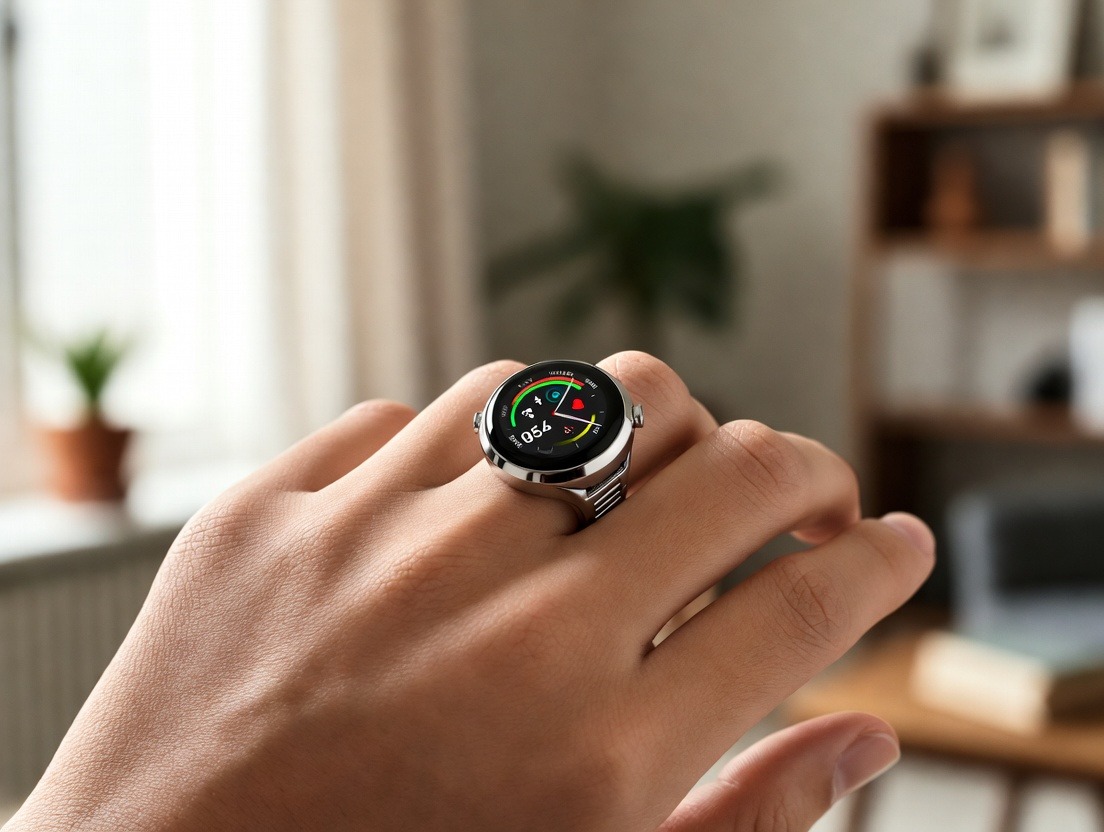
Energy Level Optimization for Athletes: Training Intensity Based on Ring Readiness
For athletes, adjusting training intensity based on ring readiness and energy data.
Energy Level Optimization for Athletes: Training Intensity Based on Ring Readiness
The relentless pursuit of performance. For athletes, every second shaved, every weight lifted, and every ounce of endurance gained is a victory hard-won. For generations, the paradigm has been one of sheer willpower: train harder, push through the pain, and ignore the whispers of a fatigued body. This "no pain, no gain" mentality, while effective at forging mental toughness, has also been the architect of countless overtraining injuries, chronic burnout, and plateaued potential.
What if the secret to unlocking your true athletic ceiling isn’t about pushing harder on your worst days, but about training smarter every single day? What if your body could communicate its precise, real-time readiness for the rigors you’re about to demand of it? The future of athletic optimization has arrived, and it’s not found in a locker room pep talk, but in the silent, continuous data stream from a device on your finger.
Welcome to the era of Training Intensity Based on Ring Readiness. This is a fundamental shift from a calendar-driven, pre-programmed training schedule to a dynamic, biofeedback-informed performance strategy. A modern wellness or smart ring, like the Oura, Circular, or Ultrahuman Ring, acts as your 24/7 physiological scout, measuring biomarkers that reveal your body’s true capacity for stress, recovery, and exertion. This article is your deep dive into the science and strategy of leveraging this continuous data stream. We will move beyond merely tracking recovery to architecting it; beyond observing readiness to actively building it. We will explore how to interpret your body’s nuanced signals, tailor your training load with surgical precision, and systematically optimize your energy levels to ensure that when you step onto the track, the field, or into the gym, you are not just willing to perform—you are biologically primed to excel.
This is not about replacing your coach’s intuition or your own bodily awareness. It’s about augmenting them with an objective, data-rich layer of insight, creating a powerful feedback loop that turns guesswork into a precise science. The ultimate goal is sustainable peak performance—achieving more, with less wasted effort and less risk, by learning to listen to what your body is already trying to tell you.
From Ignoring Fatigue to Interpreting Readiness: The Smart Ring Revolution
The journey of every athlete is punctuated by a critical internal conflict: the drive to train versus the need to recover. For too long, navigating this conflict relied on subjective feelings—"I feel a bit heavy today"—or rudimentary metrics like yesterday’s workout intensity or hours slept. This approach is akin to navigating a complex mountain trail using only a crude, hand-drawn map. You might eventually reach your destination, but the path will be inefficient and fraught with unnecessary risk.
The smart ring revolution provides a topographical satellite map of your internal terrain. By measuring key physiological signals throughout the night and day, these devices translate the vague language of "fatigue" into the precise dialect of biomarkers.
The cornerstone of this system is Heart Rate Variability (HRV). Far more insightful than your average heart rate, HRV measures the subtle, millisecond variations in the time intervals between consecutive heartbeats. A higher, more variable HRV typically indicates a resilient, recovered autonomic nervous system (ANS)—specifically, a dominant parasympathetic ("rest-and-digest") state. Your body is calm, recovered, and ready to handle stress. A lower, less variable HRV signals a stressed ANS, often skewed toward sympathetic ("fight-or-flight") dominance, suggesting your body is dealing with residual fatigue, illness, or other stressors and may not be primed for intense training.
But HRV doesn’t work in isolation. The smart ring creates a holistic "Readiness Score" by synthesizing it with other critical data:
Sleep Quality & Architecture: Not just duration, but the balance of deep, REM, and light sleep. Deep sleep is crucial for physical repair and growth hormone release, while REM sleep is vital for cognitive recovery and motor skill consolidation.
Resting Heart Rate (RHR): Your heart’s baseline workload. An elevated RHR upon waking can be an early warning sign of incomplete recovery, systemic inflammation, or impending illness.
Body Temperature: Circadian rhythm and minor nocturnal deviations can indicate metabolic stress, the onset of illness, or, for female athletes, cycle phases.
Respiratory Rate: A stable, low respiratory rate during sleep is a sign of autonomic balance. Significant changes can signal stress or respiratory issues.
By fusing these metrics, the ring provides a daily, objective "Readiness" or "Recovery" score. This number is your starting point. It answers the fundamental question: What is my body’s capacity for stress today? This paradigm shift—from ignoring subjective fatigue to interpreting objective readiness—empowers you to make proactive, not reactive, decisions. It’s the difference between forcing a high-intensity interval session when your HRV is crashing (and potentially digging a deeper recovery hole) and pivoting to a restorative mobility session that actively aids your rebound. This data-driven approach aligns perfectly with the principles of daily health optimization, where small, informed adjustments compound into massive performance gains over time, as detailed in our exploration of how daily health optimization strategies compound over time.
Decoding Your Ring’s Language: A Deep Dive into Readiness Metrics
To truly harness the power of ring-based training, you must become fluent in its language. Each metric is a chapter in the story of your recovery. Let’s translate them.
Heart Rate Variability (HRV): The ANS Whisperer Think of your ANS as the conductor of your body’s orchestra. The sympathetic nervous system (SNS) is the激昂的 crescendo, driving intensity. The parasympathetic nervous system (PNS) is the gentle decrescendo, promoting restoration. HRV is the harmony between them.
High/Balanced HRV: The orchestra is in sync. The PNS is strong, allowing for rapid recovery and a robust stress response. This is your green light for high-intensity or high-volume work.
Low/Depressed HRV: The SNS is dominating the score. This could be due to yesterday’s brutal workout, poor sleep, emotional stress, dehydration, or even a subclinical infection. This is a yellow or red light, signaling a need for reduced stress—physical and otherwise.
Crucially, it’s the trend that matters more than any single number. An athlete’s baseline HRV is highly individual. The ring’s power lies in establishing your normal range and then alerting you to significant deviations from it.
Sleep: The Non-Negotiable Foundation of Performance Sleep is not passive; it is an active, anabolic recovery process. The smart ring moves beyond simple duration to analyze architecture.
Deep Sleep (N3): This is when tissue repair, muscle growth, and human growth hormone (HGH) secretion peak. For athletes, this phase is critical for repairing the micro-tears created during strength training.
REM Sleep: Essential for memory consolidation, learning new skills (like a golf swing or playbook), and emotional regulation. An athlete in skill-sport needs ample REM.
Sleep Latency & Efficiency: How quickly you fall asleep and what percentage of time in bed you’re actually asleep. Poor efficiency can indicate poor sleep hygiene or underlying stress.
A high Readiness Score is virtually impossible without a foundation of quality sleep. This intricate dance between activity and rest is a pillar of sustainable health, a concept we explore in depth in our guide on achieving a healthy balance between activity and rest.
Resting Heart Rate (RHR) & Body Temperature: The Canaries in the Coal Mine These are your early-warning systems.
An Elevated RHR: A consistent increase of 5-7+ BPM above your personal baseline is a classic sign that your body is fighting something—overtraining, dehydration, illness, or significant life stress.
Body Temperature Trends: A sustained elevated temperature may point to metabolic strain, inflammation, or illness onset. For female athletes, tracking temperature can also help identify phases of the menstrual cycle, which profoundly impacts energy metabolism, injury risk, and recovery needs.
By learning to read these signals in concert, you stop guessing. You know if a poor readiness score is due to a hard training block (expected fatigue) or an unrelated stressor like work anxiety or poor nutrition (actionable feedback). This process of using data for informed daily choices is the core of a smart ring-guided approach to better health decisions.
The Readiness Spectrum: Creating Your Personal Traffic Light System
With a nuanced understanding of the metrics, the next step is to create a practical, personalized action framework. We can conceptualize this as a three-tiered "Traffic Light" system, driven by your ring’s daily readiness or recovery score and the underlying data.
Green Light (High Readiness Score): "Prime & Perform"
Characteristics: HRV is at or above your baseline. Sleep was long and architecturally sound (high deep/REM percentages). RHR is normal or low. You feel rested and mentally sharp.
Training Prescription: This is your day to attack. Schedule your most demanding sessions here: high-intensity interval training (HIIT), max strength lifts, speed work, or high-volume endurance sessions. Your body is primed to handle the stress, adapt positively, and will likely see the greatest performance gains from work done on these days. It’s also an ideal day for learning complex new motor skills.
Characteristics: HRV is slightly depressed. Sleep may have been slightly shorter or more disturbed. RHR is mildly elevated. You feel "okay" but not explosive.
Training Prescription: This calls for intelligent moderation. Avoid crushing your system. Pivot to moderate-intensity steady-state cardio, technique-focused skill work, hypertrophy-focused lifting with moderate loads, or a focused mobility/movement session. The goal is to maintain training frequency and stimulus without adding significant systemic fatigue. This is where flexibility in your program pays dividends.
Red Light (Low Readiness Score): "Recover & Restore"
Characteristics: HRV is significantly below baseline. Sleep was poor. RHR is notably elevated. You may feel drained, irritable, or notice a scratchy throat.
Training Prescription: This is a non-negotiable day for active recovery or complete rest. Your primary job is to facilitate recovery. This could mean:
A gentle walk, light cycling, or restorative yoga.
Foam rolling, meditation, or a sauna/cold plunge session (if well-tolerated).
Complete rest. Sometimes, the most productive thing you can do for your performance is nothing at all. Forcing a hard workout on a red-light day is the fastest way to dig a hole toward overtraining syndrome, illness, or injury. It is a net negative for your long-term progression.
This traffic light system turns data into decisive action. It empowers you to be both the scientist and the subject of your own performance experiment, a practice that is central to using smart ring data for effective daily health optimization.
Periodization 2.0: Dynamic Programming Based on Biofeedback
Traditional athletic periodization—the planned manipulation of training variables (volume, intensity, frequency) over time—is a blueprint. It’s a macro-level plan dividing a season into phases like preparation, base building, competition, and taper. The problem? Blueprints don’t account for daily weather, material delays, or the crew’s energy levels.
Dynamic, biofeedback-informed periodization is adaptive construction. The macro-plan (the blueprint) still exists—you have a target peak race or season. But the micro-plan (the daily and weekly workouts) becomes fluid, bending to the will of your readiness data.
How It Works in Practice:
You have a 16-week marathon plan. Week 8 calls for a 50-mile total volume with a 20-mile long run.
You wake up on the day of the 20-miler. Your ring shows a low readiness score: HRV dropped 15%, RHR up 8 bpm, sleep was 70% efficient due to travel.
The Adaptive Decision: Instead of blindly executing the 20-mile run (risking injury or excessive fatigue), you consult your traffic light system. This is a clear "Red/Yellow" day.
The Pivot: You swap the 20-mile run for a 60-90 minute easy, conversational-pace run or even cross-train. You prioritize sleep, nutrition, and hydration that day.
The Reset: The next day, if your readiness rebounds, you might perform that key long run, or you might shift the entire week’s structure, emphasizing quality over sheer volume that week.
This approach requires a shift in mindset from "I must hit every prescribed workout" to "I must execute the right workout for my body today to achieve the long-term goal." It respects the biological reality that adaptation doesn’t happen on a rigid calendar; it happens in response to applied stress followed by adequate recovery. This dynamic balancing act is key not just for athletes, but for anyone seeking a sustainable stress and performance balance in their daily life.
Beyond Recovery: Proactive Energy Level Optimization Strategies
A reactive athlete waits for a red light and rests. A proactive athlete works systematically to engineer more green lights. This is the essence of energy level optimization—using your ring data not just to guide training, but to improve the very readiness it measures.
Sleep as a Skill: Your ring provides the ultimate feedback loop for sleep hygiene.
Experiment: See how a 60-minute pre-bed digital detox affects your deep sleep percentage. Notice the impact of a late, heavy meal on your resting heart rate and sleep efficiency. Track how consistent bed and wake times, even on weekends, stabilize your HRV trend.
Optimize: Use the ring’s data to refine your evening ritual into a non-negotiable performance enhancer. This commitment to foundational health is a strategy that pays dividends across the lifespan, much like the principles behind a circadian rhythm preservation strategy.
Nutritional Timing for Recovery: Correlate your data with your diet.
Observe: Does low carbohydrate intake on heavy training days lead to poorer sleep and higher RHR? Does ensuring protein intake within 60 minutes post-training improve your next-day readiness score? Does alcohol, even just one drink, crater your HRV and demolish your REM sleep?
Adapt: Use these observations to time your macronutrients. Fuel hard training days adequately. Prioritize protein and healthy fats for recovery. View hydration not just for workout performance, but for nocturnal recovery—dehydration can elevate RHR and disrupt sleep.
Stress Management as Training: Psychological stress elicits the same physiological response (elevated cortisol, sympathetic activation) as physical stress.
Identify: Your ring is a lie detector for hidden stress. A period of work deadlines or personal strife will likely show up as a depressed HRV trend, even if your training load is low.
Integrate: This makes mindfulness, meditation, or breathwork not just "wellness activities," but direct performance interventions. A 10-minute daily meditation practice to lower psychological stress can free up autonomic capacity for physical adaptation, leading to a higher readiness score for your actual training. This holistic approach to managing allostatic load is a cornerstone of preventing burnout through a daily health optimization protocol.
Case Study: The Overtrained Runner & The Data-Driven Comeback
Consider "Elena," a competitive 10k runner plagued by persistent fatigue, declining performance, and recurring minor injuries—classic signs of overtraining syndrome. Her old approach: rest until she felt better, then jump back into her old plan, restarting the cycle.
Her new approach with a smart ring:
Diagnostic Phase (2 Weeks): She wears the ring but does only light activity. Her data reveals a chronically low HRV (far below her potential baseline), an elevated RHR, and poor sleep efficiency despite being "rested."
True Recovery Intervention: Instead of just resting, she uses the data. She institutes strict sleep hygiene (10 PM bedtime, no screens after 9 PM), introduces daily diaphragmatic breathing exercises, and focuses on anti-inflammatory nutrition. She tracks not how she feels, but how her data responds.
The First Green Light: After 10 days, her HRV shows its first upward trend and her RHR drops. Her ring gives her a "moderate" readiness score. She performs a very easy 20-minute jog.
Adaptive Rebuild: She only increases volume or intensity when her readiness score is consistently in the moderate/green zone post-run. If a workout causes a significant dip, the next day is automatically restorative. Her plan is written in pencil, guided by the ink of her physiological data.
The Outcome: Within 8 weeks, Elena is running higher-quality workouts than before, injury-free, and her HRV baseline is 20% higher—indicating a more resilient nervous system. She’s not just recovered; she’s optimized. Her journey mirrors the transformative potential of how small changes, validated by ring data, can lead to massive results.
Integrating Subjective Feelings with Objective Data: The Art & Science
The ring’s data is powerful, but it is not an omniscient oracle. It must be integrated with the athlete’s subjective experience—a process known as "sense-making."
When Data and Feeling Align: This is the sweet spot. You feel great, and your readiness score is high. Execute with confidence.
When Feeling Lags Behind Data (The "Data Green, Feel Yellow" Scenario): Your ring says you’re recovered, but you feel sluggish. This is common in the early stages of a training block or after travel. Strategy: Start your planned session, but warm up thoroughly and honestly. Be prepared to dial back the intensity if your body isn’t responding. The data suggests capacity is there, but the neuromuscular "pop" may be lacking.
When Data Leads Feeling (The "Data Red, Feel Green" Scenario): This is the most critical disconnect. You feel "wired" and eager to train, but your HRV is low and RHR is high. This is often a state of sympathetic overdrive—your body is pumping out stress hormones to mask deep fatigue. Training here is extremely high-risk. Strategy: Trust the data. Engage in active recovery. That "energetic" feeling is often a biochemical mirage; the underlying recovery debt is real. This discipline protects you from the deepest holes of overtraining.
Sport-Specific Applications: From Weightlifting to Endurance
While the core principles are universal, the application varies by sport’s unique physiological demands.
For Strength & Power Athletes (Weightlifting, Sprinting, Football):
Focus Metrics: Deep sleep is paramount for tissue repair and anabolic hormone release. HRV trends are crucial for gauging CNS (Central Nervous System) recovery. A fatigued CNS means submaximal force output and poor technique.
Application: A low readiness score, especially with poor sleep, is a clear sign to avoid max-effort (1RM) attempts or high-volume, heavy sessions. Pivot to technique work, accessory lifts, or conditioning. The risk of injury under heavy load is heightened when recovery is compromised.
For Endurance Athletes (Running, Cycling, Triathlon):
Focus Metrics: Sleep duration and efficiency for metabolic and muscular recovery. RHR and HRV are vital for monitoring systemic fatigue from high volume. Body temperature can signal metabolic strain or hydration status.
Application: A low readiness score may mean swapping a high-intensity interval session for a zone 2 (easy, aerobic) session, or reducing volume. Endurance adaptations are highly dependent on consistent, manageable stress. Avoiding a single "blow-up" workout that derails a week of training is more valuable than forcing it.
For Skill-Based Athletes (Golf, Tennis, Martial Arts):
Focus Metrics: REM sleep for cognitive and motor skill consolidation. HRV as an indicator of mental stress and focus capacity.
Application: A low readiness score, particularly with poor REM sleep, suggests it’s a poor day for intensive technical drills or competition. Focus on physical preparation, strategy review, or light, playful movement instead.
In all cases, the smart ring provides the common language of readiness, enabling precise load management tailored to the athlete’s specific physiological needs, a concept that is revolutionizing performance and recovery for athletes.
The Long Game: Readiness Tracking for Longevity and Career Sustainability
The ultimate goal of any athlete should transcend a single personal record or season. It is sustainable performance—a long, healthy, and productive career. This is where readiness-based training transitions from a performance hack to a longevity strategy.
Chronic overtraining doesn’t just lead to poor results; it accelerates biological wear and tear, increases systemic inflammation, and can lead to long-term hormonal dysfunction. By using your ring to stay within your recoverable stress envelope, you are:
Reducing Injury Risk: Most injuries are overload injuries, occurring when tissue breakdown outpaces repair. Readiness data helps you apply load when tissue is most capable of accepting it.
Preserving Joint and Musculoskeletal Health: Intelligent recovery days and active restoration promote circulation and mobility without excessive impact. This proactive care is an investment in your physical future, akin to the strategies discussed for supporting long-term joint health.
Building Resilience: A body that is consistently allowed to recover fully develops a more robust stress response system. Higher baseline HRV is not just linked to athletic performance, but to overall health and vitality.
In this way, the smart ring becomes more than a training tool; it becomes a guardian of your athletic lifespan, ensuring that the pursuit of peak performance today doesn’t come at the expense of your health and ability to perform tomorrow. This forward-thinking mindset aligns with the broader mission of using technology to transform the journey of healthy aging.
Building Your Daily Readiness Ritual: From Data to Actionable Insight
The true power of a smart ring is unlocked not by sporadic glances, but by a consistent, integrated daily ritual. This ritual transforms raw data into a coherent narrative and a clear action plan. For the athlete, the first ten minutes of the day are no longer for scrolling through social media; they are a strategic performance briefing.
The Morning Readiness Review (Your 5-Minute Performance Huddle):
Check the Score, Then the Story: First, note your overall Readiness or Recovery score. This is your executive summary. Then, immediately dive into the underlying metrics to understand why.
Ask the Investigative Questions:
HRV: Is it trending up, down, or stable relative to my baseline? Was there a notable dip? (Potential culprits: yesterday's training, late meal, alcohol, stress).
Sleep: Did I get enough total sleep? What was the balance of deep vs. REM? Was my efficiency high? (Check for disturbances).
RHR & Temperature: Any significant deviations from my norm?
Correlate with Context: Mentally cross-reference the data with your yesterday: training load, stress levels, nutrition, and evening routine. This builds your personal database of "what affects me and how."
Setting the Day's Training Intent: Based on this review, you assign the "Traffic Light" and lock in your session plan.
Green Light: Execute Plan A (Key/Hard Session).
Yellow Light: Switch to Plan B (Moderate/Maintenance Session).
Red Light: Commit to Plan C (Recovery/Rest).
This ritual eliminates decision fatigue and emotional waffling. The decision is made objectively, first thing in the morning, based on your body’s report card. This structured approach to daily planning is a hallmark of the high-performer's daily health optimization routine.
The Evening Wind-Down (Programming Tomorrow's Readiness): Your ritual doesn't end in the morning. The evening is when you set the stage for the next day's data.
Reflect on the Day: Was the training session aligned with your morning readiness? How did you feel during it?
Initiate Recovery: Based on the day's stress (physical and mental), your evening routine becomes a targeted intervention. A hard training day might call for extra hydration, targeted mobility work, and an earlier bedtime. A mentally stressful day might prioritize a digital detox and 10 minutes of breathwork to down-regulate the nervous system before sleep.
Consistency is Key: The ring will vividly show the benefits of a consistent sleep-wake schedule, even on weekends. This isn't about being rigid, but about recognizing that your body's circadian rhythm is a foundational performance asset.
This closed-loop system—morning review informs daily action, evening routine programs future readiness—creates a powerful positive feedback cycle. It’s the essence of proactive energy management, turning daily health from a concept into a practiced discipline.
Advanced Biomarkers: The Next Frontier of Performance Insight
While readiness scores, HRV, and sleep are the core pillars, the next generation of smart ring technology and analysis is delving into more advanced biomarkers that offer an even finer-grained view of an athlete’s physiology. Understanding these can provide a competitive edge.
Respiratory Rate (RR) and Its Nuances: While often reported as a simple overnight average, the real insight lies in its patterns.
Elevated RR: Can be a more sensitive indicator of overall stress load than RHR. A sustained elevation may signal that the respiratory system is working harder, potentially due to metabolic acidosis from intense training, early signs of illness, or even poor air quality.
RR Variability: Similar to HRV, the variability in breath-to-breath intervals is tied to autonomic function. Monitoring this can add another layer to recovery assessment.
Nocturnal Heart Rate Trends (The "Nightly Recharge"): It’s not just where your RHR starts and ends, but the journey it takes overnight.
Ideal Pattern: A quick drop upon sleep onset, a low, stable plateau through the night, and a gradual rise toward morning.
Concerning Patterns: A "flat" heart rate that never dips low, or multiple spikes and elevations, can indicate poor sleep quality, sleep apnea (which is under-diagnosed in athletes), or that the body is actively fighting inflammation or infection. This kind of detailed biomarker tracking is central to how wellness rings monitor key healthy aging indicators.
HRV Biomarkers Beyond the Average: RMSSD vs. LN RMSSD Most consumer devices use RMSSD (Root Mean Square of Successive Differences) as the primary HRV metric, as it’s good for short-term readings and is strongly influenced by parasympathetic activity. However, advanced analysis looks at frequency domains (LF/HF ratios) or the natural logarithm of RMSSD (LN RMSSD), which can provide more stable long-term trending and slightly different insights into autonomic balance. While the exact metric matters less for daily decisions than the trend, understanding what your ring is measuring can help when comparing data across platforms or with research.
Temperature Dynamics and Menstrual Cycle Tracking: For female athletes, this is not "advanced"—it's essential. Basal body temperature (BBT) tracking via a smart ring is a game-changer for understanding the profound impact of the menstrual cycle on performance and recovery.
Follicular Phase (Post-period to ovulation): Typically lower temperatures. Hormonally, this phase often correlates with higher pain tolerance, better ability to utilize carbohydrates for fuel, and greater potential for strength gains. Readiness Implications: This can be an ideal window for high-intensity training and max strength work.
Luteal Phase (Post-ovulation to period): Body temperature rises and stays elevated. Metabolism may rely more on fat, hydration balance can be trickier, and ligament laxity can increase slightly, potentially raising injury risk during high-impact or maximal load training. Readiness Implications: This may be a better window for emphasizing endurance-based training, technical skill work, and prioritizing recovery. The ring’s objective temperature data removes guesswork from cycle tracking, allowing for truly personalized periodization.
Leveraging these advanced insights moves an athlete from general readiness to specific preparedness, fine-tuning not just if they train, but how they train to align with their unique physiological state. This represents the cutting edge of personalized daily health recommendations enabled by technology.
The Pitfalls and Limitations: A Critical Perspective
As with any tool, blind faith can lead to pitfalls. The smart ring is a guide, not a guru. A critical understanding of its limitations is necessary to use it effectively.
The Data Interpretation Trap:
Over-Attachment to a Single Number: Obsessing over a daily score can itself become a stressor. The goal is the trend over weeks and months, not the daily fluctuation. It’s crucial to maintain a holistic view and optimize your health without becoming a slave to the numbers.
Misattribution of Cause: A low HRV could be from training, or it could be from an argument with a partner, a work deadline, or a poor meal. The ring shows the "what," not the "why." You must be the detective.
Technical and Physiological Limitations:
Signal Accuracy: While excellent for overnight measurements (minimal movement), daytime HRV readings during activity are less reliable. Rings are not yet replacements for chest-strap HR monitors during intense exercise.
The "Gray Zone": There will be days where the data is ambiguous—a moderate score with mixed metrics. This is where your integrated "art and science" skills are tested. When in doubt in a gray zone, err on the side of recovery.
Individual Variability: Not every body responds identically. Some athletes perform well even with moderate HRV dips. The ring helps you learn your unique patterns.
The Mindset Danger:
Avoiding All Discomfort: The goal of readiness-based training is not to avoid hard work. It’s to ensure hard work is applied at the right time for maximum benefit. You will still need to train hard on green days, which is deliberately uncomfortable. The ring helps ensure that discomfort is productive, not destructive.
Data as a Crutch, Not a Compass: Don't use a "yellow" score as an excuse to skip a session you simply don't feel like doing. Cultivate honesty with yourself. The data should inform discipline, not undermine it.
By acknowledging these pitfalls, you elevate your use of the technology from a passive consumer to an intelligent practitioner. You use the data to ask better questions of yourself and your coach, fostering a collaborative and insightful performance environment.
Conclusion of This Portion: The Empowered Athlete
We have journeyed from the foundational shift in mindset—from ignoring fatigue to interpreting readiness—to the deep mechanics of biomarkers, the practical framework of the traffic light system, and the sophisticated strategies of dynamic periodization and proactive optimization. We've explored sport-specific applications, advanced metrics, and the essential critical perspective.
The thread that ties it all together is empowerment.
The modern smart ring empowers the athlete with something historically reserved for elite laboratories: continuous, personalized, physiological insight. It democratizes the ability to train with intelligence and precision. You are no longer training in the dark, hoping your programmed plan aligns with your biological reality. You are now co-authoring your training plan with your body, in real-time.
This is not about making training easier. It is about making it more effective. It’s about ensuring that the immense effort, sacrifice, and passion you pour into your sport yields the maximum possible return in performance, health, and longevity. By optimizing your energy levels based on ring readiness, you are not just chasing personal records; you are building a more resilient, responsive, and sustainable athletic self.
The journey continues as we delve into the practical implementation of these principles. In the next portion, we will build upon this foundation to explore...
Syncing Metrics: Integrating Ring Data with Power, Pace, and Perceived Exertion
The smart ring provides the internal "why"—your body's readiness to accept load. But to fully optimize performance, this internal data must be synchronized with the external "what" and "how" of your training. This is where the powerful triad of Power (or Pace), Perceived Exertion (RPE), and Readiness creates an unbeatable feedback loop for precision training.
Think of it as a three-lens camera system:
Lens 1 (The Objective Output): Power meters (cycling, running) and GPS pace provide an unbiased measure of external work completed. This is your performance outcome.
Lens 2 (The Subjective Input): Rate of Perceived Exertion (RPE) on a scale of 1-10 captures your conscious experience of the effort. This is your mind's interpretation of the cost.
Lens 3 (The Biological Context): Your ring's readiness score and HRV provide the physiological backdrop. This explains the efficiency of the work.
The Critical Insight: Efficiency is Everything. The magic happens when you compare these lenses. For example:
Scenario A (High Efficiency, "Green Light" Day): You complete a set of intervals at your target power/pace with an RPE of 7. Your readiness score was high that morning. This is ideal adaptation stimulus: your body was primed to produce the output at the expected cost.
Scenario B (Low Efficiency, "Fool's Green" Day): You hit the same target power/pace, but your RPE is a 9.5—it felt grindy and awful. You check your morning readiness: it was moderate or low. This is a crucial warning. Your body produced the output, but at a much higher physiological and neurological cost. This workout will likely dig a deeper recovery hole than Scenario A, even though the "results" (power/pace) look identical on paper.
Scenario C (High Cost, "Red Light" Day): Your target power/pace is unattainable, and your RPE is a 10 for a lower output. Your readiness was low. This is your body screaming for a break. Forcing the session is counterproductive.
Practical Application: The Training Log 2.0 Your training log must evolve beyond "5x1000m @ 3:30 pace." It should become a holistic record:
By reviewing this log, patterns emerge. You learn that certain types of sessions (e.g., long tempo runs) crush your HRV for two days, while heavy strength sessions affect sleep architecture more. This intelligence allows you to space out stressful sessions appropriately and understand your personal recovery timelines. This meticulous, data-informed approach to logging is a natural extension of a comprehensive daily health optimization routine.
The Fuel Gauge: Nutritional Interventions Tied to Readiness States
You wouldn't put low-grade fuel in a race car on the day of the Grand Prix. Similarly, your nutritional strategy should be dynamic, shifting to support and respond to your body's readiness state. Food is not just calories; it's information and repair material. Your ring data tells you what your body needs.
Green Light Day Nutrition: Fuel for Performance & Adaptation
Goal: Provide ample, high-quality fuel to support high-output work and maximize the anabolic (building) response.
Carbohydrate Focus: Ensure glycogen stores are fully topped up. Prioritize nutrient-dense, complex carbs in pre-workout meals (oats, sweet potato, rice). Have fast-acting carbs available during prolonged or intense sessions.
Protein Timing: Strategic protein intake becomes critical. Consume a protein-rich meal or shake (20-40g) within the 60-minute post-exercise "anabolic window" to jumpstart muscle protein synthesis. The deep sleep you're likely to get that night will then optimize the use of these building blocks.
Hydration & Electrolytes: Proactively hydrate throughout the day. For sessions >60-90 minutes, an electrolyte supplement can prevent cramping and maintain nervous system function.
Yellow/Red Light Day Nutrition: Fuel for Repair & Recalibration
Goal: Reduce inflammatory load, support the nervous system, and provide resources for cellular repair without the need for intense glycogen replenishment.
Anti-Inflammatory Emphasis: Increase intake of omega-3 fatty acids (fatty fish, walnuts, flax), antioxidants (berries, dark leafy greens), and phytonutrients. Consider turmeric or ginger.
Moderate, High-Quality Carbs: Shift to lower-glycemic, fiber-rich carbs that support stable blood sugar and gut health (quinoa, legumes, vegetables). Avoid large insulin spikes that can add to physiological stress.
Prioritize Protein & Healthy Fats: Maintain protein intake to support ongoing repair. Increase healthy fats (avocado, olive oil, nuts) which are crucial for hormone production and nervous system health.
Hydration as Therapy: Hydration supports every metabolic process. On recovery days, herbal teas (chamomile, ginger) can be calming and anti-inflammatory. Proper hydration is a pillar of the kind of foundational health that supports all aspects of performance and longevity, a topic explored in our guide to aging vibrantly through holistic health mastery.
The Caffeine & Alcohol Audit: Your ring is the ultimate biofeedback tool for these common substances.
Caffeine: Note how late-day caffeine affects your sleep latency and deep sleep scores. For many, a cutoff time (e.g., 2 PM) is essential for green-light readiness.
Alcohol: Even one drink is likely to show up as a precipitous drop in HRV, a spike in RHR, and a severe reduction in REM sleep. The data is unequivocal: alcohol and athletic recovery are fundamental antagonists. Seeing this data graphically can be the motivation needed to reserve it for true off-season periods or eliminate it altogether during training blocks.
Mindset Mastery: Psychological Techniques for Red, Yellow, and Green Days
Your psychology must be as adaptable as your training plan. A rigid, "always attack" mindset will war against the intelligent flexibility your ring data prescribes. Mastering the mental game for each readiness state is crucial for long-term adherence and success.
Green Light Psychology: Focused Aggression On high-readiness days, your job is to be fully present and execute with confidence. The data has given you permission to go to the well.
Technique: Use visualization in your warm-up. See yourself hitting paces, lifting weights, feeling strong. Your self-talk should be assertive and task-oriented: "My body is ready. This is what I've prepared for."
Avoid: Wasting this prime physical state with mental distraction or half-effort. Protect this time and energy.
Yellow Light Psychology: Process-Oriented Patience These days test maturity. The goal is not a personal best, but a positive, controlled stimulus.
Technique: Shift your focus to technique, form, and consistency. In running, focus on cadence and breathing rhythm. In lifting, focus on the mind-muscle connection and perfect bar path. Your mantra becomes "Control the controllable."
Reframe Success: Success on a yellow day is defined by completing a moderate session without digging a hole, and by honoring the recovery process. It's a strategic withdrawal to enable a future advance.
Red Light Psychology: The Discipline of Rest For driven athletes, this is often the hardest day. Doing "nothing" can feel like failure. This mindset must be inverted.
Technique: Reframe rest as active recovery work. Your "workout" is the 30-minute walk, the mobility routine, the meditation session, the extra hour of sleep. Track it in your log with pride.
Cognitive Rest: This is also a day for mental recovery. Engage in hobbies, connect with loved ones, enjoy nature—activities that lower cognitive stress. This holistic approach to stress management is a key part of maintaining the balance crucial for sustainable performance.
The Long View: Remind yourself that today's intelligent rest is the direct investment in tomorrow's—or next week's—green-light performance. You are not losing fitness; you are banking recovery to cash in later.
Developing this flexible mindset ensures you are psychologically in sync with your physiology, creating a harmonious and sustainable athletic identity.
Case Studies in Long-Term Adaptation: From Amateur to Elite
Theoretical models are useful, but real-world examples solidify understanding. Let's examine two hypothetical, data-informed case studies across a full season.
Case Study 1: The Age-Group Triathlete (40-44 Age Group)
Challenge: Juggling a demanding career, family, and 12-15 hours of weekly training. Historically, he would get sick 2-3 times per season and have inconsistent race performances.
Smart Ring Integration: He uses his ring's readiness score as the final arbiter for his daily session. His coach provides A, B, and C options for each day.
Season Narrative:
Base Phase: He notices that high-volume, low-intensity bike sessions don't negatively impact his readiness, but long runs do. They adjust run frequency and add a recovery day after long runs.
Build Phase: When introducing high-intensity intervals, his readiness often dips for 2 days. They cluster intense sessions with 48+ hours of recovery between, and use the ring to confirm readiness before the second session.
Taper & Race Week: Instead of a standard 2-week linear taper, he tapers based on readiness. As his training load drops, his HRV trends upward and sleep improves dramatically. He arrives at the start line with the highest readiness scores of the season, feeling fresh and energized.
Outcome: He completes his first healthy, illness-free season in years and sets a personal best by 8 minutes, attributing his consistency to never "overcooking" himself during training.
Case Study 2: The Collegiate Weightlifter
Challenge: Peaking for the National Championships. Prone to CNS burnout, where her technique breaks down and she feels "flat" under heavy loads.
Smart Ring Integration: Focus on HRV trend and deep sleep as indicators of CNS recovery. Morning readiness dictates if it's a max effort day, a volume day, or a technique day.
Season Narrative:
Off-Season/General Prep: Uses readiness to auto-regulate assistance work volume (hypertrophy, conditioning). If readiness is low, she reduces volume but may still practice main lift technique with light loads.
Specific Prep: Before a planned heavy snatch/clean & jerk day, a low readiness score triggers a switch to a power variation day (snatch/clean pulls, power cleans) with submaximal weights. This maintains technical patterning without crushing her CNS.
Peak & Competition: During the final 10-day peak, the ring data is invaluable. One week out, a readiness crash after a travel day prompts an extra 48 hours of very light work. She recovers fully and hits a personal best total at Nationals.
Outcome: She learns her personal "dose-response" to heavy lifting and avoids the overtrained, flat feeling that previously plagued her peaks. This kind of individualization is the future of athletic training, moving towards a model where daily recommendations are personalized by continuous biofeedback.
These cases illustrate that this approach is not sport-specific; it's a universal principle of intelligent stress management. The process of learning one's unique physiological responses is itself a powerful tool for daily health optimization across multiple life domains.
Choosing Your Tool: A Guide to Selecting and Setting Up a Smart Ring
With the "why" and "how" established, the practical question remains: which device is right for you? While features evolve rapidly, here are the core considerations for an athlete.
Key Selection Criteria for Athletes:
Accuracy of Core Biomarkers: Prioritize devices with strong, clinically validated sensors for nocturnal HRV (the most important metric), resting heart rate, and temperature. Read independent reviews and studies.
Battery Life & Charging: Look for 5-7 day battery life. A device you have to charge daily is one you'll inevitably miss a night of data with. Fast charging is a bonus.
Durability & Form Factor: It must withstand sweat, occasional impacts (e.g., weightlifting bars), and be comfortable for 24/7 wear, including during sleep. Some are more low-profile than others.
App Ecosystem & Data Accessibility: The app should present data clearly and allow for easy trend analysis. Crucially, it should allow you to export your raw data (HRV, HR, etc.) so you can analyze it in conjunction with your training logs in other apps (like TrainingPeaks, Strava, or even a simple spreadsheet).
Actionable Insights (Not Just Data): The app should provide a clear readiness/recovery score and, ideally, offer context or suggestions. Does it tag potential causes for poor recovery (e.g., "Late Meal Detected")?
Setup for Athletic Success:
Establish Your Baseline: Before making any training decisions, wear the ring consistently for 2-3 weeks with minimal intense training. This period allows the algorithm to learn your unique, rested baseline for HRV, RHR, and sleep. Do not react to scores during this phase—just observe.
Input Your Context: Use the app's tagging or journal features. Log your training sessions, stress levels, and any alcohol/caffeine consumption. This teaches both you and the algorithm what impacts your physiology.
Integrate with Your Existing Workflow: Connect the ring to Apple Health or Google Fit. See if it integrates with your preferred training platform (some now have direct integrations with platforms like TrainingPeaks). The goal is a centralized dashboard of your life.
Start with One Decision: In your first week of active use, don't overhaul your plan. Use the data to make one clear decision: swap one planned hard day for a recovery day if you get a red light, or push one interval harder on a green light day. Build trust in the system gradually.
Remember, the best ring is the one you'll wear consistently and whose data you'll learn to interpret. It is a long-term investment in your physiological literacy, a tool for enabling continuous daily health optimization throughout your athletic career and beyond.
The Future Is Now: Emerging Tech and the Horizon of Biofeedback
The current capabilities of smart rings are just the foundation. The horizon of biofeedback for athletes is exploding with potential, promising even deeper layers of personalization and insight.
Continuous Glucose Monitoring (CGM) Integration: Imagine your ring or its app correlating your HRV and readiness with real-time blood glucose levels. This could unlock hyper-personalized fueling strategies, showing you exactly which foods stabilize your energy for training and which cause crashes that impair recovery.
Electrodermal Activity (EDA) for Stress Tracking: Some rings already measure EDA (skin conductance), a direct indicator of sympathetic nervous system arousal. For athletes, this could provide real-time feedback on pre-competition nerves or help quantify the stress-reducing impact of meditation or breathwork practices with tangible data.
Advanced Sleep Staging & Sleep Apnea Risk Detection: Future algorithms may more accurately identify sleep stages and even screen for conditions like sleep apnea, which is detrimental to performance and recovery but often undiagnosed in athletes.
True Real-Time Readiness (Not Just Morning): While current scores are based on nocturnal recovery, future models may incorporate daytime HRV measurements and activity data to provide a dynamic, updated "readiness to perform" score throughout the day, helping you decide if an impromptu bonus session is wise.
AI-Powered Coaching Integration: The ultimate frontier is an AI coach that synthesizes ring data, training load, performance metrics, nutrition logs, and even calendar stress to generate adaptive training plans in real-time. This coach wouldn't just suggest a workout; it would predict its impact on your next 72 hours of recovery and adjust the entire training block accordingly.
This rapid evolution underscores that we are at the beginning of a paradigm shift. The athlete of the future will be defined not just by their physical gifts or work ethic, but by their ability to interpret and act upon a constant stream of personalized biological data. This aligns with the broader trend of technology transforming how we approach health and wellness at every stage of life.
Beyond the Individual: Team Applications and Cultural Shifts
The principles of readiness-based training have profound implications beyond the solo athlete, extending to professional sports teams and high-performance organizations.
Load Management in Team Sports: For coaches managing a roster of 20+ athletes, smart rings could become an essential tool for load management and injury prevention.
Weekly Readiness Heat Maps: A dashboard showing which players are in green, yellow, or red states could inform practice intensity, starting lineups, and substitution patterns.
Travel & Fatigue Monitoring: Objectively track how cross-country travel and back-to-back games impact the team's collective physiology, adjusting recovery protocols accordingly.
Rookie Monitoring: Help young athletes adapt to the dramatically increased load of professional sports by ensuring they don't spiral into overtraining.
Shifting Team Culture from "Toughness" to "Intelligence": This requires a cultural shift. The "warrior" mentality that praises practicing through injury and fatigue must evolve into a "scientist" or "tactician" mentality that values availability and peak performance. Data provides an objective, non-judgmental language for this shift. A player isn't "soft" for having a red score; they are presenting a physiological fact that, if ignored, risks a month-long injury. Honoring this data builds trust and leads to more player-games available over a season—the ultimate competitive advantage.
Ethical Considerations & Data Privacy: This power comes with responsibility. Teams must establish clear, ethical guidelines: Who owns the data? How is it used? Is it used against a player in contract negotiations? Transparency and athlete agency are paramount. The goal should be performance partnership, not surveillance.
Implementing this successfully requires a holistic performance team—coaches, sports scientists, nutritionists, and psychologists—all speaking the common language of readiness data to support the athlete's complete ecosystem. This integrated model mirrors the approach needed for holistic health optimization that creates benefits across generations.
Conclusion: The New Paradigm of Sustainable Performance
We have traversed the entire landscape of energy level optimization for athletes, from the philosophical shift to the granular details of biomarkers, from daily rituals to future possibilities. The thread connecting every section is a move away from external, arbitrary schedules and towards an internal, responsive dialogue with your own biology.
Training intensity based on ring readiness is not a fad or a hack. It is the logical culmination of sports science: the application of personalized, continuous physiological data to the age-old problem of balancing stress and recovery. It replaces guesswork with guidance, and hope with strategy.
This approach empowers you to:
Maximize Gains: By applying your hardest efforts when your body is most capable of absorbing them.
Minimize Risk: By reducing training load when your body is vulnerable, thereby preventing overtraining and injury.
Extend Your Career: By fostering a resilient physiology and preventing the burnout that ends athletic journeys prematurely.
Enhance Your Overall Well-being: By learning the levers of your own health—sleep, stress, nutrition—you build habits that support performance in sport and excellence in life.
The smart ring is the tool, but you are the athlete. The data provides the map, but you choose the path. By embracing this new paradigm, you commit to the most intelligent, sustainable, and ultimately rewarding path to performance: the one that listens to, and honors, the incredible biological system that makes it all possible. This journey of optimization, guided by data and grounded in self-awareness, is the true path to unlocking your enduring potential.
Recovery Modality Optimization: Using Data to Choose What Works for You
The modern athlete's recovery toolkit is vast: cryotherapy, infrared saunas, pneumatic compression boots, contrast therapy, foam rolling, massage, hyperbaric oxygen, and more. But which modalities are genuinely effective for your specific physiology on a given day? Without data, choosing a recovery strategy is often based on trends, anecdotes, or marketing. Your smart ring provides the objective feedback needed to personalize and optimize your recovery protocol, turning guesswork into a precise science.
The Principle of Biofeedback-Driven Recovery: The goal of any recovery modality is to shift your autonomic nervous system toward parasympathetic (rest-and-digest) dominance and reduce systemic inflammation. Your HRV and RHR are direct, quantifiable indicators of whether this shift is occurring. You can now test each modality like a scientist.
Case Study: Cold Exposure vs. Heat Therapy
The Experiment: For two weeks, alternate between a 3-minute cold plunge (55°F) and a 20-minute infrared sauna session (140°F) on evenings after hard training days. Keep all other variables (sleep, nutrition, training) as consistent as possible.
The Data: Track your morning-after HRV, RHR, and deep sleep percentage following each modality.
The Potential Outcomes:
Athlete A sees a 10% boost in HRV and a 5 BPM drop in RHR after the sauna, but a slight dip in HRV after the cold plunge. Conclusion: Heat therapy is a superior recovery tool for their system post-exercise.
Athlete B sees the opposite: a significant HRV boost and much better sleep after cold exposure, while heat leaves them slightly dehydrated (elevated RHR). Conclusion: Cold exposure is more effective for their recovery.
This personalized insight is invaluable. What works for a teammate or a social media influencer may not work for you. The ring reveals the truth.
Optimizing Other Modalities:
Compression Therapy: Does wearing compression boots for 20 minutes post-long run improve your next-day leg readiness and lower RHR? Test it.
Massage/Self-Myofascial Release: Does a deep tissue massage lead to better sleep quality and HRV, or does the intense stimulus create inflammation that temporarily depresses it? The data can guide timing and intensity.
Light Therapy/Red Light: Does morning red light exposure correlate with more stable energy levels and better sleep scores? Your ring’s sleep architecture data can help you assess.
By using your readiness metrics as a benchmark, you can invest your time and money into the recovery strategies that deliver a measurable return for your biology, moving beyond fads to truly effective practices. This empirical approach to wellness is a hallmark of the science behind daily health optimization.
Navigating Illness and Return-to-Play: The Data-Driven Protocol
One of the most critical applications of readiness tracking is managing sickness. Pushing through illness is a cardinal sin in athletics, often leading to prolonged downtime, myocarditis risk, or performance setbacks that last months. Your smart ring acts as an early-warning system and a trusted guide for the safe return to training.
Phase 1: The Early Warning & The Sick Day Protocol
Early Signs (24-48 hours before symptoms): Your body mounts an immune response. This often appears as an unexplained, significant dip in HRV alongside an elevated RHR and sometimes a higher nocturnal temperature—even if you feel fine. This is a "Red Light Plus." Training is not just inadvisable; it's dangerous.
Action: At the first sign of this data trio without a clear training cause, implement a "Sick Day Protocol": Immediate reduction in all stress (physical, mental), prioritize sleep, hydrate aggressively, and focus on nutrient-dense foods. You may abort an illness before it truly begins.
Phase 2: Active Illness & The Rest Imperative
During Symptoms: Your data will be in the red. Your job is to rest. Full stop. The ring provides objective validation that your body is under siege, quieting the internal voice that says "maybe a light workout would help."
Monitoring: Track the trend. Even when symptoms subside, your HRV will likely remain low and RHR high as your immune system completes its work.
Phase 3: The Data-Driven Return-to-Play (RTP) Ladder The biggest mistake is returning to full training when you feel "mostly better." Your ring data provides the objective criteria for a phased return.
RTP Step 1 (Restorative): Wait until your RHR has returned to your personal baseline and your HRV shows a clear, sustained upward trend for at least 48 hours post-symptoms.
RTP Step 2 (Very Light Activity): First day back: 20-30 minutes of zone 1 (very easy) activity. Monitor the impact. Does your HRV dip the next day? Does your RHR spike? If data remains stable, proceed.
RTP Step 3 (Gradual Reintroduction): Over the next 5-7 days, very gradually reintroduce duration and then intensity, using your daily readiness score as the gatekeeper for each step up. A yellow light means hold at the current step for another day.
Full Return: You are not fully "recovered" from illness until you can complete a moderate training session without negatively impacting your next-day readiness metrics.
The Economics of Readiness: Calculating Your Athletic ROI
For the amateur athlete investing in gear, coaching, and nutrition, or the professional whose livelihood depends on performance, the smart ring isn't just a wellness gadget—it's a strategic investment. We can frame its value in terms of Return on Investment (ROI) by examining the costs it helps avoid and the gains it can unlock.
The Cost of Overtraining & Injury (The Negative ROI):
Financial Costs: Doctor visits, physical therapy, imaging (MRIs), surgery, lost race entry fees, forfeited prize money or bonuses.
Performance Costs: Months of lost training, deconditioning, the mental toll of rehabilitation.
Opportunity Cost: The races, seasons, or career milestones missed.
A single preventable stress fracture or case of overtraining syndrome can incur tens of thousands of dollars in costs and immeasurable career damage. The ring’s primary economic value is as risk mitigation insurance. By providing the objective signal to pull back before injury occurs, it protects your entire athletic investment.
The Gain of Optimized Performance (The Positive ROI):
Efficiency Gains: Training at the right time means better adaptations per unit of effort. This could translate to shaving minutes off a marathon time with the same weekly mileage, or adding kilos to a lift with less perceived effort.
Availability Gains: More consistent training days without forced downtime. For a pro athlete, more available games or matches.
Longevity Gains: A longer, healthier career at the elite level, or more years of enjoyable, high-level participation as an amateur.
The Amateur's Calculation: For an age-group triathlete spending $5,000/year on race entries, travel, coaching, and gear, avoiding one DNS ("Did Not Start") due to illness or overtraining could justify a $300 ring several times over. The compounded benefit of years of healthier, smarter training is incalculable.
The Professional's Calculation: For a professional athlete, a 2% performance improvement or one extra healthy game per season can be worth hundreds of thousands or millions of dollars. The ring, as a tool to help achieve that marginal gain, has an astronomical potential ROI.
Beyond money, the ROI is measured in sustainable passion. Avoiding burnout keeps the love for the sport alive, ensuring that your athletic journey is a fulfilling marathon, not a painful sprint to breakdown. This holistic view of investment in self aligns with understanding the deep connection between financial wellness and long-term health.
Building Your Dynamic Annual Plan: A Framework
Armed with the principles of readiness-based training, let's construct the skeleton of an annual plan for an endurance athlete. This framework replaces a static calendar with an adaptive structure.
Phase 0: The Baseline & Discovery Phase (2-4 Weeks Post-Season)
Training: Unstructured, fun activity. Very low load.
Ring Focus: Establish true physiological baselines for HRV, RHR, and sleep. Experiment with recovery modalities. This is a data-gathering period to understand your "rested" self.
Phase 1: General Preparation (8-12 Weeks)
Primary Goal: Build aerobic base and general strength. Low intensity, higher volume.
Dynamic Rule: Volume can increase steadily as long as weekly average readiness score remains stable or trends upward. A downward trend triggers a 10-20% volume reduction for the following week.
Primary Goal: Develop sport-specific fitness. Introduce and progress intensity.
Dynamic Rule: Intensity is prescribed based on daily readiness. Hard interval sessions are only performed on Green Light days. If multiple yellow/red days delay a key session, the weekly structure flexes—the session is moved, not forced.
Key Sessions: Intervals, tempo work, race-pace rehearsals.
Phase 3: Pre-Competition & Taper (2-3 Weeks)
Primary Goal: Peak performance and freshness.
Dynamic Rule: Taper depth and length are personalized by data. Instead of a standard 14-day linear taper, you begin reducing load when your HRV shows a clear, sharp upward trend and your RHR drops—signs your body is supercompensating. The taper continues until readiness scores peak and stabilize.
Key Sessions: Sharp, short, high-intensity efforts to maintain neuromuscular power without fatigue.
Phase 4: Competition & Active Recovery (Race Week + Post-Race)
Race Week: Use readiness to fine-tune final micro-doses of activity. The goal is to wake up on race morning with the highest readiness score of the season.
Post-Race Recovery: Do not set a fixed "time off." Use the ring. Return to very light activity only when HRV/RHR have fully returned to your Phase 0 baselines, indicating systemic recovery is complete.
Phase 5: Transition (2-4 Weeks)
Goal: Mental and physical break.
Ring Role: Monitor to ensure you are genuinely detraining and recharging. It's okay to see fitness metrics decline while readiness and enjoyment soar.
This dynamic plan is a living document. The phases provide direction, but the daily and weekly content is co-authored by your body's feedback. It requires a shift from a coach-as-sole-author to a collaboration between athlete, coach, and data. This collaborative, responsive model is the future of personalized performance, much like the future of independent aging supported by smart technology.
The Ethical and Psychological Dimensions of Constant Monitoring
While the benefits of biometric tracking are immense, we must address the shadow side. Wearing a device that constantly judges your recovery can become a source of anxiety, leading to orthosomnia (an unhealthy obsession with perfect sleep data) or performance anxiety tied to scores.
Potential Pitfalls:
Data Anxiety: Worrying about a low HRV score can itself lower HRV, creating a negative feedback loop. The tool meant to reduce stress becomes a stressor.
Over-Reliance & Disconnection: Ignoring clear feelings of illness because your score is "green," or overriding intuitions because the data says you "should" be ready.
The Quantified Self vs. The Experiential Self: Losing the simple joy of a run in the woods because you're preoccupied with how it will affect your evening HRV reading.
Healthy Practices for Balanced Use:
Scheduled Reviews: Don't check your data incessantly. Make your morning review ritualized, then put it away. Perhaps check readiness once in the morning and never again that day.
Trends Over Dots: Drill into your psyche that a single day's score is meaningless noise. Only the weekly and monthly trends are meaningful signal. Our guide on optimizing health without obsessing over numbers is essential reading here.
Regular Detoxes: Consider taking the ring off for a 48-hour period every month or during a true vacation. Reconnect with your innate bodily sensations without the intermediary of data.
Use it as a Guide, Not a Gospel: The final decision-maker is always you—a synthesis of the data, your subjective feelings, your coach's advice, and the context of your life. The ring is one important input, not the sole arbitrator of truth.
The goal is to use technology to enhance self-awareness, not replace it. It should make you more connected to your body, not more alienated from it. This balanced approach ensures that the pursuit of optimization enriches your athletic experience rather than turning it into a sterile data-management exercise.



%402x.svg)