


Fitness Tracking Simplified: The AI-Powered Analysis Your Ring Provides
Uses AI to analyze your data and provide simple insights.
Uses AI to analyze your data and provide simple insights.
%402x.svg)
For years, the pursuit of fitness was a story of analog inputs and vague outputs. You logged miles in a notebook, counted reps by memory, and measured progress by the tightness of your jeans or the vague feeling of being “in shape.” Then came the digital revolution—wrist-worn trackers that turned our lives into a stream of data: steps, heart rate, calories burned. But a curious thing happened. This flood of information didn’t always lead to clarity. Instead, it often created a new kind of noise: a relentless focus on isolated metrics that, without context, felt more like a judgment than a guide. You hit 10,000 steps but felt exhausted. You burned 500 “active” calories but your workout felt hollow. The data was there, but the meaning—the actionable, personal insight—was missing.
We stand at the precipice of a new era, one where technology recedes into the background and understanding leaps to the fore. This is the promise of the modern smart ring, a device that elegantly consolidates the most advanced biometric sensors into a form so natural you forget you’re wearing it. But its true genius isn’t in its subtle design; it’s in the sophisticated artificial intelligence that transforms raw data into a coherent, personalized narrative about your body. Fitness tracking is no longer about the “what”—what you did, what you burned. It’s about the “why” and the “how.” Why did that workout feel so difficult today? How is your body actually recovering? What is your unique physiology telling you about the optimal path forward?
This is fitness tracking simplified. Not simplified as in less information, but simplified as in profound clarity. It’s the distillation of complexity into wisdom. The smart ring, worn continuously, builds a comprehensive baseline of your health—your resting physiology, your sleep architecture, your daily stress patterns—against which every workout, every run, every gym session is measured. The AI doesn’t just report your heart rate during exercise; it analyzes how that heart rate responds to strain, how quickly it recovers afterwards, and what that says about your fitness, fatigue, and readiness for tomorrow. It moves you from chasing generic metrics to understanding your unique biological signature.
Welcome to a world where your most powerful fitness tool doesn’t clip to your waist or strap to your chest—it sits quietly on your finger, working in the background to make sense of you. This is the beginning of a journey toward truly intelligent fitness. Let’s explore how the seamless, AI-powered analysis from a device like the Oxyzen smart ring is demystifying human performance and putting personalized, actionable health intelligence literally at your fingertips. For a deeper look at the foundational technology that makes this possible, you can explore our detailed explainer on how sleep and fitness trackers actually work.
The fitness tracker’s journey has been one of incremental miniaturization and increasing intimacy. We’ve moved from clunky chest straps to wristbands, each iteration getting closer to seamless integration with our lives. But the wrist, for all its utility, presents fundamental limitations for continuous, medical-grade biometric capture. It’s a highly mobile joint, subject to temperature fluctuations, and prone to what engineers call “motion artifact”—noise in the data caused by everyday hand movements. This can compromise the very data we rely on, especially for the subtle metrics that underpin true fitness intelligence.
Enter the smart ring. Worn on the finger, it leverages a critical anatomical advantage: the rich vascular bed found in the finger’s palmar digital arteries. This location provides a stronger, cleaner photoplethysmogram (PPG) signal—the optical measurement of blood volume changes—than the wrist. The finger’s relative immobility during sleep and most daily activities, compared to the wrist, reduces motion noise dramatically. The result is a more stable, accurate, and consistent stream of foundational data: heart rate, heart rate variability (HRV), blood oxygen saturation (SpO2), and skin temperature.
This shift in form factor is not merely technical; it’s profoundly practical. A ring is unobtrusive. It doesn’t snag on clothing during a workout. It’s safe for contact sports, swimming, and weightlifting where a wrist device can be cumbersome or damaging. You can wear it 24/7 without it interfering with your watch, your style, or your comfort. This 24/7 wearability is the non-negotiable cornerstone of AI-powered analysis. Fitness isn’t an event that happens for an hour a day; it’s a physiological state built and revealed across the full cycle of exertion, recovery, and rest. You cannot understand the impact of your 6 AM sprint session without understanding the quality of your sleep the night before and the state of your nervous system when you woke up.
The ring becomes a silent, persistent witness to your body’s entire story. While you sleep, it gathers the crucial recovery data that forms the baseline for your next day’s readiness. While you work, it notes subtle stress responses. And during exercise, it captures exertion data with a fidelity that, when contextualized by that continuous baseline, becomes exponentially more meaningful. The form factor enables a holistic view that a device you remove for sleep, for the gym, or for comfort simply cannot achieve. This continuous, high-fidelity data stream is the essential fuel for the AI engine that follows. To see the difference this makes in understanding your body’s restoration phases, consider reading about what is deep sleep and why you're not getting enough.
Imagine a library containing millions of data points on human physiology: heart rate patterns, sleep cycles, workout responses, and recovery signatures from people of all ages, fitness levels, and lifestyles. Now, imagine a sophisticated learning system that has studied this library and can compare your unique data stream against it, not to label you, but to understand you. This is the AI brain powering the modern smart ring. It’s the critical leap from data collection to intelligent interpretation.
At its core, this system utilizes machine learning algorithms, a subset of AI that improves its analytical models automatically through experience. When you first wear your ring, it begins a “learning phase.” Over several days and nights, it observes your personal norms. What is your typical resting heart rate? What does your healthy sleep architecture look like? What is your baseline HRV, a key indicator of autonomic nervous system balance and recovery status? The AI isn’t applying a textbook average; it’s building a personalized model of you.
Once this baseline is established, the real magic begins. The AI starts to identify patterns, correlations, and deviations. For instance, it can correlate a night of disrupted deep sleep with a higher-than-average resting heart rate the next morning and a sluggish workout performance. It can notice that on days following high-stress mental work, your body shows a pronounced stress response (via elevated skin temperature and lowered HRV) even before you lace up your shoes, suggesting you might benefit from a gentler activity.
This goes far beyond simple if-then statements. The AI performs multi-variable analysis, weighing dozens of inputs simultaneously—sleep duration, sleep stages, nighttime SpO2, respiratory rate, HRV trends, temperature deviation, and activity history—to generate composite scores like Readiness or Recovery. These scores are not arbitrary; they are probabilistic assessments of your body’s physiological preparedness for strain. A high readiness score doesn’t just mean you slept well; it means your body’s systems are primed for performance. A low score is a proactive warning, a suggestion from your own physiology to prioritize restoration.
The system also personalizes your fitness metrics. Instead of comparing your calorie burn to a generic 30-year-old male, it estimates energy expenditure based on your personal metabolism, your current physiological state, and the actual intensity of your movement. It turns raw heart rate data into meaningful cardio load and strain metrics that reflect how hard the session was for you, on that day, in your current state of recovery. This transforms fitness tracking from a passive log into an active dialogue with your body. For those curious about how these insights are presented and what to do with them, our FAQ section offers extensive guidance on interpreting your data.
In traditional fitness paradigms, sleep was the blank space between workouts. Today, with continuous ring-based tracking, we understand that sleep is not the intermission—it’s the main event where the real adaptation happens. Muscle is broken down in the gym; it’s rebuilt and strengthened during sleep, particularly during deep, slow-wave sleep. The cardiovascular system repairs itself. The brain clears metabolic waste. Your hormonal balance, crucial for metabolism and muscle growth, is restored. To train without understanding your sleep is to fly blind.
This is where the smart ring’s 24/7 wearability pays its highest dividend. It provides an uninterrupted, night-by-night audit of your recovery engine. Key metrics include:
By synthesizing these metrics each morning, the AI generates a comprehensive recovery score. This score isn’t a verdict; it’s a prescription. It answers the critical question: “Based on how my body recovered last night, how should I approach today?”
A high recovery score is a green light. It suggests your body has absorbed previous training stress and is ready for a new, challenging stimulus. A moderate score might suggest a maintenance day—steady-state cardio, skill work, or mobility. A low score is a flashing red light, strongly recommending a day of active recovery or complete rest. Following this guidance prevents the all-too-common cycle of overtraining, where you pile stress onto a body that hasn’t recovered from the last dose, leading to stagnation, injury, and burnout. This intelligent guidance is a core part of the Oxyzen philosophy—using data not to push harder, but to train smarter.
The age of the step count as the primary measure of fitness is over. While walking is profoundly healthy, steps are a blunt, one-dimensional metric that says nothing about intensity, cardiovascular impact, or physiological cost. The modern fitness analysis provided by a smart ring introduces a suite of nuanced, interlinked metrics that paint a full picture of your fitness ecosystem. Let’s demystify the new essentials.
Heart Rate Variability (HRV): The Master Metric
We touched on HRV for recovery, but its role is even broader. Think of HRV as your body’s “readiness to perform” indicator. It reflects the dynamic balance between your stress (sympathetic) and relaxation (parasympathetic) nervous systems. A resilient, fit, and well-recovered body can switch between these states efficiently, resulting in a higher HRV. The AI doesn’t just show you a number; it shows you your HRV trend relative to your baseline. A sustained upward trend is one of the best objective signs your fitness is improving. A sharp, sustained dip is a canary in the coal mine for overreaching, poor lifestyle balance, or illness.
Recovery / Readiness Score: Your Daily Prescription
As discussed, this is the AI’s synthesized verdict on your body’s state, distilled into a simple number (often out of 100) or a color-coded system (Green/Yellow/Red). It’s the ultimate simplification of complexity. You don’t need to be a biohacker to understand it. Green means go. Yellow means proceed with awareness. Red means prioritize rest. This score empowers you to make evidence-based decisions, replacing guesswork and “shoulds” (“I should go to the gym today”) with intelligent, body-led choices.
Activity & Resting Calories (Personalized)
Moving beyond generic formulas, the ring’s AI estimates your calorie expenditure based on your personal data (basal metabolic rate, heart rate response, movement patterns). This provides a far more accurate picture of your daily energy balance than a wrist-based tracker that relies heavily on arm movement.
Sleep Performance: The Foundation Score
This isn’t just “you slept 7 hours.” It’s a graded assessment of how effective your sleep was at restoring you, combining duration, consistency, timing, and the all-important architecture of sleep stages. It directly feeds your morning recovery score.
Together, these metrics create a feedback loop: Sleep impacts Recovery. Recovery guides your capacity for Strain. Strain, when properly managed, improves your fitness, which can positively influence your HRV and Sleep. It’s a holistic, self-reinforcing system. To see how elite performers leverage this loop, our article on deep sleep optimization for athletes provides compelling insights.
The workout itself is where intention meets physiology. The smart ring, functioning as a continuous monitor, provides invaluable insights both during and after your session, transforming a simple activity log into a rich performance review.
Real-Time Insights (During Exercise):
While the ring itself may not have a screen for live tracking during a run (that’s what your phone or watch is for), it is actively recording high-fidelity heart rate and movement data. This data can be synced and viewed in real-time through a paired smartphone app. This allows you to:
The Post-Workout Intelligence Report:
This is where the analysis shines. After syncing, the app provides a detailed breakdown of your session:
This post-exercise analysis turns every workout into a learning opportunity. You begin to see patterns: “When I get 8 hours of sleep with good deep sleep, my heart rate stays lower during my Tuesday tempo run.” Or, “My recovery time is always longer after high-intensity interval sessions compared to long, slow runs.” This builds self-knowledge, making you a more intuitive and effective athlete. For a deeper dive into interpreting post-workout physiological data, especially as it relates to rest, our blog features numerous case studies and guides.

This is the culmination of all the prior sections: the evolution from a reactive data logger to a proactive, personalized fitness advisor. The AI in your smart ring doesn’t just tell you about yesterday; it helps you plan for tomorrow and next week. By analyzing your rolling history of strain, recovery, sleep, and HRV trends, it can provide adaptive guidance to keep you on the optimal path toward your goals, whether that’s finishing a 10k, building strength, or simply maintaining consistent, healthy activity.
Avoiding the Overtraining/Under-training Trap:
Most fitness enthusiasts oscillate between these two poles—pushing too hard when motivated, then burning out and doing nothing. The ring’s AI acts as a stabilizing coach. It identifies acute load (your recent strain, e.g., last 7 days) and compares it to your chronic load (your longer-term strain average, e.g., last 28 days). The ratio between these is a powerful predictor of injury risk. A sharp spike in acute load (doing too much, too soon) is flagged, with suggestions to pull back. Conversely, if your chronic load is dipping, it might encourage you to gently increase activity to maintain fitness.
Adaptive Daily Recommendations:
Each morning, based on your recovery score, the system can offer tailored suggestions. These aren’t generic “do a workout” prompts. They are nuanced:
Long-Term Trend Analysis & Goal Tracking:
Over weeks and months, the AI helps you see the forest, not just the trees. You can track how your resting heart rate is trending downward (a sign of improving cardiovascular fitness). You can see your average HRV creeping up. You can observe the positive correlation between consistent sleep and your ability to handle greater training strain. The app can chart your progress toward a goal, like improving your cardio fitness score (often derived from VO2 Max estimates), showing you the tangible results of your consistency.
This guidance system democratizes expert coaching. It provides a level of physiological awareness and structured feedback that was once only available to professional athletes with full-time support staff. It turns your fitness journey into a collaborative, data-informed partnership with your own body. To understand the human passion behind creating such a personalized system, you can read our story of merging technology with wellness.
Given its central role in modern fitness and recovery tracking, HRV deserves its own spotlight. For many, it remains a mysterious, slightly intimidating metric. Let’s simplify it.
What HRV Actually Is (And Isn’t):
HRV is not your average heart rate. Your heart doesn’t beat like a metronome; the time between beats varies by milliseconds. If your heart beats at 60 beats per minute, it doesn’t beat exactly once per second. The intervals might be 1.1 seconds, then 0.9 seconds, then 1.05 seconds. This subtle variability is a very good thing. It’s controlled by the constant tug-of-war between your sympathetic (“fight or flight”) and parasympathetic (“rest and digest”) nervous systems. High HRV indicates a strong, responsive parasympathetic tone and a body that is resilient, recovered, and adapts well to stress. Low HRV suggests your sympathetic system is dominant—you’re in a state of stress, fatigue, or poor recovery.
How the Ring Measures It:
The smart ring uses its high-fidelity PPG sensor to detect each heartbeat with precision, typically calculating HRV using a method called rMSSD (root mean square of successive differences) during specific, quiet periods—most reliably during deep sleep or a short, guided morning measurement. This provides a clean, consistent reading away from the noise of daily movement and digestion.
How to Use Your HRV Data:
By demystifying HRV, the ring gives you access to one of the most profound biomarkers of overall health and fitness readiness. It’s a direct line to your autonomic nervous system, allowing you to manage your energy and recovery with unprecedented precision. For those encountering persistent deviations, our resource on deep sleep deprivation and its silent signs can be an invaluable next read, as sleep is the primary driver of HRV restoration.
Theory is one thing; practice is another. How does this all come together in the real, messy world of busy lives, missed sleep, and unpredictable stress? Let’s walk through a few scenarios where AI-powered ring data leads to smarter, more effective fitness decisions.
Scenario 1: The “Should I Skip the Gym?” Dilemma
Scenario 2: Optimizing for a Saturday Morning 10K Race
Scenario 3: Breaking a Plateau in Strength Training
These examples illustrate the transformative shift: from a rigid, calendar-based schedule to a flexible, physiology-informed practice. The ring and its AI become your partner, helping you work with your body, not against it. This practical application of data is what our community frequently discusses; you can read real-user experiences in our testimonials section.
The narrative of fitness has long been fragmented. One app for workouts, another for food logging, a vague awareness of stress, and sleep as an afterthought. We've treated the body as a collection of separate systems to be optimized in isolation. But human physiology is an integrated network, a symphony where every section influences the whole. The true power of AI-powered analysis from a device like a smart ring is its ability to begin weaving these disparate threads—exercise, nutrition, stress, and sleep—into a single, coherent tapestry of holistic health. It moves us from fitness tracking to true wellness optimization.
The continuous nature of ring-based biometrics creates a constant feedback loop that contextualizes everything you do. That stressful meeting isn't just an emotional event; it's a physiological one, marked by a spike in heart rate and a dip in HRV. That heavy meal at dinner isn't just a calorie count; it's a metabolic process that can elevate your nighttime skin temperature and disrupt your sleep architecture. The ring's AI observes these correlations passively, revealing the hidden connections between your lifestyle choices and your body's readiness to perform, recover, and thrive.
This section explores the frontier of intelligent health analysis: moving beyond the workout itself to understand the inputs that fuel it and the environmental factors that hinder it. We'll see how the data from your finger can start to inform smarter nutritional choices, provide objective stress management feedback, and create a unified dashboard for your entire well-being. The goal is no longer just a faster run time or a heavier lift, but a state of sustained, resilient vitality where your fitness is supported by every other pillar of your life.
Nutrition and exercise have always been linked, but the connection has often been simplistic: "Earn your calories," "protein for muscles," "carbs for energy." The timing and composition of nutrition, however, should be as dynamic as your training plan. Your body's needs after a high-intensity interval training (HIIT) session are fundamentally different from its needs after a restorative yoga day or a poor recovery night. The smart ring's recovery metrics provide the real-time signal to make this dynamic matching possible.
Fueling for the Workout Ahead (The Readiness Signal):
Your morning Recovery Score is a powerful guide for your day's nutritional focus.
Refueling Based on the Workout Completed (The Strain Signal):
Post-workout recovery nutrition can be tailored by the session's physiological impact.
The Sleep-Nutrition Feedback Loop:
This is one of the most actionable insights. The ring can reveal how your eating habits directly impact your sleep quality, which in turn dictates next-day recovery and fitness capacity.
By using recovery and sleep scores as a guide, you move from generic nutritional dogma to a personalized fueling strategy that responds to your body's daily state. You learn to feed not just your hunger, but your recovery. For more on the science of how sleep and metabolism interact, our article on the science of deep sleep details the critical hormonal shifts that occur overnight.
Stress is the silent saboteur of fitness. Mental and emotional stress trigger the same physiological cascade as physical stress: the release of cortisol and adrenaline, increased heart rate, suppressed digestion, and a shifted nervous system balance toward "fight or flight." You can be executing a perfect training program, but if chronic stress is keeping your HRV suppressed and your resting heart rate elevated, your progress will plateau, and your injury risk will soar. The problem has always been measurement. Stress is subjective and easy to ignore or normalize. The smart ring makes it objective.
From Feeling to Data: Quantifying Your Stress Response
The ring doesn't measure your email inbox or your to-do list; it measures your body's response to those things. Key metrics include:
Using Data to Build Better Stress Resilience
This objective feedback creates a powerful opportunity for intervention and awareness.
The ring becomes a biofeedback tool, training you to connect internal sensations with physiological states and giving you the data to manage them effectively. A less stressed body is a body that recovers faster, sleeps deeper, and performs better. It completes the circle: managing life stress isn't separate from fitness; it is foundational to it. For those navigating high-stress lifestyles, understanding how age affects deep sleep and how to compensate can provide additional strategies for maintaining recovery.
The final breakthrough of AI-powered analysis is integration. You no longer need to juggle multiple apps and disparate data points. The smart ring's companion app serves as a unified command center, a holistic dashboard where all aspects of your well-being converge and are interpreted in relation to each other. This dashboard typically centers on a few key composite scores, each telling a part of your daily story.
The Morning Ritual: Your Daily Briefing
You open the app each morning to a complete summary. This isn't just a sleep score. It's an integrated briefing:
Seeing these together is transformative. You don't just see you slept 7 hours; you see that those 7 hours were fragmented, leading to a moderate recovery score, and that your HRV is slightly depressed, likely linked to the high-strain workout you did two days prior. The story emerges instantly.
The Day Timeline: Connecting Cause and Effect
Throughout the day, the app's timeline logs your activity (auto-detected walks, runs, cycling), your recorded workouts, and your stress levels. You can literally scroll through your day and see: "Stress spiked at 3 PM during that call... then I went for a run at 5:30 PM, which brought my stress level down and improved my mood." Or, "I had a large coffee at 2 PM, and my resting heart rate stayed elevated for the next three hours." This turns daily life into a series of discoverable cause-and-effect relationships.
The Weekly and Monthly View: Tracking Your Health Trajectory
Zooming out, the dashboard shows trends over weeks and months. This is where true behavior change is solidified. You can see:
This holistic view ends the fragmentation of health. It answers the question, "How am I, really?" with data, not just intuition. It shows you that skipping sleep to train harder is a losing trade-off, that managing stress is as important as your post-workout protein, and that true fitness is the harmonious balance of all these systems. To explore the philosophy behind creating such an integrated system, you can learn more about us and our mission to simplify holistic health.

To crystallize these concepts, let's follow a hypothetical user, "Alex," through a month of using an AI-powered smart ring. Alex is a 35-year-old professional with a goal to run a half-marathon and improve overall energy levels.
Week 1: Baseline and Awakening
Week 2: First Adjustments
Week 3: Nutrition and Stress Integration
Week 4: Optimized and Personal
This case study illustrates the journey from data overload to empowered, personalized action. It’s the simplification of complexity into a daily, actionable dialogue. For real-world accounts of similar transformations, our testimonials page shares experiences from our community.
Plateaus and injuries are the twin nemeses of any fitness journey. They often feel like sudden events, but in reality, they are almost always the culmination of subtle, detectable trends. The reactive approach is to deal with them after they happen. The AI-powered, proactive approach is to see them coming and adjust course. This is where long-term trend analysis becomes your most powerful preventive tool.
Seeing the Plateau Before You Hit It:
A performance plateau isn't just a week of stalled progress. It's often preceded by physiological signals of stagnation or overreaching.
The Injury Prevention Paradigm:
Injury is rarely about a single wrong move; it's about a tissue being asked to do more than its current capacity, often under conditions of fatigue.
By monitoring these trends, you gain the ability to implement "micro-adjustments"—a deload week before your HRV crashes, an extra rest day when your RHR is up, a focus on sleep hygiene when deep sleep dips. This shifts your fitness strategy from pushing through barriers to navigating around them intelligently and sustainably. This proactive philosophy is central to our resources, such as the guide on how to get more deep sleep tonight with proven strategies.
While the core metrics benefit everyone, dedicated athletes and fitness enthusiasts crave deeper dives into performance physiology. The advanced AI in modern smart rings is beginning to provide just that, offering estimates of metrics once confined to sports labs. It's crucial to understand these as educated estimates based on optical sensors, not clinical measurements, but their trends over time are incredibly valuable.
Excess Post-Exercise Oxygen Consumption (EPOC)
EPOC represents the "afterburn" effect—the elevated rate of oxygen intake following strenuous activity as your body works to restore itself to homeostasis (replenish oxygen stores, clear lactate, repair tissues, etc.). A higher EPOC generally indicates a more metabolically demanding session.
Training Load & Strain Balance
We've discussed acute and chronic load. Advanced analysis breaks this down further.
VO2 Max Estimate (Cardio Fitness Score)
VO2 Max is the maximum rate of oxygen your body can utilize during intense exercise. It's a gold-standard measure of aerobic endurance.
For the serious athlete, these advanced metrics add another layer of strategic insight, turning every training block into an optimized experiment. They bridge the gap between everyday fitness tracking and performance analytics. To see how these metrics play out in the context of complete recovery, our analysis of the deep sleep sweet spot by age provides complementary understanding.
The smart ring is not an endpoint; it's a pivotal node in the emerging ecosystem of connected health. Its true potential is unlocked when its rich, continuous biometric data stream is allowed to interact with other systems in your life, creating a seamless, responsive health environment. This is the near future of simplified fitness.
The Biometric Key to Your Smart Home:
Imagine a world where your home responds to your physiological state.
Seamless Integration with Human Coaches and Trainers:
The ring solves a major problem for remote coaching: the information gap. Instead of relying on a client's subjective feedback ("I felt tired"), a coach can be granted secure access to view objective trends.
A Tool for Physical Therapists and Healthcare Providers:
In rehabilitative and preventive medicine, objective data is king.
This interconnected future positions the smart ring as the central, authentic source of truth about your body's state. It allows technology to serve you proactively, creating an environment that supports your fitness and health goals automatically. It’s the ultimate simplification: your environment working in harmony with your physiology. The journey toward this integrated future is what drives innovation at Oxyzen, where device design is just the first step.
The depth and breadth of insights we've covered can be exhilarating, but also intimidating. The key to success with an AI-powered fitness ring is to avoid the temptation to obsess over every data point from day one. The goal is insight, not anxiety. Here is a practical, phased approach to implementing this technology into your life without feeling overwhelmed.
Phase 1: The Observational Month (Weeks 1-4)
Phase 2: The Single-Experiment Phase (Month 2)
Phase 3: Integrating the Daily Signal (Month 3 and Beyond)
Phase 4: Advanced Correlation & Lifestyle Design (Ongoing)
Golden Rules to Prevent Overwhelm:
By following this phased approach, you allow the sophistication of the technology to simplify your decision-making, not complicate your life. You gradually build a partnership with your own physiology, empowered by intelligence that was once the domain of elite laboratories. This is the promise fulfilled: fitness tracking simplified into a clear, actionable, and profoundly personal conversation with the one body you have, guided by the seamless, AI-powered analysis only a smart ring can provide.
We have journeyed through the technical and practical landscape of AI-powered fitness tracking, exploring how a device on your finger can decode sleep, guide workouts, manage stress, and prevent injury. But the impact of this technology extends far beyond personal dashboards and biometric feedback loops. It touches on fundamental aspects of human experience: our motivation, our relationships with our bodies and others, and the very philosophy of what it means to be "healthy." As this technology becomes more sophisticated and widespread, we must look beyond the algorithms to understand its broader implications.
This technology doesn't exist in a vacuum. It influences our psychology, changing how we perceive effort, success, and rest. It creates new opportunities for social connection and shared goals. And it raises critical questions about data privacy, algorithmic bias, and the potential for a new kind of quantified anxiety. To embrace the power of AI-driven fitness fully and responsibly, we must examine these wider dimensions. The final portion of our exploration delves into the human element—how this tool can be used to foster a healthier mindset, build community, and navigate the ethical considerations of living a data-informed life. True simplification isn't just about clearer data; it's about using that clarity to cultivate a more balanced, joyful, and sustainable approach to well-being.
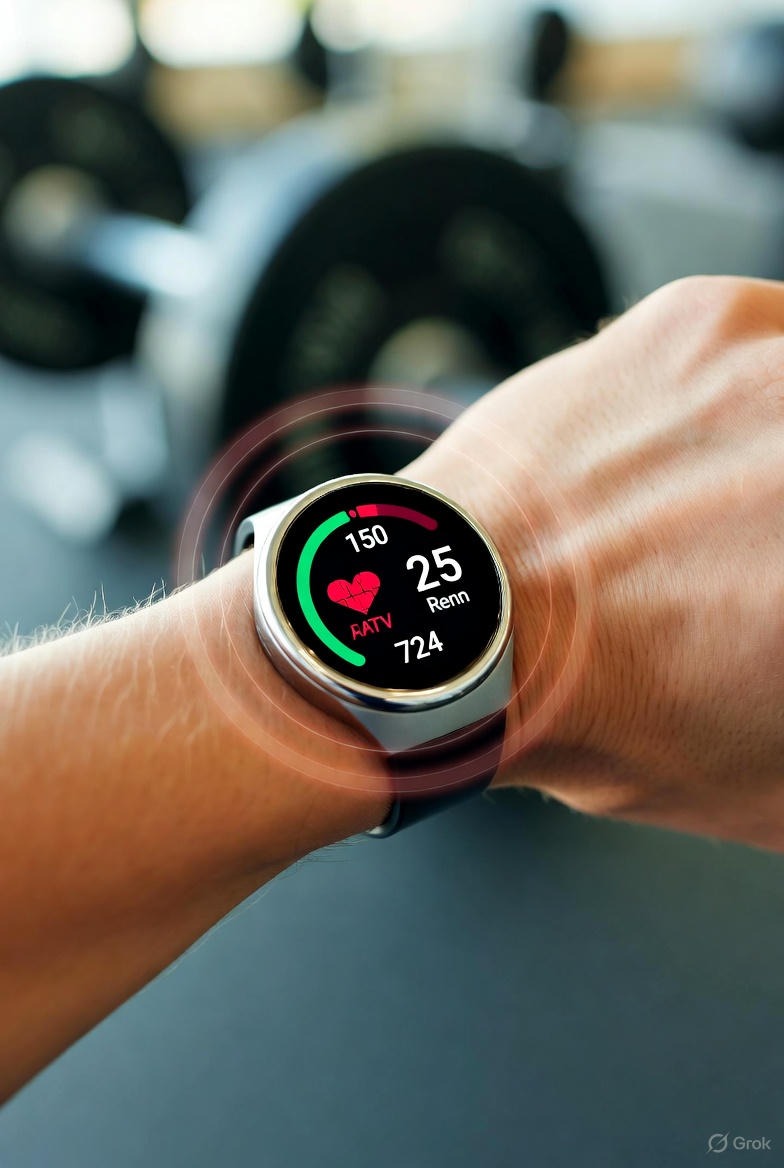
At its core, a fitness tracker is a behavior change tool. Its success hinges not just on technical accuracy, but on its ability to influence our psychology effectively. The AI-powered ring employs several potent psychological principles, which can be double-edged swords. Understanding them is key to harnessing their power for good.
The Power of Immediate Feedback and Gamification:
The human brain is wired to respond to immediate feedback and reward. The ring’s daily scores, achievement badges (e.g., "Sleep Consistency Champion"), and completion rings for activity goals tap directly into this.
The Risk of Quantified-Self Anxiety:
The flip side of engagement is obsession. "Orthosomnia" is a emerging term describing an unhealthy preoccupation with achieving perfect sleep data. Similar anxiety can apply to fitness metrics.
Cultivating a Healthy Data Mindset:
The AI can provide the data, but we must cultivate the wisdom to interpret it healthily.
The goal is for the AI to act as a compassionate, objective coach—one that informs but doesn’t dictate, that empowers choice rather than removing it. For many, seeing the concrete link between lifestyle and physiology, as detailed in resources like our article on the deep sleep and memory connection, is ultimately liberating, reducing anxiety by providing explanations for how they feel.
Humans are social creatures, and fitness is often more sustainable and enjoyable when shared. The isolation of personal tracking can be mitigated by features that connect your data—anonymously or directly—with others, transforming a solitary pursuit into a communal one.
Anonymous Benchmarking and Norms:
One of the most psychologically safe forms of social data is anonymous aggregation.
Private Groups and Challenges:
For those who thrive on direct camaraderie, private groups are a game-changer.
Shared Data with Coaches and Healthcare Pros:
As mentioned earlier, granting a trusted professional secure access to your trends is a profound form of accountable partnership. You're not just telling them how you feel; you're showing them your body's story. This shared factual basis eliminates guesswork and builds a collaborative path forward.
The Importance of Positive Community Design:
The culture of these communities is vital. Platforms must encourage positive, supportive interactions—focusing on effort, consistency, and personal progress rather than extreme performance or shame. When designed well, these social features combat the loneliness that can derail fitness journeys and provide the encouragement needed to maintain healthy habits long-term. Seeing real people achieve their goals can be deeply inspiring; reading Oxyzen user testimonials often provides that very spark of motivation.
The Science of Personalization: How Machine Learning Adapts to Your Unique Physiology
We've described what the AI does, but a deeper appreciation of how it accomplishes this personalization reveals why it's so revolutionary compared to one-size-fits-all advice. The machine learning models at work are not static; they are dynamic systems that evolve with you.
Beyond Averages: The Power of Baselines
The first principle is that all meaningful insight is relative. The AI's primary job in the initial weeks is to abandon textbook averages and learn your normal.
Pattern Recognition Across Multi-Modal Data
The real intelligence lies in correlating data from different sensors over time. This is a multi-variable analysis problem that humans are poor at, but machines excel in.
Adaptive Goal Setting
The AI can also personalize your goals. If you set a goal to "improve cardio fitness," it doesn't just prescribe a generic couch-to-5k plan. It analyzes your current estimated VO2 Max, your recent strain tolerance, and your recovery patterns to suggest a weekly progression of duration and intensity that is challenging yet safe for you, adjusting it weekly based on your feedback (how you scored the workout) and physiological response (your post-workout recovery).
This is a living, breathing digital twin of your physiology. It’s a model that gets smarter and more personalized the longer you wear the device, moving from generic insights to truly bespoke health intelligence. This commitment to deep personalization is rooted in our company mission to move beyond generic health data.
Enthusiasm for this technology must be tempered with scientific honesty. A smart ring is a remarkable consumer wellness device, but it is not a medical device. Understanding its limitations is crucial for maintaining trust and using it effectively.
Sensor Limitations:
Algorithmic Estimates, Not Measurements:
The "Why" Still Requires You:
The AI can tell you what is happening: "Your recovery is low." "Your deep sleep was fragmented." "Your HRV is down." But it cannot always tell you the definitive why. Was the poor sleep due to caffeine, stress, an uncomfortable room, or an underlying health issue? The ring gives you the clues—like a detective presenting the evidence—but you are the detective who must interpret the clues within the context of your life. It empowers you to run personal experiments: "If I change X, does Y improve?"
Setting these realistic expectations prevents disillusionment and fosters a smarter partnership with the technology. It’s a guide, not an oracle. For a balanced look at the pros and cons of this technology, our article Is Sleep Tracking Worth It? provides an honest evaluation.

When you wear a device that collects your heart rate, sleep patterns, and location 24/7, you are entrusting it with the most intimate story possible: the story of your body. The question of who owns and protects this data is paramount. A responsible company treats this not as a commodity, but as a sacred stewardship.
Principles of Ethical Biometric Data Handling:
Questions to Consider:
Making an informed choice about which platform to trust is a critical part of adopting this technology. Your biometric story is yours. The platform's role is to help you read it securely, not to write its own narrative with it. At Oxyzen, we believe transparency about our data practices is fundamental to building trust, and we encourage all users to be informed digital citizens.
The smart ring doesn't exist in isolation. It's part of an ecosystem of wearable technology, each with strengths and weaknesses. Understanding where the ring excels—and where you might still want a complementary device—helps in building your optimal personal tracking setup.
Smart Rings (e.g., Oura, Oxyzen, Ultrahuman)
Fitness Watches (e.g., Garmin, Apple Watch, Whoop)
Chest Strap Heart Rate Monitors (e.g., Polar H10)
The Power of Synergy: The Hybrid Approach
Many informed users adopt a hybrid system that leverages the strengths of each:
The choice isn't necessarily either/or. The smart ring’s unique value proposition is its ability to provide the foundational, continuous physiological context that makes data from any other device—your watch, your bike computer, your gym equipment—more meaningful. It answers the question, "What was my body's state when I generated that performance data?" For a deeper dive into the underlying technology of these devices, our blog post on sleep tracking accuracy provides a helpful comparison.
Today's AI-powered rings are focused on analysis and guidance for the present and near future: today's readiness, this week's strain balance. But the long-term vision is even more transformative: predictive and preventative health. By building a years-long, high-fidelity dataset of an individual's physiology, machine learning models could move from describing your current state to forecasting future risks and opportunities.
From Reactive to Predictive Insights:
The Concept of a "Digital Biomarker":
A digital biomarker is a physiological or behavioral measure collected via digital devices (like a ring) that can be used to explain, influence, or predict health outcomes. Your multi-year trend of deep sleep percentage or your nightly HRV could become a digital biomarker for your resilience, metabolic health, or even cognitive decline risk. This longitudinal, real-world data is a treasure trove for preventive medicine that static annual check-ups cannot provide.
Personalized, Dynamic Health Baselines:
Your "normal" at 30 is not your normal at 50. A long-term wearable creates an aging, evolving baseline for you. It can differentiate between a normal age-related decline in deep sleep and a sudden, pathological drop that might warrant a doctor's visit. It provides a personalized frame of reference for your entire adult life.
This vision shifts healthcare from a sick-care model to a true health-care model, where continuous monitoring from devices like smart rings provides the early warning system and personalized data needed to intervene long before a problem becomes a crisis. It’s the ultimate promise of technology: not just to track our lives, but to proactively extend and enhance our healthspan. Exploring topics like how age affects deep sleep is an early step in this lifelong understanding.
We have traveled from the fundamental shift in form factor to the frontiers of predictive health. The throughline is simplification through intelligence. The AI-powered smart ring does not add complexity to your life; it uses profound complexity—advanced sensors, machine learning models, vast physiological datasets—to deliver breathtaking simplicity: clear, actionable insights about your one and only body.
It simplifies by consolidating. One device, worn always, captures the data that matters. It simplifies by contextualizing. Your workout heart rate is no longer just a number; it's a story told in the context of your sleep and stress. It simplifies by translating. It turns arcane biomarkers like HRV into a simple, color-coded daily readiness score. It simplifies by guiding. It moves you from "What should I do?" to "Here’s what your body is prepared for today."
This technology invites us into a new relationship with our health: one of curiosity and collaboration instead of guilt and grinding. It teaches us that fitness is not just the hours we spend sweating, but the 24-hour cycle of strain and renewal. It shows us that rest is not idleness, but the necessary substrate for growth. It proves that listening to our bodies is not a vague concept, but a practice informed by data.
As you consider integrating this tool into your life, remember the core principle: You are the authority. The AI is a brilliant advisor, offering a perspective drawn from millions of data points. But you hold the wisdom of your own experience, desires, and life context. The sweet spot is where data meets intuition—where the ring's suggestion to rest aligns with your feeling of fatigue, or where its green light to perform gives you confidence to push toward a personal best.
The journey toward simplified, intelligent fitness is not about outsourcing your health to an algorithm. It is about arming yourself with the most personalized, insightful tool ever created to understand your own physiology. It’s about moving from confusion to clarity, from guesswork to guidance, and from fragmented tracking to holistic wisdom. The future of fitness is not on a bulky screen on your wrist; it’s on your finger, working quietly in the background to help you live a healthier, more balanced, and more vibrant life. To begin exploring what this could look like for you, the journey starts at the Oxyzen shop.
Your Trusted Sleep Advocate (Sleep Foundation — https://www.sleepfoundation.org/)
Discover a digital archive of scholarly articles (NIH — https://www.ncbi.nlm.nih.gov/
39 million citations for biomedical literature (PubMed — https://pubmed.ncbi.nlm.nih.gov/)
experts at Harvard Health Publishing covering a variety of health topics — https://www.health.harvard.edu/blog/)
Every life deserves world class care (Cleveland Clinic -
https://my.clevelandclinic.org/health)
Wearable technology and the future of predictive health monitoring. (MIT Technology Review — https://www.technologyreview.com/)
Dedicated to the well-being of all people and guided by science (World Health Organization — https://www.who.int/news-room/)
Psychological science and knowledge to benefit society and improve lives. (APA — https://www.apa.org/monitor/)
Cutting-edge insights on human longevity and peak performance
(Lifespan Research — https://www.lifespan.io/)
Global authority on exercise physiology, sports performance, and human recovery
(American College of Sports Medicine — https://www.acsm.org/)
Neuroscience-driven guidance for better focus, sleep, and mental clarity
(Stanford Human Performance Lab — https://humanperformance.stanford.edu/)
Evidence-based psychology and mind–body wellness resources
(Mayo Clinic — https://www.mayoclinic.org/healthy-lifestyle/)
Data-backed research on emotional wellbeing, stress biology, and resilience
(American Institute of Stress — https://www.stress.org/)


