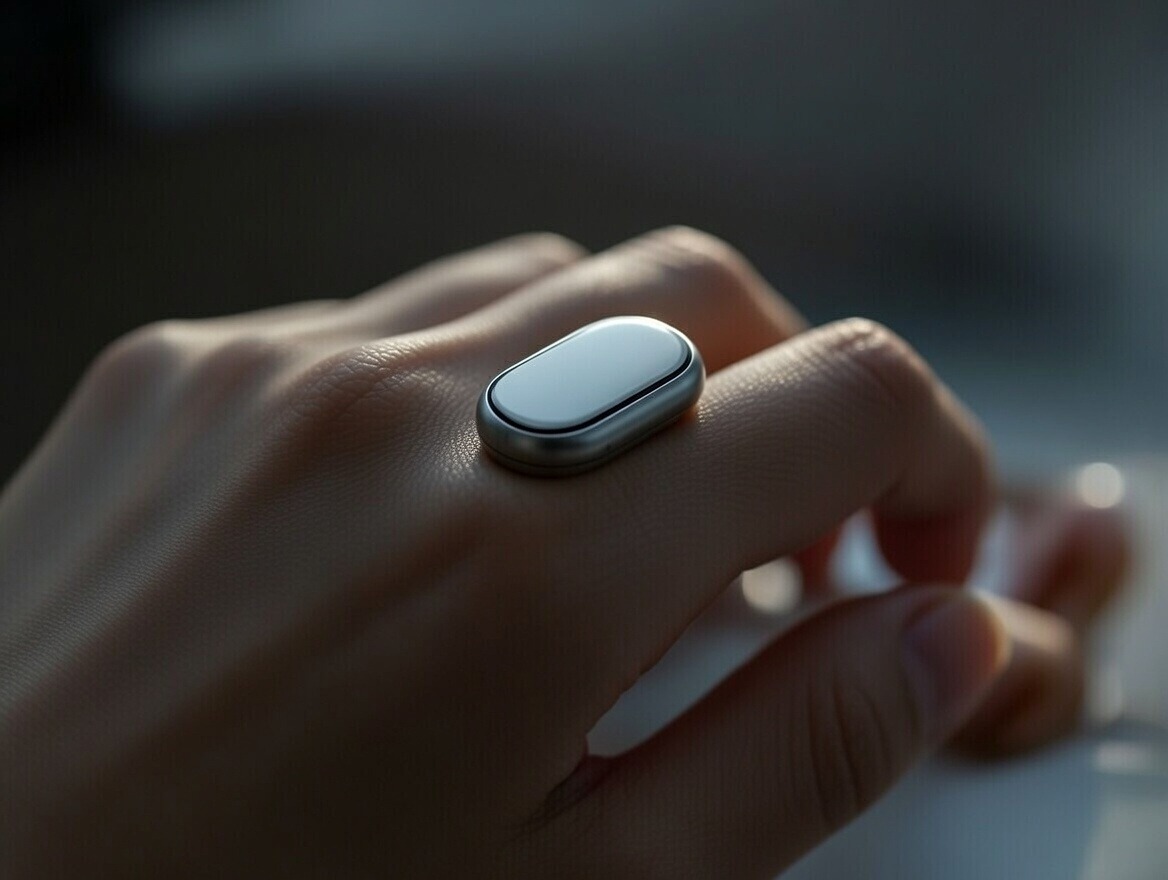
Fitness Tracking Simplified: Understanding Your Ring's Core Metrics
Teaches you the core metrics on your ring and what they mean.
Fitness Tracking Simplified: Understanding Your Ring's Core Metrics
For decades, fitness tracking meant bulky watches, intrusive chest straps, and the constant, nagging awareness of a device strapped to your wrist. The data, while interesting, often felt disconnected—a series of numbers that told you what happened, but rarely why or what to do about it. The evolution from step counters to comprehensive health monitors has been remarkable, but it created a new problem: data overload. We’re drowning in graphs, scores, and notifications, yet understanding the true narrative of our personal health remains elusive.
Enter the smart ring. This unassuming piece of wearable technology represents a paradigm shift. By moving from the wrist to the finger—a location rich with arterial blood flow and less prone to disruptive motion—it captures a more intimate, continuous, and accurate physiological signal. It’s always on, always sensing, working silently in the background of your life. But once you open the companion app, you’re greeted with a dashboard of terms: Heart Rate Variability, Resting Heart Rate, Recovery Score, Activity Equivalents. The initial question shifts from "How do I wear it?" to "What does this all mean for me?"
This guide is your definitive key to unlocking that meaning. We’re moving beyond the buzzwords to foundational understanding. We will demystify the core biometrics your ring tracks, explain the science behind them in plain language, and, most importantly, translate that data into actionable insights you can use to optimize your energy, performance, and overall well-being. Think of this not as a manual for a device, but as an owner's manual for your own body, with your smart ring as the most insightful diagnostic tool you've ever owned.
Whether you're a biohacker looking to fine-tune your edge, an athlete focused on peak recovery, or someone simply seeking a more balanced, energized life, it all starts with comprehension. Let’s begin by exploring the first and most fundamental metric: the silent, powerful language of your heart.
The Heart of the Matter: Resting Heart Rate & Heart Rate Variability
Your heart’s rhythm is far more than a simple metronome keeping time. It’s a dynamic, responsive communication system, broadcasting real-time updates about your nervous system, fitness level, stress, and recovery status. Two key metrics decoded from this rhythm form the absolute bedrock of physiological tracking: Resting Heart Rate (RHR) and Heart Rate Variability (HRV). Your smart ring excels at measuring these continuously, especially during sleep when external influences are minimized, giving you a pristine, baseline reading.
Resting Heart Rate: Your Baseline Vital Sign
Resting Heart Rate is precisely what it sounds like: the number of times your heart beats per minute (bpm) when you are fully at rest—typically measured during sleep or upon first waking. It's a classic indicator of cardiovascular fitness. A lower RHR generally suggests a stronger, more efficient heart muscle that can pump a greater volume of blood with each beat, requiring fewer beats per minute to sustain the body.
But it’s more than just a fitness score. Your RHR is a sensitive barometer of your overall load. It can elevate in response to:
Acute Stress: A tough workout, a demanding workday, or an emotional event.
Illness: Your body ramps up its engine to fight infection, often before other symptoms appear.
Dehydration or Poor Sleep: When resources are low, your heart has to work harder.
Overtraining: A chronically elevated RHR can be a glaring red flag that you are not recovering adequately.
Tracking your RHR trend over time is crucial. Discovering your personal baseline and then noticing significant deviations (a spike of 5-7 bpm above your norm) provides an early-warning system. It’s your body’s way of saying, "Hey, pay attention. I'm dealing with something."
Heart Rate Variability: The Wisdom in the Gaps
If RHR is the drumbeat, Heart Rate Variability is the sophisticated, syncopated rhythm around it. HRV measures the variation in time intervals between consecutive heartbeats, measured in milliseconds. This is counterintuitive for many. A healthy heart is not a perfectly ticking clock; it’s adaptable. When you inhale, your heart rate slightly accelerates; when you exhale, it slightly decelerates. This is influenced by the constant tug-of-war between your two branches of the autonomic nervous system: the stress-inducing sympathetic ("fight-or-flight") and the restorative parasympathetic ("rest-and-digest").
A higher HRV is generally a sign of good health, resilience, and recovery capacity. It indicates a dominant parasympathetic state and a nervous system that is flexible and can respond effectively to stress. A lower HRV suggests your sympathetic system is running the show—you're in a state of high stress, fatigue, or even burnout.
Your smart ring uses HRV as a primary input for almost every advanced metric it calculates. It’s the cornerstone for understanding your readiness to perform, your sleep quality, and your stress levels. Unlike a single morning reading from some devices, the ring's all-day and all-night tracking provides a richer, more complete picture of your nervous system's patterns. For a deep dive into how this technology functions, you can explore our detailed explanation of how sleep and health trackers actually work.
The Powerful Synergy of RHR and HRV Interpreting these metrics together tells a compelling story. Imagine your RHR is elevated and your HRV is depressed for several days. This combination is a strong signal of systemic strain—you are under-recovered. Conversely, a low RHR coupled with a high HRV is the gold standard, indicating peak recovery and readiness. By observing these two pillars daily, you move from guessing about your state to knowing it.
Beyond Steps: Understanding Activity & Active Zone Minutes
The era of the step count as the sole arbiter of activity is over. While steps offer a simple proxy for general movement, they are a notoriously incomplete and sometimes misleading metric. Ten thousand slow, shuffling steps do not equate to the physiological impact of 30 minutes of focused, heart-pumping exercise. Modern wellness tracking, especially via a smart ring, focuses on intensity and physiological response. This is where Active Zone Minutes (or a similar metric often called "Activity Equivalents" or "Heart Rate Zone Minutes") come into play, providing a vastly superior picture of your movement’s true benefit.
The Limitations of Step Counting
Steps are easy to understand but fraught with issues:
No Intensity Gauge: They can’t differentiate between a leisurely stroll and a sprint.
No Upper-Body Focus: Activities like weightlifting, cycling, or swimming may contribute minimally to step count despite being excellent workouts.
Inaccuracy: Wrist-based trackers often count non-step movements (like typing or hand gestures) as steps, while a ring on your finger is typically more conservative and accurate for all-day movement.
Active Zone Minutes: Measuring What Truly Matters
This metric tracks the time you spend in heart rate zones that confer significant cardiovascular and metabolic benefits. It prioritizes moderate-to-vigorous activity. Typically, these zones are broken down:
Moderate Intensity (e.g., Fat Burn Zone): You're breathing harder, can hold a short conversation, but couldn't sing. Think brisk walking, light cycling.
Vigorous Intensity (e.g., Cardio or Peak Zone): You're breathing rapidly, can only say a few words at a time. Think running, HIIT workouts, intense cycling.
Most systems award you more "points" or "minutes" for time spent in vigorous zones, recognizing its greater efficiency and impact. The goal is to accumulate a certain number of these zone minutes per week, aligning with global health guidelines (e.g., 150+ minutes of moderate or 75+ minutes of vigorous activity).
How Your Ring Calculates Activity
Your smart ring uses its continuous optical heart rate monitoring to automatically detect when you’ve entered these beneficial zones. A 30-minute weight training session that elevates your heart rate will now be registered meaningfully. A 15-minute high-intensity spin class will earn its fair share of credit. This creates a much more equitable and motivating fitness landscape.
The Practical Takeaway: Shift your focus from a static step goal to a dynamic intensity goal. Did you get your body working at a level that challenged your cardiovascular system today? Your Active Zone Minutes will tell you. This metric seamlessly integrates all forms of exercise, encouraging a more holistic and effective approach to fitness. To see how this detailed activity data pairs with recovery insights, you can browse real user experiences and testimonials.
The Recovery Score: Your Daily Readiness Report
You wouldn’t start a car race without checking the engine’s vitals. Yet, for decades, we’ve approached our daily lives and workouts with little more than a vague sense of how "tired" or "ready" we feel. The Recovery Score (sometimes called Readiness Score) changes this entirely. It is a powerful, algorithmically generated number that synthesizes multiple biometric signals into a single, actionable insight: How prepared is your body and nervous system to handle stress today?
This score is the brilliant culmination of your ring’s 24/7 monitoring. It’s not a guess; it’s a data-driven report card on your recovery status.
The Ingredients of Your Score
While each brand’s algorithm is unique, a robust Recovery Score typically incorporates:
Sleep Quality & Duration: Did you get enough, and was it restorative? This is often the heaviest weighting.
Heart Rate Variability (HRV): Your primary indicator of autonomic nervous system balance and recovery.
Resting Heart Rate (RHR): Compared against your personal baseline.
Sleep Latency & Disturbances: How long it took you to fall asleep and how restless you were.
Recent Activity Load: How much strain you’ve accumulated over the past few days.
How to Interpret and Act on Your Score
Scores are usually presented on a scale (e.g., 1-100 or Poor/Good/Excellent) with clear color-coding.
High Recovery (Green / Excellent): Your body is primed. This is the day to go for a personal record, tackle that big project, or engage in intense training. Your systems are resilient and can handle significant stress productively.
Moderate Recovery (Yellow / Fair): Proceed with awareness. Your body is in a balanced state. A moderate workout, steady-state cardio, or a normal workday is appropriate. It’s a signal to listen closely to your body and not push excessively.
Low Recovery (Red / Poor): This is a directive for rest and restoration. Your body is signaling that resources are depleted. Ignoring this and pushing hard can lead to diminished returns, increased injury risk, and prolong the recovery cycle. The optimal move here is active recovery, gentle movement, stress management, and prioritizing sleep.
The Revolutionary Benefit: The Recovery Score turns intuition into intelligence. It helps you break the cycle of chronic "hard training" regardless of feel and introduces the concept of structured flexibility. You plan your workout intensity based on your body’s actual capacity, not just the day of the week on a calendar. This is how you train smarter, avoid burnout, and make consistent progress. For those curious about the science of restoration, our article on the science of deep sleep and what happens to your body provides essential context for one of the score's key components.
Body Temperature: The Silent Signal of Change
While heart rate gets most of the attention, your body’s core temperature is a master regulator and a profoundly insightful health metric. It fluctuates in subtle, meaningful patterns throughout the day and across your menstrual cycle (if you have one). A traditional thermometer gives you a single, isolated data point, often when you suspect you’re sick. A smart ring with continuous temperature sensing, however, paints a dynamic, ongoing picture of your personal thermal landscape, revealing trends invisible to the naked eye.
Beyond the Fever: Basal Body Temperature & Circadian Rhythm
Your ring focuses on tracking your basal body temperature—your body’s temperature at complete rest. It identifies your personal baseline and then detects meaningful deviations.
Circadian Rhythm: Your temperature naturally follows a daily cycle, typically lowest in the early morning (around 4-6 AM) and highest in the late afternoon or evening. A stable, predictable rhythm is a hallmark of a well-regulated internal clock, which is foundational for sleep, metabolism, and hormone function.
Ovulation Tracking: For those with menstrual cycles, a sustained rise in basal body temperature (typically 0.5 to 1.0 degrees Fahrenheit) confirms that ovulation has occurred. Tracking this over cycles can provide invaluable insights into fertility windows and overall hormonal health.
Illness Onset: One of the most practical uses. A significant, sustained elevation in your nightly temperature trend often precedes the onset of illness by 24-48 hours. It’s an early-warning system, allowing you to prioritize rest, hydration, and perhaps postpone an intense workout.
How Temperature Informs Other Metrics
Temperature data isn’t siloed. It’s deeply integrated into your ring’s overall analysis:
Sleep Stage Detection: The drop in core temperature is a key physiological cue for sleep initiation. Your ring uses temperature trends to help improve the accuracy of sleep onset and deep sleep phase detection.
Recovery & Readiness: An unexplained elevation in temperature will often pull down your Recovery Score, as it’s a clear marker of physiological strain, whether from impending illness, inflammation, or a strenuous training response.
Practical Applications for Daily Life
Optimize Your Schedule: Knowing your personal temperature peak (often associated with peak alertness and reaction time) can help you schedule demanding cognitive work or your hardest workouts.
Validate Your Feelings: If you feel "off" but can’t pinpoint why, checking your temperature trend can provide objective data—either confirming a physiological shift or pointing to other causes like stress or poor sleep.
Women’s Health Insights: It provides a core pillar of natural cycle tracking, empowering users with data about their unique hormonal patterns.
By monitoring this silent signal, you gain a deeper layer of understanding about your body’s internal state, moving from reactive healthcare to proactive self-awareness. Understanding temperature is also key to unlocking better sleep, as detailed in our guide on the deep sleep formula involving temperature, timing, and habits.
The Sleep Performance Breakdown: More Than Just Hours in Bed
Sleep is the single most potent recovery and performance-enhancer at your disposal. But not all sleep is created equal. Your smart ring moves far beyond simple duration tracking to provide a detailed architectural blueprint of your night. It breaks down your sleep into its constituent stages—Light, Deep, and REM—each serving a non-negotiable, vital function. Understanding this breakdown is the first step to truly optimizing your rest.
The Three Pillars of Sleep Architecture
Light Sleep (Stages N1 & N2): This is the gateway sleep, making up about 50-60% of your night. It’s lightly restorative and serves as a transition period. Its importance lies in its role in memory consolidation and as the necessary path to deeper stages.
Deep Sleep (Slow-Wave Sleep): This is the physical restoration powerhouse. During deep sleep, growth hormone is released, tissue repair and muscle growth occur, and the brain’s glymphatic system performs a deep cleanse, clearing metabolic waste. It’s crucial for physical recovery, immune function, and feeling physically refreshed. Learn what your deep sleep numbers should ideally look like.
REM Sleep (Rapid Eye Movement): This is the mental and emotional restoration phase. The brain is highly active, dreams are vivid, and this stage is essential for memory integration, learning, creativity, and emotional processing. It’s crucial for cognitive recovery and mental well-being.
Key Sleep Metrics Your Ring Provides
Sleep Duration: The total time from sleep onset to morning wake-up.
Sleep Efficiency: The percentage of time in bed you were actually asleep. A high efficiency (90%+) is ideal.
Sleep Latency: How long it took you to fall asleep. Consistently long latency can indicate stress or poor sleep hygiene.
Sleep Stages Breakdown: The minutes and percentage of the night spent in each stage. Your ring uses movement, heart rate, HRV, and temperature to estimate these stages with impressive accuracy. For a critical look at this accuracy, see our analysis of what your sleep tracker can and can't measure.
Awakenings: The number of times you woke up during the night, and their duration.
Connecting Sleep Data to Waking Life
This data becomes powerful when you observe patterns:
Consistently Low Deep Sleep? You may wake feeling physically unrefreshed. Look at factors like evening alcohol, late heavy meals, or insufficient total sleep time. Explore our guide on how to get more deep sleep tonight with proven strategies.
Fragmented Sleep with Many Awakenings? This can severely impact sleep quality. Consider sources of disturbance: temperature, light, noise, or stress.
Short or Irregular Sleep Duration? This will have a direct, negative impact on your next day’s Recovery Score, HRV, and cognitive performance.
By treating your sleep performance report with the same attention as a financial statement, you can identify the specific "leaks" in your restorative process and take targeted action to fix them, ensuring you wake up truly recovered.
Stress & Resilience: Tracking Your Nervous System's Load
In our modern world, stress is often a silent, chronic tax on our physiology. It’s not just the feeling of anxiety; it’s a measurable, physiological state driven by your autonomic nervous system. Your smart ring provides an objective lens into this hidden world, offering a Stress Score or similar metric that quantifies your nervous system's activation throughout the day and night. This isn't about labeling stress as "bad," but about making the invisible visible, so you can manage it intelligently.
How Your Ring Measures Stress
The primary proxy for physiological stress is, once again, your autonomic nervous system activity, most clearly seen through:
Heart Rate Variability (HRV): As discussed, low HRV indicates sympathetic ("fight-or-flight") dominance, which is the state of physiological stress.
Heart Rate: An elevated heart rate outside of physical activity can be a sign of stress.
Body Temperature: Stress can cause subtle fluctuations.
Movement & Sleep: Restlessness and poor sleep are both causes and symptoms of stress.
The algorithm analyzes these signals in real-time to estimate periods of high, medium, or low stress activation.
Differentiating Between Good Stress and Bad Stress
This is a critical nuance. Not all stress is detrimental.
Eustress (Good Stress): The acute stress from a challenging workout, a thrilling event, or a hard-fought accomplishment. It’s short-lived and followed by adequate recovery. It makes you stronger.
Distress (Bad Stress): The chronic, unrelenting stress from work pressure, financial worries, poor sleep, or unresolved anxiety. This is the type that depletes your system, keeps your sympathetic nervous system engaged, and hinders recovery.
Your ring’s data helps you distinguish between the two. A high stress score after a great workout is expected. A high stress score while sitting at your desk or during sleep is a signal that needs attention.
Using Stress Data to Build Resilience
Identify Your Triggers: Notice what activities, times of day, or situations correlate with spikes in your stress metric. Is it meetings? Screen time before bed? Certain foods?
Validate Recovery Techniques: After a meditation session, a walk in nature, or a breathing exercise, check your stress graph. Do you see a tangible dip? This turns wellness practices from abstract concepts into data-confirmed tools.
Prevent Burnout: A pattern of chronically high daytime stress scores combined with poor sleep and low recovery is the exact profile of burnout risk. Seeing this pattern early gives you the chance to intervene—to schedule deload weeks, prioritize rest, and seek balance.
By tracking stress objectively, you move from being a passive experiencer of tension to an active manager of your nervous system’s load. It empowers you to strategically insert moments of calm, proving that what gets measured truly can get managed. For foundational knowledge on how your body handles the load of poor rest, our article on deep sleep deprivation and its silent signs is a crucial read.
The Oxygen Signature: Understanding Blood Oxygen Saturation (SpO2)
The oxygen circulating in your blood is the fundamental fuel for every cell in your body. Blood Oxygen Saturation (SpO2) measures the percentage of your hemoglobin that is carrying oxygen. While a clinical pulse oximeter gives you a spot check, a smart ring capable of overnight SpO2 monitoring provides a revolutionary look at your respiratory health during the one activity where you have the least awareness: sleep.
Why Monitor SpO2, Especially at Night?
During the day, healthy individuals typically maintain an SpO2 between 95-100%. Significant drops are rare unless at high altitude or with existing conditions. During sleep, however, breathing patterns naturally change. This is when potential issues can surface unnoticed.
Sleep Apnea & Breathing Disturbances: The most common reason for tracking SpO2 overnight is to screen for signs of sleep-disordered breathing, like obstructive sleep apnea. During an apnea event, the airway collapses, breathing stops, and blood oxygen levels can drop (called a "desaturation").
Overall Respiratory Health: It can also provide insights into other respiratory conditions, like asthma or the impact of illness (e.g., respiratory infections).
Reading Your Overnight SpO2 Report
Your ring will typically provide two key pieces of information:
Average SpO2: Your mean saturation level throughout the night. Consistently low averages (e.g., below 94%) warrant medical consultation.
Desaturation Events: The graph will show any significant dips below your baseline. The frequency and depth of these dips are critical. A few minor variations may be normal, but frequent, sharp declines are a strong indicator to discuss with a healthcare professional.
What This Data Means for Your Wellness
Explaining Poor Sleep & Daytime Fatigue: If you have a high Sleep Score but still feel exhausted, frequent desaturations could be the culprit. Your brain is repeatedly jolted into micro-awakenings to restart breathing, fragmenting your sleep architecture without you ever fully remembering waking up.
A Tool for Proactive Health: Overnight SpO2 monitoring democratizes access to a powerful screening tool. It can provide the initial data needed to seek a formal sleep study, leading to diagnosis and treatment that can dramatically improve sleep quality, daytime energy, and long-term cardiovascular health.
It’s important to note that a smart ring is not a medical device and is not intended for diagnosis. However, as a wellness tool, it offers unparalleled insight into a vital sign that was previously almost impossible for consumers to track longitudinally, empowering you with information to have more informed conversations about your health. For a broader perspective on the value of this kind of tracking, consider reading our honest analysis of whether sleep tracking is worth it.
Caloric Burn & Metabolic Insights: The Energy Expenditure Equation
At its core, fitness and weight management revolve around the balance of energy: calories in versus calories out. While nutrition handles the "calories in," your smart ring provides a highly personalized estimate for the "calories out" side of the equation, known as Total Daily Energy Expenditure (TDEE). This goes far beyond the generic calculators found online, which rely on rough averages. Your ring's calculation is dynamic, based on your body's unique responses throughout the entire day.
Breaking Down Your Total Daily Energy Expenditure
TDEE is composed of several components:
Basal Metabolic Rate (BMR): The calories your body burns at complete rest just to maintain vital functions (breathing, circulation, cell production). This is your largest expenditure, typically 60-70% of TDEE.
Thermic Effect of Food (TEF): The energy used to digest, absorb, and process the nutrients from your meals (~10%).
Exercise Activity Thermogenesis (EAT): Calories burned during deliberate exercise.
Non-Exercise Activity Thermogenesis (NEAT): This is the silent hero—the calories burned through all other movement: fidgeting, walking to your car, taking the stairs, standing, household chores. NEAT can vary wildly between individuals and is a major lever for metabolic health.
How Your Ring Calculates Your Burn
Your ring estimates your TDEE through a sophisticated algorithm that considers:
Your Physiological Data: Resting Heart Rate and Heart Rate Variability provide clues about your metabolic baseline and efficiency.
Your Movement Data: It continuously tracks your activity level and intensity (via heart rate), accurately quantifying both EAT and NEAT throughout the day.
Your Personal Profile: Your age, weight, height, and gender help anchor the calculation.
The result is a rolling, real-time estimate of your caloric expenditure that adjusts as you move from sleeping, to working at a desk, to going for a run.
Using This Data Wisely
Informed Nutrition Planning: Whether your goal is maintenance, weight loss, or muscle gain, knowing your personalized TDEE is the scientific starting point. It allows you to set a calorie target that is specific to you, not a population average.
Understanding NEAT's Power: Seeing how daily movement (NEAT) contributes to your total burn can be motivating. It highlights the profound impact of choosing to walk, stand, or take the stairs.
Avoiding the Compensation Trap: Many people overestimate their exercise burn and underestimate their food intake. Having an objective TDEE estimate helps correct this imbalance, creating a more sustainable path to your goals.
A Crucial Note: No consumer device is 100% accurate in calorie burn estimation. Treat this number as a highly educated trend line, not an absolute, precise figure. The real power lies in observing changes in your TDEE as your activity levels and fitness change over weeks and months. To learn more about the technology that makes these insights possible, visit our main platform at Oxyzen.ai.
Having established a foundational understanding of the core metrics—from your heart's silent language to the energy you expend—we now move to the critical phase: integration and action. Data in isolation is merely information. But when woven together, these metrics create a coherent, personalized narrative of your health, one that empowers you to make precise, evidence-based decisions every day. This section focuses on how to interpret the interplay between these signals, set meaningful goals, and build sustainable habits that turn raw numbers into tangible results.
Putting It All Together: The Art of Interconnected Data
Your daily Recovery Score isn't generated in a vacuum. It’s the direct result of last night's sleep architecture, the stress load you carried yesterday, and the activity you’ve accumulated over recent days. Viewing your metrics as a dynamic, interconnected system—rather than a series of isolated dials—is where the true wisdom of your smart ring emerges. This is the art of physiological contextualization.
Reading the Story Your Data Tells
Let’s walk through a few common, real-world patterns to see how this works:
Scenario 1: The "False Energy" Trap
Data: You wake up feeling oddly energized but your Recovery Score is low (red). Your HRV is down, your RHR is up 8 bpm, and your deep sleep was minimal.
Interconnection: This is often a sign of sympathetic nervous system overdrive. Your body is pumping out cortisol and adrenaline, creating a jittery, wired feeling that masks deep fatigue. It’s a "borrowed energy" state.
Smart Action: Ignore the false energy. Treat this as a mandatory recovery day. Prioritize gentle movement, hydration, and stress-lowering activities. Pushing a workout today risks injury or illness.
Scenario 2: The "Perfect Storm" for Progress
Data: Your Recovery Score is high (green) with elevated HRV and a low RHR. You logged 8 hours of sleep with excellent deep and REM sleep. Your stress graph from the previous day shows good regulation.
Interconnection: All systems are go. Your body has successfully recovered from previous stress and is signaling a high capacity to handle new load.
Smart Action: This is the day to challenge yourself. Schedule your most intense workout, tackle a complex cognitive task, or engage in demanding training. This is when you can productively stress your system to trigger adaptation and growth.
Scenario 3: The "Mysterious Fatigue"
Data: You’re exhausted but your sleep duration and stages look normal. However, your overnight SpO2 graph shows frequent, significant desaturation dips.
Interconnection: The quality of your sleep is being destroyed by breathing disturbances, likely fragmenting your sleep stages and preventing restorative deep sleep, even if the timeline looks good.
Smart Action: This data provides a powerful clue to discuss with a healthcare professional. It moves the conversation from "I'm tired" to "My data suggests potential sleep-disordered breathing."
The Feedback Loop: Action, Measurement, Adjustment
This is the core workflow of data-driven wellness:
Observe & Hypothesize: See a pattern (e.g., "My HRV drops every Sunday night").
Act: Implement a change (e.g., "I'll create a 60-minute digital sunset and relaxation routine on Sunday evenings").
Measure: Watch the data for the next 1-2 weeks.
Adjust: Did your Sunday HRV improve? If yes, keep the routine. If not, hypothesize a new intervention (e.g., earlier dinner, no alcohol).
Goal Setting & Personal Baselines: Defining Your Normal
In a world of generic health advice, your smart ring provides the ultimate personalization tool: your own baseline. Before you can set meaningful goals or interpret daily deviations, you must first understand what "normal" looks like for you. This is a 2-4 week process of consistent wear where the ring learns your unique rhythms without judgment.
Establishing Your Personal Health Fingerprint
During this baseline period, aim for your regular routine. Don't try to be perfect. The goal is to capture your authentic, typical state across key metrics:
Average Resting Heart Rate: What's your true resting baseline?
HRV Range: What are your typical high and low values? (Note: HRV is highly individual; never compare your absolute number to others).
Sleep Need: How many hours of sleep do you typically get, and what's your average stage breakdown?
Daily Activity & Stress: What does a typical active and resting day look like?
These averages become your personal dashboard's center point. All future scores and readings are contextualized against this standard, not a population average.
Setting Intelligent, Ring-Informed Goals
With your baseline established, you can set goals that are realistic and data-supported.
Poor Goal: "I want to get my HRV above 70." (Ignores personal physiology).
Smart Goal: "I want to increase my average weekly HRV by 10% from my baseline over the next two months by prioritizing 7.5 hours of sleep and 10 minutes of daily meditation."
Poor Goal: "I want to burn 800 active calories every day." (Rigid and ignores recovery).
Smart Goal: "I aim to achieve 150 Active Zone Minutes per week, adjusting daily intensity based on my Recovery Score to ensure I have at least 2 low-intensity recovery days."
The Power of Trending Over Perfection
Daily fluctuations are normal and expected. The true insight lies in the trend lines. Is your average RHR trending downward over 3 months, indicating improved cardiovascular fitness? Is your sleep efficiency slowly climbing? These long-term trends are the ultimate measure of progress, far more important than any single day's "perfect" score. They provide motivation and proof that your lifestyle changes are working on a physiological level.
Personalization & Habit Integration: Making Data Stick
The most advanced data is useless if it doesn't change behavior. The final step in mastering your ring's metrics is seamlessly integrating this awareness into your daily life, creating a closed loop between insight and action. This is where wearables often fail, and where a conscious strategy succeeds.
From Notification to Ritual
Instead of being a source of anxiety ("My score is low!"), let the data prompt positive rituals.
Low Morning Recovery Score Ritual: This triggers a 10-minute guided breathing exercise with your morning coffee, a decision to walk instead of run, and an extra hour of sleep that night.
High Stress Score During Work Ritual: This triggers a 5-minute standing stretch, a glass of water, and a focus on diaphragmatic breathing for the next hour.
Consistently Late Sleep Onset Ritual: This triggers an automatic "wind-down" alarm 90 minutes before bed, prompting you to start your proven deep sleep strategy routine.
Leveraging the Data for Habit Stacking
Attach new, desired habits to the data you already check.
"After I check my Recovery Score each morning, I will write down one thing I'm grateful for." (Links data to mindfulness).
"When I see my Activity Rings are only 50% complete by 3 PM, I will take a 15-minute walk." (Links data to movement).
"If my weekly sleep report shows less than 5% deep sleep, I will review my deep sleep optimization guide and implement one new tip."
The Role of the Ring as a Silent Coach
Over time, this integration makes the ring a passive, non-judgmental coach. It provides the feedback without the lecture. You begin to internalize the connections: "That heavy meal last night made my sleep restless." "That midday meditation session actually lowered my afternoon stress graph." This embodied learning is the key to lasting change. The technology fades into the background, while the wisdom it helped instill becomes part of your intuition.
Advanced Insights & Longitudinal Tracking: Seeing the Big Picture
While daily metrics guide immediate decisions, the true transformative power of a smart ring is revealed over months and years. Longitudinal tracking—observing how your biometrics evolve across seasons, training cycles, and life stages—provides a macro-view of your health journey that is simply impossible to capture otherwise. This is where you move from managing daily states to steering your long-term health trajectory.
Identifying Seasonal and Cyclical Patterns
Your body is not static. It responds to yearly rhythms.
Training Cycles: See clear graphs of your HRV dipping and RHR rising during an intense training block, followed by a "super-compensation" rebound during a deload week. This validates your periodization plan.
Seasonal Shifts: Many people see lower HRV and higher RHR in the depths of winter, potentially due to reduced daylight, different activity patterns, or immune system challenges.
Menstrual Cycle Insights: For those who menstruate, tracking metrics across a full cycle can reveal profound patterns. It’s common to see a slight rise in basal body temperature and a dip in HRV in the luteal phase (after ovulation). Knowing this is your personal pattern turns a confusing "low score" into an expected, normal physiological phase, allowing you to adjust expectations and self-care accordingly.
Tracking the Impact of Lifestyle Interventions
Did that new supplement, diet change, or meditation app actually do anything? Longitudinal data provides the answer.
Before/After Analysis: Start tracking a new intervention (e.g., a consistent 10 PM bedtime) and observe the trends over 4-6 weeks in your sleep efficiency, deep sleep percentage, and morning HRV. The data provides objective proof of benefit (or lack thereof).
Correlation Discovery: You might notice that your best recovery weeks consistently follow weeks where you had two or more social outings with friends, highlighting the underestimated recovery power of positive social connection.
Healthspan Mapping
Perhaps the most significant application is creating a baseline of your health now to compare against in the future. As we age, certain changes are expected—like a gradual decrease in average HRV or a change in sleep architecture. Having years of your own data allows you and your healthcare provider to distinguish between normal, gradual aging and sudden, potentially concerning deviations from your personal norm. It turns abstract concerns into concrete, historical comparisons. For a deeper look at how sleep needs evolve, our article on how age affects deep sleep and how to compensate is an excellent resource.
Avoiding Data Anxiety & Finding Balance
With great data comes great responsibility—not to become obsessed. "Orthosomnia" is a modern term describing the anxiety over achieving perfect sleep data. The same can happen with any metric. The ring is a tool for empowerment, not a source of stress. Maintaining a healthy relationship with your data is paramount to reaping its benefits.
Principles for a Healthy Data Relationship
You Are Not a Number: Your Recovery Score is a helpful guide, not an absolute verdict on your worth or day. A "red" day isn't a failure; it's valuable information.
Embrace the Off-Days: Variability is a sign of a living, responsive system. If every day was a perfect "green," the metric would be meaningless. The low days provide the contrast that makes progress visible and necessary for adaptation.
Focus on Trends, Not Drops: A single day's low HRV is a blip. A two-week downward trend is a signal. Train yourself to look at weekly averages and month-over-month charts, not daily absolutes.
Let Go of Perfection: The goal is not to "hack" yourself into perfect scores every day. The goal is to use the data to build a more balanced, resilient, and energetic life. Sometimes that life includes a late night with friends, a hard race, or a stressful project—all of which will show up in the data. That’s life, well-lived.
When to Step Back
If you find yourself checking the app compulsively, feeling anxious about scores, or letting the data dictate your mood, it's time for a reset. Consider:
Appointment Viewing: Check your data only at two set times per day (e.g., morning for recovery/night for sleep review).
Weekend Data Fasting: Take the ring off for a weekend day or simply avoid opening the app.
Reframe the Purpose: Remind yourself that the data is there to serve you, not to judge you. Its purpose is to increase your freedom and intuition, not to create another set of rules.
The most profound insight your ring can provide might be the confidence to sometimes ignore it and simply listen to your body. The data and your intuition should be in conversation, not conflict. For common questions on maintaining this balance, our comprehensive FAQ section offers support and guidance.
The Technology Behind the Metrics: A Peek Under the Hood
To truly trust and effectively use your data, a basic understanding of how your ring captures it is invaluable. This isn't about becoming an engineer, but about appreciating the sophisticated technology condensed into a minimalist form factor. Knowing its capabilities and sensible limits prevents misinterpretation and sets realistic expectations.
The Sensor Suite: Your Finger as a Data Portal
The core of the ring is a set of miniature, medical-grade sensors:
Photoplethysmography (PPG) Sensors: These are the tiny LED lights (usually green and red/infrared) that flash against your skin. They detect the subtle changes in blood volume in the capillaries of your finger with each heartbeat. This is the primary source for heart rate, HRV, and SpO2 data. The finger is an ideal location for PPG because of its strong arterial blood flow and relative lack of motion artifact compared to the wrist during sleep and typing.
3-Axis Accelerometer: This measures movement and orientation. It’s crucial for activity tracking, step counting (though less emphasized), and, importantly, for distinguishing between sleep and wakefulness and detecting periods of restlessness.
Skin Temperature Sensor: A high-precision thermistor maintains continuous contact with your skin to track the minute-by-minute fluctuations in your peripheral temperature, which closely follows your core temperature trends.
Battery & Efficient Processor: All this data is processed locally on a low-power chip within the ring before being synced via Bluetooth to your phone, maximizing battery life (often 5-7 days) and minimizing radiation exposure.
The Algorithmic Brain: From Raw Signal to Insight
Raw sensor data is just noise. The magic happens in the algorithms—proprietary software that cleans the signal and translates it into meaningful metrics.
Noise Filtering: Algorithms distinguish between a heartbeat signal and motion from hand gestures.
Sleep Staging: By combining movement (accelerometer), heart rate, HRV, and temperature data, machine learning models classify each minute of the night into sleep stages with accuracy that now rivals much more intrusive research-grade devices.
Recovery & Stress Scoring: This is where multiple data streams (HRV, RHR, sleep, activity) are weighted and synthesized into a single score. Different brands may weight factors differently—some prioritize sleep, others HRV.
Understanding Accuracy and Limits
No consumer wearable is 100% accurate, and that's okay. The value is in relative accuracy and consistency.
It’s Best for Trends: The ring is exceptionally good at showing you changes and trends. Whether your HRV is precisely 42 or 45 ms matters less than knowing it dropped 15% from your baseline.
Know the Weak Points: Optical HR can struggle during very high-intensity, grippy exercises where hand blood flow changes. The ring is optimized for resting metrics, sleep, and daily life, not necessarily for capturing peak heart rate during heavy deadlifts. For those activities, a chest strap may be more accurate.
It’s a Guide, Not a Doctor: The ring provides wellness insights, not medical diagnoses. An SpO2 alert is a suggestion to investigate further, not a diagnosis of sleep apnea.
This technological marvel, worn effortlessly, provides a window into your physiology that was once reserved for clinical labs. Respecting both its power and its limits allows you to harness it with confidence. To delve deeper into the specifics of this technology, you can read our detailed explanation of how sleep trackers actually work.
Future of Biometric Tracking: Where This Journey Leads
The smart ring on your finger today represents just the beginning of a profound shift in personal health management. As sensor technology, artificial intelligence, and our scientific understanding evolve, the insights we derive from continuous biometric monitoring will become even more predictive, personalized, and prescriptive. Let's explore the horizon of what this technology is moving toward.
From Descriptive to Predictive and Prescriptive
Today's devices are largely descriptive: they tell you what happened (you slept poorly, your HRV is low). The next generation is already becoming predictive and prescriptive.
Predictive Analytics: Algorithms will identify patterns that forecast future states. For example, a specific combination of rising RHR, dropping HRV, and elevated temperature might predict the onset of a common cold 48 hours before symptoms, allowing you to proactively rest.
Prescriptive Recommendations: Beyond just a "low recovery" score, your device may soon offer tailored suggestions: *"Based on your high stress load and low deep sleep, a 30-minute Zone 2 cardio session followed by a 10-minute meditation is recommended today for optimal adaptation."* It might even integrate with other apps to adjust your calendar or suggest an earlier bedtime.
Multi-Sensor Fusion and New Biomarkers
The future lies in combining data from multiple wearables and sources for a holistic view.
Continuous Glucose Monitoring (CGM) Integration: Pairing real-time glucose trends with activity, sleep, and stress data will unlock hyper-personalized nutrition and metabolic health insights.
Electrodermal Activity (EDA): Already in some rings, EDA measures tiny changes in skin sweat, a direct indicator of sympathetic nervous system arousal, providing another layer to stress tracking.
Advanced Blood Pressure Trends: While not diagnostic, some research points to the potential for estimating blood pressure trends via pulse wave analysis from PPG signals.
The Role in Decentralized & Preventative Healthcare
This is the most transformative potential. Imagine a world where:
Your longitudinal health data, owned by you, forms the basis of your medical records.
You can share specific, relevant trend data with your doctor ahead of an appointment, making consultations more efficient and data-driven.
Large, anonymized datasets from willing users accelerate health research, leading to discoveries about population health trends and disease prevention.
The smart ring evolves from a personal wellness tool into a node in a larger, patient-empowered healthcare ecosystem. It supports a model focused on prevention—maintaining health and catching deviations early—rather than solely on treatment after illness occurs.
Your journey to understand your core metrics has equipped you to be an early adopter of this future. You’ve learned the language of your body. As the technology advances, you’ll be ready to understand the next chapter of dialogue. To be part of a brand that is innovating in this space, learn more about Oxyzen's mission and vision.
This concludes the first portion of our comprehensive guide, "Fitness Tracking Simplified: Understanding Your Ring's Core Metrics." We have laid the essential groundwork, exploring the meaning of each key metric, the art of interpreting their interplay, and the practical integration of this data into a balanced, informed lifestyle. We've also glimpsed the technology that makes it possible and the exciting future it heralds.
In the next portion, we will dive even deeper into specialized applications. We will explore advanced training integration, showing athletes and fitness enthusiasts exactly how to periodize their training using recovery metrics. We'll provide a dedicated guide for women's health, detailing how to track and sync training, nutrition, and recovery with menstrual cycle phases. We'll examine nutritional impacts, investigating how different foods and meal timings affect sleep, recovery, and HRV. Furthermore, we'll tackle specific health and wellness scenarios, from managing travel and jet lag to optimizing performance for aging athletes and navigating high-stress life periods. Finally, we will consolidate everything into actionable templates and weekly plans you can use to build your own perfect, data-informed routine.
Having mastered the fundamentals and learned to interpret the interconnected narrative of your biometrics, we now venture into the realm of specialized application. This is where theory meets the unique contours of your life—your fitness ambitions, your physiological cycles, your nutritional choices, and the real-world challenges of travel, stress, and aging. In this section, we transform data from a passive report into an active co-pilot for optimizing performance, health, and well-being across every dimension of your life.
Advanced Training Integration: The Data-Driven Athlete’s Edge
For anyone engaged in structured fitness—from dedicated marathoners to weekend warriors—the smart ring is the ultimate recovery and periodization tool. It moves you beyond rigid, calendar-based training plans to a dynamic, responsive model that matches workload to your body’s actual readiness. This is the core of modern, intelligent athletic development: training with your physiology, not against it.
Periodization Powered by Biomarkers
Traditional periodization breaks training into macrocycles, mesocycles, and microcycles based on time. Biomarker-driven periodization overlays this with physiological feedback, ensuring each phase—from base building to peak intensity to active recovery—is optimally timed.
Building Phase: As you gradually increase volume and intensity, watch your HRV trend and resting heart rate. A stable or slightly improving HRV trend indicates positive adaptation. A sustained downward trend in HRV signals you’re nearing your adaptive capacity and should consider stabilizing the load.
Intensity/Peak Phase: During high-intensity blocks, expect more daily HRV dips and RHR elevations. The key is to ensure these are followed by rebounds. Your ring’s Recovery Score becomes your daily guide for session intensity. A green score means go hard; a yellow score suggests moderating the planned session; a red score is a clear directive for restorative activity only.
Taper & Peak: In the lead-up to a key event, you’ll see the tangible proof of a successful taper: your HRV will climb to its highest levels, and your RHR will drop to its lowest, indicating full systemic recovery and supercompensation. This data validates your taper strategy and builds confidence.
Active Recovery Phase: Post-event or post-season, the data ensures you actually recover. It objectively shows when your nervous system has fully reset, preventing you from jumping back into hard training too soon and risking injury or burnout.
Workout Execution & Autoregulation
On a micro-scale, your pre-session Recovery Score allows for autoregulation—adjusting today’s workout based on today’s readiness.
Scenario: You have 5x400m intervals planned, but wake up with a low Recovery Score due to poor sleep.
Data-Driven Adjustment: Instead of skipping or forcing through, you autoregulate: perform 3x400m at goal pace, or switch to a tempo run. You still get a quality stimulus without digging a deeper recovery hole.
Quantifying the Training Load-Readiness Balance
The most advanced use is tracking the relationship between your chronic training load (your fitness) and your acute readiness (your fatigue). Your ring provides the daily readiness metric. By logging your workouts (either manually or via integration), you can track load. The sweet spot for progress is when you apply a challenging acute load on a day of high readiness. Straying too far—applying high load on low readiness—is the recipe for overtraining. This nuanced balance is what turns data into podium performances and sustainable fitness. For athletes specifically, understanding nocturnal recovery is paramount; our guide on deep sleep optimization for athletes is an essential read.
Women’s Health & Cycle Syncing: Your Physiological Blueprint
For roughly half the population, a critical layer of physiological rhythm has been glaringly absent from mainstream fitness tracking: the menstrual cycle. The rise of temperature-sensing wearables like smart rings is revolutionizing women’s health by making cycle syncing—aligning training, nutrition, and recovery with hormonal phases—an accessible, data-driven practice.
Mapping Your Cycle with Biometric Data
Your ring’s continuous temperature tracking is the key. A sustained rise in basal body temperature (BBT) of about 0.5-1.0°F (0.3-0.6°C) confirms ovulation, dividing your cycle into two primary phases:
Follicular Phase (From menstruation to ovulation): Characterized by rising estrogen. Temperature is lower and more variable.
Luteal Phase (From ovulation to next menstruation): Characterized by rising progesterone. Temperature is higher and more stable.
By tracking over several cycles, your ring can predict phase transitions and fertile windows with increasing accuracy, providing a clear picture of your unique hormonal landscape.
Adapting Training & Nutrition to Each Phase
Follicular Phase & Menstruation:
Biometric Profile: HRV tends to be higher, recovery capacity better, pain tolerance increases. Energy often rises towards ovulation.
Training Strategy: This is the ideal window for high-intensity work, strength gains, and trying new activities. Your body is primed for building and power.
Nutritional Focus: Support energy and muscle protein synthesis.
Luteal Phase:
Biometric Profile: HRV often trends lower, resting heart rate may be slightly elevated, core temperature is up. Metabolic rate increases. In the late luteal phase (premenstrual), recovery scores may dip further.
Training Strategy: Shift focus to maintenance, skill work, and lower-intensity steady-state cardio. Listen closely to Recovery Scores. This is a time for endurance over intensity. Prioritize mobility and recovery.
Nutritional Focus: Support increased metabolic demand, stabilize blood sugar with complex carbs and fiber, and ensure adequate magnesium and B vitamins.
Empowering Health Conversations
Beyond training, this data is empowering. It helps differentiate between expected hormonal shifts and potential health issues. For instance, an unusually long luteal phase with sustained high temperature or a complete lack of temperature shift can indicate hormonal imbalances worth discussing with a healthcare provider. It turns subjective symptoms into objective, trackable patterns. For more on how sleep needs interact with these physiological changes, our article on how age affects deep sleep offers related insights on changing physiology.
Nutritional Impacts: Fueling for Optimal Metrics
You are not just what you eat; your biometrics vividly reflect when and how you eat. Nutrition directly influences inflammation, nervous system balance, sleep architecture, and recovery. By observing how different dietary choices affect your core metrics, you can move from generic nutrition advice to a truly personalized fueling strategy.
The Acute Effects: Meals, Macros, and Timing
Late & Heavy Meals: Consistently correlate with reduced deep sleep, increased night-time awakenings, and elevated resting heart rate during sleep. Your body is focused on digestion, not restoration.
High Glycemic Load Meals & Sugar: Can cause blood sugar spikes and crashes, often reflected in increased heart rate variability (HRV) instability and higher stress scores as your body works to regain homeostasis.
Alcohol: Perhaps the most dramatic disruptor. Even moderate consumption typically suppresses REM sleep dramatically, increases night-time heart rate, reduces HRV, and fragments sleep. It’s common to see a high sleep duration but a very low sleep quality score after alcohol.
Caffeine (Timing): Late caffeine can significantly increase sleep latency (time to fall asleep) and reduce total sleep time, even if you feel you “slept fine.”
The Chronic Effects: Dietary Patterns and Trends
Anti-Inflammatory Diets (Rich in omega-3s, antioxidants): Often associated with gradual improvements in baseline HRV and more stable recovery scores.
Chronic Caloric Deficit/Surplus: Severe deficits can elevate cortisol, lowering HRV and impairing recovery. Consistent surpluses, especially of processed foods, can increase inflammation, having a similar effect.
Hydration Status: Even mild dehydration can elevate resting heart rate and reduce HRV. Your morning metrics are a great hydration check-in.
Using Your Ring as a Food Journal Correlate
You don’t need to log every bite forever. Instead, conduct focused experiments:
The “Clean Week” Experiment: Eat whole, anti-inflammatory foods, avoid alcohol and late meals for 5-7 days. Observe the trend in your sleep, HRV, and Recovery Score.
The “Meal Timing” Experiment: For one week, finish dinner 3+ hours before bed. The next week, eat closer to bedtime. Compare your deep sleep scores and overnight heart rate.
The “Hydration” Experiment: Consistently hit your water goal for 3 days and note your morning RHR.
This biofeedback turns nutrition into an experiential learning process. You see and feel the direct impact of a salad versus fast food, not just on your waistline, but on your cellular recovery. For insights on foods that specifically support restorative rest, explore our list of 10 foods that increase deep sleep naturally.
Navigating Specific Scenarios: Travel, Stress & Life Events
Life isn’t a controlled lab. It throws curveballs—cross-continental flights, crushing work deadlines, personal upheavals. Your smart ring becomes an invaluable anchor during these times, providing objective feedback to help you navigate disruption and minimize its physiological toll.
Conquering Jet Lag and Travel Fatigue
Travel, especially across time zones, is a massive assault on your circadian rhythm. Your ring’s data is your roadmap back to sync.
Before You Go: If traveling east, try gradually shifting your bedtime earlier for a few days. Your ring’s sleep latency data will show you how well you’re adapting.
During Travel: Use the ring to force light exposure and activity at the correct local times. Even if you’re exhausted, a walk in the morning sun will help reset your clock. Watch your body temperature rhythm—it will start to shift to the new time zone, giving you objective proof of adaptation.
Upon Arrival: Let your Recovery Score guide your activity. Expect it to be in the red for 1-3 days. Prioritize sleep hygiene above all else—dark room, cool temperature, no screens. Your deep sleep may be fragmented initially; this is normal. The goal is to anchor your new sleep window. Observing your temperature minimum (your lowest point, usually in the early morning) can help you time light exposure perfectly for faster adjustment.
Managing High-Stress Periods
During a major project, family event, or emotional strain, the goal isn’t to maintain perfect scores—it’s to manage the degradation.
Acknowledge the Data: Your stress graph will be high, your HRV lower, your sleep likely impacted. Seeing this objectively can reduce the secondary anxiety of “why do I feel so bad?”
Strategic Recovery Insertion: Use the data to force micro-recoveries. Schedule 10-minute breathing breaks when you see your stress score spike. Protect your sleep as non-negotiable, even if it’s the only pillar you can hold onto. This might mean saying no to other commitments.
Post-Stress Rebound Tracking: After the stressful period ends, don’t rush back. Monitor your metrics closely. True recovery often lags behind the end of the stressor. Wait for your HRV and Recovery Score to return to baseline before ramping up training or taking on new challenges. This prevents a cascade of illness or injury.
Illness and Return to Play
Your ring excels as an early-warning system and a return-to-activity guide.
Early Detection: A sustained elevation in resting heart rate and drop in HRV, often accompanied by a higher temperature, frequently appears 24-48 hours before full-blown symptoms.
The Illness Phase: Respect the red scores. This is not the time for “sweating it out.” True rest is the most potent medicine.
The Return Protocol: The old rule was “wait until symptoms are gone.” The new rule is “wait until your metrics are back to baseline.” Even after you feel subjectively better, your nervous system may still be recovering. Let your Recovery Score and HRV guide a gradual return to activity, starting with gentle movement and only increasing intensity as your data permits.
In all these scenarios, the ring provides a objective, calm voice amidst the chaos, reminding you to listen to your body’s true needs. For support during challenging times, our community’s real customer reviews and testimonials can offer relatable experiences and motivation.
Optimizing for Longevity: The Aging Athlete & Healthspan
Fitness and health goals evolve over a lifetime. The pursuit of peak performance in one’s 20s gives way to the more profound and critical goal of healthspan—maintaining vitality, function, and resilience for as long as possible. Here, your smart ring shifts from a performance optimizer to a longevity sentinel, helping you train smarter, recover better, and detect age-related shifts early.
Adapting Expectations and Training to Age
Aging brings predictable physiological changes: a gradual decline in average HRV, a potential slight increase in resting heart rate, and shifts in sleep architecture (notably, a decrease in deep sleep). Your personal data allows you to track these changes at an individual level.
Reframe Goals: Shift focus from absolute performance (e.g., max deadlift) to relative performance and recovery quality. Celebrate maintaining a high HRV for your age or a consistent sleep efficiency.
Emphasize Recovery: As the body’s adaptive capacity changes, recovery becomes even more critical. The ring’s Recovery Score is your essential guide. You may need more rest days, longer tapers, and greater emphasis on sleep and nutrition to support the same training load.
Prioritize Strength and Mobility: Data can show how strength training positively impacts your metabolic rate and recovery. Use your activity tracking to ensure you’re getting adequate resistance training, which is paramount for longevity.
Using Data to Monitor Key Longevity Biomarkers
Several core metrics are directly tied to aging well:
Heart Rate Variability (HRV): A higher HRV for your age cohort is strongly associated with better cardiovascular health, stress resilience, and even cognitive function. Tracking your HRV trend over years is a powerful longevity metric.
Resting Heart Rate (RHR): Maintaining a low RHR is a key indicator of cardiovascular fitness, a major determinant of healthspan.
Sleep Consistency & Deep Sleep: Protecting sleep quality is non-negotiable for cellular repair, cognitive health, and metabolic function. The age-related decline in deep sleep makes the habits that promote it—cool, dark rooms, consistency, stress management—even more important. Understand your ideal deep sleep duration by age to set appropriate personal targets.
Temperature Rhythm Stability: A robust, stable circadian temperature rhythm is a hallmark of a healthy internal clock, which is linked to slower aging and reduced disease risk.
Early Detection of Deviations
Longitudinal data provides your personal health baseline. A sudden, sustained deviation from your norm—a drop in HRV or a change in sleep patterns that isn’t explained by lifestyle—can be an early signal to investigate further with a healthcare professional. This proactive, data-informed approach is the essence of preventative health.
The smart ring, therefore, becomes a lifelong companion in the pursuit of not just a longer life, but a life lived with energy, purpose, and vitality until the very end. For more on the brand committed to this long-term vision, you can read about Oxyzen’s story and values.
Templates & Weekly Planning: Your Actionable Blueprint
Knowledge culminates in action. This section provides concrete, adaptable templates to structure your week using the insights from your smart ring. These are not rigid prescriptions but flexible frameworks designed to help you build your own intelligent, responsive routine.
The Ideal Data-Informed Week (Template)
This template assumes a balanced lifestyle with mixed training. Always let your daily Recovery Score have the final say.
Monday (High Readiness Day):
Ring Focus: Check Recovery Score. After a weekend of (hopefully) good recovery, aim for green.
Action Plan: Schedule your most intense workout of the week (e.g., HIIT, heavy strength training). Tackle demanding cognitive work.
Evening Wind-Down: Prioritize post-workout recovery: protein, hydration, gentle stretching. Start wind-down early to protect sleep after a high-stress day.
Tuesday (Moderate Day):
Ring Focus: Observe sleep quality from Monday night. HRV may dip slightly post-intensity.
Action Plan: Active recovery or moderate exercise (e.g., Zone 2 cardio, yoga, mobility). Focus on steady work.
Evening Wind-Down: Consider a relaxing activity like a bath or reading. Monitor stress levels.
Wednesday (Check-In & Balance Day):
Ring Focus: Look at weekly trends so far. Is HRV stable? Is sleep efficient?
Action Plan: Another moderate-intensity session or skill-based practice. Good day for administrative tasks.
Evening Wind-Down: Strict sleep hygiene. This is a key night for deep sleep to cement weekly adaptations.
Thursday (Potential High Readiness):
Ring Focus: If recovery is good, you may be primed for another quality session.
Action Plan: Second key workout of the week, perhaps focused on endurance or sustained power.
Evening Wind-Down: Again, prioritize post-exercise nutrition and relaxation.
Friday (Preparation for Restoration):
Ring Focus: Check cumulative fatigue. Score may start to dip.
Action Plan: Light activity only—a walk, gentle swim, or full rest. Focus on wrapping up work stress.
Evening Wind-Down: This is critical. Implement your full deep sleep formula routine. Avoid alcohol to protect weekend sleep architecture.
Saturday (Flexible & Social):
Ring Focus: Note sleep quality from Friday night. Expect a possible rebound in HRV if you rested well.
Action Plan: Fun, social, or low-stress activity. A long hike, recreational sports, or family time. Not a day for brutalizing yourself.
Evening Wind-Down: Be mindful of social meals/alcohol timing if you want to protect sleep.
Sunday (Recovery & Planning):
Ring Focus: Review weekly sleep and recovery reports. Set intentions for the week ahead.
Action Plan: Complete rest, gentle movement like walking or yoga, meal prep.
Evening Wind-Down: The most important wind-down of the week. Digital sunset, meditation, planning a calm week. This sets your nervous system tone for Monday.
Creating Your Personal “If-Then” Rules
Build a personal decision matrix based on your metrics:
IF Recovery Score is Green THEN I will execute my planned intense workout.
IF Recovery Score is Yellow THEN I will reduce workout volume by 30% or switch to moderate cardio.
IF Recovery Score is Red THEN I will do only 20 minutes of gentle movement or complete rest.
IF Sleep Score < 70 THEN I will prioritize a 20-minute nap or an extra 30 minutes in bed tonight.
IF Stress Score is high for >2 hours THEN I will take a 5-minute breathing break.
The Monthly Review Ritual
Once a month, block 30 minutes to:
Review your 30-day trends in HRV, RHR, and Sleep Score.
Note any correlations between life events, training blocks, and metric changes.
Answer: What’s one habit that improved my scores? What’s one thing that consistently hurts them?
Set one small, metric-informed goal for the next month (e.g., “Increase average sleep duration by 15 minutes”).
By using these templates, you systematize the wisdom of your biometrics, creating a sustainable, adaptive lifestyle that perpetually moves you toward your best self. To explore the tool that makes this possible, visit the Oxyzen main storefront.
This portion has equipped you with advanced, specialized frameworks for applying your ring’s data to the real world—from peak athletic performance and hormonal health to navigating life’s disruptions and planning for lifelong vitality.



%402x.svg)