


How Healthy Movement Habits Change Throughout Life Stages
Shows how optimal movement habits change through different life stages.
Shows how optimal movement habits change through different life stages.
%402x.svg)
Movement is not merely exercise. It is the silent, rhythmic dialogue between our bodies and the passage of time—a dialogue that begins with a first step and evolves into the mindful, sustaining gestures of a life well-lived. For too long, fitness has been framed as a static destination: a specific body, a target heart rate, a number of steps. But what if we viewed it as a living narrative? One where the definition of "healthy movement" changes as dramatically and naturally as our lives themselves, from the boundless energy of childhood to the wisdom-infused activity of our later decades.
This journey isn't about decline; it's about adaptation. It's about listening to the unique needs of each life stage and responding with movement that nourishes, protects, and empowers. Yet, in our busy modern world, this intuitive connection is often lost. We push through pain, adhere to outdated routines, or abandon activity altogether when life gets complex. We lack a personal, real-time translator for our body's ever-changing language.
This is where technology, thoughtfully applied, can restore our innate wisdom. A smart wellness ring like Oxyzen acts as that translator. By continuously monitoring biomarkers like Heart Rate Variability (HRV), sleep architecture, recovery status, and activity strain, it provides a window into how your body is responding to movement right now, at your current life stage. It shifts the question from "Did I hit my arbitrary goal?" to "Was this movement restorative and appropriate for me today?" It empowers you to personalize the lifelong dance of movement, ensuring each step—whether a sprint, a stretch, or a steady walk—is in harmony with the music of your current chapter.
In this comprehensive exploration, we will trace the arc of healthy movement across the human lifespan. We'll move beyond generic advice to uncover the physiological, psychological, and practical imperatives for activity at every age. You’ll discover how to build unshakeable foundations in youth, navigate the pressures of adulthood with sustainable routines, and utilize movement as a powerful tool for healthy aging, preserving vitality, independence, and joy for decades to come. This is your guide to dancing with your life, in every season.
The early years are not about training; they are about exploration. From the chaotic, joyful wiggling of infancy to the skill-honing of teenage years, movement in childhood lays the neurological and physical groundwork for everything that follows. This stage is where the brain and body learn to communicate, where bone density is built, where motor pathways are carved, and—most crucially—where a lifelong love for an active life is either kindled or extinguished.
The Developmental Imperative: For young children, movement is synonymous with learning. Each tumble, climb, throw, and dash is a data point for the developing brain. It builds proprioception (the sense of body in space), enhances coordination, and establishes fundamental movement patterns like squatting, hinging, pushing, and pulling. This period of "physical literacy" is as critical as learning to read. According to the American Academy of Pediatrics, unstructured play is vital for developing creativity, problem-solving skills, and emotional resilience. It’s where children learn risk assessment, social cooperation, and the pure joy of bodily freedom.
The Modern Challenge: The Sedentary Shift: Contrast this biological imperative with the modern environment. Screens have replaced playgrounds; structured, adult-led activities often overtake free play; and academic pressures can limit recess time. The result is a generation where foundational weaknesses are more common—issues like poor grip strength, underdeveloped postural muscles, and a lack of kinesthetic awareness. This sets the stage for injury and disengagement later in life.
Building the Habit Stack: The goal for parents and educators is not to create miniature athletes but to cultivate "movement-rich" environments.
The Role of Technology & Monitoring: For adolescents, a tool like a wellness ring can be enlightening. It can help them connect lifestyle choices—like sleep before a big game or the impact of exam stress—to their body’s readiness and performance. Seeing tangible data on how poor sleep lowers their HRV or how adequate recovery improves performance can teach powerful lessons in self-care and body awareness that last a lifetime. For parents, it offers insights beyond mere hours of activity, highlighting the crucial role of recovery in a young person’s growth and development. It’s a conversation starter about holistic health, moving beyond just "did you exercise?" to "how is your body feeling and recovering?"
This foundational stage is about wiring the brain for a lifetime of confident, capable movement. It’s the bedrock upon which all future activity is built. When we get this right, we don’t just create active kids; we create adults who understand their bodies as sources of strength and joy. For more on building lifelong habits from the start, our blog offers insights into science-backed healthy aging tips that actually work, principles that find their roots in these early years.
Welcome to the "prime" — or so you’re told. Early adulthood often brings a newfound autonomy over one’s health, coupled with the peak of physical capabilities in terms of strength, speed, and recovery. Yet, this stage is fraught with a dangerous paradox: the body is most capable, but life is most demanding. Career launches, financial pressures, social obligations, and for many, starting a family, create a perfect storm where movement habits are最容易 pushed to the periphery. The mindset often shifts from "play" to "performance" or, worse, "punishment."
The Physiological Landscape: Biologically, this decade and the next are golden. Muscle mass is naturally high, metabolic rate is robust, and joints are typically resilient. It’s the ideal time to build a "physiological reserve"—a bank account of fitness, bone density, and metabolic health that you can draw from in later decades. The focus should be on building sustainable strength, cultivating cardiovascular efficiency, and establishing neuromuscular patterns that protect the body from the wear and tear of both intense activity and prolonged sitting.
Navigating the Pitfalls: From "Go Hard" to "Go Smart": The fitness culture targeted at this age group often glorifies extreme intensity: chronic cardio, high-impact boot camps, and lifting heavy at all costs. While challenging workouts have their place, without balance, they lead to a covert threat: chronic systemic stress. When high-intensity exercise is layered atop high-stress careers and poor sleep (the hallmark of many 20- and 30-somethings), the body’s stress-response system never gets a break. This can manifest as stalled progress, recurring injuries, burnout, and ironically, increased body fat due to elevated cortisol.
The Strategic Movement Framework: The goal for early adulthood is to build a versatile, resilient, and sustainable movement practice.
The Family & Career Integration: For new parents, movement morphs again. The hour-long gym session may be impossible, but movement becomes woven into life—carrying a child, stroller walks, quick bodyweight circuits during naptime. The principle shifts from "optimal" to "consistent." The focus becomes functional fitness that supports the physical demands of parenting. For the career-focused individual, integrating "movement snacks"—five-minute walks every hour, desk stretches, walking meetings—is critical to combat the insidious health effects of prolonged sitting.
Early adulthood is the time to build the intelligent, adaptable movement machine. It’s about training for the marathon of life, not just the sprint of the next milestone. By establishing habits that are challenging yet recoverable, you build a foundation that won’t crumble under life’s increasing demands. To see how these habits evolve and pay dividends, explore our article on healthy aging tips that start working at any age.

Midlife is not the beginning of the end; it is the start of a conscious, strategic new chapter. The unspoken contract with your body changes. You can no longer take resilience for granted. The mantra of your 20s and 30s—"more is more"—becomes a fast track to injury and burnout. This is the stage of The Great Pivot, where the primary goal of movement shifts subtly from performance and physique to preservation and preparation. It’s about protecting what you have and proactively investing in the quality of your next 30-40 years.
The Biological Shifts Demanding Attention: The changes are real, but they are not fate. They are signals.
The New Movement Mandate: Precision Over Power: The fitness that worked a decade ago may now work against you. High-impact routines, excessive endurance work without adequate recovery, and ignoring mobility can accelerate joint issues and systemic inflammation. The new strategy is precision.
Navigating Menopause & Andropause: For women navigating this transition, exercise needs may change day-to-day with hormonal fluctuations. Strength training becomes paramount to protect bone and muscle. Incorporating impact (like jumping or skipping) in a controlled way can further stimulate bone growth. Stress management through movement like walking in nature or restorative yoga is equally critical. Our dedicated resource on healthy aging tips for women navigating hormonal changes delves deeper into this essential topic.
Midlife movement is intelligent, respectful, and powerful. It’s about working smarter with the profound wisdom of a body that has carried you this far. This pivotal decade sets the stage for a vibrant, strong, and independent future. For a focused look on why this decade is so critical, read our guide to healthy aging in your 50s as a critical decade for prevention.
This life stage, often inaccurately framed as a period of decline, can instead be a renaissance of purposeful movement. The finish line of "retirement" is not a cue to stop; it is an invitation to redefine activity on your own terms, free from the constraints of a work schedule. Movement in your 60s and 70s has one overarching, non-negotiable goal: to preserve functional independence and cultivate joy. It is the direct application of all the investment from prior decades. Here, every step, stretch, and lift is a declaration of autonomy.
The Physiology of Preservation: The biological trends of midlife continue but can be dramatically slowed with consistent, appropriate activity. The risk of sarcopenia accelerates, making muscle preservation the single most important health focus. Bone density continues to be a concern, particularly for women. Balance systems—reliant on vision, inner ear, and proprioception—begin to naturally decline, increasing fall risk. Cardiovascular efficiency may decrease, and connective tissue requires more care.
The Movement Pillars for Lifelong Independence: The exercise "menu" becomes more focused, but no less vital.
The Critical Role of Metrics & Mindset: In this stage, subjective feelings ("I feel fine") can sometimes mask underlying readiness issues. Objective data becomes a trusted companion for safety and optimization.
Movement in early older adulthood is empowered, mindful, and deeply connected to quality of life. It is the physical expression of wisdom—knowing what your body needs to thrive and having the tools to provide it. It ensures that your later years are defined not by limitation, but by continued engagement with the world. For more on this philosophy, explore our thoughts on preserving independence through smart habits.
In the ninth decade and beyond, the definition of "healthy movement" expands to its most profound and essential form. It transcends traditional exercise to encompass any and all activity that sustains the spirit, maintains connection, and honors the body’s capabilities. Here, movement is not about building reserves but about skillfully and joyfully drawing from them. The focus narrows brilliantly to three core objectives: maintaining mobility, preventing frailty, and nurturing social and cognitive well-being. Every motion is a victory.
Redefining "Exercise" as Daily Life Activity: For an octogenarian or nonagenarian, the "workout" is life itself. The goal is to convert daily necessary tasks into opportunities for strength, balance, and coordination.
The Essential Movement Triad:
The Role of Technology: Connection and Safety Monitoring: Even here, gentle technology has a role. A lightweight, unobtrusive wellness ring can serve two key purposes for an older adult and their family or caregivers:
The Inseparable Link: Movement, Mind, and Social Connection: At this stage, the most beneficial movement is often social movement. A seated exercise class at a community center, a gentle group walk, or even armchair dancing provides triple benefits: physical stimulation, cognitive engagement (following instructions, remembering sequences), and vital social connection, which is a powerful deterrent against depression and cognitive decline.
Movement in advanced age is an act of resilience and self-respect. It is the sustained rhythm of a life in motion, however gentle that motion may be. It proves that the body is designed to move for as long as we live, and that adapting that movement with grace is the ultimate sign of vitality. The story of our founder’s vision for supporting every stage of this journey can be found on our Our Story page.

We cannot discuss the evolution of movement without addressing its most powerful ally and regulator: sleep. Sleep is not the absence of activity; it is the essential, non-negotiable work period during which movement pays its dividends. From synaptic pruning in the infant’s brain to tissue repair in the aging adult, sleep is the foundation upon which safe, effective, and enjoyable movement is built. Poor sleep doesn’t just make you tired; it fundamentally alters your body’s capacity to perform, recover, and adapt to physical stress at any age.
The Physiology of Recovery: During deep sleep (N3 stage), the body releases human growth hormone (HGH), which is crucial for muscle repair and growth. This is when the microscopic tears from strength training are healed, making the muscle stronger. The REM sleep stage is vital for cognitive recovery, motor skill consolidation, and emotional regulation—key for learning a new sport in youth or maintaining coordination in older age. Without sufficient quality sleep, exercise becomes a source of breakdown, not build-up.
Sleep’s Impact Across the Lifespan:
Movement as a Sleep Aid, and Sleep as a Movement Enabler: This is a virtuous (or vicious) cycle. Regular physical activity is one of the most effective, drug-free ways to improve sleep quality and duration. It helps regulate circadian rhythms, reduces anxiety, and increases the body’s drive for deep sleep. Conversely, good sleep ensures you have the energy, motivation, and physical capacity to engage in that movement. Breaking this cycle is where objective data is transformative.
Using Data to Optimize the Cycle: You cannot manage what you do not measure. This is the core value of a comprehensive sleep tracker like the Oxyzen ring. It moves you beyond guessing "I slept okay" to knowing:
By correlating this sleep data with your daily movement and readiness scores, you can make powerful connections. Did a late-evening workout disrupt your sleep? Does a day of high stress, reflected in low HRV, predict a poor night’s sleep? Armed with this knowledge, you can experiment: shifting workouts to earlier in the day, incorporating wind-down rituals, or prioritizing rest on low-readiness days. This proactive approach to sleep is, as we’ve detailed, the foundation of all healthy aging tips.
Understanding this symbiotic relationship allows you to strategically plan your movement. A hard training day should be preceded by a focus on sleep hygiene. A night of poor sleep should cue a gentler, recovery-focused movement day. By honoring sleep, you ensure that your movement—at every age—is productive, safe, and sustainable.
If sleep is the foundation, then Heart Rate Variability (HRV) is the most sensitive real-time compass for navigating your movement journey. HRV is not your heart rate; rather, it is the measure of the subtle variations in time between each heartbeat. A higher, less variable HRV generally indicates a resilient, adaptable nervous system—one that can respond well to stress (like a workout) and then recover efficiently. A lower, more static HRV suggests a nervous system that is stressed, fatigued, or potentially fighting illness. For anyone seeking to personalize movement across their lifespan, understanding HRV is a superpower.
HRV as Your Personal Readiness Score: Think of HRV as your body’s daily "readiness to perform" metric. It integrates all the inputs from your life—sleep quality, psychological stress, nutritional status, illness, and previous training load—and outputs a single, insightful number.
Tracking Trends, Not Single Points: The true magic of HRV is in the trends. A single low reading isn’t alarming; a sustained downward trend over several days is a clear signal from your body to pull back, prioritize sleep, and manage stress. Conversely, a rising trend can confirm that your current training and lifestyle regimen is working beautifully.
The Oxyzen Advantage: While many devices track HRV, doing so accurately from the finger—a prime vascular location—and throughout the night (when the body is at its most steady state) provides the most reliable, actionable baseline. The Oxyzen ring calculates your HRV balance each morning, giving you a personalized readiness score before your feet even hit the floor. This allows you to plan your day’s movement with a level of body-awareness previously reserved for elite athletes.
By learning to listen to your HRV compass, you move from a one-size-fits-all approach to a truly collaborative relationship with your body. You train and live with your physiology, not against it, ensuring that your movement habits are always supporting—not undermining—your health and goals for that specific day in your life.
Throughout history, humans have sought to understand their bodies' rhythms through intuition, feeling, and observation. Today, we have the opportunity to augment that ancient wisdom with precise, personalized data. A smart wellness ring is not a replacement for listening to your body; it is a high-fidelity translator that makes the body’s subtle language clear and actionable. In the context of a lifelong movement journey, it becomes your most trusted coach, accountability partner, and biometrical historian.
Why the Ring? The Power of Continuous, Unobtrusive Monitoring: Unlike a smartwatch you charge nightly or a phone you leave behind, a ring is designed for 24/7 wear. It sits on a finger rich with capillaries, allowing for excellent sensor contact for heart rate, HRV, and blood oxygen monitoring. This form factor means it captures data during your most revealing moments: during deep sleep, throughout a stressful workday, and during all forms of activity, from typing to tennis. It provides a continuous story, not snapshots.
Key Features That Transform Movement Habits:
Applications Across the Lifespan:
A Tool for Connection, Not Just Data: The best devices integrate this data into a cohesive narrative within an app. They highlight trends, celebrate consistency, and offer insights in plain language. For those who share their journey with a coach, trainer, or healthcare provider, this data becomes a powerful communication tool, moving discussions from "I'm tired" to "My recovery score has been low for three days."
Ultimately, a tool like the Oxyzen ring demystifies the complex interplay between movement, recovery, and daily life. It empowers you to make the daily micro-adjustments that add up to a lifetime of sustainable, joyful, and appropriate activity. It is the modern embodiment of the timeless principle: know thyself. To begin exploring how this technology can fit into your life, visit our main shop to discover the options available.
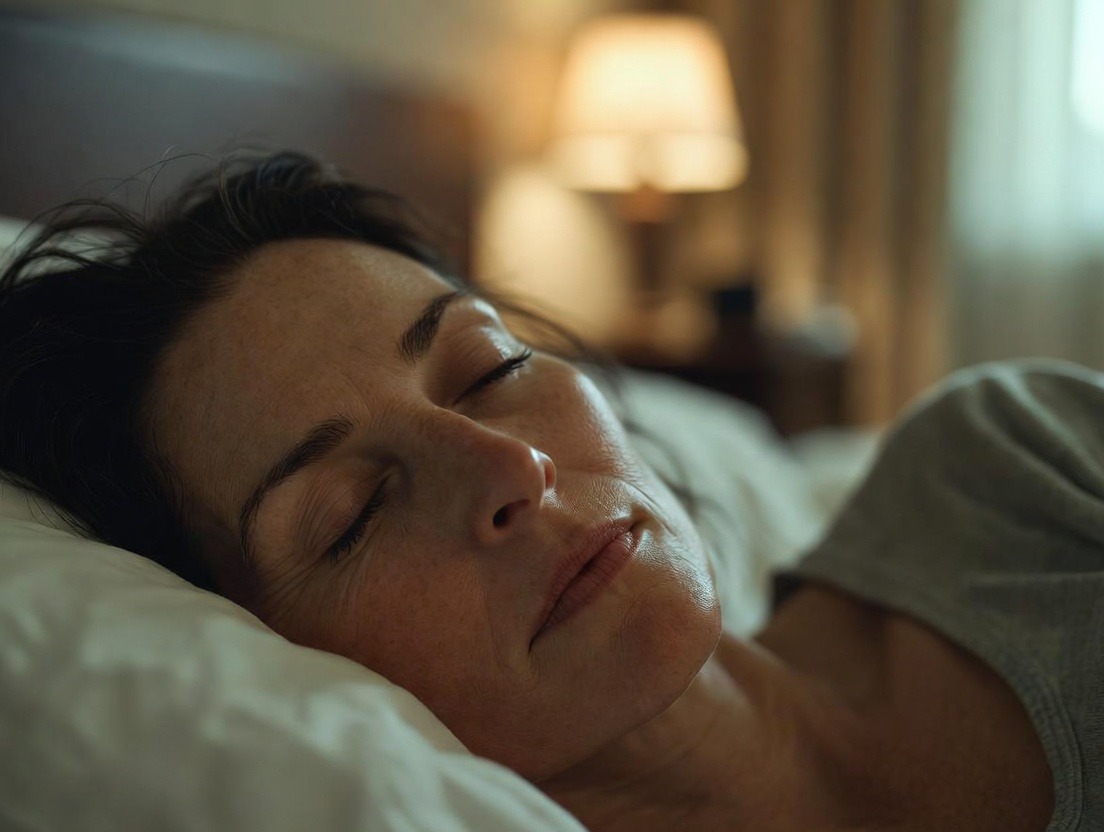
As we have journeyed from the playground to the golden years, a clear truth emerges: chasing fleeting fitness fads or rigid exercise prescriptions is a losing strategy for a lifetime. What endures is a personal movement philosophy—a set of core, adaptable principles that guide your relationship with physical activity through every season of life. This philosophy is what allows you to navigate changes in capacity, motivation, and circumstance without abandoning your commitment to movement. It is the intellectual and emotional framework that turns isolated workouts into a coherent, lifelong practice of self-care.
Core Tenets of a Lifelong Movement Philosophy:
Integrating Your Philosophy with Technology: Your movement philosophy is your strategy; a device like a smart ring is your tactical intelligence. The ring doesn’t tell you what to value (your philosophy does), but it gives you the precise information to live by those values. If you value recovery, it shows you your readiness. If you value consistency, it shows you your trends. If you value listening to your body, it gives you a clearer voice to listen to.
By defining your philosophy, you are no longer a passive recipient of fitness trends. You are the author of your own movement story. You can adapt the plot as characters (your joints, hormones, responsibilities) enter and exit, but the core themes—respect, consistency, joy, and function—remain, guiding you toward a final chapter defined by vitality and grace. For continued inspiration and to deepen your understanding, we invite you to explore our full blog for ongoing insights into every stage of this beautiful, lifelong dance.
The Invisible Architecture: How Movement Shapes Brain Health Across a Lifetime
The conversation about movement has long been dominated by muscles, hearts, and waistlines. But perhaps its most profound impact is on the organ that orchestrates it all: the brain. From the moment a baby first grasps a finger to the cognitive resilience of a centenarian, movement is not just a physical act—it is a fundamental cognitive process, a builder of neural networks, and a protector against decline. Understanding this mind-motion connection is essential for designing movement habits that nourish the whole self at every age.
Movement as Neural Fertilizer: The BDNF Effect. At the molecular heart of this connection is a protein called Brain-Derived Neurotrophic Factor (BDNF). Think of BDNF as fertilizer for your brain. It promotes the growth and survival of neurons, strengthens synaptic connections (the communication pathways between brain cells), and enhances neuroplasticity—the brain’s ability to reorganize and form new connections. Aerobic exercise, in particular, is a powerful trigger for BDNF release. This means that when you move your body, you are quite literally building a more resilient, adaptable, and healthier brain.
Lifelong Cognitive Benefits by Stage:
The Type Matters: Movement for a Sharper Mind.
Quantifying the Mind-Body Link: How do you know your movement is benefiting your brain? While cognitive tests are one way, you can look for physiological proxies. This is where a holistic wellness tracker provides invaluable insight. Improved sleep quality (especially deep and REM sleep) is directly linked to memory consolidation and cognitive repair. A balanced, high HRV indicates a resilient autonomic nervous system, which is associated with better emotional regulation and cognitive flexibility under stress. By using a tool like the Oxyzen ring to ensure your movement habits are supporting—not detracting from—these key biomarkers, you are creating an objective feedback loop for brain-healthy living. You can see this principle in action in our piece on how a wellness ring validates effective healthy aging tips.
Ultimately, viewing movement as brain care transforms it from a chore into an essential act of cognitive self-preservation. Every step, stretch, and lift is an investment in a sharper, more resilient mind, ensuring that your mental agility can keep pace with the wisdom of your years.
Human beings are inherently social movers. For millennia, our survival depended on cooperative physical tasks—hunting, gathering, building, dancing around fires. This deep-seated link between movement and social bonding is not incidental; it is wired into our neurobiology. The social context of movement can determine its sustainability, its enjoyment, and even its physiological benefits. From the playground to the senior center, moving with others provides a unique synergy that solitary exercise often cannot match.
The Neurochemistry of Shared Movement: When we engage in synchronous physical activity with others—be it a team sport, a group fitness class, a partnered dance, or a simple walk with a friend—powerful neurochemicals are released. Endorphins (natural painkillers and euphoriants) and endocannabinoids are amplified in group settings, leading to the famous "runner’s high" being more pronounced in social runs. Simultaneously, oxytocin, the "bonding hormone," is released during positive social interactions, reducing stress and fostering trust and connection. This cocktail creates a powerful positive reinforcement loop: moving together feels good, which makes us want to do it again, strengthening both social ties and fitness habits.
Social Movement Across the Lifespan:
Building a Social Movement Ecology: Creating a movement lifestyle rich in social connection requires intention.
The data from devices like Oxyzen often reveal a telling pattern: on days with positive social interactions, stress markers are lower and sleep scores are higher. This provides quantitative proof of what we intuitively know: we are meant to move and thrive together. When movement is shared, it ceases to be a task and becomes a thread in the fabric of our relationships, strengthening our communities as it strengthens our bodies. For stories of how our community connects, visit our About Us page.
The Foundation of All Foundations: Stress, Recovery, and the Modern Movement Dilemma
In our pursuit of health, we have created a paradoxical modern disease: stress-induced fitness. We layer high-intensity workouts onto high-stress jobs, poor sleep, and nutritional chaos, then wonder why we feel exhausted, inflamed, and unable to lose weight. We have forgotten a fundamental biological law: adaptation—the positive change we seek from exercise—does not occur during the stress of a workout. It occurs during the recovery that follows. Without adequate recovery, movement becomes just another source of breakdown, pushing the body into a state of chronic, low-grade distress that undermines every health goal.
Understanding Allostatic Load: Think of your body as having a "stress bucket." Every stressor—work deadlines, financial worries, relationship tension, poor sleep, inflammatory foods, and hard exercise—adds water to the bucket. Exercise is a unique stressor because, in the right dose, it makes the bucket stronger (this is adaptation). But if the bucket is already overflowing from life stress, adding more via exercise simply causes a flood. This total burden of chronic stress is called "allostatic load," and it is the silent saboteur of healthy movement at any age.
Signs Your Movement is Adding to the Load, Not Building Resilience:
The Recovery-Centric Movement Model: To make movement sustainable, we must flip the script and plan our recovery as diligently as we plan our workouts.
The Indispensable Role of Biometric Feedback: In our stressed state, our perception is often flawed. We might feel fine due to adrenaline, while our physiology is screaming for a break. This is where objective data is not just helpful—it's corrective.
A smart ring like Oxyzen acts as your personal allostatic load auditor. It answers the critical question: "Is my body ready for more stress today?"
By letting this data guide your movement choices, you practice true body literacy. You learn that sometimes the most powerful workout is a nap, and that skipping a planned session to go for a walk in nature when your HRV is low is a sign of advanced fitness intelligence, not weakness. This approach is at the core of effective stress management for healthy aging.
By mastering the stress-recovery cycle, you transform movement from a source of potential burnout into a reliable, sustainable source of strength and vitality for life. You ensure that your fitness journey builds you up, rather than wearing you down.
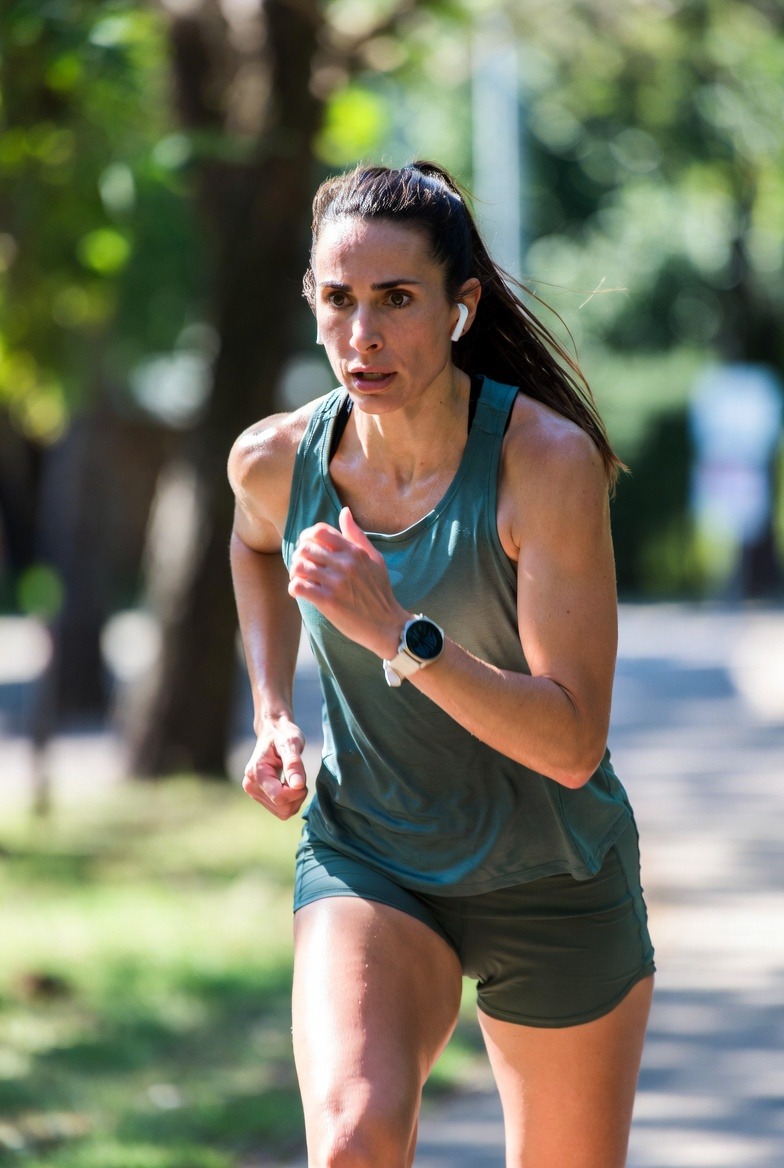
Movement and nutrition are the twin engines of human physiology; one cannot optimally function without the other. What you eat provides the raw materials for energy, repair, and adaptation. When you move determines how those materials are allocated and utilized. This synergy evolves dramatically across the lifespan, with the nutritional needs of a rapidly growing teenager differing vastly from those of a muscle-preserving older adult. Aligning your nutrition with your movement patterns and life stage is the key to unlocking performance, recovery, and long-term health.
Life Stage Synergy:
The Data-Driven Eating Approach: How do you know if your nutrition is supporting your movement and recovery? Again, biometrics provide clues.
Using a tool like Oxyzen to monitor your recovery gives you indirect but powerful feedback on your nutritional strategy. If you’re eating well for your activity level, it should be reflected in solid sleep, good recovery scores, and the energy to engage fully in your life. It turns the abstract concept of "eating right" into a tangible, adjustable variable in your health equation. For more on how daily habits compound, revisit our collection of 50 healthy aging tips a smart ring can help implement.
By viewing food as the essential partner to movement, you empower yourself to fuel each chapter of your life with intention, ensuring your body has exactly what it needs to move, recover, and thrive.
Our movement habits do not exist in a vacuum. They are profoundly shaped by the environments we inhabit—our homes, our neighborhoods, our workplaces, and our cities. These environments can either invite effortless activity or erect formidable barriers to it. From the design of a staircase to the safety of a sidewalk, our surroundings silently orchestrate our daily physicality. To build lifelong movement habits, we must become conscious architects of our own micro-environments and advocates for healthier macro-environments.
The Psychology of Choice Architecture: Behavioral science shows that we are heavily influenced by default options and convenience. This is "choice architecture." A home where the TV remote is front-and-center and workout gear is buried in a closet has an architecture that promotes sedentarism. A home where a yoga mat is always unrolled, resistance bands hang by the desk, and a water bottle is on the counter has an architecture that promotes movement. We can design our surroundings to make the healthy choice the easy choice.
The Neighborhood & Community Layer: Your immediate environment outside your front door is critical.
The Macro Challenge: Car-Centric Design vs. Human-Scale Design. On a societal level, decades of urban planning centered around the automobile have engineered movement out of daily life. Reclaiming activity requires rethinking this model and supporting policies that promote:
Personal Technology in Your Environment: Your wellness device can act as an environmental prompt. The Oxyzen ring or its app can be set to give gentle inactivity reminders, prompting you to get up and move after a period of sitting. More importantly, by reviewing your daily activity trend data, you can audit your own environment. If you consistently see low activity on weekdays, it might reveal how your office setup or commute is hindering you. This data can motivate you to introduce a lunchtime walk, a walking meeting, or a new piece of home fitness equipment. It turns abstract awareness into actionable insight.
Ultimately, cultivating a lifelong movement habit is as much about shaping your world as it is about willing yourself to act. By thoughtfully designing our homes, choosing our communities, and advocating for healthier public spaces, we create ecosystems where movement is not a special event we schedule, but a natural, enjoyable, and inevitable part of everyday life. For the story of how our own environment and vision shaped our product, you can read our founding story.
Beneath every habit, every lifted weight, and every step taken lies a foundation of belief. The journey of lifelong movement is, perhaps more than anything, a psychological journey. It is a continuous process of adapting your identity, managing your motivation, overcoming setbacks, and finding joy. The most perfectly designed workout program will fail without the psychological resilience to sustain it through life’s inevitable disruptions—injury, illness, busy seasons, grief, or plain old loss of motivation. Cultivating a resilient movement mindset is the master skill that makes all other healthy habits possible.
Technology as a Mindset Tool: Used wisely, a smart ring is a mindset coach. It provides objective evidence that counters negative self-talk. "I feel tired and weak" can be met with "But my HRV is high today, so my body is actually recovered and ready." It externalizes the process, taking it out of the realm of emotional guesswork. It also provides gentle, non-judgmental accountability through its tracking, helping you stay connected to your "mover" identity even on chaotic days.
By investing in your psychological resilience, you build an internal fortress that can withstand the storms of life. You ensure that your relationship with movement is not fragile and conditional, but durable, flexible, and rooted in self-knowledge and kindness. This mental foundation is what allows the physical practice to truly last a lifetime. For further reading on sustaining motivation and mindset, our blog is a continually updated resource.
The final, and perhaps most practical, mastery of lifelong movement is the art of integration. It is the move from seeing "exercise" as a separate, boxed-off event on your calendar to weaving physical activity seamlessly into the fabric of your daily existence. For the vast majority of people, especially as responsibilities multiply, the "perfect" hour-long workout is a myth that often leads to "all-or-nothing" failure. The solution is to deconstruct fitness into its component parts—strength, cardio, mobility, balance—and find clever, sustainable ways to stitch them into your existing routines.
The Philosophy of "Movement Stacking": This concept involves attaching a desired movement habit to an already solidly established daily habit. The existing habit acts as a trigger.
These "stacks" are virtually frictionless and, when aggregated, contribute significantly to daily activity volume and skill maintenance.
1. The Integrated Workday:
2. The Integrated Family Life:
3. The Integrated Social Life:
4. The Integrated "Down Time":
The Role of Technology in Integration: A smart ring is the ultimate integration tool because it’s always with you, measuring all your activity, not just dedicated workouts. It validates and celebrates these integrated movements.
This integrated approach destroys the binary of "worked out/didn't work out." It creates a lifestyle where movement is organic, varied, and interwoven with purpose and joy. It is the practical manifestation of the identity "I am a mover." It ensures that no matter how busy life gets, you are never truly starting from zero, because movement is part of the pattern of your days. To see the kinds of products designed for this seamless, integrated lifestyle, visit our main shop front at Oxyzen.Shop.
Your Trusted Sleep Advocate (Sleep Foundation — https://www.sleepfoundation.org/)
Discover a digital archive of scholarly articles (NIH — https://www.ncbi.nlm.nih.gov/
39 million citations for biomedical literature (PubMed — https://pubmed.ncbi.nlm.nih.gov/)
experts at Harvard Health Publishing covering a variety of health topics — https://www.health.harvard.edu/blog/)
Every life deserves world class care (Cleveland Clinic -
https://my.clevelandclinic.org/health)
Wearable technology and the future of predictive health monitoring. (MIT Technology Review — https://www.technologyreview.com/)
Dedicated to the well-being of all people and guided by science (World Health Organization — https://www.who.int/news-room/)
Psychological science and knowledge to benefit society and improve lives. (APA — https://www.apa.org/monitor/)
Cutting-edge insights on human longevity and peak performance
(Lifespan Research — https://www.lifespan.io/)
Global authority on exercise physiology, sports performance, and human recovery
(American College of Sports Medicine — https://www.acsm.org/)
Neuroscience-driven guidance for better focus, sleep, and mental clarity
(Stanford Human Performance Lab — https://humanperformance.stanford.edu/)
Evidence-based psychology and mind–body wellness resources
(Mayo Clinic — https://www.mayoclinic.org/healthy-lifestyle/)
Data-backed research on emotional wellbeing, stress biology, and resilience
(American Institute of Stress — https://www.stress.org/)


