


How Nature Walks Fit into Restoration Wellness
How regular nature walks contribute significantly to restoration wellness.
How regular nature walks contribute significantly to restoration wellness.
%402x.svg)
In our hyper-connected, always-on digital age, the concept of "wellness" has evolved from spa days and green smoothies to something far more fundamental. We're witnessing a quiet revolution—a return to our most basic biological programming through what scientists now call "restoration wellness." At its core lies a deceptively simple practice: the nature walk.
But this isn't about counting steps or burning calories. This is about something deeper, something our ancestors understood instinctively but we've forgotten in our concrete jungles. Restoration wellness through nature engagement addresses what author and researcher Florence Williams calls "the nature deficit disorder" of modern life. It’s the understanding that our nervous systems, our circadian rhythms, and even our cellular functions are wired for the patterns, pace, and stimuli of the natural world.
Consider this: The average American now spends approximately 93% of their life indoors. Our eyes are locked on screens for over 11 hours daily. Our ears are filled with the hum of electronics, not the rustle of leaves. Our lungs breathe recycled air, not the phytoncides—those airborne compounds released by trees. We have, in essence, become disconnected from the very environment that shaped our physiology over millennia.
This disconnection has a cost. Epidemiologists point to rising rates of anxiety, depression, ADHD, cardiovascular disease, and immune dysfunction—all of which correlate strikingly with our indoor existence. Meanwhile, a growing mountain of research from fields like environmental psychology, neuroscience, and immunology reveals a profound truth: reconnecting with nature isn't just pleasant; it's physiologically reparative. It lowers cortisol, reduces systemic inflammation, enhances creativity, boosts immune function, and recalibrates our stressed nervous systems.
Enter the modern nature walk—or shinrin-yoku (forest bathing) as it's formally known in Japan, where it's been a government-sanctioned public health practice since the 1980s. This intentional, sensory-engaged immersion in natural settings has moved from wellness trend to evidence-based medical intervention. Doctors from Seoul to San Francisco now write "park prescriptions." Corporations build forest trails for employee well-being. And urban planners increasingly prioritize "blue-green infrastructure"—access to water and greenery—as essential public health infrastructure.
But how do we move from knowing nature is good for us to actually integrating it into our healing? How do we measure its impact? And in a world of quantified-self gadgets and digital tracking, is there a place for technology in this seemingly analog practice?
This exploration will journey through the multilayered science of why nature heals, provide practical frameworks for creating your own restoration practice, and reveal how modern wearable technology—like the sophisticated, unobtrusive health-tracking smart rings from Oxyzen—can serve not as a distraction, but as a powerful bridge, helping us see the tangible, physiological proof of nature's restorative power and guiding us toward deeper, more effective wellness habits. This is the new frontier of holistic health: where ancient wisdom meets modern science, and where a simple walk in the woods becomes a revolutionary act of self-care.
We often speak of "needing a breath of fresh air" or "getting some greenery" to clear our heads. These aren't just metaphors; they are evolutionary echoes. To understand why nature walks are so potent for restoration, we must first journey back through our own biology. Humans evolved over millions of years in natural environments—savannas, forests, coastal regions. Our senses, our stress-response systems, and our cognitive frameworks are fine-tuned to the signals of the natural world. This concept, known as the Biophilia Hypothesis, proposed by biologist E.O. Wilson, suggests we possess an innate tendency to seek connections with nature and other forms of life.
Modern life, however, bombards us with stimuli for which we have no evolutionary preparation. The constant ping of notifications, the glare of LED lights, the jarring sounds of traffic and machinery—these are "directed attention" tasks that require intense cognitive effort and deplete our mental resources, leading to attention fatigue. Nature, in contrast, offers "soft fascination." The gentle movement of clouds, the pattern of leaves against the sky, the sound of a stream—these capture our attention effortlessly, allowing our directed attention faculties to rest and replenish. This is the cornerstone of Attention Restoration Theory (ART), developed by psychologists Rachel and Stephen Kaplan.
The physiological effects are measurable and profound. Studies using heart rate monitors, cortisol saliva tests, and electroencephalograms (EEGs) consistently show that time in nature:
This isn't merely psychological relief; it's cellular-level restoration. Our bodies literally recognize natural environments as "home," triggering cascades of healing processes. For those looking to monitor these profound internal shifts, wearable technology has become an invaluable window. A device like the Oxyzen smart ring, worn discreetly, can track the very metrics that nature improves—HRV, sleep quality, and resting heart rate—offering concrete, personal data on your restoration journey. You can discover how Oxyzen works to provide this kind of insightful feedback.
The implications are vast. It means that a daily walk in the park is not a luxury or a mere break; it is a non-negotiable maintenance ritual for our human hardware, as critical as sleep or nutrition. It resets systems thrown into chaos by the modern world. As we deepen our understanding, we move from seeing nature as a scenic backdrop to recognizing it as an active, essential participant in our holistic health—a truth that forms the foundation of every meaningful restoration wellness practice.
Beyond the Trail: The Multisensory Science of Forest Bathing and Natural Immersion
Forest bathing, or shinrin-yoku, is often misunderstood as simply hiking or exercising outdoors. In reality, it is a distinct practice of slow, mindful immersion, where the goal is not to reach a destination or achieve a cardio target, but to bathe in the atmosphere of the forest through all five senses. This deliberate sensory engagement is what unlocks its unique restorative power. It's a shift from doing things in nature to being with nature.

Sight: Natural landscapes are characterized by "fractal patterns"—repeating, self-similar patterns found in tree branches, river networks, cloud formations, and mountain ranges. Studies using fMRI scans show that viewing these fractals, which have a mid-range complexity, triggers a 60% reduction in stress-related brain activity. Our visual cortex processes them efficiently, inducing a state of relaxed wakefulness. Contrast this with the harsh straight lines and chaotic visual clutter of urban environments, which demand more cognitive processing power.
Sound: The soundscape of nature, particularly biophony (sounds from biological organisms) and geophony (non-biological sounds like wind and water), has a profound effect. The rhythmic patterns of birdsong, water flow, and wind through leaves are processed as non-threatening, predictable signals. Research from Brighton and Sussex Medical School found that playing natural sounds altered brain connectivity, reducing the inward-focused focus associated with anxiety and depression (the "default mode network") and increasing outward-focused attention. The absence of anthropogenic noise (traffic, construction) is equally healing, giving our auditory systems a much-needed respite.
Smell: This is where biochemistry takes center stage. Trees, especially conifers like pine, cedar, and cypress, release volatile organic compounds called phytoncides to protect themselves from germs and insects. When we inhale these during a forest walk, our bodies respond powerfully. Dr. Qing Li, a leading researcher in forest medicine at Nippon Medical School in Tokyo, has demonstrated that phytoncides increase human natural killer (NK) cell activity, boost intracellular anti-cancer proteins, and lower stress hormone levels. A weekend of forest bathing can elevate NK cell count and activity for up to a month.
Touch & Taste: The tactile experience of moss, bark, soil, or cool water grounds us in the present moment, a key principle of mindfulness. The simple act of removing shoes for "earthing" or "grounding"—making direct skin contact with the earth's surface—has preliminary research suggesting it can reduce inflammation, improve sleep, and reduce blood viscosity by allowing the body to absorb negative electrons from the Earth. While tasting should be done with caution and knowledge, safely sampling a wild berry or herbal leaf can create a powerful, primal connection.
The practice, therefore, is an invitation to slow down and tune in. It might involve:
This multisensory bath creates a state of "mindful embodiment," pulling us out of the rumination of the past and anxiety about the future, and into the sensory reality of the present. For the data-curious individual, observing how this practice influences physiological markers can be fascinating. By using a device that offers continuous vs. periodic monitoring, you can see the direct, real-time impact of this sensory immersion on your stress levels and recovery state, turning an intuitive practice into an empirically informed one.
Burnout is the hallmark malady of our era. Characterized by emotional exhaustion, cynicism, and reduced professional efficacy, it is fundamentally a state of autonomic nervous system dysregulation. Our "fight or flight" sympathetic system is stuck in the "on" position, while our "rest and digest" parasympathetic system is suppressed. The result is a body in perpetual crisis mode, leading to insomnia, digestive issues, anxiety, and a weakened immune response. This is where the nature walk transitions from wellness activity to essential therapy.
Nature acts as a gentle, yet powerful, regulator for this frazzled system. The mechanism operates on several levels:
1. The Removal of Threat Cues: Urban environments are filled with subconscious threat cues—speeding cars, loud noises, crowded spaces, and even the relentless social evaluative pressure of being around strangers. These cues, even if we ignore them consciously, keep our amygdala (the brain's threat radar) mildly activated. Natural environments, particularly those with "prospect and refuge" (open views with safe places to retreat, a preference hardwired from our savanna-dwelling ancestors), signal safety. The absence of human-made threats allows the amygdala to quiet down, reducing the background stress hum.
2. The Induction of the Relaxation Response: The soft fascination of nature, coupled with rhythmic activities like walking, induces a physiological state akin to meditation. Heart rate slows, blood pressure lowers, and brainwave patterns shift toward calmer alpha waves. This is the doorway to parasympathetic activation. A study from Stanford University found that participants who walked in a natural setting versus an urban one showed decreased activity in the subgenual prefrontal cortex, a brain region associated with rumination—the repetitive, negative thought loops common in depression and anxiety.
3. The Resetting of Circadian Rhythms: Burnout and modern life often decouple us from natural light cycles. We get insufficient bright morning light and too much blue light at night, disrupting melatonin production and sleep. A morning nature walk exposes us to high-intensity natural light, which is the most powerful signal to our suprachiasmatic nucleus (the body's master clock) to synchronize our circadian rhythm. Better sleep, governed by this rhythm, is perhaps the single greatest factor in nervous system recovery and resilience.
The practice for burnout isn't about a strenuous hike. It's about consistent, gentle, and sensory-focused walks. Here’s a practical framework:
By making nature walks a non-negotiable part of your routine, you are effectively administering a daily dose of nervous system medicine. You are teaching your body that it is safe to rest, creating a buffer against the stressors of life, and building the physiological resilience that is the true antidote to burnout. It’s a proactive practice that aligns perfectly with a modern, preventive health approach, much like the philosophy behind devices designed for preventive health monitoring.
The benefits of nature immersion extend far beyond stress relief into the very realm of our cognitive capabilities. If you've ever felt mentally foggy after hours of focused work, only to have a solution or creative idea pop into your head during a walk outside, you've experienced the "green brain" effect firsthand. This isn't random; it's a well-documented cognitive phenomenon.
As introduced earlier, Attention Restoration Theory (ART) explains this shift. The modern workday demands "directed attention"—the effortful, top-down focus required for writing reports, analyzing data, or attending meetings. This cognitive resource is finite and depletes over time, leading to mental fatigue, irritability, and errors. Nature, with its "soft fascination," allows directed attention to rest while engaging our "involuntary attention." We notice interesting things—a butterfly, the shape of a rock—without any mental effort. This rest period allows the brain's prefrontal cortex, the overworked CEO of directed attention, to replenish its resources.
The outcomes are measurable and significant:
To harness the "green brain" for your work and creative life, structure your nature walks with intention:
Integrating these practices turns nature from a weekend escape into a daily cognitive tool. It acknowledges that the best way to fuel high-performance thinking is not by powering through fatigue, but by strategically stepping away into environments that are neurologically restorative. For those who track their productivity and mental states, correlating these nature breaks with cognitive performance and mood can be revealing. Modern wearables that track activity and sleep can help you identify patterns, showing how a morning walk correlates with better focus hours later. Explore how different wearables support different health goals, including cognitive performance, on our blog.
While we've moved the focus away from exercise-centric goals, the physical health benefits of regular nature walking are immense and deserve their own spotlight. These benefits occur even at a gentle, restorative pace, distinguishing them from the effects of vigorous exercise. The natural environment adds a potent, synergistic layer to the simple act of walking.
Cardiovascular and Metabolic Health: Regular walking, in any environment, improves heart health. However, studies suggest that walking in nature may have added advantages. The stress-reducing effects lead to lower average blood pressure and heart rate. Reduced chronic stress also means lower levels of inflammation, a key driver of atherosclerosis (hardening of the arteries). Furthermore, the irregular terrain of a forest trail—compared to a flat sidewalk—engages more stabilizing muscles, improves balance, and provides a subtly greater calorie burn.
Immune System Modulation: This is one of the most exciting areas of forest medicine research. The inhalation of phytoncides doesn't just boost NK cell activity in the short term; it appears to have a lasting immunomodulatory effect. Dr. Qing Li's work suggests that a monthly practice of forest bathing can help maintain a higher baseline of immune vigilance. Additionally, exposure to the diverse microbial community in natural environments—the "microbiome of the outdoors"—may help train and diversify our own immune system, potentially reducing the risk of autoimmune disorders and allergies, a concept known as the "old friends" hypothesis.
Vitamin D Synthesis: While sun exposure requires balance and protection, safe, moderate exposure during morning or late afternoon walks allows our skin to synthesize Vitamin D. This "sunshine vitamin" is crucial not just for bone health, but for immune function, mood regulation, and overall cellular health. Widespread deficiency is common in indoor populations.
Longevity and Healthy Aging: Large-scale epidemiological studies consistently find a correlation between access to green space and reduced all-cause mortality. A famous 2019 study tracking over 100,000 women in the U.S. found that those living in the greenest areas had a 12% lower overall mortality rate than those in the least green areas. The reasons are multifaceted, combining the psychological, physical, and social benefits of nature access. For those focused on healthy aging, integrating daily nature contact is a powerful, evidence-based strategy.
To maximize the physical restoration of your nature walks, consider these tips:
By embracing the walk as a whole-body dialogue with the environment, you receive benefits that a treadmill or urban stroll simply cannot replicate. The air, the terrain, the light, and the very chemistry of the place work in concert to support your physical vitality. And by using a wearable device, you can move beyond just counting steps to observing deeper health trends—like improvements in resting heart rate and sleep quality—that these nature-infused habits create over time, as discussed in our article on the science behind modern health tracking.
For the majority of the world's population who live in cities, the idea of a daily forest bath can feel like a fantasy. Yet, the principles of restoration wellness are not exclusive to wilderness. The goal is dose-dependent: some nature is profoundly better than none. Urban ecology and environmental psychology show that even small, fragmented green spaces can deliver significant psychological and physiological benefits. The key is learning to see and utilize the "urban oasis" with intentionality.
What Constitutes an "Urban Oasis"? It's any space that allows for a sense of immersion and escape from the built environment. This includes:
Strategies for Urban Nature Connection:
The science behind this is encouraging. A UK study found that people who spent at least 30 minutes in nature per week had significantly lower rates of depression and high blood pressure. Crucially, this effect was consistent across all levels of urbanity—you didn't need a national park on your doorstep. The intentionality of the visit matters more than the grandeur of the scenery.
Technology can play a helpful role here as well. Use mapping apps to discover hidden green spaces in your neighborhood. And for motivation, a wellness wearable can help you track the consistency of your practice. Setting a gentle goal for daily or weekly "green time" and reviewing the correlated wellness data—like improved sleep scores on days you visit your urban oasis—can provide powerful positive reinforcement. For those new to using technology in this way, our FAQ page addresses many common questions on getting started and interpreting data.
The urban oasis strategy democratizes restoration wellness. It affirms that you don't need to wait for a vacation to heal your relationship with nature. Restoration is available in the dappled light under a street tree, in the quiet hum of a bee on a balcony flower, and in the deliberate turn of your feet onto a grassy path. It's about reclaiming your right to nature, one city block at a time.

Our bodies are not designed for the static, climate-controlled environments we inhabit. They are intricate biological instruments tuned to the rhythms of the natural world—the daily arc of the sun (circadian rhythm) and the longer procession of the seasons. Disruption of these rhythms is linked to sleep disorders, metabolic syndrome, mood disorders, and impaired immune function. Intentional nature walks provide one of the most powerful tools we have to resynchronize our internal clocks with these eternal external cycles.
The Circadian Walk (The Power of Morning Light):
The most impactful walk you can take for systemic health is a morning walk in natural light. Bright morning light, especially the blue-wavelength light abundant at dawn, is the primary "zeitgeber" (time-giver) for your suprachiasmatic nucleus (SCN). It signals the SCN to suppress melatonin production, boost cortisol (for healthy morning alertness), and set in motion a cascade of hormonal and metabolic events that define a healthy 24-hour cycle.
The Seasonal Walk (Embracing Phenology):
Each season offers unique restorative gifts and invitations. Aligning your nature practice with the season deepens your connection and provides varied benefits.
Lunar and Tidal Influences:
For those living near coasts, aligning walks with the tides can be mesmerizing. A beach walk at low tide reveals a different world of tidal pools and creatures. While the scientific evidence for direct human biological impact is less robust than for solar cycles, the psychological effect of connecting with these larger planetary rhythms is undeniably grounding.
Tracking your own bio-rhythms alongside these natural cycles can be a revelation. A smart ring that monitors sleep, readiness, and body temperature (a key circadian marker) can show you how a week of consistent morning walks improves your sleep consistency and daytime energy. You might notice your body temperature rhythm becoming more distinct, a sign of a strong circadian rhythm. This creates a beautiful feedback loop: you use nature to set your rhythm, and technology helps you see it working. Learn more about how this kind of personalized wellness is enabled by modern health tracking.
By syncing our nature walks with these cycles, we move beyond using nature as a static tool. We become participants in a dynamic dialogue. We allow the rising sun to reset our daily clock, let the falling leaves remind us of impermanence, and use the still, cold air of winter to turn our awareness inward. This alignment is the essence of living in harmony—a core tenet of true restoration wellness.
A nature walk becomes a true restoration ritual when movement is balanced with purposeful stillness. Weaving moments of meditation, conscious breathwork, and simple sitting into your walk transforms it from a passive scenic experience into an active mindfulness practice. This integration leverages the natural environment as the ultimate mindfulness app—a dynamic, engaging, and endlessly varied anchor for present-moment awareness.
Why Stillness in Motion?
Walking itself can be a meditative anchor—the rhythm of your steps, the swing of your arms. But pausing introduces a different quality of awareness. It allows the nervous system to settle more deeply into the parasympathetic state. It gives your senses time to fully absorb the subtleties that movement glosses over: the intricate pattern on a leaf, the slow journey of a cloud, the complex chorus of insect sounds.
Simple Practices to Integrate:
The Role of Technology in Mindful Pauses:
This is an area where technology should typically be set aside. However, it can be used before or after to enhance the practice. Use a wearable's silent vibration alarm to mark the beginning and end of a 10-minute sit spot session, so you're not clock-watching. Afterward, you can check your HRV graph and see the tangible spike in parasympathetic activity during your still pause—a powerful biofeedback reward that encourages you to do it again. This kind of insight is part of how modern health tech helps us build healthy, sustainable habits.
By incorporating these mindful pauses, your nature walk becomes a layered practice. The movement provides rhythm and gentle physical release, while the stillness provides depth and neurological reset. You are no longer just walking through nature; you are engaging in a dialogue with it, using your breath and your attention as the language. This turns a simple outing into a moving meditation, where every step and every pause is an opportunity for restoration and presence.
Our nature experiences are overwhelmingly visual. We seek "views" and "scenery." But true, deep restoration requires a full-bodied, multisensory engagement. By consciously inviting our often-neglected senses—sound, smell, touch, and even taste—to the forefront, we can dramatically deepen the immersive and therapeutic quality of our nature walks. This practice, central to forest bathing, bypasses the analytical mind and speaks directly to the primal, feeling body.
The Auditory Bath: Listening as a Healing Act
Natural soundscapes are not just background noise; they are complex, organized acoustic environments with therapeutic structure.
The Olfactory Journey: The Science of Scent
The nose is a direct pathway to the limbic system, the brain's emotional and memory center. Natural aromas have direct pharmacological effects.
The Tactile Connection: Reclaiming the Sense of Touch
In a sanitized, hands-off world, touch is often limited to screens and keyboards. Nature invites a rich tactile dialogue.
The Gustatory Hint: A Conscious, Careful Taste
This sense requires the most caution and knowledge. Never taste anything you cannot 100% identify as safe.
Integrating the Full Sensorium:
Design a "sensory scavenger hunt" for yourself on your next walk. Your goal is not to collect items, but to collect sensations:
By democratizing attention among all your senses, you break the visual hegemony that dominates modern life. You drop out of your head and into your body. This full-sensory immersion is what creates the state of "mindful embodiment"—where you are no longer thinking about your experience, you are fully in it. This is the state where restoration occurs most profoundly, as the chattering ego quiets and the animal self, soothed by the environment it evolved within, can finally heal.
We have explored the profound, often intangible feelings of peace, clarity, and connection that a nature walk provides. But what if you could see that inner calm translated into objective, physiological data? This is where modern wearable technology, particularly advanced devices like the Oxyzen smart ring, completes the restoration wellness loop. It allows us to quantify the "soft" benefits, transforming subjective experience into personalized, actionable science.
Key Metrics That Tell the Story of Restoration:
Creating Your Personal Restoration Experiment:
This personal experiment turns you into the subject and scientist of your own wellness. The data provides motivation on days you lack inspiration—you're not just going for a walk; you're "collecting data points" for your nervous system's health. It also helps you refine your practice. You might learn that morning walks improve your sleep more than evening walks, or that forest walks boost your HRV more than urban park walks. For those interested in the technical underpinnings that make this precise tracking possible, our blog delves into the sensors and AI behind modern health tracking.
The "data of dirt" bridges the gap between ancient wisdom and modern skepticism. It provides the empirical evidence that convinces the logical mind, so the intuitive, feeling body can lead the way. This synergy empowers you to advocate for your own well-being with confidence, making the case for that lunchtime park walk or weekend hike not just as a leisure activity, but as a critical, data-supported component of your health protocol.
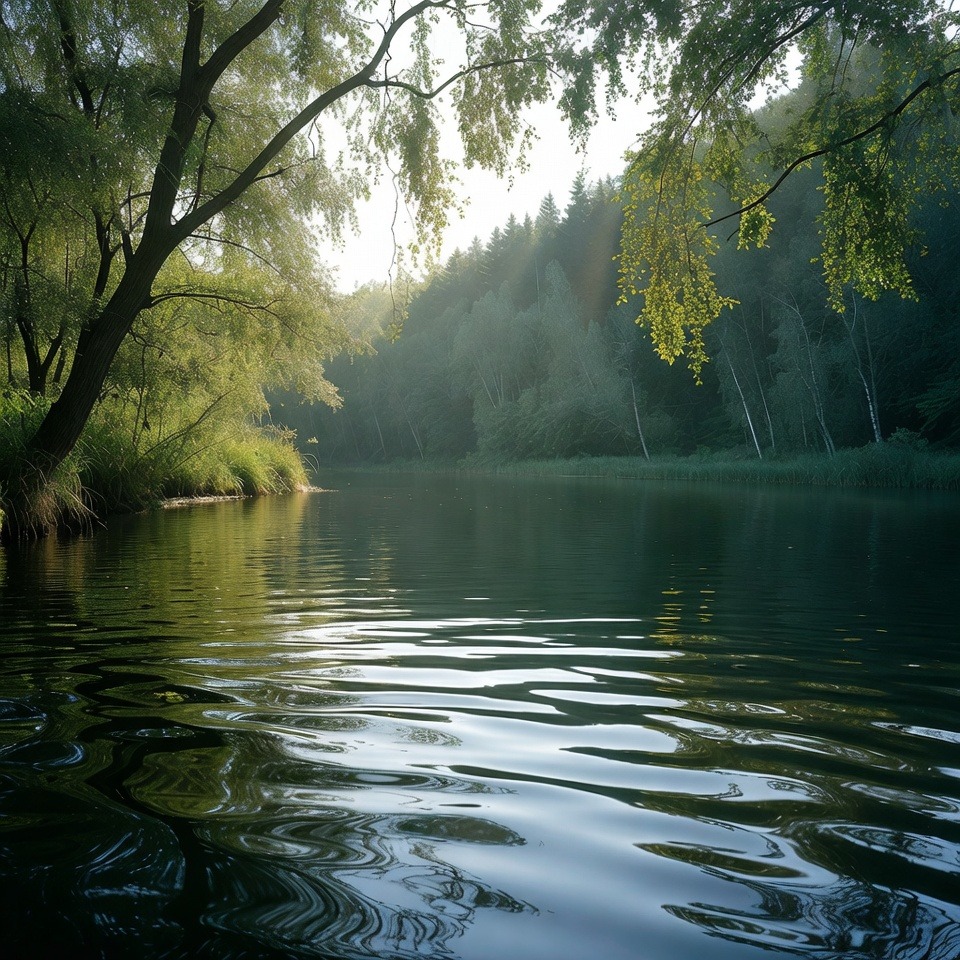
While the psychological and neurological benefits of nature are well-established, some of the most cutting-edge research delves into the literal, biochemical exchange that occurs when we breathe and interact with natural environments. This isn't just metaphor; it's molecular. Nature, it turns out, is a sophisticated pharmacy, and our immersion in it is a form of passive, environmental supplementation.
Phytoncides: The Forest's Immune Elixir
As introduced earlier, phytoncides are volatile antimicrobial compounds released by trees and plants to protect themselves. When we inhale them, our bodies engage in a fascinating cross-kingdom dialogue.
Soil Microbiota and the "Old Friends" Hypothesis:
The hygiene hypothesis, now evolved into the "old friends" hypothesis, proposes that exposure to a diverse array of microorganisms in childhood is crucial for training and regulating the immune system, preventing it from overreacting (as in allergies and autoimmune diseases). The rich microbial community in forest soil, air, and on plants may play a similar role for adults.
Negative Air Ions: The Airborne Vitamins
Natural settings, especially near moving water (waterfalls, ocean waves), forests after a storm, and mountains, have high concentrations of negative air ions (NAIs). While the science is sometimes debated, numerous studies suggest NAIs may:
Essential Oils and Terpenes: The Chemistry of Scent:
The aromatic compounds we enjoy are part of plants' chemical defense and communication systems. When we smell them, they interact with our olfactory receptors and limbic system. For example:
Practical Application: How to Access Nature's Pharmacy:
This biochemical perspective adds a profound layer of meaning to the advice to "get some fresh air." The air in a forest or by the sea is not just "fresh"; it's biologically active. It contains an invisible cocktail of compounds that directly modulate our immune function, reduce inflammation, and influence our neurochemistry. Engaging with this "pharmacy" requires no prescription, only presence. To see how this kind of environmental wellness integrates with daily health monitoring, read about how health tracking is changing preventive medicine. By tracking markers like resting heart rate and sleep—which improve with reduced inflammation and better immune function—you can witness the downstream benefits of your visits to nature's dispensary.
Understanding the benefits is one thing; consistently acting on them is another. For many, the gap between intention and action is filled with very real, practical obstacles. Let's dismantle these barriers with pragmatic solutions, making your restoration practice resilient to the demands of modern life.
Barrier 1: "I don't have time."
This is the most common and pervasive obstacle.
Barrier 2: "I live in a city/There's no nature nearby."
Barrier 3: "The weather is bad."
Barrier 4: "I get bored/I don't know what to do."
Barrier 5: "I feel unsafe alone."
Barrier 6: "I'm too tired/low on energy."
Barrier 7: "I need to watch the kids/I have family obligations."
Overcoming these barriers is less about willpower and more about strategy and self-compassion. Start where you are, not where you think you should be. One short, imperfect walk is worth a dozen perfect, unimplemented plans. For ongoing support and answers to common questions about integrating wellness tech into this journey, our comprehensive FAQ section is always available. Remember, the goal is sustainable practice, not perfection. Every step outside is a victory over inertia and a deposit into your personal restoration account.
The ultimate goal of restoration wellness is not to create another item on your to-do list, but to weave the principles of nature connection into the very fabric of your daily life. It's about transforming your immediate environment and daily rhythms so that restoration becomes a passive, ongoing process, not just an active, scheduled event. This is the shift from doing nature walks to living in alignment with nature.
Biophilic Design: Bringing the Outside In
Biophilic design is an architectural and interior design approach that seeks to connect building occupants more closely to nature. You don't need a full remodel to incorporate its principles:
Ritualizing Daily and Weekly Rhythms:
Embed small, non-negotiable nature touchpoints into your schedule.
Cultivating a "Restoration-First" Mindset:
This is the internal shift. It means:
The Role of Technology in a Nature-Aligned Lifestyle:
Here, technology serves as a subtle guide and feedback system, not the centerpiece. Your wearable becomes a dashboard for your lifestyle's alignment.
By embedding these principles, you create an ecosystem of restoration. Your home, your schedule, and your mindset all gently pull you toward the healing influence of the natural world. The dedicated nature walk remains the deep dive, but these daily touchpoints are the constant, low-dose infusion that maintains your baseline of calm and connection. This holistic approach is the future of sustainable wellness, and it's explored further in our article on the future of wearable health technology, which envisions devices seamlessly supporting such integrated, preventive lifestyles. You are no longer visiting nature; you are inviting it to cohabitate with you, crafting a daily life that is, in itself, restorative.
While many embrace nature in the gentle days of spring and fall, winter presents a unique set of perceived barriers: cold, darkness, and dormancy. Yet, it is precisely this stark, quiet season that offers some of the most profound and distinct lessons in restoration. Winter nature practice isn't about enduring discomfort; it's about discovering a different spectrum of beauty and a more introspective, resilient form of wellness. By adapting our approach, we can unlock winter's potent restorative gifts.
The Physiology of Cold Immersion & "Thermoception":
Winter walking actively engages our thermoception—our sense of temperature. Brief, mindful exposure to cold, when done safely, is a powerful physiological stimulant.
The Visual Palette of Restraint:
Winter strips the landscape to its essential forms—the architecture of bare trees, the contours of the land, the subtle gradients of grey, brown, and white. This visual minimalism is cognitively restorative.
The Amplification of Sound and Silence:
Snow acts as a natural sound absorber, creating a profound, muffled quiet. This "acoustic snow" dampens the world's noise pollution, allowing subtler sounds to emerge: the crunch of your own footsteps, the whisper of wind through pine needles, the call of an overwintering bird. This auditory environment is incredibly calming to the nervous system.
The Scents of Decay and Resin:
Winter has a crisp, clean olfactory profile. The cold air carries scents with remarkable clarity—the sharp, clean smell of snow, the pungent scent of damp earth and decay (which signals vital microbial activity below the surface), and the invigorating resin of conifers like pine and fir, which are rich in immune-boosting phytoncides.
Crafting Your Winter Restoration Walk: A Practical Guide
Winter’s Metaphorical Lessons:
Beyond the physical, winter teaches core principles of restoration wellness:
By reframing winter not as an obstacle but as a unique teacher, we maintain our restorative rhythm year-round. This consistency is key to long-term benefits. And by tracking your body’s response, you might see surprising data: improved sleep from daytime light exposure, stable HRV despite the season’s stressors, and a maintained sense of well-being. This kind of year-round tracking is what enables truly personalized wellness, responsive to the seasons of nature and of life.

While "green space" dominates the restoration conversation, a growing body of research highlights the equal, and sometimes superior, power of "blue space"—environments featuring visible water, such as oceans, lakes, rivers, canals, and even fountains. The human affinity for water is deeply rooted in our evolution and biology, offering a distinct, potent pathway to restoration that complements the forest bath.
The Neuroaesthetics of Blue Space:
Why are we drawn to water? Evolutionary psychologists suggest that as a species reliant on water for survival, we are hardwired to find environments with clean, abundant water sources appealing and safe. Visually, waterscapes often provide vast, unobstructed horizons (prospect) while feeling inherently non-threatening, which quiets the amygdala. The constant, rhythmic motion of waves or flowing water provides a predictable, soothing form of "soft fascination" that is highly effective at holding our involuntary attention and inducing a meditative state.
The Multi-Sensory Bath of Water:
Practices for Blue Space Restoration:
The Psychological "Blue Mind" State:
Marine biologist Wallace J. Nichols coined the term "Blue Mind" to describe the mildly meditative, mildly meditative, peaceful, unified, and satisfied state of mind that occurs when we are in or near water. It is the opposite of the anxious, overstimulated "Red Mind" of our constant connectivity. Accessing a "Blue Mind" state reduces stress hormones, increases creativity, and enhances our sense of connectedness—not just to the water, but often to others sharing the experience.
Integrating Blue and Green:
The most restorative environments are often those that combine green and blue elements—a forest with a stream, a lakeshore with trees, a mountain view over an ocean. Seek out these hybrid spaces for a full-spectrum sensory restoration experience.
By consciously incorporating blue space into your restoration repertoire, you tap into a primal source of calm. It offers a different quality of peace than the forest—often more expansive and emotionally resonant. Tracking your biometrics after time near water can reveal its unique signature on your physiology, perhaps showing an even sharper decline in stress markers or a particularly deep sleep afterward. Understanding these personal patterns is part of becoming an expert user of your wellness data, allowing you to strategically choose your restoration environment based on your current needs.
This is the central paradox of modern restoration wellness: We use technology (wearables, apps, GPS) to guide and measure our reconnection to a non-technological world. Navigating this paradox with intention is critical. The goal is not a Luddite rejection of tools, but a conscious design of their use so they serve as a bridge to deeper presence, rather than a barrier to it.
The High Cost of Digital Distraction in Nature:
When we bring our connected devices into nature and use them as we do in our living rooms—checking notifications, scrolling feeds, taking staged photos—we commit a form of "cognitive colonization." We import the very attentional demands and social pressures we are seeking to escape. This prevents the cognitive restoration that requires an undivided, sensory connection to the environment. Studies show that even the presence of a phone on a table reduces cognitive capacity; having it in your hand on a trail is profoundly disruptive to the restorative process.
The Principles of Intentional Tech Use:
Designing a "Tech Hierarchy" for Your Walk:
Establish personal rules based on your goals.
The Post-Walk Digital Integration:
This is where technology's power to solidify habits shines.
The ultimate aim is digital mindfulness. It’s recognizing that a tool's impact is defined by our relationship with it. In the context of restoration, technology must be subordinate to the primary objective: unmediated sensory communion with the natural world. By setting clear boundaries, we prevent the digital world from leaching the vitality out of our nature time. For more on managing your relationship with wellness tech, our guide on privacy and data security settings offers insights into taking control of your digital footprint, so your focus can remain on your natural one.
While daily micro-doses of nature are foundational, there exists a transformative tier of restoration that only reveals itself with prolonged immersion: the multi-day trek, the wilderness backpacking trip, or the walking pilgrimage. These journeys represent a qualitative shift from a wellness "practice" to a wellness "experience"—a deep dive that can reset neural patterns, challenge personal narratives, and catalyze profound personal growth and insight.
The Neurological Reset of Extended Time in Nature:
The famous 2012 study by David Strayer and colleagues at the University of Utah found a 50% boost in creative problem-solving after four days of backpacking, disconnected from technology. This points to a neurological threshold. After approximately 72 hours of continuous immersion, several shifts occur:
The Pilgrimage Model: Walking with Intention:
Historically, pilgrimages—from the Camino de Santiago to Japan's Shikoku 88 Temple circuit—combined long-distance walking with a spiritual or reflective intention. Modern secular pilgrims undertake such journeys for restoration, clarity, and transition. The psychology is powerful:
Practical Pathways to Deeper Immersion:
The Integration: Bringing the Trail Home:
The most crucial phase of a long walk is the return. The challenge is to integrate the clarity, peace, and simplified priorities back into daily life.
The long walk teaches us that restoration is not always a gentle addition, but can sometimes be a powerful subtraction and reorientation. It proves to our nervous system that it can survive—and thrive—without the constant stimulus of modern life. For the data-interested, a multi-day trip provides a fascinating extended dataset. Observing how your HRV steadily climbs, your sleep becomes remarkably consistent, and your resting heart rate drops offers undeniable, macroscopic proof of nature's systemic healing power—a powerful story told through the continuous monitoring of your own body.
Restoration wellness is not confined to movement and sensory immersion; it extends to the very act of nourishment. The modern food system often disconnects us from the origins of our sustenance. A powerful, embodied way to repair this disconnect is to integrate principles of foraging and mindful eating into your nature practice, weaving the themes of awareness, gratitude, and direct engagement into the fundamental act of eating.
Foraging as Focused Attention and Connection:
Foraging is the ultimate exercise in "soft fascination" with a purpose. It requires you to slow down, observe minutely, and engage deeply with the landscape. You are not just passing through; you are reading it, learning its language to identify edible plants, fungi, and berries. This practice:
SAFETY IS PARAMOUNT: This practice must be approached with extreme caution and education. Never consume anything you cannot identify with 100% certainty. Start with expert-led walks, use trusted field guides, and begin with easily identifiable, common species like dandelion greens, blackberries, or pine needle tea.
Mindful Eating in a Natural Setting:
Even if you are not foraging, you can transform a simple snack or meal during your nature walk into a deep restoration practice.
The Physiological Benefits of Biophilic Nourishment:
Starting Practices for the Beginner:
This dimension of restoration closes the loop between the environment and the self. You are not just absorbing the sights and sounds of nature; you are literally incorporating its essence into your body. It is the deepest form of reciprocity: you care for yourself by engaging with the land, and in doing so, you are more likely to care for the land that sustains you. This holistic view of wellness—encompassing movement, mind, and metabolism—is the cornerstone of a resilient life, a topic further explored in our resources on how technology can support different health goals in an integrated way.
Thus far, we have focused on nature as a setting for human restoration—a resource for our well-being. Yet, the most profound and sustainable form of restoration wellness is reciprocal. It emerges when our personal healing fosters a desire to contribute to the healing of the natural world. This shift—from extractive to reciprocal engagement—transforms a self-care practice into a form of ecological citizenship and imbues our walks with deeper purpose and meaning.
From "Nature Beneficiary" to "Ecological Participant":
Environmental psychology describes a virtuous cycle: positive experiences in nature lead to greater emotional connection to it ( "nature connectedness"), which in turn leads to more pro-environmental attitudes and behaviors. Your nature walk, therefore, is not the end point; it can be the starting point for a more engaged relationship with the living world.
Deepening Awareness: Learning the Stories of the Land:
A walk becomes richer when you understand the ecology and history beneath your feet.
The Psychology of Reciprocal Restoration:
Acts of stewardship combat "ecological grief" and "climate anxiety"—the distress caused by environmental degradation. By taking positive action, however small, we transform helplessness into agency. This active care is, itself, psychologically restorative. It aligns our values with our actions, creating integrity and reducing the cognitive dissonance that can arise from loving nature while feeling complicit in its harm.
Creating a Personal Land Ethic:
Philosopher Aldo Leopold called for a "land ethic" that enlarges the boundaries of community to include soils, waters, plants, and animals. You can cultivate this through your practice:
This reciprocal model presents the ultimate argument for investing in natural spaces: they are not a luxury, but critical infrastructure for public health and planetary health. When we are well, we are better stewards. When the land is well-stewarded, it makes us well. It is a closed, virtuous loop.
Your wearable technology can even reflect this broader engagement. The sense of purpose and positive stress that comes from a morning of volunteer trail work may show up in your data differently than a passive walk—perhaps with a higher HRV recovery later, indicating a different, fulfilling type of exertion. Tracking your well-being in the context of a life lived in alignment with your values offers the most complete picture of health, a vision at the heart of Oxyzen's mission.
By embracing this reciprocal view, your restoration practice matures. It is no longer just about what nature can do for you, but about the relationship you are building with the more-than-human world. You walk not as a consumer, but as a grateful guest and a committed partner in the ongoing story of the land. This is where wellness becomes wholeness, and personal restoration blossoms into planetary care.
Your Trusted Sleep Advocate (Sleep Foundation — https://www.sleepfoundation.org/)
Discover a digital archive of scholarly articles (NIH — https://www.ncbi.nlm.nih.gov/
39 million citations for biomedical literature (PubMed — https://pubmed.ncbi.nlm.nih.gov/)
experts at Harvard Health Publishing covering a variety of health topics — https://www.health.harvard.edu/blog/)
Every life deserves world class care (Cleveland Clinic -
https://my.clevelandclinic.org/health)
Wearable technology and the future of predictive health monitoring. (MIT Technology Review — https://www.technologyreview.com/)
Dedicated to the well-being of all people and guided by science (World Health Organization — https://www.who.int/news-room/)
Psychological science and knowledge to benefit society and improve lives. (APA — https://www.apa.org/monitor/)
Cutting-edge insights on human longevity and peak performance
(Lifespan Research — https://www.lifespan.io/)
Global authority on exercise physiology, sports performance, and human recovery
(American College of Sports Medicine — https://www.acsm.org/)
Neuroscience-driven guidance for better focus, sleep, and mental clarity
(Stanford Human Performance Lab — https://humanperformance.stanford.edu/)
Evidence-based psychology and mind–body wellness resources
(Mayo Clinic — https://www.mayoclinic.org/healthy-lifestyle/)
Data-backed research on emotional wellbeing, stress biology, and resilience
(American Institute of Stress — https://www.stress.org/)


