


How Your Wellness Ring Identifies Recovery Signals Before Symptoms Appear
The recovery signals trusted by elite athletes, now available on your smart ring.
The recovery signals trusted by elite athletes, now available on your smart ring.
%402x.svg)
In the quiet of the night, as you drift into sleep, a silent guardian on your finger begins its most important work. It’s not just counting your steps or logging your hours of rest. It’s listening to a symphony of biological data—your heart’s rhythm, your body’s temperature, your nervous system’s whispers—and decoding a story you’re not yet consciously aware of. It’s a story of recovery, of stress, of resilience being built or broken. Modern wellness technology, particularly advanced smart rings, has transcended basic tracking. It has entered the realm of prediction and prevention, identifying the subtle signals of recovery—or lack thereof—long before you feel a symptom of fatigue, illness, or burnout. This is the frontier of proactive health: moving from reacting to how you feel to understanding how your body is actually functioning at a foundational level. This article delves deep into the science and technology that empowers a device like the Oxyzen ring to become your personal recovery sentinel, teaching you to heed your body’s whispers so you never have to hear its screams.
We’ve all been there. You wake up after seven hours of sleep, check your sleep score on an app, and see a respectable “85.” You feel okay, maybe a little groggy, but functional. Yet, by mid-afternoon, a crushing wave of fatigue hits, your focus scatters, and irritability creeps in. The paradox is glaring: the data said you were recovered, but your lived experience says otherwise. This disconnect exists because traditional metrics are surface-level. True recovery is a complex, multidimensional physiological process happening beneath the hood.
Recovery isn’t merely the absence of fatigue; it’s the active process of your body and nervous system returning to a state of equilibrium, or homeostasis, after stress—be it physical, mental, or emotional. It’s your immune system repairing microscopic damage, your hormones rebalancing, your neural pathways consolidating learning, and your energy stores being replenished. For decades, elite athletes have used sophisticated (and often invasive) lab tests to gauge this state—measuring blood markers for inflammation, heart rate variability (HRV), and cortisol levels. The revolutionary promise of the modern wellness ring is to democratize this insight, bringing continuous, non-invasive physiological monitoring into the mainstream.
The core premise is simple yet profound: your autonomic nervous system (ANS) is the ultimate narrator of your recovery status. This unconscious control system has two primary branches: the sympathetic (“fight or flight”) and the parasympathetic (“rest and digest”). Recovery is dominated by strong parasympathetic activity. A device that can accurately and consistently listen to the ANS—through proxies like heart rate, HRV, and skin temperature—can therefore translate the silent language of recovery into a dashboard you can understand. It shifts the question from “How long did I sleep?” to “How well did my nervous system recover during that sleep?” This foundational shift is what allows for true pre-symptomatic detection, a concept we will explore throughout this deep dive. For a foundational understanding of how these devices capture data, our article on how sleep trackers actually work provides an excellent starting point.
To appreciate how a wellness ring predicts recovery, we must first move past the familiar fitness-tracker metrics. While steps and active minutes have their place, they are outcomes, not predictors. The predictive power lies in a different set of biomarkers, measured continuously and passively.
Heart Rate Variability (HRV): The Gold Standard of Recovery Readiness. HRV is not your heart rate. It is the millisecond variation in the time intervals between consecutive heartbeats. Contrary to intuition, a higher HRV (more variability) is typically a sign of excellent health and recovery. It indicates a resilient, adaptable nervous system that can swiftly switch between stress and relaxation. A consistently low or trending-downward HRV is one of the earliest and most sensitive signals of accumulated stress, overtraining, or impending illness. Your ring tracks this overnight to establish your unique, personal baseline, detecting deviations that signal your body is struggling to recover.
Resting Heart Rate (RHR) and Its Nocturnal Dip. Your RHR is a classic health metric, but its nocturnal pattern is where the recovery intelligence lies. A healthy, recovering body typically sees a significant dip in heart rate during deep sleep—often 10-20 beats per minute below your daytime resting rate. A blunted or absent “nocturnal dip” is a strong physiological red flag, associated with systemic stress, poor sleep quality, and incomplete recovery. Your ring charts this dip every night, creating a powerful longitudinal view of your cardiovascular recovery.
Skin Temperature and Its Micro-Fluctuations. Peripheral skin temperature, especially at the finger, is exquisitely sensitive to blood flow changes dictated by the ANS. As you enter deep sleep and parasympathetic dominance increases, blood vessels dilate, increasing skin temperature to facilitate repair. A failure to reach this optimal temperature plateau, or unusual spikes/drops, can signal inflammation, the onset of infection, or hormonal imbalances—often 24-48 hours before you feel feverish or achy.
Respiratory Rate: Even the rhythm of your breath, measured subtly through heart rate or movement sensors, tells a tale. A elevated nighttime respiratory rate can be an early sign of respiratory infection, sleep apnea, or heightened metabolic stress.
Blood Oxygen Saturation (SpO2): While commonly associated with altitude or sleep apnea, subtle, trend-based overnight dips in SpO2 can indicate respiratory inefficiency or inflammation impacting recovery.
Together, these metrics form a multidimensional recovery fingerprint. A single night’s data is a snapshot; the true magic is in the trend. By establishing your personal baseline across all these vectors, a sophisticated algorithm can detect when your physiology is deviating from your normal—the most sensitive indicator of a problem. This is the cornerstone of pre-symptomatic detection. To understand what constitutes a healthy baseline for some of these metrics, particularly during sleep, you can explore our guide on deep sleep tracking and what your numbers should look like.
Collecting biometric data is step one. The transformative step is the algorithmic interpretation—the “mind” that turns numbers into narrative. This is where a premium wellness device like Oxyzen separates itself from simple data loggers. The process is a multi-layered symphony of data science and physiology.
First, Personal Baselines Are Established. For the first week or two of consistent wear, the ring’s algorithm is in learning mode. It’s not judging you; it’s getting to know you. What is your normal HRV range? What is your typical nocturnal temperature curve? What is your baseline respiratory rate? This personalization is critical because comparing your HRV of 45 ms to someone else’s 80 ms is meaningless. The algorithm is looking for deviations from you.
Next, Multi-Metric Correlation and Pattern Recognition. The advanced algorithms don’t look at metrics in isolation. They perform a dance of correlation. For example:
The algorithm weighs these correlated changes, often assigning a probabilistic score to different potential states (e.g., “85% probability of elevated physiological stress”).
Finally, The Output: Readiness Scores and Actionable Alerts. The end-user result of this complex analysis is an intuitive score or status—often called “Readiness,” “Recovery,” or “Body Battery.” A high score doesn’t just mean you slept long; it means your combined physiological data indicates a fully recovered, resilient system ready for stress. A low score is a proactive warning: “Your body is signaling it hasn’t fully recovered. Consider a lighter day.”
The most powerful feature, however, is the subtle nudge. An alert that says, “Your nighttime HRV dropped 30% below your baseline last night, and your temperature was elevated. Prioritize hydration and rest today.” This is the pre-symptomatic flag—the whisper from your body, translated by the ring, delivered before the headache, sore throat, or crushing fatigue sets in. It transforms data from a report card into a forecast. To see this technology in action and how it integrates into a user’s life, the real-world experiences shared in our testimonials section are illuminating.
One of the most tangible and awe-inspiring applications of this technology is its ability to signal an oncoming illness. You’re going about your day, feeling perfectly fine, when your wellness app delivers a notification: “Recovery metrics are low. Your body is showing signs of stress.” You might shrug it off, only to wake up 36 hours later with a full-blown cold. The ring didn’t predict the future; it detected the present physiological reality of your body’s early fight.
The biological sequence is logical. When a pathogen invades, your immune system activates long before symptoms manifest. This activation, an inflammatory response, involves the release of cytokines (immune signaling molecules). These cytokines directly influence the autonomic nervous system and cardiovascular function. They can:
Your wellness ring is detecting this cytokine-induced shift in your ANS and thermoregulation. It’s seeing the “battlefield preparation” inside your body. By heeding this early warning, you can act proactively: increasing sleep time, reducing intense exercise (which is additional stress), boosting nutrition and hydration, and perhaps using supportive supplements. This intervention can potentially lessen the severity of the illness, shorten its duration, or, in some cases, allow your immune system to quash the threat before it ever becomes symptomatic.
This moves healthcare from a reactive model (“I’m sick, now I need to treat it”) to a proactive, supportive model (“My body is fighting something, I will give it every resource to win efficiently”). It empowers you with a powerful tool for maintaining wellness, not just managing sickness. For a deeper look at the critical role of sleep in this immune battle, our analysis of the science of deep sleep and what happens to your body is essential reading.
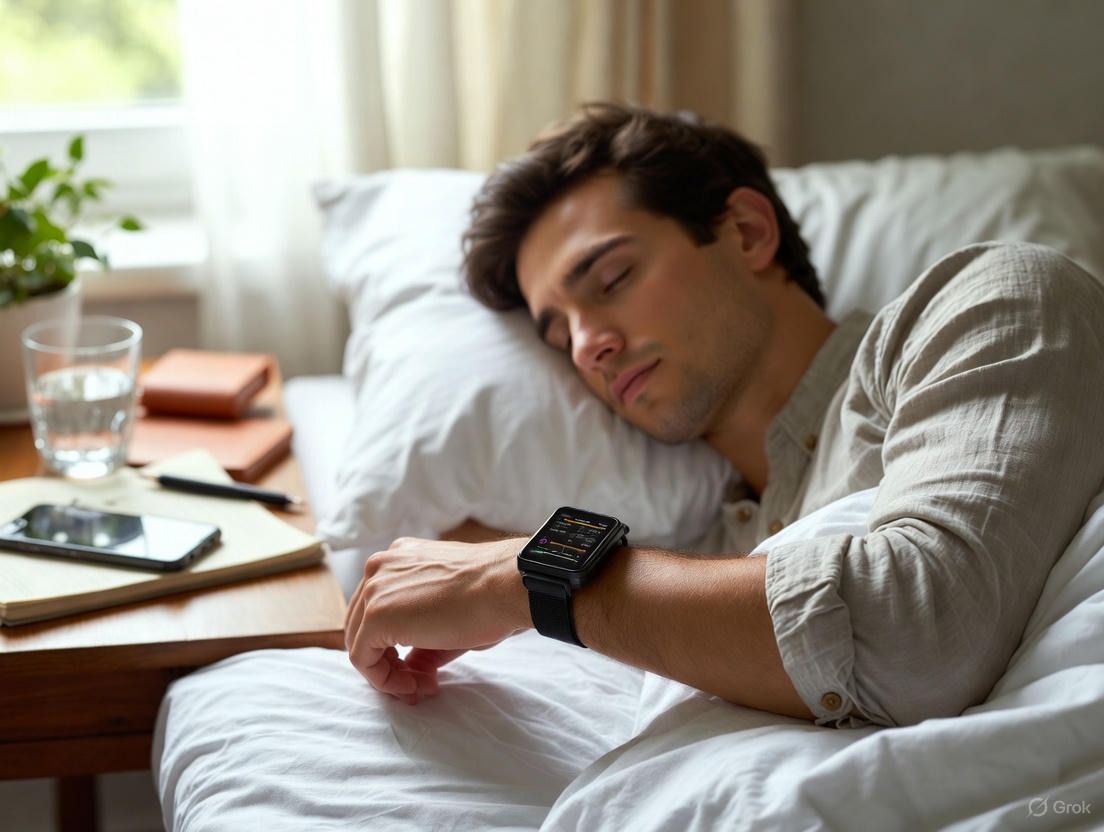
In our always-on, high-performance culture, the line between productive stress and destructive strain is perilously thin. Overtraining in athletes and burnout in professionals share a common physiological pathway: a sustained demand that chronically outpaces recovery. The result is not just poor performance, but a cascade of hormonal, neurological, and immune dysfunction. Here, the wellness ring acts as an objective, unemotional coach, providing a vital check on our often-delusional self-assessment.
The physiology of overreaching is beautifully telegraphed by the ANS. In the early stages of positive training adaptation, you might see temporary dips in HRV after hard workouts, followed by “supercompensation”—a rebound to a higher baseline as you grow stronger. However, when stress is chronic and recovery inadequate, the pattern changes:
For the driven individual, these objective data points are a circuit breaker. You might feel motivated to push through another intense workout or work a 12-hour day, but your ring’s “Recovery” score is in the red. It’s telling you that your physiological checking account is overdrawn, and making another withdrawal (stress) risks a crash. Heeding this warning—by swapping a workout for a walk, prioritizing an early bedtime, or practicing mindfulness—allows you to pull back from the brink. It enables strategic strain followed by dedicated recovery, which is the true recipe for sustainable growth and high performance. Athletes looking to fine-tune this balance will find specialized strategies in our resource on deep sleep optimization for athlete recovery.
If recovery is a symphony, sleep is the concert hall where it’s performed. But not all sleep is created equal. Labeling sleep with a single number of hours or a simplistic “score” is like describing a gourmet meal only by its calorie count. True recovery intelligence requires a deep dive into sleep architecture—the cyclical progression through light, deep, and REM sleep stages. Each stage plays a distinct, non-negotiable role in the recovery process.
Deep Sleep (N3): The Physical Restoration Phase. This is the cornerstone of physiological recovery. During deep sleep:
A wellness ring uses a combination of heart rate, HRV, and movement (actigraphy) to estimate time spent in this crucial stage. A lack of deep sleep, even with adequate total sleep time, is a major recovery deficit. It means your body is missing its prime-time repair window. For those struggling in this area, our guide on how to get more deep sleep tonight offers practical, immediate steps.
REM Sleep: The Mental and Emotional Recovery Phase. REM sleep is where the mind does its housekeeping. It’s essential for:
Disrupted REM sleep can leave you feeling emotionally fragile, forgetful, and cognitively foggy, even if you physically feel rested.
A sophisticated recovery algorithm assesses not just the quantity of these stages but their timing and continuity. Frequent awakenings (micro-arousals you may not remember) fragment this architecture, stealing you from deep or REM cycles. Your ring detects this fragmentation through movement and heart rate spikes, providing a “Sleep Stability” score. Waking up with a high recovery score fundamentally means you cycled smoothly through complete, restorative sleep stages, allowing both body and mind to complete their essential overnight work. Understanding the distinct roles of these stages is key, which is why we break it down in deep sleep vs. REM sleep: what’s the difference and why it matters.
We throw the word “stress” around casually, but to your nervous system, it is a precise, measurable physiological event. Whether it’s a looming deadline (psychological), a hard interval workout (physical), or a digestive issue (metabolic), the stress response shares a common pathway: activation of the sympathetic nervous system and the HPA axis (Hypothalamic-Pituitary-Adrenal), resulting in the release of cortisol and adrenaline.
Your wellness ring is a continuous stress auditor. By monitoring HRV and heart rate in real-time throughout the day, it can identify periods of sympathetic activation. Sitting in traffic? Your HRV might plummet and heart rate rise, and the ring’s daytime stress tracking will log that as a “stressed” period. In a state of “flow” during a creative project? Your HRV might be stable and high, logged as a “focused” or “calm” period.
This transforms the abstract concept of “a stressful day” into a quantified timeline. You can review your day and see, objectively, that the two hours after your morning coffee were physiologically chaotic, or that your daily meditation practice actually lowered your resting heart rate by 5 BPM for an hour afterward.
The critical insight for recovery is this: Daily stress load directly impacts nocturnal recovery. A day filled with sympathetic spikes creates a higher “allostatic load” that your body must dissipate overnight. If your sleep is not sufficiently restorative to offset that day’s stress, you wake up with a recovery deficit that carries into the next day, beginning a negative cycle. By making you aware of your daily stress patterns, the ring empowers you to intervene with targeted recovery practices—like breathwork, a walk in nature, or setting boundaries—to lower the load before you ever get into bed. This creates a positive feedback loop where better daily stress management leads to more efficient overnight recovery, which leads to greater resilience the next day. To explore the mission behind creating technology that fosters this kind of awareness, you can learn about our core philosophy on the Oxyzen about us page.
Your body does not recover in a vacuum. It is profoundly influenced by the context of your life. The final layer of intelligence in a robust recovery algorithm is the correlation of physiological data with user-logged or sensor-inferred lifestyle and environmental factors. This turns the ring from a passive monitor into an active discovery tool for your personal health patterns.
Manual Logging and Correlation: By logging activities like “alcohol consumption,” “late meal,” “intense workout,” or “stressful event,” you allow the algorithm to perform a powerful function: it can show you how these behaviors specifically impact your recovery metrics. You might discover that:
Sensor-Inferred Context: Advanced rings with temperature sensors can note environmental changes. A unusually hot or cold bedroom will be reflected in your skin temperature data and correlated with sleep disruptions.
This process of correlation is the essence of biofeedback-driven behavior change. Instead of following generic health advice, you receive personalized, data-backed insights. You move from “I heard alcohol is bad for sleep” to “My data shows conclusively that when I drink, my recovery score drops by an average of 40%. Is this trade-off worth it for me tonight?” This empowers you to make informed, intentional choices that align with your recovery and performance goals. For those curious about the accuracy and limits of such sensor-driven insights, our article on sleep tracking accuracy provides a transparent look.
Data without action is merely trivia. The ultimate value of identifying pre-symptomatic recovery signals is the ability to build a personalized, dynamic recovery protocol. This is where you transition from being a passive observer of your data to an active architect of your well-being.
Your recovery protocol is not a rigid set of rules, but a flexible toolkit informed by your ring’s daily readiness score and metric trends. It involves two key paradigms:
1. Dynamic Day Planning: Let your recovery score guide your day’s intensity.
2. Targeted Recovery Interventions: Based on which metrics are flagged (e.g., low HRV, high RHR, poor sleep), you can deploy specific countermeasures:
By consistently applying this feedback loop—Measure → Interpret → Act → Re-measure—you train your own resilience. You learn what truly works for your unique physiology. The ring becomes less of a reporter and more of a partner in your long-term health journey, helping you build habits that sustain high performance and vitality without burnout. For a comprehensive collection of strategies and knowledge to support this journey, the Oxyzen blog is your ongoing resource.

We stand at an inflection point in personal wellness. The era of passive data logging—knowing how many steps you took or hours you slept—is giving way to something far more profound: a future where your wearable doesn't just tell you what happened, but anticipates what’s coming and guides you toward optimal outcomes. This is the shift from monitoring to predictive and eventually prescriptive health intelligence. While today’s advanced wellness rings can identify recovery deficits and pre-illness signals, the next evolutionary leap involves sophisticated AI that learns your hyper-personal patterns so deeply it can offer tailored recommendations to not just avoid the negative, but actively engineer the positive.
Imagine your device delivering a notification not just saying, “Your recovery is low,” but suggesting, “Based on your current HRV trend, elevated evening cortisol markers, and past data, you are 70% likely to experience migraine-level headaches within 48 hours. To mitigate, consider: 1) A 15-minute legs-up-the-wall pose before bed to lower neural excitability. 2) Increasing your electrolyte intake tomorrow by 500mg sodium, 300mg potassium. 3) Scheduling your high-focus work before 2 PM.” This is prescriptive guidance. It moves beyond the “what” (your data) and the “so what” (your recovery score) to the “now what”—a concrete, personalized action plan.
This future is built on three pillars: Longitudinal Learning, Contextual Integration, and Proactive Nudging. The algorithm will no longer just compare your last night to your 30-day baseline. It will analyze years of data across seasons, life phases, and stressors, understanding how you uniquely respond to travel, seasonal changes, specific types of work projects, or even certain foods (when logged). It will integrate broader contextual data—local pollen counts, weather pressure changes, community illness rates—to refine its predictions. Finally, it will communicate not with alarming red alerts, but with supportive, timely nudges integrated into your daily flow, empowering you to make micro-adjustments that steer your health trajectory. This transforms the device from a tool you check into an invisible guardian that guides. For a glimpse into the philosophy driving this kind of user-centric innovation, you can explore our story and vision.
To fully harness the power of recovery data, we must appreciate the profound neurological renovation that occurs during sleep, particularly in deep and REM stages. Recovery isn’t just for muscles; it’s fundamentally a brain-centric process. The brain uses the offline state of sleep to perform critical maintenance that directly impacts next-day resilience, emotional stability, and cognitive clarity—all metrics reflected in your wellness ring’s readiness score.
During deep sleep, the brain engages in a powerful cleansing ritual. The glymphatic system, a waste-clearance network, becomes up to 10 times more active. It flushes out metabolic debris that accumulates during waking hours, including toxic proteins like beta-amyloid and tau, which are associated with neurodegenerative diseases. This nightly “power wash” is non-negotiable for cognitive recovery. A night of poor deep sleep means you wake up with a metaphorically “clogged” brain, leading to foggy thinking, poor decision-making, and low frustration tolerance—all signs of poor neural recovery your ring may correlate with a low score.
REM sleep, on the other hand, is the brain’s emotional and informational processing lab. During REM, the brain reactivates the neural pathways formed during the day’s learning and experiences. It strengthens important connections (consolidating memories and skills) and prunes away insignificant ones. Crucially, it processes emotional experiences, often stripping away the raw emotional charge from memories while retaining the lesson. This is why sleep deprivation so drastically impacts emotional regulation; without sufficient REM, you are left with the emotional intensity of the previous day but none of the processing. Your ring’s detection of fragmented REM sleep can explain why you might feel inexplicably anxious or reactive despite a decent night’s duration of sleep.
The autonomic nervous system is the bridge between this brain activity and the data on your finger. The shift into deep sleep is parasympathetically driven (high HRV, low heart rate), facilitating the glymphatic flush. The chaotic brain activity of REM sleep comes with sympathetic surges (variable heart rate, muscle atonia), which the ring detects. By quantifying the quality of these stages, your ring provides a proxy report on your brain’s overnight recovery success. Prioritizing sleep based on this data isn’t about vanity; it’s about safeguarding your brain’s health, your emotional well-being, and your cognitive edge. The profound connection between these sleep stages and memory is explored in detail in our article on deep sleep and memory: the brain-boosting connection.
Your physiology does not run on a static 24-hour loop; it dances to the intricate rhythm of your circadian clock. This internal timing system, governed by a master clock in the brain’s hypothalamus and peripheral clocks in every organ, regulates everything from hormone release (cortisol, melatonin) to body temperature, digestion, and sleep-wake cycles. Ignoring your chronobiology is like trying to row a boat against the current; honoring it is catching the tide. Your wellness ring is a powerful tool for uncovering and syncing with your personal circadian rhythm, thereby optimizing recovery.
The most visible circadian signal your ring tracks is core body temperature rhythm. Your temperature is not constant. It reaches a peak in the late afternoon/early evening and hits its lowest point (nadir) about two hours before your natural wake-up time. This temperature drop is a key signal to initiate sleep. A healthy, aligned circadian rhythm shows a smooth, predictable temperature curve. A flattened or erratic curve suggests circadian disruption—from jet lag, shift work, or inconsistent sleep schedules—which severely impairs recovery. The ring can identify if your temperature minimum is occurring at an abnormal time, guiding you to gradually adjust light exposure and meal times to realign your clock.
Heart Rate and HRV also follow a circadian pattern. They are naturally higher and more variable during the day (sympathetic bias for activity) and lower at night (parasympathetic dominance for recovery). A ring can detect if this diurnal pattern is blunted—if your nighttime heart rate isn’t dipping sufficiently or your HRV isn’t rising—which is a hallmark of circadian misalignment and chronic stress.
By analyzing weeks of data, your ring can help you discover your chronotype—your natural inclination to be a morning lark, night owl, or somewhere in between—not from a questionnaire, but from your physiological data. It can show you when your body is primed for focus, when it’s best to eat your largest meal for metabolic health, and crucially, when your recovery window truly begins each evening. Acting on this knowledge—by scheduling demanding work during your personal peak, avoiding caffeine during your natural afternoon cortisol dip, and going to bed at a time that aligns with your temperature decline—ensures you are working with your biology, not against it. This alignment is the ultimate recovery hack, reducing internal friction and allowing all systems to function at their peak efficiency. Understanding how this rhythm changes over a lifetime is also key, as discussed in how age affects deep sleep and how to compensate.
We often think of nutrition in terms of weight management or athletic performance, but its most immediate and measurable impact is on your nervous system and recovery metrics. Food is information that directly influences inflammation, oxidative stress, gut health, and neurotransmitter production—all of which your wellness ring responds to in near real-time. By paying attention to how your physiological data shifts after meals, you can move from generic dietary dogma to a personalized “fuel plan” for optimal recovery.
The connection is clearest in two key areas: Meal Timing and Composition.
Meal Timing & The Circadian Rhythm: Eating late at night, especially a large or heavy meal, sends a powerful signal to your peripheral circadian clocks in the liver and gut. It tells your body it’s time for activity, not rest. This can blunt the nighttime drop in core body temperature, raise your resting heart rate during sleep, and suppress HRV. Your ring will show this as disrupted sleep, a higher nighttime heart rate, and a lower recovery score. Conversely, aligning your eating window with daylight hours (a form of time-restricted feeding) often improves sleep metrics and morning readiness by reinforcing a healthy circadian rhythm.
Food as an Inflammatory Trigger: For many, certain foods can provoke a low-grade inflammatory response or digestive stress. This immune activation places a load on your system that your ANS must manage. Common culprits include processed foods, high amounts of refined sugar, certain industrial seed oils, or personal sensitivities (e.g., gluten, dairy for some). The physiological stress of digesting these foods and managing the inflammation can manifest as:
By using your ring’s daytime stress tracking and comparing nights after different meals, you can become a detective. Did your HRV plummet after that takeout pizza? Did you sleep more restlessly after a late-night sugary dessert? This biofeedback allows you to make empowered choices. You’re not avoiding foods because a magazine said to; you’re avoiding them because your own data shows they derail your recovery. Furthermore, you can seek out foods that have a positive effect. For instance, certain nutrients are known to support deep sleep; a list can be found in our article on 10 foods that increase deep sleep naturally. This data-driven approach turns nutrition from a source of confusion into a precise lever for enhancing daily resilience.
One of the most overlooked yet critical factors in daily recovery and physiological stability is hydration status. It’s not just about drinking eight glasses of water. True hydration is about fluid balance and electrolyte concentration, which directly influence the very biomarkers your ring is tracking. Even mild, subclinical dehydration—the kind you wouldn’t yet feel as thirst—can significantly impact your autonomic nervous system and skew your recovery data.
Dehydration is a physiological stressor. When you are low on fluids, your blood volume decreases. To maintain blood pressure and perfusion to vital organs, your sympathetic nervous system activates: your heart rate increases, and your blood vessels constrict. This manifests clearly in ring data as:
Electrolyte Imbalance: It’s not just about water, but about sodium, potassium, and magnesium. These minerals are essential for nerve transmission, muscle function, and fluid balance. An imbalance can cause muscle cramps (often disrupting sleep), nervous system irritability, and cardiovascular irregularities. Your ring’s detection of increased nighttime movement or a higher, more variable heart rate could sometimes be traced back to an electrolyte deficit from intense sweating, high caffeine intake, or insufficient mineral-rich foods.
Your wellness ring can act as an early-warning system for fluid imbalance. A sudden, unexplained rise in your resting heart rate trend over a day, especially coupled with a lower HRV, can be a prompt to assess your hydration. Before you feel parched or get a headache, your physiology is signaling the need. For the data-driven individual, this means pairing ring insights with proactive habits: starting the day with a glass of water with a pinch of salt, ensuring electrolyte intake around workouts, and monitoring urine color. By maintaining optimal fluid balance, you remove a common, hidden source of autonomic stress, allowing your recovery metrics to more accurately reflect other factors like training load and psychological stress. For more on how to interpret the daily signals from your device, our FAQ section addresses many common questions about metric fluctuations.
Socially accepted substances like alcohol and caffeine are so woven into the fabric of modern life that we often overlook their profound pharmacological impact on our physiology. They are powerful drugs that directly modulate the nervous system. Your wellness ring, as an objective ANS monitor, cuts through the subjective experience (“I sleep fine after a drink”) to reveal the objective truth of their effect on your recovery. This data is invaluable for making informed choices about consumption.
Alcohol: The Recovery Saboteur. Alcohol is a sedative, but it is not a sleep aid. Its effect on recovery metrics is dramatic and consistent across almost all individuals:
The ring’s report the next morning will be unequivocal: a low recovery score, high resting heart rate, low HRV, and a poor sleep breakdown. Even one drink can have a measurable effect. Seeing this data objectively can redefine your relationship with alcohol, framing it as a conscious trade-off rather than a harmless habit.
Caffeine: The Lingering Stimulant. Caffeine has a half-life of 5-6 hours, meaning it can linger in your system for 10+ hours. Its adenosine-blocking effect doesn’t just keep you awake; it increases sympathetic tone. Late-day caffeine can:
Your ring can help you find your personal “caffeine cutoff time.” If you notice your sleep scores are consistently worse on days you had coffee after 2 PM, the data is guiding you to adjust. By using your ring to audit the effects of these substances, you gain agency. You can decide if the evening glass of wine or the afternoon latte is worth the quantifiable cost to your body’s recovery process. This objective feedback is a cornerstone of truly personalized wellness. For a balanced look at the value proposition of tracking these effects, our piece on is sleep tracking worth it? delves into the pros and cons.
Travel is a potent cocktail of stressors: circadian disruption (jet lag), dehydration, cramped movement, poor air quality, unfamiliar sleep environments, and psychological hassle. For the frequent traveler, managing recovery is the difference between arriving depleted and arriving ready to perform. Your wellness ring becomes an essential travel companion, providing a real-time dashboard of your adaptation and guiding your re-synchronization strategy.
Quantifying Jet Lag: Jet lag is not a feeling; it’s a measurable state of desynchrony between your internal clocks and the external light-dark cycle. Your ring tracks its signature: a flattened or phase-shifted skin temperature rhythm, a blunted heart rate dip, low and erratic HRV, and fragmented sleep. The severity and duration of these metric disturbances directly reflect the severity of your jet lag. Instead of guessing how long it will take you to adjust, you can watch your recovery score trend back toward baseline.
Guiding Your Re-Sync Protocol: With concrete data, you can personalize and validate your jet lag strategies.
Environmental Stressors: Beyond time zones, travel exposes you to new environments. The ring’s SpO2 sensor can note the effects of altitude. The temperature and HRV data can reflect the stress of extreme heat or cold. It can even detect the impact of poor air quality (a known inflammatory trigger) on your overnight recovery. This intelligence allows you to take compensatory actions—increasing hydration at altitude, using a hotel room humidifier in dry climates, or prioritizing antioxidant-rich foods in polluted cities.
By objectively tracking your adaptation, the ring removes the guesswork from recovery on the road. It tells you when to push for a meeting and when to schedule a nap. It turns global travel from a guaranteed recovery wipeout into a manageable physiological challenge with a clear roadmap back to baseline. To see how different users integrate this kind of tracking into their dynamic lifestyles, the experiences shared in our testimonials offer real-world context.

The ultimate goal of all this tracking and analysis is not to become obsessed with nightly scores, but to cultivate a lifestyle of sustainable resilience. The data from your wellness ring should serve as a compass, not a jailer. The final step in this journey is integrating these insights to build habits and rhythms that naturally promote high recovery, reducing your reliance on constant monitoring because healthy patterns become second nature.
This integration follows a conscious progression:
The ring, in this mature phase of use, becomes a check-in tool rather than a daily obsession. You might review weekly trends to ensure you’re on track, or use it diagnostically when something feels “off.” It empowers you to live actively and ambitiously while providing the safety net of physiological awareness to ensure that your ambitions are sustainable for decades, not just months. This journey from data to wisdom is at the heart of what we aim to facilitate, a philosophy detailed in our piece on the value of understanding your sleep. For a complete library of resources to support each phase of this journey, the Oxyzen blog is continually updated with expert insights.
We have journeyed from the fundamental biometrics measured on your finger to the complex algorithmic mind that interprets them, through the myriad lifestyle factors that influence the signals, and finally to the integrative process of building a life that honors your unique physiology. The capability of a modern wellness ring to identify recovery signals before symptoms appear is not magic; it is the convergence of sensor technology, data science, and physiological understanding. It represents a monumental shift in personal agency over our health.
This technology hands you the owner’s manual to your own body. You learn its unique language—that a specific HRV trend combined with a temperature shift means “rest,” that a blunted heart rate dip means “stress overload,” that a night of fragmented REM means “process your emotions.” By heeding these whispers, you can avoid the shouts of illness, burnout, and chronic fatigue.
The path forward is one of empowered curiosity. Let your data be a guide, not a gospel. Use it to ask better questions: “What does my body need today to be resilient tomorrow?” The goal is not a perfect score every day—life is dynamic and stress is inevitable—but a deep understanding of your own patterns and the tools to navigate them. With this knowledge, you are no longer a passenger in your health journey. You are the pilot, equipped with the most advanced instrumentation, ready to navigate toward a future of sustained vitality, performance, and well-being.
The power of a wellness ring lies in its ability to democratize health insight, transforming you from a passive patient into an informed participant in your own care. However, a critical and often misunderstood boundary exists between health awareness and medical diagnosis. Your ring is a supremely talented observer and trend-spotter, but it is not a doctor. Understanding when its signals should transition from a prompt for lifestyle adjustment to a catalyst for a professional medical consultation is paramount for using this technology safely and effectively. This is about fostering a data-driven dialogue with your healthcare provider, not replacing them.
The guiding principle is persistent deviation from your personal baseline in the absence of an obvious lifestyle cause. A single night of poor recovery after a stressful day is normal. A pattern, however, is information.
Red-Flag Patterns That Warrant Discussion:
How to Prepare for the Data-Driven Doctor’s Visit: Simply saying “my smart ring says my HRV is low” is unlikely to be impactful. Instead, prepare objective evidence:
This approach transforms you from a “worried well” patient into a collaborative partner, providing your physician with longitudinal, objective data they rarely have access to. It can lead to earlier detection and more personalized care. For answers to common questions about how these devices function in a health context, our FAQ is a valuable resource.
Wearing a device that continuously collects the most intimate biological data—your heart’s rhythm, the quality of your sleep, your stress levels—is an act of profound trust. As we embrace this technology, we must engage in a conscious dialogue about the ethical landscape it inhabits: Who owns this data? How is it protected? And what is the psychological impact of constant physiological surveillance?
Data Privacy and Security: The Non-Negotiable Foundation. The biometric data from a wellness ring is highly sensitive personal health information. It can reveal patterns about your mental state, lifestyle habits, and potential health conditions. Therefore, the policies of the company behind the device are paramount. Key questions every user should consider:
Transparency here is everything. A reputable company will have clear, accessible privacy policies and treat user data with the gravity it deserves. At Oxyzen, we believe ethical data stewardship is the cornerstone of trust, a commitment detailed in our about us documentation.
The Psychological Impact: From Awareness to Anxiety. This is the personal, internal ethical challenge. For many, the data is empowering. For others, it can spiral into “orthosomnia” – a preoccupation with perfect sleep scores, or constant anxiety over a fluctuating HRV. The very tool meant to reduce stress can become a source of it.
Mitigating Psychological Risk: Establish healthy boundaries. Check your data once a day, in the morning, to plan your day—then close the app. Use weekly review sessions instead of constant monitoring. Remember, the data is a guide to help you tune into your body, not a replacement for your own lived experience. The goal is to develop a trusting relationship with your own physiology, supported by data, not dominated by it.
While a sophisticated wellness ring is arguably the most comprehensive 24/7 recovery tracker due to its continuous, passive nature and ideal placement on the finger (rich in capillaries), it is not the only tool in the modern wellness arsenal. For those seeking the most complete picture of their health, integrating ring data with insights from other technologies creates a powerful, multi-layered ecosystem.
Continuous Glucose Monitors (CGMs): The Metabolic Lens. CGMs provide a real-time view of your blood glucose levels, revealing how your body responds to different foods, meal timing, stress, and exercise. The correlation potential is immense. You can see how a glucose spike after a meal corresponds with a dip in your HRV (indicating metabolic stress). Or how stable glucose levels overnight correlate with higher deep sleep scores. Together, ring and CGM data can guide highly personalized nutritional strategies for optimal energy and recovery.
HRV Chest Straps: For Ultimate Accuracy During Training. While ring-based HRV is excellent for measuring overnight recovery status, chest straps (with ECG-based sensors) are the gold standard for capturing real-time, beat-to-beat HRV during exercise. For serious athletes, using a chest strap for training sessions provides hyper-accurate intensity data, which can then be contextualized by the ring’s overnight recovery score to guide next-day training load.
Advanced Sleep Trackers (EEG Headbands, Under-Mattress Pads): For individuals with severe sleep concerns, devices using electroencephalography (EEG) or ballistocardiography can provide even more detailed sleep staging than a ring can infer from heart rate and movement. They can be used temporarily to diagnose specific issues, with the ring providing the convenient, long-term trend tracking.
The Integration Imperative: The future lies not in a single device, but in a connected health ecosystem where data from your ring, CGM, fitness equipment, and even your electronic health record can be synthesized—with your explicit consent—into a unified dashboard. This holistic view would allow algorithms to make even more powerful connections: “Your glucose variability was high yesterday, your training load was intense, and as a result, your deep sleep was reduced by 25%. Recommend a lower-glycemic dinner and a focus on parasympathetic recovery tonight.”
Your wellness ring is the central, always-on hub of this emerging ecosystem, providing the constant autonomic nervous system thread onto which other data points can be woven. To explore how different tracking technologies work in harmony, our blog offers a primer on how sleep trackers actually work.
To move from theory to tangible impact, let’s examine anonymized, composite case studies that illustrate how this technology functions in real life, providing early warnings that changed health trajectories.
Case Study 1: The “Perfectly Healthy” Executive & The Silent Infection. David, 42, was training for a marathon. His ring data showed a consistent pattern: HRV in the high 60s, excellent sleep scores. Over three days, he noticed a subtle but steady trend: his HRV dropped to the low 50s, his resting heart rate crept up by 4 BPM, and his skin temperature showed a slight but persistent elevation of 0.3°C overnight. He felt completely fine—energetic, no sore throat, no cough. Based on the ring’s “Elevated Stress” notification, he canceled his intense weekend long run, prioritized sleep and hydration, and took it easy. On day four, he woke up with mild body aches. By day five, it was a full cold, but it was remarkably mild and lasted only 48 hours. The ring had detected his immune system’s activation three days before symptoms, allowing him to support his body and likely mitigate the severity of the illness.
Case Study 2: The Burnout Avoidance. Maria, a startup founder, was in a funding push, working 80-hour weeks. Subjectively, she felt “tired but driven.” Her Oxyzen ring told a different story over a four-week period: a relentless downward trend in HRV from her baseline of 55ms to 32ms. Her nocturnal heart rate dip disappeared. Her deep sleep decreased by 40%. The app’s recovery score was consistently red. One morning, after a notification that her HRV had hit a new all-time low, she showed the 30-day trend to her co-founder and insisted on taking a mandatory three-day “digital detox” weekend. She slept, walked in nature, and disconnected. By the end of the third day, her HRV had already begun to climb. The data provided the objective evidence she needed to step back from the brink of a full burnout, saving her health and potentially her company.
Case Study 3: The Undiagnosed Sleep Disruptor. Alex, 50, thought he was a “light sleeper.” His ring consistently showed low sleep scores, high nighttime restlessness, and a surprisingly high resting heart rate during sleep. He noticed brief but recurring dips in his blood oxygen graph, often to 88-90%. He had no classic sleep apnea symptoms (loud snoring, daytime sleepiness was mild). He brought these charts to his doctor, who, seeing the objective evidence of desaturation, ordered a sleep study. Alex was diagnosed with mild, positional sleep apnea. With treatment (a dental device), his ring data transformed: deep sleep increased dramatically, nighttime heart rate normalized, and his morning recovery scores consistently entered the green. The ring provided the key evidence for a condition that was silently impairing his recovery for years.
These stories underscore the core value: objective data reveals subjective blind spots. It allows for intervention in the pre-clinical or pre-symptomatic phase, where small changes yield significant results. For more such transformative experiences, our testimonials page shares similar user journeys.
For the athlete—from dedicated amateur to elite professional—recovery is not the opposite of training; it is the purpose of training. Stress + Recovery = Adaptation. The wellness ring is the ultimate tool for quantifying the “recovery” variable in that equation, enabling true data-driven periodization and becoming a critical safeguard against the career-derailing threat of overtraining.
Fine-Tuning the Microcycle: Traditional training plans are based on guesswork and general timelines. Ring data personalizes this daily.
The Golden Signal: HRV Trend for Overtraining Prevention. A single-day HRV drop post-workout is normal. The danger sign is a downward trend over 7-10 days without recovery. This is the most reliable, non-invasive early warning system for non-functional overreaching, which can lead to full overtraining syndrome (OTS)—a state that can take months to recover from. By monitoring this trend, an athlete can insert a deload or recovery week the moment the trend turns negative, preventing a crash. Studies show HRV-guided training can lead to greater performance gains than fixed plans, as it allows for optimal adaptation.
Sleep as the Primary Performance Enhancer: Athletes live on the edge of physical breakdown. Deep sleep is when growth hormone releases for repair, and the brain consolidates motor learning. The ring’s deep sleep tracking is therefore a direct performance metric. An athlete can experiment with and validate sleep extension protocols, cool room temperatures, and pre-bed nutrition to maximize this critical recovery phase, as detailed in our guide on deep sleep optimization for athletes.
For the competitive individual, the ring moves coaching from art to science. It provides the hard data to answer the crucial questions: Am I recovering? Am I adapting? Am I on the edge? This turns recovery from a passive hope into an actively managed, strategic component of success.
Our physiology is not static. From the hormonal surges of young adulthood through the perimenopausal transition and into the wisdom years, our bodies’ recovery needs and capabilities evolve. A significant strength of longitudinal ring data is its ability to help you navigate these life stages gracefully, by establishing new baselines and identifying what optimal recovery looks like for you now.
The Aging Cardiovascular System: With age, average HRV naturally declines, and resting heart rate may slightly increase. The nocturnal heart rate dip may become less pronounced. Using a ring, you can distinguish between a healthy, age-related gradual shift and an abrupt, pathological change. It helps you focus on maintaining your personal best for your age, rather than comparing to the metrics of a 25-year-old.
Hormonal Transitions (Perimenopause & Menopause): This period is characterized by profound physiological upheaval due to fluctuating and declining estrogen, which directly impacts sleep regulation, thermoregulation, and the nervous system. A wellness ring becomes an invaluable navigational tool:
Andropause & Male Hormonal Shifts: While more gradual, age-related declines in testosterone can also impact recovery capacity, muscle repair, and sleep quality. A downward trend in deep sleep and HRV can be an early prompt for men to assess lifestyle factors and have informed conversations about hormonal health.
Across all ages, the ring promotes graceful adaptation. It teaches you to listen to your body’s changing needs. The focus shifts from chasing the scores of your youth to optimizing resilience and vitality for your current chapter. Understanding these age-related changes is crucial, a topic we explore in how age affects deep sleep and how to compensate.
As we look forward, the potential of this technology transcends even the advanced capabilities we see today. The convergence of faster processors, smaller sensors, more sophisticated AI, and greater integration points toward a future where your wearable is less a tracker and more an always-on, AI-powered health guardian.
Hyper-Personalized Predictive Modeling: Future algorithms will not just compare you to yourself; they will build a complex, dynamic digital twin of your physiology. By ingesting years of your data alongside population-level research, AI will predict your personal risk windows for specific issues (e.g., “Based on your stress-response pattern and family history, your model suggests a 40% higher susceptibility to hypertension in the next 18 months. Let’s reinforce these specific lifestyle buffers.”).
Proactive, Context-Aware Nudging: Integration with your calendar, location, and even weather data will allow for supremely timely interventions. Your ring might vibrate and suggest a 2-minute breathing exercise 15 minutes before a historically stressful meeting it sees on your calendar. It could remind you to hydrate more aggressively on a day when the environmental sensor detects dry air on a flight.
Seamless Healthcare Integration (The Holy Grail): With user permission, secure, standardized data streams from your wellness ring could flow directly into your electronic health record. Your doctor could see a 90-day trend of your resting heart rate before your annual physical. A cardiologist could review your heart rhythm data before prescribing medication. This bridges the critical gap between everyday wellness and formal medicine, enabling truly preventive, continuous care.
Multimodal Sensing: Future rings may incorporate new sensor types—perhaps for cortisol levels in sweat, for markers of inflammation, or for advanced electrical measurements of the heart (ECG) and brain (EEG-lite). This would paint an even more complete picture of your metabolic, neural, and immune recovery status.
The trajectory is clear: from descriptive, to predictive, to prescriptive, and ultimately to preventive. The goal is a world where technology helps us not just live longer, but live with greater vitality and resilience throughout our entire lifespan. The wellness ring is the foundational, wearable platform upon which this future will be built.
The journey through the science, technology, and application of recovery intelligence brings us to a singular, empowering conclusion: You are the author of your health story. A sophisticated wellness ring like Oxyzen is not the author; it is the most insightful editor and research assistant you’ve ever had. It provides the feedback, highlights the plot holes in your narrative (like chronic sleep debt), and foreshadows potential twists (like an oncoming illness) before they unfold.
This technology demystifies the inner workings of your body, translating the silent language of your autonomic nervous system into a dialogue you can understand and act upon. It replaces guesswork with knowledge, and generic advice with personalized insight. It teaches you that recovery is not a passive state you hope for, but an active process you can measure, manage, and optimize.
The ultimate metric of success is not a perfect sleep score every day. It is the development of a deeper, more trusting relationship with your own physiology. It’s the ability to sense your own rising stress and deploy a breathing technique before the ring even suggests it. It’s the wisdom to honor a low recovery score with a restorative day, understanding that this is strategic, not weak. It’s the confidence that comes from knowing you have a objective, 24/7 partner in your pursuit of well-being.
As you move forward, let the data inform you, not define you. Use it to build a lifestyle of sustainable resilience, where good recovery is the natural outcome of your habits, not a hard-fought trophy. Embrace the journey of continuous learning about your unique, amazing body. The power to identify recovery signals before symptoms appear is now on your finger. The power to act on them remains, beautifully and uniquely, in your hands.
Your Trusted Sleep Advocate (Sleep Foundation — https://www.sleepfoundation.org/)
Discover a digital archive of scholarly articles (NIH — https://www.ncbi.nlm.nih.gov/
39 million citations for biomedical literature (PubMed — https://pubmed.ncbi.nlm.nih.gov/)
experts at Harvard Health Publishing covering a variety of health topics — https://www.health.harvard.edu/blog/)
Every life deserves world class care (Cleveland Clinic -
https://my.clevelandclinic.org/health)
Wearable technology and the future of predictive health monitoring. (MIT Technology Review — https://www.technologyreview.com/)
Dedicated to the well-being of all people and guided by science (World Health Organization — https://www.who.int/news-room/)
Psychological science and knowledge to benefit society and improve lives. (APA — https://www.apa.org/monitor/)
Cutting-edge insights on human longevity and peak performance
(Lifespan Research — https://www.lifespan.io/)
Global authority on exercise physiology, sports performance, and human recovery
(American College of Sports Medicine — https://www.acsm.org/)
Neuroscience-driven guidance for better focus, sleep, and mental clarity
(Stanford Human Performance Lab — https://humanperformance.stanford.edu/)
Evidence-based psychology and mind–body wellness resources
(Mayo Clinic — https://www.mayoclinic.org/healthy-lifestyle/)
Data-backed research on emotional wellbeing, stress biology, and resilience
(American Institute of Stress — https://www.stress.org/)


