
How to Create a Personal Rest and Recharge Sanctuary at Home

In the relentless hum of modern life, our homes have transformed from mere shelters into multi-functional command centers. They are our offices, gyms, schools, and entertainment hubs. But amidst this convergence of roles, we have quietly evicted the most essential one: the sanctuary. The dedicated space for genuine rest, deep recharge, and mindful recovery has become an endangered concept, often relegated to a hurried few minutes before sleep. The cost of this eviction is high—escalating stress, pervasive burnout, and a nagging sense of being perpetually "on" yet never truly replenished.

But what if you could reclaim a corner of your world? What if you could design, not just a "relaxation zone," but a personalized sanctuary—a scientifically-informed, sensorily-rich environment engineered for one purpose: to facilitate profound physical and mental restoration? This is not about interior design trends or extravagant spending. It’s about the intentional architecture of recovery, a deliberate practice of crafting an environment that works in harmony with your biology to lower cortisol, balance your nervous system, and restore your energy.

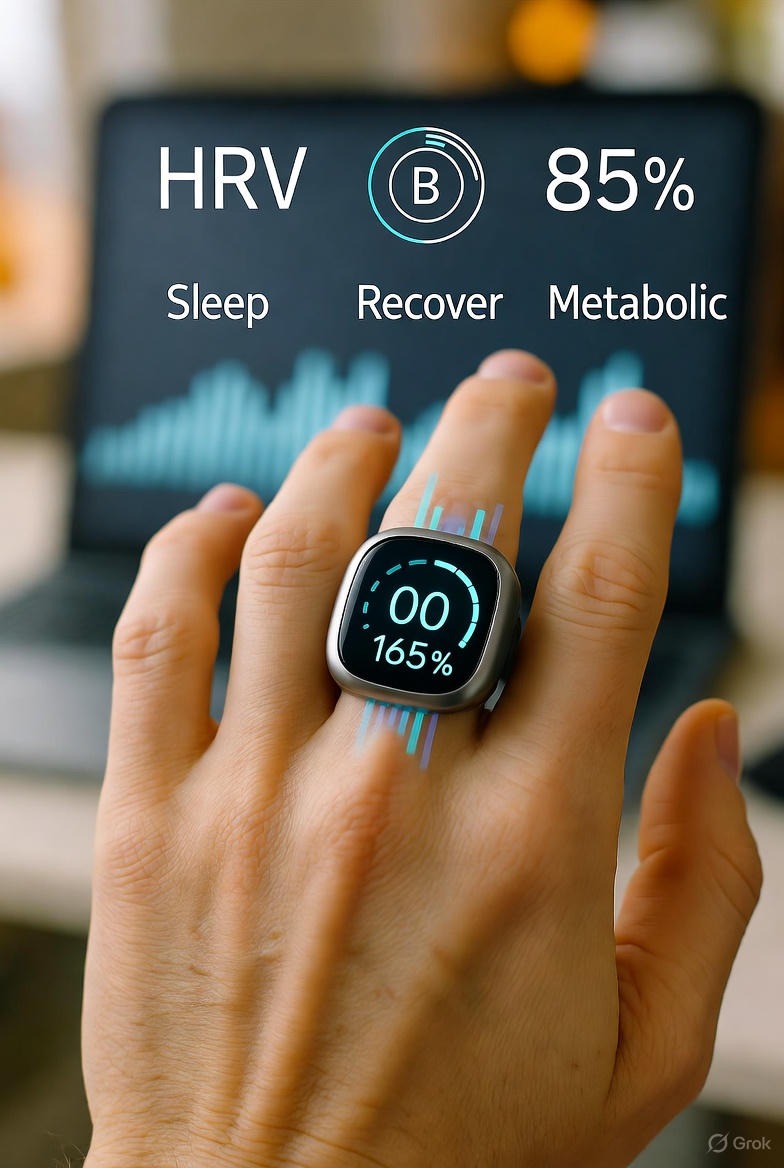
This guide is your blueprint. We will move beyond candle suggestions and delve into the foundational pillars of creating a true sanctuary. We'll explore the neuroscience of environment, the physiology of stress, and the practical art of spatial design. Furthermore, we'll integrate a modern tool for personalized insight: the smart wellness ring. Devices like those from Oxyzen provide continuous, unobtrusive biometric data—tracking your heart rate variability (HRV), sleep stages, body temperature, and stress indicators—offering you a precise, personalized map of your nervous system's state. This data becomes your guide, showing you exactly how your sanctuary choices impact your physiology, allowing you to iterate and perfect your space for maximum restorative power. Think of it as biofeedback for your environment.

Consider this journey an investment in your foundational capacity. By building a true sanctuary, you are not creating an escape from life, but a regenerative engine for it. Let's begin.

The Sanctuary Mindset: Redefining "Rest" for the Modern World

Before we move a single piece of furniture, we must first dismantle and rebuild our understanding of "rest." In a productivity-obsessed culture, rest is often framed as laziness, a reward for finished work, or worse, wasted time. We confuse passive consumption—scrolling through social media, binge-watching TV—with active restoration. True sanctuary-building begins not with paint swatches, but with a cognitive shift.

Rest is not the opposite of work; it is the essential partner to high performance and sustainable wellbeing. It's an active, skilled state of being that allows the body to repair, the mind to consolidate memories and creativity to spark. The National Institutes of Health underscores that chronic sleep deficiency and inadequate recovery are linked to a heightened risk of heart disease, kidney disease, high blood pressure, diabetes, and stroke. Rest is a biological mandate, not a luxury.

Crafting Your Personal Rest Philosophy

Your sanctuary must reflect your unique definition of rest, which likely exists on a spectrum. For some, rest is absolute stillness and silence. For others, it's gentle, mindful movement. For many, it's a creative flow state that uses a different part of the brain than analytical work. Ask yourself:

  • What activities leave me feeling genuinely replenished, not just distracted?
  • When do I feel a sense of "time well spent" in my downtime?
  • What does my body crave when it's fatigued—stretch, stillness, warmth, or coolness?

From "Doing" to "Being"

The sanctuary is a "being" zone, not a "doing" zone. This is its most critical rule. It is a space where your worth is not tied to output, productivity, or problem-solving. This mental boundary is as important as any physical door. To solidify this, we can use technology not as a distraction, but as a guide. A smart wellness ring can be a powerful ally here. By monitoring your physiological markers of stress and recovery, such as Heart Rate Variability (HRV) and resting heart rate, it provides objective feedback. You might think you're resting while watching a thrilling show, but your elevated heart rate and low HRV tell a different story. This data helps you learn what "true rest" feels like in your own body, training you to recognize and seek out activities that genuinely move your nervous system into a restorative state. You can learn more about how this technology enables personalized wellness in our detailed exploration of how health tracking technology enables personalized wellness.

Embracing the sanctuary mindset means giving yourself unconditional permission to rest. It is the first and most vital step. Your physical space will simply become the container for this new, non-negotiable commitment to your restoration.

The Science of Sanctuary: How Your Environment Dictates Your Nervous System

Why does a cluttered desk spike anxiety? Why does dappled sunlight through trees feel calming? The connection between our surroundings and our inner state isn't poetic; it's physiological. Your environment is a constant stream of data for your brain, which is perpetually scanning for threats and cues for safety. To design an effective sanctuary, you must understand how to communicate "safety" to your primal biology.

The Amygdala and the Threat Scan

The amygdala, your brain's threat detection center, is highly responsive to environmental cues. Visual chaos (clutter), harsh lighting, unresolved disarray, and auditory unpredictability (jarring noises) can all be subconsciously interpreted as potential threats, keeping the sympathetic nervous system—the "fight or flight" response—on low-grade alert. This leads to elevated cortisol, the stress hormone, which inhibits recovery, disrupts sleep, and over time, wears down bodily systems.

The Role of the Vagus Nerve and "Rest & Digest"

Conversely, the parasympathetic nervous system—the "rest and digest" state—is governed largely by the vagus nerve. Certain environmental inputs can stimulate this nerve, signaling safety and prompting the body to lower heart rate, improve digestion, and engage in repair. The science of your sanctuary, therefore, is the deliberate engineering of inputs that down-regulate threat detection and up-regulate vagal tone.

Key Environmental Levers for Your Nervous System:

  • Visual Order: Clean lines, organized spaces, and minimal visual "noise" reduce cognitive load and amygdala activation. A 2011 study in the Journal of Neuroscience found that clutter competes for your attention, leading to decreased performance and increased stress.
  • Biophilic Design: Our brains are hardwired to respond positively to nature. Incorporating natural elements (plants, wood, stone, water features, nature sounds) reduces blood pressure, lowers cortisol, and improves cognitive function. This is called biophilia.
  • Acoustic Ecology: Abrupt, loud, or inconsistent sounds trigger startle responses. Consistent, low-volume, predictable natural sounds (like rainfall, gentle waves, or forest ambience) or harmonic music can mask disruptive noise and promote relaxation.
  • Thermal Comfort: Being slightly too warm or too cold keeps the body in a state of mild stress as it works to regulate temperature. An environment of "thermoneutrality"—where you don't think about temperature—is ideal for surrender into rest.
  • Olfactory Pathways: The sense of smell has a direct pathway to the limbic system, the brain's emotional core. Certain scents, like lavender and sandalwood, have been shown in studies to promote relaxation and prepare the body for sleep.

Quantifying the Sanctuary Effect

This is where the fusion of ancient wisdom and modern technology shines. While you can subjectively feel calmer, a device like an Oxyzen smart ring provides the objective proof. After spending time in your newly arranged space, you can review your biometric data. Did your resting heart rate drop? Did your HRV—a key metric of recovery and resilience—improve? Did your sleep latency (time to fall asleep) decrease? This feedback loop transforms interior design into a personalized science experiment. You can learn about the sophisticated sensors and algorithms that make this possible in our article on health tracking technology: sensors, algorithms & AI explained.

By understanding these principles, you stop decorating a room and start architecting a therapeutic environment. Every choice you make—from paint color to texture to object placement—becomes a deliberate signal to your nervous system: "You are safe here. You can rest now."

The Foundational Audit: Assessing Your Current Space for Sanctuary Potential

You cannot build a sanctuary on a foundation of clutter, digital intrusion, and energetic chaos. The first practical step is a clear-eyed, compassionate audit of your current space. This isn't about judgment; it's about reconnaissance. You are a scientist surveying the landscape of your life to identify the barriers to rest.

Step 1: The Sensory Scan
Choose the room or corner you wish to transform. Spend 10 minutes simply sitting in it, engaging each sense deliberately.

  • Sight: What do you see first? Is it a pile of laundry, a blinking router light, a stack of unpaid bills? Note any visual clutter, harsh lines, or aggressive colors. What in your line of sight is unfinished or demanding of attention?
  • Hearing: Close your eyes. What do you hear? The hum of appliances, traffic noise, voices from another room, the tinnitus of silence? Identify predictable versus unpredictable sounds.
  • Smell: What's the ambient scent? Lingering cooking odors, synthetic air freshener, dust, or nothing at all?
  • Touch: Feel the surfaces. Are they cold, sticky, rough, or inviting? Does the air feel static, dry, or damp?
  • Overall Vibe: What is the emotional "temperature" of the room? Does it feel chaotic, stagnant, stressful, or neutral?

Step 2: The Inventory of Intruders
This is the most critical part. Identify every item in the space that represents an "obligation," "unfinished business," or "digital leakage."

  • Work Contamination: Laptops, work phones, notebooks with to-do lists, professional books.
  • Clutter & Chores: Unfolded clothes, items that belong elsewhere, projects-in-waiting.
  • Digital Distractions: The television (if it's a default focal point), gaming consoles, charging cables snaking across surfaces.
  • Negative Associations: Gifts you dislike, broken items you haven't fixed, artwork that doesn't bring you joy.

Step 3: The Data Baseline (The High-Tech Hack)
If you have access to a wellness tracker, this is its moment. For a week, use it to establish a baseline for your rest metrics before you make any changes. Pay special attention to:

  • Sleep Scores: Duration, quality, and consistency.
  • Resting Heart Rate & HRV: Taken in the morning, these indicate your overnight recovery.
  • Stress Indicators: Many devices provide a daily stress score based on heart rate data.

Wear your ring while you're in your current space, especially during attempted wind-down times. This data is your "before" picture. After you create your sanctuary, you'll compare it to the "after," giving you quantifiable evidence of your success. For those new to this technology, our wellness ring basics for beginners is an excellent starting point.

Step 4: The Sanctuary Vision
Finally, with your audit notes in hand, begin to envision the opposite. If the room currently feels "cluttered and anxious," your vision might be "sparse and serene." If it's "cold and impersonal," aim for "warm and enveloping." Don't think about things yet; focus on the feeling. What three words do you want to feel the moment you cross the threshold of your sanctuary? Write them down.

This audit process clears the cognitive and physical slate. It moves you from a vague desire for "a nicer room" to a targeted mission: to systematically eliminate the identified barriers and cultivate the desired feeling. You are now ready to build.

Sanctuary Principle 1: The Architecture of Calm – Space, Layout, and Boundaries

With your audit complete, we begin construction. The first principle addresses the very bones of your sanctuary: its spatial flow, energetic boundaries, and fundamental layout. This is about creating a vessel that holds peace, not chaos.

The Power of Dedicated Space
Ideally, your sanctuary is an entire room—a spare bedroom, a study, even a walk-in closet. But for most, it will be a zone within a room. The key is dedication. This cannot be your desk where you also pay bills, or your bed where you also watch news. The brain forms powerful associations. If your bed is for work, stress, and entertainment, it cannot effectively trigger sleep cues. Carve out a distinct area, even if it's just a corner, and define its purpose singularly: restoration.

Creating Physical and Visual Boundaries
Without walls, you must create symbolic ones.

  • Room Dividers: A folding screen, a tall bookshelf turned sideways, a curtain hung from the ceiling, or even a large, beautiful plant can visually demarcate your zone.
  • The "Zone of No Electronics": Establish a strict perimeter where work devices cannot cross. Use a dedicated basket or charging station in another room for your work phone and laptop at night.
  • The Focal Point: Every sanctuary needs a focal point that anchors its purpose. This should be the first thing you see when you enter. It should not be a TV. It could be a comfortable chair facing a window with a view, a simple meditation cushion, an art piece you love, or a serene landscape painting. This focal point visually directs your mind toward the intended state.

The Principles of Restorative Layout

  1. The "De-cluttered Vista": Arrange furniture so your sightlines are clean. When sitting in your primary rest spot, you should not be staring at a pile of clutter or a busy hallway. Position your chair or mat to face the most peaceful view—out a window, toward a blank wall with a single piece of art, or into the soft light of a corner.
  2. Flow and Accessibility: The space should feel easy to move through, not cramped. Ensure there's a clear, unobstructed path to your seat or bed. This subconsciously reduces friction and the feeling of "effort" to enter rest.
  3. The "Hug" of Furniture: Choose furniture that creates a sense of enclosure and security. A chair with a high back, a reading nook nestled into an alcove, or a bed pushed against a wall can feel more comforting than a seat adrift in the center of a room. This taps into our primal need for a safe, sheltered den.

The Digital Air Gap
Your most important boundary is digital. The blue light from screens suppresses melatonin, delaying sleep. But more insidiously, the content—emails, news, social comparisons—activates the cognitive and emotional centers you're trying to quiet. Institute a "digital sunset" at least 60 minutes before entering your sanctuary for sleep. Use an old-fashioned alarm clock instead of your phone. This single practice is arguably the most impactful upgrade you can make. To manage this transition, consider tools that help you understand your body's readiness for sleep. The data from a wellness ring can be revealing; seeing a graph that shows your body was ready for sleep at 10 PM, but your mind kept scrolling until midnight, provides powerful motivation for change. Discover how this technology has changed preventive medicine by empowering such personal insights.

By mindfully architecting your space and its boundaries, you create a distinct psychological container. This container tells your brain, "The rules are different here. The outside world, with its demands and dopamine hits, stops at the threshold." You are building not just a place, but a ritual of transition.

Sanctuary Principle 2: The Alchemy of Light – Mastering Illumination for Circadian Rhythms

Light is the most powerful environmental cue for your brain and body. It doesn't just allow you to see; it instructs your master biological clock, the suprachiasmatic nucleus (SCN), on when to be alert and when to prepare for rest. Most modern homes are lit in a way that fights our biology. Your sanctuary must reverse this.

Understanding Circadian Biology
Your SCN uses light information, primarily received through specialized cells in your eyes, to regulate the production of melatonin (the sleep hormone) and cortisol (the wakefulness hormone). Bright, blue-rich light in the morning suppresses melatonin and spikes cortisol, waking you up. Dim, warm light in the evening allows melatonin to rise, priming you for sleep. Disrupt this rhythm with artificial light at night, and you disrupt sleep, mood, metabolism, and immune function.

The Three-Tiered Lighting Strategy for Your Sanctuary
Ditch the single, harsh overhead light. Your sanctuary needs a dynamic, layered lighting plan.

  1. Ambient (The Foundation): This is the soft, general fill of light in the room. It should always be indirect and warm (2700K or lower on the color temperature scale). Think of:
    • Wall sconces that bounce light upward.
    • Floor lamps with upward shades.
    • Dimmable overhead lights on a very low setting, never at full blast.
    • Smart bulbs are ideal, as they can be programmed to automatically shift color temperature and brightness throughout the day.
  2. Task (The Purposeful Glow): This is light for a specific, gentle activity in the sanctuary, like reading or journaling.
    • A adjustable reading lamp with a warm LED bulb, positioned so the light falls on your book, not in your eyes.
    • The light should be just bright enough for the task—overly bright task lighting will feel jarring and stimulating.
  3. Accent (The Magic): This is non-functional, atmospheric lighting that creates depth, calm, and wonder.
    • Salt lamps or candle-style LEDs: Their warm, flickering glow is inherently calming and produces almost no blue light.
    • Fairy lights or LED strips tucked behind a headboard or inside a glass jar.
    • A small, low-wattage Himalayan salt lamp provides a beautiful amber hue.

Harnessing Natural Light
If your sanctuary has a window, use it as your primary timekeeper.

  • Morning: Open the curtains wide as soon as you wake (if possible) to get bright morning light, signaling your brain to start the day.
  • Evening: As dusk approaches, start closing blinds and relying on your warm, artificial layers. This mimics the natural dimming of the sun.

The Pre-Sleep Ritual of Darkness
In the final 60-90 minutes before bed, begin a progressive descent into darkness.

  1. Dim all ambient lights by 50%.
  2. Turn off task lighting.
  3. Rely solely on accent lighting (salt lamp, dim fairy lights).
  4. Consider using amber-tinted glasses if you must be in other, brighter parts of the house.

Measuring Light's Impact
How do you know your lighting scheme is working? Your sleep data is the report card. After implementing a warm-light evening routine, check your biometrics. Are you falling asleep faster? Is your sleep score improving? Is your overnight heart rate more stable? A smart ring is perfectly positioned to capture this, as it measures sleep onset latency and restfulness throughout the night. This turns an abstract principle into a personalized, optimized practice. For a deeper dive into what's possible with today's technology, explore our look at health tracking technology in 2025.

By mastering light, you stop fighting your circadian rhythm and start conducting it. Your sanctuary becomes a cocoon that gently guides your body from the alertness of day into the profound rest of night.

Sanctuary Principle 3: The Sonic Landscape – Engineering Sound for Deep Relaxation

If light directs your circadian rhythm, sound modulates your nervous system in real-time. Our ears are always "on," and unpredictable auditory stimuli are a primary trigger for the amygdala's threat response. The goal for your sanctuary isn't necessarily silence—which can itself feel tense—but a curated, predictable, and soothing sonic environment.

The Problem with Noise Pollution
Intermittent sounds—a door slamming, a dog barking, a siren, the sudden blare of a TV—cause micro-arousals. Even if you don't fully wake, they can shift you from deep, restorative sleep stages to lighter ones, fragmenting your sleep architecture. Your sanctuary needs a defense against this.

Strategies for Sonic Hygiene

  1. Soundproofing (The Barrier):
    • Heavy curtains or acoustic drapes can dampen external street noise.
    • Door sweeps and weather stripping seal gaps under doors that transmit sound from other rooms.
    • Acoustic panels or thick tapestries on walls can absorb reverberation and soften the acoustic quality of a room, making it feel more hushed.
  2. Sound Masking (The Shield): This is the most effective tool for most people. You introduce a constant, predictable, neutral sound to cover up (mask) unpredictable, jarring noises.
    • White Noise Machines: Produce a consistent "shhh" sound that effectively masks a wide range of frequencies. Excellent for urban environments.
    • Pink or Brown Noise: These are deeper, more resonant than white noise (like a steady rain or waterfall). Many find them more natural and soothing, and some studies suggest brown noise may promote deeper sleep.
    • Smart Speakers: Can be programmed to play looped soundscapes of rain, ocean waves, or forest sounds at a low, consistent volume.

The Art of Intentional Sound
Beyond masking bad noise, you can introduce actively beneficial sounds.

  • Binaural Beats: When you listen to two slightly different frequencies in each ear, your brain perceives a third, "beat" frequency. Certain frequencies (like Delta waves at 1-4 Hz) are associated with deep sleep and meditation. Using headphones, binaural beat tracks can gently guide the brain into a more relaxed state.
  • Solfeggio Frequencies & Isochronic Tones: These are specific sound frequencies believed by some to have therapeutic effects, such as 528 Hz for "repair" or 432 Hz for calm. While more anecdotal, many find them a valuable part of a sound ritual.
  • Minimal, Ambient Music: Slow-tempo, instrumental music without a strong melody or beat (think Brian Eno's "Music for Airports") can provide a sonic blanket that occupies the mind just enough to quiet internal chatter.

The Silent Ritual
Also, make space for intentional silence. Periods of true quiet, especially during meditation or breathwork, allow your auditory system to "rest" and can heighten your sensitivity to subtle, calming sounds later, like your own breath or the rustle of leaves outside.

Tuning Your Sanctuary with Data
How do you know your sonic landscape is working? Your body's response is the metric. After a night using a sound machine, review your sleep data from your wellness tracker. Look for:

  • Increased Deep & REM Sleep: These are the restorative stages most vulnerable to disruption by noise.
  • Fewer Tosses & Turns: Indicated by lower sleep movement.
  • Lower Nighttime Heart Rate: A sign of a calmer nervous system throughout the night.

By engineering your sonic landscape, you move from being a passive victim of noise pollution to an active composer of your auditory environment. You build a buffer against the chaotic outside world and create a consistent, predictable soundscape that tells your primal brain: "All is well. Nothing to startle you here."

Sanctuary Principle 4: The Haptic Haven – The Critical Role of Texture and Touch

We are tactile creatures. From the moment we are born, touch communicates safety, comfort, and connection. In a world of cold glass screens and hard plastic, our skin is starved for nurturing input. Your sanctuary must be a haptic (touch) haven—a place where every surface you contact sends a message of softness, warmth, and comfort to your brain.

The Neuroscience of Comforting Touch
Gentle, pleasant touch stimulates pressure receptors under the skin, which send signals via slow-conducting nerve fibers to the insular cortex in the brain. This pathway is linked to the parasympathetic nervous system, promoting a sense of well-being and reducing stress. It’s why a weighted blanket feels so calming—it provides deep touch pressure (DTP), mimicking a therapeutic hug.

Curating Your Tactile Inventory
Audit every point of contact in your sanctuary and upgrade it for comfort.

  1. Underfoot: The Floor Journey
    • Start with a plush, high-pile area rug (natural fibers like wool are breathable and feel luxurious). Stepping out of bed or off your meditation cushion onto a soft surface is a gentle, welcoming transition.
    • Consider the texture—a shag rug, a soft wool loop, or a silky Tibetan carpet.
  2. The Throne of Rest: Your Chair or Bed
    • For Seating: Invest in the best cushion or chair you can. Memory foam, down alternative, or high-density foam that supports without being hard. Add throw pillows in a variety of textures: faux fur, velvet, chunky knit, smooth linen. This allows you to change your tactile experience.
    • The Bed (The Ultimate Sanctuary): This is non-negotiable.
      • Sheets: High-thread-count cotton (like percale or sateen), bamboo, or linen. Each has a distinct feel—cool and crisp, silky smooth, or rustic and breathable.
      • Duvet & Blankets: A lightweight down-alternative duvet feels cloud-like. Add a weighted blanket (typically 10% of your body weight) for nights of high anxiety. Layer a soft, chunky knit or cashmere throw at the foot of the bed for added visual and tactile warmth.
      • Mattress Topper: A plush, breathable mattress topper can transform a firm mattress into a nest-like experience.
  3. Surfaces and Accents
    • Side tables with rounded edges and a smooth, warm finish (wood vs. cold metal).
    • A soft throw draped over the arm of a chair, always within reach.
    • Window treatments in heavy, soft velvet or billowy linen, pleasant to touch when drawing them closed.

The Ritual of Dressing the Sanctuary
The act of making your bed or fluffing your pillows can become a mindful ritual, a tactile promise to yourself of the comfort to come. Smoothing linen sheets or arranging a soft blanket is a proactive engagement with your haptic haven.

Temperature and Touch
Texture works in concert with temperature. A cool, smooth linen is perfect for summer; a warm, fuzzy fleece is ideal for winter. Having seasonal options allows you to maintain thermoneutral comfort, which is essential for surrendering into rest. This is where a smart ring's body temperature monitoring can be insightful. You might notice your sleep score dips on nights you feel too warm. This data could prompt you to switch to lighter, moisture-wicking bamboo sheets, directly linking a tactile change to a measurable improvement in rest. Understanding how these sensors work can deepen your appreciation; learn about the science behind modern health tracking technology.

By mindfully curating every texture, you create a multi-sensory embrace. Your sanctuary doesn't just look calm; it feels calming. It becomes a place where your body, at the level of the skin, is constantly reassured: you are safe, you are supported, you can let go.

Sanctuary Principle 5: The Biophilic Connection – Integrating Nature to Soothe the Soul

Biophilia is the innate human tendency to seek connections with nature and other forms of life. In our increasingly urban and digital lives, we suffer from "nature deficit disorder," a contributor to stress, anxiety, and malaise. Your sanctuary must bridge this gap. Integrating natural elements isn't just aesthetic; it's a direct line to calming our evolved physiology.

Why Nature Works: The Physiological Payoff
Studies consistently show that exposure to nature, even in simulated forms:

  • Lowers cortisol levels, blood pressure, and heart rate.
  • Reduces muscle tension and stress-related hormones.
  • Improves mood and cognitive function while reducing anxiety.
  • Promotes feelings of awe and perspective, shifting us away from narrow, worry-based thinking.

Bringing the Outside In: A Tiered Approach

Tier 1: Living Elements (Highest Impact)

  • Plants: They are the easiest biophilic upgrade. Go beyond one succulent. Create a grouping. Choose varieties known for air purification and ease of care: Snake Plants, Peace Lilies, Pothos, or ZZ Plants. The act of caring for them is a mindful, nurturing ritual. Their varied greens and organic shapes are visually restful.
  • A Small Indoor Fountain: The sight and, more importantly, the sound of moving water is profoundly calming. It provides both visual biophilia and a perfect sound-masking element. Even a small tabletop model can transform the energy of a room.

Tier 2: Natural Materials and Representations

  • Materials: Replace synthetic materials with natural ones. A wooden side table, a jute or wool rug, stone or ceramic vessels, linen or cotton textiles, a wicker basket for blankets. The inherent variation and texture in natural materials are more interesting and soothing to the brain than perfect, uniform plastics.
  • Images & Art: If you lack a natural view, create one. Hang art or photography depicting serene landscapes—forests, oceans, mountains, deserts. Research suggests that even looking at pictures of nature can have a mild stress-reducing effect. Choose images that evoke a sense of space, calm, and beauty for you personally.
  • Natural Shapes and Forms: Incorporate objects with organic, non-linear shapes—a driftwood sculpture, a stone with a interesting texture, a bowl of pinecones or smooth river rocks.

Tier 3: Access to the Real Thing

  • Positioning: If you have a window, position your resting spot to face it. Even a view of a slice of sky, a tree, or a garden is valuable.
  • Fresh Air: Whenever possible, open a window to allow fresh, outdoor air to circulate. The scent and feel of fresh air is a powerful sensory reset.
  • Natural Light: As covered in Principle 2, maximizing natural daylight and moonlight aligns you with natural cycles, the most fundamental biophilic connection.

The Scent of Nature
Incorporate natural scents through essential oil diffusers (using pure oils like pine, cedarwood, lavender, or bergamot) or dried herbs like lavender bundles. Avoid synthetic "air fresheners," which can be irritating. The goal is to evoke the subtle, complex scents of the natural world.

Measuring the Calm of Nature
Does your biophilic design actually lower your stress? Your wellness data can show you. After adding several plants and switching on your water fountain for an evening, check the stress score or HRV reading on your wellness tracker during that time. You might see a noticeable dip in stress markers or an increase in HRV, indicating a more resilient, relaxed state. This objective feedback helps you identify which natural elements are most powerful for you. For more on how this data-driven approach is revolutionizing personal care, see our article on the accuracy revolution in health tracking technology.

By weaving nature into your sanctuary, you are not decorating; you are reuniting with a fundamental part of your biological heritage. You create a space that feels inherently "right," a gentle reminder that you are part of a larger, slower, more beautiful system.

Sanctuary Principle 6: The Technology Paradox – Using Digital Tools to Facilitate Analog Peace

Here lies the central contradiction of modern sanctuary-building: to create a space free from digital intrusion, we must sometimes employ digital tools. The goal isn't Luddite rejection, but intentional, strategic use—transforming technology from a master of distraction into a servant of restoration. Your sanctuary’s relationship with technology should be one of clear boundaries and curated utility.

The Digital Detox Zone
First, establish the non-negotiables. Certain devices have no place in your sanctuary due to their inherent association with stress, work, or passive consumption.

  • The Work Laptop & Phone: These are the primary intruders. Their physical presence alone can trigger anticipatory stress. Institute a charging station outside your sanctuary door.
  • The Television: If your sanctuary is your bedroom, this is critical. Multiple studies link bedroom TVs to poorer sleep quality, increased relationship stress, and higher obesity risk. Remove it if possible. If not, cover it with a tapestry or cabinet doors when not in use to break its visual dominance.
  • The Smart Speaker (on default): A speaker that intermittently announces notifications, traffic, or news headlines is an anxiety machine. If you use one, mute all notifications and set it to "Do Not Disturb" mode during sanctuary hours.

The Curated Tech: Tools That Enhance, Not Detract
Some technologies, when used with intention, can actively deepen your restorative experience.

  1. Dedicated E-Reader (without browser): A device like a Kindle Paperwhite, which uses front-lighting (not backlighting) and has no web browser, allows for immersive reading without the cognitive hijacking potential of a tablet or phone.
  2. Smart Lighting Systems: As discussed, bulbs that automatically dim and shift to warm tones at sunset provide a hands-free way to honor your circadian rhythm. A simple voice command or schedule can transform the room’s ambiance.
  3. High-Quality Sound System: A single speaker dedicated to playing curated soundscapes, binaural beats, or ambient music provides superior sonic hygiene compared to a phone speaker.
  4. Smart Diffusers: Devices that can be scheduled to diffuse calming essential oils at specific times (e.g., lavender 30 minutes before bed) automate a sensory cue for relaxation.
  5. The Wellness Tracker (The Insight Engine): This is the cornerstone of the pro-tech sanctuary argument. A device like a smart ring operates in the background, collecting data so you don't have to think about it. It’s not a screen to stare at; it's a passive biofeedback tool. Its value comes later, when you review the aggregated insights it provides about how your sanctuary practices are truly affecting your physiology.

Creating a "Digital Air Lock" Ritual
The transition into your sanctuary should involve a deliberate disconnection.

  • The 60-Minute Pre-Entry Rule: Power down work devices and place them in their charging station outside the room.
  • Phone Settings: Enable "Sleep Focus" or "Do Not Disturb," allowing only critical calls (e.g., from family).
  • The Physical Act: If you bring your personal phone in for use as a sound machine, place it face down, in airplane mode, and ideally inside a drawer or across the room. Out of sight, out of mind.

Using Data to Validate and Iterate
This is where technology earns its keep. Your smart ring provides the objective metrics that answer crucial questions:

  • Is my digital sunset working? Check sleep onset latency. Did it improve after implementing the 60-minute rule?
  • Is that new soundscape effective? Compare nights with pink noise versus silence. Which yielded more deep sleep?
  • Am I truly recovering on weekends? Look at HRV trends. Does a screen-free Saturday in your sanctuary produce a measurable "recovery bounce" on Sunday?

This empirical approach turns guesswork into a science. You learn what works for your unique biology. For those concerned about the data such devices collect, it’s important to understand the safeguards. Our guide on wellness ring privacy settings and data security addresses these concerns in detail.

The paradox resolves when technology becomes invisible, automated, or purely insightful. In your sanctuary, tech should either actively promote calm (through light, sound, or scent) or quietly measure it—never disrupt it. It should be a tool you use with intention, not a portal that uses you.

Sanctuary Principle 7: The Ritual of Entry – Designing Transitional Cues to Signal "Rest Mode"

Your sanctuary is not just a place; it's a state of being. The human brain, however, doesn't switch from "stress mode" to "rest mode" like flipping a light switch. It needs a transitional ramp—a series of deliberate, repeatable cues that signal a profound shift in context. This is the ritual of entry. It builds a psychological bridge from the demands of the outer world to the peace of your inner sanctum.

The Neuroscience of Ritual
Rituals work because they engage the prefrontal cortex in a focused, sequential activity, which can help quiet the amygdala's noise. They create predictability, which the brain interprets as safety. A consistent pre-sanctuary ritual becomes a conditioned response: performing these actions automatically begins the down-regulation of your nervous system.

Crafting Your Personalized Entry Ritual
Your ritual should engage multiple senses and be simple enough to perform even on your most exhausted days. It should take 5-15 minutes.

Sample Ritual Framework:

  1. The Threshold Signal (Sight & Kinesthetic):
    • Action: At the door to your room or the entrance to your zone, pause. Place a hand on the doorframe or a specific object—a smooth stone, a piece of textured wood.
    • Mental Cue: Take one deep breath and say silently or aloud, "I leave the day's concerns here. This is my space for peace." This physical and verbal cue marks a definitive boundary.
  2. The Sensory Shift (Sight, Smell, Sound):
    • Action: Perform your curated environment setup. Turn on your warm, accent lighting. Start your sound machine or diffuser. Light a candle (safely) if that's part of your practice.
    • Mental Cue: "I am now setting the stage for my restoration. I am activating peace."
  3. The Attire Change (Touch):
    • Action: Change into dedicated "sanctuary clothing." This isn't just pajamas; it's clothing worn only in this space for rest. It could be a specific robe, ultra-soft lounge wear, or fresh socks. The physical act of changing clothes is a powerful psychological signal of role transition.
    • Mental Cue: "I am shedding the day's identity and obligations. I am dressing for rest."
  4. The Grounding Moment (All Senses):
    • Action: Sit in your designated spot. Engage in a 2-minute sensory scan: Notice 5 things you can see, 4 things you can feel, 3 things you can hear, 2 things you can smell, and 1 thing you can taste (perhaps a sip of herbal tea).
    • Mental Cue: "I am here, now. I am present in this safe space."

The Role of the Wellness Tracker in Ritual Refinement
Your smart ring can help you calibrate and prove the efficacy of your ritual. Try this experiment:

  1. For three nights, engage in your full ritual. Note the exact time you finish the ritual and "enter" your sanctuary.
  2. For three nights, skip the ritual and simply go straight to bed or your chair.
  3. Compare the data. Look at:
    • Sleep Onset Latency: How much faster did you fall asleep after the ritual?
    • Heart Rate Dip: How much did your heart rate drop in the first 30 minutes after your ritual vs. without it?
    • HRV: Was your nighttime HRV, a marker of recovery, higher on ritual nights?

This data transforms a "nice idea" into an evidence-based, non-negotiable practice. You see that these seemingly small actions have a direct, measurable impact on your nervous system's ability to shift gears. To understand how this kind of continuous monitoring differs from periodic checks, which can be useful for other health goals, read about continuous vs. periodic monitoring.

The "Micro-Ritual" for Quick Resets
You won't always have 15 minutes. Design a 60-second version for daytime resets:

  • Step into your zone.
  • Take three slow, deep breaths while looking at your focal point (the plant, the art).
  • Feel the texture of your favorite throw pillow.
  • State one word for how you want to feel ("calm," "clear," "centered").

This micro-ritual can serve as a potent circuit-breaker during a stressful work-from-home day.

By designing and committing to a ritual of entry, you build a neural highway straight to relaxation. The space itself becomes a trigger, and the repeated actions become keys that unlock a physiological state of calm. You are not just walking into a room; you are performing a ceremony of self-care that tells every cell in your body: it is time to restore.

Sanctuary Principle 8: The Dynamic Sanctuary – Adapting Your Space for Different Recovery Needs

A sanctuary built only for sleep is like a kitchen with only a freezer—functional for one need, but ill-equipped for others. True restoration is multifaceted. You need recovery from physical fatigue, mental burnout, emotional overwhelm, and creative depletion. Your sanctuary should be dynamic, capable of subtle reconfigurations to support these different modes of recharge.

The Four Recovery Archetypes & Their Sanctuary Settings

1. The Physical Recharge (For bodily fatigue, post-workout, illness)

  • Goal: Promote muscular repair, pain relief, and systemic relaxation.
  • Sanctuary Configuration:
    • Lighting: Very dim, warm accent lighting only. Darkness promotes the release of growth hormone, crucial for repair.
    • Texture: Emphasis on supreme physical comfort. A supportive yet soft surface is key. This is the time for the weighted blanket, the memory foam mattress topper, and extra pillows for propping sore limbs.
    • Temperature: Slightly cooler (around 65-68°F or 18-20°C) is ideal for sleep and deep physical recovery.
    • Sound: Soothing, consistent brown noise or very low-volume, slow-tempo music to distract from bodily discomfort.
    • Activity: Restorative yoga, gentle stretching, using a foam roller, or simply conscious, deep breathing while lying down.

2. The Mental De-clutter (For anxiety, racing thoughts, cognitive overload)

  • Goal: Quiet the "monkey mind," reduce cognitive load, and create mental space.
  • Sanctuary Configuration:
    • Lighting: Soft, even ambient light—no bright spots or glare. A salt lamp is perfect here.
    • Texture: Uncluttered, clean surfaces. Have a dedicated notebook and pen readily available to "download" thoughts from your mind onto paper.
    • Sound: Nature sounds with a clear, predictable rhythm (steady rain, ocean waves) or guided meditation/breathwork audio.
    • Activity: Journaling, practicing a structured meditation (like mindfulness or loving-kindness), focused breathwork (e.g., 4-7-8 breathing), or a repetitive, simple craft like knitting.

3. The Emotional Reset (For sadness, frustration, feeling "touched out" or over-stimulated)

  • Goal: Soothe the limbic system, provide comfort, and foster a sense of safety and self-compassion.
  • Sanctuary Configuration:
    • Lighting: Gentle, enveloping light. Think fairy lights or the glow from under a bed frame.
    • Texture: The ultimate haptic haven. Surround yourself with the softest textures—faux fur, plush blankets, a body pillow for hugging. The weighted blanket is essential here for deep touch pressure.
    • Scent: Comforting, familiar scents—vanilla, chamomile, sandalwood.
    • Sound: Familiar, comforting music (without lyrics that might trigger more emotion) or complete silence if it feels safe.
    • Activity: Gentle self-massage with lotion, holding a warm mug of tea, reading comforting fiction, or simply cocooning in blankets.

4. The Creative Unblock (For inspiration, problem-solving, feeling stagnant)

  • Goal: Shift brain state from beta (analytical) to alpha/theta (creative, flow).
  • Sanctuary Configuration:
    • Lighting: Brighter, cooler light than other modes (but still indirect). Natural daylight is best. Open the curtains.
    • Texture: Have tools for manual creation accessible—sketchbook, clay, journal, musical instrument.
    • Sound: Instrumental music that inspires you (classical, ambient, film scores) or complete silence.
    • Activity: Free writing, doodling, playing an instrument, listening to an inspiring podcast, or simply sitting and letting the mind wander without agenda.

Using Biometric Feedback to Identify Your Need
Sometimes, you don't know what kind of rest you need. Your body does. Checking your smart ring data can provide clues before you even enter your sanctuary:

  • High Resting Heart Rate + Low HRV: Suggests systemic stress. A Mental De-clutter or Emotional Reset is likely needed.
  • Elevated Body Temperature: Could indicate physical exertion or immune activity. A Physical Recharge is priority.
  • "Normal" biometrics but feeling "blah": Points to creative or spiritual stagnation. Try a Creative Unblock configuration.

Seeing this data can direct you to the right sanctuary mode, making your rest more efficient and effective. For insights into how this technology helps build the awareness necessary for such choices, see how it can help build healthy habits.

The "Quick-Change" Toolkit
Keep a basket or shelf with items for each mode: a journal for mental de-clutter, a soft blanket for emotional reset, a sketchpad for creative unblock. This allows you to physically shift the space's purpose in under a minute.

By embracing dynamism, your sanctuary becomes a responsive partner in your wellbeing, not a static museum piece. It acknowledges that you are a complex human with varied needs, and it possesses the versatility to meet you exactly where you are, every time you enter.

Sanctuary Principle 9: The Sanctuary Sustained – Maintenance, Mindset, and Long-Term Evolution

A sanctuary is not a project you finish; it's a living practice you sustain. Without maintenance, clutter creeps back in, rituals fade, and the space loses its potency. Furthermore, your needs will evolve. What restores you at 30 may differ at 40 or 50. This final principle is about creating systems to protect your sanctuary's integrity and the wisdom to let it grow with you.

The Maintenance Rhythm: Keeping the Space Sacred
Treat sanctuary maintenance like a light, regular hygiene practice for your environment.

  • The Daily Reset (3-5 minutes): Each morning or after use, restore the space to its baseline. Fluff pillows, fold blankets, put away any tools used (journal, tea cup), and open curtains to let light and air in. This prevents the slow accumulation of "decay" and reinforces the space's dedicated purpose.
  • The Weekly Refresh (15-20 minutes): Once a week, do a deeper tidy. Dust surfaces, water plants, vacuum the rug, refresh bedding, and check that all your "tools" (sound machine, diffuser, lighting) are in working order. This is also a time to remove any items that have drifted in and don't belong.
  • The Seasonal Re-assessment (Quarterly, 1 hour): Every season, consciously re-audit your space. Does it still feel aligned? Are there new sources of stress or distraction that have appeared? Is your focal point still working? This is the time to swap out seasonal textiles (lighter blankets for summer) or rotate artwork.

The Mindset of Non-Attachment
As you evolve, your sanctuary should too. Hold the space with loose hands. The goal is not to preserve a perfect Instagram-ready tableau, but to maintain a functional, responsive healing environment. If a plant dies, replace it or try a different element. If a ritual starts to feel stale, change it. The sanctuary serves you, not the other way around.

Using Long-Term Data for Evolution
This is where longitudinal data from your smart wellness ring becomes invaluable. Look at trends over months and seasons.

  • Seasonal Sleep Patterns: Do you sleep less deeply in summer? Perhaps you need to invest in blackout curtains or a cooling mattress pad. The data pinpoints the seasonal challenge.
  • Life Transition Impact: Starting a new job, moving, having a child—these major events show up in your biometrics. Your sanctuary might need to adapt (e.g., more sound masking for a noisy new neighborhood, a more robust emotional reset configuration during stressful transitions).
  • Aging and Recovery: As we age, recovery patterns change. You might notice you need more total sleep time or that your HRV responds better to different types of rest. Your sanctuary can adapt proactively—better lighting for older eyes, more supportive seating for joints. For a broader look at this, our article on 50 healthy aging tips a smart ring helps implement daily offers complementary strategies.

Scaling the Concept: Mini-Sanctuaries
Your primary sanctuary is your home base, but the concept can scale. Create micro-sanctuaries throughout your life:

  • Your Commute: Use noise-cancelling headphones with calming soundscapes.
  • Your Workspace: A dedicated, cleared desk corner with a plant and a textural object to touch during stressful calls.
  • Your Car: Keep it clean and decluttered, with a pleasant scent.

The Ultimate Metric: How You Feel
While data is powerful, the final metric is subjective. Regularly ask yourself:

  • Do I feel a sense of relief when I enter this space?
  • Do I leave feeling more restored than when I entered?
  • Does this space feel like a true reflection of my need for peace?

If the answer is no, it’s time for a refresh. Don't be afraid to start the audit process from the beginning. A sanctuary is a dialogue between you and your environment, and you are always allowed to change the subject.

By committing to sustainment and evolution, you ensure your sanctuary never becomes a relic of a past need. It remains a vibrant, active partner in your lifelong journey of wellbeing—a testament to the understanding that rest is not a one-time event, but a continuous practice, and you have built the perfect place to practice it.

The Personal Blueprint: Designing Your Unique Sanctuary Profile

We've laid the nine foundational principles, the science, and the strategies. Now, we move from theory to deeply personal practice. This section is your workshop. Here, you will synthesize everything into a cohesive, actionable plan—your unique Sanctuary Profile. This is not a generic checklist, but a customized blueprint that aligns your space with your personality, lifestyle, stressors, and biological rhythms.

Step 1: Identify Your Restorative Archetype
Understanding your innate tendencies is the first step to effective design. Most people lean toward one of these archetypes (though you may be a blend):

  • The Sensory Minimizer: Overstimulated by noise, light, and clutter. Craves absolute quiet, minimal visual elements, and muted textures. Sanctuary Keyword: Austere Calm.
  • The Sensory Nurturer: Seeks comfort through enveloping coziness. Drawn to soft blankets, plush rugs, warm lighting, and comforting scents. Sanctuary Keyword: Nesting Hearth.
  • The Naturalist: Feels most restored through direct connection to the living world. Prioritizes plants, natural materials, water features, and views or images of nature. Sanctuary Keyword: Forest Glade.
  • The Ritualist: Finds peace in order, sequence, and ceremony. Thrives with structured entry rituals, dedicated objects for specific uses, and a place for everything. Sanctuary Keyword: Sacred Chamber.

Which resonates most? Your answer will skew your priorities. A Minimizer will invest heavily in blackout curtains and soundproofing. A Nurturer will allocate budget to premium textiles. A Naturalist will focus on biophilic elements. A Ritualist will design precise storage and ritual stations.

Step 2: The Biometric Personality Assessment
Your body has a story to tell. If you have a smart wellness ring, analyze your data to answer these questions:

  • When does your body naturally wind down? Look at your resting heart rate and HRV trends in the evening. Is there a clear dip at 9 PM or 11 PM? This tells you when to begin your entry ritual.
  • What is your primary sleep disruptor? Review your sleep stages. Consistently low deep sleep might point to temperature or pain issues (prioritize bedding). Frequent awakenings suggest sound or light disruptions (prioritize masking and blackout).
  • What is your stress signature? Do your stress spikes correlate with a particular time of day or activity? This identifies what you most need to shed at your sanctuary threshold.

This creates a data-informed layer to your archetype. You might be a Sensory Nurturer and have data showing you are thermally sensitive—directing you to invest in temperature-regulating sheets and a smart thermostat.

Step 3: The Constraints & Creativity Audit
Be brutally honest about your real-world limitations. This isn't about dreaming of a spare room you don't have; it's about alchemizing what you do have.

  • Space: Is it a corner, a walk-in closet, a bedroom you share?
  • Budget: What can you invest in now? What can be a future upgrade?
  • Time: How much time can you realistically dedicate to daily/weekly maintenance?
  • Control: Do you rent? Do you have young children or pets?

Constraints breed creativity. A shared bedroom means your sanctuary is your side of the bed and a bedside zone. Use a room divider curtain hung from the ceiling. A tight budget means your first investments are a $30 white noise machine and a commitment to decluttering. For those integrating new tech on a budget, exploring the warranty and return policies of wellness devices can provide peace of mind.

Step 4: Compile Your Blueprint Document
Create a simple document or note with these sections:

  1. My Sanctuary Purpose Statement: "My sanctuary is a place where I [verb] to feel [adjective]. It is my retreat from [stressor] and my recharge for [goal]." (e.g., "...where I unwind to feel serene. It is my retreat from cognitive overload and my recharge for creative work.")
  2. My Archetype & Data Insights: "I am primarily a [Archetype] with data showing I need to address [biometric insight]."
  3. My Non-Negotiables (The "Must-Haves"): List 3-5 absolute requirements based on your audit. (e.g., "1. No work devices inside. 2. Blackout curtains. 3. A dedicated, comfortable chair not used for anything else.")
  4. My Phase 1 Implementation Plan: List the first 3-5 concrete actions you will take in the next two weeks, prioritized by impact and constraint. (e.g., "1. Declutter the bedside table. 2. Buy a warm-white bulb for the lamp. 3. Design and practice a 5-minute entry ritual.")
  5. My Future Evolution Ideas: A wishlist for later. (e.g., "Replace rug, install smart lighting, add a small indoor fountain.")

This document is your compass. It prevents you from getting lost in Pinterest trends and keeps you focused on what will actually move the needle for your restoration.

Implementing the Foundation: A Step-by-Step Guide to the First 72 Hours

With your Sanctuary Profile in hand, it's time for action. The initial implementation is critical—it builds momentum and creates tangible change you can feel immediately. Follow this phased 72-hour plan.

Hour 0-1: The Radical Clear-Out (The "Empty the Cup" Method)
Set a timer for 60 minutes. In your chosen zone, remove everything that is not a large, fixed piece of furniture (bed, built-in shelf). Yes, everything. Art, lamps, knick-knacks, books, electronics, blankets. Place it all in boxes in another room. Use the "Inventory of Intruders" from your earlier audit as a guide. This is a shocking but profound reset. You are left with a bare, clean slate. Sweep, vacuum, and dust the empty space. Feel its potential.

Hour 1-2: The Furniture Reckoning
Now, look at the large furniture. Does it serve your sanctuary purpose? Does the arrangement create flow and focal points, or does it obstruct? Don't be afraid to move things. Try your bed facing a different direction, or angling a chair toward the window. The goal is to optimize for the "de-cluttered vista" and a sense of peaceful flow. This is the time to implement any room-divider strategies if needed.

Hour 2-3: The Strategic Return (The One-by-One Method)
This is the most important step. Do not bring everything back. Bring items back one at a time, asking for each:

  1. Does this item directly support one of my Sanctuary Principles (calm architecture, soothing light, positive sound, comforting touch, biophilic connection)?
  2. Does it align with my Personal Sanctuary Profile archetype?
  3. Does it spark a feeling of joy or peace?

Start with your absolute essentials: your best lighting (e.g., a warm, dimmable lamp), your primary comfort item (e.g., your favorite chair or best pillow), and one biophilic element (e.g., your healthiest plant). Stop when the space feels calm and functional, not when the boxes are empty. You will likely discover that 80% of what was in the space does not earn its way back in.

Day 1-2: Introducing Your Core Systems
Now, establish your non-negotiable systems.

  • Set up your sonic hygiene: Place your sound machine or speaker and test a few soundscapes. Find one that feels right.
  • Implement your lighting layers: Install your warm bulbs, set up your accent lights, and program any smart features.
  • Create your "ritual toolkit" basket: Place items for your different recovery modes (journal, soft blanket, sketchpad) in an accessible but tidy spot.
  • Establish the digital airlock: Physically create the charging station for work devices outside the sanctuary.

Day 3: The First Ritual & Data Baseline
On the evening of the third day, perform your full, designed entry ritual. Take note of how you feel subjectively. Then, use your sanctuary for its intended purpose—sleep, meditation, reading.
The next morning, if you're using a wellness tracker, check your data. Don't expect miracles yet; this is your new "Day 1" baseline with the new environment. The key metrics to note now are:

  • Sleep onset latency
  • Resting heart rate upon waking
  • Sleep score or overall feeling

This becomes the starting point from which you will measure progress. The process of gathering this data is seamless with a device like an Oxyzen ring, which operates continuously in the background. For a look at what this unboxing and setup to expert use journey entails, see our guide on wellness ring mastery from unboxing to expert user.

These first 72 hours are about decisive action and creating a clear, new pattern. You are not just cleaning a room; you are performing surgery on your environment to remove the sources of stress and implant the seeds of peace.

The Sanctuary as a Sleep Catalyst: Optimizing Your Bedroom for Ultimate Recovery

For most, the primary sanctuary will be the bedroom. Sleep is the most profound and non-negotiable form of restoration. Therefore, optimizing this space for sleep is the highest-impact application of all the principles. Let's apply them with surgical precision to the sleep environment.

The Pre-Sleep Sanctuary Ritual (The 60-Minute Wind-Down)
This is your nightly entry ritual, specifically engineered for sleep.

  • T-60 Minutes (Digital Sunset): All screens off. Activate "Do Not Disturb" on your phone. If you use your phone as a sound machine, set the sound, turn on airplane mode, and place it across the room, face down.
  • T-45 Minutes (Environmental Shift): Dim overhead lights. Turn on warm accent lighting only. Start your sound machine (pink or brown noise is often best for sleep). Start your diffuser with a sleep-promoting scent like lavender or cedarwood.
  • T-30 Minutes (Physical & Mental Transition): Change into sanctuary-only sleepwear. Perform a gentle body scan or 5-minute meditation. Sip a caffeine-free herbal tea (chamomile, passionflower).
  • T-15 Minutes (The Final Cue): Get into bed. The bed is for sleep and intimacy only—no work, no social media, no stressful conversations. Read a physical book or your dedicated e-reader under a warm, dim reading light.
  • T-0 Minutes (Lights Out): When drowsy, turn off the reading light, settle into your position, and focus on your breath or the soothing soundscape.

The Hyper-Optimized Sleep Environment Checklist

Thermal Regulation (The #1 Physical Factor):

  • Temperature: Aim for a room temperature of 65-68°F (18-20°C). This drop in core temperature is a key signal for sleep onset.
  • Bedding: Use breathable, natural fibers (cotton, linen, bamboo). Consider a cooling mattress pad or pillow if you sleep hot. The Ooler or Chilipad systems are high-tech solutions for precise temperature control.
  • Pajamas: Lightweight and breathable.

The Perfect Cave (Light & Sound):

  • Darkness: It must be pitch black. Use blackout curtains or a sleep mask. Cover or remove all LED indicator lights (power strips, electronics). Even small amounts of light can suppress melatonin.
  • Sound: Consistency is key. Use a sound machine to mask both external noise (traffic) and internal house sounds (creaking pipes, a partner snoring). If a partner's snoring is an issue, gentle, non-confrontational data can help. Sharing a graph showing your disturbed sleep stages might encourage them to seek solutions.

The Haptic Hug (Touch):

  • Mattress & Pillow: Invest in the best you can afford. They should support your spine in a neutral alignment. Replace every 7-10 years.
  • Weighted Blanket: For many, the deep touch pressure significantly improves sleep quality and reduces nighttime anxiety. Start with 10% of your body weight.
  • Texture: High-thread-count, soft sheets. Make your bed every morning to create an inviting, crisp surface at night.

Biophilic Bedroom Touches:

  • Air Quality: An air purifier with a HEPA filter can remove allergens and improve breathing, especially for those with allergies or in urban areas. Certain plants like Snake Plants also purify air at night.
  • Scent: A subtle, natural lavender scent from a diffuser or linen spray can condition your brain for sleep over time.

Quantifying Sleep Sanctuary Success
Your smart ring is the ultimate sleep lab on your finger. After optimizing your bedroom sanctuary, track these metrics over a month:

  • Sleep Latency: Target falling asleep in under 20 minutes.
  • Sleep Efficiency: (Time Asleep / Time in Bed) x 100. Aim for >85%.
  • Deep Sleep & REM Sleep: Look for increases in these restorative stages.
  • Sleep Consistency: Going to bed and waking up within a 30-minute window each day, even on weekends. This is arguably more important than duration for circadian health.

Seeing concrete improvements in these numbers provides powerful positive reinforcement, turning "good sleep hygiene" from a chore into a rewarding, data-validated game. This is a prime example of how modern health tracking technology enables personalized wellness at the most fundamental level.

By treating your bedroom not just as a place to collapse, but as a finely tuned sleep sanctuary, you transform sleep from a passive state into an active, cultivated skill. You build a fortress against the insomnia-inducing elements of modern life.
The Mind-Body Bridge: Incorporating Movement and Breathwork into Your Sanctuary

A sanctuary for total restoration must address the body, not just the mind. Held physical tension is the somatic footprint of stress. Conversely, deliberate, gentle movement and breathwork are direct levers to pull your nervous system out of "fight or flight" and into "rest and digest." Your sanctuary should have space and tools for this somatic practice.

Why Movement Belongs in the Sanctuary
Vigorous exercise has its place, but it's a stressor (a positive one, inducing adaptation). Sanctuary movement is different. It's about interoception—turning your attention inward to bodily sensations—and releasing stored tension. It improves circulation, relieves muscular stiffness, and quiets the mind by giving it a simple, physical focus.

Sanctuary-Appropriate Movement Practices:

  1. Restorative Yoga: Uses props (bolsters, blankets, blocks) to support the body in passive stretches held for 3-5 minutes each. This allows the muscles to fully release without effort, stimulating the parasympathetic nervous system.
  2. Yin Yoga: Similar in hold time, but targets the deep connective tissues (fascia) around joints. It is a practice of stillness and gentle intensity.
  3. Tai Chi or Qigong: The slow, flowing movements paired with breath are often described as "meditation in motion." They cultivate energy (qi) flow and balance.
  4. Gentle Stretching or Mobility Flows: Simple, intuitive movements to unwind the areas that hold your stress—the neck, shoulders, hips, and jaw.

The Sacred Space for Movement
You don't need a yoga studio. You need:

  • A Clear Floor Space: Enough room to roll out a mat and extend your limbs.
  • Props: A sticky yoga mat, a firm bolster or two large pillows, a blanket, and a block (or a thick book). Store them neatly in a basket or on a shelf.
  • Ambiance: Practice in your sanctuary's calm lighting with soothing sound. The environment supports the practice's goal.

The Master Key: The Science of Breathwork
Breathwork is the fastest way to hack your autonomic nervous system. You can influence your heart rate, blood pressure, and stress levels directly through breath patterns.

  • Coherent Breathing (or Resonant Breathing): Inhale for 5 seconds, exhale for 5 seconds. Repeat for 5-10 minutes. This pattern has been shown to optimize heart rate variability (HRV) and create a state of coherence between heart, brain, and nervous system.
  • 4-7-8 Breathing (The Relaxing Breath): Inhale quietly through the nose for 4, hold the breath for 7, exhale forcefully through the mouth for 8. This is a powerful technique for calming anxiety and inducing sleepiness.
  • Box Breathing: Inhale (4), Hold (4), Exhale (4), Hold (4). Used by Navy SEALs to remain calm under pressure, it's excellent for acute stress relief.

Creating a Breathwork Nook
Designate a specific spot—perhaps a cushion in front of your focal point plant or window. Have a timer nearby (not your phone, ideally). This becomes your "breath altar," a place you associate solely with this regulating practice.

Measuring the Somatic Shift
This is where biometrics become fascinating. You can run a direct experiment:

  1. Sit in your sanctuary and check your real-time heart rate on your wellness tracker.
  2. Perform 5 minutes of Coherent Breathing.
  3. Check your heart rate again. You will likely see an immediate drop of 5-10 BPM.
  4. Check your HRV reading for that period; it should show an increase.

This real-time feedback is incredibly motivating. It proves you have agency over your physiology. You aren't just "trying to relax"; you are engineering relaxation. Over time, you'll see how regular sanctuary movement and breathwork improve your overall HRV trend, a key marker of your body's resilience and recovery capacity. For those whose health goals include stress management, our article on how wellness rings support different health goals provides further context.

By incorporating movement and breathwork, your sanctuary becomes an active workshop for somatic repatterning. You are not just resting from the day's stress; you are actively unwinding its physical imprint from your body, building a more resilient system for the days to come.

The Creative & Cognitive Sanctuary: Designing for Flow, Focus, and Inspiration

While deep rest is crucial, so is the state of "active restoration" found in creative flow and focused, enjoyable work. This mode of the sanctuary is for the activities that energize rather than deplete you—writing, painting, playing music, studying a beloved topic, or planning a passion project. It’s about designing for engagement, not escape.

The Psychology of the Flow State
Mihaly Csikszentmihalyi defined "flow" as a state of complete absorption in an activity, where time falls away, self-consciousness vanishes, and you operate at peak capability. The conditions for flow include a clear goal, immediate feedback, and a balance between challenge and skill. Your environment can either foster or hinder this state.

Designing for Creative/Cognitive Flow

  1. The "Clean Slate" Workspace:
    • This area within your sanctuary must be visually and physically clear of all unrelated clutter. The only items present are those for the task at hand. This minimizes cognitive load and decision fatigue ("Which pen do I use?").
    • Have dedicated, organized storage for your creative tools (pens, brushes, notebooks, instruments) so they can be laid out for a session and tidied away after.
  2. Lighting for Alert Focus:
    • Brighter, cooler light than your sleep/wind-down settings is needed here—but it must be indirect and glare-free. A bright, adjustable task lamp focused precisely on your work surface is ideal, paired with good ambient light to avoid eye strain.
    • Maximize natural daylight for this zone if possible.
  3. Sound for Concentration:
    • Total silence can be unnerving for creative work for many. The ideal is "non-invasive sonic texture."
    • Focus Music: Lo-fi beats, ambient electronic, or classical baroque music (which has a consistent, mathematical structure) are popular choices.
    • Environmental Sounds: Coffee shop ambience (a surprising favorite for its level of stimulating but meaningless background chatter), rain, or library sounds.
    • Binaural Beats in the Alpha/Theta range (8-4 Hz) can be used to gently edge the brain toward the creative, ideating state.
  4. The Inspirational Focal Point:
    • Your focal point here isn't for emptying the mind, but for filling it with inspiration. This could be a vision board, a rotating gallery of inspiring art, a shelf of beloved books, or a beautiful object. It should be something you can glance up at to re-center your purpose.
  5. The Comfort-Productivity Balance:
    • Your seating must support good posture for extended periods but also be comfortable. An ergonomic chair or a supportive floor seat with a backrest is key. Discomfort is a distraction from flow.

The Ritual of Creative Entry
Just as with rest, transition matters. A pre-creative ritual might include:

  • Clearing and wiping down the surface.
  • Gathering and arranging your specific tools.
  • Setting a clear intention for the session (e.g., "Write 500 words," "Sketch for 30 minutes," "Learn this chord progression").
  • Starting your chosen focus soundscape.

The Role of Biometrics in Managing Creative Energy
Creative work can be deceptively draining. It consumes significant neural resources. Using your smart ring can prevent burnout in your creative sanctuary:

  • Set a Time Limit Based on Data: If you notice your stress metrics creeping up or your heart rate becoming elevated after 90 minutes of intense focus, use that as a natural break point. The data provides an objective signal to step away, hydrate, and stretch before returning.
  • Track Recovery from Deep Work: Did a 3-hour painting session lead to poor sleep that night? This might indicate you need to schedule deep creative work earlier in the day or ensure a more robust wind-down ritual afterward.

Understanding your body's response to different types of cognitive load allows you to use your creative sanctuary sustainably. It helps you distinguish between the joyful exhaustion of flow and the draining fatigue of overextension. To see how this integrates into the larger picture of health technology, explore the evolution from manual tracking to smart rings.

By creating a dedicated zone for flow, you honor the parts of yourself that seek expression and growth. This sanctuary mode proves that restoration isn't always about stillness; sometimes, it's about channeling energy into the activities that make you feel most alive and authentically yourself.

Sanctuary for the Senses: Advanced Curations for Sight, Smell, and Sound

We've covered the fundamentals of light, sound, and touch. Now, let's delve into advanced, nuanced curation for each sense, transforming your sanctuary from a functionally calm space into a deeply immersive, multi-sensory experience. This is the artisanal layer of sanctuary design.

Advanced Visual Curations: Beyond "Minimalist"

  • The Layered Texture Wall: Instead of a plain painted wall, create a focal wall with textured materials: woven grasscloth wallpaper, shiplap wood, a fabric hanging, or a large piece of textile art. This adds immense visual depth and tactile interest without clutter.
  • Dynamic Lighting Scenes: Using smart bulbs (like Philips Hue or Nanoleaf), program specific "scenes" for different needs:
    • "Daydream": A very dim, golden glow from one corner.
    • "Sunset": A gradient of oranges and purples that slowly dim.
    • "Aurora": Gentle, slowly shifting colors (blues, greens) for a mesmerizing, calming effect.
  • Kinetic Elements: The gentle, predictable movement of a mobile, a slow-turning galaxy projector, or the flicker of a real flame (in a safely enclosed fireplace or candle) can induce a hypnotic, relaxed state. The human brain is wired to find slow, predictable movement calming.

Advanced Olfactory Engineering: The Science of Scent

Smell is the most direct link to memory and emotion. A strategic scent strategy can powerfully condition your brain to associate your sanctuary with calm.

  • Neuroscent Profiles: Match scents to desired outcomes based on research:
    • For Sleep & Deep Calm: Lavender, Roman Chamomile, Sandalwood, Vetiver.
    • For Stress Relief & Uplift: Bergamot, Ylang-Ylang, Frankincense, Sweet Orange.
    • For Focus & Clarity: Rosemary, Peppermint, Lemon, Eucalyptus.
  • Delivery Systems:
    • Ultrasonic Diffusers: Use cool water and essential oils to disperse a fine mist. They also add humidity.
    • Nebulizing Diffusers: More expensive but powerful, they disperse pure oil without water or heat, preserving therapeutic properties.
    • Scented Sachets & Potpourri: For a subtle, constant low-level scent in drawers or on shelves.
  • The Scent Ritual: Use specific scents only during your wind-down ritual or sleep. This creates a powerful Pavlovian response. Over time, smelling lavender at night will physically trigger a relaxation response.

Advanced Sonic Layering: Creating a 3D Soundscape

Move beyond a single sound machine to create an immersive auditory environment.

  • The "Foreground-Background" Model:
    • Background: Your constant, low-volume sound mask (brown noise, gentle fan).
    • Foreground: An intermittent, predictable, and soothing sound layered on top. This could be the distant chime of a wind bell every few minutes, the recorded call of a specific bird on a loop, or very soft, sparse piano notes. This combination prevents habituation (where your brain learns to ignore a constant sound).
  • Binaural Beats for Specific States: Use headphones for targeted sessions:
    • Delta (1-4 Hz): Deep sleep, healing.
    • Theta (4-8 Hz): Meditation, creativity, deep relaxation.
    • Alpha (8-14 Hz): Relaxed focus, light meditation.
  • Hi-Fidelity Nature Recordings: Invest in high-quality recordings from sites like Sounds of the Forest or myNoise. The richness and spatial depth of a true binaural forest recording can be profoundly transportive.

Sensory Synergy: The Holistic Effect
The magic happens when senses are curated in harmony. Imagine:

  • The visual of slow, shifting aurora lights.
  • The olfactory scent of frankincense from a nebulizing diffuser.
  • The sonic layer of deep brown noise with a foreground of occasional, deep Tibetan bowl resonances.
  • The tactile feel of a cashmere blanket.

This multi-sensory alignment creates an overwhelming signal of safety and novelty that can quickly break the cycle of rumination and stress.

Measuring Multi-Sensory Impact
Your wellness tracker can help you identify which sensory combinations are most effective for you. After an evening with a new, advanced sensory setup, check:

  • How quickly did your heart rate drop after starting the ritual?
  • What was your "readiness" or "recovery" score the next morning?
  • Did your sleep have fewer disturbances?

By treating each sense as a channel you can fine-tune, you gain master-level control over your internal state. Your sanctuary becomes less of a room and more of a sensory instrument you play to compose your own calm. For those interested in the precision behind the measurements that validate these experiences, the underlying science behind modern health tracking technology is a fascinating read.

This advanced curation is an ongoing, playful exploration. It ensures your sanctuary never becomes static but remains a source of discovery and deepening peace.

The Shared Sanctuary: Harmonizing Personal Space with Partnership and Family

For many, the dream of a purely personal sanctuary collides with the beautiful reality of shared living. A bedroom is shared with a partner; a living room is family space. The challenge then becomes: how do we create a sanctuary that accommodates multiple nervous systems, respects individual needs, and still becomes a collective place of recharge? It requires negotiation, creativity, and sometimes, a little technology.

The Foundation: Communication and Co-Creation
You cannot build a shared sanctuary by decree. It must be a collaborative project. Start with a joint audit and visioning session.

  • Individual Audits: Have each person complete the sensory scan and identify their top intrusions and desires.
  • Find the Overlap: Where do your needs align? Maybe you both hate clutter, or both love natural light. Start with these unanimous points.
  • Negotiate the Differences: He needs sound to sleep; she needs silence. He likes cool rooms; she likes warmth. This is where problem-solving begins.

Solutions for Common Shared-Sanctuary Conflicts

1. Divergent Sleep Needs (The #1 Challenge)

  • Temperature: The solution is personalized bedding. One side gets a cooling mattress pad, a lightweight blanket, and breathable sheets. The other gets a heated mattress pad, a heavier duvet, and flannel sheets. A dual-zone climate control system like Eight Sleep's Pod Cover is the high-tech solution, allowing each side of the bed to be a different temperature.
  • Sound: Wireless sleep headphones are a game-changer. One partner can listen to a podcast or brown noise via comfortable, low-profile headbands (like SleepPhones), while the other enjoys silence. A white noise machine placed centrally can also be a compromise, masking sounds for both.
  • Light: Individual blackout solutions. A high-quality, contouring sleep mask for one person, paired with blackout curtains for the room. Ensure all LED lights are covered.
  • Movement: A split-king mattress with two separate adjustable bases can isolate movement, so one person's tossing doesn't disturb the other.

2. The "Clutter vs. Cozy" Aesthetic Divide

  • Create Zones: Use furniture placement and rugs to define "his" and "her" sides of the room, allowing for different levels of ornamentation.
  • Dedicated, Closed Storage: Provide each person with attractive, closed storage (a cabinet, a trunk, a dresser) where their "necessary clutter" can live out of sight, respecting the other's need for visual calm.

3. Differing Wind-Down Routines

  • Staggered Schedules: If one partner goes to bed later, they agree to do their pre-bed routine in another room (brushing teeth, etc.) and enter the bedroom ready to sleep, using a small book light.
  • The "Sanctuary Hours" Agreement: Establish a time (e.g., 9 PM) when the bedroom officially becomes a sleep sanctuary. After this, no TV, no bright lights, no stressful conversations.

The Role of Technology in Harmonization
Shared biometric data can depersonalize conflicts and turn them into collaborative problem-solving.

  • Scenario: "You say my podcast keeps you up, but I think you're just a light sleeper."
  • Data-Driven Solution: Both partners wear their smart rings for a week. The data might show Partner B's sleep is indeed fragmented, with awakenings correlating exactly when Partner A laughs at the podcast. This isn't blame; it's cause and effect. It might also show Partner A falls asleep faster with the podcast. Now you have an objective basis to find a solution (sleep headphones for Partner A).

Seeing the mutual impact of environment on each other's recovery can foster empathy and a team-based approach to optimizing the shared space. For couples managing health goals together, understanding how a device can be personalized to the body of each user is key.

Creating Collective Sanctuary Rituals
Finally, build rituals that bond you in the shared space:

  • A 5-minute evening connection: Sitting together in the space, sharing one thing you're grateful for from the day.
  • A joint 2-minute breathing exercise before lights out.
  • A Sunday morning "sanctuary hour" with quiet music and reading together.

A shared sanctuary, successfully negotiated, becomes more than a place for individual rest; it becomes a testament to your respect and care for each other's wellbeing. It’s a living space that says, "Your peace is as important as my own."

Citations:

Your Trusted Sleep Advocate (Sleep Foundation — https://www.sleepfoundation.org/)

Discover a digital archive of scholarly articles (NIH — https://www.ncbi.nlm.nih.gov/

39 million citations for biomedical literature (PubMed — https://pubmed.ncbi.nlm.nih.gov/)

experts at Harvard Health Publishing covering a variety of health topics — https://www.health.harvard.edu/blog/)

Every life deserves world class care (Cleveland Clinic -

https://my.clevelandclinic.org/health)

Wearable technology and the future of predictive health monitoring. (MIT Technology Review — https://www.technologyreview.com/)

Dedicated to the well-being of all people and guided by science (World Health Organization — https://www.who.int/news-room/)

Psychological science and knowledge to benefit society and improve lives. (APA — https://www.apa.org/monitor/)

Cutting-edge insights on human longevity and peak performance

 (Lifespan Research — https://www.lifespan.io/)

Global authority on exercise physiology, sports performance, and human recovery

 (American College of Sports Medicine — https://www.acsm.org/)

Neuroscience-driven guidance for better focus, sleep, and mental clarity

 (Stanford Human Performance Lab — https://humanperformance.stanford.edu/)

Evidence-based psychology and mind–body wellness resources

 (Mayo Clinic — https://www.mayoclinic.org/healthy-lifestyle/)

Data-backed research on emotional wellbeing, stress biology, and resilience

 (American Institute of Stress — https://www.stress.org/)
