


How Your Smart Ring Prevents Overtraining Through Recovery Monitoring
How the ring uses recovery data to prevent overtraining.
How the ring uses recovery data to prevent overtraining.
%402x.svg)
You’ve finally committed. Your training schedule is pinned to the fridge, your gear is ready, and every morning begins with a drive toward a new personal best. But instead of feeling stronger, you’re inexplicably drained. Your sleep is fragmented, your motivation is waning, and your last few workouts felt like a slog through mud. You might chalk it up to a bad week, pushing harder, believing the mantra “no pain, no gain.” Yet, what if your body is screaming a warning you can’t hear? What if the very pursuit of peak performance is systematically breaking you down?
This silent sabotage is called overtraining syndrome—a state of chronic fatigue, performance decline, and physiological dysregulation caused by an imbalance between training stress and recovery. For decades, athletes and fitness enthusiasts have navigated this perilous cliff edge blindfolded, relying on guesswork, intuition, and often, pride. They’ve used soreness as a benchmark and exhaustion as a badge of honor, only to be sidelined by injury, illness, or burnout.
But a revolution is quietly unfolding on our fingers. The smart ring, an unassuming piece of wearable technology, is transforming how we understand our body’s most critical voice: the voice of recovery. By moving beyond simple step counts and heart rate zones, these devices tap into the autonomic nervous system, the body’s master control center for repair and regeneration. They translate subtle, biological whispers—changes in heart rate variability, nocturnal pulse, respiratory rate, and temperature—into a clear, actionable picture of your readiness.
This isn’t about tracking how hard you work; it’s about quantifying how well you recover. It’s the shift from external output to internal state. In this comprehensive guide, we will delve deep into the science and strategy of how a smart ring becomes your personal recovery coach. We’ll explore the precise physiological signals it monitors, decode what they mean for your training risk, and provide a framework for using this data to build a smarter, more sustainable, and ultimately more successful fitness journey. Welcome to the new era of intelligent training, where prevention is not just possible—it’s precisely measured.
Overtraining isn't simply feeling tired after a hard workout. That's acute fatigue, a normal and necessary part of adaptation. Overtraining syndrome (OTS) is a severe, chronic condition that represents a fundamental breakdown in your body’s ability to cope. It's the result of a long-term imbalance where training load consistently outstrips recovery capacity. Think of your body as a battery. A good training session discharges it. Recovery is the recharge. Overtraining occurs when you repeatedly drain the battery without allowing it to fully recharge, eventually leading to a critical system failure.
The physiology of OTS is complex, involving multiple systems. At its core is a disruption of the hypothalamic-pituitary-adrenal (HPA) axis—your central stress response system. Initially, under increased load, the body enters an "overreaching" state. This is functional and, with proper recovery, leads to supercompensation and improved performance. But when stress is unrelenting, the system becomes dysregulated. Cortisol rhythms flatten or become aberrant, sympathetic (fight-or-flight) nervous activity remains persistently high, and parasympathetic (rest-and-digest) activity is suppressed. The result is a body stuck in a state of perpetual catabolism, breaking itself down.
The symptoms are often insidious and multifaceted:
The danger of OTS lies in its diagnostic complexity. There is no single definitive test. By the time traditional markers like persistent performance drop are undeniable, you may already be weeks or months into the syndrome, facing a recovery period that can span from several weeks to several years. This is where the old model of fitness tracking fails. A fitness watch might celebrate your high calorie burn and intense minutes, unknowingly applauding the very behaviors pushing you toward a cliff.
Modern recovery monitoring, as pioneered by devices like the smart ring, flips the script. Instead of waiting for catastrophic failure, it seeks to identify the earliest warning signs—the microscopic cracks in the foundation. By focusing on the state of your autonomic nervous system, it provides a proactive, rather than reactive, defense against overtraining. It answers the most important pre-workout question not with yesterday’s mileage, but with today’s biological truth: Is my body ready to be stressed again?
For a deeper exploration of how continuous monitoring supports long-term physiological resilience, our article on how HRV monitoring supports healthy aging goals with ring data delves into the critical connection between nervous system balance and sustainable wellness.
The wearable tech landscape is dominated by the wristwatch. It tracks our location, our workouts, and our notifications. But for monitoring the subtle biomarkers of recovery and autonomic nervous system function, the wrist is a suboptimal location. The smart ring emerges as a superior form factor for this specific, critical purpose due to fundamental advantages in physiology, practicality, and data fidelity.
1. The Vascular Advantage: A Clearer Signal. The finger, particularly the base, is home to dense capillary beds and smaller arteries. This provides a stronger, cleaner photoplethysmogram (PPG) signal—the optical measurement of blood volume changes used to derive heart rate, heart rate variability, and respiratory rate. The wrist bones (ulna and radius) and tendons create more signal "noise." The ring’s snug, proximal fit minimizes motion artifact, especially during sleep, which is the most crucial period for recovery assessment. You get a clinical-grade signal from a consumer device.
2. The Unobtrusive Observer: Recovery happens when you’re not training. A smart ring is lightweight, unnoticeable during sleep, and doesn’t require charging every day (most last 4-7 days). This encourages 24/7 wear, which is non-negotiable for tracking diurnal rhythms and nocturnal recovery. A bulky watch can disrupt sleep, is often removed for charging, and creates data gaps. The ring’s design philosophy is one of passive, continuous collection without intervention or annoyance.
3. The Sleep Sanctuary: Sleep is the cornerstone of physical and neurological repair. It is when growth hormone is released, memories are consolidated, and cellular cleanup occurs. The smart ring, comfortable enough to be forgotten, excels at capturing true, undisturbed sleep physiology—not just movement. It tracks sleep stages (via heart rate and movement correlation), sleep-onset latency, awakenings, and most importantly, the dynamic shifts in nocturnal heart rate and HRV that are pure indicators of autonomic recovery. You cannot hack overtraining without optimizing sleep, and you cannot optimize what you don’t accurately measure.
4. A Focused Mission: While some smartwatches are digital Swiss Army knives, the best smart rings are precision instruments. Their core mission is wellness and readiness, not app notifications or GPS mapping. This focus translates into an app experience and data presentation designed around recovery metrics. The user interface prioritizes your Readiness Score or Recovery Index, pulling from multiple biometric streams to give you a single, understandable verdict on your systemic state.
The evolution from wrist-based activity tracking to finger-based physiological monitoring represents a paradigm shift. It moves us from asking "What did I do?" to asking "How is my body responding?" This is the essential first step in preventing overtraining: having an accurate, continuous, and effortless window into your recovery status. To understand how this technology fits into a broader ecosystem of proactive health, you can learn more about Oxyzen's approach to holistic, data-informed wellness.
Your smart ring is a silent biographer of your inner state, compiling a daily report from a suite of physiological signals. Individually, these metrics offer clues; together, they form a coherent narrative of your stress, recovery, and resilience. Understanding what each one represents is key to becoming an informed partner in your own training.
Heart Rate Variability (HRV): The Gold Standard of Recovery
HRV is not your heart rate. It is the subtle, millisecond variation in the time intervals between consecutive heartbeats. Contrary to intuition, a higher HRV (more variability) is generally better—it indicates a robust, responsive autonomic nervous system. Your heart is under the dual influence of the sympathetic ("gas pedal") and parasympathetic ("brake") systems. A high HRV suggests a strong parasympathetic tone, meaning your body is in a state conducive to rest, repair, and recovery. A consistently depressed or trending-downward HRV is one of the earliest and most sensitive markers of excessive systemic stress, whether from training, work, or illness. Your smart ring tracks HRV, particularly during deep sleep, to establish a personal baseline and flag significant deviations.
Resting Heart Rate (RHR) and Its Nocturnal Dip: While daily morning RHR is a common metric, the smart ring’s power lies in tracking your sleeping heart rate and its characteristic dip. During deep, restorative sleep, your heart rate should drop significantly below your daytime resting average. A blunted or absent nocturnal dip is a red flag, suggesting your sympathetic nervous system remains overly active, preventing full physiological rest. It’s a clear sign your body is struggling to shut down its stress engines.
Respiratory Rate (RR): The Silent Messenger: The number of breaths you take per minute, especially during sleep, is a profoundly stable vital sign in healthy individuals. An elevated nighttime respiratory rate can be an early indicator of elevated metabolic stress, respiratory issues, or even the onset of illness—all factors that impair recovery. It’s a metric often overlooked but deeply informative about overall physiological load.
Skin Temperature and Its Trends: Your body’s core temperature follows a circadian rhythm, cooling at night to initiate sleep and warming in the morning to promote wakefulness. By tracking peripheral temperature trends, a smart ring can identify disruptions. A higher-than-normal nighttime temperature can indicate inflammation, the onset of illness, or a stress response, all of which divert resources away from repair and adaptation.
Sleep Architecture Analysis: Beyond duration, the quality of sleep is defined by the cyclical progression through light, deep, and REM sleep stages. Each stage has a distinct function: deep sleep for physical restoration and immune function, REM for cognitive and emotional processing. A smart ring uses movement and heart rate patterns to estimate this architecture. Chronic overtraining can manifest as reduced deep sleep, frequent awakenings, or fragmented cycles, robbing you of critical repair time.
By synthesizing these data points—HRV balance, nocturnal heart behavior, undisturbed breathing, thermal regulation, and sleep structure—your smart ring generates a composite picture. This isn't about one "bad" number; it's about trends and correlations. For instance, a slight dip in HRV coupled with a raised nighttime respiratory rate and lighter sleep might suggest you’re fighting off a virus, advising against a intense workout. This multi-parameter approach is what makes it a powerful guardrail against overtraining. To see how these metrics translate into daily wellness strategies, explore our resource on healthy aging tips a wellness ring tracks what matters.
Raw data, while valuable, can be overwhelming. The true genius of recovery-focused smart rings lies in their algorithmic synthesis: the Readiness Score (or similarly named index). This single number, typically on a scale of 0-100, is the distillation of all tracked biometrics into a direct, actionable recommendation for the day. It is your personalized traffic light system, designed to answer the core question: How much stress can my body handle today?
How It’s Calculated: The exact algorithm is proprietary to each brand, but it universally weighs the key recovery metrics against your personal baselines. It doesn’t use generic population averages. Your baseline is established over a period of consistent wear (usually 2-4 weeks), accounting for your unique physiology and lifestyle. The score then reflects daily deviations. A strong score results from an optimal night: high sleep HRV, a pronounced nocturnal heart rate dip, stable respiratory rate, balanced sleep stages, and temperature within your normal range. A poor score is triggered by the opposite—signs of physiological strain.
Interpreting the Colors:
Beyond the Number: The Narrative: The best apps don’t just give you a score; they explain it. They might note: “Your readiness is low today primarily due to elevated nighttime heart rate and reduced deep sleep, despite adequate sleep duration.” This contextualizes the number, helping you understand the “why.” Was it the late dinner? The stressful workday? The hard interval session two days ago? This feedback loop is where behavior change happens.
Adopting the Readiness Score requires a shift in mindset from a rigid, calendar-based plan to a dynamic, responsive training philosophy. It teaches you to respect your body’s biofeedback, building a more collaborative and sustainable relationship with your fitness. For many users, seeing the tangible impact of a poor night’s sleep or a stressful day on their score is the first step to prioritizing recovery as diligently as they prioritize training. Discover how real users have integrated this feedback into their lives by reading real customer reviews and experiences.

Theory is powerful, but concrete examples cement understanding. Let’s walk through three hypothetical but data-realistic scenarios where a smart ring’s recovery monitoring provides critical, injury- or burnout-preventing insight.
Case Study 1: The Enthusiastic Beginner (Maria)
Case Study 2: The Competitive Athlete (David)
Case Study 3: The Stressed Professional (Alex)
These cases illustrate the universal application: from novice to elite, the principles of load, recovery, and autonomic feedback are the same. The smart ring provides the common language to understand them. For more diverse examples of how individuals use data to navigate health challenges, visit our blog for additional resources and related articles.
The smart ring is a powerhouse of physiological insight, but it is not an island. Its true potential is unlocked when its data is integrated with other tools and, most importantly, with human wisdom—whether your own or a coach’s. This creates a comprehensive ecosystem for performance management.
Synergy with Training Platforms: Many fitness apps and platforms (like Strava, TrainingPeaks, Whoop, Apple Health, Google Fit) now allow for data integration. Imagine this workflow:
The Role of Subjective Feedback: Quantitative data must be paired with qualitative feedback. This is the “How do you feel?” question. A good practice is to log a daily subjective score (e.g., 1-10 on energy, mood, muscle soreness) alongside your readiness score. Over time, you’ll see the correlation. Sometimes you’ll feel terrible with a green score (perhaps indicating mental fatigue more than physical), or feel great with a yellow score (suggesting you’re adapting well to load). This discrepancy is informative. The combination of objective ring data and subjective feeling provides the full picture for decision-making.
Working with a Coach: A Shared Language: For coached athletes, the smart ring data is a game-changer. Instead of vague check-ins like “I’m tired,” you can report: “My readiness is 45, my HRV is 20% below baseline, and my sleep was fragmented.” This gives your coach precise, actionable information. They can then:
The Limits of Technology: Context is King. The ring is a brilliant sensor, but it is not a diagnostician. It can tell you your body is under stress, but it cannot definitively say why. Is the low HRV due to overtraining, an oncoming flu, a vaccination response, or a poor meal? You provide the context. It is a tool for informed self-awareness, not autopilot. This is why support and education are key. If you ever have questions about interpreting your data in context, our FAQ and support page is a valuable resource.
By weaving your ring data into the broader fabric of your training log, subjective journal, and coaching relationships, you build a robust, multi-layered defense against overtraining. It becomes the central, objective pillar in a holistic practice of listening to, and respectfully partnering with, your own body.
Preventing overtraining isn’t just a day-to-day tactic; it’s a strategic framework that should inform your entire annual training plan. This is where the ancient concept of periodization meets modern biometric feedback. Periodization is the deliberate sequencing of training phases (endurance, strength, power, peak, recovery) to optimize long-term adaptation and avoid plateaus. Historically, these phases were planned on a calendar, based on dates and events. Today, with a smart ring providing continuous recovery data, we can evolve from rigid date-based periodization to a more fluid, responsive model: biofeedback-informed periodization.
The Macro View: Seeing Seasonal Trends. Over months and years, your recovery data reveals your personal physiological seasons. You may notice your average HRV is naturally higher in the spring and fall, and lower in the deep winter or high-summer heat. You might see that your sleep efficiency dips during busy work quarters. This macro-data allows you to plan your training year more intelligently. Schedule your most demanding building phases (high volume or intensity) for times when your historical data shows you are most resilient. Plan your deload weeks and transition phases to coincide with predictable life stressors (e.g., year-end at work) or seasonal dips in baseline recovery.
Deloading with Precision, Not Guessing. A deload week—a planned period of reduced training volume and intensity—is a cornerstone of periodization to clear fatigue and spur adaptation. Traditionally, deloads are scheduled every 4th, 6th, or 8th week. But what if you’re still feeling strong and your readiness scores are consistently green in week 6? Or what if you’re crushed and your data is in the yellow by week 3? Biometric feedback allows for autoregulated deloading.
Peaking and Tapering, Informed by Physiology. The final taper before a competition is a delicate art. Reduce training too much, and you feel flat. Reduce too little, and you’re fatigued. Your smart ring is the perfect guide. As you enter your 2-3 week taper, the goal is to see a clear, upward trend in your daily readiness score and sleep HRV. The reduction in training load should free up recovery resources, making your body feel spring-loaded. If your scores aren’t climbing, your taper might be too aggressive or not aggressive enough. The data provides a clear signal: you are fully recovered and primed for performance when your readiness hits a sustained peak, often higher than your typical training baseline.
Annual Review for Long-Term Evolution. At the end of each year, review your data trends. Which phases of training were most stressful? How quickly did you rebound from key competitions or life events? What lifestyle factors (vacations, work projects) had the biggest impact? This annual review turns your data into a multi-year planning tool. You are no longer just an athlete training; you are a scientist conducting a longitudinal study on your own resilience. This iterative process is at the heart of sustainable progress. For a perspective on how this long-view monitoring supports lifelong wellness, see our article on how smart rings support healthy aging through daily monitoring.
To truly harness the power of your smart ring, a deeper understanding of its premier metric—Heart Rate Variability—is essential. HRV is an umbrella term for several statistical measurements. The one most commonly used by consumer wearables for recovery is RMSSD (the Root Mean Square of Successive Differences), and for good reason.
Why RMSSD? RMSSD is particularly sensitive to short-term, high-frequency changes in heart rate that are almost exclusively mediated by the parasympathetic nervous system (your "rest-and-digest" brake). It is the best single-number proxy for your vagal tone—the activity of the vagus nerve, which is the main conduit of the parasympathetic system. A higher RMSSD indicates strong vagal influence, meaning your body can quickly downshift into a recovery state after stress. It’s this metric that plummets when you are sick, severely overtrained, or massively sleep-deprived.
The Critical Importance of Measurement Conditions. HRV is exquisitely sensitive. For reliable trend analysis, consistency is paramount. Smart rings solve this by measuring during consistent, controlled states: primarily during deep sleep, or via a guided morning measurement while you’re still in bed. This controls for the myriad daytime factors (movement, caffeine, food, posture, talking) that cause massive fluctuations. The ring’s nocturnal measurement provides a stable, apples-to-apples comparison every day.
Trends Over Absolute Values: Your Personal North Star. This cannot be overstated. An RMSSD of 25ms might be a sign of extreme stress for one person and a sign of excellent recovery for another who naturally has a lower baseline. Your mission is to:
By understanding that your ring’s HRV is primarily a measure of parasympathetic (recovery) capacity via RMSSD, you can interpret its messages with greater clarity. It’s not just a “score”; it’s a direct line to the state of your vagus nerve and your body’s readiness to repair itself. To explore how this deep nervous system balance is crucial beyond athletics, read about healthy aging tips focused on stress management and connection.
While heart and breath metrics take center stage, the continuous body temperature data from your smart ring is a silent workhorse of insight, operating on two critical timelines: the daily circadian cycle and the longer-term trendline that can signal systemic shifts.
The Circadian Thermostat: Your core body temperature follows a predictable 24-hour rhythm, orchestrated by your brain's suprachiasmatic nucleus. It’s lowest in the early morning (around 4-5 AM) to facilitate deep sleep and highest in the late afternoon/early evening. The smart ring tracks the peripheral temperature at your finger, which, while not identical to core temp, closely mirrors its rhythm.
Temperature as an Early Warning System for Illness and Inflammation. Beyond the daily cycle, your ring establishes a personal temperature baseline. A sustained elevation of 0.5 to 1.0 degrees Celsius above this baseline, particularly during the night, can be one of the earliest signs of:
Integrating the Temperature Signal. The power of temperature data is in its combination with other metrics. For example:
By tracking temperature trends, your smart ring adds a crucial piece to the diagnostic puzzle, helping you distinguish between different types of physiological stress long before full-blown symptoms emerge. This allows for pre-emptive action—the very essence of overtraining prevention. For insights into how cellular health and inflammation management play into long-term wellness, our piece on healthy aging tips to fight cellular aging provides a complementary perspective.
Of all the metrics a smart ring provides, respiratory rate (RR) is perhaps the most stable and underrated. While your heart rate can jump with a sudden noise or a thought, your breathing rate at rest, especially during sleep, is a remarkably steady indicator of your metabolic and psychological baseline. It typically sits between 12 and 20 breaths per minute for healthy adults, with nighttime values often at the lower end of that spectrum.
Why Sleep Respiratory Rate is Key: During sleep, voluntary control of breathing ceases, and it is governed by the autonomic nervous system and metabolic demands. This makes it a pure reflection of physiological state. An elevated sleeping respiratory rate is a sensitive, non-specific marker of increased systemic load. The causes can include:
Interpreting Changes in RR. A single night of slightly higher RR may not be meaningful. However, a sustained increase of 2-3 breaths per minute above your personal baseline is a significant finding. It’s often one of the very first biomarkers to shift before you feel subjectively unwell. Many users report noticing their ring’s RR creep up 24-48 hours before the onset of cold symptoms.
The Connection to HRV and the "Perfect Storm." Respiratory rate and HRV are intimately linked through the mechanism of Respiratory Sinus Arrhythmia (RSA). In a healthy, resilient system, your heart rate naturally accelerates slightly on the inhalation and decelerates on the exhalation. This rhythmic variation is a primary contributor to high-frequency HRV (HF-HRV). When your respiratory rate increases, especially if breathing becomes shallower and more thoracic, the RSA pattern can diminish, leading to a lower HRV. Therefore, seeing a coupled signal of rising RR and falling HRV is a particularly strong indicator of escalating systemic stress and compromised recovery.
Actionable Insights from Breathing Data:
By paying attention to this quiet metric, you gain access to an early-warning system that operates with a subtlety and lead time unmatched by more volatile signals. It underscores the smart ring’s role as a holistic monitor of total load, not just exercise load. Understanding total load is fundamental, as explored in our resource on science-backed healthy aging tips that actually work.
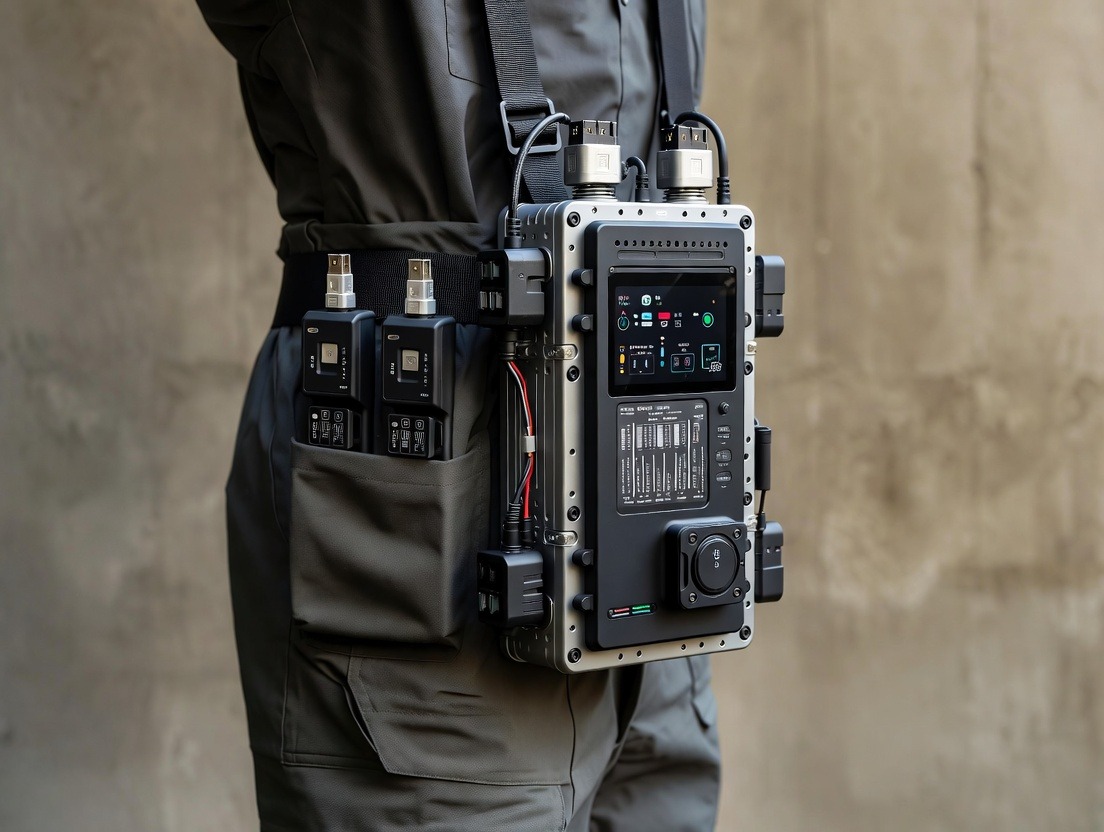
Data is only as valuable as the actions it inspires. To transform the insights from your smart ring from interesting information into transformative results, you need a Personal Recovery Playbook—a set of predefined, actionable protocols for each major data scenario. This turns decision-making from an emotional or guesswork-based process into a calm, systematic response.
Protocol 1: The "Green Score" Optimization Protocol.
Protocol 2: The "Yellow Score" Pivot Protocol.
Protocol 3: The "Red Score" Rest and Investigate Protocol.
Protocol 4: The "Trending Down" Proactive Protocol.
Documenting and Refining Your Playbook: Keep a simple journal (digital or analog) noting which protocols you used and the outcome 24-48 hours later. Did the yellow pivot lead to a green rebound? Did the red rest day resolve the issue? Over time, you’ll refine these protocols to be perfectly tailored to your body’s responses. For a wide array of actionable daily strategies that complement these protocols, our comprehensive guide offers 50 healthy aging tips a smart ring helps implement daily.
An unintended consequence of deep biometric tracking can be data anxiety or orthosomnia—an unhealthy preoccupation with perfect sleep or recovery scores. Ironically, this anxiety itself can lower your HRV and sabotage the recovery you’re trying to optimize. The goal is to use the data as a compassionate guide, not a punitive judge. Cultivating the right psychological relationship with your metrics is the final, critical piece of the puzzle.
Embrace the "Trend, Not Trendy" Mindset. Resist the urge to obsess over a single day’s number. The human body is noisy. A low score today could be due to a single bad meal, a weird dream, or a transient stressor. It is the multi-day trend that holds truth. Zoom out on your app’s weekly or monthly view. Is the general direction positive, stable, or negative? The trend is your friend; the daily fluctuation is just background noise.
You Are Not Your Score. Your readiness score is a measure of a physiological state, not a report card on your worth, dedication, or toughness. A red score does not mean you are "weak." It means your body is asking for help. Reframe it as your inner coach whispering, "Let’s invest in recovery today so we can crush it tomorrow." This separates your identity from the data.
The Paradox of Control. The data can show you what you cannot control: a naturally lower HRV on a certain day, a temperature shift. But it powerfully highlights what you can control: your behavioral response. You cannot force a high score, but you can choose to act wisely with the score you have. Focus your energy on the controllable inputs (sleep, nutrition, stress management, training modification), not the uncontrollable output (the exact number).
When to Look, and When to Put It Away.
Trust the Process, Verify with Feel. Always cross-reference the data with your subjective feeling. If you have a green score but feel terrible, still consider an easy day. The data is a powerful input, but you are the ultimate integrator. Over time, as you see the strong correlation between data and feeling, you will develop a deeper, more intuitive trust in your own body’s signals—the ring simply helps you hear them more clearly.
The Long-Term Relationship: View this as a months- and years-long journey of self-discovery, not a 30-day optimization sprint. Some days you will follow the data perfectly and still feel off. That’s okay. The goal is progress, not perfection. By reducing anxiety and building trust, you allow the technology to serve its highest purpose: giving you the freedom to push your limits with confidence, knowing you have a precise, reliable system to catch you before you fall. To see how others have built this trusting relationship with their data, visit our testimonials page for real user experiences.
The field of biometric monitoring is advancing at a breathtaking pace. The smart ring of today is a foundation for an even more integrated, predictive, and personalized future of health and performance optimization. Understanding these horizons helps us appreciate the current technology and anticipate the coming revolution.
Multi-Sensor Fusion and Advanced Biomarkers. Future devices will incorporate additional, non-invasive sensors:
Artificial Intelligence and Predictive Analytics. Current algorithms are mostly descriptive (telling you your current state). The next leap is predictive and prescriptive.
Integration with Digital Therapeutics and the Healthcare Ecosystem. The smart ring will move beyond wellness into active healthcare management.
The Ethical and Personal Frontier. As data becomes more intimate, questions of privacy, data ownership, and algorithmic bias will become paramount. The most successful platforms will be those that empower users with sovereignty over their data, transparency in their algorithms, and a focus on user education. The goal is not to create a dependency on the device, but to use it as a temporary tutor that enhances your own innate bio-awareness.
The journey from overtrained and guessing to recovered and knowing is already underway. The smart ring is the vanguard of this shift, putting the power of advanced physiology into a device you can forget you’re wearing—until it gently reminds you that today, the greatest gain might be found not in the gym, but in the quiet power of rest. To be part of this evolving journey and explore the technology that makes it possible, you can discover Oxyzen's current offerings at our main storefront.
While the core principles of recovery monitoring are universal, their application varies significantly across different training modalities and goals. The stress profile of a marathon runner differs from that of a powerlifter, which differs again from a CrossFit athlete or a yogi. Your smart ring’s data must be interpreted through the lens of your specific sport’s demands. Let’s explore how recovery intelligence tailors itself to various athlete archetypes.
The Endurance Athlete: Managing Volume and Metabolic Load. For runners, cyclists, and triathletes, the primary stressors are high volume, metabolic fatigue (glycogen depletion), and cardiovascular strain.
The Strength & Power Athlete: Navigating Neuromuscular and Structural Stress. For powerlifters, Olympic weightlifters, and bodybuilders, the stress is high-intensity, neuromuscular fatigue, and musculoskeletal damage.
The High-Intensity Functional Fitness Athlete (e.g., CrossFit): The Perfect Storm of Stress. This group faces a unique combination of metabolic, cardiovascular, neuromuscular, and structural stress. Workouts are designed to be constantly varied and highly intense.
The Tactical Athlete & First Responder: Managing Unpredictable and Chronic Stress. For military, law enforcement, firefighters, and healthcare workers, training stress is layered on top of shift work, psychological trauma, sleep disruption, and constant alertness.
By understanding your athletic archetype, you move from generic interpretation to specialized insight. The data tells a story written in the specific language of your chosen stress. For aging athletes navigating these same demands, our article on healthy aging tips to maintain muscle mass after 60 offers crucial complementary strategies.
Female physiology adds a critical, dynamic layer to recovery monitoring: the menstrual cycle. Hormonal fluctuations across the month create natural phases of varying resilience, recovery capacity, and injury risk. A smart ring that tracks trends can be instrumental in syncing training with these cycles and identifying dangerous patterns like Relative Energy Deficiency in Sport (RED-S).
Mapping the Cycle to Metrics: Estrogen and progesterone have profound effects on the autonomic nervous system, core temperature, and metabolism.
Identifying Menstrual Cycle Disruption: A missing or highly irregular cycle is a major red flag. While a ring doesn’t track cycles directly, the biometric data provides supporting evidence of trouble:
The Power of Cycle Syncing: By reviewing months of ring data alongside cycle tracking, female athletes can create a powerful, personalized cycle-synced training plan. They learn that a low score in the luteal phase is normal and not a cause for alarm, while a low score in the follicular phase is a more serious signal to rest. This eradicates guilt and optimizes performance by working with biology, not against it.
Pregnancy and Postpartum: The ring becomes a valuable tool for monitoring the massive physiological shifts during and after pregnancy. Dramatic changes in HRV, RHR, and temperature are expected. The data can help guide safe activity levels and, postpartum, provide objective feedback on the immense recovery process, helping to prevent a too-early, too-aggressive return to training.
For women, the smart ring isn’t just a recovery tool; it’s a translator of hormonal language, providing validation for subjective experiences and a data-driven path to sustainable, health-first fitness. For a deeper dive into this topic, see our dedicated resource on healthy aging tips for women navigating hormonal changes.
For athletes over 40, 50, and beyond, the game changes. Recovery speed naturally slows due to hormonal shifts, decreased protein synthesis, and changes in sleep architecture. The margin for error shrinks. Overtraining doesn't just mean a bad season; it can mean a long-term setback or injury that threatens an active lifestyle. For the master’s athlete, the smart ring shifts from a performance optimizer to an essential longevity tool.
Training Smarter, Not Just Harder: The master’s athlete must prioritize quality over quantity. The ring enables this with precision.
Injury Prevention as Priority #1: A major injury can be a career-ender for a master’s athlete. The ring’s early-warning system is invaluable. A string of low readiness scores, even with moderate training, signals high injury risk. This is the data saying, “Your connective tissues and nervous system are not recovering; pushing intensity now is dangerous.” Heeding this warning can prevent months of rehabilitation.
The Longevity Mindset: For this group, the ring’s value extends far beyond the gym. It monitors the foundations of healthy aging: sleep quality, stress resilience, and autonomic balance. A high HRV is correlated with longevity and better healthspan. Thus, using the ring to guide training, sleep, and stress management is a direct investment in a longer, more capable life. The goal evolves from winning a race to winning decades of active independence. This holistic view is explored in our article on healthy aging tips to preserve independence longer.

With recovery status quantified, we can finally answer a long-debated question: Which recovery modalities actually work, and for whom? Your smart ring turns your body into a bioassay lab, allowing you to test and verify the impact of various interventions on your personal physiology.
Sleep Extension & Nap Validation: This is the king, and the data proves it.
Nutritional Interventions:
Physical Modalities:
Psychological & Neurological Modalities:
The Personalization Principle: The most important finding will be that no single modality works for everyone in every state. Your ring might show that saunas help you but ice baths hinder you. Or that meditation is transformative, while foam rolling does nothing for your metrics. This moves recovery from a list of trendy protocols to a personalized toolkit you can deploy with confidence, knowing exactly what your body needs to recharge. For strategies on validating what works for you, read how a wellness ring validates effective healthy aging tips.
Nutrition is the raw material for repair. Aligning your intake with your body’s recovery status, as revealed by your smart ring, transforms eating from a generic meal plan into a dynamic, responsive fueling strategy. This is the concept of nutrient timing informed by physiological state.
The "Green Day" Fueling Strategy: Building and Fortifying.
The "Red Day" Restoration Strategy: Deep Repair and Detoxification.
Using Data to Identify Food Sensitivities: While not a diagnostic tool, the ring can provide clues. Notice a pattern where your nocturnal heart rate is elevated, sleep is restless, and your morning readiness is low after eating certain foods (e.g., dairy, gluten, nightshades, high-sugar desserts)? This is a strong indicator of a mild inflammatory or immune response to that food, disrupting recovery. This biofeedback can guide an elimination diet to confirm.
The Circadian Rhythm of Eating: Your ring’s temperature rhythm can also guide meal timing. Eating a large meal too late, when your body temperature should be dropping for sleep, can disrupt that drop and impair sleep quality. The data may encourage you to shift your last meal earlier.
By syncing your plate with your ring’s daily report, you become an active participant in your recovery engineering, using food not just for fuel, but as targeted medicine for your current physiological state. To understand how these daily habits compound over a lifetime, our article on healthy aging tips that start working at any age provides essential context.

Let’s move from theory to tangible reality. Here, we’ll walk through a full week of hypothetical but data-accurate biometric logs for three different individuals, showing how their smart ring guided critical decisions and prevented missteps.
Case Study A: The Overtraining Near-Miss (Endurance Runner - “Sam”)
Case Study B: The Stress-Load Realization (Corporate Worker - “Jordan”)
Case Study C: The Perfect Deload (Powerlifter - “Casey”)
These cases illustrate the universal language of the data. Whether the culprit is training, illness, or life stress, the biometric shifts tell a clear story, and the readiness score provides the courage to write a smarter next chapter. For more diverse narratives on how data informs life choices, explore stories on our blog.
The proliferation of biometric monitoring technology arrives at a critical juncture in fitness culture. For decades, the dominant narrative has glorified “no days off,” “crushing it,” and “pushing through the pain.” This has led to epidemic levels of burnout, injury, and dysfunctional relationships with exercise. Smart rings and recovery monitoring represent a technological counter-movement, but their ultimate success depends on a parallel cultural shift from punishment to partnership, from ignoring signals to honoring them.
From External Validation to Internal Wisdom: Fitness trackers initially celebrated external output—steps, calories burned, active minutes—often gamified in ways that encouraged over-activity. The smart ring, by making the invisible internal state visible, shifts the source of validation. The “win” is no longer a high calorie burn, but a high readiness score after a rest day. It rewards listening as much as lifting. This helps dismantle the ego’s attachment to constant grinding.
Creating a Common Language for Coaches and Athletes: This technology provides an objective mediator in the coach-athlete relationship. Instead of an athlete feeling guilty for requesting a rest day, they can present data: “My HRV is 30% down and my respiratory rate is up.” This transforms the conversation from subjective (“I’m tired”) to collaborative (“My system is stressed, how should we adjust?”). It builds trust and moves coaching toward true personalization.
Redefining “Hardcore.” The new hardcore isn’t who can endure the most pain; it’s who has the discipline to rest when the data says rest. It’s who has the courage to do an easy workout on a yellow day when their social feed is full of people posting PRs. The ring empowers this discipline by providing a private, personal truth that outweighs public perception.
The Risk of Data Obsession and the Path to Balance: The danger, as mentioned, is swapping one obsession (over-training) for another (over-measuring). The healthiest culture will be one that views the device as a temporary teacher. The goal is to wear the ring for months or a year, learn your body’s unique patterns and responses, and then perhaps wear it less frequently, having internalized the lessons. The data should enhance embodied awareness, not replace it.
Fostering a Community of Support: Brands and communities built around this technology have a responsibility to celebrate rest and responsiveness. Social features could highlight “Best Recovery Story of the Week” instead of only longest runs. Forums can focus on interpreting data with compassion. This fosters an environment where people feel supported in making smart, health-first decisions, ultimately leading to more people staying active, healthy, and engaged in fitness for life.
In the end, the smart ring is more than a gadget; it is a catalyst for a more intelligent, sustainable, and empathetic approach to human performance. It represents a future where technology doesn’t drive us to do more, but helps us understand how to be more—more in tune, more resilient, and more balanced. To learn about a company building technology with this philosophy at its core, you can read about Oxyzen's vision and values in our story.
Your Trusted Sleep Advocate (Sleep Foundation — https://www.sleepfoundation.org/)
Discover a digital archive of scholarly articles (NIH — https://www.ncbi.nlm.nih.gov/
39 million citations for biomedical literature (PubMed — https://pubmed.ncbi.nlm.nih.gov/)
experts at Harvard Health Publishing covering a variety of health topics — https://www.health.harvard.edu/blog/)
Every life deserves world class care (Cleveland Clinic -
https://my.clevelandclinic.org/health)
Wearable technology and the future of predictive health monitoring. (MIT Technology Review — https://www.technologyreview.com/)
Dedicated to the well-being of all people and guided by science (World Health Organization — https://www.who.int/news-room/)
Psychological science and knowledge to benefit society and improve lives. (APA — https://www.apa.org/monitor/)
Cutting-edge insights on human longevity and peak performance
(Lifespan Research — https://www.lifespan.io/)
Global authority on exercise physiology, sports performance, and human recovery
(American College of Sports Medicine — https://www.acsm.org/)
Neuroscience-driven guidance for better focus, sleep, and mental clarity
(Stanford Human Performance Lab — https://humanperformance.stanford.edu/)
Evidence-based psychology and mind–body wellness resources
(Mayo Clinic — https://www.mayoclinic.org/healthy-lifestyle/)
Data-backed research on emotional wellbeing, stress biology, and resilience
(American Institute of Stress — https://www.stress.org/)


