


How Your Wellness Ring Adapts Activity Recommendations Over Time
The ring adapts its recommendations as your fitness changes.
The ring adapts its recommendations as your fitness changes.
%402x.svg)
For a moment, imagine a personal trainer who never sleeps. One who observes your every heartbeat, knows the quality of your deepest sleep, senses your daily stress from your skin, and remembers your energy levels from three months ago with perfect clarity. This trainer doesn’t just prescribe a generic 10,000 steps or 30 minutes of cardio. Instead, it quietly analyzes a symphony of your personal biometrics and whispers, *“Today, a brisk 20-minute walk in the morning sun is what you need. Save the high-intensity workout for Thursday, when your recovery metrics will be optimal.”*
This is not science fiction. This is the modern reality of the advanced wellness ring, a device that has evolved from a simple step-counter into a dynamic, adapting health companion. The true magic—and the core of its revolutionary value—lies not in the data it collects, but in how it learns from it. Your ring doesn’t just track; it understands. It doesn’t just recommend; it adapts.
At its heart, this adaptive intelligence represents a fundamental shift from reactive health tracking to proactive, personalized wellness guidance. Unlike static apps or rigid plans, your wellness ring engages in a continuous feedback loop with your body. It observes, interprets, and recalibrates, ensuring that its guidance remains as fluid and changing as your own life. Whether you’re navigating a stressful work project, recovering from a minor illness, building fitness, or simply aging, your ring’s algorithms are quietly working to ensure its advice is perfectly attuned to your present moment.
In this deep exploration, we will pull back the curtain on the sophisticated mechanisms that allow your device to become more insightful with each passing day. We’ll journey through the layers of biometric analysis, the foundational principles of adaptive machine learning, and the nuanced ways your ring deciphers your body’s unique language of recovery, readiness, and response. This is the story of how a piece of wearable technology transcends being a tool to become a true partner in your lifelong journey to well-being.
For decades, the wellness industry has been dominated by a paradigm of averages. The iconic “10,000 steps” goal, the “8 glasses of water” rule, the standardized 150 minutes of moderate weekly exercise—these are blanket recommendations built for populations, not persons. They serve as useful public health guidelines, but as personal prescriptions, they are inherently flawed. They assume a uniform baseline, ignore biological individuality, and remain stubbornly blind to the daily fluctuations that define a human life.
Static plans fail because they lack context. Recommending a high-intensity interval training (HIIT) session to someone who slept poorly, is fighting the onset of a cold, or is emotionally drained isn’t just ineffective—it can be counterproductive, driving stress hormones higher and impeding recovery. Conversely, suggesting a gentle stretch day to someone who is fully recovered and brimming with energy misses a crucial opportunity for progress. This context-blind approach is why so many people start fitness or wellness programs with enthusiasm, only to abandon them when they feel the plan is “fighting” them rather than supporting them.
Enter the adaptive model, the core philosophy behind intelligent devices like the Oxyzen wellness ring. This model is built on a simple, powerful premise: Effective guidance must be responsive to input. Your body provides constant input through heart rate, heart rate variability (HRV), skin temperature, sleep architecture, and activity levels. An adaptive system treats this data not as isolated metrics, but as interconnected signals in a complex personal ecosystem.
The difference is akin to following a printed map versus using a live GPS. The map (static plan) shows a fixed route. The GPS (adaptive system) also shows a route, but it continuously recalculates based on real-time traffic, road closures, and your driving speed. If you take a wrong turn, it doesn’t scold you; it simply finds the best new path forward from your current location. Your wellness ring operates on this same principle of intelligent recalibration. It knows your destination—improved health and vitality—but it understands that the path to get there is never a straight line.
This foundational shift from static to adaptive is what turns data into wisdom. It’s the reason why long-term users often say their ring “knows” them. It has learned their rhythms, their boundaries, and their potential. To see how this learning translates into daily life, you can explore real user experiences and testimonials from individuals whose wellness journeys have been transformed by this responsive technology.
Before a wellness ring can adapt, it must first understand. It does this by becoming a fluent translator of your body’s subtle, continuous language—a language spoken not in words, but in biometric signals. These signals form the primary dataset, the raw vocabulary from which all adaptive insights are derived. Let’s decode the key metrics that serve as the ring’s senses.
Heart Rate (HR) & Heart Rate Variability (HRV): The Nervous System’s Narrative
While resting heart rate gives a broad view of cardiovascular fitness, it is Heart Rate Variability (HRV) that offers a profound window into your autonomic nervous system (ANS). HRV measures the millisecond variations between successive heartbeats. A higher HRV generally indicates a more resilient, adaptable ANS—where the “rest and digest” (parasympathetic) and “fight or flight” (sympathetic) branches are in healthy balance. A lower or dipping HRV can be a sign of physical stress, overtraining, poor recovery, or emotional strain.
Your ring tracks HRV continuously, often focusing on nightly averages to get a clean, unstressed baseline. A sustained drop in your HRV trend is one of the most powerful signals your ring uses to suggest scaling back intensity. Conversely, a rising HRV trend can open the door for more challenging recommendations. The deep importance of this metric for long-term vitality is explored in our article on how HRV monitoring supports healthy aging goals.
Sleep Architecture: The Nightly Reboot Protocol
Sleep is not a monolithic state. It’s a meticulously structured cycle of light, deep, and REM (rapid eye movement) sleep, each phase serving a distinct restorative purpose. Deep sleep is crucial for physical repair and immune function, while REM sleep is tied to memory consolidation and emotional processing.
Your wellness ring uses sensors like photoplethysmography (PPG) and accelerometers to estimate these stages by monitoring heart rate patterns and movement. It doesn’t just count hours; it assesses quality. A night rich in deep and REM sleep is a green light for activity. A night fragmented with awakenings or lacking in deep sleep tells the algorithm your body is prioritizing repair over performance, steering recommendations toward recovery. For a foundational look at this, see how sleep quality became the cornerstone of effective health strategies.
Body Temperature & Skin Response: The Subtle Thermometer
Continuous skin temperature tracking reveals patterns far beyond fever detection. A slightly elevated baseline temperature can indicate inflammation, the onset of illness, or a physiological response to intense training. A lower-than-usual temperature might signal metabolic slowdown or poor circulation.
Furthermore, by measuring electrodermal activity (a subtle change in the skin’s electrical properties), the ring can infer moments of sympathetic nervous system activation—essentially, stress or excitement. This combination tells a story about your body’s internal environment and its stress load, both critical factors in deciding whether to push or pull back.
Activity & Movement Patterns: The Story of Your Day
This is more than step count. It’s the pattern of movement: periods of sustained activity, bursts of intensity, and long stretches of sedentariness. It’s also about consistency. The ring builds a profile of your typical active energy expenditure, creating a personalized baseline against which it can measure “more” or “less.” This context prevents it from unfairly chastising a desk worker on a busy day or over-praising a gardener on a weekend—it works relative to your normal.
Together, these biometrics form a rich, multi-dimensional picture. Alone, a low step count is meaningless. But a low step count combined with a depressed HRV, restless sleep, and a slight temperature elevation paints a clear picture of a body under strain. This is the contextual intelligence that powers adaptation. It’s the first step in a process where, as discussed in our guide on how smart rings track healthy aging progress over time, raw data begins its transformation into personal insight.
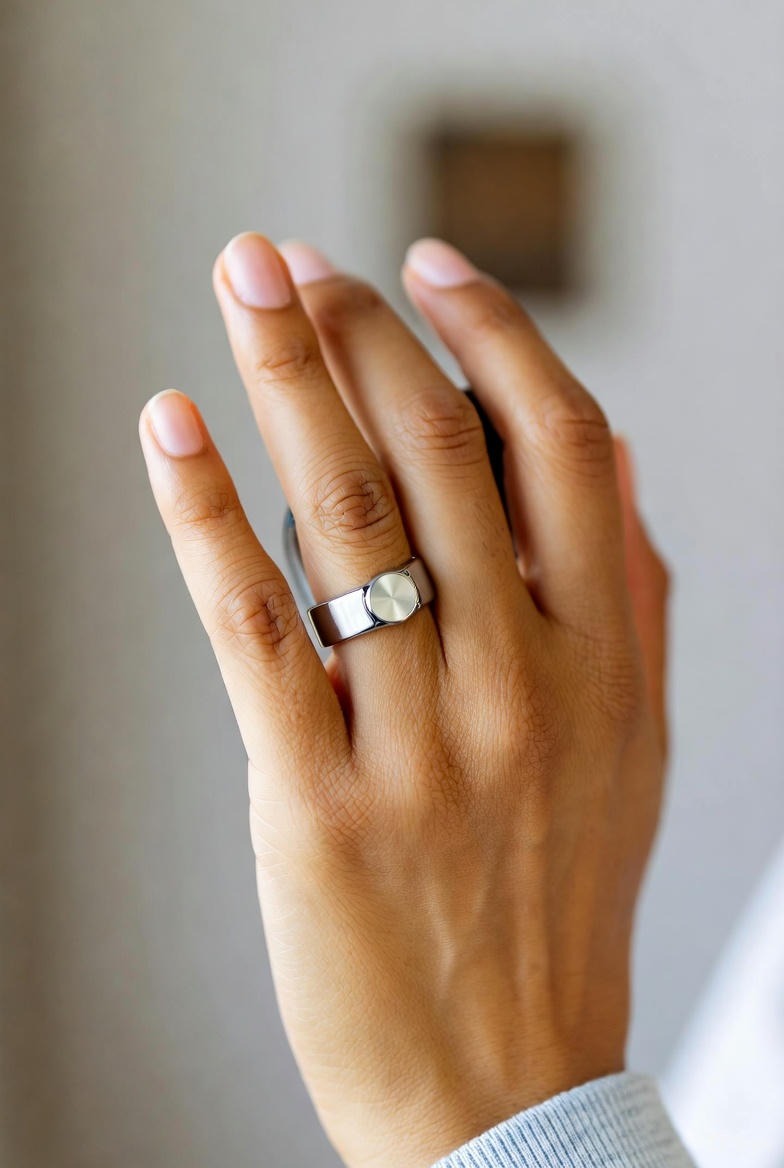
Collecting biometrics is step one. The transformative leap from data to dynamic adaptation is powered by machine learning (ML)—a subset of artificial intelligence where algorithms improve automatically through experience. Think of it not as a pre-programmed rulebook, but as a personal data scientist living on your finger, constantly running experiments and analyzing results to refine its model of you.
At the most basic level, the ML engine is performing two crucial, continuous tasks: pattern recognition and correlation discovery.
Pattern Recognition: Finding Your Unique Rhythms
The algorithm begins by establishing your personal baselines. What is your normal resting heart rate? What does your optimal sleep look like? What is a typical HRV for you on a well-recovered Wednesday? This takes days, even weeks, as the system gathers enough data to distinguish signal from noise. It’s learning the rhythm of your life—your sleep cycles, your weekly activity patterns, even how your body typically responds to a hard workout or a late night.
For example, it might learn that your HRV always dips slightly on Monday mornings (the “back to work” effect) but that a strong downward trend from Wednesday onward is unusual and warrants attention. It personalizes the meaning of the data.
Correlation Discovery: Connecting the Dots
This is where it gets powerful. The ML model doesn’t just look at metrics in isolation; it seeks relationships between them. It analyzes thousands of data points to answer questions like:
By discovering these personal correlations, the ring moves from reporting (“you slept 6.5 hours”) to insight (“when you sleep less than 7 hours, your next-day activity tolerance decreases by 15% on average”). This insight is the feedstock for adaptation.
The Feedback Loop: Where You Become the Teacher
The most sophisticated adaptive systems incorporate explicit and implicit user feedback. This closes the loop, allowing the algorithm to confirm or correct its hypotheses.
This continuous cycle of data collection, pattern recognition, correlation analysis, and feedback refinement is what makes the system truly intelligent. It’s not just following code; it’s building, day by day, a more accurate and useful computational model of your health—a process central to the philosophy behind Oxyzen’s approach to personalized wellness technology. This model then directly informs the first and most critical adaptive output: assessing your daily readiness.
Armed with a personalized model of your health, the wellness ring synthesizes the torrent of incoming data each morning into a single, actionable insight: the Daily Readiness or Recovery Score. This score is the culmination of the learning engine’s work—a holistic assessment of your body’s capacity for stress and exertion for the coming day. It is the primary gatekeeper for all activity recommendations.
Think of it not as a grade, but as a fuel gauge. A high score doesn’t mean you’re “good”; it means your physiological reserves are full, your systems are recovered, and you have a green light to draw on those reserves for training, challenging work, or intense activity. A low score is a yellow or red light, indicating your body is prioritizing internal repair, managing inflammation, or dealing with other stressors, and would benefit from conservation.
How the Score is Calculated: A Weighted Conversation
The algorithm creates this score by consulting the key biometrics, but it doesn’t weigh them equally. The weighting is dynamic and personalized, based on what the ML model has learned is most predictive for you.
The magic is in the synthesis. A slightly poor night’s sleep might only mildly reduce your score if your HRV is strong and RHR is normal. But that same poor sleep combined with a plummeting HRV creates a compounding effect, resulting in a much lower score. The system is assessing the total load on your system.
From Score to Suggestion: The Adaptive Pivot
This is where adaptation becomes visibly actionable. The readiness score directly dictates the tone and content of the day’s activity recommendation.
This daily recalibration is the antithesis of a rigid, weekly workout schedule. It honors the fundamental truth that our bodies are not machines; they are dynamic organisms affected by sleep, stress, infection, and life. By using the readiness score as a filter, the ring ensures its guidance is always contextually appropriate, helping you avoid the common pitfall of training through fatigue, which leads to plateaus or injury. For those navigating specific life stages, this kind of responsive guidance is invaluable, as noted in resources like healthy aging tips for women navigating hormonal changes.
The adaptation doesn’t stop with the morning readiness score. Once you begin an activity—be it a run, a gym session, or a yoga practice—your wellness ring shifts into a new mode: real-time biofeedback. This is where adaptation happens on a minute-to-minute basis, turning the device from a planner into an active coach.
This capability is primarily fueled by continuous heart rate monitoring during exercise. Your heart rate is a direct, real-time proxy for physiological exertion and cardiovascular load. By comparing your live heart rate to personalized zones, the ring can offer in-the-moment guidance to keep your effort aligned with the intention of the session, whether that’s building endurance, improving speed, or promoting recovery.
Personalized Heart Rate Zones: Beyond the Age Formula
Traditional heart rate zones are calculated using a generic formula (220 - your age), which is notoriously inaccurate for individuals. An adaptive wellness ring builds your zones from actual data. It uses your measured maximum heart rate (observed during your hardest efforts) and your resting heart rate to create truly personalized zones (Z1-Z5) that reflect your actual physiology. This means Zone 3 (moderate/aerobic) for you is uniquely yours, making pace or effort guidance vastly more accurate.
Dynamic Pacing and Effort Alerts
Let’s walk through a scenario. You start a run with the goal of staying in your personalized Zone 2 (easy aerobic) for a base-building session. As you run:
Post-Activity Load Analysis & Impact Prediction
After you finish, the adaptation continues. The ring calculates a training load or exertion score for the session—a composite of duration and heart rate data. It then immediately begins to model the predicted impact of this load on your system.
This creates a seamless chain of adaptation: Yesterday’s effort influences today’s readiness, which dictates today’s plan, which is then fine-tuned by real-time feedback during today’s activity, the load of which then influences tomorrow. It’s a continuous, closed-loop system that respects the cumulative nature of stress and recovery. For athletes and active individuals, this level of detail is crucial, especially when following movement strategies designed for every decade of life.

While micro-adaptations handle the day-to-day, the true genius of an advanced wellness ring is its ability to make macro-adaptations—shifting its overarching guidance framework to align with multi-month or even multi-year changes in your fitness, age, lifestyle, and goals. This is the system evolving with you through the seasons of your life.
Fitness Progression and Plateaus: The Evolving Baseline
As you get fitter, your physiology changes. Your resting heart rate drops. Your heart rate variability at a given workload may improve. Your heart rate recovers faster after exercise. A static plan would eventually become too easy, leading to a plateau.
Your adaptive ring, however, recognizes these improvements. It recalibrates your baselines. What was once a “moderate” zone for you now requires a faster pace or higher wattage to achieve the same heart rate. The system’s definition of a “challenging” workout automatically scales upward with your fitness. It subtly increases the recommended duration or intensity to keep providing an effective stimulus, helping you progress without you having to constantly redesign your program.
Aging and Changing Capacity: Graceful Recalibration
Our bodies change as we age. Maximum heart rate declines, recovery may take longer, and the balance between different types of training (e.g., strength vs. endurance) often needs to shift. A rigid plan from your 30s could become inappropriate or risky in your 50s.
An adaptive ring facilitates a graceful transition. It observes the natural changes in your metrics over time. It might notice that your recovery from high-intensity sessions is taking longer, and thus begin to space them out more in its recommendations. It may place a greater emphasis on the quality of your sleep and recovery metrics, knowing their role becomes even more critical. It effectively helps you train smarter as you get older, focusing on maintaining functional capacity and vitality, which is at the heart of many science-backed healthy aging tips for long-term independence.
Goal-Based Reorientation: From Marathon to Mindfulness
Life brings new priorities. You might shift from training for a marathon to focusing on stress management, or from weight loss to muscle preservation. When you update your primary goal in the companion app, you trigger a macro-adaptation in the ring’s recommendation engine.
This long-term, goal-aware adaptation ensures the ring remains a relevant partner through every chapter of your wellness journey. It’s not a short-term gadget but a lifelong companion that grows and changes in purpose alongside you. To understand how this philosophy is built into the product from the ground up, you can learn more about Oxyzen’s story and vision.
Despite the sophistication of its algorithms, the most effective adaptive system is a collaborative one. This is the “Human-in-the-Loop” model, where your intuition, subjective experience, and conscious choices form an essential layer of intelligence that the machine cannot replicate. Your wellness ring provides profound insights, but you remain the ultimate decision-maker and interpreter of your own health.
Listening to Subjective Feelings: The "Body Knows" Principle
You wake up with a readiness score of 85, suggesting an optimal day for a hard workout. But you subjectively feel drained, achy, or mentally foggy. This discrepancy is not a failure of the technology; it’s a crucial data point. The ring’s model is based on the biometrics it can measure. Your subjective feeling incorporates a million other factors: subtle immune activity, mental fatigue, emotional state, and non-physical stressors.
The wise user listens to both. Perhaps you proceed with the workout but reduce the intended intensity. Or you honor your feeling and choose active recovery instead, adding a note in the app. This action teaches the system. Over time, if a pattern emerges where high readiness scores paired with your logged “low energy” feelings consistently lead to poor workouts, the ML model may learn to look for other, subtler biometric precursors to that state.
Providing Context: The Story Behind the Data
Your ring sees a dramatic HRV drop and poor sleep. It recommends a recovery day. But you know the context: you were at a joyful, loud wedding celebration, danced all night, and ate rich food. The physiological stress is real, but the cause is positive and situational, not pathological. By logging this context (e.g., “special event”), you help the system differentiate between detrimental stress and “good” stress (eustress). This prevents it from over-rotating and becoming overly conservative in its future recommendations.
Overriding Recommendations: The Power of Choice
There will be days when you consciously decide to ignore a recommendation. You might choose to run a race despite a low readiness score, or take a complete rest day when the ring suggests a light activity. This is not “cheating”; it’s an expression of autonomy. The key is to observe the consequences. Did pushing through lead to a prolonged recovery period, validating the ring’s caution? Or did you feel fine, suggesting your body’s response to that particular stressor is unique?
These overrides, when followed by observation, are powerful lessons for both you and the algorithm. They refine your own self-knowledge and, if logged, provide the system with edge-case data that improves its personal model.
This collaborative dance between quantitative data and qualitative experience is where the deepest wisdom emerges. The ring offers an objective, data-driven perspective free from your emotional biases. You provide the narrative, the intuition, and the lived experience. Together, you form a partnership that is greater than the sum of its parts—a synergy that empowers you to make informed, nuanced decisions about your health every single day. For answers to common questions about how to best engage in this partnership, our comprehensive FAQ is an excellent resource.
To see the adaptive system in action, let’s follow a hypothetical but data-inspired journey: Alex, a 42-year-old with a sedentary office job, who gets a wellness ring with the goal of “getting back in shape.”
Weeks 1-2: The Establishment Phase
The ring is in learning mode. It establishes Alex’s baselines: RHR of 72, low HRV, fragmented sleep averaging 6 hours, and a daily step count around 3,000. Readiness scores are volatile but generally low (avg. 45), heavily influenced by poor sleep. Activity recommendations are exceedingly gentle: “Take a 15-minute walk at lunch,” “Try 10 minutes of evening stretching.” The system is assessing capacity and avoiding any recommendation that could lead to discouragement or injury.
Weeks 3-8: The Building Phase
Alex follows the gentle nudges. Consistency with short walks improves sleep slightly. The ring detects this improvement and makes its first micro-adaptations. The lunch walk recommendation extends to 20 minutes. A weekend “recovery” suggestion evolves into “try a 30-minute nature walk.” Readiness scores begin to creep up (avg. 55) as sleep and HRV show mild positive trends. The system is responding to proven tolerance, building confidence and metabolic capacity.
Months 3-4: The Progress Phase
Baselines have officially shifted. RHR is now 68, HRV trend is up, sleep is more consistent at 6.5 hours. The ring executes a macro-adaptation: it recognizes Alex is no longer “sedentary” but is now “moderately active.” It recalibrates its zones and thresholds. Recommendations become more structured: “Complete 30 minutes of moderate-paced cardio (Zone 3) twice this week,” “Incorporate bodyweight exercises on Tuesday and Thursday.” Readiness scores now commonly hit 70 on good sleep nights, unlocking more substantive workouts.
Month 6: Navigating a Setback
Alex catches a bad cold. Biometrics tell the story: temperature up +0.5°C, HRV plummets, RHR jumps to 74, sleep is disturbed. The readiness score drops to 30 for three consecutive days. The ring adapts decisively: all workout recommendations are replaced with “Priority: Rest & Hydrate.” As Alex recovers, the recommendations transition slowly from “rest” to “short, slow walk” and finally back to gentle activity. The system protected Alex from the common error of returning too soon.
Year 1: A New Normal
Alex’s physiology has transformed. Baselines are now RHR 62, strong HRV, 7-hour sleep. The ring’s definition of a “maintenance” workout for Alex is what would have been an impossible “peak” workout a year prior. Alex has shifted the goal to “run a 5K.” The ring macro-adapts again, integrating a personalized run-walk plan that adjusts daily based on readiness, seamlessly blending goal-oriented structure with daily adaptability.
This journey illustrates the system’s patience, responsiveness, and long-term perspective. It never asked Alex to do too much too soon, and it provided guardrails during setbacks. It evolved its guidance as Alex’s body evolved, creating a sustainable path to lasting change—a practical example of the principles behind 50 actionable healthy aging tips a smart ring can help implement daily.
Beyond reacting to your daily readiness, the most advanced adaptive systems are learning to anticipate your needs by aligning with your body’s master timekeeper: your circadian rhythm. This 24-hour internal clock, governed by a tiny region in the brain called the suprachiasmatic nucleus (SCN), regulates everything from hormone release and body temperature to metabolism, alertness, and sleep-wake cycles. Your wellness ring, by tracking the circadian outputs of heart rate, HRV, and skin temperature, can begin to map your personal rhythm and make recommendations that work with it, not against it.
Mapping Your Personal Chronobiology
We are not all wired the same. "Night owls" and "morning larks" are real biological phenotypes with genetic underpinnings. Your ring observes this through subtle, predictable daily patterns:
By modeling these daily cycles, the ring builds a picture of your unique chronotype. It learns when your body is naturally primed for different types of tasks.
Adapting Recommendations to Your Biological Prime Time
Armed with this chronobiological map, the system can make nuanced adaptations:
This move from reactive adaptation (based on yesterday’s sleep) to predictive alignment (based on your body’s innate 24-hour clock) represents a frontier in personalized wellness. It helps you organize your life in harmony with your biology, reducing internal friction and enhancing the effectiveness of every action you take. This alignment is a critical, often overlooked component of comprehensive strategies for long-term vitality, such as those focused on protecting cognitive function throughout the lifespan.
Your body does not exist in a vacuum. It is constantly interacting with and responding to its environment. The latest evolution in adaptive wellness technology involves integrating external data streams to create a full-context model of your health. This turns the ring from a biometeorologist (reporting on your internal weather) into an ecologist, understanding how you interact with your habitat.
Voluntary Data Logging: The Qualitative Layer
The most direct form of integration is your voluntary input. When you log:
Passive Environmental Sensing: The Invisible Influences
Increasingly, apps can pull in passive data from your smartphone or connected devices:
Creating the Ripple Effect Prediction
With this integrated data, the system’s predictive power grows exponentially. It can move from “You slept poorly, so take it easy,” to a more nuanced forecast: “Given your logged high-stress day yesterday, the two glasses of wine you logged in the evening, and the high pollen count today, your recovery metrics are significantly depressed. A 20-minute gentle walk indoors is the optimal activity to support your system without adding strain.”
This holistic view acknowledges that wellness is the product of a constant conversation between you and your world. It allows the ring to validate which lifestyle factors have the biggest impact on you, turning abstract advice into personalized insight. For instance, it can help validate which healthy aging tips are actually effective for your unique physiology, moving you from generic tips to a customized plan.
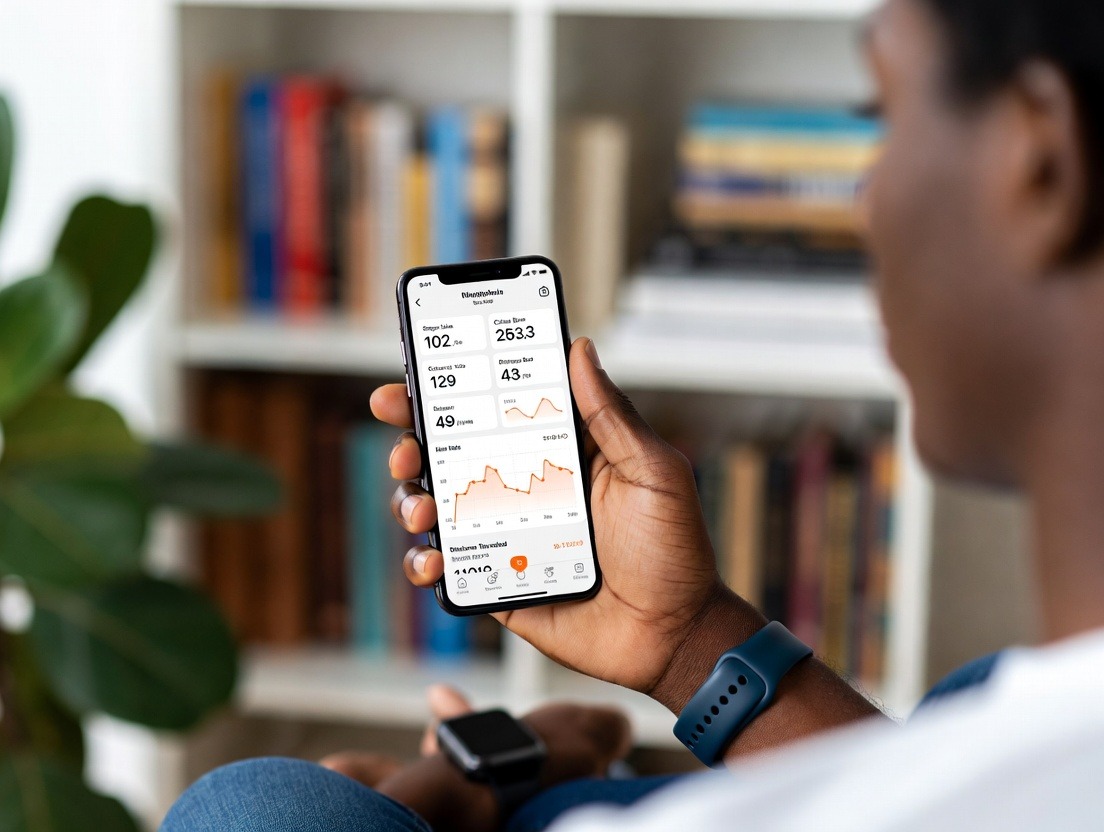
As a wellness ring grows more knowledgeable about you—learning your rhythms, predicting your responses, and integrating the context of your life—it amasses an incredibly intimate dataset. This data isn't just about your steps; it's a continuous readout of your nervous system, your sleep, your potential illnesses, and your stress responses. This raises critical questions about privacy, security, and the ethical use of such personal information. Trust is the non-negotiable foundation of this entire adaptive partnership.
The Sensitivity of the Biometric Data Pool
Consider what a long-term dataset from an advanced ring could reveal:
How Leading Systems Safeguard Your Information
Responsible companies implement a multi-layered approach to security and privacy:
Navigating the Ethical Landscape
Users must be vigilant. Questions to consider include:
Choosing a wellness partner means choosing a company whose values align with yours. It’s essential to select a brand that is transparent about its practices and prioritizes your sovereignty over your own biological information. Before diving deep into features, it’s wise to review the company’s mission and principles and understand how they handle the profound trust you place in them.
The adaptive intelligence of your wellness ring reaches its full potential when it stops being an island and becomes the central hub of a connected health ecosystem. Integration with other apps, devices, and even professional healthcare services creates a feedback loop of unparalleled depth, turning personalized insights into actionable health outcomes.
The App Integration Matrix: A Unified Dashboard
Your ring’s companion app is likely the first layer of this ecosystem. But its power multiplies when it can securely share data with other applications you trust:
Professional Healthcare Bridges: From Wellness to Health
The most significant evolution is the bridge to the clinical world. With your explicit consent, your longitudinal biometric data can become a powerful tool for healthcare providers.
The Smart Home and Ambient Adaptation
Looking further ahead, the ecosystem could extend into your environment. Imagine your ring detecting that you are in deep sleep and signaling your smart thermostat to lower the temperature slightly, as a cool environment supports deep sleep. Or, sensing your elevated stress levels when you arrive home, it could cue your smart lights to a calming hue and play low-frequency music.
In this expansive view, your adaptive ring becomes the command center for a responsive, health-optimizing environment, seamlessly blending digital guidance with physical-world actions. This holistic approach mirrors the interconnected strategies discussed in resources that link stress management and social connection to overall well-being.
The wearable market is crowded, from smartwatches to chest straps to clip-on devices. To understand the unique value of an adaptive wellness ring, it’s crucial to compare it not just on features, but on its fundamental approach to user guidance.
Smartwatches: The Jack-of-All-Trades, Master of Notification
Smartwatches are brilliant, multi-functional computers for your wrist. They excel at notifications, apps, GPS tracking for runs, and contactless payments. Their health tracking is often broad but can be fragmented.
Fitness Trackers & Chest Straps: The Performance Specialists
Devices like dedicated GPS watches or chest strap heart monitors are unparalleled for accuracy during intense exercise. They are the tools of athletes who need precise pace, power, and heart rate data every second of a training session.
The Paradigm Shift: From Tracking to Coaching
This comparison highlights the core shift:
The ring’s unique value proposition is synthesis and prescription. It doesn’t just add another data silo; it connects the silos (sleep, stress, activity, recovery) to generate a single, adaptive plan. It trades the bright screen and constant notifications for a quieter, more profound intelligence focused on your long-term well-being. For those researching their options, a visit to the Oxyzen shop can provide a clear view of how a device built from the ground up for this adaptive purpose presents itself.
The adaptive wellness ring of today is intelligent, but the trajectory of this technology points toward a future that is profoundly anticipatory and hyper-contextual. We are moving from systems that respond to your current state to those that can predict your future state and prescribe actions to optimize it. This next wave of adaptation will be powered by deeper AI, richer data integration, and a more holistic view of human biology.
From Reactive to Predictive Health Models
Current adaptation is largely based on lagging indicators: last night’s sleep, this morning’s HRV. The future lies in predictive analytics that identify leading indicators. Advanced machine learning models, trained on vast, anonymized population datasets combined with your personal history, will forecast potential outcomes with startling accuracy.
Hyper-Personalization: The "N-of-1" Clinical Trial
The ultimate goal is a model so personalized it functions as a continuous, self-run “N-of-1” clinical trial. The system wouldn’t just apply general knowledge (“strength training is good”); it would discover what works specifically for you.
The Integration with Digital Twins and Genomic Data
The furthest horizon involves integrating your adaptive biometric model with other deep layers of personal data. A digital twin—a dynamic, virtual model of your physiology—could simulate the effects of different interventions before you try them. What might happen to my recovery if I take a red-eye flight? How will switching to a plant-based diet affect my energy levels?
Furthermore, incorporating anonymized genomic data could reveal predispositions that inform adaptation. If your genetics suggest a higher need for certain nutrients for optimal muscle protein synthesis or cognitive function, the ring’s recommendations could prioritize dietary sources or highlight when you’re falling short.
This future is one of empowerment through unprecedented self-knowledge. The ring evolves from a fitness device into a lifelong health operating system, its adaptive algorithms working silently to keep your unique system running optimally for decades. To stay abreast of these emerging trends and the science behind them, dedicated resources like the Oxyzen blog are invaluable.
For all its sophisticated algorithms, the output of your wellness ring is only as good as its input—both the data it collects and the partnership you build with it. To truly harness its adaptive power and accelerate its learning, you can adopt specific practices that turn it from a novelty into a transformative tool.
The Critical First 30 Days: The Foundation Period
The initial month is not for judging outcomes; it’s for building the model. Consistency is everything.
Mastering the Feedback Loop: Becoming an Active Partner
Interpreting and Acting on Recommendations Wisely
Long-Term Maintenance and Recalibration
By engaging deeply with the process, you become co-pilot of your health journey. The ring provides the instrumentation and navigation system, but you hold the wheel and set the destination. This collaborative mindset is the key to unlocking its full potential, much like the proactive approach advocated in resources on making healthy aging tips start working at any age.
The journey of the adaptive wellness ring—from a simple tracker to a predictive, hyper-personalized health companion—mirrors a larger cultural shift in how we view our own well-being. We are moving away from a paradigm of episodic, crisis-driven healthcare and passive fitness tracking, toward a model of continuous, proactive, and deeply personal health optimization.
This technology represents more than a gadget; it signifies the dawn of a new relationship with our bodies. It replaces ignorance with insight, guesswork with guidance, and generic advice with personal protocol. The ring’s ability to adapt over time teaches us a vital lesson: that health is not a fixed state to be achieved, but a dynamic balance to be constantly nurtured and skillfully managed.
The ultimate adaptation, however, happens not in the silicon of the device, but in the wetware of our own minds. As we learn to interpret the ring’s feedback, as we see the tangible effects of sleep on our energy, of stress on our recovery, of consistent movement on our vitality, we ourselves become more adaptive. We develop a finer attunement to our body’s signals. The ring’s algorithms become a mirror, reflecting back to us the consequences of our choices with impartial clarity, thereby training our own internal sense of what we need.
In this partnership, the goal is not to become a slave to a score, but to cultivate a deeper wisdom. The ring handles the complex calculus of biometric analysis, freeing you to focus on the human experience—the joy of movement, the peace of rest, the richness of a life well-lived. It provides the "what" and the "when," so you can fully engage with the "why."
As this technology continues to evolve, becoming more predictive and integrated, it promises to be a cornerstone of a future where each individual is empowered with the knowledge to navigate their own path to lifelong vitality. It supports not just the addition of years to life, but the unwavering commitment to adding life to years—enabling independence, preserving function, and enhancing well-being at every stage. This is the profound promise of the adaptive wellness ring: a smarter, more responsive, and ultimately more human approach to caring for the one body we have, across all the chapters of our lives.
To begin or deepen this journey of adaptive wellness, explore the technology designed for this very purpose at the Oxyzen shop, and join a community focused on proactive health at the Oxyzen blog.
Your Trusted Sleep Advocate (Sleep Foundation — https://www.sleepfoundation.org/)
Discover a digital archive of scholarly articles (NIH — https://www.ncbi.nlm.nih.gov/
39 million citations for biomedical literature (PubMed — https://pubmed.ncbi.nlm.nih.gov/)
experts at Harvard Health Publishing covering a variety of health topics — https://www.health.harvard.edu/blog/)
Every life deserves world class care (Cleveland Clinic -
https://my.clevelandclinic.org/health)
Wearable technology and the future of predictive health monitoring. (MIT Technology Review — https://www.technologyreview.com/)
Dedicated to the well-being of all people and guided by science (World Health Organization — https://www.who.int/news-room/)
Psychological science and knowledge to benefit society and improve lives. (APA — https://www.apa.org/monitor/)
Cutting-edge insights on human longevity and peak performance
(Lifespan Research — https://www.lifespan.io/)
Global authority on exercise physiology, sports performance, and human recovery
(American College of Sports Medicine — https://www.acsm.org/)
Neuroscience-driven guidance for better focus, sleep, and mental clarity
(Stanford Human Performance Lab — https://humanperformance.stanford.edu/)
Evidence-based psychology and mind–body wellness resources
(Mayo Clinic — https://www.mayoclinic.org/healthy-lifestyle/)
Data-backed research on emotional wellbeing, stress biology, and resilience
(American Institute of Stress — https://www.stress.org/)


