


How Recovery Signals Guide Personalized Health Recommendations
Recovery signals that connect your sleep, HRV, and overall performance.
Recovery signals that connect your sleep, HRV, and overall performance.
%402x.svg)
Imagine a world where your health advice isn't generic, but a precise, living blueprint generated by your own body. A world where your wearable doesn't just count steps, but listens intently to the subtle whispers of your physiology—your heart's rhythm as you sleep, the minute rise and fall of your skin temperature, the quiet cadence of your breath. These are your recovery signals, the body's native language for communicating its readiness, stress, and restoration. For decades, this language went unheard by mainstream health tools, leaving us to guess at our needs. Today, a revolution in personal health technology is translating these signals into actionable, hyper-personalized guidance, moving us from reactive sick-care to proactive, intelligent self-care.
This is the core of modern wellness: the shift from data collection to signal interpretation. It’s not about having more numbers; it’s about understanding what those numbers mean for you, uniquely, on this specific day. A smart ring, resting passively on your finger, becomes a 24/7 guardian of these intimate biomarkers, offering a continuous stream of insights far beyond a morning readiness score. This article will serve as your comprehensive guide to understanding how these recovery signals—from Heart Rate Variability (HRV) and resting heart rate to sleep architecture and body temperature—are decoded by advanced algorithms to create a truly personalized health roadmap. We will dismantle the science, explore the technology, and reveal how this convergence is empowering individuals to optimize recovery, enhance performance, prevent burnout, and ultimately, forge a deeper, more responsive relationship with their own well-being.
To understand personalized health recommendations, we must first become fluent in the vocabulary of recovery. Your body is constantly broadcasting a symphony of physiological data, a silent language that reveals your internal state of stress, balance, and repair. Modern wearable technology, particularly advanced devices like the Oxyzen smart ring, acts as a sophisticated translator for this language, capturing signals that were once only accessible in a clinical lab.
The cornerstone of this language is Heart Rate Variability (HRV). Contrary to popular belief, a healthy heart does not beat with the metronomic regularity of a drum machine. The tiny, millisecond variations in the time interval between each heartbeat are, in fact, a powerful indicator of your autonomic nervous system (ANS) balance. Your ANS has two primary branches: the sympathetic ("fight-or-flight") and the parasympathetic ("rest-and-digest"). A higher HRV generally indicates strong parasympathetic activity and good resilience—your body is relaxed, recovered, and adaptable to stress. A lower HRV suggests sympathetic dominance, meaning your body is under strain, whether from physical training, emotional stress, illness, or poor recovery. By tracking HRV trends over time, algorithms can discern your baseline and identify significant deviations that signal a need for rest or a green light for intense effort.
Closely related is Resting Heart Rate (RHR). While simple on the surface, your RHR upon waking is a profound metric. A lower RHR typically indicates improved cardiovascular fitness and efficient heart function. An elevated RHR, especially relative to your personal baseline, is one of the body's earliest and most sensitive alarms. It can flag the onset of illness, dehydration, excessive fatigue, or unmanaged stress. When HRV and RHR are analyzed in concert, they provide a multidimensional view of your nervous system and cardiovascular readiness.
Beyond the heart, nocturnal core body temperature is a revelatory signal. Your body temperature follows a circadian rhythm, dropping at night to initiate and maintain deep, restorative sleep. A disrupted temperature rhythm—a failure to cool sufficiently—is strongly linked to poor sleep quality and fragmentation. Advanced wearables track this subtle thermal curve, identifying patterns that may explain why you woke up feeling unrefreshed. Furthermore, a consistently elevated nighttime temperature can be an early sign of systemic inflammation, hormonal shifts, or the body fighting an infection.
Finally, the structure of your sleep itself is a master recovery signal. It's not just about duration, but the quality and proportion of sleep stages—light, deep, and REM. Each stage serves a distinct restorative function: deep sleep for physical repair and immune function, REM sleep for memory consolidation and emotional processing. The balance of these stages, your sleep latency (time to fall asleep), and sleep continuity (how often you wake) are critical data points. By analyzing your sleep architecture, algorithms can assess the effectiveness of your rest, not just the quantity. For a deeper dive into what these stages mean, our blog explores the crucial difference between deep sleep and REM sleep and why it matters.
Together, HRV, RHR, body temperature, and sleep architecture form the foundational lexicon. They are the raw inputs, the vital signs of your daily recovery. The next step is transforming this lexicon into actionable wisdom.
Collecting recovery signals is only the first step. The raw data stream—thousands of heartbeats, temperature readings, and movement points—is, by itself, a cacophony of "data noise." The true magic, and the engine of personalization, lies in the sophisticated algorithms that clean, analyze, and contextualize this information to produce clear, meaningful insights. This process transforms abstract numbers into a coherent story about your body.
The journey begins with signal processing and noise reduction. The PPG (photoplethysmography) sensor in a device like a smart ring must distinguish the subtle pulse of your capillaries from the "noise" of hand movements, pressure changes, or ambient light. Advanced filtering algorithms and motion artifact cancellation techniques work in real-time to isolate the true physiological signal, ensuring the foundational data is accurate. This is why a device worn on the finger, a vascular-rich area with relatively minimal tendon movement, can often provide more consistent nocturnal data than a wrist-worn device prone to greater positional variance.
Once a clean signal is established, the next stage is biomarker extraction and trend analysis. The algorithm calculates your nightly HRV (often using the rMSSD or SDNN methods), identifies your lowest resting heart rate, maps your temperature curve, and classifies your sleep stages using a combination of heart rate, movement, and temperature data. Crucially, it doesn't view these metrics in isolation. It looks for correlations and patterns: Was a drop in HRV accompanied by a rise in nighttime heart rate? Did a poor temperature drop correlate with reduced deep sleep? By building a multi-parameter model, the system creates a more robust picture than any single metric could provide.
The most critical layer is baseline establishment and personalization. This is where generic health advice ends and true personalization begins. A "good" HRV score is meaningless; what matters is your good HRV score. Over an initial period (typically 2-4 weeks), the algorithm learns your unique rhythms. It establishes your personal baselines and normal ranges for every biomarker. It understands how you, as an individual, respond to a hard workout, a late night, or a stressful day at work. This personal baseline becomes the golden reference against which all future daily readings are compared. A deviation for you might be well within the "normal" population range, but for your system, it's a significant red flag. To understand the technology behind this, you can explore how sleep trackers actually work.
Finally, these analyzed trends feed into predictive analytics and contextual integration. The most advanced systems don't just report on yesterday; they anticipate tomorrow. By recognizing patterns leading to overtraining, illness, or poor sleep, algorithms can provide early warnings. Furthermore, they can integrate user-logged context (e.g., "intense weightlifting session," "drank alcohol," "high work stress") to explain deviations. This creates a feedback loop: the algorithm learns that "Event X" typically leads to "Pattern Y" in your physiology, refining its understanding and future recommendations. This seamless translation of data noise into personalized insight is what turns a tracking device into an intelligent health companion, guiding you toward the recommendations we will explore next.
With a clear, personalized interpretation of your recovery signals in hand, the system now activates its most valuable function: the Personalized Recommendation Engine. This is where insight transforms into actionable guidance, moving beyond the generic "get more sleep" to provide tailored strategies designed specifically for your body's current state and your unique physiology. This engine operates on a dynamic hierarchy, prioritizing recommendations based on the severity and combination of signals it detects.
The first and often most critical tier of recommendations revolves around recovery prioritization. When biomarkers indicate high stress (low HRV, elevated RHR) or poor sleep quality, the engine's primary goal is to facilitate restoration. It might recommend strategic rest days, gentler forms of movement like walking or yoga instead of high-intensity training, or earlier bedtimes. Crucially, it can advise on sleep hygiene optimization tailored to your specific disruptions. For instance, if your temperature data shows a delayed cooling phase, the recommendation might focus on pre-sleep routines to encourage thermal downregulation: a cool shower, lowering the bedroom thermostat, or avoiding heavy meals too close to bedtime. You can find a wealth of proven strategies to increase deep sleep that align with this personalized approach.
The second tier focuses on lifestyle modulation. The engine uses correlations between your logged behaviors and physiological outcomes to suggest micro-adjustments. Did your HRV dip sharply after an evening of social drinking? You might receive gentle education on alcohol's impact on sleep architecture. Does your data show a pattern of sleep fragmentation on days you have caffeine after 2 PM? A personalized caffeine curfew suggestion could follow. This extends to stress management, where the system, noticing a correlation between high stress logs and elevated resting heart rate, might prompt you with guided breathing exercises or meditation sessions at times you typically show strain. These aren't random tips; they are direct cause-and-effect lessons derived from your data.
For those in a training cycle, the engine provides performance pacing and workout optimization. On days when your readiness score is high—indicating strong recovery—the system can encourage you to push harder, assuring you that your body is primed for intensity. Conversely, it can advise turning a planned intense session into a recovery-focused activity if your signals show you're still depleted. This helps prevent overtraining and ensures that your hard work translates to positive adaptation, not breakdown. For athletes, this granular guidance is transformative, turning guesswork into a science. Our blog details how this applies specifically to deep sleep optimization for athletes.
Finally, the engine engages in long-term behavior shaping. By highlighting positive trends—like a gradual increase in your HRV baseline or an improvement in your sleep consistency—it provides reinforcement. It can set personalized, achievable goals, such as improving your sleep regularity by 15 minutes or adding one extra night of high-quality sleep per week. This transforms the journey from a daily chore into a progressive narrative of self-improvement, where you are consistently guided by a deep understanding of your own body's language. To see how this guidance comes to life for real users, explore the real experiences shared in our testimonials.
To fully appreciate the precision of personalized health guidance, we must delve deeper into the queen of recovery signals: Heart Rate Variability (HRV). Often misunderstood, HRV is not a measure of heart health in the traditional sense, but rather a precise, non-invasive window into the dynamic tug-of-war within your autonomic nervous system (ANS). It is, in essence, your body's most sensitive central nervous system barometer.
At a physiological level, HRV is modulated by the constant interplay between the sympathetic and parasympathetic branches. Each heartbeat is initiated by the sinoatrial node, your heart's natural pacemaker. This node is richly innervated by nerves from both ANS branches. The sympathetic nervous system (SNS) releases norepinephrine, speeding up the heart rate and reducing variability—preparing the body for action. The parasympathetic nervous system (PNS), primarily via the vagus nerve, releases acetylcholine, slowing the heart rate and, critically, increasing variability. A high HRV indicates a strong, responsive vagal tone, meaning your body can efficiently shift into a relaxed, restorative state after stress. It signifies resilience and physiological flexibility.
The power of HRV for personalization lies in its trend analysis, not daily scores. A single low HRV reading is not inherently alarming; it could be due to an intense workout the day before, which is a positive stressor. The true insight comes from observing the trend relative to your personal baseline. A sustained downward trend in HRV over several days is one of the most reliable early warnings of accumulated stress, which could stem from overtraining, emotional strain, poor sleep, or a subclinical illness. Your body is essentially signaling that it's struggling to recover fully and is stuck in a sympathetic-dominant state.
Personalized systems leverage this by creating HRV-informed training zones. Instead of following a rigid, pre-written training plan, your daily readiness—heavily influenced by HRV—dictates the day's intensity. The famous "green, yellow, red" system is a direct application:
This dynamic adjustment is the antithesis of one-size-fits-all programming. It respects the fact that your body's readiness fluctuates based on a universe of internal and external factors. By using HRV as its primary gauge, the recommendation engine ensures you apply stress when you are best equipped to handle it and recover from it, optimizing both performance gains and long-term health. For those curious about what optimal recovery looks like in their data, our guide on what your deep sleep numbers should look like provides complementary context.
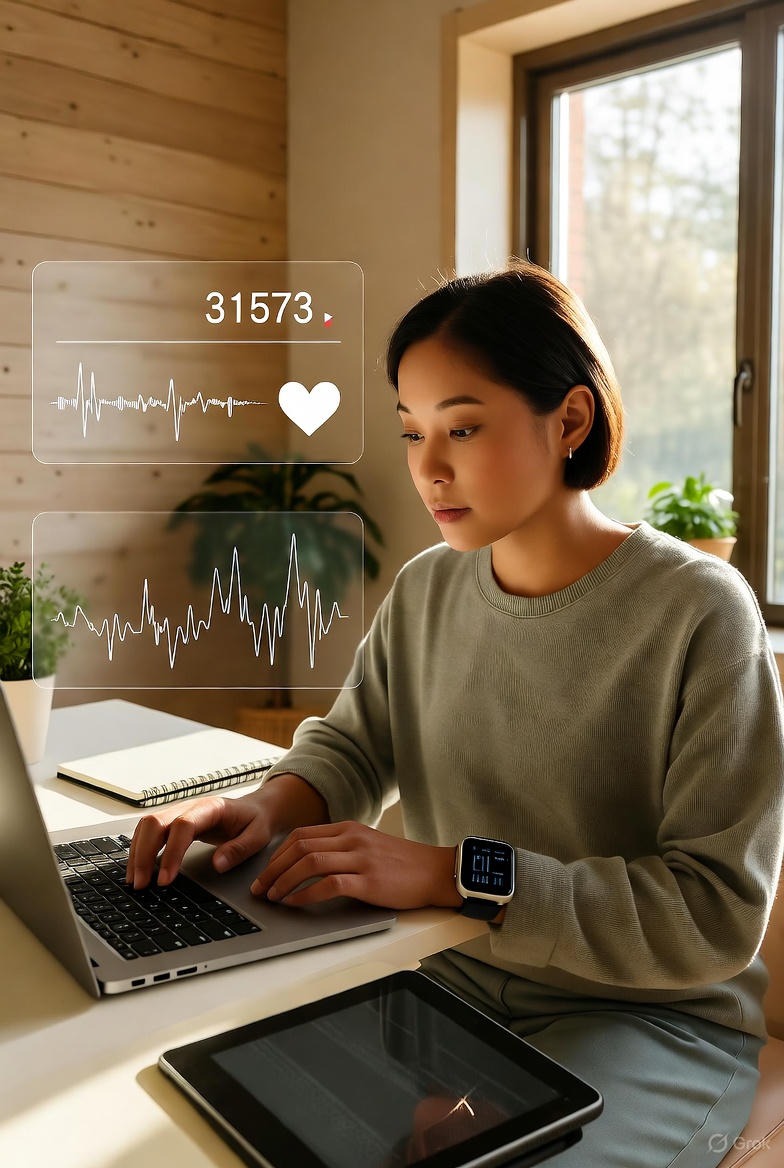
While HRV monitors the nervous system, your nocturnal core body temperature serves as a master regulator and reporter of your circadian rhythm—the internal 24-hour clock governing nearly every physiological process. Think of it not just as a metric of fever or cold, but as the foundational thermostat of your health, whose nightly drop is a non-negotiable requirement for quality sleep and systemic repair.
Your circadian rhythm, orchestrated by the suprachiasmatic nucleus (SCN) in your brain, uses light as its primary cue but temperature as a key physiological output and feedback mechanism. As evening approaches and melatonin secretion begins, your body initiates vasodilation in the extremities (hands and feet). This process, known as distal vasodilation, is essentially your body's radiator turning on: it shunts core heat to the skin's surface to dissipate it, lowering your core temperature by 1-2 degrees Fahrenheit. This drop is not a side effect of sleep; it is a prerequisite for initiating sleep and, critically, for entering and maintaining deep, slow-wave sleep. If your body fails to cool adequately, sleep onset is difficult, and sleep architecture becomes shallow and fragmented.
Therefore, tracking your wrist or finger temperature curve throughout the night provides a direct readout of your circadian integrity. A personalized health system analyzes this curve for key features: the timing of the temperature minimum, the steepness of the decline, and the stability of the low-temperature plateau. A delayed or blunted temperature drop is a major recovery signal flag. It can explain why you tossed and turned despite being tired, or why you woke up feeling unrefreshed. The recommendation engine, spotting this pattern, will generate advice aimed at reinforcing your circadian signal: increasing bright light exposure in the morning, reducing blue light in the evening, and optimizing your bedroom environment for cooling (ideal temperature: 65-68°F or 18-20°C).
Beyond sleep, subtle shifts in your basal body temperature trend can signal other important health states. For women, it can help map the monthly hormonal cycle, with a sustained temperature rise confirming ovulation. A consistently elevated nighttime temperature, outside of hormonal cycles, can be a subtle indicator of low-grade systemic inflammation or the body mounting an immune response, sometimes even before other symptoms appear. In this way, temperature acts as an early-warning sentinel, allowing the system to recommend increased hydration, more aggressive rest, or monitoring for other symptoms before a full-blown illness takes hold. Understanding this connection is part of the complete deep sleep formula involving temperature, timing, and habits.
By integrating temperature data with sleep and HRV, the personalization achieves remarkable depth. It can distinguish between fatigue caused by nervous system stress (low HRV) versus fatigue caused by circadian disruption (poor temperature curve). Each root cause demands a different solution—a distinction utterly lost in generic sleep advice, but paramount for effective, personalized recovery.
If recovery is a symphony, sleep is the concert hall where it is performed, and sleep stages are the individual movements—each with a distinct purpose and quality. Moving beyond the simplistic metric of "8 hours," personalized health technology deconstructs sleep into its architectural components: Light Sleep, Deep Sleep (Slow-Wave Sleep), and REM (Rapid Eye Movement) Sleep. The proportion, timing, and continuity of these stages provide a diagnostic blueprint of your restoration quality, offering clues that guide highly specific recommendations.
Deep sleep is the cornerstone of physical restoration. During this stage, growth hormone secretion peaks, facilitating tissue repair, muscle growth, and cellular regeneration. Your brain engages in a cleansing "glymphatic" flush, clearing metabolic waste products like beta-amyloid, which is associated with cognitive decline. The immune system is also intensely active. Therefore, a deficiency in deep sleep, as identified by your smart ring, is a critical recovery signal. The system won't just tell you to sleep more; it will analyze why your deep sleep is compromised. Was it disrupted by alcohol (which suppresses REM early in the night but can trash deep sleep later)? Was it cut short by an elevated core temperature? Was there insufficient "sleep pressure" because of daytime napping? Based on the correlated data, recommendations could range from adjusting evening nutrition to incorporating foods that promote deep sleep, to refining your exercise timing.
REM sleep, in contrast, is the theater of the mind. It is crucial for emotional regulation, memory consolidation, learning, and creativity. During REM, your brain is almost as active as when awake, processing experiences and forging neural connections. Suppressed REM sleep, often seen with chronic stress, certain medications, or alcohol use, can lead to emotional volatility, poor focus, and difficulty learning new skills. A personalized system noticing low REM percentage might prioritize stress-reduction techniques and sleep consistency, as REM periods lengthen as the night progresses. Missing the last hours of sleep means missing your longest, most potent REM bouts.
The cycling and continuity between these stages are equally telling. A healthy sleep architecture consists of 4-6 complete cycles of about 90 minutes each. Frequent awakenings (high "wake after sleep onset" or WASO) fragment these cycles, preventing you from progressing into the deeper, later stages of each cycle. This fragmentation is a major culprit behind non-restorative sleep. By quantifying this fragmentation, the technology can pinpoint issues like sleep apnea (revealed by cyclic oxygen drops and movement), environmental disturbances, or discomfort.
Armed with this architectural analysis, the recommendation engine becomes a sleep coach. It can provide feedback like: "Your deep sleep was low last night. Your body temperature remained elevated. Try a cooler shower before bed tonight." Or, "You had high sleep fragmentation. Consider using white noise to mask disturbances." This moves you from knowing you slept poorly to understanding the structural reason why and receiving a targeted prescription to fix it. For a foundational understanding, our Sleep Tracking 101 guide for beginners is an excellent resource.
The most advanced algorithm, analyzing the finest physiological signals, still operates with a blind spot without one crucial element: context. Your body's metrics tell the "what," but your lived experience provides the "why." This is why the fusion of objective biometric data with subjective, user-logged data creates a hyper-personalized feedback loop of unparalleled power. It is the process of teaching the algorithm about your life, so it can better interpret your body's language.
User logging turns correlations into causations. Imagine your HRV drops 15% from baseline. In a vacuum, the system knows you are stressed and will recommend rest. But with context, the understanding deepens exponentially. If you log that you completed a "Peak Power Output Cycling Test," the system learns this dip is a positive, expected response to a maximal effort. If you log "High Emotional Stress at Work," it categorizes the dip as lifestyle stress. If you log "One Glass of Wine," it can calculate and show you the specific impact of that single drink on your sleep depth and HRV. Over time, it builds a personal database of how different activities, foods, and stressors uniquely affect your physiology.
This integration enables several sophisticated features. First, predictive personalization. The algorithm learns that "for you, strength training day + caffeine after 4 PM" leads to a 20% increase in sleep latency. It can then proactively suggest avoiding caffeine on future training days. Second, it allows for mental and emotional load tracking. You can log your perceived stress, mood, or energy levels. The system can then correlate these subjective states with objective data (e.g., "On days you log 'low mood,' your resting heart rate is consistently 3-5 BPM higher"), validating your feelings with data and highlighting the tangible physiological cost of mental strain.
Third, it powers adaptive goal setting and nudges. Instead of static goals like "walk 10,000 steps," the system can set dynamic goals based on your recovery state. On a "green" recovery day, it might nudge you to hit a step goal. On a "red" day, it might swap that for a goal of "complete a 10-minute breathing exercise." The recommendations become fluid and responsive to your real-time capacity.
Finally, this closed-loop system fosters self-efficacy and behavior change. When you see a direct, graphical link between logging "late heavy meal" and a ruined temperature curve and deep sleep score, the lesson is internalized more powerfully than any article could teach. You become an expert on your own body, experimenting and learning with the algorithm as your guide. This journey of discovery is at the heart of the Oxyzen mission—to empower individuals with not just data, but profound self-knowledge.
The story of recovery does not pause when you open your eyes. While nocturnal data provides the foundational read on systemic recovery, daytime physiological signals offer a real-time pulse on your moment-to-moment stress and energy management. Capturing this continuum—from deep sleep to daily stress—is what creates a truly holistic, 24/7 health companion. Modern smart rings and wearables are now extending their gaze beyond the night, monitoring key signals that guide micro-adjustments throughout your waking hours.
The most significant daytime metric is daytime HRV and stress scores. By taking short, periodic readings during the day (often prompted by periods of stillness), the device can estimate your autonomic state. A sudden dip in daytime HRV or a spike in a calculated "stress" score (often derived from heart rate complexity) acts as a real-time biofeedback signal. It’s your body whispering, "This meeting, this conversation, this task is activating your fight-or-flight system." This awareness alone is powerful, allowing you to employ a breathing technique or take a brief walk to counteract the response. Over time, you can identify which daily patterns or environments are chronically stressful for your nervous system.
Similarly, monitoring activity patterns and non-exercise movement (like walking meetings, taking the stairs, or general fidgeting—often called NEAT, Non-Exercise Activity Thermogenesis) provides context for your energy expenditure. The system can correlate periods of prolonged inactivity with poorer sleep quality or lower nocturnal HRV, prompting gentle movement reminders. Conversely, it can ensure that intense daytime activity is balanced with adequate recovery signals at night, guarding against an accumulating deficit.
Acute recovery tracking post-workout is another key application. After an exercise session, how quickly does your heart rate return to baseline? This "heart rate recovery" (HRR) rate is a classic marker of cardiovascular fitness and acute stress. A faster drop is better. By tracking this, the system can provide immediate feedback on the intensity of that session relative to your current fitness and recovery state. A sluggish HRR after a routine workout might be an early sign that you're fighting something off or are under-recovered.
This real-time, daytime data creates a continuous stress-recovery feedback loop. The system no longer just gives you a morning report card; it becomes an in-the-moment coach. It can suggest an afternoon walk if it detects rising stress levels, recommend a hydration break if your resting heart rate is creeping up, or even advise delaying your evening workout if your daytime signals show you haven't bounced back from your morning stress. This turns personalized health from a retrospective analysis into a dynamic, living guide that walks with you through the complexities of daily life, helping you navigate stress and sustain energy from sunrise to sunset. For practical questions on how to leverage this technology day and night, our comprehensive FAQ provides detailed support.
Every single personalized recommendation hinges on one non-negotiable element: your personal baseline. This is the statistical and physiological "home" for your body—the unique set of ranges and patterns that define your normal. Without this individual reference point, all data is meaningless noise, and any advice is merely an educated guess based on population averages. The process of baseline establishment is therefore the critical, foundational phase where the system goes from a generic device to your personal health advisor.
Establishing a robust baseline is not instantaneous; it requires a learning period, typically spanning several weeks. During this time, the algorithm is in a dedicated observation mode. Its primary goal is not to offer dramatic insights but to collect data across the full spectrum of your life: work days, weekends, training days, rest days, stressful periods, and relaxed ones. It needs to see your physiology in its various natural states to understand the range of your normal variation. This period teaches the system what your high HRV looks like, what your optimal temperature curve is, and how your sleep architecture is typically composed. For instance, it will learn if you are naturally a person with a higher or lower than average HRV—a distinction that makes population percentiles irrelevant.
This baseline is multi-dimensional. It includes:
Once established, this baseline becomes the filter for all future data. Each morning's scores are not compared to "perfect" or to your friend's scores; they are compared to your established normal. A 10% drop in HRV is significant for you, even if the resulting number still looks "good" on a generic chart. This is how the system detects subtle, early deviations that are the precursors to overtraining, illness, or burnout—deviations that would be invisible without a personal benchmark.
Furthermore, your baseline is not static; it evolves. As you get fitter, your resting heart rate baseline may drift down. As you improve sleep hygiene, your deep sleep baseline may creep up. The system continuously updates these reference points, celebrating positive drift as a sign of improved fitness and resilience. This dynamic baseline ensures that the recommendations grow with you, always challenging you appropriately for your current capacity. It turns the journey of health into a personalized, data-driven narrative of progress, where you are only ever competing against your best self. To begin your own journey of discovery and baseline building, the ideal starting point is to explore the Oxyzen smart ring at our shop.
Understanding the theory of recovery signals is one thing; witnessing their transformative power in real-life scenarios is another. The true test of any personalized health system lies in its practical application—the moment a vague feeling of fatigue is explained by data, or a stubborn plateau is broken by a data-driven adjustment. Let’s explore concrete case studies that illustrate the dynamic feedback loop between recovery signals and personalized recommendations in action. These narratives demonstrate how the silent language of the body, when translated, guides everyday decisions toward monumental health breakthroughs.
Case Study 1: The Overtrained Amateur Athlete
Sarah, a 38-year-old marathoner, was diligently following her training plan but noticed her performance stalling and her constant fatigue. Her mood was irritable, and she felt she was "getting sick" every other week. Her generic fitness tracker showed she was hitting her sleep and step goals, offering no insight. Upon using a recovery-signal-focused smart ring for a few weeks, a clear pattern emerged. Her HRV trendline was on a steady, six-week decline, dipping into her personal "red zone" after every long run and failing to rebound. Her resting heart rate was 8-10 BPM above her established baseline. Most tellingly, her deep sleep percentage was chronically low, and her nocturnal heart rate was elevated.
The personalized recommendation engine didn't tell her to train harder or sleep more. Instead, based on the constellation of signals, it prioritized radical recovery. It suggested a 10-day "deload" period, replacing running with walking and gentle yoga. It identified that her post-run alcohol habit, though just one drink, was severely disrupting her deep sleep and temperature regulation. It provided educational nudges on the connection. Sarah followed the data. After the deload, her HRV rebounded to a new personal high, her RHR dropped, and her deep sleep increased. She returned to training with a modified schedule that included mandatory recovery days based on her morning readiness score. Within two months, she set a new personal record, not from more miles, but from smarter, signal-guided recovery.
Case Study 2: The Stressed Executive with "Unexplained" Fatigue
Mark, a 45-year-old tech executive, was successful but perpetually exhausted. Doctors found nothing clinically wrong. His sleep was a full 7 hours, but he woke up feeling wrecked. His recovery data revealed a critical insight: while his total sleep was adequate, his sleep architecture was shattered. His deep sleep was fragmented, with frequent micro-awakenings correlated with spikes in his heart rate. His body temperature curve showed a delayed and insufficient drop. The system correlated these poor sleep metrics with his logged "high stress" days.
The recommendations here were surgical. First, they targeted circadian reinforcement: a strict morning light exposure routine and a firm digital sunset to promote melatonin production and the temperature drop. Second, they introduced a wind-down protocol an hour before bed, including a cool shower directly linked to improving his temperature curve. Third, the system used his daytime stress scores to prompt mini-meditations when it detected rising stress, preventing the hormonal cascade that would later disrupt his sleep. Within three weeks, Mark’s deep sleep continuity improved dramatically. His subjective morning fatigue score plummeted. He reported feeling a sense of control, as the data gave him actionable levers to pull against his stress, rather than feeling victimized by it. The system didn’t cure his stress; it gave him the tools to prevent stress from corroding his restoration.
Case Study 3: The Individual Navigating a Lingering Post-Viral State
After a moderate bout of the flu, Jamie, 30, couldn’t seem to bounce back. Energy was low, and the usual gym routine felt impossible. Pushing through led to crashes. The recovery signals provided an objective map of her internal terrain. Her HRV was suppressed, and her resting heart rate remained elevated by 5-7 BPM weeks after the acute illness had passed—a classic sign the autonomic nervous system was still under duress. Her heart rate during simple walks was 20-30% higher than her pre-illness baseline.
In this case, the personalized guidance was a guardrail against doing too much too soon—a common pitfall. The recommendation engine drastically recalibrated her activity expectations. It labeled her normal workouts as "high intensity" given her current state and locked them out, suggesting instead "very light" activities like stretching and slow walks, staying in a specific, low heart rate zone it calculated as safe. It emphasized hydration and nutrition for immune support. The daily feedback was crucial: on days she felt "better" and was tempted to push, the hard data showing a still-elevated RHR was the voice of reason. It validated her need for patience. This signal-guided, graded return allowed her body to fully heal without relapse, teaching her to listen to these subtle signals for future resilience. For others navigating sleep disruptions during illness, our article on sleep tracking accuracy helps set realistic expectations for data during such times.
These cases underscore a universal theme: personalized health via recovery signals is about meeting your body where it is, not where you wish it to be. It replaces guilt and guesswork with clarity and strategy, turning the intimate knowledge of your physiology into your greatest asset for sustainable well-being.

As powerful as recovery signal technology is, a responsible exploration must include a clear-eyed view of its boundaries. Embracing this technology is not about surrendering to an algorithmic oracle, but about entering a sophisticated partnership. Understanding its limitations is just as crucial as understanding its capabilities, ensuring we use it as a guide for self-knowledge rather than a source of anxiety or medical overreach.
First and foremost, it is critical to state: These devices are not medical diagnostics tools. A smart ring that detects an elevated resting heart rate and poor HRV cannot diagnose sleep apnea, atrial fibrillation, thyroid disorder, or clinical depression. It can, however, provide strong, trend-based indications that something may be amiss, serving as a prompt to seek professional medical evaluation. It can give you and your doctor quantifiable, longitudinal data about your sleep patterns or autonomic function, enriching the clinical conversation. Think of it as a highly sensitive smoke alarm, not a fire inspector. For example, noticing a trend of silent signs of deep sleep deprivation in your data is a reason to investigate lifestyle or talk to a doctor, not a diagnosis in itself.
Second, the accuracy of consumer-grade sensors has limits. While finger-based PPG and temperature sensors are remarkably good for trends and relative changes, their absolute accuracy is not equivalent to clinical polysomnography (PSG) or ECG. Sleep stage classification is an educated estimate based on movement, heart rate, and temperature, not a direct measure of brain waves. The gold standard for sleep architecture diagnosis remains a lab study. Therefore, the value lies in tracking your personal trends over time with a consistent device, not in obsessing over whether you got 72 vs. 75 minutes of deep sleep on a single night. The focus should be on the direction and magnitude of change relative to your baseline.
A significant psychological limitation is the risk of orthosomnia—the preoccupation with achieving perfect sleep data. This can paradoxically create anxiety that further degrades sleep. Checking your score anxiously at 3 a.m. after waking up is counterproductive. The healthiest approach is to review your data in the morning as a reflective tool for the day ahead, not as a nightly performance scorecard. The technology should foster a curious and collaborative relationship with your body, not a punitive one.
Furthermore, algorithms interpret correlation, not always causation. The system may note that on days you log "pizza for dinner," your deep sleep drops. This is a powerful correlation to be aware of, but it doesn't mean pizza is the universal culprit for you every time; other factors that evening may have played a role. The human user must apply context and self-experimentation. The recommendation is a hypothesis; you are the scientist testing it in the lab of your own life.
Finally, these systems are designed for managing wellness and performance within a normal range, not for treating disease. They excel at guiding you from "good to great" or from "depleted to recovered." They are not designed to navigate complex, multi-system chronic illnesses without the oversight of a healthcare team.
By navigating these limitations with wisdom, we harness the true power of the technology: as a mirror that reflects our habits, a compass that suggests directions, and a teacher that helps us learn the unique dialect of our body's silent language. It is a tool for empowerment, not replacement—of your intuition, your common sense, or your doctor's expertise. For a balanced view on the value of this technology, our analysis of the honest pros and cons of sleep tracking delves deeper into this nuanced perspective.
We stand at the frontier of a monumental shift in personal health: the move from reactive and descriptive insights to predictive and proactive care. The current state of recovery signal analysis is brilliant at telling you what has happened—how you slept, how stressed you were yesterday. The next evolution, already beginning, uses the accumulation of this high-fidelity longitudinal data to forecast what will happen, enabling interventions before you ever feel the negative effects. This is the future, where your wearable doesn't just report on your health; it helps you actively shape it.
The engine of this future is advanced machine learning and pattern recognition. By analyzing months or years of your personalized data—your biometric trends, logged behaviors, environmental factors (like weather or pollen data pulled from external APIs)—algorithms will identify subtle, pre-symptomatic patterns. For instance, it may learn that a specific, gradual combination of a rising resting heart rate, a dip in HRV, and a slight increase in nighttime respiratory rate precedes a common cold for you by 48 hours. The system could then proactively nudge you to increase sleep, boost vitamin C intake, and hydrate more, potentially mitigating the severity or even preventing the illness outright.
This predictive capacity will extend to mental well-being and cognitive performance. By correlating physiological signals (like reduced HRV complexity or specific sleep fragmentation patterns) with logged mood or cognitive test scores, the system could predict days of higher emotional vulnerability or lower focus. It could then recommend protective strategies: scheduling difficult conversations on "green" days, blocking time for deep work when cognitive scores are predicted to be high, or prompting mindfulness exercises when stress resilience is forecasted to be low.
We will also see the rise of truly dynamic, adaptive coaching. Instead of a library of pre-written tips, the recommendation engine will generate unique, contextual advice in real-time. Imagine finishing a work presentation: your device, noting a spike in stress biomarkers, doesn't just log it. It analyzes your calendar, sees you have a 20-minute gap, and suggests a specific, guided breathing protocol it knows is effective for you, followed by a brisk walk outside to clear cortisol—all before the residual stress can impact your evening or sleep.
Furthermore, the future points toward seamless ecosystem integration. Your recovery signals won't live in a single app. They will safely and securely inform other aspects of your digital life. Your smart home system could gradually dim lights and lower the thermostat as your body begins its temperature drop. Your calendar could automatically defend your sleep schedule when your recovery score is low. Your nutrition app could suggest anti-inflammatory foods on days your data indicates higher systemic stress. This creates a holistic environment that supports your biology, a concept central to the Oxyzen vision for integrated wellness.
Ultimately, this predictive, proactive model transforms health from a periodic concern to a continuous, optimized state. It flips the script from "Why do I feel so tired?" to "My data suggests I need to prioritize recovery tomorrow to maintain my energy." It's a future where technology acts as an early-warning system and a personal health strategist, empowering us to not just track our health, but to actively and intelligently steward it, day after day. This journey of continuous learning and optimization is documented and shared within our growing library of blog resources.
The most powerful application of personalized recovery data may not be in replacing the healthcare professional, but in empowering a new, collaborative model of care. For too long, the clinical encounter has been hampered by a snapshot view of health—vitals taken in an anxious 10-minute window, self-reported symptoms reliant on flawed memory. The continuous, objective data from recovery-signal devices has the potential to break down these walls, providing clinicians with a rich, longitudinal narrative of the patient's physiology between visits. This transforms the patient from a passive recipient of care into an active, data-equipped partner.
In this model, the patient arrives not just with symptoms, but with evidence. For someone investigating chronic fatigue, instead of saying "I'm tired," they can show a graph of three months of suppressed HRV, elevated resting heart rate, and disrupted deep sleep. For a patient with hypertension, they can demonstrate how their nighttime blood pressure (via linked devices) or nocturnal heart rate correlates with stress logs or poor sleep. This quantifiable record moves the conversation from subjective description to objective analysis, saving precious time and focusing the diagnostic inquiry. It allows the doctor to ask more precise questions: "I see your deep sleep consistently drops on Sundays. What is different about Saturday nights?"
This is particularly transformative for managing chronic conditions like insomnia, anxiety disorders, or Long COVID/post-viral syndromes. Patients can use their data to track the efficacy of interventions in real-time. Did the new sleep medication improve sleep continuity but tank HRV? Did cognitive behavioral therapy for insomnia (CBT-I) gradually improve deep sleep percentage over eight weeks? This feedback allows for rapid, personalized titration of treatment plans. The patient becomes a co-pilot, adjusting daily behaviors based on signals while the doctor steers the overall medical strategy.
The data also enables preventive healthcare at an unprecedented scale. A primary care physician, reviewing a patient's annual wellness data trends, could note a gradual decline in HRV and increase in sleep fragmentation—a signature of accumulating stress and rising cardiometabolic risk—long before blood sugar or cholesterol panels become abnormal. The intervention can then be lifestyle-based and early: stress management, sleep hygiene coaching, and exercise prescription, potentially preventing the onset of full-blown disease.
Of course, this collaborative model requires evolution from both sides. Clinicians need to become literate in interpreting this consumer-grade data, understanding its strengths and limitations. Patients must learn to present data succinctly and understand it is one piece of a larger puzzle. Technology companies have a responsibility to create clear, clinically relevant data summaries and export features, not just wellness scores.
When these elements align, the potential is staggering. It leads to more precise diagnoses, more personalized treatment, stronger patient engagement, and a healthcare model focused on maintaining wellness rather than just treating sickness. It represents a future where your daily recovery signals become a vital conduit for a more informed, proactive, and empowered dialogue about your lifelong health. For those ready to start collecting the data that can inform these conversations, the journey begins with discovering the right tool for the job.
The power of recovery signal analysis is magnified when applied to the unique physiological demands of specialized populations. For athletes, new parents, shift workers, and individuals navigating age-related changes, the "standard" health advice is often woefully inadequate. These groups operate under distinct stressors and constraints, making generic data even less actionable. However, by applying the principles of personalized signal interpretation, they can unlock highly tailored strategies for resilience, performance, and well-being. This section explores how recovery signals become a critical lifeline for those living outside conventional circadian and lifestyle norms.
Athletes and High-Performance Individuals: For this group, recovery is not a passive state; it is the active component of training where adaptation occurs. Here, signals move beyond wellness into the realm of precision periodization. The delicate balance between training load (stress) and recovery dictates progress or regression. An athlete’s device monitors how a high-volume week depresses HRV, how an altitude camp affects sleep architecture, and how nutrition timing influences nocturnal heart rate. The recommendation engine becomes a load management coach. It can identify the specific type of fatigue: is it sympathetic overtraining (chronically low HRV, high RHR) or parasympathetic overtuning (unusually high HRV with unexplained performance decline, sometimes signaling staleness)? Recommendations are finely tuned: adjusting hydration and electrolyte intake based on nighttime respiratory rate, prescribing contrast water therapy after seeing a poor temperature recovery, or enforcing a full rest cycle when the autonomic nervous system shows signs of exhaustion. This data-driven approach replaces guesswork, reducing injury risk and maximizing the return on every ounce of effort. For the dedicated athlete, understanding deep sleep optimization for recovery is a non-negotiable pillar of this process.
New Parents and Caregivers: This population faces perhaps the most brutal assault on consolidated sleep and circadian rhythms. For them, tracking "sleep duration" is an exercise in frustration. The value shifts to measuring sleep quality and opportunity, and managing residual stress. Recovery signals help reframe success: "I got 6 hours of fragmented sleep, but my deep sleep percentage was decent during the windows I did sleep." More importantly, it guides strategic recovery in the chaos. A device can identify when a caregiver's nervous system is in a state of chronic sympathetic arousal (persistently low HRV, high resting heart rate even during "downtime"). The recommendation isn't "get 8 hours," but "when the baby naps, do a 10-minute breathing exercise instead of chores to lower your cortisol." It can spot micro-opportunities: a 20-minute daytime nap that actually resulted in a measurable parasympathetic spike (increased HRV) is a victory to be replicated. For partners, it can help create equitable schedules based on objective recovery data rather than subjective, sleep-deprived negotiations. The goal becomes managing autonomic balance amid the disruption, preventing the deep exhaustion that leads to burnout and health issues.
Shift Workers and Circadian Disruptors: Those who work nights or rotating schedules are in a constant state of internal misalignment, fighting their biology. For them, recovery signals serve as a damage control dashboard and realignment tool. The primary focus is on temperature rhythm management. The device shows the direct impact of a night shift: a completely flipped or absent temperature drop, leading to poor daytime sleep quality. Recommendations become highly tactical: using bright light therapy goggles during the "night" shift to suppress melatonin and signal wakefulness, then using blackout shades and strict sleep hygiene to defend the daytime sleep window. It can suggest the optimal timing of caffeine (early in the shift, never before the sleep attempt) and meals to better align with the forced schedule. By monitoring HRV trends across a rotation cycle, individuals can identify which shift patterns are most destructive and advocate for schedules that allow for partial recovery. The technology doesn't make shift work healthy, but it provides the data-driven strategies to make it more survivable and less harmful to long-term health.
The Aging Population: As we age, physiological changes alter our recovery landscape. Deep sleep naturally decreases, circadian rhythms can become less robust, and the autonomic nervous system may lose some of its flexibility (reduced HRV). For older adults, recovery signals shift from performance optimization to functional independence and healthspan preservation. Tracking helps distinguish between normal age-related changes and signs of pathology. A gradual decline in deep sleep is expected; a sudden, sharp drop is not. A gentle rise in resting heart rate over decades may be normal; a rapid increase warrants a doctor's visit. Personalized recommendations focus on defending circadian strength and sleep quality: emphasizing morning light exposure, maintaining strict sleep-wake times, and tailoring exercise (like resistance training) to times of day when energy and recovery scores are best. It can also monitor for subtle signs of conditions like sleep-disordered breathing, which become more prevalent with age. The data empowers older adults to take proactive, precise actions to maintain vitality, cognitive function, and resilience. Understanding how age affects deep sleep and how to compensate is a perfect example of this nuanced, age-aware approach.
For all these groups, the core principle remains: meet your body where it is, with the specific challenges it faces. Recovery signals provide the objective map of that challenging terrain, allowing for navigation with intelligence and grace, rather than force and frustration.
The dialogue between our physiology and psychology is a constant, two-way street. We have long known that mental stress manifests in the body—tight shoulders, a nervous stomach. Recovery signal technology illuminates this connection with stunning clarity, providing quantifiable, real-time evidence of the mind-body bridge. It reveals how anxiety, depression, and chronic stress are not just "in your head"; they are etched into your heart rate variability, your sleep architecture, and your core temperature. Conversely, it shows how improving physiological recovery can create a foundation for mental resilience. This intersection is where personalized health becomes profoundly holistic.
Stress and Anxiety as Physiological Signatures: Acute anxiety and chronic stress have distinct biometric fingerprints. During a panic attack or high-anxiety moment, the sympathetic nervous system fires at full blast: heart rate skyrockets, HRV plummets, and breathing becomes shallow. A recovery-tracking device capturing daytime readings can objectively log these episodes, their intensity, and duration. More insidiously, generalized anxiety and chronic worry create a background state of sympathetic tone. This shows up as a suppressed HRV baseline, an elevated resting heart rate (even during sleep), and increased sleep fragmentation—particularly reduced REM sleep, which is crucial for emotional processing. The data makes the invisible, visible. A person can see that the week of a major work deadline didn't just feel stressful; it fundamentally altered their nervous system function for days. This validation can be powerful, moving self-judgment ("I should handle this better") towards self-compassion and targeted action.
Depression and the Blunted Physiology: Depression often presents with a different, but equally telling, physiological profile. Research shows associations between depression and reduced circadian amplitude—a flatter day-night rhythm in body temperature, activity, and heart rate. The temperature drop at night may be less pronounced, and the morning rise more sluggish. Sleep architecture is often severely disrupted, with notable reductions in slow-wave deep sleep and altered REM sleep patterns (sometimes entering REM too quickly—a phenomenon called REM latency shortening). Energy expenditure (measured through heart rate and activity) shows a pattern of low, flatlining movement. By tracking these signals, individuals can sometimes detect early relapse signs before a full depressive episode takes hold, allowing for preemptive intervention with therapy, lifestyle adjustments, or a consultation with their psychiatrist.
The Recovery Feedback Loop for Mental Well-being: This is where the technology transitions from mirror to tool. By using physiological signals as guides, individuals can employ biometric feedback to regulate their mental state. For example:
Ultimately, recovery signal analysis for mental health is about breaking the vicious cycle. Poor mental health degrades physiology (poor sleep, high stress hormones), and degraded physiology worsens mental health (fatigue, emotional volatility). By using data to intervene on the physiological side—improving sleep, reducing nervous system stress—we can create a virtuous cycle that supports psychological healing. It offers a tangible, daily practice for building mental resilience from the body up. For anyone exploring this connection, learning about deep sleep and memory, the brain-boosting connection reveals just one critical pathway in this complex system.
The adage "you are what you eat" finds a powerful new interpreter in recovery signal technology. While nutrition apps track macros and calories, they rarely show the direct, overnight impact of your dietary choices on your nervous system and cellular repair. Recovery signals fill this gap, creating a direct feedback loop between your plate and your physiology. By correlating logged food intake with next-morning HRV, sleep quality, and resting heart rate, you move from following generic nutritional rules to discovering your personalized nutritional ecology—what truly fuels your recovery.
The Meal Timing and Sleep Quality Connection: One of the clearest signals emerges from evening meal timing and composition. A large, heavy, or high-fat meal consumed close to bedtime forces your digestive system into overdrive, raising core body temperature and metabolic rate at precisely the time it should be dropping. The data often shows this as a blunted or delayed nighttime temperature curve, increased sleep latency, reduced deep sleep, and sometimes an elevated resting heart rate throughout the night. The recommendation engine, spotting this pattern, might suggest finishing your last major meal 3-4 hours before bed and opting for lighter, easier-to-digest foods in the evening. It can turn the abstract advice "don't eat late" into a personal, data-backed rule: "For me, pizza after 8 PM costs me 25% of my deep sleep."
Macronutrients and Autonomic Response: Different macronutrients can subtly influence autonomic nervous system balance. For instance:
The key is that these responses are highly individual. One person may thrive on a higher-carb evening meal, while another sees their data tank. By logging meals and observing next-morning biomarkers, you become a nutritional detective, identifying the foods that leave you physiologically serene versus those that leave your nervous system on edge.
Hydration: The Silent Recovery Catalyst: Hydration status is exquisitely reflected in recovery signals. Even mild dehydration increases sympathetic nervous system activity. This manifests as an elevated resting heart rate and a lower HRV. Nocturnal dehydration can also disrupt sleep, leading to more awakenings. Tracking these metrics provides a powerful, non-scale incentive to maintain fluid intake throughout the day. Seeing your RHR creep up on a day you drank less water is a direct, biological nudge to reach for your bottle.
Alcohol and Caffeine: The Quantifiable Impact: No substances are more precisely measured by recovery signals than alcohol and caffeine. Alcohol is a sedative that annihilates sleep architecture. The data shows it suppresses REM sleep early in the night and then leads to rebound wakefulness and sleep fragmentation in the second half. It severely blunts HRV and raises resting heart rate. A single glass of wine can be quantified in lost deep sleep percentage. Caffeine, with its long half-life, can significantly delay the temperature drop necessary for sleep onset, increase sleep latency, and lighten sleep, even if you fall asleep easily. Personalized systems don't preach abstinence; they show you the exact physiological cost of your 4 PM espresso, allowing you to make an informed choice. For those seeking natural alternatives to support sleep, our list of 10 foods that increase deep sleep naturally provides data-friendly options.
By embracing this nutritional feedback loop, you move beyond dogma and into a state of informed experimentation. Your recovery signals become the ultimate judge of your diet, guiding you toward the foods and timing that leave you not just full, but truly recovered and resilient by morning.

Our physiology does not exist in a vacuum. It is in constant conversation with our environment—the temperature of our bedroom, the light in our eyes, the noise in our ears, even the air we breathe. Recovery signal technology excels at revealing how these external factors become internal biology. By monitoring your body's response to different environments, you can engineer your surroundings to become a passive recovery accelerator, turning your home and workspace into a sanctuary that actively supports your nervous system and circadian health.
The Thermal Environment: Your Bedroom as a Cooling Chamber: As we've established, the drop in core body temperature is a non-negotiable sleep signal. Your bedroom environment must facilitate this. Data consistently shows that an optimal sleep temperature is between 65-68°F (18-20°C). A room that is too warm directly opposes your body's natural cooling process, leading to a blunted temperature curve, more awakenings, and less deep sleep. A smart ring tracking your skin temperature can prove this. It might show that on nights your thermostat was set to 72°F, your temperature never dropped below its daytime baseline, and your deep sleep suffered. This turns a preference into a prescription: lower the thermostat, use breathable bedding (like cotton or linen), and consider a cooling mattress pad or pillow if needed. The goal is to create an environment that acts as a heat sink, eagerly accepting the warmth your body is trying to shed.
Light: The Master Circadian Signal: Light exposure is the most potent regulator of your circadian rhythm. Evening blue light from screens suppresses melatonin and delays your temperature drop, pushing your entire sleep cycle later. Recovery data quantifies this: late screen time correlates with longer sleep latency and reduced early-night deep sleep. The recommendation is not just "avoid screens," but to implement a "digital sunset" using blue-light-blocking apps or glasses 2-3 hours before bed. Conversely, inadequate bright light in the morning—especially full-spectrum sunlight—can lead to a weak circadian signal, making it harder to feel alert by day and sleepy by night. The system, noting a delayed temperature rhythm, will prioritize morning light exposure as a primary intervention.
Noise and Sleep Fragmentation: Even if you don't fully wake up, environmental noises—a partner snoring, traffic, a creaky house—can trigger micro-arousals, shifting you from deep or REM sleep into lighter stages. This sleep fragmentation is a stealthy recovery thief. It may not drastically reduce total sleep time, but it severely compromises its restorative quality. Your recovery data will show this as frequent, brief spikes in heart rate and movement throughout the night, leading to a low sleep efficiency score and poor subjective feeling despite adequate hours in bed. This data makes a compelling case for solutions like white noise machines, earplugs, or soundproofing measures.
Air Quality and Recovery: An emerging area of interest is the impact of air quality—specifically carbon dioxide (CO2) levels—on sleep. In a poorly ventilated bedroom, CO2 can build up from exhalation. Elevated CO2 levels have been linked to more arousals, less restorative sleep, and next-day cognitive impairment. While most consumer wearables don't yet measure CO2, a device tracking respiratory rate and sleep continuity might show poorer scores in a stuffy room, prompting you to crack a window or use an air purifier.
By methodically adjusting these environmental levers and observing the changes in your recovery signals, you engage in bio-hacking your surroundings. You move from enduring your environment to curating it as the third pillar of health, alongside nutrition and exercise. It’s a powerful realization: you can’t control everything in your life, but you can engineer a space that consistently, silently guides your body toward its natural state of balance and restoration. For a comprehensive look at how these environmental factors combine, our deep sleep formula covering temperature, timing, and habits explores this integrative approach.
The ultimate goal of personalized health is not just to feel better tomorrow, but to add more vibrant, functional years to our lives—to extend healthspan. The science of longevity is increasingly focused on the rate of biological aging, which can diverge significantly from chronological age. Remarkably, the very recovery signals we use to guide our daily decisions—HRV, sleep architecture, circadian rhythm strength—are also emerging as powerful biomarkers of biological age and systemic resilience. By optimizing these signals today, we may be directly influencing our physiological trajectory for decades to come.
HRV as a Biomarker of Aging: Heart Rate Variability has a well-documented relationship with age: it generally declines as we get older. This decline is associated with a reduction in parasympathetic (vagal) tone and autonomic flexibility. However, the rate of this decline varies dramatically between individuals and is influenced by lifestyle. A person with a higher HRV for their age is often considered to have a "younger" autonomic nervous system. Therefore, maintaining or improving your HRV through lifestyle practices (stress management, targeted exercise, good sleep) isn't just about daily readiness; it's an investment in your long-term neurological and cardiovascular health. It's a practice in preserving the system that governs your stress response, inflammation, and recovery capacity—all key players in aging.
Sleep Architecture and Brain Health: The age-related decline in deep, slow-wave sleep is one of the most consistent findings in sleep science. This decline is not a benign symptom of aging; it has direct consequences. Deep sleep is when the glymphatic system is most active, clearing metabolic waste like beta-amyloid from the brain. Reduced deep sleep is linked to the accumulation of these proteins and an increased risk of cognitive decline. Furthermore, disrupted sleep contributes to systemic inflammation and insulin resistance, both accelerants of aging. Therefore, using recovery signals to defend and optimize deep sleep is a potent neuroprotective strategy. It's about actively cleaning and maintaining the brain's hardware every single night. Understanding the science of deep sleep and what happens to your body frames this as a critical maintenance ritual.
Circadian Rhythm Integrity and Systemic Harmony: A strong, robust circadian rhythm is a hallmark of a healthy, youthful physiology. As we age, circadian rhythms can become dampened ("phase-advanced" and with lower amplitude), leading to earlier sleep times, more fragmented sleep, and daytime drowsiness. This weakening contributes to metabolic dysfunction, immune dysregulation, and hormonal imbalances. By using temperature and activity data to reinforce circadian signals—rigorous light-dark cycles, consistent timing of meals and activity—we fight this dampening. We keep our internal organs synchronized, which is fundamental to metabolic health and cellular repair processes. A strong circadian rhythm is like a well-conducted orchestra; a weak one leads to cacophony and systemic strain.
Inflammation and Recovery: Low-grade, chronic inflammation ("inflammaging") is a key driver of nearly all age-related diseases. Many recovery signals are sensitive to inflammation. Elevated resting heart rate, suppressed HRV, and disturbed sleep can all be downstream effects of inflammatory cytokines. Thus, a recovery dashboard showing a persistent, unexplained downturn in these metrics can be an early warning to investigate and address inflammatory triggers through diet, stress reduction, and exercise. Managing inflammation through the lens of daily recovery is a proactive longevity tactic.
In essence, the daily practice of listening to and acting on your recovery signals is a form of micro-maintenance for your biological machinery. You are not just chasing a better score; you are gradually tuning the systems that determine your rate of aging. You are collecting data that reflects your biological age and using it to make choices that promote a longer, healthier, more resilient lifespan. It makes the abstract goal of "healthy aging" a tangible, daily practice informed by your body's own communication. For insights into what optimal recovery looks like at different stages of life, our guide on the ideal deep sleep duration by age provides a helpful benchmark.
As we willingly strap sensors to our bodies that generate a continuous, intimate stream of physiological data, we must pause to consider the profound ethical landscape we are entering. This data—our heart's inner rhythms, our sleep's hidden architecture, our stress patterns—is arguably more personal than our search history or social media posts. It is the digital transcript of our biology. Navigating the future of personalized health requires not just technological sophistication, but a robust ethical framework centered on privacy, security, autonomy, and equity.
Data Ownership and Privacy: The fundamental question is: who owns your recovery data? When you use a device and its associated cloud service, you typically grant a license to the company to use your aggregated, anonymized data for research and product improvement. However, the security of that data vault is paramount. Breaches of health data are particularly damaging. Users must scrutinize a company's data policy: Is data encrypted in transit and at rest? Is it anonymized for research? Can you permanently delete your data if you choose? The gold standard is user-centric ownership, where you have easy access to export your raw data and clear control over its sharing. Transparency from companies like Oxyzen about their data practices and mission is a critical component of trust.
Algorithmic Bias and the "Normative" Human: Algorithms are trained on datasets. If those datasets are not diverse—skewed toward a particular age, gender, ethnicity, or fitness level—the "personalized" recommendations may be flawed or irrelevant for populations not represented in the training data. For example, norms for HRV or sleep stages derived primarily from young, male athletes will not accurately reflect the biology of a middle-aged woman or an older adult. There is an ethical imperative for companies to build diverse datasets and for algorithms to be transparent about their limitations and the populations they best represent. Personal baselines help mitigate this, but the underlying models must be inclusive.
Autonomy vs. Algorithmic Paternalism: As recommendation engines become more persuasive, a delicate balance must be struck. When does a suggestion become a coercive nudge? Could a health insurance premium one day be tied to maintaining a certain "recovery score"? There is a risk of algorithmic paternalism, where the device's authority overrides an individual's lived experience and intuition. The healthiest model is one of augmented autonomy: the device provides information and suggestions, but the human is firmly in the driver's seat, free to ignore advice with an understanding of the potential physiological consequences. The technology should empower informed choice, not enforce behavioral compliance.
The Digital Divide and Health Equity: Advanced recovery-tracking technology currently carries a cost, creating a potential "bio-data divide." If access to this deep level of self-knowledge and personalized guidance becomes a privilege of the affluent, it could exacerbate existing health disparities. The long-term ethical challenge is to make the insights from this technology more accessible, perhaps through integration with public health initiatives or more affordable devices, ensuring that the benefits of personalized, preventive health are distributed broadly, not concentrated narrowly.
Engaging with these ethical questions is not a reason to reject the technology, but a necessary step for becoming a conscious consumer and citizen in the age of bio-data. It means choosing companies that align with your values, understanding the terms you agree to, and advocating for a future where this powerful technology enhances human agency and equity, rather than diminishing it. It is about ensuring that the silent language of our bodies is translated for our benefit, and not exploited. For ongoing discussions about the responsible use of this technology, our blog platform serves as a resource for community learning.

We have journeyed from the foundational language of recovery signals—HRV, temperature, sleep—through the intricate algorithms that interpret them, and into the vast, practical landscapes where this knowledge transforms lives: from the athlete's peak performance to the new parent's survival, from mental health management to the very pursuit of longevity. This first third of our exploration has laid a comprehensive groundwork: recovery signals are the objective, real-time narrative of your body's interaction with the world.
The core revelation is this: health is not a static destination or a single number. It is a dynamic, daily process of adaptation and recovery. The signals we have examined are the metrics of that process. They tell you not just if you are "healthy" in a broad sense, but how you are healthy—or unhealthy—on this specific day. They answer the critical question: What is my capacity today? Do I have the physiological reserve to tackle a hard workout, a high-stakes meeting, or a social engagement? Or does my body need protection, rest, and gentle nourishment?
Integrating this into your life means shifting your mindset from external validation to internal listening. It means valuing the quiet report from your nervous system over the loud praise from a fitness tracker's "goal achieved" buzzer. It involves creating a daily ritual of checking in not with social media, but with your physiology, using that data to set an intention for the day that is aligned with your biological reality.
This is not a call to obsession, but to conscious collaboration. You are not a passenger in your body, nor are you its harsh taskmaster. You are its steward, its gardener. The recovery signals are the soil conditions, the weather report, and the growth metrics. The personalized recommendations are the gardening tips—when to water, when to fertilize, when to prune, when to simply let the garden rest in the sun.
As you move forward, carry these principles:
The journey into personalized health through recovery signals is, at its heart, a journey back to yourself. It is a re-education in a language you were born speaking but were never taught to hear. By learning to listen, you gain an ally of unimaginable wisdom and fidelity: your own living, breathing body.
In the next portion of this guide, we will dive even deeper. We will explore advanced protocols for specific goals, examine the cutting-edge research on new biomarkers, tackle the challenge of habit formation and behavioral change, and provide a comprehensive toolkit for troubleshooting common recovery plateaus. The path from insight to transformation continues.
To begin applying these principles with a tool designed for this depth of insight, you can explore the Oxyzen smart ring at our shop. And for continued learning as you build your practice, remember that a wealth of detailed guides and research awaits in our blog archives.
Your Trusted Sleep Advocate (Sleep Foundation — https://www.sleepfoundation.org/)
Discover a digital archive of scholarly articles (NIH — https://www.ncbi.nlm.nih.gov/
39 million citations for biomedical literature (PubMed — https://pubmed.ncbi.nlm.nih.gov/)
experts at Harvard Health Publishing covering a variety of health topics — https://www.health.harvard.edu/blog/)
Every life deserves world class care (Cleveland Clinic -
https://my.clevelandclinic.org/health)
Wearable technology and the future of predictive health monitoring. (MIT Technology Review — https://www.technologyreview.com/)
Dedicated to the well-being of all people and guided by science (World Health Organization — https://www.who.int/news-room/)
Psychological science and knowledge to benefit society and improve lives. (APA — https://www.apa.org/monitor/)
Cutting-edge insights on human longevity and peak performance
(Lifespan Research — https://www.lifespan.io/)
Global authority on exercise physiology, sports performance, and human recovery
(American College of Sports Medicine — https://www.acsm.org/)
Neuroscience-driven guidance for better focus, sleep, and mental clarity
(Stanford Human Performance Lab — https://humanperformance.stanford.edu/)
Evidence-based psychology and mind–body wellness resources
(Mayo Clinic — https://www.mayoclinic.org/healthy-lifestyle/)
Data-backed research on emotional wellbeing, stress biology, and resilience
(American Institute of Stress — https://www.stress.org/)


