


How Your Wellness Ring Tracks Fitness Across All Activities
Tracks fitness across all your activities, not just workouts.
Tracks fitness across all your activities, not just workouts.
%402x.svg)
For years, the fitness tracker lived on our wrists. It counted steps, it buzzed for notifications, and it became a part of our daily uniform. But a quiet revolution has been underway, moving from the wrist to the finger. The modern wellness ring isn't just a smaller device; it’s a paradigm shift in personal health monitoring. It promises a seamless, comprehensive, and profoundly personal understanding of your fitness—not just during dedicated workouts, but across the entire spectrum of your life.
The fundamental limitation of old fitness metrics is their compartmentalization. Life isn't segmented into "exercise" and "non-exercise." Your fitness is built and revealed as you chase the bus, carry groceries, play with your kids, sit through back-to-back meetings, and finally, collapse into bed. True fitness is your body’s capacity to meet all of life’s demands, recover from them, and adapt. A device that only logs your morning run is missing 95% of the picture.
This is where the advanced wellness ring shines. By residing on your finger, a uniquely vascular-rich part of the body, it has direct access to a torrent of physiological data—blood flow, heart rate, temperature, and movement—with clinical-grade precision. It leverages this position to weave together a continuous narrative of your well-being, connecting the dots between your sleep, your daily exertion, your stress, and your recovery.
This article is your deep dive into that narrative. We will dismantle the black box and show you exactly how this tiny piece of technology on your finger captures, analyzes, and translates every facet of your activity into actionable insights. From the obvious workouts to the subtle, all-day movements you never think to track, you’ll discover how a holistic view of fitness is the key to unlocking sustainable, optimized health. So, let’s begin at the beginning: understanding the unique vantage point this device holds.
The first question many ask is simple: why the finger? For a device tasked with monitoring the complex symphony of the human body, placement is not merely a matter of convenience or fashion; it is the foundational determinant of data quality, accuracy, and holistic insight. The finger, specifically the base of the finger where these rings are worn, offers a biometric sweet spot that the wrist simply cannot match.
At the core of this advantage is vascular access. The arteries in your finger, particularly the palmar digital arteries, are rich with capillary beds and sit remarkably close to the skin's surface. This provides a strong, clear, and pulsatile signal for photoplethysmography (PPG) sensors—the technology that uses light to measure blood volume changes. On the wrist, the radial artery is deeper, and the signal can be easily obstructed by bone, tendon, and varying levels of subcutaneous fat. The result? A finger-based PPG sensor, like those in the Oxyzen ring, typically captures a cleaner, more reliable heart rate and heart rate variability (HRV) signal, which are the cornerstones of physiological assessment.
Furthermore, the finger is a primary site for thermoregulation. As your body works to maintain its core temperature, blood flow to the extremities like your fingers increases or decreases. A ring with a high-precision skin temperature sensor is uniquely positioned to detect these subtle, clinically-significant fluctuations. These shifts aren't just about being hot or cold; they are intimately tied to metabolic rate, onset of illness, menstrual cycle phases, and most critically, the quality of your sleep. Wrist-based temperature readings are far more susceptible to ambient air and are less reflective of core changes.
Finally, consider the nature of movement. Wrist movement is chaotic and constant—typing, gesturing, waving. Filtering out this "noise" to discern purposeful physical activity is a significant algorithmic challenge. Finger movement, while still present, is often more coupled with whole-body motion, especially during activities like running, lifting, or cycling. This allows for more accurate activity classification and energy expenditure calculations without the constant false positives of wrist-based trackers.
This prime physiological real estate allows a wellness ring to operate not as a sporadic data sampler, but as a continuous sentinel. It’s not waiting for you to start a “workout” on an app. It’s perpetually listening to your body’s language, building a 24/7 baseline of your normal. This continuous data stream is the critical context against which all activity is measured. To understand how it makes sense of this data, we must look under the hood at the sensor fusion that makes it all possible.
A traditional pedometer required one thing: a simple motion sensor to detect a step. The modern wellness ring is an orchestra of advanced sensors, and its true intelligence lies in the conductor—the sophisticated process known as sensor fusion. This isn't about using one sensor at a time; it's about integrating multiple, simultaneous data streams in real-time to create a picture that is far greater than the sum of its parts. It’s the reason your ring knows the difference between a stressful meeting and a brisk walk, even if your heart rate is elevated in both.
So, what’s inside? At minimum, a high-performance wellness ring houses three core sensor systems:
Sensor fusion is where the magic happens. The algorithm doesn't just look at a high heart rate reading. It cross-references it. Is the accelerometer showing rhythmic, high-intensity motion consistent with running? Then it’s logged as vigorous cardio. Is the heart rate elevated while the accelerometer shows minimal movement, and the temperature sensor indicates a rising trend? This could signal the onset of stress, illness, or a poor recovery state. Is movement low, heart rate is at its resting rate, and temperature is dropping? This is a strong signal for sleep onset.
This multi-layered analysis eliminates guesswork. It allows the device to automatically detect and log activities—a feature known as "smart recognition." You don't need to tell it you're on a bike ride; it knows based on the unique combination of a elevated-but-steady heart rate and the specific oscillating motion pattern of pedaling. It can distinguish between typing at a desk (minor finger motion) and washing dishes (repetitive arm motion with a slightly elevated heart rate). For a deeper look at how this sensor technology deciphers your body's signals at night, our blog delves into how sleep trackers actually work.
This continuous, fused data stream creates your personal biometric fingerprint. It establishes what "normal" looks like for you. With this baseline locked in, the system is then exquisitely tuned to detect deviations—the signals that truly matter for tracking fitness across all activities. The next step is understanding how it quantifies the energy behind every single one of those movements.
If sensor fusion paints the qualitative picture of what you're doing, the next critical step is quantifying the metabolic cost. This is the realm of Total Daily Energy Expenditure (TDEE)—the total number of calories your body burns in a 24-hour period. For decades, this was the holy grail of metabolic research, confined to lab settings with indirect calorimetry machines. Today, your wellness ring brings a sophisticated estimation of TDEE to your finger by intelligently parsing your energy burn into its core components, all day long.
TDEE is not a single number; it's the sum of four distinct parts:
Here’s where the ring’s continuous monitoring becomes revolutionary. While a wrist device might only log your 30-minute run (EAT), it misses the 2,000 steps you took running errands, the hour you spent standing while cooking, and the constant small movements of an active workday (NEAT). Your ring, using its fused accelerometer and heart rate data, captures it all. It applies validated metabolic equations (like the branched equation model) that use your heart rate response—calibrated to your personal resting and maximum heart rates—as a proxy for oxygen consumption, the gold standard for measuring energy expenditure.
The result is a dynamic, real-time TDEE graph. You can see how a busy day of chores and errands ("high NEAT") creates a significant and sustained calorie burn profile, different from but potentially just as impactful as a day with a single, intense workout. This reframes fitness. It empowers you to see that fitness isn't just what happens in the gym; it's the cumulative energy of an active lifestyle. Understanding this total load is crucial, but to truly optimize, you must understand how your body responds to that load. That brings us to the most critical metric for modern fitness: recovery.
In the old paradigm of fitness, the focus was almost exclusively on the stress applied to the body: lift heavier, run faster, do more. The modern, science-backed approach understands that fitness is not built during the stress; it is built during the recovery that follows. Stress breaks the body down; recovery is where it repairs, adapts, and becomes stronger. Therefore, the single most important piece of information for any athlete or wellness-seeker is not how hard they worked yesterday, but how well they have recovered today. This is the essence of "readiness."
Your wellness ring is a premier recovery diagnostician. It doesn't ask you how you feel; it measures objective, physiological markers that reveal your body's true state. The primary metric here is Heart Rate Variability (HRV). Unlike a static heart rate (beats per minute), HRV measures the subtle, millisecond variations in the time interval between each heartbeat. A higher, less variable HRV generally indicates a more resilient, recovered, and parasympathetically-dominant ("rest-and-digest") nervous system. A lower, more erratic HRV suggests stress, fatigue, incomplete recovery, or a sympathetically-driven ("fight-or-flight") state.
Your ring calculates your HRV every night during undisturbed sleep, providing a clean, comparable daily score. But it doesn't stop there. It integrates this with other nocturnal biomarkers:
By fusing these data points each morning, the ring generates a holistic Readiness or Recovery Score. This isn't a judgment; it's a recommendation. A high score suggests your body is primed to take on a strenuous workout. A low score is a clear signal to prioritize rest, gentle movement like walking or yoga, or stress management. This turns fitness from a pre-planned schedule ("I must run today") into a responsive dialogue with your body ("My body is asking for recovery, so I'll adapt").
This ability to listen to your body's recovery signals is what prevents overtraining, burnout, and injury. It transforms your ring from a passive logger into an active coach, guiding you to train smarter, not just harder. And this guidance applies universally, as we’ll see when we explore how it adapts to any activity you throw at it.

The days of manually logging a workout on your phone are over. One of the most user-friendly and powerful features of an advanced wellness ring is its ability to automatically recognize and record a wide range of activities. This isn't just a convenience; it ensures that every calorie burned and every minute of effort contributes to your holistic fitness profile, without you having to remember a thing. The system leverages its sensor fusion engine to identify the unique motion and heart rate signature of different exercise modalities.
This automatic detection creates a complete, unfiltered log of your active life. It captures the spontaneous 15-minute bodyweight workout you did at home, the long walk you took on a phone call, and the pick-up basketball game at the park. All of this data flows into your larger activity profile, informing your TDEE, contributing to your fitness age assessment, and providing context for your recovery metrics. For those focused on maximizing the benefits of their training, understanding how recovery happens during sleep is paramount, which is why we explore deep sleep optimization for athletes.
But fitness tracking isn't just about sweat and motion. Some of the most profound impacts on your physical capacity come from an invisible force that permeates your entire day: stress. The next section reveals how your ring detects this silent influencer.
The Silent Saboteur: Tracking Stress and Its Direct Impact on Fitness Capacity
You can have the perfect workout regimen and a pristine diet, but if your stress levels are chronically elevated, your fitness progress will hit a wall—or worse, reverse. Stress is not just a feeling; it's a measurable physiological event with direct metabolic, hormonal, and recovery consequences. Your wellness ring serves as a real-time stress auditor, making the invisible visible and showing you exactly how daily pressures are impacting your physical performance.
Why does this matter for fitness? The connection is direct and biochemical:
By providing a daily Stress Score or highlighting stress moments, your ring offers a profound insight. You can start to connect the dots: "My readiness score is low today because I had back-to-back stressful meetings yesterday afternoon, which my ring logged." Or, "My workout felt sluggish, and I see my stress levels were high all morning leading into it."
This awareness is the first step toward management. With this data, you can implement targeted stress-reduction techniques—like a 5-minute breathing exercise when you see a stress spike on your ring—and observe their direct, calming effect on your physiology. It bridges the gap between mental well-being and physical performance, which is essential for anyone looking to understand the honest pros and cons of holistic tracking. Managing stress effectively requires tools, and one of the most powerful tools is often the most overlooked: the quality of your sleep.
Sleep is not the opposite of fitness; it is its most critical component. It is the non-negotiable period where 90% of your physical recovery and nearly all of your cognitive consolidation occur. Your workout provides the stimulus, but sleep is where the adaptation happens. A wellness ring provides the most intimate look at your sleep architecture available outside a sleep lab, and this data is the ultimate lens through which to view your capacity for daily activity.
The ring tracks the full spectrum of sleep stages—light, deep, and REM—by analyzing the unique combinations of movement, heart rate, HRV, and respiratory rate present in each.
How does this directly inform your daily activity? Your morning readiness score is fundamentally built upon the quality of your sleep. The algorithm asks: Did you get enough deep sleep to repair yesterday's muscle micro-tears? Was your REM sleep sufficient to solidify new neural pathways from learning a new sport? Was your sleep fragmented, indicating potential unresolved stress or environmental issues?
The data creates clear cause-and-effect relationships. You can see that on nights after an intense leg day, your deep sleep duration naturally increases—your body is demanding more repair. Conversely, you might notice that on nights you have poor sleep (low deep/REM, high wakefulness), your next day's workout heart rate is 10-15 beats higher at the same perceived effort, your HRV is depressed, and your motivation is low. The ring quantifies this, providing an objective reason to swap a high-intensity interval training (HIIT) session for a recovery walk or a mobility routine.
This turns sleep from a passive state into an active tool. You can experiment with proven strategies to improve sleep—like cooling your bedroom, establishing a wind-down routine, or timing your last meal—and see the direct, data-driven impact on your recovery score and subsequent workout performance. It closes the loop, making sleep the foundational pillar of your holistic fitness strategy. For beginners looking to establish this foundation, a great starting point is our comprehensive sleep tracking 101 guide.
But fitness is not a solo journey for many. The final section of this portion explores how this detailed, personal data can be used to connect, compete, and collaborate, adding a powerful social and motivational layer to the entire experience.
Humans are inherently social creatures, and fitness is often more sustainable and enjoyable when shared. The data from your wellness ring, while deeply personal, can also become a powerful currency for connection, friendly competition, and shared accountability. This transforms the journey from a private numbers game into a collaborative experience, leveraging community to fuel motivation and provide support.
Modern wellness platforms allow you to connect with friends, family, or training partners who also use compatible devices. This opens up several powerful dimensions:
The key with social fitness is control and intention. The best systems are designed with privacy at their core. You choose exactly what to share, with whom, and for how long. The goal is not to create pressure or comparison, but to harness the positive aspects of community—support, shared experience, and collective wisdom.
Sharing your journey and seeing the tangible results can be incredibly validating. For real-world examples of how this technology transforms lives, you can read inspiring testimonials from our community. This social layer completes the ecosystem, ensuring your wellness ring is not just a personal biometer, but a connector to a smarter, more supportive approach to health.
We’ve established how a wellness ring captures the intricate symphony of your physiology across all activities. But raw data, no matter how comprehensive, is just noise without interpretation and application. The true power of this device emerges when it transitions from being a tracker to an intelligent guide—a system that learns your unique patterns, anticipates your needs, and integrates seamlessly into the broader ecosystem of your life. This portion of our exploration moves beyond the "what" and the "how," diving deep into the "so what." We'll uncover how continuous biometric data reveals long-term health trends, connects with other technologies to create a unified health dashboard, and provides actionable intelligence for every stage of life and every fitness goal.
The journey begins not with looking forward, but with looking back. The most profound insights often come from the patterns that emerge over weeks, months, and seasons. Your ring’s data is a living journal of your body, and learning to read its long-term narrative is the key to sustainable progress and proactive health.
A single day's data is a snapshot. A week’s data is a scene. But 90 days or more of continuous data? That’s the full movie of your health. This longitudinal view is where a wellness ring delivers one of its most transformative benefits: the ability to spot meaningful trends and correlations that are invisible in daily fluctuations. It shifts the focus from reactive metrics ("I slept poorly last night") to proactive insights ("My deep sleep has been trending down for two weeks, correlating with increased evening screen time").
What kind of trends become visible?
To harness this power, it’s essential to regularly review your trends. Don’t just check your morning score and move on. Weekly, take five minutes to look at your graphs. Monthly, look for the larger shifts. Ask yourself: What changed in my life when I see this positive trend in recovery? What habit coincided with this dip in sleep quality? This practice of mindful data reflection turns information into self-knowledge. For those ready to dive deeper into the science behind these physiological processes, our blog explores what happens to your body during deep sleep.
But your ring doesn’t exist in a vacuum. Its data becomes exponentially more powerful when it can converse with the other digital tools you use every day. This is the promise of a truly integrated smart health ecosystem.
Your wellness ring is a master of biometrics, but it doesn't know what you ate for dinner, your blood glucose levels, or the specific weights you lifted. Its insights reach their full potential when it is connected—via secure API integrations—to the other apps and devices that make up your digital health landscape. This creates a centralized, unified dashboard where disparate data streams converge to tell a complete, coherent story.
Imagine these connected scenarios:
The goal of these integrations is not surveillance, but synergy. They eliminate the need for you to be the data integrator, manually trying to remember how diet, sleep, and training interacted on a given Tuesday. The system does it for you, surfacing correlations and allowing you to ask more sophisticated questions of your data. To see how technology and environment work together, learn about the deep sleep formula of temperature, timing, and habits.
With this integrated, long-term data in hand, the ultimate question arises: How do you use it to craft a fitness strategy that is not just effective, but perfectly personalized and dynamically responsive? This is the art and science of the adaptive training plan.
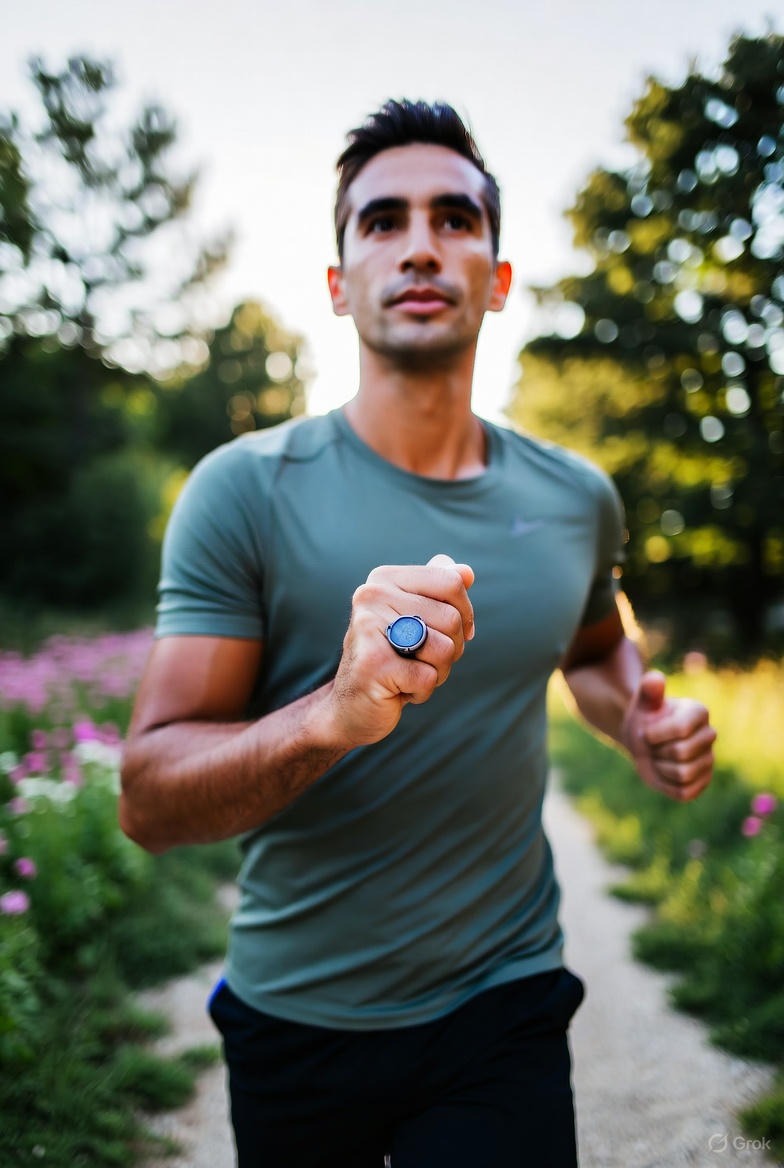
The rigid, pre-written 12-week training plan is an artifact of a data-poor past. It assumes your body will respond predictably, day after day, ignoring the reality of life’s stresses, sleep disruptions, and individual recovery rates. The modern approach, powered by your wellness ring, is adaptive training. This philosophy uses your daily readiness or recovery score as the primary input to determine the type, intensity, and volume of your daily activity. It’s a dialogue, not a monologue.
How does this work in practice? Let’s translate scores into actions:
This adaptive framework turns fitness from a brute-force endeavor into a skillful practice. It teaches you to respect your body’s signals and to view rest as a strategic tool. The result is not slower progress, but more sustainable, consistent progress with fewer setbacks.
Of course, life isn’t just about planned workouts. For the vast majority of people, the foundation of health is built through the small, consistent choices made outside the gym. This brings us to the most powerful and often neglected lever for lifelong fitness: your daily non-exercise activity.
If Exercise Activity Thermogenesis (EAT) is the sharp, powerful peaks on your activity graph, Non-Exercise Activity Thermogenesis (NEAT) is the vast, rolling hills that form the landscape. NEAT encompasses every calorie you burn that isn’t from sleeping, eating, or dedicated exercise: walking, standing, fidgeting, gardening, even typing. For most people, NEAT constitutes 15-30% of total daily energy expenditure, but for very active individuals, it can be the largest single component. Your wellness ring, by virtue of being worn 24/7, is the ultimate NEAT tracker, and optimizing this metric can transform your metabolic health without ever stepping foot in a gym.
Why is NEAT so powerful?
Your ring provides the accountability and measurement for a NEAT-focused strategy. You can set a daily movement goal (e.g., 500+ active calorie burn from NEAT, or 10,000+ steps) and watch your real-time progress. The app can remind you to move if you’ve been sedentary for an hour. More importantly, it shows you the impact: “On days I take a walking meeting, my NEAT is 35% higher and my evening stress levels are lower.”
Here are actionable ways to use your ring to boost NEAT:
By focusing on NEAT, you make your entire life an opportunity for fitness. It’s the antithesis of the “weekend warrior” model. It ensures that your body is constantly in a gentle state of activity and repair, which is the true hallmark of a resilient, metabolically healthy physiology. To fuel this active lifestyle, nutrition is key, and certain foods can even enhance your recovery during sleep. Discover 10 foods that increase deep sleep naturally.
As we refine our approach to daily movement and recovery, a critical question emerges: How do we know if all these efforts are truly paying off in the long run? The answer lies in moving beyond simple metrics to a more holistic measure of your physiological age.
While VO2 max (a measure of peak aerobic capacity) has long been the gold standard for cardiovascular fitness, it's a snapshot of your performance ceiling. Holistic tracking introduces two more nuanced and comprehensive concepts: the "Body Battery" and Physiological Age. These metrics synthesize your 24/7 data into single, intuitive numbers that reflect your body’s current energy reserves and overall biological vitality.
The "Body Battery" or "Strain & Recovery" Model:
This is a conceptual gauge, often scored from 0 to 100, that represents your predicted energy reserves. It’s calculated by weighing your sleep (recharge) against your daily activity and stress (discharge).
Physiological (or Biological) Age:
This is a powerful, aggregate metric that compares your biometric profile to population data for your chronological age. It answers the question: "How old does my body behave?" The algorithm analyzes key biomarkers like:
If your chronological age is 40 but your physiological age is 35, it suggests your lifestyle and genetics are supporting a body that functions like that of a typical 35-year-old. This is an incredibly motivating long-term metric. As you implement positive changes—improving sleep, managing stress, training consistently—you can literally watch your physiological age decrease over months and years. It’s a holistic report card on your wellness strategy. For a deeper understanding of one critical component of this, read about the ideal deep sleep duration by age.
These synthesized metrics provide the "why" behind the daily grind. They translate thousands of data points into simple, meaningful concepts that guide long-term behavior. But to make this data truly actionable for everyone, we must address the unique needs of different populations. Fitness is not one-size-fits-all.
The beauty of a comprehensive data set is that it can be interpreted through different lenses to serve vastly different goals. A wellness ring is a universal tool, but its insights are deeply personal. Let’s explore how three distinct archetypes might leverage the same technology for their unique purposes.
For the Amateur or Professional Athlete:
For the Desk-Bound Professional:
For the General Health Seeker or Patient in Rehabilitation:
Each of these users interacts with the same data ecosystem but pulls different levers. The athlete drills into the minute details of recovery; the professional uses it to create balance; the health seeker uses it for education and motivation. This flexibility is what makes the technology so universally applicable. However, with great data comes great responsibility—and potential pitfalls. A mindful approach is required to harness the power without falling into common traps.
Biometric tracking is a powerful tool, but it is not a doctor, a therapist, or a source of self-worth. The path to wellness is paved with data-informed intuition, not data-driven obsession. To use a wellness ring effectively, one must cultivate a healthy relationship with the numbers, avoiding common psychological and interpretive pitfalls.
Common Pitfalls to Avoid:
Principles for Healthy Engagement:
For support on common questions about using your device in a balanced way, our comprehensive FAQ section is always available. By navigating these waters mindfully, you ensure the technology serves you, not the other way around. This thoughtful approach leads us to the final, forward-looking consideration: how to build a lasting, evolving partnership with this tool as both the technology and your life journey progress.
The wellness ring you wear today is a snapshot of a rapidly accelerating field. The technology embedded within it is on an exponential curve, promising even deeper, more personalized, and more proactive insights in the near future. Viewing your device not as a finished product, but as the beginning of a long-term partnership with your own health data, opens up exciting possibilities for the road ahead.
Emerging Technological Frontiers:
Cultivating Your Long-Term Partnership:
Your role in this partnership is to be the consistent curator of your data stream. The longer and more consistently you wear your ring, the smarter it becomes about you. It learns your unique responses, your personal baselines, and your individual rhythms. This long-term dataset becomes an invaluable asset—a health journal you can reference for years, share with healthcare providers, and use to make informed decisions as you age.
Think of it as building your personal health capital. Every night of sleep, every workout, every managed stress response is a data point that strengthens the predictive model of you. This isn't about perfection; it's about consistency and curiosity. The journey is one of continuous learning, where the ring provides the feedback loop to help you understand what truly works for your unique biology.
To be part of a brand that is committed to this journey of innovation and personalized wellness, you can learn more about Oxyzen's mission and vision. The story of this technology is still being written, and it’s a story in which you, the user, play the leading role. By choosing to engage deeply with your data, you are not just tracking fitness; you are actively authoring a future of informed, empowered, and optimized health.
We have journeyed through the technological marvel of sensor fusion, decoded the science of energy and recovery, and explored the advanced applications of a 24/7 biometric data stream. Now, we arrive at the most human chapter of all: the living part. This final portion of our exploration is about moving from theory to practice, from insight to integration. It's about the practical steps to get the most from your ring, the inspiration drawn from a community of fellow travelers, and the profound philosophical shift that occurs when you begin to see fitness not as a series of isolated events, but as the continuous, dynamic story of your body interacting with the world.
The transition from a traditional fitness tracker to a holistic wellness ring can be paradigm-shifting. To ensure a smooth and effective onboarding, a thoughtful start is crucial. This isn't just about syncing a device; it's about calibrating a new lens through which you will view your health.
The first month with your wellness ring is a discovery phase. It’s less about making drastic changes and more about establishing a rock-solid personal baseline and learning to speak your body’s data language. Rushing to conclusions or overhauling your life in the first week leads to confusion. Instead, follow this structured 30-day plan to build a foundation of knowledge.
Week 1: The Observation Phase
Week 2: The Connection Phase
Week 3: The Single-Experiment Phase
Week 4: The Integration & Goal-Setting Phase
This phased approach prevents overwhelm and grounds the technology in your personal reality. It turns abstract data into a concrete story about you. However, even the best-laid plans encounter hiccups. Understanding common issues ensures you don’t lose trust in the tool when anomalies arise.
Troubleshooting and Data Trust: When the Numbers Seem "Off"
No technology is infallible. There will be days when your readiness score is high but you feel drained, or your sleep data looks terrible after what you thought was a great night. Before dismissing the data, it’s important to troubleshoot. Often, the "error" is either a misinterpretation, a device issue, or a valuable signal your conscious mind has missed.
Common Scenarios and Explanations:
Building trust in the data means understanding its limitations and strengths. It is an excellent measure of physiological state, but it is not a mind reader or a diagnostic tool. When in doubt, check the basics (fit, battery), look for corroborating factors in your life, and consult the FAQ for common technical questions. This balanced perspective allows you to use the data wisely, without becoming its slave. With a solid personal practice established, we can expand our view to the power of the collective.
Data in a vacuum can feel clinical. But when we hear stories of how this information has transformed real lives, it becomes human, relatable, and deeply inspiring. The community of wellness ring users is a thriving ecosystem of shared challenges, breakthroughs, and collective wisdom. These narratives illustrate the profound, practical impact of 24/7 awareness.
Story 1: The Overtrained Marathoner
Story 2: The Stressed Executive
Story 3: The Health-Seeking Parent
These stories, echoed in our testimonials from real users, show that the outcome isn't always a faster 5K. Sometimes, it’s more energy, a avoided burnout, or a rediscovered sense of balance. This community wisdom—shared in app forums, social groups, and reviews—provides a rich repository of real-world strategies that no single manual could contain. It reinforces that you are not alone in your journey to better health. This collective knowledge points toward a new, more intelligent philosophy of fitness itself.

The culmination of this journey with a wellness ring is not just a collection of improved metrics; it is a fundamental shift in mindset. The old fitness paradigm was binary and compartmentalized: you were either "exercising" or you were not. Success was measured in pounds lost on a scale, pounds lifted on a bar, or minutes shaved off a mile. This model is simplistic, often unsustainable, and misses the forest for the trees.
The new paradigm, enabled and informed by 24/7 biometric tracking, is one of Holistic Lifestyle Integration. In this view:
This philosophy dissolves the guilt of a "missed workout." Instead, you see the entire day as an opportunity to support your health—choosing the stairs, managing a stress spike with breathwork, prioritizing sleep—knowing that your ring will faithfully record the positive impact of those choices. It aligns perfectly with a broader movement toward sustainable, joyful, and intelligent self-care. To understand the origins of this philosophy, you can read about our story and vision.
Embracing this new paradigm requires the right tools, placed in the right ecosystem, to support this integrated life. Your ring is the central sensor, but it’s part of a larger, curated system designed for the modern individual.
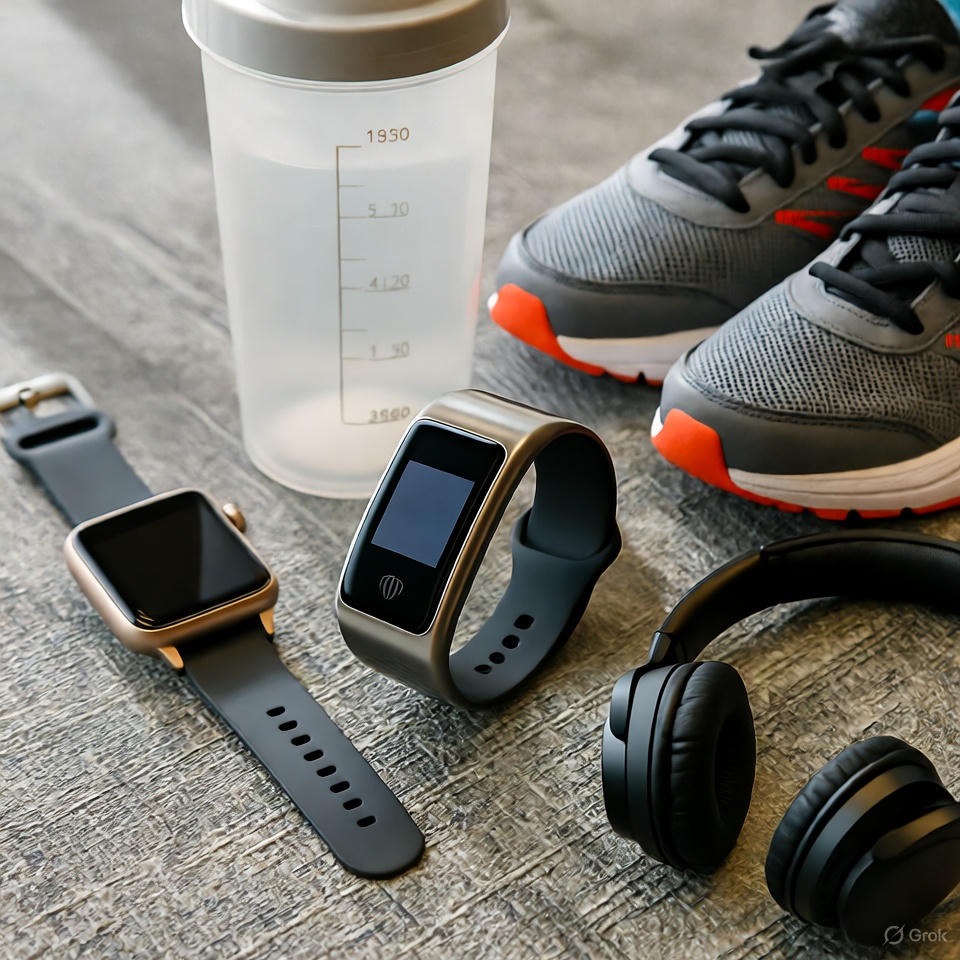
Your wellness ring is the brilliant, always-on hub of your personal health data. But a hub is most powerful when it connects to purposeful spokes. Building a cohesive, modern wellness toolkit around your ring amplifies its value and turns scattered efforts into a unified strategy. This isn't about buying more gadgets; it's about intentional integration.
The Core Toolkit:
The Synergy in Action:
Imagine this scenario: Your ring shows a low readiness score. You check your nutrition log and see you’ve been low on protein and high on processed carbs for two days. You check your workout app and see you’ve done three high-intensity sessions in a row. This holistic view gives you a clear, multi-factored action plan: skip the planned HIIT, use your meditation app for a recovery-focused session, prioritize a protein-rich dinner, and aim for an early bedtime. The ring triggered the inquiry, and the connected toolkit provided the context for a smart decision.
This ecosystem turns health management from a series of guesses into a coordinated strategy. It allows you to move beyond isolated habits and create a lifestyle where all elements—movement, nourishment, rest, and mind—work in concert. For those looking to discover tools that align with this integrated philosophy, the Oxyzen shop is your starting point.
As we look toward the future, this integrated, data-informed, and personalized approach is not a niche trend—it is the clear direction of health and wellness for the coming decade.
We stand at an inflection point. The convergence of miniaturized sensors, powerful AI, and a growing cultural emphasis on holistic well-being is making highly personalized health not just a possibility, but an inevitability. The wellness ring is a first-generation ambassador of this future. The road ahead points toward a world where "fitness" and "healthcare" begin to blur into a continuous, proactive practice of self-optimization and prevention.
Key Trends Defining the Future:
In this future, your wellness ring—or its more advanced descendant—will be the indispensable interface between you and your own biology. It will be the tool that translates the complex, silent language of your body into a clear, actionable dialogue.
We began this exploration with a simple premise: that true fitness is revealed across all activities, not just dedicated workouts. Through the lens of a modern wellness ring, we have seen how that premise comes to life. We’ve followed the journey of light through your capillaries to measure your heart’s resilience, of motion through space to quantify your daily energy, and of temperature shifts to understand your inner rhythms.
Your body has been speaking to you in a language of sensation, energy, and fatigue for your entire life. The wellness ring provides the Rosetta Stone. It translates subtle physiological whispers—a slightly elevated resting heart rate, a dip in HRV, a change in sleep architecture—into a narrative you can understand and act upon.
It teaches you that the post-lunch walk is fitness. That managing a work stressor is fitness. That protecting an hour of sleep is fitness. It redefines the athlete not as the person with the highest vertical jump, but as the person most intelligently engaged in the continuous process of adaptation and recovery.
The power now lies with you. You have the tool to move beyond one-size-fits-all advice and outdated, grinding routines. You can build a health practice that is responsive, personalized, and sustainable—a practice that honors the fact that you are a complex, dynamic system, not a machine to be pushed.
This is the promise of holistic tracking: not a life ruled by numbers, but a life informed by wisdom. The wisdom to rest when needed, to push when capable, and to understand the beautiful, intricate connection between how you move, how you recover, and how you live. Your story is being written with every heartbeat, every step, every night of sleep. Now, you can finally read it.
To begin writing your next chapter with intention, explore what Oxyzen has to offer. The journey to a more informed, empowered, and holistic you starts with a single point of data—and continues for a lifetime.
Your Trusted Sleep Advocate (Sleep Foundation — https://www.sleepfoundation.org/)
Discover a digital archive of scholarly articles (NIH — https://www.ncbi.nlm.nih.gov/
39 million citations for biomedical literature (PubMed — https://pubmed.ncbi.nlm.nih.gov/)
experts at Harvard Health Publishing covering a variety of health topics — https://www.health.harvard.edu/blog/)
Every life deserves world class care (Cleveland Clinic -
https://my.clevelandclinic.org/health)
Wearable technology and the future of predictive health monitoring. (MIT Technology Review — https://www.technologyreview.com/)
Dedicated to the well-being of all people and guided by science (World Health Organization — https://www.who.int/news-room/)
Psychological science and knowledge to benefit society and improve lives. (APA — https://www.apa.org/monitor/)
Cutting-edge insights on human longevity and peak performance
(Lifespan Research — https://www.lifespan.io/)
Global authority on exercise physiology, sports performance, and human recovery
(American College of Sports Medicine — https://www.acsm.org/)
Neuroscience-driven guidance for better focus, sleep, and mental clarity
(Stanford Human Performance Lab — https://humanperformance.stanford.edu/)
Evidence-based psychology and mind–body wellness resources
(Mayo Clinic — https://www.mayoclinic.org/healthy-lifestyle/)
Data-backed research on emotional wellbeing, stress biology, and resilience
(American Institute of Stress — https://www.stress.org/)


