


What Your Smart Ring Activity Data Says About Your Fitness Age
Your activity data can be used to estimate your "fitness age" compared to your chronological age.
Your activity data can be used to estimate your "fitness age" compared to your chronological age.
%402x.svg)
The date on your driver's license tells one story. How you feel when you climb a flight of stairs, recover from a workout, or bounce back from a poor night's sleep tells another. For decades, we’ve accepted chronological age as the primary metric of our vitality, but a quiet revolution in wearable technology is challenging that notion. Your fitness age—a powerful biomarker of your body's true functional capacity—is now quantifiable, and it’s whispering its secrets through the data collected by a device on your finger.
Smart rings, like those from Oxyzen, have emerged from the shadow of wrist-worn wearables to become the premier tool for continuous, unobtrusive health monitoring. They capture a symphony of physiological signals: heart rate variability (HRV), resting heart rate, sleep architecture, body temperature, and activity levels. When synthesized, this data doesn't just tell you how many steps you took; it paints a dynamic, real-time portrait of your biological resilience. It can reveal whether your body operates like a spry 30-year-old despite celebrating 45 birthdays, or if it's carrying silent stress that adds years to your physiological ledger.
This article is your decoder ring. We will dive deep into the specific activity metrics your smart ring collects and explain exactly how each one contributes to calculating and, more importantly, improving your fitness age. This isn't about vanity; it's about longevity, vitality, and taking evidence-based control of your healthspan. By understanding the story your data tells, you can make precise, informed decisions to not just live longer, but to live better, stronger, and with more energy at every chronological age. Let's begin by unraveling the very concept of fitness age and why it's a far more meaningful measure than the years you've lived.
Chronological age is a simple, linear measure: the number of trips you've made around the sun. It's immutable and, frankly, not very informative about your current state of health. Fitness age, also known as biological or physiological age, is a fluid, responsive metric that reflects the actual condition and performance capacity of your cardiovascular, respiratory, muscular, and nervous systems. It answers the question: "Based on how my body functions, how old does it act?"
The pioneering research behind this concept, most notably the extensive work from the Norwegian University of Science and Technology, correlates fitness age directly with VO2 max—the gold standard measure of cardiovascular fitness and aerobic endurance. VO2 max quantifies the maximum volume of oxygen your muscles can consume during intense exercise. It's a profound predictor of long-term health and mortality risk. A higher VO2 max is consistently linked to a lower risk of heart disease, stroke, type 2 diabetes, and certain cancers.
Your smart ring doesn't have you run on a treadmill in a lab, so how does it estimate this crucial figure? Through sophisticated algorithms that cross-reference your daily activity patterns, resting metrics, and recovery data. For instance, a consistently low resting heart rate, strong heart rate variability, and rapid heart rate recovery after exertion are all potent proxies for a high VO2 max. These are the exact biomarkers a device like the Oxyzen ring tracks 24/7.
Why does this matter on a personal level? Because fitness age is actionable. You cannot change your birth year, but you can dramatically influence your fitness age through lifestyle. Seeing your fitness age improve—moving from "5 years older than your chronological age" to "10 years younger"—provides tangible, motivational proof that your exercise, sleep, and stress-management efforts are paying off at a systemic level. It shifts the focus from arbitrary weight goals or step counts to the ultimate objective: enhancing your body's fundamental resilience and delaying biological decline. To understand how we get there, we must first explore the cornerstone of all activity data: your Resting Heart Rate.
Your resting heart rate (RHR), measured in beats per minute (bpm) while you are fully at rest (typically during sleep), is one of the most fundamental and revealing metrics of cardiovascular health. Think of your heart as an engine: a more efficient engine doesn't need to work as hard to keep the system running. A lower RHR generally indicates stronger cardiac muscle, more efficient heart function, and better autonomic nervous system regulation.
For most adults, a RHR between 60 and 100 bpm is considered "normal," but the wellness and athletic community targets a far more optimal range. An RHR consistently below 60 bpm (a condition known as athletic bradycardia) is often a hallmark of excellent fitness. Elite endurance athletes can have RHRs in the 40s or even lower. Your smart ring is uniquely positioned to capture your true RHR, as it takes measurements during undisturbed sleep, free from the stressors and movements of daytime readings.
How RHR Directly Informs Your Fitness Age:
A lower RHR suggests your heart can pump a greater volume of blood with each beat, delivering oxygen to your tissues more efficiently. This is a direct contributor to a higher estimated VO2 max and, consequently, a younger fitness age. A longitudinal study published in Heart found that a resting heart rate increase over time was associated with a significantly higher risk of premature death, independent of other factors.
Beyond the Number: The Story in the Trend
Your daily RHR is informative, but the trend line is transformative. Your smart ring data can show you how your RHR responds to:
By monitoring this silent benchmark, you move from guessing about your heart health to tracking it. If you see your RHR creeping up, it’s a data-driven cue to prioritize rest, hydration, and stress management. If it’s steadily declining, it’s powerful confirmation that your fitness regimen is working. For a deeper dive into how your body's nightly restoration impacts these daytime metrics, our guide on what happens to your body during deep sleep is an essential read.
If resting heart rate is about the pace of your heart, Heart Rate Variability (HRV) is about its rhythm—specifically, the subtle, millisecond variations in the time intervals between consecutive heartbeats. Counterintuitively, a higher HRV is better. It indicates a robust, responsive autonomic nervous system (ANS), which is the control center for your body's unconscious functions. A high HRV signals a strong balance where the "brake" (the parasympathetic nervous system, promoting "rest and digest") can effectively modulate the "gas pedal" (the sympathetic nervous system, responsible for "fight or flight").
HRV as the Crystal Ball of Fitness Age:
HRV is one of the most sensitive non-invasive metrics we have for gauging your body's readiness to perform, adapt to stress, and recover. A rising trend in your HRV is strongly correlated with improved fitness, better resilience, and a younger biological age. Conversely, a sharp or sustained drop in HRV is a red flag. It tells you your body is under strain—whether from physical overexertion, emotional stress, poor sleep, or impending illness—and needs recovery, not more stress.
How to Interpret Your Smart Ring's HRV Data:
Your ring will provide an HRV score, often derived from a time-domain measure called rMSSD. It's crucial to remember that HRV is highly individual. Comparing your number (e.g., 45 ms) to someone else's (e.g., 80 ms) is meaningless. The power lies in tracking your own baseline and trends.
This metric connects the dots between mind and body. A difficult work project or family conflict can depress your HRV just as effectively as a punishing gym session. By observing how your lifestyle impacts your HRV, you gain a powerful tool for holistic self-management. For athletes looking to maximize this connection, the principles of deep sleep optimization for recovery are directly tied to boosting HRV.
We fixate on our dedicated workout hours, but for most people, the calories burned during a 60-minute gym session are a fraction of their total daily energy expenditure. The silent giant is Non-Exercise Activity Thermogenesis (NEAT): the energy expended for everything that is not sleeping, eating, or sports-like exercise. This includes walking to your car, typing, gardening, cooking, fidgeting, and even standing.
Your smart ring, through its accelerometer and sophisticated algorithms, provides a detailed picture of your NEAT by tracking all-day movement and step count. This metric is profoundly important for your metabolic health and, by extension, your fitness age. High NEAT is associated with healthier body composition, better blood sugar control, improved circulation, and reduced risk of metabolic syndrome.
NEAT and the "Active Couch Potato" Phenomenon:
You can be a dedicated exerciser but still have a dangerously low NEAT—a profile known as an "active couch potato." Someone who runs for 30 minutes in the morning but then sits at a desk and on a couch for the remaining 15 waking hours is not realizing the full, continuous health benefits of movement. Chronic sedentariness independently raises risks for disease, even among regular exercisers. Your smart ring's activity prompts and movement logs are a direct counter to this, nudging you to break up long periods of sitting.
Using NEAT Data to Rejuvenate Your Fitness Age:
By optimizing NEAT, you're essentially keeping your metabolism "young" and responsive. It’s the constant, low-grade stimulus that tells your body it needs to maintain its functional capacity for daily life, which is the very essence of a youthful fitness age. To see how all these daily rhythms culminate in nightly restoration, explore our analysis on what your deep sleep numbers should look like.
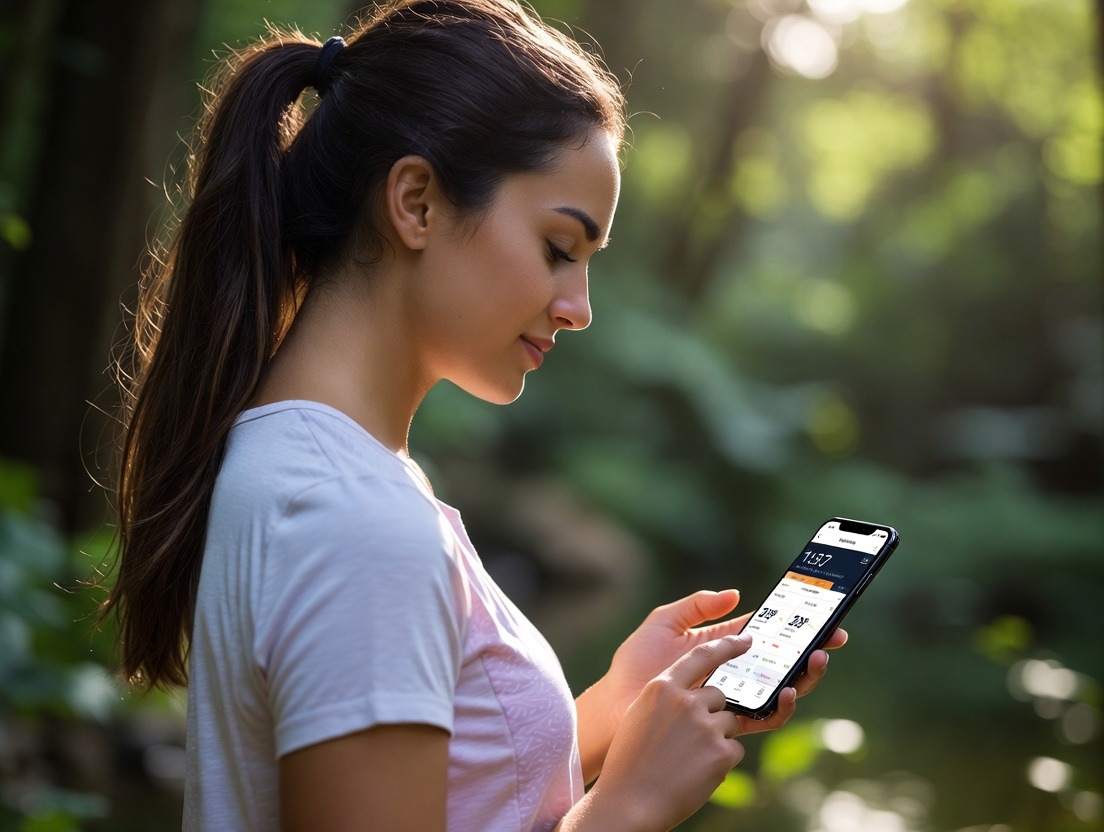
Modern wearables have moved beyond simply counting steps to interpreting how your body is handling the cumulative load of life. Metrics like Garmin's "Body Battery" or the stress score features in other apps (which your smart ring's data can power) synthesize HRV, heart rate, activity, and sleep data to estimate your body's energy reserves. Think of it as a "stress strain gauge" that quantifies the drain of both psychological and physical stressors on your system.
This composite score is incredibly revealing for your fitness age because chronic stress is a potent accelerator of biological aging. It elevates cortisol, promotes systemic inflammation, impairs recovery, and degrades sleep quality—all of which directly negatively impact the biomarkers that determine your fitness age.
Deciphering the Daily Energy Graph:
A typical "Body Battery" or energy score starts at a certain level each morning (based on the quality of your recovery during sleep) and depletes throughout the day based on activity and stress. The goal is to end the day at a low point (signaling you've productively used your energy) and then recharge fully through high-quality sleep.
Actionable Insights for a Younger Biological Age:
By managing your energy reserves with the same diligence you manage your finances, you invest in your physiological youth. This holistic view is core to the Oxyzen philosophy, which you can explore further on our about us page.
When you engage in formal exercise, your smart ring transforms into a performance coach. By tracking your heart rate zones during activity, it provides immediate feedback on the intensity and effectiveness of your workout. More importantly, it measures how quickly your heart rate recovers after you stop—a metric known as Heart Rate Recovery (HRR) that is famously indicative of cardiovascular health and fitness age.
Heart Rate Zones: Are You Training Smart or Just Hard?
Exercising in different heart rate zones elicits different physiological adaptations. Your smart ring helps you ensure you're spending time in the right zone for your goals:
A balanced workout profile that includes both aerobic base building and higher-intensity work is optimal for improving fitness age. A ring's data can reveal if you're "junk mile" training (always in a moderate, non-stimulating zone) or if you're overdoing high intensity without adequate base building.
Heart Rate Recovery (HRR): The Ultimate Fitness Age Test
HRR is typically measured as how much your heart rate drops one or two minutes after peak exercise. A faster drop is superior. For example, a drop of 25-30 beats in the first minute is good; elite athletes might see drops of 50+ beats. A slow HRR is a strong independent predictor of future heart problems and indicates a less "youthful" autonomic nervous system.
Tracking for Improvement:
Monitor your post-workout HRR in your Oxyzen app. As your cardiovascular fitness improves and your fitness age drops, you should see this recovery time shorten. It is one of the most satisfying and concrete signs of progress. If your HRR stalls or worsens, it's a clear signal to incorporate more recovery-focused days and examine other lifestyle factors, like the connection between deep sleep and memory consolidation, which is vital for overall neurological and systemic recovery.
You cannot out-train poor sleep. Sleep is the non-negotiable period when your body performs its most critical repair work: releasing growth hormone, repairing muscle tissue, clearing metabolic waste from the brain, and regulating hormones that control appetite and stress. Your smart ring's sleep staging data (light, deep, REM sleep) and quality scores are therefore not ancillary—they are foundational data for calculating your fitness age.
Deep Sleep: The Physical Restorer
Deep sleep (slow-wave sleep) is when physical restoration peaks. It's directly linked to the cellular repair processes that reduce biological age. Low deep sleep is associated with higher inflammation, impaired glucose metabolism, and reduced recovery from exercise. Your smart ring tracks both the duration and consistency of your deep sleep. For a comprehensive look at this critical stage, our deep sleep 101 guide is an excellent resource.
REM Sleep: The Mental Regulator
REM sleep is crucial for cognitive function, emotional regulation, and memory processing. Disrupted REM can impact mood, focus, and motivation—all of which affect your ability to maintain an active, healthy lifestyle.
Sleep Consistency & Efficiency:
Beyond stages, your ring tracks your sleep consistency (going to bed and waking at similar times) and efficiency (percentage of time in bed actually spent asleep). High consistency and efficiency stabilize your circadian rhythm, which optimizes everything from hormone release to metabolic function. A chaotic sleep schedule, even with adequate total hours, can make your body operate in a state of jet lag, adding years to your fitness age.
Actionable Sleep Insights:
If your fitness age score is stagnating or elevated, your sleep data is the first place to look. Use your ring's data to:
One of the most advanced features of modern smart rings is continuous body temperature monitoring. This isn't about detecting a fever; it's about tracking your subtle, circadian-driven temperature rhythm. Your core body temperature follows a predictable 24-hour cycle, dipping to its lowest point in the early morning hours (aiding deep sleep) and rising throughout the day to promote alertness.
This circadian rhythm is the master conductor of your biology. When it is stable and robust, it optimally times the release of cortisol, melatonin, growth hormone, and digestive enzymes. A strong circadian rhythm is synonymous with a younger biological age because it ensures all systems are working in harmony at the right time.
What Your Temperature Rhythm Reveals:
Aligning Your Life with Your Rhythm for a Younger Fitness Age:
By reviewing your temperature trend in your app, you can make powerful lifestyle adjustments:
Respecting your internal clock is a profound way to reduce systemic stress and improve efficiency in all bodily functions, directly contributing to a lower, healthier fitness age. For more on how this rhythm changes over time, see our article on how age affects deep sleep and how to compensate.
Data in isolation is merely interesting. Data in synthesis is transformative. The final step in leveraging your smart ring is learning to view all these metrics—RHR, HRV, Activity, Sleep, Temperature—not as separate dials, but as an interconnected dashboard for your biological age. A change in one invariably affects the others.
Creating Your Personal Baseline:
Spend 2-4 weeks simply observing without making drastic changes. Use the Oxyzen app to establish your personal baselines for HRV, deep sleep duration, average RHR, and NEAT. This is your "starting" fitness age profile.
The Interconnection Loop:
Observe these classic patterns:
Building Your Action Plan:
By adopting this integrated view, you become the conductor of your own physiological symphony. You'll not only watch your estimated fitness age in your app become more favorable, but you'll feel the difference: more energy, faster recovery, better mood, and a profound sense of agency over your health. This is the promise of personalized data, delivered discreetly from your finger. To see how real people have transformed their approach, browse through our collection of user experiences and testimonials.
Understanding your metrics is the first step; transforming them into a younger fitness age is the ultimate goal. This is where your smart ring evolves from a passive data collector into an active, AI-powered coaching partner. The gap between insight and action is bridged by creating a personalized, responsive plan that respects your body's real-time feedback. No more guessing if you're overdoing it or slacking off. The data tells the story, and now you'll learn how to write the next, healthier chapter.
Think of your previous baselines—your resting heart rate, HRV, sleep scores—as your biological "starting position." The goal isn't to chase arbitrary numbers but to create positive, sustainable shifts in these trends. A successful plan isn't rigid; it's adaptive, using your daily readiness scores to modulate intensity. For instance, pushing for a personal record on a day your HRV is in the tank is a recipe for injury and setback, not progress. Conversely, taking a rest day when your body is primed to perform leaves potential gains on the table.
The core principle is stress + rest = growth. Your smart ring quantifies both sides of that equation with unprecedented precision. Your workouts, work deadlines, and social obligations are the "stress" inputs. Your sleep, meditation, and low-intensity movement are the "rest" inputs. The output, visible in your trending fitness age score, is your physiological adaptation. The following sections will provide a concrete framework for programming your training, recovery, nutrition, and mindset around this powerful feedback loop, turning data into demonstrable biological rejuvenation. To begin, let's tackle the most common obstacle: the progress plateau.
Every fitness journey encounters flatlines. The scale won't budge, your running pace stagnates, or your strength gains halt. Chronological aging often gets the blame, but more often, the culprit is an adaptation plateau. Your body has become efficient at handling the same repetitive stress, and without a new stimulus, it sees no reason to change. Your smart ring's historical trend data is the master key to diagnosing and smashing through these plateaus.
Diagnosing the Type of Plateau:
The Data-Driven Smash-Through Strategy:
By treating your plateau not as a failure but as a data point, you can implement precise, effective countermeasures. The story of your success is hidden in your long-term trends, accessible through platforms like the Oxyzen blog where we regularly analyze such patterns.

Your body is a biomechanical system, and its outputs (HRV, RHR, sleep quality) are profoundly influenced by its inputs. While smart rings don't directly measure glucose or macronutrients, they provide brilliant indirect feedback on how your nutrition and hydration habits are either supporting or sabotaging your fitness age.
The Nightly Report Card:
Your sleep data, particularly deep sleep and resting heart rate, is a direct reflection of your previous day's dietary choices.
The Post-Workout Readout:
How quickly and completely you recover from a training session is heavily dependent on fueling.
Creating a Nutritional Feedback Loop:
Nutrition is the software that runs on your body's hardware. By using your recovery metrics as a report card, you can debug inefficiencies and optimize the code for peak performance and a younger biological age. For specific nutritional strategies to enhance your most restorative phases, explore our list of 10 foods that increase deep sleep naturally.
One of the greatest risks for active individuals seeking a younger fitness age is the slide into overtraining syndrome (OTS). OTS is not just being tired; it's a state of prolonged maladaptation where performance plummets, injury risk soars, and the immune system weakens. Conversely, underloading leads to stagnation. Your smart ring's duo of HRV and RHR provides the clearest, most objective guide rails to keep you perfectly on the path of optimal loading.
Building Your Personal "Readiness" Score:
While many apps provide a proprietary score, you can create your own simple, robust system:
The Trend is Your Friend (or Foe):
A single "red light" day after a brutal workout is normal. The danger is in the trend. Watch for these patterns of accumulating fatigue:
When you see these trends, it's time for a proactive deload week—a planned reduction in training volume and intensity by 40-60%. Use your ring data during this week to confirm you're recovering: you should see HRV rebound and RHR fall. This strategic retreat is what allows for a greater subsequent advance, protecting your long-term fitness age from the ravages of chronic stress. For more on recognizing when you're not recovering, our article on the silent signs of deep sleep deprivation covers related physiological warnings.
The data from your finger reveals a fundamental truth: to your nervous system, stress is stress. A tough deadline, a heated argument, and a heavy squat session all elicit a similar physiological cascade—the release of cortisol and catecholamines, increased heart rate, and a shift toward sympathetic ("fight or flight") dominance. This is why your "stress score" on a rest day can look identical to your score during a workout. Managing this total life stress load is paramount for a younger fitness age.
Quantifying Mental Load:
Your smart ring’s continuous heart rate and HRV data generate a stress or "body battery" drain metric throughout the day. This allows you to objectively see the impact of non-physical stressors.
The Vicious Cycle: Stress -> Poor Sleep -> Higher Stress
This is where the connection becomes critical for aging. Psychological stress in the evening elevates cortisol, which directly antagonizes melatonin, delaying sleep onset and reducing deep sleep. Poor sleep, in turn, lowers your emotional resilience the next day, making you more reactive to stress, creating a vicious, age-accelerating cycle. Your ring data will show this as high evening stress scores followed by poor sleep efficiency and low deep sleep.
Breaking the Cycle with Data:
By respecting the mind-body link quantified by your ring, you move from simply training your body to training your nervous system for resilience. This holistic approach is the cornerstone of not just a younger fitness age, but a more balanced, sustainable life.
The pursuit of a younger fitness age isn't a one-size-fits-all endeavor. The physiological priorities, recovery needs, and risk factors change dramatically across decades. Your smart ring data provides the personalized insights needed to tailor your strategy to your life stage, ensuring you're working with your biology, not against it.
In Your 20s & 30s: Building the Foundation
In Your 40s & 50s: Optimizing and Preserving
In Your 60s and Beyond: Prioritizing Function and Longevity
At every decade, your smart ring shifts from a fitness tracker to a health guardian, providing the specific feedback you need to adapt your strategy for lifelong vitality.
Your smart ring is a phenomenal personal health observatory, but it is not a medical device. Its true power is unlocked when its trends are used as a communication tool with healthcare professionals. Bringing concrete, longitudinal data to your doctor or physical therapist can transform vague conversations about "feeling tired" into precise, collaborative problem-solving.
Preparing for a Doctor's Visit:
Specific Use Cases:
The Empowered Patient:
This integrated approach makes you an active participant in your health. You're not just reporting symptoms; you're providing evidence. It can lead to earlier interventions, more accurate diagnoses, and treatments tailored to your unique physiology. It also allows professionals to monitor the efficacy of a treatment—does a new medication improve sleep architecture? Does physical therapy improve activity tolerance? Your ring provides the continuous, real-world data to answer these questions. For any technical questions about your device's data, our FAQ page is a great starting point.

The ultimate value of wearing a smart ring isn't in the daily score, but in the multi-year narrative. This longitudinal dataset becomes a predictive mirror, revealing trajectories that point toward either compressed morbidity (a short period of illness at the end of a long, healthy life) or an extended period of decline. Your fitness age is a snapshot; the trend of your fitness age over years is the preview of your healthspan.
Key Long-Term Trends to Monitor:
From Prediction to Prevention:
When you see an unfavorable long-term trend—for example, a 5% year-over-year decline in your average HRV—you have a clear, quantitative warning. This isn't a reason for panic, but for empowered, targeted action. It might prompt you to:
Your long-term data turns the abstract concept of "healthy aging" into a managed project with key performance indicators. You're no longer hoping you're healthy; you have a dashboard that shows you the direction you're heading, allowing for course corrections years before symptoms arise. To see how a commitment to this long-term vision shapes a brand, you can read our story of focusing on lasting wellness innovation.
Knowledge is power, but execution is transformation. This final section synthesizes everything into a actionable, 30-day blueprint to start actively lowering your fitness age. This plan is built on the principle of "measure, adjust, and repeat."
Phase 1: Week 1 – The Baseline Audit
Phase 2: Weeks 2 & 3 – The Targeted Intervention
Phase 3: Week 4 – The Evaluation & Iteration
The Ongoing Cycle:
This 30-day blueprint is a microcosm of the lifelong process. The goal is continual, tiny iterations guided by your personal data. Your ring provides the feedback; you provide the action. Over months and years, these small, data-confirmed changes compound into a radically different—and younger—fitness age.
You now possess the map and the compass. The journey to a longer, healthier, more vibrant life is measured beat by beat, night by night, and step by step on your finger. It’s time to begin.
You've learned to interpret the data and implement a foundational plan. Now, we ascend to the master class: integrating this biofeedback into the very fabric of your identity, navigating advanced concepts, and peering into the future of longevity technology. This is where you move from being a user of data to an architect of your own biological destiny. The goal is no longer just to lower a score, but to cultivate a state of sustained resilience where your fitness age becomes a stable, youthful constant, immune to the petty degradations of time.
This final section addresses the nuanced challenges and profound opportunities that come with long-term self-quantification. We'll confront data obsession, explore the synergy between your DNA and your daily metrics, and examine how emerging AI will transform passive tracking into proactive life extension. We'll also build a sustainable philosophy—a "lifestyle operating system"—that ensures your pursuit of a younger fitness age enhances your life rather than consumes it. The ultimate promise of the smart ring is not to make you a slave to graphs, but to liberate you through knowledge, granting you the confidence and agency to live fully at any age. Let's begin by tackling one of the most common hurdles for data-driven individuals: avoiding analysis paralysis.
In the quest for a younger fitness age, it's alarmingly easy to cross the line from informed to obsessive. Checking your HRV every hour, fretting over a single night of poor sleep, or letting a low "readiness" score dictate your mood can create a new form of anxiety—"wearable stress"—that directly undermines your physiological goals. Your smart ring is a tool for empowerment, not for neurosis. The key is to shift your focus from the noise of daily fluctuations to the signal of long-term trends.
Understanding Healthy Fluctuation:
Your body is not a machine; it's a dynamic, adaptive organism. Daily variability is normal and healthy. A 10% swing in HRV day-to-day is typical. Your resting heart rate can vary by 3-5 bpm based on hydration, digestion, and hormonal cycles. A single night with less deep sleep isn't a catastrophe; it's a data point. The problem arises when we anthropomorphize the data, treating a "poor" score as a personal failure rather than neutral feedback.
Strategies for Healthy Engagement:
By mastering this balance, you ensure the technology serves your well-being, not the other way around. This mindset is the bedrock upon which all advanced optimization is built.
Your wearable data tells you what is happening in your body in real-time. Genetic data, from services like 23andMe or dedicated nutrigenomics panels, tells you why you might be predisposed to certain patterns. When combined, they create a hyper-personalized blueprint for optimizing your fitness age. This is the cutting edge of biohacking: using your DNA as a static map and your smart ring as a dynamic compass.
Powerful Intersections:
Creating Your Synergy Plan:
If you have genetic data, review it with your wearable trends in hand. Formulate hypotheses: "My genes suggest I'm sensitive to saturated fat. Let me track my HRV and RHR for two weeks on my current diet, then two weeks on a lower saturated fat diet and observe the difference." Your ring becomes the lab instrument for your personal n=1 experiments, turning genetic probabilities into actionable, personalized truths. For those beginning to connect sleep and genetics, our article on how age affects deep sleep touches on the physiological interplay.
Today's smart rings are diagnostic. Tomorrow's will be predictive and prescriptive. The next evolution lies in advanced artificial intelligence and machine learning algorithms that analyze your longitudinal dataset to not only state your current fitness age but to forecast future health risks and prescribe precise micro-interventions to avoid them.
From Reactive to Proactive:
This AI-driven future, pursued by innovators in the space, will make the smart ring an indispensable health partner. It shifts the burden of analysis from the user to the system, delivering distilled, actionable wisdom. To understand the foundation this future is built upon, learn more about the technology behind modern trackers.

Your fitness age is the ultimate integrator. It is the output metric of your entire Lifestyle Operating System (OS)—the sum of your habits, choices, and environment. To sustainably optimize it, you must design and maintain this OS with intention. This goes beyond workout plans to encompass the foundational layers of a vitality-focused life.
The Four Layers of Your Lifestyle OS:
Your Ring as the System Monitor:
Your smart ring's dashboard is essentially the monitoring console for your Lifestyle OS. A dip in your fitness age or a "system alert" (low HRV) prompts you to debug:
This systemic view prevents you from fixating on just one element, like diet or exercise, and guides holistic healing. For inspiration on building a brand with purpose at its core, which fuels this top layer, explore our story and vision.
The journey to a younger fitness age can feel solitary, but it doesn't have to be. Humans are profoundly influenced by social norms and community support. The next wave of wellness technology is leveraging this through secure, opt-in data sharing and community challenges that use fitness age as a collaborative goal, not just a private metric.
The Power of the "Tribe":
Your smart ring data becomes a shared language of health. Discussing "how you're feeling" evolves into more meaningful conversations: "My stress score has been high all week, so I'm prioritizing zone 2 workouts until my HRV recovers." This fosters an environment where health-optimizing behaviors are normalized and supported. Reading real user testimonials can provide a sense of this shared journey and its results.
As with any powerful tool, misinterpretation is a risk. Let's troubleshoot common errors in reading smart ring data to ensure your conclusions—and subsequent actions—are accurate.
Pitfall 1: Chasing an Absolute Number
Pitfall 2: Mistaking Correlation for Causation (The Placebo Effect of Tracking)
Pitfall 3: Over-Indexing on a Single Metric
Pitfall 4: Ignoring Subjective Feelings ("Normative Disconnect")
Pitfall 5: The "Zero Day" Fallacy
The ultimate expression of this journey may be its ability to ripple outward, influencing not just your lifespan, but the healthspans of those around you—your family, your children, your community. The knowledge and habits you cultivate become a legacy. Imagine gifting a smart ring to a parent and using the shared, anonymized trends to gently discuss the tangible benefits of better sleep or consistent walks. Imagine modeling for your children that paying attention to your body's signals is as normal as brushing your teeth.
This isn't about creating a family leaderboard; it's about fostering a culture of awareness and prevention. When you can speak in terms of objective data—"Grandpa, when you get that consistent deep sleep, your resting heart trend is so strong!"—it depersonalizes criticism and centers the conversation on loving optimization.
Your long-term dataset becomes a family health archive, revealing patterns and predispositions. It encourages intergenerational dialogue about wellness rooted in curiosity rather than fear. By embodying the principles of a younger fitness age, you become a living testament that aging is not a passive decline, but a process that can be actively shaped with grace, strength, and intelligence.
We began this exploration with a simple but radical idea: the date on your birth certificate is the least interesting number about you. Your fitness age—dynamic, malleable, and rich with meaning—is the metric that truly defines your lived experience. Through the lens of a smart ring like Oxyzen, we've seen how this number is synthesized from the quiet language of your physiology: the steady rhythm of your resting heart, the nuanced variability between beats, the depth of your sleep, and the consistency of your daily movement.
This is not the story of a gadget. It is the story of reclaimed agency. For the first time in human history, we have access to continuous, personalized, and interpretable feedback on the very processes that determine our vitality and longevity. We are no longer passengers in our bodies, guessing at what works. We are pilots, with a detailed dashboard informing every decision.
The path to a younger fitness age is not a punishing regimen of deprivation and extreme effort. It is the elegant alignment of lifestyle with biology. It is the grateful acceptance of rest as a productive state. It is the intelligent application of stress followed by the profound respect for recovery. It is found in the synergy of nutrition, movement, sleep, and mind, all guided by your own unique data.
The invitation is open. The technology is here, quietly humming on your finger. The question is no longer "What is my fitness age?" but "What will I create with the knowledge of it?" Will you use it to build more energy for your passions? More resilience for life's challenges? More active years with the people you love?
The data has spoken. Now, it's your turn to write the rest of your story—one beat, one night, one step at a time. Start your journey with intention at the Oxyzen shop, and find continued learning and support in our comprehensive blog.
Your Trusted Sleep Advocate (Sleep Foundation — https://www.sleepfoundation.org/)
Discover a digital archive of scholarly articles (NIH — https://www.ncbi.nlm.nih.gov/
39 million citations for biomedical literature (PubMed — https://pubmed.ncbi.nlm.nih.gov/)
experts at Harvard Health Publishing covering a variety of health topics — https://www.health.harvard.edu/blog/)
Every life deserves world class care (Cleveland Clinic -
https://my.clevelandclinic.org/health)
Wearable technology and the future of predictive health monitoring. (MIT Technology Review — https://www.technologyreview.com/)
Dedicated to the well-being of all people and guided by science (World Health Organization — https://www.who.int/news-room/)
Psychological science and knowledge to benefit society and improve lives. (APA — https://www.apa.org/monitor/)
Cutting-edge insights on human longevity and peak performance
(Lifespan Research — https://www.lifespan.io/)
Global authority on exercise physiology, sports performance, and human recovery
(American College of Sports Medicine — https://www.acsm.org/)
Neuroscience-driven guidance for better focus, sleep, and mental clarity
(Stanford Human Performance Lab — https://humanperformance.stanford.edu/)
Evidence-based psychology and mind–body wellness resources
(Mayo Clinic — https://www.mayoclinic.org/healthy-lifestyle/)
Data-backed research on emotional wellbeing, stress biology, and resilience
(American Institute of Stress — https://www.stress.org/)


