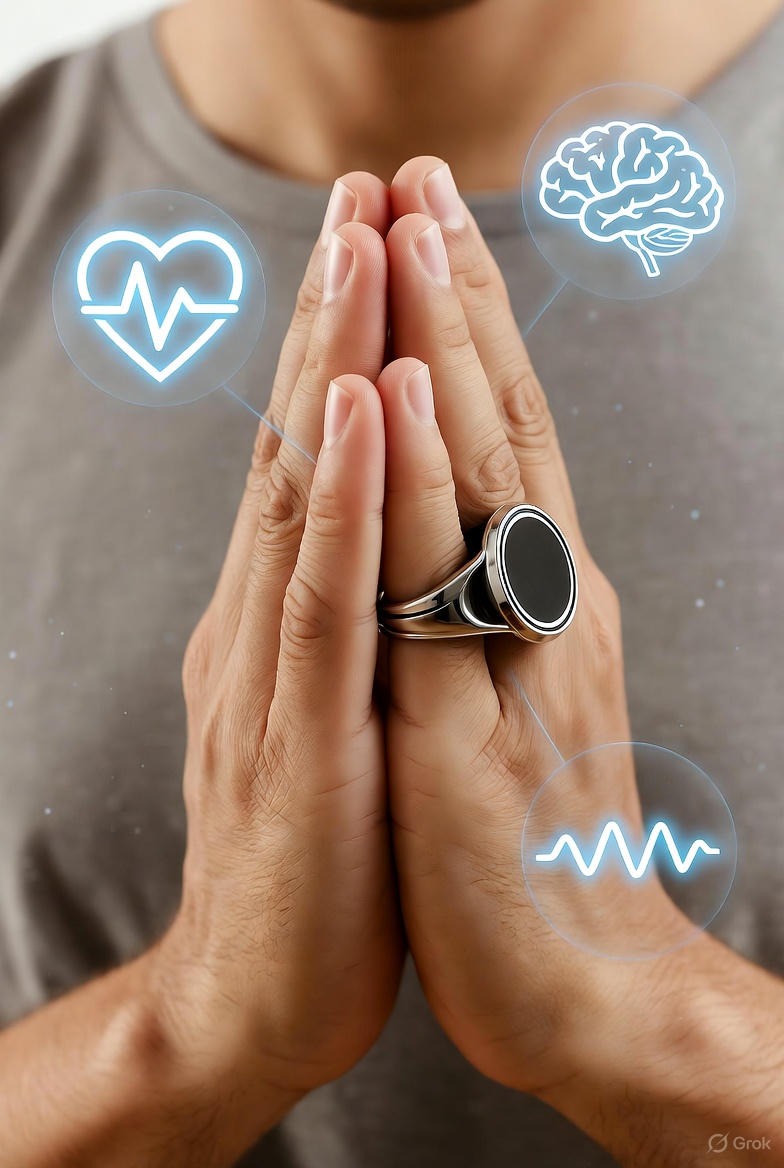
The Perfect Activity Level for Your Unique Biology and Lifestyle
Finding the perfect activity level for your unique biology and lifestyle.
The Perfect Activity Level for Your Unique Biology and Lifestyle
For decades, the fitness industry has sold us a universal prescription: 10,000 steps a day. Thirty minutes of cardio, five times a week. Lift heavy, run hard, push through. But what if this one-size-fits-all approach is not just ineffective, but actually counterproductive for your unique biology and lifestyle?
Imagine two people. One wakes up refreshed, eager for a morning sprint, and feels energized afterward. The other drags themselves through a similar run, only to spend the rest of the day in a fog of fatigue, craving sugar, and battling irritability. Same activity. Radically different outcomes. This isn’t a matter of willpower; it’s a fundamental difference in physiology, genetics, stress load, recovery capacity, and life context.
The quest for optimal health is no longer about hitting arbitrary, external metrics. It’s about tuning into the internal symphony of your body’s signals to discover the perfect activity level for you. This is the intersection where modern wellness technology meets personalized, bio-informed living. It’s about moving from generic fitness to true, sustainable vitality that aligns with who you are and how you live.
This comprehensive guide will dismantle the myth of the universal activity standard and provide you with the framework, science, and tools—including how discreet wearable technology like the Oxyzen smart ring can be your guide—to define, measure, and live at your perfect activity level.
The 10,000-Step Myth & Why Generic Fitness Fails You
The most famous fitness goal in the world is a historical accident. The 10,000-step target originated not from medical research, but from a 1960s Japanese marketing campaign for a pedometer called the manpo-kei, which literally translates to “10,000-step meter.” It was a catchy, round number that stuck, embedding itself into global consciousness as the gold standard for daily activity.
While moving more is undoubtedly better than being sedentary, the rigid adherence to this single metric is a profound oversimplification. It ignores critical dimensions of health:
Activity Quality vs. Quantity: Ten thousand slow, shuffling steps do not confer the same physiological benefit as 5,000 steps that include bursts of heart-pumping hills or resistance training. Muscle strengthening, bone density, and metabolic health require more than just walking.
The Individual Response: A groundbreaking study published in Cell demonstrated that people’s physiological responses to the same exercise regimen—from insulin sensitivity to aerobic fitness—vary wildly. For some, a training program yields massive improvements; for others, the same program produces negligible or even negative results.
The Recovery Paradox: For an already stressed, sleep-deprived individual, forcing a 10,000-step day might push their nervous system deeper into sympathetic (fight-or-flight) overdrive, elevating cortisol, impairing sleep, and hindering recovery. More is not always better; it’s sometimes just more stress.
Lifestyle Context: The activity needs of a 25-year-old construction worker are worlds apart from those of a 50-year-old software developer, a new parent, or a retiree managing a chronic condition. A single numeric target disrespects these profound differences.
The failure of generic fitness is its focus on external outputs (steps, miles, pounds lifted) while completely ignoring internal inputs and states: How is your body responding? Are you recovering? Is your nervous system balanced? Is this activity building you up or breaking you down?
The path forward requires a paradigm shift. We must move from chasing steps to cultivating adaptive capacity—your body’s ability to healthily respond to, recover from, and grow stronger from stress (including exercise). Discovering your perfect activity level is the art and science of finding the stimulus that builds your adaptive capacity without overwhelming it.
This journey begins not with a new workout plan, but with understanding the master regulator of your body’s state: your nervous system.
Your Nervous System: The Master Conductor of Activity & Recovery
Every single movement, thought, and bodily function is governed by your autonomic nervous system (ANS). It operates like a master conductor, constantly balancing two opposing yet complementary branches to decide whether your body should be spending energy or saving it.
The Sympathetic Nervous System (SNS): Often called "fight-or-flight." This is your gas pedal. It’s activated by exercise, work deadlines, intense conversations, and even scrolling through stressful news. It increases heart rate, blood pressure, and energy mobilization. Some SNS activation is crucial for performance and vitality.
The Parasympathetic Nervous System (PNS): Often called "rest-and-digest." This is your brake and repair system. It promotes digestion, cellular repair, immune function, and, most critically, deep recovery. It lowers heart rate and induces a state of calm.
The perfect activity level is one that creates a healthy, rhythmic dance between these two states. You press the gas for intentional, focused activity, and then you allow yourself to fully engage the brakes for recovery.
The problem in modern life is that we are chronically stuck in a low-grade sympathetic state—"fight-or-flight-lite." Constant digital notifications, work pressure, and social obligations keep our foot on the gas, even when we’re sitting still. When we then add intense exercise on top of this already stressed baseline, we risk pushing the system into overload. This is when exercise stops being adaptive and starts becoming destructive, leading to plateaus, burnout, injury, and illness.
Therefore, determining if you’re ready for activity—and what kind—requires you to listen to your nervous system. This is where objective data becomes revolutionary.
Heart Rate Variability (HRV) is the single most powerful, non-invasive window into your autonomic nervous system balance. It measures the subtle variations in time between your heartbeats. Contrary to what one might think, a higher HRV (more variability) generally indicates a stronger, more resilient nervous system—one that can fluidly switch between SNS and PNS as needed. A low, stagnant HRV suggests a nervous system that is stuck, fatigued, and less resilient.
Imagine knowing, before you even get out of bed, whether your body is primed for an intense workout or desperately needs a gentle walk and recovery. That is the power of tracking your HRV. A device like the Oxyzen smart ring provides this exact insight seamlessly. Worn overnight, it tracks your HRV and other vital metrics during sleep—the ultimate recovery state—giving you a personalized, daily readiness score. This biofeedback allows you to align your activity choices with your body’s actual capacity, not just your predetermined workout schedule.
Beyond Steps: Defining “Activity” in a Multi-Dimensional Way
To escape the step-count trap, we must expand our definition of activity. Your perfect activity level is a holistic blend of multiple movement dimensions, each serving a unique purpose for your health and longevity.
1. NEAT (Non-Exercise Activity Thermogenesis): This is the energy you burn for everything that isn’t sleeping, eating, or sports-like exercise. It includes walking to your car, typing, gardening, cooking, and fidgeting. For many, NEAT is the largest variable in daily calorie expenditure. Increasing NEAT is arguably more sustainable and impactful for metabolic health than sporadic, intense workouts. It’s the foundation of an active lifestyle.
2. Cardiovascular & Aerobic Fitness: This is your body’s ability to utilize oxygen. It strengthens your heart and lungs, improves circulation, and boosts endurance. It’s not just about running; it can be cycling, swimming, dancing, or brisk hiking. The key is achieving a moderate-to-vigorous intensity that challenges your cardiorespiratory system.
3. Strength & Resistance Training: This is non-negotiable for lifelong health. Muscle is your metabolic engine and your longevity armor. It regulates blood sugar, supports joint health, maintains independence as you age, and protects bone density. Strength training can involve weights, resistance bands, or bodyweight exercises. As we explore in our article on healthy aging tips to maintain muscle mass after 60, this dimension becomes critically important with each passing decade.
4. Mobility & Flexibility: This is the often-neglected component that determines your freedom of movement and pain-free function. It involves the active range of motion of your joints and the elasticity of your muscles and fascia. Practices like yoga, dedicated stretching, and dynamic mobility work ensure that your other activity remains accessible and injury-free.
5. Balance & Stability: This dimension is crucial for fall prevention and neurological health. It involves training your proprioception (your body’s sense of its position in space). Simple practices like single-leg stands, tai chi, or using balance boards keep this system sharp.
Your perfect activity blend is a unique recipe drawn from these five categories. A desk worker might need a higher dose of NEAT and mobility, while an athlete might focus on cardio and strength. The blend also dynamically shifts with age, goals, and life phases. For strategies tailored to different stages of life, our guide on healthy aging tips and movement strategies for every decade offers a detailed roadmap.
The Personalization Trifecta: Genetics, Chronobiology, and Life Phase
With our multidimensional framework in place, we can now layer in the core factors that make your activity needs truly unique.
Genetics & Your Exercise Response: Your DNA influences your muscle fiber type (fast-twitch vs. slow-twitch), your VO2 max potential, your injury risk, and even how you metabolize fuel during exercise. While genetics aren’t destiny, they offer clues. Someone with a genetic predisposition for power might thrive on sprinting and heavy lifting, while another with an endurance profile might excel at distance running. Understanding this can help you choose activities you’re more likely to enjoy and excel at, leading to greater adherence.
Chronobiology – Your Body’s Inner Clock: Your circadian rhythm governs more than sleep. It regulates hormone secretion (like cortisol and testosterone), body temperature, metabolism, and exercise performance. Are you a morning lark or a night owl?
Morning Types: Often have peak body temperature and cortisol levels earlier, making late morning an ideal time for intense training.
Evening Types: May hit their physiological peak in the late afternoon or early evening.
Forcing a hard workout at 6 a.m. when your body is biologically primed for sleep can feel unnecessarily grueling and may yield suboptimal results. Listening to your chronotype—while keeping it within a reasonable frame to protect sleep—is a key element of personalization.
Life Phase & Major Transitions: Your perfect activity level is not static. It must fluidly adapt to life’s chapters.
The Young Adult: May focus on performance, strength building, and high-intensity sports.
Pregnancy & Postpartum: Activity focuses on maintaining strength, supporting physiological changes, and safe reconditioning, with immense emphasis on recovery.
The Career-Building Years (30s-50s): Often the most stressful, requiring a smart balance of stress-busting movement (like nature walks) and efficient, time-conscious workouts that preserve muscle and metabolic health.
Navigating Hormonal Shifts: For women, perimenopause and menopause bring profound metabolic and physiological shifts. Activity needs to pivot toward preserving lean mass, supporting bone density, and managing stress, a topic we delve into in our resource on healthy aging tips for women navigating hormonal changes.
The Wisdom Years (60+): The focus shifts decisively to functional longevity: maintaining strength and balance for independence, protecting cognitive function through movement, and prioritizing recovery. This is where the principles of healthy aging tips to preserve independence longer become central to the activity conversation.
Listening to Your Body’s Signals: The Biofeedback Loop
Armed with knowledge of dimensions and personal factors, the next skill is learning your body’s language. Your body sends constant signals about its readiness, fatigue, and recovery status. Tuning into this biofeedback is the essence of intuitive, personalized training.
Objective Signals (What Data Can Tell You):
Resting Heart Rate (RHR): A sudden, sustained increase in your morning RHR (taken before you get out of bed) is a classic sign of systemic fatigue, incomplete recovery, or impending illness.
Heart Rate Variability (HRV): As discussed, your daily HRV trend is your nervous system’s report card. A downward trend suggests you need more recovery.
Sleep Quality & Duration: This is the bedrock of recovery. Poor sleep means poor recovery, full stop. It lowers your activity capacity for the day ahead. We’ve written extensively on how sleep quality became the foundation of healthy aging for this very reason.
Body Temperature: Some wearables track nocturnal temperature deviation. A higher baseline temperature can indicate inflammation or metabolic strain.
Subjective Signals (What You Feel):
Energy Levels: Do you wake up feeling restored or drained?
Motivation & Mood: A sudden lack of desire to train, or feelings of irritability and anxiety, can be neurological signs of overstress.
Muscle Soreness & Joint Pain: Acute soreness (DOMS) is normal. Lingering, sharp, or joint-specific pain is a red flag.
Quality of Movement: Do your workouts feel fluid and powerful, or clumsy and sluggish?
The most effective approach combines objective data with subjective awareness. This creates a powerful biofeedback loop. For instance, you might feel okay for a workout, but if your Oxyzen ring shows a significantly depressed HRV and poor sleep score, the data provides a cautionary note. Conversely, you might feel tired, but if your data is strong, it might just be mental fatigue, and movement could actually boost your energy.
This loop transforms guesswork into informed decision-making. You can learn more about building this personalized feedback system by exploring the resources on the Oxyzen blog.
The Role of Modern Technology: From Guesswork to Guided Awareness
We now have an unprecedented opportunity to move beyond the generic fitness tracker that just counts steps and calories. The rise of sophisticated, user-friendly biometric devices brings laboratory-grade insights into daily life.
A smart ring like Oxyzen represents the pinnacle of this evolution for several reasons:
Optimal Measurement Point: The finger’s vasculature provides a strong, consistent pulse signal, often superior to the wrist for metrics like HRV and blood oxygen.
Unobtrusive & Always-On: Unlike a watch, a ring is worn comfortably 24/7, enabling seamless overnight tracking—the most important window for recovery data. It doesn’t interfere with daily life, workouts, or sleep.
Comprehensive Health Snapshot: Advanced rings track the core pillars of readiness: Sleep (duration, stages, disturbances), Cardiovascular Activity (resting heart rate, HRV), Stress & Recovery (through ANS analysis), and Activity (including meaningful movement, not just steps).
Actionable Readiness Scores: These devices synthesize complex data into a simple, personalized score each morning. This is your “owner’s manual” for the day, guiding you to push or pull back.
This technology doesn’t replace intuition; it validates and refines it. It turns abstract concepts like “overtraining” or “under-recovering” into clear, visual trends. It helps you answer questions like: Does my body respond better to morning or evening workouts? How many days of strength training can I truly recover from? Does a long walk impact my nervous system as recovery or as stress?
As noted in our analysis of how a wellness ring validates effective healthy aging tips, this objective feedback is transformative for long-term adherence and success. It provides the “why” behind the recommendations, making personalized health a tangible, daily experience. To see this technology in action and understand its full potential, you can explore the Oxyzen.shop.
Creating Your Personalized Activity Baseline: The Assessment Phase
You cannot personalize what you do not measure. Before designing your perfect activity plan, you need a clear, honest snapshot of your starting point. This isn’t about judgment; it’s about establishing a baseline from which to grow.
Conduct a 7-10 Day “Movement Audit”:
Track EVERYTHING: Use a notepad, app, or your smart ring to log all movement. Categorize it using our five dimensions: NEAT (e.g., total daily steps, housework), Cardio (duration, intensity, how you felt), Strength (type, volume), Mobility (stretching sessions), and Balance (specific practice).
Record Your Bio-Signals: Note your subjective energy, mood, and motivation levels each day (on a scale of 1-10). If you have a device like Oxyzen, document your daily readiness score, HRV, and sleep data.
Note Life Context: Log stress levels, work demands, social activities, and nutrition quality. These are the modifiers of your activity capacity.
Look for Patterns: At the end of the audit, analyze. Do high-stress days correlate with poor sleep and low readiness scores? Do you feel better on days you walk more? Does evening exercise disrupt your sleep? Does a strength session leave you energized for two days or drained?
Define Your “North Star” Goals: Clarify what “perfect activity” means for you right now. Be specific and holistic. Examples:
“To have consistent energy throughout my workday without an afternoon crash.”
“To build strength to lift my grandchildren without back pain.”
“To lower my resting heart rate and improve my cardio fitness for a hiking trip.”
“To manage my stress levels more effectively and sleep through the night.”
“To maintain my mobility and independence for decades to come.”
These goals are far more motivating and personal than “lose 10 pounds” or “hit 10k steps.” They connect activity to your deeper values and quality of life.
The Dynamic Activity Planner: A Flexible Framework for Life
With your baseline and goals set, you can now build a flexible, dynamic framework—not a rigid plan. Think of it as a weekly “movement menu” with options, guided by your daily readiness.
Build Your Weekly “Menu”:
NEAT: Aim to infuse it daily. Set a minimum floor, not a ceiling (e.g., “I will get at least 4,000 steps from non-exercise movement every day”).
Cardio: Schedule 2-3 “slots” per week. Have options for high, medium, and low intensity. A slot could be a 30-minute run (high), a 45-minute brisk walk (medium), or a gentle bike ride (low).
Strength: Schedule 2-3 slots per week. Vary muscle groups and intensity (heavy vs. moderate vs. circuit).
Mobility: Aim for 5-7 short (10-15 minute) slots. This can be a morning routine, post-workout stretching, or a pre-bed wind-down.
Balance: Schedule 2-3 short (5-10 minute) slots. Practice while brushing your teeth or waiting for the kettle to boil.
The Daily Decision-Making Algorithm: Each morning, consult your data and feelings. Then, choose from your menu.
Green Light (High Readiness): Your HRV is high, sleep was great, energy is high. This is a day to perform. Take that scheduled high-intensity cardio or heavy strength session.
Yellow Light (Moderate Readiness): Data is average, you feel okay but not great. This is a day to maintain. Choose moderate cardio, a lighter strength circuit, or focus on a long mobility session.
Red Light (Low Readiness): HRV is low, sleep was poor, you feel fatigued or are fighting off a bug. This is a day to recover and restore. Cancel intense plans. Prioritize gentle NEAT (a leisurely walk), very light mobility, or complete rest. True strength is shown in the discipline to rest when needed. This principle is central to sustainable health, as discussed in our article on HRV monitoring for healthy aging goals.
This framework respects your biology’s natural fluctuations. It turns your plan from a tyrannical schedule into a responsive dialogue with your body. For inspiration on how to structure this across a lifetime, our compilation of 50 healthy aging tips a smart ring helps implement daily provides actionable ideas that fit into this flexible model.
The Art of Recovery: Why It’s the Most Important “Activity”
In our cultural obsession with performance, we have tragically underrated the profound, active process of recovery. Recovery is not simply the absence of work. It is not laziness. It is the essential, non-negotiable biological phase where adaptation occurs. Without adequate recovery, activity becomes a destructive erosion of your health, not a constructive investment.
Think of your body as a financial portfolio. Every bout of activity—from a hard workout to a stressful workday—is a withdrawal from your physiological “bank account” of energy, hormonal balance, and neurological resilience. Sleep, nutrition, relaxation, and true downtime are the deposits. If you constantly withdraw without depositing, you will eventually go bankrupt. This bankruptcy manifests as chronic fatigue, injury, burnout, illness, and accelerated aging. The perfect activity level is only achievable with a perfect commitment to recovery.
The Four Pillars of Deep Recovery:
Neurological Recovery: This is about quieting the sympathetic nervous system and engaging the parasympathetic state. Techniques include:
Meditation & Breathwork: Simple practices like box breathing (4-second inhale, 4-second hold, 4-second exhale, 4-second hold) can rapidly lower heart rate and cortisol. Data from devices like the Oxyzen ring can show a direct, measurable calming effect on HRV in real-time.
Digital Sunset: Reducing blue light exposure 60-90 minutes before bed. This protects melatonin production, which is crucial for sleep quality—your primary recovery window.
Nature Immersion: "Forest bathing" or a simple walk in a park without headphones lowers cortisol and inflammatory markers more effectively than an urban walk.
Metabolic & Nutritional Recovery: This involves replenishing energy stores and providing the raw materials for repair.
The Post-Activity Window: Consuming a combination of protein and carbohydrates within 60-90 minutes after intense activity helps repair muscle tissue and replenish glycogen.
Hydration as a Foundation: Chronic, low-level dehydration impairs every cellular process, including waste removal and nutrient transport. It also artificially elevates heart rate, making your body appear more stressed than it is.
Anti-Inflammatory Nutrition: A diet rich in colorful plants, omega-3 fatty acids, and spices like turmeric supports the body’s natural repair processes and mitigates the inflammatory stress of training.
Structural & Muscular Recovery: This is the physical repair of tissues.
Sleep as the Ultimate Biohack: During deep sleep, growth hormone secretion peaks, driving cellular repair and muscle growth. During REM sleep, cognitive and emotional processing occurs. Poor sleep sabotages all other recovery efforts. It’s the foundation upon which all other pillars rest, a truth explored in our piece on how sleep quality became the foundation of healthy aging.
Active Recovery: Gentle movement like walking, swimming, or light cycling increases blood flow, delivering nutrients to sore muscles and flushing out metabolic waste, without imposing new stress.
Myofascial Release: Using foam rollers, massage guns, or getting professional bodywork can alleviate muscle tightness and improve tissue quality.
Psychological & Emotional Recovery: Your mind needs to recover just as much as your body.
Deliberate Disengagement: Hobbies, creative pursuits, and laughter that have no performance goal are vital for mental restoration.
Social Connection: Positive, low-demand social interaction is a powerful stress buffer. Loneliness and isolation are profoundly inflammatory states. The importance of this is highlighted in our article on healthy aging tips and the social connection factor.
Mindfulness in Activity: Practicing being fully present during a walk or workout, instead of listening to a podcast or worrying about a to-do list, turns the activity itself into a form of moving meditation and recovery.
Recovery is the secret multiplier of your activity’s effectiveness. A perfectly executed workout followed by poor recovery yields minimal results. A modest workout followed by profound, deliberate recovery yields outsized gains. Tracking your readiness score and sleep data with a tool like the Oxyzen ring provides an objective measure of your recovery effectiveness, holding you accountable to this critical pillar.
The Perfection of Imperfection: Embracing Dynamic Adjustments
The quest for a “perfect” activity level is not about finding a static, unchanging formula and adhering to it robotically for the rest of your life. That is the old paradigm. The new paradigm understands that perfection is dynamic responsiveness. It’s about having a smart, personalized framework and then gracefully adjusting it in real-time to the ever-changing conditions of your life, health, and environment.
Life is not a controlled laboratory. It is a series of unpredictable events: a stressful project at work, a sick child, a poor night’s sleep, a seasonal shift, a minor injury, a joyful vacation. Your activity plan must be fluid enough to accommodate these fluctuations without causing guilt or derailment.
Strategic Scaling: The Art of the "Mini-Dose"
On days when your energy or time is severely compromised, the "all-or-nothing" mentality is your greatest enemy. Instead of skipping activity entirely, practice strategic scaling. The goal is to maintain the habit and provide a minimal effective dose to signal to your body that you are still engaged.
Instead of a 60-minute gym session: Do a 7-minute bodyweight circuit in your living room.
Instead of a 5-mile run: Do 10 minutes of brisk walking or a few sets of stair climbs.
Instead of a full yoga class: Do 5 minutes of deep breathing and 3 key stretches for your tightest areas.
These mini-doses preserve momentum, provide mental and physiological benefits, and reinforce your identity as someone who prioritizes movement. They prevent the dreaded "I've already blown it" feeling that leads to complete abandonment of healthy habits.
The Quarterly "Life & Body Audit":
Every 3-4 months, schedule a personal audit. This is not a performance test, but a compassionate review.
Review Your Data Trends: Look at your readiness, sleep, and activity data over the past quarter. Are your HRV trends generally stable or improving? Is your sleep score consistent? What activity patterns correlate with your best recovery days?
Revisit Your Goals: Are your "North Star" goals still relevant? Has life presented a new priority (e.g., training for an event, recovering from an injury, managing a new stressor)?
Assess Joy & Adherence: What activities did you genuinely enjoy and look forward to? What did you dread and consistently skip? Joy is a powerful, sustainable fuel. Remove or modify the dreaded activities.
Adjust Your Framework: Based on your audit, tweak your weekly "menu." Maybe you need to swap one strength session for a mobility focus. Perhaps you’ve discovered you thrive on two hard cardio days, not three.
This iterative process ensures your plan evolves with you. It turns the journey into one of discovery, not punishment. For a deeper dive into building a system that adapts over a lifetime, our guide on science-backed healthy aging tips that actually work is an excellent companion resource.
The Mindset Shift: From Performance to Partnership
Ultimately, discovering your perfect activity level requires a fundamental mindset shift. We must move from seeing our body as a machine to be pushed and controlled, to viewing it as a wise, living partner to be listened to and collaborated with.
The Old Mindset (Performance-Driven):
Goal: Beat yesterday’s time. Lift more. Burn more calories.
Relationship with Body: Adversarial. The body is lazy and must be forced.
Response to Signals: Ignore pain. "Push through the wall." Celebrate ignoring fatigue.
Measure of Success: External metrics (weight, PRs, calories burned).
Outcome: High risk of burnout, injury, and a cyclic relationship with health that feels like a constant battle.
The New Mindset (Partnership-Driven):
Goal: Support lifelong vitality, energy, and function.
Motivation: Self-compassion, curiosity, and the desire for a rich quality of life.
Relationship with Body: Collaborative and respectful. The body is an intelligent source of information.
Response to Signals: Listen and respond. A "red light" day is a sign of wisdom, not weakness.
Measure of Success: Internal metrics (energy, mood, resilience, good sleep, joy in movement).
Outcome: Sustainable adherence, reduced injury, deeper enjoyment, and a feeling of being in tune with oneself.
This partnership is enabled by biofeedback. When you see a clear data trend showing that a certain type of workout consistently improves your HRV, or that a poor night's sleep predictably lowers your readiness, it’s no longer an abstract concept. It’s a tangible conversation. You begin to trust the signals. You start asking, “What does my body need today to thrive?” instead of “What workout am I supposed to do today?”
This shift is at the heart of modern, personalized wellness. It’s what allows you to build a health practice that lasts for decades, not just for a few weeks in January. The team at Oxyzen.ai built our technology with this exact partnership philosophy in mind—to provide the insights that foster this deeper collaboration with your own biology.
Integrating Technology with Intuition: Your Personal Health Command Center
We’ve established that technology like a smart ring is not a replacement for intuition, but its most powerful amplifier. The final step in mastering your activity level is learning to integrate these streams of information into a coherent, daily practice—creating your own Personal Health Command Center.
Your Daily Integration Ritual:
Morning Review (Before Getting Out of Bed):
Check your device’s readiness score, HRV, and sleep data. Note the numbers without judgment. This is your biological weather report for the day.
Take 30 seconds for a body scan. How do you feel? Rested? Achy? Energized? Stiff?
Synthesize: Combine the objective data with your subjective feeling. “My readiness score is 85 (green), and I feel strong. It’s a performance day.” Or, “My sleep score is low, my HRV is down 15%, and I feel foggy. It’s a recovery day.”
Activity Selection & Intention Setting:
Based on your synthesis, choose from your weekly menu.
Set an intention for the session. For a green day: “I intend to challenge my strength with focus.” For a red day: “I intend to move gently to honor my body’s need for restoration.”
In-Session Awareness:
During the activity, stay present. How does the movement feel today? Is your heart rate higher than usual for this effort? Does a joint feel off? Be willing to modify or even stop based on real-time feedback, not just the planned workout script.
Evening Wind-Down & Preparation:
Use technology to aid recovery. Many devices, including the Oxyzen ring, have guided breathing exercises that you can use for 2-5 minutes to actively shift your nervous system into a parasympathetic state before sleep.
Reflect briefly. What activity did you do? How did it align with your morning assessment? This builds the neural connections between action and outcome.
The Power of Long-Term Trend Analysis: The true magic happens when you review data over weeks and months. This is where you move from reactive to predictive.
You might discover that strength training on Monday evenings consistently leads to a higher HRV on Wednesday mornings.
You might see that more than two consecutive days of high-intensity work always triggers a sleep disturbance.
You might find that a 20-minute walk after dinner correlates with a higher sleep score.
These are your personal, data-backed health laws. They empower you to make proactive choices. You learn not just to listen to your body’s cries, but to understand its whispers. This is the pinnacle of personalized health: creating a positive feedback loop where your actions improve your biomarkers, and the clarity from those biomarkers inspires more effective, joyful actions.
Even with the best framework and technology, you will encounter obstacles. Anticipating and planning for them is key to resilience.
Roadblock 1: "My Data is Always 'Red' or Low. I Feel Stuck."
Interpretation: Chronic low readiness is a clear signal of systemic overload. This is valuable information, not failure.
Action Plan: Declare a formal "Recovery Block" of 7-14 days. Dramatically reduce structured exercise. Prioritize sleep above all else. Focus on gentle NEAT, nutrition, and stress management. Use your device to track the impact of true rest. The goal is to see a gradual upward trend in HRV and sleep scores. This is progress. For support during such phases, our FAQ page can offer helpful guidance on optimizing device use for recovery tracking.
Roadblock 2: "I Don't Have Time for This Level of Tracking and Planning."
Interpretation: This is about efficiency, not adding more tasks.
Action Plan: Automate what you can. A smart ring collects data passively. The morning review takes 60 seconds. The weekly menu planning takes 15 minutes once a week. This small investment saves you hours of wasted time on ineffective workouts and days lost to burnout. It’s the ultimate time-saver. To see how seamless this integration can be, explore the user-friendly design at Oxyzen.shop.
Roadblock 3: "I Get Bored with My Own Company During Solo Activity."
Interpretation: You are a social being. Movement has been a communal activity for millennia.
Action Plan: Inject social connection. Join a hiking group, take a class, find a workout buddy, or even use a virtual partner app. The combination of social bonding and movement is a powerful health elixir, reinforcing the principles in our piece on the social connection factor in healthy aging.
Roadblock 4: "I'm Dealing with an Injury or Chronic Pain."
Interpretation: Pain is the body's ultimate "red light." It requires a specialized approach.
Action Plan: Work with a healthcare professional (physiotherapist, etc.). Use your activity framework to focus exclusively on the dimensions that are safe (e.g., NEAT, mobility for unaffected areas, breathwork for recovery). Your device can help you monitor overall stress load as you heal. The goal shifts to "What can I do to support healing?" not "How can I maintain my fitness?"
The Bigger Picture: Activity as a Pillar of Lifelong Vitality
We have journeyed from dismantling generic myths to building a dynamic, personalized, and responsive system for activity. It’s important to step back and see this not as another self-optimization project, but as a foundational pillar of a rich, vibrant, and independent life—a concept at the core of healthy aging.
Your perfect activity level is the one that allows you to:
Play with your children or grandchildren without pain or breathlessness.
Pursue passions and hobbies that require physical capability well into later decades.
Manage life’s inevitable stresses with resilience, rather than being crushed by them.
Protect your cognitive function, as physical activity is one of the most potent stimulators of brain-derived neurotrophic factor (BDNF), a fertilizer for brain cells.
Maintain your independence and dignity by preserving the strength, balance, and mobility needed for daily life.
This is the true "why." It’s not about six-pack abs or an arbitrary step count. It’s about the quality of your days and the freedom of your years. It’s about writing a different story about what it means to age—one of agency, vitality, and continued engagement with the world.
The tools and frameworks we have today, from the science of personalization to the technology that makes it accessible, give us an unprecedented advantage. We are no longer flying blind. We can navigate the complex landscape of our own health with a map and a compass.
The journey to your perfect activity level begins with a single, simple step: the decision to listen. Listen to the data, listen to your body’s whispers (and shouts), and listen to your deeper goals for your one precious life. From that place of curiosity and self-partnership, you can build a movement practice that doesn’t just change your body, but sustains and enriches your entire being.
To continue exploring this philosophy and see how others are applying it, we invite you to read the inspiring testimonials and stories from individuals who have used personalized data to transform their health journey. Their experiences are a powerful testament to the principles outlined here.
From Theory to Practice: Building Your First 30-Day Personalized Activity Blueprint
Understanding the philosophy and science behind personalized activity is the first step. The next—and most crucial—step is implementation. This section transforms the concepts of personalization, biofeedback, and dynamic adjustment into a practical, 30-day action plan. Think of this not as a rigid prescription, but as a structured experiment with your own biology.
The Guiding Principle: The "Test, Don't Guess" Methodology
For the next 30 days, you are a scientist and your life is the laboratory. Each day is a data point. Each activity is an experiment. The goal is not perfection, but pattern recognition. You are seeking to answer the core question: "What specific types, amounts, and timing of movement make me feel and function at my best?"
Phase 1: Week 1 – The Baseline & Observation Week
Do not try to change anything this week. Your sole job is to gather a clean, honest baseline.
Day 1-7 Instructions:
Wear Your Tracker Consistently: If you're using a device like the Oxyzen ring, ensure it's worn 24/7, especially during sleep.
Live Your Normal Life: Engage in your typical weekly activities—your usual workouts, your normal work schedule, your regular social habits.
The Daily Log: Each evening, spend 5 minutes recording in a notebook or digital doc:
Activity: List everything you did (e.g., "30-minute Peloton ride, intensity 7/10," "walked dog 15 mins," "desk work 9-5").
Subjective Scores (1-10): Energy (morning, afternoon, evening), Mood, Stress Level.
Body Signals: Note any notable soreness, stiffness, hunger cues, or sleepiness.
Context: Major events, work deadlines, social engagements, dietary shifts.
Morning Data Record: Each morning, note your device’s readiness score, HRV, resting heart rate, and sleep score. Do this before checking email or social media.
Week 1 Analysis (End of Day 7):
Calculate Averages: Find your average subjective energy, mood, and stress scores.
Identify Highs & Lows: On which days were your subjective scores and objective data highest? Lowest? What was happening on those days?
Spot Initial Patterns: Even in one week, you might see, "On days I had back-to-back meetings (high stress), my sleep score was lower," or "The day after I lifted weights, my energy was great."
This baseline is your neutral reference point. It holds no judgment. It simply is. For many, this week of observation alone creates profound awareness. If you're seeking more structured guidance on beginning this journey at any age, our resource on healthy aging tips that start working at any age offers a supportive framework.
Now, you will begin to gently manipulate variables. We will focus on one dimension at a time to see its isolated effect.
Week 2 Focus: The NEAT & Recovery Experiment.
Primary Goal: Increase daily NEAT by 25% from your Week 1 average, while intentionally prioritizing recovery.
Actions:
Schedule three 10-minute "NEAT breaks" in your day (e.g., walk while on a call, pace during lunch, 5-minute post-dinner stroll).
Do NOT increase structured exercise. Keep cardio/strength sessions identical to Week 1.
Implement one new recovery ritual daily: a 10-minute digital sunset, a 5-minute meditation using your device’s breathwork guide, or a 15-minute mobility flow before bed.
Hypothesis: "Increasing gentle, all-day movement and adding a recovery ritual will improve my sleep score and lower my average resting heart rate, even with the same exercise load."
Week 3 Focus: The Intensity & Timing Experiment.
Primary Goal: Test how the type and timing of structured activity affect you.
Actions:
If you normally do steady-state cardio (e.g., jogging), replace one session with High-Intensity Interval Training (HIIT) (e.g., 30 seconds sprint, 90 seconds walk, repeat 8x).
If you normally lift heavy weights, replace one session with a circuit-style, higher-rep, lower-weight workout focusing on time under tension.
Experiment with timing: If you typically exercise in the evening, try moving one session to the morning, or vice-versa.
Hypothesis: "Changing the stimulus and/or timing of my primary workouts will create a noticeable shift in my post-activity recovery metrics and next-day energy."
Throughout Weeks 2 & 3, continue your daily log and morning data record religiously. The key is changing only one major variable cluster per week to see its signal clearly.
Phase 3: Week 4 – The Integration & Personal Blueprint Week
This final week is about synthesizing your findings and creating your first personalized activity blueprint.
Days 22-28 Instructions:
Review All Data: Lay out your logs and data trends from the past three weeks. Look for clear, reproducible cause-and-effect relationships.
Answer Your Discovery Questions:
What activity made me feel energized for hours afterward?
What activity left me feeling drained or irritable?
On what days did I sleep the most deeply? What did I do (or not do) on those days?
What time of day did I feel strongest and most motivated to move?
Did increased NEAT make structured exercise feel easier or harder?
Draft Your "Personal Activity Constitution": This is a set of rules derived from your data. For example:
"I thrive on two days of strength training per week (M/Th). More than that and my sleep suffers."
"My perfect cardio is one long, slow walk and one short HIIT session per week."
"I must get a 10-minute walk after dinner to ensure good sleep."
"If my Oxyzen readiness score is below 70, I swap my workout for a mobility session or complete rest."
"Morning workouts work better for me than evening ones."
Day 29-30: Live Your Blueprint. Use the final days of the month to test-run your new Constitution. Does it feel sustainable? Does it align with your energy? Tweak the final details.
This 30-day process does not end with a finish line; it ends with a launchpad. You now have an evidence-based, personalized framework that you can use, refine, and adapt indefinitely. This is the essence of taking control of your wellness narrative, a theme echoed in our article on how smart rings support healthy aging through daily monitoring.
Nutrition as Fuel and Feedback: Syncing Your Diet with Your Activity Rhythm
Activity does not exist in a vacuum. It is fueled by and interacts intimately with your nutrition. The perfect activity level requires the perfect fueling strategy—and again, this is highly personal. This isn't about a generic "clean eating" plan, but about syncing your intake with your energy expenditure and recovery needs.
The Fuel-Quality Spectrum: From Transactional to Foundational
Think of your food in two layers:
Foundational Nutrition: This is the daily, non-negotiable intake that supports all basic cellular functions, hormonal balance, and inflammation management. It is high in micronutrients (vitamins, minerals, phytonutrients), fiber, healthy fats, and quality protein. This is your metabolic "floor." Regardless of activity level, this foundation must be solid.
Transactional Nutrition: This is the fuel you strategically add or modify based on your activity for that day. It's the extra carbohydrates to fuel a long run, or the specific post-workout protein to aid muscle repair.
Personalizing Your Fuel Map:
On High-Activity/High-Readiness ("Green") Days:
Focus: Support performance and recovery.
Strategy: Ensure carbohydrate intake is adequate to fuel your glycogen stores. Time a meal or snack with carbs and protein 1-2 hours before activity. Prioritize a recovery meal/snack within the hour after training. Hydration needs are higher.
Biofeedback: On these days, you should see that good fueling supports a strong activity session and a subsequent positive recovery signal (good sleep, maintained/increased HRV).
On Low-Activity/Recovery ("Red") Days:
Focus: Support repair, detoxification, and metabolic flexibility.
Strategy: You may naturally need less total energy. This can be a good day to emphasize the foundational layer—extra vegetables, healthy fats, and fiber—while being mindful not to under-eat protein. Some find benefit in a slightly lower carbohydrate intake on purely restful days, encouraging the body to utilize fat for fuel.
Biofeedback: The goal is to see that your nutrition on these days supports a reduction in systemic stress markers (lower resting heart rate, higher HRV).
Listening to Your Post-Activity Hunger Cues:
Your body is an exquisite communicator. After different types of activity, learn to discern its requests:
After Long, Steady-State Cardio: You may crave carbohydrates. This is your body asking to replenish muscle glycogen. Provide quality carbs (sweet potato, fruit, whole grains) paired with some protein.
After Intense Strength Training: You may crave protein. This is a signal for muscle repair. Prioritize a quality protein source.
Feeling Ravenous & Shaky: Could signal under-fueling before the activity or poor blood sugar management. Experiment with a small, balanced pre-workout snack.
No Appetite After Intense Exercise: Common due to elevated sympathetic nervous system activity. Have a liquid recovery option (e.g., a protein shake) that's easier to consume, aiming to get nutrients in within the recovery window.
Using a smart ring to track your body temperature and resting heart rate can also offer clues about your metabolic state and how it's responding to different foods in the context of your activity. The interplay of diet, activity, and cellular health is complex; for a deeper look at the foundational science, consider reading our piece on healthy aging tips to fight cellular aging.
The Social and Environmental Dimension: How Your World Shapes Your Movement
Your biology is only one part of the equation. Your perfect activity level is either supported or sabotaged by your environment and social circles. Personalization requires auditing and intentionally designing these external layers.
Environmental Design for Movement:
Your Home: Is it easy to move? Can you do bodyweight exercises in your living room? Are resistance bands or light weights visible and accessible? Is your most comfortable chair one that encourages good posture or one you sink into?
Your Workspace: Can you work at a standing desk or from a high counter for part of the day? Are walking meetings possible? Can you place a printer or trash can across the room to encourage getting up?
Your Neighborhood: Are there safe, pleasant paths for walking or running? Are there stairs you can use? Is there a park, trail, or green space within a 10-minute walk? The walkability of your environment is a massive, passive determinant of your NEAT.
The Social Scaffolding:
The people around you create a powerful "activity climate."
The Supportive Network: These are people who join you for walks, respect your workout time, or share healthy recipes. They make healthy choices the easy, default, social choice.
The Sabotage Network (Often Unintentional): These are people who consistently suggest sedentary activities, tease you for "being healthy," or pressure you to skip your routine. They make your personalized path feel lonelier and harder.
The Strategy: Cultivate your support network. Find one "activity ally"—a friend, partner, or online community (like those who share their journeys via Oxyzen testimonials) who gets it. Communicate your goals to your close circle so they can understand, not undermine, your choices. Suggest active social outings (hiking, pickleball, a walking coffee) instead of only sedentary ones.
The Digital Environment:
Your phone and computer are perhaps your most influential environments.
Curate Your Feed: Unfollow accounts that make you feel inadequate about your body or performance. Follow coaches, physiotherapists, and everyday people who promote sustainable, joyful, and personalized movement.
Use Tech as a Tool, Not a Tyrant: Let your smart ring data inform you, not judge you. Use apps for guided workouts or scheduling, but grant yourself permission to deviate based on your body's signals. The technology should increase your agency, not diminish it.
By shaping your physical, social, and digital environments to support movement, you drastically reduce the willpower required to live at your perfect activity level. It becomes the path of least resistance. This holistic approach to environment is a key component of building a lifestyle that lasts, a concept explored in our broader blog on wellness and tracking.
Beyond Physical: How Activity Shapes Cognition, Mood, and Emotional Resilience
We have focused largely on the physiological, but the perfect activity level delivers its most precious gifts to the mind. Movement is a potent, dose-dependent medicine for your brain and emotional well-being.
The Cognitive Benefits: Building a Resilient Brain
Neurogenesis & BDNF: Physical activity, particularly aerobic exercise, stimulates the production of Brain-Derived Neurotrophic Factor (BDNF). Think of BDNF as "Miracle-Gro for your brain." It encourages the growth of new neurons and strengthens the connections between them, enhancing learning, memory, and cognitive flexibility. This is a direct defense against age-related cognitive decline, a critical aspect of healthy aging tips to protect cognitive function.
Executive Function: Activities that require coordination, strategy, or learning new movements (like dance, rock climbing, or a new sport) sharply engage the prefrontal cortex—the brain's CEO. This improves focus, decision-making, and impulse control.
The Brain-Body Circulation Loop: Exercise improves cardiovascular health, which ensures a steady, rich supply of oxygen and nutrients to the brain. It also helps clear metabolic waste products, acting like a power wash for your neural pathways.
The Emotional & Mood Benefits: The Original Anti-Depressant
The Endorphin & Endocannabinoid Release: The "runner's high" is real. Exercise triggers the release of endorphins (which diminish pain perception) and the body's own endocannabinoids, which promote feelings of calm and well-being.
Stress Hormone Regulation: While acute exercise raises cortisol, regular, appropriate activity teaches the body’s hormonal system to respond to stress more efficiently and recover more quickly. It recalibrates your stress thermostat.
A Moving Meditation: Repetitive, rhythmic activities like running, swimming, or rowing can induce a flow state, quieting the "default mode network" in the brain responsible for rumination and worry. It provides a mental break from chronic thought patterns.
Sense of Mastery & Agency: Completing a workout, especially on a day you didn't feel like it, builds self-efficacy. This translates to a stronger belief in your ability to handle other life challenges.
Finding Your "Mindful Movement" Sweet Spot:
The cognitive and emotional benefits are maximized when activity is performed with a degree of mindfulness or enjoyment.
For Stress Relief: Choose activities you find inherently pleasurable or meditative. This could be a walk in nature (without headphones), a gentle yoga flow, or swimming.
For Cognitive Challenge:** Engage in activities that require coordination and skill acquisition. Try a dance class, martial arts, or trail running where you must navigate terrain.
For Mood Elevation: Often, higher-intensity exercise that gets your heart pumping robustly will provide the most significant neurochemical shift. A hard bike ride or a spirited dance session can literally shake off a bad mood.
Your perfect activity level, therefore, must account for your mental and emotional state. On a day of high anxiety, a mindful, nature walk may be far more beneficial than a punishing HIIT session that could amplify nervous system stress. Your readiness data can help you make this distinction: a low score coupled with feeling anxious is a clear sign to choose calming movement.
Special Populations & Considerations: Personalization in Action
The principles of bio-individuality become even more critical when applied to specific life stages or health conditions. Here, a generic approach isn't just ineffective—it can be harmful.
For the Endurance Athlete or Fitness Enthusiast:
The Pitfall: The performance mindset can override recovery signals, leading to overtraining syndrome.
Personalization Strategy: Use HRV and resting heart rate as your primary guide. A consistently declining HRV trend is the earliest and most objective sign of overreaching. Incorporate mandatory "deload weeks" every 4-8 weeks where volume/intensity drops by 40-60%. Remember, fitness is built during recovery. Your device is your coach, telling you when to push and when to hold back. The story of our founding at Oxyzen was inspired by the need for this precise, athlete-level insight in everyday life.
For Those with Autoimmune or Chronic Inflammatory Conditions:
The Pitfall: Exercise is a hormetic stressor—a small dose builds resilience, a large dose exacerbates inflammation. For those with dysregulated immune systems, the line is very fine.
Personalization Strategy: Focus on low-inflammatory exercise: walking, swimming, cycling, gentle yoga. Strength training is excellent but must be carefully dosed. Monitor your body temperature and resting heart rate closely; spikes can indicate an inflammatory flare. The goal is to maintain function and mobility without triggering a systemic response. Recovery is paramount.
For Individuals in High-Stress Professions (Executives, Caregivers, Healthcare Workers):
The Pitfall: Adding intense exercise to an already maxed-out sympathetic nervous system is like pouring gasoline on a fire.
Personalization Strategy: Reframe activity as stress management and neurological recovery. Prioritize NEAT and non-sleep deep rest (NSDR) practices like meditation. When you do exercise, make it "joyful movement"—something that feels like play, not punishment. Use your smart ring data to prove to yourself that a walk in the park lowers your stress score more effectively than a grueling session you dread.
For Older Adults (65+): The Priority Shift to Function
The Pitfall: Fear of injury or "it's too late" mentality leads to sarcopenia (muscle loss) and frailty.
Personalization Strategy: The perfect activity level is explicitly designed to preserve independence. This means:
Strength Training is Non-Negotiable: Focus on functional movements (sit-to-stands, step-ups, carrying weight).
Balance Work is Daily Medicine: Practice standing on one leg while brushing teeth.
Cardio for Heart & Brain: Brisk walking, cycling, water aerobics.
Recovery is Longer: Allow more time between intense sessions. Sleep quality is the top priority.
Data for Safety & Motivation: Tracking trends can show maintenance or improvement in metrics like resting heart rate and HRV, providing powerful motivation and early warning of potential issues. This comprehensive approach is detailed in our article on healthy aging tips for the critical decade of the 50s and beyond.
In every case, the constant is the feedback loop: Action → Measurement → Interpretation → Adjusted Action. This is the engine of personalized health. For answers to common questions about applying these principles, our comprehensive FAQ is always available.
The Long Game: Sustaining Your Perfect Activity Level for Decades
The final, and perhaps most important, chapter is about sustainability. How do you turn this 30-day experiment and personalized blueprint into a lifelong practice? How do you avoid the common cycle of enthusiasm, burnout, and abandonment?
Embrace Seasonality and Life Cycles:
Your activity will and should change with the seasons of the year and the seasons of your life.
Annual Seasons: In summer, you might be more active outdoors; in winter, you might shift to indoor strength and mobility. Your body may naturally crave more rest in darker months. Honor these rhythms.
Life Seasons: There will be seasons of intense training for an event, seasons of gentle maintenance during busy work periods, and seasons of rehabilitation after an injury or illness. Your "perfect" level is the one that perfectly serves the season you are in. The framework isn't abandoned; it's fluidly adapted.
Cultivate Movement Joy (Not Just Discipline):
Discipline gets you started, but joy keeps you going for 50 years.
The "Joy Audit": Every few months, ask: "Am I enjoying my movement practice? What part do I dread? What part makes me feel alive?"
Incorporate Play: Can you turn a workout into a game? Can you hike a new trail instead of running the same route? Can you dance in your kitchen? Play is neurologically antithetical to burnout.
Focus on Feeling, Not Looking: Anchor your motivation to the immediate, positive feelings: the post-workout clarity, the sense of accomplishment, the reduced anxiety, the good night's sleep. These are reliable rewards. Aesthetic goals are fickle and often demotivating.
Leverage Your Data for Long-Term Motivation:
This is where long-term trend analysis shines.
Celebrate Non-Scale Victories (NSVs) in Data: A rising trendline in your average HRV over 6 months is a huge victory. A lowering of your resting heart rate is a sign of a stronger heart. Improved sleep consistency is a monumental health achievement. These are objective proof that your personalized system is working.
Use Data for Course-Correction, Not Self-Criticism: A week of low scores isn't a failure; it's a diagnostic tool. It asks, "What's going on?" Maybe you're fighting a virus, are under emotional stress, or need a deload. Respond with curiosity, not judgment.
Build a Supportive Identity:
Finally, the most sustainable shift is one of identity. Move from "I'm someone who has to work out" to "I'm someone who values movement and listens to my body." Move from "I'm on a fitness journey" to "I live an active, vibrant life." This identity is resilient to missed workouts and adaptable to change because it's rooted in a value, not a temporary goal.
This entire process—the learning, the experimenting, the tuning in—is a profound act of self-respect. It communicates to yourself that your unique biology and your unique life are worth understanding and honoring. It’s the ultimate personalization.
In the final third of this guide, we will explore the cutting-edge future of personalized health, the role of community in sustaining change, and provide you with a master toolkit of resources to continue this journey for a lifetime. We’ll look at how the very tools and philosophies discussed here, like those developed by Oxyzen, are part of a broader movement towards truly intelligent, individualized wellness.



%402x.svg)