


Recovery Essentials: A Lifelong Habit for Health
Frame recovery not as a chore, but as a lifelong habit for sustained health.
Frame recovery not as a chore, but as a lifelong habit for sustained health.
%402x.svg)
In the relentless pursuit of a healthier, more productive life, we’ve become masters of optimization. We track our macros, log our miles, measure our VO2 max, and scrutinize our sleep stages. We push our limits in the gym, the boardroom, and in our personal lives, operating under the silent, pervasive belief that more effort equals more success. This culture of relentless drive has a glaring, often ignored, blind spot: recovery.
We treat recovery as an afterthought—a passive state of not working—or worse, as a sign of weakness. We celebrate "hustle" while quietly burning out. But what if we’ve fundamentally misunderstood one of the most powerful pillars of human performance and longevity? What if recovery isn't the absence of effort, but a series of intentional, measurable, and essential acts that build the foundation for everything else?
Modern science is unequivocal: recovery is not a luxury; it is a biological imperative. It’s in the quiet hours of rest that our bodies repair muscle tissue, consolidate memories, regulate hormones, strengthen the immune system, and clear metabolic waste from the brain. It is the silent partner to every achievement, the essential counterbalance to stress. Without deliberate recovery, progress plateaus, injury risk soars, mental clarity fogs, and the very health we seek to build begins to erode.
This article is a deep exploration of recovery as a proactive, lifelong habit. We will move beyond vague notions of "rest" and into the specific, science-backed essentials that constitute true restoration. In an era of data and personalization, we also have a powerful new ally: continuous health tracking technology. Devices like the modern smart ring offer an unprecedented, 24/7 window into our body’s signals, transforming recovery from a guessing game into an informed practice. By understanding and implementing these recovery essentials, you’re not just preventing burnout—you’re building a sustainable, resilient foundation for lifelong health, vitality, and performance. The journey to your best self doesn’t end when you finish your workout; it begins in the deliberate, essential practice of recovery.
We live in an age of abundance, yet we are starved of genuine recovery. This paradox defines modern wellness. The "recovery deficit" isn't just about not getting enough sleep (though that is a massive part of it); it's a systemic shortage of the physical, mental, and emotional space required for our bodies and minds to regenerate. To understand why making recovery a habit is so critical, we must first diagnose the root causes of this widespread deficit.
The Always-On Economy and Digital Intrusion. The boundary between work and life has all but vanished. Smartphones tether us to endless streams of communication and information, activating our sympathetic nervous systems (the "fight or flight" response) with every ping and notification. This state of low-grade perpetual alertness inhibits our ability to enter parasympathetic "rest and digest" mode, the very state where recovery occurs. The workday never truly ends, and neither does the cognitive load.
The Misguided "Pain for Gain" Narrative. For decades, fitness culture glorified "no pain, no gain." While disciplined effort is vital, this philosophy often discounts the signaling purpose of pain and fatigue. Soreness is information, not just a badge of honor. Ignoring these signals and training through excessive fatigue leads to overtraining syndrome, characterized by stalled progress, hormonal dysregulation, persistent fatigue, and a weakened immune system. The deficit here is a lack of listening.
The Quantified Self, Minus the Context. We love data. We track steps, heart rate, and calories burned with enthusiasm. However, this data often becomes just another metric to maximize, another source of performance anxiety. We see 10,000 steps and think, "I can do 12,000." Without the crucial context of readiness—how our body is responding to that strain—activity data alone can push us deeper into deficit. True recovery metrics like Heart Rate Variability (HRV), resting heart rate, and sleep quality are the missing counterpoints that give activity data its meaning. For a deeper look at how technology has evolved to provide this crucial context, explore our article on the evolution of health tracking technology from manual logs to smart rings.
Cultural Stigma Around Rest. In many professional and social circles, being "busy" is a status symbol. Taking a proper lunch break, using vacation days, or prioritizing eight hours of sleep can be misconstrued as a lack of ambition or dedication. This stigma creates a silent pressure to neglect recovery, perpetuating a cycle of presenteeism—showing up but operating at a fraction of our true capacity.
The Physiological Toll of the Deficit. The consequences are measurable and severe. Chronically elevated cortisol disrupts sleep and promotes fat storage, particularly around the abdomen. Consistently poor sleep is linked to a higher risk of cardiovascular disease, diabetes, cognitive decline, and mood disorders. An unrecovered musculoskeletal system is prone to overuse injuries. Mentally, the deficit manifests as brain fog, impaired decision-making, emotional volatility, and diminished creativity.
Recognizing that you are operating in a recovery deficit is the first, crucial step. The solution isn't to abandon ambition or effort, but to elevate recovery to the same level of intention and respect. It’s about building a lifestyle where stress and restoration exist in a sustainable rhythm. The following essentials provide the framework for closing that deficit for good, turning recovery from a crisis-management tool into a daily, non-negotiable habit for lifelong health. To see how a simple device can help you identify and address this deficit daily, you can discover how Oxyzen works to provide these key recovery metrics.
If recovery had a cornerstone, sleep would be it. It is the single most effective performance-enhancing, health-sustaining, and life-extending "activity" we do—or fail to do. Approaching sleep as a passive default state is a profound mistake. Instead, we must view it as an active, complex physiological process that we can intentionally cultivate and optimize.
Understanding Sleep Architecture: More Than Just Hours. Sleep is not a monolithic state. It cycles through distinct stages—light sleep, deep sleep (slow-wave sleep), and REM (Rapid Eye Movement) sleep—each with a unique restorative function. Deep sleep is prime time for physical repair: tissue growth, muscle repair, and the release of growth hormone. REM sleep, often called "mental hygiene," is crucial for memory consolidation, emotional processing, and cognitive function. Simply being in bed for 8 hours doesn’t guarantee you’re progressing through these cycles optimally. Disruptions from alcohol, late-night screen time, or sleep disorders can fragment this architecture, leaving you physically in bed but physiologically under-recovered.
The Quantifiable Impact of Sleep Deprivation. The data is stark. Losing even 1-2 hours of sleep per night for a week can impair cognitive and motor functions equivalently to being legally drunk. Chronic short sleep (less than 6 hours per night) is associated with:
Crafting Your Sleep Sanctuary: Hygiene as a Habit. Optimizing sleep requires deliberate habits, known collectively as sleep hygiene.
Leveraging Technology for Sleep Intelligence. This is where modern wearables, particularly smart rings, become transformative. Instead of guessing how you slept, you can measure it. A device worn on the finger can track sleep stages (light, deep, REM), waking events, sleep latency (time to fall asleep), and overall efficiency. More importantly, it can reveal trends. Are your deep sleep percentages low after stressful days or late workouts? Does alcohol, even one drink, truncate your REM sleep? This objective feedback loop turns sleep from a vague concept into a data-informed practice, allowing you to test and refine your hygiene habits for tangible results. For a practical guide on how to get started with this kind of technology, our blog offers a helpful resource: wellness ring basics: making it perfect for beginners.
Mastering sleep isn't about perfection; it's about consistent prioritization. It’s the bedrock upon which all other recovery—and performance—is built. By making high-quality sleep a non-negotiable habit, you invest directly in your physical health, mental acuity, and emotional resilience for the long term.
We are, quite literally, what we eat and when we eat it. Nutrition is the raw material for every recovery process in the body. After physical stress—be it a workout, a demanding workday, or fighting an illness—the body enters a repair-and-rebuild phase that is utterly dependent on the nutrients we provide. Moving beyond simple "calories in, calories out," nutritional recovery focuses on the strategic use of food to reduce inflammation, replenish energy stores, repair tissue, and support metabolic health.
The Post-Stress Anabolic Window: Beyond the Gym. The concept of post-workout nutrition is well-known, but recovery nutrition applies to any form of significant stress. The goal is to shift the body from a catabolic (breaking down) state to an anabolic (building up) state. Key nutrients facilitate this:
Anti-Inflammatory Eating as a Recovery Strategy. Systemic inflammation is a primary antagonist to recovery. It prolongs muscle soreness, impedes repair, and is linked to chronic disease. An anti-inflammatory diet isn't a short-term fix but a lifelong recovery habit.
Hydration: The Overlooked Catalyst. Water is the medium for every metabolic process. Even mild dehydration (a 1-2% loss of body weight) can significantly impair physical performance, cognitive function, and the body's ability to thermoregulate and flush out metabolic waste products. Hydration for recovery is not just about drinking water during a workout; it's a constant, all-day practice. Electrolytes—sodium, potassium, magnesium, calcium—are equally critical, as they govern fluid balance, nerve transmission, and muscle function. Replenishing electrolytes, especially after intense sweating, is a key part of the hydration puzzle.
Strategic Timing and Fasting. While consistent nutrient intake is vital, there's also a role for strategic periods of not eating. Intermittent fasting, when done appropriately, can stimulate autophagy—the body's cellular "clean-up" process where damaged cells are recycled. This process is a profound form of metabolic and cellular recovery. However, the timing of fasting must be intelligently aligned with your activity levels and recovery needs; placing a heavy training session in a fasted state without proper protocol can be counterproductive.
Nutritional recovery turns food from mere fuel into targeted medicine. It’s the daily practice of using your plate to dampen inflammation, rebuild stronger, and prepare your body for the next challenge. By aligning your eating habits with your recovery goals, you ensure that the effort you expend is effectively translated into lasting adaptation and health.
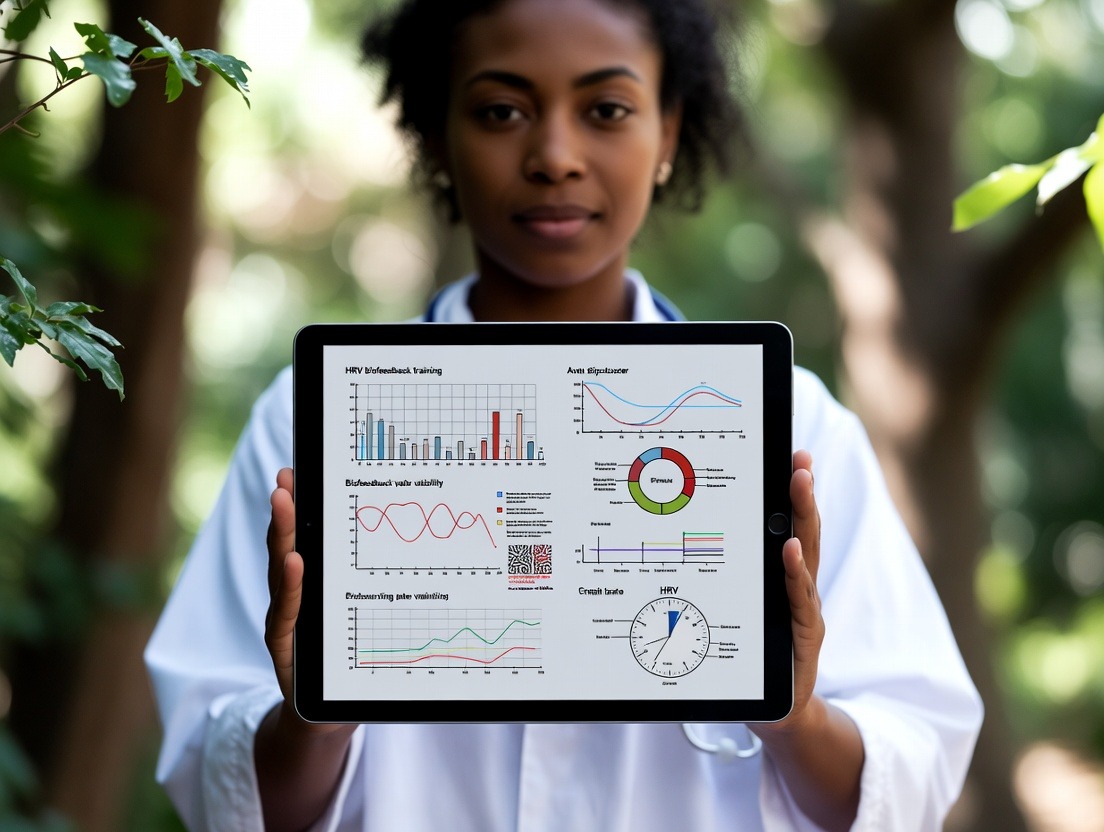
Physical recovery is only one side of the coin. If our nervous system is stuck in a state of high alert, all the sleep and nutrition in the world will only be a partial solution. The autonomic nervous system (ANS) has two primary gears: the sympathetic (SNS), our "gas pedal" for action, stress, and focus; and the parasympathetic (PNS), our "brake pedal" for rest, digestion, and repair. Modern life chronically presses the gas pedal. The essential recovery habit is learning to consciously engage the brake.
Beyond Relaxation: The Science of Downregulation. Downregulation is the active process of shifting from a sympathetic-dominant state to a parasympathetic-dominant state. This isn't just "chilling out." It’s a physiological shift that lowers heart rate and blood pressure, stimulates digestion, promotes restorative sleep cycles, and allows for cellular repair. When we fail to downregulate, we exist in a state of allostatic load—the cumulative wear and tear from chronic stress—which accelerates aging and disease.
Biofeedback and the Power of HRV. Heart Rate Variability (HRV) has emerged as the gold-standard, non-invasive window into ANS balance. Unlike a static resting heart rate, HRV measures the subtle, millisecond variations in time between each heartbeat. Higher HRV generally indicates a healthy, resilient nervous system that can flexibly switch between stress and recovery modes. Lower HRV suggests a system under chronic stress, stuck in sympathetic overdrive. Tracking HRV provides direct, personal biofeedback on your recovery status and the effectiveness of your downregulation practices. As one of the most insightful metrics for overall system strain, understanding HRV is a key component of modern health tracking, which we explain in detail in our article on the science behind modern health tracking technology.
Practical Tools for the Reset. These are active skills to be practiced, not passive states to be hoped for.
Integrating Micro-Resets. The goal isn't to live in a parasympathetic state, but to build resilience by flexibly moving between states. This requires integrating micro-resets throughout your day. Before a big meeting, take 60 seconds for deep breaths. After a frustrating interaction, step outside for two minutes of fresh air. These deliberate pauses prevent stress from accumulating and becoming allostatic load.
Mastering your nervous system is the ultimate act of recovery agency. It means you are no longer a passive recipient of stress but an active participant in managing your physiological response. By making daily downregulation a non-negotiable habit, you build a resilient foundation that enhances not just your recovery, but your capacity to perform and engage with life fully, without burning out. For more on how daily data can guide these practices, explore our blog on how health tracking technology enables personalized wellness.
In the context of recovery, movement might seem counterintuitive. However, deliberate, low-intensity movement and dedicated mobility work are not just complementary to rest—they are a catalytic form of active recovery. The goal here is not to create additional strain but to enhance circulation, promote flexibility, and facilitate the body's innate repair processes without imposing significant new stress.
The Physiology of Active Recovery. After intense exercise, muscles are inflamed and laden with metabolic byproducts like lactate. Complete immobilization can lead to stiffness and prolong the inflammatory phase. Gentle movement, on the other hand:
Forms of True Active Recovery. The key is intensity—it should feel easy and restorative.
The Critical Role of Mobility. Mobility—the active, controlled range of motion around a joint—is distinct from passive flexibility. It is the foundation of efficient, injury-free movement and a cornerstone of long-term functional health. A dedicated mobility practice is preventive recovery; it addresses the imbalances and restrictions that lead to pain and injury over time.
Listening to Your Body: The Art of Autoregulation. The most advanced recovery tool you possess is interoception—your sense of the internal state of your body. An active recovery day should leave you feeling better than when you started, not more fatigued. This is where subjective feedback ("How do I feel?") meets objective data. If your smart ring shows a low HRV and elevated resting heart rate, that's a strong signal to choose a gentle walk over even a moderate workout. Learning to autoregulate—adjusting your activity based on daily readiness—is a master-level recovery skill. This principle of listening to your body's signals is a central theme in our guide on how a wellness ring can help build healthy habits through personalized feedback.
Integrating active recovery and mobility isn't about doing more; it's about doing what's strategically right for your body on any given day. It transforms rest from a passive void into a dynamic, participatory process that actively speeds physical restoration and preserves your body's functional integrity for decades to come.
Our physiology is in constant conversation with our environment. Light, temperature, sound, and even the air we breathe send powerful signals that either support or sabotage our recovery processes. Proactively shaping your personal environment is a powerful, often overlooked, essential habit. It’s about designing spaces and routines that passively promote restoration, making recovery the default rather than a hard-fought achievement.
Light: The Master Circadian Regulator. As touched on in the sleep section, light is the most potent environmental cue for our internal body clock (circadian rhythm). Optimizing light exposure is a 24-hour recovery strategy.
Thermoregulation for Recovery. The body's temperature cycle is intrinsically linked to sleep and recovery. We fall asleep as our core temperature drops and wake as it rises.
Acoustic Ecology: Managing Your Soundscape. Noise pollution is a constant, low-level stressor that can disrupt sleep and keep the nervous system on edge, even if you're not consciously aware of it.
Air Quality and Hydration. The medium we breathe and the water we consume are foundational environmental factors.
By taking conscious control of these environmental levers, you build a fortress for your recovery. You create spaces that work for your biology, not against it. This form of optimization doesn't require willpower; it works silently in the background, turning your home and daily routine into a ecosystem engineered for restoration and resilience. For insights into how the design and features of a wearable can complement this personalized ecosystem, read about the color and style options available to fit seamlessly into your life.
Physical strain is only one source of fatigue. The cognitive load of modern work, emotional labor, and the constant stream of information we process is equally draining on our mental and emotional resources. Just as muscles need rest, so does the prefrontal cortex—the brain's executive center responsible for focus, decision-making, and impulse control. True recovery must address this "mental muscle" fatigue.
Understanding Cognitive Fatigue. Decision fatigue, attention residue (when your mind remains on a previous task), and prolonged focus deplete neurochemicals like dopamine and glutamate. This leads to a measurable decline in willpower, problem-solving ability, creativity, and emotional regulation. Pushing through this state doesn't just make you less effective; it can lead to poor decisions, increased irritability, and a higher likelihood of abandoning healthy habits.
The Principle of Psychological Detachment. This is arguably the most important concept in mental recovery. Psychological detachment is defined as "an individual's sense of being away from the work situation." It means mentally switching off from work-related thoughts, emails, and problems during non-work time. Research consistently shows that failure to detach is strongly linked to emotional exhaustion, chronic stress, and poor sleep.
Digital Minimalism for Mental Space. Our digital devices are perhaps the greatest thieves of cognitive recovery. They fragment our attention and make detachment nearly impossible.
Cultivating Positive Emotional States. Recovery isn't just about reducing negative stress; it's about actively cultivating positive emotions that have a restorative effect on the mind and body.
Mindful Consumption of Media. The content we consume directly impacts our mental state. Consuming stressful news, violent entertainment, or engaging in negative social media exchanges before bed is the cognitive equivalent of eating junk food before a workout. Be as intentional with your information diet as you are with your food diet.
Recovering your mind is about creating space for silence, for boredom, for unstructured thought. It's in these spaces that creativity sparks, insights emerge, and the cognitive resources depleted by daily life are lovingly restored. By honoring the need for mental and emotional recovery, you protect your most valuable asset: your capacity to think clearly, feel deeply, and engage meaningfully with the world. For further strategies on maintaining mental agility and wellness as we age, our resource on 50 healthy aging tips a smart ring helps implement daily offers valuable, actionable guidance.
In our quest for better recovery, we are no longer limited to subjective guesswork. The advent of sophisticated, consumer-grade health technology has given us a powerful partner in this journey. When used wisely, technology transforms recovery from a generic concept into a personalized, data-informed practice. The key is to leverage these tools for insight and empowerment, not for creating additional performance anxiety.
The Rise of the 24/7 Health Snapshot. Unlike watches that are often taken off, or chest straps used only during activity, the smart ring represents a paradigm shift in continuous monitoring. Worn on the finger—a location rich with capillaries—it can provide high-fidelity data on key recovery metrics 24 hours a day. This continuous data stream creates a holistic picture of your body's response to your life, capturing not just exercise but also work stress, social events, travel, and illness.
Key Metrics That Illuminate Recovery.
From Data to Wisdom: The Interpretation Loop. Data alone is meaningless. The magic happens in the interpretation and behavioral feedback loop.
Avoiding the Pitfalls: Technology as a Guide, Not a Tyrant. It's crucial to maintain a healthy relationship with this data.
When used with intention, technology like a smart ring becomes a compassionate coach, a biofeedback tool, and a personal science lab. It demystifies your body's inner workings, empowering you to make choices that genuinely support lifelong recovery and health. To understand how this technology is built to serve your health journey, you can learn more about our mission and values on our about us page. For those concerned about data, our guide on wellness ring basics: privacy settings and data security provides essential peace of mind.

Recovery is not a static, one-size-fits-all prescription. Our need for restoration ebbs and flows in rhythmic cycles—daily, weekly, monthly (for many), and across the entire lifespan. The most advanced recovery strategy is to develop an awareness of these cycles and intentionally periodize your effort and rest to align with them. This is the art of syncing your lifestyle with your biology, not fighting against it.
Daily Cycles (Circadian Rhythm): We've covered the importance of light and sleep timing. Taking it further, you can also periodize activity types. Schedule demanding cognitive work and high-intensity exercise during your natural peak alertness times (often late morning for most). Reserve afternoons for less demanding, administrative tasks and evenings for relaxation and social connection. This alignment reduces the energy cost of fighting your natural rhythm.
Weekly Cycles (The Microcycle): The 7-day week is a social construct, but it provides a perfect framework for structuring recovery. Instead of grinding at the same intensity every day, build deliberate recovery days into your weekly schedule.
Monthly/Infradian Cycles (The Female Biometric Cycle): For those who menstruate, the hormonal fluctuations across a cycle create distinct physiological phases with different energy levels, recovery needs, and capacities. Ignoring this cycle is like training with a blindfold on.
Seasonal and Lifespan Cycles: Our biology also responds to the seasons (with potential for lower energy in winter) and, of course, ages. Recovery needs increase as we get older. The high-intensity, low-recovery model of a 25-year-old is a blueprint for injury and burnout in a 50-year-old. Lifelong recovery means gracefully adapting your habits—prioritizing mobility, sleep quality, and nervous system regulation more with each passing decade. It’s about training and living smarter, not just harder.
Listening to Life's Imposed Periodization. Life will also force recovery cycles upon you through illness, travel, or stressful life events. The resilient individual sees these not as failures but as part of the natural
Recovery is often portrayed as a solitary journey—a personal retreat into silence, sleep, and self-care. While individual practices are vital, this perspective misses a fundamental human truth: we are wired for connection. Our social environment—the quality of our relationships, our sense of belonging, and the support we give and receive—is a powerful, yet frequently underestimated, pillar of recovery. Building and nurturing a supportive social fabric is not a distraction from wellness; it is an active, essential recovery habit that buffers stress, promotes longevity, and fuels resilience.
The Physiology of Positive Connection. Loneliness and social isolation are not just emotional states; they are biological stressors with measurable health impacts. Chronic loneliness can increase cortisol levels, promote inflammation, elevate blood pressure, and impair immune function. Conversely, positive social interaction triggers the release of oxytocin, endorphins, and serotonin—neurochemicals that counteract stress, promote feelings of safety, and facilitate the parasympathetic "rest and digest" state essential for recovery.
Building a Recovery-Conscious Community. Your social circle can either drain your recovery reserves or replenish them. It’s essential to audit and cultivate relationships that support your well-being.
The Digital Double-Edged Sword. Online communities can provide invaluable support, especially for niche health goals or for those in geographically isolated areas. However, they can also become sources of comparison, misinformation, and performative wellness that induce stress.
The Role of Professional Support. Sometimes, the most recovery-supportive social connection is with a professional. A therapist, health coach, physical therapist, or nutritionist provides guided, objective support that friends and family cannot. They offer evidence-based strategies, hold you accountable to your stated goals, and provide a safe container for exploring challenges without judgment. Investing in this type of support is a profound commitment to your recovery infrastructure.
Giving Support to Receive It. The benefits of social connection are magnified when we are both givers and receivers. Providing support to others enhances our own sense of purpose and meaning, which are key components of psychological resilience. Checking in on a friend, listening without trying to fix, or sharing a helpful resource reinforces our own commitment to wellness and strengthens the bonds of mutual care.
By intentionally weaving a social fabric that values and supports recovery, you create an external ecosystem that mirrors and reinforces your internal goals. This network becomes a safety net during times of high stress and a source of joy and connection that makes the journey toward lifelong health sustainable and rich. For real-world examples of how others have integrated technology into their support systems, our testimonials page shares stories from individuals who've built smarter habits within their communities.
Mindset and Ritual: The Psychology of Sustainable Recovery Habits
The most meticulously planned recovery protocol will fail without the right mindset. Willpower is a finite resource, easily depleted by stress and decision fatigue. Therefore, the ultimate recovery essential is the cultivation of a psychological framework and automated rituals that make restoration the default, effortless path. This is where recovery transitions from a series of tasks to a core part of your identity.
From "Should" to "Get To": Reframing Recovery. The language we use internally is powerful. Viewing recovery as a chore ("I should go to bed early") or a sacrifice ("I can't go out") frames it as a deprivation, which the brain resists. Instead, reframe it as a privilege and a strategic advantage.
Identity-Based Habits: "I Am a Person Who Recovers Well." James Clear, in Atomic Habits, emphasizes that lasting change stems from identity. Start by believing, "I am the type of person who values and protects recovery." Then, your actions naturally flow to support that belief. Each time you choose the recovery-supportive option, you cast a vote for that identity. Over time, this becomes who you are, reducing the mental friction associated with each individual choice.
The Power of Keystone Rituals. A keystone ritual is a small, consistent practice that triggers a cascade of other positive behaviors and sets the tone for recovery.
Embracing "Minimum Effective Dose" Recovery. Perfectionism is the enemy of consistency. You don't need a 90-minute yoga class; a 10-minute floor session might be your MED. You don't need an hour of meditation; five minutes of deep breathing can reset your nervous system. The goal is to find the smallest, most sustainable action that yields a meaningful benefit. This removes the barrier of "not having enough time" and makes daily practice inevitable. Our blog offers practical advice on this front, with a guide on wellness ring basics: how it supports different health goals, from micro-habits to major transformations.
Self-Compassion: The Safety Net. You will have off days, poor sleep nights, and weeks where your rituals fall apart. A punitive, self-critical mindset ("I failed") adds a layer of psychological stress that compounds the recovery deficit. Self-compassion—acknowledging the lapse with kindness and curiosity ("I'm really tired, what do I need right now?")—allows you to re-engage without shame. It treats recovery as a lifelong practice with inevitable ebbs and flows, not a performance to be graded.
By mastering the psychology of recovery, you build an internal architecture that supports your external habits. Your mindset becomes the compass, and your rituals become the automated steps on the path. This turns recovery from a fight against your impulses into a graceful, integrated expression of how you care for the one body and mind you have for life.
We have now established the pillars of recovery: sleep, nutrition, nervous system regulation, active recovery, environment, community, and mindset. But knowledge alone is not power; applied knowledge is. The critical next step is synthesizing these elements into a living, breathing protocol that is uniquely yours. A one-size-fits-all recovery plan is a contradiction in terms. Your ideal protocol is a dynamic formula, informed by your biology, your lifestyle, your goals, and the ever-changing context of your life.
The Core Tenets of a Personalized Protocol. Before diving into specifics, understand the guiding principles:
Step 1: Conduct a Recovery Audit. Start with a clear-eyed assessment of your current state. For one week, track without judgment:
Step 2: Establish Your Non-Negotiables (The 80/20 Rule). Identify the 20% of recovery habits that will deliver 80% of your results. For almost everyone, this includes:
Step 3: Create Your Decision Matrix (The "If/Then" Rules). This is the engine of a dynamic protocol. Create simple, pre-programmed rules based on your recovery metrics and subjective state.
Step 4: Design Your Recovery Micro-Rituals. Embed recovery into the seams of your day. These are 1-5 minute practices that prevent the accumulation of stress.
Step 5: Schedule Recovery Like an Appointment. In your calendar, block time for it. This could be:
The Iteration Loop: Measure, Assess, Tweak. Your protocol is a hypothesis. You test it by living it and measuring the outcomes. Every month, review your data and subjective sense: Are your energy levels more stable? Is your HRV baseline trending upward? Is your sleep more consistent? Are you bouncing back from stress faster? Based on this review, make one small adjustment. This iterative process is the essence of personalized wellness. For those looking to dive deeper into the data interpretation and next steps, our blog is filled with resources on refining your approach.
Remember, the goal of personalization is not to create a perfectly optimized, stressful life. It is to build a framework that makes it easier to listen to and honor your body’s needs, creating a sustainable path to lifelong health where recovery is not an interruption of your life, but the very rhythm that makes a vibrant, engaged life possible.

For the athlete, the entrepreneur, the surgeon, or any individual operating at the edges of human performance, recovery is not merely about health—it is the critical variable that separates adaptation from breakdown, and peak output from burnout. In this context, recovery is the strategic, non-negotiable work that happens after the effort to ensure the effort was worth it. It's the process that converts training stress into increased capability and cognitive load into wisdom.
The Supercompensation Cycle: Recovery as the Catalyst. The fundamental principle of athletic improvement is supercompensation: apply a stress (training), then during the recovery period, the body not only repairs itself but adapts to be slightly stronger, faster, or more resilient than before. Without adequate recovery, this cycle is broken. You remain in a state of fatigue, and subsequent training sessions simply dig a deeper hole of exhaustion, leading to the dreaded plateau or overtraining syndrome (OTS). For the high-performer, recovery is the active phase where gains are actually made.
Advanced Biomarker Monitoring for Precision. Beyond basic sleep and HRV, serious athletes and performers can leverage more granular data:
Nutritional Periodization for Performance Recovery. Nutrient timing and composition become highly strategic.
Advanced Physical Modalities. High-level athletes often incorporate more intensive recovery tools, though their efficacy varies individually:
Cognitive and Emotional Recovery for Performers. The mental fatigue from competition, high-stakes decision-making, or public performance is profound.
For the athlete and high-performer, recovery is the discipline behind the discipline. It requires the same rigor, planning, and consistency as the performance work itself. It is the humble, often invisible work that allows the glorious, visible work to shine. By mastering these advanced layers, you transform recovery from a defensive tactic to a proactive, performance-enhancing strategy. To see how cutting-edge tools support this level of precision, learn about the accuracy revolution in health tracking technology that informs elite protocols.
Even the most meticulously crafted recovery protocol cannot make you immune to life’s disruptions. Illness, injury, and the deep exhaustion of burnout are not failures of your system; they are signals that your system has been overwhelmed. How you approach recovery during these setbacks is what determines the speed and completeness of your return. This phase requires a different mindset: one of radical acceptance, patience, and strategic, gentle rebuilding.
The Physiology of Setback: Acute vs. Chronic Stress. Illness and injury represent acute, high-grade biological stress. The body diverts all resources toward immune function or tissue repair. Attempting to maintain normal training, work output, or even aggressive "healthy" habits during this time hijacks energy from the healing process, prolonging the setback. Burnout, on the other hand, is the endpoint of chronic, unaddressed recovery deficit. It is a state of systemic dysregulation—hormonal, neural, and emotional—that requires not just rest, but a fundamental recalibration of lifestyle.
Phase 1: The Acute Phase – Permission to Hibernate. When hit with fever, significant injury, or the crashing fatigue of burnout, the only goal is to support your body’s innate healing processes.
Phase 2: The Rebuilding Phase – The 10% Rule. As acute symptoms subside (fever breaks, pain is controlled, the deepest fatigue lifts), the instinct is to rush back to 100%. This is where most re-injuries and relapses occur. Implement the "10% Rule": increase activity, workload, or training volume by no more than 10% per week from your new, reduced baseline.
The Mental Game of Setback Recovery. This is often the hardest part.
The Opportunity in the Breakdown. A major setback, as brutal as it is, can be a profound teacher. It forces you to listen to signals you may have been ignoring for months or years. It can reveal weaknesses in your overall lifestyle structure—perhaps your sleep was chronically poor, your stress unmanaged, or your identity too narrowly defined by output. The recovery from a setback is the perfect time to rebuild not just your body, but your entire protocol on a wiser, more resilient foundation. For support and answers during this challenging time, our FAQ page can provide guidance on using technology and habits to navigate a comeback.
Navigating a setback with grace and intelligence is perhaps the ultimate test of your recovery philosophy. It proves that recovery isn't just for when you're healthy; it is the very pathway back to health. By honoring the process, you don't just recover from the setback—you often return stronger, more balanced, and with a deeper respect for the delicate equilibrium of your body and mind.
Our cultural narrative around aging is too often one of inevitable decline—a slow surrendering of strength, vitality, and cognitive sharpness. This fatalistic view ignores a powerful variable within our control: the cumulative effect of our daily recovery habits. When viewed through a decades-long lens, recovery transforms from a performance tool into the most potent longevity strategy available. It is the daily practice of repairing the micro-tears of life, slowing biological aging, and preserving function.
Cellular Recovery and the Aging Process. At the cellular level, aging is characterized by accumulated damage, declining efficiency of repair mechanisms, and increased inflammation (termed "inflammaging"). The essential recovery habits directly combat these processes:
Preserving the "Biomarkers of Youth." Healthy aging is less about chronological years and more about maintaining functional biomarkers associated with youth.
Recovery Needs Evolve: Listening to a Changing Body. The recovery protocol that worked at 30 will not suffice at 50 or 70. Wisdom lies in anticipating and adapting to these changes.
The Cumulative Dividend. Think of every night of good sleep, every nourishing meal, every managed stress response, and every moment of true relaxation as a deposit into your "healthspan savings account." The compounding interest over decades is immense: not just more years of life, but more life in your years—more energy, clearer thinking, physical independence, and resilience in the face of health challenges. For a comprehensive look at actionable strategies, our dedicated resource, 50 healthy aging tips a smart ring helps implement daily, connects these long-game principles to daily, trackable habits.
Making recovery a lifelong habit is the ultimate act of foresight and self-respect. It is a commitment to your future self, ensuring that the person you become in your later years is not defined by limitation, but is empowered by the careful, consistent investment you made in restoration, day after day, year after year. It reframes aging not as a decline to be endured, but as a life stage to be entered with strength, grace, and vitality earned through a lifetime of intelligent recovery.

We stand at the precipice of a revolution in personalized health, and recovery is at its epicenter. The future moves beyond tracking what happened yesterday and toward predicting what you will need tomorrow. It is a shift from reactive recovery to proactive, pre-emptive restoration, guided by a convergence of wearable technology, advanced biomarkers, and artificial intelligence. This future promises to make our recovery protocols not just personalized, but predictive and powerfully precise.
Beyond Heart Rate: The Next Generation of Non-Invasive Biomarkers. Research is rapidly expanding the range of health signals we can capture continuously and passively.
The AI Health Coach: From Data to Prescriptive Insight. The true transformation will come from artificial intelligence that synthesizes this multi-modal data stream.
Integration with the Broader Healthcare Ecosystem. The future of recovery tech is not siloed. It will seamlessly integrate with professional healthcare.
Ethical Considerations and the Human Element. This powerful future comes with responsibilities.
The future of recovery is intelligent, anticipatory, and deeply integrated into our lives. It promises to take the guesswork out of self-care, allowing us to align our daily habits with our long-term biological needs with unprecedented precision. By embracing this future thoughtfully, we can all become the best stewards of our own health, turning lifelong recovery from a disciplined practice into an intuitive, supported, and natural part of being human. To glimpse what's on the horizon, explore our thoughts on health tracking technology in 2025 and what's possible.
We began this exploration by challenging the notion that recovery is a passive void or a sign of weakness. We have journeyed through its multifaceted layers—from the cellular repair of sleep to the psychological sanctuary of detachment, from the strategic fueling of nutrition to the environmental engineering of our spaces, and from the social support of community to the forward-looking promise of predictive technology.
The overarching message is clear: Recovery is an active, skilled, and essential discipline. It is the silent, skillful work that allows all other work to matter. It is the yin to the yang of achievement, the balance to the drive for progress, and the foundation upon which a life of sustainable health, performance, and fulfillment is built.
Making recovery a lifelong habit does not require a monastic life of isolation. It asks for intention and consistency in the small things:
This is not a destination, but a practice—a daily returning to the essentials that rebuild you. Some days you will execute your protocol perfectly; other days, life will intervene. The habit is not in the perfection, but in the compassionate return.
As you move forward, carry this framework with you. Use it to audit your life, to build your personal protocol, and to navigate the inevitable setbacks. Let technology be your guide, not your master. Let your community be your support, and let your evolving self-compassion be your compass.
Ultimately, the practice of recovery is the practice of valuing yourself—not for what you produce, but for who you are: a complex, dynamic, self-healing organism worthy of care. By weaving these recovery essentials into the fabric of your days, you are not just preventing burnout or chasing performance. You are engaging in the most profound form of self-respect. You are building a life not defined by the exhaustion of the grind, but illuminated by the resilient, enduring vitality that comes from knowing how to truly, deeply, and effectively restore.
*This completes the first major segment of "Recovery Essentials: A Lifelong Habit for Health." We have established the comprehensive philosophy, science, and personalized application of recovery. The next portion of this 20,000+ word article will provide deep-dive practical guides, including:*
The journey from understanding to embodied mastery continues. To explore the tools that can support this journey, visit our storefront to discover how modern technology can become your partner in this essential practice. For ongoing learning and support, our blog is continually updated with resources to help you build your legacy of health.
Your Trusted Sleep Advocate (Sleep Foundation — https://www.sleepfoundation.org/)
Discover a digital archive of scholarly articles (NIH — https://www.ncbi.nlm.nih.gov/
39 million citations for biomedical literature (PubMed — https://pubmed.ncbi.nlm.nih.gov/)
experts at Harvard Health Publishing covering a variety of health topics — https://www.health.harvard.edu/blog/)
Every life deserves world class care (Cleveland Clinic -
https://my.clevelandclinic.org/health)
Wearable technology and the future of predictive health monitoring. (MIT Technology Review — https://www.technologyreview.com/)
Dedicated to the well-being of all people and guided by science (World Health Organization — https://www.who.int/news-room/)
Psychological science and knowledge to benefit society and improve lives. (APA — https://www.apa.org/monitor/)
Cutting-edge insights on human longevity and peak performance
(Lifespan Research — https://www.lifespan.io/)
Global authority on exercise physiology, sports performance, and human recovery
(American College of Sports Medicine — https://www.acsm.org/)
Neuroscience-driven guidance for better focus, sleep, and mental clarity
(Stanford Human Performance Lab — https://humanperformance.stanford.edu/)
Evidence-based psychology and mind–body wellness resources
(Mayo Clinic — https://www.mayoclinic.org/healthy-lifestyle/)
Data-backed research on emotional wellbeing, stress biology, and resilience
(American Institute of Stress — https://www.stress.org/)


