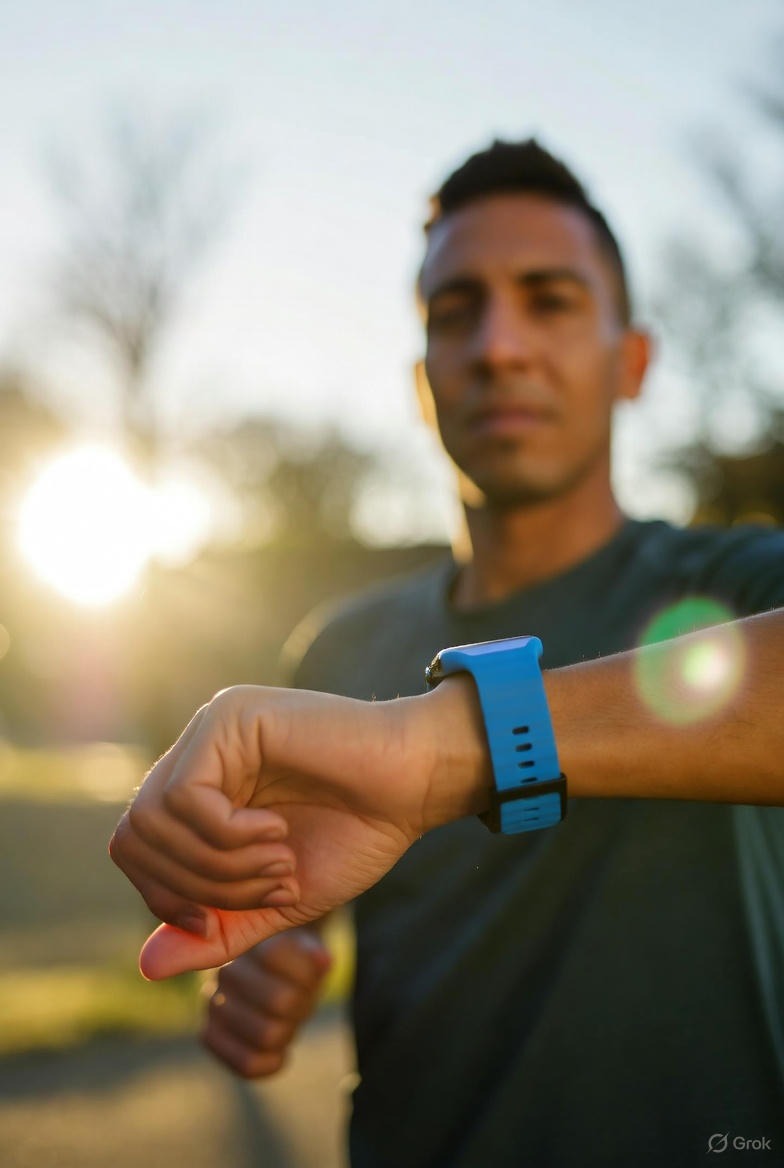
Focus on essentials that specifically aid in muscle repair and growth after training.
The Unseen Work: Mastering Recovery Essentials for Muscle Repair and Growth
You’ve just crushed your final set. Your muscles burn with a satisfying fatigue, your heart is pounding, and endorphins flood your system. In that moment, it feels like the work is done. The sweat, the effort, the grind—all complete. But what if I told you the most crucial part of your transformation hasn’t even begun?
The iron temple, the pavement, the yoga mat—they are merely the classrooms. The real learning, the actual construction, happens in the silent hours that follow. Every rep, every mile, every stretch is a carefully drafted blueprint. But a blueprint is not a building. The magnificent architecture of a stronger, more resilient you is built not during the strain of exercise, but during the profound and often misunderstood process of recovery.
For decades, fitness culture has glorified the grind while whispering about rest. We’ve been conditioned to believe that more is always better. Yet, science paints a different, more sophisticated picture. Muscle growth—hypertrophy—does not occur in the gym. The gym provides the stimulus, the microscopic trauma to muscle fibers that signals the need for adaptation. The growth itself happens afterward, as your body meticulously repairs those fibers, making them thicker and stronger to withstand future demands. Without optimal recovery, that signal is sent into a void. Fatigue accumulates, performance plateaus, and the risk of injury skyrockets. You are literally breaking down without allowing for the rebuild.
This is the great paradox of physical progress: to become more, you must sometimes do less. But “doing less” is not passive. It is an active, strategic, and data-informed pursuit. Modern recovery is no longer just about taking a day off. It’s a multidimensional science encompassing cellular repair, nervous system regulation, metabolic refueling, and psychological restoration. It’s about creating the perfect internal environment for growth to flourish.
And this is where the evolution of personal wellness technology becomes revolutionary. Imagine having a 24/7 window into your body’s most intimate recovery processes. A way to move beyond guesswork and generic advice, into a world of personalized, precise insights about your sleep architecture, your stress load, your readiness to perform, and the efficiency of your nervous system. This is no longer science fiction; it’s the reality offered by advanced, non-invasive wearable technology like smart rings. By continuously tracking biomarkers such as heart rate variability (HRV), resting heart rate, skin temperature, and blood oxygen saturation, these devices translate the silent language of your physiology into actionable data.
Think of it as having a chief recovery officer on your finger, constantly auditing your body’s internal resources and providing a daily report on your construction site’s readiness. Are your materials (nutrients) delivered? Is the work crew (hormones and cells) well-rested and energized? Is the site calm (low stress) or chaotic (high stress)? The insights from such technology empower you to align your recovery actions—sleep, nutrition, activity, stress management—with your body’s actual needs, not just a pre-written calendar.
In this comprehensive guide, we will dismantle the old myths of recovery and rebuild a modern, holistic framework for muscle repair and growth. We will journey from the microscopic tears in your muscle fibers to the macro-management of your lifestyle, exploring the essential pillars that turn effort into results. This is your deep dive into the unseen work—the masterclass on building a stronger you from the inside out. Welcome to the new frontier of fitness, where recovery is not an afterthought, but the main event.
The Science of Soreness: What’s Really Happening Inside Your Muscles?
That deep, aching stiffness you feel 24 to 48 hours after a tough workout has a name: Delayed Onset Muscle Soreness (DOMS). For many, it’s a badge of honor, a tangible proof of a workout well done. But what is this pain actually telling us? To harness recovery, we must first understand the intricate biological drama unfolding beneath our skin.
The process begins with the workout itself. When you challenge your muscles beyond their accustomed load—through weightlifting, sprinting, or novel movements—you cause micro-trauma to the muscle fibers and their surrounding connective tissue. This isn't a bad thing; it's the essential trigger. Think of it as a controlled demolition, making way for a newer, stronger structure.
The sensation of soreness is a complex inflammatory response to this trauma. Here’s a step-by-step look at the cast of characters and events:
The Micro-Tear: Mechanical stress during eccentric contractions (where the muscle lengthens under tension, like lowering a weight) creates tiny ruptures in the Z-discs and sarcomeres, the fundamental contractile units of muscle.
The Inflammatory Cascade: Damaged cells release signaling molecules, like cytokines and prostaglandins. This is a distress call. The body responds by sending immune cells and fluid to the area, leading to swelling and increased sensitivity in the nerve endings. This inflammation, while causing the familiar ache, is also the critical cleanup and preparation crew.
The Repair and Remodeling Phase: This is where growth happens. Satellite cells, which are muscle stem cells located on the outer surface of muscle fibers, become activated. They proliferate, migrate to the damage site, and either fuse with existing damaged fibers to repair them or fuse together to form new muscle protein strands (myofibrils). This synthesis of new proteins is the literal construction of new muscle tissue, making the fiber larger in cross-sectional area—hypertrophy.
The Neurological Component: DOMS isn’t just in the muscle; it’s also in the nervous system. The inflammation and chemical changes can heighten the sensitivity of pain receptors (nociceptors), making ordinary movements feel tender. Furthermore, muscle soreness can lead to temporary altered movement patterns and reduced strength output as your nervous system seeks to protect the area.
A critical distinction must be made: DOMS is not a reliable indicator of an effective workout or future growth. You can have a tremendously effective, growth-stimulating session with minimal soreness the next day, especially as your body adapts. Conversely, you can be brutally sore from novel activities that cause significant damage but don’t optimally stimulate hypertrophy pathways. Chasing soreness is a flawed strategy. The goal is progressive overload—consistently challenging your muscles over time—not perpetual pain.
So, if soreness isn’t the North Star, what is? This is where moving beyond feeling and into measuring becomes powerful. How do you know if your body has truly recovered from that inflammatory phase and is ready to build? Subjective feelings can be misleading, influenced by stress, sleep, and caffeine.
Advanced wellness technology, like the sophisticated sensors in a smart ring, provides objective insight. By monitoring metrics like Heart Rate Variability (HRV)—the variation in time between heartbeats, which is a key indicator of autonomic nervous system balance—you can gauge your body’s recovery status. A higher HRV typically suggests a relaxed, recovery-dominant state (parasympathetic tone), ideal for repair. A suppressed HRV can indicate that your body is still under stress, fighting inflammation, or hasn't fully restored its resources. Tracking your nighttime resting heart rate and skin temperature can also reveal the lingering effects of inflammation and the metabolic cost of repair.
Understanding the science shifts your perspective. Soreness is a symptom of the process, not the goal. The real goal is to navigate that inflammatory phase efficiently and create the ideal conditions for the repair crew to do their best work. By leveraging data to understand your personal recovery curve, you can make informed decisions, perhaps learning that your body needs an extra day of light activity even when you feel ready to go hard again. For a deeper exploration of how these sensors translate physiology into insight, our article on the science behind modern health tracking technology provides a comprehensive breakdown.
Sleep: The Non-Negotiable Foundation of Anabolic Recovery
If you could buy a supplement that dramatically boosted growth hormone, enhanced protein synthesis, improved mental focus, regulated appetite hormones, and accelerated muscle repair, you’d empty your wallet. What if this “supplement” was free, yet chronically underdosed by most people pursuing fitness? It’s not a pill; it’s sleep. Sleep is the ultimate anabolic window, the prime time when your body shifts its resources from outward performance to inward restoration.
During deep, non-REM sleep (Stages 3 and 4), the body enters its most potent repair mode. Blood flow to muscles increases, delivering oxygen and nutrients. The pituitary gland releases pulses of growth hormone (GH), which is critical for tissue growth and repair. GH stimulates the liver to produce Insulin-like Growth Factor 1 (IGF-1), a key driver of muscle protein synthesis. Simultaneously, the production of cortisol, a catabolic (breaking-down) stress hormone, is suppressed. This hormonal environment—high anabolic signals, low catabolic signals—is the perfect storm for muscle repair.
But sleep’s role goes beyond hormones. It is during sleep that the brain’s glymphatic system becomes highly active, clearing metabolic waste products that accumulate in the central nervous system during the day. This includes clearing proteins linked to inflammation. Furthermore, sleep is essential for cognitive recovery, motor learning, and consolidating the neuromuscular patterns you practiced in the gym. The skill component of your lift—the mind-muscle connection, the technique—is literally cemented while you sleep.
The Architecture of Recovery Sleep:
Slow-Wave Sleep (SWS): This deep sleep phase is the superstar for physical repair. Prioritizing SWS is paramount.
REM Sleep: Vital for cognitive recovery, memory consolidation, and emotional regulation. While less directly anabolic, it supports the mental resilience needed for consistent training.
Sleep Continuity: Uninterrupted sleep is crucial. Frequent awakenings, even if brief, can fragment sleep stages and blunt the release of growth hormone.
So, how do you optimize this foundational pillar? It starts with hygiene and is elevated by insight.
Actionable Sleep Optimization Strategies:
Prioritize Consistency: Go to bed and wake up at the same time every day, even on weekends. This regulates your circadian rhythm, your body’s internal master clock.
Craft a Sanctuary: Make your bedroom cool (around 65°F or 18°C), completely dark (use blackout curtains), and quiet. Your mattress and pillows should support comfortable, neutral spinal alignment.
Embrace the Wind-Down: The hour before bed is a transition period. Implement a digital sunset—no phones, tablets, or TVs. The blue light emitted suppresses melatonin production. Instead, try reading a physical book, gentle stretching, meditation, or listening to calming music.
Manage Intake: Avoid large meals, caffeine, and alcohol close to bedtime. While alcohol may induce sleepiness, it severely disrupts sleep architecture, particularly reducing REM sleep.
This is where modern wellness tools transform good intentions into precise action. A smart ring worn overnight becomes a personal sleep lab. It doesn’t just track duration; it analyzes the architecture of your sleep. You can see exactly how much deep sleep (SWS) and REM sleep you achieved, how many times you woke up, and your sleep efficiency (time asleep vs. time in bed).
More importantly, it can reveal the impact of your lifestyle on your sleep. Did that late afternoon coffee or evening workout delay your sleep onset? Did a stressful day lead to reduced deep sleep? By correlating your daily behaviors with your nightly data, you move from guessing to knowing. You can run experiments: try magnesium supplementation, a cooler room temperature, or a new wind-down routine and see the direct, quantitative impact on your sleep stages and overall recovery score. To understand how this technology enables a truly personalized approach to wellness, explore our resource on how health tracking technology enables personalized wellness.
Sleep is not lost time; it is investment time. It is the single most powerful recovery tool at your disposal. Mastering it is the first and most critical step in building a body that recovers, adapts, and grows.
Nutritional Timing & The Muscle Protein Synthesis Window
You’ve provided the stimulus in the gym and prioritized the anabolic environment of sleep. Now, you must supply the raw materials. Nutrition for recovery isn’t just about total daily calories and macros; it’s a nuanced dialogue with your body’s metabolic rhythms, especially around the time of your workout. The concept of the "anabolic window" has been both glorified and debated, but modern research clarifies its importance for optimal repair and growth.
At the heart of muscle repair is Muscle Protein Synthesis (MPS)—the process of building new muscle proteins from amino acids. Counteracting it is Muscle Protein Breakdown (MPB), which occurs during exercise and fasting states. Muscle growth happens when MPS exceeds MPB over a sustained period. Nutrition’s primary role is to maximize MPS and minimize MPB.
The Peri-Workout Nutrition Framework:
The period surrounding your workout—the "peri-workout" window encompassing pre-, intra-, and post-exercise nutrition—is a unique opportunity to influence this balance directly.
Pre-Workout (1-3 Hours Before): The goal is to prime your body with energy and amino acids to fuel performance and blunt MPB during the session. A meal or snack containing protein and carbohydrates is ideal.
Protein: Provides a steady stream of amino acids into the bloodstream, putting your body in a positive protein balance before you even start lifting.
Carbohydrates: Replenish muscle glycogen stores (your muscles’ primary fuel source for intense exercise) and can help spike insulin post-workout, which is an anabolic hormone that helps shuttle nutrients into cells.
Example: Greek yogurt with berries, a chicken and rice bowl, or a protein smoothie with a banana.
Intra-Workout (During): For sessions under 90 minutes, water and electrolytes are usually sufficient. For longer, intense sessions, or if you train in a fasted state, intra-workout nutrition containing Essential Amino Acids (EAAs) or Branched-Chain Amino Acids (BCAAs), particularly leucine, can be beneficial. Leucine is the key amino acid that acts as the primary trigger to switch on MPS. Sipping on an EAA/BCAA drink during your workout can help sustain MPS and delay fatigue.
Post-Workout (Within 1-2 Hours After): This is the classic "window." While it’s not as catastrophically short as once believed, there is a heightened sensitivity. After exercise, muscle cells are like dry sponges, primed to absorb nutrients. A post-workout meal rich in high-quality protein and carbohydrates accelerates glycogen replenishment and provides the amino acid surge needed to ignite MPS.
Protein: Aim for 20-40 grams of a complete protein source (whey, casein, egg, meat, fish). Whey protein is often favored post-workout due to its rapid digestion and high leucine content.
Carbohydrates: Helps replenish glycogen and, through insulin, creates a more anabolic environment. The amount depends on training volume and goals.
Example: Post-workout shake with whey protein and a piece of fruit, or a solid meal like salmon, sweet potato, and broccoli.
Beyond the Window: The 24-Hour Picture
While the peri-workout window is crucial, total daily protein intake is king. Research consistently shows that spreading protein intake evenly across 3-4 meals (each containing ~30-40g of protein) stimulates MPS more effectively than skewing most of your protein to one meal. This "pulsing" of amino acids throughout the day keeps MPS elevated consistently.
The Role of Data in Nutritional Strategy:
How do you know if your nutrition is supporting your recovery? Subjective measures like energy and soreness are clues, but objective data adds a powerful layer. This is where continuous monitoring shines. A wellness ring tracking your resting heart rate (RHR) and Heart Rate Variability (HRV) can provide indirect feedback on your nutritional and recovery status.
For instance, a chronically elevated RHR upon waking can be a sign of inadequate recovery, which may be linked to under-eating or poor nutrient timing. A suppressed HRV might indicate your body is struggling with inflammation or hasn’t adequately recovered from a training session, prompting you to assess your post-workout meal adequacy and overall daily intake.
By observing how your body’s metrics respond to different nutritional approaches—like a higher carb refeed day, or adjusting your pre-workout meal timing—you can personalize your strategy far beyond generic guidelines. It turns nutrition from a static plan into a dynamic conversation with your physiology. For those curious about how everyday users leverage this data for lifestyle tweaks, our blog featuring customer reviews and user experiences offers real-world insights.
Hydration & Electrolytes: The Fluid Dynamics of Cellular Repair
Water is the medium of life. It constitutes about 60% of your body weight and is fundamental to every single physiological process, especially those involved in recovery. When discussing muscle repair, we often think of protein and sleep, but dehydration is a silent saboteur that can undermine even the most perfect regimen on paper.
During exercise, you lose water and electrolytes (primarily sodium, potassium, magnesium, and chloride) through sweat. This loss doesn’t stop when you finish your last rep. The processes of inflammation, nutrient transport, and waste removal that define recovery are all fluid-dependent. Even mild dehydration—as little as 2% loss of body weight—can have measurable negative effects:
Impaired Nutrient Delivery: Blood volume decreases when dehydrated. Thicker, more viscous blood is less efficient at delivering oxygen, amino acids, and glycogen to the muscles that need repair.
Reduced Metabolic Waste Clearance: Metabolic byproducts of exercise and inflammation need to be transported away from muscle cells. Dehydration slows this clearance, potentially prolonging soreness and fatigue.
Compromised Cellular Function: Water is essential for the enzymatic reactions that drive protein synthesis and energy (ATP) production. A dehydrated cell is a sluggish cell.
Increased Perceived Effort and Fatigue: Dehydration affects the central nervous system, making everything feel harder and slowing cognitive function, which can impact your motivation for active recovery or your next training session.
Electrolytes: The Conductors of the Symphony
Water alone isn’t enough. Electrolytes are minerals that carry an electric charge and are crucial for:
Maintaining Fluid Balance: Sodium and potassium work in a delicate "pump" mechanism to regulate fluid balance inside and outside cells.
Nerve Impulse Transmission: Muscles contract in response to nerve signals, which rely on electrolytes like sodium, potassium, and calcium.
Muscle Contraction and Relaxation: Calcium triggers contraction, while magnesium aids in relaxation. An imbalance can contribute to cramps and muscle tightness.
Strategies for Optimal Rehydration:
Don’t Play Catch-Up: Hydration is a 24-hour endeavor. Drink water consistently throughout the day. A simple guideline is to aim for enough fluid so that your urine is a pale straw color.
Weigh Yourself: For precise post-workout rehydration, weigh yourself before and after intense or long sessions. For every pound lost, drink 16-24 ounces (500-750ml) of fluid. Plain water is fine for shorter workouts, but for losses over 2 pounds or sessions longer than 90 minutes, an electrolyte-containing beverage is crucial to replace lost salts.
Prioritize Electrolytes with Sweat: If you’re a heavy sweater, train in heat, or have a salty sweat (evidenced by white residue on clothes or a stinging sensation in eyes), you need to be proactive. Incorporate electrolyte tablets, powders, or natural sources (like coconut water, salted foods) into your hydration strategy, especially around workouts.
Monitor Beyond Thirst: Thirst is a late-stage indicator of dehydration. More subtle signs include headache, fatigue, dark urine, and a decline in performance.
Technology as a Hydration Proxy:
While no wearable directly measures hydration, several tracked metrics can serve as intelligent proxies, alerting you to potential fluid or electrolyte imbalances:
Resting Heart Rate (RHR): A sudden, unexplained spike in your morning RHR can sometimes be linked to dehydration, as the heart has to work harder to pump a reduced blood volume.
Heart Rate Variability (HRV): Dehydration is a physiological stressor. A pronounced drop in HRV, without other obvious causes (like poor sleep or illness), could prompt you to evaluate your fluid intake.
Skin Temperature & Sleep Quality: Dehydration can disrupt the body’s thermoregulation, potentially affecting sleep onset and quality. Noticing a correlation between poor sleep data and a day of low fluid intake can be a valuable personal insight.
By viewing hydration not as a standalone task but as the essential circulatory system for all other recovery processes, you elevate its importance. It’s the river that carries the construction materials to the site. Keep it flowing. For a broader look at how continuous monitoring helps you stay ahead of your body’s needs, our guide on continuous vs. periodic health monitoring delves into the advantages of always-on data.
Active Recovery & Mobility: The Art of Strategic Movement
The day after a grueling leg workout, the idea of moving might seem laughable. The instinct is to park on the couch and remain perfectly still. While complete rest has its place, strategic, low-intensity movement—active recovery—is often a far more potent tool for accelerating the repair process and preparing for the next bout of training.
Active recovery is defined as low-intensity exercise performed after strenuous activity. Its benefits are both physiological and psychological:
Enhanced Blood Flow: Gentle movement increases circulation without imposing significant new stress. This "muscle pump" helps deliver fresh oxygen and nutrients to damaged tissues while flushing out metabolic waste products like lactate and inflammatory cytokines. Think of it as changing the stagnant water on a construction site.
Reduction of Muscle Stiffness and Soreness (DOMS): Movement helps break up adhesions, reduces fluid buildup, and can alleviate the sensation of stiffness by gently stretching the fascia and muscle tissues.
Neurological Benefits: It promotes body awareness and can help maintain range of motion and movement patterns, preventing the nervous system from becoming "rusty" or adopting protective, compensatory patterns due to soreness.
Psychological Reset: Light activity releases endorphins, improves mood, and reinforces a positive identity as an active person. It bridges the gap between hard training days, keeping momentum without burnout.
What Constitutes Effective Active Recovery?
The key is LOW INTENSITY. Your heart rate should stay in a comfortable zone (often Zone 1 or low Zone 2, roughly 50-60% of max HR). You should be able to hold a conversation easily. Options include:
Walking: The most underrated recovery tool. A 20-30 minute walk is perfection.
Cycling or Swimming: Low-impact, rhythmic activities.
Light Yoga or Dynamic Stretching: Focus on flow and mobility, not holding deep, intense stretches.
Foam Rolling and Self-Myofascial Release: While not "cardio," this is a form of active tissue care that complements movement.
Mobility: The Forgotten Pillar of Long-Term Growth
Mobility—the ability to move actively through a full range of motion—is the foundation upon which strength and muscle are built. It’s not just for gymnasts. Restricted mobility in joints like the hips, shoulders, and thoracic spine can:
Limit Exercise Range of Motion: You can’t effectively stimulate a muscle through its full length if your joint won’t allow it.
Alter Movement Patterns: Leading to inefficient force production and imbalanced muscle development.
Increase Injury Risk: The body will find movement somewhere, often transferring stress to joints, tendons, and ligaments not designed for it.
Incorporating 10-15 minutes of targeted mobility work (e.g., hip CARs, shoulder circles, cat-cows) into your warm-up or on recovery days is an investment in your training longevity. It ensures the "construction site" (your joints) is accessible and ready for work.
Using Data to Guide Your "Active" Day:
This is another area where moving from a generic plan ("walk on Wednesday") to a personalized prescription ("move based on your readiness") is transformative. The recovery metrics from a device like a smart ring provide the perfect guide.
The Readiness Score: Many advanced wellness platforms synthesize HRV, RHR, sleep, and temperature data into a single "Readiness" or "Recovery" score. This is your daily directive.
High Readiness Score: Your body is primed. This might be the day for your scheduled hard training.
Moderate/Low Readiness Score: This is your cue for active recovery or complete rest. Don’t force a hard session when your body is waving a yellow flag. Instead, honor the data with a walk, light mobility, or extra sleep. This prevents digging a deeper recovery hole.
HRV Trend: A consistently depressed HRV trend is a strong indicator of accumulating fatigue. It’s a signal to insert a deliberate "de-load" or active recovery week into your training cycle, even if you feel subjectively okay.
By letting objective physiological data dictate the intensity of your recovery days, you create a true feedback loop. You train hard when your body can absorb and benefit from the stress, and you back off when it needs to focus on repair. This intelligent periodization, guided by your own body’s signals, is the ultimate strategy for sustainable progress. To see how this principle applies across different health objectives, you can read about how wellness rings support different health goals.
Stress Management: The Cortisol Conundrum
When we think of stress, we often think of mental anxiety, deadlines, and emotional turmoil. But to your body, stress is a unified physiological response. A heavy squat session, an argument with a partner, a poor night’s sleep, and skipping meals all register on the same spectrum: they are stressors that activate the Hypothalamic-Pituitary-Adrenal (HPA) axis, leading to the release of cortisol.
Cortisol is a vital hormone. In the short term, it helps mobilize energy (raising blood sugar), modulates inflammation, and sharpens focus—all useful for surviving an immediate challenge, be it a predator or a PR attempt. The problem arises when stress becomes chronic, and cortisol levels remain elevated or dysregulated over time. This creates a catabolic (breaking-down) environment that directly opposes muscle repair and growth.
How Chronic Stress & Cortisol Impede Recovery:
Inhibits Muscle Protein Synthesis (MPS): Elevated cortisol can interfere with the anabolic signaling pathways, reducing the muscle’s responsiveness to insulin and amino acids.
Promotes Muscle Protein Breakdown: Cortisol can increase the activity of enzymes that break down muscle tissue to provide amino acids for energy (gluconeogenesis).
Disrupts Sleep: Cortisol follows a diurnal rhythm—high in the morning to wake you up, low at night to allow sleep. Chronic stress can flatten this rhythm, leading to elevated nighttime cortisol, which makes it hard to fall asleep and impairs deep, restorative sleep.
Impairs Immune Function: Long-term cortisol exposure suppresses immune activity. Since the immune system plays a key role in the inflammatory cleanup phase of muscle repair, this can slow the entire process.
Increases Injury Risk: Fatigue, poor focus, and altered movement patterns from stress can lead to technical breakdowns in the gym.
Managing the Non-Exercise Stress Load:
Your recovery capacity is a single bucket. Intense training pours water into it. Your job is to manage the other sources of "water"—life stress—so the bucket doesn’t overflow. This is known as managing your Allostatic Load.
Strategies to Modulate Stress and Cortisol:
Conscious Recovery Practices: Activate the parasympathetic nervous system (the "rest and digest" counter to "fight or flight").
Diaphragmatic Breathing: 5-10 minutes of deep, slow belly breathing can dramatically lower heart rate and cortisol.
Meditation and Mindfulness: Even short, daily practice can improve stress resilience and lower baseline cortisol.
Nature Exposure: "Forest bathing" or simply walking in a park has been shown to reduce cortisol levels.
Social Connection: Positive social interaction releases oxytocin, a hormone that buffers stress.
Hobbies and Play: Engage in activities purely for enjoyment, with no performance metric. This provides a psychological break from the "grind" mentality.
Manage Your Environment: Set boundaries with work, limit doom-scrolling on news/social media, and create calm, organized spaces.
Quantifying the Invisible: Data as a Stress Barometer
Mental stress is often subjective and easy to ignore or downplay. Physiological data makes it objective and undeniable. This is one of the most profound applications of continuous health monitoring.
Heart Rate Variability (HRV): HRV is the gold-standard non-invasive metric for assessing autonomic nervous system balance and stress. A lower HRV indicates higher sympathetic ("stress") tone or lower parasympathetic ("recovery") tone. By tracking your HRV trends, you can:
See the direct impact of a stressful workweek on your physiology.
Confirm the effectiveness of your stress-management techniques. Did that evening meditation improve your overnight HRV?
Identify your personal stress triggers.
Resting Heart Rate (RHR): A sustained elevation in morning RHR can be a sign of elevated overall stress load, including from non-training sources.
Sleep Data: Stress ruins sleep. Seeing quantified poor sleep—fragmentation, reduced deep sleep—after a stressful day provides concrete motivation to prioritize stress management.
By using these metrics, you can conduct personal experiments. Notice your HRV dip during a high-pressure project? That’s your signal to double down on breathing exercises, take walking breaks, and protect your sleep. This ability to see the invisible link between mind and body turns stress management from a vague wellness concept into a precise, data-driven component of your recovery protocol. For a look at the broader implications of this technology, our article on how health tracking technology changed preventive medicine explores this paradigm shift.
Cold & Heat Exposure: Harnessing Temperature for Adaptation
For centuries, humans have used extreme temperatures—from Finnish saunas to icy plunges—to invigorate the body and mind. Today, these practices have moved from tradition to the forefront of biohacking and performance recovery. Both cold and heat exposure are potent hormetic stressors: mild, controlled stressors that trigger beneficial adaptive responses. When used strategically, they can be powerful adjuncts to your muscle repair toolkit, but understanding their distinct—and sometimes opposing—effects is crucial.
The application of cold constricts blood vessels, reduces blood flow, and lowers tissue temperature and metabolic activity. Its primary benefits are anti-inflammatory and analgesic (pain-reducing).
For Acute Recovery (Immediately Post-Exercise): This is controversial for muscle growth. The same anti-inflammatory effect that reduces pain and swelling may also blunt the very inflammatory signals that initiate the muscle repair and adaptation process. Several studies suggest that routine ice bathing after strength training can potentially attenuate long-term gains in strength and hypertrophy by interfering with satellite cell activity and protein synthesis pathways. Use with caution if maximal muscle growth is the primary goal.
For Pain Management and CNS Recovery: Where cold excels is in managing excessive soreness and calming the central nervous system. It can provide significant pain relief, allowing for better sleep and daily function. The shock of cold also elicits a powerful sympathetic then parasympathetic response, which can improve mood and stress resilience.
Best Practice: If using for post-training recovery, consider saving it for periods of extremely high volume/soreness or when pain is inhibiting movement and sleep. For general wellness, morning cold showers can boost alertness and dopamine.
Heat Exposure (Sauna, Hot Baths, Steam Rooms)
Heat has the opposite effect: it causes vasodilation, increasing blood flow and heart rate similar to moderate cardiovascular exercise. Its benefits are more aligned with enhancing recovery and cardiovascular adaptation.
For Muscle Recovery: Increased blood flow can help deliver nutrients and remove waste products from muscles. The deep relaxation induced by heat can relieve muscle tension and stiffness, acting as a form of passive mobility. Heat exposure also stimulates the release of Heat Shock Proteins (HSPs), which help refold damaged proteins and protect cells from future stress.
For Systemic Health: Regular sauna use (e.g., 15-20 minutes at 80-100°C, 2-3x per week) is associated with improved cardiovascular function, enhanced insulin sensitivity, and increased growth hormone secretion (in some studies, significantly after an acute session).
For Sleep: A warm bath or shower 60-90 minutes before bed can help lower core body temperature afterward, which is a key signal to initiate sleep. This can improve sleep onset and quality.
Strategic Application: The When and Why
For Muscle Growth Focus: Prioritize heat exposure on rest days or several hours after training. Avoid prolonged, intense cold exposure immediately after resistance training sessions aimed at hypertrophy.
For Competition or Frequent Training: Cold exposure might be useful for athletes who need to train or compete multiple times in a short period (e.g., tournaments) to manage inflammation and pain, even if it slightly blunts long-term adaptation.
For General Wellness & Resilience: Incorporating both, but at separate times, can be excellent. A morning cold plunge for alertness, an evening sauna for relaxation and sleep.
Monitoring Your Response with Data:
Temperature therapies are stressors. How do you know if you’re adapting positively or adding to your fatigue load? Your wearable data provides the answer.
Heart Rate Variability (HRV): Monitor your HRV response on days you use temperature therapy. A significant drop might indicate it was too stressful at that time. A stable or improved HRV suggests you tolerated it well.
Resting Heart Rate (RHR): See if your morning RHR is elevated, indicating possible added strain.
Sleep Data: Did the evening sauna improve your deep sleep? Did a late ice bath disrupt your sleep onset? The data will tell you your personal ideal timing and dosage.
Skin Temperature Sensor: Some advanced wearables can track changes in peripheral skin temperature, giving you direct feedback on your body’s thermoregulatory response.
By pairing these powerful tools with objective physiological feedback, you move beyond anecdotal trends. You can personalize your use of cold and heat to support, not hinder, your primary recovery and growth objectives. To explore how cutting-edge wearables capture such detailed physiological signals, learn about the sensors and algorithms behind the technology.
Supplements & Ergogenic Aids: The Evidence-Based Edge
The supplement industry is a multi-billion dollar landscape of promise and, often, placebo. For the individual focused on optimizing recovery, navigating this space requires a sharp focus on evidence, not marketing. The foundational rule remains: No supplement can compensate for poor sleep, inadequate nutrition, or unmanaged stress. However, when these pillars are solid, specific supplements can provide a measurable, albeit often small, edge in enhancing the recovery process.
Here, we focus on supplements with a strong mechanistic rationale and credible research backing for supporting muscle repair, reducing soreness, and improving readiness.
Tier 1: The Foundational Support
Protein Powder (Whey, Casein, Plant-based): Not a "supplement" in the classic sense, but a food concentrate. It’s the most effective and research-backed tool for ensuring you hit your daily protein targets to maximize Muscle Protein Synthesis (MPS). Whey is fast-digesting, ideal post-workout. Casein is slow-digesting, useful before bed to provide a sustained amino acid release during sleep.
Creatine Monohydrate: The most extensively studied ergogenic aid in the world. It increases phosphocreatine stores in muscles, providing rapid energy for high-intensity efforts, allowing you to train harder. Indirectly, this leads to greater training stimulus and, therefore, greater adaptive potential for growth. It also has cell-volumizing effects and may offer cognitive benefits. A staple for strength and power athletes.
Omega-3 Fatty Acids (Fish Oil): Renowned for their anti-inflammatory properties. Chronic, low-grade systemic inflammation can impede recovery. Supplementing with EPA and DHA can help modulate this inflammation, potentially reducing muscle soreness and supporting joint health. They may also improve insulin sensitivity and enhance the anabolic response to amino acids.
Tier 2: Targeted Recovery Aids
Tart Cherry Juice/Concentrate: Rich in antioxidants (anthocyanins) and anti-inflammatory compounds. Multiple studies show it can significantly reduce strength loss and soreness (DOMS) after strenuous exercise, likely by lowering inflammatory markers and oxidative stress. A practical and natural option.
Magnesium: A critical mineral involved in over 300 enzymatic reactions, including muscle relaxation, nerve function, and protein synthesis. Many athletes are borderline deficient due to sweat losses and soil depletion. Supplementation (particularly with well-absorbed forms like glycinate or malate) can improve sleep quality, reduce muscle cramps, and support overall metabolic function.
Zinc: Often overlooked, zinc is vital for immune function, protein synthesis, and testosterone production. Intense exercise can increase zinc excretion. Deficiency can impair recovery and adaptation. A modest supplement or focus on zinc-rich foods.
Sleep Architecture & HRV: Decoding Your Body’s Nightly Recovery Report
We’ve established that sleep is the cornerstone of recovery. But not all sleep is created equal. Spending eight hours in bed does not guarantee eight hours of restorative, anabolic sleep. The true quality lies in the architecture—the cyclical journey through different stages of sleep—and how your autonomic nervous system navigates that journey. This is where advanced metrics like Heart Rate Variability (HRV) transform sleep from a black box into a rich, interpretable report on your recovery status.
Understanding Sleep Architecture:
Your sleep is composed of alternating cycles of Non-REM (NREM) and REM sleep, each lasting about 90-120 minutes.
NREM Stage 1 (N1): The lightest stage, the transition from wakefulness to sleep. Lasts only a few minutes.
NREM Stage 2 (N2): This is the bulk of your sleep (about 50%). It’s characterized by sleep spindles and K-complexes—brainwave patterns that are crucial for memory consolidation and sensory processing. Your heart rate and breathing begin to regulate.
NREM Stage 3 (N3): Deep Sleep or Slow-Wave Sleep (SWS). This is the physically restorative powerhouse. Brainwaves slow to delta waves. It’s hardest to be awakened from. This is when human growth hormone (HGH) is predominantly released, tissue repair peaks, and the immune system is strengthened. Prioritizing deep sleep is paramount for muscle repair.
REM Sleep: The stage most associated with dreaming. Your brain is highly active, eyes dart rapidly, and muscles are temporarily paralyzed (atonia). REM is critical for cognitive recovery, emotional processing, memory consolidation, and learning motor skills practiced during the day.
A healthy sleep architecture involves smoothly progressing through these cycles 4-6 times per night, with deep sleep dominating the first half of the night and REM sleep periods lengthening in the second half.
Heart Rate Variability (HRV): The Voice of Your Nervous System
HRV is the measure of the variation in time intervals between consecutive heartbeats, measured in milliseconds. It is not about your heart rate; it’s about the pattern of your heart rate.
High HRV: Indicates a healthy, resilient, and adaptable autonomic nervous system. It means your body can easily shift between sympathetic (stress, fight-or-flight) and parasympathetic (rest, recovery, digest) states. During deep, restorative sleep, your parasympathetic system should be dominant, typically correlating with higher HRV.
Low HRV: Suggests your nervous system is under stress, fatigued, or stuck in a sympathetic-dominant state. This can be due to physical overtraining, psychological stress, illness, or poor recovery habits. A low HRV during sleep is a red flag that your body is struggling to achieve true physiological rest.
The Synergy of Sleep and HRV for Recovery:
When you combine sleep stage data with HRV trends, you gain a profound understanding of your recovery efficiency.
Deep Sleep and Parasympathetic Activation: You should see a strong correlation. Periods of deep N3 sleep should coincide with peaks in nighttime HRV, showing your body is fully immersed in repair mode. If your HRV remains low or erratic during your deep sleep phases, it suggests something is interfering with recovery—perhaps lingering inflammation, pain, sleep apnea, or excessive stress hormone activity.
REM Sleep and Brain Recovery: While HRV can be more variable during REM, disruptions in REM sleep (often caused by alcohol, certain medications, or late-night screen time) can impact next-day cognitive function and emotional resilience, which in turn affects training focus and adherence.
The Nightly HRV Trend: Your average HRV during sleep is often a cleaner metric than a single morning reading, as it’s less influenced by the immediate act of waking up. Tracking this nightly average gives you a stable baseline to observe trends.
The Morning Readiness Signal: Your HRV measured during a specific, consistent window upon waking (often a 5-minute reading) provides a daily “readiness” score. A higher-than-baseline HRV suggests you recovered well and are primed for performance. A lower-than-baseline HRV is your body’s objective way of saying, “Proceed with caution. I’m still repairing.”
Actionable Insights from Your Nightly Report:
Scenario: You get 8 hours of sleep but your wearable shows low deep sleep and suppressed HRV.
Investigation: Was it late caffeine? A heavy meal before bed? High stress? An evening workout that was too intense or too late?
Action: Experiment with moving your last coffee earlier, having a lighter dinner, or implementing a 20-minute meditation before bed. Observe the changes in your deep sleep and HRV data the following night.
Scenario: Your HRV is trending downward over several days, despite adequate sleep duration.
Investigation: This is a classic sign of accumulating fatigue or stress.
Action: It’s a clear signal to schedule an active recovery day or even a full rest day. Reduce training volume/intensity. Prioritize hydration, nutrition, and stress management. This proactive approach, guided by data, can prevent overtraining and injury.
By learning to read the combined story of your sleep architecture and HRV, you become the director of your recovery. You move from hoping you slept well to knowing how well you recovered and why. This empowers you to make precise, personalized adjustments to your lifestyle, turning sleep into a truly optimized and potent anabolic tool. To master the practical use of such data, our guide on becoming an expert user of wellness technology offers valuable next steps.
Periodization & Listening to Your Body: From Fixed Plans to Fluid Adaptation
The traditional approach to training follows a fixed, pre-written plan: “Week 4, Day 2: Squat 3x5 at 85% 1RM.” This linear periodization has its merits, but it operates on a critical assumption: that your body will be perfectly ready for that prescribed stress on that exact day. Life, however, is not linear. Sleep varies, stress fluctuates, work deadlines loom, and immune systems get challenged. Rigidly adhering to a plan despite clear signs of fatigue is a recipe for stagnation or regression. The modern, intelligent approach integrates flexible periodization with objective biofeedback—learning to truly listen to your body’s signals, not just its stubborn will.
The Principle of Flexible Periodization:
Periodization is the structured planning of training variables (volume, intensity, frequency) over time to manage fatigue and optimize performance peaks. Flexible periodization retains the overarching structure (e.g., a 4-week strength block) but allows for daily or weekly adjustments based on your recovery status.
The Overarching Plan (The Map): This is your macrocycle (e.g., 12-week hypertrophy phase) and mesocycles (e.g., 3-week accumulation phase of high volume, 1-week deload phase).
The Daily Adjustment (The Navigation): This is where you use real-time data to adjust your prescribed workout for the day. You don’t throw the map away, but you might take a detour around a roadblock (fatigue) to still reach your destination safely and efficiently.
How to “Listen” with Data (Beyond Feeling):
“Listening to your body” is vague. Feelings are unreliable. Was that heavy feeling in your legs this morning due to productive muscle damage or due to poor sleep and dehydration? Data provides clarity. Here’s your daily checklist for an objective body assessment:
The Morning Readiness Score (Primary Guide): Derived from HRV, RHR, and sleep quality. This is your single most important piece of data for the day’s decision.
Green/High Score: Execute the planned session as intended. You are recovered and ready to absorb the training stress.
Yellow/Moderate Score: Proceed with caution. Consider:
Reducing the volume (sets/reps) by 20-30%.
Reducing the intensity (weight) slightly.
Switching the focus to technique work or a different movement pattern.
Red/Low Score: Recovery is the priority. This is not a day to push. Options include:
A very light active recovery session (walk, mobility).
A complete rest day.
Focusing on sleep, nutrition, and stress management.
Sleep Quality & Duration (Context): Pair your readiness score with your sleep data. Did poor sleep cause the low score? Or is the low score persisting despite good sleep (indicating possible illness or deep fatigue)?
Trends Over Time (The Big Picture): Don’t overreact to a single bad day. Look at the 7-day rolling average of your HRV and sleep. A consistent downward trend is a far more powerful signal than a one-day dip. It strongly suggests the need for a planned deload week—a scheduled reduction in training volume (often by 40-60%) to allow fatigue to dissipate and supercompensation (growth) to occur.
Implementing a Fluid Training Week:
Day 1 (Monday): Readiness score is high after a restful weekend. You crush your heavy lower body workout as planned.
Day 2 (Tuesday): Score is moderate. You had trouble falling asleep. You change your planned high-intensity interval training (HIIT) to a steady-state bike ride or a brisk walk.
Day 3 (Wednesday): Score is back to high. You execute your upper body strength session.
Day 4 (Thursday): Score is low. Work stress spiked your RHR and crushed your HRV. You swap your lower body accessory day for a yoga session and an early bedtime.
Day 5 (Friday): Score is moderate-high. You feel good and complete a solid full-body hypertrophy session to end the week.
This approach requires humility and a shift in mindset. The goal is not to “beat” the plan every day, but to maximize long-term progress by respecting your body’s fluctuating capacity. It turns training from a one-sided assault into a dynamic dialogue. You provide a stimulus, your body provides feedback via data, and you adjust the next stimulus accordingly. This is the essence of personalized, sustainable fitness. For those interested in the technology that makes this dialogue possible, the evolution from manual tracking to smart rings highlights this revolutionary shift.
The Holistic Ecosystem: How Lifestyle Factors Outside the Gym Dictate Results Inside It
You can execute the perfect, data-informed training program, nail your post-workout nutrition, and invest in the best recovery tools. Yet, if the other 23 hours of your day are a chaotic drain on your resources, you are building on shaky ground. Muscle repair and growth do not exist in a vacuum; they are processes deeply embedded within your total life ecosystem. Stress, relationships, work, joy, and purpose are not separate from your fitness—they are the soil, sunlight, and climate in which your physical seeds either flourish or wither.
The Interconnected Web of Recovery:
Think of your recovery capacity as a battery. Training depletes it. Sleep recharges it. But numerous other “devices” are constantly drawing power throughout the day:
Chronic Psychological Stress: A demanding job, financial worries, or relationship strife create a persistent, low-grade drain. This keeps cortisol elevated and parasympathetic activity (HRV) suppressed, directly opposing the anabolic state.
Sedentary Behavior: Sitting for 9 hours at a desk, even if you train for 1 hour, creates a pro-inflammatory environment, impairs circulation, and contributes to musculoskeletal issues. Non-Exercise Activity Thermogenesis (NEAT)—the energy you burn from fidgeting, walking, standing—is a crucial component of metabolic health and recovery circulation.
Social Isolation & Poor Relationships: Loneliness is a profound stressor. Positive social connections release oxytocin, which buffers stress and promotes feelings of safety and well-being, conducive to recovery.
Lack of Purpose or Enjoyment: Training fueled solely by obligation or aesthetic punishment is unsustainable. Joyless pursuit drains mental energy and increases perceived effort. Finding activities you genuinely enjoy, both in and out of the gym, is critical for long-term adherence and psychological recovery.
Environmental Toxins & Poor Nutrition Quality: While beyond the scope of muscle micro-trauma, systemic inflammation from processed foods, environmental pollutants, and alcohol can create background noise that impedes clear recovery signaling.
Building a Recovery-Centric Lifestyle:
Optimizing recovery isn’t about adding more tasks to your day; it’s about shaping your environment and habits to automatically support it.
Integrate Movement: Break up sedentary time. Set a timer to stand, walk, or do a quick mobility flow for 5 minutes every hour. Take walking meetings. Park farther away. This boosts NEAT, improves insulin sensitivity, and keeps blood flowing.
Manage Your Mental Load: Implement stress-containment strategies. Schedule “worry time” if needed, practice saying no to non-essential commitments, and use tools like time-blocking to create focus and reduce cognitive clutter.
Cultivate Your Community: Invest in relationships that energize you. Train with a partner, join a sports club, or simply prioritize quality time with friends and family. Social support is a powerful recovery modulator.
Find Your “Why” and Embrace Play: Connect your training to a deeper purpose—long-term health, being able to play with your kids, exploring physical potential. Also, schedule time for pure, non-goal-oriented play: a hike, a recreational sport, dancing. This renews motivation and provides a mental reset.
Leverage Technology for Ecosystem Awareness: A smart wearable does more than track workouts and sleep. It reflects your entire lifestyle.
A consistently elevated daytime resting heart rate can be a sign of high chronic stress.
A flatlining HRV throughout the day indicates your nervous system is stuck in a stressed state, unable to find moments of calm.
Seeing how a difficult workday immediately crushes your HRV provides undeniable motivation to set better boundaries or implement lunchtime walks.
By viewing your life as an integrated system, you stop fighting against unseen currents. You start to design a life that naturally supports your physical goals. The gym becomes just one part of a coherent, health-promoting whole. This holistic mindset is the ultimate recovery strategy, ensuring that the work you do in the weight room is supported, amplified, and reflected in a healthier, more resilient you across every dimension of life. For inspiration on building such sustainable, daily habits, our collection of 50 healthy aging tips a smart ring helps implement daily offers practical, data-supported starting points.
The Mind-Muscle Connection: How Psychology Drives Physiological Repair
We often frame recovery as a purely physical process: proteins synthesize, hormones pulse, cells regenerate. But the command center for this entire operation is your mind. Your psychological state—your beliefs, your stress, your focus, and even your expectation of recovery—wields a powerful influence over your body’s ability to repair and grow. The emerging field of psychoneuroimmunology reveals that the brain is not a passive observer of healing; it is the conductor of the orchestra.
The Nocebo and Placebo of Recovery:
You are likely familiar with the placebo effect: a positive outcome stemming from the belief that a treatment is effective, even if it’s inert. Its sinister twin is the nocebo effect: a negative outcome caused by the expectation of harm or failure. These phenomena are not “all in your head” in a dismissive sense; they trigger real, measurable biochemical changes.
Placebo for Recovery: A study where athletes were given a fake “recovery beverage” but told it was a cutting-edge formula showed they reported less soreness and performed better in subsequent tests than a control group. Their belief in recovery modulated their perception of pain and potentially influenced inflammatory pathways.
Nocebo for Fatigue: If you wake up convinced you’re “still wrecked” from yesterday’s workout before even checking your body’s signals, you are more likely to perceive fatigue, move with less confidence, and potentially underperform. This mindset can elevate stress hormones, creating a self-fulfilling prophecy.
Cultivating a Recovery-Optimized Mindset:
The goal is not to trick yourself, but to cultivate a psychological environment that is conducive to repair. This involves both reducing negative stress and actively promoting states of safety and growth.
Reframe “Rest” as “Growth Work”: Shift your internal narrative. The days you are not training are not lazy days; they are the days you are literally building new muscle. Viewing recovery as an active, essential phase of training increases adherence to sleep, nutrition, and stress-management protocols.
Practice Embodied Awareness: Instead of disconnecting from sore muscles, practice non-judgmental body scanning. Notice the sensation of soreness without labeling it as “bad” or “debilitating.” This mindful approach can reduce the secondary suffering—the anxiety about the pain—which itself is a stressor.
Visualization and Motor Imagery: There is evidence that mentally rehearsing movements can enhance skill acquisition and even promote neural adaptations. Similarly, visualizing your muscles receiving nutrient-rich blood, repairing micro-tears, and growing stronger can create a top-down signal of safety and growth. Spend a few minutes post-workout or before sleep picturing this process.
Gratitude and Positive Reinforcement: Acknowledge your effort and celebrate the process, not just the outcomes. Keeping a simple training journal where you note what went well (e.g., “slept 8 hours,” “hit all my protein targets”) reinforces positive behaviors and builds a sense of self-efficacy, which buffers stress.
Quantifying the Mind-Body Link:
How do you know if your mindset is helping or hindering? While you can’t directly measure a thought, you can measure its physiological footprint. This is where the objective data from a wellness wearable becomes a powerful biofeedback tool for your psychology.
HRV as a Stress Barometer: Your HRV is exquisitely sensitive to psychological stress. A difficult conversation, a looming deadline, or even ruminating on a negative thought can cause an acute dip. By observing this in real-time or in your daily summary, you get undeniable proof of your mind’s impact on your body. This awareness is the first step to intervention: seeing the dip, you can take three deep breaths to activate your parasympathetic system.
Sleep Data as a Consequence: Chronic worry and anxiety are among the top killers of sleep quality, particularly deep sleep. If your device shows frequent awakenings or reduced deep sleep, it’s a prompt to audit your pre-sleep mental routine. Are you scrolling through stressful news? Working until bedtime? The data provides the impetus to implement a proper digital sunset and mindfulness practice.
The Readiness Score as Permission: Perhaps the most powerful psychological tool is the objective “readiness” or “recovery” score. On days when your mind wants to push but your body’s data shows a low score, the number can give you permission to rest without guilt. It externalizes the decision, reducing the internal conflict and “fear of missing out” that often leads to overtraining.
By integrating psychological practices with physiological monitoring, you create a virtuous cycle. A calmer mind improves HRV and sleep; better HRV and sleep enhance recovery and mood; improved recovery fuels better performance and a more positive mindset. You are no longer just training your body; you are training your nervous system for resilience. To understand how technology is built to support this holistic journey, you can read about our mission and company values.
Advanced Modalities: Separating Science from Hype in Recovery Tech
The pursuit of faster recovery has spawned an entire industry of devices and therapies promising to accelerate the process. From pneumatic boots to electrical stimulators, the options can be overwhelming. It’s crucial to approach these advanced modalities with a critical eye, understanding their proposed mechanisms and the strength of the evidence behind them. They are best viewed as adjuvants—tools that may provide an edge when your foundational pillars (sleep, nutrition, stress management) are already solid.
Compression Therapy (e.g., Normatec, Air Relax):
Proposed Mechanism: Dynamic pneumatic compression uses inflatable sleeves to rhythmically compress limbs, moving from distal to proximal (feet/hands toward core). The goal is to enhance venous and lymphatic return, theoretically flushing metabolic waste (like lactate) and reducing edema (swelling) post-exercise.
The Evidence: Research on performance recovery is mixed. Most consistent benefit is a reduction in perceived muscle soreness (DOMS) and a feeling of lightness in the legs. The subjective improvement can be valuable for athlete well-being and readiness to train. Evidence for directly improving next-day performance markers (strength, power) is less conclusive.
Verdict: A useful tool for managing soreness and promoting relaxation, especially after competitions or extremely high-volume training blocks. It’s likely more beneficial for athletes in weight-bearing sports or those with long-standing sessions.
Electrical Stimulation (NMES, TENS, PEMF):
This category includes several distinct technologies:
Neuromuscular Electrical Stimulation (NMES): Uses a stronger current to elicit involuntary muscle contractions. Used for rehabilitation to prevent atrophy, and sometimes for “passive recovery” workouts. Evidence for enhancing recovery in healthy athletes is limited.
Transcutaneous Electrical Nerve Stimulation (TENS): Uses low-frequency current primarily for pain relief by interfering with pain signal transmission (gate control theory) and potentially stimulating endorphin release. Can be effective for acute pain management.
Pulsed Electromagnetic Field (PEMF): Applies electromagnetic fields to tissues. Proposed to enhance cellular repair and reduce inflammation. While promising in some medical healing contexts, high-quality, independent research supporting its use for post-exercise recovery in healthy individuals is still emerging.
Verdict: TENS can be a viable drug-free option for pain management. For general recovery, the evidence for other forms of electrical stimulation is not yet robust enough to recommend over more proven methods.
Photobiomodulation (PBM / Red Light Therapy):
Proposed Mechanism: Exposure to specific wavelengths of red and near-infrared light is thought to be absorbed by mitochondria, boosting cellular energy (ATP) production, reducing oxidative stress, and modulating inflammation. This could, in theory, accelerate cellular repair processes.
The Evidence: An area of growing interest with promising preclinical and some clinical studies. Research suggests potential benefits for reducing muscle soreness, improving markers of recovery, and even enhancing performance in some cases. The quality of the device (wavelength, power density) is critical.
Verdict: One of the more promising emerging modalities with a plausible mechanism. May offer benefits, particularly for reducing inflammation and soreness, but should still be considered an adjunct to foundational practices.
Hyperbaric Oxygen Therapy (HBOT):
Proposed Mechanism: Breathing 100% oxygen in a pressurized chamber dramatically increases oxygen dissolved in the blood plasma, aiming to super-saturate tissues with oxygen to reduce inflammation and accelerate healing.
The Evidence: Established for specific medical conditions (e.g., decompression sickness, non-healing wounds). For sports recovery, studies are mixed and often show minimal to no benefit for muscle recovery or performance in healthy athletes over standard methods. It is also extremely expensive and time-intensive.
Verdict: Not a practical or evidence-supported recovery tool for the general fitness enthusiast or most athletes.
The Smart Ring as Your Recovery Tech Auditor:
This is where an advanced wellness tracker becomes your personal scientist. Rather than blindly adopting a new modality, you can use your physiological data to test its efficacy for you, personally.
The Experiment: Introduce a new modality (e.g., 20 minutes of compression post-workout). Maintain all other habits (sleep, diet) as consistently as possible.
The Data: Monitor your key recovery metrics:
Does your nighttime HRV improve on days you use it?
Does your deep sleep percentage increase?
Is your morning resting heart rate lower?
Does your subjective muscle soreness (which you can often log in companion apps) decrease?
The Verdict: If you see consistent, positive trends in your objective and subjective data, the tool is likely providing value for you. If not, you may be able to save your time and money. This ability to personalize your recovery stack is the future of performance optimization. To explore how everyday users integrate various tools and data, our FAQ on common questions provides community insights.
The Role of Hormones: Orchestrating the Symphony of Repair and Growth
Beneath the surface of every ache, every pulse of blood to your muscles, and every night of deep sleep, a sophisticated hormonal symphony is playing. Hormones are the chemical messengers that dictate the tempo and harmony of your body’s recovery processes. Understanding their roles—and how to support their natural rhythms—is key to creating an optimal internal environment for muscle repair.
Growth Hormone (GH): Released in pulses from the pituitary gland, primarily during deep sleep (Slow-Wave Sleep). GH stimulates the liver to produce IGF-1 and has direct effects on fat metabolism and tissue growth. It’s a broad signal for repair and renewal.
Insulin-like Growth Factor-1 (IGF-1): This is the primary driver of muscle protein synthesis (MPS). It’s produced mainly in the liver in response to GH, but also locally in muscles in response to mechanical tension (i.e., lifting weights). IGF-1 binds to receptors on muscle cells, activating the molecular machinery (via the mTOR pathway) that builds new muscle proteins.
How to Support Them: Prioritize deep sleep above all else. Manage stress (cortisol blunts GH release). Ensure adequate protein intake (amino acids, especially leucine, stimulate GH and IGF-1). Engage in high-intensity resistance training.
The Double-Edged Sword: Cortisol
As discussed, cortisol is essential but problematic in excess. Chronically elevated cortisol:
Antagonizes Insulin and IGF-1, making your muscles less sensitive to their anabolic signals.
Promotes muscle protein breakdown to provide glucose.
Disrupts sleep architecture, reducing the very deep sleep needed for GH release.
How to Manage It: Implement consistent stress-management practices (meditation, nature, breathing). Avoid chronic cardio without adequate fueling. Ensure sufficient calorie and carbohydrate intake—dieting, especially low-carb dieting, is a potent cortisol elevator.
The Regulators: Insulin, Thyroid, and Sex Hormones
Insulin: Often villainized, insulin is a powerfully anabolic hormone. Post-workout, its role is to shuttle glucose and amino acids into muscle cells, replenishing glycogen and providing building blocks for repair. The key is managing insulin sensitivity—ensuring your cells respond efficiently to its signal. This is achieved through resistance training, managing body fat, and getting quality sleep.
Thyroid Hormones (T3/T4): These set your basal metabolic rate. They influence protein synthesis, mitochondrial function (energy production), and overall cellular activity. Overtraining, severe caloric restriction, and chronic stress can suppress thyroid function, slowing down all metabolic processes, including recovery.
Testosterone: The primary male sex hormone (also present in women) is a potent anabolic agent that directly stimulates MPS and inhibits protein breakdown. It enhances muscle neurological drive (aggression, focus in training). Levels are influenced by sleep quality, stress, body fat percentage, diet (especially healthy fats and zinc), and heavy compound lifting.
Estrogen: In women, estrogen plays a protective role in bone health and may influence collagen synthesis and muscle repair. Dramatically low levels (as seen in the Female Athlete Triad or menopause) can impede recovery and increase injury risk.
Creating a Hormone-Friendly Environment:
You cannot directly “supplement” your way to perfect hormonal balance without addressing lifestyle. The goal is to remove obstacles and provide support:
Sleep is Hormone Foundation: This cannot be overstated. Protect your deep sleep for GH; regulate your circadian rhythm for cortisol.
Fuel for Function: Avoid extreme, prolonged calorie deficits. Include adequate healthy fats (for hormone production) and carbohydrates (to manage cortisol and support thyroid).
Train Smart, Not Just Hard: Periodize your training to include deloads. Chronic excessive volume is a surefire way to depress testosterone and elevate cortisol.
Manage the Mental Load: Chronic psychological stress is endocrine sabotage.
Data as a Hormonal Proxy:
While wearables don’t measure hormone levels directly, they provide brilliant proxy indicators of your hormonal environment:
Low HRV + High RHR + Poor Sleep: This triad is the classic signature of a high-cortisol, catabolic state. It’s a clear signal that your hormones are not optimized for growth.
High HRV + Low RHR + High Deep Sleep: This triad suggests a low-stress, anabolic-friendly environment where growth hormones can thrive.
Consistent Sleep/Wake Times: Supports robust circadian rhythms, which regulate the daily ebb and flow of cortisol, GH, and other hormones.
By using your recovery data to cultivate the latter state and avoid the former, you are effectively conducting your hormonal symphony toward a symphony of growth. For a deeper look at how technology enables this kind of whole-body insight, consider reading about how health tracking technology enables personalized wellness.
Injury Prevention: The Ultimate Form of Recovery
The most devastating blow to muscle repair and growth is not a missed protein shake or a short night of sleep—it’s an injury. A torn muscle, a strained tendon, or chronic joint pain can halt progress for weeks or months, undoing hard-earned gains. Therefore, the most sophisticated recovery program is, at its core, an injury prevention program. It’s about building a resilient body that can withstand the demands of training and adapt without breaking down.
The Injury Spectrum: From Micro-Trauma to Macro-Trauma
Recovery manages positive micro-trauma (the stimulus for growth). Injury occurs when the rate of damage outpaces the rate of repair, or when improper mechanics place stress on vulnerable tissues.
Overuse Injuries: Result from repetitive sub-maximal loading without adequate recovery (e.g., tendinopathy, stress fractures). This is a failure of the recovery-workload balance.
Acute Injuries: Often occur from a single event involving poor technique, fatigue, or excessive load (e.g., muscle tear, ligament sprain). This is often a failure of preparedness or neuromuscular control.
Building a Fortress: The Pillars of Injury Resilience
Strength Balance & Proportional Development: Avoid focusing only on “mirror muscles.” Imbalances between agonists and antagonists (e.g., chest vs. upper back, quads vs. hamstrings) pull joints out of alignment and create injury risk. Prioritize balanced programming and unilateral work to address side-to-side imbalances.
Movement Quality & Motor Control: It’s not just about moving weight from A to B; it’s about controlling the movement with the correct muscles. Mastering fundamental movement patterns (squat, hinge, lunge, push, pull, carry) with proper form under fatigue is non-negotiable. This is where working with a coach or using video analysis can be invaluable.
Connective Tissue Health: Muscles get strong quickly; tendons, ligaments, and fascia adapt more slowly. Incorporate exercises that strengthen these tissues through controlled, often slower-tempo movements and isometric holds. Don’t ramp up volume or intensity too quickly—the “10% rule” (not increasing weekly load by more than 10%) is a wise guideline.
Mobility & Flexibility (The Right Kind): You need active mobility—the strength to control your joints through their range of motion—not just passive flexibility. Prioritize dynamic mobility in your warm-ups and focused strengthening in end-range positions (like deep squat holds, dead hangs).
Fatigue Management: This is the core of our entire discussion. A fatigued nervous system leads to poor movement quality, delayed reaction times, and compromised stabilizer function. This is when injuries happen. Your readiness data is a direct gauge of your injury risk. Training hard with a low readiness score is not just suboptimal for growth; it’s dangerous.
The Prehab Mindset: Proactive vs. Reactive Care
Prehabilitation (“prehab”) is the practice of proactively addressing known weak links before they become injuries.
For Runners: This might mean regular calf strengthening and hip stability work.
For Lifters: This could involve rotator cuff exercises, scapular stability work, and core bracing drills.
For Everyone: It means listening to niggles—small, persistent aches—and addressing them with targeted work, not ignoring them until they scream.
How Data Informs Injury Prevention:
A smart wellness device is a 24/7 sentinel for your resilience. Here’s how its data directly correlates with injury risk:
Low HRV & Elevated RHR: Indicates systemic fatigue and stress. Your tissues are less resilient, your reaction time is slower, and your pain tolerance may be altered. This is a high-risk state for injury. The data tells you to dial it back.
Poor Sleep Quality: Sleep deprivation impairs cognitive function and motor control. It also reduces pain tolerance. Lifting heavy or performing complex skills on poor sleep is asking for trouble.
Tracking Workload vs. Readiness: By correlating your training load (which you can log manually or via integration) with your daily readiness score, you can identify dangerous patterns. Are you consistently trying to add volume when your readiness is low? That’s a red flag graph that can prevent a red flag injury.
Identifying Illness: A sudden, unexplained spike in resting heart rate or drop in HRV can be the earliest sign of an oncoming cold or infection. Training through illness drastically increases the risk of myocarditis and other serious complications. Data gives you the objective reason to take a needed sick day.
By weaving these principles of resilience into your routine, you shift from a cycle of “train hard, get hurt, rehab, repeat” to a sustainable path of continual progress. Your recovery protocol becomes your armor. For practical advice on selecting gear that supports this journey, our guide on wellness ring materials and hypoallergenic options is a useful resource.
The Gut-Muscle Axis: How Digestive Health Fuels Physical Repair
An emerging and fascinating frontier in performance nutrition is the gut-muscle axis—the bidirectional communication between your gastrointestinal system and your musculoskeletal system. It turns out that the trillions of bacteria residing in your gut (the microbiome) do far more than just digest food; they play a critical role in regulating inflammation, immune function, and even the availability of nutrients for muscle repair. Optimizing gut health may be one of the most overlooked levers for enhancing recovery.
The Pathways of Influence:
Systemic Inflammation: A disrupted gut microbiome (dysbiosis) and a “leaky gut” (increased intestinal permeability) can allow bacterial endotoxins (like LPS) to enter the bloodstream. This triggers chronic, low-grade systemic inflammation, which creates a hostile environment for muscle repair, blunting anabolic signals and promoting catabolism.
Nutrient Production & Bioavailability: Your gut bacteria are involved in synthesizing certain B vitamins and Vitamin K. They also ferment dietary fiber to produce Short-Chain Fatty Acids (SCFAs), like butyrate. SCFAs have powerful anti-inflammatory effects, improve gut barrier integrity, and may influence muscle metabolism and insulin sensitivity.
Amino Acid Metabolism: The microbiome influences the metabolism of certain amino acids, including branched-chain amino acids (BCAAs), which are directly involved in muscle protein synthesis.
Immune System Modulation: 70-80% of your immune cells reside in gut-associated lymphoid tissue (GALT). A healthy, diverse microbiome promotes a balanced immune response. Since the immune system orchestrates the initial inflammatory cleanup after muscle damage, an overactive or underactive immune system can skew the recovery process.
Nutritional Strategies for a Recovery-Friendly Gut:
Diversity is Key: Aim for 30+ different plant-based foods per week (fruits, vegetables, legumes, nuts, seeds, whole grains). Different fibers feed different beneficial bacteria, promoting diversity.
Prioritize Prebiotic Fibers: These are food for your good bacteria. Excellent sources include garlic, onions, leeks, asparagus, bananas, oats, and Jerusalem artichokes.
Incorporate Probiotic & Fermented Foods: These introduce beneficial live bacteria. Options include yogurt, kefir, sauerkraut, kimchi, kombucha, and miso. Diversity in sources is better than relying on one.
Manage Gut Irritants: For some people, excessive alcohol, artificial sweeteners, or highly processed foods can disrupt the microbiome and gut lining. Pay attention to how you feel.
Stay Hydrated: Adequate water is essential for mucosal lining health and digestive transit.
The Gut-Sleep-Stress Triangle:
This axis doesn’t operate in isolation. It’s deeply connected to our other pillars:
Sleep: Sleep deprivation can alter gut microbiome composition and increase intestinal permeability within just two days.
Stress: Psychological stress (via cortisol) can reduce gut motility, alter secretions, and negatively impact the microbiome.
This creates a vicious cycle: poor sleep/stress → gut dysfunction → inflammation → impaired recovery & sleep → more stress.
Biomarkers and the Gut Connection:
While a smart ring can’t analyze your stool, the systemic effects of gut health are reflected in your physiological data:
Elevated Resting Heart Rate & Low HRV: Chronic low-grade inflammation from gut issues can contribute to a higher sympathetic tone, manifesting as a higher RHR and lower HRV.
Poor Sleep Quality: Discomfort, bloating, or systemic inflammation from gut problems can directly fragment sleep. You might see more awakenings or less deep sleep.
Skin Temperature: Some devices track this. Low-grade inflammatory states can sometimes cause subtle shifts in peripheral temperature.
If you are nailing sleep, stress, and training but still see unexplained dings in your recovery metrics (HRV, RHR), your gut health could be a contributing factor worth investigating with a healthcare professional. It’s a powerful reminder that recovery is a whole-system endeavor. For more on building daily habits that support systemic health, our blog offers a wealth of additional resources and related articles.
Longevity in Training: Building a Sustainable Practice for Lifelong Growth
The ultimate goal of any recovery strategy is not just to bounce back from last Tuesday’s leg day. It is to enable a sustainable, lifelong practice of physical activity and growth. The mentality of “no pain, no gain” and pushing through at all costs is the antithesis of longevity. It leads to burnout, chronic injury, and a likely abandonment of fitness later in life. True success is measured not in 12-week transformations, but in consistent, enjoyable progress over decades. This requires a paradigm shift from viewing recovery as a means to an end, to viewing it as the foundation of the practice itself.
The Three Pillars of Training Longevity:
Autonomy & Enjoyment: You must own your journey. This means understanding why you do things, not just following a plan. It also means finding forms of movement you genuinely enjoy. Adherence to recovery protocols is infinitely higher when they are part of a lifestyle you love, not a punishment for the lifestyle you have. Explore different activities—dance, rock climbing, hiking, martial arts—to keep engagement high.
Resilience Over Maximalism: The goal is not to be at your absolute physical peak for a fleeting moment, but to build a body that is resilient to life’s stresses and capable of performing well across a wide range of activities. This means sometimes leaving a rep in the tank, taking the extra rest day, and prioritizing movement quality over a number on the bar. It’s about building a robust system, not a fragile, maxed-out one.
Adaptability: Your life will change. Your responsibilities, stress levels, and physical capacities will fluctuate. A sustainable practice adapts. It doesn’t crumble when you can’t get to the gym for a week; it embraces bodyweight workouts or long walks. It doesn’t force a 5-day split when work is hell; it switches to a manageable 3-day full-body routine. Flexibility is strength.
The Role of Technology in a Lifelong Practice:
A sophisticated wellness device is not a taskmaster for the obsessed; it is a companion for the long haul. Its value evolves over a lifetime:
In Your 20s/30s (The Foundation Years): It teaches you to listen to your body, helping you establish healthy habits around sleep and stress before lifestyle diseases creep in. It prevents the early burnout of overtraining.
In Your 40s/50s (The Maintenance & Adaptation Years): As hormonal shifts occur and recovery naturally slows, the data becomes crucial for intelligent training. It helps you adjust volume, prioritize recovery even more, and see the direct impact of lifestyle on your health markers, providing motivation to stay on track.
In Your 60s+ (The Longevity Years): It shifts focus to monitoring health trends, ensuring quality sleep, managing stress for cardiovascular health, and providing objective feedback that keeps you safely active. It can be an early warning system for potential health issues, making it a powerful tool for preventive healthcare.
Creating Your Personal Recovery Culture:
This is about weaving the principles of this entire guide into the fabric of your daily life.
Ritualize Recovery: Make your wind-down routine, your post-workout meal, and your weekly mobility session non-negotiable rituals, as sacred as the workout itself.
Embrace Periods of Maintenance: It is not only okay but wise to have periods (weeks or even months) where the goal is not to progress, but to maintain strength and health while focusing on other life priorities. This prevents physical and mental burnout.
Community and Support: Share your journey with others who value sustainability. A community that celebrates smart recovery and longevity is more supportive than one that only celebrates personal records.
The Final Metric: Consistency Over Decades
The most impressive physique or performance is not the one that peaks highest, but the one that is maintained the longest. By mastering recovery—by viewing sleep, nutrition, stress management, and intelligent training not as separate chores but as interconnected facets of a healthy life—you invest in your future self. You are not just repairing muscle; you are building a body and mind capable of enjoying vitality, strength, and adventure for all the years to come. This is the true essence of fitness: not a destination, but a sustainable, rewarding journey. For those inspired to begin or deepen this journey with the right tools, a great starting point is our main storefront to explore what’s possible.



%402x.svg)