


How Your Smart Ring Proves You're Working Too Much (And What to Do)
Shows how your ring provides objective data to prove you're overworking and need to rebalance.
Shows how your ring provides objective data to prove you're overworking and need to rebalance.
%402x.svg)
You bought the sleek, minimalist smart ring to unlock a better version of yourself. You envisioned optimizing your sleep, crushing your workouts, and managing stress with the calm precision of a productivity guru. The promise was data-driven wellness: a silent, constant companion on your finger, translating your body’s whispers into actionable insights.
But somewhere along the line, the narrative shifted. The app notifications started to feel less like helpful nudges and more like tiny, persistent accusations. That graph showing your resting heart rate creeping upward isn’t about fitness gains. The sleep score stubbornly stuck in the “fair” zone despite your early bedtimes. The “readiness” or “recovery” metric that rarely peaks above 70, even on Sunday mornings. You might find yourself hiding these stats from your own glance, a digital secret you keep from yourself.
What your smart ring is quietly, relentlessly telling you isn’t a story of optimization. It’s a story of depletion. It’s compiling a forensic, biometric dossier that proves what your tired mind and aching shoulders have been screaming for months: you are working too much. This isn’t about lazy assumptions or feeling vaguely busy. This is hard, physiological evidence that the modern "always-on" work culture is not just a mental state—it’s a full-body assault.
We’ve outsourced the truth about our well-being to our wearables, and now the data is in. It’s painting a picture of chronic stress, stolen rest, and a nervous system that never truly powers down. This article is your interpreter for that data. We will decode the seven key biometric signals that act as your body’s digital canaries in the coal mine of overwork. We’ll move beyond simply reading the graphs to understanding what they mean for your long-term health, and then—most importantly—we will build a practical, sustainable blueprint for reclaiming your life, using the very technology that exposed the problem as your guide to the solution. Your smart ring isn’t just a whistleblower; it can be your chief wellness officer. Let’s begin by listening to what it’s been trying to say.
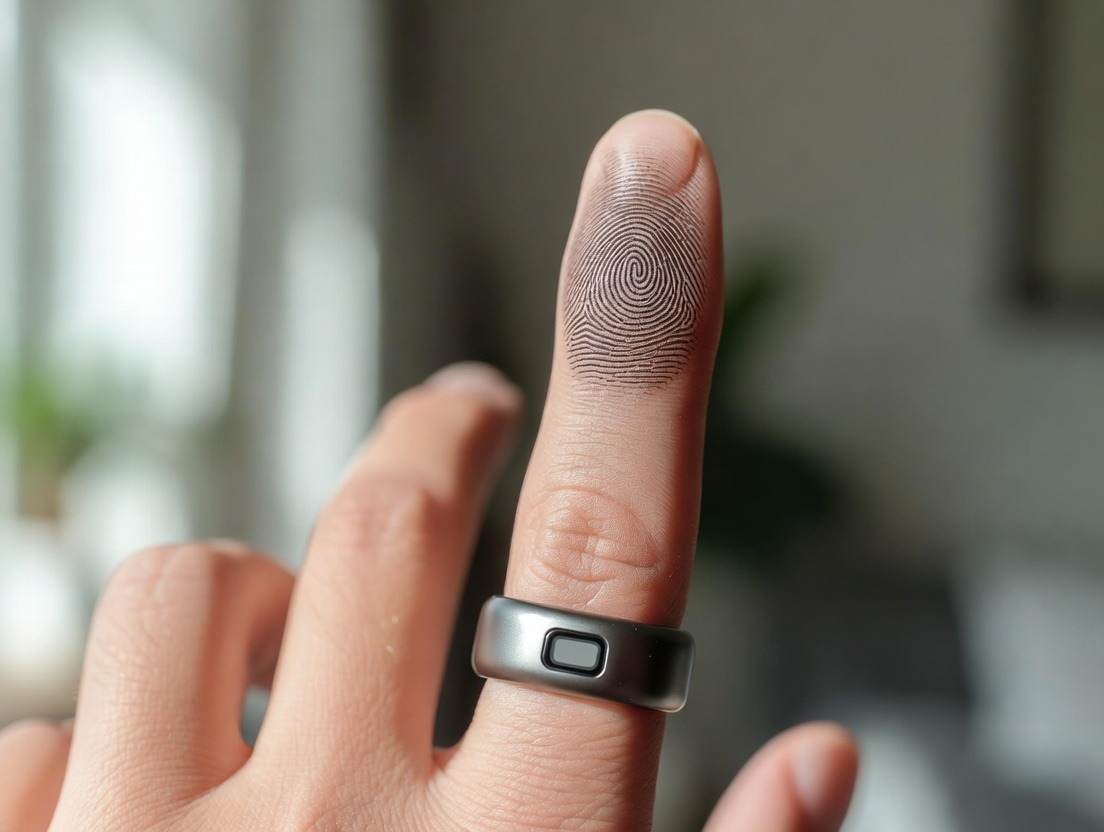
Before we dive into the damning evidence, it’s crucial to understand the profound intimacy of the device you’re wearing. Unlike a phone in your pocket or a watch on your wrist, a smart ring occupies a unique position, both physically and metaphorically. It sits on a finger pulsating with vascular activity, in a location that provides a surprisingly strong and consistent signal for photoplethysmography (PPG)—the optical technology that measures blood volume changes. This allows it to capture data with remarkable accuracy, 24 hours a day, even when you’re asleep.
This constant, passive monitoring makes your smart ring a silent witness to your life in a way no other device can be. Your phone knows you’re scrolling at 11 PM. Your laptop knows you’re editing a presentation. But your ring knows that during that presentation editing, your heart rate variability (HRV) plummeted, and your skin temperature spiked from stress. It knows that after you finally shut the laptop, your “sleep” was riddled with periods of wakefulness your conscious brain doesn’t remember. It knows your body’s baseline, its rhythms, and its deviations.
We are masters of self-deception when it comes to work. We tell ourselves, “I’m just in a busy season,” or “I’ll catch up on sleep this weekend,” or “This stress is normal.” We normalize the abnormal. Our minds adapt to the frantic pace, blurring the lines between dedication and self-harm. But the autonomic nervous system—the part controlling your heartbeat, breathing, and stress response—does not lie. It cannot be fooled by a positive mindset or a strong coffee. It responds in real-time to perceived threat and demand, and your smart ring is its stenographer.
The ring bypasses your subjective, biased self-assessment and delivers an objective report card from your physiology. It’s not tracking output in the form of completed tasks or hours logged; it’s tracking the input required to produce that output—the metabolic, neural, and hormonal cost paid by your body. This shift in perspective is revolutionary. You’re no longer just measuring what you do; you’re measuring what it does to you. When that cost consistently exceeds your body’s ability to recover, the data turns red. And that’s the story we’re about to read.
Open your companion app. The most prominent metric, often front and center, is likely your Sleep Score. It’s a neat, digestible number summarizing a night’s rest. When you’re well-balanced, this score fluctuates within a healthy range, dipping after a hard workout or a stressful day but bouncing back after a night or two of good recovery. The critical sign of overwork isn’t one bad night; it’s a chronically suppressed score that refuses to recover, especially on nights that should be restorative, like Friday or Saturday.
This score is typically an algorithm-generated composite of several sub-metrics:
When you’re working too much, several of these factors conspire against you. The psychological carryover of work stress—unresolved problems, anxiety about tomorrow’s meeting—activates the sympathetic nervous system (“fight or flight”), making it biologically harder to descend into deep, restorative sleep stages. You might be in bed for 8 hours, but if your sleep is shallow and fractured, your body isn’t completing its essential repair work.
Furthermore, the concept of sleep debt is key. Your smart ring is excellent at tracking this cumulative deficit. If you short-change sleep during the week (logging 6 hours when you need 7.5), you amass a debt. A truly restorative weekend might pay a little off, but if your weekly schedule is a relentless grind, the debt just grows. The ring shows this not just in a low score, but in trends. A flatline of “Fair” scores is a major red flag. Your body is telling you it cannot, under current conditions, achieve the quality of rest it needs to function optimally, let alone thrive.
This isn’t just about feeling groggy. Chronic sleep restriction, as validated by your ring’s data, is linked to impaired cognitive function, a weakened immune system, hormonal imbalances that affect hunger and satiety, and a significantly increased risk for cardiovascular disease. Your sleep score is the foundational metric. If it’s chronically low, every other system in your body is operating at a deficit. For a deeper understanding of what constitutes healthy and disrupted rest, you can explore our detailed guide on what sleep patterns are and why they matter.
Your Resting Heart Rate (RHR) is one of the most straightforward and telling biomarkers of overall fitness and stress. For the average adult, a healthy RHR ranges from 60 to 100 beats per minute (bpm), with fitter individuals often in the 50s or 60s. The magic of smart ring tracking is that it captures your true resting heart rate—often during sleep or periods of deep calm—rather than a casual daytime check.
When you are overworked and chronically stressed, a fascinating and insidious pattern emerges: your RHR baseline begins to creep upward. A rise of 5-10 bpm over weeks or months is a significant physiological red flag. Why does this happen?
Chronic stress, whether from mental overload, emotional strain, or excessive physical training without recovery, leads to a sustained elevation of stress hormones like cortisol and adrenaline. These hormones prepare your body for action, which includes increasing your heart rate. When the stress is perpetual, your sympathetic nervous system remains subtly but persistently engaged, even when you’re “resting.” Your heart is literally working harder, 24/7. It’s like leaving a car engine idling at a higher RPM all day and night; it increases wear and tear.
Your smart ring’s trend line is crucial here. Don’t focus on the daily number in isolation. Look at the weekly or monthly graph. Is the line of best fit sloping upward? Is your previous “low” of 62 bpm now your new “normal” of 70 bpm? This is your cardiovascular system waving a white flag.
An elevated RHR is more than just a number; it’s a proxy for systemic inflammation and autonomic nervous system dysregulation. Research consistently links a higher RHR with an increased risk of hypertension, heart attack, and stroke. Your ring is giving you an early warning system for cardiovascular strain long before you might feel any symptoms. Ignoring a creeping RHR is ignoring one of the clearest messages your body can send about unsustainable pressure.
If Resting Heart Rate is the volume of your stress, Heart Rate Variability (HRV) is the quality. It is, for many, the most important and insightful metric a smart ring provides, and it’s the one most directly battered by overwork.
HRV measures the tiny, millisecond variations in the time interval between your heartbeats. Contrary to what you might think, a healthy heart is not a metronome. It has subtle, constant variability. High HRV is generally good—it indicates a robust, resilient autonomic nervous system that can quickly adapt to changing demands. It means your body can efficiently switch between the stressed, alert “fight or flight” (sympathetic) mode and the relaxed, restorative “rest and digest” (parasympathetic) mode.
Low HRV, however, is a cardinal sign of a stressed and exhausted system. When you are chronically overworked, your sympathetic nervous system dominates. It’s like having the stress pedal constantly pressed halfway down. Your body loses its flexibility; it gets stuck in a state of high alert. This shows up as a suppressed, downward-trending HRV.
Your smart ring typically reports HRV (often as rmSSD or a proprietary score) and tracks it over time. Watch for these patterns:
Low HRV is a biomarker for burnout, fatigue, and overtraining. It’s associated with anxiety, depression, and a reduced ability to handle any additional stress. Think of HRV as your body’s buffer or reserve capacity. When it’s high, you can handle a big project, a hard workout, or a personal conflict and bounce back quickly. When it’s low, that same project can push you into a state of exhaustion that lasts for days. Your smart ring’s HRV data is literally quantifying your reserve tank, and for many overworkers, that tank is hovering near “E.” For a scientific deep dive into how your body's rhythms are measured and what the research reveals, consider reading about the science of sleep patterns and what research reveals.
Your smart ring’s sleep analysis goes beyond a single score. It reveals the architecture of your night—and for the overworked, that architecture is often in ruins. Two specific, data-proven phenomena emerge: Social Jet Lag and Sleep Fragmentation.
Social Jet Lag is the mismatch between your body’s internal biological clock (circadian rhythm) and your socially imposed sleep schedule. The overworker’s classic pattern? During the week, you force yourself to bed late (after finishing work) and drag yourself awake early with an alarm. Come Friday night, exhausted, you crash earlier. On Saturday and Sunday, you “sleep in” to compensate. This creates a drastic shift in your sleep timing—as if you flew across multiple time zones every weekend.
Your smart ring visualizes this through your sleep onset and wake-up times. A consistent schedule shows two neat, close lines. Social jet lag shows wildly diverging lines, with weekend sleep times several hours offset from weekdays. This constant shifting confuses your circadian rhythm, destabilizes hormone release (like melatonin and cortisol), and makes Monday morning a physiological nightmare. It’s a primary driver of low sleep scores and poor recovery, as your body never gets to settle into a stable rhythm. To understand the specific impact of this common weekly disruption, our article on the weekend sleep pattern problem known as social jet lag offers a detailed breakdown.
Sleep Fragmentation is the other telltale sign. Instead of cycling smoothly through light, deep, and REM sleep stages, the graph of an overstressed person looks like a seismograph during an earthquake. There are frequent, brief awakenings (arousals) and prolonged periods of light sleep at the expense of deep and REM. You might not remember waking up 15 times, but your ring does.
This fragmentation is often driven by a hyper-aroused nervous system (shown by low overnight HRV) and elevated cortisol. It’s your body’s threat-detection system staying partially online, unable to fully disengage. The consequence is that even with adequate “time in bed,” you are deprived of the most restorative stages of sleep. Your ring’s “time in deep sleep” metric will be chronically low, directly impeding physical recovery and cellular repair. This fragmented pattern is a core symptom of a schedule fundamentally at odds with your biology, a topic explored in sleep pattern mismatch: when work and biology clash.

Many smart rings and wearables synthesize their data into a single, overarching metric with names like “Readiness,” “Recovery,” or “Body Battery.” This is the algorithm’s attempt to answer the fundamental question: “How prepared is your body to handle stress today?”
These scores combine last night’s sleep data (duration, quality, stages), your overnight physiological data (RHR, HRV), and sometimes your recent activity load. A high score (e.g., 85-100) suggests you are well-recovered and can take on demanding tasks and workouts. A low score (e.g., < 70) is a recommendation to prioritize rest and recovery.
For the person working too much, this score becomes a source of frustration. It perpetually lingers in the yellow or red. You wake up after a full 8 hours in bed and are greeted with a “Low Readiness” alert. You take a “rest day” from the gym, and the score barely budges. This happens because the score isn’t just about sleep; it’s about your total allostatic load—the cumulative burden of chronic stress.
Your job is a constant stressor. If you are mentally engaged with work problems from the moment you wake until you finally fall asleep, you are draining this “body battery” all day long. The overnight recharge period is insufficient to fill a battery that has a massive parasitic drain attached to it 24/7. The score isn’t broken; it’s accurately reporting that your system’s demands far outstrip its recovery capacity.
Ignoring a chronically low readiness score and pushing through with intense work or exercise is akin to ignoring a low fuel light and flooring the accelerator. It leads to a rapid drain, poorer performance, and increases the risk of a full system breakdown—in this case, burnout, illness, or injury. This metric is your most direct daily advisory from your physiology. When it’s consistently low, it’s not suggesting a tweak; it’s demanding a systemic change in how you operate. Learning to use sleep pattern data to optimize your life is a foundational step in heeding that demand.
Advanced smart rings now include skin temperature sensors. While absolute temperature readings are less useful (they vary with environment), the trends and deviations are incredibly insightful, particularly for women’s health and—relevant to overwork—for detecting systemic inflammation and stress-induced dysregulation.
A chronically elevated nocturnal skin temperature trend can indicate that your body is in a state of low-grade inflammation. When you are overworked and chronically stressed, the body releases pro-inflammatory cytokines. This inflammatory response can manifest as a higher baseline skin temperature during sleep. Your ring’s weekly graph might show your nighttime temperature line sitting half a degree higher than it did a month ago.
More acutely, you might see sharp, unexplained spikes in your temperature graph overnight. These can correlate with night sweats—a common physical symptom of intense stress and anxiety. While night sweats can have other causes, when paired with other signals of overwork (low HRV, high RHR, poor sleep), they point to a hyperactive nervous system that cannot regulate itself even during sleep. Your body is literally running hot from the constant pressure.
This biometric adds a powerful layer to the story. It’s not just about heart rate and sleep stages; it’s showing a metabolic and immune system response to prolonged demand. Chronic inflammation is the common pathway for a host of serious diseases, from diabetes to heart disease to autoimmune conditions. Your smart ring’s temperature data is providing an early-warning signal of this inflammatory process, directly linking your work habits to a tangible, physical risk factor.
This final signal involves a paradox. In a bid to combat work stress, many overworkers double down on exercise. They hit the gym hard, log long runs, and proudly close their activity rings. Your smart ring tracks all this movement, of course. But the critical insight isn’t in the activity data alone; it’s in the relationship between your activity and your recovery metrics.
This is the Activity-Recovery Mismatch. Here’s what it looks like in your data:
This cycle creates a negative spiral. Exercise is a controlled stressor that, followed by adequate recovery, makes you stronger. But when layered on top of unrelenting psychological work stress, it becomes just another drain on an already depleted system. Your body cannot differentiate between the stress of a deadline and the stress of a heavy squat; it all adds to the same allostatic load.
Your smart ring is perfectly positioned to spot this. It sees the high activity and the failed recovery. The problem isn’t the activity itself; it’s the absence of the corresponding recovery. The data is telling you that your current “work + workout” load exceeds your body’s recovery capacity. Continuing this mismatch is a direct path to overtraining syndrome, injury, immune suppression (constantly getting sick), and deepened burnout. The goal is not to stop moving, but to intelligently modulate your activity based on your recovery data—a concept known as autoregulation. Your ring provides the data to practice this; ignoring it means you’re using a sophisticated biofeedback device as a simple step counter.
Individually, each of these seven signals tells a worrying story. But their true power—and the undeniable proof of overwork—lies in their correlation. When these metrics move in concert, they form a biometric fingerprint of chronic stress that is impossible to dismiss.
Let’s visualize a biometric “perfect storm” for a Tuesday morning after a major Monday deadline:
See how they interlock? The elevated RHR and low HRV explain the poor, fragmented sleep. The poor sleep and stressed physiology explain the abysmal readiness score. The nighttime temperature spike is the physical manifestation of the stress. This isn’t a coincidence; it’s a cascade. Your sympathetic nervous system was so engaged by the work stress that it inhibited recovery, which now leaves you ill-prepared for the next day, setting up a vicious cycle.
Your smart ring’s app likely has a weekly or monthly view. Look for these patterns. Do lines move together? When your work calendar is packed, does your HRV line dive while your RHR line climbs? Does your sleep score flatline for the entire workweek? This correlated movement is the smoking gun. It moves the diagnosis from “I feel tired” to “My objective physiological data demonstrates a state of chronic stress and recovery deficit caused by excessive cognitive and emotional load.” This is the proof your smart ring provides. The next step is deciding what to do with it. A great starting point is a comprehensive sleep pattern analysis to understand what your tracker is telling you.
Treating these biometric warnings as mere inconveniences or badges of honor is a dangerous gamble with long-term health. The physiological state your ring is detecting—chronic sympathetic activation, elevated inflammation, poor sleep architecture—is not sustainable. It is the precursor to clinically significant problems.
1. Burnout and Mental Health: Chronically low HRV and high RHR are tightly linked to anxiety and depressive disorders. The exhausted nervous system loses its resilience, making you more emotionally reactive and less able to experience positive emotions. This is the neurophysiological substrate of burnout—a state of emotional, physical, and mental exhaustion.
2. Cardiovascular Disease: The combination of elevated RHR, hypertension (often a companion of chronic stress), and systemic inflammation is a direct risk factor for atherosclerosis, heart attack, and stroke. Your body is not designed for a perpetual state of high alert.
3. Immune Dysfunction: Both poor sleep and high cortisol suppress immune function. This is why overworked people seem to catch every cold and flu. Over the long term, chronic inflammation can contribute to the development of autoimmune conditions.
4. Metabolic Dysregulation: Stress and poor sleep disrupt the hormones that regulate hunger (ghrelin) and satiety (leptin), often leading to cravings for high-calorie, sugary foods. Combined with elevated cortisol, this promotes abdominal fat storage and increases the risk for insulin resistance and Type 2 diabetes.
5. Cognitive Decline: Sleep, particularly deep sleep and REM sleep, is essential for memory consolidation and clearing metabolic waste from the brain. Chronic sleep fragmentation deprives the brain of this maintenance, potentially accelerating cognitive decline over time.
Your smart ring is providing you with a window into these processes as they are happening. The data is a real-time risk assessment. Ignoring it means choosing to be a passive participant in the deterioration of your own health. Acknowledging it is the first, powerful step toward a different future—one where you use data not to push harder, but to live smarter and healthier. Understanding the profound relationship between sleep patterns and mood disorders can further illuminate the critical mind-body connection at play.

The first and most critical step in addressing overwork is not a tactical hack or a new app. It is a fundamental mindset shift. For years, you’ve likely viewed your body and mind as a machine—an instrument of productivity to be optimized, fueled, and pushed to its limits. Your smart ring might have even been purchased with that mindset: “How can I squeeze more performance out of myself?”
The data has now revealed the flaw in this logic. Machines wear out. They require maintenance, downtime, and have operating limits. Human beings are not machines; we are complex, dynamic biological systems governed by rhythms, needs, and a non-negotiable requirement for recovery. The data on your screen is the voice of your biology, pleading to be treated as a living system, not a production unit.
This shift involves redefining “performance.” True, sustainable performance isn’t about maximum output today at the cost of tomorrow. It’s about consistent, high-quality output over a lifetime. It’s about resilience, adaptability, and health. An athlete who ignores recovery gets injured and loses the season. A knowledge worker who ignores recovery gets burned out and loses their creativity, focus, and eventually, their health.
Your smart ring is the tool to facilitate this shift. Stop viewing its “Low Readiness” alerts as a judgment or a barrier to your to-do list. Start viewing them as the wise, objective counsel of a personal physician who has 24/7 access to your vital signs. The goal changes from “How can I ignore this and push through?” to “How can I honor what my body needs so I can perform well for years to come?”
This means embracing concepts like:
This mindset is the foundation upon which all practical change is built. Without it, any tactical change will be superficial and short-lived. With it, you can begin the work of true, sustainable repair, guided by the very data that sounded the alarm. To help align your daily life with this new mindset, our guide on how to match your sleep pattern to your lifestyle provides a practical
Having decoded the seven biometric alarms, the path forward is clear. It’s not about working harder to “fix” yourself; it’s about working smarter to align your life with your biological needs. This section is your actionable blueprint, turning your smart ring from a whistleblower into your chief wellness officer. We will build sustainable habits, layer by layer, starting with the most powerful lever for change: sleep.
You cannot out-supplement, out-exercise, or out-meditate chronic sleep deprivation. If your sleep data is in disarray, this is your absolute first priority. We’re moving beyond “trying to get more sleep” to implementing a data-informed sleep protocol.
Step 1: Find Your True Chronotype & Need
First, stop fighting your biology. Use your smart ring data to discover your natural rhythm. Are you consistently falling asleep after midnight and getting your best sleep after 6 AM? You’re likely a night owl forcing an early bird schedule. Analyze a two-week period (ideally with minimal alarm use on weekends) to see your natural sleep onset and wake-up tendency. This isn’t about laziness; it’s about genetics and circadian biology. Take our chronotype quiz to identify your natural sleep pattern for a more guided discovery.
Next, determine your sleep need. Your ring’s data is perfect for this. After a few days of truly catching up (without an alarm, on vacation or a quiet weekend), note how long you naturally sleep. Is it 7.5 hours? 8.5? That’s your personal requirement. Your goal is to protect that duration consistently, not just on weekends.
Step 2: Engineer Your Sleep Environment & Routine
Step 3: Use Data for Iteration, Not Judgment
Your sleep score will have bad nights. The key is to become a detective, not a critic. Did your HRV tank before bed because of a difficult conversation? Did a late dinner cause a temperature spike and restless sleep? Correlate life events with the data. This turns failure into learning. Over time, you’ll build an intuitive sense of what your body needs for rest. For a structured plan to correct a disrupted schedule, our guide on how to reset unhealthy sleep patterns in just 2 weeks offers a step-by-step protocol.
With sleep as your foundation, you can now directly address your nervous system’s dysregulation. Think of HRV and RHR as your live stress dashboard. The goal isn’t to keep HRV high at all times, but to improve its resilience—its ability to dip under stress and then bounce back quickly.
Strategy 1: Daily HRV Biofeedback Training
Your smart ring gives you the data; now you can actively train your system. Simple, daily practices can directly improve HRV by stimulating your vagus nerve, the main component of your parasympathetic (“rest and digest”) system.
Strategy 2: The Strategic Recovery Day
Plan one day per week (often a Sunday) as a true physiological recovery day. This is not a day for errands, intense house projects, or stressful social obligations. This is a day guided by your smart ring’s morning readiness score.
Strategy 3: Work Stress “Containment” Rituals
Overwork means stress leaks into every part of life. You need firm boundaries to contain it.
This is where you break the Activity-Recovery Mismatch cycle. Your movement should be dictated by your recovery status, not by a rigid weekly schedule or ego.
Principle: Autoregulate Your Training.
Stop planning your workouts on a calendar. Instead, let your morning readiness/HRV/recovery score dictate your day’s movement.
The Smart Ring as Your Coach:
Use the “strain” or “exertion” score from your workouts. Did a moderate workout today result in a massive strain score and a crashed readiness tomorrow? That’s valuable feedback that your “moderate” is currently too intense. Dial it back. Conversely, if a green zone day and a hard workout lead to a slight, manageable dip followed by a good rebound, you’ve found your optimal dose.
This approach prevents overtraining, reduces injury, and ensures your exercise is always additive to your health, not another source of depletion. It transforms exercise from a stressor you impose on your body to a stressor you negotiate with your body.
Your smart ring doesn’t track food directly, but it provides powerful indirect feedback on how your diet affects your physiology.
Using Your Nightly Data as a Lab:
Your body does its repair and processing work while you sleep. Your morning data is a report card on last night’s choices.
Actionable Steps:
The devices that connect us to work are often the primary antagonists of our nervous system. Your smart ring data proves it. It’s time to build a fortress of digital boundaries.
Tactic 1: The Notification Purge.
Every ping, buzz, and badge is a micro-stressor that triggers a dopamine hit and a slight sympathetic arousal. Go through every app on your phone and computer and disable all non-essential notifications. Essential means: direct messages from key people (family, boss), calendar alerts. Non-essential is: everything else—email, social media, news, most apps. Schedule 2-3 times a day to check email and messages in batches.
Tactic 2: The Phone’s Evening Exile.
Your phone does not belong in your bedroom. Full stop. It is a slot machine, a work portal, and a blue light emitter. Invest in a traditional alarm clock. Charge your phone in another room. This single change has a dramatic impact on sleep latency and pre-sleep anxiety. If you use your phone for a sleep sound app, put it on airplane mode and place it across the room.
Tactic 3: Work App Containers.
Use your device’s focus modes or profiles to create a literal barrier between work and life. Outside of work hours, your work email app, Slack, and project management tools should be inaccessible—hidden in a folder, logged out, or blocked by a focus mode. This creates both a practical and psychological barrier against the “just a quick check” habit that destroys recovery.
Measure the Impact: After implementing these boundaries for a week, check your evening HRV trend and your sleep scores. You will likely see a tangible improvement, proving that digital clutter has a direct physiological cost. The goal is to make your technology serve you, not hijack your nervous system. For insights into how modern technology can also be a force for good in understanding yourself, read how technology reveals sleep patterns you never noticed.

There is no one-size-fits-all recovery plan. Your smart ring data allows you to build a rhythm unique to your chronotype, job demands, and life phase.
The Weekly Rhythm Audit:
At the end of each week, spend 15 minutes reviewing your data trends in your ring’s app. Look at your weekly HRV, RHR, sleep scores, and readiness. Ask:
Building Your Ideal Week Template:
Based on audits over a month, draft a template for an “ideal” week that maximizes your physiology.
Your smart ring becomes the tool for iterating on this template. Life will disrupt it, but the template serves as your home base, your default setting to return to. This proactive planning moves you from being a victim of your schedule to being the architect of your energy. Understanding how shift work destroys natural sleep patterns can also provide lessons on the importance of rhythm, even for those with traditional jobs.
Theory is nothing without action. Here is a concrete 30-day plan to halt the cycle of overwork and initiate repair, using your smart ring as your guide.
Week 1: The Observation & Baseline Week
Week 2: The Sleep & Light Intervention
Week 3: The Stress & Recovery Intervention
Week 4: The Integration & Refinement Week
By the end of 30 days, you will have broken the most destructive cycles, established key habits, and—most importantly—shifted your relationship with your data from one of anxiety to one of empowerment. You are no longer being monitored; you are being guided. For a complementary deep dive into finding your most productive times, pair this reset with an understanding of sleep patterns and productivity: finding your peak hours.
What if you implement these changes diligently, but your HRV remains low, your sleep score stuck, and your RHR elevated? This is a critical moment. It means one of three things:
1. You Have an Undiagnosed Health Issue.
Persistent physiological dysregulation can be a symptom of underlying conditions:
Action: If your data refuses to improve after a genuine 6-8 week lifestyle overhaul, consult a physician. Bring your trend data from your smart ring. Showing a doctor a 3-month graph of a creeping RHR and suppressed HRV is far more powerful than saying “I’m tired.”
2. Your Work Stress is Truly Toxic.
You may have implemented perfect recovery protocols, but if the 9-hour workday you return to is psychologically toxic—marked by a lack of autonomy, overwhelming demands, or a hostile environment—the 1 hour of meditation cannot counteract it. The stressor is too large.
Action: Use your now-robust personal data as objective evidence in a career decision. You have proof that your current role is harming your health. This can empower you to set firmer boundaries, negotiate for change, or make a considered plan to transition to a more sustainable position. Your health data provides the courage to make a change you might have previously rationalized away.
3. You Need More Specialized Support.
Sometimes, we need expert guidance to interpret complex data or address deep-seated patterns.
The point is this: your smart ring gives you the “what.” It tells you something is wrong. If your best efforts at the “how” don’t resolve it, that is vital information to take to a professional. The ring is not a diagnostic tool, but it is an unparalleled data-gathering tool for your healthcare team. For those experiencing persistent mood-related symptoms alongside poor sleep data, understanding the relationship between sleep patterns and mood disorders can be an important part of this conversation.
The ultimate goal is not just to recover from overwork, but to build a life that makes overwork obsolete. This is the shift from crisis management to sustainable high performance. Your smart ring transitions from an alarm system to a navigation instrument.
The Signs of Sustainable Performance:
In this final stage, you use your ring for proactive optimization, not reactive damage control. You might experiment with slightly adjusting your sleep schedule to match seasonal changes that affect your sleep patterns. You might fine-tune your workout timing to align with your daily circadian peaks. You have the data literacy to live in harmony with your biology.
The story that began with a ring exposing a problem concludes with that same ring guiding you to a better life. It proves you were working too much, and then it showed you the way out. The data was never the enemy; it was the truth you needed to hear. Now, it becomes the wisdom you live by.
You have the evidence. You’ve begun the rebuild. Now, we move into the masterclass: integrating this data-aware living into the fabric of your life so seamlessly that it becomes second nature. This final section is about moving from conscious effort to unconscious competence, from managing a recovery protocol to cultivating a life of sustained vitality, and using your smart ring not as a taskmaster, but as a compass for a richer, more aligned existence.
Sustainable performance isn't built on week-long vacations alone; it's constructed minute-by-minute through the strategic use of micro-recoveries. These are brief, intentional pauses that lower sympathetic nervous system activation and reset your cognitive focus throughout the day. Your smart ring provides the cues for when you need them most and the feedback to prove they work.
Identifying Your Personal Stress Signature:
Your ring’s continuous heart rate data is a live stream of your stress response. Learn to recognize your personal "stress signature." For some, a difficult email causes a sharp, brief heart rate spike. For others, a prolonged meeting leads to a gradual, creeping increase. By occasionally checking your live heart rate during different tasks, you can map your triggers.
The 5-Minute Biofeedback Reset:
When you see or feel your stress signature appear, deploy a micro-recovery. The most powerful is a mini version of your coherent breathing:
This isn't "wasting time." This is a strategic neurological reset that restores prefrontal cortex function (your decision-making center), which is impaired under stress. You’ll return to the task calmer and more effective. Track the impact: days where you practice several micro-recoveries often show less of an evening cortisol slump and better sleep onset.
Scheduled Sensory Breaks:
Beyond breathing, build in other micro-recoveries:
These practices, validated by a more stable daily heart rate graph, prevent the cumulative “stress residue” that leads to evening exhaustion and poor sleep.
You’ve identified your chronotype. Now, let’s weaponize it for productivity and peace. Chrono-productivity is the practice of scheduling your tasks according to your natural energy rhythms, as suggested by your sleep and readiness data.
Mapping Your Daily Energy Curve:
Over a week, track your subjective energy, focus, and your ring’s body temperature or heart rate data (which follows a circadian rhythm). Most people, even night owls, have a general pattern:
Designing Your Ideal Workday:
By aligning tasks with your biology, you accomplish more in less time and with far less perceived effort and stress. Your work feels “in flow,” and the reduced friction shows up in a less erratic daily heart rate graph and better overnight recovery. This is the essence of working smarter, not harder. For a deeper exploration of this alignment, our article on sleep patterns and productivity: finding your peak hours is an essential read.
Your physiology doesn't exist in a vacuum. It is profoundly influenced by the people you're with and the spaces you inhabit. Your smart ring can become an unexpected guide to healthier social and environmental choices.
The People Audit:
Pay attention to your physiological data before, during, and after social interactions.
The Environment Audit:
Your ring’s environmental sensors (like temperature) and your physiological response to spaces are telling.
This turns your wellness from a solitary pursuit into an interactive one. You learn to advocate for environments and cultivate relationships that support your hard-won physiological balance.
Your smart ring is the cornerstone, but a holistic view sometimes requires additional lenses. Integrate these practices to fill in the narrative gaps.
Subjective Logging: The “How Do I Feel?” Journal.
Data is objective, but meaning is subjective. Pair your ring’s metrics with a simple daily note. Use a notes app or journal to log:
The Caffeine & Alcohol Experiment:
These are powerful drugs that directly impact your nervous system. For a true understanding, run a focused experiment:
Period & Cycle Tracking (For Those Who Menstruate):
If your smart ring has skin temperature and HRV tracking, it can reveal the profound physiological shifts across your menstrual cycle. You may see:
This powerful tool has a shadow side: the potential for orthosomnia (an unhealthy preoccupation with perfect sleep data) and constant biometric self-surveillance that becomes a new source of stress. The goal is awareness, not obsession.
Establish Healthy Data Boundaries:
Practice Data Detoxes:
Consider taking one day a week (perhaps your recovery day) where you wear the ring for collection but make a pact not to look at the app at all. Reconnect with your body’s innate sensations—tiredness, energy, calm—without the intermediary of a number. This maintains your intuitive connection to yourself.
Embrace the Imperfect Line:
Health is not a straight, upward-trending graph. It is a dynamic, squiggly line that responds to life—to celebrations, to grief, to challenges, to joy. A dip after a night out with friends is not a “failure”; it’s the cost of a meaningful connection, and your body can recover from it. A period of lower scores during a intense but rewarding project is different from chronic depletion from meaningless overload. Use the data to understand the cost of your choices, not to eliminate all cost. A life without any physiological cost is not a life fully lived.
The smart ring on your finger is just the beginning. The integration of continuous physiological data with artificial intelligence is poised to create a true partnership in health management.
Predictive, Not Just Reactive, Insights:
Future algorithms will not just tell you you’re stressed; they will predict it. By analyzing patterns in your HRV, sleep, and activity data, your device may alert you: “Based on your current recovery trend and calendar, you are at high risk of burnout in 10 days. Suggested action: reschedule two meetings and prioritize two recovery nights this week.” This moves from monitoring to proactive coaching.
Hyper-Personalized Recommendations:
Beyond generic advice, AI could analyze your unique response patterns. It could learn that for you, a 20-minute afternoon walk improves sleep efficiency by 12%, while meditation has a negligible effect. Or that eating carbs after 7 PM specifically disrupts your deep sleep, but not your partner’s. The recommendations become uniquely yours.
Integrated Ecosystem Health:
Imagine your ring talking to your smart thermostat to cool the bedroom as your skin temperature rises at night. Or it syncing with your calendar to automatically enable a “Focus Mode” on your devices during your biological peak times, and a “Wind-Down Mode” in the evening. Your car could detect high stress from your heart rate and switch to calming lighting and music. The biometric becomes the invisible, seamless conductor of a health-optimizing environment.
The Democratization of Health Literacy:
As this technology becomes more accessible, it empowers individuals with knowledge that was once only available in a lab. It shifts healthcare from a passive, symptom-driven model (“I’m sick, fix me”) to an active, preventive partnership (“Here’s my baseline and my trends; how do we keep me thriving?”). You become the expert on your own body, equipped with data to have informed conversations with any health professional.
This future is not about being tracked by corporations, but about harnessing technology for self-sovereignty over your own well-being. Your smart ring is your first passport into this new world. For a look at the cutting edge of how this technology reveals hidden truths about our physiology, read how technology reveals sleep patterns you never noticed.
Let’s crystallize everything into a single, actionable blueprint you can adapt. This is your master template for a life in sync with your data.
The Daily Protocol (The Non-Negotiables):
The Weekly Rhythm (The Architecture):
The Monthly Audit (The Pilot’s Review):
On the last Sunday of the month:
This blueprint is not rigid; it’s a resilient framework. It ensures you are consistently investing in your foundational health (sleep, recovery) while strategically spending your energy (work, exercise) for maximum return and sustainability.
We began with a device that revealed an uncomfortable truth: you are working too much. It proved it not with vague feelings, but with the immutable language of physiology—elevated heart rates, suppressed HRV, fractured sleep, and a body battery that never recharges.
That truth, while daunting, was a gift. It was the interruptive signal needed to break the trance of normalized overload. We moved from diagnosis to repair, learning to rebuild our sleep, retrain our nervous system, intelligently move our bodies, and set boundaries that protect our peace.
Now, we arrive at integration. The ring is no longer an alarm; it is an advisor. The data is no longer a source of anxiety; it is a source of agency. You have learned the art of the micro-recovery, the strategy of chrono-productivity, and the wisdom of listening to what your body has been saying all along through its biometric whispers.
This journey transforms your relationship with work, with health, and with yourself. Work becomes an activity you do, not an identity you are. Health becomes a dynamic practice of alignment, not a static state to be achieved. And you become the author of your days, guided by an inner wisdom now made visible on your screen.
Your smart ring proved you were working too much. And in doing so, it offered you the ultimate choice: to continue on a path of depletion, or to use that very data to chart a new course toward a life of sustainable energy, resilience, and fulfillment. The data has spoken. Now, how will you live?
Your Trusted Sleep Advocate: Sleep Foundation — https://www.sleepfoundation.org
Discover a digital archive of scholarly articles: NIH — https://www.ncbi.nlm.nih.gov/
39 million citations for biomedical literature :PubMed — https://pubmed.ncbi.nlm.nih.gov/
Experts at Harvard Health Publishing covering a variety of health topics — https://www.health.harvard.edu/blog/
Every life deserves world class care :Cleveland Clinic - https://my.clevelandclinic.org/health
Wearable technology and the future of predictive health monitoring :MIT Technology Review — https://www.technologyreview.com/
Dedicated to the well-being of all people and guided by science :World Health Organization — https://www.who.int/news-room/
Psychological science and knowledge to benefit society and improve lives. :APA — https://www.apa.org/monitor/
Cutting-edge insights on human longevity and peak performance:
Lifespan Research — https://www.lifespan.io/
Global authority on exercise physiology, sports performance, and human recovery:
American College of Sports Medicine — https://www.acsm.org/
Neuroscience-driven guidance for better focus, sleep, and mental clarity:
Stanford Human Performance Lab — https://humanperformance.stanford.edu/
Evidence-based psychology and mind–body wellness resources:
Mayo Clinic — https://www.mayoclinic.org/healthy-lifestyle/
Data-backed research on emotional wellbeing, stress biology, and resilience:
American Institute of Stress — https://www.stress.org/


