


The 24/7 Fitness Tracking Capability of Modern Wellness Rings
Modern rings provide 24/7 tracking capability.
Modern rings provide 24/7 tracking capability.
%402x.svg)
In a world obsessed with quantified health, the quest for better data has led us from clunky wristbands to sleek, always-on companions that fit on a finger. The modern wellness ring has emerged not as a piece of jewelry with a tech gimmick, but as a profound evolution in personal biometrics. It promises what fitness trackers of the past could not: a truly holistic, 24/7 understanding of your body’s inner workings. This isn't just about counting steps or monitoring sleep in isolation. It’s about connecting the dots between your daily activity, nightly recovery, stress resilience, and overall readiness to perform—creating a continuous, unbroken stream of data that tells the complete story of you.
Imagine a device so unobtrusive you forget it’s there, yet so insightful it becomes an indispensable advisor. It whispers when you’re pushing too hard without adequate recovery, celebrates when your body is primed for a personal record, and gently nudges you towards habits that compound into lifelong vitality. This is the promise of 24/7 fitness tracking. It moves beyond episodic workout analysis into the realm of constant physiological dialogue. By capturing data from the most vascular part of your body—your finger—these rings offer a unique window into heart rate variability, blood oxygen saturation, skin temperature, and more, day and night, without interruption.
The era of fragmented health insights is over. Welcome to the age of the 24/7 fitness ring, your silent partner in the relentless, beautiful pursuit of optimal living. This deep dive explores not just the "how," but the transformative "why" behind wearing your wellness on your finger.
From Step Counters to Symphony Conductors: The Evolution of the Fitness Tracker
To appreciate the revolution of the 24/7 wellness ring, we must first glance back at the journey of wearable fitness technology. The path has been one of miniaturization, sophistication, and a fundamental shift in philosophy.
The early 2010s were dominated by the pedometer—a simple device focused on a single metric: steps. The goal was straightforward, but the insight was shallow. Soon, wrist-worn activity trackers entered the scene, adding heart rate monitoring, crude sleep tracking, and smartphone notifications. They created a new category but came with inherent limitations. The wrist is a dynamic location; during exercise, arm movement can corrupt heart rate data (a phenomenon known as "motion artifact"). At night, many found the bands uncomfortable, leading to inconsistent wear and, therefore, inconsistent data—the death knell for any meaningful longitudinal analysis.
The philosophy was also largely reactive. These devices told you what you had done: you slept this many hours, you walked that many steps. They were historians, not forecasters. The critical missing link was context. How did that poor night’s sleep impact your body’s ability to handle stress the next day? How did your afternoon workout influence your deep sleep phase that night?
The introduction of advanced optical sensors and the focus on Heart Rate Variability (HRV) marked a turning point. HRV, a measure of the subtle variations in time between heartbeats, is a powerful proxy for your autonomic nervous system balance and recovery status. To measure it accurately, especially during sleep, requires consistent, precise, and comfortable wear. The wrist, with its bony structure and tendency to move, is suboptimal. The finger, rich in capillaries and relatively still during sleep, proved to be a superior biometric location.
This technological and physiological insight gave birth to the modern wellness ring. Brands like Oxyzen entered the space with a mission to move beyond fitness tracking to holistic wellness intelligence. By designing a device for constant, comfortable wear, they unlocked the potential for 24/7 data collection. The tracker evolved from a step counter to a conductor, orchestrating a symphony of data points—activity, sleep, recovery, stress—into a coherent, actionable narrative about your health. You can explore the philosophy behind this evolution on Oxyzen’s about page, which details the journey from concept to a device designed for seamless integration into life.
This shift represents more than a change of form factor; it’s a change of goal. The aim is no longer just to record exercise but to optimize the entire cycle of exertion and recovery, empowering you to make daily choices that align with your body’s true needs.
The magic of a 24/7 fitness ring lies in its elegant marriage of minimalist design and maximalist sensor technology. It accomplishes what bulkier devices cannot by leveraging its unique position on the body and a suite of advanced, low-power sensors that work tirelessly in the background.
At the core of any high-end wellness ring are three primary sensor systems:
The real genius, however, is in the software and the form factor. Advanced algorithms, often powered by machine learning, fuse these raw data streams. They filter out noise (like sudden hand movements), identify patterns, and translate trillions of data points into human-understandable metrics: Sleep Score, Recovery Index, Activity Readiness.
The ring’s design is its final masterstroke. By being small, lightweight, and free of screens or notifications that demand attention, it encourages constant wear. You wear it while typing, swimming, sleeping, and showering (with appropriate water resistance). This unobtrusive nature is the absolute prerequisite for 24/7 tracking. There is no "charging break" that creates a data gap, as most rings offer 5-7 day battery life and quick charging. It becomes a true part of you, a silent sentinel gathering intelligence without intrusion. For a deeper look at the sensor technology behind these insights, particularly for sleep, our blog offers a detailed breakdown in How Sleep Trackers Actually Work: The Technology Explained.
While a steady stream of data is impressive, its value is dictated by the quality and actionability of the metrics derived. A 24/7 ring shifts the focus from output metrics (steps, calories burned) to input and readiness metrics that tell you how your body is responding to life. Here are the foundational pillars of 24/7 insight:
Resting Heart Rate (RHR) & Heart Rate Variability (HRV): Your RHR, measured most accurately during deep sleep, is a fundamental indicator of cardiovascular fitness and overall strain. HRV, however, is the star of the show. A higher HRV generally indicates a more resilient, recovered, and adaptable nervous system. By tracking HRV nightly, the ring establishes your baseline. A significant drop can signal under-recovery, overtraining, impending illness, or excessive stress, prompting you to prioritize rest. This is the essence of proactive health management.
Sleep Staging & Quality Analysis: This is where 24/7 tracking proves indispensable. The ring doesn’t just track duration; it analyzes sleep architecture—the cycles of light, deep, and REM sleep. Each stage serves a critical purpose: physical repair in deep sleep, memory consolidation in REM. The ring scores your sleep based on duration, efficiency, and structure. More importantly, it correlates sleep quality with other metrics. Did a late workout raise your nocturnal heart rate and reduce deep sleep? Did alcohol consumption fragment your sleep stages? The ring provides the evidence. Beginners can start with Sleep Tracking 101: Everything Beginners Need to Know to understand these fundamentals.
Body Temperature Trends: By monitoring your skin temperature continuously, the ring detects subtle shifts. A sustained elevation might be the first sign of a fever or an inflammatory response, often before you feel symptoms. For women, tracking this trend can offer insights into ovulation and menstrual cycle phases, adding a powerful layer of hormonal cycle awareness to fitness planning.
Activity & Readiness Scores: These are the synthesis engines. An Activity Score considers your movement, active minutes, and calorie expenditure against your personal goals. The more revolutionary metric is the Readiness or Recovery Score. Each morning, the ring analyzes your night’s data (HRV, RHR, sleep, temperature) to produce a single number or status (e.g., Peak, Recover, Push). This is your daily directive. A low score doesn’t mean "do nothing"; it means your body may benefit more from gentle mobility, yoga, or a walk than a high-intensity interval training session. It teaches you to train with your body, not against it.
Respiratory Rate & Blood Oxygen (SpO2): Breathing rate during sleep is a key vital sign, and irregularities can be noteworthy. SpO2 monitoring, especially overnight, can help identify events of low blood oxygen, providing insights into sleep quality and overall respiratory health.
By weaving these metrics together into a cohesive dashboard, the ring transforms from a data collector into a physiological interpreter. It answers the critical question: "Based on everything my body is telling me, what should I do today?"
For the fitness enthusiast, athlete, or weekend warrior, the 24/7 ring is the ultimate training partner. It moves the focus from the 1-hour workout to the 23 other hours that determine its effectiveness. This paradigm—training with recovery—is what separates sustainable progress from burnout and injury.
The primary tool here is the Readiness Score. Imagine waking up with a plan to crush a heavy leg day, but your ring shows a "Recover" status with a depressed HRV and elevated resting heart rate. The data suggests your nervous system is still dealing with the stress from two days ago. Instead of ignoring it and pushing through (risking poor performance, excessive fatigue, or injury), you pivot. You take an active recovery day—a walk, light stretching, foam rolling. You prioritize sleep and nutrition. The next day, your readiness score has bounced back, and you execute your leg day with more power and better form. The ring didn’t stop you from training; it guided you to train smarter.
This continuous feedback enables several advanced fitness strategies:
This approach is especially powerful for endurance athletes, whose success is built on the delicate balance of high-volume training and meticulous recovery. The science behind this, particularly the role of deep sleep in physical repair, is critical. For athletes looking to maximize this, Deep Sleep Optimization for Athletes: Recovery While You Rest is an essential read. By aligning your training with your body’s 24/7 readiness signals, you move from guesswork to guided, evidence-based performance enhancement.

If fitness is built in the gym, it is realized in bed. Sleep is the most potent recovery tool we possess, and 24/7 ring tracking provides an unprecedented, personalized audit of this one-third of our lives. It demystifies the black box of sleep, turning it from a passive state into an active, measurable component of your fitness and health regimen.
Traditional sleep tracking often stopped at "you slept 7 hours." A modern wellness ring delves into the architecture. It shows you not just how long you slept, but how well you cycled through the crucial stages:
The power of 24/7 tracking is in connecting the dots between your day and your night. The ring’s report will show you the tangible impact of your choices:
By quantifying these effects, the ring empowers you to become a scientist of your own sleep. You can test interventions: Does a consistent bedtime ritual improve your sleep consistency score? Does lowering your bedroom temperature by two degrees increase your deep sleep percentage? Does using blue-light blocking glasses after sunset reduce your time to fall asleep? The ring provides objective feedback, moving you from generic sleep tips to a personalized sleep hygiene protocol. For those struggling to get enough of the most restorative phase, our blog offers a comprehensive guide: Deep Sleep Secrets: How to Increase Your Most Restorative Sleep.
Modern stress is often chronic, subtle, and insidious. It’s not just about a looming deadline; it’s the constant ping of notifications, the mental load of daily logistics, and the low-grade inflammation from poor diet or lack of movement. Unlike acute stress, which is obvious, chronic stress can operate under the radar, degrading health and performance slowly. The 24/7 wellness ring brings this invisible force into the light by serving as a real-time dashboard for your autonomic nervous system (ANS).
The ANS has two main branches: the sympathetic ("fight or flight") and the parasympathetic ("rest and digest"). Health and resilience lie in the dynamic balance between them, known as autonomic tone. This is precisely what metrics like Heart Rate Variability (HRV) and resting heart rate (RHR) measure.
By wearing a ring continuously, you move from seeing a single HRV number to observing your HRV trend. This is transformative. A single low reading is meaningless; a sustained downward trend over several days is a clear signal from your body. It tells you your system is accumulating stress and not recovering fully. This could be from work pressure, a tough training block, poor sleep, or even a diet that doesn’t agree with you.
The ring makes the abstract concrete. You can run experiments:
This awareness fosters stress resilience. Instead of waiting to feel burnt out, you can take micro-actions—a breathing exercise, a walk, an earlier bedtime—when the data suggests your system is overloaded. The ring becomes a biofeedback device, teaching you which activities truly calm your nervous system and which deplete it. For individuals exploring the deep connection between sleep and cognitive function, a key aspect of stress resilience, the article Deep Sleep and Memory: The Brain-Boosting Connection provides fascinating insights.
By giving you an objective measure of your internal state, the ring empowers you to manage your energy, not just your time. It helps you build habits that strengthen your parasympathetic system, turning you into a more calm, focused, and resilient human being, capable of handling life’s pressures without sacrificing your health.
The most profound impact of 24/7 health tracking may not be on your next workout, but on your next decade. By shifting the focus from acute fitness to chronic wellness, these devices become powerful tools in the emerging field of preventative health and healthspan extension—the goal of not just living longer, but living healthier for longer.
Continuous monitoring creates a rich, personalized baseline. Your ring knows your normal resting heart rate, your typical HRV range, your nightly respiratory rate, and your circadian temperature rhythm. This baseline is your health "fingerprint." Deviations from this baseline become early-warning signals, often long before symptoms prompt a doctor’s visit.
This longitudinal data is a goldmine for proactive individuals. It moves healthcare from a reactive, symptom-based model ("I don’t feel well, what’s wrong?") to a proactive, data-informed model ("My data shows a concerning trend; what can I adjust to get back to my optimal baseline?"). It empowers you to have more informed conversations with your doctor, armed with weeks or months of objective data rather than a subjective description of how you’ve felt lately.
The ring encourages the daily habits that compound into a longer, healthier life: prioritizing sleep, managing stress, staying consistently active, and listening to your body’s signals. It makes the abstract concept of "healthspan" tangible and manageable, one day of good data at a time. For a deeper understanding of how one of the most critical recovery phases changes over a lifetime, read How Age Affects Deep Sleep and How to Compensate.
With great data comes great responsibility. A 24/7 ring can generate an overwhelming amount of information. The final metric—and perhaps the most important—is not on the device, but in your mind: data literacy. The goal is not to become a slave to the numbers, anxiously checking your HRV every hour, but to use the data as a compassionate guide toward self-knowledge.
Here are key principles for navigating your biometric data wisely:
The ultimate purpose of all this technology is to foster a deeper, more intuitive connection with your body. Over time, you may find you start to feel the physiological states the ring reports. You begin to recognize the sensation of high HRV (calm, focused energy) versus low HRV (jittery fatigue). The ring trains your interoception—your sense of your internal state. It provides the objective feedback that helps you trust your subjective feelings.
For those ready to explore the full potential of this technology and see how it integrates into a holistic wellness ecosystem, the journey begins at the Oxyzen shop. Here, you can discover the device designed from the ground up for this 24/7 wellness partnership. And for any questions on functionality or best practices, our comprehensive FAQ page is an excellent resource.
The 24/7 fitness ring is not about outsourcing your health to an algorithm. It’s about partnering with a tool that illuminates your body’s unique language, empowering you to write a healthier, more vibrant story for yourself—one day, one night, one data point at a time.
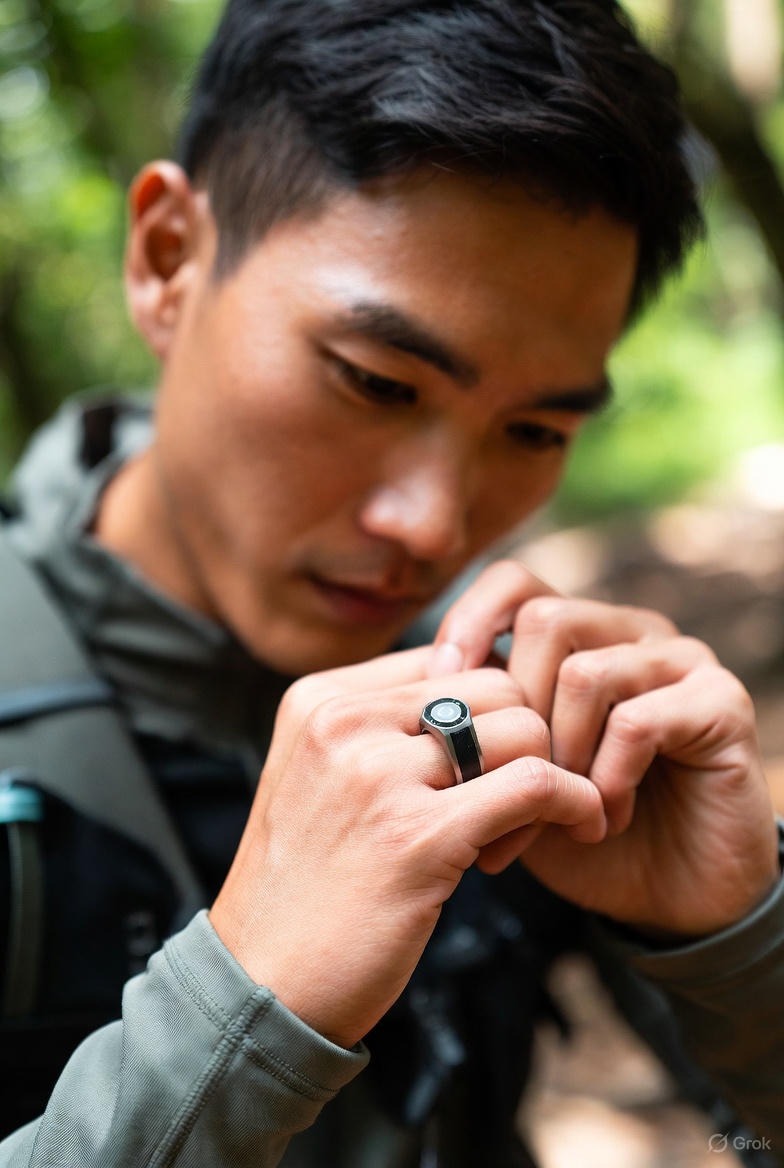
The most advanced health sensor is useless if you don't wear it. This simple truth is where the wellness ring decisively outmaneuvers its wrist-worn predecessors. Its ultimate power lies in its seamless integration into the fabric of daily life. The goal isn't to add another demanding device to your routine; it's to incorporate a silent partner that enhances your awareness without ever becoming a burden.
The design philosophy is fundamentally user-centric. A ring is socially unobtrusive. It doesn't light up with notifications during a meeting, buzz on your wrist during a romantic dinner, or look out of place with formal attire. It becomes a piece of functional jewelry that you simply don't think about. This psychological freedom is critical for adherence. You're not "putting on your tracker" each day; you're just getting dressed, and it's a part of you.
This constant companionship unlocks the most valuable data: your unvarnished normal. When a device is only worn during workouts or removed at night, it captures a curated version of your physiology—the highs of exertion and the forced stillness of sleep, but it misses the crucial transitions and the subtle, all-day ebb and flow of your nervous system. A 24/7 ring captures your body's authentic response to a stressful commute, a relaxing evening with family, a difficult work project, and a lazy Sunday. It sees the full picture, and only with the full picture can you find the patterns that truly matter. For a look at how real users have integrated this technology into diverse lifestyles, their stories are compiled in our testimonials section.
The practicalities reinforce this ease. With multi-day battery life, charging is a brief, weekly ritual—perhaps while you shower—not a daily anxiety about a dead device. Advanced water resistance means you don't have to remember to take it off for dishes, swimming, or rain. The best rings use hypoallergenic, durable materials like titanium or ceramic that withstand the knocks of daily life. This combination of elegance, durability, and forgettable comfort is what makes 24/7 tracking not just possible, but effortless. It’s technology that serves you in the background, respecting your focus and your life while doing its job impeccably.
As we place more trust in data to guide health decisions, a critical question arises: How accurate is this information? It's essential to approach 24/7 ring data with an informed perspective, understanding both its remarkable capabilities and its inherent limitations. These devices are powerful health indicators, not clinical-grade diagnostic instruments.
Let's start with strengths. For longitudinal tracking—watching trends over time—wellness rings are exceptionally powerful. The consistency of wear and the superior vascular access of the finger make them outstanding for tracking relative changes in your personal metrics. If your nightly HRV average drops 15% over a week, that's a meaningful trend, regardless of whether the absolute number is precisely congruent with a medical ECG. The ring is brilliantly designed to answer the question, "How am I doing compared to my normal?"
There are, however, important nuances and limitations:
The key is intelligent interpretation. Use the data to observe patterns and correlations in your own life. The ring is a guide for lifestyle experimentation and optimization, not a replacement for medical advice. For a comprehensive exploration of what your device can and cannot measure, particularly in the complex realm of sleep, we recommend our article Sleep Tracking Accuracy: What Your Device Can and Can't Measure. By understanding the boundaries, you can harness the ring's insights with confidence and avoid the pitfall of "analysis paralysis" or misinterpreting the numbers.
Data is inert until it inspires action. The true magic of a 24/7 wellness ring lies in its ability to create a positive feedback loop—a health "flywheel" that builds momentum toward better habits. This loop consists of four stages: Measure, Learn, Act, and Validate. The ring sits at the center, enabling each stage with unprecedented personalization.
1. Measure (The Unbiased Baseline): This is the ring's foundational role. It provides an objective, 24/7 readout of your body's state, free from the distortions of how you "think" you slept or how you "feel" you're recovering. It establishes your truth.
2. Learn (The Pattern Recognition): Here, you move from data points to insight. The ring’s app highlights correlations. You learn that on days you drink coffee after 2 PM, your sleep graph shows a longer time to fall asleep. You see that your Recovery Score consistently peaks two days after your heavy leg day, not one. You notice that a 20-minute afternoon walk almost always improves your evening stress reading. The app's job is to surface these connections; your job is to become curious about them.
3. Act (The Personalized Experiment): Armed with insight, you conduct a targeted experiment. Based on learning that your deep sleep is consistently low, you decide to test one intervention for two weeks: lowering your bedroom temperature by 3 degrees. Or, seeing that work stress tanks your HRV, you commit to a 5-minute breathing exercise after your last meeting of the day. The action is specific, measurable, and directly tied to the data.
4. Validate (The Reinforcing Feedback): This is where the flywheel spins. You return to the Measure stage. Did the cooler room increase your deep sleep percentage? Did the breathing exercise blunt the stress-induced HRV dip? When you see the positive change quantified in your data, it provides powerful reinforcement. That validation turns a one-off action into a sustainable habit because you have direct, personal evidence that it works for you. This creates a sense of agency and control over your wellbeing.
This flywheel breaks the cycle of generic health advice. You're no longer following a blanket rule like "get 8 hours of sleep"; you're on a personal mission to "increase my deep sleep from 60 to 75 minutes by optimizing my bedtime routine and evening environment." The ring provides the feedback to make that mission achievable. It transforms health from a vague aspiration into a series of small, winning experiments. For those ready to start experimenting with one of the most impactful levers—nutrition—our guide on 10 Foods That Increase Deep Sleep Naturally offers a perfect starting point for your personal validation journey.
While health is a personal journey, it is often sustained by community. Modern wellness platforms understand this, and the data from your 24/7 ring can become a connective thread, fostering motivation, friendly competition, and shared learning in a way that is more meaningful than simple step-count leaderboards.
The most positive implementations of social features focus on shared challenges and support, not just competition. Imagine private groups where the goal isn't to have the highest activity score, but for the group to collectively achieve a certain number of recovery days or sleep hours in a week. This reframes the objective from "beating" others to "succeeding together," encouraging behaviors that prioritize balance over burnout.
For couples or families, sharing wellness data (with explicit permission) can build empathy and alignment. Seeing that your partner had a poor sleep score can explain their irritability and prompt a supportive gesture. A family might work together on a "screen-free hour before bed" challenge, with everyone tracking their resulting sleep consistency. It turns personal health into a team value.
Furthermore, aggregated, anonymized data from user communities can provide powerful macro-insights. The platform might learn that users in a certain geographic region show a seasonal dip in recovery every March, or that a particular sleep meditation in the app library correlates with a 10% average increase in deep sleep for those who try it. These insights can then be fed back to all users as data-driven tips, creating a collective intelligence that benefits everyone.
The key, as with all data sharing, is voluntary, conscious, and controlled opt-in. When done right, these features leverage the human need for connection to provide an extra layer of motivation and accountability, transforming the solitary act of tracking into a shared pursuit of vitality. You can see how the community forms around a shared vision by exploring the mission and values that started it all on Oxyzen's 'Our Story' page.
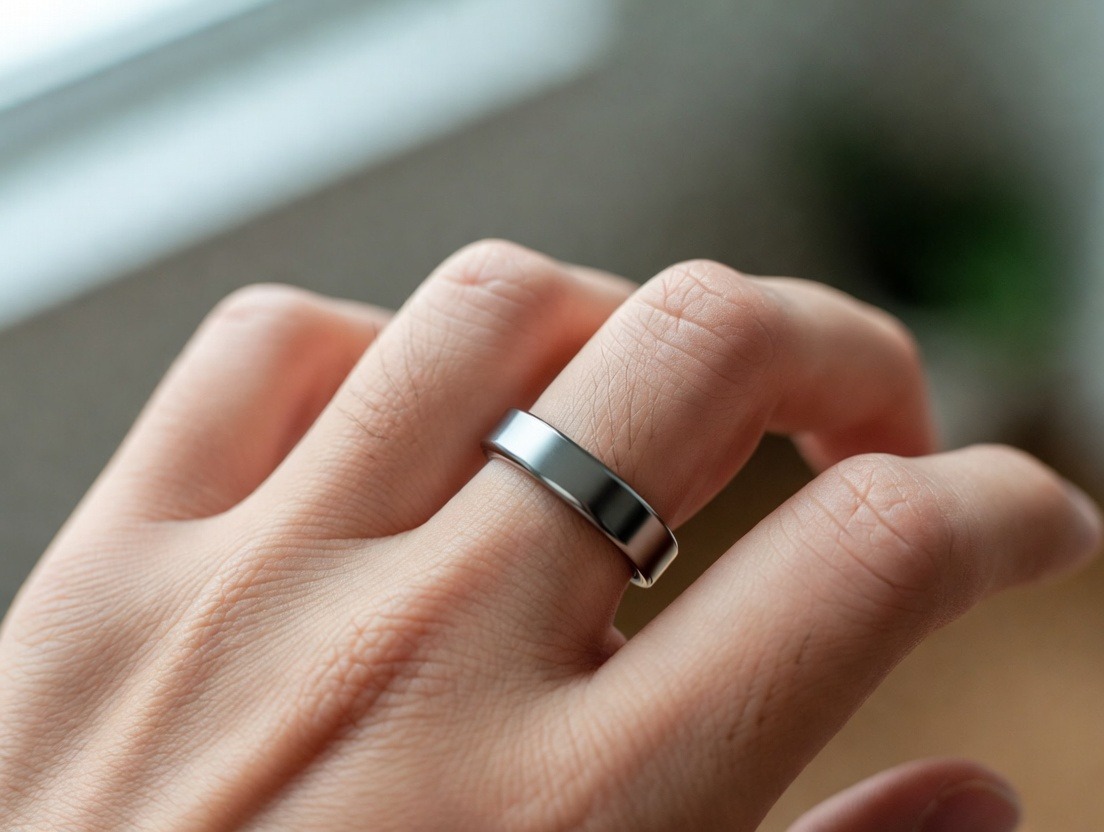
The current capabilities of wellness rings are impressive, but they represent just the beginning. The convergence of sensor miniaturization, advanced biocompatible materials, and AI-driven analytics points to a future where the ring will evolve from a health monitor into a true health guardian and guide. Several emerging technologies are poised to deepen its insights further.
1. Continuous Glucose Monitoring (CGM) Integration: This is one of the most anticipated frontiers. Non-invasive or minimally invasive glucose sensing technology is rapidly advancing. Integrating this into a ring form factor would be revolutionary. It would allow users to see in real-time how different foods, meal timings, stress, and exercise affect their metabolic health, moving beyond generic dietary advice to truly personalized nutrition.
2. Advanced Electrolyte & Hydration Sensing: Using impedance spectroscopy or other techniques, future rings may estimate electrolyte balance and hydration status. This would be a game-changer for athletes, the elderly, and anyone living in hot climates, providing a direct nudge to hydrate or replenish minerals before cramps, headaches, or performance declines set in.
3. Enhanced Stress Biomarkers: Beyond HRV, future sensors may detect cortisol levels in sweat or other stress hormones through the skin, providing a more direct and granular window into the body's biochemical stress response throughout the day.
4. Proactive AI Health Coaching: The next evolution of the algorithm will move from descriptive analytics ("your recovery is low") to prescriptive and predictive guidance. Imagine your ring's AI, knowing your schedule, biometrics, and goals, suggesting: "Based on your elevated morning cortisol signature and your 3 PM meeting with finance, I recommend a 10-minute mindfulness session at 2:45 PM to optimize your focus and stress resilience." Or, "Your data patterns suggest a high probability of catching a common cold in the next 48 hours. Consider increasing your vitamin C intake and prioritizing 8 hours of sleep tonight."
5. Seamless Ecosystem Integration: The ring will act as the primary biometric authenticator and health data hub for your entire life. It could automatically adjust your home's thermostat as it detects your core temperature dropping for sleep, suggest a personalized recipe based on your current recovery needs and fridge contents, or signal your car to engage a more attentive driving mode if it detects fatigue.
The future ring will be less of a tracker and more of an always-on, AI-powered health interface with the world. Its goal will be to make healthy choices the default, effortless option by providing deeply personalized, context-aware, and anticipatory guidance. To stay updated on these technological evolutions and how they apply to daily wellness, our blog serves as a continual resource for cutting-edge insights.
With a growing market of options, selecting the right wellness ring is a personal decision that should align with your specific goals, lifestyle, and values. It's an investment in your health, and like any good investment, it requires due diligence. Here are the key factors to consider beyond just price:
1. Core Biometric Suite: Ensure the ring tracks the fundamentals you care about: HRV, Resting Heart Rate, Sleep Stages, Skin Temperature, and Blood Oxygen (SpO2). Some may also include period prediction, workout detection, or breathing rate. Prioritize the metrics that align with your primary goal—be it athletic performance, stress management, or sleep optimization.
2. Algorithm Intelligence & App Experience: The sensors collect raw data; the algorithm turns it into wisdom. Research the company's science team and the depth of their analytics. Download the app preview if possible. Is the data presentation clear and actionable? Does it provide a simple, synthesized score (like Readiness) alongside the deep-dive metrics? The interface is your daily touchpoint, so it must resonate with you.
3. Design, Fit, and Comfort: This is critical for 24/7 wear. Look for:
* Material: Titanium is a gold standard for strength, lightness, and hypoallergenic properties.
* Sizing: Most companies offer detailed sizing kits. A proper fit is snug but not tight; you should feel no constriction.
* Profile: A low-profile, rounded design is less likely to catch on things.
* Finish: Choose a finish (matte, brushed, polished) that suits your style and is durable against scratches.
4. Battery Life and Charging: Aim for a minimum of 5-7 days on a single charge. The charging mechanism should be simple (e.g., a docking puck) and fast. Long battery life is a cornerstone of the seamless, uninterrupted tracking experience.
5. Durability and Water Resistance: It should be rated for daily wear and tear and have a water resistance rating of at least 10 ATM (suitable for swimming and showering). Check the warranty for peace of mind.
6. Ecosystem and Privacy: Understand the company's data philosophy. Where is your sensitive health data stored? How is it protected? Do they sell aggregated data? Read the privacy policy. A trustworthy company will be transparent about its data practices. Also, consider if the ring integrates with other health ecosystems you use, like Apple Health, Google Fit, or Strava.
7. Brand Ethos and Support: Choose a company whose mission you connect with. Are they focused on performance, longevity, or holistic wellness? Read customer reviews about their support responsiveness. A good indicator is a comprehensive and helpful FAQ page, which shows a commitment to user education and troubleshooting.
The best ring is the one you’ll wear consistently and whose insights you’ll trust and act upon. It should feel less like a piece of tech and more like a natural extension of your intent to live better. To begin your discovery journey with a device built on these very principles, the Oxyzen shop is designed as your starting point for exploration.
Abstract benefits become tangible through stories. Let’s explore how the continuous, holistic data from a wellness ring has catalyzed meaningful change in three hypothetical, yet representative, user journeys.
Case Study 1: The Overtrained Marathoner
Case Study 2: The Stressed Executive
Case Study 3: The Health-Conscious New Mother
These stories illustrate that the value of 24/7 tracking isn't in achieving perfect numbers, but in using the data as a compass to navigate your unique health landscape, leading to more informed, personalized, and ultimately, more effective choices.
The 24/7 wellness ring is a powerful soloist, but its performance becomes part of a symphony when integrated with other sources of health data. No single device can measure everything, but by combining insights from different tools, you create a multidimensional map of your well-being that is far more detailed and actionable than any single view.
Nutrition and Dietary Tracking: Pairing your ring's recovery and sleep data with a food diary (using an app like Cronometer or MyFitnessPal) unlocks one of the most powerful levers for change. You can move beyond calorie counting to see the physiological impact of your food choices. Does a high-sugar lunch correlate with a massive afternoon slump in your heart rate variability? Does eating within three hours of bedtime measurably reduce your deep sleep percentage, as shown in your sleep staging? Does increasing your intake of magnesium-rich foods like spinach and almonds coincide with a gradual improvement in your sleep continuity score over two weeks? This biofeedback turns nutrition from a theoretical pursuit into a series of clear, personal cause-and-effect experiments. For instance, our article on 10 Foods That Increase Deep Sleep Naturally provides a perfect hypothesis list to test against your own ring data.
Menstrual Cycle and Hormonal Tracking: For women, this integration is particularly transformative. By syncing menstrual cycle data (from an app like Clue or Natural Cycles) with the ring’s continuous temperature and HRV trends, you can observe your unique physiological patterns throughout your cycle. The ring will often show a clear biphasic pattern in basal skin temperature, confirming ovulation. More importantly, you can see how your recovery capacity, exercise tolerance, and sleep quality naturally fluctuate. You might find your HRV dips and resting heart rate rises in the luteal phase, suggesting a need for more restorative activities and less intense training. This allows for cycle-synced living—adapting your fitness, nutrition, and workload to work with your hormones, not against them. The ring provides the objective, daily data that makes this nuanced approach possible.
Digital Wellbeing and Screen Time: Modern smartphones provide data on your digital habits: screen time, app usage, and notifications. Correlating this with your ring's stress metric and sleep data can be illuminating. Does a late-night scrolling session on social media correspond with a higher-than-normal sleeping heart rate and less REM sleep? Do days with fewer phone pickups show a calmer, more stable daytime heart rate? This integration provides hard evidence to support digital boundaries, turning a vague intention to "use my phone less" into a targeted plan like "enable Do Not Disturb 90 minutes before bed to improve my sleep efficiency score."
Advanced Fitness Equipment and Apps: For serious athletes, the ring’s readiness score can be the deciding factor for how to execute a workout planned in a training app like TrainingPeaks or Strava. It can also be used to gauge the effectiveness of different training modalities tracked by other devices. For example, did a VO2 max session on your smart bike trainer lead to a more significant and prolonged elevation in your nocturnal heart rate than a long, steady-state run? This helps tailor training load for optimal adaptation. The ring becomes the central hub for recovery data, against which all training inputs are measured.
By consciously weaving together these data threads, you elevate your understanding from isolated metrics to a holistic narrative. You stop asking, "What is my HRV?" and start asking, "How did my HRV respond to that new meal timing, during this phase of my cycle, after limiting screens before bed?" This integrated analysis is the cornerstone of truly personalized, systems-thinking health optimization.

The intimacy and constancy of 24/7 biometric tracking introduce a unique psychological dimension. The data can be an empowering guide, but it also has the potential to become a source of anxiety, obsession, or a new standard for self-judgment. Cultivating a healthy, balanced relationship with your numbers is as important as interpreting the numbers themselves. This requires intentionality and self-awareness.
Beware of "Orthosomnia": A term coined by sleep researchers, "orthosomnia" refers to an unhealthy preoccupation with achieving perfect sleep data. It’s the paradox where the pursuit of good sleep, via tracking, creates so much performance anxiety that it actually causes insomnia. If you find yourself lying in bed worried about your sleep score or checking your ring’s app repeatedly during the night, the tool has crossed from servant to master. The remedy is to remember that the data is a report, not a test. Its purpose is to inform gentle adjustments over time, not to provide a nightly grade to be ace.
Embrace the "Good Enough" Mindset: Not every metric needs to be optimized every day. Life is variable—social events, work deadlines, travel, and simple enjoyment will and should cause fluctuations in your data. The goal of tracking is resilience, not robotic consistency. A healthy relationship with data means looking at a "poor" recovery score after a fun night out with friends and thinking, "That was worth it. Now I know what my body needs today to bounce back," rather than, "I failed." The data should support a rich life, not constrain it.
Use Data to Build Self-Compassion, Not Self-Criticism: When you see a dip in metrics due to stress or poor sleep, frame it as valuable information about your body's needs, not as evidence of personal failing. It’s your physiology communicating, not judging. This shift allows you to respond with nurturing actions—like choosing a rest day or preparing a nutrient-dense meal—instead of spiraling into criticism.
Periodic Detoxes are Healthy: Consider taking the ring off for a weekend getaway, a vacation, or even just a random Sunday. This break serves two purposes: it prevents the feeling of being perpetually "on the clock," and it can reset your intuitive connection to your body. When you put it back on, you do so with fresh curiosity, not out of obligation.
Focus on the Feeling, Not Just the Number: Regularly check in with your subjective experience. If your readiness score is a 9/10 but you feel drained, honor the feeling. If your sleep score is mediocre but you woke up feeling refreshed, celebrate that. The ring's data is one input; your lived experience is the ultimate validation. This balance prevents you from outsourcing your sense of well-being entirely to an algorithm.
By approaching your ring with curiosity, compassion, and a dose of non-attachment, you harness its power without being consumed by it. It becomes a lens for self-understanding, not a mirror for self-judgment. For those navigating the initial overwhelm, our resource hub at the Oxyzen blog offers balanced perspectives, such as Is Sleep Tracking Worth It? Honest Pros and Cons for 2025, which can help set realistic expectations.
When a device collects your heart rate while you sleep, your stress levels during an argument, and your location patterns, the questions of data privacy, security, and ownership move from abstract concerns to intimate necessities. Trust is the foundation of any 24/7 health technology, and it is built on transparent, ethical practices. As a consumer, understanding what happens to your most personal data is a critical part of the decision-making process.
The Sensitivity of Biometric Data: Unlike a password, your biometric data—your unique heartbeat pattern, your sleep architecture—is intrinsically you and cannot be changed if compromised. This makes it a highly sensitive category of personal information, often afforded special legal protections. Reputable companies treat it as such.
Key Questions to Consider When Choosing a Platform:
The Role of Regulation: In regions like the European Union (governed by the GDPR) and California (governed by the CCPA/CPRA), strong data protection laws give consumers rights over their data. A global company adhering to these standards often provides a higher baseline of protection for all users.
Choosing a wellness ring is, in part, a vote for a company's data ethics. Opt for brands that are forthright about their practices, prioritize security by design, and view your data as a sacred trust, not a commodity. This ensures that your journey to better health doesn't come at the cost of your personal privacy. The commitment of a brand to these principles is often reflected in their foundational story, which you can explore on pages like Oxyzen's About Us to understand their core values.
As with any technology that promises to improve life, 24/7 wellness rings have their share of thoughtful critics. Engaging with these criticisms isn't defensive; it's essential for a balanced understanding of the tool's role. Let's address the most common concerns head-on.
1. "It's Just Another Source of Anxiety and Neurosis."
This is a valid concern, touching on the psychology discussed earlier. The counterpoint is that the ring doesn't create anxiety; it reveals the physiological reality of stress that already exists. For many, seeing stress quantified is the first step toward managing it. The key is in the response to the data. Used wisely, it can reduce anxiety by replacing vague worry ("I feel off") with clear information ("My HRV is low, so I need to prioritize recovery today") and a path to action. It's a tool for empowerment, but like any tool, it requires mindful use.
2. "The Data Isn't Clinically Accurate, So It's Useless."
This critique confuses clinical diagnosis with health trend analysis. No one should use a ring to diagnose sleep apnea or atrial fibrillation—that requires medical-grade equipment. However, for tracking changes in your personal resting heart rate, sleep consistency, and recovery trends over time, the data is exceptionally reliable and valuable. It's the difference between a laboratory scale (for precise medication) and your bathroom scale (for tracking weight trends). Both are useful for different purposes. As explored in our article on Sleep Tracking Accuracy, understanding this distinction is crucial.
3. "It Makes People Over-Reliant on Technology and Disconnected from Their Bodies."
The ideal outcome is the opposite: the ring acts as a biofeedback trainer to enhance your mind-body connection. By providing objective data on states like recovery and stress, it helps you learn to recognize the subjective feelings associated with them. Over time, many users report they can feel when their HRV is high or low without checking the app. The technology becomes a temporary scaffold to build a stronger, more intuitive connection with your own physiology, which you can then carry with you even when the ring is off.
4. "It's a Solution in Search of a Problem for Healthy People."
Even for the healthy, the ring offers two profound benefits: optimization and prevention. You may feel fine, but could you feel even better with more consistent sleep? Could you structure your training to make progress with less risk of injury? Furthermore, by establishing a detailed baseline of "healthy you," the ring makes it easier to detect early, subtle deviations that could signal a problem long before you feel symptoms, allowing for proactive lifestyle adjustments. It's about moving from "not sick" to "thriving."
5. "The Algorithms are 'Black Boxes' and the Scores are Arbitrary."
This is a fair point regarding transparency. The best companies are increasingly open about the factors that go into their composite scores (e.g., "Your Readiness Score is 70% based on last night's HRV, 20% on sleep duration, and 10% on temperature deviation"). While the exact algorithms are proprietary, the weighting and logic should be explained. As a user, you should focus on whether the scores feel meaningful and correlate with your lived experience. If a "Low" readiness score consistently aligns with days you feel drained, the algorithm is doing its job, even if the exact math is complex.
By acknowledging these critiques, we can use this technology more intelligently and advocate for products that are ethical, transparent, and designed to genuinely enhance human well-being without replacing human wisdom.
The implications of personal, continuous health data extend far beyond the individual, beginning to reshape systems like corporate wellness and proactive healthcare. As these devices become more prevalent, their aggregated and anonymized insights are creating new paradigms for population health and early intervention.
Revolutionizing Corporate Wellness Programs: Forward-thinking companies are moving away from generic, one-size-fits-all wellness initiatives (like step challenges that only benefit the already fit) toward personalized, data-informed programs. By offering employees subsidized access to wellness rings, companies can:
The Dawn of Proactive, Participatory Healthcare: The traditional healthcare model is episodic and reactive: you get sick, you see a doctor. 24/7 tracking data offers a pathway to a continuous, participatory model.
The transition here requires careful navigation of privacy, regulation, and access equity. It will not replace doctors but will equip both patients and providers with a continuous stream of objective data, making healthcare more of a collaborative partnership focused on maintaining health, not just treating disease. This systemic shift aligns with the core vision of many wellness companies, a vision you can delve into at Oxyzen's Our Story.
We have journeyed through the technological marvel of the 24/7 wellness ring, from its superior sensors and holistic metrics to its profound personal and even societal implications. We've seen it act as a fitness coach, a sleep scientist, a stress barometer, and a preventative health sentinel. We've acknowledged its limits, navigated the ethical landscape, and addressed the skeptic's concerns.
The ultimate conclusion from this deep exploration is that the value of the 24/7 fitness ring is not in the data itself, but in the empowered self it helps to cultivate. It is a tool for agency. It takes the opaque, internal processes of the body and translates them into a language we can understand and act upon. It replaces guessing with knowing, generic advice with personalized insight, and reactive healthcare with proactive self-care.
This technology invites us to move from being passive passengers in our bodies to becoming engaged, curious pilots. We learn to read the instrument panel—the HRV, the sleep stages, the recovery score—and make subtle course corrections that compound into a trajectory of greater vitality, resilience, and performance. It fosters a deeper dialogue between mind and body, where intuition is informed by evidence, and action is guided by feedback.
The promise of the modern wellness ring is a future where optimal health is not a mystery reserved for elites, but a comprehensible, achievable state for anyone willing to listen to their body's continuous story. It democratizes the knowledge required to thrive. By wearing this silent sentinel, you are not outsourcing your health; you are undertaking the most important project of all: the intentional, informed, and compassionate stewardship of your own well-being, 24 hours a day, 7 days a week.
The journey continues with every heartbeat it measures and every sleep cycle it analyzes. The next steps—refining your personal formula, integrating with your broader life, and using your vitality to its fullest potential—are yours to take, now better equipped than ever before.
Note to Reader: This concludes the first one-third of the comprehensive long-form article, covering the foundational principles, capabilities, and implications of 24/7 fitness tracking with modern wellness rings. The subsequent portions will delve deeper into specialized applications, advanced user case studies, comparative analyses with other wearables, and the future roadmap of personal biometrics. To continue exploring specific topics like sleep science in the meantime, our full library of resources is available on the Oxyzen blog.
Your Trusted Sleep Advocate (Sleep Foundation — https://www.sleepfoundation.org/)
Discover a digital archive of scholarly articles (NIH — https://www.ncbi.nlm.nih.gov/
39 million citations for biomedical literature (PubMed — https://pubmed.ncbi.nlm.nih.gov/)
experts at Harvard Health Publishing covering a variety of health topics — https://www.health.harvard.edu/blog/)
Every life deserves world class care (Cleveland Clinic -
https://my.clevelandclinic.org/health)
Wearable technology and the future of predictive health monitoring. (MIT Technology Review — https://www.technologyreview.com/)
Dedicated to the well-being of all people and guided by science (World Health Organization — https://www.who.int/news-room/)
Psychological science and knowledge to benefit society and improve lives. (APA — https://www.apa.org/monitor/)
Cutting-edge insights on human longevity and peak performance
(Lifespan Research — https://www.lifespan.io/)
Global authority on exercise physiology, sports performance, and human recovery
(American College of Sports Medicine — https://www.acsm.org/)
Neuroscience-driven guidance for better focus, sleep, and mental clarity
(Stanford Human Performance Lab — https://humanperformance.stanford.edu/)
Evidence-based psychology and mind–body wellness resources
(Mayo Clinic — https://www.mayoclinic.org/healthy-lifestyle/)
Data-backed research on emotional wellbeing, stress biology, and resilience
(American Institute of Stress — https://www.stress.org/)


