


HRV Tracking Made Easy: Why Finger-Based Sensing Works Better
How the smart ring revolution enables HRV tracking during sleep.
How the smart ring revolution enables HRV tracking during sleep.
%402x.svg)
Imagine having a direct window into the very rhythm of your nervous system—a real-time measure of your body’s resilience, recovery, and readiness to face the day. This isn't science fiction; it's the power of Heart Rate Variability (HRV) tracking, a metric that has moved from elite athletic labs to the wrists and fingers of everyday health enthusiasts. But as this technology has proliferated, a critical question has emerged: are all methods of measurement created equal?
The short answer is a resounding no. While convenient, wrist-based sensors from popular smartwatches face significant physical and technological limitations when capturing the subtle, millisecond-level variations between heartbeats. The result? Data that can be inconsistent, incomplete, and ultimately, less actionable.
A quiet revolution is underway, moving the point of measurement from the busy, bony wrist to the information-rich vasculature of the finger. This article will delve deep into the world of HRV, unpacking why this sophisticated biomarker matters more than your average heart rate, and building an undeniable case for why finger-based sensing—as pioneered by devices like the Oxyzen smart ring—is not just an alternative, but a superior methodology. We'll explore the anatomy of accuracy, the science of signal, and how choosing the right sensor can transform vague wellness data into a precise, personal roadmap for better health, performance, and sleep. For those ready to move beyond guesswork and into the realm of reliable biometrics, the path forward is clear: it’s at your fingertips.
Before we can understand why where we measure matters, we must first grasp what we're measuring and why it's so profoundly important. Heart Rate Variability (HRV) has become a buzzword in wellness circles, but its significance is often misunderstood. It is not, as the name might imply, an irregular or erratic heartbeat. Rather, HRV is a precise, measurable indicator of the delicate tug-of-war between two branches of your autonomic nervous system (ANS).
Think of your ANS as your body’s autopilot. It controls subconscious functions like digestion, pupil dilation, and, crucially, your heart rate. The ANS has two primary components: the sympathetic nervous system (SNS), your "gas pedal" that triggers fight-or-flight responses, and the parasympathetic nervous system (PNS), your "brake pedal" responsible for rest, digestion, and recovery. These two systems are in constant, dynamic conversation, sending opposing signals to your heart. The SNS says "speed up," the PNS says "slow down." The resulting variation in the time interval between successive heartbeats is your HRV.
A higher HRV is generally a sign of good health. It indicates a robust, resilient nervous system—one that can swiftly adapt to stress and then efficiently return to a calm, recovered state. It’s the sign of a heart that is responsive and flexible, not rigid. Conversely, a consistently low HRV can be a warning signal. It often suggests a nervous system stuck in a state of sympathetic dominance (chronic stress), which is linked to burnout, fatigue, inflammation, and increased risk for cardiovascular issues.
Unlike simple heart rate, which just tells you how many times your heart beats per minute, HRV reveals how it's beating—the quality and nuance of its rhythm. This makes it an exceptionally powerful tool for:
In essence, HRV transforms your body from a black box into an open book. It provides a continuous, personal biomarker that speaks the truth about your internal state, regardless of how you "feel" externally. But to read this book accurately, you need a precise translation tool. The fidelity of that translation depends entirely on the quality of the raw signal, which brings us to the great sensor debate of our time.
The vast majority of consumer wearable devices—smartwatches and fitness bands—rely on a technology called Photoplethysmography (PPG) to measure heart rate and, by extension, derive HRV. PPG works by shining LED light (usually green) into the skin and measuring the amount of light reflected back. As your heart beats, blood volume in the capillaries changes slightly, modulating the light absorption. These pulsatile changes are used to detect each heartbeat.
On the surface, PPG is a marvel of miniaturization, bringing continuous monitoring to the masses. But for the specific task of capturing high-fidelity HRV data, the wrist is a fundamentally challenging location, creating a "convenience vs. accuracy" trade-off.
The core issue is signal quality. HRV analysis requires detecting the exact timing of each heartbeat with millisecond precision. Any noise, artifact, or missed beat corrupts the data. The wrist presents three major obstacles to this clean signal:
The result of these limitations is that wrist-based PPG often has to employ heavy signal processing and data interpolation—filling in gaps with algorithmically predicted values. While this can produce a seemingly smooth heart rate graph, it can mask or distort the true underlying HRV. As we explore in our article on what your sleep tracker can and can't measure, understanding sensor limitations is key to interpreting your data.
This isn't to say wrist-based HRV is useless. For observing very broad, long-term trends, it can have value. But for users who seek actionable, day-to-day, and moment-to-moment insights—the kind that can inform whether to push hard in a workout or prioritize rest—the need for a more reliable signal source becomes paramount. That source, biologically and technologically, is the finger.
Why the finger? The answer lies in human vascular anatomy and physiology, which conspire to make the fingertip an ideal natural portal for optical biometric sensing. Moving the sensor from the wrist to the finger isn't just a change of location; it's an upgrade to a premium, purpose-built data collection site.
First, perfusion. The fingertips are among the most vascularized parts of the body, packed with a dense network of capillaries known as the rich dermal capillary plexus. Blood flow here is abundant and robust, delivering a stronger, clearer pulsatile signal to the sensor's photodiodes. It's the difference between trying to listen to a faint radio station with static (wrist) and hearing it on a high-fidelity system (finger).
Second, optical path. The tissue composition of the fingertip is more homogeneous than the wrist. It has a thinner epidermal layer and a more uniform distribution of blood vessels beneath, allowing light from the PPG sensor to penetrate and reflect back with less scattering and distortion. This creates a cleaner waveform—the raw data from which heartbeats are detected.
Third, and critically, reduced motion artifact. While fingers do move, the nature of movement is different. For consistent HRV readings (like a morning measurement), you can easily rest your hand still. During sleep, finger movement is minimal compared to the tossing and turning of the wrist and arm. Furthermore, a ring form factor, when properly fitted, maintains a consistent, snug contact with the skin without a tight band, ensuring the sensor's optical window does not shift. This positional stability is gold standard for longitudinal tracking.
The biological advantage translates directly to technical superiority. Finger-based PPG sensors can operate with greater sensitivity and lower power consumption because they are reading a stronger native signal. They require less aggressive algorithmic "cleaning," meaning the final HRV metric is derived from a more complete and authentic representation of your actual heartbeats.
This principle is why medical-grade pulse oximeters—devices where accuracy is non-negotiable—clip onto the finger. They leverage this exact biological blueprint. By adopting the finger as the sensing site, advanced wearables like the Oxyzen ring bring a clinical-grade approach to consumer wellness tracking. It's a design philosophy rooted in respecting the science of the signal first. To see how this principle applies to around-the-clock monitoring, delve into our explanation of how sleep trackers actually work.
The outcome for you, the user, is data integrity. When your device reports an HRV of 55ms versus 50ms, you can have higher confidence that the difference is real physiological feedback, not sensor noise or positioning error. This trust is the foundation upon which truly personalized health insights are built.
The debate often frames the choice as "watch vs. ring," focusing on the device itself. But the more profound impact is on the behavior of tracking. Wrist-based devices, for all their screens and notifications, present a paradox: they are always on your body, yet optimal HRV measurement often requires you to be still and initiate a manual reading. The finger-based ring, by virtue of its superior signal and form factor, unlocks a more powerful paradigm: effortless, continuous, and unobtrusive monitoring.
Consider the gold standard for HRV assessment: a short, controlled reading taken first thing in the morning, while still in bed. This requires discipline with a watch—you must remember to open an app and stay still. A smart ring, however, is already passively collecting pristine data from the moment you wake up (and all night prior). It can automatically identify that perfect, still morning window and log your HRV without you lifting a finger. It removes the friction of habit formation.
But the advantages of continuity extend far beyond a single daily number.
True 24/7 Nervous System Mapping: Life isn't lived in a still, morning vacuum. Your nervous system responds to every email, workout, meal, and conversation. Continuous finger-based monitoring allows you to see your HRV dynamics throughout the day. How sharp is the dip after your afternoon coffee? What is the restorative effect of a 10-minute meditation? How long does it take your body to recover from a stressful meeting? This creates a rich, contextual map of your personal stress triggers and recovery patterns, offering insights no single daily snapshot can provide.
Unparalleled Sleep Analysis: Nighttime is when the parasympathetic nervous system should be dominant, and HRV should rise, particularly during deep sleep phases. A ring’s stable, motion-resistant signal is perfectly suited for capturing this critical nocturnal data. It can accurately track the interplay between sleep stages and autonomic balance, revealing whether your "8 hours" are truly restorative. This is crucial, as the depth of your sleep is intimately tied to physical recovery and cognitive function. Understanding the science of deep sleep reveals just how vital these measurements are.
The "Forget-It's-There" Factor: Perhaps the greatest advantage is psychological. A ring becomes a part of you. It doesn't buzz with notifications, light up your night, or require charging every day. This unobtrusiveness leads to higher compliance and more natural data, free from the "observer effect" where the act of tracking changes behavior. You simply live your life, and the ring quietly documents your body's authentic responses.
This continuous stream of high-fidelity data is the raw material for the next frontier in wearables: not just tracking, but intelligent, personalized guidance. It moves us from asking "What was my HRV?" to "Why did it change, and what should I do about it tomorrow?"
Raw data, no matter how accurately captured, is just a number. Its true value is unlocked through interpretation and context. This is where the fidelity of a finger-based signal pays exponential dividends. With a cleaner, more reliable data stream, the algorithms and analytics working behind the scenes can do their job with greater precision, leading to insights that are not just interesting, but genuinely actionable.
Let’s translate theory into practical examples:
Example 1: Overtraining vs. Under-Recovering
An athlete sees a downward trend in their morning HRV. With noisy wrist data, the trend might be blurred, or a single "bad" reading could be dismissed as an artifact. With high-fidelity ring data, the trend is clear and trustworthy. But more importantly, the continuous data shows when the HRV drops. Does it plummet after hard training but recover by morning? That might be normal stress adaptation. Or does it stay depressed for days, and the nightly data shows poor HRV rebound during sleep, indicating insufficient recovery? This nuanced picture, only possible with clean 24/7 data, helps distinguish between productive training and harmful overreaching, guiding adjustments to load, nutrition, or sleep hygiene.
Example 2: The Hidden Stress of "Normal" Days
You have a day without workouts or obvious stressors, yet your continuous HRV shows pronounced dips and a lower nightly average. Scrolling through the timeline, you notice the dips correlate with hours of back-to-back video calls. The insight isn't that "meetings are stressful"—you knew that. The insight is how your unique physiology quantifiably responds to them. This objective feedback can motivate tangible changes: scheduling breaks between calls, implementing a breathing exercise before meetings, or re-evaluating your calendar management. You can find strategies to manage such daily stressors and improve recovery in our article on how to get more deep sleep tonight.
Example 3: Precision Nutrition and Lifestyle Timing
You experiment with an earlier dinner time. With high-quality sleep HRV data, you can see if this change leads to a higher and more stable HRV during your deep sleep phases—a direct marker of improved parasympathetic recovery. You try a new supplement. Does your morning HRV show a positive response over a week, or is there no change? The clean signal reduces uncertainty, turning your body into a personal bioassay lab.
This level of personalization is the promise of modern wellness tech, and it’s built on a foundation of data integrity. A device like the Oxyzen ring isn't just selling a sensor; it's offering a more reliable lens through which to view your own biology. By choosing a platform designed for signal fidelity first, you empower yourself to make confident, data-informed decisions about your health. For a deeper look at what these nightly numbers mean, our guide on deep sleep tracking and ideal numbers provides essential context.
The journey from signal to insight is a chain, and the first link must be strong. A finger-based sensor forges that link from the most reliable biological source, ensuring every subsequent piece of analysis—every trend, alert, and recommendation—starts from a place of truth.

Technology is only as effective as our ability and willingness to use it consistently. This is the often-overlooked battlefield of wearable tech: human behavior. A device can have the most accurate sensors in the world, but if it’s uncomfortable, inconvenient, or easy to forget, its data becomes sporadic and its insights meaningless. Here, the form factor of a smart ring transitions from a simple design choice to a critical component of its success as a health tool. It becomes a silent partner in your wellness journey.
The Psychology of "Wear and Forget": A well-designed smart ring achieves a unique symbiosis with the user. It is lightweight, unobtrusive, and socially neutral. Unlike a smartwatch, which demands attention with its screen and notifications, a ring fades into the background of your awareness. You don't have to remember to put it on after a shower because it’s waterproof. You don't have to take it off to charge it daily; most premium rings offer 4-7 days of battery life, making charging a brief, weekly ritual rather than a daily hassle. This radically reduces the friction of continuous use. High compliance isn't a chore; it's the default state.
Nighttime, Uninterrupted: For comprehensive health tracking, sleep data is non-negotiable. Many people find sleeping with a watch uncomfortable—it can be bulky, catch on bedding, or its screen may light up unintentionally. A ring poses none of these issues. Its comfort and stability through the night ensure seamless data collection during arguably the most important recovery phase, providing a complete picture of your 24-hour rhythm. To understand why this uninterrupted sleep data is so valuable, consider the brain-boosting connection between deep sleep and memory.
Aesthetic and Social Integration: A wearable is a personal item. A ring can be a subtle piece of modern jewelry, fitting into professional, social, and athletic settings without drawing undue attention or clashing with style. This social comfort increases the likelihood you’ll wear it everywhere, all the time, which is exactly what is needed for holistic data collection. It doesn't scream "tech gadget"; it whispers "personal insight."
Consistency Breeds Meaning: The ultimate power of this form factor is the consistency it enables. Biomedical signals are variable. To separate true physiological trends from daily "noise," you need a long, unbroken string of data points. A device you wear 99% of the time provides that. Every skipped day due to discomfort, charging, or forgetfulness creates a gap in your health narrative. The ring’s design philosophy—prioritizing seamless integration into your life—directly fuels the data consistency required for meaningful, long-term health analysis and personalized trends that you can truly trust.
In essence, the ring's form factor isn't just about where the sensor is placed; it's a behavioral engineering feat that ensures the superior sensor gets used. It recognizes that the most advanced technology is useless if it’s sitting in a drawer. This user-centric design is a core part of the Oxyzen story and vision, where technology is meant to serve silently in the background of your life.
A standalone HRV number, even an accurate one, is a data point in search of a story. The true transformative potential of HRV tracking is realized when it is woven together with other physiological metrics to create a cohesive, multi-dimensional health narrative. Finger-based sensing, often embedded in a comprehensive wearable like a smart ring, is uniquely positioned to facilitate this integration because it concurrently measures from the same optimal location.
Think of your body's key biomarkers as instruments in an orchestra. Heart rate, HRV, body temperature, blood oxygen saturation (SpO₂), and respiratory rate don't play solo; they perform in concert. Isolating one can be misleading. A rising heart rate could mean stress, excitement, or fever. But when interpreted alongside a plummeting HRV (indicating stress), a elevated skin temperature (suggesting illness), and a change in breathing rate, the story becomes clear: your body is fighting an infection.
The Power of Correlative Insights:
Creating Your Personal Baseline: The ultimate goal of holistic tracking is to define your normal. With consistent, multi-sensor data, the system learns your unique patterns. It knows what a "good" HRV looks like for you, what your typical temperature curve is, and how you sleep. Deviations from this personal baseline are far more meaningful than comparisons to population averages. A 5% drop in your HRV might be a significant red flag for you, even if your number is still "above average" for your age group.
This integrated approach moves wellness technology from simple data logging to intelligent health sensing. The finger, as a hub for multiple optical and thermal sensors, provides a unified data collection point for all these vital signs, ensuring they are temporally synchronized and physiologically coherent. This isn't just tracking; it's about building a dynamic, digital twin of your autonomic state, allowing you to experiment and see the holistic impact of lifestyle choices with unprecedented clarity.
To fully appreciate why finger-based sensing works better, it helps to peer under the hood. The engineering inside a modern smart ring is a sophisticated ballet of optics, electronics, and algorithms, all miniaturized to fit a comfortable, wearable form. This isn't a simple pulse sensor; it's a dedicated biometric platform.
1. Multi-Wavelength PPG: Seeing Beneath the Surface.
Early PPG used primarily green light, which is good for surface-level heart rate detection but has limitations. Advanced rings employ multi-wavelength PPG, typically using green, red, and sometimes infrared LEDs.
2. The Sensor Array and Optical Path.
The ring's interior houses a precise array of LEDs and photodiodes. The layout is engineered to optimize the optical path through the finger's tissue. Some use a "reflectance" mode (lights and sensor on the same side), while advanced designs may use techniques to capture light that has passed through (transmitted). The key is maximizing signal strength while minimizing power use and the impact of external light interference (ambient light rejection).
3. Accelerometry and Motion Compensation.
A high-sensitivity 3-axis accelerometer is a silent workhorse. Its primary job isn't to count steps (though it can), but to provide a precise record of movement. This motion data is used in two vital ways:
4. Skin Temperature Sensing.
A precision thermistor measures the skin temperature at the finger 24/7. This isn't your core temperature, but its trend is incredibly valuable. The circadian rhythm drives a predictable drop in peripheral temperature as you fall asleep and a rise upon waking. Deviations from your personal trend can indicate illness onset, hormonal changes, or circadian disruption. Paired with HRV, it’s a powerful double-confirmation of stress or recovery states.
5. The Brain: Low-Power Microprocessor and Algorithms.
All this raw data is processed locally by an efficient, ring-optimized microcontroller. It runs complex algorithms for:
This entire system is designed for one purpose: to extract clinical-grade insights from a continuous, comfortable, and unobtrusive wearable. The finger provides the biological canvas; this engineering masterpiece paints the detailed picture of your health. For those curious about the tangible results of this technology, the real-world experiences shared in Oxyzen customer testimonials speak volumes.
As the market for finger-based wearables grows, understanding the key differentiators between products is essential. Not all rings or finger-based sensors are created equal. When investing in a device meant to guide your health decisions, you should look beyond the basic promise of "HRV tracking" and evaluate the system's capability, credibility, and commitment to your privacy.
Here are the critical factors to consider:
1. Sensor Technology and Transparency.
2. Algorithmic Sophistication and Validation.
The hardware collects raw data; the software turns it into insight.
3. Battery Life and Charging Solution.
A device that needs daily charging is a device you will inevitably forget to wear. Aim for a ring with a battery life of at least 5-7 days. Also, examine the charging solution. Is it a convenient, compact dock that makes weekly charging effortless? The easier it is, the higher your compliance will be.
4. Build Quality, Comfort, and Sizing.
This is a device you’ll wear constantly.
5. Data Privacy and Ownership Philosophy.
Your biometric data is profoundly personal.
6. Ecosystem and Support.
Choosing a finger-based tracker is an investment in a long-term health partnership. By prioritizing these factors—starting with the fundamental accuracy of the sensor itself—you select a tool that provides not just data, but trustworthy, actionable intelligence. It’s the difference between having a compass and having a detailed, personalized map. To begin exploring what a best-in-class device looks like, the Oxyzen shop is designed as the premier destination for discovery.

Understanding science is one thing; applying it is where life-changing results are born. Integrating HRV tracking into your daily life isn't about adding another chore to your checklist. It's about cultivating a practice of listening to your body and using objective feedback to make smarter, more personalized choices. Here’s how to move from passive tracking to active, insight-driven living.
Step 1: Establish Your Baseline (The First Month is for Observation)
When you first start, resist the urge to over-interpret daily fluctuations. Your initial mission is simple: collect data and establish your personal baseline. Wear your device consistently for at least 3-4 weeks. During this time, try to maintain your regular routines. This period allows the algorithms to learn your patterns and, more importantly, allows you to see your "normal" range of HRV, resting heart rate, and sleep scores without the pressure of needing to "optimize" anything.
Step 2: Master the Morning Check-In (The Non-Negotiable Ritual)
Your morning HRV reading (or the Recovery Score derived from it) is your daily weather report for your nervous system. Make reviewing it a 30-second ritual, perhaps with your morning coffee or tea. Don't just look at the number; interpret it relative to your own baseline.
Step 3: Conduct "N of 1" Experiments (Become Your Own Scientist)
Once your baseline is set, you can start experimenting. The key is to change only one variable at a time and observe the effect over 3-7 days.
Step 4: Correlate with Subjective Feelings (The Mind-Body Connection)
Your device provides objective data, but your subjective experience is equally valid. Keep a brief daily note on:
Step 5: Use Trends, Not Single Data Points
Never make a major decision based on one day's data. Life is noisy. A single low HRV reading could be due to a late dinner, a poor night's sleep, or even a vivid dream. Look at the trend over 5-7 days. A sustained downward trend is a far more powerful signal than a single dip. The app's trend graphs are your best friend for seeing the bigger picture.
By following this practice, you transform abstract numbers into a conversational dialogue with your physiology. The device stops being an oracle and becomes a trusted advisor, helping you fine-tune the levers of lifestyle—sleep, stress, nutrition, and activity—to operate at your personal best. For a wealth of strategies on improving the cornerstone of recovery, explore the resources on the Oxyzen blog.
Sleep is not a passive state; it’s an active, architecturally complex recovery process. HRV tracking during sleep provides a dynamic, beat-by-beat readout of your autonomic nervous system’s activity throughout this critical period. By decoding your nightly HRV signature, you gain unprecedented insight into the quality, not just the quantity, of your recovery.
The Nocturnal HRV Rhythm: What Should Happen
In a healthy, restorative sleep cycle, HRV follows a predictable pattern orchestrated by sleep stages:
Interpreting Your Sleep HRV Data: Key Patterns to Watch
Actionable Insights from Sleep HRV:
Sleep HRV turns the black box of night into a transparent window. It answers the question, "Was my sleep truly restorative?" with hard data. By focusing on improving your sleep HRV signature, you’re targeting the very engine of daily recovery. Understanding how age affects this process is also key for long-term planning.
Stress is not the enemy; it's a fundamental part of life. The problem is unmanaged, chronic stress that overwhelms the nervous system's ability to recover. HRV is your direct metric for this balance. It doesn't just measure stress; it measures your capacity to withstand and bounce back from it—your resilience. Learning to use HRV data to navigate stress is perhaps its most powerful application.
The Acute vs. Chronic Stress Signal:
Practical Strategies for Using HRV to Manage Stress:
1. Identify Your Personal Stress Signatures.
Use continuous daytime tracking to discover what specifically stresses your body. For one person, back-to-back meetings might cause a sharp HRV drop. For another, it might be a long commute or certain types of food. This objective feedback removes denial or guesswork, allowing you to pinpoint and then strategize around your unique triggers.
2. Employ "Stress Buffers" and Measure Their Impact.
Once you know your triggers, you can test recovery techniques and see what actually works for you.
3. Use HRV for Proactive Stress Planning.
If you know you have an intensely stressful week coming up (e.g., deadlines, travel), you can use your HRV data to plan proactively.
4. Reframe Your Relationship with Stress.
Seeing the direct, physiological impact of both stress and recovery activities is empowering. It transforms stress management from a vague concept ("I should meditate more") into a precise, feedback-driven practice. You learn that a stressful day isn't a failure; it's an opportunity to observe your resilience and deploy your personalized recovery toolkit. This scientific approach to building mental and physical fortitude is a core part of the modern wellness journey, which you can learn more about through Oxyzen's mission.
By treating HRV as your resilience dashboard, you move from being a passive victim of stress to an active architect of your recovery. You learn not to avoid stress, but to dance with it—applying the right pressure at the right time, and always knowing when and how to step back and recharge.
For athletes and serious fitness enthusiasts, HRV has evolved from a niche biohacking tool to a cornerstone of intelligent training. It provides an objective, daily answer to the most critical question in performance: Am I recovered enough to train effectively today, or am I risking overtraining and injury? Finger-based sensing, with its superior accuracy and consistency, is particularly valuable in this high-stakes context.
From Periodization to Daily Adjustment: The HRV-Guided Training Model.
Traditional training plans are based on pre-set weekly schedules. The problem? They assume your body recovers at a constant, predictable rate. It doesn't. HRV-guided training introduces dynamic flexibility.
Preventing Overtraining Syndrome (OTS).
OTS is a state of prolonged fatigue and performance decline caused by excessive training with inadequate recovery. It can take weeks or months to recover from. HRV is one of the earliest and most sensitive markers of OTS. A sustained, multi-week downward trend in HRV, despite rest, is a major red flag. Catching this trend early allows an athlete to insert a deload week or complete rest before performance crashes and health suffers.
Optimizing Taper and Competition Readiness.
Before a major competition, athletes "taper"—reducing training load to peak on race day. HRV can fine-tune this process. An optimal taper should see HRV rise to its highest personal levels, indicating full supercompensation and nervous system readiness. If HRV isn't rising, the taper might be too short or too stressful; if it peaks and then falls, the taper might be too long. This biofeedback allows for perfect peaking.
The Finger Advantage for Athletes:
For the athlete, data is everything. HRV moves training from an art to a more precise science. By respecting the signals from a high-fidelity sensor, athletes can push their limits more safely, achieve consistent progress, and unlock that crucial extra 1% that separates good from great. It turns the guesswork of recovery into a measurable, manageable variable.
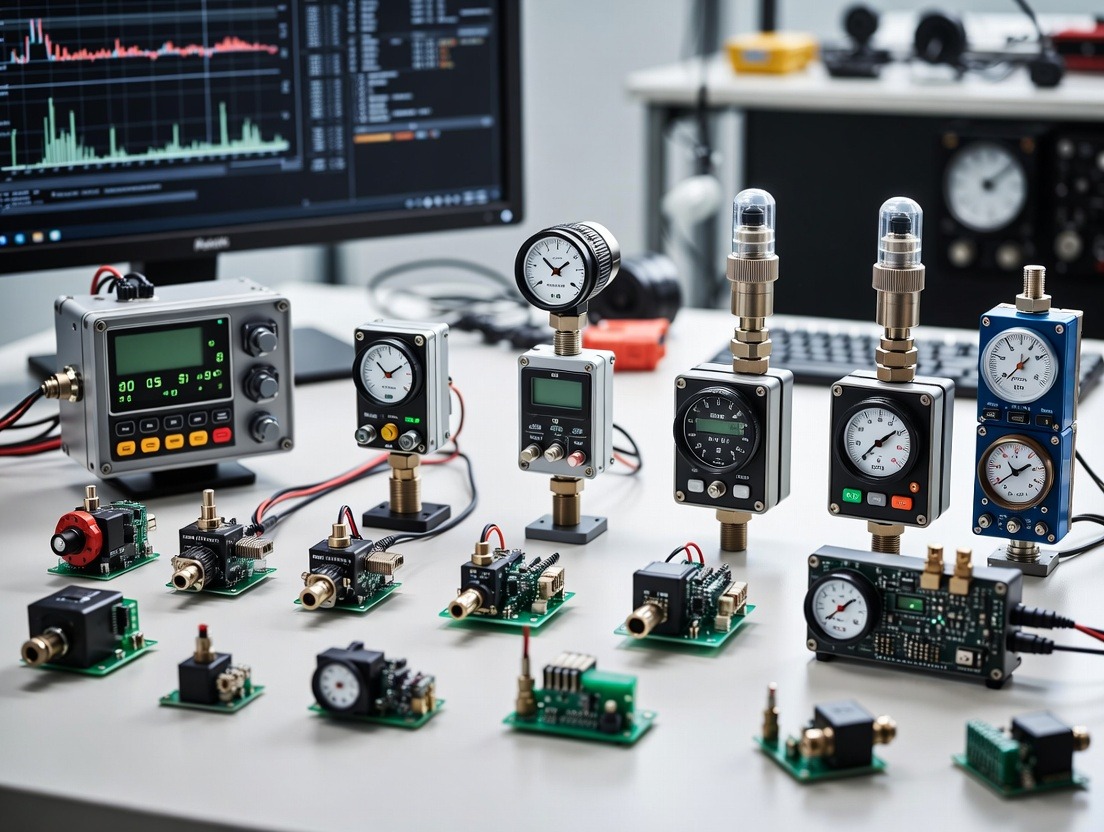
The value of precise, continuous HRV monitoring extends far beyond the realms of fitness and lifestyle optimization. In clinical medicine and scientific research, reliable, long-term autonomic data is a holy grail. While finger-based consumer wearables are not diagnostic devices, they represent a powerful new class of tools for remote patient monitoring, longitudinal research, and early detection of health trends.
The Clinical Promise: Remote Patient Monitoring (RPM)
For patients with chronic conditions like heart failure, hypertension, or diabetes, autonomic dysfunction is a common and serious complication. Traditionally, assessing this requires periodic clinic visits.
Research Applications: Unlocking Long-Term Biomarkers
Scientific studies are often limited by sporadic data collection. Wearables enable dense, longitudinal data sets.
The Critical Need for Signal Fidelity in These Contexts
For these advanced applications, data quality is non-negotiable. In a clinical or research setting, you cannot afford artifacts, poor compliance, or inaccurate readings.
The trajectory is clear: the line between consumer wellness and clinical health tech is blurring. Devices built on a foundation of superior sensing, like advanced smart rings, are poised to play a transformative role in the future of proactive, personalized, and participatory healthcare. They empower not just individuals, but also the medical and research communities, with a continuous stream of meaningful physiological data. For those interested in the cutting-edge intersection of technology and wellness, the Oxyzen blog is a constantly updated resource.
As with any powerful technology, a balanced perspective is essential. While HRV tracking via finger-based sensing offers remarkable insights, it is not a magic bullet, nor is it without its complexities and ethical considerations. An informed user understands both the potential and the boundaries of this tool.
Understanding the Limitations:
Ethical Considerations and Data Privacy:
Adopting a Wise Approach:
Use HRV tracking as a guide, not a gospel. Let it foster curiosity about your body, not judgment. Celebrate the days when the data confirms you feel great, and investigate with compassion—not frustration—the days it doesn't. The ultimate goal is to use the technology to deepen your internal awareness, so that over time, you may rely less on the device and more on your own honed intuition, informed by the knowledge you've gained.
By acknowledging these nuances, you elevate your practice from simple tracking to mindful bio-awareness. You harness the technology's power while safeguarding your privacy and mental well-being, ensuring it remains a tool for empowerment, not obsession. For common questions on the responsible use of such technology, our FAQ section provides clear, straightforward answers.
The current state of finger-based HRV tracking is impressive, but it is merely the first chapter. The convergence of advanced sensor fusion, artificial intelligence, and proactive health systems points toward a future where our wearables will function less like dashboards and more like autonomous health guardians. The finger, as a stable, information-dense platform, is poised to be at the center of this evolution.
1. Multi-Modal Sensor Integration (Beyond PPG):
Future iterations will incorporate additional sensing modalities directly into the ring form factor, all sampling from the ideal vascular access point.
2. AI-Powered Predictive Health and Personalized Coaching:
With years of high-fidelity, multi-parameter data from millions of users, AI models will move from descriptive analytics to predictive and prescriptive insights.
3. Deeper Clinical Integration and Digital Therapeutics:
The line between wellness wearable and medical device will continue to blur, with regulatory approvals (like FDA clearance) for specific indications.
4. Enhanced User Experience and Invisible Design:
The technology will become even more seamless.
The future of finger-based sensing is not just about measuring more things; it's about creating a closed-loop system of understanding, prediction, and personalized action. It promises a shift from reactive healthcare to truly proactive, continuous health optimization. The journey begins with the fundamental step of choosing a sensing platform—like the finger—that is capable of growing into this future, one reliable heartbeat at a time. To be part of this evolving story from the beginning, you can discover the current generation of this technology at Oxyzen.
You now possess a deep understanding of why finger-based HRV tracking is superior and how it can be applied across various domains—from daily routines to athletic performance. The final step is synthesis: weaving these disparate threads into a cohesive, personalized health framework. This framework is not a rigid set of rules, but a dynamic, data-informed approach to living that respects your unique biology and goals.
The Four Pillars of Your HRV-Informed Framework:
Creating Your Personal Protocol:
Your protocol is the unique set of habits and rules derived from your framework. It will evolve. A beginner's protocol might be simple:
An advanced user's protocol might be more nuanced:
The key is to start simple, let the data guide increasing complexity, and always tie actions back to your personal objectives—be it better energy, faster race times, improved sleep, or greater emotional resilience.
While daily and weekly adjustments are valuable, the most profound insights from HRV tracking often reveal themselves over months and years. In this long-term view, HRV transitions from a daily performance metric to a lifelong vital sign, akin to blood pressure or cholesterol, but one you can monitor continuously and influence directly through lifestyle.
Tracking Your "Healthspan":
Healthspan—the period of life spent in good health—is a primary goal for many. HRV is a powerful proxy for biological aging and systemic resilience. A gradual, age-related decline in HRV is normal, but the rate of that decline is heavily influenced by lifestyle.
Identifying Major Life Transitions:
Long-term HRV data can serve as an objective diary of your body's journey through life's phases.
The Ultimate Personal Benchmark:
After several years of consistent tracking, your own historical data becomes your most valuable reference. When you feel "off," you can look back at similar periods in your life and see what helped. When trying a new diet or training modality, you can compare its long-term impact to previous approaches. This creates an irreplaceable repository of self-knowledge.
Committing to the long game requires a device and platform built to last—not just in hardware durability, but in data integrity, privacy, and software support. It’s a partnership with a technology provider you trust to safeguard and make sense of your most personal data over a lifetime. This commitment to a long-term vision is part of the core story behind brands like Oxyzen.
As HRV tracking grows in popularity, so do misconceptions. Let's definitively address some common skepticisms to solidify your understanding.
Myth 1: "A high heart rate means low HRV, and vice versa."
Reality: While often inversely correlated, this is not always true. You can have a moderately elevated heart rate with high HRV (e.g., during relaxed, joyful exercise) or a low heart rate with low HRV (e.g., in a state of chronic fatigue or in some highly trained but overtrained athletes). HRV measures the pattern between beats, not the number of beats.
Myth 2: "My watch and my ring give different numbers, so one is wrong."
Reality: They may both be "right" within the context of their sensor limitations. As we've established, the finger provides a stronger, cleaner signal. The watch's number may be based on a noisier, more processed signal, leading to discrepancies, especially for momentary readings. Consistency with a single device is more important than cross-device comparison. Trust the device with the superior physiological placement for trend accuracy.
Myth 3: "HRV is too complicated and variable to be useful for the average person."
Reality: Modern apps abstract the complexity. You don't need to understand RMSSD vs. LF/HF ratios. A simple Red/Yellow/Green recovery score, derived from robust algorithms, is profoundly useful. The variability is the signal—it tells the story of your life's impact on your body. Learning to interpret that story in simple terms is the goal.
Myth 4: "If I'm not an athlete, HRV tracking is overkill."
Reality: HRV is a universal biomarker of nervous system health. Everyone has an autonomic nervous system. For the non-athlete, it's a tool for managing work stress, improving sleep, navigating parenthood, and maintaining energy. It’s arguably more valuable for someone whose primary stressors are mental and emotional, as it provides a physical metric for an invisible burden.
Myth 5: "Focusing on this data will make me anxious about my health."
Reality: This is a valid concern (orthosomnia) but is a risk with any self-tracking, not specific to HRV. The antidote is mindset. Approach the data with curiosity, not judgment. Use it as a guide, not a grade. Set boundaries, like only checking your score once a day. The intent is to reduce anxiety by replacing uncertainty with insight and control.
By dispelling these myths, we clear the path for a rational, empowered adoption of HRV technology. It is a sophisticated tool that, when understood and used wisely, demystifies the inner workings of the body and empowers proactive self-care.
You are equipped with knowledge. The final step is action. Here is a concrete, step-by-step guide to begin your journey with confidence.
Step 1: Select Your Tool Wisely.
Refer back to the earlier section on what to look for. Prioritize:
Step 2: The First 30 Days – The Observation Phase.
Step 3: Month 2 – Introduce One Experiment.
Step 4: Month 3 – Integrate into Decision-Making.
Step 5: Ongoing – Refine and Explore.
Remember, the goal is progress, not perfection. Some days you will have perfect data and feel terrible. Other days, the data will be confusing. That's all part of the rich, human story. The device is a compass; you are still the navigator.
We stand at an inflection point in personal health. For millennia, we relied on subjective feelings and annual check-ups to gauge our well-being. Now, we have the unprecedented ability to listen to the continuous, subtle language of our autonomic nervous system. Heart Rate Variability is a profound dialect of that language, speaking of resilience, balance, and recovery.
As we have exhaustively explored, not all listeners are created equal. The journey of the pulse from heart to fingertip provides a clearer, stronger, and more reliable signal than its path to the wrist. By choosing finger-based sensing, you choose to start your inquiry from the most solid foundation possible. You opt for data integrity over convenience, for insight over approximation.
This technology does not seek to turn you into a machine obsessed with optimization. Rather, it aims to make you more human—more attuned, more responsive, and more compassionate toward your own body. It gives you the evidence to honor your need for rest without guilt and the confidence to embrace challenge when you are truly prepared. It transforms health from a static goal into a dynamic, intelligently navigated journey.
The story of HRV tracking is, ultimately, a story of reclamation. It is the reclaiming of authority over your own health narrative from vague generalities and external opinions. It is the reclaiming of the ability to see the invisible impacts of your daily choices. And it is the reclaiming of the wisdom that your body, if you learn to listen to it with a sensitive enough tool, holds the answers you seek.
Your nervous system has been having this conversation since the day you were born. Now, you finally have a way to hear it. The question is no longer if you should listen, but how well. By placing your trust in the physiological advantages of the finger, you ensure that the conversation you start is clear, honest, and deeply, personally transformative.
The path to a more resilient, recovered, and aware you is not on a screen or in a generic plan. It is, quite literally, at your fingertips. Begin listening.
For further exploration of the topics intertwined with HRV, such as sleep optimization, stress science, and recovery strategies, a vast library of research-backed articles awaits on the Oxyzen blog. If you're ready to experience the difference of high-fidelity biometric tracking, you can discover the Oxyzen smart ring and join a community focused on actionable wellness. For any remaining questions, our comprehensive FAQ and customer testimonials offer clear answers and real-world perspectives.
Your Trusted Sleep Advocate (Sleep Foundation — https://www.sleepfoundation.org/)
Discover a digital archive of scholarly articles (NIH — https://www.ncbi.nlm.nih.gov/
39 million citations for biomedical literature (PubMed — https://pubmed.ncbi.nlm.nih.gov/)
experts at Harvard Health Publishing covering a variety of health topics — https://www.health.harvard.edu/blog/)
Every life deserves world class care (Cleveland Clinic -
https://my.clevelandclinic.org/health)
Wearable technology and the future of predictive health monitoring. (MIT Technology Review — https://www.technologyreview.com/)
Dedicated to the well-being of all people and guided by science (World Health Organization — https://www.who.int/news-room/)
Psychological science and knowledge to benefit society and improve lives. (APA — https://www.apa.org/monitor/)
Cutting-edge insights on human longevity and peak performance
(Lifespan Research — https://www.lifespan.io/)
Global authority on exercise physiology, sports performance, and human recovery
(American College of Sports Medicine — https://www.acsm.org/)
Neuroscience-driven guidance for better focus, sleep, and mental clarity
(Stanford Human Performance Lab — https://humanperformance.stanford.edu/)
Evidence-based psychology and mind–body wellness resources
(Mayo Clinic — https://www.mayoclinic.org/healthy-lifestyle/)
Data-backed research on emotional wellbeing, stress biology, and resilience
(American Institute of Stress — https://www.stress.org/)


