


The Effortless Approach: How Smart Rings Track HRV While You Live
How to get professional-grade HRV data from consumer wellness rings.
How to get professional-grade HRV data from consumer wellness rings.
%402x.svg)
For decades, understanding the intricate whispers of your inner health required a pilgrimage. You’d visit a lab, strap on bulky electrodes, and lie perfectly still while a machine beeped out a single, static snapshot of your heart’s rhythm. It was clinical, intimidating, and disconnected from the beautiful chaos of real life. The data was a fossil—preserved, but not alive.
What if the truest measure of your well-being isn’t found in that sterile snapshot, but in the dynamic, flowing story your body tells as you live it? As you sip your morning coffee, navigate a stressful work call, hug a loved one, or drift into sleep? The most profound metric for this story is not just your heart rate, but the subtle, millisecond variations in the spaces between each beat. This is Heart Rate Variability (HRV), and it is your nervous system’s most honest, real-time confessional.
Until recently, accessing this continuous stream of inner wisdom was impractical. Then came the smart ring—an unassuming band of titanium or ceramic that embodies the principle of effortless tracking. It asks for nothing but to be worn. No charging every night, no conscious interaction, no bulky screens to distract. It simply exists on your finger, a silent guardian tuned to the rhythm of your being.
This is the dawn of a new paradigm in personal health: the era of passive, perpetual, and profoundly personal biometrics. This article delves deep into the revolutionary intersection of cutting-edge technology and human physiology, exploring exactly how a device so discreet can unlock such powerful insights. We’ll move beyond the “what” of HRV and into the “how”—how these rings capture data in the background of your life, how they translate electrical impulses into actionable wisdom, and how this effortless approach is fundamentally changing our relationship with our own health. Welcome to a world where the most advanced health monitor is the one you forget you’re wearing, even as it diligently listens to the story of your heart.
To appreciate the genius of smart ring tracking, we must first understand the magnificent biological signal it is designed to capture. Heart Rate Variability (HRV) is often misunderstood. It is not about the speed of your heart, but the variability in the time intervals between consecutive heartbeats. If your heart beats exactly once every second—60 beats per minute, like a metronome—your HRV would be very low. Counterintuitively, in the context of recovery and resilience, that’s not ideal. A healthy, resilient heart beats with a subtle, symphony-like irregularity. The time between one beat and the next might be 1.03 seconds, then 0.97, then 1.05. This variance, measured in milliseconds, is HRV.
Think of your body as a complex kingdom. Your brain is the king, issuing commands, but the Autonomic Nervous System (ANS) is the telecommunications network that relays those orders to every organ, blood vessel, and gland. The ANS has two primary branches, constantly engaged in a dynamic tug-of-war:
HRV is the real-time output of this ongoing dialogue. A higher HRV generally indicates a stronger parasympathetic tone, meaning your body is in a state conducive to recovery, adaptation, and resilience. You are well-rested, minimally stressed, and physiologically primed to handle challenges. A lower HRV suggests sympathetic dominance—your body is under strain, whether from physical training, emotional stress, illness, or poor sleep. Your system is mobilized for battle, leaving fewer resources for repair and growth.
This makes HRV an unparalleled, non-invasive window into your:
For years, accessing this data required dedicated chest straps and specific measurement windows (like a morning readiness reading). The breakthrough of the smart ring is its ability to capture this delicate signal continuously—not just during exercise or a morning ritual, but during a tense meeting, a relaxing dinner, and crucially, throughout the entire night. This creates a rich, 24/7 HRV tapestry that reveals patterns invisible to snapshot measurements. To understand how this nightly data forms the bedrock of your HRV insights, our in-depth guide on what your deep sleep tracking numbers should look like explores the critical connection.
The magic of the smart ring lies in its elegant miniaturization of sophisticated medical-grade technology. At its core is Photoplethysmography (PPG), a daunting word for a simple, brilliant concept. PPG uses light to measure blood volume changes in the microvascular bed of your finger.
Here’s how it works, step-by-step:
But capturing a pulse is just the beginning. The real challenge—and the hallmark of advanced ring technology—is extracting the HRV signal from this optical data. The peaks of the PPG waveform mark the beats. The millisecond intervals between these peaks are called Inter-Beat Intervals (IBIs). The statistical analysis of these IBIs is what gives us HRV.
This is where engineering meets physiology. The finger is a fantastic location for 24/7 wear, but it presents challenges: motion artifacts, changes in ambient temperature, and imperfect ring fit can all introduce "noise" into the delicate PPG signal. Leading smart rings, like those developed by Oxyzen, employ a multi-layered technological stack to overcome this:
The result is a continuous, clinical-grade IBI stream, harvested passively from your finger, ready to be transformed into insights. It’s a feat of engineering that turns a piece of jewelry into a potent health observatory. For a deeper dive into the sensor technology that powers modern wearables, explore our detailed explainer on how sleep trackers actually work.
“Why not a watch?” is a natural question. Wrist-based wearables popularized HRV tracking, but the finger offers distinct, science-backed advantages for passive, all-day biometrics.
1. Superior Artery Access: The digital arteries in your finger are rich, close to the surface, and less obstructed by bone and tendon compared to the radial artery in the wrist. This provides a stronger, cleaner PPG signal with less power required from the LEDs, directly contributing to better battery life.
2. Reduced Motion Artifact: This is the critical advantage. During the day, your wrist and hand are in constant motion—typing, gesturing, lifting. Your finger, however, moves far less relative to your hand. At night, the difference is even more pronounced. Many people sleep with their wrists bent or tucked under pillows or their body, which can compress the blood vessels and distort the PPG signal. A finger, especially on the non-dominant hand, remains relatively stationary and uncompressed, providing a pristine signal throughout the night. Given that nocturnal HRV is a gold-standard metric for recovery, this reliability is paramount.
3. Consistent Wear & Data Continuity: The “wearability” factor cannot be overstated. People often remove watches to shower, charge, or during certain activities. A smart ring, being water-resistant and boasting multi-day battery life, is designed for 24/7 wear. This eliminates data gaps and creates a truly continuous biometric record. You get a seamless story from your workout, through your workday, into your sleep, and upon waking. This continuity is essential for spotting long-term trends and subtle, day-to-day correlations.
4. Discreetness and Normalization: A ring is socially invisible. It doesn’t light up with notifications, forcing you into a reactive relationship with your device. The tracking is silent, background, and effortless. This psychological shift—from active checking to passive receiving of insights—is fundamental to the “effortless approach.” It reduces tech anxiety and allows you to simply live your life while the data accumulates.
In essence, the finger isn’t just a convenient location; it is, biomechanically and behaviorally, the optimal location for continuous, lifestyle-embedded health monitoring. It prioritizes signal integrity and user compliance above all else. To see how this seamless tracking translates into real-world benefits, you can read about user experiences in our customer testimonials.
While daytime HRV snippets are valuable, the uninterrupted data collected during sleep is the cornerstone of modern HRV interpretation. Sleep is when your parasympathetic nervous system is meant to be dominant. It’s when your body shuts down external operations and focuses entirely on repair, detoxification, and memory consolidation. Therefore, your HRV pattern during sleep is a pure, unmasked reading of your recovery capability.
Smart rings leverage this by performing their most important analysis while you are motionless and your physiology is in a controlled state. Here’s what happens between the sheets, data-wise:
This process transforms raw, millisecond intervals into a daily, actionable directive. A high recovery score suggests you’re well-rested and resilient—a good day for that intense workout or important presentation. A low score is your body’s gentle nudge to prioritize rest, hydrate, maybe take a walk instead of a run, and manage stress carefully. It’s a system of biofeedback that respects your body’s limits and promotes sustainable performance.
Understanding the role of deep sleep in this process is critical. For a comprehensive look at why this stage is so vital for physical repair, you can explore the science of deep sleep and what happens to your body.
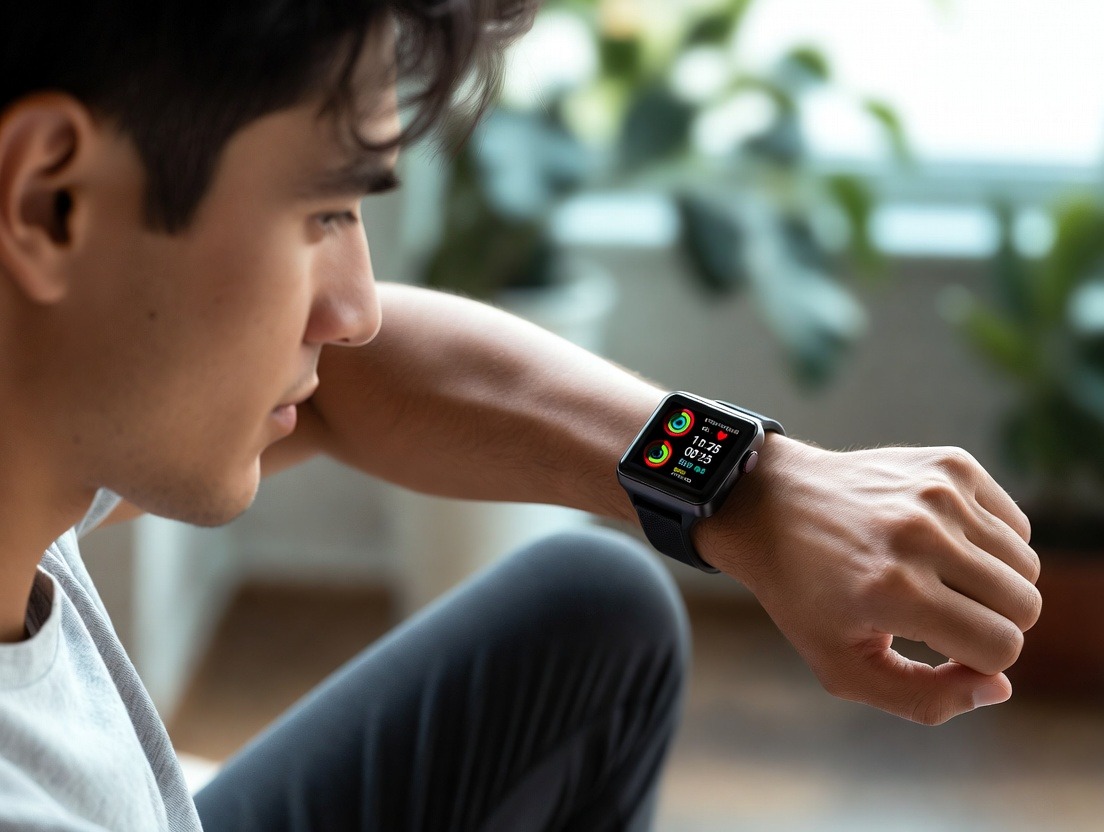
A single day’s HRV number is almost meaningless. The profound power of continuous tracking lies in the trend. Your personal HRV baseline is unique to you—influenced by age, genetics, fitness level, and even lifestyle. Comparing your HRV to someone else’s is a futile exercise. The only meaningful comparison is you vs. you.
This is where the smart ring app becomes your personal health dashboard and coach. It visualizes your HRV data in several key ways:
Interpreting trends requires context. A rising HRV is generally positive, but it’s not the only metric. It must be viewed alongside:
The goal is not to obsess over daily fluctuations but to understand the broader narrative. The ring provides the data; you, with the app’s guidance, become the author of your health story. For those curious about how their own sleep patterns fit into the bigger picture, our resource on the ideal deep sleep duration by age offers a helpful benchmark.
Data is only as valuable as the action it inspires. The effortless tracking of a smart ring culminates in what we might call “micro-adjustments”—small, sustainable behavior changes informed by your unique biology.
For the Athlete & Fitness Enthusiast:
This is precision training. Instead of blindly following a pre-set program, you let your recovery score guide your sessions.
For the Stress-Prone Professional:
HRV becomes a tangible meter for your mental and emotional load.
For the Health-Conscious Individual:
It’s a tool for personalized lifestyle experimentation.
The ring doesn’t shout orders; it provides gentle, evidence-based nudges. It turns wellness from a generic concept into a personalized, responsive practice. For practical strategies that directly influence the recovery metrics your ring tracks, our article on how to get more deep sleep tonight with 7 proven strategies is an excellent place to start.
A smart ring is not an island. Its true potential is unlocked when its HRV and biometric data converse with other aspects of your digital health ecosystem. This integration creates a holistic health model that is greater than the sum of its parts.
This interconnected future positions the smart ring as the central, always-on biometric hub. It provides the continuous physiological context—the “how is your body doing?”—that informs the “what should you do?” recommendations from other apps and services. It’s a move towards a truly responsive, closed-loop personal health system.
The vision behind creating such a seamless, integrated experience is often rooted in a deep commitment to holistic well-being. You can learn more about this philosophy by reading Oxyzen’s story and mission.
As with any transformative technology, legitimate questions arise. Addressing them head-on is crucial for trust and informed adoption.
How Accurate Are They?
The short answer: For trend-based, lifestyle health insights, modern high-end smart rings are exceptionally accurate. Peer-reviewed studies have shown strong correlations between PPG-derived HRV (from fingers and wrists) and ECG (the clinical gold standard) during resting and sleep conditions. The key is in the trend. While a single, millisecond-perfect IBI measurement might have slight variance from an ECG, the patterns, averages, and directional trends over time are highly reliable for guiding personal decisions. They are wellness tools, not diagnostic medical devices—and they excel in that role.
What About My Data Privacy?
This is paramount. Your biometric data is intimate. Reputable companies implement:
Does This Lead to Neurosis?
The “effortless approach” is the antidote to data anxiety. The goal of a well-designed ring system is not to make you stare at graphs all day. It’s to provide a simple, morning glance at your recovery score—a summary—and then send you into your day. The deep data is there if you want to explore a specific issue, but the daily interaction is designed to be minimal and intuitive. It’s about creating awareness, not obsession. The technology should serve you, not the other way around.
For answers to more specific technical and usage questions, our comprehensive FAQ page is a valuable resource.
We are at the nascent stage of a revolution in personalized health. The smart ring, as a form factor and data platform, is poised to evolve in remarkable ways:
The journey from the static ECG snapshot to the dynamic, living stream of the smart ring is a leap towards a more intuitive, compassionate, and empowered relationship with our own bodies. It democratizes access to deep physiological wisdom, placing it not in a clinic, but on your finger—a quiet companion on your unique path to well-being.
This is just the beginning of exploring the intersection of technology and holistic health. For more insights, research, and guides on optimizing every aspect of your wellness, from sleep to stress management, we invite you to explore our complete blog.
The first portion of our exploration laid the technological and physiological groundwork. We’ve seen how a smart ring, through elegant engineering, captures the delicate whisper of Heart Rate Variability (HRV) from the rivers of blood in your finger, transforming it into a continuous story of your inner state. We’ve understood that this story peaks in clarity during the silent theater of sleep, providing a nightly recovery scorecard. We’ve addressed the practicalities of accuracy and privacy.
Now, we move from understanding how it works to mastering how to live with it. This is where the “effortless approach” proves its true worth. The goal is not to become a data analyst of your own life, but to cultivate a new kind of somatic awareness—a gentle, informed intuition. The smart ring is the bridge to this state. It provides the objective feedback that helps you recognize subjective feelings, validate hunches, and make subtle, powerful adjustments that compound over time into transformative well-being.
Imagine waking up and, instead of forcing yourself through a groggy mental checklist of how you feel, you receive a simple, data-informed nudge. Your Oxyzen app shows a “Recovery Score” of 82/100. The narrative is clear: your body had a solid night of repair. You feel that alignment; the data confirms it. This positive reinforcement starts your day with confidence. Conversely, a score of 45/100, despite you thinking you feel “okay,” gives you permission to pivot. It’s not a judgment; it’s intelligence. It says, “Your nervous system is working hard today. Choose ease.” This daily dialogue—between your felt sense and your physiological data—fosters a profound self-literacy.
This section of our journey will map out how to weave this intelligence into the fabric of your existence. We’ll explore practical frameworks for decision-making, delve into the powerful connections between HRV and other life domains like nutrition and mental performance, and provide a realistic roadmap for your first 90 days with this technology. The future of health is not about more effort; it’s about smarter, more responsive, and ultimately, more effortless living.
The morning readiness or recovery score is your primary compass. But a compass is useless without a map. Here’s a practical, tiered framework for interpreting and acting on your daily data, turning a number into a personalized action plan.
Tier 1: The Traffic Light System – Your Go/No-Go Guide
Most apps codify this with color. Use it as your first filter for the day.
Tier 2: The Trend Analysis – Reading the Longer Narrative
Your weekly and monthly views tell the deeper story. Ask these questions:
Tier 3: The Correlation Engine – Becoming Your Own Scientist
This is where passive tracking delivers active wisdom. Use the tagging/lifestyle logging feature diligently for 30 days.
This framework turns data from overwhelming to operational. It creates a responsive, living feedback loop between your actions and your biology. For those looking to directly improve the most restorative phase of sleep that heavily influences morning scores, our guide on increasing your most restorative sleep offers targeted strategies.
HRV is often called a “window into the mind-body connection,” and for good reason. It provides a physical metric for our emotional and mental states. This creates a powerful opportunity for biofeedback—using the data to consciously influence your physiology and, by extension, your psychology.
HRV as an Emotional Barometer:
You don’t need a ring to tell you you’re stressed during a screaming match. But what about the low-grade, persistent anxiety from an overflowing inbox? Or the simmering frustration from a long commute? This “ambient stress” often flies under our conscious radar while steadily depleting our nervous system. A trend of lowering HRV can be the first objective sign that these micro-stressors are accumulating. It asks you to pause and audit your emotional landscape.
Active HRV Biofeedback Training:
This is a proactive application of the technology. Many mindfulness and breathing apps now integrate with wearables or can be used in tandem.
This practice trains your brain to associate specific breathing patterns with a measurable state of physiological calm. Over time, you can invoke this state without the screen, using the breath as a direct tool to hack your HRV during moments of stress. You move from being a victim of your stress response to being an active operator of your relaxation response.
Validating Recovery Practices:
When you take a walk in nature, meditate, or spend quality time with a loved one, you subjectively feel better. Your smart ring can quantify that “better.” Seeing a tangible boost in your evening or next-morning HRV after these activities reinforces them as non-negotiable investments, not indulgences. It turns “I should meditate” into “Meditation makes my nervous system 20% more resilient, according to my data.”
This objective feedback is transformative for mental fitness. It demystifies well-being and makes the management of your emotional energy as tangible as managing your physical energy. To explore the foundational role of sleep in this emotional regulation, consider reading about the connection between deep sleep and memory, as cognitive and emotional processing are deeply intertwined.

You are what you eat, and your HRV is a real-time reflection of that process. Digestion is a parasympathetic (rest-and-digest) activity. What, when, and how you eat directly communicates with the autonomic nervous system, leaving a clear signature in your biometric data.
The Macronutrient & Timing Effect:
Using Your Ring for Nutritional Insight:
Conduct a self-experiment. For one week, maintain your normal diet and log your meals. For the next week, make a conscious change:
Observe the trend in your sleeping HRV and morning resting heart rate. For many, the differences are not subtle. You might see less nighttime disturbance and a higher, more stable recovery score. This turns nutrition from a moralistic game of “good vs. bad” into a science of “what fuels my recovery best?” For specific nutritional support for your most restorative sleep phase, our list of 10 foods that increase deep sleep naturally is a great practical resource.
Caffeine and Alcohol: The Biochemical Signals:
These are the two most common drugs that profoundly affect HRV, and the ring captures their impact with stark clarity.
For those whose livelihood or passion depends on peak performance—whether physical or cognitive—HRV tracking transitions from a wellness tool to an essential piece of the performance optimization toolkit.
For the Athlete: From Periodization to Daily Adaptation
Traditional training plans operate on fixed schedules (e.g., 4 weeks build, 1 week deload). HRV-guided training introduces a dynamic, responsive model called autoregulation.
For the Knowledge Worker: Cognitive Resilience and Flow
The brain is an energy-intensive organ. Its performance is inextricably linked to physiological state.
The principle is the same for both the athlete and the executive: Match your demand to your capacity. The smart ring provides an objective, daily read on that capacity. For athletes specifically, the nuances of leveraging sleep for physical repair are critical; our article on deep sleep optimization for athletes delves into this specialized application.
Starting with a smart ring is exciting, but the influx of data can be overwhelming. This 90-day phased approach ensures you build a sustainable, insightful practice without burnout.
Days 1-30: The Observation Phase – Collect Your Baseline
Days 31-60: The Correlation Phase – Notice Patterns
Days 61-90: The Experimentation Phase – Make Informed Adjustments
By the end of 90 days, checking your recovery score will be as natural as checking the weather—a quick piece of intelligence to help you dress (or act) appropriately for the day. You’ll have moved from a state of data collection to one of intuitive, data-informed living. For new users who are also focusing on sleep, a great foundational read is our Sleep Tracking 101 guide for beginners.
Our health is not cultivated in a vacuum. Our closest relationships—with partners, family, close friends—create a shared emotional and physiological field. The emerging concept of interpersonal physiology suggests that our nervous systems co-regulate. Smart rings, when used in a shared context of growth, can offer fascinating insights into this dynamic.
The Shared Biofeedback Journey:
Imagine both you and your partner wearing smart rings. This isn’t about surveillance; it’s about shared awareness and empathy.
Creating a Culture of Recovery-Centric Living:
In a family or household, shared understanding of HRV can promote a more harmonious rhythm.
This application moves health tech from a solitary pursuit to a tool for building healthier, more empathetic systems. It underscores that our personal well-being is interwoven with the well-being of our tribe. To understand how foundational sleep is to this social and emotional capacity at every age, our exploration of how age affects deep sleep provides valuable context.
As we embrace this technology, it is crucial to maintain a balanced perspective. The smart ring is a powerful tool, but it is not an oracle. Its data exists within important boundaries.
It Measures Physiology, Not Psychology (Directly):
A high HRV indicates your body can recover, not that you are happy or fulfilled. You could be physically resilient but emotionally numb or existentially adrift. Conversely, a period of low HRV might accompany a deeply meaningful but demanding life chapter, like caring for a newborn or launching a passionate project. The data must be interpreted with emotional and qualitative context. Don’t let a number invalidate a rich human experience.
It Provides Correlations, Not Causations (Alone):
Your ring tells you what is happening, not always why. A sustained HRV dip could be from overtraining, an undiagnosed infection, dietary inflammation, or emotional grief. The ring flags the anomaly; you, perhaps with a healthcare professional, must investigate the root cause. It is a brilliant starting point for a conversation with your doctor, providing weeks of objective data far more useful than “I’ve been tired lately.”
The Danger of Orthosomnia:
This is the paradox: a device meant to improve sleep can cause anxiety about sleep. “Orthosomnia” is the preoccupation with achieving perfect sleep data. If you find yourself losing sleep over a low deep sleep score, or exercising purely to “green” your recovery metric, you have missed the point. The tool has become the master. The goal is wellness, not a perfect graph. Some nights will be poor, and that’s part of being human.
The Imperative of Human Judgment:
Finally, the ring’s algorithms are based on population averages and logical assumptions. You are an individual. There will be days when you feel terrible despite a high score, or feel fantastic despite a low one. Always trust your lived experience over the data. Use the data to inform your intuition, not replace it. If you feel ill, rest, even if your score is 85. This technology works best when it operates in service of your innate body wisdom, not as a substitute for it. For a balanced look at the pros and cons of this entire category of technology, our article Is Sleep Tracking Worth It? offers a thoughtful analysis.
As we stand at this frontier, the trajectory points toward a future where technology becomes less of a “tracker” and more of an intelligent, ambient partner in health—a true symbiosis.
We can anticipate rings that don’t just report data but offer contextual, micro-nudges. Imagine a gentle vibration on your finger when your HRV indicates you’ve been in a state of cognitive stress for 90 minutes straight, prompting you to take a five-minute break. Or a ring that, sensing a significant overnight temperature rise coupled with crashing HRV, sends a simple morning notification: “Your body is fighting something. Prioritize rest and hydration today.”
The integration will become seamless. Your ring will talk to your smart home to gradually dim lights as your evening HRV rises, signaling readiness for sleep. It could inform your calendar app to automatically protect time for deep work on your high-recovery mornings. This is the “effortless approach” fully realized: the technology orchestrates your environment in real-time to support your biology, requiring no conscious input from you.
Ultimately, the promise of the smart ring and continuous HRV tracking is not to create a generation of data-obsessed biohackers, but to foster a generation of somatically aware individuals. It’s about returning us to a felt sense of our bodies with the clarity that modern science provides. It democratizes the knowledge that was once locked in labs and sports science facilities, putting it on the finger of anyone seeking to live with more vitality, resilience, and intention.
The journey from a single heartbeat to a lifetime of optimized living begins with a simple choice: to listen. And now, we have a device that listens with us, patiently and perpetually, turning the subtle rhythm of our hearts into the powerful music of a life well-lived.

We have journeyed from the micro-level—understanding the photoplethysmography in a ring—to the practical, daily application of HRV wisdom. We've seen it as a compass, a biofeedback tool, a nutritional guide, and a performance optimizer. Now, we ascend to a macro view. Here, Heart Rate Variability transcends its role as a mere metric and emerges as the central, conducting force in the symphony of your holistic health. It is the dynamic interface where sleep, exercise, nutrition, stress, and even your environment converge and communicate.
Think of your body not as a collection of separate systems (cardiovascular, nervous, endocrine) but as a single, integrated network. A network that is constantly striving for homeostasis—a stable, balanced state. HRV is the most sensitive real-time readout of this network's flexibility and stability. High HRV doesn't just mean a healthy heart; it signifies a resilient, adaptive, and well-orchestrated whole self.
In this final portion of our exploration, we will examine HRV as this master integrator. We'll investigate its deep, bidirectional relationship with the endocrine system (your hormones), its critical role in the immune response, and its fascinating connection to your brain's structure and function. We'll then look at the environmental and lifestyle levers that most powerfully influence this central conductor, moving beyond simple tracking to active cultivation. Finally, we will synthesize all we've learned into a cohesive philosophy—The Effortless Ethos—a blueprint for living in harmonious alignment with your body's innate intelligence, guided by the quiet feedback of the technology on your finger.
This is the culmination of the effortless approach: not just listening to your body's story, but becoming an active, compassionate author of its next chapter, with HRV providing the insightful editorial notes.
The autonomic nervous system (ANS), which dictates HRV, is in constant, intimate conversation with the endocrine system—the network of glands that produce hormones. This is a two-way street: hormonal fluctuations influence ANS balance, and ANS state (seen in HRV) regulates hormonal release. This dialogue is central to everything from daily energy to long-term health.
Cortisol: The Primary Stress Conductor
Cortisol, your main stress hormone, has a profound, inverse relationship with HRV.
Sex Hormones: Estrogen, Testosterone, and Balance
Sex hormones powerfully modulate the ANS.
The Metabolic Link: Insulin and HRV
Insulin resistance and metabolic syndrome are strongly linked to low HRV. The constant inflammatory state and oxidative stress associated with poor metabolic health impair autonomic function. Conversely, interventions that improve insulin sensitivity—like regular exercise and a whole-foods diet—consistently improve HRV. This makes HRV a powerful, non-invasive marker for metabolic health trajectory. An improving HRV trend can be an early sign that your lifestyle changes are positively affecting your fundamental biochemistry.
Understanding this hormone-heart dialogue reframes HRV from a simple recovery score to a central dashboard for your endocrine well-being. It provides a systems-level view of how stress, reproduction, and metabolism are intertwined in your daily physiology. For a deeper look at how one of the most critical recovery phases interacts with your hormonal system, explore the intricacies of deep sleep vs. REM sleep and why the difference matters.
One of the most compelling applications of continuous HRV monitoring is its ability to act as a sentinel for your immune system. Days before you feel a scratchy throat or fatigue, your body is marshaling its defenses—a process that significantly taxes the autonomic nervous system.
The Physiology of Fighting Infection:
When your immune system detects a pathogen (virus, bacteria), it releases inflammatory cytokines—signaling molecules like IL-1, IL-6, and TNF-alpha. These cytokines have a direct effect on the brain and the ANS. They:
The result? A significant, pre-symptomatic drop in HRV. This isn't just for major illness. The same pattern can be seen with localized inflammation from a hard workout (muscle damage), a poor diet, or even chronic psychological stress, which creates a state of low-grade systemic inflammation.
Using Your Ring as a Proactive Health Guardian:
This predictive property transforms your smart ring from a retrospective tool to a prospective one.
This capability epitomizes the "effortless approach." Without taking a single blood test or conscious measurement, your ring is quietly screening for one of the most fundamental disruptions to your health: systemic inflammation. It empowers you to act preventively, in the precious window between biological onset and symptomatic suffering. Recognizing the silent signs of insufficient recovery, which often precede immune dips, is key; our guide on silent signs of deep sleep deprivation complements this understanding perfectly.
The connection between the heart and the brain is not merely metaphorical; it's a dense, two-way highway called the neurocardiac axis. The state of your heart, revealed through HRV, directly influences your brain's function, structure, and even its aging process.
HRV and Prefrontal Cortex Function:
The prefrontal cortex (PFC) is your brain's executive center—responsible for focus, decision-making, emotional regulation, and impulse control. This region is highly sensitive to stress and requires a stable physiological environment to function optimally. High HRV, indicating strong parasympathetic tone, is associated with:
Conversely, low HRV (high sympathetic tone) floods the PFC with noradrenaline and cortisol, which can impair its function, leading to "brain fog," impulsivity, and poor decision-making—a state often reflected in a low daily readiness score.
The Vagus Nerve: The Superhighway of Mind-Body Communication:
The tenth cranial nerve, the vagus nerve, is the physical embodiment of the brain-heart axis. It is the main component of the parasympathetic system, carrying signals from the brain to the heart, lungs, and gut, and sending visceral information back to the brain. High HRV is a proxy for high vagal tone. Strong vagal tone is linked not just to cardiac health, but to:
HRV-Biofeedback as Brain Training:
This is where the technology becomes truly transformative. By engaging in paced breathing or meditation to raise your HRV, you are not just calming your heart; you are performing a form of direct brain training. You are strengthening the vagal brake and enhancing PFC function with each session. Over time, this can lead to lasting changes in baseline vagal tone, creating a more resilient, focused, and emotionally stable brain. It's a concrete way to "rewire" your stress response through physiology.
Your smart ring, by showing you the direct impact of a breathing session on your HRV, makes this abstract brain training tangible and rewarding, reinforcing the habit. For a profound look at how the deepest stage of sleep, heavily influenced by vagal activity, contributes to this brain maintenance, read about the brain-boosting connection between deep sleep and memory.
Your autonomic nervous system is constantly sampling and responding to your environment. Beyond food and exercise, subtle environmental factors exert a powerful influence on your HRV. Mastering these creates a world that supports, rather than challenges, your physiological resilience.
Light: The Master Zeitgeber
Light is the most potent signal for your circadian rhythm, which in turn governs the daily ebb and flow of your ANS.
Temperature: The Thermoregulation Dance
Your body's core temperature cycle is inextricably linked to sleep and ANS function.
Sound and Noise Pollution:
Chronic exposure to low-level environmental noise (traffic, appliances) triggers subtle, subconscious sympathetic arousal, keeping HRV lower than it could be. Conversely, natural sounds (birdsong, flowing water) or periods of true quiet can enhance parasympathetic activity. Your ring can help you discover the impact of a noisy environment vs. a quiet weekend in nature on your recovery trends.
By tuning into these environmental levers, you move from being a passive occupant of your world to an active architect of a HRV-supportive niche. It’s the ultimate expression of the effortless approach: designing a life that naturally cultivates balance. For a detailed protocol on using temperature and timing for sleep, our deep sleep formula provides a science-backed blueprint.
Perhaps the most profound implication of HRV is its role as a biomarker of biological aging and overall systemic integrity. The saying in aging research is: "You are as old as your autonomic nervous system." HRV declines with age, but the rate of decline is highly variable and closely tied to lifestyle and healthspan.
HRV and All-Cause Mortality:
Epidemiological studies have consistently shown that lower HRV is an independent predictor of increased risk of all-cause mortality. It is a more powerful predictor than traditional risk factors like hypertension or high cholesterol in some contexts. Why? Because low HRV is not a symptom of one disease; it is a signature of a dysregulated, inflexible, and stressed whole system that is vulnerable to many diseases—cardiovascular, metabolic, neurodegenerative.
"Vagal Aging" and Resilience:
The age-related decline in HRV is largely due to "vagal aging"—a reduction in the function and responsiveness of the vagus nerve. This decline contributes to:
Therefore, interventions that improve or preserve HRV are, by extension, interventions that may slow aspects of biological aging. Regular aerobic exercise, mindfulness, strong social connections, and good sleep—all proven to boost HRV—are not just "wellness" activities; they are fundamental longevity practices.
Your Ring as a Longevity Tracker:
This frames your daily HRV data in a powerful, long-term context. You are not just tracking recovery for tomorrow's workout; you are tracking the vitality of your autonomic nervous system over your lifetime. A rising or stable HRV trend over years is one of the best signs that your lifestyle is supporting a resilient, younger-acting physiology. It provides positive reinforcement that the daily choices—choosing the walk, the salad, the early bedtime—are compounding into a measurable health asset.
This long-view transforms the smart ring from a performance gadget into a lifelong health companion, providing feedback on the path not just to a better week, but to a longer, healthier, more vibrant life.

We have traversed the vast landscape of HRV, from its cellular origins to its implications for a century of life. Now, we distill this knowledge into a core philosophy—The Effortless Ethos. This is the mindset that allows you to harness this technology for true well-being without succumbing to data anxiety or perfectionism.
The Three Pillars of the Effortless Ethos:
Implementing the Ethos:
This ethos ensures that technology serves humanity, enhancing your connection to your body rather than creating a new layer of digital stress. It is the crucial framework that makes the "effortless approach" truly sustainable and profound.
The journey into understanding your HRV is a journey into understanding yourself—your rhythms, your resilience, your unique physiological fingerprint. It is a path that leads away from generic health advice and toward a personalized, responsive, and compassionate relationship with your one and only body.
The smart ring is the key that unlocks this door. It offers a silent, continuous stream of insight, turning the opaque workings of your inner world into a visible, understandable narrative. From optimizing your next workout to guarding against illness, from deepening your sleep to potentially slowing the hands of biological time, the applications are as profound as they are practical.
This is not the future of health tracking; it is the present, made accessible. The technology has evolved to meet you where you are: in the messy, beautiful, demanding flow of life. It asks for no extra time, no drastic changes—only your willingness to listen.
The symphony of your systems is always playing. For the first time in human history, you have a front-row seat to the conductor. What will you learn from the music?
Ready to listen? Discover the full potential of effortless health tracking and find the perfect device for your journey at the Oxyzen shop. To continue your education and stay updated on the latest insights in wellness technology, make the Oxyzen blog your regular resource. And if you're curious about the people and mission behind this technology, learn more on our About Us page.
Your Trusted Sleep Advocate (Sleep Foundation — https://www.sleepfoundation.org/)
Discover a digital archive of scholarly articles (NIH — https://www.ncbi.nlm.nih.gov/
39 million citations for biomedical literature (PubMed — https://pubmed.ncbi.nlm.nih.gov/)
experts at Harvard Health Publishing covering a variety of health topics — https://www.health.harvard.edu/blog/)
Every life deserves world class care (Cleveland Clinic -
https://my.clevelandclinic.org/health)
Wearable technology and the future of predictive health monitoring. (MIT Technology Review — https://www.technologyreview.com/)
Dedicated to the well-being of all people and guided by science (World Health Organization — https://www.who.int/news-room/)
Psychological science and knowledge to benefit society and improve lives. (APA — https://www.apa.org/monitor/)
Cutting-edge insights on human longevity and peak performance
(Lifespan Research — https://www.lifespan.io/)
Global authority on exercise physiology, sports performance, and human recovery
(American College of Sports Medicine — https://www.acsm.org/)
Neuroscience-driven guidance for better focus, sleep, and mental clarity
(Stanford Human Performance Lab — https://humanperformance.stanford.edu/)
Evidence-based psychology and mind–body wellness resources
(Mayo Clinic — https://www.mayoclinic.org/healthy-lifestyle/)
Data-backed research on emotional wellbeing, stress biology, and resilience
(American Institute of Stress — https://www.stress.org/)


