


The Complete Beginner-Friendly Guide to Evening Exercise Timing and Ring Data
When you exercise in the evening influences your ring's recovery data.
When you exercise in the evening influences your ring's recovery data.
%402x.svg)
For years, the fitness world spoke in absolutes. Morning workouts were the holy grail—energizing, metabolism-boosting, non-negotiable. Evening exercise? A necessary evil at best, a sleep-wrecking, stress-inducing mistake at worst. If you’ve ever rushed home from work, laced up your sneakers with a side of guilt, and wondered if your 7 PM sweat session was secretly sabotaging your health, you’re not alone. But what if everything you thought you knew was incomplete? What if the "best" time to exercise isn’t a universal law, but a personal equation—one that your own body is uniquely equipped to solve?
Welcome to a new era of fitness intelligence, powered not by generic dogma, but by your data. This guide is for the busy professional, the night owl parent, the student with back-to-back classes, and anyone who finds their only realistic window for movement is after the sun sets. We’re moving beyond one-size-fits-all advice and into the realm of personalized optimization. By pairing the ancient wisdom of circadian biology with the cutting-edge feedback from wearable technology—specifically, the rich biometric data from smart rings—you can transform evening exercise from a guessing game into a precision tool for enhancing recovery, sleep, and overall vitality.
Think of your smart ring not as a judge, but as a translator. It deciphers the subtle language of your heart rate variability (HRV), your core temperature fluctuations, your sleep stages, and your resting heart rate. These metrics form a daily report card on your nervous system’s state, telling you whether your body is primed for stress (a workout) or pleading for rest. An evening workout can be a powerful catalyst for deep sleep and metabolic health, or it can be a disruptive force. The difference lies in the delicate when, what, and how—factors you can now learn to control with astonishing accuracy.
In this comprehensive guide, we will dismantle the myths, explore the science, and provide a actionable framework for harmonizing your evening fitness routine with your body’s natural rhythms. You’ll learn to interpret your ring’s data not as isolated numbers, but as a cohesive story about your readiness. We’ll navigate the nuances of workout timing, type, and intensity, and show you how to create an evening exercise ritual that doesn’t just fit your schedule, but actively elevates your health. Let’s begin the journey from chronotype confusion to data-driven clarity.
The prevailing warning is clear: exercise too close to bedtime, and you’ll be too energized, too hot, and too alert to fall asleep. This advice stems from a core truth about exercise physiology—it is a potent stimulant. It elevates core body temperature, releases catecholamines (like adrenaline), and increases heart rate. All of these are, in fact, antagonistic to the physiological state required for sleep onset, where we need dropping temperature, calming neurotransmitters, and a slowing pulse.
However, science paints a more nuanced picture. A seminal meta-analysis published in Sleep Medicine Reviews examined 23 studies on evening exercise and sleep. The conclusion was groundbreaking: Evening exercise did not negatively affect sleep for the majority of people. In fact, in many cases, it improved sleep quality and increased time spent in deep, slow-wave sleep—the most restorative phase. The critical caveat? Timing and intensity.
The body operates on a circadian clock that governs everything from hormone secretion to digestion to sleep-wake cycles. Post-exercise, our bodies don’t stay revved up indefinitely; they follow a curve of arousal and subsequent rebound into recovery. This rebound, characterized by a parasympathetic ("rest-and-digest") nervous system dominance and a gradual decline in core temperature, can be profoundly sleep-conducive—if you allow enough time for it to occur.
The key is the "cool-down window." For most individuals, concluding moderate-intensity exercise at least 90 minutes before bedtime allows sufficient time for core temperature to drop and for the nervous system to shift from sympathetic (fight-or-flight) to parasympathetic dominance. High-intensity interval training (HIIT) or heavy resistance training, due to their greater systemic impact, may require a longer buffer—closer to 2-3 hours.
This is where blanket advice fails. A "night owl" (a later chronotype) whose natural melatonin release occurs at 11 PM may work out vigorously at 8 PM and sleep soundly at midnight. A "morning lark," whose body begins winding down at 8 PM, might find the same routine disastrous. Your smart ring cuts through this ambiguity by providing personalized, outcome-based feedback. Instead of asking, "Is 8 PM too late?", you can now ask, "What does my sleep data say when I finish my workout at 8 PM versus 9 PM?" The ring measures the result, turning a theoretical debate into an empirical personal experiment.
Furthermore, for many, the stress-relieving, anxiety-melting benefits of evening exercise far outweigh the potential thermal or stimulatory downsides. Physical activity is one of nature’s most potent stress relief techniques that don't require equipment, helping to metabolize the cortisol and tension accumulated during the day. A mind unburdened by stress is a mind ready for sleep. Therefore, banning evening exercise outright could deprive someone of their primary tool for achieving the mental quiet necessary for rest. The goal isn’t to avoid evening exercise, but to orchestrate it so that its stimulatory effects have crested and its deeply relaxing, recovery-promoting effects are in full swing as you slide into bed.

To master evening exercise timing, you must first understand the biomarkers of recovery and sleep readiness. Your smart ring is a maestro, conducting and monitoring this nightly symphony. Each data point is an instrument, and together, they create the harmony (or discord) of your rest.
Heart Rate Variability (HRV): The Master Signal of Readiness. HRV is the minute variation in time between each heartbeat. It is not about how fast your heart beats, but how flexibly it responds to your environment. A higher HRV (within your normal range) indicates a robust, resilient autonomic nervous system with strong parasympathetic (rest-and-digest) tone. It suggests your body is well-recovered and capable of handling stress—including the beneficial stress of a workout. A suppressed or lowered HRV signals that your system is fatigued, overloaded, or potentially fighting illness. For evening exercise, tracking your daily HRV trend is crucial. If your HRV is significantly lower than your baseline, it’s a clear indicator from your body to prioritize gentle movement or complete rest, even if your mind feels willing. Pushing through with intense exercise on a low-HRV day can deepen fatigue and impair sleep.
Resting Heart Rate (RHR): The Baseline of Calm. Your RHR, typically measured during your deepest sleep, is a fundamental indicator of cardiovascular fitness and recovery status. A lower RHR generally suggests greater cardiovascular efficiency. More importantly, an elevated RHR—especially one that’s 5-8 beats per minute above your personal baseline—is a red flag. It can indicate residual stress from a previous workout, dehydration, poor recovery, or the onset of illness. An evening workout performed on a day with an elevated RHR may take longer for your body to process, potentially encroaching on your sleep window. It’s a signal to opt for lower intensity.
Core Body Temperature (CBT): The Sleep Switch. Your CBT follows a clear circadian rhythm, peaking in the late afternoon and falling throughout the evening to initiate sleep. The drop in CBT is one of the most powerful signals to your brain that it’s time for slumber. Exercise raises CBT dramatically. The post-exercise decline, however, can be even steeper and can facilitate sleep onset—if timed correctly. Your ring’s temperature sensor tracks this nocturnal nadir. By correlating your workout end time with the slope of your nighttime temperature drop, you can find your personal "thermal deadline" for exercise.
Sleep Architecture: The Ultimate Report Card. This is the outcome that matters most. Your ring analyzes your sleep stages: Light, Deep, and REM. Pay particular attention to:
A successful evening exercise routine should, over time, lead to favorable trends: shorter sleep onset, sustained or increased deep sleep, and minimal restlessness. If you see increased latency or fragmentation, your timing or intensity needs adjustment. Think of your sleep data as the final grade for your evening fitness choices; it tells you unequivocally what works for your unique physiology.
If HRV and RHR are the instruments, your chronotype is the composer of your body’s daily rhythm. Chronotype is your genetically predisposed inclination to be a morning person (lark), evening person (owl), or somewhere in between (hummingbird). It dictates your natural peaks in alertness, energy, physical performance, and your propensity for sleep.
Ignoring your chronotype when planning evening exercise is like swimming against a powerful current. A morning lark might experience their peak cortisol and body temperature at 8 AM, feel a natural dip in the early afternoon, and have a powerful melatonin surge beginning at 9 PM. For this person, a 7:30 PM HIIT class is a direct assault on their biology, likely resulting in poor workout performance and worse sleep.
An evening owl, however, is biologically delayed. Their cortisol peak might occur at 10 AM, they feel most alive and socially engaged in the evening, and their melatonin may not rise until midnight or later. For the owl, a 7:30 PM workout aligns perfectly with their natural window of optimal strength, reaction time, and cardiovascular efficiency. They then have the necessary 2-3 hours for their physiology to descend into sleep readiness.
How can you determine your chronotype without a genetic test? Your smart ring data is a powerful proxy. Look for these patterns over several weeks:
By syncing your evening exercise with your chronotype, you achieve phase harmony—aligning external behaviors with internal biology. This reduces the physiological "cost" of the workout and enhances its benefits. For the lark, this might mean a post-work, moderate-intensity session ending by 6:30 PM. For the owl, it could be a vigorous session at 8 PM. There is no moral superiority to being a lark or an owl; there is only the effectiveness of living in sync with your design.
Understanding this internal rhythm is also foundational for managing daily stress. When you fight your chronotype, you create a low-grade, chronic stress on your system. Aligning with it is a profound form of stress relief through routine and predictability, giving your nervous system the reliable patterns it craves to function optimally.
Modern smart rings don’t just show raw data; they synthesize it into actionable insights. Most platforms include a Readiness or Recovery Score—a composite index primarily based on HRV, RHR, sleep quality, and sometimes temperature. This score is your daily North Star for training decisions. Here’s how to interpret it in the context of planning your evening workout:
High Readiness Score (e.g., 80-100): Your body is signaling "full steam ahead." You are well-recovered, your nervous system is resilient, and you have strong capacity to handle stress. This is the ideal day for a higher-intensity evening session—if it fits your schedule and chronotype. Your body is primed to benefit from the stimulus and likely to rebound efficiently into recovery sleep. You can afford to push harder and finish a bit closer to bedtime, as your system has ample resources to manage the cooldown process.
Moderate Readiness Score (e.g., 50-79): Proceed with caution and mindfulness. Your body is in a state of mild fatigue or is still processing residual stress. This is the most common score and calls for intelligent modulation. This is not a day to skip exercise entirely (movement can often boost recovery), but it is a day to prioritize moderate-intensity steady-state cardio (like a brisk walk or jog), a mobility-focused flow, or a technique-focused strength session with reduced load. The goal is to promote circulation and stress relief through stretching and flexibility work without adding significant systemic fatigue. Conclude this session with a wider buffer before bed—aim for a full 2-hour minimum gap.
Low Readiness Score (e.g., below 50): This is a clear message to prioritize restoration. A low score often coincides with a significantly depressed HRV, elevated RHR, and/or very poor previous sleep. Ignoring this signal and attempting an intense evening workout is highly counterproductive. It will deepen your fatigue, likely impair sleep further, and increase injury risk. On these days, evening exercise should be exclusively restorative. Think of activities that actively stimulate the parasympathetic nervous system:
The golden rule: Let your readiness score dictate the intensity of your evening session, and let your chronotype dictate the latest possible start time. This two-factor model removes guesswork and empowers you to make daily decisions that compound into long-term progress and better sleep.
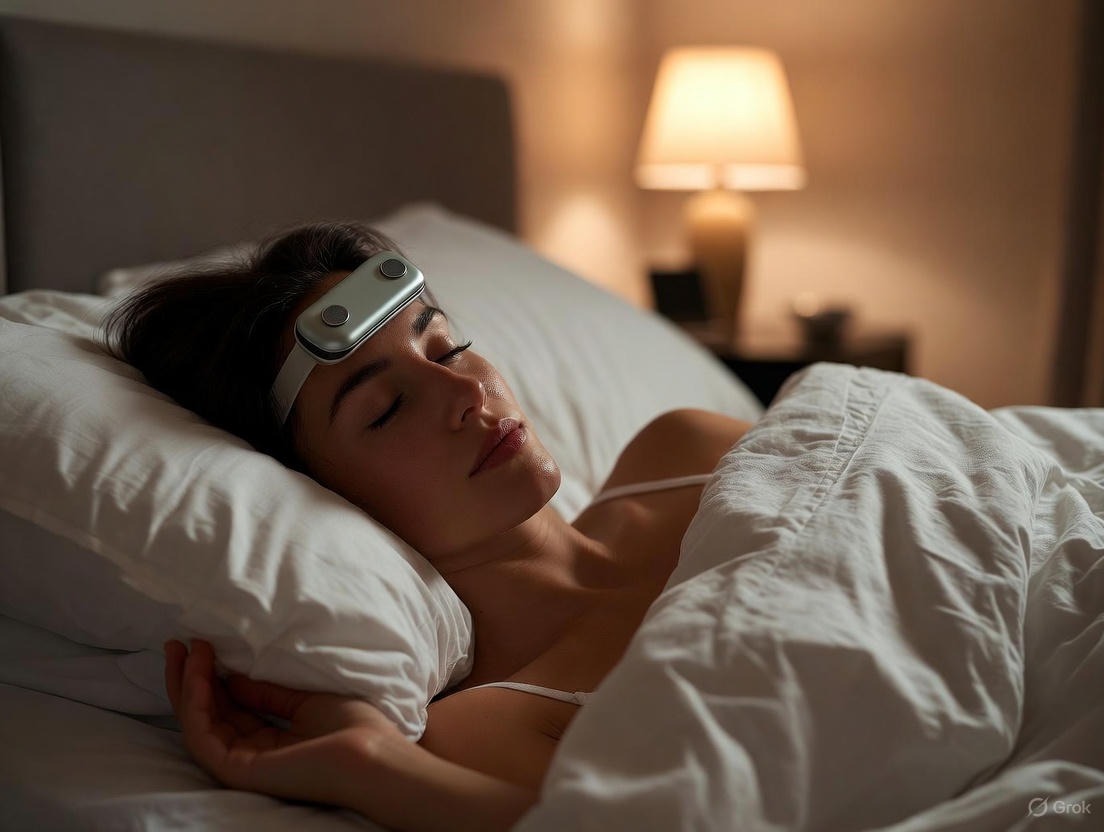
Not all exercise is created equal in the eyes of your circadian rhythm. The type of activity you choose for the evening is as critical as its timing. Here’s a breakdown of workout modalities, ranked by their potential impact on sleep, and how to integrate them wisely.
1. High-Intensity Interval Training (HIIT) & Heavy Strength Training: The "Proceed with Care" Category.
2. Moderate-Intensity Steady-State Cardio (MISS): The "Sweet Spot" for Many.
3. Strength Training (Light to Moderate Load, Higher Reps): The "Maintenance & Tone" Option.
4. Mobility, Flexibility, and Yoga: The "Recovery Accelerator" Category.
5. Non-Exercise Activity Thermogenesis (NEAT) & Gentle Movement: The "Essential Foundation."
Your mission is to match the menu item to the day’s data. A rigid weekly plan ("I must do HIIT every Tuesday night") will fail. A flexible, data-informed approach ("My readiness is high tonight, so HIIT is a go. My readiness is low, so I’ll do a yoga flow") ensures you are always working with your body.
The period after your evening workout is arguably more important for sleep than the workout itself. This is your active recovery and wind-down phase—the bridge you build to carry you from stimulation to slumber. A haphazard cooldown (collapsing on the couch to scroll through social media) can negate the benefits of a perfectly timed session. A deliberate ritual, however, can amplify them.
Phase 1: The Immediate Cooldown (First 15 Minutes Post-Workout)
Phase 2: The Nutritional Bridge (Minutes 15-45 Post-Workout)
Phase 3: The Nervous System Shift (The Final 45 Minutes Pre-Bed)
Throughout this ritual, your smart ring is passively observing. A successful wind-down will be reflected in a smooth, downward trend in your heart rate throughout the evening and a quick drop upon lying down in bed. This ritual is the software update that tells your biology, "The stress is over. It is now time to restore."
Even with the best intentions, you may misjudge. Your smart ring provides the objective truth. Learn to recognize these warning signs that your current evening routine needs an immediate pivot.
1. Consistently Elevated Sleep Resting Heart Rate. If your nighttime RHR (the lowest dip) is trending upward over weeks, it’s a sign of chronic strain. Your body isn’t fully recovering overnight. This is a primary indicator to reduce evening exercise intensity, frequency, or push your end time earlier.
2. Increased Sleep Onset Latency. You’re lying in bed awake for 30, 45, 60+ minutes on nights you exercise versus falling asleep quickly on rest nights. This is a direct signal that your workout’s stimulatory effects are outlasting your cooldown window. Increase your buffer by 30-60 minutes or switch to a lower-intensity modality.
3. Suppressed or Plummeting HRV Trend. A single-day HRV dip is normal after hard training. But if your HRV is on a steady downward slope over several days or weeks, you are in a state of accumulating fatigue. Continuing intense evening workouts will dig a deeper hole. This calls for a "deload" period—several days to a week of only very gentle movement, prioritizing sleep and nutrition.
4. Decreased Deep or REM Sleep. While deep sleep may initially increase, a consistent reduction in either deep or REM sleep is serious. Deep sleep is for physical repair; REM is for cognitive and emotional processing. Losing either suggests your body is so stressed from the workout/recovery imbalance that it cannot allocate resources to these vital phases. This requires a fundamental reassessment of your training load and timing.
5. Frequent Nighttime Awakenings. Waking up at 2 AM or 3 AM regularly, especially with a racing mind or elevated heart rate, can be linked to a cortisol spike or blood sugar dysregulation triggered by late, intense exercise. Move your workout earlier, ensure you have a post-workout snack, and consider incorporating stress relief techniques for nighttime into your ritual.
When you see these red flags, don’t panic. View them as valuable feedback, not failure. Your body is communicating its limits. The intelligent athlete listens and adapts. This is the true superpower of data: it prevents you from stubbornly pursuing a plan that is no longer serving you.

Your ability to exercise effectively and recover from an evening session isn’t determined at 7 PM—it’s determined by the cumulative choices of the preceding 24 hours. Think of your daily lifestyle as the soil in which your evening workout will either thrive or struggle.
Stress Management is Non-Negotiable. A day filled with psychological stress—deadlines, difficult conversations, traffic—leaves your nervous system already burdened before you even step foot in the gym. Adding the physical stress of a workout to a system that’s already in sympathetic overdrive is a recipe for poor performance and terrible sleep recovery. Integrate micro-practices throughout your day to bleed off stress. This could be a 5-minute midday breathing break, a walk outside, or even moments of humming or chanting for vagal nerve stimulation. A calmer baseline nervous system means a more effective workout and a faster return to homeostasis afterward.
Nutritional Timing and Quality. What and when you eat during the day fuels—or drains—your evening capacity.
Daytime Light Exposure. Your circadian rhythm is set by light. Getting bright, natural light exposure in the morning (within an hour of waking) strengthens your daily rhythm, making the evening wind-down more pronounced. Conversely, poor light hygiene can make your body confused about when it’s truly time for sleep, making it harder to recover from evening exercise.
The Previous Night’s Sleep. This is the most obvious yet critical factor. Poor sleep creates a debt. Your HRV and RHR will reflect this, and your readiness score will be low. Expecting to have a great, sleep-friendly evening workout after a night of poor sleep is unrealistic. On these days, heed your data and dramatically scale back your expectations. This holistic view—seeing your workout not as an isolated event but as part of a continuous loop of stress and recovery—is key to sustainable progress. For a deeper dive into managing this daily balance, consider exploring resources on building a personal stress relief toolkit.
Let’s move from theory to application. Here are three fictional but data-realistic scenarios showing how different individuals use their ring data to solve evening exercise puzzles.
Case Study 1: Maya, The Stressed Executive (Morning Lark Chronotype)
Case Study 2: Leo, The Creative Freelancer (Evening Owl Chronotype)
Case Study 3: Sam, The New Parent (Chronotype in Chaos)
These cases illustrate that the optimal path is never copied; it is discovered through attentive dialogue with your own biometrics.
Now it’s your turn. This is not a rigid prescription, but a framework for self-discovery. Commit to this 4-week observational phase to build your personal blueprint.
Week 1: Establish Your Baseline (No Changes)
Week 2: Experiment with Type & Early Timing
Week 3: Experiment with Type & Later Timing
Week 4: Introduce Intensity (Cautiously)
After 4 Weeks: Analyze and Synthesize
The answers to these questions, written in the language of your own data, are your personalized Evening Exercise Blueprint. This blueprint will evolve with your fitness, stress levels, and age, but you now have the method to continuously update it. This process of guided self-experimentation is the cornerstone of modern, intelligent wellness—moving you from following rules to understanding principles that apply uniquely to you. As you build this self-knowledge, you'll be building a stronger foundation not just for fitness, but for overall emotional balance in a world of constant stimulation.
The conversation around evening exercise has long been dominated by physiology—hormones, temperature, heart rate. Yet, the psychological dimension is equally powerful, and it's here that your smart ring data reveals a fascinating two-way street. Your mental state directly influences your physiological readiness for a workout, and conversely, the workout you choose profoundly impacts your mental state before sleep. Understanding this loop is the key to making evening exercise not just physically compatible with rest, but psychologically transformative.
The Pre-Workout Mental Audit: Are You Exercising For Recovery or From Stress?
Before you even glance at your ring's readiness score, perform a quick mental check-in. Your motivation for exercising in the evening falls into one of two categories, with vastly different implications:
Your smart ring can detect the physiological signature of a "purge" workout: a higher-than-expected heart rate during the activity given the effort, and a prolonged, elevated heart rate after the workout, indicating your nervous system is struggling to downshift. When you approach exercise as nourishment, even a hard session typically shows a cleaner, quicker return to physiological baseline.
Cultivating the nourishment mindset can be supported by practices that build emotional balance through daily micro-practices. A simple 2-minute breathing exercise before you change into your workout gear can shift your intention from "I have to" to "I get to."
The Post-Workout Psychological Payoff: From Striving to Arriving
The true psychological magic of well-timed evening exercise is the post-exercise glow—a state of relaxed, quiet euphoria characterized by reduced anxiety, mental clarity, and a sense of accomplishment. This is driven by a cocktail of neurochemicals: endorphins (natural pain and stress relievers), endocannabinoids (associated with calm and well-being), and a healthy decrease in cortisol as the body successfully meets a challenge.
Your smart ring quantifies this glow through Heart Rate Variability (HRV) recovery and sleep architecture. A successful psychological transition manifests as a rising HRV in the hours post-workout (showing nervous system resilience) and increased deep sleep (showing effective physical and psychological repair). When you see this data pattern, you have concrete proof that your evening ritual is working on both a body and mind level.
If your data shows poor HRV recovery and fragmented sleep, it’s a sign the workout was psychologically taxing, not just physically demanding. Perhaps you spent the entire session ruminating on work problems, or you forced yourself through a workout you hated. In these cases, the activity may have moved your body but did not settle your mind. Alternatives like a mindful walk in nature, which combines movement with the powerful stress relief of nature immersion, might offer a better psychological ROI for your evening.
Ultimately, the goal is to use evening movement to close the cognitive loops of the day, not to open new ones. A well-chosen workout should leave you feeling mentally lighter, not mentally drained. This psychological closure is perhaps the most underrated sleep aid of all, preparing the mind for rest as effectively as dropping body temperature prepares the body.
Different forms of exercise don't just feel different; they create distinct physiological signatures that your smart ring captures with precision. By understanding the expected impact of various modalities on your key metrics, you can better predict and interpret your nightly data.
Resistance Training (Weight Lifting)
Steady-State Cardio (Running, Cycling, Swimming)
Yoga, Pilates, and Mobility Work
High-Intensity Interval Training (HIIT)
By studying these patterns, you move from seeing "my HRV is low" to understanding why it's low based on your activity, and whether that low is a productive, expected part of adaptation or a warning sign of overreach.
Food is fuel and information. Your nutritional choices surrounding an evening workout directly influence its quality, your recovery speed, and the sanctity of your sleep. Your smart ring’s temperature and heart rate data are sensitive to digestive and metabolic processes, making nutrition a key lever in your optimization strategy.
The Pre-Workout Fuel (60-90 Minutes Prior): The "Accessible Energy" Rule
The goal here is to provide enough energy to perform well without causing gastrointestinal distress or a blood sugar rollercoaster.
The Post-Workout Recovery Window (Within 45 Minutes): The "Repair & Replenish" Rule
This is non-negotiable for evening exercisers. Skipping this window can lead to poor muscle repair, prolonged elevated cortisol, and even nighttime hypoglycemia (low blood sugar), which can wake you up.
The Evening Hydration Strategy: Sip, Don’t Flood
Foods that Actively Support Sleep:
Incorporate these into your dinner or post-workout snack:
Avoid, especially close to bed:
This nutritional strategy creates a stable internal environment, allowing your body to focus on the workout, then seamlessly transition into repair and sleep. It turns nutrition into a form of mindful eating for nervous system support, where every bite is a conscious choice for recovery.
Your evening exercise performance and subsequent recovery don't exist in a vacuum. They are deeply intertwined with substances you consume throughout the day, most notably caffeine and alcohol. Your smart ring’s sleep and recovery data are exceptionally honest about their effects.
Caffeine: The Long Shadow of the Morning Cup
Caffeine has a half-life of 5-6 hours. This means if you have a standard coffee (95mg caffeine) at 3 PM, about 47mg is still active in your system at 9 PM. For individuals who are slow metabolizers (a genetic trait), this effect is even more pronounced.
Alcohol: The Recovery Saboteur
Alcohol is often mistakenly viewed as a sleep aid. While it can induce drowsiness, it is, from a sleep architecture perspective, a sedative—not a facilitator of natural sleep.
Other Substances & Supplements:
The overarching principle is substance sobriety in the evening window. Give your body a clean, predictable internal environment to perform, recover, and sleep. Your smart ring removes the subjectivity, showing you the exact physiological cost of that evening glass of wine or late-afternoon espresso, allowing you to make informed trade-offs.

You’ve followed the principles: you worked out at a reasonable time, chose an appropriate intensity, ate well, and wound down. Yet, your ring data the next morning tells a story of poor recovery. Don’t despair. This is where the real detective work begins. Here are common culprits and how to use your data to solve them.
Problem 1: "My sleep latency is great, but my deep sleep is still low after evening workouts."
Problem 2: "I wake up at 3 AM like clockwork after I exercise in the evening."
Problem 3: "My readiness score is always low the morning after my regular evening workout, even though I sleep 8 hours."
Problem 4: "My data is all over the place. I can't find a consistent pattern."
Remember, the data is not judging you; it’s describing a complex system. When expectations and data diverge, it means your model of your body is incomplete. The discrepancy is an invitation to learn something new about yourself.
For those ready to move beyond basic principles, the gold lies in the nuanced, real-time trends of your core body temperature and Heart Rate Variability. These two metrics, when observed dynamically, can guide you to pinpoint the optimal start time for your evening session on any given day.
The Core Body Temperature (CBT) "Launch Window"
Your CBT begins its rise from its morning nadir in the late afternoon, typically peaking around 5-7 PM for most chronotypes. This peak coincides with your natural peak in reaction time, muscle strength, and cardiovascular efficiency—making it, biologically, the best time for high-performance workouts.
The Heart Rate Variability (HRV) "Green Light" Signal
Daily HRV is a readiness metric. But observing intra-day HRV can be even more powerful. Some advanced wearables and apps can provide spot-check HRV readings.
Combining the Signals: The Decision Matrix
Imagine it’s 5:30 PM. You have a strength workout planned for 6:30 PM.
This decision, informed by layered data, prevents you from adding a major stress load on an already fatigued system. It turns a potentially recovery-wrecking workout into a productive, sustainable one. You are no longer just following a schedule; you are conducting a symphony of biological signals.
Your smart ring is the dashboard, but you are the driver. The data it provides can be amplified by intentional practices that directly support the physiological states you're trying to achieve: lowered arousal, parasympathetic activation, and thermal regulation.
Thermoregulation Practices:
Nervous System Down-Regulation Practices:
Mental & Emotional Decoupling Practices:
The Power of Routine:
Consistency itself is therapeutic. Performing the same wind-down sequence most nights (e.g., workout, cool shower, 10 minutes of reading, lights out) creates powerful conditioned cues. Your body learns that "X activity leads to sleep," making the transition faster and more efficient. This is the essence of building stress relief through routine and predictability.
By combining these complementary practices with the intelligence from your ring, you create a holistic recovery ecosystem. You’re not just waiting for your body to calm down; you are actively, skillfully guiding it there.
Your optimal evening exercise blueprint is not a static document. It is a living plan that must evolve with your changing fitness, lifestyle, stress levels, and even age. The beauty of continuous biometric tracking is that it allows you to navigate these changes intelligently, not blindly.
The Fitness Adaptation Cycle:
As you get fitter, your body becomes more efficient at handling stress and recovering from it. You will likely observe:
Life Stress and Seasonal Changes:
Your capacity for evening exercise is not just about fitness; it's about total load.
Aging Gracefully with Data:
As we age, circadian rhythms can advance (become earlier), and recovery processes can slow. The 40-year-old who could crush a 8 PM workout at age 30 might find it disrupts sleep at 40.
The Concept of "Maintenance" vs. "Progression" Evenings:
A sustainable long-term strategy involves categorizing your evening workouts:
This phased approach prevents the common burnout cycle and ensures that evening exercise remains a lifelong ally for health, not a source of chronic fatigue. It’s the embodiment of training smart, not just hard—a philosophy made possible by the constant feedback loop between your actions and your ring’s data.
We have journeyed from the foundational myths of evening exercise to the sophisticated, data-driven personalization of your routine. You now understand that the question isn't if you can exercise in the evening, but how to do it in a way that respects your unique physiology, psychology, and lifestyle.
The core pillars of this approach are:
This knowledge liberates you from rigid, external rules and empowers you with self-awareness. Your smart ring is the compass for this journey, providing the objective feedback needed to navigate the subjective experience of your own body.
The ultimate goal is to create a sustainable, enjoyable practice where evening movement feels like a gift to your future self—a way to shed the day's stress, celebrate your physical capability, and invest in a night of profound restoration. It turns the often-neglected evening hours into a powerful lever for holistic health, proving that with the right knowledge and tools, you can work with your nature to achieve better sleep, better recovery, and better performance.
In the next portion of this guide, we will dive even deeper into specialized scenarios, exploring how to adjust this framework for shift workers, parents of newborns, competitive athletes, and those managing specific health conditions. We'll also explore how to integrate evening exercise with long-term fitness periodization and how to use your ring's long-term trends to prevent overtraining and plateaus. The journey to mastering your personal rhythm continues.
Your Trusted Sleep Advocate: Sleep Foundation — https://www.sleepfoundation.org
Discover a digital archive of scholarly articles: NIH — https://www.ncbi.nlm.nih.gov/
39 million citations for biomedical literature :PubMed — https://pubmed.ncbi.nlm.nih.gov/
Experts at Harvard Health Publishing covering a variety of health topics — https://www.health.harvard.edu/blog/
Every life deserves world class care :Cleveland Clinic - https://my.clevelandclinic.org/health
Wearable technology and the future of predictive health monitoring :MIT Technology Review — https://www.technologyreview.com/
Dedicated to the well-being of all people and guided by science :World Health Organization — https://www.who.int/news-room/
Psychological science and knowledge to benefit society and improve lives. :APA — https://www.apa.org/monitor/
Cutting-edge insights on human longevity and peak performance:
Lifespan Research — https://www.lifespan.io/
Global authority on exercise physiology, sports performance, and human recovery:
American College of Sports Medicine — https://www.acsm.org/
Neuroscience-driven guidance for better focus, sleep, and mental clarity:
Stanford Human Performance Lab — https://humanperformance.stanford.edu/
Evidence-based psychology and mind–body wellness resources:
Mayo Clinic — https://www.mayoclinic.org/healthy-lifestyle/
Data-backed research on emotional wellbeing, stress biology, and resilience:
American Institute of Stress — https://www.stress.org/


