
The Complete Beginner-Friendly Guide to Making Sense of Recovery Time Numbers

You’ve charged your sleek new wellness device, synced it with the app, and are now staring at a beautifully designed dashboard. Among the sea of numbers—sleep score, resting heart rate, heart rate variability—one metric stands out, bold and perhaps a little intimidating: Recovery Time. It might say “72h” or “Optimal” or show a red bar that suggests you should probably stay in bed.

What does it actually mean? If you’re supposed to be recovered in 72 hours, does that mean no workouts until then? Is a “Poor” score a badge of honor from a hard session or a warning sign of impending burnout? In our relentless, always-on culture, the very concept of “recovery” can feel foreign, even lazy. Yet, here’s your expensive piece of technology telling you it’s critical.

This guide is for anyone who has ever felt confused, skeptical, or overwhelmed by that single number. We’re going to demystify it completely. Think of this not as a manual for your device, but as an owner’s manual for your own body’s restoration system. We’ll move from the absolute basics—what is physiological recovery, really?—to the advanced science of how these devices calculate your status, and finally, to the practical art of applying this knowledge to live a more energized, balanced, and healthier life.

By the end of this guide, that “Recovery Time” number will transform from a cryptic verdict into a powerful, conversational tool. It will become your daily readout on your body’s readiness to perform, adapt, and thrive. Let’s begin by understanding the profound shift in thinking that wearable technology demands: from just tracking effort to honoring recovery.

What is “Recovery,” Really? Moving Beyond Sore Muscles

When we hear “recovery,” our minds often jump to the day after a brutal workout—aching quads, stiff shoulders, the feeling of needing an elevator for a single flight of stairs. While muscle repair is a part of it, this is a dangerously narrow view. In the context of your smart ring or watch, recovery refers to your body’s systemic, whole-being process of restoring homeostasis—its stable, balanced internal state.

Imagine your body as a sophisticated bank. Every stressor—physical, mental, emotional, environmental—makes a withdrawal. That 5 a.m. spin class? A withdrawal. The tense work meeting? A withdrawal. A poor night’s sleep? A big withdrawal. Even fighting off a mild virus is a massive withdrawal. Recovery is the process of making deposits. It’s when your body repairs tissues, rebalances hormones, strengthens the immune system, consolidates memories, and calms the nervous system.

This process is governed primarily by your autonomic nervous system (ANS), which has two key branches:

  • The Sympathetic Nervous System (SNS): Your "gas pedal." Fight-or-flight. It elevates heart rate, blood pressure, and cortisol to help you tackle stressors.
  • The Parasympathetic Nervous System (PNS): Your "brake pedal." Rest-and-digest. It lowers heart rate, promotes digestion, and facilitates repair and regeneration.

True recovery occurs when the PNS is dominant. The problem is, modern life is a series of small, chronic SNS activations—pinging notifications, caffeine, endless to-do lists—that prevent us from hitting the brakes. We live in a state of low-grade sympathetic arousal, which severely limits our depth of recovery.

This is where the magic of a wellness wearable comes in. It doesn’t just count your steps; it attempts to eavesdrop on this nervous system conversation. By measuring signals like your heart rate variability (HRV)—the tiny variations in time between each heartbeat—it can infer which branch of your ANS is in the driver’s seat. A higher, more variable HRV often suggests strong parasympathetic activity and good recovery capacity. A lower, less variable HRV suggests sympathetic dominance and a body under stress.

Therefore, your Recovery Time metric is not a countdown to when your muscles are no longer sore. It is an estimate of how long your entire system needs to fully restore its capacity to handle stress effectively. It’s about rebuilding your physiological bank balance so you can perform, think, and feel your best. For a deeper dive into the core metrics that devices like these track, our guide to the foundational metrics of wearable wellness explores HRV, resting heart rate, and more in detail.

Understanding this holistic definition is the first step. Next, we need to see how this concept is distilled into a single, actionable number on your screen.

The Dashboard Decoder: Understanding Your Recovery Score & Readiness Metrics

Now that we know recovery is systemic, let’s translate that to the app on your phone. Different brands use different names—Recovery Score, Readiness Score, Body Battery, Stress Balance—but they all aim to answer one fundamental question: How prepared is my body for today’s demands?

While the exact algorithms are proprietary black boxes, they universally synthesize data from multiple sensors to create a composite picture. Here’s a breakdown of the common components you’ll see, and what they’re trying to tell you.

The Main Metric: Your Daily Score
This is usually presented as a number out of 100, a percentage, a color (Green/Yellow/Red), or a descriptive term (Optimal, Straining, Recovery). Don’t fixate on the absolute number; instead, focus on the trend and the context.

  • Green / High Score (e.g., 70-100 / "Optimal"): Your body has had sufficient restorative time. Your nervous system is balanced, resources are replenished. This is a green light for challenging workouts, important projects, or social engagements. It’s a sign you’re well-deposited in your physiological bank.
  • Yellow / Moderate Score (e.g., 30-70 / "Balanced" or "Straining"): Proceed with caution. Your body is managing stress but is not fully replenished. It might be okay for a moderate activity or a focused workday, but it’s not the day to attempt a personal record. Consider this a yellow light.
  • Red / Low Score (e.g., 0-30 / "Poor" or "Recovery Needed"): Your body is signaling significant stress and a depleted state. The recommendation is clear: prioritize rest. This doesn’t necessarily mean total bed rest, but it means gentle movement, stress management, and sleep are non-negotiable. This is a red light urging you to make deposits.

The Supporting Cast: Underlying Metrics
Your main score is built from key physiological indicators. Understanding these will help you trust the score and know where to focus your efforts.

  • Sleep Quality & Duration: This is the single largest deposit you make. The algorithm considers not just how long you slept, but how well you slept—time in deep and REM sleep, restlessness, and consistency. A long night of light, fragmented sleep may not boost your score as much as a shorter, solid block of deep sleep.
  • Resting Heart Rate (RHR): This is your heart rate at complete rest, typically taken during your deepest sleep. A lower RHR generally indicates better cardiovascular fitness and efficient recovery. A sustained elevation of 5-10+ bpm above your personal baseline is a classic sign your body is fighting something—overtraining, illness, or dehydration.
  • Heart Rate Variability (HRV): The star of the recovery show. A higher HRV (relative to your personal baseline) suggests a resilient, adaptable nervous system primed for recovery. A lower-than-usual HRV is a direct signal of physiological stress—your body’s “brake pedal” isn’t fully engaged. Learning to interpret this is crucial, which is why we have a dedicated guide to understanding HRV and heart health.
  • Respiratory Rate: The number of breaths you take per minute at rest. It’s a stable metric, but noticeable increases can be an early, subtle sign of physical strain, illness, or disrupted sleep.
  • Skin Temperature & Electrodermal Activity: Some advanced devices track these. A higher nighttime skin temperature can indicate inflammation or the body fighting an infection. Electrodermal activity can correlate with stress responses.

The real power isn’t in any one morning’s score, but in learning to see the story they tell over time. This leads us to the most important principle of all: your personal baseline.
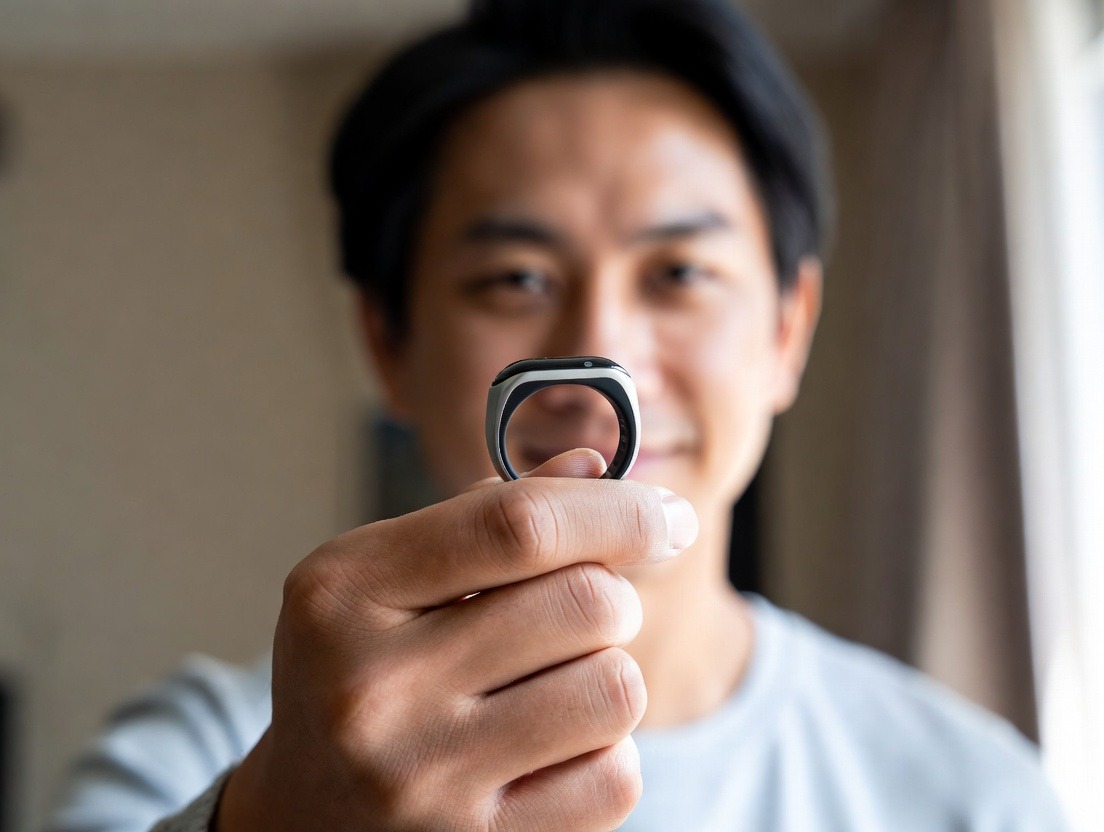
Your Most Important Number: Establishing Your Personal Baseline

This is the golden rule of interpreting recovery data, and ignoring it is the #1 mistake beginners make: Your data is only meaningful when compared to YOU.

There is no universal “good” HRV of 60 ms or a “good” resting heart rate of 55 bpm. A world-class athlete might have a baseline HRV of 120 ms, while a perfectly healthy, fit individual might have a baseline of 35 ms. Comparing your numbers to a friend’s or an internet average is pointless and often discouraging.

Your baseline is your body’s normal, healthy operating range when you are well-rested, unstressed, and in your regular routine. Here’s how to think about it and establish it:

  1. It Takes Time: Your device needs data—typically at least 2-4 weeks of consistent wear (especially during sleep)—to learn your unique rhythms. During this initial period, ignore the daily scores. Just wear it and let it collect data. Focus on consistency.
  2. Look for Averages, Not Perfect Scores: Your baseline isn’t your best day; it’s your typical good day. After a few weeks, check the app’s long-term trends or averages for RHR and HRV. That 30-day average is a solid starting point for your baseline.
  3. Context is King: Your baseline isn’t static. It shifts with age, fitness, lifestyle changes, and even the seasons. A woman’s baseline will fluctuate naturally with her menstrual cycle. The key is to understand your normal range of fluctuation.
  4. The Power of the Trend: Once you know your baseline, you can spot deviations. This is where the magic happens.
    • Is your HRV consistently 15% lower this week than your baseline? That’s a objective signal of accumulated stress, even if you “feel fine.”
    • Is your RHR creeping up for three days straight? Your body might be fighting something off.
    • Does your score stay “in the green” when you get 8 hours of sleep but dip to yellow with 6.5? You’ve just quantified your personal sleep need.

By focusing on your personal baseline, you move from asking “Is this number good?” to asking the far more powerful question: “Why is this number different for me today?” This turns data into self-knowledge. For strategies on how to use your device to build this self-knowledge into lasting habits, our article on building healthy habits with technology offers a practical framework.

The Science of the Estimate: How Devices Calculate “Time to Recover”

So how does a device on your finger or wrist take this complex web of data and spit out a specific number like “48h” for recovery time? It’s a fascinating blend of physiology, data science, and behavioral modeling. Let’s pull back the curtain on the general principles.

At its core, the calculation is a stress-recovery model. The device is continuously estimating two things:

  1. The Strain/Stress Load: How much physiological “cost” have you incurred?
  2. The Recovery Capacity: How quickly can you pay off that cost based on your current state?

Step 1: Quantifying the Stress Load
This isn’t just about exercise. The algorithm considers:

  • Exercise Strain: Using heart rate data, it calculates training load (like EPOC – Excess Post-Exercise Oxygen Consumption). A long, hard workout creates a large “oxygen debt” that requires time to repay.
  • Sleep Debt: Missed or poor-quality sleep adds directly to the stress load. The algorithm models how much recovery is “missed” when you shortchange sleep.
  • Physiological Stress: Elevated resting heart rate, low HRV, and elevated respiratory rate all signal a body under internal stress (from illness, digestion, anxiety), which adds to the load.

Step 2: Assessing Recovery Resources
Simultaneously, it assesses your body’s current ability to handle that load:

  • Current Recovery State: Your morning HRV and RHR are direct inputs. A low HRV means your recovery systems are already compromised, so paying off new stress will take longer.
  • Recovery Rate History: The algorithm learns your personal recovery speed. If you consistently bounce back from a 60-minute run in 24 hours, it will forecast that. If you take 36 hours, it will use that longer timeline.

Step 3: Running the Model & Making the Forecast
The device combines these inputs into a mathematical model. Think of it like a physics simulation:

Current Recovery Deficit + Today’s Projected Stress – Projected Recovery Gains = Estimated Time to Full Recovery

If you wake up with a poor score (high deficit) and have a hard workout scheduled (high projected stress), and your recovery rate is average, the model might forecast 72+ hours. If you wake up optimal and plan a rest day with good sleep, it might forecast full recovery by tomorrow morning.

Important Caveats to Remember:

  • It’s an Estimate, Not a Prophecy: The number is a forecast based on typical patterns. If you have an incredibly relaxing, stress-free day, you might recover faster. If you get into a huge argument at work, you might recover slower.
  • It Assumes “Normal” Behavior: The model typically assumes you will get your average sleep, eat normally, and not encounter major unexpected stressors.
  • It’s Not Muscle-Specific: A “48h” recovery time doesn’t mean your specific muscles are repaired. It means your systemic stress load is estimated to return to baseline in that timeframe.

Understanding this model empowers you to use the number as a planning guide, not an immutable decree. It sets the stage for the most critical application of this data: listening to your body’s signals.

Listening to Your Body: Correlating Data with How You Actually Feel

The most profound step in your wellness journey is learning to create a dialogue between the objective data on your screen and the subjective wisdom of your own body. The goal is integration, not outsourcing. Your device is a brilliant translator, but you are the author of the story.

Begin a simple daily practice: The Morning Check-In.

  1. Feel First: Before you even look at your phone, take 30 seconds upon waking. Ask yourself: How do I feel? Rate your energy, mood, and muscle soreness on a scale of 1-10. Do you feel refreshed or foggy?
  2. Then, Check the Data: Now, open your app. Look at your recovery score and the contributing metrics.
  3. Seek the Correlation (or Lack Thereof): This is where insights are born.
    • Data Confirms Feeling: You feel drained, and your score is red with low HRV. This validates your feeling with a physiological reason. The action is clear: prioritize rest.
    • Data Contradicts Feeling: You feel “great!” and ready to conquer the world, but your score is yellow or red. This is a critical moment. Your conscious mind is energized (maybe from caffeine or adrenaline), but your autonomic nervous system is saying it’s under the weather. This often happens at the onset of illness or during periods of chronic overreaching. Trust the data. It’s often an early warning system.
    • Data is Neutral, Feeling is Low: You feel sluggish, but your score is green. Consider non-physiological factors: Are you mentally bored? Dehydrated? Is it a grey, gloomy day? This helps you differentiate between bodily fatigue and other states.
    • The “Supercompensation” Signal: Sometimes, after a very hard training block and a dedicated recovery day, you’ll feel amazing and see a super-high HRV/green score. This is the magical state of supercompensation, where your body has not just recovered but has adapted to be stronger. This is the perfect day for a peak performance.

Building Your Personal Dictionary:
Over time, you’ll start to learn what specific data patterns mean for you.

  • “When my HRV drops below X and my RHR is up by Y for two days, I usually come down with a cold 24 hours later.”
  • “A big pasta dinner makes my nighttime HRV tank, even if my sleep is long.”
  • “My recovery score is always highest two days after my hardest workout, not the day after.”

This personal dictionary turns abstract numbers into a powerful self-care language. It helps you move from reactive health care to truly proactive, preventive wellness. For more on how this data can empower conversations with health professionals, see how wearable wellness empowers patient-doctor conversations.

The Recovery Killers: What Drives Your Score Down (Beyond Exercise)

To effectively manage your recovery, you must recognize all the “withdrawals” from your physiological bank account. Exercise is the most obvious, but it’s often the non-exercise stressors that keep us perpetually in the yellow. Here are the major recovery killers your device is detecting.

1. Poor Sleep (The #1 Offender)
This isn’t just about short duration. Your device penalizes:

  • High Latency: Taking a long time to fall asleep.
  • Fragmentation: Waking up multiple times, even briefly.
  • Low Deep & REM Sleep: The most restorative stages.
  • Inconsistent Bedtimes: Shifting your sleep window confuses your circadian rhythm, reducing sleep quality even if duration is the same. Our focused guide to sleep optimization with wearables delves into strategies to fix this.

2. Psychological & Emotional Stress
Your body can’t distinguish between a work deadline and a physical threat. Chronic worry, anxiety, and emotional turmoil keep your sympathetic nervous system activated, suppressing HRV and elevating RHR. A stressful day at the office can look physiologically similar to a light workout.

3. Nutritional Stressors

  • Overeating, Especially Late at Night: Digestion is a parasympathetic process, but overloading your system requires significant energy, raising heart rate and lowering HRV.
  • Heavy Alcohol Consumption: Alcohol dramatically suppresses REM sleep, increases nighttime heart rate, dehydrates you, and is processed as a toxin. Expect a poor recovery score after even a few drinks.
  • Dehydration: Under-hydration increases heart rate as your blood volume drops, making your heart work harder.

4. Environmental Stressors

  • Extreme Heat or Cold: Your body expends energy to thermoregulate.
  • High Altitude: Lower oxygen availability is a significant physiological stressor.
  • Allergens & Air Quality: Your immune system working overtime to deal with allergens creates internal inflammation.

5. Illness & Infection
This is the most definitive recovery killer. Your body’s resources are wholly diverted to the immune battle. Even a subclinical, “silent” infection (like a mild cold you don’t yet feel) will show up as a sustained low HRV and high RHR days before symptoms appear.

6. Travel & Circadian Disruption
Jet lag isn’t just feeling tired. It’s a profound mismatch between your internal clock and your environment, disrupting cortisol rhythms, digestion, and sleep architecture. Long work trips with time zone changes are massive recovery drains.

The takeaway? You can’t out-recover a chaotic lifestyle. If you’re burning the candle at both ends with work and socializing, drinking alcohol, and sleeping poorly, even the most perfect deload week from exercise won’t get you to a green score. Managing recovery means managing your entire life ecosystem. For a framework on managing stress specifically, explore the principles for reducing stress with wearable data.

The Recovery Boosters: Proven Ways to Drive Your Score Up

Now for the good news: you have immense power to influence your recovery positively. These are the high-value “deposits” that will move the needle on your score and, more importantly, on how you feel.

1. Prioritize Sleep Hygiene (The Highest-ROI Activity)

  • Consistency is Key: Go to bed and wake up at the same time every day, even on weekends. This reinforces your circadian rhythm.
  • Create a Wind-Down Ritual: 60-90 minutes of screen-free, low-stimulation activity before bed. Read a book, listen to calm music, practice light stretching.
  • Optimize Your Environment: Cold, dark, and quiet. Use blackout curtains, a white noise machine, and keep the room temperature around 65°F (18°C).

2. Strategic Nutrition & Hydration

  • Fuel for Recovery: Consume a mix of protein and carbohydrates within 1-2 hours after a hard workout to replenish glycogen and aid muscle repair.
  • Time Your Meals: Finish eating 2-3 hours before bed to allow digestion to complete before sleep.
  • Hydrate Consistently: Sip water throughout the day. Don’t wait until you’re thirsty. Monitor your urine color as a simple guide.
  • Limit Alcohol: See its direct impact on your data, and use that as motivation to moderate consumption or have more alcohol-free days.

3. Active Recovery & Movement

  • Non-Exercise Activity Thermogenesis (NEAT): Gentle, all-day movement like walking, stretching, or gardening promotes circulation and aids recovery without adding strain.
  • Structured Active Recovery: A 20-30 minute very easy bike ride, swim, or walk can enhance blood flow, clear metabolic byproducts, and often improve next-day scores compared to total inactivity.

4. Stress Management & Nervous System Tuning

  • Diaphragmatic Breathing: 5-10 minutes of deep, slow belly breathing actively stimulates the parasympathetic nervous system, lowering heart rate and increasing HRV. Do this when stressed or as a daily practice.
  • Meditation & Mindfulness: Even short sessions reduce cortisol and improve emotional regulation, which directly impacts physiological stress.
  • Nature Exposure: “Forest bathing” or simply spending time in green spaces has been shown to lower cortisol and heart rate.

5. Thermal Therapy

  • Contrast Therapy: Alternating between hot (sauna) and cold (cold plunge) exposure. This improves circulation, reduces inflammation, and can boost HRV over time.
  • Warm Baths Before Bed: Raising core temperature slightly before bed can help it drop more significantly as you fall asleep, promoting deeper sleep.

6. Social Connection & Joy
Don’t underestimate this. Positive social interactions, laughter, and engaging in hobbies you love lower stress hormones and promote a sense of well-being, which filters down to your physiology.

Track Your Experiments: The best way to learn is to be your own scientist. Try one booster at a time—e.g., “This week, I’ll do 10 minutes of breathing before bed”—and observe the effect on your morning score. This builds an evidence-based lifestyle tailored to you. For a comprehensive look at intentional rest days, our guide to recovery and rest day strategies offers a structured approach.

From Numbers to Action: How to Use Your Recovery Score to Plan Your Day

Data is useless without action. This is where your recovery score transitions from a curious insight to a practical decision-making tool. Let’s build a framework for using that morning number to intentionally structure your day.

The Morning Decision Matrix:

If Your Score is GREEN / OPTIMAL (70-100):

  • Mindset: “My body is primed. Today is a day for quality output and challenge.”
  • Action Plan:
    • Training: Schedule your most demanding workout here. Aim for high intensity, heavy weights, or technical skill work. This is when you’ll get the best adaptation with the lowest risk of injury.
    • Work/Life: Tackle your most important, cognitively demanding tasks. Schedule critical meetings, creative work, or complex problem-solving.
    • Social: A great day for stimulating social or networking events.
    • Caution: Don’t waste this high-recovery state with a lazy day. Use the energy you have.

If Your Score is YELLOW / MODERATE (30-70):

  • Mindset: “My body is managing. Today is a day for maintenance and mindful energy expenditure.”
  • Action Plan:
    • Training: Perfect for moderate, steady-state work (Zone 2 cardio), skill practice, technique drills, or a lighter version of your planned workout. Listen closely to your body during the session.
    • Work/Life: Focus on execution over creation. Handle administrative tasks, meetings that are lower-stakes, or continue projects already in motion.
    • Recovery Focus: Be extra diligent about your recovery boosters—hydration, nutrition timing, and a strict bedtime. The goal is to guide your score back to green tomorrow.

If Your Score is RED / POOR (0-30):

  • Mindset: “My body is requesting resources. Today is a day for restoration and deposits.”
  • Action Plan:
    • Training: Rest or gentle movement only. Think a leisurely walk, restorative yoga, or gentle stretching. The goal is circulation, not exertion. Forcing a hard workout here risks injury, illness, and prolongs your recovery deficit.
    • Work/Life: If possible, lighten your cognitive load. Avoid high-stakes decisions. Practice saying “no” to non-essential demands. This is a day for autopilot tasks.
    • Non-Negotiables: Prioritize sleep, hydration, nutritious whole foods, and stress-reducing activities (breathing, time in nature). Your sole job today is to be a recovery specialist.

Advanced Tactic: The Predictive Pivot
Check your score the night before. If it’s trending low, you can proactively adjust tomorrow’s schedule: reschedule that intense workout to another day, block out time for a nap, or prepare an extra-nourishing meal. This transforms you from being reactive to being strategically proactive about your health.

This framework helps prevent the common pitfall of blindly following a pre-written workout plan regardless of how you feel. It’s a dynamic, responsive approach to fitness and life—often called autoregulation. For those looking to optimize their training with this data, our guide to workout optimization delves deeper into periodization and autoregulated training.

Common Pitfalls & Misinterpretations: What Beginners Get Wrong

As you start this journey, it’s easy to fall into certain traps. Being aware of them will save you from confusion and frustration.

1. Obsessing Over the Daily Number
Checking your score 10 times a day and fretting over every point fluctuation is counterproductive and itself a stressor. Check once in the morning, make your plan, and then live your life. The trend over weeks and months is infinitely more important than any single day.

2. Ignoring the Score When You “Feel Fine”
This is the “data contradicts feeling” scenario we discussed. Your conscious feeling can be deceptive, especially when fueled by caffeine, motivation, or habit. A consistently low score is your body’s objective plea for rest, even if your mind disagrees. Ignoring it is how people get chronically run down or overtrained.

3. Chasing a Perfect, Always-Green Score
This is neither possible nor desirable. The goal of training is to strategically stress the body (creating a controlled “red” or “yellow”) so it supercompensates back to a higher baseline (a stronger “green”). If you’re always green, you’re likely not challenging yourself enough to grow. The ideal pattern is a wave: stress (score dips), recover (score rises), adapt (score reaches a new normal).

4. Misunderstanding “Recovery Time” After Exercise
Seeing “72h” after a hard workout and thinking you must do nothing for three days is a mistake. That number is a systemic forecast. You can and should engage in active recovery (light movement) the next day, which will likely improve your recovery rate. The “time” is for full systemic restoration, not for complete inactivity.

5. Blaming the Device When You Don’t Like the Data
“This thing must be broken, I slept great!” It’s tempting to dismiss uncomfortable data. Instead, get curious. Could it be measuring something you’re not aware of—like subtle dehydration, a food sensitivity, or an oncoming illness? Use it as a prompt for investigation, not rejection.

6. Comparing Your Baseline to Others
We cannot stress this enough. Your friend’s HRV of 100 ms means nothing for your health. Comparison is the thief of joy and insight in the wearable world. Stay in your own lane and focus on your personal trends.

7. Expecting Immediate, Linear Results
Changing your recovery capacity is a marathon, not a sprint. It takes consistent weeks of good sleep, managed stress, and proper training to see your baseline HRV creep up and your resting heart rate creep down. Be patient and trust the process. For more on setting realistic goals, our article on setting realistic health expectations is a valuable read.

By avoiding these pitfalls, you position yourself to use the technology as it was designed: as a supportive, objective coach on your path to sustainable wellness.

The Long Game: How Recovery Data Reveals Your Health Trends

While the daily score is your tactical guide, the long-term trends are your strategic map. This is where a wellness wearable transcends a fitness gadget and becomes a true health observatory. By examining your recovery data over weeks, months, and seasons, you uncover profound insights about your body’s unique rhythms, your lifestyle’s impact, and your overall trajectory.

Why Long-Term Trends Are Everything:
A single day’s red score is a weather event—a storm. Your long-term baseline is the climate. You don’t determine the health of an ecosystem by looking at one rainy day; you look at seasonal patterns over years. Similarly, your health is defined by trends, not daily fluctuations. A device that tracks long-term health trends allows you to see the forest, not just the trees.

Key Long-Term Patterns to Analyze:

1. The Fitness Adaptation Curve:
When you start a consistent training program, you should witness a beautiful story in your data:

  • Phase 1 (Initial Stress): Your first few hard workouts cause significant dips in HRV and spikes in RHR. Recovery scores are low. Your body is shouting, “What are you doing to me?!”
  • Phase 2 (Adaptation): After a few weeks of consistent training paired with good recovery, you’ll see your baseline begin to improve. Your resting HRV average starts to climb. Your resting heart rate average starts to fall. Your “normal” green score becomes easier to achieve. This is visual proof you’re getting fitter and more resilient.
  • Phase 3 (Plateau or Overtraining): If you keep increasing load without adequate recovery, the trend lines reverse. HRV trends down, RHR trends up. This is objective data signaling you’re heading toward overtraining and need a deload week. It turns subjective “feeling burnt out” into a clear, data-driven decision point.

2. Lifestyle & Seasonal Rhythms:
Your data is a mirror of your life.

  • Work Stress Cycles: Notice HRV dip and RHR climb during a major project quarter or exam period. See it recover during vacation. This quantifies the physiological cost of mental stress.
  • Dietary Experiments: Trying a new diet? Watch your trends. A sustained drop in HRV might indicate the diet is too restrictive or you’re missing key nutrients.
  • Seasonal Shifts: Many people see lower HRV in winter (less sunlight, more indoor time, potential for seasonal affective stress) and higher HRV in summer. Sleep duration and quality may also follow seasonal patterns.

3. Hormonal & Biological Cycles:
For women, tracking recovery data alongside their menstrual cycle is revolutionary. It’s common to see:

  • Higher HRV and better recovery scores in the follicular phase (after menstruation).
  • A dip in HRV and a higher RHR in the luteal phase (pre-menstruation), reflecting the body’s higher metabolic rate and temperature.
  • A significant drop right at the onset of menstruation.

This isn’t “bad” data—it’s illuminating. It allows for cycle-syncing your training: planning intense workouts during the high-recovery follicular phase and prioritizing strength maintenance, yoga, or recovery during the luteal phase. This turns a potential frustration into a superpower, using data to work with your biology, not against it.

4. The Aging & Health Trajectory:
While age generally correlates with a gradual decline in HRV, your lifestyle choices dramatically influence the slope of that line. Someone with a consistent wellness practice may have a nearly flat HRV trend for decades, indicating remarkable physiological resilience. A sudden, sustained deviation from your personal trend can be an early indicator that something is off, prompting you to seek advice or adjust habits before a major issue arises.

How to Review Your Trends:

  • Set a monthly calendar reminder to open your app’s trend view (usually a 90-day or monthly view).
  • Ask yourself: “What major life events happened in the last month?” Correlate them with the graphs.
  • Look for the direction of the lines, not the daily dots. Is the HRV line sloping gently upward? That’s a win.

This long-view perspective is the ultimate antidote to daily data anxiety. It shows you the cumulative power of your healthy choices and provides an early-warning system for when life is getting the better of you. To build these sustainable habits, our guide on building sustainable health habits offers a practical framework.

Integrating Recovery Wisdom into Your Training Plan

Armed with an understanding of daily scores and long-term trends, you can now revolutionize the most common application of this data: your training. Moving from a static, pre-written plan to a dynamic, data-informed approach is the single biggest upgrade you can make to your fitness journey. It turns guesswork into guided practice.

The Principle of Autoregulation:
Traditional training plans assume you are the same person every Monday. But you’re not. Autoregulation means letting your daily recovery status regulate the intensity and volume of your training. It’s the bridge between how you should train on paper and how you can train today.

A Practical Framework for Data-Driven Training:

Step 1: The Morning Check & Classification
As outlined earlier, classify your day: Green (Go), Yellow (Caution), Red (Rest).

Step 2: Have a Flexible Plan, Not a Rigid One
Instead of “Monday: Heavy Squats 5x5,” plan with options:

  • Option A (Green Day): Heavy Squats 5x5 @ 85% 1RM. Follow with accessory work.
  • Option B (Yellow Day): Moderate Squats 3x5 @ 75% 1RM. Focus on technique. Reduce accessory volume.
  • Option C (Red Day): Recovery Session. 30-minute Zone 1 walk, mobility work, or complete rest.

Step 3: Use Data for Weekly & Monthly Planning (Periodization)
Your long-term trends allow for smarter periodization—the planned manipulation of training variables over time.

  • Building Phase: Push for 3-4 weeks, expecting scores to dip toward the end. The goal is controlled fatigue.
  • Deload/Recovery Phase: Planned week of reduced volume (40-60% less) or active recovery. Watch your data soar. The goal is to see HRV rebound to a new, higher baseline—the supercompensation.
  • Peak Phase: Time your hardest efforts for when your data is consistently green and trending upward after a deload.

Real-World Examples:

  • The Endurance Athlete: Planned a 15-mile run, but wakes up with a yellow score and elevated RHR. Autoregulation: Switch to an 8-mile Zone 2 run. The goal is to maintain metabolic fitness without digging a deeper recovery hole. The 15-mile run is rescheduled for the next green day.
  • The Strength Athlete: Feels strong but HRV is low for the third morning in a row. Autoregulation: Today’s heavy deadlifts become technique-focused speed pulls with 60% of max. The nervous system is stressed; adding more heavy neural load is risky.
  • The Busy Professional: Has a green score on a Wednesday but knows a high-stress work deadline is coming Friday. Strategic Planning: Moves their intense workout to Wednesday (green light) and plans a yoga or walking day for Friday, proactively managing the anticipated stress.

What About “Feeling” vs. Data?
The ideal scenario is when feeling and data align. But when they conflict, follow this hierarchy in decision-making:

  1. Objective Data + Subjective Feeling: Aligned? Decision is clear.
  2. Objective Data (Poor) + Subjective Feeling (Good): Trust the data. Favor a lighter session. This often prevents illness or overtraining.
  3. Objective Data (Good) + Subjective Feeling (Poor): This is trickier. Do a thorough warm-up. If the feeling of fatigue persists 10-15 minutes into the session, it’s likely mental or non-physiological. You can often train through it safely, but keep intensity in check. If the poor feeling is acute pain or dizziness, stop immediately.

By integrating recovery data, you stop fighting your body and start collaborating with it. This leads to more consistent progress, fewer injuries, and a much more enjoyable relationship with fitness. For a deeper exploration of optimizing every aspect of your training, our guide to getting the most from your device covers advanced training integrations.

The Mind-Body Connection: How Mental Health Shows Up in Recovery Metrics

Perhaps the most profound revelation from wearing a recovery tracker is the tangible, quantifiable link between your mind and your body. Mental and emotional states are not abstract; they are physiological events that directly impact your recovery score. Understanding this connection is a giant leap toward holistic well-being.

Stress: The Universal Recovery Suppressant
Whether it’s anxiety about a presentation, grief from a loss, or chronic worry about finances, psychological stress activates the same sympathetic nervous system (SNS) response as physical threat. Cortisol and adrenaline rise, heart rate increases, and—critically—HRV drops. Your device cannot tell the source of the stress, but it unequivocally measures its physiological footprint.

What to Look For:

  • The “Stress Hangover”: A difficult, emotionally charged day can result in a poor recovery score the next morning, even with perfect sleep and no exercise. This is your body showing you the cost of emotional labor.
  • Chronic Anxiety Patterns: Individuals with generalized anxiety may see a consistently suppressed HRV baseline and a higher resting heart rate, reflecting a nervous system stuck in a vigilant state. Observing how mindfulness or therapy can gently lift that baseline is incredibly empowering.
  • The Impact of Joy & Connection: Conversely, days filled with positive social connection, laughter, and calm often correlate with higher HRV readings. Love and safety are parasympathetic activities.

Using Data to Build Mental Fitness:
This isn’t about using the data to judge your mental state, but to validate and inform it.

  1. Objectify Your Stress: Instead of “I feel overwhelmed,” you can say, “My HRV has been 20% below my baseline for a week, and my RHR is up 8 bpm. My body is showing significant stress.” This depersonalizes it, making it a problem to be managed, not a personal failing.
  2. Test Relaxation Techniques: Try a 10-minute meditation, a breathing exercise, or a walk in nature. Check your real-time stress score or HRV on your device during or immediately after. Many will see a noticeable calming effect. This provides immediate biofeedback, proving these techniques “work” on a physiological level.
  3. Identify Triggers: You might notice your score tanks every Tuesday afternoon. Upon reflection, you realize that’s when you have a weekly, contentious meeting. The data helps you pinpoint specific stressors, so you can prepare for them with calming rituals or address them directly.
  4. Guide Recovery Days: A red score from mental stress requires the same respect as one from physical strain. It’s a mandate for psychological recovery: digital detox, time in nature, creative play, or therapy.

The Caveat: Not a Mental Health Diagnostic Tool
It is crucial to state: Your wellness device is not a therapist or a diagnostic tool for mental health conditions. While it can show the somatic symptoms of anxiety or depression (altered sleep, HRV, RHR), it cannot diagnose them. It is, however, a powerful companion that can:

  • Provide objective evidence to take to a healthcare professional.
  • Help you track the physiological impact of therapeutic interventions (like therapy or medication).
  • Encourage you to prioritize mental self-care with the same rigor as physical self-care.

By honoring the mind-body connection in your data, you cultivate a more compassionate, integrated view of your health. You learn that to improve your physical recovery, you must often address your mental landscape, and vice-versa. For a dedicated look at this intersection, explore our article on mental health and stress monitoring.

Recovery Through Life’s Stages: From Athletes to Parents to Executives

Recovery is not a one-size-fits-all concept. Your capacity for and obstacles to recovery change dramatically depending on your life stage and primary roles. The same “72h” recovery time has wildly different implications for a professional athlete, a new parent, and a corporate CEO. Let’s tailor the principles.

For the Dedicated Athlete & Fitness Enthusiast:

  • Primary Focus: Maximizing adaptation from training stress.
  • Key Recovery Killers: Overtraining, under-fueling, poor sleep due to late workouts, travel for competition.
  • Data Power Move: Using the long-term trend to precisely time deload weeks and peak performances. The focus is on the supercompensation cycle. Recovery metrics are the core of their periodization plan. A guide to workout optimization is essential reading here.

For the Busy Parent (Especially of Young Children):

  • Primary Focus: Managing constant, fragmented stress and sleep deprivation.
  • Key Recovery Killers: Interrupted sleep, erratic eating schedules, high emotional labor, lack of personal time.
  • Data Power Move: Shifting the definition of “green.” A green day might be an HRV within 10% of baseline, even if it’s numerically low. The goal is stability, not peak performance. Using data to tag-team with a partner (“My data is red, I really need an extra hour of sleep Saturday”) makes needs objective. It also helps identify if a “low score” is from a child’s sleep regression (temporary) or from neglecting one’s own needs (requires intervention). A family approach to health tracking can be beneficial here.

For the High-Pressure Professional & Executive:

  • Primary Focus: Sustaining cognitive performance and decision-making under chronic mental stress.
  • Key Recovery Killers: Long sedentary hours, mental fatigue, business dinners/drinks, late-night work, international travel (jet lag).
  • Data Power Move: Using the recovery score to protect deep work. Schedule your most important strategic thinking for green-score mornings. Use the score as a boundary-setting tool: “My biometrics are in recovery mode, I need to decline that late call.” Correlate poor scores with heavy travel or negotiation periods to build in mandatory buffer days afterward.

For Individuals Navigating Health Challenges or Aging:

  • Primary Focus: Supporting the body’s healing processes and maintaining functional resilience.
  • Key Recovery Killers: The condition itself, medications, inflammation, reduced mobility.
  • Data Power Move: Using trends as a gentle progress report. Small, sustained improvements in HRV or sleep quality can be motivating signs of healing. The data helps pace activity—a green day might be a good day for a longer walk, while a red day is a signal for true rest. It provides objective communication for doctors about good and bad days. Understanding how needs change with life stages is key.

The Universal Truth:
Regardless of your stage, the core principle holds: Your recovery score reflects your body’s available capacity to handle stress. The “stress” just looks different. A parent’s stress is a crying infant at 3 a.m. An executive’s stress is a board meeting. An athlete’s stress is a max-effort lift.

By contextualizing your data within your life, you move from frustration (“Why am I always in the yellow?”) to empowered understanding (“Of course I’m in the yellow—I have three kids under five. Let’s see how I can nudge it to the high yellow”). This self-compassionate, realistic framing is the final piece in making recovery data a sustainable, helpful part of your life, not another source of performance pressure. For guidance on choosing the right device for any stage, our guide for different age groups can help.

Troubleshooting and Common Data Dilemmas

Even with a solid understanding, you'll encounter days where the data seems confusing or contradictory. This isn't a failure of the technology or your understanding—it's an opportunity to deepen it. Let's troubleshoot common scenarios.

Scenario 1: "I slept 9 hours but got a poor recovery score."

  • Investigation Checklist:
    • Sleep Quality: Open your sleep breakdown. Was it 9 hours in bed with high restlessness, or 9 hours of actual sleep? Was your deep and REM sleep proportion low? Long duration with poor architecture (fragmented, light sleep) is not restorative.
    • Late Alcohol/Dinner: A heavy meal or alcohol within 3 hours of bed can destroy sleep quality even while increasing duration (you may pass out but not sleep well).
    • Illness Onset: Your body may have been fighting something overnight, elevating RHR and suppressing HRV.
    • Device Fit: Was the ring or watch loose? Poor contact can lead to noisy, inaccurate data.

Scenario 2: "I had a rest day yesterday, but my score is worse today."

  • Investigation Checklist:
    • True Rest vs. Stressful Inactivity: Was your "rest day" spent running errands, dealing with family logistics, and scrolling stressful news? That's not physiological rest. True rest involves parasympathetic activities (gentle walking, reading, meditation).
    • Digestive Stress: Did you eat foods you're sensitive to, or overeat?
    • Delayed Onset Muscle Soreness (DOMS): Sometimes the peak inflammation and repair from a hard workout 48 hours prior hits your nervous system today.
    • Mental/Emotional Load: Unresolved stress from yesterday can manifest physiologically this morning.

Scenario 3: "My HRV is high, but my resting heart rate is also high. Is that good or bad?"

  • Interpretation: This is a rare but possible mismatch that usually indicates a specific type of stress. High HRV suggests good autonomic flexibility, but a high RHR suggests systemic arousal. This can happen during:
    • Heat Adaptation or Dehydration: The body is working to cool itself (raising heart rate) but is not necessarily sympathetically dominated.
    • Certain Phases of Immune Response.
    • After very high-volume endurance work.
    • Action: Look at the trend. Is this a one-day blip? If it persists, consider hydration, temperature, and potential illness. It’s a signal to be cautious.

Scenario 4: "The data says I'm recovered, but I feel utterly exhausted."

  • Interpretation: This is a critical signal to listen to your subjective feeling. The device measures autonomic recovery. Your feeling of exhaustion could be:
    • Central Nervous System (CNS) Fatigue: Your brain and motor neurons are fatigued from highly skilled, heavy, or novel training, which isn't fully captured by HRV/RHR.
    • Glycogen Depletion: Your muscles are fuel-depleted, but your nervous system is calm.
    • Mental Burnout: Psychological exhaustion that hasn't yet translated to a dampened autonomic response.
    • Action: Trust the feeling. Use the green score as permission for very light, enjoyable movement to promote circulation, but do not force an intense workout. Prioritize fueling and mental recovery.

Scenario 5: "My data is all over the place with no clear pattern."

  • Investigation Checklist:
    • Consistency of Wear: Are you wearing the device every night, all night? Gaps in data destroy trend lines.
    • Device Placement: Is it worn correctly? A smart ring should be snug on your finger. A watch should be secure above the wrist bone.
    • Life Chaos: The data may accurately reflect an inconsistent lifestyle (varying bedtimes, alcohol intake, stress levels). The "pattern" is unpredictability itself, which is valuable insight.
    • Allow Time: It can take a full month for a clear personal baseline to emerge from the noise.

When to Suspect a Device Issue:
If your data is suddenly, drastically, and persistently different for more than 3 days with no life correlate, consider:

  1. Battery Health: A failing battery can cause sensor instability.
  2. Software Update: A recent update may have altered algorithms.
  3. Factory Reset & Re-pair: Sometimes, a reset clears glitches.
  4. Contact Support: If problems persist, reach out. For issues related to hardware, understanding your warranty and replacement options is wise.

Remember, the goal isn't "perfect" data. It's interpretable data. These dilemmas are puzzles that, when solved, teach you more about your unique physiology than any textbook ever could. For a broader look at solving common wearable issues, see our guide to troubleshooting.

Beyond the Ring: Integrating Recovery Data with Other Health Tools

Your smart ring or watch is a powerful hub, but it doesn't exist in a vacuum. Its true potential is unlocked when its recovery data is woven together with other health and lifestyle information. This creates a rich, multidimensional picture of your well-being.

1. Nutrition & Food Logging Apps

  • The Integration: Manually note days of heavy meals, high sugar intake, or alcohol in your wellness app's journal. Or, use an app like Cronometer or MyFitnessPal.
  • The Insight: Correlate these entries with your next morning's HRV and RHR. You might discover that dairy, gluten, or late-night carbs consistently lower your recovery score, giving you data-backed clues about food sensitivities. Conversely, see how days of high vegetable and protein intake support better scores.

2. Menstrual Cycle Tracking Apps

  • The Integration: For women, this is non-negotiable. Sync your cycle phase data with your recovery metrics.
  • The Insight: Visualize how your HRV, RHR, and sleep patterns shift predictably across follicular, ovulatory, luteal, and menstrual phases. This empowers true cycle-syncing: planning intense workouts in the high-energy follicular phase, and emphasizing recovery and strength maintenance in the luteal phase. It validates bodily experiences with data.

3. Strength & Fitness Training Apps (e.g., Strong, Strava, TrainAsOne)

  • The Integration: Log your workouts, including perceived exertion (RPE), weight lifted, or running pace.
  • The Insight: Answer precise questions: "When I squat above 90% of my 1RM, how many days does it typically take my HRV to return to baseline?" or "Does a long Zone 2 run impact my recovery differently than a short VO2 max interval session?" This turns training from art to applied science.

4. Mindfulness & Meditation Apps (e.g., Calm, Headspace)

  • The Integration: Note your meditation sessions. Some advanced wearables can even measure real-time physiological calm during a session.
  • The Insight: See the direct impact of mindfulness on your overnight recovery. Do nights after a 20-minute meditation show higher HRV? This provides powerful positive reinforcement to maintain the practice.

5. Journaling (Digital or Analog)

  • The Integration: Keep a simple nightly note on stress, mood, and major daily events.
  • The Insight: This is the context engine. That unexplained red score on Tuesday becomes clear when you see your journal entry: "Fight with spouse, big work deadline missed." It teaches you the unique "exchange rate" between life events and physiological cost.

Creating Your Personal Health Dashboard:
The goal is not to be shackled to 10 apps, but to create a weekly or monthly review ritual.

  • Weekly Review: Spend 15 minutes looking at your recovery trend, your workout log, and your journal. Ask: "What supported my recovery this week? What drained it?"
  • Monthly Review: Look at the big picture alongside your cycle (if applicable) and nutrition notes. What patterns emerge over a longer horizon?

This integrated approach moves you from passive data observation to active health stewardship. You become the scientist and the subject, continuously learning what makes you thrive. For a look at how device ecosystems and apps work together, explore our guide to app ecosystems.

The Future of Recovery Tracking: Where Technology is Headed

The recovery metrics we see today are just the first chapter. The field of physiological monitoring is advancing at a breathtaking pace, promising even deeper, more personalized, and more actionable insights. Here’s a glimpse at the horizon.

1. Continuous, Non-Invasive Blood Biomarkers
The holy grail of wearable tech is reading your internal chemistry from the outside. Prototypes already exist for rings and patches that can estimate:

  • Blood Glucose & Lactate: Real-time insight into metabolic fuel usage and muscular fatigue during exercise and recovery.
  • Cortisol & Other Hormones: Direct measurement of the primary stress hormone throughout the day, revealing your diurnal rhythm and stress load objectively.
  • Electrolytes & Hydration Status: Moving beyond simple heart rate-based guesses to actual chemical assessment of hydration and mineral balance.

2. Advanced Nervous System Analysis
Beyond simple HRV, future algorithms will perform more sophisticated analysis of the heart rate tachogram (the heartbeat waveform).

  • Brain-Gut Axis Signaling: Inferring digestive stress and gut health through specific nervous system patterns.
  • Emotional State Inference: While controversial, more nuanced analysis may differentiate between types of stress (eustress vs. distress, anxiety vs. excitement) with greater accuracy.

3. AI-Powered, Hyper-Personalized Coaching

  • Predictive Analytics: Your device won't just tell you you're currently stressed; it will predict, based on your historical data, that if you have that third drink tonight, your tomorrow workout will likely fail. Or that based on your recovery trend, you're 5 days away from a potential cold if you don't rest.
  • Dynamic, Adaptive Planning: Your workout app will automatically adjust your planned training session in real-time based on your live recovery data stream. It will become a true autopilot coach.
  • Integrated Life Scoring: Algorithms will weigh data from your calendar (a big meeting), your location (travel across time zones), and your physiology to give holistic "life load" advice.

4. Recovery Optimization "Nudges"
Devices will move beyond reporting to actively intervening to improve recovery:

  • Smart Environment Integration: Your ring could signal your smart lights to begin a sunset dimming routine when it detects you're stressed and it's near bedtime.
  • Personalized Nutritional Suggestions: "Your glycogen stores appear low based on your glucose trend and workout. Consider a carbohydrate-rich meal within the next hour."
  • Breathing & Meditation Guidance: The device will initiate a guided breathing session the moment it detects a stress spike in your physiology, not just at a scheduled time.

5. Decentralized Health & Proactive Care
Your long-term recovery trends will become a vital part of your personal health record. Sharing this data with a healthcare provider will give them an unprecedented view of your baseline and deviations, enabling truly preventive care. A sustained, unexplained drop in your HRV trend could be an early indicator addressed long before traditional symptoms appear.

The future is not just more data, but smarter synthesis and actionable wisdom. The line between wellness device and medical device will continue to blur, empowering individuals with knowledge that was once only accessible in a lab. For a visionary look at this evolution, our article on how smart ring features will evolve explores these possibilities in detail.

Building a Sustainable Practice: Making Recovery Data a Lifelong Habit

The final challenge isn't understanding recovery data—it's living with it sustainably, without becoming obsessed or overwhelmed. The goal is for this knowledge to become a quiet, integrated background rhythm in your life, like knowing how to read a clock.

Principles for a Healthy Long-Term Relationship with Your Data:

1. Define Your "Why" – And Revisit It.
Why did you get this device? Was it to optimize performance? To manage stress? To improve sleep? To understand your body better? When you find yourself anxiously checking your score, return to your core "why." Let that intention guide your use, not the dopamine hit of a green number.

2. Establish Rituals, Not Compulsions.

  • Healthy Ritual: Check your score once in the morning during your coffee routine. Make a plan. Then close the app.
  • Compulsion: Checking every hour, fretting over a 2-point drop, letting it dictate your mood.
    Create a container for your interaction with the data. A morning check-in and a weekly review are sufficient for 99% of the benefit.

3. Embrace the "Good Enough" Zone.
Chasing a perpetually optimal score is a recipe for misery and an unhealthy avoidance of life's necessary stresses (like hard work and meaningful challenges). Aim for a resilient baseline, not a perfect daily score. Life happens. Sometimes red scores are part of a rich, full life. The key is to not get stuck there.

4. Periodically Take a Break.
Consider a data vacation every 3-6 months. Take off the device for a long weekend or a full week. Reconnect with your intrinsic body signals—hunger, energy, fatigue—without the mediation of a number. This prevents you from outsourcing your bodily awareness and resets your relationship with the tool.

5. Use Data for Compassion, Not Judgment.
When you see a red score, the internal narrative should be: "My body is asking for support," not "I failed." This is a profound mental shift. Data is feedback, not a verdict. It's information to act upon with kindness, not a stick to beat yourself with.

6. Share and Discuss (Selectively).
Sharing your journey with a trusted friend, partner, or coach can be powerful. They can offer perspective when you're too close to the data. A training partner can help you stick to a rest day when your data says red but your ego says go. Our piece on how wearable wellness motivates long-term change touches on this community aspect.

7. Let Your Habits, Not the Screen, Be the Goal.
The ultimate success is when the data confirms what your healthy habits are already doing. You sleep well because you value rest. You manage stress because you value peace. You eat nourishing foods because they make you feel good. The device becomes a periodic check-in, a validation system, not the driver. The habit is the reward.

The Journey from Beginner to Master:
You'll move through phases:

  • Phase 1: Discovery (Weeks 1-4): Fascination with the numbers, learning what they mean.
  • Phase 2: Correlation (Months 2-6): Actively experimenting, linking lifestyle to data, making changes.
  • Phase 3: Integration (6 Months+): The data becomes a subconscious input. You intuitively know when you need to rest, push, or adjust. You check the app less because you feel what it will say.

By building a sustainable practice, you ensure this technology remains a servant to your well-being, not a master of your anxiety. It becomes a lifelong companion in your pursuit of health, not a temporary gadget.

Your Personalized Recovery Framework: A 7-Step Action Plan

Let's crystallize everything into a simple, actionable framework you can start using today. This is your personalized roadmap to turn recovery theory into daily practice.

Step 1: Establish Your Baseline (Month 1)

  • Action: Wear your device consistently, especially at night. Do not make drastic changes. Just observe.
  • Goal: Determine your average resting HRV and RHR after 30 days. This is your North Star.

Step 2: Implement the Morning Check-In (Daily)

  • Action: Upon waking, assess how you feel (1-10 scale). Then, check your recovery score and key metrics (HRV, RHR).
  • Goal: To correlate subjective feeling with objective data and make an intentional plan for the day (Green/Go, Yellow/Caution, Red/Rest).

Step 3: Conduct a Weekly Lifestyle Audit (Every Sunday)

  • Action: Review your week's recovery trend. In a journal, note:
    • What were my highest and lowest scores?
    • What events (workouts, stress, meals, social) coincided with the highs and lows?
    • Did I get 7-8 hours of sleep most nights?
  • Goal: To identify clear, personal cause-and-effect relationships between your lifestyle and your physiology.

Step 4: Execute One "Recovery Booster" Experiment Per Month

  • Action: Each month, pick one evidence-based booster to test rigorously. E.g., "I will be in bed by 10:30 PM every night this month" or "I will meditate for 10 minutes before bed."
  • Goal: To see its direct impact on your trend line, building your personal library of what works for you.

Step 5: Schedule Strategic Deloads (Every 4-8 Weeks)

  • Action: Based on your training and trend data, proactively schedule a recovery week with 40-60% less training volume.
  • Goal: To observe the "supercompensation bounce" in your data, proving the value of planned rest and preventing overtraining.

Step 6: Quarterly Data Detox & Re-assessment (Every 3 Months)

  • Action: Take 3-7 days off from wearing the device. Reconnect with intrinsic signals.
  • Goal: To prevent data dependency, reset your relationship with the tool, and return with fresh eyes.

Step 7: Annual Review & "Why" Refresh (Each Year)

  • Action: Look at your year-long trends. How has your baseline changed? Revisit your original "why" for using the device. Has it been achieved? Has it evolved?
  • Goal: To ensure your use of the technology remains aligned with your evolving health and life goals.

This framework is cyclical and adaptive. It provides structure without rigidity, guiding you toward becoming the expert of your own body. For a foundational primer that complements this plan, our complete introduction to health tech is an excellent resource.

Conclusion: The Power of Listening—Transforming Data into Self-Knowledge

We began this journey with a simple, potentially confusing number: Recovery Time. We've explored its depth, from the cellular mechanics of nervous system balance to the practical art of planning your day around it. We've seen it as a mirror reflecting not just exercise, but sleep, stress, nutrition, joy, and the very rhythms of our lives.

The ultimate revelation is this: Your recovery data is not about the device. It is about the conversation it enables you to have with yourself.

For too long, we've been taught to ignore our body's whispers—the afternoon slump, the nagging tightness, the feeling of being "wired but tired." We push through, fueled by caffeine and willpower, until the whispers become shouts in the form of injury, illness, or burnout. This technology gives those whispers a clear, objective voice. It translates the subtle language of your physiology into a dialect you can understand and act upon.

The "Recovery Time" number is an invitation. An invitation to move from a culture of constant doing to a practice of strategic being. It challenges the outdated notion that more is always better, replacing it with the wise understanding that better is better.

It empowers you to:

  • Rest without guilt, because you see it as a necessary, productive phase of growth.
  • Push with precision, because you know your body is truly ready for the challenge.
  • Navigate life's storms with resilience, because you have an early-warning system for your well-being.
  • Become the author of your health story, informed by data, guided by intuition.

This knowledge is a form of self-respect. It is the acknowledgment that you are a complex, dynamic, self-regulating system worthy of careful attention and care. The ring on your finger or the watch on your wrist is simply a tool to heighten that attention.

So, the next time you glance at that score—whether it's gloriously green, cautiously yellow, or urgently red—see it for what it truly is: a snapshot of your current capacity, a piece of feedback, and most importantly, a chance to choose a response that honors the incredible, resilient organism that is you.

The journey to making sense of recovery never truly ends, because you are always changing. But now, you have the compass. Use it not to find a finish line, but to navigate a richer, more responsive, and more vibrant path forward.

Citations:

Your Trusted Sleep Advocate: Sleep Foundation — https://www.sleepfoundation.org

Discover a digital archive of scholarly articles: NIH — https://www.ncbi.nlm.nih.gov/

39 million citations for biomedical literature :PubMed — https://pubmed.ncbi.nlm.nih.gov/

Experts at Harvard Health Publishing covering a variety of health topics — https://www.health.harvard.edu/blog/  

Every life deserves world class care :Cleveland Clinic - https://my.clevelandclinic.org/health

Wearable technology and the future of predictive health monitoring :MIT Technology Review — https://www.technologyreview.com/

Dedicated to the well-being of all people and guided by science :World Health Organization — https://www.who.int/news-room/

Psychological science and knowledge to benefit society and improve lives. :APA — https://www.apa.org/monitor/

Cutting-edge insights on human longevity and peak performance:

 Lifespan Research — https://www.lifespan.io/

Global authority on exercise physiology, sports performance, and human recovery:

 American College of Sports Medicine — https://www.acsm.org/

Neuroscience-driven guidance for better focus, sleep, and mental clarity:

 Stanford Human Performance Lab — https://humanperformance.stanford.edu/

Evidence-based psychology and mind–body wellness resources:

 Mayo Clinic — https://www.mayoclinic.org/healthy-lifestyle/

Data-backed research on emotional wellbeing, stress biology, and resilience:

 American Institute of Stress — https://www.stress.org/
