The Complete Beginner-Friendly Guide to Managing Energy During Meetings
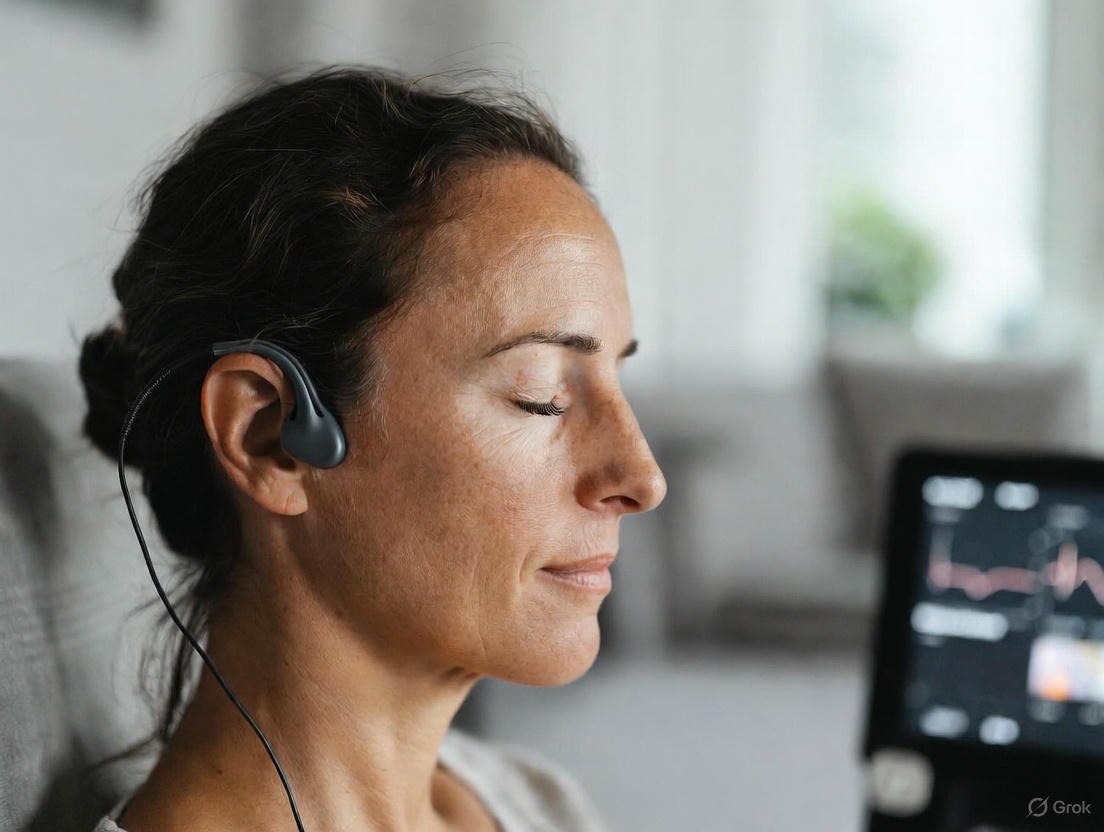
Daily energy management survival strategies for parents, supported by ring data.
The Complete Beginner-Friendly Guide to Managing Energy During Meetings
It’s 2:47 PM on a Tuesday. You’ve been in back-to-back video calls since 9 AM. The fourth presentation of the day is droning on, a pixelated sea of faces in little rectangles. Your brain feels like static. Your shoulders are tight knots, your eyes are dry, and a vague, low-grade headache is announcing its presence. You try to focus on the quarterly projections, but the numbers swim. You muster a nod, hoping it looks engaged. Inside, you’re running on fumes.
Sound familiar? You’re not alone. In our modern work culture, meetings have become the primary vessel for collaboration, decision-making, and, ironically, the single greatest drain on our professional energy. We spend our most valuable cognitive currency—our focused attention and emotional presence—often without a strategy for replenishment. We leave meetings exhausted, irritable, and mentally scattered, wondering where our productive day went.
But what if you could change that? What if you could enter a meeting calm and centered, navigate its dynamics with clarity, and leave feeling energized rather than depleted? What if you could transform meetings from energy sinks into opportunities for connection and effective action?
This isn't about time management; it's about energy management. And the most sophisticated tool for understanding your personal energy isn't a calendar app—it's your own body. Welcome to a new paradigm of professional performance, one built on the foundational skill of body awareness. This guide will teach you how to listen to your body's real-time signals—your internal dashboard—and use that wisdom to strategically manage your energy before, during, and after every meeting.
We’ll move beyond generic "take breaks" advice into a personalized, actionable system. You’ll learn to recognize the early whispers of cognitive fatigue, physical tension, and emotional drain as they happen. More importantly, you’ll learn simple, subtle techniques to intervene, reset your nervous system, and reclaim your focus.
And for the modern professional dedicated to quantified self-improvement, we’ll explore how wearable technology, specifically the advanced sensors in a smart wellness ring, can act as your objective coach. This device doesn't just track steps; it deciphers the hidden language of your stress, recovery, and readiness—providing irrefutable data that validates and refines your body awareness. By bridging your subjective feelings with objective biometrics, you gain an unprecedented edge in mastering your professional energy.
This guide is your roadmap out of meeting fatigue. Let’s begin by understanding the real cost of those drained afternoons.
The Hidden Tax: How Meetings Drain Your Energy (And Why You Feel It)
We often end a day full of meetings feeling inexplicably tired, even if we’ve been physically sitting still. This isn't laziness; it's a biological bill coming due. Meetings impose a multifaceted energy tax on our systems, and we pay it in cognitive, emotional, and physical currency.
Cognitive Load: The Multitasking Myth Modern meetings, especially virtual ones, are engines of cognitive overload. You’re tasked with processing auditory information (the speaker), visual information (slides, faces, chat), while simultaneously formulating your own thoughts, monitoring your appearance, and battling distractions (email pings, incoming messages). Your brain’s prefrontal cortex, the CEO of focus and decision-making, has limited bandwidth. This constant context-switching and sensory bombardment depletes glucose and oxygen in the brain, leading to what neuroscientists call "decision fatigue" and a genuine feeling of mental exhaustion.
Emotional Labor: The Invisible Work Every meeting requires emotional labor: the effort of regulating your own emotions and responding appropriately to others. You must appear engaged, manage frustration, project confidence, build rapport, and navigate group dynamics. This continuous self-monitoring and micro-adjustment is draining. Furthermore, meetings often involve navigating ambiguity, mild conflicts, or competing agendas, which activate the body’s stress-response system, releasing cortisol and adrenaline—hormones designed for short bursts, not three-hour marathons.
Physical Stasis: The Sitting Crisis The body is designed to move. Prolonged sitting during meetings leads to muscular stiffness, particularly in the neck, shoulders, and hips. It also causes circulatory slowdown, reducing the flow of oxygenated blood to the brain. This physical stagnation directly contributes to mental fog. The hunched "Zoom posture" alone—head forward, shoulders rounded—can strain cervical muscles and the respiratory diaphragm, leading to tension headaches and shallow breathing, which further signals stress to the brain.
The Vicious Cycle of Depletion Here’s the insidious part: these drains are interconnected. Physical discomfort increases cognitive distraction. Emotional stress manifests as physical tension (clenched jaw, tight gut). Mental fatigue makes emotional regulation harder. You get caught in a downward spiral where one form of depletion accelerates the others.
The first step to solving this is recognition. Start tuning into your personal post-meeting signals. Do you feel a headache coming on? A craving for caffeine or sugar? Irritability? A strong desire to scroll mindlessly? These are your body's invoices for the energy tax you just paid. Developing a deeper understanding of your body's energy fluctuations is the critical first skill in learning to manage them proactively, rather than just reacting to the crash.
Your Body's Dashboard: Learning the Language of Energy Signals
Imagine driving a car with a blindfold over the dashboard. You wouldn't know if you were about to overheat, run out of fuel, or if the oil pressure was critical. Yet, this is how many of us operate our bodies through a workday. We ignore the gauges until the engine seizes—the migraine hits, the burnout crash arrives.
Your body has a sophisticated, real-time dashboard broadcasting your energy status. The metrics aren't RPM or fuel level; they are physiological and emotional signals. Learning this language is the core of body awareness, or interoception—the sense of the internal state of the body.
Primary Energy Gauges to Monitor:
Breath: This is your master metric. Shallow, rapid, held, or chest-centric breathing is a direct signal of sympathetic nervous system activation (stress). Deep, slow, diaphragmatic breathing signals calm and recovery. Where do you feel your breath? Just in your chest, or deep into your belly?
Muscular Tension: Scan your body. Are your shoulders creeping toward your ears? Is your jaw subtly clenched? Are your thighs tight? Chronic, low-grade tension is a constant energy leak, like a car idling with the parking brake on.
Heart Rate & Rhythm: While you can't always feel precise BPM, you can sense palpitations, a "racing" heart, or a feeling of heaviness in your chest. A calm, steady rhythm supports focus; an agitated one supports reaction.
Temperature & Energy Flow: Do your hands and feet feel cold (a common stress response as blood shunts to core organs)? Or do you feel a flushed, overheated sensation? Do you feel energetic "stuckness" or fluidity in your limbs?
Mental & Emotional Clarity: This is the qualitative readout. Is your mind clear, focused, and creative? Or is it foggy, scattered, and repetitive? Are you feeling patient, curious, and open, or irritable, defensive, and anxious?
Connecting Subjective Feeling to Objective Data This is where technology becomes a revolutionary teacher. A smart wellness ring continuously tracks biometrics like Heart Rate Variability (HRV), resting heart rate, skin temperature, and blood oxygen—precise, objective versions of the signals you're learning to feel subjectively.
For instance, you might feel "a bit off" before a big meeting. Your smart ring data might show a lower-than-normal HRV and a slightly elevated resting heart rate, objectively confirming your body is in a stressed or less-recovered state. This feedback loop is powerful. It validates your intuition and helps you distinguish between, say, genuine fatigue and transient boredom. You can learn more about what each of these metrics means in our comprehensive health metrics explained data dictionary.
By consistently checking your internal dashboard before you hit empty, you move from being a passive passenger in your workday to an active, skilled pilot. You begin to understand your body's language not as noise, but as critical data for performance. The next step is to use this awareness to prepare your energy system for the demands ahead.
The Pre-Meeting Energy Audit: Preparing Your Mind and Body
You wouldn't run a marathon without a warm-up or fuel. Yet, we routinely dive into mentally and emotionally demanding meetings with zero preparation. The pre-meeting ritual is your strategic warm-up. It's a 5-10 minute investment that pays dividends in focus, presence, and resilience. Think of it as an energy audit and allocation process.
Step 1: Check Your Baseline (The 60-Second Scan) Two minutes before the meeting (or as you walk to the conference room/click the link), pause. Close your eyes if possible.
Breath: Take three conscious breaths. Don't change them yet, just observe. Are they shallow or deep?
Body: Conduct a quick scan from head to toe. Notice any areas of tension (forehead, jaw, neck, shoulders, gut).
Mind: Notice the quality of your thoughts. Are they still lingering from the last task? Are they anxious about this meeting? Just label it: "planning," "worry," "clutter."
This scan gives you an honest starting point. If your dashboard shows "high stress," you know you need an intervention before you log on.
Step 2: Set an Energetic Intention Beyond the meeting's agenda, set a personal energy intention. This frames your experience. Examples:
"I will stay grounded and listen deeply."
"I will contribute with clarity and calm."
"I will protect my energy and take space when needed." This shifts you from a passive attendee to an active participant in your own state of being.
Step 3: Perform a Micro-Reset Based on your scan, choose one or two 60-second techniques to shift your baseline:
For Mental Clutter: Practice "box breathing" (inhale 4 counts, hold 4, exhale 4, hold 4). This calms the nervous system and focuses a racing mind.
For Physical Tension: Do a "shoulder roll and release": Inhale as you lift shoulders to ears, exhale as you let them drop dramatically. Repeat twice. Gently rotate your neck.
For Emotional Nerves: Place a hand on your heart and take three slow breaths. This simple act of self-contact can be remarkably grounding.
For Low Energy (Fatigue): Stand up and do 10 "power poses" (e.g., hands on hips, chest open). Or splash cold water on your face. This can provide a mild sympathetic boost.
Step 4: Optimize Your Environment Your physical space is an energy amplifier or drain.
Posture: Sit or stand with support. Avoid slouching, which compresses the diaphragm and encourages shallow breathing.
Hydration: Have a glass of water, not coffee. Dehydration directly impairs cognitive function.
Visual Field: Minimize digital clutter on your screen. A chaotic background (digital or physical) adds subconscious cognitive load.
Light & Air: If possible, get natural light and fresh air before starting.
This pre-meeting ritual builds the crucial foundation of self-care in a professional context. It's not self-indulgence; it's system optimization. By starting from a calibrated state, you are less reactive, more resilient, and better able to engage productively. Now, let's explore how to maintain that energy once the meeting begins.
In-the-Moment Energy Preservation: Tactics for During the Meeting
The meeting has started. The energy field is now a shared space, influenced by agendas, personalities, and group dynamics. Your goal here is not just to contribute, but to actively preserve and manage your personal energy reserves in real-time. This requires subtle, ninja-like techniques that no one else will notice but that keep your internal systems running smoothly.
The Anchor of Breath Your breath is your stealth reset button, always available. You can use it without breaking eye contact.
The "Sigh" Reset: Feel attention waning or irritation rising? Very subtly, take a slightly deeper inhale through your nose, and let a full, quiet exhale out through your mouth, as if you're sighing softly. This one breath can trigger a physiological shift, releasing tension and lowering heart rate.
The "Grounding" Breath: Before you speak, take one conscious breath into your belly. This prevents speaking from a place of nervous, chest-held breath and grounds your contribution in calm authority.
Posture and Movement Micro-Adjustments Static posture is an energy killer. Incorporate micro-movements:
Foot Circles: Under the desk, slowly circle your ankles one way, then the other.
Pelvic Tilts: Gently rock your pelvis forward and back on your chair to prevent lower back stiffness.
The "Zen" Squeeze: Periodically, gently squeeze and release your glutes, or your hand into a soft fist and release. This releases muscular tension without being visible.
Standing/Shifting: In longer meetings, if appropriate, simply stand up for a minute or two at the back of the room or off-camera. Changing your relationship to gravity is incredibly refreshing.
Sensory and Cognitive Anchoring When you feel your mind drifting into distraction or overwhelm, bring it back with a sensory anchor.
The 5-4-3-2-1 Grounding Technique (Covert Version): Silently to yourself, identify: 5 things you can see in your immediate environment (pen, plant, mug), 4 things you can feel (feet on floor, fabric of shirt, chair against back), 3 things you can hear (the speaker's voice, AC hum, distant traffic), 2 things you can smell (coffee, your own scent), 1 thing you can taste (the aftertaste of water). This takes 15 seconds and fully resets your focus in the present moment.
Active Listening as an Anchor: Instead of thinking about what you'll say next, force yourself to listen completely. Try to mentally summarize the other person's last sentence. This channels mental energy into a single, productive task, preventing scatter.
Hydration as a Ritual Sipping water isn't just physiological; it's a psychological micro-break. Use the act of reaching for your glass, taking a sip, and placing it back down as a mindful moment to check in with yourself. It creates a natural, acceptable pause in your own participation.
These tactics are forms of in-situ body awareness practices to reduce anxiety and maintain cognitive performance. They prevent the slow leak of energy, allowing you to stay engaged for longer without the creeping fatigue. But what about the specific, intense drains of the virtual meeting room?
The Virtual Meeting Vortex: Combating Zoom Fatigue on a Biological Level
Virtual meetings present unique energy challenges. The "Zoom vortex" is a real phenomenon with biological underpinnings. Stanford researchers identified key causes: excessive close-up eye contact (which feels intense and confrontational), reduced mobility, seeing your own face constantly (self-evaluation stress), and the higher cognitive load of interpreting delayed cues and poor audio.
To manage energy here, you need strategies that counter these specific stressors.
Reducing Visual Overload and "Gaze Pressure"
Minimize Self-View: Use the "hide self-view" function after you've checked your framing. Constantly watching yourself is like having a mirror in front of you during a conversation—it's exhausting and can heighten self-criticism.
Reduce Face Size: Use gallery view, but shrink the window size so faces are less "in your face." This reduces the perceived intensity of eye contact.
Look Away Intentionally: It's not rude to look away from the camera when listening. In fact, in natural conversation, we don't stare fixedly. Let your eyes rest on your notes, out the window, or at a neutral spot. This gives your brain a break from processing facial micro-expressions.
Countering Physical Stasis Aggressively
Go Audio-Only When Possible: If your video presence isn't critical, suggest an audio-only call or turn your own video off for periods. This grants you the freedom to move, stand, stretch, or even walk around. Movement is the antidote to stagnation.
Create a "Movement Buffer": Never schedule virtual meetings back-to-back. Insist on a 10-minute minimum buffer. Use this time to move—walk around your space, do a few stretches, look out a window at distant objects. This helps reset your posture and visual system.
Use an External Keyboard & Mouse: This allows you to push your laptop further back, creating a more natural, less intrusive field of view and better posture.
Managing the Cognitive Load of Digital "Noise"
Close EVERYTHING Else: This is non-negotiable. Close your email, Slack, and all other browser tabs. The mere potential of a notification is a cognitive drain. Use full-screen mode for the meeting app.
Use Plain Backgrounds: A busy virtual background, while fun, requires your brain to constantly process the artificial edges and movements. A plain, tidy, real background is less cognitively taxing.
Advocate for Breaks: For any meeting over 60 minutes, politely advocate for a 5-minute break in the middle. Use this time to stand, walk, and look away from all screens. This single practice can cut the energy drain of long calls in half.
Mastering the virtual space requires you to become acutely aware of how digital environments affect your physiology. This heightened sensitivity is a key body awareness skill that wellness rings help develop, as they can show you how your stress response (via HRV) differs between in-person and virtual interactions. Next, let's address the crucial skill of knowing when and how to politely disconnect and recharge.
The Strategic Pause: Mastering the Art of the Micro-Break
In the relentless flow of a workday, the most powerful tool for energy management is often the simplest: the pause. But not just any pause—a strategic, intentional micro-break. This is a 30-second to 2-minute conscious disengagement designed to reset your nervous system, not just check your phone. Used proactively, these breaks prevent energy bankruptcy.
Why Micro-Breaks Work The brain operates in natural cycles of focus (roughly 90-120 minutes) called ultradian rhythms. Pushing through these cycles leads to rapidly diminishing returns and high stress hormone output. A brief, conscious break allows the brain to downshift, clear metabolic waste from focused work, and return with higher clarity. It's like hitting "refresh" on your browser.
How to Take a Truly Strategic Pause (During a Meeting) You can do these subtly, even while others are speaking:
The "Bio-Break" Power Move: Simply say, "Please excuse me for one moment, I'll be right back." Step away. For 60 seconds, don't look at your phone. Instead, look out a window at the horizon, take 10 deep breaths, stretch your arms overhead, and roll your shoulders. Return. This is infinitely more rejuvenating than holding it in.
The "Tech Glitch" Reset (Virtual): "I'm having a quick audio issue, I'll be muted for a moment." Mute, turn off camera if comfortable. Stand up, shake out your limbs, do a quick neck roll, take three belly breaths. Sit back down. The 30-second physical reset is transformative.
The "Note-Taking" Pause: Intentionally stop typing or writing for a full minute. Instead, sit back, put your hands in your lap, and just listen. This shifts you from "producer" mode to "receiver" mode, which is less taxing.
Proactive Pausing Between Meetings The golden rule: Never go direct. If your calendar forces you, create the gap yourself.
The 5-Minute Transition Ritual: Block five minutes after every meeting on your calendar. Use this time to:
Physically Move: Stand, walk to get water, do two stretches.
Mentally Close: Jot down one action item from the last meeting. This signals "task complete" to your brain.
Reset Visually: Look at something green or at a distant point for 60 seconds.
Energetically Shake It Off: Literally shake your hands and arms as if flicking water off them—a somatic technique to release residual energy from the previous interaction.
These practices train you in recognizing your body's needs in real-time and responding with compassion and intelligence, not ignoring them until they become screams. The strategic pause is the ultimate act of respecting your biological limits to maximize your professional output. Now, let's harness technology to make these insights even more precise.
Data as Your Ally: Using a Smart Ring to Decode Meeting Stress
While your subjective feelings are essential, they can sometimes be misleading. Is your elevated heart rate excitement about a project, or anxiety about a deadline? Is your fatigue from poor sleep, or from a specific interaction? This is where objective biometric data from a smart wellness ring becomes your most valuable ally, transforming vague feelings into actionable insights.
The Key Metrics for Meeting Energy Management: A sophisticated ring tracks metrics that are direct proxies for your nervous system state:
Heart Rate Variability (HRV): This is the gold standard for measuring your body's resilience and recovery status. A higher HRV generally indicates a more relaxed, resilient state (parasympathetic dominance). A lower HRV indicates stress, fatigue, or that your body is working hard to recover. You can track how your HRV dips during or after certain types of meetings.
Resting Heart Rate (RHR): An elevated RHR (compared to your personal baseline) can be a sign of stress, dehydration, illness, or lack of recovery. Noticing a trend of higher RHR on days with heavy meeting loads is a clear data signal to prioritize lighter work.
Skin Temperature: Shifts in peripheral skin temperature can indicate stress responses (cold hands/feet) or the onset of illness.
Activity & Inactivity: The ring knows when you've been still for too long, providing a gentle, objective nudge to get up and move.
Creating Your Personal Energy Experiment: Use your ring to move from observation to experimentation.
Baseline a "Good" Day: Note your HRV, RHR, and readiness score on a day with a light, positive meeting load.
Test Meeting Types: Compare your biometrics after a:
Collaborative, positive brainstorming session.
Tense, conflict-adjacent project review.
Long, passive webinar.
Back-to-back virtual call marathon. You will likely see clear, objective differences. The tense review might show a depressed HRV for hours afterward. The call marathon might spike your RHR.
Test Interventions: Now, implement your strategies. Do a full pre-meeting ritual before a potentially stressful meeting. Take strategic pauses every 25 minutes during a long call. Afterward, check your data. Did your HRV stay more stable? Did your RHR recover faster?
This process bridges data and body awareness. The data validates your feelings ("I knew that meeting was draining!") and reveals patterns you might miss ("Why is my HRV always low on Thursday afternoons?"). It turns energy management from an art into a science. You can discover more about how these objective body awareness data points create a feedback loop for self-improvement.
From Passive to Active: Transforming Your Role in Meetings
Much of meeting fatigue comes from a passive, reactive stance: you are a vessel to be filled with information, a spectator to dynamics, a recipient of tasks. The antidote is to shift into an active, purposeful role. This doesn't mean dominating the conversation; it means consciously managing your engagement to conserve and direct your energy.
Choose Your Energetic Role Before entering, decide: What is the most energy-efficient and valuable role you can play today?
The Facilitator: Focus energy on guiding the conversation, summarizing points, and keeping time. This role keeps you actively engaged in process, not just content, which can be less personally draining than fighting for airtime.
The Synthesizer: Dedicate your energy to listening deeply and connecting disparate ideas. Your contribution becomes "What I'm hearing is X, which connects to Y from earlier." This uses creative, integrative thinking.
The Question Asker: Instead of spending energy formulating statements, spend it on crafting insightful questions. This often drives more value than opinions and positions you as a thoughtful participant.
The Energy Monitor (for yourself): Make it your personal mission to maintain your own calm center. This meta-role can make the meeting itself a mindfulness practice.
The Power of Strategic Vocalization Speaking up can be energizing if done strategically. Long monologues or defensive arguments are draining. Concise, purposeful contributions are empowering.
The "Breath-Before-Speaking" Rule: Always take that one conscious breath before you talk. It ensures you speak from calm clarity, not reactive emotion.
Use "And" instead of "But": This small linguistic shift reduces adversarial energy and keeps the collaborative flow, which is less taxing than debate.
Know Your Exit Line: Have a polite, graceful way to leave a conversation or meeting that is going in unproductive circles. "I want to be respectful of everyone's time, and I think we've landed the key point. I need to jump to my next commitment."
Managing Multi-Participant Dynamics Group energy is complex. You can manage your own by how you interact with it.
The "Energetic Hand-Off": Feel a lull or tension? Ask a direct, open question to a specific quiet person. "Sam, we haven't heard from you on this. What's your perspective?" This shifts the energy flow and takes you out of the hot seat.
Create Physical/Temporal Boundaries: In person, you can literally shift your posture or chair angle to subtly disengage from a draining dyad and re-engage with the group. Virtually, you can minimize a particularly animated speaker's video to reduce their "gaze pressure" on you.
By taking an active role in how you participate, you reclaim agency over your energy expenditure. This approach is a practical application of body-awareness skills to prevent injury and illness, but applied to your professional psyche—preventing burnout by adjusting your engagement posture in real-time.
The Post-Meeting Energy Recovery Protocol
The meeting ends. Your instinct is to immediately jump to the next task or email. This is a critical error. You are in a state of biochemical and cognitive transition. Ignoring this transition leaves the residual energy—often stress—lodged in your system, carrying over to the next activity. A deliberate 3-5 minute recovery protocol is essential to close the loop, discharge stress, and reclaim mental clarity.
Step 1: The Immediate Physical Discharge (60 Seconds) As soon as you are physically out of the meeting space or off the call:
Shake It Out: Literally shake your hands, arms, and legs. Imagine shaking off any residual tension or stagnant energy. It sounds silly, but it's a powerful somatic release technique.
Stretch Up and Out: Reach your arms high overhead, then fold forward, letting your head and arms hang. Take three deep breaths here.
Change Your Visual Field: Look out a window at the farthest point you can see. Let your eyes soften. This resets the focal muscles strained from staring at screens or people.
Step 2: The Mental Download & Closure (2-3 Minutes) Open a notebook or a dedicated digital file. Do a quick brain dump:
Action Items: What do I need to do? (List them concisely).
Key Decisions/Info: What was actually decided or what essential information was shared?
Energy Note: How did that meeting feel? (Draining, energizing, frustrating, collaborative?) Just one word.
The "Let Go" List: What was discussed that is not your responsibility or concern? Mentally file it away or discard it.
This download prevents the meeting from "looping" in your head, which is a major source of post-meeting mental fatigue. It captures the utility and releases the noise.
Step 3: The Energetic Reset (60 Seconds) Choose one activity to signal a true transition:
Hydrate: Drink a full glass of water.
Breathe: Do 30 seconds of coherent breathing (inhale for 5 seconds, exhale for 5 seconds).
Move: Walk to a different part of your home/office, even if just to the kitchen and back.
Scent: Use a drop of peppermint or citrus essential oil on your wrists. Scent is a direct pathway to the brain's limbic system and can quickly shift state.
Why This Protocol is Non-Negotiable Without this closure, meetings pile up inside you like unprocessed psychic clutter. The stress hormones from a 10 AM disagreement linger at 3 PM, lowering your threshold for frustration. The cognitive load of an unresolved topic eats up background brain RAM. This protocol is how you "close the tabs" in your mind. It is a direct practice that supports mental health within the workday framework. It teaches your nervous system that it can downshift after a stressor, promoting resilience over time.
Fueling the Machine: Nutrition and Hydration for Sustained Focus
Your brain, which is running the meeting marathon, is an energy-hungry organ. It constitutes about 2% of your body weight but consumes roughly 20% of your energy. The quality of that energy is directly dictated by what you fuel it with. Managing energy isn't just psychological; it's biochemical. Poor fueling choices during a meeting day guarantee an afternoon crash.
The Hydration-Focus Link Even mild dehydration (a 1-2% loss of body water) is scientifically proven to impair concentration, short-term memory, and mood. In meetings, this looks like fogginess, irritability, and difficulty following complex threads.
Strategy: Keep a large bottle of water at your desk. Sip consistently throughout the morning, don't chug at 2 PM. Aim to finish one liter by lunch. Herbal teas (non-caffeinated) are excellent. A key signal of dehydration is that post-lunch slump—often, it's not the food, it's the lack of water.
Nutrition: Avoiding the Energy Rollercoaster The classic meeting-day diet—coffee on an empty stomach, a sugary pastry at 10 AM, a heavy carb lunch—creates violent swings in blood sugar. A spike leads to a surge of insulin, followed by a crash, triggering fatigue, brain fog, and cravings.
The Pre-Meeting Fuel: If you have a key meeting, eat a small, balanced snack 30-60 minutes prior. Combine protein, healthy fat, and complex fiber. Example: a handful of almonds, apple slices with nut butter, or plain Greek yogurt. This provides a slow, steady release of glucose to the brain.
The Mid-Meeting Munch: Avoid sugary snacks and refined carbs in the meeting room. If you must eat, choose high-protein, high-fat options (nuts, cheese) that won't trigger a blood sugar spike and subsequent crash during the next agenda item.
Caffeine as a Strategic Tool, Not a Crutch: Caffeine blocks adenosine (a sleepiness neurotransmitter), but it doesn't create energy; it borrows it. Have your coffee before your energy dip (e.g., mid-morning), not in the throes of the 3 PM crash. Never pair it with sugar on an empty stomach.
Listening to Your Body's True Signals The line between stress, boredom, and hunger is often blurry. The urge to snack during a dull meeting is often a search for dopamine (a feel-good neurotransmitter) or an escape from discomfort, not genuine hunger.
Pause Before You Palate: When a craving hits, pause. Ask: "Am I actually hungry, or am I stressed/bored/tired?" Drink water first. Often, the craving passes. This act of checking in is a core practice in understanding hunger and fullness cues, extending body awareness to your nutritional needs.
By fueling strategically, you provide your brain with the stable, high-quality substrate it needs to perform. You smooth out the energy rollercoaster, making it far easier to employ all the mental and emotional strategies we've discussed. It's the foundational layer of biological support.
Building Your Personalized Meeting Energy Profile
By this point, you have a toolkit of strategies. The final step is to turn them into a personalized, sustainable system. Not every technique will work for you, and different types of meetings require different energy plans. Your mission is to become the architect of your own energy ecosystem.
Conduct a One-Week Energy Audit:
Track Meetings: For one week, log every meeting. Note: Type (1:1, brainstorm, review, presentation), Duration, Platform (in-person/virtual), and key participants.
Track Your State: Immediately after each, rate your energy on a scale of 1-5 (1=drained, 5=energized). Also note any physical sensations (headache, tight shoulders, stomachache).
Review with Data: If you use a smart ring, check your HRV and RHR trends after specific meeting types. Look for correlations. Do client presentations tank your HRV? Do collaborative sessions keep it stable?
Categorize Your Meetings and Assign Strategies: Create a simple cheat sheet for yourself:
Pre: Full 10-minute ritual + power pose. Set intention: "Calm and clear."
During: Anchor to breath. Use strategic pauses. Have water.
Post: Mandatory 5-minute recovery protocol with physical discharge.
Long, Passive Meeting (e.g., company all-hands, webinar):
Pre: Hydrate well. Set intention: "Listen for one key insight."
During: Take covert movement breaks (ankle circles, standing). Use grounding techniques.
Post: Quick mental download and visual reset.
Collaborative Brainstorm:
Pre: Light movement to boost energy. Set intention: "Creative and open."
During: Embrace an active role (facilitator, synthesizer). Use "and" language.
Post: Quick capture of ideas, then energetic reset with a walk.
Create Your "Energy First-Aid Kit": Have a physical or digital folder with your go-to resources for instant resets:
A link to a 1-minute breathing gif/video.
A list of three grounding questions (e.g., "What is one thing I can see right now?").
A photo of a peaceful nature scene for a visual reset.
Your personalized stretching routine.
This process of building a profile is the culmination of your learning. It moves you from applying random tips to operating from a place of self-knowledge and strategic design. It is the ultimate act of trusting your body's wisdom, informed by both felt experience and objective data. You are no longer at the mercy of your calendar; you are the conscious curator of the energy you bring to it.
Designing Meetings That Energize: Shifting from Drain to Gain
Thus far, we’ve focused on managing your personal energy within existing meeting structures. But what if you could influence the structure itself? As a participant or a leader, you have the power to shape meetings into experiences that generate energy, rather than consume it. This is about moving meetings from a state of collective depletion to one of collective uplift—a state where the whole becomes greater than the sum of its tired parts.
The Principles of an Energizing Meeting:
Clarity of Purpose & Outcome: The single biggest energy drain in meetings is ambiguity. Why are we here? What will we have at the end? Circulate a clear agenda with a single, decision-oriented question (e.g., "Are we approving Proposal A or B?" not "Let's discuss the proposal"). This gives everyone's brain a clear target, reducing the cognitive load of figuring out the point in real-time.
Psychological Safety & Inclusive Engagement: Meetings dominated by one or two voices are draining for everyone else. Actively solicit input. Use techniques like "round-robin" (everyone shares a quick thought) or brainwriting (silent idea generation on paper before sharing). When people feel safe to contribute, the energy shifts from passive withholding to active co-creation.
Respect for Time & Rhythm: Start on time. End early if possible. For meetings over 50 minutes, schedule a hard stop at 25 minutes for a 60-second stand-and-stretch break (you can lead it: "Let's all stand and shake out for 60 seconds"). This simple act resets the room's physical and mental state and is a profound act of collective care.
Visual & Physical Engagement: Move beyond talking heads. Use a whiteboard (physical or digital) to capture ideas visually. The act of seeing ideas form creates a shared focus and engages different parts of the brain. If possible, allow people to stand or move around. A "walking meeting" for small groups is the ultimate energizer.
Your Role as an Energy-Conscious Participant: Even if you’re not leading, you can energetically reshape the room.
The Clarifying Question: If a discussion is going in circles, ask, "To make sure I'm following, what is the specific decision we need to make by the end of this hour?" This often cuts through fog and refocuses the group's energy.
The Energy Check-In: If you sense collective fatigue, it’s powerful to name it. "I'm feeling our energy dip. Could we take 60 seconds for everyone to stand up and stretch?" This demonstrates leadership and gives everyone permission to care for themselves.
The Appreciation Micro-burst: Publicly, specifically, and genuinely acknowledge a good contribution. "Thanks, Sam, that idea about streamlining the client process is brilliant and just saved us a lot of future work." This injects positive social energy into the room.
By actively designing for energy, you create a virtuous cycle. Good meetings attract focused participation, which leads to better outcomes, which makes people feel effective, which generates more positive energy for the next task. It’s a practical application of using body awareness for improving health outcomes in a team setting—optimizing the health of the group organism.
Circadian Synergy: Aligning Meetings with Your Body's Natural Energy Cycles
Your energy isn't flat throughout the day. It ebbs and flows in a predictable rhythm dictated by your circadian clock—an internal 24-hour cycle governing hormones, body temperature, alertness, and digestion. Fighting this rhythm is like swimming against a powerful current; it’s exhausting. Aligning with it is like catching the tide. The most sophisticated energy management strategy is to schedule the right type of work—and the right type of meeting—at the right biological time.
Understanding Your Daily Energy Wave (The Simplified Model):
The Peak (Late Morning ~10 AM - 12 PM): Cortisol and body temperature peak. This is your window for highest alertness, logical analysis, and focused decision-making. This is the prime time for critical decision meetings, complex problem-solving sessions, or important negotiations. Your prefrontal cortex is fully online.
The Trough (Post-Lunch Dip ~1 PM - 3 PM): A natural circadian dip occurs, compounded by digestion. Alertness plummets. This is the worst time for analytical work or passive listening. If you must meet now, schedule collaborative, creative, or social meetings. The drop in analytical rigidity can actually benefit brainstorming. A walking meeting is ideal here.
The Recovery (Late Afternoon ~3 PM - 5 PM): A second, smaller peak in alertness occurs. This is a good time for administrative meetings, status updates, planning sessions, and wrapping up collaborative work. It’s less ideal for deep strategic decisions as mental fatigue is accumulating.
The Wind-Down (Evening): The body prepares for sleep with rising melatonin. Avoid stressful or stimulating meetings during this time, as they can disrupt your sleep cycle, sabotaging tomorrow's energy.
Practical Application for Scheduling:
Audit Your Control: Look at your calendar. How many of your meetings are at the mercy of others' schedules? Can you influence even 20% of them?
Block Your Peak: Defend your peak hours (e.g., 9 AM - 12 PM) for your most demanding solo work or your most critical meetings. Literally block this time as "Focus Time" on your shared calendar.
Cluster by Type: Try to schedule all your routine, lower-cognitive "sync" meetings in the afternoon trough or recovery period. Batch them together to contain the energy drain.
Respect the Wind-Down: Advocate for no meetings in the hour before your typical workday ends. Use this for planning, closing loops, and a gentle transition. This protects your sleep, which is the foundation of all daily energy.
Using Your Smart Ring for Circadian Insights: Your wearable is a powerful tool for decoding your personal circadian rhythm, which may vary from the model. It tracks your body temperature rhythm—a core circadian signal—and your sleep-wake patterns. Over time, you can see if your natural bedtime is shifting, or if your morning readiness scores are consistently higher on days you avoid early morning meetings. This data allows you to move from generic advice to a schedule fine-tuned for your unique biology, giving you a profound understanding of your body's circadian signals.
By syncing your schedule with your biology, you stop wasting energy trying to be brilliant when your body wants to be creative, or creative when your body needs to recharge. You work with yourself, not against yourself.
The Power of Singular Focus: Monotasking as an Energy Multiplier
In meetings, we often pride ourselves on multitasking: taking notes while half-listening, drafting an email while on mute, reading chat while someone presents. We believe this is efficiency. Neuroscience confirms it is a lie. What we call multitasking is actually task-switching, and each switch carries a cognitive "tax" in time and energy. It can take several minutes to fully re-engage your attention after a switch, leading to shallow processing and increased mental fatigue.
Monotasking—the deliberate commitment of your full attention to one thing—is the ultimate energy preservation and performance hack for meetings.
The High Cost of Meeting Multitasking:
You Miss Nuance: You miss tone, facial expressions, and subtle cues that are critical for understanding and emotional intelligence.
You Generate More Work: Because you processed information shallowly, you’re more likely to misunderstand, requiring follow-up clarifications and emails—creating more meetings.
You Drain Yourself Faster: The constant switching is neurologically exhausting, leaving you feeling frazzled long after the meeting ends.
How to Cultivate Monotasking in a Meeting:
The Full-Screen Commitment: On virtual calls, make the meeting window full-screen. Close all other applications, especially email and chat. If you need to take notes, use a physical notebook or a single, dedicated note-taking app without notifications.
The Phone Sanctuary: Place your phone face-down, in another room, or at minimum in "Do Not Disturb" mode. Its mere presence reduces cognitive capacity.
Listen to Transcribe, Not to Respond: Shift your listening goal. Instead of listening while formulating your next comment, listen with the goal of being able to accurately summarize what the speaker said. This forces deep processing and keeps you anchored in the present.
Embrace the Pause: When there is silence, resist the urge to fill it by checking your phone. Allow the silence to exist. Often, the most important ideas emerge from these pauses.
The Role of Note-Taking: Note-taking can be a form of active monotasking if done correctly. The goal is synthesis, not transcription. Don't write down everything; write down:
Decisions (The "what").
Action Items (The "who" and "by when").
Key Insights/Questions (The "why" or "what if"). This focused note-taking keeps your brain engaged in high-value filtering, not passive recording.
Monotasking is a muscle. It requires practice in a world designed for distraction. But the reward is profound: you leave meetings with clearer understanding, fewer lingering questions, and significantly more mental energy leftover. It is a direct body-awareness practice for reducing anxiety, as a scattered mind is an anxious mind. A focused mind is a calm, powerful mind.
The Social Energy Equation: Managing Interactions and Group Dynamics
Meetings are social ecosystems. The energy flow between people—the dynamics of status, conflict, alliance, and validation—can be more draining than the content itself. Understanding this "social energy equation" allows you to navigate it strategically, conserving your emotional resources.
Identifying Energy Archetypes in the Room: People play roles that affect the group's energy field. Recognizing them helps you manage your response.
The Energy Vampire: Chronically negative, shoots down ideas, focuses on problems without solutions. They drain optimism and momentum.
The Monopolizer: Dominates airtime, often repeating points. They drain others' opportunity to contribute and can create passive resentment.
The Passive Participant: Withdraws energy from the room. Their silence can feel heavy and require others to over-compensate.
The Energizer: Builds on others' ideas, asks positive questions, acknowledges contributions. They generate lift for the whole group.
Your Strategic Response Toolkit:
For the Energy Vampire: Don't fight their negativity directly (that drains you). Use deflection and data. "I hear your concern about the risks. What would need to be true for this idea to be viable?" or "Let's capture that as a risk on the board and keep moving so we can get to solutions." This acknowledges without getting stuck.
For the Monopolizer: Use structured intervention. "Thanks for those thoughts, Jordan. I want to make sure we hear from others before we circle back. Alex, what's your perspective?" This is a graceful way to redirect energy flow.
For the Passive Participant: Use direct, gentle invitation. "Sam, you have great experience in this area. What's one thing we might be missing?" Ask a specific, answerable question. This pulls energy into the room.
Become the Energizer: This is the most powerful role for managing your own and the room's energy. Practice:
"Yes, and..." instead of "Yes, but..."
Bridging: "Maria's point about the timeline connects really well to David's earlier concern about resources."
Micro-validations: Nodding, saying "That's a good point," or "Thanks for surfacing that."
Managing Your Social Battery: Introverts and extroverts gain and lose energy differently in social settings. Honor your type.
For Introverts: Your energy depletes with prolonged social interaction. Schedule crucial quiet time before big meetings to charge up, and after to recharge. In meetings, grant yourself permission to listen deeply. Your contributions can be fewer but more impactful.
For Extroverts: You gain energy from interaction, but can deplete others if unchecked. Practice pausing to allow space. Use your energy to draw out quieter voices.
This social navigation is advanced emotional and somatic awareness. It involves reading the emotional field of the room (somatic) and your own internal reactions to it (emotional). By choosing your responses strategically, you protect your emotional energy and become a force for positive group dynamics.
Recovery Rituals: The 60-Minute Post-Meeting Replenishment Plan
The immediate post-meeting protocol (from earlier) is for closing the stress cycle. But what about the deeper recovery needed after a particularly grueling or consequential meeting—the kind that leaves you emotionally spent or cognitively overloaded? This requires a more substantial ritual, a dedicated 60-minute replenishment plan to truly reset your nervous system and prevent cumulative fatigue.
This plan is structured in three 20-minute phases:
Phase 1: Sensory Disengagement (Minutes 0-20) Goal: Get out of your head and into your body and senses. This halts the mental churn.
No Screens Rule: Absolutely no email, news, or social media. This is non-negotiable.
Move with Intention: Take a 15-20 minute walk outside, without headphones. Observe your surroundings—the trees, the sky, the buildings. If outside isn't possible, do a gentle stretching or yoga routine focusing on opening the chest and hips (areas that tighten during stress).
Hydrate & Nourish: Drink a large glass of water. Eat a small, healthy snack with protein and fat (e.g., a handful of nuts, yogurt). Avoid sugar and refined carbs.
Phase 2: Emotional & Mental Processing (Minutes 20-40) Goal: Process the experience from a calmer state to gain closure and insight.
Journal Download: Open a notebook. Set a timer for 10 minutes. Write stream-of-consciousness about the meeting. Don't censor. Focus on feelings: "I felt frustrated when... I was proud of... I'm worried about..." This externalizes the experience.
The Insight Extraction: Now, re-read your download. Circle one key insight or one clear next action. For example: "I need to follow up with Maria on the budget point," or "My frustration came from feeling unheard; next time I'll speak up sooner." This turns the experience into learning.
Phase 3: Conscious Reorientation (Minutes 40-60) Goal: Gently transition back to work or into your personal time with a clean slate.
Light Planning: Look at the rest of your day. Based on your current (hopefully renewed) energy, decide on the one most important thing you can accomplish. Write it down.
Aromatherapy or Breath Reset: Use a calming scent (lavender, sandalwood) or do a 5-minute guided breathing meditation. This signals to your limbic system that the "threat" is over and it's safe to move on.
Symbolic Closure: Do something small but symbolic to mark the end of the recovery period: make a fresh cup of tea, tidy your desk, step outside for one final deep breath.
Why the Full Hour is an Investment, Not a Cost: Skipping this in-depth recovery means the unprocessed stress and cognitive debris from the big meeting lingers, contaminating the rest of your day. You work slower, make more errors, and are more irritable. Investing 60 minutes in full recovery often saves 2-3 hours of low-productivity time later. It is the ultimate practice in recognizing stress signals early and responding with a proportionate, healing intervention. You are teaching your body that stress has an endpoint, building long-term resilience.
Leveraging Technology: Apps and Tools That Support (Not Sap) Energy
Technology is often the villain in our energy story—a source of endless distraction and interruption. But used intentionally, it can be a powerful ally in your energy management system. The key is to move from passive consumption to active, tool-like use.
Tools for Pre-Meeting Calibration:
Calm or Insight Timer: Use a 3-5 minute guided meditation or breathing exercise from these apps just before a meeting to center yourself. Many have "quick calm" sessions designed for this.
Focus/Blocking Apps: Use tools like Freedom or Cold Turkey to block distracting websites (news, social media) for the duration of your meeting and a buffer period afterward. This removes the temptation to task-switch.
Tools for In-Meeting Focus & Efficiency:
Otter.ai or Rev: Use a transcription app to record and transcribe the meeting (with permission). This liberates you from frantic note-taking, allowing you to be fully present, listen deeply, and engage. You can review the transcript later for action items.
Digital Whiteboards (Miro, Mural): For collaborative meetings, these tools provide a shared visual space that is inherently more engaging than a slide deck. The act of moving digital sticky notes or drawing together creates a sense of collective energy and progress.
Pomodoro Timers (Be Focused, Marinara): For long meetings or workshops, suggest using the Pomodoro technique as a group: 25 minutes of focused discussion, 5 minutes of break. A shared timer keeps everyone accountable for the energy-renewing breaks.
Tools for Post-Meeting Recovery & Analysis:
Your Smart Ring Companion App: This is your data command center. After a draining meeting, check your stress and recovery metrics. Did your body temperature spike? Did your HRV drop? This objective feedback helps you categorize meeting types by their true biological cost. Over time, you can use smart ring tracking to develop body awareness of which interactions are most taxing.
Reflection Apps (Day One, Reflectly): Use a journaling app for your post-meeting download. The act of typing can be faster than writing, and tagging entries with #meetingrecovery can help you spot patterns over time.
The Golden Rule: Intentionality The tool itself is neutral. The intention behind its use determines whether it gives or takes energy. Ask before using any tech in a meeting context: "Is this tool helping me be more present and effective, or is it helping me escape or multitask?" Let that answer guide you. Technology should amplify your senses and awareness, not numb them.
The Long Game: Building Chronic Energy Resilience
All the strategies so far are tactical—they help you win the daily battles of meeting energy management. But what about the war? The goal isn't just to survive today's calendar; it's to build a foundation of energy resilience that makes you more robust, adaptable, and less susceptible to drain over weeks, months, and years. This is the long game, played outside the meeting room.
The Four Pillars of Chronic Energy Resilience:
Sleep as Non-Negotiable Infrastructure: Sleep is not downtime; it is the nightly rebooting and repair cycle for your brain and body. It clears metabolic waste from your brain (including the toxins associated with stress), consolidates memory, and resets hormonal balance. Nothing devastates meeting performance and energy like poor sleep. Prioritizing 7-9 hours of quality sleep is the single most effective energy investment you can make. A smart ring provides unparalleled insight into your sleep and body connection, tracking sleep stages, disturbances, and giving you a personalized readiness score each morning.
Movement as System Regulation: Consistent, non-strenuous movement (walking, yoga, stretching) is not just for fitness; it regulates your nervous system, improves circulation, and reduces baseline levels of stress hormones. It teaches your body to move fluidly between states of activation and calm—the exact skill needed in volatile meetings.
Nutrition as Stable Fueling: Moving away from the sugar-coffee rollercoaster to a diet of whole foods, healthy fats, and consistent protein provides stable glucose to the brain. This prevents the afternoon crashes that make meetings unbearable and supports steady mood and cognition.
Mindfulness as Mental Training: A regular mindfulness or meditation practice (even 10 minutes a day) strengthens your "attention muscle." It improves your ability to notice when your mind has wandered (in a meeting) and gently bring it back. It also increases your capacity to sit with uncomfortable emotions (like meeting frustration) without reacting impulsively. This is the mental equivalent of building a stronger immune system.
How a Smart Ring Guides the Long Game: The ring transforms these pillars from abstract goals into a quantified feedback loop.
It shows you how a poor night's sleep objectively lowers your HRV and readiness score the next day, making you more vulnerable to meeting stress.
It reveals how a day with consistent short walks improves your stress recovery metrics.
It can show the impact of dietary choices on your overnight heart rate and temperature.
This data provides the motivation and clarity to stick with healthy habits, because you see their direct, measurable impact on your professional resilience. You are building body awareness habits that compound over a lifetime.
By investing in these foundational pillars, you raise your entire energy baseline. Meetings that once drained you become manageable challenges. You have deeper reserves to draw from, and you recover faster. You are no longer managing energy from a deficit; you are operating from a surplus.
Putting It All Together: Your Personalized Energy Management Blueprint
We've covered a vast landscape—from in-the-moment breathing techniques to circadian biology, from social dynamics to lifelong resilience. Now, it's time to synthesize this knowledge into a single, living document: your Personalized Energy Management Blueprint. This is not a rigid set of rules, but a flexible playbook you can adapt for any meeting scenario.
How to Create Your Blueprint:
Section 1: My Energy Profile
My circadian type (Morning person? Afternoon slumper?): _________
My social battery type (Introvert/Extrovert/Ambivert): _________
My top 3 physical stress signals (e.g., tight jaw, cold hands, headache): 1. ___ 2. ___ 3. ___
My top 3 mental/emotional drain signals (e.g., irritability, brain fog, anxiety): 1. ___ 2. ___ 3. ___
(If using a ring) My key baseline metrics: Avg. Nightly HRV ___, Avg. RHR ___.
Section 2: My Pre-Meeting Rituals (Choose 2-3)
For ALL meetings: 60-second body scan + set an energetic intention.
For HIGH-STRESS meetings: 3 minutes of box breathing + power pose.
For LOW-ENERGY meetings: 2-minute brisk walk or 10 jumping jacks + cold water splash.
Section 3: My In-Meeting Tactics (Choose a primary and a backup)
Primary Anchor: Breath (sigh reset before speaking).
Backup Anchor: Physical (micro-movements like ankle circles).
For Virtual Fatigue: Minimize self-view, shrink window, audio-only walks when possible.
For Social Drains: My role today will be [ ] Energizer [ ] Synthesizer [ ] Facilitator.
Section 4: My Post-Meeting Protocols
Immediate (3 min): Shake out + mental download of actions/decisions.
Recovery (60 min, for tough meetings): Walk outside + journal download + light planning.
Daily Closure: Review ring data for patterns; plan next day's schedule aligning with energy cycles.
Section 5: My Resilience Foundations (Non-Negotiables)
Weekly Reflection: Check ring trends every Sunday to adjust the upcoming week.
Making It Real:
Print this blueprint or keep it in a digital note.
Review it every Monday morning as you look at your week's meetings.
After one month, revise it. What worked? What didn't? Your ring's trend data will be invaluable here, helping you validate your intuitive body awareness with hard evidence.
This blueprint turns knowledge into action, and action into habit. It makes you the conscious author of your workday experience. The final section of this guide will look ahead, exploring how these skills prepare you for the future of work and well-being.
From Awareness to Advocacy: Leading Energy-Conscious Meetings
You’ve transformed your own relationship with meetings. Now, you have the potential—and perhaps the responsibility—to extend that transformation to your team. Leading energy-conscious meetings isn't about policing behavior; it's about modeling it and creating structures that make it easy for everyone to participate fully without burning out. This is the evolution from self-care to leadership.
Modeling the Behavior (Your Most Powerful Tool): Your actions set the tone. Start meetings by stating your own energetic intention. "My intention for this hour is that we leave with a clear decision and more energy than we started with." When you feel your own energy dip, verbalize your micro-reset. "I need to reset for a second—let's all take one deep breath together." This gives everyone permission to do the same. If you’re using a standing desk or stepping away from the camera briefly on a video call, explain why: "I'm going to stand for a bit to keep my energy up." This demystifies energy management and makes it a shared practice.
Designing Inclusive, Energizing Agendas:
The "Energy-Inclusive" Agenda: Literally build energy checkpoints into the agenda.
Minute 0-2: Opening Energy Check-in. "In one word, how are you arriving at this meeting?" (This grounds people in the present).
Minute 25 (of a 60-min meeting): Mandatory Movement Break. "Let's all stand up and stretch for 60 seconds. I'll time it."
Minute 55: Energy Check-out & Appreciation. "What's one thing you're taking from this that energizes you?" or "Thank Sam for that great contribution on the timeline."
The "Variety Pack" Agenda: Avoid monotony. Structure the meeting to engage different parts of the brain. For example: 10 min data review (analytical), 20 min brainstorming on Miro (creative/visual), 20 min debating pros/cons (verbal/logical), 10 min deciding/action planning (convergent thinking).
The "No-Screens" Challenge: For critical in-person meetings, propose a "devices in the middle of the table" rule. The collective focus and reduction in distracted energy is palpable and powerful.
Facilitating for Psychological Safety: A team that fears speaking up is a team operating at a massive energy deficit—they are spending calories on suppression and anxiety. As a leader, you can liberate that energy.
Use anonymous polling tools for initial feedback on sensitive topics.
Actively protect minority opinions. "That's an unpopular but important perspective. Let's explore the risks Jane is highlighting."
Celebrate productive conflict and model how to disagree about ideas, not people.
By leading in this way, you do more than run efficient meetings. You build a team that feels seen, respected, and energized by their collaboration. You are applying the principles of body-awareness for improving health outcomes to the organizational body, optimizing its function and vitality.
The Hybrid Hurdle: Mastering Energy in a Blended World
The hybrid work model—split between home and office—presents a unique energy management challenge. The context switching itself is draining: different environments, different social rules, different technologies. One day you’re in a buzzing office, the next you’re in a quiet home. Your energy management system must be fluid and adaptable.
The "Dual Prep" Strategy: Your pre-meeting ritual needs two versions.
Office Prep: Focus on the commute transition. Use the walk from your desk to the conference room as a moving meditation. Leave your phone at your desk. Do a posture check as you sit down in the meeting room.
Home Prep: Be militant about creating a "commute" even at home. Five minutes before the meeting, step outside, walk around the block, or simply sit in a different chair and consciously "arrive" at work. The physical shift is crucial to prevent home-energy (relaxed, diffuse) from blurring into meeting-energy (focused, engaged).
Managing the "Presence Disparity" Energy Drain: In hybrid meetings where some are in a room together and others are remote, a subtle but powerful energy drain occurs. The remote attendees can feel like second-class citizens, struggling to be heard or read the room. The in-person clique can forget to include them. This dynamic saps the energy of the entire group.
As a Participant (Remote): Advocate for yourself. "I can't see the whiteboard, can someone describe what's being written?" or "I have a point to add on the budget." Use the "raise hand" function persistently.
As a Participant (In-Person): Be the remote ally. Look at the camera when you speak, as if making eye contact. Verbally summarize what's on the physical whiteboard. Pause and ask, "What are our remote colleagues thinking?"
As a Leader: Design the meeting for remote-first. Everyone, including those in the room, joins the meeting from their individual laptop with headphones. All collaboration happens on a shared digital whiteboard (Miro, Mural). This equalizes the experience and eliminates the "us and them" energy drain.
The "Re-Entry" Energy Crash: After a day of high-social office meetings, returning to a quiet home can cause a peculiar crash. The sudden drop in stimulation is jarring. Plan for this.
Schedule a 30-minute "decompression buffer" when you get home. Use it for a walk, light stretching, or simply sitting in silence. This allows your nervous system to downshift gradually.
Conversely, after days of solitude at home, a full day of office meetings can be overstimulating. Schedule more solo work before and after office days, and be extra diligent with your pre-meeting centering rituals.
Navigating hybrid work requires hyper-vigilant body-awareness skills to detect illness early, but applied to your social and environmental needs. You must detect the early signs of overstimulation or isolation and respond with context-appropriate self-care.
Beyond the Ring: Integrating Mindfulness and Meditation
While a smart ring provides unparalleled objective data, the most sophisticated sensor will always be your own conscious attention. Mindfulness and meditation are the training grounds for that attention. They are not about achieving blissful emptiness; they are practical workouts for the mental muscles you use in meetings: focus, emotional regulation, and non-reactive awareness.
Micro-Meditations for Meeting Scenarios: You don't need 30 minutes on a cushion. Weave these into your day.
The "3-Breath Reset" (Pre-Any Interaction): Before you speak, answer a call, or enter a room, take three full, conscious breaths. Feel the air move in and out. This brings you into the present and out of your racing thoughts.
The "Sounds of the Room" Meditation (During Lulls): When there's a pause or someone is setting up a presentation, instead of checking your phone, do a 30-second listening meditation. How many distinct sounds can you hear in the room? The hum of the AC, a chair creaking, distant traffic. This is active sensory grounding.
The "Body Scan" (Post-Meeting Recovery): As part of your recovery protocol, take 2 minutes to mentally scan from the crown of your head to the tips of your toes. Notice any sensation without judgment—tightness, warmth, coolness, tingling. This re-establishes the mind-body connection that meetings often severs.
How Meditation Builds Meeting-Specific Resilience:
Focus: Meditation is the practice of noticing your mind has wandered (to your to-do list, to a comment someone made) and gently bringing it back to your breath. This is the exact same skill as noticing your mind has wandered in a meeting and bringing it back to the speaker.
Emotional Regulation: Mindfulness teaches you to observe emotions (frustration, anxiety, excitement) as passing sensations in the body, not as commands to act. In a meeting, this allows you to feel a spike of irritation without snapping, creating space to choose a more strategic response.
Non-Judgmental Awareness: It cultivates the ability to see situations more clearly, without the cloud of your immediate personal narrative. This helps in meetings to understand others' perspectives without getting defensive.
This inner training works in beautiful synergy with your smart ring data. The ring might show your heart rate spiking during a conflict (objective data). Your mindfulness practice gives you the skill to feel that spike arising (subjective awareness) and use a breath to soothe it before you speak (skillful response). Together, they form a complete system for building body awareness through smart ring feedback and inner practice.
The Future of Work: Energy as a KPI and the Role of Biometric Feedback
We are on the cusp of a profound shift in how we define productivity and performance. The old model valued hours logged and output created, often at the expense of the human creating it. The new model—the sustainable model—understands that the human's energy, focus, and well-being are the foundation of all output. In this future, energy management becomes a measurable key performance indicator (KPI), not a soft skill.
Imagine a workplace where:
Team "Readiness" Scores are considered before scheduling critical brainstorming sessions. A meeting is postponed if the collective recovery data suggests the team is in a low-resilience state.
Meeting Effectiveness is measured not just by outcomes, but by anonymized biometric feedback. Did the meeting leave people in a physiologically stressed or recovered state? This data informs meeting design.
Managers are trained to recognize the signs of chronic energy depletion in their teams (through observable cues and, with consent, aggregated wellness data) and are rewarded for fostering team resilience.
Personalized Work Scheduling is the norm, with AI assistants suggesting you schedule deep work during your personal peak times and collaborative sessions when your social energy is highest, based on your historical biometric trends.
The Ethical Use of Biometric Data: This future hinges on ethics. This data must be personal, private, and empowering.
Personal: The data belongs to the individual. It is for their insight and self-management.
Private: No one has access to an individual's data without their explicit, revocable consent. Aggregated, anonymized data might be used for organizational insights (e.g., "Team meetings on Fridays show higher stress signals, let's change the format"), but individual data remains sacred.
Empowering: The goal is not surveillance or performance pressure. The goal is to give employees the most powerful tool possible—knowledge of their own biology—to do their best work sustainably.
In this context, your smart ring is a pioneer tool. Learning to interpret its data now is preparing you for a workplace that values human sustainability. You are learning to speak the language of health metrics explained in our complete data dictionary, which will be as fundamental to future work literacy as spreadsheet skills were to the past.
Sustaining the Practice: Overcoming Setbacks and Maintaining Momentum
You will have off days. You’ll forget your rituals, get swept into a chaotic meeting, and end the day feeling drained despite your best intentions. This is not failure; it’s data. The path to energy mastery is not linear. It’s a cycle of practice, observation, adjustment, and compassion.
Common Setbacks and How to Navigate Them:
"I don't have time for the pre-meeting ritual." → Reframe it. The 2-minute ritual isn't taking time away from the meeting; it's ensuring the 60-minute meeting is effective. It's a time multiplier. Start with a 30-second breath. Something is always better than nothing.
"My meeting culture is toxic and won't change." → Focus on your sphere of control. You cannot control others, but you can control your inner state. Use your in-meeting micro-techniques (breath, grounding) to armor yourself. You can also lead by subtle example—your calm presence can, over time, change the temperature of a room.
"The data from my ring is discouraging; I'm always stressed." → Shift from judgment to curiosity. The data is not a grade. It's a map. Instead of "My HRV is low, I'm failing," ask "What happens to my HRV on days I sleep 8 hours vs. 6 hours?" or "Which meeting today correlated with that dip?" This turns discouragement into empowered investigation.
"I'm just too tired to care." → This is your most important signal. This is burnout speaking. Listen to it fiercely. It means your system needs more than tactical fixes; it needs foundational repair. This is the time to commit to the long-game resilience pillars—sleep, movement, nutrition—with seriousness. It is the ultimate act of recognizing your body's needs.
The Power of the Weekly Review: Set a recurring 20-minute appointment with yourself every Friday afternoon or Sunday evening.
Review Your Calendar: Look at the week past. Which meetings energized you? Which drained you? Note patterns (e.g., "Post-lunch meetings are deadly," "Meetings with X department are always tense").
Review Your Biometric Trends (if applicable): Look at your weekly readiness, sleep, and stress scores. What does the data say about your overall recovery? Did your energy management tactics move the needle?
Plan and Tweak: Based on this review, adjust your blueprint for the coming week. Schedule difficult meetings at your peak time. Block recovery time after known draining events. Choose one new technique to practice.
This weekly review ritual is what turns a fleeting effort into a sustainable practice. It’s how you develop body awareness through smart ring tracking and lived experience, continuously refining your approach.
Conclusion: The Meeting as a Practice Ground for a Conscious Life
We began this guide with you exhausted at 2:47 PM, a passive victim of your calendar. We end it with you as an energy alchemist—someone who can walk into any meeting and consciously shape your experience.
Managing energy during meetings is about far more than productivity. It is a profound practice in self-respect and presence. It is about honoring the incredible biological instrument that is your body-mind system and learning to play it skillfully amidst the demands of modern collaboration.
Every meeting is now a practice ground. It is a chance to:
Practice self-awareness by checking your internal dashboard.
Practice self-regulation by using your breath and body to shift your state.
Practice empathy by reading the energy of the room and responding skillfully.
Practice leadership by modeling and creating conditions where others can thrive.
The smart ring, the mindfulness practice, the scheduling tactics—these are all tools in service of a greater goal: to show up as your most present, resilient, and capable self, not just in meetings, but in every aspect of your life. The skills you hone here—of listening to subtle signals, responding with intention, and prioritizing sustainable energy—will ripple out, improving your relationships, your creativity, and your overall well-being.
You now have the map. The journey is yours. Start not by trying to revolutionize your entire calendar tomorrow, but by taking one conscious breath before your next meeting. That is where mastery begins.



%402x.svg)