


The Connection Between Restoration Wellness and Longevity
The connection between consistent restoration practices and increased longevity.
The connection between consistent restoration practices and increased longevity.
%402x.svg)
We live in an era obsessed with optimization—productivity hacks, biohacking, life-hacking—all aimed at squeezing more out of every moment. But what if the most profound secret to a longer, more vibrant life isn't about extraction, but about restoration? What if longevity is less about what we do and more about how well we recover from doing it?
For centuries, the pursuit of a long life was shrouded in mystery and folklore. Today, it is being illuminated by a confluence of cutting-edge science, ancient wisdom, and transformative technology. At the heart of this revolution is a paradigm shift from a purely active model of health to one that deeply honors the essential, non-negotiable role of restoration wellness.
Restoration wellness is the intentional practice of systematically recovering, recharging, and repairing the body and mind. It encompasses the quality of our sleep, the depth of our relaxation, the management of our stress, and the body’s intrinsic repair processes that hum along in the background. It is not passive; it is an active, measurable, and vital pillar of health. Emerging research unequivocally links the effectiveness of these restorative processes directly to our biological age, disease resilience, and ultimate lifespan.
This article is your deep exploration into that critical connection. We will dismantle the myth that burning the candle at both ends is a badge of honor and replace it with a data-backed understanding of rest as the foundation of endurance. We will journey through the science of sleep, the physiology of stress recovery, the cellular magic of repair, and the environmental factors that either fuel or frustrate our body’s innate longevity systems.
Crucially, we will also explore how modern technology, particularly the advent of discreet, powerful health-tracking devices, has given us an unprecedented window into our personal restoration landscape. For the first time in human history, we can move beyond guesswork. We can quantify our sleep stages, measure our nervous system's calm, track the physiological markers of recovery, and receive personalized insights that guide us toward truly restorative habits. This isn't just information; it's empowerment. It's the ability to make the invisible, visible, and the intangible, actionable.
Our journey begins by understanding the very bedrock of our existence: how our bodies, at the most fundamental level, are built not just for action, but for exquisite, intelligent repair. The road to a century of vitality starts not with another push, but with a purposeful, informed recovery.
We hear the term "wellness" everywhere, often diluted to mean spa days or green smoothies. But restoration wellness is a specific, science-grounded discipline. It is the systematic process through which the body and mind return to a state of equilibrium—homeostasis—after being subjected to the stressors of daily life. These stressors are not inherently bad; they include physical exercise, cognitive work, emotional experiences, and even environmental factors like pollution or noise. Stress is the stimulus for growth and adaptation, but only if it is followed by adequate restoration.
Think of your body as a sophisticated battery. Every demand—a work deadline, a high-intensity workout, digesting a meal, fighting a virus—draws energy from that battery. Restoration is the recharging process. Without it, we operate in a chronic state of depletion, a phenomenon known as allostatic load. This accumulated wear and tear is the primary accelerator of biological aging and the precursor to chronic disease.
Restoration wellness is multi-dimensional. It is not merely the absence of activity; it is the presence of specific, beneficial states:
In our hyper-connected, always-on culture, we have systematically engineered restoration out of our lives. Blue light after sunset disrupts melatonin. Constant notifications keep our nervous system on high alert. The glorification of "hustle" shames rest. We are drowning in stimulation and starving for recovery.
This is where the paradigm must flip. Viewing restoration not as a luxury or a sign of laziness, but as the essential, non-negotiable third of the health equation (alongside nutrition and activity) is the first step toward a longer healthspan. It requires us to be as intentional about our recovery as we are about our workouts. To schedule downtime with the same rigor as a business meeting. To measure our recovery to understand what truly works for our unique biology.
Understanding this pillar is the foundation. Next, we must look at the most potent, non-negotiable tool in the restoration toolkit: sleep. It is during these sacred hours that the body executes its most profound longevity work, and understanding its architecture is key to harnessing its power.
If restoration wellness is the cornerstone of longevity, then sleep is its cathedral. It is the single most effective, universal, and potent restorative process we engage in daily. The science is no longer subtle: sleep quality and duration are one of the strongest predictors of lifespan and healthspan. Renowned sleep researcher Dr. Matthew Walker states unequivocally in his book Why We Sleep: "The shorter your sleep, the shorter your life."
But why? What happens during sleep that is so irreplaceably linked to living longer and better? The answer lies in the symphony of biological processes that are exclusively or preferentially activated during slumber.
The Architecture of Restoration: Sleep Stages Demystified
Sleep is not a monolithic state of unconsciousness. It's a cyclical journey through distinct stages, each with a specialized restorative function:
The balance and quality of these cycles are everything. Research shows that consistently short sleep (less than 7 hours for most adults) is associated with a starkly increased risk for every major killer: heart disease, obesity, diabetes, stroke, and dementia. For instance, a single night of short sleep can immediately induce a pre-diabetic state in an otherwise healthy person. Chronically, it dysregulates hunger hormones (increasing ghrelin, decreasing leptin), leading to weight gain. It impairs immune function, with one study showing that individuals sleeping less than 7 hours were nearly three times more likely to catch a cold.
The Personalized Sleep Blueprint
The old adage of "8 hours for everyone" is being replaced by a more nuanced understanding. While 7-9 hours is the general recommendation, quality and consistency are equally vital. This is where personal data becomes revolutionary. How do you know if you're getting enough deep sleep? Is your sleep fragmented without you even realizing it? Is your bedtime consistent enough to support your circadian rhythm?
This was once the domain of sleep labs, but now, continuous health tracking technology brings this insight to your fingertip—or more precisely, to your finger. A modern wellness ring can track your sleep architecture throughout the night, providing a detailed breakdown of light, deep, and REM sleep, along with awakenings. It can measure key proxies for restoration like your nocturnal heart rate and heart rate variability (HRV). A higher HRV during sleep is a strong indicator of good recovery and a resilient autonomic nervous system.
By quantifying sleep, we move from feeling "tired" to understanding why. We can see the direct impact of that late-night coffee, the evening scroll on our phones, or the calming effect of a consistent wind-down routine. This data empowers us to make precise, effective adjustments, turning sleep from a mystery into a managed pillar of our longevity strategy. For a deep dive into how technology translates raw data into actionable sleep insights, you can explore our analysis of the science behind modern health tracking technology.
But sleep, while paramount, is only one phase of the 24-hour restoration cycle. The way we manage the demands and stresses of our waking hours—and how we recover from them—is equally critical. This brings us to the powerful, often overlooked, science of stress and recovery balance.
Stress is not the enemy. In fact, acute stress—the kind that comes from a challenging workout, a demanding presentation, or a thrilling experience—is eustress, a positive force that triggers adaptation and growth. The true antagonist of longevity is unmanaged, chronic stress and, more importantly, a lack of adequate recovery from stress. The longevity secret lies not in avoiding all stress, but in cultivating a nimble, resilient nervous system that can mount an effective stress response and then, crucially, return to a state of calm with efficiency. This dance between stress and recovery is where restoration wellness lives.
The Autonomic Nervous System: Your Internal Restoration Dashboard
Your body's state is governed by the autonomic nervous system (ANS), which has two primary branches:
Longevity is strongly associated with high parasympathetic tone and vagal nerve activity. The vagus nerve, the superhighway of the PNS, is the commander of restoration. When it's active, it sends signals to slow the heart, reduce inflammation, and promote calm. The problem in modern life is that we are stuck with a sympathetic foot perpetually on the gas, with a weak and underused brake.
Heart Rate Variability: The Ultimate Biomarker of Recovery
This is where a powerful, measurable biomarker comes in: Heart Rate Variability (HRV). HRV is not your heart rate; it is the subtle variation in the time interval between heartbeats. Counterintuitively, a higher HRV is better. It indicates a healthy, resilient heart and a nervous system that can flexibly adapt to changing demands—revving up when needed and calming down effectively afterward. A low HRV is a warning sign of chronic stress, fatigue, poor recovery, and is a predictor of future cardiovascular issues and burnout.
Monitoring HRV, particularly your morning resting HRV, provides a direct, objective window into your recovery status. It answers the critical question: "Is my body ready to take on stress today, or does it need more restoration?" If your HRV is trending downward, it’s a clear biological signal to prioritize sleep, nutrition, hydration, and relaxation. It turns the vague concept of "feeling run down" into a precise, data-driven alert.
Practical Restoration Tactics Beyond the Cushion
While meditation is a superb tool for activating the PNS, restoration is a 24-hour practice. It includes:
The goal is to weave these "micro-restorations" throughout your day, creating a rhythm of stress and recovery that keeps your nervous system resilient. A wellness ring that tracks HRV and provides a daily "readiness" or "recovery" score makes this abstract concept tangible. It helps you identify which practices actually move the needle for your unique physiology, allowing you to build a personalized restoration protocol. For those building a new wellness practice, understanding the basics of how a wellness ring helps build healthy habits is an excellent starting point.
Our bodies are not just systems of organs; they are ecosystems of cells. The ultimate expression of restoration happens at this microscopic level, where the very engines of aging and renewal are constantly at work. To understand longevity at its root, we must descend into the cellular realm.

The previous sections explored restoration from a systemic perspective—sleep cycles, nervous system states. But the most profound longevity mechanisms occur at a level invisible to the naked eye: within our trillions of cells. Here, restoration is a matter of daily cellular housekeeping, damage repair, and ultimately, influencing the very markers of biological age. This is the frontier where lifestyle choices directly converse with our DNA.
Autophagy: The Cellular Spring Cleaning for Longevity
Derived from Greek meaning "self-eating," autophagy is the body's innate, elegant recycling program. During periods of fasting, calorie restriction, or certain types of exercise (and promoted during deep sleep), cells activate a process where they identify, engulf, and break down damaged proteins, dysfunctional organelles, and invasive pathogens. These components are then recycled into raw materials for building new, healthy cellular parts.
Why is this so crucial for longevity? Because the accumulation of cellular "junk" is a hallmark of aging. Malfunctioning mitochondria (the cell's power plants), misfolded proteins, and other debris contribute to inflammation, reduced energy production, and cellular senescence (when cells stop dividing and secrete harmful inflammatory factors). By upregulating autophagy, we enhance cellular efficiency, reduce inflammation, and clear out the precursors to age-related diseases like neurodegeneration and cancer. Nobel Prize-winning research on autophagy has solidified its role as a fundamental anti-aging process.
Telomeres: The Protective Caps on Your Cellular Clock
If your chromosomes were shoelaces, telomeres would be the plastic aglets at the ends that prevent fraying. These repetitive DNA sequences protect our genetic data during cell division. However, they naturally shorten a tiny bit with each division. When telomeres become too short, the cell can no longer divide and becomes senescent or dies. Telomere length is thus a powerful biomarker of biological aging—shorter telomeres are associated with a higher risk of age-related diseases and earlier mortality.
The groundbreaking discovery is that lifestyle factors can influence the activity of telomerase, an enzyme that can rebuild and maintain telomere length. Chronic psychological stress, poor sleep, inflammation, and oxidative stress accelerate telomere shortening. Conversely, restoration-promoting behaviors—managing stress, high-quality sleep, regular physical activity, and a nutrient-dense diet—are associated with longer telomeres. In essence, our daily habits can either press fast-forward or slow-motion on our cellular aging clock.
The Inflammation-Aging Link (Inflammaging)
Chronic, low-grade systemic inflammation is a key driver of nearly every age-related condition, from arthritis to heart disease to cognitive decline—a phenomenon dubbed "inflammaging." While acute inflammation is a necessary healing response, a persistent, smoldering inflammatory state erodes tissues, damages cells, and disrupts normal function.
Restoration practices are potent anti-inflammatories. Deep sleep suppresses pro-inflammatory cytokines. Stress recovery lowers cortisol, which, when chronically elevated, can dysregulate immune function and promote inflammation. Physical recovery allows for the repair of exercise-induced micro-tears without them becoming chronic issues. Nutritional strategies tied to restoration, like consuming anti-inflammatory foods and allowing for proper fasting windows, further dampen this destructive fire.
Monitoring these deep physiological processes was once confined to advanced laboratories. Now, while we can't directly measure autophagy in real-time, we can track its powerful upstream influencers and proxies. Devices that measure HRV, sleep quality, and body temperature variability provide a composite picture of our systemic stress and recovery balance, which directly correlates with these cellular processes. By optimizing the inputs (sleep, stress, nutrition), we positively influence the outputs (autophagy, telomere health, inflammation). To see how this personalized data is revolutionizing preventive care, read about how health tracking technology has changed preventive medicine.
Cellular restoration doesn't happen in a vacuum. It is profoundly influenced by the environment we create for ourselves every day—the rhythm of our meals, the movement of our bodies, and the very spaces we inhabit. Our modern world often disrupts these natural rhythms, but by understanding them, we can reclaim control.
Our bodies are not designed for constant, linear input. They thrive on rhythm—cycles of light and dark, activity and rest, feeding and fasting. The master conductor of this symphony is our circadian rhythm, an internal ~24-hour clock present in nearly every cell and tissue, orchestrated by a master clock in the brain's suprachiasmatic nucleus (SCN). Aligning our lifestyle with this innate rhythm—a practice known as circadian hygiene—is a potent, often overlooked lever for restoration wellness and longevity.
Light: The Prime Zeitgeber (Time-Giver)
The most powerful cue for our circadian system is light, specifically bright blue-wavelength light in the morning. Morning sunlight exposure signals the SCN to suppress melatonin (the sleep hormone), boost cortisol (for natural wakefulness), and set the timing for all downstream rhythms: hormone release, body temperature fluctuations, digestion, and sleep-wake cycles. Conversely, avoiding bright and blue light in the evening allows melatonin to rise naturally, preparing the body for deep, restorative sleep.
Disruption of this light-dark cycle—through irregular sleep schedules, dim daytime environments, and bright screen-filled evenings—causes circadian misalignment. This "social jet lag" is linked to metabolic dysregulation (weight gain, insulin resistance), impaired immune function, mood disorders, and accelerated aging. Restoration, therefore, begins each morning with light.
The Timing of Nourishment: When You Eat Matters as Much as What
Circadian rhythms govern metabolism. Our cells are primed to process food most efficiently during daylight hours. Eating late at night, when the body expects to be fasting and repairing, disrupts cellular repair processes (like autophagy), can lead to poorer blood sugar control, and may fragment sleep as the digestive system works overtime.
Time-Restricted Eating (TRE), or confining all caloric intake to a consistent 8-12 hour window (e.g., 8 am to 6 pm), has emerged as a powerful restoration and longevity strategy. It naturally aligns eating patterns with circadian biology, gives the digestive system a prolonged rest period, enhances metabolic flexibility, and has been shown in studies to improve a wide array of health markers, from blood pressure to cholesterol profiles. It’s a form of daily, metabolic restoration.
Movement as Restoration, Not Just Exertion
Movement is a dual-edged sword: it is a potent stressor that, when followed by recovery, leads to adaptation and strength. But the type and timing of movement are crucial for the restoration balance.
A smart wellness device can be an invaluable partner in honoring these rhythms. It can track your sleep consistency (a key circadian marker), remind you of wind-down times, and even help you observe the effects of meal timing on your sleep quality and morning readiness scores. By providing feedback on how your daily choices affect your physiological state, it turns the abstract concept of "living in rhythm" into a guided, personalized practice. For beginners looking to integrate this kind of technology seamlessly into their lives, our guide on wellness ring basics for making the perfect start offers essential first steps.
Technology, however, is more than just a passive tracker. In the context of restoration, it has evolved into an active guide—a personal health consultant on your finger. This evolution marks a turning point in our ability to engage with our own biology.
For millennia, understanding our internal state was a matter of vague intuition—"I feel tired," "I'm stressed." The wellness revolution of the past decades brought us awareness, but often lacked precision. The rise of the Quantified Self movement, powered by advanced wearable technology, has changed the game entirely. We have moved from generic advice to personalized, data-driven insights, and nowhere is this more transformative than in the domain of restoration wellness. This is not about obsessing over numbers; it's about cultivating interoceptive awareness—a deep, accurate understanding of one's internal physiological state—through objective feedback.
From Step Counters to Restoration Coaches
Early wearables were activity-focused, celebrating output. The modern evolution, exemplified by advanced smart rings and sensors, is recovery-focused, honoring input. These devices act as 24/7 physiological data hubs, measuring biomarkers that are directly tied to restoration:
The Power of Personal Baselines and Trends
The true genius of this technology lies not in comparing your numbers to a population average, but in establishing your personal baseline. Your "good" HRV is unique to you. The device learns your normal ranges and then flags meaningful deviations. This allows you to ask powerful questions: Did my HRV drop after that stressful work project? Did my deep sleep increase when I stopped drinking coffee after 2 PM? Does my body show higher readiness scores on days I practice morning meditation?
This feedback loop is transformative. It turns wellness from a one-size-fits-all prescription into a personal science experiment. You can test interventions—a new bedtime, a different workout time, a meditation app—and see their direct, objective impact on your biomarkers of restoration. This creates a powerful form of positive reinforcement, encouraging sustainable habit change. To understand the technical sophistication that makes this possible, delve into how the sensors and algorithms in health tracking technology work.
Bridging the Gap Between Feeling and Knowing
Technology closes the perception-reality gap. You might feel you slept poorly and the data confirms it, showing high restlessness and low deep sleep. More importantly, you might feel fine, but the data shows a depressed HRV and elevated RHR, indicating your body is under-recovered and needs a lighter day. This proactive insight allows you to prevent burnout, illness, or injury by honoring your body's signals before they become symptoms.
The Oxyzen smart ring, for instance, is designed with this philosophy at its core. It consolidates these multi-dimensional data streams into intuitive, actionable scores like a Readiness Score or Recovery Index, empowering you to make daily decisions aligned with your body's true needs, not just your mind's ambitions. It’s a tool for sustainable performance and lifelong health. For those curious about the real-world impact of such technology, our testimonials page shares stories from users who have transformed their approach to recovery.
With this powerful tool in hand, the next step is integration. How do we take these insights off the screen and weave them into the fabric of our daily lives to create an environment and a routine that sustains us?
Data and knowledge are powerless without application. The ultimate goal of understanding restoration science and leveraging technology is to consciously design a life that systematically supports recovery. This means engineering our environment, curating our daily routines, and cultivating a mindset that views restoration as sacred, not selfish. It’s about creating external and internal conditions that make the healthy, restorative choice the easy, default choice.
The Restorative Environment: Your Personal Sanctuary
Our surroundings have a direct physiological impact. A restoration-centric environment minimizes stress triggers and promotes calm.
The Ritual of Recovery: Building Restorative Routines
Routines automate healthy behavior, reducing decision fatigue. Build restoration into your schedule with the same intentionality as work meetings.
The Restoration Mindset: Reframing Rest as Productive
This is the deepest layer. Culturally, we must dismantle the association of busyness with worth and rest with laziness.
Your wellness ring becomes the central hub for this designed lifestyle. Its data validates your environmental choices, reinforces your routines, and provides objective proof of the "return on investment" from your restoration mindset, making the intangible benefits of rest tangibly visible. For practical tips on implementing these principles at any age, explore our resource on 50 healthy aging tips a smart ring helps implement daily.
While personal lifestyle is paramount, we do not live in isolation. Our ability to restore is deeply intertwined with our connections to others. The final piece of the restoration puzzle is, beautifully, a social one.

Human beings are wired for connection. We are not solitary units optimizing in a vacuum; our nervous systems are designed to interact with and be regulated by others. This social dimension is a critical, yet often neglected, pillar of restoration wellness. Loneliness and social isolation are potent stressors, linked to inflammation, reduced immune function, and a mortality risk comparable to smoking. Conversely, positive, supportive relationships are powerful restorative agents, acting as a buffer against life’s stresses and directly promoting physiological calm.
The Physiology of Connection: Co-Regulation
Co-regulation is the process by which one person's nervous system influences another's to become more regulated. A calm, present partner can help soothe an anxious child. A supportive friend's empathetic listening can lower our heart rate and cortisol. This happens through subtle cues: facial expressions, tone of voice, touch, and simply being present. When we feel safe, seen, and connected, our vagus nerve is stimulated, shifting us into the restorative parasympathetic state. Positive social interaction releases oxytocin (the "bonding hormone"), which further reduces stress and promotes feelings of trust and safety.
The Restorative Power of Shared Experience
Engaging in restorative practices within a community amplifies their benefits.
Setting Boundaries for Social Restoration
It’s important to note that not all social interaction is restorative. Toxic relationships, social obligations that drain you, and constant social media comparison are net stressors. Part of a restoration-centric lifestyle is curating your social ecosystem. It involves setting boundaries to protect your energy and intentionally investing time in relationships that are reciprocal, supportive, and uplifting. Learning to say "no" to draining interactions is as important as saying "yes" to restorative ones.
Technology as a Bridge, Not a Barrier
In our digital age, technology often gets blamed for isolation. However, when used intentionally, it can foster connection. A wellness ring's data can be a conversation starter with a partner about mutual sleep goals. Sharing a readiness score with a workout buddy can help plan the intensity of your session together. Online communities focused on wellness and longevity can provide support, inspiration, and accountability from like-minded individuals across the globe. The key is to use technology to facilitate real-world connection or meaningful digital interaction, not to replace it.
Understanding that our restoration is linked to our tribe reframes self-care as community-care. By nurturing our relationships and building supportive networks, we create an external environment that actively supports our internal journey toward longevity. This holistic view—integrating the personal, technological, and social—brings us to the precipice of a new understanding of aging itself. It sets the stage for our final, integrative exploration: how all these threads weave together to redefine what it means to grow old, not just with more years, but with more life in those years.
Understanding that restoration is a social, environmental, and deeply personal practice brings us to the ultimate application: the day-to-day, year-to-year journey of building a life that doesn't just resist aging, but redefines it. The final piece of the puzzle is integration—weaving the threads of sleep science, stress recovery, cellular health, circadian rhythm, and social connection into a sustainable, personalized longevity protocol. This is where the abstract becomes concrete, and where modern technology transitions from an observer to an essential partner.
We have explored the pillars. Now, we build the structure. A longevity protocol is not a rigid, universal prescription; it is a dynamic, evolving system that uses personalized data to inform behavior, creating a positive feedback loop for health. It moves beyond sporadic "health kicks" to a managed, intelligent approach to living. Think of it as the operating system for your healthspan, with your physiological data as the core code.
The Closed-Loop System of Modern Wellness
The traditional model of health advice is linear: receive generic advice ("get more sleep"), attempt to implement it, and guess at the results. The modern, tech-enabled model is a closed-loop system:
This loop turns wellness into a personalized science. For example, you might test two different wind-down routines. Data shows Routine A (reading) leads to 10 minutes faster sleep onset and 12% more deep sleep than Routine B (light TV). The choice becomes clear, reinforced by objective evidence, not just subjective feeling. This is the power of precision wellness.
Building Your Protocol: The Core Habits, Informed by Data
Your longevity protocol consists of non-negotiable daily and weekly habits, but their execution is guided by your data.
The role of a sophisticated wellness ring like Oxyzen is to be the central processing unit for this protocol. It quietly gathers the data, provides the analysis and insights, and helps you stay accountable to the personalized system you've built. It’s the difference between having a map and having a GPS that recalculates based on real-time traffic—your body's traffic. For those ready to explore the full potential of such a device, a visit to the Oxyzen shop can reveal how design and technology converge to support this journey.
However, a protocol is only as strong as its foundation. In our quest for longevity, we are often bombarded by extreme claims and "miracle" solutions. The next critical step is learning to navigate this landscape with discernment, separating the evidence-based from the exploitative.
The growing interest in longevity has spawned a booming industry, ranging from serious, research-backed interventions to outlandish and potentially dangerous fads. As you build your restoration-centric protocol, cultivating a keen sense of discernment—science literacy—is essential to navigate this terrain effectively and safely. The goal is to make decisions informed by robust evidence, not marketing hype.
Hallmarks of a Credible Longevity Intervention
When evaluating a new practice, supplement, or technology, ask these questions:
Red Flags of Longevity Hype
The Role of Personal Data in Cutting Through the Noise
This is where your own quantified self becomes a powerful tool for discernment. You can use your wearable's data to personally validate general wellness advice.
By using your body as your own N-of-1 study, you become resistant to one-size-fits-all hype and empowered to invest in what genuinely works for your unique physiology. For a critical look at how to evaluate the claims in the wearable space itself, our comparison chart of top brands provides a factual starting point.
The ultimate aim of this navigation is not to find a secret pill, but to build a resilient system. And perhaps the most critical measure of a longevity protocol's success is its impact on our cognitive fate—the preservation of a sharp, vibrant mind.
For most, the fear of aging is inextricably linked to the fear of cognitive decline. A long life loses its luster if it is not accompanied by a clear mind, rich memory, and sustained curiosity. Fortunately, the very pillars of restoration wellness that protect our hearts and cells are also the most powerful defenses we have for our brains. The path to cognitive longevity is paved with restorative sleep, managed stress, and a healthy body.
The Brain's Nightly Restoration: Glymphatic Clearance
During deep, non-REM sleep, a remarkable process occurs in the brain. The glymphatic system—a recently discovered waste-clearance network—becomes exponentially more active, using cerebrospinal fluid to flush away metabolic debris that accumulates between brain cells during waking hours. One of the primary toxins cleared is beta-amyloid, the sticky protein that forms the plaques associated with Alzheimer's disease. Think of deep sleep as the brain's power-wash. Chronic sleep deprivation means this nightly cleaning is cut short, allowing toxic waste to build up, creating a fertile ground for neurodegeneration over time.
Stress, Cortisol, and the Hippocampus
The hippocampus is the brain's memory center and is crucial for learning. It is also uniquely rich in cortisol receptors, making it highly sensitive to chronic stress. Persistently high cortisol levels, from unmanaged stress and poor recovery, can actually damage and shrink the hippocampus, impairing memory function and increasing vulnerability to dementia. Restoration practices that keep cortisol in a healthy, rhythmic pattern—peaking in the morning and falling at night—are directly neuroprotective.
The Cognitive Benefits of a Resilient Nervous System
A high Heart Rate Variability (HRV) signifies a nervous system that can adapt flexibly. This neural flexibility translates to cognitive flexibility—the brain's ability to switch between thoughts, tasks, and strategies. Individuals with higher HRV often perform better on tests of executive function, attention, and problem-solving. The calm, parasympathetic state fostered by restoration is not a state of mental idleness; it is the state from which insight, creativity, and emotional regulation emerge.
Lifestyle as Neuroplasticity
The brain's ability to rewire itself—neuroplasticity—persists throughout life. Restoration supports the "soil" in which new neural connections grow.
Monitoring your restoration provides indirect but powerful insight into your cognitive health. Consistently poor sleep scores are a warning sign for your brain. A declining HRV trend may indicate your stress management is failing, with cognitive consequences. By prioritizing the restoration metrics that support brain health, you are making the most important investment for your future self. To understand how continuous monitoring can offer early insights into overall health, including cognitive well-being, explore the benefits of continuous vs. periodic monitoring.
Our brain's health is profoundly connected to another complex system that governs our entire body's aging process: the endocrine system. The rhythm of our hormones is both a driver of restoration and a beneficiary of it.
Hormones are the body's chemical messengers, orchestrating everything from metabolism and reproduction to mood and sleep. The endocrine system is not a set of independent switches; it is a delicate, rhythmic symphony. Chronic stress, poor sleep, and misaligned circadian rhythms—all states of poor restoration—are like a conductor losing control, leading to hormonal cacophony. Conversely, a restoration-focused lifestyle is the master conductor, bringing these vital signals into harmony for long-term health.
The Cortisol Rhythm: The Conductor's Baton
Cortisol, the primary stress hormone, should follow a robust diurnal rhythm: high in the morning to help us wake up and face the day, and gradually declining to its lowest point around midnight. This rhythm is essential for energy, immune function, and metabolism. Chronic stress and poor sleep flatten this curve—leading to low, sluggish mornings and inappropriately high levels at night, which suppresses melatonin and disrupts sleep. This dysregulation is linked to weight gain (especially abdominal fat), insulin resistance, inflammation, and burnout. Restoration practices like morning light exposure, stress management, and consistent sleep directly support a healthy cortisol curve, which is foundational for all other hormonal health.
Sleep and Sex Hormones: The Deep Connection
Deep sleep is the prime time for the release of growth hormone (GH), which is crucial for tissue repair, muscle growth, and metabolic health. GH secretion declines with age, but sleep deprivation accelerates this decline. Furthermore, sex hormones like testosterone and estrogen are intricately tied to sleep quality. Men with sleep apnea or chronic poor sleep often have significantly lower testosterone. In women, sleep disturbances are closely linked with menstrual irregularities and perimenopausal symptoms. Prioritizing deep, uninterrupted sleep is a direct strategy for supporting these vital anabolic hormones.
Insulin Sensitivity: The Metabolic Keystone
Insulin is the hormone that allows cells to take in glucose for energy. Insulin resistance—when cells stop responding well to insulin—is a root cause of type 2 diabetes and a major accelerator of aging and disease. Both acute sleep deprivation and chronic stress dramatically reduce insulin sensitivity, pushing the body toward a pre-diabetic state. Restoration, particularly high-quality sleep and stress recovery, is one of the most effective ways to maintain and improve insulin sensitivity. Time-Restricted Eating (TRE), a restoration-aligned eating pattern, is also a powerful tool for improving metabolic hormone function.
The Thyroid and Restoration
The thyroid gland sets the body's metabolic rate. Chronic stress can contribute to thyroid dysfunction, often manifesting as symptoms of hypothyroidism (fatigue, weight gain, brain fog) even if blood tests are "normal." This is because high cortisol can impair the conversion of the inactive thyroid hormone (T4) to the active form (T3). Supporting the body's restoration reduces the allostatic load on the HPA axis (the stress system) and can help normalize thyroid function.
A smart wellness ring provides critical data points related to this hormonal symphony. Your resting heart rate and HRV are influenced by cortisol and autonomic balance. Your nighttime heart rate dip is a marker of healthy parasympathetic activation and recovery. Your sleep consistency supports circadian hormone regulation. By tracking these proxies, you gain a window into the functional output of your endocrine system, allowing you to align your habits with hormonal harmony. For those managing specific health goals through hormonal balance, learning how a device can support different health goals is incredibly valuable.
As we integrate these physiological layers, a profound realization emerges: the pursuit of longevity is not a solitary, self-centered endeavor. It ripples outward, impacting our relationships, our communities, and the very structures of society. This brings us to the broader implications of a restoration-focused life.
Choosing to prioritize restoration wellness is often framed as a personal act of self-care. While true, this view is incomplete. It is also a profoundly pro-social and generative act. When we are well-rested, emotionally regulated, and physically resilient, we show up differently in the world. The benefits of a single individual's commitment to restoration create a positive ripple effect that touches every aspect of their life and extends into their community. This transforms longevity from a personal goal into a collective asset.
Restoration and Relational Health
We cannot pour from an empty cup. A person operating from a state of chronic depletion—sleepy, stressed, irritable—is more likely to be short-tempered, emotionally reactive, and less empathetic. This strains personal relationships.
Restoration as a Professional Superpower
The "hustle" culture of sleep deprivation and constant busyness is a profound myth. Restoration is the engine of sustainable high performance.
The Societal Shift: Toward a Restoration-Centric Culture
Imagine if these principles scaled:
This is not utopian; it is the logical conclusion of applying longevity science at a societal level. It leads to a healthier, more creative, less accident-prone, and more compassionate population. The economic savings from reduced healthcare burdens and increased productivity would be staggering.
Your personal use of a wellness tracker is a micro-step in this direction. By modeling restorative behavior and sharing (without preaching) the tangible benefits you experience—more patience, better ideas, sustained energy—you become a quiet ambassador for a healthier way of living. You contribute data to a broader understanding of human health and demonstrate that thriving is not about endurance, but about intelligent renewal. To see how the philosophy of integrated wellness is woven into our mission, you can read our story.
This brings us to the horizon. The tools and knowledge we have today are powerful, but they are merely the foundation. The future of restoration and longevity is being shaped by breathtaking advancements in technology, data science, and personalized medicine.
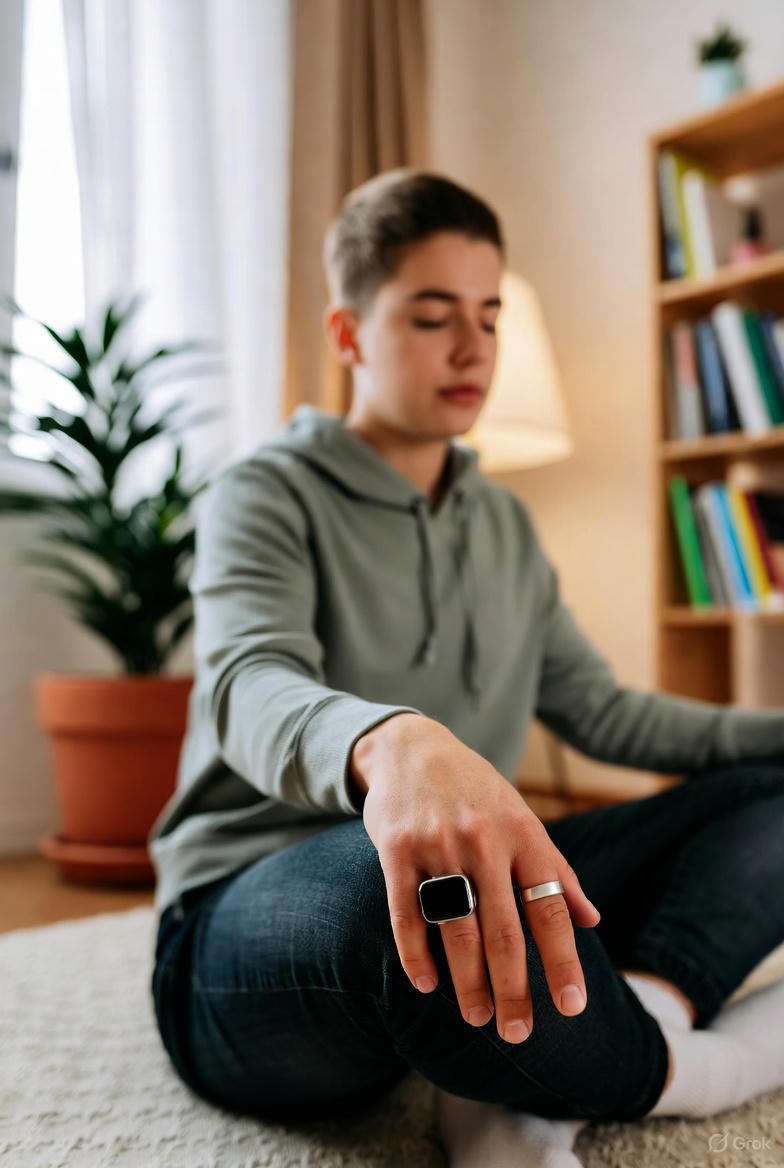
We stand at an inflection point. The current generation of health wearables offers a brilliant rearview mirror and a decent dashboard. The next generation, powered by artificial intelligence (AI), advanced biometrics, and multi-omics integration, will provide a predictive navigation system for health. The future of restoration wellness is not just about tracking how you slept last night, but about forecasting your health trajectory and receiving hyper-personalized guidance to optimize it.
From Descriptive to Predictive and Prescriptive Analytics
Integration with Multi-Omics and Digital Twins
The future lies in convergence. Data from your wearable (physiological omics) will be integrated with periodic data from:
Advanced Sensing and Non-Invasive Monitoring
Future wearables will move beyond optical heart rate sensors. Research is underway for sensors that can non-invasively track:
The Role of AI as a Personal Health Coach
An AI, trained on massive population health datasets and fine-tuned on your personal data, will act as your 24/7 health coach. It will notice subtle patterns invisible to the human eye—for example, that your HRV dips predictably two days after you consume a specific food, or that your best sleep follows days you have a 10-minute afternoon conversation with a particular friend. It will provide nudges, education, and motivation tailored to your psychology and life context.
The Oxyzen platform is built with this future in mind. The architecture is designed to evolve from tracking to true coaching, integrating new data streams and AI insights as the technology matures. We are moving toward a world where your wearable won't just tell you you're tired; it will understand why and help you build a life where chronic fatigue is an anomaly of the past. To glimpse what's on the horizon, explore our thoughts on health tracking technology in 2025 and what's possible.
This future is promising, but it also raises critical questions about privacy, access, and the very nature of the health journey. As we conclude this portion of our exploration, we must ground our excitement in mindful implementation.
We have journeyed from the cellular mechanisms of autophagy to the societal implications of a well-rested population, from the ancient wisdom of rhythm to the cutting-edge future of AI-driven health. This exploration reveals a central, unifying truth: Longevity is not a destination reached through a single breakthrough, but a path paved daily by the quality of our restoration.
The connection between restoration wellness and longevity is no longer theoretical; it is a scientific fact validated by fields ranging from neurology to endocrinology to genomics. We now understand that:
Yet, knowledge without application is merely trivia. The imperative now is integration. This means:
The modern wellness ring is the perfect companion for this integrated journey. It is the silent, objective partner that measures your baseline, illuminates your patterns, validates your efforts, and helps you navigate the complex landscape of your own health. It turns the profound science of longevity into a personal, actionable daily practice.
As we look ahead, the journey continues deeper into application. In the next portion of this guide, we will build directly upon this foundation. We will dive into creating your personalized longevity audit, designing seasonally-adjusted restoration protocols, exploring advanced nutrition for cellular repair, understanding the role of purposeful movement and strength in aging, navigating longevity supplementation, building a supportive community, and preparing for the psychological transitions of an extended healthspan. This is where the blueprint becomes a lived reality.
To begin applying these principles today, or to find answers to common questions as you start, visit our FAQ page for support and guidance. The path to a longer, more vibrant life begins not with a leap, but with a single, restored breath.
Knowing the principles of restoration is one thing. Systematically applying them to your unique biology, history, and goals is another. This is where the Personalized Longevity Audit comes in. It’s a structured, holistic self-assessment that uses both subjective reflection and objective data to create a clear snapshot of your current "longevity readiness" and a targeted roadmap for improvement. Think of it as a CEO’s annual review, but for your most important asset: your future vitality.
The Audit Framework: Four Key Quadrants
A comprehensive audit examines not just physical health, but the interconnected domains that define your quality of life.
Quadrant 1: Physiological Metrics (The "Hard Data")
This is where your wearable device provides the foundational truth.
Quadrant 2: Lifestyle & Behavior (The "Daily Inputs")
This is an honest log of your habits.
Quadrant 3: Cognitive & Emotional Health (The "Mental Software")
This requires introspection.
Quadrant 4: Medical & Historical Context (The "Baseline Blueprint")
This is your foundational health narrative.
Synthesizing the Audit into an Action Plan
The goal is not to achieve a perfect score, but to identify your "limiting factor"—the single area where improvement will have the greatest cascading positive effect. For someone sleeping 5 hours a night, no supplement or workout regimen will compensate; sleep is the limiting factor. For someone with great sleep but chronic, unmanaged work stress, stress resilience becomes the primary target.
Use the audit to set S.M.A.R.T. goals (Specific, Measurable, Achievable, Relevant, Time-bound) for one quadrant at a time. Example: "Based on my audit, my 30-day sleep consistency is poor (90-minute variance). For the next 30 days, I will fix my bedtime within a 20-minute window and track the impact on my deep sleep percentage and morning HRV."
This audit is a living document. Revisit it quarterly, using your accumulated data to track progress and refine your approach. For a structured approach to implementing changes based on such an audit, our guide on wellness ring basics for enabling preventive health monitoring provides a practical framework.
With a clear audit in hand, the next step is to recognize that a static protocol is insufficient for a dynamic life. Our bodies and environments change with the seasons, and our restoration practices must adapt in harmony.
Just as our daily circadian rhythm is crucial, so too are the longer, slower rhythms of the earth—the seasons. For most of human history, our behaviors in sleep, diet, activity, and social engagement naturally ebbed and flowed with the changing light, temperature, and food availability. Modern life, with its constant artificial light and global food supply, has severed this connection. Seasonal restoration is the practice of intentionally aligning your longevity protocol with the natural energy of each season, reducing friction with the environment and unlocking deeper layers of physiological harmony.
Winter: The Season of Deep Restoration, Reflection, and Storage
Spring: The Season of Renewal, Cleansing, and Emergence
Autumn: The Season of Harvest, Grounding, and Preparation
Technology as a Seasonal Compass
Your wellness ring is the perfect tool to observe your body’s innate seasonal responses. You may see your resting heart rate naturally dip in winter and rise in summer. Your HRV may show different optimal workout times. By observing these annual patterns in your data, you can cooperate with your biology rather than fight it, reducing stress and optimizing restoration year-round. For insights into how this personalized tracking enables a truly tailored approach, explore how health tracking technology enables personalized wellness.
Aligning with the seasons creates a sustainable, rhythmic container for your health. Within that container, the specific fuel you provide your cells—your nutrition—needs to be optimized not just for energy, but for repair and resilience.

While general healthy eating is important, a longevity-focused diet targets specific pathways: reducing inflammation, supporting autophagy, protecting mitochondrial function, and providing the raw materials for cellular repair. This goes beyond calories and macros into the realm of nutrient density and timing.
The Longevity Plate: Principles of Nutri-Restoration
Strategic Eating Patterns for Longevity
Key Longevity Nutrients & Food Synergies
Using Data to Personalize Nutrition
Track how different foods and meal timings affect your biomarkers:
Nutrition provides the building blocks, but it is through intelligent, progressive movement that we construct a resilient physical structure capable of carrying us vibrantly through the decades.
If restoration is the foundation of longevity, then muscle is the fortress. The age-related loss of muscle mass and strength, known as sarcopenia, is a primary driver of frailty, loss of independence, metabolic decline, and increased mortality. Cardiovascular health is vital, but without a robust musculoskeletal system, a long life can become a fragile one. The longevity movement protocol, therefore, must be strategic, progressive, and balanced.
The Pillars of Longevity-Centric Movement
The Role of Wearables in Movement Optimization
Strength training is a potent hormetic stressor—it creates micro-damage that, when followed by proper restoration and nutrition, leads to a stronger, more resilient system. It is the ultimate expression of the stress-recovery cycle applied to the musculoskeletal system. For an exploration of how tracking can elevate your training, see how wellness rings are used for activity and movement tracking.
Even with perfect nutrition and movement, the modern environment and aging process can create nutrient gaps and specific challenges. This leads to the nuanced and often confusing world of longevity supplementation.
The supplement industry is a minefield of hype and hope. While food should always be the foundation, strategic supplementation can act as a "insurance policy" or a targeted tool to address specific deficiencies or support longevity pathways that are difficult to optimize through diet alone in the modern world. The guiding principle should be "test, don't guess."
Tier 1: Foundational Supplements (Based on Widespread Deficiency & Strong Evidence)
Tier 2: Longevity Pathway Supporters (Emerging but Promising Evidence)
Tier 3: Hormetic Compounds & Senolytics (Advanced, Research-Stage)
The Golden Rules of Supplementation
Your wellness data is invaluable here. If you start a new supplement, track its impact on your sleep scores, HRV trend, and resting heart rate. This objective feedback can tell you if a supplement is truly beneficial, neutral, or even stressful for your system, allowing you to personalize your regimen beyond what any generic bottle label can advise.
While supplements can fill gaps, the most powerful "supplement" for longevity is free and readily available: the oxygen we breathe and how we use it. Mastering our breath is a direct line to our nervous system and a cornerstone of real-time restoration.
If there is one restoration tool that is always available, requires no equipment, and has an immediate, profound impact on your nervous system, it is your breath. Breathing is unique—it is an automatic function we can consciously override. This gives us a direct dial to turn the volume up or down on our stress response. Conscious breathing practices, or pranayama, are not mystical; they are applied physiology, a way to trigger the relaxation response on demand and build enduring resilience.
The Physiology of Breath: How It Controls Your State
Essential Breathing Techniques for Restoration
Integrating Breathwork into Your Longevity Protocol
Measuring the Impact
This is where technology shines. Practice a specific breathing technique for one week. Observe its impact on your nocturnal HRV and sleep depth scores. You will likely see a tangible, data-backed improvement, reinforcing the practice and making it a non-negotiable part of your routine. Breath is the ultimate biohack—a direct, immediate, and free connection to your restoration system. For more on how daily habits compound into major health benefits, see how a wellness ring can help build healthy habits.
As we master the internal tools of breath and resilience, we must also cultivate the external structures that will support our extended healthspan. This involves practical, legal, and social foresight.
A long, healthy life is not just a biological achievement; it is a logistical and social one. Planning for a 100-year life requires foresight in areas often neglected until it's too late. Legacy planning in the context of longevity is about ensuring your extended years are lived with autonomy, purpose, and security. It’s about designing the external framework that supports your internal health.
Financial Resilience: Funding a Century of Life
Social & Relational Architecture
Creating a Supportive Physical and Digital Environment
The Role of Technology in Legacy Planning
Your wearable data becomes part of your health legacy. Long-term trends can be invaluable for you and your healthcare providers. Imagine having a 10-year record of your sleep, HRV, and activity data to reference when a new symptom arises. This objective history is more accurate than memory and can lead to faster, more accurate diagnoses and treatments.
By addressing these practicalities, you remove significant latent stressors (financial anxiety, family uncertainty) that silently erode restoration. You create the external calm that allows your internal biological calm to flourish. For a company built on the vision of empowering this kind of long-term health journey, learn more about our mission and values.
This comprehensive journey—from cellular science to legacy planning—culminates in a final, integrative realization. The ultimate goal is not just to add years to life, but to add profound, purposeful life to those years.
We have traversed a vast landscape—from the microscopic processes of autophagy to the macroscopic planning for a century-long life. The final, and perhaps most important, piece is the mindset that binds it all together. This is not a collection of life-hacks, but a fundamental shift in identity: from someone who wants to be healthy to someone who is a steward of their own longevity. This integrated mindset is characterized by three core principles: Curiosity, Consistency, and Compassion.
1. The Curious Scientist (Adopting a "Test & Learn" Approach)
Abandon dogma. Embrace the mindset of a scientist experimenting on their one precious subject: themselves.
2. The Consistent Gardener (Prioritizing Process Over Perfection)
Longevity is grown, not built. It is the compound interest of daily, small, sustainable actions.
3. The Compassionate Witness (Practicing Self-Observation Without Judgment)
The path is not linear. There will be nights of poor sleep, weeks of high stress, and periods of derailment.
The Oxyzen Ring as Your Companion in This Mindset
This device is the physical embodiment of this integrated mindset. It satisfies the Curious Scientist with rich data. It supports the Consistent Gardener by tracking trends and highlighting the power of routine. It aids the Compassionate Witness by providing objective feedback that depersonalizes setbacks and encourages kind course-correction.
The connection between restoration wellness and longevity is the most empowering health discovery of our time. It places the agency for a longer, healthier life squarely in our hands, through the daily choices we make about rest, recovery, and rhythm. It tells us that the secret to the future is hidden not in a pill, but in the quality of our nights, the depth of our breaths, the resilience of our cells, and the strength of our connections.
This is your invitation. Not to a quick fix, but to a lifelong practice. Not to an obsession with numbers, but to a profound conversation with your own body. Start where you are. Audit one habit. Track one week of sleep. Try one breathing technique. Observe, learn, and adapt.
The road to a century of vitality is paved with restful miles. Begin your journey today.
To explore the tools that can help you start this integrated practice, visit the Oxyzen shop to discover how design meets deep health insight. For ongoing learning and support, our complete blog is a dedicated resource for your longevity journey.
Your Trusted Sleep Advocate (Sleep Foundation — https://www.sleepfoundation.org/)
Discover a digital archive of scholarly articles (NIH — https://www.ncbi.nlm.nih.gov/
39 million citations for biomedical literature (PubMed — https://pubmed.ncbi.nlm.nih.gov/)
experts at Harvard Health Publishing covering a variety of health topics — https://www.health.harvard.edu/blog/)
Every life deserves world class care (Cleveland Clinic -
https://my.clevelandclinic.org/health)
Wearable technology and the future of predictive health monitoring. (MIT Technology Review — https://www.technologyreview.com/)
Dedicated to the well-being of all people and guided by science (World Health Organization — https://www.who.int/news-room/)
Psychological science and knowledge to benefit society and improve lives. (APA — https://www.apa.org/monitor/)
Cutting-edge insights on human longevity and peak performance
(Lifespan Research — https://www.lifespan.io/)
Global authority on exercise physiology, sports performance, and human recovery
(American College of Sports Medicine — https://www.acsm.org/)
Neuroscience-driven guidance for better focus, sleep, and mental clarity
(Stanford Human Performance Lab — https://humanperformance.stanford.edu/)
Evidence-based psychology and mind–body wellness resources
(Mayo Clinic — https://www.mayoclinic.org/healthy-lifestyle/)
Data-backed research on emotional wellbeing, stress biology, and resilience
(American Institute of Stress — https://www.stress.org/)


