


How Your Smart Ring Monitors Mitochondrial Health Indicators
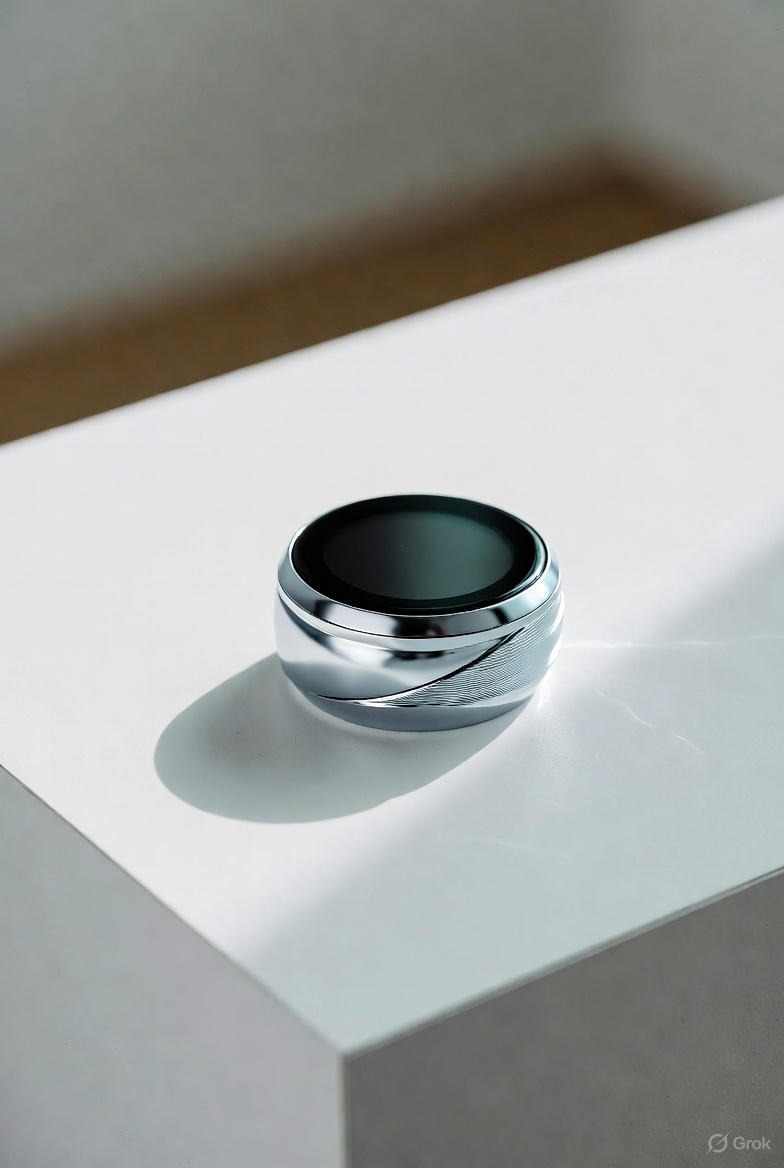
How the ring monitors indicators of mitochondrial health (cellular energy).
How the ring monitors indicators of mitochondrial health (cellular energy).
%402x.svg)
Imagine a power plant so small it operates within almost every cell of your body, yet so critical that its dysfunction is linked to fatigue, accelerated aging, and chronic disease. This is the mitochondrion, the cellular powerhouse. For decades, understanding its health required complex lab tests. Today, a revolution is quietly resting on your finger. Your smart ring, through a symphony of sensors and advanced algorithms, is now translating subtle biological signals into a clear window on your mitochondrial efficiency. This isn't just another step in wearable technology; it’s a leap into the foundational layer of human vitality. By continuously monitoring key physiological proxies, these unassuming devices provide unprecedented, real-time insights into the performance of your cellular engines, empowering you to optimize your energy, recovery, and long-term health from the inside out. Welcome to the frontier of personalized, preventive wellness.
Deep within the trillions of cells that compose your body lies a microscopic network of profound importance: the mitochondria. Often described as the "powerhouse of the cell," this analogy, while helpful, barely scratches the surface of their role. Mitochondria are dynamic, bean-shaped organelles that act as biochemical furnaces, converting the oxygen you breathe and the nutrients you consume into adenosine triphosphate (ATP), the fundamental currency of cellular energy. Every heartbeat, every thought, every muscle contraction draws directly from this ATP reserve.
But mitochondria are far more than simple energy converters. They are central hubs for cellular signaling, regulating everything from programmed cell death (apoptosis) to calcium storage and heat production. Their health is inextricably linked to your overall vitality. When mitochondria function optimally, cells thrive, repair mechanisms work efficiently, and the body maintains resilience. When they become inefficient or damaged—a state often called mitochondrial dysfunction—the consequences ripple outward. The cell experiences an energy crisis, leading to increased production of harmful free radicals, accelerated cellular aging, and impaired tissue function. This dysfunction is now recognized as a key contributor to a spectrum of modern ailments, from persistent fatigue and brain fog to metabolic disorders, neurodegenerative diseases, and the very process of aging itself.
For most of medical history, assessing mitochondrial health was the exclusive domain of specialized research labs, involving muscle biopsies or complex blood panels measuring obscure metabolites. It was reactive, invasive, and inaccessible. The paradigm shift offered by wearable technology like smart rings is monumental. Instead of a single snapshot from a painful test, we now have the potential for continuous, non-invasive monitoring of the physiological outputs that reflect mitochondrial efficiency. By tracking how your body manages energy, recovers from stress, and maintains balance, these devices provide a dynamic map of your cellular power grid’s performance in real-time, every day. For a deeper look at how this technology fits into the broader landscape of health innovation, explore our article on the evolution of health tracking technology from manual logs to smart rings.
The first generation of wearables excelled at quantification—counting steps, estimating calories, and segmenting sleep into broad stages. These were valuable first steps, but they operated on the surface, measuring what you did rather than how your body fundamentally responded. The new frontier, embodied by advanced smart rings, moves beyond surface-level metrics into the realm of deep physiology. This shift is powered by two key advancements: sophisticated sensor fusion and the application of artificial intelligence to interpret complex biological signals.
Modern smart rings are equipped with a suite of miniaturized sensors. The most common is the photoplethysmogram (PPG) sensor, which uses tiny LED lights to measure blood flow variations at the wrist or finger. This single stream of data is deceptively rich; from it, algorithms can derive not just heart rate, but also heart rate variability (HRV), respiratory rate, and even blood oxygen saturation (SpO2). An accelerometer tracks movement and intensity, while a skin temperature sensor provides a critical baseline of metabolic and circulatory state. Some advanced models also incorporate bioelectrical impedance sensors to gauge stress through galvanic skin response. Individually, these data points are informative. Fused together and processed through machine learning models trained on vast physiological datasets, they form a coherent picture of your autonomic nervous system (ANS) balance and metabolic output—the very systems mitochondria directly fuel.
This represents a fundamental change in perspective. Instead of telling you you slept 7 hours, your ring can now infer the quality of that sleep based on how stable your heart rate and nervous system were throughout the night—a direct reflection of cellular recovery processes. Instead of just counting active minutes, it can assess how efficiently your body met the energy demands of that activity and how long it took to return to baseline, speaking volumes about mitochondrial capacity. This transition from external activity tracking to internal state assessment is what unlocks the door to mitochondrial insights. It transforms the ring from a fitness accessory into a true wellness guardian, enabling the kind of preventive health monitoring that can catch subtle declines before they manifest as symptoms.
If you were to measure only one metric as a proxy for mitochondrial health and overall resilience, Heart Rate Variability (HRV) would be a prime candidate. Contrary to what one might assume, a healthy heart does not beat with the monotonous regularity of a metronome. The time interval between successive heartbeats fluctuates, varying by milliseconds. This variation, HRV, is a master biomarker of autonomic nervous system (ANS) function. Your ANS has two primary branches: the sympathetic ("fight or flight") which mobilizes energy, and the parasympathetic ("rest and digest") which promotes recovery and restoration. High HRV typically indicates a strong, adaptable parasympathetic tone and a balanced ANS, meaning your body can efficiently switch between spending energy and recovering it.
This is where the mitochondria connection becomes clear. Your mitochondria are the ultimate source of the energy required for all cellular processes, including the beating of your heart and the function of your nervous system. When mitochondria are healthy and producing ample ATP, the body has the metabolic flexibility to meet demands without excessive stress. The parasympathetic nervous system can function optimally, promoting recovery and maintaining a high, variable heart rate pattern. When mitochondria are strained or dysfunctional, cellular energy production becomes inefficient. The body may become stuck in a more sympathetically-driven, energy-conserving state with a lower, less variable heart rate—a sign it is struggling to meet basal demands, let alone recover from additional stress.
Your smart ring measures HRV continuously, often using the RMSSD (Root Mean Square of Successive Differences) method, which is particularly sensitive to parasympathetic activity. By tracking your HRV trends—your nightly average, your morning readiness score, and your response to specific events—the ring paints a detailed picture of your energy reserve status. A consistently high or rising HRV trend suggests robust mitochondrial function and good recovery. A sudden dip or a declining trend can be an early warning of accumulated stress, insufficient recovery, illness onset, or behaviors that are taxing your cellular engines. It’s a direct, non-invasive line of sight into the balance between energy expenditure and energy production at the most fundamental level. Understanding this metric is a cornerstone of using your device effectively, a topic we cover in our guide on how to personalize your wellness ring for your body.

While HRV speaks to the quality of your nervous system control, Resting Heart Rate (RHR) provides a foundational look at the workload on your cardiovascular system and, by extension, its metabolic efficiency. Defined as your lowest heart rate while awake but at complete rest, RHR is a powerfully simple metric. In a fit, healthy individual with efficient mitochondria, the heart is a strong muscle that pumps a large volume of blood with each beat (high stroke volume). Therefore, it doesn’t need to beat as frequently to supply the body’s resting oxygen and nutrient demands. A low RHR (typically between 50-70 bpm for most adults, and even lower for endurance athletes) is generally a sign of cardiovascular fitness and metabolic efficiency.
Mitochondria are central to this efficiency. In cardiac muscle cells, mitochondria are exceptionally dense, providing the constant ATP needed for contraction. Their health directly impacts the heart's performance. Furthermore, the body’s overall metabolic rate at rest—the Basal Metabolic Rate (BMR)—is essentially the sum of all the energy consumed by your cells to maintain life. This energy comes almost exclusively from mitochondrial ATP production. An elevated RHR can signal that the body is working harder than it should be at rest. This could be due to factors that strain mitochondria: systemic inflammation, psychological stress, poor sleep, dehydration, or subclinical illness. All of these increase sympathetic nervous system activity and metabolic demand, forcing the heart to beat faster to circulate resources.
Your smart ring excels at capturing your true RHR, as it can measure you during periods of actual rest throughout the day and night, not just during a brief morning check. By establishing a personalized baseline for your RHR, the ring can alert you to meaningful deviations. A sustained increase of 5-10 bpm above your normal baseline is a classic sign that your body is under some form of strain, potentially indicating that your cellular power plants are being overtaxed and operating inefficiently. Monitoring this trend, alongside HRV, offers a dual-lens view of your engine’s idle speed and its governing system’s stability, forming a critical part of a holistic personalized wellness plan.
After a workout, a stressful day, or a night of poor sleep, your body enters a critical phase: recovery. This is not a passive state, but an active, energy-intensive process of repair, adaptation, and rebalancing. Cellular damage is repaired, glycogen stores are replenished, hormones are recalibrated, and the nervous system resets. The master orchestrators of this biochemical repair symphony? The mitochondria. They provide the ATP needed for every single repair process. Therefore, the speed and completeness of your recovery are direct reflections of mitochondrial capacity and health.
This is the conceptual bedrock of the "Recovery Score" or "Readiness Score" generated by advanced smart rings and their companion apps. This score is not a single measurement but a sophisticated algorithm synthesizing multiple data streams collected primarily during sleep—the body's prime recovery window. Key inputs include:
The algorithm weighs these factors to produce a single, actionable metric—a green, yellow, or red light for the day ahead. A high readiness score suggests your mitochondria have successfully fueled a comprehensive recovery. Your energy tanks are full, your nervous system is balanced, and you are physiologically prepared for stress or strain. A low score is a clear signal that recovery is incomplete. Perhaps your HRV remained low, your RHR was elevated, or your sleep was disturbed. This tells you that your cellular resources are depleted; your mitochondria are still playing catch-up, and imposing further significant stress would be counterproductive, potentially leading to deeper fatigue or heightened injury risk.
By honoring this feedback, you learn to train, work, and live in harmony with your body’s true capacity. You push when your engines are ready and prioritize rest when they signal the need. This dynamic guidance moves you from guessing to knowing, turning abstract concepts of "overtraining" or "burnout" into quantifiable, preventable states. It’s a powerful example of how this technology can help you build sustainable, healthy habits based on your unique biology.
Breathing is so automatic we rarely consider its rate unless short of breath. Yet, your Respiratory Rate (RR)—the number of breaths you take per minute—is a vital sign of remarkable depth, especially when measured at rest. While commonly monitored in clinical emergencies, its value in daily wellness has been underappreciated until wearables made continuous monitoring feasible. A typical adult at rest takes 12-20 breaths per minute. Like RHR, a lower resting respiratory rate often indicates greater efficiency.
The link to mitochondrial function is found in the fundamental purpose of breathing: gas exchange. We inhale oxygen, which is transported by blood to cells and ultimately to the mitochondria, where it serves as the final electron acceptor in the ATP-producing electron transport chain. We exhale carbon dioxide, a primary waste product of this metabolic process. Therefore, the rate and depth of breathing are finely tuned to match the body’s metabolic demand for oxygen and its need to offload CO2.
When mitochondria are highly efficient, they extract maximum energy (ATP) from each molecule of oxygen—a concept known as metabolic efficiency. This means the body requires less oxygen at rest to meet its energy needs. Consequently, the drive to breathe is lower, resulting in a slower, deeper, and more regular breathing pattern. Conversely, if mitochondria are inefficient (a state sometimes termed "uncoupled"), they produce less ATP per unit of oxygen and may generate excess heat and free radicals. The body may respond with a subtly increased respiratory rate to supply more oxygen in an attempt to meet energy demands, or to blow off excess CO2 if metabolic byproducts are shifting.
Your smart ring calculates respiratory rate directly from the PPG signal by detecting the subtle, rhythmic variations in heart rate associated with breathing (known as respiratory sinus arrhythmia). Tracking your resting RR, particularly during sleep when it’s most stable, provides another data point on your metabolic engine’s efficiency. A gradual, unexplained increase in your baseline RR could be a subtle early sign of respiratory, cardiac, or metabolic stress—all conditions that ultimately challenge mitochondrial performance. It completes a triad of vital signs—HRV, RHR, and RR—that together offer a robust, continuous assessment of your foundational physiology.
The human body is a thermal engine, and its core temperature is tightly regulated around 37°C (98.6°F). This heat is not a byproduct but a central feature of metabolism—a direct result of the biochemical reactions of life, with mitochondrial respiration being a major contributor. The process of converting food and oxygen into ATP is imperfect; a significant portion of the energy is released as heat. This is why we speak of "burning" calories. Peripheral skin temperature, especially on the finger where smart rings sit, is a dynamic interface reflecting changes in core temperature, blood flow (vasodilation and vasoconstriction), and local metabolic activity.
Continuous skin temperature monitoring unlocks several insights related to mitochondrial health and metabolic state:
By establishing your personal temperature baseline and rhythm, your smart ring can alert you to significant deviations. A higher-than-normal nighttime temperature could signal your mitochondria are under siege from an impending illness. A consistently flattened rhythm might suggest circadian misalignment, which is known to impair mitochondrial function. It adds a thermal layer to the physiological picture, telling you not just how fast your engine is running (heart rate) or how well it's managed (HRV), but also how much waste heat it’s producing as a clue to its operational efficiency.
Oxygen is the indispensable fuel for the mitochondrial engine. In a process called oxidative phosphorylation, mitochondria use oxygen to generate the majority of the body’s ATP. Blood Oxygen Saturation (SpO2) measures the percentage of hemoglobin in your bloodstream that is carrying oxygen. At sea level, a healthy individual typically maintains an SpO2 between 95-100%. While a single daytime reading is usually stable, the nocturnal dynamics of SpO2 are where critical insights lie, and where the smart ring’s continuous monitoring becomes exceptionally valuable.
During sleep, muscle relaxation, changes in breathing control, and body position can lead to subtle, temporary dips in blood oxygen. These events are common. However, frequent or significant desaturations can indicate sleep-disordered breathing, such as sleep apnea, where breathing repeatedly stops or becomes shallow. During an apnea event, oxygen levels fall, carbon dioxide rises, and the brain triggers a micro-arousal to restart breathing—often without the sleeper fully waking. This creates a cycle of stress: hypoxia (low oxygen), followed by a surge of sympathetic nervous system activity.
From a mitochondrial perspective, this is profoundly disruptive. The cyclic hypoxia-reoxygenation mimics ischemia-reperfusion injury, a potent generator of oxidative stress—an avalanche of free radicals that can directly damage mitochondrial DNA and membranes. Furthermore, the constant sympathetic surges fragment sleep and prevent the deep, restorative stages where cellular repair and mitochondrial maintenance are prioritized. Over time, untreated sleep apnea is a major risk factor for hypertension, cardiovascular disease, and metabolic syndrome—all conditions with strong mitochondrial links.
A smart ring with pulse oximetry can track your SpO2 throughout the night, identifying the frequency and depth of any desaturation events. Seeing a pattern of frequent dips provides tangible data to bring to a healthcare professional. By addressing nocturnal oxygen stability, you are not just improving sleep quality; you are safeguarding the very oxygen supply your mitochondria depend on and reducing a major source of oxidative assault on them. This capability underscores the ring’s role in enabling a truly comprehensive approach to health, gathering data that was once only available in a sleep lab. For more on the practical aspects of using these features, our FAQ page addresses common user questions.
The ultimate stress test for your mitochondrial network is physical activity. Exercise creates a massive, immediate demand for ATP, forcing mitochondria to ramp up production. How your body meets this demand, and how quickly it returns to equilibrium afterward, provides a functional assessment of mitochondrial capacity and resilience. This is where activity and "strain" metrics, informed by the physiological signals already discussed, create a complete feedback loop.
Your ring tracks activity through its accelerometer, measuring movement volume and intensity. But the advanced insight comes from combining this with real-time heart rate data to calculate a "Strain" or "Exertion" score. This score estimates the physiological cost of your activity based on your personal baselines. A 30-minute run will produce a different strain score for a professional athlete with highly efficient mitochondria than for a deconditioned person, even if the external activity is identical.
The post-activity period is equally telling. After exercise, a fit individual with robust mitochondria will see a rapid decrease in heart rate (heart rate recovery, or HRR) and a swift rebound of HRV as the parasympathetic nervous system re-engages to direct resources toward repair. This indicates a strong "energy reserve" and efficient mitochondria that can handle the load without being overwhelmed. A sluggish HRR and a prolonged suppression of HRV suggest the activity imposed a deep stress, depleting energy reserves and requiring a longer, more metabolically expensive recovery—a sign that mitochondrial capacity may be inadequate for the demand placed upon it.
By monitoring your strain scores alongside your recovery metrics, you can find your personal "Green Zone"—the level of activity that challenges your system positively without breaking down your recovery capacity. This helps you avoid the chronic strain that can lead to mitochondrial fatigue and overtraining syndrome. It transforms exercise from a blunt tool into a precise instrument for building mitochondrial density and efficiency. This intelligent integration of activity and recovery is a key feature that doctors find most useful in supporting patient health outside the clinic.
The raw data streams from a smart ring—the flickering light of the PPG sensor, the subtle movements, the gentle warmth against your skin—are, in isolation, just numbers. The transformative magic that translates these numbers into a coherent story about your mitochondrial health happens in the digital realm, through sophisticated algorithms and artificial intelligence. This is the silent, computational bridge between biometric signals and actionable wellness insights.
At the heart of this process is sensor fusion. An algorithm doesn't look at heart rate, HRV, temperature, and movement as separate entities. Instead, it continuously correlates them, seeking patterns and relationships. For instance, a rising heart rate coupled with increased movement is interpreted as physical activity. The same rising heart rate at 3 AM, paired with a spike in skin temperature and minimal movement, is flagged as a potential immune response or stress event. This contextual understanding is fundamental.
The next layer involves establishing a personal baseline. During an initial setup period (often a week or two), the algorithms learn your normal. What is your average resting heart rate? What does your typical HRV rhythm look like across a day and night? What is your baseline skin temperature? This personalization is critical because absolute numbers are far less meaningful than deviations from your own norm. A resting heart rate of 65 might be high for a conditioned athlete but low for someone else. The algorithms are designed to detect meaningful change.
Finally, predictive modeling and pattern recognition come into play. Machine learning models, trained on vast, anonymized datasets of physiological information paired with health outcomes, learn to identify signatures. They can recognize the physiological pattern that often precedes a migraine, the subtle temperature and HRV shifts that suggest an oncoming cold, or the cumulative strain-and-recovery mismatch that points to a high risk of burnout. For mitochondrial health, the algorithm is essentially looking for patterns of inefficient energy management: chronically low HRV despite adequate sleep, sluggish heart rate recovery after minor exertion, elevated resting heart rate without an obvious cause, and unstable nocturnal physiology. It pieces together a narrative of a system struggling to produce and manage energy effectively.
This is why the "Readiness" or "Recovery" score is so powerful. It is the algorithm's synthesized verdict, weighing all inputs against your personal baseline and known physiological models to answer one question: "Do this person's cellular power plants have enough reserve capacity to handle significant stress today?" It’s a holistic, systems-biology approach delivered to your smartphone. To understand more about the technology enabling this, delve into our explainer on the sensors and AI behind modern health tracking.
Your smart ring provides the dashboard, but you are the pilot. The metrics it displays are not predetermined; they are dynamic reflections of the choices you make every day. Mitochondria are exquisitely sensitive to lifestyle inputs. They adapt—for better or worse—to your environment, your nutrition, your activity, and your stress. Understanding this direct feedback loop is the key to moving from passive observation to active optimization.
Nutrition as Mitochondrial Fuel: The adage "you are what you eat" is, at a cellular level, profoundly true. Mitochondria primarily burn two fuels: glucose (from carbohydrates) and fatty acids (from fats). The quality and timing of these fuels matter immensely. A diet high in refined sugars and processed fats can lead to mitochondrial overload, increased production of damaging free radicals (oxidative stress), and inflammation. Conversely, nutrients from whole foods—like antioxidants from colorful fruits and vegetables, omega-3 fatty acids from fish, and compounds like CoQ10 and magnesium—act as essential cofactors for mitochondrial enzymes and protective shields against oxidative damage. Your ring can detect the effects of dietary choices: a meal high in sugar and saturated fat may trigger a noticeable dip in HRV and a rise in resting heart rate for hours afterward as your body (and mitochondria) grapple with the metabolic burden.
Exercise as Mitochondrial Training: Physical activity is the most potent known stimulus for mitochondrial biogenesis—the creation of new mitochondria. It also promotes mitophagy, the quality-control process where old, damaged mitochondria are cleared out. This is how you upgrade your cellular power grid. Consistent, varied exercise (especially a mix of cardiovascular and strength training) increases mitochondrial density and efficiency, which your ring will reflect over time through improvements in heart rate recovery, higher baseline HRV, and better sleep quality scores. The ring’s strain and recovery metrics guide you to train at the right intensity to stimulate this positive adaptation without tipping into the destructive zone of overtraining.
Sleep as Mitochondrial Maintenance: Sleep is non-negotiable maintenance time for mitochondria. During deep sleep, the brain’s glymphatic system clears waste, growth hormone is released, and cellular repair processes peak. This is when mitochondria undergo crucial repair and replication. Chronic sleep deprivation or poor sleep quality, as reflected in your ring’s sleep score and nocturnal HRV, directly impairs mitochondrial function, leading to less ATP production, more oxidative stress, and a buildup of cellular damage. Prioritizing sleep based on your ring’s data is perhaps the single most effective mitochondrial intervention.
Stress as a Mitochondrial Circuit Breaker: Chronic psychological stress keeps the sympathetic nervous system activated, flooding the body with cortisol and catecholamines. This biochemical state signals mitochondria to ramp up energy production, but in a sustained, inefficient manner that generates excessive free radicals. Over time, this "oxidative stress" damages mitochondrial DNA and membranes. Your HRV metric is the most direct line of sight into this process. Meditation, breathwork, nature exposure, and other relaxation techniques that improve HRV are, in effect, protecting your mitochondria from the corrosive effects of chronic stress. For practical ways to implement these habits, our blog offers 50 actionable tips for healthy aging that your ring can help you track.
Theory is compelling, but real-world application is where the power of mitochondrial monitoring becomes undeniable. Let’s explore three anonymized scenarios illustrating how smart ring data can guide interventions.
Case Study 1: The "Burnt-Out" Executive
Case Study 2: The Overtraining Athlete
Case Study 3: The Subtle Metabolic Shift

The companion app is the lens through which the ring's complex data becomes clear, actionable wisdom. A well-designed app doesn't just show charts; it tells a story about your day, your week, and your long-term health trajectory. Understanding how to navigate this dashboard is key to harnessing the power of mitochondrial monitoring.
The Daily Dashboard (The "What"): This is your morning briefing. At a glance, you should see your Readiness Score (the overarching recommendation), supported by its key contributors: Sleep Score, HRV Status, Resting Heart Rate, and Recovery Index. This view answers "How ready am I today?" Look for the narrative: "Your readiness is high because you had great sleep and strong recovery." Or, "Your readiness is lowered due to a higher resting heart rate, suggesting you may need more recovery."
The Trend Views (The "Why" & "When"): This is where you become a detective of your own physiology. Switching to a weekly or monthly view is essential. Here, you can plot HRV trends against your sleep duration, or see how your resting heart rate correlated with a period of high work stress or intense training. Did your nocturnal skin temperature spike two nights before you came down with a cold? Did your respiratory rate become more variable after starting a new medication? Trend analysis reveals cause-and-effect relationships that are invisible in daily snapshots. It helps you answer: "When did this start, and what was happening in my life then?"
The Journal & Tagging Feature (The Personal Context): Data without context is incomplete. The most powerful apps allow you to log daily tags: "Intense Workout," "Late Dinner," "Alcohol," "Stressful Meeting," "Meditated," "Sick." Over time, you can filter your data to see the precise impact of these factors. You might discover that a single glass of wine drops your average HRV by 15% for the night, or that a 20-minute meditation consistently boosts your afternoon HRV. This turns the app into a personalized scientific experiment, directly linking lifestyle inputs to mitochondrial and nervous system outputs. This level of personalization is at the core of what makes a wellness ring perfect for beginners and experts alike.
Actionable Insights & Nudges: Beyond charts, look for the app's interpretation. Good apps provide contextual insights like: "Your heart rate remained elevated during sleep last night. This can sometimes be linked to late caffeine, alcohol, or an oncoming illness." Or, "Your recovery is taking longer than usual after your workouts. Consider incorporating more active recovery days." These are not diagnoses, but educated nudges that prompt you to reflect and adjust behavior in real-time.
A critical question for anyone relying on data for health insights is: "How accurate is this?" Smart rings operate in a unique space—they are consumer wellness devices, not medical-grade diagnostic tools. Understanding their strengths, limitations, and the science behind their validation is key to setting appropriate expectations.
The Validation Landscape: Leading smart ring companies invest heavily in clinical validation studies. These studies typically involve comparing the ring's measurements against gold-standard reference devices in controlled settings. For example:
Context is King for Mitochondrial Proxies: It’s crucial to remember that the metrics discussed—HRV, RHR, RR—are proxies for mitochondrial and autonomic function. The ring is not directly measuring ATP or mitochondrial count. It is measuring the systemic output of a system fueled by mitochondria. Therefore, the "accuracy" we care most about is the reliability and consistency of the trend data. Can you trust that a downward trend in your HRV over two weeks is a real physiological change and not sensor noise? For well-validated devices, the answer is yes. The signal is robust enough to guide meaningful lifestyle interventions.
Best Practices for Trustworthy Data:
The technology is advancing at a breathtaking pace. For a look at what the near future holds, explore our analysis of health tracking technology in 2025 and beyond. This ongoing accuracy revolution is what makes these devices increasingly powerful partners in health.
Your smart ring is a powerful node in your personal health network, but it is not an island. Its true potential is unlocked when its data is integrated with other sources of health information to create a holistic, multidimensional picture. This integrated approach is the future of proactive, personalized wellness.
Syncing with Broader Health Ecosystems: Most ring apps allow integration with broader health platforms like Apple Health (iOS) or Google Fit (Android). This creates a centralized repository. Your ring contributes deep physiological data, while other apps can add information on nutrition (from food logging apps), detailed exercise metrics (from GPS watches or cycling computers), and mindfulness (from meditation apps). Seeing your low HRV day coincide with a day you skipped meals and had a high-stress work meeting paints a complete picture no single device could.
The Role of Periodic Medical Data: The ring’s continuous data provides context for intermittent medical tests. Imagine taking your annual blood work. You see your fasting glucose is at the high end of normal. You can then look back at your ring data from the preceding months. Was your resting heart rate trending up? Was your sleep quality declining? Was your HRV lower? This combination can provide powerful, contextual clues for your physician, suggesting that the metabolic shift seen in the blood test has been developing over time and is reflected in your autonomic physiology. It transforms a single-point test into part of a dynamic story.
Collaboration with Healthcare Professionals: This is perhaps the most transformative integration. Forward-thinking doctors, nutritionists, and fitness coaches are beginning to use this data. You can share trend reports with your doctor to discuss persistent fatigue or recovery issues. A nutritionist can correlate your meal logs with your postprandial HRV and energy levels to refine your diet. A personal trainer can adjust your program based on your readiness scores and recovery metrics, preventing overtraining. The ring provides an objective, quantifiable record of your body’s response to therapies, supplements, or lifestyle changes, moving healthcare decisions from generalized advice to personalized, data-informed strategy. This is how health tracking is actively changing the face of preventive medicine.
Creating a Personal Health Oasis: Ultimately, integration means using the ring as the central dashboard for your N of 1 health experiment. You become the principal investigator of your own well-being. The ring data is your primary outcome measure. You test interventions (a new sleep schedule, a different workout split, a dietary change) and observe the results not just in how you feel, but in the hard data of your HRV, sleep quality, and recovery. This iterative process of action, measurement, and adjustment is the essence of biohacking and personalized health optimization. For support in setting up this integrated system, our blog is a rich resource for related articles and guides.
When a device is collecting intimate, continuous physiological data that reflects your stress, your sleep quality, and your potential health vulnerabilities, questions of privacy and security are not secondary—they are paramount. Entrusting a company with this depth of information requires understanding how it is protected and used.
The Nature of the Data: Smart ring data is highly personal health information. While not typically classified as Protected Health Information (PHI) under laws like HIPAA unless shared with a covered entity, it is certainly sensitive personal data. This includes not just your metrics, but the patterns that can be inferred: your daily routine, your sleep and wake times, your activity patterns, and your physiological response to stress.
Industry Best Practices for Security: Reputable wearable companies employ a multi-layered security approach:
Mitigating Your Personal Risk: As a user, you play a role in your data security:
The promise of deep health insights comes with the responsibility of rigorous data stewardship. A trustworthy brand understands that its duty of care extends beyond the physical product to the digital body of information it helps create. For a detailed breakdown of how one brand approaches this critical issue, you can read about wellness ring privacy settings and data security. This trust is the foundation upon which the entire user experience is built.
We are in the early chapters of a story that will redefine how we understand and manage our health. The current ability of smart rings to monitor mitochondrial proxies is groundbreaking, but it is merely the foundation for what is to come. The convergence of sensor technology, biotechnology, and artificial intelligence points to a future where wearables will interact with our cellular biology in increasingly direct and dynamic ways.
Next-Generation Sensors and Biomarkers: Future rings may incorporate multi-wavelength PPG sensors capable of non-invasively estimating key blood biomarkers related to metabolism and mitochondrial function, such as lactate (a marker of anaerobic metabolism and mitochondrial stress) or NAD+ levels (a crucial coenzyme for mitochondrial energy production and cellular repair). Electrochemical sensors could measure metabolites like glucose or ketones from interstitial fluid, providing a direct window into metabolic flexibility—a core mitochondrial capability. Advanced temperature sensors could precisely track the thermal signature of brown adipose tissue activation, a mitochondria-dense tissue that burns calories for heat.
AI as a Predictive Health Guardian: Algorithms will evolve from describing your current state to predicting future risk. By analyzing long-term trends in your physiological data, AI could identify patterns that precede metabolic syndrome, cardiovascular issues, or cognitive decline by years, providing an unprecedented window for preventive intervention. It could offer hyper-personalized recommendations: "Based on your declining HRV trend and elevated resting rate, your model suggests a 70% probability of burnout within 4 weeks. Recommended countermeasures: increase sleep by 45 minutes, reduce caffeine after 12 PM, and schedule two 20-minute nature walks this week."
Closed-Loop Systems for Real-Time Optimization: Imagine a future where your wearable doesn't just advise but acts. It could integrate with smart home systems to gently adjust lighting and temperature to optimize your circadian rhythm for mitochondrial repair. It could interface with a digital nutrition coach to suggest specific meals based on your current metabolic readout (e.g., "Your glucose variability is high today; suggest a high-fiber, low-glycemic lunch"). This creates a responsive environment that actively supports your biology.
Democratization of Deep Health: This technology has the potential to democratize access to insights that were once only available in elite research or functional medicine clinics. It puts the power of continuous, personalized physiological monitoring in the hands of everyone, making proactive, mitochondria-centric health a mainstream possibility, not a luxury. This journey is part of a larger story of innovation and vision in wearable tech.
The smart ring on your finger today is the prototype for tomorrow's most essential health tool—a continuous, non-invasive monitor of our most fundamental life processes. By listening to the whispers of our mitochondria, we are learning not just to live longer, but to live with more vitality, resilience, and energy at every stage of life. This is the ultimate promise of the wearable revolution: a future where we are all empowered to be the best stewards of our own cellular vitality.
The beauty of mitochondrial health monitoring is its universal relevance. However, how you interpret and act on the data will—and should—vary dramatically depending on your age, primary objectives, and lifestyle. Your smart ring is not a one-size-fits-all tool; it’s a chameleon that adapts its most valuable insights to your unique context.
For the Performance-Driven Athlete (Goal: Optimize Adaptation & Peak Output)
For the athlete, mitochondria are the engines of performance. The primary focus here is on stress-recovery balance to drive positive adaptation (mitochondrial biogenesis) without tipping into overtraining (mitochondrial damage).
For the Professional Navigating High Stress (Goal: Sustain Resilience & Prevent Burnout)
For this user, the threat is chronic sympathetic overdrive, which floods cells with stress hormones that can uncouple mitochondria and increase oxidative damage. The goal is nervous system regulation.
For the Health-Conscious Individual & "Health Span" Optimizer (Goal: Long-Term Vitality & Prevention)
This user is focused on slowing the aging process and preventing chronic disease, both deeply linked to declining mitochondrial function. The focus is on trends and deviations over months and years.
For Those Managing a Chronic Condition (Goal: Manage Energy & Identify Triggers)
Conditions like Chronic Fatigue Syndrome, fibromyalgia, Long COVID, and autoimmune disorders often have suspected mitochondrial involvement (as “energy crisis” pathologies). Here, the ring is a pacing and trigger-identification tool.
Debunking Myths and Setting Realistic Expectations
As with any transformative technology, misconceptions arise. Clarifying what a smart ring can and cannot do is essential for a positive, empowered user experience.
Myth 1: “It’s a Medical Diagnostic Device.”
Myth 2: “Higher Numbers are Always Better.”
Myth 3: “The Data is 100% Accurate All the Time.”
Myth 4: “It Will Magically Make Me Healthy.”
Myth 5: “I Need to Check My Data Constantly.”
Setting these expectations upfront ensures users engage with the technology productively, avoiding frustration and leveraging its true strength: empowerment through insight. For answers to more specific, common questions, our comprehensive FAQ page is always available.
Not all smart rings are created equal. While the core sensor suite (PPG, accelerometer, temperature) is similar across top players, the differentiating factors lie in sensor quality, algorithmic sophistication, data presentation, and philosophical approach to health. Understanding these differences is key to choosing the right tool for your mitochondrial monitoring journey.
The Biometric Comprehensiveness Leaders (e.g., Oura Ring, Circular Ring)
The Fitness & Performance Specialists (e.g., Whoop Strap, Garmin Ring - if speculating)
The Ecosystem & Clinical Integration Pioneers (e.g., Apple, Samsung - in broader wearables)
The Emerging Niche & Hypoallergenic Focus (e.g., Brands like Oxyzen)
Choosing Your Ring: Ask yourself: Is my primary goal athletic performance, stress management, general wellness, or simply being able to wear it comfortably every day? Your answer will point you toward the right segment of the market. For a detailed, unbiased look at the options, we’ve created a helpful comparison of top wellness ring brands.

In a market of capable devices, philosophy matters. How a company interprets the purpose of this technology shapes the entire user experience. At Oxyzen, the design principle extends beyond sensors and algorithms to embrace a holistic view of the individual. The goal is not just to collect data, but to foster Mindful Mitochondrial Awareness—a conscious, daily connection to your internal energy systems.
Design as an Enabler, Not a Distraction: The belief that a health device must be worn constantly to be effective led to a foundational choice: hypoallergenic, medical-grade materials. A ring that causes irritation is a failed sensor, no matter how advanced. By prioritizing skin health and long-term comfort with materials like titanium and ceramics, the design removes the barrier between you and continuous, trustworthy data. This commitment to wearability is detailed in our guide to wellness ring materials and hypoallergenic options.
Data Presentation for Clarity, Not Complexity: The flood of data from six-plus sensors can be overwhelming. The Oxyzen approach is to synthesize this into a clear, hierarchical narrative. The Vitality Score (a readiness equivalent) sits at the top, supported by the pillars of Sleep, Recovery, and Energy. Each pillar is built from the core mitochondrial proxies—HRV, heart rate, temperature, respiration—but presented as an intuitive, color-coded status. The app is designed to answer three questions in under 10 seconds: What’s my state? Why is it so? What can I do about it? This reduces cognitive load and facilitates action.
The Focus on the "Why" Behind the "What": Beyond showing a low HRV, the system aims to provide contextual clues. Did it dip after a late meal? Coincide with a high-stress workday? Follow a poor night of sleep? By encouraging simple journaling and using AI to spot correlations, the platform helps users build their personal Owner’s Manual—a living document of what fuels or drains their cellular engines. This transforms data from a report card into a dialogue with your own body.
A Foundation for Partnership, Not Panic: The communication tone is one of empowerment and partnership, not clinical alarmism. Trends are highlighted with supportive suggestions (“Your recovery is taking longer. Remember, hydration can help.”) rather than ominous warnings. The mission is to build user agency and resilience, not dependency or anxiety. This philosophy is rooted in our broader vision and company story.
In essence, the Oxyzen philosophy is that the most advanced sensor is useless if you don’t want to wear it, and the most precise data is pointless if you don’t understand it or feel empowered by it. The ring is positioned as a gentle guide back to your own biological wisdom, using mitochondrial health as the unifying language.
Deciding to invest in a smart ring for mitochondrial health is a personal choice that depends on your goals, mindset, and lifestyle. It’s not a necessity for everyone, but for the right person, it can be transformative. Consider this checklist to see if you’re an ideal candidate.
You are likely an excellent candidate if you:
A smart ring might not be the right tool right now if you:
Maximizing Your Return on Investment (ROI): To ensure the ring pays off in health dividends:
If you’re on the fence, diving deeper into how to make the perfect purchase decision for a wellness ring can provide further clarity. The right ring becomes an extension of your own pursuit of vitality.
We have journeyed from the microscopic world of the mitochondrion to the macro world of wearable technology, connecting the dots between the flicker of an LED sensor and the fundamental energy of life. This exploration reveals a profound shift: we are no longer passive passengers in our bodies. Through the lens of a smart ring, we become active stewards, gardeners tending to the inner landscape of our cellular power plants.
The metrics—HRV, resting heart rate, respiratory rate, temperature rhythms—are more than numbers. They are the language of your autonomic nervous system, the dials and gauges on your mitochondrial dashboard. They tell a story of energy produced and energy spent, of stress encountered and recovery achieved, of resilience built and vulnerability revealed. Learning this language empowers you to make choices that are not based on generic advice, but on the specific, real-time needs of your unique biology.
This is the promise of mitochondrial health monitoring: a move from reactive sickness care to proactive energy care. It’s about optimizing for vitality at the source. It’s understanding that the quality of your sleep last night directly impacts your cellular repair today, that your ability to manage stress protects your mitochondria from oxidative damage tomorrow, and that the food you choose to eat can either fuel or foul your inner engines.
The smart ring is the tool that makes this invisible world visible, tangible, and manageable. It democratizes a level of self-knowledge that was once the domain of elite athletes and biohackers. It provides the feedback loop necessary to build a life that doesn’t just look healthy on the outside, but is fundamentally resilient and energetically vibrant on the inside.
As this technology continues to evolve, merging with advanced biomarkers and predictive AI, our ability to nurture our mitochondrial health will only become more precise. But the core principle remains: Listen to your body’s deepest signals, honor its need for recovery, and challenge it with intelligent stress. In doing so, you are not just tracking steps or sleep—you are cultivating the very energy of life itself. You are ensuring that the countless cellular suns within you burn bright, stable, and strong, powering a life of purpose, passion, and enduring health.
To begin this journey of deep self-discovery and optimized energy, explore the tools designed for this purpose at the Oxyzen shop. For ongoing learning and to stay at the forefront of this exciting field, we invite you to continue exploring the Oxyzen blog, your resource for the future of personalized wellness.
Your Trusted Sleep Advocate (Sleep Foundation — https://www.sleepfoundation.org/)
Discover a digital archive of scholarly articles (NIH — https://www.ncbi.nlm.nih.gov/
39 million citations for biomedical literature (PubMed — https://pubmed.ncbi.nlm.nih.gov/)
experts at Harvard Health Publishing covering a variety of health topics — https://www.health.harvard.edu/blog/)
Every life deserves world class care (Cleveland Clinic -
https://my.clevelandclinic.org/health)
Wearable technology and the future of predictive health monitoring. (MIT Technology Review — https://www.technologyreview.com/)
Dedicated to the well-being of all people and guided by science (World Health Organization — https://www.who.int/news-room/)
Psychological science and knowledge to benefit society and improve lives. (APA — https://www.apa.org/monitor/)
Cutting-edge insights on human longevity and peak performance
(Lifespan Research — https://www.lifespan.io/)
Global authority on exercise physiology, sports performance, and human recovery
(American College of Sports Medicine — https://www.acsm.org/)
Neuroscience-driven guidance for better focus, sleep, and mental clarity
(Stanford Human Performance Lab — https://humanperformance.stanford.edu/)
Evidence-based psychology and mind–body wellness resources
(Mayo Clinic — https://www.mayoclinic.org/healthy-lifestyle/)
Data-backed research on emotional wellbeing, stress biology, and resilience
(American Institute of Stress — https://www.stress.org/)


