


The Science Behind Forest Bathing and Restoration Wellness
The science behind forest bathing (Shinrin-yoku) and its restorative power.
The science behind forest bathing (Shinrin-yoku) and its restorative power.
%402x.svg)
You stand at the edge of a forest trail. The air is cool, carrying the damp, earthy scent of soil and the sharp, clean perfume of pine. Sunlight filters through a canopy of green in scattered, dancing coins of light. The only sounds are the rustle of leaves, a distant birdcall, and your own breath slowing to meet the quiet rhythm of the place. You take a step in. This simple act—this intentional immersion in a living, breathing woodland—is far more than a walk in the woods. It is a profound biological dialogue, a deeply therapeutic intervention known in Japan as Shinrin-yoku, or Forest Bathing. And its power to heal, restore, and optimize our modern, stressed lives is not just poetic intuition; it is a robust and rapidly growing field of scientific inquiry.
In our hyper-connected, digitally saturated world, chronic stress has become a silent pandemic. Our nervous systems, exquisitely calibrated for survival on ancient savannas, are relentlessly bombarded by the synthetic demands of the 21st century: the ping of notifications, the glare of blue light, the pressure of endless productivity. This state of constant, low-grade alarm—what scientists term "allostatic load"—erodes our mental clarity, weakens our immune defenses, and distances us from our own physiological needs.
Enter Forest Bathing. Conceived in 1982 by the Japanese Ministry of Agriculture, Forestry, and Fisheries as a public health initiative, it is the practice of simply being in a forest, engaging all five senses to connect with the natural atmosphere. It is not hiking for mileage, nor is it nature identification. It is a slow, mindful, sensorial invitation for the forest to bathe you. And as researchers from Tokyo to Stanford have discovered, when we accept that invitation, our bodies and minds respond with a cascade of measurable, restorative changes.
This article is a deep exploration of the science behind that restoration. We will journey from the aromatic chemistry of the forest air to the neural pathways of the brain, from the cellular level of our immune system to the macroscopic scale of our social well-being. We will decode how ancient landscapes speak the native language of our physiology, and how this knowledge forms the cornerstone of a powerful new paradigm: Restoration Wellness.
Furthermore, we will examine how cutting-edge technology, like the advanced health metrics provided by smart wellness rings from Oxyzen, is creating a fascinating bridge between this ancient wisdom and modern biohacking. By quantifying the body’s response to nature—tracking the dip in heart rate variability (HRV), the stabilization of sleep patterns, the reduction in stress biomarkers—we can move beyond anecdote and into personalized, data-empowered restoration. This synergy of the primal and the precision-engineered offers a revolutionary blueprint for reclaiming our health in a discordant world.
So, let us leave the noise at the trailhead and step into the quiet, vibrant laboratory of the forest. The science of healing is in session.
The notion that nature heals is perhaps humanity’s oldest and most universal piece of medical wisdom. From the sacred groves of the Druids to the monastic gardens of medieval Europe, from the wilderness retreats of Taoist sages to the Native American reverence for the land, cultures across time and geography have intrinsically understood that immersion in the natural world is essential for spiritual, mental, and physical balance. Hippocrates, the father of Western medicine, famously wrote, "Nature itself is the best physician." This was not a metaphor but a clinical observation.
However, it wasn't until the late 20th century that this intuition began to be rigorously tested and transformed into a replicable science. The formal birth of Forest Bathing, or Shinrin-yoku, in Japan marked a pivotal moment. Facing a surge in technology-related stress and urban burnout, Japanese researchers, led by pioneers like Dr. Qing Li of the Nippon Medical School in Tokyo, embarked on a mission to empirically validate what their ancestors knew. Their foundational studies in the 1990s and 2000s set the standard, employing controlled experiments where participants spent time in forest areas versus urban control areas, with physiological markers like cortisol (the primary stress hormone), blood pressure, heart rate, and immune cell activity being measured before and after.
The results were startlingly consistent. Time in the forest consistently produced:
This research ignited a global movement. Today, studies are conducted worldwide, from the old-growth forests of Finland to the redwood groves of California. The field has expanded into "Forest Medicine," and universities from the UK to South Korea now offer dedicated research programs. The evidence is so compelling that in countries like Japan and South Korea, Forest Therapy is an integrated part of the national public health strategy, with certified forest therapy trails and even doctor-prescribed forest bathing sessions.
This evolution—from folk remedy to public health prescription—rests on a critical foundation: biophilia. Coined by the legendary biologist E.O. Wilson, the biophilia hypothesis suggests that humans possess an innate, genetically encoded affinity for the natural world. We evolved in nature, over millions of years; our senses, our cognitive patterns, and our physiological stress-response systems are fine-tuned to the signals of a natural environment. The rustle in the grass might have been a predator or prey. The sound of water meant survival. The open vista provided safety and orientation. Therefore, when we place ourselves in settings that resonate with this evolutionary heritage—like a forest—our bodies interpret it as a signal of safety and resource abundance, allowing our defensive, stressed systems to stand down. The modern concrete jungle, with its harsh lines, loud noises, and constant demands, sends the opposite signal: be alert, be defensive, be ready.
Understanding this deep evolutionary mismatch is key to understanding why Forest Bathing works. It is not merely a pleasant escape; it is a homecoming for our biology. We are, in the most literal sense, returning to an environment for which we were designed. The subsequent sections will dissect the specific, scientific dialogues that occur during this homecoming, starting with the very air we breathe.
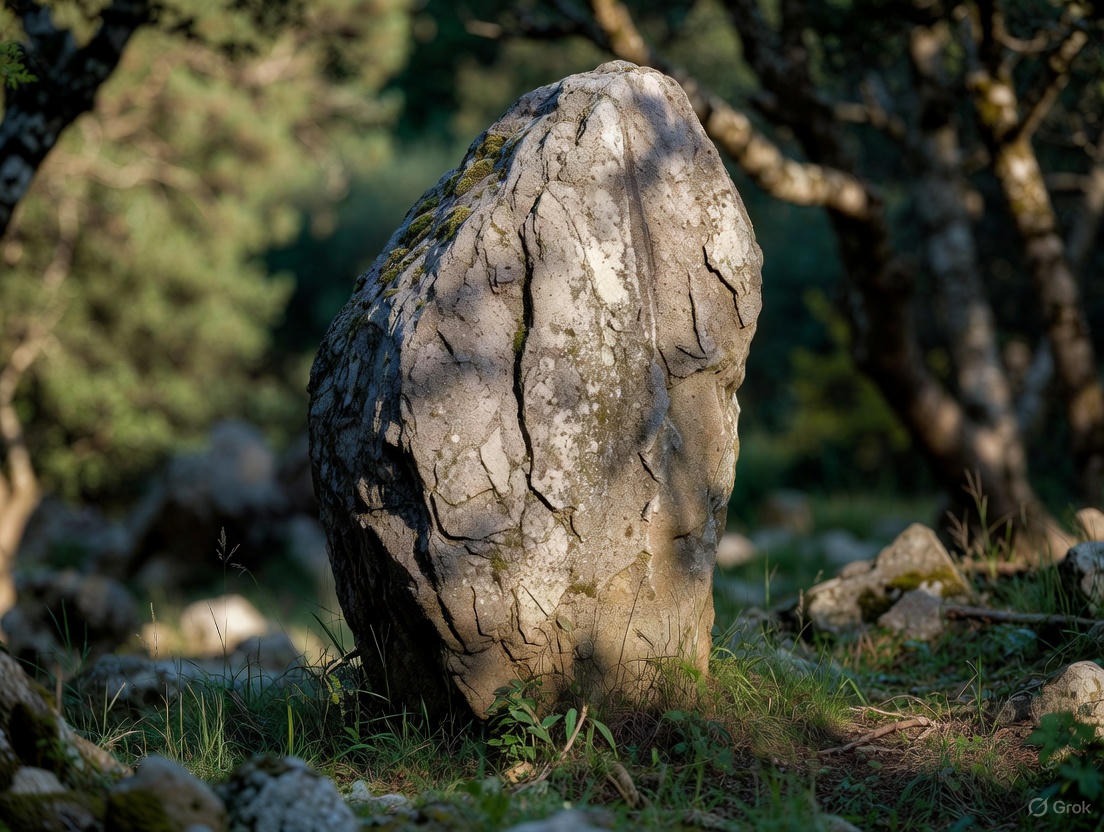
Close your eyes and take a deep breath in the forest. That distinctive, refreshing scent—often described as clean, woody, or earthy—is more than just a pleasant aroma. It is the forest's own volatile language, a complex chemical cocktail exhaled by trees and plants, and it functions as a potent, inhalable pharmacy for the human body. The primary active ingredients in this pharmacy are phytoncides.
Phytoncides (from the Greek phyton, meaning "plant," and the Latin caedere, meaning "to kill") are antimicrobial volatile organic compounds (VOCs) that trees emit to protect themselves from bacteria, insects, and fungi. Think of them as a tree's immune system, released into the air. Different trees produce different phytoncides: alpha-pinene and beta-pinene give pines their sharp, crisp scent; limonene is found in citrus and some conifers; and isoprene is a major component of broadleaf forests like oak woodlands.
When we breathe in a forest, we are inhaling these bioactive compounds. Dr. Qing Li's seminal research has meticulously traced their journey into our bodies and their remarkable effects. In controlled studies, participants who took walks in forests with high concentrations of phytoncides, or even stayed in hotel rooms where phytoncides like hinoki oil were diffused, showed profound physiological shifts:
This isn't just about deep wilderness. Urban parks with a good density of trees can also offer a "phytoncide effect." The key is immersion and mindful breathing. It’s a powerful reminder that wellness can be literally in the air around us, a free and accessible resource that modern life has taught us to ignore. To learn more about how technology can help you identify patterns in your body’s response to different environments, including potentially tracking recovery states, you can explore our blog on personalized wellness technology.
If phytoncides are the chemical messengers, then the autonomic nervous system (ANS) is the central receiving station and command center for forest bathing's effects. The ANS regulates our involuntary bodily functions—heartbeat, digestion, respiratory rate—and has two primary, opposing branches: the sympathetic nervous system (SNS) and the parasympathetic nervous system (PNS).
Forest Bathing acts as a powerful, natural switch, moving the body from sympathetic dominance to parasympathetic dominance. The multi-sensory input of the forest—the soft, fractal patterns of leaves (visual), the gentle, irregular sounds (auditory), the non-threatening, open-but-enclosed space (psychological)—collectively signal safety to the brain's amygdala. This deactivates the threat alert, which in turn tells the hypothalamus to downregulate the SNS and upregulate the PNS.
The most compelling, measurable proof of this shift is found in Heart Rate Variability (HRV). HRV is not your heart rate (beats per minute), but the subtle, millisecond variation in the time intervals between each heartbeat. A higher, more variable HRV generally indicates a healthy, resilient ANS with strong parasympathetic tone—the heart can respond fluidly to changing demands. A low, rigid HRV is a sign of sympathetic dominance, chronic stress, and even a predictor of future cardiovascular issues.
Numerous studies have shown that time spent in natural environments, particularly forests, leads to a significant increase in HRV. A 2019 meta-analysis in the International Journal of Environmental Research and Public Health concluded that "forest therapy significantly increased HF [high-frequency power, a marker of parasympathetic activity] and decreased LF/HF ratio [a marker of sympathetic dominance] compared with urban therapy." In plain language, the forest makes your nervous system more resilient and flexible, putting it into a state ideal for recovery, repair, and regeneration.
This is where modern wearable technology creates a profound feedback loop. A device like the Oxyzen smart ring, worn continuously, can track your HRV in real-time, day and night. Imagine finishing a 40-minute forest bathing session and later reviewing the data on your phone to see a clear, graphical spike in your HRV, a quantifiable signature of your nervous system resetting. This data transforms an abstract feeling of "calm" into an empirical, personal biomarker of restoration. It empowers you to understand what specific environments and practices most effectively trigger your own parasympathetic reboot. For a deeper look at the accuracy and science behind such metrics, consider reading about the accuracy revolution in health tracking technology.
Our minds are not built for the modern attention economy. The constant, bottom-up demand of emails, social media feeds, traffic, and digital notifications exhausts our directed attention—the finite, willpower-dependent cognitive resource we use for focused tasks, problem-solving, and resisting distraction. This depletion, termed "directed attention fatigue," manifests as mental weariness, irritability, poor concentration, and impulsivity.
In the 1980s, psychologists Rachel and Stephen Kaplan proposed the Attention Restoration Theory (ART) to explain why nature is so effective at countering this fatigue. ART posits that natural environments engage a different type of attention called "soft fascination" or "involuntary attention." A babbling brook, drifting clouds, the slow movement of leaves in the wind, the complex yet orderly patterns of bark or foliage—these elements are inherently fascinating but in a gentle, undemanding way. They hold our attention without draining it. This allows the brain's prefrontal cortex, the overworked CEO responsible for directed attention, to rest and replenish its cognitive resources.
The forest is the ultimate setting for this cognitive cleanse. It provides what the Kaplans called the four necessary components for attention restoration:
Neuroimaging studies are now adding a biological layer to this psychological theory. Research using fMRI scans shows that after nature exposure, there is reduced activity in the subgenual prefrontal cortex, a brain region linked to rumination—the repetitive, negative self-focused thought pattern characteristic of stress, anxiety, and depression. Conversely, walks in urban environments often keep this circuitry buzzing. Another study found that a 90-minute walk in a natural setting decreased self-reported rumination and reduced neural activity in this same problematic area, while an urban walk did not.
The mental benefits are profound: improved focus and creativity, enhanced problem-solving abilities (often by 50% or more in controlled tests like the Remote Associates Test), reduced symptoms of ADHD in children and adults, and a general lifting of mental fog. The forest doesn't just calm the body; it declutters and refreshes the mind, creating the mental space necessary for insight and innovative thought to emerge. For individuals looking to build daily habits that support such cognitive wellness, tracking trends in sleep and recovery can be incredibly insightful. You can discover how wellness rings help build healthy habits for a data-driven approach.
Chronic, low-grade systemic inflammation is now recognized as a silent driver of nearly every major modern disease, from diabetes, heart disease, and cancer to depression, Alzheimer's, and accelerated aging. This "inflammaging" is fueled by persistent psychological stress, poor diet, environmental toxins, and a lack of recovery. One of the most significant, yet under-discussed, benefits of Forest Bathing is its potent anti-inflammatory effect.
The pathway is a direct one. Psychological stress activates the hypothalamic-pituitary-adrenal (HPA) axis and the sympathetic nervous system, leading to the release of pro-inflammatory cytokines—signaling proteins like interleukin-6 (IL-6) and tumor necrosis factor-alpha (TNF-α). These molecules, meant for acute injury or infection, become chronically elevated, damaging tissues and disrupting normal cellular function.
By powerfully reducing psychological stress and shifting the nervous system into a parasympathetic state, Forest Bathing interrupts this inflammatory cascade at its source. Studies have demonstrated that spending time in forests lowers levels of these pro-inflammatory cytokines in the blood. For example, research published in PLOS ONE found that middle-aged men who participated in a forest bathing program showed significantly lower levels of the pro-inflammatory marker TNF-α compared to their urban-walking counterparts.
Furthermore, the increase in natural killer (NK) cell activity is part of a broader, balanced immune modulation, not just an aggressive boost. A healthy, well-regulated immune system is less prone to the overreactions that characterize chronic inflammation and autoimmune conditions.
There's also the potential role of soil-based microbes. The "Old Friends" or hygiene hypothesis suggests that exposure to diverse, non-pathogenic microorganisms in natural environments—like those found in forest soil (e.g., Mycobacterium vaccae)—helps "train" and regulate our immune system, promoting tolerance and reducing inappropriate inflammatory responses. Simply walking on a forest path and breathing the air may expose us to these beneficial microbes.
Reducing inflammation is arguably one of the most powerful longevity and health-promoting interventions available. The forest, therefore, acts as a natural anti-inflammatory therapy, cooling the internal fires that modern life so effectively stokes. Monitoring subtle changes in your body’s recovery and readiness can provide clues about your inflammatory state. To understand how continuous monitoring differs from periodic checks, you might find our article on continuous vs. periodic monitoring informative.
Forest Bathing is explicitly a practice of sensory immersion. It asks us to consciously see, listen, smell, touch, and even taste (the clean air) our way into the present moment. This multisensory engagement is not incidental; it is the direct neurological conduit through which the forest's benefits are delivered. Two sensory pathways, in particular—visual and auditory—have been the subject of fascinating scientific exploration.
The Visual Pathway: Fractals and Fluency
Look at a fern frond, a river network, a tree's branching pattern, or the clouds in the sky. You are looking at fractals—complex, repeating patterns that are self-similar across different scales. The human visual system evolved in a world dominated by natural fractals. Remarkably, our brains are exquisitely efficient at processing these patterns. Studies using EEG and fMRI show that viewing natural fractals elicits a specific, stress-reducing response in the brain's parahippocampal region, an area involved in regulating emotions and spatial navigation. This processing ease is called "fractal fluency."
In contrast, the stark, straight lines and right angles of most built environments are visually novel in evolutionary terms. Processing them requires more cognitive effort, contributing subtly to visual stress and fatigue. The soft, fractal-rich vistas of a forest (what legendary landscape architect Frederick Law Olmsted called "long, broad vistas") provide a visual diet that is effortlessly digestible, promoting alpha brainwave activity associated with wakeful relaxation and reducing physiological stress.
The Auditory Pathway: Biophilic Soundscapes
The soundscape of a forest is a symphony of "biophilic sounds": bird songs, wind in the trees, water flowing. These sounds are non-threatening, irregular, and often layered in a way that our brains interpret as information-rich yet calming. Research in the field of soundscape ecology demonstrates that listening to natural sounds (as opposed to traffic noise or mechanical sounds) improves cognitive performance, enhances mood, and reduces sympathetic arousal.
A pivotal 2017 study in Scientific Reports analyzed people's physiological responses to different soundscapes after a stressor. It found that listening to natural sounds (like birdsong and flowing water) led to faster recovery in the autonomic nervous system (measured by HRV and skin conductance) compared to artificial sounds or silence. The theory is that natural soundscapes, like fractal visuals, signal a safe environment, allowing our auditory vigilance to relax.
When we consciously engage our senses in the forest, we are not just "enjoying the scenery." We are feeding our nervous system a stream of information it is evolutionarily primed to interpret as safe and restorative. This sensory input is the raw data that triggers the parasympathetic shift, the cognitive restoration, and the immune modulation we've detailed. It's the interface where the external world of nature meets the internal world of our biology.

The benefits of Forest Bathing extend beyond the individual's physiology and into the realm of psychology and social well-being. In an age of digital connection and profound social isolation, the forest offers a unique form of reconnection.
First, it fosters a connection with the self. The slow, mindful pace and removal from daily roles and responsibilities create a space for introspection and emotional processing. The quiet allows inner voices to be heard, not drowned out by external noise. This can lead to greater emotional regulation, reduced symptoms of anxiety and depression, and an enhanced sense of self-awareness and clarity about one's values and place in the world. The practice is increasingly integrated into therapeutic modalities for treating PTSD, burnout, and grief.
Second, and perhaps more surprisingly, it cultivates a powerful sense of connection to something larger than oneself—a feeling of awe. Awe is that overwhelming emotion we feel in the presence of something vast that transcends our current understanding of the world. Standing beneath a canopy of ancient trees, witnessing the intricate interdependence of an ecosystem, or simply contemplating the silent growth of a mushroom can trigger this profound emotion.
The science of awe, led by researchers like Dacher Keltner at UC Berkeley, reveals that awe has significant psychological and social benefits. It induces a "small self" perspective, shrinking our personal worries and egoistic concerns in the face of something greater. This reduces stress and narcissism while increasing prosocial behaviors like generosity, kindness, and cooperation. Awe also promotes curiosity and a desire for exploration. The forest, in its timeless, complex, and majestic presence, is a ready and reliable trigger for this beneficial emotional state.
For those practicing Forest Bathing in groups (a common and powerful format), there is a third layer: social connection. Sharing a silent, awe-inspiring experience in nature can create bonds of quiet camaraderie that are deeper and less performative than many social interactions. It builds community around a shared value of wellness and presence, combating the loneliness epidemic with a grounded, authentic sense of belonging.
The forest, therefore, acts as a triple conduit for connection: inward to the self, upward to the transcendent, and outward to the community. This holistic restoration of our relational world is as vital as the restoration of our cells. Many users of wellness technology find that understanding their own data fosters a deeper connection with their body's needs. For a glimpse into how others have experienced this, you can browse through real customer reviews and testimonials.
For centuries, the benefits of nature were described in the language of poetry, spirituality, and subjective feeling: "I feel renewed," "My spirit is lifted," "My mind is clear." While powerfully true, this language often failed to persuade in our data-driven, scientific culture. The breakthrough of Forest Medicine was to begin applying the rigorous language of biomarkers: cortisol levels, NK cell counts, HRV readings.
Today, we stand at the next frontier: the seamless integration of this ancient wisdom with personal, continuous biometric tracking. This is where wearable technology, specifically advanced devices like the Oxyzen smart ring, transforms Forest Bathing from a generalized wellness recommendation into a personalized, precision health practice.
Imagine this integrated scenario:
This biofeedback loop is revolutionary. It:
The Oxyzen ring, with its focus on recovery, readiness, and sleep, is an ideal companion for the restoration seeker. By tracking the very biomarkers (HRV, resting heart rate, sleep architecture) that forest bathing improves, it closes the loop, allowing you to become an active scientist in your own well-being, experimenting with nature as your primary intervention. To explore the full potential of such technology in a healthcare context, you can read about how health tracking technology is being used in hospitals.
Having explored the profound why, let's turn to the practical how. Forest Bathing is accessible to nearly everyone and does not require a remote wilderness expedition. Its efficacy lies in the quality of attention, not the miles logged. Here are the core principles for an effective practice:
1. Leave Your Goals (and Your Phone) Behind: This is not exercise. Abandon objectives like reaching a summit, getting your heart rate up, or identifying every bird. Put your phone on airplane mode or, ideally, leave it in the car. The goal is simply to be.
2. Engage Your Senses Intentionally: Move slowly. Every few steps, pause.
* Sight: Notice the play of light and shadow. Look closely at the patterns on a leaf, the texture of moss, the way branches arc against the sky. Practice "soft gaze," taking in the whole periphery without focusing sharply on anything.
* Hearing: Listen to the layers of sound—the closest rustle, the mid-distance bird, the far-off wind. Try to identify the most distant sound you can hear.
* Smell: Breathe deeply. Inhale the scent of damp earth, resin, flowers, decaying wood. Each has a different character.
* Touch: Feel the bark of a tree (with respect). Let your hand brush against ferns. Notice the temperature of the air on your skin.
* Taste: The clean air can almost be tasted. If safe and appropriate, a safe, familiar berry or pine needle tea can engage this sense.
3. Find a "Sit Spot": Choose a comfortable place to sit silently for 15-20 minutes. Let the forest come to you. Observe the changes in light, the movements of insects, the subtle shifts in sound. This practice deepens the sense of immersion and often yields the most profound moments of calm and connection.
4. Follow Your Curiosity, Not a Path: If something catches your attention—a mushroom, a curious stone, a particular tree—go to it. Allow the forest to guide your walk.
5. Practice Receiving: Instead of doing something to the forest (hiking through it, analyzing it), practice receiving what it offers—its sights, sounds, smells, and atmosphere. This receptive state is the heart of the bathing metaphor.
You can practice this in a city park, a wooded suburban trail, or a vast national forest. Even 20 minutes can initiate a physiological shift. The key is the conscious, sensorial shift from doing to being. For those new to using technology to support wellness journeys, a great starting point is our guide on wellness ring basics for beginners.
For many, the idea of a pristine, ancient forest is a beautiful but distant fantasy. Urban living, with its concrete grids and packed schedules, can make the core tenets of Forest Bathing seem inaccessible. However, the science of restoration is not an all-or-nothing proposition. The core mechanisms—phytoncide exposure, parasympathetic activation, sensory engagement with natural patterns—can be adapted and accessed even within the built environment. This isn't about finding a perfect substitute, but about applying the same biophilic principles to cultivate "micro-restorative" moments that cumulatively defend against urban stress.
The Science of Micro-Doses of Nature: Research has shown that even brief, visual exposure to nature can have measurable effects. A classic study by Roger Ulrich found that hospital patients with a window view of trees had shorter postoperative stays, required fewer painkillers, and had fewer negative notes in their nurses' charts compared to those with a view of a brick wall. This demonstrates the power of what is now called "vicarious" or "visual" nature exposure. The principle extends beyond windows:
Creating a Biophilic Home Sanctuary: Your living space can be engineered for restoration.
The Commuting Ritual: Transform necessary travel into restoration practice. If you walk or take public transit, put away your phone. Instead, actively look for "patches of nature"—a flowering tree in a sidewalk cutout, moss on a wall, the shape of clouds. Listen to natural sounds instead of podcasts. If you drive, consider playing ambient nature sounds and practicing a soft gaze on green spaces you pass.
The goal of urban adaptation is to weave threads of biophilic input throughout the fabric of your day. It recognizes that while a weekly or monthly deep immersion in a forest is ideal, the daily defense against urban stress is built from hundreds of small, intentional reconnections with the natural world, however it can be found. This approach aligns perfectly with the continuous monitoring of a device like the Oxyzen ring, which can help you identify which micro-interventions (e.g., a 10-minute park sit vs. listening to a soundscape) most effectively move your personal biomarkers toward restoration. For insights into how different aspects of your lifestyle can be tracked and optimized, explore our article on how wellness rings support different health goals.

As Forest Bathing grows in popularity, transitioning from a niche practice to a mainstream wellness trend, important questions about scale, access, and ethics emerge. The practice is not just a personal health tool; it is inherently relational, connecting us to ecosystems and communities. A truly restorative practice must therefore consider its wider impact.
The Principle of Reciprocity: In many indigenous worldviews, health is a circle. You cannot take from the land (healing, peace, resources) without giving back. Modern Forest Bathing risks becoming an extractive practice: we take our peace and leave, with little thought for the forest's well-being. Ethical practice involves cultivating reciprocity. This can be simple:
Equity and Access: Who gets to forest bathe? Access to safe, high-quality green space is not equitable. Socioeconomic and racial disparities often mean that marginalized communities have less access to parks and are more burdened by environmental stressors like pollution and noise, creating a "nature gap." Promoting Forest Bathing as a wellness solution must be paired with advocacy for green equity—supporting policies and programs that create and maintain accessible parks and community gardens in underserved urban areas. The practice should be demystified and made available to all, not just those who can afford retreats or live near pristine woodlands.
Cultural Respect and Origins: While the term Shinrin-yoku is Japanese, the core practice of healing through nature connection is universal. It's important to honor the Japanese origins of the formal research and framework while also recognizing the deep, ancient roots of nature reverence in cultures worldwide. Ethical guides and practitioners acknowledge this lineage and avoid culturally appropriative language or rituals.
The Forest as Subject, Not Object: This is a subtle but profound shift. In much of wellness culture, nature is framed as a "tool" or "resource" for human betterment. True Forest Bathing, at its deepest level, invites us to relate to the forest not as a spa or a pharmacy, but as a community of living beings. This shifts the experience from consumption to relationship. It fosters not just personal health, but ecological awareness. When we see the forest as a subject worthy of respect and care, our personal restoration becomes intertwined with a desire for the planet's health. This alignment of personal and planetary well-being is the ultimate goal of Restoration Wellness.
By embracing these ethical dimensions, we ensure that the growth of Forest Bathing contributes to a healthier, more just, and more sustainable world—not just a healthier individual. It transforms a self-care practice into a form of ecological and social care. For a company committed to this holistic vision, understanding our foundational values is key. You can learn more by reading our story and mission.
The science of Forest Bathing is young and rapidly evolving. As research methodologies become more sophisticated and interdisciplinary, new frontiers are opening that promise to deepen our understanding and expand the applications of this powerful modality. Concurrently, the digital world, often seen as the antithesis of nature, is providing tools to personalize and amplify its benefits.
Emerging Research Frontiers:
The Role of Digital Integration (The "Cyborg Naturalist"):
This is not a contradiction, but a synergy. Technology is not the enemy of nature immersion; it can be its gateway and translator.
The future of Forest Medicine lies in this marriage of the ancient and the algorithmic. It respects the irreducible power of direct, unmediated experience while using technology to remove barriers, provide validation, and create personalized pathways so that everyone can discover their unique route to restoration. To explore what the near future of this kind of integrated health tech looks like, check out our perspective on health tracking technology in 2025.
Understanding the science and experiencing the acute benefits of Forest Bathing is the first step. The true transformation, however, occurs when these principles shift from being an occasional "treatment" to becoming the foundational soil from which your daily life grows. This is the essence of Restoration Wellness—a lifestyle architecture designed to minimize chronic stress load and maximize your body's inherent capacity to repair, rebalance, and thrive.
The Pillars of a Restoration Lifestyle:
The Role of Quantified Self-Tracking:
This is where a device becomes a lifestyle coach. The Oxyzen ring is the perfect companion for building this life because it measures the outcomes of your choices in real-time.
Building a Restoration Lifestyle is a proactive commitment to designing a world for your well-being. It acknowledges that health is not just the absence of disease, but the presence of vitality, resilience, and connection—to self, to others, and to the living planet we call home. For practical tips on implementing such a lifestyle, especially as we age, our resource on 50 healthy aging tips a smart ring can help implement daily offers a wealth of actionable ideas.

We have journeyed through the aromatic chemistry of phytoncides, witnessed the nervous system's graceful shift into parasympathetic calm, and seen how fractal patterns quiet the ruminating mind. We've explored how this science can be adapted to urban life, considered its ethical dimensions, and glimpsed a future where technology deepens rather than distracts from our natural heritage.
The evidence is overwhelming and still growing: regular, intentional connection with nature is not a luxury. It is a fundamental human need, as critical to our long-term health as nutrition, exercise, and sleep. In a world pulling us toward chronic sympathetic arousal, the forest—and the principles of Forest Bathing—offer a powerful, accessible, and profoundly effective counter-force.
The invitation is now yours. It does not require a plane ticket or a week of vacation. It begins with a single, conscious breath in a patch of green. It begins with the decision to put your phone away, to walk slowly, and to let your senses guide you. It begins with the curiosity to see what happens, both in your felt experience and, if you choose, in the biometric story told by a device on your finger.
This is the start of a conversation between you and the more-than-human world. It is a conversation that lowers cortisol, boosts immunity, clears mental fog, and nurtures awe. It is the science-backed path to restoration. Your trailhead awaits.
Ready to track your journey to restoration? Discover how Oxyzen's smart wellness ring can provide the personalized data you need to understand your body's unique response to nature, sleep, and stress, empowering you to build your optimal Restoration Lifestyle. For more insights and guidance on your wellness tech journey, visit our comprehensive resource hub at the Oxyzen blog.
Beneath the canopy, another profound restoration occurs—one that governs the very tempo of our biology. While we consciously engage our senses, a more fundamental sensory system is being recalibrated: our circadian rhythm. This internal 24-hour clock, governed by a master pacemaker in the brain's hypothalamus (the suprachiasmatic nucleus), regulates everything from hormone release and body temperature to sleep-wake cycles and cellular repair. And it is set each day by one primary environmental cue: natural light.
In the modern world, our circadian rhythms are under constant assault. We spend over 90% of our time indoors under artificial, often dim lighting, then bombard our eyes with blue-light-emitting screens long after sunset. This "circadian disruption" or "social jet lag" is linked to a staggering array of health issues: insomnia, metabolic disorders, depression, impaired immune function, and increased cancer risk.
Forest Bathing, particularly in the morning or early afternoon, acts as a powerful circadian reset. Here’s how:
The Dawn-to-Dusk Light Gradient: Natural light has a dynamic quality that artificial light cannot replicate. Its intensity, spectrum (color temperature), and angle change throughout the day. Morning light is rich in blue wavelengths, which are precisely the signal our suprachiasmatic nucleus needs to suppress melatonin (the sleep hormone) and ramp up cortisol (for wakefulness) at the appropriate, healthy time. Exposure to bright morning light in a forest setting—even on an overcast day, which can still be many times brighter than office lighting—sharply synchronizes our internal clock. This leads to more alert days and, crucially, more robust melatonin production in the evening, promoting deeper, more restorative sleep.
Darkness as a Nutrient: Equally important is the profound darkness experienced in natural settings away from urban light pollution. Melatonin is not just a sleep hormone; it is a potent antioxidant and a regulator of the immune system. Its production requires true darkness. Spending time in a forest in the late afternoon and experiencing the natural transition to dusk provides the clean signal for melatonin to begin its rise, priming the body for systemic repair. This natural dimming is far more effective for our biology than abruptly switching from bright overhead lights and screens to bed.
The Supporting Cast: Sounds and Temperature: The forest’s circadian reset extends beyond light. The natural soundscape also follows a diurnal rhythm—bird dawn choruses, insect activity in the day, and different sounds at night. This auditory patterning provides secondary cues to our brain. Similarly, the natural drop in temperature after sunset is another potent zeitgeber (time-giver) for our internal clock, signaling that sleep time is near.
When we immerse ourselves in a forest for several hours, we are essentially allowing our biology to fall back into the ancient rhythm of the planet. The benefits are measurable: studies show that camping for a week—with exposure only to natural light and darkness—can fully reset a delayed circadian clock, shifting melatonin onset by several hours to align with sunset. While a day trip may not be as dramatic, the effect is significant and cumulative.
For the modern individual tracking their health, this reset manifests in clear data: a more stable sleep-wake time, increased sleep efficiency (more time asleep while in bed), and a greater proportion of deep and REM sleep on nights following significant daytime nature exposure. A device like the Oxyzen ring, which tracks sleep stages and consistency, becomes a diary of your circadian health, showing you in clear graphs how a day in the forest translates into a night of profound cellular restoration. Understanding the full potential of this kind of monitoring is key; you can delve deeper in our guide on how wellness rings enable preventive health monitoring.
As we walk a forest path, our connection to the ecosystem is more intimate than we might realize. It’s not just macro—the trees, the birds, the air. It’s also micro. The very ground beneath our feet teems with microbial life, and emerging science suggests that contact with this biodiversity may be a critical, yet overlooked, component of Forest Bathing’s benefits. This connection is described by the Soil-Gut-Brain Axis.
The hypothesis, often called the "Old Friends" or "Biodiversity" hypothesis, posits that humans co-evolved with a vast array of microorganisms in our environment. Regular, low-dose exposure to these mostly harmless or beneficial microbes—found in soil, on plants, and in the air—acted as a natural "training program" for our immune and nervous systems. This exposure promotes immune tolerance, reducing inappropriate inflammatory responses (like those seen in allergies and autoimmune diseases), and may even influence brain health.
Mycobacterium vaccae: The "Happiness" Bacterium: One soil-dwelling bacterium has become a poster child for this research. Mycobacterium vaccae, commonly found in healthy soil, has been studied for its surprising effects. When injected or inhaled in mouse studies, it has been shown to stimulate the release of serotonin in the brain—a neurotransmitter crucial for mood regulation. It also appears to have an anti-inflammatory effect. Researchers like Dr. Christopher Lowry at the University of Colorado Boulder propose that simply inhaling these microbes while gardening or walking in nature could have a mild, mood-boosting, and anti-inflammatory effect. While breathing forest air, we are likely inhaling a diverse cocktail of environmental microbes, including M. vaccae.
Diversity Begets Resilience: The key is microbial diversity. A rich, diverse soil microbiome contributes to a diverse environmental microbiome, which we interact with. This environmental diversity is linked to a more diverse human gut microbiome. Gut microbiome diversity is a cornerstone of overall health, influencing not just digestion but also immune function, mental health (via the gut-brain axis), and metabolic health. The sterile, indoor environments that dominate modern life deprive us of this essential microbial input, potentially contributing to the rise of inflammatory and immune-related disorders.
Practical Interaction: This doesn’t mean eating soil. Simple, direct contact is enough: walking barefoot on the earth ("grounding" or "earthing"), gardening with bare hands, sitting on the ground, or even just breathing the rich, aerated air of a healthy forest floor. These acts facilitate microbial exchange. The Japanese practice of Shinrin-yoku often includes sitting or lying on the forest floor, a practice that may have unintentional microbial benefits.
While this research frontier is still developing, it adds a fascinating, invisible layer to the Forest Bathing experience. We aren’t just bathing in phytoncides and calming vistas; we are potentially re-inoculating ourselves with the ancient microbial partners that help regulate our inflammation and mood. It suggests that restoration is not only a neurological and immunological process but also an ecological one, happening at a microscopic level. For those interested in the holistic integration of different health data streams, this underscores the importance of a device that can view the body as an interconnected system. Learn more about how health tracking technology enables personalized wellness.
Why does a dense, shadowy alley trigger anxiety, while a sun-dappled forest glen invites calm? The answer lies in evolutionary psychology and a concept known as prospect-refuge theory. Developed by geographer Jay Appleton, this theory suggests that humans have an innate aesthetic preference for landscapes that offer a combination of "prospect" (unimpeded opportunity to see) and "refuge" (opportunity to hide). These preferences are thought to be hardwired from our ancestral past on the savanna, where survival depended on spotting resources and threats from a distance while having access to shelter.
Forests, particularly open, park-like woodlands or forest edges, often perfectly fulfill these criteria. The trees and underbrush offer potential refuge, while the spacing between them allows for long sight lines (prospect). This configuration signals to our subconscious, ancient brain that the environment is safe and resource-rich. We can see potential threats (like predators, historically) from far away, and we have options for escape or concealment.
In contrast, many modern urban environments trigger the opposite feeling. A dense city street with tall buildings can feel like a "canyon" with limited prospect, inducing a sense of being trapped. Wide-open plains with no refuge can feel exposed and vulnerable. These environments, while not objectively dangerous, can keep our subconscious threat-detection systems mildly activated.
Forest Bathing leverages this innate psychology. The practice often takes place in environments with high "legibility" (easy to navigate and understand) and high "mystery" (gentle curves in the path, slight elevations that hint at more to see), which environmental psychologists Rachel and Stephen Kaplan identified as key to restorative environments. This combination reduces cognitive load—we don’t have to be hyper-vigilant—and promotes exploration and curiosity.
The Role of Sound in Safety: The acoustic properties of a forest also contribute to the safety signal. In a quiet forest, we can hear sounds from far away—a twig snapping, an animal moving. This allows for auditory "prospect." The sounds themselves (birdsong, rustling leaves) are largely non-threatening. An urban soundscape, filled with sudden, loud, and mechanically ambiguous noises (sirens, brakes screeching, alarms), constantly triggers micro-startles, keeping the amygdala on alert.
By placing ourselves in an environment that our primal brain interprets as inherently safe, we give the amygdala—the brain’s fear and threat center—a vacation. This is the neurological foundation for the parasympathetic shift. The feeling of "I can let my guard down here" is not just poetic; it’s a real, physiological permission slip for the body to deactivate stress responses and engage in restoration. This profound psychological safety is a prerequisite for all the other biochemical and neurological benefits to unfold. Understanding the body's stress signals is a first step to managing them, and technology can illuminate these patterns. For common questions on how wearables detect and interpret such physiological states, our FAQ on wellness ring basics provides clear explanations.
The science of Forest Bathing is moving beyond general wellness into the realm of targeted, therapeutic intervention. Researchers and clinicians are exploring its efficacy as an adjunctive treatment for specific clinical populations, with promising results that point to a future where "nature prescription" is a standard part of patient care.
1. Mental Health: Anxiety, Depression, and PTSD:
The combination of stress reduction, rumination reduction, parasympathetic activation, and awe makes Forest Bathing a potent tool for mental health. Studies have shown:
2. Cardiovascular and Metabolic Health:
The physiological effects directly address risk factors for heart disease and diabetes.
3. Oncology Support and Immune Recovery:
This is one of the most compelling applications. For cancer patients and survivors:
4. Geriatric Care and Cognitive Decline:
For older adults, Forest Bathing offers multi-system benefits:
5. Pediatric Health and Developmental Disorders:
For children, especially those with ADHD or Autism Spectrum Disorder, nature provides a "setting leveler."
The growing evidence in these areas is leading to formal "Park Prescription" programs in countries like Canada, the UK, and Japan, and through organizations like the Park Rx America movement in the U.S. The beauty of this intervention is its accessibility, lack of side effects, and its ability to empower patients in their own healing process. For clinicians and patients alike, having objective data on the body's response to such therapy is invaluable. The biometrics from a wearable can provide tangible evidence of progress, complementing subjective reports. To see how health professionals view this technology, read about what doctors find most useful in wellness rings.
While solo Forest Bathing is powerful, participating in a session led by a certified Forest Therapy guide can deepen the experience, especially for beginners. Guided Forest Bathing is less about teaching and more about skillful "invitation" and "framing." A guide creates a container of safety and intention, allowing participants to drop more quickly into a state of sensory awareness.
The Typical Structure of a Guided Walk:
A standard session, often 2-3 hours long for a walk of less than a mile, follows a gentle arc:
The Guide’s Role: A certified guide (trained through organizations like the Association of Nature and Forest Therapy Guides and Programs) is not a naturalist or a hike leader. They are a facilitator of relationship. They hold space, ensure physical safety, and offer invitations that act as doorways for participants to have their own direct, unmediated experience with the natural world. Their deep understanding of the practice’s ethos—non-judgment, openness, and respect—creates a psychologically safe container that allows for vulnerability and profound connection.
For those new to the practice, a guided walk can be a transformative introduction, providing a structure that liberates rather than confines. It demonstrates that the goal is not distance or knowledge, but depth of presence. Many find that after a few guided sessions, they feel confident to practice solo, carrying the framework of invitations with them. If you're inspired to begin and want to equip yourself with tools for your broader wellness journey, a great starting point is to explore the Oxyzen shop for your wellness tech companion.
In the age of biometrics, we have an unprecedented opportunity to move from simply feeling better to understanding how and why we feel better. A device like the Oxyzen smart ring provides a continuous stream of objective data about your body’s state. The art lies in interpreting this data not as a judgment, but as a compassionate dialogue with your physiology—a translation of your body’s signals into actionable wisdom for a restoration lifestyle.
Key Metrics and Their Restoration Story:
Creating a Personal Restoration Feedback Loop:
This process transforms Forest Bathing from a nice idea into a core, non-negotiable component of your health optimization strategy. It provides the proof that convinces the logical mind, making space for the intuitive, felt sense of peace to flourish. For a comprehensive look at the technology that makes this possible, from sensors to algorithms, we invite you to read about the science behind modern health tracking.
Despite the compelling evidence, people cite real and perceived barriers to practicing Forest Bathing. Let’s dismantle them with practical, science-backed strategies.
Barrier 1: "I don’t have time."
Barrier 2: "I don’t live near a forest."
Barrier 3: "I’m not the outdoorsy / mindful / ‘nature person’ type."
Barrier 4: Weather and Seasonality.
The goal is to remove the obstacles of perfectionism. A 10-minute, mindful pause under a tree on a city sidewalk is a valid and powerful act of Forest Bathing. It’s about the quality of attention, not the pedigree of the landscape. For support in navigating the beginning of any new health tech journey, including answering practical questions, our comprehensive FAQ page is always available.
Your Trusted Sleep Advocate (Sleep Foundation — https://www.sleepfoundation.org/)
Discover a digital archive of scholarly articles (NIH — https://www.ncbi.nlm.nih.gov/
39 million citations for biomedical literature (PubMed — https://pubmed.ncbi.nlm.nih.gov/)
experts at Harvard Health Publishing covering a variety of health topics — https://www.health.harvard.edu/blog/)
Every life deserves world class care (Cleveland Clinic -
https://my.clevelandclinic.org/health)
Wearable technology and the future of predictive health monitoring. (MIT Technology Review — https://www.technologyreview.com/)
Dedicated to the well-being of all people and guided by science (World Health Organization — https://www.who.int/news-room/)
Psychological science and knowledge to benefit society and improve lives. (APA — https://www.apa.org/monitor/)
Cutting-edge insights on human longevity and peak performance
(Lifespan Research — https://www.lifespan.io/)
Global authority on exercise physiology, sports performance, and human recovery
(American College of Sports Medicine — https://www.acsm.org/)
Neuroscience-driven guidance for better focus, sleep, and mental clarity
(Stanford Human Performance Lab — https://humanperformance.stanford.edu/)
Evidence-based psychology and mind–body wellness resources
(Mayo Clinic — https://www.mayoclinic.org/healthy-lifestyle/)
Data-backed research on emotional wellbeing, stress biology, and resilience
(American Institute of Stress — https://www.stress.org/)


