


Wellness for Professionals: How Your Smart Ring Supports Career Longevity
How your smart ring supports a long and healthy career.
How your smart ring supports a long and healthy career.
%402x.svg)
In the high-stakes arena of modern professional life, success is no longer measured solely by output, promotions, or profit margins. A new, more holistic metric is emerging: sustainable performance. The relentless grind that once defined ambition is being replaced by a smarter, data-informed approach to achievement—one that recognizes the human body and mind as the foundational hardware of any career. For the driven professional, executive, entrepreneur, and knowledge worker, the quest for longevity is no longer just about retirement plans; it’s about thriving in the daily marathon without burning out.
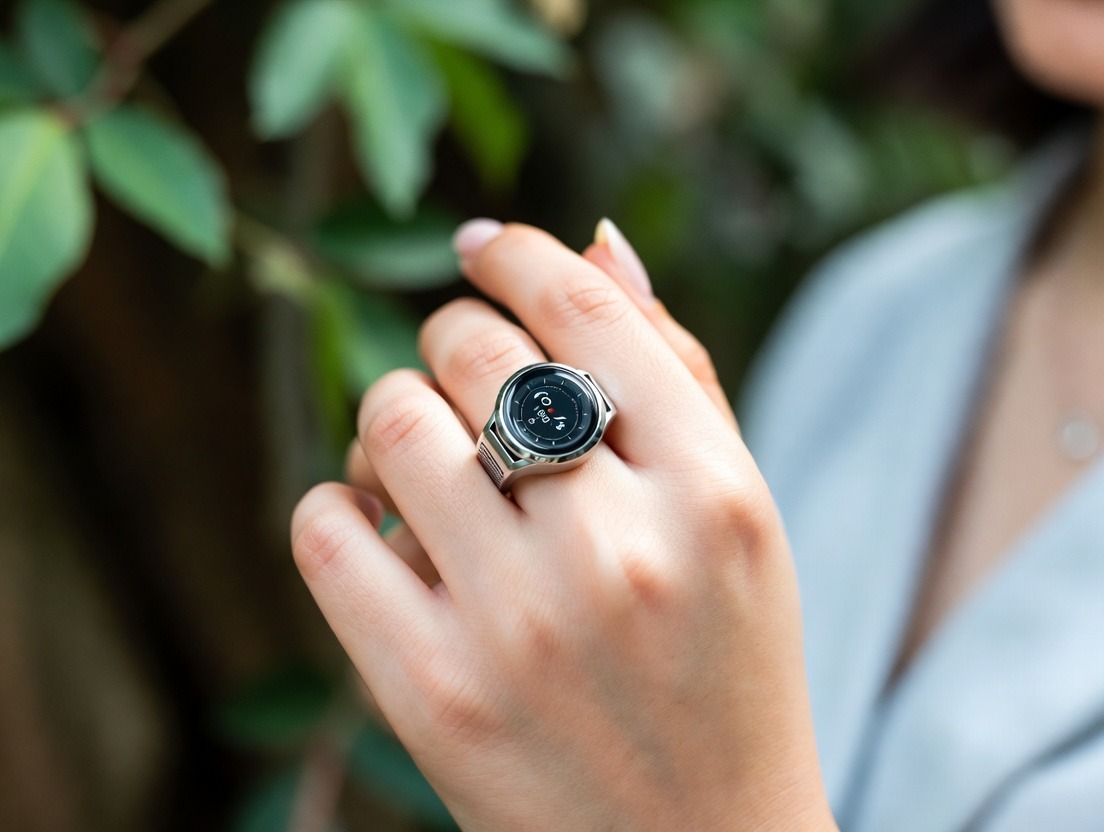
Enter the smart ring: an unassuming piece of wearable technology that is quietly revolutionizing how high-performers manage their most critical asset—their well-being. Sleek, discreet, and operating 24/7 from your finger, this device moves beyond step counts and sleep tracking. It serves as a continuous, personal biometrical dashboard, translating the subtle whispers of your nervous system—heart rate variability (HRV), resting heart rate, skin temperature, and sleep architecture—into actionable intelligence about your readiness to perform, recover, and lead.
This article explores the profound intersection of quantified self-technology and professional endurance. We will delve into how the granular data from a wellness ring isn't just about health; it's a strategic tool for career optimization and longevity. By understanding and responding to your body's signals, you can navigate stress with precision, protect your cognitive edge, build resilience, and design a work life that doesn't just succeed but sustains. This is the future of professional development: a partnership between human ambition and physiological insight, guided by the silent sentinel on your finger.

The modern workplace is a pressure cooker of always-on connectivity, blurred boundaries, and escalating demands. Burnout, formally classified by the World Health Organization as an occupational phenomenon, has reached epidemic proportions. A pre-pandemic study by Gallup found that 76% of employees experience burnout on the job at least sometimes, with 28% reporting feeling burned out "very often" or "always." For professionals and leaders, the cost is staggering: diminished creativity, impaired decision-making, increased errors, cynicism, and a tragic erosion of the passion that once fueled their careers.
For decades, the professional playbook for dealing with pressure has relied heavily on sheer willpower and grit—"pushing through." We glorify the all-nighter, the back-to-back international flights, and the leader who is first in and last out. Yet, neuroscience and physiology tell a different story. Willpower is not an infinite resource; it's a finite cognitive function that depletes under stress, poor sleep, and nutritional neglect. Relying on grit alone is like trying to drive a high-performance car with an empty tank and ignoring every warning light on the dashboard.
This is where traditional wellness advice falls short for the professional. Generalized tips to "get more sleep" or "reduce stress" are meaningless without context. How much more sleep? What specific stress triggers are most physiologically damaging? When is your body truly recovered and ready for a high-stakes negotiation versus when does it need a strategic pause?
The smart ring provides the missing context. It moves the conversation from subjective feelings ("I'm tired") to objective data ("My resting heart rate is 12 bpm above my baseline and my HRV has been in a downward trend for 4 days, indicating my nervous system is under cumulative strain"). This transforms wellness from a vague aspiration into a manageable variable. You can’t manage what you don’t measure. For the professional battling burnout, this data is the first, crucial step off the hamster wheel and toward sustainable performance. It offers proof that the body’s needs are not inefficiencies to be ignored, but the core parameters of a high-performance system.
As you begin to connect your work patterns to your physiological state, you can identify the specific triggers that degrade your performance. For a deeper exploration of how your professional habits directly impact your body’s metrics, consider reading our guide on daily wellness habits for professionals maintaining health despite work demands.
The wearable tech market is dominated by the smartwatch—a device designed for notification management and fitness tracking. For the professional, however, its utility is often at odds with the environment. Constant screen glances and buzzing notifications fragment attention during deep work sessions or important meetings. Its aesthetic can clash with formal attire, and its bulk can be uncomfortable for continuous wear, especially during sleep, when the most critical recovery data is gathered.
The smart ring solves these problems through elegant design and purposeful function. Its primary advantage is discretion. It looks like a simple piece of jewelry—a sleek band of titanium or ceramic—making it appropriate for any setting, from the boardroom to the black-tie gala. There is no screen to distract you or signal to others that you are "tracking." It operates silently in the background, collecting data without ever demanding your cognitive attention.
This seamless integration enables continuous, clinical-grade biometric monitoring. Because it's worn on the finger, it has exceptional access to the vascular system, allowing for highly accurate photoplethysmography (PPG) readings of heart rate and, more importantly, heart rate variability (HRV). HRV is the gold-standard, non-invasive metric for assessing autonomic nervous system balance—the tug-of-war between your stress (sympathetic) and recovery (parasympathetic) states. A smartwatch, often worn loosely on the wrist, can struggle with motion artifact and skin contact issues, especially during sleep. A ring, fitted snugly on the finger, maintains consistent contact, providing superior sleep stage analysis (deep, light, REM, awake) and nightly averages for HRV and resting heart rate.
For the professional, this translates to actionable insight, not distraction. Instead of pinging you to stand up in the middle of a client presentation, a smart ring’s companion app delivers a morning Readiness Score—a synthesized metric based on your sleep, recovery, and activity data. This score answers one essential question: "How capable is my body of handling stress and performing at a high level today?" This allows for proactive planning. A high score might mean scheduling your most challenging cognitive work. A low score is a data-driven mandate to prioritize recovery, delegate, or adjust your schedule.
The ring becomes a boundary keeper, providing objective evidence for self-preservation. When you see the tangible physiological cost of a 14-hour workday reflected in plummeting recovery metrics, it empowers you to make different choices. It externalizes the internal cost of overwork, making the abstract concept of "balance" a concrete, data-informed practice. To understand how this data can specifically guide your work-life boundaries, our beginner-friendly guide to setting boundaries with wellness ring insights offers a practical starting point.
To harness the power of a smart ring, you must become fluent in the language it speaks: the language of your autonomic nervous system. These are not just numbers; they are vital signs of your professional capacity. Let’s break down the core metrics and their profound implications for your work performance.
Heart Rate Variability (HRV): The CEO of Your Metrics
HRV is the single most important metric for assessing physiological resilience and readiness. It measures the subtle variations in time between each heartbeat. Contrary to intuition, a higher HRV is generally better—it indicates a flexible, responsive nervous system that can quickly adapt to stress and then recover. A low or trending-downward HRV suggests your nervous system is stuck in "fight-or-flight" mode, a state that impairs executive function, creativity, and emotional regulation.
Resting Heart Rate (RHR): Your Body's Idle Speed
Your RHR, best measured during deep sleep, is a fundamental indicator of cardiovascular fitness and systemic stress. When your body is recovering well and is healthy, your RHR tends to be lower and stable. A elevated RHR, particularly upon waking, can indicate poor recovery, dehydration, illness, or high levels of residual stress.
Sleep Architecture: Where Cognitive Restoration Happens
Sleep is not a monolithic state. The smart ring breaks it into stages: Light, Deep, and REM sleep. Each stage has a distinct function:
Body Temperature & Respiratory Rate: The Subtle Signals
Nocturnal skin temperature trends and respiratory rate are nuanced metrics. A elevated nighttime temperature can signal inflammation, the onset of illness, or a stress response. Respiratory rate, the number of breaths per minute, should be slow and steady during sleep; increases can correlate with stress or inadequate recovery.
Understanding this dashboard is the first step. The next is learning to connect these metrics directly to your daily professional output and mental clarity, which you can explore in our article on daily wellness habits for mental clarity that smart ring data correlates.
For high-achievers, downtime can feel like wasted time. The smart ring reframes recovery not as idleness, but as the most strategic work you can do for your career. It shifts recovery from a passive, haphazard activity to an active, optimized component of your performance cycle. This is the concept of strategic recovery: using biometric data to ensure your time off actually moves the needle on your readiness.
The cornerstone of this is the Readiness Score (or similarly named composite score). This single number, delivered each morning, synthesizes your sleep, HRV, RHR, and temperature data into a directive. A high score (e.g., 85+) is a green light: your body is primed for challenge, learning, and decisive action. This is the day to tackle your most important project (MIT), pitch to investors, or lead a critical training.
A low score (e.g., below 70) is not a failure; it’s crucial feedback. It’s your body’s audit report, stating clearly that resources are depleted. Ignoring it means operating at a deficit, guaranteeing subpar work and digging a deeper recovery hole. Instead, a low score triggers a recovery protocol:
The ring also enables you to test and validate your recovery tactics. Does a post-work yoga class actually lower your evening heart rate? Does a "digital Sabbath" on Saturday lead to a higher readiness score on Monday? Does that glass of wine with dinner fragment your deep sleep? The data provides immediate, personal feedback, allowing you to double down on what truly works for your unique physiology.
This data-driven approach to rest prevents the all-too-common cycle of crash-and-burn. It teaches you to take a "strategic pit stop" before the engine fails, not after. For professionals struggling to justify true downtime, the ring provides the hard evidence that recovery is an investment, not an expense. Learn how to structure these essential breaks with our beginner-friendly guide to taking rest days when your smart ring says stop.
Not all stress is bad. Eustress is the positive, motivating stress of a challenge that aligns with your abilities—launching a product, giving a keynote speech, closing a deal. Distress is the debilitating stress of feeling overwhelmed and out of control. The goal for the professional isn't to eliminate stress, but to build a resilient nervous system that can handle high doses of eustress and recover quickly from distress. This is stress inoculation.
Your smart ring is your primary tool for this training. It acts as a real-time biofeedback device, showing you how your body reacts to various stimuli. The process involves three steps:
1. Identification & Quantification: First, you must find your stressors. Use your ring’s tagging or journal feature. After a stressful event—a board meeting, a difficult client call, a looming deadline—check your HRV and RHR trends in the hours that follow. Does your HRV plummet? Does your RHR stay elevated for hours? This quantifies the impact. You may discover that a certain colleague's negativity is more physiologically damaging than a missed quarterly target.
2. Controlled Exposure & Response Tracking: Once you identify a stressor, you can practice facing it in controlled ways while monitoring your response. For example, if public speaking spikes your stress, use your ring during practice sessions. Experiment with different preparation techniques (meditation vs. note-carding) and see which one results in a less dramatic physiological spike. Over time, as you become more proficient, you should see your body's reaction to the same stimulus become less severe—a sign of inoculation.
3. Recovery Optimization: The final step is learning what brings your system back to balance most efficiently after a stressor. The ring lets you A/B test recovery methods. After a high-stress day, try one of two evenings: one with a gentle workout and an early bedtime, another with a social dinner and reading. Compare your next morning’s readiness score and sleep data. The results will clearly show which recovery path is more effective for you.
This scientific approach transforms you from a passive victim of stress into an active architect of your resilience. You learn which levers to pull to down-regulate your nervous system. This could be a 5-minute breathing exercise (which can directly increase HRV), a walk outside, or even a brief social connection. The ring validates what works for you, creating a personalized stress-resilience playbook. Building these adaptive habits is key, and our complete beginner-friendly guide to building habits during high-stress periods provides a structured framework to do just that.
In the knowledge economy, your cognitive abilities—focus, memory, creativity, and decision-making—are your primary capital. Just as a financier protects financial capital, a professional must protect cognitive capital. The smart ring provides the audited balance sheet for this intangible asset, revealing how lifestyle and work habits directly enhance or degrade your mental edge.
The link between physiology and cognition is direct and powerful. Prefrontal cortex function, responsible for executive decisions, is highly sensitive to sleep deprivation, elevated cortisol, and poor metabolic health. Your ring’s data offers proxies for these states:
By tracking your daily cognitive output (subjectively) alongside your ring data, you can find powerful correlations. You may discover that your most brilliant insights consistently occur on days following a high HRV score. You might find that your attention scatters on afternoons following a poor night's sleep, regardless of how much coffee you drink.
This intelligence allows for cognitive scheduling. It’s the practice of aligning your most demanding mental tasks with your biological prime time, as indicated by your readiness metrics. It means:
Furthermore, the ring helps you identify the hidden cognitive drains in your routine. That "harmless" late-evening screen time scrolling through work emails may be suppressing your REM sleep more than you realize, dulling your creativity for the next 72 hours. The ring provides the evidence needed to establish protective habits that safeguard your mental clarity. To explore a comprehensive list of habits that support this, see our article on 20 daily wellness habits successful smart ring users track consistently.
High-performing professionals are exceptional at managing financial budgets, project timelines, and human resources. Yet, they often operate with a complete blind spot to their most fundamental resource: personal energy. The smart ring introduces the concept of the Personal Energy Budget—a finite daily allocation of physiological and cognitive resources derived from sleep, recovery, nutrition, and stress management.
Your morning Readiness Score is, in essence, a forecast of your daily energy budget. A score of 90 means you have a large, liquid budget to invest in high-impact, high-energy activities. A score of 60 means you are operating on a tight budget and must spend your energy with extreme precision to avoid going into deficit (which manifests as burnout, illness, or errors).
This framework changes everything about work prioritization. Instead of a endless to-do list, you make strategic energy investments. You ask:
The ring’s data helps you track your energy expenditures. Tag your activities and see their impact. You might learn that back-to-back video calls drain your energy more than a 3-hour deep work session. You may find that a contentious negotiation leaves you with an "energy debt" that requires a recovery period.
This leads to smarter energy financing. When you know a major energy expenditure is coming—a product launch, a quarterly review—you can proactively "save" energy in the days prior by guarding your sleep, nutrition, and stress levels. You can also plan for the necessary "energy repayment" period of lighter work afterward. This is the essence of sustainable pacing. The ring helps you move from being a reckless spender of your vitality to a wise chief financial officer of your own body, ensuring you have the resources not just for today's sprint, but for the decades-long marathon of your career. For those in leadership roles, this skill is paramount; our beginner-friendly guide to delegation decisions using wellness ring data explores how to use your energy budget to lead effectively.
Lasting career success is built on the compound interest of daily habits, not periodic heroic efforts. The challenge for professionals is that habit change is notoriously difficult, especially when willpower is depleted by work stress. Generic advice fails because it lacks feedback. The smart ring solves this by providing a closed feedback loop—a immediate, objective signal of whether a new behavior is moving you toward or away from your physiological goals.
This transforms habit formation from guesswork to habit engineering. Here’s how it works:
1. Start Micro, Measure Macro: Instead of vowing to "sleep 8 hours," commit to a 15-minute earlier bedtime. The ring will show you the impact on your deep sleep percentage and morning readiness within days. This positive reinforcement—seeing the data improve—makes the habit stick. Small wins, validated by data, build momentum. This principle is foundational, as discussed in our piece on how the wellness ring validates small daily habits over big occasional efforts.
2. A/B Test Your Lifestyle: The ring allows you to run personalized experiments.
3. Identify Keystone Habits: These are habits that have a disproportionate positive ripple effect on other areas of your life. Through tracking, you may discover that a consistent morning meditation doesn’t just slightly improve your HRV; it also leads to less reactive communication, better food choices, and more disciplined work-start times. The ring helps you identify and prioritize these high-leverage habits.
4. Navigate Disruptions with Data: Travel, deadlines, and family events will disrupt routines. The ring provides stability during these times. It shows you the exact cost of the disruption and guides you back. Did a week of travel destroy your sleep? The trending data shows your path back to baseline as you re-establish your routines, proving that resilience is about the speed of recovery, not the avoidance of disturbance.
By making the invisible visible, the smart ring turns you into a scientist of your own behavior. You stop relying on motivational platitudes and start relying on cause-and-effect evidence. This data-backed approach is the key to building the robust, sustainable daily routines that underpin a 40-year career of impact, not a 4-year sprint to burnout. For a scientific look at this process, explore our beginner-friendly guide to habit formation science using a smart ring.
Collecting data is only valuable if it informs action. The final, critical step is synthesizing your smart ring insights into a living, breathing Personalized Professional Performance Plan (P4). This is not a rigid set of rules, but a dynamic framework for making daily decisions that align your professional ambitions with your physiological reality. Here’s how to build it.
Phase 1: The Baseline Audit (Weeks 1-4)
Wear your ring consistently without trying to change anything. The goal is to establish your personal biometric baselines for HRV, RHR, and sleep. Simultaneously, keep a simple work journal noting your energy levels, focus, and output quality (rated 1-5). Look for initial correlations: Do low-energy days follow poor sleep scores? This phase reveals your starting point.
Phase 2: The Connection Map (Week 5)
Analyze your first month’s data. Answer these questions:
Phase 3: The Rulebook & Protocols
Translate your insights into simple if-then rules.
Phase 4: Integration & Iteration
Integrate these protocols into your calendar and task management system. Block time for deep work based on your historical high-readiness times. Schedule lighter days following known energy-intensive events. Most importantly, iterate. Your body and your job will change. Revisit your Connection Map every quarter. Your P4 is a living document, co-authored by you and your biometric data.
This plan turns abstract wellness goals into tactical, scheduled actions. It makes high performance systematic, not sporadic. It ensures that the profound insights from your finger are translated into tangible results in your work and longevity in your career. To see how this translates into long-term trends, our article on daily wellness habits for longevity that your wellness ring tracks long-term provides the vision for this ongoing practice.
The integration of biometric data into professional life points toward a broader, more humane future of work. The old paradigm valued hours logged over outcomes produced and treated employees as interchangeable units of production. The new paradigm, supported by technologies like the smart ring, recognizes that sustainable output, innovation, and loyalty are rooted in well-being.
Forward-thinking leaders and organizations are already beginning to understand this. They see that supporting employee resilience isn't just an HR perk; it's a strategic imperative for talent retention, innovation, and risk mitigation. While the use of individual wearable data in corporate settings requires careful ethical consideration regarding privacy and consent, the principles it reveals are universally applicable.
Leaders can use their own experience with a smart ring to cultivate empathetic leadership. By understanding their own physiological limits, they become more attuned to the signs of strain in their teams. They learn to model sustainable behaviors—taking real breaks, protecting focus time, and openly prioritizing recovery. This creates psychological safety around well-being, where an employee feels they can take a mental health day without stigma, because their leader understands the data behind burnout prevention.
On an organizational level, this data-informed perspective can shape human-centric policies. It can inform flexible work arrangements, meeting hygiene (e.g., no-meeting Fridays, shorter default meeting lengths), and the design of workspaces that support focus and rejuvenation. It shifts the culture from "time spent" to "energy invested."
For the individual professional, adopting this technology is a form of quiet leadership. It represents a commitment to bringing your fullest, most resilient, and most creative self to your work—not just today, but for the long haul. You become an advocate for a new way of working, one proof point at a time, starting with the data on your own finger. The journey towards this balanced future is mapped in our complete beginner-friendly guide to achieving balance using ring data.

Every professional career is punctuated by critical moments—pivotal events where performance has outsized consequences. The product launch, the board presentation, the merger negotiation, the crisis management call. In these moments, we've been conditioned to rely on preparation, expertise, and perhaps a dose of adrenaline. But what if you could have an extra edge, not from more caffeine or last-minute cramming, but from a deep, data-informed understanding of your own physiological readiness? This is the power of biometric intelligence.
Your smart ring transforms these high-stakes scenarios from unpredictable storms into navigable events. By monitoring your nervous system in the days and hours leading up to a critical moment, you can manage your state with the precision of an athlete preparing for a championship game. The goal is not to eliminate nerves—the heightened arousal of eustress is performance-enhancing—but to ensure your system is not already depleted or dysregulated before the starting gun fires.
The week before a major event is your preparation phase. Your ring’s Readiness Score becomes your most important metric. This is the time for disciplined habit adherence: protecting sleep, managing your energy budget carefully, and avoiding new stressors. You’re not just preparing your slides; you’re preparing your biological hardware to run the complex software of your expertise under pressure. If you see your HRV begin to dip mid-week due to pre-event anxiety, that’s your signal to double down on recovery protocols—perhaps a longer meditation or a deliberate digital detox in the evenings. The aim is to enter the event window with a full "energy tank" and a resilient, responsive nervous system.
On the day itself, the ring provides real-time, pre-conscious feedback. While you shouldn’t be checking it minutes before walking on stage, reviewing your morning data is crucial. A high readiness score validates your preparation and gives you confidence. A lower-than-expected score, perhaps due to a poor night's sleep, is not a verdict of failure but a tactical adjustment. It tells you to employ extra state-regulation techniques: perhaps a vigorous walk to metabolize stress hormones, a specific breathing protocol to boost HRV, or a strategic decision to simplify your message. You manage your physiology to support your psychology. The ring makes the invisible—the churning stomach, the racing heart—visible and manageable, allowing you to step into the spotlight not as a bundle of nerves, but as a prepared professional in command of your full capacity.
Leadership is the ultimate performance art, requiring a blend of strategic vision, emotional intelligence, decisiveness, and relentless energy. For executives and senior leaders, the toll is often invisible until it’s too late, manifesting in burnout, health crises, or eroded decision-making. The smart ring is emerging as a secret weapon in the C-suite, not as a tool for corporate surveillance, but as a personal leadership dashboard for modeling and sustaining peak performance.
An executive’s primary responsibility is to make sound decisions under uncertainty. Neuroscience is clear: sleep deprivation, chronic stress, and poor metabolic health degrade prefrontal cortex function, leading to impaired risk assessment, increased impulsivity, and a loss of strategic nuance. The smart ring provides an early-warning system for these cognitive declines. An executive tracking their data might notice that after three consecutive nights of poor sleep (often due to global calls or late-night emails), their HRV trends down and their readiness scores drop. This is a data-driven mandate to slow down to speed up. It’s the evidence needed to clear the next afternoon for reflection rather than back-to-back meetings, protecting the mental clarity required for million-dollar decisions.
Beyond self-preservation, the ring fosters empathetic and effective leadership. By understanding their own physiological limits, leaders become more attuned to the signs of collective strain within their teams. They can connect their own experience of a stressful quarter—reflected in their biometrics—to the likely state of their employees. This insight can guide them to proactively offer support, adjust deadlines, or celebrate milestones to boost morale. It moves leadership from a guessing game about morale to an informed practice of human sustainability.
Most powerfully, executives who use this technology become role models for a new culture of work. When a leader openly respects their own recovery metrics—by not sending emails late at night, by taking a proper lunch break, by protecting their vacation time—it sends a powerful permission signal to the entire organization. They demonstrate that sustainable high performance is not about heroic individualism, but about intelligent energy management. This shift is critical for retaining top talent and fostering innovation. As explored in our guide for high achievers, the work-life balance lessons smart rings teach high achievers are fundamental to modern leadership.
For the global professional, frequent travel is often a non-negotiable requirement. Yet, the physiological assault of jet lag, disrupted sleep, and the general stress of transit can render a business trip counterproductive, leaving the traveler fatigued, cognitively diminished, and struggling to perform. The smart ring transforms business travel from a wellness wild card into a managed variable, providing a personalized roadmap to maintain performance across time zones.
The power lies in predictive tracking and adaptive recovery. Before a trip, you can use historical data to understand your typical response to travel. Does a red-eye flight devastate your readiness for two days? Does your sleep score consistently plummet in hotel rooms? With this awareness, you can plan proactively. You might schedule light, administrative work for your first day in a new time zone, saving critical meetings for day two or three when your data predicts you’ll be more adjusted.
During travel, the ring becomes your 24/7 travel coach. It provides objective feedback on what strategies are working.
Post-travel recovery is where most professionals fail, plunging straight back into a full workload. Your ring quantifies the recovery debt incurred by the trip. It shows you how many nights of good sleep it truly takes to return to your baseline readiness. This evidence empowers you to block your calendar for a “re-integration day” upon return—a day for catching up on communication and light planning, not for high-stakes decisions. By respecting this data, you prevent the cumulative toll of travel from becoming a permanent drag on your performance and health. For a structured approach to post-travel recovery, our beginner-friendly guide to vacation recovery using ring data offers valuable frameworks that apply to business travel as well.
Your ability to communicate, persuade, and build trust is foundational to professional success. We focus relentlessly on crafting the perfect message, but often neglect the most powerful channel of all: our own physiological presence. Your nervous system state is contagious—a phenomenon known as neuroception and limbic resonance. Before you utter a word, your heart rate, breathing, and tension are broadcasting signals that others subconsciously detect, shaping their perception of your confidence, credibility, and empathy.
A smart ring makes you aware of this invisible broadcast. When you are stressed or depleted—indicated by low HRV and high RHR—your communication suffers. You may talk faster, interrupt more, struggle to listen deeply, and default to defensive or aggressive language. Your nonverbal cues become closed and tense. Conversely, when you are in a physiologically balanced, recovered state, you communicate with greater clarity, patience, and authenticity. You can access empathy more easily and think on your feet with agility.
You can use your ring to prepare for important conversations. Before a crucial one-on-one, a team presentation, or a difficult feedback session, check your readiness metrics. If they are low, engage in a brief regulation practice: a few minutes of coherent breathing (inhaling and exhaling to a 5-second count) has been shown to quickly increase HRV and calm the nervous system. This isn't about "faking" calm; it's about biologically engineering a state from which effective communication naturally flows.
Furthermore, you can review and refine your communication impact. After a key interaction, tag it in your app. Later, correlate that event with your physiological data from that day and the hours that followed. Did a successful, collaborative meeting occur on a high-readiness day? Did a conflict-ridden call cause a sharp drop in your afternoon HRV? This feedback helps you understand not just the content of your communications, but their true physiological cost and context. It allows you to schedule high-stakes communications for when you are biologically primed to handle them with skill and to recover effectively afterward. This level of self-awareness is a profound edge in leadership and collaboration, turning you into a more intentional and influential presence.
Innovation—the generation of novel and useful ideas—is the lifeblood of professional growth and organizational competitiveness. We often think of creativity as a mysterious muse that strikes at random. In reality, creative insight is a biological process with specific prerequisites. It requires the brain to make remote associations, to enter a state of diffuse thinking, and to tolerate ambiguity. Your smart ring data reveals the conditions under which your personal innovation engine hums most efficiently.
Two physiological states are particularly fertile ground for creativity:
Your ring helps you orchestrate these states. By tracking when you have your best ideas (log them subjectively), you can look back at your biometric data. You may discover that your most innovative insights consistently follow days with strong deep sleep or after a midday walk that boosted your HRV. This allows you to schedule for serendipity. You can deliberately create "diffuse mode" blocks in your calendar after periods of focused work, using your ring to confirm that you've successfully downshifted your nervous system.
Conversely, the ring identifies creativity killers. Persistent sleep deprivation is a notorious creativity suppressant, as it hamstrings the prefrontal cortex and emotional regulation needed to navigate the uncertainty of new ideas. Chronically low HRV, indicating sustained stress, puts the brain in a threat-detection mode, favoring familiar, "safe" solutions over novel ones. When your ring shows these patterns, it’s a direct signal that your capacity for innovation is compromised, and the priority must shift from output to recovery.
By treating creativity as a biological output, you can move from hoping for inspiration to engineering the conditions for it to flourish consistently. This transforms you from a passive recipient of ideas into an active cultivator of your own innovative potential. The daily habits that support this cognitive state are numerous; for a curated list, see our article on 8 daily wellness habits to raise your wellness ring readiness score.
Remote and hybrid work offers unparalleled freedom but presents a unique challenge: the complete erosion of boundaries. The home becomes the office, work hours bleed into personal time, and the physical cues that once signaled the end of the workday vanish. This "always-on" environment can lead to covert overwork, sedentary behavior, and social isolation, all of which are detrimental to long-term performance and health. The smart ring serves as an essential boundary-keeper and structure-builder in this amorphous landscape.
For the remote worker, the ring’s most critical function is detecting hidden overwork. Without a commute to bookend the day, it's easy to work from 7 AM to 9 PM in a fragmented, low-energy blur. Your biometrics don't lie. If your resting heart rate remains elevated into the evening and your sleep quality suffers despite being "at home all day," it's clear evidence that you haven't psychologically clocked out. The ring provides the objective "stop" signal that your environment lacks. Seeing a correlation between late-night email checks and poor sleep scores is the motivation needed to institute a hard digital shutdown time.
It also helps create productive structure. You can use your daily readiness score to design your day. A high score might mean dedicating your morning peak hours to deep, focused work in a dedicated space. A lower score could be your cue to schedule collaborative calls or administrative tasks, preserving energy. The ring encourages you to build intentional work-life rhythms instead of a monolithic work-life blend. This could mean using your lunch break to go for a walk (tracking the positive impact on your afternoon HRV) or scheduling a virtual co-working session to combat isolation and create social accountability.
Furthermore, it addresses the sedentary trap of remote work. Prolonged sitting is a profound stressor on the body, impacting metabolism and circulation. Many smart rings include an inactivity alert or can be paired with periodic movement reminders. By ensuring you move regularly, you protect your physical health and maintain mental alertness, making your work hours more productive and sustainable. The remote work paradox is that freedom without structure leads to burnout. The smart ring provides the personal, physiological data needed to build a structure that truly works for you, turning the freedom of remote work into a sustainable advantage. For more on this, our article on work-life balance for remote workers where a smart ring detects overwork delves into specific strategies.
We meticulously plan our financial portfolios, yet often neglect the portfolio that generates all our income: our health and energy. There is a direct, though often delayed, line between daily wellness habits and lifetime earning potential. Chronic stress, burnout, and lifestyle-related health issues lead to absenteeism, presenteeism (being at work but not fully functional), stalled promotions, and, in severe cases, forced early retirement. The smart ring makes the abstract concept of "health is wealth" tangible by providing a real-time assessment of your human capital’s performance and depreciation rate.
Consider the financial impact of cognitive decline. A study in the Journal of Occupational and Environmental Medicine found that presenteeism related to poor health can cost employers even more than absenteeism. For the professional, this translates to missed opportunities, errors that require costly fixes, and a reputation for being unreliable under pressure. Your ring’s data on sleep and HRV are proxies for cognitive function. Investing time in sleep and recovery, as guided by your ring, is literally an investment in protecting your cognitive capital and, by extension, your earning ability.
Then there is the risk of major health events. Sustained high stress (chronically low HRV, poor sleep) is a key risk factor for hypertension, cardiovascular disease, and metabolic disorders. A major health crisis can derail a career for months or years, with devastating financial consequences from medical bills and lost income. The smart ring acts as an early-warning system, showing the cumulative toll of unsustainable work habits long before a diagnosable condition appears. The money "saved" by working through vacations and skipping workouts is illusory when weighed against the potential cost of a health catastrophe.
Finally, there is the opportunity cost of low energy. Career advancement often requires taking on extra projects, networking, and continuous learning—activities that demand energy reserves. If you are perpetually depleted, you will consistently opt out of these career-enhancing activities. You might pass on speaking at a conference, decline a stretch assignment, or fail to build a key relationship. Your ring’s readiness score directly reflects your capacity to seize these opportunities. By using the data to optimize your energy, you are actively investing in your career growth and future earnings. This long-term perspective is crucial, as outlined in our guide to complete beginner-friendly guide to career sustainability through ring tracking.
The pinnacle of a long and successful career is often the ability to guide and elevate others—to become a mentor. Yet, effective mentorship requires more than just expertise; it demands patience, presence, emotional intelligence, and the energy to invest in someone else's growth. You cannot pour from an empty cup. The sustainable habits and self-awareness you cultivate with your smart ring become the foundation upon which you build a meaningful legacy of mentorship.
A mentor operating from a place of depletion is prone to impatience, truncated advice, and a lack of empathy. They may view mentoring as another task on a overwhelmed to-do list. In contrast, a mentor who is physiologically regulated and energy-aware can offer their full presence. They can listen deeply, ask powerful questions, and provide the psychological safety a protégé needs to learn and grow. Your ring’s data helps you ensure you are in this latter state. By managing your own energy budget and honoring your need for recovery, you protect the cognitive and emotional resources required to be truly generous with your time and wisdom.
Furthermore, the most powerful mentorship often happens through modeling. Telling a young professional to "maintain work-life balance" is hollow if you are emailing them at midnight. By using your ring to live a more balanced, sustainable professional life, you demonstrate its possibility. You can share, appropriately, how you use data to make decisions about your workload, recovery, and priorities. This teaches the next generation a more sophisticated, sustainable approach to success—one that values longevity over short-term intensity.
Your biometric journey also provides a framework for empathetic guidance. Having deeply understood your own stress responses and recovery needs, you become more skilled at recognizing the signs of strain in your mentees. You can ask more insightful questions: "How have you been sleeping through this project crunch?" or "What are you doing to recover after these intense client meetings?" You move the conversation beyond task completion to holistic professional development, helping them build the habits that will sustain their own decades-long careers. In this way, the ring’s impact multiplies, fostering a healthier, more resilient professional culture for generations to come.
A smart ring is not a silver bullet; it is the central hub of a holistic wellness ecosystem. Its true power is unlocked when its insights are woven together with other pillars of health: intentional nutrition, purposeful movement, and disciplined mindfulness. For the professional seeking peak performance, this integration creates a synergy system where each component amplifies the others, guided by the objective feedback of biometric data.
Nutrition as Fuel, Measured by Metrics: You can't out-supplement a poor diet, and your ring will prove it. The connection between food and physiology is immediate and trackable. Experiment with different dietary approaches and observe the results in your data.
Fitness as Stressor & Stimulus: Exercise is a controlled dose of stress meant to make you stronger. But there's a fine line between productive training and overtraining, especially for professionals whose work is already a significant cognitive stressor. Your ring is the perfect coach for navigating this line.
Mindfulness as a Direct Nervous System Intervention: While nutrition and fitness affect the body to influence the mind, mindfulness works in reverse: using the mind to directly regulate the body. Practices like meditation, breathwork, and gratitude journaling have one proven physiological outcome: they improve heart rate variability (HRV) by enhancing parasympathetic (rest-and-digest) tone. Your ring provides incontrovertible proof of their efficacy.
By feeding the insights from your nutrition, fitness, and mindfulness practices into your ring's data dashboard, and letting the dashboard's feedback guide those practices, you create a virtuous, self-optimizing cycle. This is the essence of a truly intelligent, modern approach to sustaining professional performance.
Entrepreneurship is a unique professional crucible defined by extreme volatility, limitless responsibility, and emotional whiplash. The highs are euphoric; the lows can be desolate. This rollercoaster takes a massive, often unquantified, toll on the founder's health. For an entrepreneur, a smart ring isn't a wellness accessory; it's a critical business intelligence tool for managing their most volatile and vital asset—themselves.
The entrepreneurial journey is a marathon of sprints. The ring helps pace the race. During a fundraise or product launch—a clear "sprint"—an entrepreneur might see their sleep and HRV degrade. This is acceptable, even expected, if it's time-bound. The key is using the data to plan the mandatory recovery sprint that must follow. The ring provides the non-negotiable evidence that recovery is now a business priority. Ignoring that data risks a crash that could jeopardize the entire venture.
Decision-making under extreme uncertainty is the founder's daily reality. Cognitive biases are magnified by fatigue and stress. The ring serves as a bias-check. Before making a major strategic pivot or a significant financial commitment, an entrepreneur can check their readiness metrics. Are they in a depleted state, prone to fear-based or impulsive decisions? Or are they recovered, with the cognitive clarity to weigh complex trade-offs? Sometimes, the best business decision is to postpone a big decision for 24 hours to get a night of restorative sleep. The ring provides the discipline to do so.
Perhaps most importantly, the ring helps separate signal from noise in the emotional storm. Founder anxiety is often felt in the body: tight chest, restless sleep, constant low-grade agitation. The ring quantifies this. Is the anxiety just the background hum of startup life, or is it reaching a level that's causing physiological harm? By looking at the data, an entrepreneur can often depersonalize their stress. "My HRV is tanking" is a manageable problem. "I'm falling apart" is a narrative that leads to despair. The data provides an objective anchor in a highly subjective experience, enabling clearer thinking and emotional regulation.
For the solopreneur or small team leader, this self-management is business management. By using a ring to build sustainable habits, they model a healthier company culture from day one and build the personal resilience required to lead through the inevitable storms. Their readiness score becomes as important a business metric as their burn rate. Discover how other driven individuals find equilibrium in our piece on work-life balance for entrepreneurs where wellness ring readiness tells all.
For the professional who is also a parent, the concept of "balance" can feel like a cruel joke. You are managing the ultimate performance review at work alongside the relentless, loving demands of family life. Energy is perpetually scarce, sleep is fragmented, and personal time evaporates. In this high-stakes juggling act, the smart ring becomes less about optimization and more about triage and sustainability—helping you allocate your depleted resources wisely to avoid dropping the most critical balls.
The first gift the ring offers the working parent is realistic self-assessment. When you're running on four hours of interrupted sleep due to a sick child, your cognitive function is objectively impaired. A low readiness score that morning isn't a judgment; it's a fact. It tells you, conclusively, that this is not the day to finalize the quarterly report or lead a sensitive negotiation. It's a day for compassionate triage: focus on the essential, delegate what you can, and communicate clearly with your team about your capacity. The data replaces guilt with strategy.
It also helps identify and protect micro-recovery opportunities. A full hour at the gym may be impossible, but can a 10-minute walk during lunch boost your afternoon HRV? Could 5 minutes of deep breathing after the kids are in bed improve your sleep latency? The ring allows you to test these micro-interventions. You learn which small, feasible habits actually move the needle on your physiological state, making you more patient and present both at work and at home. This is about maximizing the ROI on every minute of self-care you can scavenge.
Furthermore, the ring can help coordinate with a partner. If both parents wear rings, they can use the data for compassionate load-balancing. If one partner's data shows severe depletion, the other can step in to take the morning shift or handle a nighttime waking. It turns an abstract "I'm tired" into a shared, objective metric: "My readiness score has been in the red for three days; I need to tap out early tonight." This data-facilitated communication can reduce relational friction and foster a team-based approach to managing the chaos.
For the working parent, success is measured in decades, not quarters. The goal is not to be a perfect employee and a perfect parent every single day, but to be sustainably good enough at both over the long run. The smart ring provides the honest feedback and gentle guidance needed to navigate this marathon, protecting your health so you can be there for the board meeting and the bedtime story. See how others navigate this challenge in our article on work-life balance for parents using a wellness ring despite chaos.
Millions of professionals—healthcare workers, first responders, factory operators, IT support—perform essential work outside the traditional 9-to-5 framework. Shift work violently disrupts the body's innate circadian rhythm, leading to well-documented risks: metabolic disorders, cardiovascular issues, impaired immune function, and mental health challenges. For these individuals, a smart ring is not a luxury; it's a survival tool for hacking a biology that is constantly at odds with their schedule.
The primary mission is circadian entrainment. When you can't follow the sun, you must use other zeitgebers (time-givers) to convince your body it's on a stable, albeit unconventional, rhythm. The ring provides the feedback loop to see what's working.
The ring also enables strategic napping. A short, 20-30 minute nap before a night shift can boost alertness. A longer nap after a series of night shifts can help repay sleep debt. But timing is everything to avoid grogginess or interfering with your next sleep period. By tagging your naps and observing their impact on your subsequent sleep scores and readiness, you can build a personalized nap protocol that truly supports your performance and recovery.
Perhaps most critically, the ring helps advocate for healthier schedules. If you have some flexibility or input into your roster, your data is powerful evidence. You can demonstrate to a supervisor how a quick shift turnaround (e.g., a night shift ending at 7 AM followed by a day shift starting at 3 PM) destroys your sleep quality and recovery, creating a safety and performance risk. Objective biometric data can be a more persuasive argument for schedule changes than subjective complaints of fatigue.
For the shift worker, the smart ring provides a personal science lab. It allows them to experiment within the constraints of their difficult schedule to find the unique combination of light, food, sleep, and activity that minimizes harm and maximizes their resilience, allowing them to perform essential work without sacrificing their long-term health. Learn how to adapt your tracking with our guide for shift workers on how a wellness ring adapts.
As we embrace the power of biometric tracking, we must also navigate its potential pitfalls. The path to sustainable performance is not paved with obsessive data-checking and a perfectionist drive to "hack" every metric. A healthy relationship with your smart ring requires a considered ethics of self-quantification—a set of principles to ensure the tool serves you, not the other way around.
1. Privacy and Data Sovereignty: Your biometric data is among the most personal information that exists. It's crucial to understand how your ring manufacturer stores, uses, and protects this data. Do they sell aggregated, anonymized data for research? Is your individual data encrypted? Read the privacy policy. The professional must apply the same discretion to their physiological data as they would to their financial or proprietary business information. You are the sole owner of this data; ensure you are comfortable with its stewardship.
2. The Perfectionism Trap: It is easy to become obsessed with chasing a higher HRV or a perfect sleep score. This turns wellness into another performance metric to be judged, creating a new source of stress—"quantitative anxiety." Remember: the data is a guide, not a grade. A low readiness score is not a failure; it's helpful information. The goal is trends and understanding, not perfection. If checking your app is causing anxiety, set specific times to review it (e.g., once in the morning) and then close it. The ring should work in the background of your life, not become the foreground.
3. Listening to Intuition Alongside Data: Your body's subjective feelings—its intuition—are also valid data points. Sometimes you may feel fantastic despite a middling readiness score, or you may feel off despite great numbers. The most intelligent approach is a dialogue between the subjective and objective. Don't let the data override a strong gut feeling to rest, nor let a feeling of laziness override the data's suggestion that you are actually recovered and capable of a great workout. Cultivate a balanced mindset.
4. Avoiding Neuroticism and Social Comparison: Your baseline is yours alone. Comparing your HRV to a friend's or an online biohacker's is meaningless and counterproductive. Furthermore, becoming overly vigilant about every bodily sensation ("My heart rate is up 2 bpm, what does it mean?") can lead to health anxiety. Use the data to connect with your body's wisdom, not to become neurotically disconnected from it by over-interpreting every blip.
The ethical use of a smart ring is about fostering self-awareness, not self-obsession. It's a tool for compassionately understanding your limits and potentials, for making kinder choices for your long-term self. When used with this balanced mindset, it becomes a powerful ally not just in your career, but in cultivating a more attuned and sustainable way of living. To build a healthy foundation with your data, start with our beginner-friendly guide to using wellness rings for daily insights to build unbreakable habits.
While the daily readiness score is an invaluable tactical tool, the true strategic power of a smart ring is unlocked in longitudinal trend analysis. Over months and years, your aggregated data ceases to be about today's performance and becomes a unique biography of your health—a story that reveals patterns, predicts risks, and illuminates the long-term impact of your lifestyle and career choices. This is the data that truly supports career and life longevity.
Identifying Seasonal and Cyclical Patterns: Humans are not static. Your physiology changes with seasons, life stages, and professional cycles. Long-term data can reveal:
The Power of the Baseline: Your personal baseline is your most important reference point. Is your average HRV at age 40 higher or lower than it was at 35? Is your deep sleep percentage holding steady? A gradual, sustained decline in a key metric like HRV or sleep efficiency is one of the most potent early warning signs of cumulative stress, overtraining, or underlying health issues. It's the signal to intervene with lifestyle changes or a doctor's visit long before symptoms appear. This is preventative healthcare at its most personalized.
Correlating Life Events with Biometric Shifts: Tagging isn't just for workouts. Tag major life and career events: "Promotion to VP," "Moved to New City," "Started Executive Coaching," "Began Mindfulness Course." Years later, you can scroll through your timeline and see the exact physiological impact of these events. Did the promotion come with a 6-month downturn in recovery metrics? Did the mindfulness course produce a sustained lift in your HRV baseline? This turns your life into a documented experiment, providing profound wisdom about what truly adds to or detracts from your vitality.
This long-view transforms the smart ring from a performance tool into a longevity compass. It provides the evidence that the small, daily habits you cultivate—guided by your ring—compound into a significant defense against the wear and tear of a demanding career. It proves that investing in recovery, sleep, and stress management isn't just about feeling better tomorrow; it's about ensuring you have the health and energy to enjoy the fruits of your labor for decades to come. For a vision of this long-term journey, explore daily wellness habits for longevity your wellness ring tracks long-term.
Theory is compelling, but real-world application is convincing. Let's examine how professionals in different fields might leverage smart ring data to navigate specific challenges and extend their career runway.
The Trial Lawyer: Weeks of intense preparation culminate in the high-stakes, adversarial environment of the courtroom. This professional uses their ring in the pre-trial phase to ensure they enter the trial with a full energy tank. They track sleep meticulously, using the data to enforce a wind-down routine despite pre-trial anxiety. During the trial, they use morning readiness scores to guide their in-court strategy. A high-score day might be when they take the most aggressive line of questioning. A lower-score day, they might rely more on their second chair or focus on procedural arguments. Post-trial, the ring's stark depiction of their recovery debt mandates a real vacation, not just a week at the office catching up, preventing burnout before the next case.
The Software Engineer in "Crunch Time": Facing an imminent product launch, the engineering team is working late nights. A savvy engineer uses their ring to manage the sprint intelligently. They see their HRV dropping after three days of 12-hour days. Instead of pushing through for a fourth, they communicate to their manager: "My biometrics show I'm hitting diminishing returns; I need to leave at 6 PM today to reset, and I'll be more effective tomorrow." They use the data to protect one night of good sleep, which the ring shows dramatically improves their code output the next day compared to two nights of poor sleep.
The Consulting Partner: Constant travel, client demands, and team management create a triple threat. This partner uses their ring for client and travel triage. They learn through data that certain clients or types of projects are disproportionately taxing. They use this insight to guide business development and staffing decisions. They also become adept at micro-recovery during travel, using airport lounge time for guided breathing exercises (tracking the HRV bump) and prioritizing sleep over late-night client dinners when their data shows it's critical. They model this behavior for their team, fostering a more sustainable practice culture.
The Creative Director: Their currency is ideas, which are notoriously fragile under stress. The director uses ring data to orchestrate their creative process. They discover through tracking that their best ideas come on the second day after a high-readiness score, often following a day of "diffuse mode" activities like museum visits or long walks. They block their calendar accordingly, protecting those fertile periods from meetings. They also use the data to defend creative rest, showing tangible proof to clients or stakeholders that a week of true disconnection leads to a measurable surge in creative output upon return.
These vignettes illustrate a common theme: the smart ring provides the objective language to advocate for sustainable practices in environments that traditionally reward unsustainable ones. It turns personal well-being from a private struggle into a demonstrable component of professional excellence.
The smart ring of today is impressive, but it is merely the first chapter in a story of deepening integration between our biological and professional lives. The wearable technology horizon promises advancements that will make biometric intelligence even more seamless, predictive, and powerfully integrated into how we work.
Multi-Sensor Fusion and Greater Accuracy: Future devices will incorporate a broader array of sensors seamlessly. Continuous glucose monitoring (CGM) integration, non-invasive blood pressure tracking, and advanced sweat analysis for electrolyte and cortisol levels are on the roadmap. For the professional, this means a more complete picture. Imagine seeing not just that you're stressed, but whether it's spiking your glucose, or seeing that your afternoon energy crash correlates with hydration levels, not just sleep.
Predictive Analytics and AI Coaching: With enough longitudinal data, machine learning algorithms will move from describing your state to predicting it. Your device could alert you: "Based on your current sleep deficit and stress load, there's an 85% probability your readiness will be low for Friday's important pitch. Suggested action: prioritize sleep tonight and delegate tomorrow's non-essential tasks." This shifts the model from reactive to truly proactive, allowing you to avert performance dips before they happen.
Passive Stress and Focus Detection: Future sensors may be able to detect cognitive states like flow, focus, and distraction through subtle physiological signatures (e.g., micro-changes in heart rate patterns, pupil dilation via light sensors). This could allow for apps that automatically silence notifications when you enter a deep work state or suggest a break when it detects cognitive fatigue, creating a digitally intelligent work environment that adapts to your brain.
Integrated Organizational Wellness Platforms (with strict ethics): While rife with privacy concerns, there is potential for anonymized, aggregated organizational wellness dashboards—with full employee consent and data ownership. This could help companies identify systemic stressors (e.g., a team consistently shows poor recovery after a certain recurring meeting) and design healthier workflows, ultimately reducing burnout and healthcare costs. The key will be ironclad ethical frameworks that prioritize individual sovereignty.
For the professional, this future points toward a work life where technology is less a source of distraction and more a guardian of our human potential. The smart ring will evolve into an intelligent partner, using the language of our biology to help us design careers that are not only successful, but fundamentally nourishing and sustainable for a human lifespan.
Your Trusted Sleep Advocate: Sleep Foundation — https://www.sleepfoundation.org
Discover a digital archive of scholarly articles: NIH — https://www.ncbi.nlm.nih.gov/
39 million citations for biomedical literature :PubMed — https://pubmed.ncbi.nlm.nih.gov/
Experts at Harvard Health Publishing covering a variety of health topics — https://www.health.harvard.edu/blog/
Every life deserves world class care :Cleveland Clinic - https://my.clevelandclinic.org/health
Wearable technology and the future of predictive health monitoring :MIT Technology Review — https://www.technologyreview.com/
Dedicated to the well-being of all people and guided by science :World Health Organization — https://www.who.int/news-room/
Psychological science and knowledge to benefit society and improve lives. :APA — https://www.apa.org/monitor/
Cutting-edge insights on human longevity and peak performance:
Lifespan Research — https://www.lifespan.io/
Global authority on exercise physiology, sports performance, and human recovery:
American College of Sports Medicine — https://www.acsm.org/
Neuroscience-driven guidance for better focus, sleep, and mental clarity:
Stanford Human Performance Lab — https://humanperformance.stanford.edu/
Evidence-based psychology and mind–body wellness resources:
Mayo Clinic — https://www.mayoclinic.org/healthy-lifestyle/
Data-backed research on emotional wellbeing, stress biology, and resilience:
American Institute of Stress — https://www.stress.org/


