


Daily Activity Insights: The Movement Patterns That Fight Sitting Disease
It identifies movement patterns that effectively combat the negative effects of excessive sitting ("sitting disease").
It identifies movement patterns that effectively combat the negative effects of excessive sitting ("sitting disease").
%402x.svg)
We live in a world designed for stillness. From the moment we wake to the glow of a screen, commute to a desk, and unwind on a sofa, our default state has become sedentary. This pervasive inactivity isn't just about missing a workout; it’s a silent, chronic condition now recognized by public health experts as "Sitting Disease"—a term describing the cascade of metabolic, cardiovascular, and musculoskeletal detriments linked to prolonged inactivity. The statistics are sobering: the average adult now sits for 6 to 8 hours daily, with some estimates for office workers soaring beyond 10. This static existence is correlated with increased risks for heart disease, type 2 diabetes, certain cancers, and even premature mortality, independent of whether you hit the gym after work.
But what if the solution isn't just a grueling, hour-long daily workout? Emerging research reveals a more nuanced, accessible, and ultimately sustainable truth: it’s the pattern of your daily movement that holds the real power to counteract Sitting Disease. The interspersed moments of standing, walking, stretching, and light activity—what scientists call "Non-Exercise Activity Thermogenesis" (NEAT)—can be a formidable shield. The challenge, however, lies in awareness. How can we perceive and optimize the subtle, life-giving rhythms of movement woven throughout our day?
This is where modern technology, specifically the discreet intelligence of advanced wellness wearables like the Oxyzen smart ring, transforms the game. By providing continuous, precise insights into your activity patterns, sleep quality, and physiological readiness, such devices move us beyond simple step counts into the realm of actionable behavior science. Imagine having a personal advisor on your finger, nudging you when sedentariness lingers too long, celebrating when you’ve achieved a balanced movement profile, and correlating your daily activity with the quality of your deep sleep and memory consolidation.
In this comprehensive exploration, we will dismantle the myth that fitness is an isolated event and rebuild it as a holistic, all-day practice. We’ll journey through the science of movement patterns, uncover the hidden costs of sitting, and map out a practical, data-informed strategy to integrate life-saving motion into every hour. Welcome to a new paradigm of wellness, where fighting Sitting Disease begins not with a louder alarm for the gym, but with a deeper understanding of the dance between movement and rest that defines our health.
Sitting Disease is not a medical diagnosis in the traditional sense, but an umbrella term for the deleterious effects of a sedentary lifestyle. To understand its true danger, we must look beyond the surface. When you sit for prolonged periods—let’s say, 90 minutes or more without a break—your body undergoes a series of profound physiological shifts.
Metabolically, your large muscle groups, particularly in your legs and glutes, go dormant. This inactivity dramatically slows your metabolism, reducing your body's ability to regulate blood sugar and break down fats. Enzymes responsible for clearing lipids from your bloodstream drop by approximately 90%, causing fats to circulate more freely and eventually deposit where they shouldn’t. Simultaneously, insulin effectiveness can plummet after just one day of prolonged sitting, priming the body for insulin resistance.
From a musculoskeletal perspective, the damage is structural. The hip flexors shorten and tighten, pulling on the lumbar spine and contributing to that familiar lower back pain. Your core muscles, designed to stabilize your torso, essentially "switch off," forcing your spine to rely on passive structures like ligaments. Your posture hunches forward, straining the cervical spine and shoulders. Over time, this can lead to disc compression, reduced mobility, and chronic pain.
Perhaps most insidiously, cardiovascular function suffers. When muscles aren’t contracting, they aren’t helping pump blood back to the heart. Circulation becomes sluggish, which can contribute to swelling in the ankles, varicose veins, and even deep vein thrombosis (DVT). Studies using advanced imaging have shown that blood flow to the brain can also become less dynamic during long sedentary bouts, potentially impacting cognitive function and focus.
The groundbreaking insight from epidemiological research is this: these risks persist even for individuals who exercise regularly. A 2012 study published in the International Journal of Behavioral Nutrition and Physical Activity concluded that “prolonged sedentary time is independently associated with deleterious health outcomes regardless of physical activity.” This means your vigorous 45-minute run after work, while immensely beneficial, does not fully "cancel out" the 9 hours of stillness that preceded it. The body pays attention to patterns, not just peaks.
This is why a holistic view of activity is non-negotiable. To combat Sitting Disease effectively, we need a strategy that addresses the entire day. It’s about breaking the sedentary pattern itself, creating a rhythm of movement that keeps your biology engaged. The first step to changing this pattern is measuring it—a task for which generic step trackers are insufficient. You need a device that understands context, nuance, and physiological feedback, like the integrated systems found in modern smart rings. To understand how this technology empowers change, you can discover how Oxyzen works through continuous, nuanced tracking.
For decades, the step count has reigned supreme as the universal metric of activity. While walking 10,000 steps a day is a commendable goal with genuine benefits, it’s an incomplete picture. This singular metric fails to capture the temporal distribution of your movement—the very factor that research now shows is critical in mitigating health risks.
Consider two individuals with identical 8,000-step days. Person A is an office worker who sits from 9 AM to 5 PM, takes a brisk 30-minute walk at lunch, and accumulates the rest of their steps during an evening errand. Their day features two long, unbroken sedentary blocks. Person B works a retail job, never sits for more than 30 minutes at a time, and accumulates their steps in dozens of small bursts—helping a customer, stocking a shelf, pacing while on a call. Their step count is spread evenly across waking hours. Despite the identical final number, Person B’s movement pattern is far more protective against Sitting Disease.
This distinction is captured by two key pattern metrics: Sedentary Bout Duration (how long you sit/are still without a break) and Active Break Frequency (how often you interrupt that stillness). Science points to a powerful magic number: breaking up sitting time every 30 to 60 minutes with just 1-5 minutes of light activity (standing, walking to the water cooler, gentle stretching) can yield significant benefits. These micro-movements can improve glucose regulation, boost energy expenditure via NEAT, reduce musculoskeletal discomfort, and enhance mental clarity.
Furthermore, a comprehensive movement pattern includes intensity distribution. A healthy daily pattern isn't just about avoiding sitting; it's a pyramid. The broad base should be frequent light activity (standing, casual walking). The middle comprises moderate activity (brisk walking, taking the stairs), and the peak is vigorous activity (that dedicated workout). Most wearable devices only capture the peak. Advanced systems, however, classify your entire day into these intensity zones, giving you a panoramic view of your activity profile. This allows you to see if you’re "top-heavy" (all workout, no all-day movement) or "sedentary-leaning" (little movement of any intensity).
This is the profound shift from fitness tracking to behavioral insight. By focusing on patterns, you move from chasing an arbitrary number to cultivating a healthier rhythm of life. A device that provides this level of insight, like the Oxyzen smart ring worn continuously, becomes a coach for your daily cadence, not just a pedometer. It helps you answer questions like: "How long was my longest sedentary stretch today?" or "Did I get enough low-intensity movement to support my metabolism?" For a deeper dive into how tracking technology translates raw data into life-changing insights, our resource on how sleep trackers actually work offers a parallel look at the sophisticated sensing involved.
If movement patterns are the symphony of daily health, then Non-Exercise Activity Thermogenesis (NEAT) is its constant, vital rhythm. NEAT encompasses all the energy you expend for everything that is not sleeping, eating, or sports-like exercise. It includes the calories burned while typing, gardening, pacing, fidgeting, cooking, and even standing. For the average person, NEAT can account for 15% to 30% of total daily energy expenditure, but in highly active individuals, it can soar to 50% or more.
The revolutionary finding is that variability in NEAT is a primary differentiator between those who maintain a healthy weight and those who struggle with weight gain over time. Crucially, NEAT is highly malleable; our bodies subconsciously increase or decrease it based on environment and habit. In our modern, chair-centric world, NEAT has been engineered out of our lives. We have remote controls, grocery delivery, desk jobs, and streaming services—all minimizing the need to move.
Re-engineering NEAT back into your day is the most practical weapon against Sitting Disease. It requires no special equipment, no gym membership, and no extra time carved out of a busy schedule. It’s about reintegrating movement into the fabric of your existing tasks. This is "activity snacking"—a concept gaining traction among health professionals.
Examples of NEAT-boosting "snacks" include:
The cumulative metabolic impact is profound. Research from the Mayo Clinic has shown that consistently high NEAT can burn an additional 350 calories or more per day, which over a year could translate to a significant shift in body composition. Beyond calories, each of these small activities serves as a "system reset"—it kick-starts lymphatic drainage, improves postural alignment, and gives your mind a crucial micro-break, boosting creativity and reducing stress.
Tracking NEAT, however, has been historically difficult. Step counts miss activities like standing desk work or fidgeting. This is where advanced wearables with sensitive accelerometers and algorithms trained to recognize a wide range of bodily movements shine. They can quantify your non-exercise activity, giving you credit for the small but mighty efforts that truly shape your metabolic health. By making NEAT visible, these devices provide positive reinforcement for the behaviors that matter most in the long war against sedentariness. For those curious about optimizing all aspects of their health data, our guide on sleep tracking accuracy explores the similar precision needed for meaningful activity insights.
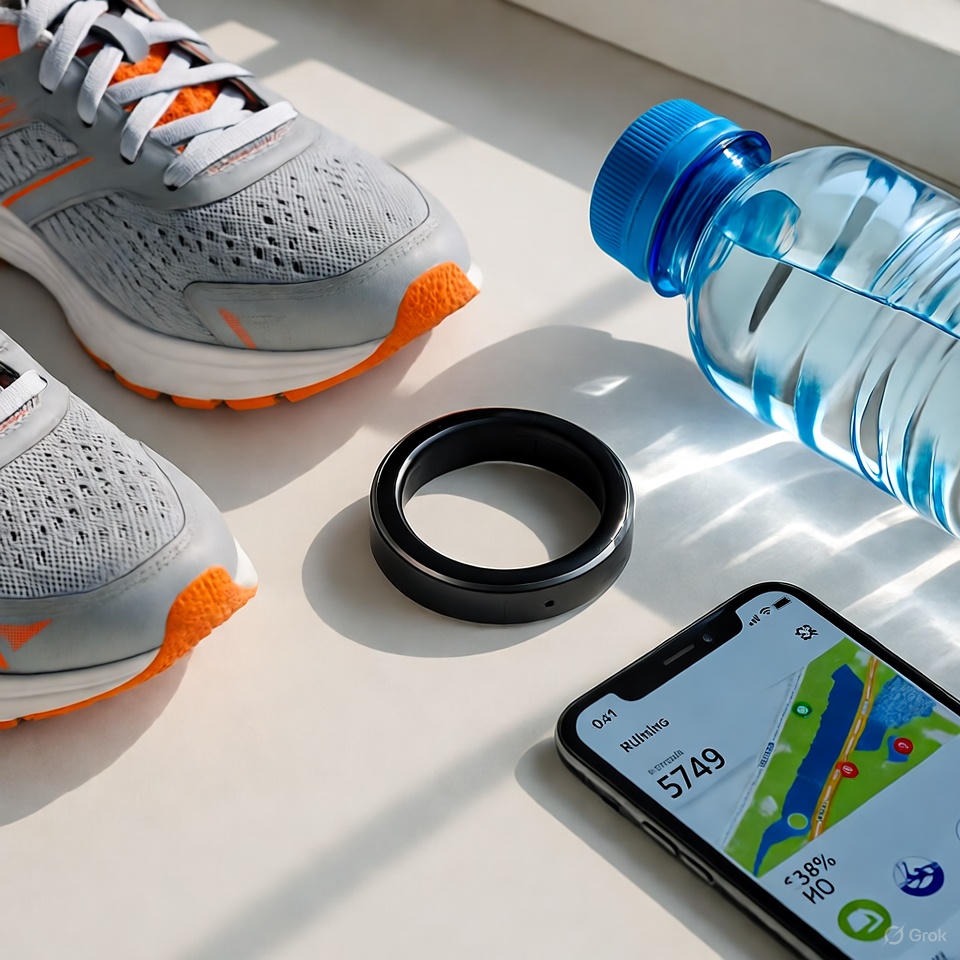
The human body is a dynamic structure designed for motion. Our joints are lubricated by movement, our discs are nourished through compression and release, and our muscles maintain balance through reciprocal engagement. Prolonged sitting dismantles this elegant system, leading directly to the modern epidemic of chronic back, neck, and shoulder pain.
When you sit, particularly in a slouched position, you place approximately 40-90% more load on your lumbar spine than when you stand. The psoas muscle, a deep hip flexor, remains in a shortened state, which can tilt the pelvis anteriorly and create an exaggerated lumbar curve (lordosis). Meanwhile, the gluteal muscles, your powerful hip extensors and stabilizers, are in a stretched and inhibited state—a phenomenon aptly named "gluteal amnesia." This combination forces the smaller, secondary muscles of the lower back and hamstrings to overwork, leading to strain and fatigue.
The upper body fares no better. Forward head posture, prevalent in desk workers, adds tremendous strain. For every inch your head moves forward from its neutral alignment, the effective weight on your cervical spine increases by 10 pounds. This strains the scalene and sternocleidomastoid muscles in the neck and can impinge nerves, leading to headaches, shoulder pain, and tingling in the arms.
The antidote is not just a better chair (though ergonomics help); it is dynamic posture—the constant, subtle shifting and moving that prevents any one set of tissues from being under constant stress. A healthy movement pattern integrates postural variety: standing, sitting, perching, walking, and leaning. Each shift changes the load distribution, allowing overworked muscles to rest and underworked muscles to engage.
Intentional movement breaks serve as "system resets" for your musculoskeletal system. A simple 60-second break every 30 minutes to stand, perform a cat-cow stretch, or roll your shoulders can:
This approach transforms pain management from passive (relying on medication or therapy after injury) to proactive (preventing injury through intelligent habit design). By using a device that reminds you to move and tracks your sedentary bouts, you’re essentially providing your spine and joints with the regular maintenance they desperately need. The data becomes a powerful motivator; seeing a long, unbroken red block on your activity timeline directly correlates to the stiffness you feel when you finally stand up. For a holistic view of how recovery encompasses both movement and rest, explore our analysis on deep sleep optimization for athletes, which highlights the body's repair cycles.
The benefits of breaking up sedentary time extend far beyond the physical body, delivering immediate and tangible boosts to your brainpower and energy levels. If you’ve ever hit a mid-afternoon slump and reached for coffee or sugar, the true solution may be movement, not caffeine.
Sitting for long periods leads to a stagnation of blood and cerebrospinal fluid. When you move, your muscle contractions act as a secondary pump, enhancing circulation. This delivers a fresh supply of oxygen and glucose—the brain’s primary fuels—while more efficiently clearing out metabolic byproducts like adenosine, which contributes to feelings of fatigue. A 2018 study in the International Journal of Environmental Research and Public Health found that short, frequent walking breaks significantly reduced subjective fatigue and improved motivation and concentration in office workers compared to those who remained seated.
Furthermore, movement stimulates the release of key neurotransmitters. Physical activity triggers the release of Brain-Derived Neurotrophic Factor (BDNF), a protein that acts like fertilizer for brain cells, promoting neuroplasticity—the brain's ability to form new connections. It also boosts dopamine (for motivation and focus), norepinephrine (for attention and arousal), and serotonin (for mood regulation). A quick burst of movement can thus act as a natural, side-effect-free cognitive enhancer.
This has profound implications for work performance and creative problem-solving. Scheduling movement breaks is not a diversion from productivity; it is an engine for it. The "aha!" moment often comes when we step away from a problem, and doing so while moving is doubly effective. A walking meeting, a solo stroll to ponder a challenge, or even just pacing while on a call can unlock new perspectives that remain inaccessible while stationary.
The energy payoff is also rooted in mitochondrial health. Mitochondria are the power plants of your cells. Sedentary behavior can make them less efficient and fewer in number in muscle cells. Regular, low-grade movement throughout the day, however, signals your body to maintain a robust, efficient mitochondrial network, leading to more consistent energy production at a cellular level. You become metabolically "flexible," better able to generate energy from available fuels, which wards off the energy crashes associated with sedentary living.
By tracking your activity patterns with a focus on breaking up sitting, you’re not just managing your future disease risk; you’re actively optimizing your present-moment cognitive function, mood, and vitality. It turns daily movement into a direct investment in your professional performance and personal well-being. To see how this daytime activity data pairs with nighttime recovery metrics, our article on what your deep sleep numbers should look like provides the complementary picture.
Knowing the "why" is only half the battle; the "how" is where change materializes. Designing a movement-rich day requires intentionality, but not rigidity. It’s about employing behavioral science principles like habit stacking and environmental design to make the healthy pattern the default, easy pattern.
The cornerstone is the 30-Minute Rule. Set a non-negotiable guideline: no single sedentary bout shall exceed 30 minutes during waking hours. This doesn’t mean you must stop deep work every half hour; it means you must insert a 1-3 minute "movement snack." The key is to pair these breaks with existing transitions—a concept known as habit stacking. You attach the new habit (a movement break) to an established habit (a natural pause in your workflow).
Powerful habit stacks include:
Next, redesign your environment for movement. This is "nudging" yourself toward activity.
Technology should be your ally, not your adversary. Use your smart wearable’s sedentary alerts as a helpful nudge, not an annoyance. The most effective devices allow you to customize alert schedules (e.g., only during work hours) and sensitivities. The goal is to create a positive feedback loop: the alert reminds you, you move, you feel an immediate boost in energy and focus, and the device records the positive change in your pattern, reinforcing the behavior. This cycle turns a conscious effort into an automatic habit.
Finally, schedule movement "meals" alongside your snacks. Block time for a 10-minute afternoon walk, a 5-minute stretching routine post-lunch, or a 7-minute bodyweight workout between tasks. Treat these blocks with the same importance as a client call. Over time, this designed pattern—micro-breaks interspersed with longer activity blocks—creates a resilient, dynamic, and biologically supportive daily rhythm. For inspiration on building holistic routines that include recovery, our deep sleep formula guide discusses the importance of timing and environment for optimal rest.
Raw data is noise; interpreted insight is power. The advanced metrics provided by a sophisticated wellness wearable can be overwhelming at first glance. Learning to read your personal movement analytics is the critical step that transforms numbers into a personalized action plan. Let’s decode the key metrics and their implications.
1. Sedentary Time & Longest Bout: This is your baseline risk indicator. A total sedentary time of 10+ hours and a longest bout exceeding 90 minutes flags a high-risk pattern. The goal isn't necessarily to slash total sedentary time overnight (which may be unrealistic for many jobs), but to dramatically reduce the longest bout duration. First, focus on ensuring no single bout exceeds 60 minutes, then work toward the 30-minute ideal.
2. Active Break Frequency: This is your primary lever for change. It answers: "How often did I interrupt stillness?" Your device might show you "8 breaks today." If you were awake for 16 hours, that’s only one break every 2 hours—a clear area for improvement. Aim for 16-20 breaks (one every 45-60 minutes) as an initial target.
3. Activity Intensity Distribution: View this as your movement pyramid. A healthy day might show 50-60% light activity, 20-30% moderate, and 5-10% vigorous. If your chart is 80% sedentary, 15% light, and 5% moderate with no vigorous, you know you need to inject more intentional movement of all intensities. Conversely, an athlete might see 40% sedentary, 30% light, 20% moderate, and 10% vigorous—a more balanced, protective profile.
4. Metabolic Equivalents (METs) / Caloric Burn from NEAT: Some devices estimate the calories burned from non-exercise activity. Tracking this over time can be incredibly motivating. If you see your NEAT calories increase from 300 to 450 per day after implementing movement snacks, you have quantitative proof of your metabolic shift.
5. Correlated Metrics: Readiness & Sleep: The true magic happens when you cross-reference movement data with other biomarkers. Did a day with poor activity patterns (long sedentary bouts) lead to a lower Morning Readiness Score the next day? Did it correlate with less deep sleep or more nighttime awakenings? Conversely, did a day with frequent, balanced movement predict a higher sleep score? These correlations are deeply personal and reveal your body's unique responses. They answer the critical question: "What specific movement pattern makes me feel and recover at my best?"
By spending just a few minutes each week reviewing these analytics, you move from guessing to knowing. You can run self-experiments: "If I take a 10-minute walk after lunch instead of scrolling, how does it affect my afternoon energy and sleep depth?" This data-informed self-awareness is the cornerstone of sustainable, personalized wellness. It’s the process of becoming the expert on your own body’s needs. For users of specific platforms, exploring the Oxyzen FAQ can provide additional guidance on interpreting these unique metrics.

In the ecosystem of wellness wearables—smartwatches, fitness bands, clip-on devices—the smart ring is emerging as a uniquely powerful tool for tracking daily movement patterns. Its advantages are rooted in wearability, sensor placement, and psychological design.
1. Continuous, Unobtrusive Wear: The single greatest predictor of tracking accuracy is consistency of wear. A device left on a charger or removed because it’s bulky or uncomfortable provides fragmented data. A smart ring, by contrast, is lightweight, ergonomic, and socially invisible. It doesn’t interfere with typing, sleeping, or wearing other accessories. This seamless integration into daily life means it captures everything—the 2 AM bathroom trip, the fidgeting during a movie, the brief stand-up-and-stretch moment at your desk that you’d instantly forget. It provides a 24/7 data stream that watches, often removed for charging or during certain activities, simply cannot match.
2. Optimal Anatomical Placement for Movement: The finger, specifically the base of the finger, is an ideal location for an accelerometer to detect whole-body movement. Unlike a wrist-based device, which can record extensive "non-walking" arm movement (like typing or gesturing) as steps, a ring on the finger experiences motion more closely correlated with full-body displacement and postural shifts. Furthermore, the vasculature in the finger is rich, allowing for highly accurate photoplethysmography (PPG) sensor readings of heart rate and heart rate variability (HRV)—critical data for measuring activity intensity and physiological recovery in tandem with movement.
3. The Psychological "Quiet Companion" Model: A smartwatch, with its constant notifications and bright screen, can become a source of digital distraction and stress. A smart ring typically operates via a paired smartphone app you check intentionally, not impulsively. Its reminders to move can be subtle vibrations, not screen-based interruptions. This design philosophy supports mindfulness and intentional action rather than reactive tech engagement. It’s a tool for enhancing your presence in the physical world, not pulling you deeper into the digital one.
4. Holistic Health Integration: The best smart rings don’t just track activity in a silo. They integrate movement data with sleep architecture (including deep sleep stages), resting heart rate, HRV, and body temperature. This creates a multidimensional picture. You don’t just see that you sat for 2 hours; you see how that bout affected your stress levels (via HRV), and how a day of poor movement patterns degraded your sleep quality. This systems-level feedback is essential for understanding the true cost of sedentary patterns and the holistic value of breaking them.
For those seeking a device built on this philosophy of continuous, holistic, and unobtrusive insight, the journey often begins at the Oxyzen shop, where design meets purpose in wearable form.
Theory and data are compelling, but human stories cement understanding. The shift from a sedentary, pain- and fatigue-ridden existence to a vibrant, energetic life often hinges on changing daily movement patterns, not just adding intense exercise. Here are anonymized composites of real transformations facilitated by pattern-awareness.
Case Study 1: The "Successful but Exhausted" Executive
Mark, 48, was a finance director logging 12-hour days at his desk. He "worked out" with a trainer twice a week but battled constant lower back pain, poor sleep, and a 3 PM energy crash requiring double espressos. His smart ring data revealed a brutal pattern: 11.5 hours of daily sedentary time, with consistent 3-4 hour unbroken bouts. His readiness scores were chronically low, and his deep sleep was minimal. The intervention wasn't more gym time; it was pattern interruption. He started using a standing desk alert to shift every 30 minutes, instituted a "walking one-on-one" policy, and did 2 minutes of doorway stretches after each bathroom break. Within three weeks, his longest sedentary bout was down to 55 minutes, his afternoon energy crashes vanished, and—most tellingly—his deep sleep duration increased by 25%. The back pain subsided without a single chiropractic visit.
Case Study 2: The "Active but Sedentary" Remote Writer
Sarah, 34, was a freelance writer who considered herself active because she did yoga 4 times a week and hiked on weekends. Yet she struggled with brain fog, weight creep, and anxiety. Her data told a surprising story: her workouts were strong, but her weekday work blocks were profoundly sedentary—6-hour writing marathons with zero breaks. Her NEAT was among the lowest percentiles. The strategy focused on "activity snacks" to fuel creativity. She began using a Pomodoro timer (25 minutes work, 5 minutes move), with movement breaks consisting of dancing to one song, walking around her block, or a quick sun salutation. Her productivity increased as the brain fog lifted, her NEAT calories doubled, and the slow weight gain reversed. She learned that weekend activity could not compensate for weekday stagnation.
Case Study 3: The "Post-Injury Rebuilder"
David, 62, was recovering from knee surgery. Traditional exercise was limited, and fear of pain had made him overly cautious, leading to general weakness and low mood. His physical therapist, using data from a wearable, focused purely on movement frequency and distribution. The goals were simple: sit for no more than 45 minutes, and accumulate 5 minutes of gentle, non-painful walking every hour. The ring’s vibration reminder became his guide. This slow, consistent, pattern-based approach rebuilt his confidence and basal metabolic rate without aggravating his knee. His recovery accelerated, and he built a sustainable habit of regular movement that persisted long after therapy ended.
These stories highlight a universal truth: lasting health change is less about monumental efforts and more about consistent, intelligent adjustments to the daily rhythm. It’s a journey of self-discovery, best undertaken with the right tools and insights. For more narratives of personal transformation through data, explore the real experiences shared in Oxyzen testimonials.
A critical, yet often overlooked, pillar in the fight against Sitting Disease is the profound bidirectional relationship between daily movement patterns and nightly recovery. We mistakenly compartmentalize "activity" and "sleep" as separate domains, managed with different tools and strategies. In reality, they are locked in a continuous dialogue. How you move (or don't move) during the day is one of the most powerful levers you have for improving the quality, depth, and restorative power of your sleep—and vice versa.
The mechanism is rooted in our circadian biology and homeostatic sleep drive. Physical activity, particularly when distributed across the day, serves as a powerful zeitgeber (German for "time-giver")—an external cue that synchronizes your body's master clock in the suprachiasmatic nucleus. Morning and afternoon light exposure paired with movement sends a strong signal that it is daytime, reinforcing a robust circadian rhythm. This, in turn, promotes a sharper rise in melatonin production when darkness falls, making it easier to fall asleep and enter the crucial stages of deep sleep.
Furthermore, activity builds up adenosine, a neurotransmitter that accumulates in the brain as a byproduct of metabolic activity. The longer you are awake and active, the more adenosine builds up, creating a stronger "sleep pressure." This is the homeostatic sleep drive. A sedentary day results in a weaker adenosine signal, which can lead to difficulty falling asleep and a more fragmented, shallow sleep architecture. In essence, you haven't "earned" a deep, restorative sleep because your body hasn't registered sufficient metabolic output to warrant extensive repair.
However, the timing and pattern of activity matter immensely. A single bout of intense exercise too close to bedtime can be overstimulating for some, raising core body temperature and releasing stimulants like adrenaline. Conversely, the gentle, rhythmic movement distributed throughout the day—the NEAT and frequent breaks we've championed—steadily builds sleep pressure without the spike in stress hormones. An evening walk or light stretching can actually be beneficial, as it promotes a gradual cooling of the core body temperature, a key signal for sleep onset.
The data from a comprehensive wearable makes this synergy visible. You can observe direct correlations: On days where your "Longest Sedentary Bout" metric is high, you may see a corresponding dip in your Sleep Score or a reduction in Deep Sleep Duration. Conversely, days with a balanced activity pyramid and frequent breaks often predict higher sleep efficiency and more time spent in restorative stages. This feedback loop is essential for optimization. It answers questions like: "Does my post-dinner walk improve my sleep depth?" or "Does that 3 PM slump and subsequent coffee correlate with a restless night?"
Ignoring this connection is a major missed opportunity. Fighting Sitting Disease isn't just about adding movement to protect your heart and metabolism; it's about using that movement to engineer a better night's sleep, which then fuels more energy and better movement the next day—a virtuous cycle. For those struggling with sleep, the first intervention might not be a sleep aid, but a detailed audit of their daytime movement patterns. Understanding this holistic rhythm is core to our philosophy, which you can learn more about on our about us page.
In our quest to combat sedentariness, a seductive trap has emerged: the belief that if we are mentally productive while sitting, our bodies are somehow exempt from the physiological consequences. We glorify the "deep work" marathon—the 4-hour uninterrupted coding session, the writing binge, the intense strategic planning—often fueled by the mistaken idea that this supreme focus is the pinnacle of cognitive performance. This is the era of "Active Sitting": our minds are racing, but our bodies are in a state of profound biological neglect.
Neuroscience now reveals this to be a flawed model. The brain's prefrontal cortex, responsible for focused attention, executive function, and complex decision-making, is not designed for constant, unbroken output. It operates optimally in cycles of roughly 90-120 minutes, after which it requires a period of rest to replenish neurotransmitters and clear metabolic waste. The idea that we can hack this by simply powering through on caffeine is an illusion; we may produce more, but the quality, creativity, and accuracy of that output decline.
More critically, the body pays its price regardless of mental state. The metabolic shutdown, muscular inhibition, and spinal loading described earlier occur just as efficiently whether you're writing a Nobel Prize-winning paper or mindlessly scrolling social media. The chair doesn't discriminate based on the quality of your thoughts. In fact, the intense focus of "Active Sitting" may be more dangerous because it makes you less aware of your body's signals—the stiff neck, the tight hips, the shallow breath—allowing you to ignore them for longer.
The breakthrough realization is that the most productive schedule incorporates rhythmic physical breaks. Studies from Stanford University's Persuasive Tech Lab found that short walking breaks significantly increased creative output compared to remaining seated. The phenomenon of "transient hypofrontality" during light movement—a temporary quieting of the prefrontal cortex—allows for more diffuse, associative thinking, where novel connections and "aha!" moments are born.
Therefore, breaking up sitting is not an enemy of productivity; it is its architect. The goal is to shift from a model of Static Endurance (how long can I sit and focus?) to one of Dynamic Cycling (how can I rhythmically alternate between focused work and restorative movement to sustain high-quality output over a lifetime?). The "movement snack" becomes a cognitive reset button.
Implementing this requires a cultural shift, especially in knowledge-work environments. It means:
Dismantling the myth of the productive marathon is a crucial step in winning the war against Sitting Disease. It aligns our work habits with our human biology, creating a sustainable path to both professional excellence and long-term health. For more insights on building sustainable, health-forward routines, our blog offers a wealth of related resources.
While personal habit change is powerful, Sitting Disease is a public health crisis fueled by societal structures and built environments. To create lasting change, we must look beyond the individual's smart ring data and consider the collective spaces we inhabit—our offices, homes, cities, and social norms.
Our modern world is, in many ways, a "sedentary trap." Urban design often prioritizes cars over pedestrians. Office layouts center on fixed desks and long meetings in windowless rooms. Schools keep children seated for hours on end. Social gatherings frequently revolve around sitting: meals, movies, coffee chats. The default setting for human interaction and labor has become passive.
Combating this requires a multi-level approach:
1. The Workspace Revolution: Progressive companies are moving beyond offering a gym subsidy and are actively engineering movement into the workday. This includes:
2. The Community Infrastructure: Public health initiatives are recognizing the need to design activity back into daily life. This includes developing safe, connected networks of sidewalks, bike lanes, and greenways that make active transportation a viable, pleasant option. The concept of the "15-minute city," where daily needs are accessible within a short walk or bike ride, is a powerful antidote to car-dependent sedentariness.
3. The Social Contract: We can reshape social norms around movement. This could mean suggesting a "walk-and-talk" instead of a coffee sit-down, organizing active social events like group hikes or pickleball, or simply being the person who stands and stretches during a long gathering without self-consciousness. Normalizing movement breaks makes it easier for everyone to adopt them.
Technology, when designed thoughtfully, can support this environmental shift. Team-level wellness challenges based on active breaks (not just steps) can foster camaraderie. Shared dashboards (with individual privacy consent) that celebrate reduced team-wide sedentary time can create positive peer pressure. The data from personal devices becomes not just a private insight, but a piece of evidence advocating for healthier collective spaces—"Our team data shows energy and focus scores plummet after 2 PM during back-to-back sit-down meetings."
Ultimately, creating a culture of movement requires us to be advocates and designers—of our immediate surroundings and the broader landscapes we share. It's about building a world where the healthy choice is the easy, default, and socially celebrated choice. The journey to create such environments is part of our story and mission to integrate wellness seamlessly into modern life.
The battle against Sitting Disease is not a midlife concern; it is a lifelong campaign. The movement patterns we establish—or that are established for us—in childhood set a trajectory, and our needs and capabilities evolve dramatically as we age. Understanding this lifespan perspective allows us to tailor the fight appropriately at every stage.
Childhood & Adolescence: The Foundation Years
This is a critical period for developing movement literacy—the fundamental competency, confidence, and desire to be physically active for life. Alarmingly, sedentary behavior is skyrocketing in youth, displaced by screens and academic pressures. The focus here should be on variety and joy. The goal isn't structured exercise but abundant, unstructured play that develops a wide movement vocabulary: running, jumping, climbing, balancing, throwing. This builds resilient musculoskeletal systems, establishes healthy metabolic patterns, and wires the brain to associate movement with pleasure. Combatting sedentariness in kids means prioritizing free play, active transportation to school, and limiting recreational screen time. It’s about preserving their innate biological drive to move.
Adulthood (20s-50s): The Defense Years
This is often the period of greatest sedentary encroachment, as careers and family responsibilities consume time and energy. The pattern-based strategies we've detailed throughout this article are most crucial here. The focus shifts from foundational play to strategic maintenance. This is about defending against the slow creep of metabolic syndrome, chronic pain, and energy depletion. It requires intentional habit design—scheduling movement snacks, committing to strength training to preserve muscle mass, and using technology for accountability. The key is integration, making movement non-negotiable within the constraints of a busy life.
Middle to Older Age (60s and Beyond): The Preservation Years
The primary goal shifts to functional independence. The enemy is not just Sitting Disease, but its consequences: sarcopenia (muscle loss), osteopenia (bone loss), and decreased mobility. Movement patterns here must prioritize quality over quantity, balance over intensity. The focus is on:
The "30-minute rule" becomes even more vital, as stiffness sets in faster. Activity might look different—seated leg lifts, gentle tai chi, water aerobics, short but frequent walks—but the principle of breaking up sedentariness is paramount. For older adults, understanding how age affects deep sleep is also crucial, as the interplay between movement and recovery becomes more delicate.
Across all ages, the constant is the need to break the pattern of prolonged stillness. The expression of that principle simply changes. A smart ring that tracks activity and readiness can be a valuable tool at any age, providing gentle reminders to move and offering insights into how daily patterns affect energy and recovery, allowing for personalized adaptation. It becomes a lifelong companion in the mission to stay vitally engaged with the physical world.
While the metabolic and cardiovascular benefits of breaking up sedentary time are well-established, the positive effects cascade down to the hormonal and even cellular level, influencing everything from stress resilience to genetic expression. This is where movement as a pattern reveals its truly systemic power.
Hormonal Harmony: Prolonged sitting creates a dysregulating effect on several key hormones.
Cellular & Genetic Effects: The impact goes even deeper, into the very machinery of our cells.
This hormonal and cellular narrative transforms movement from a simple caloric transaction into a fundamental act of biological signaling. Every time you rise from your chair and take a short walk, you are sending a cascade of signals through your body: "Stay sensitive to insulin." "Release anti-inflammatory myokines." "Manage stress hormones effectively." "Maintain cellular youth."
This profound layer of benefit is largely invisible to us, felt only as a general sense of well-being. Yet, it is the bedrock of long-term health. Tracking your movement patterns becomes a way to ensure you are sending these vital signals consistently throughout the day, not just in one concentrated, forgotten burst. For a complete picture of how these biological signals affect your 24-hour cycle, consider how they influence your deep sleep sweet spot, a key metric of cellular repair.
Adopting a new movement pattern is a behavior change journey, and like any such journey, it is rarely a linear ascent. There will be days when work crises obliterate your best intentions, weeks when travel disrupts your routine, and periods where you simply hit a plateau and feel your motivation wane. The key to long-term success is not perfection, but resilience—the ability to navigate these setbacks without abandoning the entire endeavor.
1. Reframe "Failure" as Data: If you have a day where your "Longest Sedentary Bout" metric hits 180 minutes, don't view it as a failure. View it as a data point. Ask: "What was different about today? A back-to-back deadline? A long drive?" Analyze without judgment. This information is invaluable for troubleshooting. Perhaps you need a more aggressive reminder setting on high-pressure days, or you need to pre-schedule a 5-minute blocking after every meeting.
2. Embrace the "Minimum Viable Dose" (MVD): On days when everything is falling apart, abandon your ideal routine and fall back to your MVD. This is the absolute smallest, non-negotiable action that maintains the habit. Your MVD might be: "Stand up and stretch for 60 seconds, three times today." Or, "Take a 5-minute walk after lunch, no matter what." Hitting this tiny target preserves the neural pathway of the habit and prevents the "all-or-nothing" collapse that derails so many people.
3. Plateau-Busting Through Variation: If you've been consistently hitting your movement break goals but no longer see improvements in energy or sleep, you may need to vary the stimulus. The body adapts. Try:
4. Leverage Your Tech for Compassion, Not Guilt: A smart wearable should be a compassionate coach, not a punitive drill sergeant. Use its historical data feature not to berate yourself for a bad day, but to see the trend line. Zoom out to a weekly or monthly view. That one red day will be a blip in an overall green-upward trend. This perspective is antidotal to the shame that often accompanies a lapse. The device should help you celebrate consistency over time, not punish momentary lapses.
5. Reconnect to Your "Why": When motivation is low, return to your core reason for starting. Was it to eliminate back pain? To have more energy for your kids? To sleep better? Look at your correlated data. Find a day in your history where your pattern was great and your sleep score was high. Remember how that felt. That feeling is the true destination; the movement pattern is merely the map.
Sustainable change is a series of course corrections, not a straight line. By expecting and planning for setbacks, you build a strategy that is robust enough for real life. For additional support and answers to common questions on this journey, our comprehensive FAQ is always available as a resource.
In the final analysis, the fight against Sitting Disease is won through the seamless integration of knowledge, intention, and tools. Technology, specifically advanced wellness wearables, is the linchpin that makes this integration possible, transforming abstract health principles into a personalized, living practice. But technology alone is not the answer; it is the bridge between awareness and action.
To build an insight-driven practice, follow this integration framework:
1. Select for Holistic Sensing, Not Single Metrics: Choose a device that doesn't just count steps but provides the rich pattern data we've discussed: sedentary bout analysis, activity intensity distribution, and crucially, recovery metrics like HRV and sleep staging (including deep sleep tracking). The Oxyzen smart ring, for example, is designed with this holistic principle in mind, sensing the interconnected signals of movement, readiness, and recovery from its unique anatomical position.
2. Establish a Baseline, Then Set Process Goals: Before trying to change anything, wear your device consistently for 1-2 weeks to establish an honest baseline. Don't judge the data; simply observe. Then, set process-oriented goals, not just outcome goals. Instead of "lose 10 pounds," set goals like: "Reduce my average longest sedentary bout from 120 minutes to 75 minutes this month," or "Increase my daily active breaks from 8 to 12."
3. Create a Feedback Loop Ritual: Dedicate 5 minutes each morning and evening to your data. In the morning, check your Readiness Score and sleep data. Ask: "How did yesterday's activity pattern affect my recovery?" In the evening, briefly review your activity pattern. Ask: "Where did I succeed? Where can I improve tomorrow?" This ritual creates a powerful closed loop between action and result, accelerating learning and adaptation.
4. Customize Your Alerts for Empowerment: Configure movement reminders to fit your life. If you have deep work blocks, set a "Do Not Disturb" schedule or a longer interval (e.g., 45 minutes). Make the alert vibration pattern one you find pleasant and motivating, not annoying. The technology should feel like it's working for you, on your terms.
5. Synthesize Insights, Don't Just Collect Data: The ultimate goal is synthesis. Over time, you will discover your personal formulas. You might learn: "When I get at least 15 active breaks and a 20-minute afternoon walk, my deep sleep is consistently above 1.5 hours," or "If my sedentary time exceeds 10 hours, my next-day readiness always drops." These are your personal health commandments, discovered through data. They are far more motivating than any generic advice.
By following this framework, you move from being a passive recipient of data to an active architect of your own well-being. The smart ring on your finger ceases to be a mere gadget and becomes an extension of your proprioception—a sixth sense for health, providing a continuous, gentle dialogue with your own biology. It empowers you to craft days that are not only productive but profoundly nourishing, building a lifelong defense against the inertia of the modern world.
This journey of integration is continuous and deeply personal. For further reading and to explore the stories of others on a similar path, we invite you to explore our blog for a wealth of resources that complement this guide, from sleep science to holistic wellness strategies. The first step is awareness; the next is intentional, patterned action. Your movement patterns are the story of your health, written daily. It's time to pick up the pen.

The science is clear, the tools are available, and the need is urgent. Yet, the final, most critical step is personalization. A generic prescription of "move more" is as ineffective as a doctor telling you to "feel better." To vanquish Sitting Disease, you must become the architect of your own unique movement pattern blueprint—a living plan that respects your physiology, your psychology, and the practical realities of your life.
Creating this blueprint begins with an honest self-assessment across three dimensions: Biology, Biography, and Beliefs.
Biological Assessment: This is about understanding your starting point. Use the holistic data from a device like the Oxyzen smart ring to answer key questions. What is your true baseline for sedentary time and recovery? Do you have any physical limitations or chronic conditions (e.g., old injuries, arthritis) that dictate the type of movement you should prioritize? How does your body currently respond to different activity intensities? For instance, if your data shows that evening moderate activity consistently disrupts your deep sleep duration, that's a biological constraint to design around.
Biographical Assessment: This is the audit of your daily reality. Map your 24-hour timeline. Where are the fixed, immovable blocks (e.g., your work schedule, school drop-off, caregiving duties)? Where are the natural transition points that could serve as habit-stacking anchors? What is your physical environment? Do you work in a high-rise office, a home office, or a car? Your strategy must be woven into this existing tapestry, not laid over it like an ill-fitting blanket.
Belief Assessment: This is the psychological layer. What are your core beliefs about movement and productivity? Do you secretly believe that taking breaks is a sign of weakness or a threat to your output? What is your primary motivation—is it pain avoidance, performance enhancement, longevity, or aesthetic goals? Uncovering these beliefs is essential, as a strategy that conflicts with your identity will always fail. You must reframe movement breaks not as interruptions, but as performance-enhancing rituals.
With this triage complete, you can draft your blueprint. It will contain non-negotiable elements and flexible guidelines.
Sample Blueprint for a Knowledge Worker (Remote):
This blueprint is not static. It is a prototype to be tested and iterated upon every two weeks, using your data as the guide. The ultimate goal is to evolve from conscious adherence to unconscious competence—where your movement pattern becomes as automatic and essential as breathing.
We stand on the cusp of a revolution in preventive health, moving from a reactive model of treating disease to a predictive model of sustaining wellness. The frontier in fighting Sitting Disease lies no longer in just tracking patterns, but in using artificial intelligence and machine learning to anticipate risk and prescribe hyper-personalized, micro-interventions.
Imagine a wellness wearable that doesn't just tell you you've been sitting for 50 minutes, but analyzes a confluence of real-time data points to predict a biological downturn before you feel it. It would synthesize:
From this synthesis, it could deliver a truly intelligent nudge. Instead of a generic "Time to move!" alert, it might say: "Your data suggests an energy dip in 20 minutes. A 90-second bout of stair climbing now will help you maintain focus through your next meeting." Or, "You have a high-stress presentation in 1 hour. A 5-minute mindful walking break now will optimize your autonomic nervous system for performance."
This is prescriptive analytics applied to daily movement. The device transitions from a historian to a strategist. It could even begin to suggest the type of movement break most suited to your immediate state: calming mobility flows if your HRV is low (indicating stress), or gentle energizing movements if your temperature data suggests drowsiness.
Furthermore, this technology will integrate seamlessly with our environments. Your smart ring could communicate with your smart office: as you approach a predicted slump time, your desk could gently rise, or the lighting could shift to a more alerting spectrum. Your car, on a long drive, could suggest the optimal rest stop for a movement break based on your cumulative stillness and circadian rhythm.
This future turns the management of Sitting Disease into a sophisticated, silent dialogue between you and an AI-powered health guardian. The goal is to make the health-supporting choice so contextually obvious and easy that it requires minimal willpower. It’s about building a "healthspan force field" through intelligent, data-driven nudges that keep our biology engaged with life. To understand the foundation of such personalized tracking, delve into the principles behind how sleep trackers actually work, as the sensor technology and algorithms are the bedrock of this future.
In our reliance on technology and data, we must guard against one final pitfall: outsourcing our bodily awareness to a device. The ultimate goal is not to become dependent on a ring’s vibration to know when to move, but to use the technology as a training tool to reawaken our own innate interoception—the sense of the internal state of our body.
For generations living in a chair-centric, screen-saturated world, this connection has atrophied. We ignore the subtle ache in our lower back until it becomes a scream. We override feelings of fatigue with stimulants. We eat when bored, not hungry. Fighting Sitting Disease is, at its core, a project of re-embodiment.
Your wearable provides the external metrics, but you must cultivate the internal ones. This is the practice of the Mindful Mover. It involves periodically checking in with your physical self without looking at any data:
Use your technology’s alerts not as a command, but as an invitation to pause and perform this internal scan. Over time, you will begin to notice your body’s own signals before the alert goes off. You’ll feel the first whispers of stiffness or mental fog and intuitively know it’s time to change your state.
This mindful approach transforms movement from a box-ticking exercise into an act of self-care and presence. A 2-minute stretch becomes a moving meditation, a chance to reconnect with the physical vessel of your life. It bridges the gap between the quantified self and the qualified self—the one who feels vitality, not just measures it.
This philosophy of integrated, conscious wellness is central to our vision. It’s about more than data; it’s about fostering a deeper relationship with oneself, as outlined in our broader mission which you can explore on our our story page.
Lasting change is contagious. When you begin to transform your relationship with movement, you inevitably influence your sphere—your family, your team, your community. Building a movement-rich culture amplifies individual efforts and creates a supportive ecosystem where healthy patterns thrive.
Start with Your Household: Make movement a family value. Institute "active commercials" during TV time where everyone gets up and moves. Replace after-dinner scrolling with a family walk. Create challenges: "Who can take the most activity breaks during their homework or workday?" Use shared goals to foster connection and mutual accountability.
Transform Your Team or Workplace: Be an advocate without being a zealot. Share the science, not just the personal anecdote. Propose a low-stakes, inclusive challenge: "For the next month, let’s compete to see which team can have the lowest average sedentary bout length." Use data from your own Oxyzen to show the correlation between your movement patterns and your productivity or meeting engagement. Champion small policy changes: walking one-on-ones, standing agenda items, or movement-friendly meeting room designs.
Engage Your Social Circle: Reframe socializing. Instead of "Let's get drinks," suggest "Let's go for a walk-and-talk." Organize a hiking group, a casual sports league, or a dance class with friends. You become the node in your network that associates connection with vitality.
The ripple effect is powerful. As more people visibly prioritize movement, it ceases to be an oddity and becomes a norm. This cultural shift is the most potent vaccine against Sitting Disease. It addresses the environmental and social drivers that individual willpower alone cannot overcome. By creating a world where our social rituals, our work structures, and our family lives all celebrate and facilitate movement, we build a future where health is the default, not the struggle.
The evidence is no longer debatable: a life of prolonged, uninterrupted sitting is a slow, insidious threat to virtually every system in your body. But the counter-strategy is equally powerful, elegantly simple, and profoundly within your reach. It does not demand you become an athlete; it invites you to become an architect—of your minutes, your hours, and your days.
This journey begins with a single, powerful shift in perspective: stop viewing "fitness" as a separate activity you do, and start seeing "movement" as a quality you cultivate throughout the fabric of your waking life. The 10,000 steps matter, but the 10,000 moments of intentional posture, deliberate breathing, and micro-resets matter more. The vigorous workout is beneficial, but the rhythmic dispersal of activity that prevents biological stagnation is transformative.
You now hold the knowledge:
This is not about adding another burdensome "should" to your life. It is about reclaiming your birthright of vitality. It is about trading the stiffness of stagnation for the suppleness of engagement. It is about discovering that the energy you seek is not found in another cup of coffee, but in the simple, profound act of standing up and moving your body, again and again, throughout the day.
The data is clear, the path is mapped, and the tools are at your fingertips. The first step is a decision. The second step is literally just that—a step. Then another. And another.
Your life in motion awaits.
To continue exploring how to optimize every facet of your well-being, from daily movement to nightly recovery, visit our comprehensive resource hub at the Oxyzen blog.
Your Trusted Sleep Advocate (Sleep Foundation — https://www.sleepfoundation.org/)
Discover a digital archive of scholarly articles (NIH — https://www.ncbi.nlm.nih.gov/
39 million citations for biomedical literature (PubMed — https://pubmed.ncbi.nlm.nih.gov/)
experts at Harvard Health Publishing covering a variety of health topics — https://www.health.harvard.edu/blog/)
Every life deserves world class care (Cleveland Clinic -
https://my.clevelandclinic.org/health)
Wearable technology and the future of predictive health monitoring. (MIT Technology Review — https://www.technologyreview.com/)
Dedicated to the well-being of all people and guided by science (World Health Organization — https://www.who.int/news-room/)
Psychological science and knowledge to benefit society and improve lives. (APA — https://www.apa.org/monitor/)
Cutting-edge insights on human longevity and peak performance
(Lifespan Research — https://www.lifespan.io/)
Global authority on exercise physiology, sports performance, and human recovery
(American College of Sports Medicine — https://www.acsm.org/)
Neuroscience-driven guidance for better focus, sleep, and mental clarity
(Stanford Human Performance Lab — https://humanperformance.stanford.edu/)
Evidence-based psychology and mind–body wellness resources
(Mayo Clinic — https://www.mayoclinic.org/healthy-lifestyle/)
Data-backed research on emotional wellbeing, stress biology, and resilience
(American Institute of Stress — https://www.stress.org/)


