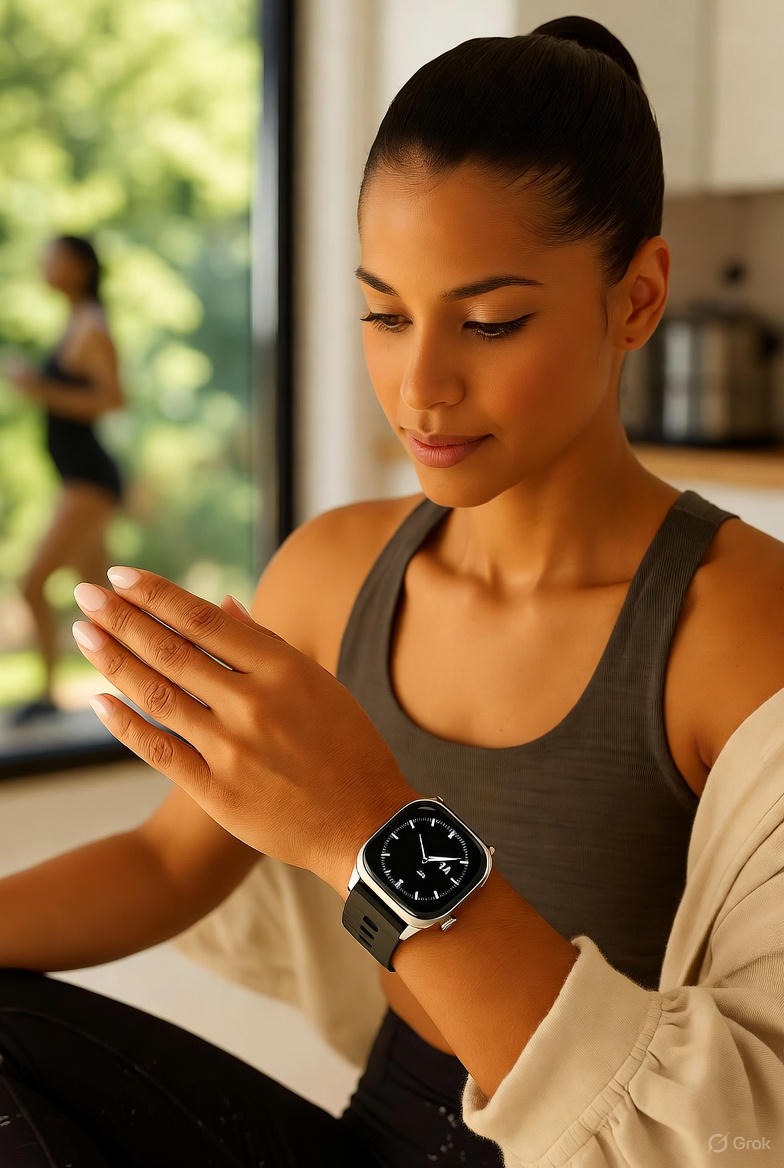
Active Living Basics: The Joy of Movement Over Exercise Obligation
Focuses on finding joy in movement rather than viewing it as an obligation.
Active Living Basics: The Joy of Movement Over Exercise Obligation
You know that feeling. The alarm blares at 5:30 AM for a workout you scheduled three days ago. Your body feels heavy, your mind is still foggy with sleep, and a single, powerful thought echoes: “I don’t want to.” You drag yourself out of bed, lace up your shoes, and go through the motions, fueled not by vitality but by a potent cocktail of guilt, obligation, and a fear of falling behind.
This is the modern exercise paradigm. It’s transactional, punitive, and rigid. It’s a box to check on a wellness to-do list, often disconnected from how we actually feel. We chase metrics—burned calories, steps counted, PRs achieved—while the profound, innate joy of moving our bodies gets lost in the noise.
What if we’ve been thinking about it all wrong? What if the path to a healthier, more vibrant life isn’t paved with grueling, obligatory workouts, but with the simple, sustainable joy of movement woven seamlessly into the fabric of our days?
This is the heart of Active Living: a philosophy that shifts the focus from punishing "exercise" to celebrating "movement." It’s not about doing less; it’s about engaging more—more playfully, more mindfully, and more consistently. It’s reclaiming the natural, human desire to explore, express, and energize our physical selves because it feels good, not just because it’s good for us.
In this exploration, we’ll dismantle the myths of fitness culture and rebuild a personal movement practice rooted in pleasure, presence, and profound well-being. We’ll discover how tools like advanced wearable technology, such as the Oxyzen smart ring, can support—not dictate—this journey by providing insights that honor our body’s natural rhythms. This isn’t a program; it’s a perspective shift. It’s about finding your own unique rhythm in the beautiful, messy, joyful dance of being alive.
Ready to move for the sheer joy of it? Let’s begin.
The Tyranny of the Workout: How "Exercise" Became a Chore
To understand the freedom of active living, we must first examine the cage we’ve built: the modern concept of “exercise.” For millennia, human movement was intrinsically tied to survival and society—hunting, gathering, farming, building, dancing in celebration. Movement was purposeful, communal, and often joyful. The idea of segmenting a specific hour of the day for grueling, repetitive motion for the sole purpose of “fitness” would have been utterly foreign.
The shift began in the industrial age. As machines took over physical labor, our bodies became still. By the mid-20th century, emerging science began linking sedentary lifestyles to heart disease. The solution? Prescribe structured, vigorous “exercise” as medicine—a dose to be taken to counteract the poison of sitting. This medicalized framing was supercharged by the cultural revolutions of the 70s and 80s, with the rise of jogging, aerobics, and the gym as a status symbol. Fitness became an industry, and the workout was its product.
This historical pivot created what we now call "exercise obligation," characterized by several damaging beliefs:
The "No Pain, No Gain" Doctrine: The idea that if it doesn’t hurt, exhaust, or utterly drain you, it doesn’t count. This ignores the vast spectrum of beneficial movement that feels gentle, restorative, or simply fun.
The Metric Monster: We reduced movement’s value to numbers—calories burned, miles run, pounds lifted. This external validation severs the mind-body connection, making us ignore signals of fatigue, enjoyment, or need.
The All-or-Nothing Trap: Missing a scheduled workout leads to a cascade of guilt and self-recrimination, often causing people to abandon their entire routine for days or weeks. It frames movement as a pass/fail test rather than a daily practice.
The Separation of "Exercise" from Life: We compartmentalize. We sit all day, then have a frantic, intense 45-minute “workout,” then return to sitting. This creates a physiological and psychological rift, preventing movement from becoming a natural, integrated part of our existence.
The consequence? Burnout, injury, and a pervasive sense of failure. We start to resent the very thing that’s meant to give us life. A 2022 study in the Psychology of Sport and Exercise found that intrinsic motivation (doing something because it’s enjoyable) is far more predictive of long-term adherence than extrinsic motivation (doing it for weight loss or appearance). When the joy is gone, so is the consistency.
This is where the philosophy of active living offers a radical reprieve. It asks us to step off the hamster wheel of obligation and remember a simpler truth: movement is a birthright, not a penalty. It’s about listening to your body’s innate wisdom. As you begin to explore what joyful movement means for you, technology can offer a supportive, non-judgmental mirror. A device like the Oxyzen smart ring, for instance, helps you understand your body’s readiness for activity by tracking recovery metrics like heart rate variability and deep sleep quality, allowing you to align your movement choices with your body’s actual needs, not a rigid calendar. To learn more about how such technology can facilitate this intuitive approach, you can explore our blog for more insights.
The goal isn’t to abolish the gym or hard workouts for those who love them. It’s to abolish the tyranny of them. It’s to expand our definition of "enough" to include a walk in the woods, a living room dance party, or stretching in the sun—activities that nourish the soul as much as the body.
Redefining Fitness: Active Living as a Mindset, Not a Metric
If we release the grip of obligatory exercise, what takes its place? Enter Active Living—a holistic, sustainable, and deeply personal approach to moving through life.
Active living is not a watered-down version of fitness. It is its evolution. It’s a mindset that prioritizes consistent, integrated, and enjoyable physical activity as a core component of daily life. It’s fitness with a sense of play, purpose, and presence.
Core Pillars of the Active Living Mindset:
Integration Over Isolation: Instead of quarantining movement to a single time and place, active living seeks to blend it into everyday routines. It’s taking the stairs, having walking meetings, gardening, playing with your kids at the park, or cycling to the café. Movement becomes a quality of how you live, not a separate event you schedule.
Joy as the Primary Fuel: The "why" behind your movement shifts. The primary motivation becomes how it makes you feel in the moment: energized, clear-headed, strong, connected, or joyful. The long-term health benefits become wonderful side effects, not the sole, punishing objective.
Listening to Your Body’s Intelligence: Active living requires attunement. Some days, your body will crave vigorous movement; other days, it will plead for restorative stretching or a gentle walk. Honoring these signals—rather than overriding them with a pre-written plan—prevents burnout and injury and builds body trust. Understanding your sleep and recovery data can be a powerful tool in developing this attunement.
Variety as the Spice of (Movement) Life: It embraces all forms of movement as valid and valuable. A yoga flow, a hike, a swim, carrying groceries, building a shelf, or learning a few dance steps all "count." This variety not only prevents physical plateaus but also keeps the mind engaged and curious.
Process Over Outcome: The focus is on the experience itself—the wind on your face during a bike ride, the meditative rhythm of your breath during a run, the satisfaction of mastering a new movement skill. You celebrate showing up and engaging, regardless of the quantitative output.
This mindset has profound psychological benefits. When movement is divorced from punishment and performance, it reduces exercise-related anxiety. It fosters intrinsic motivation, which is the golden key to lifelong adherence. A study from the University of Michigan found that individuals who associated physical activity with positive concepts like “joy” and “play” were significantly more active over time than those who associated it with “health” and “weight loss” alone.
How does technology fit into this intuitive model? It serves as a guide, not a drill sergeant. A smart ring from Oxyzen’s shop, worn discreetly, can provide a holistic view of your readiness. Instead of just telling you to "burn 500 calories," it can highlight that your restorative deep sleep was low and suggest a restorative day. It can confirm that the joyful dance you did actually improved your heart rate variability, reinforcing that all movement matters. This creates a positive feedback loop centered on well-being, not punishment.
Redefining fitness in this way is liberating. It gives you permission to build a movement life that is uniquely yours—one that bends and flows with your energy, your interests, and the seasons of your life. It transforms fitness from a destination you never quite reach into a delightful, ongoing journey.
The Science of Joy: How Pleasurable Movement Rewires Your Brain and Body
We’ve established that joy is a better motivator than guilt. But is there actual science behind this? Does moving for pleasure deliver tangible physical benefits, or is it just a nice idea? The resounding answer from neuroscience, psychology, and physiology is yes—pleasurable movement is uniquely powerful.
When you engage in an activity you genuinely enjoy, a cascade of positive neurochemicals floods your system, creating a self-reinforcing cycle that benefits your entire being.
The Neurochemical Symphony of Joyful Movement:
Dopamine: Often called the "reward molecule," dopamine is released in anticipation and during enjoyable activities. It fuels motivation, focus, and the feeling of pleasure itself. When you look forward to a hike because you love the trail, that’s dopamine at work, making you want to do it again.
Endorphins: These are the body’s natural painkillers and mood elevators. They are famously released during sustained, rhythmic activities (like running, swimming, or cycling), creating the "runner’s high." But they’re also released during laughter and play—key components of joyful movement.
Serotonin: This regulator of mood, appetite, and sleep is boosted by regular physical activity. Joyful movement provides a steady, healthy boost to serotonin levels, combating anxiety and depression more effectively than obligatory, stressful exercise, which can sometimes spike cortisol and negate these benefits.
Endocannabinoids: This lesser-known system produces compounds similar to cannabis (like anandamide, the "bliss molecule"). They are heavily implicated in the euphoric, peaceful feelings after moderate-intensity exercise and are crucial for reducing anxiety and enhancing the mind-body connection.
The Cortisol Contrast: This is the crucial differentiator. Obligatory, high-stress exercise you dread can spike the stress hormone cortisol. While acute cortisol spikes are normal, chronic elevation from stressful movement can lead to inflammation, impaired recovery, weight retention (especially around the abdomen), and burnout. Joyful movement, especially in nature or social settings, typically creates a healthier hormonal profile, often blunting or following a more beneficial cortisol rhythm.
Beyond Chemicals: The Psychological and Physical Payoffs
Enhanced Neuroplasticity: Enjoyable, skill-based movement (like dance, rock climbing, or a sport) requires focus and learning, which strengthens neural connections and builds new ones. This keeps your brain agile.
Improved Consistency & Adherence: This is the most practical benefit. You don’t have to willpower your way through something you enjoy. It becomes autotelic—done for its own sake. This naturally leads to more frequent movement, which is the ultimate driver of long-term health.
Superior Mind-Body Connection: Moving with pleasure requires you to be present. You notice the feeling of your muscles working, your breath flowing, your surroundings. This mindfulness reduces injury risk and turns movement into a form of moving meditation.
Systemic Health Benefits: The consistent, low-stress movement of an active lifestyle is linked to remarkably robust outcomes: improved cardiovascular health, better metabolic function, stronger immune response, enhanced cognitive function and memory consolidation (especially when paired with quality sleep), and increased longevity.
The science is clear: pleasure is not a frivolous add-on to fitness; it is a critical performance-enhancing and health-sustaining component. By choosing movement that lights you up, you’re not cheating—you’re optimizing. You’re leveraging your brain’s own reward system to build a healthier, happier body for life. For those curious about optimizing the recovery side of this equation, our blog offers deep dives into the science of rest.
Listening to Your Body: From External Rules to Internal Wisdom
Our bodies are not machines to be commanded by apps and schedules. They are dynamic, intelligent ecosystems constantly sending us data streams about their state, needs, and capacities. The fitness industry has trained us to ignore these signals in favor of external rules: "It’s Monday, so it’s leg day." "You must hit 10,000 steps." "Never skip a workout."
Active living requires a radical act of relearning: turning down the volume of external noise and turning up the volume of internal wisdom. This is the practice of interoception—the sense of the internal state of the body. It’s your ability to perceive sensations like hunger, fullness, heartbeat, breath, muscle tension, and energy levels.
Why We Lost the Signal: Modern life is a barrage of distractions—screens, notifications, caffeine, chronic low-grade stress. We learn to override tiredness with stimulants, ignore hunger with busyness, and push through pain with willpower. We disconnect from our physical selves, living from the neck up. This disconnection is the root of both physical injury (ignoring pain) and exercise dropout (ignoring dread).
How to Rebuild Your Body Dialogue:
Start with the Pause: Before any movement, take 60 seconds. Close your eyes. Scan your body from head to toe without judgment. Ask: What do I feel? Tension in my shoulders? Heaviness in my legs? A spark of energy? Restlessness? There’s no right answer—only honest data.
Ask Better Questions: Instead of "What does my training plan say today?" try:
"What kind of movement would feel nourishing right now?"
"Do I need to energize my body or soothe my nervous system?"
"What would be genuinely fun or interesting today?"
Decode the Signals:
Dull Aches vs. Sharp Pain: A general muscle soreness might welcome movement to increase blood flow. A sharp, localized pain is a clear "STOP" signal.
Mental Fatigue vs. Physical Fatigue: Is your body truly exhausted, or is your mind burnt out? A mental fog might be cleared by a brisk walk in nature, while true physical fatigue might call for gentle yoga or rest.
Nervous Energy vs. Calm Readiness: Feeling jittery and anxious? Rhythmic, mindful movement like swimming or cycling can help metabolize that energy. Feeling calm and strong? It might be a day to explore more vigorous activity.
The Role of Technology as a Translator, Not a Tyrant: This is where modern wearables can evolve from taskmasters into powerful translators of your body’s language. A comprehensive wellness tracker like the Oxyzen ring provides objective data that can validate and clarify your subjective feelings.
You feel off and decide to take a rest day. The ring shows your heart rate variability (HRV) is significantly lower than usual—a sign your nervous system is stressed. This data reinforces your intuitive choice, reducing guilt.
You feel great and energetic. The ring confirms you had a night of excellent deep sleep and recovery. This gives you confidence to enjoy a more challenging activity.
You’re unsure if you’re pushing too hard. Tracking trends in your resting heart rate and sleep quality after different types of movement can show you what your body thrives on and what depletes it.
By combining your subjective interoceptive awareness ("I feel tired") with objective data ("My recovery score is 55%"), you build a profound, nuanced understanding of your unique body. This partnership empowers you to make movement choices that are responsive, respectful, and ultimately, sustainable for the long journey. For more guidance on interpreting your body’s signals through data, our FAQ section offers helpful support.
Finding Your Movement Personality: What Does "Joyful Movement" Mean for YOU?
One person’s joy is another person’s chore. The thrill of a heavy deadlift. The serenity of a sunrise yoga flow. The exhilarating exhaustion of a soccer match. The simple pleasure of a long walk with a podcast. Active living is not a one-size-fits-all prescription; it’s a personal discovery process. The key is to find your Movement Personality.
Your Movement Personality is the intersection of your innate tendencies, your past experiences, your current life context, and what genuinely sparks delight for you. It’s about aligning movement with your core motivations and preferences.
Let’s explore some common Movement Archetypes. You may see yourself in one or a blend of several:
The Explorer: Your joy comes from variety, novelty, and scenery. You’re re-energized by hiking new trails, trying a new fitness class, biking through different neighborhoods, or traveling to experience movement in new cultures. You thrive on: Outdoor adventures, city walks, trying new sports, fitness tourism.
The Competitor (Playful Version): You love games, challenges, and friendly rivalry. It’s not about punishing workouts; it’s about the strategic fun of a tennis match, the teamwork of pickup basketball, or chasing a personal best in a 5K because you enjoy the race-day atmosphere. You thrive on: Recreational sports leagues, racquet sports, running events, challenge-based apps.
The Connector: For you, movement is primarily a social vehicle. The activity is the medium, but the connection is the purpose. You love group hikes, dance classes with friends, partner training, or walking-and-talking catch-ups. You thrive on: Group fitness, dance classes, walking clubs, any partner activity.
The Zen Seeker: You crave movement that calms your mind and centers your spirit. You are drawn to the internal focus, breath, and mindfulness of the practice itself. You thrive on: Yoga, Tai Chi, Qi Gong, mindful walking, swimming, Pilates.
The Maker/Functional Mover: You find deep satisfaction in movement with a tangible, useful outcome. Your "workout" is building a garden, renovating a room, chopping wood, or organizing your space. You appreciate feeling capable and strong in real-world applications. You thrive on: Gardening, DIY projects, functional fitness training, carrying groceries, playing actively with kids.
The Expressive: Your body is your instrument for creativity and emotion. You move to music, to tell a story, to release feeling. Structure feels restrictive; flow feels freeing. You thrive on: Dance (any style), freestyle movement, martial arts forms, expressive yoga.
How to Discover Your Own Blend:
Look Back to Childhood: What did you do for fun when no one was making you? Did you climb trees? Dance in your room? Organize neighborhood games? Swim for hours? Childhood preferences are often a pure signal of innate joy.
Conduct a "Movement Audit": For two weeks, note every time you move and how it makes you feel during and after. Don’t judge, just observe. What left you energized? What drained you? What did you look forward to?
Let Go of "Shoulds": Cross off any activity you feel you "should" do but consistently dread. Life is too short for soul-crushing spin classes if you hate them.
Start Small and Play: Give yourself permission to experiment without commitment. Try a beginner’s dance video on YouTube. Go for a hike. Take a free intro class at a climbing gym. The goal is data collection, not performance.
Remember, your Movement Personality can evolve with different life seasons. A new parent might become a "Maker/Functional Mover" with their infant. Someone recovering from stress might be a "Zen Seeker" for a while. The goal is continuous, curious alignment.
As you discover what lights you up, tracking its impact can be incredibly affirming. Seeing how a joyful dance session positively affects your sleep cycle or how a calming yoga practice improves your stress metrics on your Oxyzen ring provides concrete proof that you’re on the right path for your body. Discover the full potential of this personalized tracking on the Oxyzen homepage.
The Power of Micro-Movements: Building an "All-Day" Activity Foundation
We’ve been culturally hypnotized by the idea that health is built in hour-long blocks of intense sweat. But groundbreaking research in the field of sedentary physiology reveals a different, more accessible truth: how you spend the 23 hours outside of a workout is often more critical for long-term health than the workout itself.
This is the domain of NEAT (Non-Exercise Activity Thermogenesis)—the calories you burn through everything that isn’t sleeping, eating, or sports-like exercise. It includes walking to your car, typing, gardening, fidgeting, and standing. For most people, NEAT accounts for a far greater portion of daily energy expenditure than formal exercise.
More importantly, breaking up prolonged sitting with frequent, light movement is a powerful antidote to the harms of our sedentary world. Studies show that even 5 minutes of light walking every hour can improve blood sugar regulation, lower triglycerides, boost mood, and reduce back pain far more effectively than a single daily workout followed by hours of uninterrupted sitting.
This is where the philosophy of Active Living shines: it masterfully harnesses the power of micro-movements and NEAT.
How to Weave Movement into the Fabric of Your Day:
The "Every Hour" Habit: Set a gentle reminder to get up for 2-3 minutes every hour. Walk to get water, stretch toward the ceiling, do five slow squats, or simply march in place. These "movement snacks" reset your posture and metabolism.
Redesign Your Environment:
Use a standing desk (or improvise with a high counter) and alternate between sitting and standing.
Place items you use often (printer, water glass) across the room.
Take phone calls while pacing or walking.
Rethink Transportation: Park at the far end of the lot. Get off the bus or subway a stop early. For short trips (<1 mile), commit to walking or cycling instead of driving.
Incorporate "Invisible" Exercise: Do calf raises while brushing your teeth. Practice balance on one leg while waiting for the kettle to boil. Do countertop push-ups while coffee brews. Engage your core while sitting in your chair.
Make Chores Count: Approach household tasks as functional fitness. Put music on and dance while vacuuming. Squat to load the dishwasher or washer. Lunge while wiping surfaces. Appreciate the strength and mobility it requires.
The Cumulative Magic: Ten micro-movement breaks of 2 minutes each equals 20 minutes of extra light activity. Walking an extra 2,000 steps in your daily errands is equivalent to a 15-minute dedicated walk. Over a week, this adds up to hours of beneficial movement, seamlessly integrated, with zero gym time required.
This "all-day" activity foundation does something profound: it erases the line between "moving" and "living." It keeps your joints lubricated, your mind alert, your metabolism humming, and your energy stable. It makes your body feel like a body in motion, not a statue that periodically undergoes stress tests.
And here’s the beautiful synergy: when you build this strong foundation of all-day movement, your formal "exercise" (if you choose to do it) can become more focused, enjoyable, and effective. You’re not using your workout to compensate for a dead day; you’re using it to celebrate and enhance a body that’s already alive. To see how this integrated approach affects your holistic stats, devices like the Oxyzen ring track your all-day activity alongside your sleep and recovery metrics, giving you a complete picture of your active living ecosystem.
Beyond the Gym: Unconventional and Playful Ways to Move
The gym is a tool, not a temple. For many, its fluorescent lights, mirror-lined walls, and predictable equipment can feel sterile and uninspiring. Active living invites you to look beyond the four walls of the fitness industry and see the entire world as your playground.
Re-engaging with playful, unconventional movement is not just fun; it’s neurologically rich. It challenges your brain in new ways, improves coordination and agility, and often involves full-body, multi-planar movements that isolated gym exercises miss. It reconnects you with the spontaneous, creative joy of childhood.
A Catalog of Playful Movement Ideas:
Embrace "Adult Recess":
Go to a playground: Swing on the swings (amazing for core and vestibular system!), climb the jungle gym, try the monkey bars.
Jump rope: Simple, incredibly efficient, and rhythmically satisfying.
Hula hoop: A fantastic core workout and coordination challenge.
Fly a kite: Involves running, spatial awareness, and sheer delight.
Dance Like No One's Watching (Because They Aren't):
Create a "Joyful Movement" playlist and have a 10-minute dance party in your living room every morning or after work.
Follow along to a dance workout video (from hip-hop to Bollywood to Zumba).
Simply move your body to music without any steps—freeform expression.
Get Wet:
Swimming is a sublime, zero-impact, full-body exercise.
Try stand-up paddleboarding (SUP) for balance and core strength.
Just play in the water—treading water, jumping waves, playing pool games.
Explore Your Environment:
Urban hiking: Walk through your city or town with curiosity, taking stairs, exploring new streets.
Trail running/hiking: The uneven terrain engages stabilizing muscles and forces mindfulness.
Geocaching: Turn a walk into a treasure hunt.
Learn a Skill-Based Movement:
Rock climbing/Bouldering: A physical puzzle for your body and mind.
Martial arts: Develops discipline, power, and grace.
Circus arts: Try a beginner aerial silks, trapeze, or acro-yoga class.
Surfing, Skiing, Snowboarding: Seasonal adventures that demand full-body engagement.
Gamify Your Movement:
Use apps that turn walking or running into interactive audio adventures or games.
Create friendly fitness challenges with friends (e.g., most steps in a week, trying the most new activities).
Play active video games that get you off the couch.
The Mindset Shift: The goal is not to optimize calories per minute. The goal is experience per minute. It’s about the feeling of wind resistance as you run down a hill, the focus required to balance on a paddleboard, the laughter that comes from failing at a dance move, the quiet awe of noticing nature on a hike.
When movement is an adventure, you stop asking "Is this over yet?" and start wishing it didn’t have to end. This is the essence of sustainable engagement. And after a day of playful, full-bodied exploration, you might find your body craving and deserving deep, restorative rest. Understanding the ideal duration and quality of that recovery sleep becomes part of the joyful cycle of active living.
The Social Sphere: How Community Fuels Consistent, Joyful Movement
Humans are social creatures, wired for connection. Our motivations, emotions, and behaviors are deeply influenced by those around us. When applied to movement, this social dimension can be the difference between a fleeting resolution and a lifelong love affair with an active life. Community transforms movement from a "me" thing into a "we" thing, infusing it with accountability, shared joy, and a powerful sense of belonging.
The Science of Social Sweat: Research consistently shows that people who exercise with others—whether in a formal group or with a reliable partner—have higher adherence rates, enjoy their sessions more, and often push themselves further in a positive way. Shared exertion releases endorphins and builds camaraderie, a phenomenon sometimes called "the social glue of exercise." Furthermore, making a social commitment (meeting a friend for a walk) creates a layer of accountability that is harder to break than a promise to yourself.
Building Your Movement Community (It's Easier Than You Think):
Start with "Movement Dates": Instead of meeting a friend for coffee or drinks, suggest a "movement date." Go for a hike, try a new fitness class together, play tennis, or simply take a long walk while you catch up. You’ll connect more deeply without screens and distractions.
Find Your Tribe Online and Off:
Local Groups: Search for hiking clubs, running groups, recreational sports leagues (softball, kickball, soccer), cycling groups, or dance communities in your area. Sites like Meetup.com are fantastic for this.
Digital Communities: Find online forums, social media groups, or app-based communities centered on an activity you enjoy (e.g., #RunTok on TikTok, Strava clubs, Peloton groups). The virtual support and shared experiences can be incredibly motivating.
Class-Based Culture: Regularly attending a specific yoga studio, cross-training box, or dance studio naturally fosters community. You see the same faces, share the challenge, and celebrate progress together.
Embrace the "Buddy System": A consistent movement partner is gold. You motivate each other on low-energy days, celebrate successes, and make the time pass more enjoyably. The social pressure is positive—you don’t want to let your buddy down.
Involve Your Family: Make movement a family value. Have post-dinner walks, weekend bike rides, or living room dance-offs. It models healthy behavior for kids and creates active bonding memories.
The Oxyzen ring can subtly enhance this social dimension. While prioritizing privacy, its data can be a conversation starter with your movement buddies or coach. Comparing how different types of social activities (a competitive game vs. a cooperative hike) affect your stress and recovery scores can be fascinating. Sharing (if you choose) how a consistent routine with friends has improved your sleep trends makes the benefits tangible and celebratory.
A Crucial Caveat: Positive Social Pressure vs. Negative Comparison. Community should feel like a warm embrace, not a stifling contest. Be mindful of comparing your chapter 1 to someone else’s chapter 20. A healthy community celebrates all efforts and progress, not just elite performance. It’s about "we get to do this," not "you have to beat that."
When movement becomes a conduit for connection, it ceases to be a solo grind. It becomes a shared ritual, a source of laughter and support, and a thread that weaves you more deeply into the fabric of your own life. The journey is shared, and the joy is multiplied.
Measuring What Matters: Shifting from Performance Metrics to Wellness Indicators
In the old paradigm of exercise obligation, success is measured in pounds lost, miles shaved off a time, or pounds added to a bar. These are performance metrics—external, finite, and often disconnected from holistic well-being. They have their place for athletes with specific goals, but for most people pursuing a vibrant, active life, they can be demoralizing, reductive, and even harmful.
Active living invites a revolutionary shift in measurement. Instead of asking "How much did I do?" or "How fast was I?", we start asking "How do I feel?" and "How is my body responding?" We trade performance metrics for wellness indicators—signs that our movement practice is nourishing us on a systemic level.
What to Stop Obsessing Over (The Old Metrics):
Calories Burned: A notoriously inaccurate metric that reduces movement to a transactional calorie deficit, ignoring hormonal, neurological, and psychological benefits.
Daily Step Count (as a rigid goal): While a useful general proxy for activity, fixating on an arbitrary 10,000 can lead to pointless, frantic pacing at midnight or ignoring other vital forms of movement like strength or flexibility.
Scale Weight: Fluctuates daily due to countless factors (hydration, glycogen, hormones) and says nothing about body composition, strength, or health.
PRs (Personal Records) in every session: Expecting constant linear improvement leads to frustration and ignores the natural undulation of energy and capacity.
What to Start Noticing and Celebrating (The New Indicators):
Energy & Vitality: Do you have more consistent energy throughout the day? Do you bounce out of bed more easily? This is a prime indicator of a balanced movement practice.
Mood & Mindset: Is your overall mood brighter, more stable? Do you handle stress with more resilience? Do you feel a sense of accomplishment or peace after moving?
Sleep Quality: This is a critical biomarker. Is your sleep more restful and consistent? Are you falling asleep faster? Do you wake up feeling restored? Joyful movement is a powerful sleep regulator. You can learn more about the mechanics of this in our article on the deep sleep formula.
Body Awareness & Confidence: Do you feel more connected to and appreciative of your body’s capabilities? Do you move with more grace and less pain in daily life?
Intrinsic Motivation: Do you want to move? Has the internal resistance decreased? This is perhaps the ultimate success metric.
Functional Strength & Mobility: Can you carry groceries, lift a suitcase, play on the floor with kids, or garden without pain? This is real-world fitness.
Recovery Metrics (via Wearables): This is where technology beautifully supports the new paradigm. Instead of focusing on active calories, look at:
Heart Rate Variability (HRV): A higher HRV trend indicates better stress resilience and recovery.
Sleep Scores: Particularly trends in deep and REM sleep, which are essential for physical repair and mental health.
Body Readiness/Recovery Scores: Composite scores (like those provided by Oxyzen) that synthesize multiple metrics to suggest whether your body is primed for stress or needs rest.
Implementing the Shift:
Journal Subjectively: Keep a simple note on your phone or journal. Rate your energy, mood, and sleep quality daily, and note what movement you did.
Review Data for Trends, Not Daily Numbers: Don’t stress over a single day’s low HRV. Look at the weekly or monthly trend. Is it generally improving since you started walking daily?
Celebrate Non-Scale Victories (NSVs): "My jeans fit better." "I took the stairs without getting winded." "I slept through the night." "I had the energy to play with my dog after work." These are the true trophies of an active life.
By measuring what matters, you align your attention with your true objective: lifelong well-being. You use data as a compassionate guide, not a harsh judge. This shift alone can liberate you from years of fitness frustration and open the door to a peaceful, joyful, and sustainable relationship with your moving body. For a deeper look at how to interpret the data that supports this journey, visit our comprehensive blog on wellness tracking.
The Restorative Pause: Why Recovery is the Secret Engine of Active Living
If joyful movement is the song of an active life, then recovery is the essential silence between the notes. It is what makes the music possible. In a culture that glorifies "the grind" and wears burnout as a badge of honor, we have systematically undervalued—and often villainized—rest. But from a physiological standpoint, you do not get fitter, stronger, or healthier during the workout. You get fitter, stronger, and healthier during the recovery that follows it.
Active living is not about constant motion; it's about the intelligent, rhythmic dance between exertion and ease. Ignoring recovery is like trying to drive a car by only pressing the accelerator and never using the brakes—you will eventually crash.
What is Recovery (Really)? Recovery is not passive laziness. It is the body's active, complex process of repair, adaptation, and strengthening. When you challenge your body with movement, you create microscopic damage and deplete resources. It is during rest that your body swoops in to:
Repair muscle tissue, making it stronger.
Replenish glycogen (energy) stores in your muscles and liver.
Rebalance hormones (like cortisol and growth hormone).
Strengthen neural pathways formed during skill-based movement.
Clear metabolic waste products.
Types of Recovery & How to Honor Them:
Immediate Recovery (Seconds to Minutes): The brief pauses between repetitions or intervals. Honor this by not rushing your rest periods during structured activity.
Short-Term Recovery (Hours to a Day): The critical period after a movement session. This is where your post-activity habits matter most.
Refuel: Consume a mix of protein and carbohydrates within 45-90 minutes to aid muscle repair and glycogen replenishment.
Rehydrate: Replace fluids lost through sweat.
Gentle Movement: "Active recovery" like a leisurely walk, gentle stretching, or foam rolling increases blood flow to deliver nutrients and remove waste without imposing new stress.
Training Recovery (24-72 Hours): The full cycle needed after moderate to vigorous activity. This is why programming variety (e.g., not intensely working the same muscle groups two days in a row) is crucial.
Long-Term & Sleep Recovery: The cumulative and most vital component. Sleep is the undisputed king of recovery. It's when your body releases human growth hormone, conducts cellular repair, and your brain processes memories and emotions. Skimping on sleep nullifies the benefits of your movement and increases injury risk. The most critical phase of sleep for physical restoration is deep sleep, where tissue growth and repair occur.
Signs You Need More Recovery (Listen to Your Body):
Persistent Fatigue: Feeling chronically drained, not just healthily tired after a session.
Declining Performance: Your usual movement feels harder, slower, or weaker.
Mood Changes: Increased irritability, anxiety, or lack of motivation.
Sleep Disruption: Ironically, overtraining can lead to poor sleep, creating a vicious cycle.
Aches & Pains: Lingering soreness that doesn't resolve, or new niggling pains.
Weakened Immune System: Getting sick more often.
How Technology Supports Smarter Recovery: This is where a holistic wearable like the Oxyzen ring transforms from an activity tracker into a recovery guardian. By monitoring your physiology 24/7, it provides objective data to guide your rest, preventing the guesswork that leads to overtraining.
HRV (Heart Rate Variability): Your single best objective indicator of recovery status. A consistently low or dropping HRV is a clear signal from your nervous system to prioritize rest. Oxyzen tracks this trend seamlessly.
Resting Heart Rate: An elevated morning resting heart rate can indicate your body is still under stress.
Body Readiness Scores: A composite score that synthesizes these metrics to give you a simple, actionable "green light, yellow light, red light" for the day ahead.
Reframing recovery as an active, essential, and respected component of your health is transformative. It allows you to approach movement with patience and intelligence, knowing that the rest days, the easy walks, and the full nights of sleep are not time wasted—they are the very foundation upon which a joyful, strong, and resilient body is built. For those looking to optimize this critical pillar, our blog offers a wealth of recovery-focused resources.
Creating Your Joyful Movement Palette: A Practical Guide to Getting Started
Understanding the philosophy is one thing; implementing it is another. Transitioning from a rigid exercise regimen (or from a sedentary lifestyle) to a fluid, joyful active life can feel daunting. The key is to start not with a plan, but with curiosity and play. Think of yourself as an artist assembling a palette of movement colors you love. Some days you'll create a vigorous, high-energy painting; other days, a soft, restorative watercolor. All are valid art.
Step 1: The Clean Slate – Permission to Experiment. Formally give yourself a 4-6 week "experimentation phase." The goal during this time is not consistency in a single activity, but exploration of many. Release all goals related to weight, performance, or appearance. The only success metric is: "Did I learn something about what I enjoy?"
Step 2: Brainstorm Your "Want-To-Try" List. Grab a notebook or a digital note. Without filtering, list every form of movement that has ever sparked a flicker of interest, no matter how silly or impractical it seems.
Step 3: Schedule "Movement Dates" with Yourself. Each week, block out time for 2-3 "experiments." Treat these as non-negotizable appointments for self-discovery. They can be 20 minutes or two hours. The point is to try something from your list.
Step 4: The Post-Activity Reflection. After each experiment, ask three questions:
How did my BODY feel during and after? (Energized? Achy? Agile? Stiff?)
How did my MIND feel during and after? (Present? Anxious? Bored? Joyful? Meditative?)
On a scale of 1-10, how likely am I to want to do this again?
Record these reflections. This data is more valuable than any fitness tracker log. It reveals your authentic preferences.
Step 5: Assemble Your Core Palette. After 4-6 weeks, review your reflections. You'll likely see patterns. Group your experiments into categories:
Social/Connective (e.g., group classes, partner activities)
Restorative (e.g., gentle stretching, walking)
Your ideal weekly movement mix will likely include 1-2 choices from a few different categories. This ensures balance and prevents boredom.
Step 6: Build a Fluid, Not Rigid, Routine. Now, instead of "Monday: Chest, Tuesday: Legs," you create a flexible framework. For example:
Weekly Intention: "This week, I'll aim for three movement sessions: one playful, one calming, and one social."
Daily Practice: Each morning, check in with your body and schedule. Choose an activity from your palette that fits your energy and time. Some days it might be a 10-minute dance break; other days, a 90-minute hike.
Integrating Technology Thoughtfully: As you build your palette, your Oxyzen ring becomes a valuable feedback tool. Notice the correlation between your reflections ("I felt amazing after that hike") and your data ("My HRV was elevated the next day"). Conversely, if you felt drained after a high-intensity workout and your recovery score plummets, you have objective data to support choosing gentler options next time. This helps you refine your palette to what truly serves your system. To begin this integrated journey, you can start by discovering the Oxyzen smart ring.
Remember, the palette is ever-evolving. What brings joy in the summer may differ from winter. Your palette at 25 may look different at 45. The practice is in the continual, compassionate return to the question: "What kind of movement would feel nourishing and joyful for me today?"
Overcoming Mental Blocks: From "I Have To" to "I Get To"
Even with the best intentions and a beautiful movement palette, the mind can be our greatest saboteur. Decades of conditioning around exercise as punishment leave deep mental grooves. The shift to active living requires us to consciously rewire these thought patterns. Here are the most common mental blocks and strategies to overcome them.
Block 1: The "All-or-Nothing" Mentality.
The Thought: "If I can't do my full 60-minute workout, it's not worth doing at all." "I missed Monday, so my whole week is ruined."
The Rewire: Embrace the "Something is Always Better Than Nothing" principle. Five minutes of stretching, a 10-minute walk around the block, or three sun salutations count. They maintain the habit neural pathway, boost your mood, and prove to yourself that you can show up in a way that feels manageable. This builds self-trust.
Block 2: The "It Doesn't Count" Syndrome.
The Thought: "Walking isn't real exercise." "Yoga is just stretching." "Playing with my kids isn't a workout."
The Rewire: Radically expand your definition of "what counts." Any movement that engages your body, brings you into the present moment, and contributes to your vitality counts. Period. Refer back to the science of NEAT and joyful neurochemistry. That "non-exercise" activity is foundational to health.
Block 3: The "I'm Too Tired" Paradox.
The Thought: "I'm exhausted. The last thing I should do is move."
The Rewire: Differentiate between fatigue and lethargy. True physical exhaustion (often signaled by poor recovery metrics) needs rest. But mental fatigue, stress lethargy, or feeling "blah" is often cured by gentle movement. Ask yourself: "Will moving my body in a gentle way likely give me energy or drain my last reserves?" Often, a 10-minute walk is the perfect reset.
Block 4: The Perfectionism/Comparison Trap.
The Thought: "I'm not good at it, so why bother?" "Look at them; they're so fit/graceful/strong. I'll never be like that."
The Rewire: Embrace the "Beginner's Mind." The goal is not to be the best; it's to engage. Everyone starts somewhere. Find joy in the learning process itself. Curiously compare yourself only to your past self. Celebrate small signs of progress: holding a pose for two more breaths, walking a familiar route with more ease, feeling less winded.
Block 5: The Time Scarcity Story.
The Thought: "I don't have an hour to spare for the gym."
The Rewire: Deconstruct the "time block" requirement. Active living is about integration. You don't need a spare hour; you need to use the hours you already have more actively. Pair movement with other activities (walking meetings, family bike rides). Use micro-movements throughout the day. The time is there; it's just currently allocated to other, often less nourishing, things.
Practical Cognitive Tools:
Reframe Your Language: Stop saying "I have to work out." Start saying "I get to move my body today." Or "I choose to go for a walk to clear my head." This shifts the dynamic from obligation to opportunity.
The 5-Minute Rule: Commit to just 5 minutes of your chosen activity. Almost anyone can do 5 minutes. Often, once you start, the inertia breaks, and you'll want to continue. If not, you honored your commitment—success!
Anchor to a Positive Feeling: After a movement session, take 30 seconds to soak in the positive afterglow. Anchor that feeling in your memory. Recall it the next time resistance shows up. You're not just choosing movement; you're choosing that post-movement feeling of well-being.
Use Data as a Motivator, Not a Judge: Instead of seeing a low step count as a failure, let your Oxyzen data inspire curiosity. "My sleep was restless and my HRV is low. What gentle, restorative movement can I do today to support my nervous system?" This turns a "bad" data point into a compassionate guidepost.
Overcoming these blocks is an ongoing practice of self-compassion. It's about gently correcting the old, punitive internal dialogue and replacing it with one of encouragement and curiosity. The journey is the goal.
Syncing with Nature's Rhythm: Seasonal and Cyclical Active Living
Our modern, temperature-controlled, always-lit lives have severed us from one of the most fundamental guides for movement: the natural world. Just as animals instinctively change their behavior with the seasons, our bodies have innate physiological rhythms that crave alignment with the sun, moon, and earth. Honoring these rhythms—both the macro (seasons) and the micro (daily and monthly cycles)—can bring profound ease, sustainability, and joy to an active life.
The Seasonal Guide to Movement:
Spring (Renewal, Expansion): Nature bursts forth with energy. It's a time for shaking off winter stagnation.
Movement Vibe: Light, energetic, exploratory. Increase activity outdoors. Try new activities. Focus on mobility and dynamic movement after winter's stillness. Perfect for hiking, running, cycling, dance, and outdoor sports.
Summer (Peak, Expression): The zenith of light and warmth. Energy is high and outwardly focused.
Movement Vibe: Vigorous, playful, social. Embrace high-energy outdoor activities: swimming, surfing, beach volleyball, long hikes, early morning runs to beat the heat. Leverage the long days for evening activities. This might be your peak performance season.
Autumn (Harvest, Integration): Energy begins to draw inward. Nature prepares for rest.
Movement Vibe: Grounding, strengthening, reflective. Shift focus from intense cardio to strength-building and mindful movement. Think hiking amidst falling leaves, raking (a fantastic functional workout), trail running, yoga, and Pilates. It's a time to harvest the strength built in summer and integrate it.
Winter (Rest, Restoration): The season of darkness and deep rest. The body's energy is conserved for warmth and internal repair.
Movement Vibe: Nurturing, restorative, introspective. Prioritize rest and sleep. Movement should be gentle and warming: restorative yoga, sauna sessions, walks in the crisp air (when safe), gentle swimming, or indoor strength training. It's not a time to push for personal bests but to maintain a connection to your body. This aligns with the body's need for more prioritized deep sleep during darker months.
Honoring Your Internal Cycles (For All Genders):
Beyond seasons, our bodies have innate ultradian rhythms (90-120 minute cycles of alertness and fatigue throughout the day) and, for many, hormonal cycles.
Daily Rhythm (Circadian Alignment):
Morning: Cortisol naturally peaks, making it an excellent time for more vigorous, focused movement for many people.
Afternoon: Body temperature and reaction time peak. A great time for performance-based activities or social sports.
Evening: As the body prepares for sleep, opt for gentle, calming movement like walking, stretching, or restorative yoga. Intense evening exercise can raise core temperature and cortisol, potentially disrupting sleep for some.
Menstrual Cycle Awareness (For Those Who Menstruate): Tuning into your cycle can be revolutionary for active living.
Follicular & Ovulatory Phases (Post-period to ovulation): Energy and pain tolerance typically rise. This is an ideal time for higher intensity, strength-focused, and skill-based activities.
Luteal & Menstrual Phases (Post-ovulation through period): Energy often wanes, and the body may crave rest. This is a time to honor with gentler movement—walking, yoga, stretching, and a focus on recovery. Pushing hard against this natural tide can increase injury risk and burnout.
How Technology Can Help You Sync:
This is where 24/7 wearables like the Oxyzen ring provide incredible insight. By tracking your sleep, daily readiness, and long-term trends, you can observe your own personal rhythms in the data.
Do you see a pattern of better recovery scores after morning movement vs. evening?
Does your resting heart rate naturally rise during a certain phase of your cycle, signaling a need to pull back?
By observing these patterns, you can move with your body's natural wisdom, not against it. This alignment reduces friction and injury risk, and fosters a deep sense of body literacy and respect. It transforms your movement practice from a rigid schedule into a living, breathing dialogue with the natural intelligence of your own biology and the world around you.
The Long Game: Cultivating a Lifelong Love Affair with Movement
The true measure of a fitness philosophy is not what it delivers in 12 weeks, but what it sustains for 12 years—or a lifetime. Active living, rooted in joy, intuition, and integration, is uniquely designed for the marathon, not the sprint. It’s about building a resilient, adaptable relationship with your body that can weather life’s inevitable changes: career shifts, parenthood, aging, injury, and stress.
Principles for Lifelong Sustainability:
Embrace Evolution, Not Revolution: Your movement life will not look the same at 20, 40, and 60—and it shouldn't. The playful soccer player may become the dedicated hiker, who later becomes the devoted tai chi practitioner. Each phase is valid and valuable. The goal is to maintain the connection to joyful movement, not the specific activity forever.
Prioritize Function and Feeling Over Form: As we age, the goal gracefully shifts from "How do I look?" to "How do I feel and function?" Can you get up and down from the floor with ease? Carry your groceries? Play with your grandchildren? Maintain your independence and vitality? These are the ultimate, noble goals of a lifelong movement practice.
Make Peace with Periods of Lull: Life happens. A new baby, a demanding project, grief, or injury will inevitably press pause on your normal routine. The active living mindset prevents this from becoming a total derailment. It asks: "What tiny, nourishing movement can I do right now?" A few stretches, a short walk, some deep breathing. This maintains the thread of self-care until you can more fully re-engage.
Community is Your Anchor: As discussed, social connections in movement become even more critical over time. They provide accountability, joy, and a reason to show up that transcends personal motivation on low days. Cultivate these relationships; they are a cornerstone of longevity.
Listen Ever More Deeply: With age and experience, the practice of listening to your body becomes more nuanced and more important. Recovery needs change. Warm-ups become longer. The feedback signals are wiser. Honoring them becomes non-negotiable for continued participation.
The Role of Technology Across a Lifetime: A tool like the Oxyzen ring can be a faithful companion on this long journey. Its value evolves with you.
In Your 20s/30s: It might help you balance high-intensity training with recovery, preventing early burnout.
In Your 40s/50s: It becomes crucial for managing stress and understanding shifting sleep patterns, helping you adapt your movement to maintain energy and cognitive sharpness.
In Your 60s and Beyond: It serves as a gentle guardian, monitoring vital signs, ensuring quality rest, and providing objective feedback that supports maintaining strength, balance, and independence. Tracking sleep quality becomes a key health indicator.
Legacy of Movement: Ultimately, an active living philosophy is about more than personal health; it's about the energy you bring to your relationships, your work, and your community. It’s about modeling for others that movement is a source of joy, not dread. It’s about arriving at later stages of life not with a list of athletic accolades, but with a body that still feels like a trusted friend, capable of experiencing and contributing to the world.
This is the long game: a quiet, joyful persistence. It’s not marked by finish lines or podium finishes, but by the cumulative thousands of days you chose to engage with life through movement—in big, sweaty, exuberant ways and in small, gentle, restorative ways. It’s the profound understanding that every step, stretch, and sway is a celebration of the incredible fact that you are alive, here, and able to move.
Active Living in Practice: Designing Your Environment for Effortless Movement
The philosophy of joyful movement must meet the reality of daily life. One of the most powerful yet overlooked levers for success is your environment. We are exquisitely shaped by our surroundings. A kitchen stocked with chips and cookies makes healthy eating a battle of willpower. A living room dominated by a TV and a deep couch invites sedentary evenings. Conversely, an environment thoughtfully designed for movement makes the active choice the easy choice—often the only choice.
This is the concept of choice architecture applied to active living. Instead of relying solely on motivation (a fleeting resource), you design your physical and digital spaces to naturally guide you toward movement. Here’s how to architect your world for vitality.
1. The Home: Your Primary Movement Habitat
Create Movement "Nudges":
Visible Reminders: Place yoga mats, resistance bands, or light weights in plain sight in the living room or bedroom. A folded mat in the corner is an invitation.
Furniture as Equipment: Swap a traditional desk chair for a stability ball (for limited periods) or use a standing desk converter. Keep a foam roller by the couch.
Re-arrange for Activity: Clear a small, dedicated space for movement—even a 6x6 foot area. This psychologically primes the space for activity, not just lounging.
The Staircase Strategy: If you have stairs, make them appealing. Ensure they are well-lit. Use them for quick "movement snacks"—a few up-and-down trips every hour.
Optimize Your Outdoor Space:
Keep a pair of comfortable walking shoes by every door.
If you have a yard, create a reason to be in it: a garden to tend, a bird feeder to fill, a patio for morning stretches, or a simple hammock for gentle swinging.
Tame the Digital Sedentary Trap:
Implement a "move during media" rule. During TV commercials or between streaming episodes, stand up and stretch, do a set of bodyweight squats, or march in place.
Consider a small under-desk pedal exerciser or treadmill if you spend hours on video calls or consuming content.
2. The Workspace: From Sedentary Prison to Active Hub
Dynamic Workstations: The single best change is a sit-stand desk. The goal isn't to stand all day (which has its own issues) but to alternate. Aim for a 30-minute sitting, 20-minute standing, 10-minute moving rhythm.
Walking Meetings: Propose "walk-and-talks" for one-on-one meetings or brainstorming sessions. The movement can boost creativity and reduce the formality that stifles ideas.
Strategic Printer/Supplies: Place printers, trash cans, and supply stations far from your desk, forcing short walking breaks.
Lunch Break Liberation: Commit to using at least half your lunch break for movement—a walk outside, a short gym session, or stretching in a quiet room. This resets your mind and combats the afternoon energy slump.
3. The Digital Environment: Curating Your Virtual Influences
Your phone and social media feeds are part of your environment. They can be sources of demotivating comparison or wells of inspiration and community.
Curate Your Feed: Unfollow fitness accounts that promote extreme diets, punishing workouts, or aesthetics-focused content that makes you feel inadequate. Instead, follow accounts that celebrate joyful movement, body positivity, functional fitness, outdoor adventure, and inclusive communities.
Use Apps Intentionally: Choose apps that align with active living. Use mapping apps to find new walking or biking routes. Use nature identification apps to make hikes more engaging. Use audio apps for guided walking meditations or immersive storytelling walks.
Set Tech Boundaries: Use app timers to limit time on passive, sedentary social media scrolling. Schedule movement breaks in your digital calendar as non-negotiable appointments.
4. The Community Environment: Building Your Active Tribe
Your social circle is a powerful environmental factor.
Communicate Your Values: Let friends and family know that active time is important to you. Invite them to join you for movement dates instead of only food-or-drink dates.
Find Your Local "Third Place": Beyond home and work, identify community spaces that encourage activity: a local park with walking paths, a community center with affordable classes, a climbing gym, or a public pool.
Leverage Existing Routines: Can you walk or bike to the coffee shop, library, or farmer's market? Can you volunteer for a park cleanup or community garden?
How Your Oxyzen Ring Integrates with Your Environment:
This smart wearable becomes a seamless part of your choice architecture. Its subtle design means it’s always there, passively gathering data without being a bulky reminder on your wrist.
The Nudge of Data: A low recovery score on your Oxyzen app in the morning can nudge you to take the stairs, schedule a walking meeting, or choose a gentle yoga video in your living room instead of pushing for a high-intensity workout.
Environmental Feedback: Notice how your sleep and recovery scores improve after you’ve spent a weekend hiking or after you’ve rearranged your living room to include a movement space. This positive feedback loop reinforces the environmental changes you’ve made.
Goal-Free Awareness: Unlike a watch that constantly buzzes to "close your rings," the Oxyzen provides insights without punitive, arbitrary targets. It helps you see the impact of your environment on your well-being, allowing you to make smarter adjustments. For example, you might notice that on days you work from your standing desk, your afternoon energy levels are more stable.
Designing your environment for movement isn't about a costly home gym overhaul. It’s about hundreds of small, intelligent tweaks that collectively create a world where moving more is the path of least resistance. When your world invites you to move, the need for willpower fades, and active living becomes simply… living.
Nutrition as Nourishment: Fueling Your Active Life Without Obsession
In the old paradigm of exercise obligation, nutrition is often framed as its punitive partner: a rigid system of "fueling" for performance or, more commonly, a mechanism for "earning" food or compensating for calories burned. This transactional relationship—"I burned 500 calories, so I can eat this cookie"—severs the deep, nourishing connection between what we eat and how we feel in our moving bodies.
Active living invites a parallel shift in our relationship with food: from fuel and punishment to nourishment and joy. Just as we move for how it makes us feel, we eat to feel energized, satisfied, and vital. Food supports our movement practice, not the other way around.
Guiding Principles for Nourishment in an Active Life:
Eat for Sustained Energy, Not Just Pre-Workout Boosts: Rather than focusing solely on a pre-workout snack, think about your overall daily eating pattern. A diet rich in complex carbohydrates (whole grains, fruits, vegetables), adequate protein, and healthy fats provides a steady energy stream for both planned movement and spontaneous activity throughout the day.
Listen to Hunger and Fullness Cues: Just as you listen to your body for movement, listen to it for nourishment. Are you eating because you’re physically hungry, or because you’re stressed, bored, or it’s "time"? Honoring true hunger and stopping when comfortably full respects your body’s innate intelligence.
View Food as Information, Not Morality: Food is not "good" or "bad." It’s information that sends signals to your body. Some foods provide dense, long-lasting information (nutrients, fiber). Others provide quick energy or pleasure. A nourishing diet includes a balance, free from guilt. A cookie can be part of a joyful, active life.
Prioritize Recovery Nutrition: Post-movement eating is where you can be most intentional. Consuming a combination of protein and carbohydrates within a couple of hours of moderate to vigorous activity helps replenish glycogen stores and repair muscle tissue. This could be a smoothie, yogurt with fruit, or a balanced meal.
Hydrate Thoughtfully: Hydration is a cornerstone of both performance and recovery. Thirst is a late-stage signal. Drink water consistently throughout the day. Notice how your energy and concentration dip when you’re dehydrated. Your movement will feel harder, and your recovery sleep can be disrupted.
Practical, Non-Obsessive Strategies:
Build Balanced Plates: A simple visual: aim to fill half your plate with colorful vegetables and fruits, a quarter with lean protein, and a quarter with complex carbohydrates.
Embrace "Food Synergy": Certain foods can enhance your active life and recovery. For example, tart cherry juice has been studied for its potential to reduce post-exercise muscle soreness and improve sleep quality. You can explore more on foods that support deep sleep naturally.
Time Meals for Comfort and Energy: There’s no one rule. Some people move better with a light snack beforehand; others prefer fasted movement. Experiment. Do you feel energetic or sluggish during your morning walk if you haven’t eaten? Does a large meal right before yoga feel good or uncomfortable? Let your body guide you.
The 80/20 Guide (A Flexible Framework): Aim for about 80% of your food to come from whole, nutrient-dense sources that make you feel strong and energized. Allow 20% for foods that simply bring you joy, connection, and pleasure, with no nutritional analysis required. This prevents deprivation and fosters a peaceful relationship with food.
How Wearable Data Informs Nourishment:
This is an emerging and fascinating intersection. While wearables don’t track food intake, the physiological data they provide can offer profound clues about how your nutrition is supporting your active life.
Sleep Quality as a Feedback Loop: Your nutrition directly impacts your sleep. Notice the trends in your Oxyzen data. Do nights after heavy, late meals show restless sleep and low deep sleep scores? Does alcohol consumption, even in moderation, fragment your sleep architecture? This objective feedback can inspire you to experiment with earlier dinners or different food choices.
Recovery Metrics: Are you struggling to recover despite adequate sleep? Consistently low HRV or elevated resting heart rate can be influenced by chronic under-eating, inadequate carbohydrate intake for your activity level, or systemic inflammation from a poor diet. This data can prompt a review of your nutritional approach with a professional.
Energy Levels: Correlate your subjective energy with your food diary. Do you have stable energy on days you eat balanced meals, and experience crashes on days you skip meals or eat mostly processed carbs?
By viewing nutrition as a form of nourishment and respect for your active body, you drop the ledger sheet of calories in vs. calories out. You begin to eat in a way that supports your joy of movement, enhances your recovery, and sustains your energy for all of life’s activities. It becomes a seamless, integrated part of your holistic well-being, just like movement itself. For more on creating holistic wellness systems, the team at Oxyzen shares their philosophy on their About Us page.
The Art of the Comeback: Navigating Setbacks, Injuries, and Life’s Pauses with Grace
Every active life encounters detours. A sprained ankle. A bout of illness. A demanding work project that consumes all spare time. The arrival of a new baby. A period of grief or stress. In the old fitness paradigm, these are failures—derailments that shatter momentum and trigger a spiral of guilt and self-criticism.
In the active living philosophy, setbacks are not derailments; they are part of the path. They are invitations to practice resilience, patience, and a deeper, more compassionate form of self-care. How you navigate these pauses determines your long-term relationship with movement more than any uninterrupted streak of perfect workouts ever could.
Reframing the "Setback":
First, release the language of war. You are not "fighting" an injury or "battling" to get back. This creates adversarial energy with your own body. Instead, view it as a necessary season of restoration. Your body is communicating a clear need. Your job is to listen and cooperate.
A Strategic Framework for Navigating a Pause:
Phase 1: Full Acceptance and Permission (The Critical First Step)
Action: Acknowledge the reality without judgment. "My knee is injured. I cannot run right now." This is not defeat; it is clarity.
Mental Shift: Grant yourself explicit, guilt-free permission to rest and heal. This is not laziness; it is the most intelligent form of training for your current condition. Remind yourself that the ultimate goal is a lifetime of movement, and this pause protects that future.
Phase 2: Creative Redefinition of "Movement"
The Question: "What can I do that supports healing and maintains my connection to my body?"
The Possibilities:
For Physical Injury: Focus on unhurt parts of the body. A runner with a foot injury can do seated upper-body strength work, core exercises, or gentle pool-based movement. Always under the guidance of a healthcare professional.
For Illness/Exhaustion: Movement may be gentle stretching, restorative yoga, or simply mindful breathing. The goal is nervous system soothing, not exertion.
For Time/Life Constraints: Micro-movements become your lifeline. Five minutes of stretching in the morning, a 10-minute walk at lunch. The bar is set lovingly low to maintain the habit thread.
Explore New Avenues: This forced pause can be a portal to discovering new forms of movement you’d never considered—ones that might become lifelong loves once you’re healed.
Phase 3: Leverage Technology for Healing Intelligence During a setback, your wearable becomes a recovery coach.
Monitor Stress & Recovery: Your Oxyzen ring’s HRV and resting heart rate are direct windows into your nervous system. They will tell you if you’re truly recovering. Pushing too hard mentally or physically during an injury will show up as suppressed HRV.
Sleep as Medicine: Double down on sleep hygiene. Track your sleep scores obsessively—not as a performance metric, but as a healing metric. Your body does its deepest repair in deep sleep. Use the data to ensure you’re maximizing this medicinal resource.
Benchmark Your Baseline: Use this time to establish your "healthy at rest" baselines for HRV and RHR. This gives you a clear target to return to as you heal.
Phase 4: The Gradual, Humble Return
The 10% Rule (or Less): When cleared to return, start at 50% (or less) of your former volume/intensity. Increase by no more than 10% per week. This feels frustratingly slow but is the surest path to durable return.
Check Ego at the Door: You will be "worse" than you were. Your pace will be slower, your weights lighter. This is not a moral failing; it is biology. Celebrate the act of moving again, not the metrics.
Prioritize Quality Over Quantity: Focus on impeccable form, mindful breathing, and the joy of sensation. Re-learn the movement as if for the first time.
The Hidden Gift of Setbacks:
A skillfully navigated pause can make your active living practice stronger. It teaches:
True Body Literacy: You learn to differentiate between good pain (muscle soreness) and bad pain (injury).
Mental Resilience: You prove to yourself that you can come back, that your identity is not tied to a specific performance.
Depth of Appreciation: Returning to a beloved movement after being deprived of it floods you with a gratitude that transforms it from routine to gift.
Holistic Perspective: You are forced to develop other pillars of well-being—sleep, nutrition, stress management—that make you a more robust athlete in the long run.
Remember, the story of a vibrant active life is not a straight, upward line. It is a spiral, with seasons of expansion and contraction, challenge and ease. Each "comeback" adds a layer of wisdom, patience, and strength that cannot be gained any other way. For stories of resilience and adaptation, you can read real user experiences and journeys.
Deepening the Practice: Advanced Tools for Mindful Movement and Recovery
Once the foundations of joyful movement, intuitive listening, and environmental design are in place, you may feel called to deepen your practice. This isn't about doing more, but about engaging more deeply—bringing greater awareness, precision, and sophistication to both your movement and your recovery. This is where advanced tools and concepts can elevate your active living from a habit to an art form.
1. Mindful Movement & Embodiment Practices:
Moving beyond simply "doing" an activity to fully "inhabiting" it.
Proprioceptive Training: This is your body's sense of its position in space. Enhancing it improves balance, coordination, and grace, reducing injury risk.
Tools: Balance boards (like wobble boards or Indo Boards), BOSU balls, slacklining. Simply practicing standing on one leg with your eyes closed is a powerful start.
Breath as the Engine: Learning to synchronize your breath with movement (like in yoga or Pilates) maximizes efficiency and power while calming the nervous system. For cardio, techniques like rhythmic or box breathing can improve endurance and focus.
Movement Meditation: Choose a repetitive activity like walking, running, swimming, or cycling. Instead of listening to a podcast, tune entirely into the sensations: the rhythm of your breath, the feeling of your feet touching the ground, the movement of air over your skin. This turns movement into a moving meditation, profoundly reducing stress.
Fascial Release and Mobility: Beyond stretching muscles, we have a web of connective tissue called fascia that can become restricted. Tools like foam rollers, lacrosse balls, and percussion massagers (used intelligently) can improve tissue quality, reduce stiffness, and increase range of motion, making movement feel more fluid.
2. Advanced Recovery Optimization:
Taking recovery from a passive hope to an active practice.
Temperature Therapy: The strategic use of hot and cold.
Cold Exposure (Cryotherapy): Ice baths, cold showers, or cold plunges can reduce inflammation and muscle soreness, improve circulation, and boost resilience. Important: Research proper protocols and consult a doctor if you have cardiovascular conditions.
Heat Therapy: Saunas and hot baths improve circulation, promote relaxation, and can improve cardiovascular health. The heat-induced relaxation can also facilitate the onset of deep sleep.
Nervous System Regulation Techniques: Directly calming your "fight or flight" (sympathetic) system and engaging your "rest and digest" (parasympathetic) system.
Vagus Nerve Stimulation: Techniques like deep, slow diaphragmatic breathing (especially with a long exhale), humming, singing, and gentle gargling can stimulate the vagus nerve, promoting recovery.
NSDR (Non-Sleep Deep Rest): Protocols like Yoga Nidra or guided 10-20 minute lying-down meditations. Studies show they can significantly lower cortisol and induce a state of deep physiological rest almost akin to sleep.
Advanced Sleep Hygiene: Beyond a dark, cool room.
Light Discipline: Using blue-light blocking glasses in the evening, getting bright morning sunlight to anchor your circadian rhythm.
Temperature Cycling: Allowing your body temperature to drop at night is key for sleep. A hot bath 1-2 hours before bed actually causes a compensatory drop in core temperature that can aid sleep onset.
3. The Data-Informed Intuitive Layer:
This is where a sophisticated wearable like the Oxyzen ring moves from a tracker to a true biofeedback tool.
Trend Analysis for Personalization: You move from daily scores to understanding patterns. Does heat therapy on Sunday evening consistently improve your Monday morning HRV? Does a late social event always depress your deep sleep score, and if so, by how much? This allows you to personalize your advanced tools.
Experimenting with Precision: Use the data to run personal experiments. "For two weeks, I will do 10 minutes of NSDR after work and track its effect on my sleep depth." "I will take a cold shower on mornings after strength training and note its effect on my perceived soreness and recovery score."
Stress Resilience Building: By watching your HRV response to life's stressors (both physical and mental), you can see your resilience build over time. You learn which recovery tools most effectively bring your system back into balance.
Deepening your practice is not about adding complexity for its own sake. It's about cultivating curiosity and mastery over your own well-being. It’s the recognition that your capacity for joyful movement is directly supported by the depth and quality of your recovery and awareness. Each tool, each piece of data, is meant to bring you back into a more harmonious, felt sense of your own vitality. For a deeper exploration of the technology that enables this, learn how sleep trackers actually work.
The Ripple Effect: How Your Active Living Transforms More Than Just Your Body
When you commit to a life of joyful movement, the benefits inevitably spill over the neat boundaries of "fitness." This is the ripple effect: the profound, often unexpected ways that nurturing your physical vitality positively transforms every other domain of your life. Active living isn't a selfish act; it's a foundational practice that makes you more present, resilient, and capable for everything and everyone that matters to you.
1. Mental and Emotional Clarity: Movement is a keystone habit for mental health. The neurochemical benefits (endorphins, serotonin, BDNF) directly combat anxiety and depression. But beyond biochemistry, the mindfulness cultivated in active living—the focus on breath, sensation, and the present moment—trains your brain to be less reactive. You learn to observe stressful thoughts without being swept away by them. The mental clarity after a walk or a run often provides solutions to problems that seemed unsolvable at a desk.
2. Enhanced Creativity and Problem-Solving: The state of mild distraction during rhythmic, moderate-intensity movement (like walking or running) is scientifically linked to enhanced creative thinking. It’s when the brain’s default mode network activates, allowing for novel connections and "aha!" moments. Many of history’s greatest thinkers were prolific walkers for this reason. Your active living practice becomes a incubator for ideas.
3. Improved Relationships and Social Connection: As discussed, movement fosters community. But on a personal level, when you feel strong, energized, and at peace in your body, you show up differently in your relationships. You have more patience, more playful energy, and more resilience to handle interpersonal stress. Movement dates deepen friendships, and active play strengthens family bonds. You become someone others want to be around.
4. Professional Performance and Resilience: The discipline, focus, and stress resilience built through a consistent movement practice are directly transferable to your work. You approach challenges with a "can-do" physical confidence. You manage work stress more effectively, preventing burnout. The energy and cognitive sharpness you gain make you more productive and innovative. In essence, you bring your whole, capable self to your profession.
5. A Deeper Connection to Place and Nature: When your movement takes you outdoors—for hikes, bikes, swims, or walks—you develop a intimate, sensory relationship with your environment. You notice the changing seasons, the weather patterns, the local wildlife. This fosters a sense of place, belonging, and stewardship for the natural world, which is inherently grounding and perspective-giving.
6. Modeling a Powerful Legacy: Whether you have children, younger colleagues, nieces, nephews, or simply a social circle, you are a model. By visibly prioritizing joyful movement over punitive exercise, by speaking kindly about your body, by choosing activity for pleasure, you send a powerful counter-cultural message. You show that health is about vitality, not punishment; that bodies are for experiencing joy, not just achieving aesthetics. This legacy can change the health trajectory of those around you.
How This Ripple Effect is Reflected and Reinforced:
Your Oxyzen data can, in a way, capture some of these ripples. It won't log your creative breakthrough or the quality of your laughter with a friend, but it can show the downstream physiological effects of a life well-lived.
You might see a steady, upward trend in your HRV—a sign not just of physical recovery, but of improved overall stress resilience and emotional regulation.
Improvements in your sleep consistency and depth reflect a calmer nervous system, better managed daily stress, and more balanced energy.
The very act of checking your data not as a judge but as a curious student fosters self-awareness and mindfulness, reinforcing the mental benefits of the practice.
In the end, active living transcends fitness. It becomes a central pillar of a well-lived life. It’s the practice that gives you the energy to pursue your passions, the calm to navigate challenges, the health to enjoy your years, and the presence to appreciate the simple, profound joy of being alive in a body that can move. This holistic impact is at the core of Oxyzen's mission and story.



%402x.svg)