


Active Living on a Budget: Free Movement Activities Your Ring Tracks
Suggests free movement activities that your ring can track, making active living budget-friendly.
Suggests free movement activities that your ring can track, making active living budget-friendly.
%402x.svg)
In a world where health often seems locked behind expensive gym memberships, boutique class fees, and high-end equipment, the promise of vitality feels increasingly paywalled. We’re told to invest in our wellness, but what if the most powerful investment isn’t financial at all, but a shift in perspective? True, sustainable movement isn’t confined to four walls and a monthly subscription; it’s woven into the fabric of our daily lives, waiting to be recognized and harnessed.
This is where modern technology, specifically the discreet power of a smart ring, becomes a revolutionary tool for the budget-conscious wellness seeker. Devices like the Oxyzen smart ring act not as another expense, but as a key—unlocking a profound understanding of the free, abundant movement already available to you. It transforms every step, stretch, and heartbeat into actionable data, proving that an active life isn’t about what you buy, but what you notice and nurture.
This guide is your deep dive into the economy of movement. We’ll explore a comprehensive array of completely free activities that your smart ring can track, measure, and help you optimize. From the simplicity of walking to the profound benefits of breathwork and nature immersion, you’ll learn how to build a rich, varied, and deeply fulfilling active lifestyle without spending a dime. Your journey to quantified, empowered, and affordable vitality starts here.
Before we catalog the activities, we must first dismantle a pervasive myth: that effective fitness requires proprietary, complex, or costly interventions. Human beings evolved moving freely in their environment—walking, running, climbing, carrying, stretching, and resting in a natural cycle. The modern "fitness industry" often sells solutions to problems it helped create by designing movement out of our daily lives.
Free movement is a return to autonomy. It’s the understanding that your body’s needs for exertion, recovery, and play can be met through intelligent engagement with your world. A smart ring serves as your personal anthropologist in this endeavor, collecting objective data on your natural rhythms. It doesn’t prescribe a costly, one-size-fits-all program; instead, it reveals the unique patterns and impacts of your daily choices.
Consider the data points your ring collects: heart rate, heart rate variability (HRV), step count, active minutes, sleep stages, and estimated calorie expenditure. When applied to free movement, this data tells a story. A brisk 30-minute walk in the park isn’t just a "walk"; it’s a session that lowered your resting heart rate, boosted your HRV (a key marker of recovery and resilience), contributed to your daily activity goal, and may even set the stage for more deep sleep later that night. The ring validates the walk’s systemic impact, transforming a simple, free act into a recognized pillar of your health.
This philosophical shift—from paid programming to mindful, daily integration—is empowering. It places you back in control. Your motivation shifts from "I have to go to the gym to get my money’s worth" to "I wonder how my body will respond if I take the scenic route home today?" It’s a sustainable model because it’s integrated, not added on. For those beginning this journey, understanding how your device interprets these signals is key. You can learn more about smart ring technology to fully appreciate the insights at your fingertips.
Ultimately, the philosophy of free movement tracked by your ring is one of conscious reclamation. It’s about using data not to complicate your life, but to simplify and affirm the profound health benefits of living actively within the world you already inhabit.
If free movement had a king, walking would wear the crown. It is humanity’s most fundamental, accessible, and profoundly beneficial form of exercise. With a smart ring on your finger, every walk transforms from a mere commute or stroll into a rich data story, offering insights into cardiovascular health, endurance, and even stress management.
Your smart ring tracks walking through a combination of accelerometer data and heart rate monitoring. Beyond just counting steps (a useful but basic metric), it assesses the intensity of your walk. A leisurely pace that barely elevates your heart rate is logged as light activity, while a power walk that gets your heart pumping will rack up moderate-intensity minutes—a crucial category for meeting health guidelines like those from the WHO. This distinction is vital; it helps you understand not just if you’re moving, but how you’re moving.
To leverage walking for maximum free fitness, consider these data-informed strategies:
The psychological benefits are equally trackable. After a mindful walk in nature, check your stress metrics, like HRV, in your app. You’ll often see a positive shift, a quantifiable calm. This creates a powerful feedback loop: you feel better, and the data proves it, reinforcing the habit.
Walking is the perfect entry point into a data-enriched active life. It requires no skill, no equipment, and is infinitely variable. It’s the baseline activity that supports all others, and with your smart ring, every step is a counted, celebrated contribution to your health. For a deeper look at how activity influences other aspects of your wellness, explore how it connects to vital recovery in our article on deep sleep optimization for athletes.
When the thought of fitness conjures images of weight racks and machines, it’s time to remember the most versatile piece of equipment you own: your own body. Bodyweight training is the ultimate budget-friendly strength solution, and your smart ring is the perfect coach and analyst for these sessions, tracking exertion, recovery needs, and long-term progress in ways that simple repetition counting cannot.
Bodyweight exercises—push-ups, squats, lunges, planks, glute bridges—create resistance by leveraging gravity and your body’s leverage. Your smart ring interprets the intensity of this work primarily through heart rate and heart rate variability. A challenging set of squats will cause a sharp heart rate increase, which your ring logs as vigorous activity. More importantly, it tracks how your nervous system responds to the stress.
HRV: Your Secret Recovery Metric
Heart Rate Variability (HRV) is the nuanced time difference between each heartbeat. A higher HRV generally indicates a more resilient, recovered nervous system. After a tough bodyweight session, you might see a temporary dip in your HRV—a normal sign of stress applied to the body. Your ring’s longitudinal tracking shows you how your baseline HRV improves over weeks of consistent training, a clear sign you’re getting fitter and recovering well. Monitoring this helps you avoid overtraining, a common pitfall for enthusiastic beginners.
Structuring a Ring-Informed Bodyweight Session:
Progression is Key (and Free):
Your ring helps you know when to level up. If your heart rate spikes less during the same circuit, or your morning HRV baseline is consistently strong, it’s time to progress. Make moves harder: try pistol squat progressions, decline push-ups, or longer plank holds. The data doesn’t lie; it guides your evolution from beginner to adept, all within your own living space.
Bodyweight training proves that strength isn’t store-bought. It’s built through consistent, intelligently applied effort. Your smart ring removes the guesswork, providing the feedback loop needed to train effectively, recover properly, and build a stronger you without a single monthly fee. For those curious about how this kind of training impacts broader wellness, our blog features numerous resources on the interconnectedness of activity, sleep, and health.
Stepping outside is more than a change of scenery; it’s an upgrade to your entire physiological and psychological fitness experience. Nature provides an unparalleled, free arena for movement that challenges the body and restores the mind. From trail running and hiking to outdoor calisthenics and swimming, your smart ring tracks the unique, multifaceted benefits of taking your workout outdoors.
Trail Running & Hiking: The Variable-Terrain Advantage
Compared to the predictable surface of a treadmill or pavement, a dirt trail is a dynamic partner. Uneven ground engages stabilizing muscles in your ankles, knees, and core that are often neglected. Each ascent is a natural interval, and each descent a lesson in controlled movement. Your ring captures this beautifully:
Outdoor Calisthenics & Park Workouts
Public parks are free open-air gyms. Use a bench for step-ups, tricep dips, and incline push-ups. Use a pull-up bar if available. A grassy area is perfect for yoga, Pilates, or bodyweight circuits. Your ring tracks this session with the same precision as an indoor workout, but with added environmental benefits. Sunlight exposure helps regulate your circadian rhythm, which your ring will note through improved sleep timing and consistency.
Swimming in Natural Bodies of Water
If you have access to a safe lake, river, or ocean, swimming is a supreme full-body, zero-impact exercise. While most smart rings are water-resistant and can track heart rate during swims, the true value comes post-activity. The combination of vigorous exercise, cold water immersion (which can reduce inflammation), and the rhythmic nature of swimming often leads to exceptionally strong recovery metrics and can significantly boost the quality of your subsequent sleep, particularly deep sleep.
The outdoors offers a richer, more stimulating, and mentally restorative fitness experience. Your smart ring quantifies the physical payoff, but it also encourages you to seek out these activities by showing you their holistic impact—not just on your muscles, but on your nervous system and sleep. It turns a simple hike into a documented wellness intervention.
Not all transformative movement is about raising your heart rate or building muscle. Some of the most powerful free activities are those that train your nervous system for resilience, focus, and calm. Practices like yoga, Tai Chi, and dedicated breathwork are pillars of mindful movement, and a smart ring provides fascinating, validating data on their profound internal effects.
These practices are often mislabeled as "light" or "non-exercise." Your ring’s sophisticated sensors tell a different story. A vigorous Vinyasa flow will certainly raise your heart rate and count toward active minutes. But the real magic is seen in the subtler metrics, particularly Heart Rate Variability (HRV) and resting heart rate.
Yoga: From Strength to Serenity
A yoga session is a biofeedback loop. As you move through poses (asanas), your heart rate fluctuates. As you hold poses and focus on breath (pranayama), your ring can detect a settling. Post-session, the data often reveals a significant positive shift:
Tai Chi & Qigong: The Art of Fluid Metrics
These martial arts focused on slow, deliberate movement and breath control are masters of nervous system regulation. Your heart rate graph during a session may look like gentle waves. The ring validates that this "light" activity is having a deep regulatory effect, perfect for active recovery days or stress management.
Structured Breathwork: The Fastest Track to Calm
This is perhaps the most immediate and trackable free activity. Try a simple 5-minute session of box breathing (4-second inhale, 4-second hold, 4-second exhale, 4-second hold). Watch the real-time heart rate data on your phone app. You will likely see your heart rate drop and become more regular within minutes. This measurable effect empowers you to use breathwork as a tool to manage anxiety, prepare for sleep, or cool down after stress.
Your smart ring legitimizes these practices in a data-driven world. It shows that "working out" isn't just about output; it's equally about input—training your body's internal systems for balance and recovery. This data can be a powerful motivator, proving that the calm you feel after yoga is not just anecdotal; it's physiological. For a deeper exploration of how these practices influence critical recovery, read about how to increase your most restorative sleep.

Forget the 60-minute gym session for a moment. The unsung hero of metabolic health and weight management is NEAT—the calories you burn through everything that isn’t sleeping, eating, or planned exercise. It’s the energy of fidgeting, gardening, cleaning, cooking, pacing while on the phone, and even standing. For the budget-conscious individual, optimizing NEAT is the ultimate free fitness hack, and your smart ring is its master accountant.
NEAT can account for hundreds, sometimes over a thousand, extra calories burned per day. It’s the reason some people seem to eat without gaining weight—they move naturally more throughout the day. Your smart ring, particularly through its step count and constant heart rate monitoring, is uniquely positioned to capture this all-day energy expenditure.
How Your Ring Quantifies Your Daily Movement:
Strategies to Boost Your Tracked NEAT:
By focusing on NEAT, you stop viewing fitness as a separate, time-consuming task. You start living actively in every moment. Your smart ring provides the continuous feedback, showing you that the decision to take the stairs, hand-deliver a message instead of emailing, or pace during a phone call are all meaningful contributions to your metabolic health. It’s fitness democratized, integrated, and utterly free. To see how these daily movement patterns influence your nightly recovery, check out our guide on deep sleep tracking and what your numbers should look like.
Unleashing yourself to music isn't just an expression of joy; it's a fantastically fun and free full-body workout. Whether it’s a solo kitchen disco, a living room dance party, or following along to free tutorials online, dance is cardiovascular conditioning, coordination training, and stress relief rolled into one. And with your smart ring, you can capture every beat of its benefits.
Dance is inherently interval training. Bursts of high-energy moves spike your heart rate, while slower, rhythmic sections allow for partial recovery. Your ring’s heart rate graph during a 30-minute dance session will look like a lively mountain range, a clear indicator of excellent cardiovascular training. It will rack up moderate to vigorous activity minutes, contributing significantly to weekly health goals.
Beyond Calories: The Neurological and Emotional Payoff
The magic of dance extends far beyond calorie burn. The coordination required—syncing limbs to rhythm—engages your brain in unique ways, promoting neuroplasticity. The emotional release and joy associated with dancing to music you love trigger the release of endorphins and dopamine. While your ring can’t measure neurotransmitters directly, it can capture the downstream effects:
Getting Started with Zero Budget:
Dance removes the "should" from exercise and replaces it with "want to." It’s play. Your smart ring validates that this play is powerfully effective, turning subjective fun into objective health data. It encourages you to prioritize joy in your movement, which is the ultimate key to sustainability.
Often relegated to a fire-escape alternative, the humble staircase is, in fact, a minimalist’s dream gym. Stair climbing is a potent, free, and highly accessible form of exercise that builds lower-body strength, boosts cardiovascular fitness, and torches calories—all within a matter of minutes. Your smart ring excels at tracking this intense, vertically-oriented activity.
Stair climbing is a high-intensity, resistance-based movement. Each step requires you to lift your body weight against gravity, engaging your glutes, quadriceps, hamstrings, and calves. This dual demand for strength and cardio creates a significant metabolic spike that your ring captures with clarity.
The Data Story of a Stair Session:
Incorporating Stairs into Your Tracked Routine:
Stair climbing proves you don’t need space or equipment for a brutally effective workout. Your smart ring turns this mundane architectural feature into a quantifiable fitness tool, motivating you to seek out the vertical challenge and rewarding you with data that proves its worth. This kind of high-intensity effort, when done earlier in the day, can also be a powerful driver for deep sleep later that night, as your body seeks to repair and recover.
Childhood wasn’t filled with workouts; it was filled with play. Recapturing that spirit through adult play and informal sport is a profoundly joyful and free way to achieve fitness. A pickup basketball game at the local park, a frisbee session, tag with your kids or dog, or even a solo session of shooting hoops—these are dynamic, functional, and socially enriching forms of movement. Your smart ring seamlessly tracks these variable, unpredictable activities, providing a holistic picture of their impact.
Play-based movement is inherently functional and multi-planar. It involves sprinting, jumping, twisting, lateral movements, and sudden stops—movements often missing from linear gym routines. This builds athleticism, agility, and resilience. Your smart ring, with its continuous heart rate monitoring, is ideal for tracking these sporadic bursts.
How Your Ring Interprets Play:
Finding Free Play Opportunities:
By incorporating play, you reconnect fitness with fun. The data from your ring reinforces this, showing you that laughter and competition are compatible with high-quality exercise. It encourages you to prioritize activities that nourish your inner child as well as your physical health, creating a sustainable and enjoyable path to wellness. For more inspiration on building a holistic wellness lifestyle, explore the vision and values that guide us at Oxyzen by visiting our story.

In the pursuit of an active life, the most overlooked "free activity" is not movement at all, but its essential counterpart: intentional recovery. The budget-conscious wellness enthusiast understands that gains are made not during the workout, but in the repair that follows. Your smart ring shifts from being a coach to a master recovery analyst, providing unparalleled insights into the free, vital practices of sleep, rest, and nervous system regulation. This makes recovery an active, data-informed pursuit.
Passive recovery (doing nothing) has its place, but active recovery involves deliberate practices that enhance the body’s repair processes. Your ring’s sensors, particularly those measuring heart rate, HRV, and sleep architecture, are perfectly suited to quantify the effectiveness of these practices.
Sleep: The Ultimate Free Performance Enhancer
Sleep is non-negotiable, and your smart ring provides a detailed report card every morning. It’s not just about duration, but quality, broken into light, REM, and deep sleep stages. For the active individual, deep sleep is where physical restoration, muscle repair, and hormone regulation peak.
Mindful Rest & Parasympathetic Activation
True recovery occurs when your nervous system is in the "rest and digest" (parasympathetic) state. Your ring’s HRV is the window into this state.
Nutrition & Hydration as Recovery Levers:
While your ring doesn’t track food intake, it shows the results. Notice how a day of poor hydration correlates with a higher resting heart rate and lower HRV. Observe how sleep quality dips after late, heavy meals. This biofeedback encourages you to leverage free recovery tools like drinking enough water and minding meal timing to support your movement goals.
By treating recovery with the same intentionality as activity, you create a virtuous cycle. Movement improves sleep quality; quality sleep enhances exercise performance and daily energy for NEAT. Your smart ring is the feedback mechanism that makes this cycle visible and empowers you to invest in the free, foundational pillars of true fitness: rest and repair. For a comprehensive look at optimizing this critical component, delve into our resource on the deep sleep and memory connection.
Human beings are social movers. From group dances to team sports, we have evolved to find motivation, safety, and joy in collective activity. Leveraging social connections for movement is not only free but exponentially increases the fun and sustainability of an active lifestyle. Your smart ring becomes a shared trophy case, allowing you to celebrate collective achievements and friendly competition, deepening the social bond through shared data.
Social movement transforms exercise from a personal chore into a shared event. The accountability, encouragement, and simple camaraderie lower the perceived effort and increase adherence. Your ring tracks the physiological outcome of this positive psychology.
How Social Context Influences Tracked Metrics:
Finding Your Free Movement Tribe:
Your smart ring adds a layer of shared curiosity to social movement. "Wow, my heart rate got so high during that last point!" or "Look how well we all slept after that big hike." It provides a neutral, data-driven topic that enhances the shared experience, turning your social circle into your strongest, most affordable support system for an active life. To see how others have integrated technology into their wellness journeys, you can read real user experiences in our testimonials.
With a wealth of free activities available and a powerful tracking tool on your finger, the final step is intentional design. A sustainable, budget-friendly active life isn’t random; it’s a thoughtfully assembled mosaic of movement, recovery, and play, guided by personal data. This section provides a blueprint for creating your own cyclical fitness plan, using your smart ring’s insights as your primary consultant.
Step 1: The Baseline Assessment (Week 1)
Don’t change anything yet. Just wear your ring and live normally. After a week, analyze:
Step 2: Setting Data-Informed, "Free Activity" Goals
Based on your baseline, set S.M.A.R.T. goals using the activities we’ve covered:
Step 3: Building Your Cyclical Weekly Template
Design a week that balances intensity, variety, and recovery. Use your ring’s data to adjust as you go.
Step 4: The Weekly Review & Pivot
Every Sunday, review your ring’s weekly summary. Did you hit your activity goals? How did your HRV trend? Was sleep compromised after intense days? Use this objective feedback not to criticize, but to curiously adjust the next week’s template. This iterative, data-driven approach makes you the architect of your own endlessly adaptable, completely free fitness lifestyle. For any technical questions on maximizing your device’s insights, our FAQ page is a valuable resource.
The most significant obstacles to a consistent, free active life are rarely physical or financial—they are psychological. "I'm too tired." "I don't have time." "This walk isn't a real workout." "I'm not seeing results." Your smart ring serves as a powerful antidote to these mental barriers, providing objective evidence that counters subjective fatigue, validates all movement, and reveals progress in ways the mirror or scale cannot.
Barrier 1: "I Don't Have Time"
Barrier 2: "I'm Too Tired / Lacking Energy"
Barrier 3: "This Isn't a Real Workout"
Barrier 4: "I'm Not Making Progress"
By anchoring your motivation in objective data, you externalize the critic. The argument is no longer in your head between "I should" and "I don't want to." It's between you and a neutral dataset that says, "Your body is capable and responding." This shifts motivation from fleeting emotion (which fails) to committed curiosity (which endures). You're not just exercising; you're conducting a lifelong experiment on yourself, with your ring as the lab equipment.

The journey we've outlined is not a short-term hack but a lifelong philosophy: that vitality is accessible, sustainable, and deeply personal. The synergy between timeless, free human movement and cutting-edge, personal technology creates a feedback loop of empowerment that grows stronger over years, not weeks. This final section looks at the horizon, exploring how this partnership evolves and safeguards your long-term health and autonomy.
From Tracking to Predicting & Preventing
Initially, your ring is a historian, telling you what happened. Over months and years, as it accumulates thousands of data points on your sleep, activity, and stress responses, it moves toward being a guide.
Safeguarding Against Fitness Fads & Expenses
Armed with a deep understanding of how your body responds to movement, you become immune to the siren call of expensive, ineffective fitness fads. You have a personal benchmark. If a new, costly trend can’t promise to improve your validated metrics—better sleep, lower RHR, higher HRV, maintained strength—you can confidently pass. Your data makes you a savvy, skeptical consumer, protecting your wallet and your well-being.
The Aging Process, Compensated with Data
Our movement needs and capacities change with age. The free activities remain, but their emphasis and intensity may shift. Your ring provides the grace of adaptation.
The long-term synergy is one of deepening self-knowledge. Your smart ring is the scribe, recording the story of your body’s interaction with the world. You are the author, choosing the plot—the walks taken, the stairs climbed, the games played, the breaths minded. Together, you write a narrative of health that is independent of commercial fitness cycles, economic fluctuations, or life’s changing circumstances. It is a narrative of resilience, powered by the oldest fuels known to humans: movement, nature, community, and rest, now illuminated by the gentle, guiding light of personal data.
This journey begins with a single step, a single breath, a single night of tracked sleep. It continues with curiosity, supported by the silent, insightful companion on your finger. To explore the device that can facilitate this lifelong partnership, visit our main storefront at Oxyzen.shop. For a deeper understanding of the company behind this vision of accessible wellness technology, you can learn more about us.
While this guide centers on movement, the engine of an active life requires intelligent fueling. Nutrition is often portrayed as complex and expensive, but when aligned with a free-movement lifestyle, it simplifies dramatically. You don’t need costly supplements or elaborate meal delivery services; you need whole, affordable foods that support energy, recovery, and the metabolic health your smart ring is tracking. Here, your ring provides crucial biofeedback, showing you how your dietary choices directly impact your movement performance and recovery metrics.
Your smart ring doesn’t track food, but it tracks the outcomes of your food choices with remarkable clarity. This creates a powerful feedback loop for making better, budget-friendly nutritional decisions.
How Your Ring Reflects Your Diet:
Budget-Friendly Nutritional Principles for an Active Life:
Nutrition for free movement isn’t about perfection or expense; it’s about consistency and listening to your body’s signals, which are now amplified by your ring’s data. It’s about choosing foods that make you feel energized for your next walk and recovered for your next sleep cycle. For more insights on how specific foods can influence your recovery, our article on 10 foods that increase deep sleep naturally offers excellent, affordable suggestions.
Your smart ring is the central hub of your quantified, free-movement lifestyle. However, it can be powerfully augmented by a suite of free digital tools—apps, websites, and platforms—that provide instruction, community, and planning, creating a complete, cost-free ecosystem for wellness. This digital toolbox eliminates the need for paid trainers or programming, putting expert-level guidance and social connectivity in the palm of your hand.
1. Movement Instruction & Workout Libraries:
2. Outdoor Exploration & Adventure Planning:
3. Community & Accountability:
4. Mindfulness & Recovery:
By strategically using these free resources, you build a personalized wellness curriculum around your smart ring’s data. The ring tells you what your body did and how it responded; these tools help you intelligently decide what to do next, ensuring your free-movement journey is never stagnant or boring. For a centralized hub of additional articles and insights that complement these tools, remember to explore the Oxyzen blog.
The ultimate goal of this data-informed, budget-conscious approach is not a short-term transformation, but the cultivation of a lifelong practice—a legacy of health that you build and enjoy day by day. Free movement, tracked and understood, becomes a non-negotiable thread in the fabric of your life, adaptable to every age and circumstance. It’s an investment with infinite compound interest, paying dividends in vitality, independence, and joy for decades to come.
The Compound Effect of Consistency:
The activities detailed in this guide—walking, bodyweight training, outdoor play—are low-impact and sustainable. Unlike extreme, costly fitness regimens that often lead to burnout or injury, these foundational practices can be performed consistently for a lifetime. Your smart ring allows you to measure this consistency not in weeks, but in years. Watching your resting heart rate maintain a healthy low range over a decade, or your sleep scores remain robust, is the ultimate metric of success. This is the power of the compound effect: small, free, daily actions creating an immense health capital over time.
Adaptability Through Life’s Seasons:
A legacy is built to last through change. The free-movement philosophy is inherently adaptable.
Modeling a Health-Conscious Lifestyle:
Perhaps the most profound aspect of this legacy is its ripple effect. When you integrate free movement into your daily life—choosing the stairs, walking to errands, playing outside with family—you unconsciously model a health-conscious lifestyle for those around you. You demonstrate that fitness isn’t a separate, purchased activity, but a joyful, integrated part of being human. This influence on partners, children, and friends is a priceless contribution to your community’s well-being.
Financial Freedom Through Health Freedom:
Finally, this legacy directly contributes to financial resilience. By staying healthy, mobile, and independent through free means, you potentially avoid significant future medical costs, expensive rehabilitation, and the loss of autonomy. The money saved on gym memberships, equipment, and fad diets—and potentially on future healthcare—can be redirected towards life experiences, security, and passions. Your smart ring, therefore, becomes not just a wellness device, but a financial planning tool, guiding you toward a future of both health and economic freedom.
Even with the best intentions and plans, you will encounter obstacles. Life gets busy, motivation wanes, old habits reassert themselves, or progress seems to stall. Anticipating and having strategies for these roadblocks is what separates a fleeting experiment from a lifelong practice.
Roadblock 1: "I don't have time."
This is the most common and most surmountable objection.
Roadblock 2: "My job is all-consuming/I travel constantly."
Demanding schedules and travel disrupt routines but don't eliminate opportunity.
Roadblock 3: "I'm not seeing results (weight, energy, etc.)."
Plateaus happen. When they do, it's time to audit, not abandon.
Roadblock 4: "It's boring/I lack motivation."
Relying on motivation is a trap. Build systems instead.
Roadblock 5: "Physical limitations or pain."
NEAT must be adapted, not abandoned.
Roadblock 6: "Social pressure or an unsupportive environment."
The key to navigating any roadblock is flexibility and self-compassion. Your NEAT practice is a living thing. When you hit a wall, don't see it as failure; see it as diagnostic information. It's your system telling you that your current approach needs a tweak. Adjust, experiment, and keep moving.
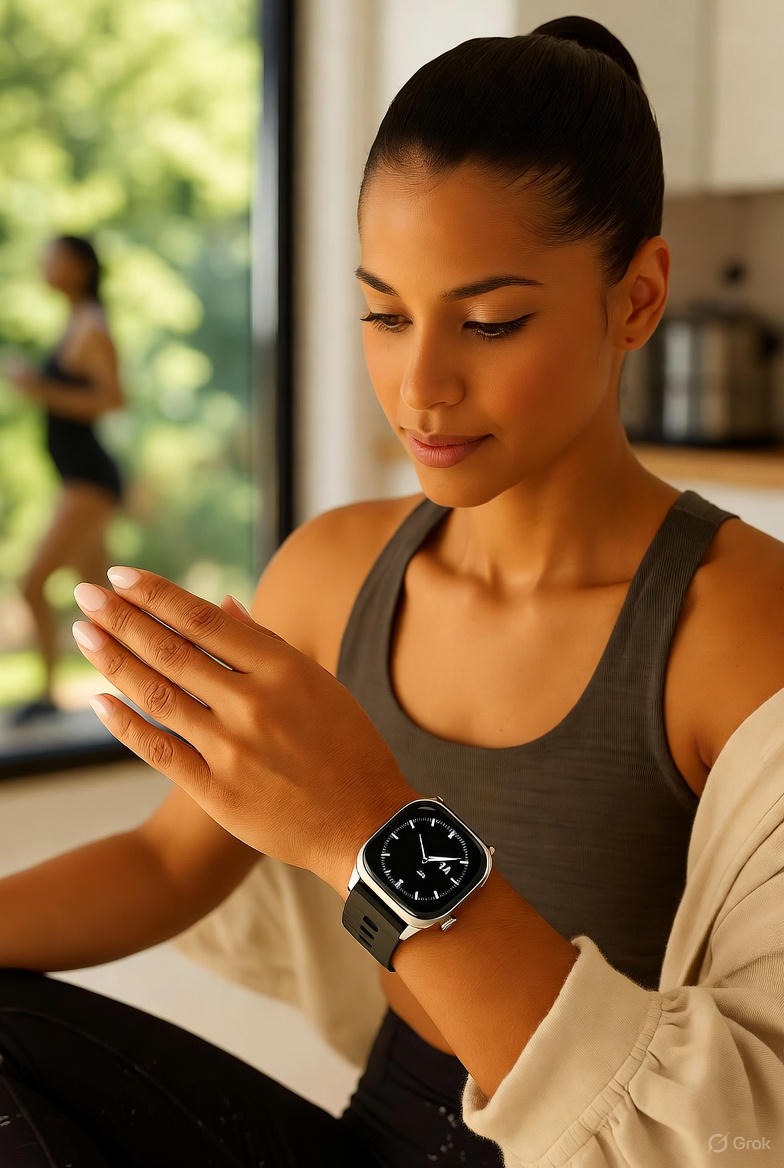
Human beings are social creatures, and our behaviors are deeply influenced by those around us. While NEAT is often composed of solitary, incidental movements, leveraging social dynamics can provide a powerful boost to consistency, enjoyment, and impact. Moving from an individual practice to a shared one can transform NEAT from a personal chore into a connective, community-building activity.
Creating a NEAT-Friendly Culture at Work:
The workplace is a prime location for collective change. A culture that values movement is healthier, more creative, and often more collaborative.
Building a NEAT-Conscious Family Unit:
The home is where lifelong habits are formed. Making NEAT a family value sets children up for a healthy future and creates shared bonding experiences.
Finding Your NEAT Tribe Online and Offline:
You are not alone in this pursuit. Tapping into existing communities can provide inspiration and accountability.
The Ripple Effect:
When you prioritize NEAT, you become a subtle influencer. Your colleague sees you taking walking breaks and decides to try it. Your neighbor notices you gardening and feels inspired to get outside. Your children internalize that moving is just what we do. This positive ripple effect amplifies the impact of your individual efforts, contributing to a slightly healthier community.
The social aspect addresses the "why" beyond the physical benefits. It connects movement to relationship, fun, and shared purpose. It reminds us that being active isn't just about individual health metrics; it can be a vehicle for connection, making the practice richer and more sustainable. For more ideas on integrating wellness into every aspect of life, our blog offers a wealth of community-sourced and expert-driven ideas.
We began by challenging the notion that an active, vibrant life requires a substantial financial investment. We’ve journeyed through a landscape of free, accessible, and profoundly effective activities—from the humble power of walking and the strength of your own body to the restorative embrace of nature and the joy of social play. Throughout this exploration, one tool has served as our constant guide: the smart ring, transforming subjective experience into objective insight, and turning everyday life into a customizable wellness plan.
This is the new paradigm: Vitality is not a product to be purchased, but a practice to be cultivated. It is built on the timeless human capacities for movement, curiosity, and adaptation, now illuminated by the gentle, precise light of personal data. Your ring is the bridge between instinct and understanding, between doing and knowing why it matters.
The path forward is clear and open to you:
The most expensive piece of equipment in this entire equation is your commitment. The most valuable currency is your consistency. The technology, in the form of your smart ring, is merely a catalyst—a sophisticated mirror showing you the powerful, capable, and resilient individual you already are and can continue to become.
Your journey to active living on a budget isn’t about deprivation; it’s about liberation. It’s about freeing yourself from commercial fitness narratives and reconnecting with the innate, joyous mover within. It’s about writing your own story of health, one tracked step, one mindful breath, one night of restorative sleep at a time.
That story starts now. Lace up your shoes, step outside, and begin. Your ring is ready. You are ready. For any final questions on beginning or optimizing this journey, our comprehensive FAQ is always available. To discover the device designed to be your companion on this path, your entry point is at Oxyzen.shop. Here’s to your health, your freedom, and your data-empowered, vibrant life.
Your Trusted Sleep Advocate (Sleep Foundation — https://www.sleepfoundation.org/)
Discover a digital archive of scholarly articles (NIH — https://www.ncbi.nlm.nih.gov/
39 million citations for biomedical literature (PubMed — https://pubmed.ncbi.nlm.nih.gov/)
experts at Harvard Health Publishing covering a variety of health topics — https://www.health.harvard.edu/blog/)
Every life deserves world class care (Cleveland Clinic -
https://my.clevelandclinic.org/health)
Wearable technology and the future of predictive health monitoring. (MIT Technology Review — https://www.technologyreview.com/)
Dedicated to the well-being of all people and guided by science (World Health Organization — https://www.who.int/news-room/)
Psychological science and knowledge to benefit society and improve lives. (APA — https://www.apa.org/monitor/)
Cutting-edge insights on human longevity and peak performance
(Lifespan Research — https://www.lifespan.io/)
Global authority on exercise physiology, sports performance, and human recovery
(American College of Sports Medicine — https://www.acsm.org/)
Neuroscience-driven guidance for better focus, sleep, and mental clarity
(Stanford Human Performance Lab — https://humanperformance.stanford.edu/)
Evidence-based psychology and mind–body wellness resources
(Mayo Clinic — https://www.mayoclinic.org/healthy-lifestyle/)
Data-backed research on emotional wellbeing, stress biology, and resilience
(American Institute of Stress — https://www.stress.org/)


