


Body Recovery Basics for Chronic Pain Management
Recovery basics applied to the ongoing management of chronic pain.
Recovery basics applied to the ongoing management of chronic pain.
%402x.svg)
For millions, chronic pain is more than a symptom—it's a relentless, daily reality that dictates what's possible. It dims the vibrancy of life, turning simple joys into calculated maneuvers. The quest for relief often becomes a fragmented journey: a medication here, a therapy there, a hope pinned on the next promising solution. But what if managing chronic pain wasn't just about targeting the point of hurt, but about fundamentally rebuilding your body’s capacity to recover, adapt, and thrive? This is the paradigm shift at the heart of modern pain management: moving from passive treatment to active, informed body recovery.
Body recovery is the foundational process through which your body repairs tissues, regulates the nervous system, reduces inflammation, and restores balance. When you live with chronic pain, these recovery systems are often stuck in a dysregulated loop—like a fire alarm that never stops blaring. True management, therefore, requires resetting that alarm and strengthening the body’s inherent resilience.
This guide is your deep dive into the science and strategy of Body Recovery Basics. We will dismantle the complexity of chronic pain and reconstruct a practical, holistic framework for reclaiming your comfort and vitality. The journey begins with understanding the enemy: the complex physiology of chronic pain itself. From there, we will explore the pillars of recovery—sleep, nutrition, and nervous system regulation—and how modern technology, like advanced wellness wearables from innovators like Oxyzen, can provide the objective, personalized data needed to navigate this path with precision. You'll discover how continuous health monitoring isn't just about steps or heartbeats; it's about listening to the subtle whispers of your body's recovery needs before they become screams of pain.
The goal is to equip you not with a temporary fix, but with a lifelong compass for wellness. By mastering these fundamentals, you transform from a patient reacting to pain into an empowered architect of your own recovery. Let's begin by understanding exactly what we're working with.
Understanding Chronic Pain: More Than Just a Symptom
Chronic pain is a diagnosis that carries a universe of individual experiences. Unlike acute pain—a sharp, immediate signal of injury that fades with healing—chronic pain persists, often for three months or longer. It outlives its original purpose, evolving from a messenger into a malfunctioning tenant in your nervous system. To master body recovery, we must first demystify this tenant.
At its core, chronic pain is a case of mistaken identity and amplified signals within the central nervous system (your brain and spinal cord). Imagine the pain pathways as a road. An acute injury is a temporary, major accident that closes the road. Chronic pain is when, long after the accident is cleared, the traffic lights remain stuck on red and the local radio won't stop broadcasting alerts about phantom traffic jams. This phenomenon, called central sensitization, means your nervous system has learned to be in a constant state of high alert. It begins to interpret non-painful stimuli (like light touch or normal movement) as threats, and painful stimuli feel exponentially worse. This is why a gentle hug or a cool breeze can feel agonizing for some.
Beyond the physical sensation, chronic pain exists within a biopsychosocial framework. This is a crucial concept: your pain is influenced and intensified by a dynamic interplay of:
This framework explains why two people with identical MRI scans can have vastly different pain experiences. It also reveals the path to management: we must address all three domains. Ignoring the stress or the social isolation while only treating the physical tissue is like trying to put out a fire by spraying water on only one of three burning walls.
The first, most powerful step in this journey is shifting from a pain-centered to a recovery-centered mindset. Instead of asking, "How do I make the pain stop?" you begin to ask, "What does my body need to recover its balance and resilience today?" This subtle pivot places your agency at the forefront. It leads you to the pillars we will explore next: the non-negotiable, science-backed fundamentals that directly dial down central sensitization and fuel your body’s repair mechanisms. As we delve into the profound role of sleep, consider how often pain disrupts your night, and how that broken sleep, in turn, amplifies your pain the next day—a vicious cycle that tools for preventive health monitoring are uniquely positioned to help you break.
If you were to invest in one single recovery tool with the highest rate of return for chronic pain management, it would be sleep. Sleep is not passive rest; it is an intensive, mandatory repair shift for your brain and body. During deep, restorative sleep, your body executes processes critical for pain modulation: tissue repair, memory consolidation, metabolic waste clearance from the brain (via the glymphatic system), and a crucial rebalancing of neurotransmitters and stress hormones.
For the chronic pain nervous system stuck in "fight-or-flight" (sympathetic dominance), sleep is the primary gateway back into "rest-and-digest" (parasympathetic) mode. It's during this state that inflammation—a key driver of most chronic pain—is actively reduced. Studies consistently show that sleep deprivation lowers pain thresholds, increases inflammatory markers like cytokines, and worsens central sensitization. In essence, a poor night's sleep effectively turns up the volume on your pain perception the following day, creating a self-perpetuating cycle: pain disrupts sleep, and poor sleep intensifies pain.
So, how do you transform sleep from a fraught battle into reliable medicine? It begins with treating it as a skill to be honed, supported by data and consistency.
Prioritize Sleep Architecture: Good sleep isn't just duration; it's about cycling properly through light, deep, and REM (Rapid Eye Movement) stages. Deep sleep (slow-wave sleep) is particularly vital for physical recovery and growth hormone release, while REM is essential for cognitive and emotional processing. Disruptions in this architecture are common in chronic pain conditions. This is where understanding your personal sleep metrics becomes revolutionary. Tools that track sleep stages, resting heart rate, and heart rate variability (HRV) offer an objective window into your recovery quality, far beyond just "how long you were in bed."
Craft a Neuro-Centric Sleep Sanctuary:
Leverage Data for Insight, Not Anxiety: Tracking your sleep should be a tool for curiosity and empowerment, not a source of stress. Notice patterns: Does a late meal affect your resting heart rate? Does a day of high stress correlate with less deep sleep? Does a specific gentle movement practice in the evening improve your sleep score? These insights allow for personalized, iterative adjustments. For a deeper understanding of how the technology behind these insights works, you can explore the science of modern health tracking.
Remember, perfection is not the goal. Consistency is. One poor night is not a failure; it's a data point. The goal is to build a reliable framework that supports your nervous system night after night. As you begin to fortify this foundational pillar, you create a more stable base from which to address the next critical element: fueling your recovery with intention through nutrition.
The food you consume is more than just calories; it is information and raw material for every cellular process in your body, including those governing inflammation, nerve function, and tissue repair. For chronic pain management, nutrition becomes a targeted strategy to dampen the inflammatory fire and provide the building blocks for healing. Think of it as choosing the highest-quality fuel and repair parts for a complex, sensitive engine.
The Anti-Inflammatory Dietary Framework: Chronic, low-grade systemic inflammation is a common thread in many pain conditions. Your diet can either fan these flames or help extinguish them.
Gut-Brain-Pain Axis: A revolutionary area of research highlights the gut as a central player in inflammation and even mood regulation. The gut microbiome—the trillions of bacteria in your digestive tract—communicates directly with the brain via the vagus nerve and through immune and metabolic pathways. An imbalance in gut bacteria (dysbiosis) can contribute to systemic inflammation and heightened pain sensitivity. Supporting gut health through diverse fiber (from plants), fermented foods (like yogurt, kefir, sauerkraut), and possibly probiotic supplements can be a powerful adjunct therapy for pain management.
Hydration and Electrolytes: Dehydration can exacerbate muscle cramps, joint stiffness, and headaches. Water is essential for nutrient transport, toxin removal, and maintaining the cushioning in joints and spinal discs. Furthermore, proper electrolyte balance (sodium, potassium, magnesium) is critical for nerve conduction and muscle function. Chronic pain and some medications can affect this balance, making mindful hydration a simple yet potent tool.
Elimination Diets as an Investigative Tool: For some individuals, specific foods can act as triggers, exacerbating inflammatory or pain responses. Common culprits include gluten, dairy, nightshades (tomatoes, peppers, eggplants, potatoes), and certain additives. An elimination diet, done methodically and preferably under the guidance of a healthcare professional, involves removing suspected triggers for 3-6 weeks and then systematically reintroducing them while monitoring symptoms. This is not a lifelong restrictive diet, but a detective mission to identify your personal food-pain relationships.
The Role of Data in Personalized Nutrition: How do you know if your dietary changes are impacting your recovery? Subjective feelings are important, but objective data bridges the gap. This is where continuous health monitoring shines. By tracking markers like resting heart rate, Heart Rate Variability (HRV), and sleep quality, you can observe how your body responds to different foods. For instance, you might notice a spike in resting heart rate or a dip in HRV—both indicators of physiological stress—after meals containing a potential trigger. This biofeedback allows for a truly personalized nutrition strategy, moving beyond generic advice to what works uniquely for your body. To see how users apply this data in real life, you can read about real customer experiences and reviews.
Nutrition for pain is not about deprivation; it’s about strategic abundance. By focusing on nourishing, anti-inflammatory foods and using your body’s data as a guide, you directly influence the biochemical environment that either sustains or soothes your chronic pain. With your body better fueled and your nervous system better rested, you are now prepared to engage in the most potent physical tool for recovery: mindful movement.

The instinct with pain is often to stop moving—to protect, to guard, to avoid. While acute injury requires rest, chronic pain frequently demands the opposite: intelligent, graded movement. Inactivity leads to deconditioning, muscle atrophy, joint stiffness, and increased fear, which all feed the pain cycle. Mindful movement breaks this cycle by rebuilding physical capacity, providing positive neurological input, and proving to a fearful brain that movement is safe.
The Principle of Pacing and Graded Exposure: This is the cornerstone of movement for chronic pain. Pacing means breaking activities into manageable pieces with planned rest, avoiding the classic "boom-bust" cycle where you overdo it on a "good day" and pay for it with a debilitating "crash" afterward. Graded exposure is the systematic, gradual increase in an activity's duration, intensity, or complexity. You start well below what you think is your limit and increase by tiny, sustainable increments—perhaps 5-10% per week. The goal is to induce adaptation without triggering a significant pain flare.
Movement Modalities for Nervous System Regulation:
Listening to Your Body vs. Listening to Pain: This is a critical distinction. "Listening to your body" means being aware of fatigue, tension, and your energy envelope. "Listening to pain" often means obeying fear-based signals. The work is to differentiate between hurt and harm. A gentle ache or stretch during movement might be "hurt"—a sensation that is safe and part of the process. Sharp, shooting, or debilitating pain is a signal of "harm" to stop. This skill takes practice and is greatly enhanced by objective data.
Using Biomarkers to Guide Movement: How do you know if yesterday's walk was therapeutic or too much? Your subjective feeling is one clue, but biomarkers like Heart Rate Variability (HRV) and resting heart rate provide a physiological report card on your recovery. A lower-than-normal HRV or an elevated resting heart rate upon waking can indicate that your body is still stressed from previous activity and may need a gentler day. Conversely, stable or improving trends can give you the confidence to proceed with your graded plan. This objective feedback loop helps you make intelligent, day-by-day decisions, transforming movement from a guessing game into a guided practice. For those new to tracking movement, understanding the basics of activity and movement tracking is an excellent starting point.
Mindful movement is the process of retraining your brain and body to work together again. It rebuilds trust. Each small, successful bout of activity that doesn't result in a flare is a powerful message to your sensitized nervous system: "We are safe. We are capable." This forms the physical bedrock upon which we can layer the next essential skill: directly calming the nervous system itself.
At the heart of chronic pain lies a dysregulated nervous system—an internal alarm system that is hyper-vigilant, over-protective, and slow to reset. Therefore, direct techniques to calm this system are not complementary wellness tips; they are core therapeutic interventions. Nervous system regulation is the practice of consciously shifting your body from the stress-dominated "fight-or-flight" (sympathetic) state to the restorative "rest-and-digest" (parasympathetic) state.
Understanding Your Autonomic Nervous System (ANS): The ANS operates below conscious control, governing heart rate, digestion, respiration, and stress response. In chronic pain, the sympathetic branch is often chronically engaged, keeping muscles tense, senses heightened, and pain signals amplified. The goal of regulation is to strengthen the tone and responsiveness of the parasympathetic branch, particularly through the vagus nerve—the main neural highway of calm and connection.
Evidence-Based Regulation Techniques:
Creating Safety Through Rhythm and Ritual: A dysregulated nervous system craves predictability. Establishing daily rhythms—consistent sleep/wake times, meal times, and movement times—creates a scaffold of safety. Rituals, like your pre-sleep wind-down or a morning gratitude practice, are powerful anchors that signal to your nervous system, "All is well in this moment."
The Quantification of Calm: The profound benefit of modern wellness technology is the ability to see your nervous system state. A wearable device that tracks HRV and resting heart rate provides an objective, real-time readout of your autonomic balance. You can literally conduct experiments: do five minutes of diaphragmatic breathing and watch how it affects your HRV in the moment. Over time, you can track the trend of your HRV, observing how it improves as you consistently apply these regulation techniques. This transforms an abstract concept like "stress reduction" into a tangible, measurable skill. To understand how this technology integrates into a holistic health plan, consider reading about how it can help build healthy habits.
Mastering nervous system regulation gives you agency over your internal state. It is the skill that allows you to downshift the volume of your pain experience, creating the physiological peace necessary for deep recovery. In this calmer state, you are better equipped to manage the inevitable external and internal stressors that arise, which is the focus of our next pillar.
Stress and Environment: Managing the External Load
While internal regulation is vital, chronic pain exists within an environment. External stressors—from a demanding job to relationship tensions to sensory overload—act as direct fuel on the fire of central sensitization. Managing your external load is not about creating a stress-free life (an impossibility) but about becoming a strategic filter and buffer, consciously designing your environment and responses to support your recovery.
Identifying Your Unique Stressors: Stress is highly personal. A crowded mall might be exhilarating for one person and a neurological nightmare for someone with chronic pain. Begin by conducting a "stress audit." Keep a simple log for a week, noting events, interactions, or environments that precede a pain flare or a feeling of overwhelm. Common culprits include:
The Art of Strategic Withdrawal and Boundary Setting: Once you identify key stressors, you can develop strategies. This often involves setting firm, compassionate boundaries. This might mean:
Ergonomics and Micro-Environment Design: Your immediate physical space should be a recovery sanctuary, not a source of strain.
The Data Connection: Stress as a Physiological Event: We often think of stress as a mental feeling, but it manifests in clear, measurable physiological changes: increased heart rate, decreased HRV, and often, elevated respiratory rate. Continuous health monitoring captures these shifts objectively. You might see a clear "stress signature" on your biometric chart after a difficult meeting or a day of errands. This data serves two powerful purposes:
By actively managing your external load, you reduce the constant barrage of "threat signals" hitting your sensitized nervous system. You create more space for the parasympathetic, restorative state to dominate. This proactive environmental management works hand-in-glove with the next pillar: understanding and optimizing your body’s cyclical rhythms.
In the journey of chronic pain management, subjective experience is king, but it can also be a flawed narrator. Pain, fatigue, and mood are filtered through the lens of the very nervous system we are trying to recalibrate. This is where the power of objective recovery metrics and biofeedback becomes a game-changer. It allows you to bypass subjective interpretation and listen directly to your body's physiological language, transforming management from guesswork into a guided science.
Key Biomarkers of Recovery and Stress:
Creating Your Personal Baselines and Trends: The magic of these metrics is not in a single day's number, but in the trend over time. By wearing a device like an Oxyzen smart ring consistently, you establish your personal, unique baselines. What is a "normal" HRV for you? What does your sleep pattern look like on a good recovery day? With these baselines established, you can then spot meaningful deviations.
The Biofeedback Loop for Pain Management: This is the actionable core of the data:
This process cultivates a profound skill: interoceptive awareness—the ability to perceive the internal state of your body. Over time, you may begin to feel the sensations that correlate with a low HRV (like subtle fatigue or irritability) before you even check the data. The technology trains your own innate sensitivity. For anyone considering how to start with this technology, a guide on wellness ring basics for beginners can be incredibly helpful.
By integrating recovery metrics, you become an expert on your own body. You move from being a passive recipient of pain to an active investigator and manager of your systemic state. This data-informed approach provides the confidence to make decisions and the evidence to communicate your needs effectively with healthcare providers. Speaking of which, this data becomes a powerful bridge to the final pillar of our foundation: collaborative and informed healthcare.
The most advanced personal data is only as powerful as the framework in which it's used. For chronic pain management, that framework is ideally a collaborative partnership with informed healthcare providers. Modern recovery technology does not replace your doctor, physical therapist, or pain specialist; it transforms you into an empowered, data-equipped partner in your own care, making their expertise more effective.
From Subjective Report to Objective Data Share: A typical medical conversation often hinges on subjective recall: "How was your pain this month on a scale of 1-10?" This is prone to memory bias and the influence of your current state. Imagine instead sharing a report that shows:
This shifts the dialogue from "I feel worse" to "Here is the data showing my nervous system stress spiked during this period, and my sleep deep sleep percentage declined by 30%." It provides a concrete, shared foundation for decision-making.
Enhancing Physical Therapy and Rehabilitation: In rehab, the core challenge is the "dosing" of activity—finding the edge of adaptation without crossing into flare-up territory. By sharing your daily HRV and readiness scores with your physical therapist, they can tailor your program in near real-time. They can see if the previous session was appropriately challenging (a slight, temporary dip in HRV followed by recovery) or excessively stressful (a prolonged crash in metrics). This enables truly personalized, responsive rehab.
Informing Medication and Intervention Decisions: For pain management physicians, longitudinal data can be invaluable. It can help assess whether a medication is improving restorative sleep or lowering baseline stress (reflected in improved HRV trends), regardless of the immediate pain score. It can also help identify side effects, like a medication that disrupts sleep architecture. This objective feedback loop supports more nuanced medication management.
Choosing the Right Tool for Collaboration: To be useful in a clinical context, the technology should be:
When you bring this data to your appointments, you transition from a patient to a co-pilot. You demonstrate a proactive commitment to your recovery, which in turn, can inspire a more engaged and innovative partnership with your care team. This collaborative model, supported by hard data, represents the future of personalized chronic pain management. For those curious about how this technology is viewed in professional settings, our blog explores what doctors find most useful in wellness tracking.
As we close this foundational section on Body Recovery Basics, remember that this is not a linear checklist but a dynamic, interconnected system. Sleep fuels your capacity for mindful movement. Nutrition reduces the inflammatory load on your system. Nervous system regulation techniques calm the internal alarm, making everything else more effective. Data provides the map and the feedback. And collaboration with professionals ensures you are navigating with expert guidance. By building from these fundamentals, you create a resilient, adaptable foundation for not just managing pain, but for cultivating a life of sustained vitality and well-being.

You now possess the fundamental knowledge—the what and the why behind the pillars of body recovery. This understanding is powerful, but it remains theoretical until it is applied to the unique, living system that is you. The transition from principles to practice is where true transformation occurs. This phase is about becoming the architect and engineer of your own recovery protocol, moving from a generic map to a personalized, dynamic blueprint that adapts to your body’s daily signals.
A personalized protocol is not a rigid, one-size-fits-all prescription. It is a flexible framework of habits, interventions, and checkpoints, informed by your data and intuition, designed to systematically build resilience. The goal is to create a sustainable system that helps you navigate fluctuations, avoid the boom-bust cycle, and make incremental, compounding progress toward greater comfort and function. This process involves assessment, design, implementation, and, most importantly, intelligent adaptation.
We begin this phase by conducting a thorough self-assessment—not to judge, but to gather the essential data points of your starting line. From there, we will explore how to design a daily routine that balances stress and recovery, introduce the concept of "recovery stacking" for maximum efficiency, and discuss how to navigate inevitable setbacks with resilience. We'll also delve into the role of community and support, and finally, look ahead at how to evolve your protocol for long-term vitality. This is your guide to building a life that is not dictated by pain, but designed for recovery.
Before you can chart a course forward, you must know your precise starting coordinates. In chronic pain management, these coordinates are a combination of subjective experience and objective, physiological data. A comprehensive self-assessment establishes your personal baseline—the honest, clear-eyed picture of where you are right now across all domains of the biopsychosocial model. This isn't about assigning a grade of "good" or "bad"; it's about gathering the essential intelligence needed for effective strategy.
The Multidimensional Baseline Check-In:
Conduct this assessment over the course of one to two weeks, tracking daily to capture patterns.
Identifying Your Priority Lever:
After this assessment, you will likely see one or two areas that stand out as the most potent "levers" for your recovery. For one person, it may be brutally clear that sleep fragmentation is the primary driver of daily pain flares. For another, it might be that dietary inflammation is the central issue. For a third, a chronically low HRV might point to a nervous system stuck in overdrive as the root. Your personalized protocol should pull this primary lever first. Don't try to overhaul sleep, diet, movement, and stress all at once. Start with the domain where a focused intervention is likely to yield the biggest systemic return.
This baseline data is your foundational truth. It removes guesswork and provides a non-negotiable reference point against which you can measure progress. Even a 5% improvement in your average HRV or 15 more minutes of deep sleep per night is a monumental, data-verified win. With this clarity in hand, you are ready to design the daily container that will nurture these improvements: your personalized recovery routine.
Designing Your Daily Recovery Routine
A recovery routine is the scaffold upon which you build resilience. It is not about filling every minute with activity, but about creating a predictable, rhythmic structure that prioritizes recovery and strategically spaces stressors. For a sensitive nervous system, predictability equals safety. A well-designed routine reduces the cognitive load of decision-making ("What should I do now?") and ensures that recovery practices are not forgotten in the busyness of the day. It intentionally oscillates between gentle stress (the stimulus for adaptation) and dedicated recovery (the time for repair).
The Principles of a Healing Rhythm:
A Sample Framework (Customize Extensively):
Using Data to Optimize Your Routine: Your wearable is your routine optimization consultant. After implementing a new schedule for a week, review the data.
Tweak your routine based on this feedback. Perhaps your reset needs to be at 3:30 PM. Maybe you need a longer break after lunch. The data removes the guesswork, allowing you to craft a routine that is uniquely supportive of your physiology. For those looking to deepen their understanding of how their body responds to different daily structures, exploring articles on personalized wellness through technology can offer further insight.
Remember, the perfect routine is the one you can consistently execute, not the most ambitious one. Start small—implement one anchor ritual first—and build from there. This daily rhythm creates the stability needed to introduce the next powerful concept: strategically combining recovery modalities for synergistic effect.
Once your daily rhythm is established, you can begin to explore the advanced strategy of recovery stacking. This concept, borrowed from biohacking, involves combining two or more complementary recovery modalities in a specific sequence or simultaneously to create a synergistic effect greater than the sum of their parts. The goal is to efficiently and profoundly down-regulate the nervous system and amplify the body’s repair processes. For the chronic pain body, this is a way to gain significant ground in a compressed time frame.
The Science of Synergy: Different recovery tools work via different but often complementary pathways. For example, gentle heat therapy increases blood flow and relaxes muscles, while a mindfulness practice directly calms the amygdala (the brain's fear center). When combined, the physical relaxation from the heat makes it easier to achieve mental stillness, and the mental calm further deepens physical relaxation, creating a positive feedback loop for the nervous system.
Powerful Recovery Stacks for Chronic Pain:
Data-Driven Stack Optimization: This is where your wearable’s granular data becomes invaluable. After trying a recovery stack, examine the biometric fallout.
Use this data to identify which stacks deliver the most potent recovery dividend for you. It also helps you time them effectively—a calming stack may be best before bed, while a gently energizing one (like green exercise) might be ideal for a morning energy boost. To understand the technological capability that makes this detailed tracking possible, delve into the sensors and algorithms behind modern health tracking.
Recovery stacking turns your self-care into a strategic, potent intervention. It empowers you to be proactive, to have a "go-to" protocol when you feel the early warning signs of a flare. Yet, even with the best routine and stacks, setbacks are an inevitable part of the journey. Learning to navigate them with skill is what separates a lasting recovery from a temporary fix.
A flare—a temporary but significant increase in pain and symptoms—can feel like a catastrophic failure, a slide back to square one. This emotional response often intensifies the suffering. Therefore, a critical component of your personalized protocol is a pre-written, compassionate Resiliency Protocol for flare management. This is your emergency playbook, designed when you are in a clear-headed state, to be executed when your cognitive and emotional resources are depleted. Its purpose is to minimize the duration and intensity of the flare and protect your hard-won progress.
Reframing the Setback: The first step, built into the protocol, is cognitive. A flare is not a failure. It is data. It is feedback. In the complex system of your body, flares can be caused by a known overexertion, a hidden stressor (like an incoming virus your immune system is fighting), a change in weather, or simply the natural, non-linear course of healing. Viewing it as information, rather than a judgment, allows you to respond with curiosity rather than panic.
The Elements of a Resiliency Protocol:
Having this protocol in place is an act of profound self-compassion and strategic wisdom. It removes the need for difficult decision-making during a vulnerable time and ensures your actions are supportive, not punitive. For additional support and answers to common questions during tough times, our comprehensive FAQ resource is always available.
By normalizing and planning for setbacks, you rob them of their terrifying power. You build resilience not by avoiding flares, but by navigating them with grace and science. This resilience is further bolstered by a factor we cannot overlook: the power of connection and community.
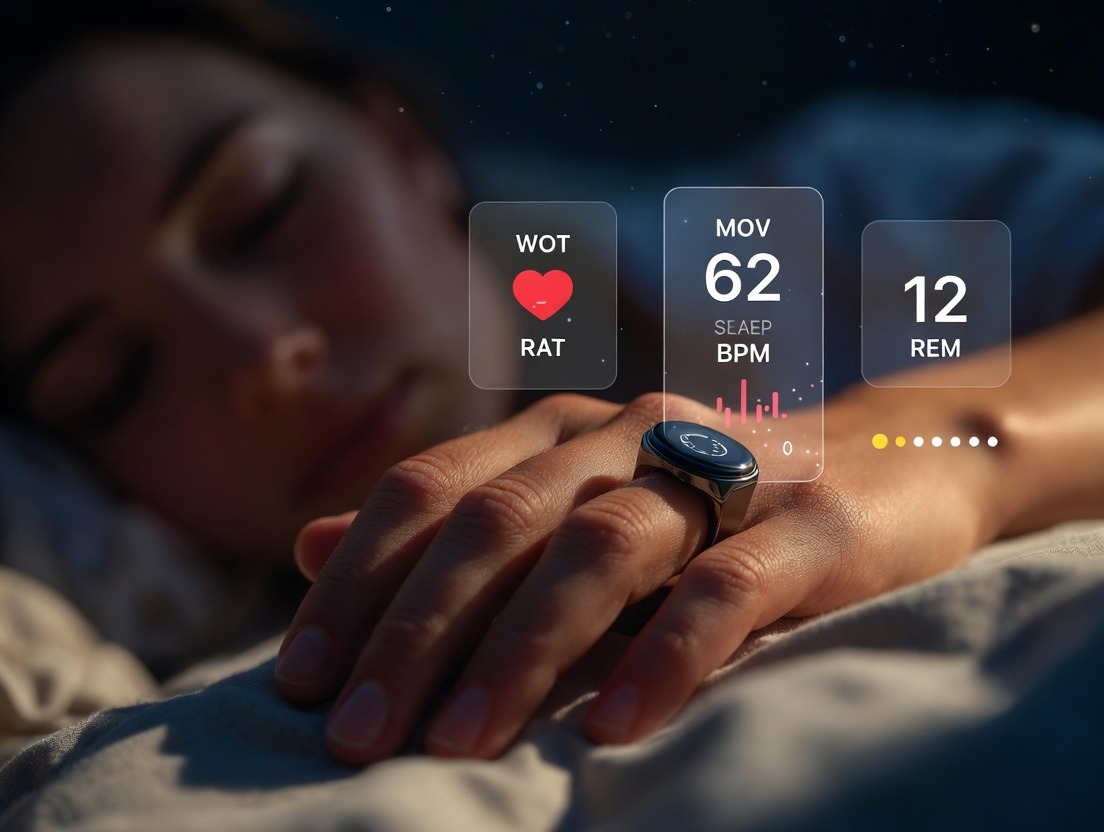
Chronic pain is an isolating experience. It can feel like living in a parallel world where others cannot comprehend your daily reality. This social disconnection is not just emotionally painful; it is physiologically detrimental. Loneliness and social isolation are potent stressors, activating inflammatory pathways and worsening pain perception. Therefore, intentionally cultivating connection and support is not a soft "extra"—it is a core, non-negotiable pillar of your recovery protocol. A strong community acts as a buffer against stress, a source of validation, and a wellspring of resilience.
Building Your Recovery Ecosystem:
Think of your support system as concentric circles, each serving a different but vital function.
Leveraging Technology for Connection:
Modern wellness technology can surprisingly foster community. Some platforms allow you to (anonymously and with consent) share trends or milestones with a trusted friend or coach, creating a system of gentle accountability and shared celebration. Knowing someone is cheering for your rising HRV trend or improved sleep score can be powerfully motivating. Seeing real user testimonials and stories can also foster a sense of shared journey and possibility.
Setting Boundaries as a Form of Self-Support:
Community also means knowing when to protect your energy. Part of your protocol involves identifying relationships that are draining or invalidating and learning to set firm boundaries around them. This may mean limiting time with certain individuals or learning to deflect unhelpful advice ("Thanks, I'm working with my doctor on a comprehensive plan"). Protecting your peace is a recovery activity.
Investing in your social ecosystem is investing in your nervous system's sense of safety. Each positive connection sends a cue to your brain: "You are not alone. You are supported." This cues the release of oxytocin and other neurochemicals that counter stress and pain. As you fortify this pillar, your entire recovery protocol becomes more sustainable and joyful. This sets the stage for the final, forward-looking aspect of your journey: ensuring your protocol evolves as you do.
Your body is not a static machine; it is a dynamic, adapting system. Therefore, your recovery protocol cannot be a static document filed away. To be effective for a lifetime, it must be a living system—one that evolves as you heal, as your life circumstances change, and as your goals shift from pain management to vitality optimization. The ultimate aim is to transition from a protocol focused on managing a condition to a lifestyle designed for sustaining wellness. This requires a mindset of continuous, curious adaptation.
The Cycle of Iterate, Assess, Adapt:
This is the ongoing engine of your long-term recovery.
Recognizing Plateaus and Shifting Goals:
As you improve, you will hit plateaus—periods where metrics and symptoms stabilize. This is normal and not a sign to work harder. It may be a sign to:
Anticipating Life Transitions:
Major life events—a change in job, a move, menopause/andropause, aging—will stress your system and require protocol recalibration. The birth of a child, for instance, turns sleep recovery on its head. Retirement might change your activity structure. Your protocol's strength is tested here. Return to the fundamentals: during times of transition, double down on your anchors, protect your sleep fiercely, and rely on your data to guide you through the turbulence. You can find inspiration and practical tips for adapting your wellness strategy through different life stages in our article on 50 healthy aging tips a smart ring can help implement.
The Data as Your Long-Term Health Record: Over years, the longitudinal data from your wearable becomes an invaluable personal health record. You can see how your baseline HRV has slowly climbed, how your sleep has stabilized, how your body responds to different seasons or stressors. This macro-view is incredibly empowering. It provides irrefutable evidence of your progress—not just in pain scores, but in the fundamental resilience of your physiology. It also allows you to spot concerning trends early, like a gradual decline in a metric that might warrant a proactive check-in with your doctor.
Embracing the Journey:
Long-term adaptation means letting go of a fixed "endpoint" of being "cured." Instead, embrace the identity of a skilled navigator of your own health. You are building a deep, intuitive relationship with your body, supported by the best available technology. Your protocol is your compass, your data is your map, and your growing resilience is the territory you are mastering.
The Precision Toolbox: Advanced Technology for Personalized Recovery
You have now built the framework—a personalized, adaptable protocol grounded in the science of recovery. This is the core of your journey. But in the modern era, we are no longer limited to intuition and guesswork. We have access to a precision toolbox: a suite of advanced technologies that provide the objective data, real-time feedback, and personalized insights needed to execute your protocol with unprecedented accuracy. This portion of our guide explores the cutting edge of this toolbox, focusing on how the latest innovations, particularly in smart wearables like the Oxyzen ring, transform recovery from an art into a science.
This is about moving beyond basic tracking into the realm of actionable intelligence. We'll delve into the specific metrics that matter most for chronic pain, explore how artificial intelligence is creating truly personalized recovery coaching, and examine the integration of this data into a holistic health ecosystem. We will also address critical questions of privacy and data security, and look ahead to the near future of health technology. The goal is to equip you to select and leverage technology not as a passive tracker, but as an active partner in your recovery journey.
The first generation of wearables taught us to count steps and monitor heart rate. For chronic pain management, these metrics are often irrelevant, or worse, misleading. Pushing for 10,000 steps could trigger a debilitating flare, while a "good" heart rate reading could mask a nervous system in distress. The new generation of precision health tools focuses on the autonomic nervous system (ANS) and systemic recovery—the very systems that are dysregulated in chronic pain. Understanding these metrics is key to using the technology effectively.
1. Heart Rate Variability (HRV): The North Star Metric
HRV is the most significant biomarker for recovery and nervous system balance. It measures the subtle variations in time between consecutive heartbeats, controlled by the constant tug-of-war between your sympathetic ("stress") and parasympathetic ("rest") nervous systems.
2. Resting Heart Rate (RHR) & Nighttime Heart Rate:
Your heart rate at complete rest, particularly during sleep, is a barometer of internal stress and recovery quality.
3. Sleep Architecture (Not Just Duration):
Chronic pain and poor sleep are locked in a vicious cycle. Precision tools break sleep into stages:
4. Respiratory Rate During Sleep:
The number of breaths you take per minute while asleep is a surprisingly sensitive metric. It is tightly linked to ANS function.
5. Skin Temperature Trends:
Wearables like smart rings are uniquely positioned to measure peripheral skin temperature continuously.
Putting It All Together: The "Readiness" or "Recovery" Score.
Advanced platforms synthesize these raw metrics into a single, easy-to-understand score each morning. This Readiness Score (or similar) is a personalized algorithm based on your baselines. A low score tells you, "Your body is stressed; prioritize gentle recovery today." A high score says, "Your systems are resilient; you have capacity for challenge." This is the ultimate translation of complex data into a simple, daily action item—the cornerstone of a data-driven recovery protocol. For a deeper look at how these metrics translate into personalized insights, explore how modern technology enables personalized wellness.
By focusing on these ANS and recovery-centric metrics, your wearable becomes a direct window into the physiological underpinnings of your pain experience. It moves you from asking "How many steps did I get?" to asking the far more powerful question: "How well did my body recover last night, and what is its capacity for today?" This foundational data is the fuel for the next leap forward: artificial intelligence that turns this data into a personalized coach.

Collecting data is one thing. Deriving meaningful, personalized wisdom from it is another. This is where Artificial Intelligence (AI) and sophisticated algorithms transform a tracking device into an intelligent recovery partner. AI doesn't just show you numbers; it learns your unique patterns, predicts your responses, and offers tailored recommendations—acting as a 24/7 health coach grounded in your own physiology.
How AI Personalizes Your Recovery Journey:
The Human-in-the-Loop: AI as an Empowering Tool, Not a Replacement.
The most effective systems use AI to augment human intuition, not replace it. The final decision-maker is always you. The AI provides the evidence, the pattern recognition, and the suggestion, but you bring the context. You might know that the predicted "flare" pattern coincides with your menstrual cycle or an expected stressful event. You integrate the AI's insight with your self-knowledge to make the best choice. This collaborative model is powerfully empowering. To see how this technology is built, you can delve into the science behind modern health tracking technology.
This level of personalization was once the domain of elite athletes with entire teams of sports scientists. Today, it's accessible through devices like the Oxyzen ring, putting a sophisticated recovery coach on your finger. This coach’s recommendations become even more powerful when its data flows seamlessly into the broader ecosystem of your health and life.
Your recovery does not happen in a vacuum. It interacts with your medical care, your fitness routines, your mental well-being apps, and your daily life. A precision tool is most powerful when it acts as the central hub of your personal health ecosystem—a connected system where data flows securely between platforms to give you and your providers a unified, comprehensive view of your health.
The Power of Seamless Integration:
Practical Steps for Building Your Ecosystem:
By building this connected ecosystem, you break down the silos of your health information. You empower every stakeholder—from you to your therapist to your nutritionist—with the same rich dataset. This is the infrastructure for truly personalized, 21st-century healthcare. For a guide on setting up these powerful connections, see our resource on wellness ring integration with other health apps.
As we delegate more of our personal health data to these connected systems, a paramount concern rightly emerges: How is this intimate data protected? Trust is the foundation upon which this entire precision recovery model is built.
The depth of data collected by advanced wearables is profound: continuous heart rate, sleep patterns, stress indicators, and location. This is intimate information that demands the highest standards of protection. Trust in your technology partner is non-negotiable. Understanding privacy, security, and data ownership is not a technical sidebar—it is a core component of being an empowered user in the digital health era.
Key Principles for Protecting Your Health Data:
Your Role as a Data-Conscious Consumer:
Choosing a technology partner that prioritizes these principles allows you to leverage the power of precision health with confidence. When you trust that your data is secure and used ethically, you can fully engage with the insights it provides, unlocking its true potential for your recovery. This foundation of trust and advanced technology paves the way for the final, exciting dimension: the future that is already unfolding.
The field of personal health technology is advancing at a breathtaking pace. The tools we have today, which already feel revolutionary, are merely the foundation for what is coming next. For those managing chronic pain, the near future promises even more granular, predictive, and integrated solutions that will further blur the line between personal wellness and professional medical care. Let’s explore the horizon.
1. Non-Invasive, Continuous Biomarker Monitoring:
The next wave of sensors will move beyond heart rate and movement to directly track key blood biomarkers.
2. Advanced Pain Quantification and Neurological Mapping:
3. Enhanced Predictive Analytics and Prescriptive AI:
AI will evolve from making recommendations to generating highly personalized, dynamic "prescriptions."
4. Closed-Loop Systems and Smart Environments:
Your wearable will communicate with your environment to optimize it for recovery automatically.
5. Democratization of Specialized Care:
Technology will make specialized recovery strategies accessible to all.
To glimpse what's possible by the end of this decade, explore our forward-looking article on health tracking technology in 2025 and beyond.
This future is not science fiction; it is the logical extension of the precision toolbox you are learning to use today. By embracing the current technology with understanding and intention, you are not just managing your pain today—you are building the skills and familiarity to harness even more powerful tools tomorrow, ensuring your recovery journey is one of continuous empowerment and growth.
You now possess a comprehensive understanding of the body recovery basics, a framework for building your personalized protocol, and a deep dive into the advanced technology that makes it all possible. The final portion of this extensive guide will bring everything together into actionable strategy, providing a step-by-step implementation plan, addressing advanced troubleshooting, and offering a vision for a life rebuilt on the foundations of resilience and data-informed wisdom.
Your Trusted Sleep Advocate (Sleep Foundation — https://www.sleepfoundation.org/)
Discover a digital archive of scholarly articles (NIH — https://www.ncbi.nlm.nih.gov/
39 million citations for biomedical literature (PubMed — https://pubmed.ncbi.nlm.nih.gov/)
experts at Harvard Health Publishing covering a variety of health topics — https://www.health.harvard.edu/blog/)
Every life deserves world class care (Cleveland Clinic -
https://my.clevelandclinic.org/health)
Wearable technology and the future of predictive health monitoring. (MIT Technology Review — https://www.technologyreview.com/)
Dedicated to the well-being of all people and guided by science (World Health Organization — https://www.who.int/news-room/)
Psychological science and knowledge to benefit society and improve lives. (APA — https://www.apa.org/monitor/)
Cutting-edge insights on human longevity and peak performance
(Lifespan Research — https://www.lifespan.io/)
Global authority on exercise physiology, sports performance, and human recovery
(American College of Sports Medicine — https://www.acsm.org/)
Neuroscience-driven guidance for better focus, sleep, and mental clarity
(Stanford Human Performance Lab — https://humanperformance.stanford.edu/)
Evidence-based psychology and mind–body wellness resources
(Mayo Clinic — https://www.mayoclinic.org/healthy-lifestyle/)
Data-backed research on emotional wellbeing, stress biology, and resilience
(American Institute of Stress — https://www.stress.org/)


