


Daily Energy Management for Athletes: Ring-Based Training Decisions
Recovering energy effectively between demanding tasks.
Recovering energy effectively between demanding tasks.
%402x.svg)
For decades, athletes have trained by the calendar, pushing through predetermined schedules regardless of how they felt. The mantra was often “no pain, no gain,” a philosophy that prioritized relentless effort over intelligent adaptation. This approach, while building mental toughness, has a hidden cost: it ignores the fundamental biological reality that our readiness to perform is not a constant. It fluctuates daily, influenced by a symphony of physiological signals—sleep quality, nervous system state, metabolic stress, and hormonal rhythms—that traditional training logs couldn’t capture.
Enter the era of the smart ring. This unassuming piece of wearable technology is revolutionizing athletic preparation by transforming subjective guesswork into objective, data-driven decisions. By continuously monitoring core biomarkers from the body’s periphery—the finger—a wellness ring provides a 24/7 window into your internal state. It answers the critical question every athlete should ask before a workout: What does my body have the capacity for today?
This isn’t about replacing a coach’s expertise or an athlete’s intuition. It’s about augmenting them with a deep, quantifiable layer of body awareness basics understanding the body's language. Imagine ending the cycle of training blind. No more wondering if that heavy fatigue is just laziness or a sign of impending overtraining. No more guessing if a poor night’s sleep should mean a scaled-back session or complete rest. The smart ring turns your body’s whispers into clear, actionable data, enabling a dynamic, responsive approach to training we call Daily Energy Management.
This guide will dive deep into how athletes can leverage ring-based data to master their energy. We’ll move beyond simply tracking to actively interpreting and applying insights on sleep, recovery, strain, and readiness to make smarter, safer, and more effective training decisions every single day.
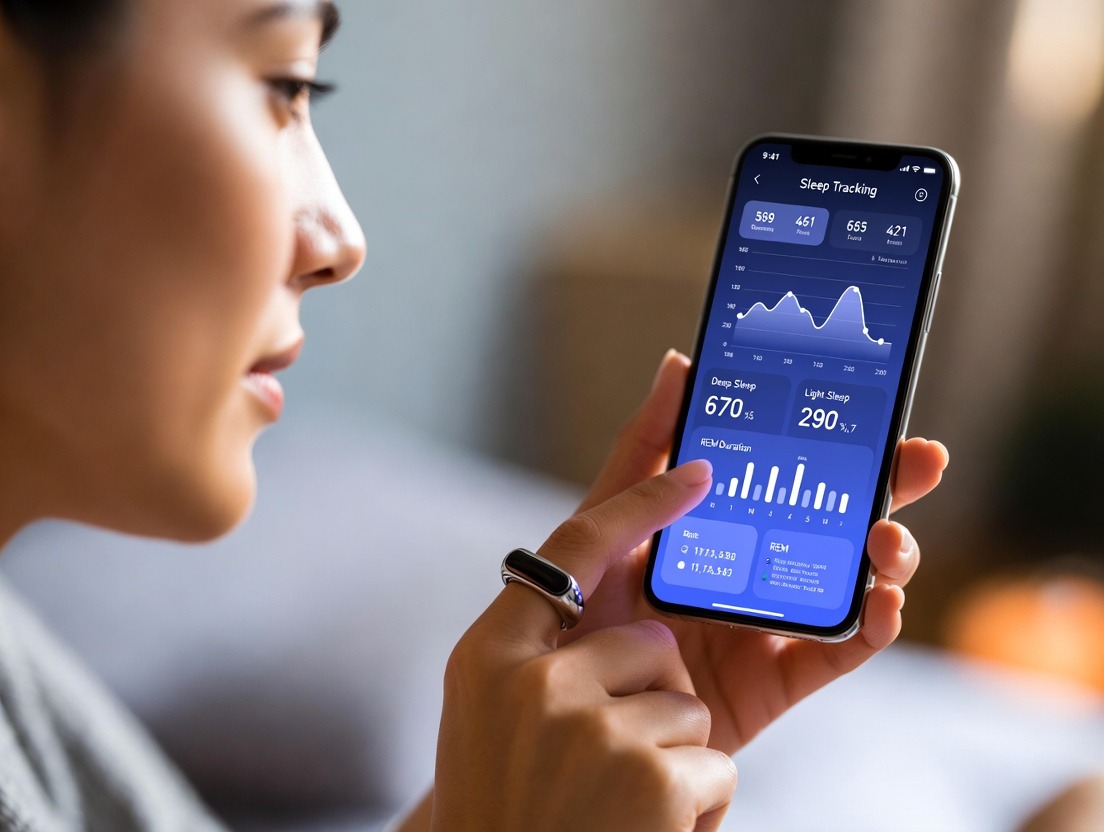
You wake up feeling “off.” A bit groggy, muscles slightly heavier than usual. Is it just a slow start, a mental hurdle to push through? Or is it your central nervous system (CNS) genuinely depleted, your heart rate variability (HRV) suppressed from incomplete recovery, making you prime for a subpar workout or even injury? For generations, athletes have wrestled with this dilemma, relying on subjective “feel”—a notoriously flawed and biased metric.
The problem with subjective feeling is threefold. First, desensitization: High-level athletes are conditioned to tolerate discomfort. The line between productive effort and destructive overreach becomes dangerously blurry. Second, delayed feedback: The most damning signals of overtraining—chronic fatigue, immune suppression, performance plateau or decline—often manifest weeks after the damaging training cycles have occurred. Third, psychological bias: Motivation, excitement for an event, or simple stubbornness can powerfully override the body’s cautionary signals.
This is where objective biometrics from a smart ring become a game-changing truth-teller. While you might feel moderately okay, your ring’s data can reveal a different story:
These metrics cut through perception and provide a baseline of truth. They form the foundation of a new kind of body awareness skills wellness ring helps develop, moving from vague intuition to precise understanding. An athlete learning to read this data begins to connect sensations—that “heavy” feeling—with the objective reality of a low HRV score. They start to build body awareness using smart ring feedback in a continuous feedback loop: “When my data looks like this, I feel like that.”
The shift is profound. Training is no longer a rigid script but a dynamic dialogue. The athlete presents their biometric “report card” each morning, and together with their plan or coach, makes an evidence-based decision: Go hard, go moderate, go technique-focused, or go rest. This is the core of Daily Energy Management: aligning your output with your body’s actual, data-verified input capacity.
A smart ring is a compact biometrical laboratory, leveraging the vascular richness of the finger to capture a suite of metrics that are profoundly relevant to athletic performance. Understanding what each metric means is the first step to wielding its power. Let’s break down the core data points that should inform your daily training decisions.
Heart Rate Variability (HRV): The Master Readiness Metric
HRV is not your heart rate; it’s the subtle variation in time between each heartbeat. A higher HRV generally indicates a resilient, recovered nervous system with strong parasympathetic (rest-and-digest) tone—your body is ready for challenge. A lower HRV suggests sympathetic (fight-or-flight) dominance and accumulated stress. For athletes, tracking HRV trend is crucial. A sustained downward trend is one of the earliest and most objective warnings of overreaching. It’s a direct line into your body awareness basics understanding recovery signals. Your ring calculates a daily HRV score (often using the rMSSD method), giving you a clear, numerical snapshot of your autonomic nervous system status each morning.
Resting Heart Rate (RHR) & Respiratory Rate
Your RHR is a straightforward but vital health marker. Well-trained athletes typically have low RHRs. A creeping elevation in your morning RHR (compared to your baseline) is a red flag for increased systemic stress, potential illness, or insufficient recovery. Similarly, an elevated nighttime or morning respiratory rate (breaths per minute) can be an early sign of respiratory strain or metabolic stress. These metrics provide foundational body awareness basics recognizing stress signals early.
Sleep Architecture: The Foundation of Recovery
Sleep is non-negotiable performance enhancement. A smart ring moves beyond duration to analyze quality. It breaks down your night into:
Body Temperature & Skin Temperature
Core body temperature follows a circadian rhythm. Smart rings often measure peripheral temperature trends, which can reflect this rhythm. A deviation from your personal norm—especially a elevated temperature—can be a pre-symptomatic indicator of illness, excessive inflammation, or hormonal fluctuation. For female athletes, tracking temperature can also provide insights into menstrual cycle phases, which significantly impact energy availability and injury risk. This is a key component of body awareness basics understanding hormone body connection.
Activity & Recovery Scores: The Algorithmic Synthesis
Most ring platforms synthesize raw data into user-friendly scores. A Readiness or Recovery Score (combining HRV, RHR, sleep, and temperature) gives an immediate, holistic grade for the day. A Sleep Score quantifies your night. An Activity or Strain Score measures the physiological cost of your daily exertions (both training and non-training). Learning to interpret these scores in tandem is the art of modern energy management.
For a deep dive into the science and meaning behind every metric your ring collects, explore our complete health metrics explained ring data dictionary.
Before you can make intelligent daily decisions, you must answer a fundamental question: What is normal for me?
The first month of wearing a smart ring is not about making training changes. It’s a dedicated observation period—a “biometric baseline establishment.” During this phase, aim to follow your regular training and lifestyle routine as consistently as possible. The goal is to collect data under your typical conditions to define your personal norms.
How to Establish Your Baseline:
What You’ll Discover:
This baseline period is the most powerful step in learning to develop body awareness through smart ring tracking. It transforms the ring from a gadget into a mirror, reflecting your unique physiological patterns. It lays the groundwork for the body awareness foundation of self-care that elite performance is built upon. Without a baseline, daily data is just a number. With it, daily data becomes a meaningful message about your deviation from your own optimal state.
Your training decision for the day should be a verdict, not a guess. That verdict is delivered each morning by your smart ring’s daily readiness or recovery score—a synthesized metric combining your sleep data, HRV, RHR, and temperature. But the intelligent athlete looks beyond the single score to the underlying components. Here’s a framework for your 5-minute morning check-in.
Step 1: The Holistic Score – Your Starting Point
Look at your overall Readiness/Recovery Score (often on a scale of 1-100 or categorized as Poor, Fair, Good, Excellent). This is your executive summary. Let it set the initial tone, but don’t stop there.
Step 2: The Metric Deep Dive – Understanding the "Why"
Step 3: Contextualization – The Human Element
Now, layer in subjective feeling and life context. Ask yourself:
This is where the magic happens. You start to see correlations: “Ah, my HRV is low today. I felt sluggish waking up, and I had two intense days back-to-back. The data validates my feeling.” Or the opposite: “I feel tired, but my HRV is high and my sleep was great. Maybe this is just mental fatigue, and a good warm-up will shake it off.”
This practice is the essence of using a tool to wellness ring validates body awareness intuition. Sometimes it confirms your hunches, teaching you to trust your body. Other times, it challenges them, preventing you from training hard when your body is vulnerable or encouraging you to push when you’re mentally hesitant but physiologically primed. This daily ritual cultivates sophisticated body awareness skills improve athletic performance by making the intangible tangible.
Your morning report shows a high Readiness Score. HRV is at or above baseline, RHR is normal or low, sleep was deep and restorative. This is a Green Light Day—your body is signaling a prime capacity for stress and adaptation. This is not a day to waste with mindless activity. It’s a day to strategically attack your most demanding, quality sessions.
Strategic Priorities for a Green Light Day:
The Caveat: Don’t Squander the Green Light
A common mistake is seeing a green light as an excuse for more volume rather than better quality. Adding extra, unplanned miles or sets can prematurely turn a green light yellow. The goal is to execute the planned high-quality stimulus with precision and intensity, then honor the rest required to absorb it. Use the ring to monitor your activity score for the day, ensuring you’re hitting an appropriate strain target for this “peak” day without wildly overshooting.
This proactive approach to high-readiness days is a core body awareness approach to exercise and movement. You’re no longer just working out; you’re strategically applying a stressor at the optimal time for your body to absorb and grow from it. It turns training from a grind into a symphony of stress and recovery, where the high notes are played only when the instrument is perfectly tuned.

This is where Daily Energy Management earns its keep. The majority of your training days will likely fall into the Yellow Light Zone. Your data is mixed: maybe sleep was okay but not great, HRV is slightly depressed, RHR is a touch high, or you’re carrying fatigue from previous days. Subjectively, you might feel “meh”—not terrible, not great. The old-school approach would be to push through the planned hard session regardless. The modern, ring-informed approach is to adapt and optimize.
Yellow Light Strategies: The Art of the Modification
The goal on a yellow light day is to get a productive training stimulus without digging a deeper recovery hole. This often means pivoting from a planned high-intensity session to a moderate or restorative one.
Listening to the Data: A yellow light is a protective signal. It’s your body saying, “I’m managing stress. Give me a break, or I might break.” Honoring this signal is a hallmark of maturity and longevity in sport. It prevents the slow creep of overtraining and reduces injury risk. This skill—decoding mixed signals and adapting—is a critical body awareness skill to prevent injury and illness. It’s about respecting the body awareness basics understanding energy fluctuations that are a normal part of training life.
Your data is glaring: HRV has plummeted, RHR is elevated by 10+ BPM, sleep score is poor, and your temperature is up. You may feel fatigued, irritable, or even achy. This is a Red Light Day. The training decision is not a modification; it’s a cancellation. The most important work you can do today is nothing.
What Constitutes a True Red Light?
The Active Rest Protocol:
Rest does not mean couch imprisonment (unless you’re sick). It means profoundly low physiological cost.
The Strategic De-Load: Sometimes, a red light isn’t a surprise but a planned part of a training cycle. A ring is perfect for guiding a de-load week. You intentionally reduce volume and intensity, and the ring’s metrics show you when your body has “rebounded”—your HRV climbs, RHR drops—signaling you’re ready to ramp up again. This turns rest from a passive state into an active, measurable part of the training process.
Embracing the red light is the ultimate sign of a smart athlete. It demonstrates a long-term perspective, valuing sustainable progress over ego-driven daily conquests. It requires the discipline to trust the body's wisdom as revealed by objective data.
The smart ring’s utility isn’t confined to the pre-workout decision. For endurance athletes, in particular, live data during a session can be a powerful tool for pacing and effort management, helping to avoid “blowing up” or finishing with too much left in the tank.
Heart Rate Zones: The Classic, Refined
While chest-strap monitors offer slightly faster heart rate capture, a ring provides consistent, comfortable HR monitoring. Using your live heart rate relative to your known zones (Zones 2, 3, 4, 5) ensures you’re executing the intended session. Is your easy run creeping into Zone 3? The ring gently alerts you to pull back, ensuring you’re building your aerobic base without unnecessary fatigue.
Heart Rate Variability During Exercise: A Novel Insight
Emerging research and some advanced devices look at HRV during exercise. While complex, the trend can be informative. A rapid decline in HRV mid-workout can indicate excessive autonomic stress and may predict premature fatigue. This is a cutting-edge application of the body awareness basics heart rate emotion connection, extending it to real-time exertion.
The Post-Workout "Stress" Response
Immediately after a hard session, observe your heart rate recovery (HRR)—how quickly your HR drops in the first minute. A faster drop is generally positive. More importantly, watch your ring’s data in the hours following the workout. An elevated heart rate and suppressed HRV for many hours post-exercise indicate a significant physiological stress response. This can inform your recovery activities and nutrition for the remainder of the day. Understanding this extended impact is key to body awareness basics understanding energy patterns throughout the day.
Using live data requires a balance—you don’t want to become a slave to the screen mid-race. But for training sessions, especially long or key workouts, it’s a valuable tool to ensure execution matches intention, turning your body into a real-time feedback system.
Athletic stress does not exist in a vacuum. It’s layered on top of life stress, which is processed by the same physiological systems. A smart ring is brutally honest: it doesn’t care if your elevated cortisol is from a 10k time trial or a crushing work deadline. The impact on your HRV and RHR can be identical. True Daily Energy Management requires this holistic view.
Quantifying Life Stress:
Use your ring to see how non-training events affect you.
The Nutrition Connection:
While rings don’t track calories, they powerfully reflect nutritional impact.
This holistic tracking is the pinnacle of smart rings bridging data and body awareness. It teaches you that you are one integrated system. You learn that to hit a peak performance state, you must manage all inputs: training, life, and food. It encourages the development of body awareness basics recognizing the body's needs across all domains of life, not just the gym or track. You start to see recovery not as the absence of training, but as the active management of your total life stress load.
Let’s make this practical. Meet Alex, a competitive 10k runner training 6 days a week. Here’s how ring data might guide a microcycle.
The Outcome: Alex missed one hard session (Thursday’s threshold) but was able to fully execute the two most important quality sessions (Monday’s intervals, Saturday’s long run) at a high level. Without the ring, Alex might have pushed through Tuesday and Thursday, degrading performance for the entire week and potentially requiring a full week to recover. Instead, the adaptive schedule allowed for strategic stress and recovery, leading to better net adaptation. This is a living example of how to use a smart ring to build body awareness habits that directly optimize performance outcomes.
Collecting data is only the first step. The ultimate goal is to translate those numbers and graphs into a personalized, intuitive system for managing your energy. This is where you move from being a passive observer to an active architect of your performance. Building your Personal Energy Management System (PEMS) involves creating clear, repeatable protocols based on your unique data patterns, so decision-making becomes efficient and almost automatic.
Step 1: Define Your Personal Zones
Using your established baseline and the experiences from your first few months, create specific, numerical definitions for your Green, Yellow, and Red lights. These will be unique to you.
Step 2: Create Your "Menu" of Workout Modifications
For yellow-light days, have a pre-planned menu. This removes guesswork and emotional bargaining.
Step 3: Establish Non-Negotiable Recovery Triggers
Identify data patterns that mandate an immediate shift to recovery focus, regardless of your training plan. For example: "Two consecutive days of a >10% HRV drop triggers an automatic rest day on the third day." Or, "A sleep score below 70 for two nights in a row means the next day's training intensity is capped at moderate, regardless of how I feel."
This systematic approach turns abstract data into concrete action. It codifies the body awareness skills you develop through your wellness ring into a personal constitution for training. The system works for you, ensuring consistency and protecting you from your own occasional irrational drive.
As with any powerful tool, there are pitfalls. Awareness of these common mistakes prevents you from undermining the very benefits the ring is designed to provide.
1. Micromanaging Daily Fluctuations (Data Anxiety): The most frequent error is overreacting to single-day dips or spikes. Human physiology is inherently variable. A single low HRV reading might be due to a weird dream, not systemic exhaustion. The solution: Always view data through the lens of trends. Look at your 7-day rolling average. Is today's low point part of a consistent downward slide, or is it an isolated blip in an otherwise stable trend? Learning this discernment is key to trusting your body's wisdom without ignoring real signals.
2. Ignoring the "Feel" Completely (Data Dogmatism): The ring provides objective data, but you are a subjective being. Sometimes you may feel incredible despite mediocre numbers, or feel flat despite great data. The ring is not an infallible oracle; it's one input. The solution: Use the data as a guide, not a dictator. If you have a yellow light but feel phenomenal during your warm-up, it may be okay to cautiously proceed with a modified version of your hard session. The inverse is also true. This balanced approach is what it means to have a true mind-body connection explained through data.
3. Confusing Correlation with Causation: "My HRV was high after I ate that new superfood!" Be careful. Many factors influence your metrics simultaneously. It's easy to attribute a change to the most recent, novel factor when it could be due to cumulative sleep, reduced work stress, or natural hormonal cycles. The solution: Practice single-variable testing when possible. If you introduce something new (supplement, bedtime routine), give it a week or two and look for a sustained pattern, not a one-day change.
4. Neglecting the Ring’s Limitations: Smart rings are excellent at measuring autonomic nervous system status and sleep, but they are not full medical devices. They don’t measure blood lactate, muscle glycogen, or specific hormonal levels. They may also be less accurate during very high-intensity, hand-dominant exercises (like weightlifting) where finger blood flow is constricted. The solution: Understand the tool's sweet spot. It is unparalleled for measuring systemic recovery and readiness. Use it for that primary purpose, and don’t expect it to replace all other forms of testing and intuition.
Avoiding these pitfalls ensures you maintain a healthy, productive relationship with your data, where it serves you rather than you serving it. This balanced perspective is the hallmark of an athlete who has successfully integrated technology into their foundation of self-care.
Traditional periodization involves planning training blocks (mesocycles) weeks or months in advance, progressing from base to build to peak to taper. This is still a vital framework. However, ring-based data introduces a dynamic layer—allowing you to adjust the duration and intensity of these blocks in real-time based on your body’s response. This is Periodization 2.0: a plan that breathes.
Applying Feedback to a Build Block:
You’ve scheduled a 4-week "intensification" mesocycle with increasing interval volume. The old model: push through all four weeks as written.
The ring-informed model:
Guiding the Taper:
The taper before a competition is notoriously individual. Some athletes need a long, steep reduction in load; others need a short, sharp one. A smart ring removes the guesswork.
This approach transforms a rigid calendar into a responsive dialogue with your physiology. It respects the principle that adaptation occurs at individual rates. You are no longer periodizing by time alone, but by achieved adaptation, as verified by your biometrics. This sophisticated application is where body awareness skills truly improve athletic performance at the highest level, allowing for precision tuning that was previously impossible.
The most profound impact of daily energy management may not be on your next personal best, but on your career length and overall health. By constantly aligning training stress with recovery capacity, you dramatically reduce the two primary drivers of athletic demise: chronic overtraining and acute injury.
Preventing the Overtraining Syndrome (OTS) Cascade:
OTS doesn’t happen overnight. It’s a slow creep of accumulated, unrecovered stress. The early stages—often called "overreaching"—are marked by the exact biometric signatures a ring detects: declining HRV, elevated RHR, poor sleep. By heeding these yellow and red lights, you intervene weeks before performance plummets, mood crashes, or illness strikes. You interrupt the cascade. This proactive monitoring is a powerful form of body awareness that can detect illness early, as the physiological stress of impending overtraining and impending illness often look identical.
Reducing Injury Risk:
Fatigue is a primary injury risk factor. A fatigued nervous system leads to poor motor control, delayed muscle activation, and altered movement patterns. A fatigued musculoskeletal system has reduced tensile strength and impaired repair capacity. Training hard on a "red light" day is essentially asking your body to perform complex, high-force movements while impaired. The ring gives you the objective evidence to say, "Not today." This is injury prevention in its most direct form—avoiding the risky stimulus altogether. It cultivates the body awareness approach that prevents injury by fostering respect for your body’s true state.
Promoting Athletic Longevity:
The athletes with the longest, most successful careers are not necessarily the most genetically gifted; they are often the most intelligent in managing their bodies. They listen, they adapt, they rest. A smart ring institutionalizes this wisdom. It teaches the habits of self-preservation and patient progress. It shifts the mindset from "How much can I endure?" to "How well can I adapt?" This long-term perspective, focused on sustainability, is the ultimate goal of any serious athlete. It ensures that your passion for sport enriches your life for decades, rather than burning you out in a few short, intense years. This holistic view is the culmination of all body awareness practices that support health outcomes, physical and mental.
For coached athletes, the smart ring introduces a powerful, shared language that transcends subjective descriptions. "I feel flat" becomes "My HRV is 15% below baseline, my sleep efficiency was 78%, and my resting heart rate is elevated by 8 BPM." This objective data transforms the coach-athlete relationship into a more collaborative, scientific partnership.
For the Athlete: Enhanced Communication and Accountability.
You provide your coach with more than just completed workouts and perceived exertion (RPE). You provide a daily "readiness report" that explains the context of your workout execution or lack thereof. This builds trust and understanding. It also holds you accountable to recovery practices—your coach can see if a poor workout was preceded by poor sleep or high life stress, fostering a more holistic coaching approach.
For the Coach: Precision Prescription and Early Intervention.
A coach with access to an athlete’s ring data (with permission) can:
This creates a feedback loop of unparalleled sophistication. The athlete executes, the ring measures the impact, the coach interprets the response and adjusts the stimulus. It turns coaching from an art based on experience into a more precise science based on individual response. This shared data environment deepens the body-awareness intuition that a wellness ring validates, creating a powerful triad: athlete intuition, coach experience, and objective data.
The principles of daily energy management apply universally, but the context and specific patterns differ dramatically for different athletic populations. The smart ring’s continuous tracking is particularly valuable for these groups.
Female Athletes and Menstrual Cycle Tracking:
For female athletes, hormonal fluctuations across the menstrual cycle have profound effects on energy availability, injury risk, recovery rate, and performance potential. A smart ring, especially one tracking temperature trends, can help identify cycle phases (follicular, ovulatory, luteal) with greater accuracy than calendar tracking alone.
Masters Athletes (40+):
Recovery windows lengthen, and the margin for error shrinks. A single night of poor sleep or a missed meal can have a more pronounced and prolonged effect on biometrics. For the masters athlete, the ring is a crucial tool for patience and precision.
Team Sport Athletes:
For athletes in sports like soccer, basketball, or hockey, the application is similar but with a focus on managing cumulative load from practices, games, and travel.
In all cases, the ring provides the personalized evidence needed to move away from one-size-fits-all training and toward truly individualized programming.
The technology embedded in smart rings is advancing rapidly. While today’s metrics are powerful, the near future promises even deeper, more predictive insights that will further refine daily energy management.
Continuous Glucose Monitoring (CGM) Integration:
Some next-generation devices are exploring integration with CGM data. For athletes, this could be revolutionary. Seeing real-time glucose levels alongside HRV and activity would provide a direct window into metabolic fuel status. It could answer questions like: "Did I fuel adequately for that session?" or "Is my energy crash at 3 PM due to poor blood sugar management?" This would create a complete picture of energy availability (glucose) and energy expenditure/recovery (HRV, activity).
Advanced Sleep Staging and Sleep Apnea Risk Indicators:
Algorithms are becoming better at distinguishing sleep stages and identifying disruptions like sleep apnea events (characterized by blood oxygen desaturations and heart rate spikes). For an athlete, undiagnosed poor sleep quality is a performance killer. Early identification of such issues through a ring could lead to life-changing medical interventions.
AI-Powered Predictive Analytics and Personalized Insights:
This is the frontier. As AI models ingest millions of data points from thousands of athletes, they will begin to identify highly personalized patterns and make predictive recommendations.
These AI insights won’t replace human decision-making, but they will act as an expert assistant, highlighting connections and patterns that are invisible to the human eye. They will fulfill the promise of a tool that doesn’t just track, but truly reveals patterns you can't feel. This will elevate Daily Energy Management from a reactive practice to a truly predictive science.
We have traversed the foundational landscape of Daily Energy Management for Athletes, from the basic "why" behind moving beyond subjective feeling to the sophisticated application of ring data in periodization, injury prevention, and specialized populations. The core message is one of empowerment and intelligence.
The smart ring is not a crutch for the weak; it is a tool for the wise. It represents a paradigm shift from training through force of will to training through informed partnership with your own biology. It honors the complexity of the human organism, acknowledging that you are not a machine with a constant output, but a dynamic, living system influenced by training, sleep, nutrition, emotion, and time.
By establishing your baseline, learning the language of your metrics, and building your Personal Energy Management System, you take control of your performance destiny. You learn to push when it’s productive and rest when it’s prudent. You develop a profound, data-validated body awareness that becomes your most trusted coach.
This journey begins not with a harder workout, but with a more attentive morning check-in. It progresses not by blindly following a plan, but by engaging in a daily dialogue with the data your body provides. The outcome is not just better race times or bigger lifts—though those will likely come—but a sustainable, resilient, and joyful athletic life. You become an athlete who not only performs but endures, who listens as intently as you push, and who understands that the ultimate performance hack is respecting the delicate, intelligent balance of stress and recovery.
In the next portion of this guide, we will dive even deeper into practical application. We will explore detailed case studies across different sports, build advanced recovery protocols, examine the interplay between ring data and specific training methodologies (like polarized training or block periodization), and provide templates for creating your own dynamic training plans. The journey from data to wisdom continues.
The theoretical framework is established. Now, let’s translate it into actionable, daily practice. The most critical 15 minutes of your day as a ring-guided athlete happen not in the gym, but in the quiet of the morning. This routine transforms data into decisive action.
The 15-Minute Morning Energy Audit:
This routine, performed consistently, turns energy management from a concept into a habit. It’s the daily ritual that bridges the gap between knowing and doing.
When your ring shows a Red or persistent Yellow light, the response shouldn’t just be “do less.” It should be “recover better.” The data tells you that you’re depleted; intelligent action involves using levers to accelerate the recharge. Here’s how to use ring feedback to optimize the three pillars of recovery.
1. Sleep Optimization: From Duration to Quality
Poor sleep scores are a direct call to action. Use your ring’s granular data to diagnose and treat.
2. Nutrition as Recovery Fuel: Beyond Calories
While rings don’t track food, they powerfully reflect its impact.
This process of eating, tagging, and observing turns nutrition into an experimental understanding of the gut-brain awareness connection. You move from generic diet rules to personalized nutritional strategies that directly support your biometric recovery.
3. Stress Management: Quantifying the Unseen Load
Mental and emotional stress elevates cortisol and sympathetic tone, mirroring the physiological impact of a hard workout. Your ring doesn’t distinguish the source.
By actively manipulating these levers and watching the ring’s response, you become an engineer of your own recovery. You learn what truly works for you, moving beyond generic advice to a highly personalized recovery protocol.
Let’s apply these principles to a high-stakes scenario: peaking for an “A” race. Meet Sam, an age-group triathlete targeting a half-Ironman. Here’s how ring data guides the critical 3-week taper.
Pre-Taper Baseline (4 weeks out): Sam’s consistent training has his HRV baseline at 65, RHR at 48, with moderate chronic fatigue (sleep score averaging 75).
Taper Week 1 (Volume Reduction -50%):
Taper Week 2 (Volume Reduction -70%, Intensity Sharp):
Race Week (Volume -90%, Activation Only):
The Outcome: Sam executes a personal best, feeling strong throughout. Post-race data shows the expected massive stress response (HRV plummets, RHR elevated for 48 hours), which then guides his recovery protocol. This case study shows how the ring turns the art of the taper into a science, providing the feedback needed to hit the peak exactly on race day, not a week before or after.
For powerlifters, weightlifters, CrossFit athletes, and others focused on strength and power, the primary recovery metric shifts slightly. While sleep and general metrics remain vital, the emphasis is heavily on neurological (CNS) recovery. High-intensity, low-rep, heavy-load training places enormous stress on the central nervous system.
The Strength-Specific Biomarkers:
Application to Weekly Programming:
A ring-guided strength athlete might structure a microcycle like this:
This rhythm, dictated by the CNS’s recovery signature, prevents the accumulation of neurological fatigue that leads to plateaus, missed lifts, and increased injury risk. It teaches the athlete to differentiate between muscular soreness (which you can often train through) and neurological fatigue (which you cannot). This is a specialized form of body awareness for exercise and movement specific to the strength domain.
Every athlete gets sick or injured. The ring becomes an indispensable tool not just for prevention, but for managing the comeback.
The Pre-Illness Detection:
Often, the first sign of a virus isn’t a sore throat, but a biometric anomaly. A sudden, unexplained elevation in resting heart rate and/or a drop in HRV, coupled with a slight temperature rise, can appear 24-48 hours before symptoms. This is a critical window. If you see this pattern, immediately shift to Red Light protocol: rest, hydrate, sleep. You may blunt the severity or even avoid the full-blown illness altogether. This is the ultimate early detection skill.
The Illness Phase:
Once sick, take the ring off (or ignore the scores). Your body’s priority is immune function, not adaptation. Data will be chaotic. The key use here is to prevent a premature return.
The Return-to-Train Protocol:
This is where the ring shines. The old method was “wait until you feel better.” The ring method is “wait until your biomarkers normalize.”
This methodical, data-driven approach is the single best way to avoid the common and devastating cycle of “get sick → return too soon → relapse → miss more time.” It instills patience and provides objective proof that you’re ready.
Managing Minor Injuries:
Similarly, for a nagging tendonitis or muscle strain, the ring can help. While it won’t image the tissue, systemic metrics matter. If your body is in a low-recovery, high-stress state (low HRV), your capacity to heal that local tissue is impaired. The ring data can tell you to dial back everything to create a systemic environment conducive to healing, not just rest the injured part. This integrates local care with body awareness for pain management and systemic recovery.
Performance anxiety and uncertainty are silent energy drains. The “Did I train enough?” “Am I overtrained?” “Can I really hit this goal?” questions can create a stress loop that itself degrades recovery. Ring data acts as a powerful antidote to this anxiety, building a foundation of objective confidence.
From Anxiety to Assurance:
An athlete prone to overthinking might lie in bed before a key workout, wondering if they’re ready. With a ring, that internal dialogue changes. Instead of “I hope I feel good tomorrow,” it becomes “My data has been solid all week, my sleep is on point, and my readiness score is high. My body is prepared for this.” This shift from hope to evidence is profoundly calming. It validates your body-awareness insights with hard numbers, quieting the doubting mind.
Reducing "Train-Guilt" on Rest Days:
For driven athletes, taking a rest day can feel like failure. Seeing a Red Light and taking the day off can induce guilt. But when that Red Light is accompanied by a 15% HRV drop and a spiking RHR, the rest day is reframed. It’s not “skipping”; it’s “prescribing.” You are following the objective prescription written by your own physiology. This transforms rest from a passive state of lack into an active, intelligent component of the plan. It leverages data to support the mental health practices necessary for sustainable performance.
Building Predictive Confidence:
Over time, as you see the correlation between positive data trends and subsequent breakthrough performances, your trust in the process deepens. You start to understand your body’s unique “peak signature.” This knowledge allows you to enter competitions with a quiet confidence that is unshakable, because it’s not based on bravado, but on a verified physiological state. You’ve done the work, and the data proves your body has absorbed it and is ready to perform.
This mental component is perhaps the most underrated benefit. By externalizing and objectifying the state of your body, the ring frees up immense cognitive and emotional energy that was previously spent on worry and guesswork. That energy can now be directed toward focused execution.
The smart ring is a cornerstone device, but it doesn’t have to be the only one. The most data-savvy athletes create a “holistic performance dashboard” by integrating ring data with other key metrics. The ring provides the systemic readiness context; other devices provide specific outputs.
The Primary Integrations:
The goal isn’t to become a data zombie, but to create a coherent narrative. The ring is the foundational story of your systemic state; other devices add chapters about your specific work output and fuel input. Together, they form a complete biography of your training cycle, allowing for unprecedented levels of optimization and understanding. This integrated view is the ultimate expression of bridging data and body awareness.
As we embrace this deep level of self-quantification, it’s crucial to pause and consider the implications. The data generated by a smart ring is deeply personal—a digital fingerprint of your physiology, sleep, and potentially, your health.
Data Ownership and Privacy:
The Psychological Risk of Over-Identification:
There is a risk of becoming so attached to the scores that your self-worth becomes tied to a daily readiness number. A “bad” score can ruin your mood, and a “good” score can create arrogant overconfidence. It’s vital to remember:
The "Right to Disconnect":
Give yourself permission to have data-blind periods. Perhaps one weekend a month, you take the ring off. Or you commit to not checking the app for 48 hours after a major competition. This prevents burnout from constant self-surveillance and reconnects you with the pure, unfiltered experience of movement and feeling.
Using this technology wisely means leveraging its power while safeguarding your privacy and mental peace. It’s about making the data work for you on your terms, ensuring it remains a tool for empowerment, not a source of obsession or external control.
We have journeyed from the fundamental rationale for daily energy management to the advanced, integrated application of ring data across the full spectrum of an athlete’s life. The portrait of the modern athlete that emerges is not of a relentless machine, but of a responsive, intelligent system.
This athlete respects the plan but trusts the data more. They understand that the highest form of discipline is not the discipline to always push, but the discipline to sometimes hold back. They view recovery not as lost time, but as invested time. They communicate with coaches not just in terms of soreness and mood, but in the shared language of heart rate variability and sleep architecture.
The smart ring is the enabling technology for this evolution. It provides the continuous, passive, objective stream of truth that allows an athlete to move from a calendar-based model of training to a capacity-based model. It closes the feedback loop between stress and adaptation in near real-time.
The ultimate outcome of embracing this approach is not merely incremental performance gains—though those are likely. It is the cultivation of athletic intelligence. It is the deep, intuitive, and data-validated understanding of your unique organism. It is the confidence that comes from knowing you are making the optimal decision for your body today, not based on a generic plan or fleeting emotion, but on the empirical evidence of your readiness.
This is the future of sustainable, healthy, and peak performance. It is a future where technology doesn’t distance us from our bodies, but rather, amplifies our senses and deepens our connection to them. The journey begins with a single morning check-in. It continues with a lifelong commitment to listening, learning, and adapting—with a little help from the lab on your finger.
Your Trusted Sleep Advocate: Sleep Foundation — https://www.sleepfoundation.org
Discover a digital archive of scholarly articles: NIH — https://www.ncbi.nlm.nih.gov/
39 million citations for biomedical literature :PubMed — https://pubmed.ncbi.nlm.nih.gov/
Experts at Harvard Health Publishing covering a variety of health topics — https://www.health.harvard.edu/blog/
Every life deserves world class care :Cleveland Clinic - https://my.clevelandclinic.org/health
Wearable technology and the future of predictive health monitoring :MIT Technology Review — https://www.technologyreview.com/
Dedicated to the well-being of all people and guided by science :World Health Organization — https://www.who.int/news-room/
Psychological science and knowledge to benefit society and improve lives. :APA — https://www.apa.org/monitor/
Cutting-edge insights on human longevity and peak performance:
Lifespan Research — https://www.lifespan.io/
Global authority on exercise physiology, sports performance, and human recovery:
American College of Sports Medicine — https://www.acsm.org/
Neuroscience-driven guidance for better focus, sleep, and mental clarity:
Stanford Human Performance Lab — https://humanperformance.stanford.edu/
Evidence-based psychology and mind–body wellness resources:
Mayo Clinic — https://www.mayoclinic.org/healthy-lifestyle/
Data-backed research on emotional wellbeing, stress biology, and resilience:
American Institute of Stress — https://www.stress.org/


