Exercise and Recovery Balance: The Injury Prevention Strategy
Proper balance is a key strategy for preventing injuries.
The Unbreakable Athlete: Mastering the Exercise-Recovery Balance for Lifelong Injury Prevention
We live in a culture that celebrates the grind. "No days off," "push through the pain," and "earn your rest" are mantras plastered across gym walls and athletic apparel. We idolize the athlete who trains hardest, longest, and most intensely, often viewing recovery as a sign of weakness rather than the critical component of strength it truly is. This relentless pursuit of more—more miles, more weight, more intensity—has created a silent epidemic of burnout, overtraining, and preventable injury. The truth, supported by decades of sports science, is profound yet simple: you do not get stronger, faster, or fitter during exercise. You break down. You grow, adapt, and become more resilient during the recovery that follows.
This article is your definitive guide to shifting that paradigm. It's not just a collection of tips; it's a deep exploration of the biological symphony that orchestrates adaptation and the strategic framework you need to conduct it. We will dismantle the myth that more is always better and replace it with the sophisticated principle of balance. We'll journey through the physiology of stress and repair, decode the often-ignored signals your body sends, and introduce the technology that finally makes personalized recovery accessible. Whether you're a weekend warrior, a competitive athlete, or someone simply committed to a vibrant, active life free from chronic pain, mastering the exercise-recovery balance is your most powerful strategy for sustainable performance and longevity.
Think of your body as a complex bank. Every workout—every sprint, every lifted weight, every yoga pose held—makes a withdrawal from your physiological reserves. You spend stored energy, create microscopic tears in muscle fibers, deplete neurotransmitters, and stress your hormonal and nervous systems. Recovery is the process of making a deposit. It's when your body repairs the tears stronger than before, replenishes energy stores, and re-calibrates its systems. If you continuously withdraw without sufficient deposit, you will eventually go bankrupt. That bankruptcy manifests as injury, illness, fatigue, and stalled progress.
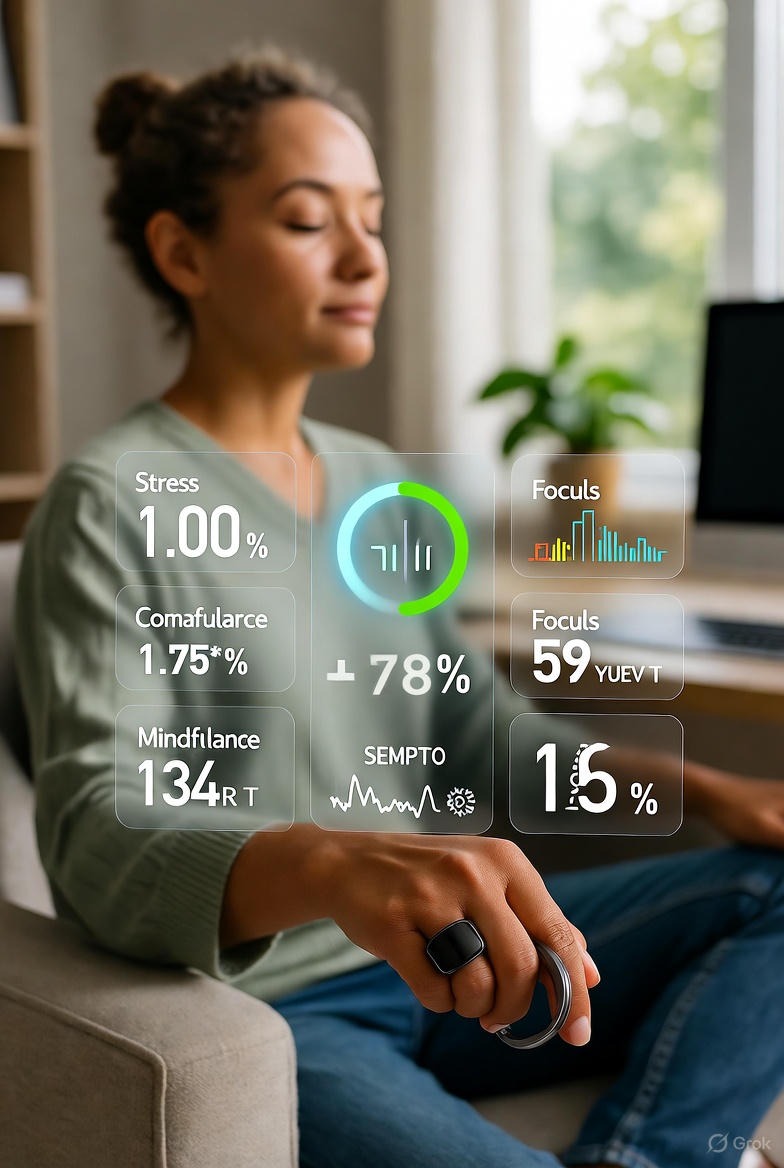
The modern solution to navigating this balance lies not in guesswork, but in data. This is where the convergence of ancient wisdom and cutting-edge technology becomes revolutionary. Devices like the Oxyzen smart ring move us beyond simply tracking steps or sleep duration. They provide a continuous, personalized stream of physiological data—heart rate variability (HRV), resting heart rate, blood oxygen, skin temperature, and detailed sleep architecture—that acts as a real-time translation of your body's recovery status. It’s the feedback loop we've been missing, allowing you to align your exercise intensity with your body’s readiness, transforming prevention from a concept into a daily practice.
The path to becoming an unbreakable athlete begins here, with a commitment to listening, understanding, and strategically balancing the beautiful, necessary dance between exertion and rest.
The Foundation: Understanding Stress, Adaptation, and the Supercompensation Cycle
To master balance, we must first understand the fundamental law that governs all physical training: the General Adaptation Syndrome (GAS). First described by endocrinologist Hans Selye in the 1930s, this model outlines how organisms, including humans, respond to stress. When applied to exercise, it provides the blueprint for all progress—and all pitfalls.
The process unfolds in three distinct stages:
Alarm/Shock Phase (The Workout): This is the initial application of stress. You challenge your body beyond its current comfortable capacity—lifting a heavier load, running a faster pace, or completing more volume. During this phase, your performance temporarily decreases. You feel fatigued; muscles burn, and systems are disrupted. This is the controlled breakdown.
Resistance/Adaptation Phase (The Recovery): Following the stress, if given adequate resources (nutrition, sleep, time) and a relative reduction in stress, your body doesn't just repair itself to its previous state. It intelligently overcompensates, building back stronger to better handle that same stress in the future. Muscle fibers are rebuilt with more contractile proteins, mitochondria multiply to enhance energy production, bones increase in density, and neural pathways become more efficient. This is where fitness is built.
Exhaustion Phase (The Injury): This is the critical failure point most athletes stumble into. If stressful training stimuli are applied too frequently, without sufficient recovery between them, the body cannot complete the adaptation phase. Instead of supercompensation, you get a cumulative drain. Resources are depleted, inflammation becomes chronic, hormonal balance is lost, and the protective tissues—muscles, tendons, ligaments, bones—succumb to injury. Overtraining syndrome is a full manifestation of this stage.
The elegant window between the Alarm and Exhaustion phases is the Supercompensation Cycle. Visualize a wave: you dip down with fatigue post-workout, then, with proper recovery, you surge above your previous baseline to a new peak of fitness and readiness. Your next training stimulus should be strategically applied at this new peak. This is periodization in its most essential form.
The catastrophic error in modern fitness is the chronic truncation of this cycle. We apply the next stressor while still in the fatigue valley, never allowing the supercompensation peak to materialize. The body is perpetually in a state of alarm, digging a deeper and deeper hole of exhaustion. This is why someone can train religiously for months yet see no improvement, or worse, experience a sudden, "unexplained" stress fracture or tendonitis.
Understanding this cycle reframes recovery. It is not passive downtime; it is the active, productive phase where your investment pays dividends. Sleep is not for the lazy; it's when human growth hormone pulses, facilitating tissue repair. A rest day is not a wasted day; it's the day your central nervous system reboots and your glycogen stores are replenished. As we explore in our article on how sleep quality became the foundation of healthy aging, this non-negotiable biological process is the bedrock of both performance and longevity.
The key to harnessing the supercompensation cycle is knowing when you have reached that new peak of readiness. For decades, this was a guessing game based on subjective feel. Today, biometric technology provides the objective answer, a topic we will delve into deeply as we progress.
The Physiology of Breakdown: What Actually Happens During Exercise?
To appreciate recovery, we must respect the profound depth of the breakdown. Exercise is a magnificent, controlled trauma. When you train, you are not just "working muscles." You are initiating a cascade of systemic events that demand a coordinated response from nearly every organ system.
On a Muscular & Structural Level: The primary event is the creation of microtrauma. As muscle fibers contract under load, particularly during the eccentric (lengthening) phase of movement, microscopic tears occur in the sarcomeres—the basic contractile units. This is a normal and necessary stimulus for growth. Associated with this is the depletion of local energy stores. Glycogen, the stored form of glucose in muscles and the liver, is rapidly used for fuel. Intramuscular stores of phosphocreatine, crucial for short, explosive efforts, are also emptied. Metabolic byproducts like lactate and hydrogen ions accumulate, contributing to the familiar burning sensation and local fatigue.
On a Neurological Level: The central nervous system (CNS) is the conductor of the performance orchestra. High-intensity or high-volume training places a significant demand on the CNS. Neurotransmitters like dopamine, norepinephrine, and acetylcholine are heavily involved in muscle activation, focus, and force production. Repeated neural firing can lead to a temporary reduction in neurotransmitter stores and a dampening of the nerve signal's efficiency—a state known as "central fatigue." This is why you can feel mentally drained and have "heavy" limbs even before muscles are truly exhausted.
On a Metabolic & Hormonal Level: Exercise is a major hormonal disruptor in the best possible way. Cortisol, the primary catabolic (breaking-down) stress hormone, rises to mobilize energy and maintain blood glucose. Testosterone and growth hormone also increase, initiating the anabolic (building-up) signals. However, the balance is key. A protracted or overly frequent stress response can lead to dysregulation: chronically elevated cortisol can suppress immune function, impair sleep, and break down muscle tissue, while testosterone production can be blunted. The endocrine system needs calm, restorative periods to re-establish equilibrium.
On a Connective Tissue Level: Tendons, ligaments, and fascia adapt more slowly than muscle tissue. They have a poorer blood supply, meaning nutrients and repair cells arrive more slowly. Repeated stress without adequate adaptation time leads not to strengthening, but to degeneration—a condition known as tendinopathy. This is a classic overuse injury, where the tissue is stuck in a chronic, inflamed state of breakdown without the chance to properly rebuild.
The Inflammatory Response: Acute, localized inflammation is the first step of the healing process. Immediately post-exercise, immune cells swarm the area to clear cellular debris and initiate repair. This is a good and necessary inflammatory response. Problems arise when this state becomes systemic and chronic due to insufficient recovery between sessions. Chronic, low-grade systemic inflammation is now recognized as a root driver of not only overtraining and injury but also myriad age-related diseases. Managing this inflammatory cycle through smart recovery is therefore a dual-purpose strategy for athletic and lifelong health. For a deeper look at combating systemic decline, our piece on science-backed healthy aging tips that actually work explores this critical theme.
Understanding this multifaceted breakdown makes one thing clear: recovery is equally multifaceted. Refueling glycogen is different from repairing neural fatigue, which is different from calming systemic inflammation. A holistic recovery strategy must address all these layers. The first step in building that strategy is learning the language your body uses to communicate its recovery status—the subject of our next section.
Listening to Your Body: Decoding the Signals of Insufficient Recovery
Your body is an exquisite communicator. Long before a muscle tears or a joint gives out, it sends a cascade of whispers, then speaks in clear tones, and finally shouts in the form of pain and injury. The tragedy for many driven individuals is that we are culturally conditioned to ignore these signals, to "push through." Learning to listen, interpret, and act on these signals is the single most important skill for sustainable training.
These signals exist on a spectrum, from subtle to severe:
The Whispers (Early Warning Signs):
Persistent Muscle Soreness Beyond 72 Hours: Delayed Onset Muscle Soreness (DOMS) for 24-48 hours is normal. Soreness that lingers longer, feels deeper, or is more joint-like than muscular indicates the repair process is incomplete and inflammation is still high.
Elevated Morning Resting Heart Rate: Upon waking, before you get out of bed, take your pulse. A consistent elevation of 7-10 beats per minute above your normal average is a classic sign your nervous system is still in a stressed "sympathetic" state and your body is working harder than it should be at rest.
Disrupted Sleep Architecture: You might be sleeping 8 hours, but is it quality sleep? Difficulty falling asleep, frequent wake-ups, non-restorative sleep, or vivid, stressful dreams can indicate a hyper-aroused nervous system and elevated cortisol at night.
Loss of Motivation and "Zest": That feeling of "just not feeling it" is not a character flaw. It's a neurological and hormonal signal. When your CNS is fatigued and neurotransmitter stores are low, the drive and enjoyment naturally diminish.
Minor Aches and Niggles: That little twinge in the knee that comes and goes, the shoulder that feels "clicky," the Achilles that is stiff in the morning. These are not random events; they are the direct pleas from overstressed connective tissues for a reduction in load.
The Clear Statements (Mid-Stage Indicators):
Performance Plateau or Decline: This is one of the most objective signs. Despite consistent effort, your times get slower, weights feel heavier, and power output drops. Your body is no longer able to supercompensate.
Increased Perceived Effort: Workouts that used to feel challenging but manageable now feel overwhelmingly hard from the start. The RPE (Rate of Perceived Exertion) for a standard workout is significantly higher.
Mood Disturbances: Irritability, anxiety, feelings of depression, or emotional fragility can be linked to hormonal imbalances (cortisol, serotonin) and neurological fatigue from overtraining.
Frequent Illnesses: A suppressed immune system from chronic stress makes you more susceptible to colds, infections, and slow wound healing. If you're constantly "catching something," your recovery bank is empty.
Changes in Appetite and Weight: Some people experience a loss of appetite, while others experience cravings and increased hunger. Unexplained weight loss or gain can accompany an overtrained state.
The Shouts (Late-Stage, Pre-Injury Warnings):
Chronic, Localized Pain: A niggle that has become a constant, dull ache. Pain that is now present during daily activities, not just exercise.
Sharp or Shooting Pains: Any pain that is sharp, shooting, or causes numbness/tingling is a major red flag for nerve involvement or significant structural issue.
Significant Swelling or Inflammation: Visible swelling, redness, or heat around a joint or muscle.
Compensatory Movement Patterns: You start changing your gait or lifting technique to avoid pain, placing unnatural stress on other areas and setting up a chain reaction of potential injury.
The challenge with relying solely on these subjective signals is that by the time we acknowledge them, we are often already in a deficit. Furthermore, in our high-stress lives, it can be difficult to discern whether fatigue is from training, work, emotional strain, or poor sleep. This is where objective data becomes a game-changer. A device like the Oxyzen smart ring acts as a 24/7 physiological translator, quantifying your body's readiness and stress in a way feelings cannot. By tracking metrics like HRV—a direct measure of autonomic nervous system balance—it can tell you if your body is primed for stress (ready to train) or in need of restoration (time for recovery) before you consciously feel the difference. To see how real users leverage this data for long-term health, explore the authentic experiences shared in our customer testimonials.
Mastering this language of listening, both subjective and objective, transforms you from a passenger to a pilot of your own health. It allows you to make proactive, daily decisions that keep you safely within the adaptation zone and far from the cliffs of exhaustion and injury.
The Quantified Self: How Biometric Data Takes the Guesswork Out of Recovery
For generations, athletes and coaches have relied on intuition, experience, and subjective feedback to gauge recovery. While valuable, this approach is inherently flawed. How you "feel" can be misleading, influenced by caffeine, motivation, or simply the desire to stick to a pre-written plan. The rise of wearable technology has ushered in a new era: the Quantified Self. By providing continuous, objective physiological data, these devices offer an unprecedented window into your internal state, moving recovery from an art to a science.
At the heart of this revolution are a few key biomarkers, now accessible 24/7 through advanced, non-invasive devices like the Oxyzen smart ring:
1. Heart Rate Variability (HRV): The North Star of Recovery HRV is not your heart rate. It is the measure of the subtle variation in time between each heartbeat. Contrary to intuition, a higher HRV is generally better. It indicates a healthy, responsive autonomic nervous system (ANS)—the balance between the stress-driven "sympathetic" branch (gas pedal) and the restorative "parasympathetic" branch (brake pedal).
High HRV: Suggests strong parasympathetic activity, good adaptability, and a body that is recovered and ready to handle stress. It's a green light for intense training.
Low HRV: Indicates dominant sympathetic tone, meaning your body is under stress (from training, life, illness, or poor sleep) and resources are directed toward coping, not rebuilding. It's a yellow or red light, signaling a need for recovery-focused activities.
Tracking HRV trends over time is powerful. A sudden, sustained drop often precedes feelings of fatigue or illness, giving you a 1-3 day head start to dial back training, prioritize sleep, and manage stress. For a specialized look at how this metric supports lifelong vitality, read our guide on HRV monitoring for healthy aging goals.
2. Resting Heart Rate (RHR): The Basic Barometer Your heart rate upon waking is a simple but effective metric. A elevated RHR (compared to your personal baseline) is a clear sign of residual stress, incomplete recovery, or an oncoming illness. Consistently tracking it helps establish your unique "normal" and flags deviations.
3. Sleep Metrics: Beyond Just Duration Modern sensors go far beyond tracking "time in bed." They analyze:
Sleep Stages: The balance of light, deep, and REM sleep. Deep sleep is crucial for physical repair and growth hormone release, while REM is vital for cognitive recovery and memory consolidation.
Sleep Latency: How long it takes to fall asleep. Consistently long latency can indicate poor sleep hygiene or an overactive mind.
Restlessness & Awakenings: Quantifying sleep disruptions provides insight into sleep quality that you might not remember.
Blood Oxygen (SpO2) During Sleep: Drops in nocturnal SpO2 can indicate sleep apnea or breathing issues that severely compromise recovery, leaving you fatigued despite adequate time in bed.
4. Skin Temperature & Respiratory Rate: Nocturnal skin temperature trends can reflect changes in metabolism and inflammation. Respiratory rate, especially during sleep, is a fundamental vital sign that can increase with physiological stress or illness.
The Power of Integration: The Readiness Score The true magic happens when these data streams are synthesized into a single, actionable metric: a Daily Readiness or Recovery Score. Advanced algorithms weigh your HRV, RHR, sleep quality, and activity load to produce a number or color-coded status (e.g., Green = Go, Yellow = Caution, Red = Recover). This score answers the critical question: "Based on my body's current physiological state, is today a day to push hard, train moderately, or prioritize rest?"
This eliminates the guesswork. Instead of forcing a hard interval session because it's Tuesday on your plan, you check your readiness. If it's low, you can seamlessly swap for mobility work, gentle cardio, or complete rest, knowing you are making the optimal decision for long-term progress and injury prevention. This personalized, data-driven approach is what allows you to truly "train smarter, not harder." To see how this integrated data tracking supports wellness over the long term, you can explore the Oxyzen smart ring's capabilities and its role in a modern health strategy.
Embracing the Quantified Self does not mean becoming a slave to data. It means using data as a compassionate consultant—an objective source of truth that deepens your connection to your body's needs, empowering you to make informed choices that keep you healthy, performing, and thriving for the long run.
Periodization Reimagined: Strategic Planning for Long-Term Balance
With an understanding of the supercompensation cycle and the tools to measure recovery, we can now re-examine the cornerstone of intelligent training: periodization. Traditionally, periodization is the planned, long-term manipulation of training variables (volume, intensity, frequency, and exercise selection) to peak for specific events while minimizing injury risk. In the context of exercise-recovery balance, we must evolve this concept from a rigid, calendar-based plan to a dynamic, responsive framework.
Think of it as the macro view of the supercompensation wave. The classic periodization model structures training into cycles:
Macrocycle: The entire training year or season.
Mesocycle: A block of training within the year, typically 3-6 weeks long, with a specific focus (e.g., base building, strength, power, peak).
Microcycle: The smallest unit, usually one week of training.
The revolutionary shift is making these cycles responsive, not just prescriptive. Instead of blindly following a 6-week mesocycle written months ago, you use your biometric feedback to guide its progression, extension, or modification.
The Dynamic Microcycle: Your Weekly Reality Check Your weekly plan should have built-in flexibility based on readiness data.
Green Day (High Readiness): This is the day to execute your most challenging sessions—heavy lifts, high-intensity intervals, skill mastery under fatigue. Your body is signaling it can handle the stress and will likely supercompensate effectively.
Yellow Day (Moderate Readiness): Proceed with caution. This is a day for moderate-intensity "maintenance" work, technique-focused sessions, or moderate-volume aerobic work. It's not a day to break personal records or add novel, high-stress movements.
Red Day (Low Readiness): This is a mandatory adaptation day. The plan is scrapped in favor of true recovery: complete rest, gentle walking, mobility flows, foam rolling, or meditation. Forcing a workout on a red day is the fastest way to dig into the exhaustion phase and invite injury.
Recovery as a Planned Variable: In a reimagined periodization model, recovery is not the absence of training; it is a planned training variable with its own progression. Just as you strategically increase weight or mileage, you strategically increase the quality and focus of recovery during deload weeks or transitional phases.
Deload Weeks: Planned every 3-6 weeks, a deload involves a significant reduction in volume (typically 40-60%) and/or intensity. This is not time off; it's a dedicated period to allow accumulated fatigue to dissipate and supercompensation to fully manifest. Biometric data often shows HRV rising and RHR dropping during a well-executed deload, confirming the adaptation.
Transitional Phases: The period between competitive seasons or major goals should be dominated by active recovery, cross-training, and addressing any lingering mobility or stability issues—a concept we expand on in our article about movement strategies for every decade of life.
Life-Stress Integration: A truly intelligent periodization plan accounts for non-training stress. A demanding work project, family stressors, or travel are all physiological stressors that draw from the same recovery bank. Your training plan should be fluid enough to dial back during high-stress life periods and ramp up when life is calm. Your readiness score inherently reflects this total stress load, making it the perfect guide.
This adaptive approach requires a mindset shift from "completing the plan" to "executing the right stimulus at the right time." It respects the fundamental truth that you are not a machine. Your rate of adaptation varies daily based on a universe of internal and external factors. By marrying the structure of periodization with the feedback of biometrics, you create a living, breathing training program that optimizes for both performance and durability. It is the ultimate strategy for the athlete who wants a career, not just a season.
Sleep: The Non-Negotiable Pillar of Physical Repair and Neurological Reboot
If exercise-recovery balance is a temple, sleep is its foundation. You can have perfect nutrition, impeccable programming, and the best recovery tools available, but without adequate sleep, you are building on sand. Sleep is the most potent, legally available performance-enhancing and recovery agent we possess. It is during deep, quality sleep that the majority of physiological repair and adaptation occurs.
The Stages of Sleep and Their Recovery Roles: Sleep is an architecturally complex process of 90-minute cycles, each containing distinct stages:
Non-REM Stage 3 (Deep Sleep or Slow-Wave Sleep): This is the pinnacle of physical restoration. Blood flow to muscles increases, tissue growth and repair accelerate, and human growth hormone (HGH) is predominantly released. This is when the microtears from your workout are stitched back together stronger. Bone is rebuilt, and the immune system is fortified. Skimping on sleep directly robs you of this anabolic window.
REM (Rapid Eye Movement) Sleep: This stage is crucial for brain and nervous system recovery. It's when memories are consolidated, learning is integrated, and emotional regulation occurs. For the athlete, this means motor skill patterns (like a golf swing or clean technique) are solidified, and the cognitive fatigue from intense focus is alleviated. REM sleep is also when the sympathetic nervous system is essentially "reset," calming the stress response.
Non-REM Stages 1 & 2 (Light Sleep): These are transitional stages, but important for overall sleep architecture and progression into the deeper stages.
The Catastrophic Cost of Sleep Debt: Chronic sleep deprivation (consistently getting less than 7-9 hours for most adults) creates a physiological state that is antagonistic to both performance and recovery:
Hormonal Chaos: Cortisol remains elevated, impairing muscle repair and promoting fat storage. Levels of leptin (satiety hormone) fall, while ghrelin (hunger hormone) rises, driving poor nutritional choices. Testosterone and insulin-like growth factor (IGF-1) production are suppressed.
Impaired Glucose Metabolism: Sleep loss reduces insulin sensitivity, meaning your body is less efficient at shuttling glycogen into muscles for storage and use.
Increased Pain Perception: Studies show sleep deprivation lowers pain thresholds, making you more sensitive to the aches and niggles of training.
Suppressed Immune Function: The risk of illness increases significantly, which can derail training for days or weeks.
Cognitive & Motor Impairment: Reaction time, decision-making, accuracy, and motivation all plummet, increasing not only the risk of poor performance but also of training accidents and injury.
Optimizing Sleep for Recovery: Quality matters as much as quantity. Here’s how to architect restorative sleep:
Prioritize Consistency: Go to bed and wake up at the same time every day, even on weekends. This regulates your circadian rhythm, the master clock governing sleep-wake cycles.
Craft a Sleep Sanctuary: Your bedroom should be cool (60-67°F), completely dark (use blackout curtains), and quiet. Reserve the bed for sleep and intimacy only.
Master the Wind-Down Ritual: The hour before bed is a transition period. Implement a digital curfew (blue light from screens suppresses melatonin). Engage in calming activities: reading, light stretching, meditation, or a warm bath.
Manage Evening Nutrition & Caffeine: Avoid large meals, alcohol, and caffeine close to bedtime. While alcohol may induce sleepiness, it severely fragments sleep architecture, destroying deep and REM sleep.
Leverage Daytime Habits: Morning sunlight exposure helps anchor your circadian rhythm. Regular daytime exercise promotes sleep pressure, but avoid intense workouts too close to bedtime.
Tracking your sleep with a device like the Oxyzen ring transforms this from guesswork to a science. You can see not just how long you slept, but how much deep and REM sleep you obtained, how restless you were, and how your sleep patterns correlate with your next-day readiness and performance. This feedback loop is invaluable for identifying the specific habits that lead to your most restorative nights. For a comprehensive exploration of this foundational topic, our dedicated article on sleep as the foundation of healthy aging delves even deeper.
In the equation of exercise and recovery, sleep is the multiplier. It amplifies the benefits of your hard work and mitigates the costs of stress. Make it non-negotiable.
Nutrition as Recovery Fuel: Timing, Composition, and Hydration
You cannot out-train a poor diet, and you certainly cannot out-recover one. Nutrition provides the raw materials for every single repair process outlined in previous sections. Think of your body as a construction site post-workout. Sleep is the work crew, hormones are the foremen, but nutrition is the delivery of bricks, mortar, and tools. Without the right materials arriving at the right time, the repair project stalls, is shoddy, or never completes.
The Post-Exercise Anabolic Window: While the concept of a rigid 30-minute "window" has been somewhat relaxed, the principle remains: consuming nutrients soon after training accelerates recovery by jump-starting the repair processes.
Protein: Provides the essential amino acids, particularly leucine, which act as the primary building blocks for muscle protein synthesis (MPS). Aim for 20-40 grams of high-quality protein (whey, casein, egg, lean meat, soy) within 1-2 hours post-exercise.
Carbohydrates: Replenish depleted muscle glycogen stores. The amount depends on the intensity and volume of your session. Endurance athletes need more, strength athletes need less. Carbohydrates also stimulate insulin release, which helps drive amino acids into muscle cells.
Fluids & Electrolytes: Rehydration is paramount. Weigh yourself before and after training; replace each pound lost with 16-24 oz of fluid. Include sodium and potassium to restore electrolyte balance, especially after heavy sweating.
The 24/7 Recovery Diet: Recovery isn't just about the post-workout shake. Your overall daily diet sets the stage for your body's ability to handle and adapt to stress.
Adequate Total Energy (Calories): Consuming too few calories puts your body in a catabolic state, breaking down tissue for energy. This directly opposes recovery and adaptation. Ensure you are eating enough to support your activity level and basic metabolic functions.
Protein Pacing: Distribute your protein intake evenly across 3-4 meals (e.g., 30-40g per meal) rather than consuming most of it at dinner. This provides a sustained supply of amino acids to support MPS throughout the day.
Micronutrient Density: Vitamins and minerals are the co-factors for every enzymatic reaction in repair and energy production.
Magnesium: Crucial for muscle relaxation, nerve function, and sleep quality.
Zinc & Vitamin D: Support immune function and hormonal health.
Antioxidants (Vitamins C, E, phytonutrients): Help manage exercise-induced oxidative stress and inflammation. Get these from colorful fruits and vegetables, not just supplements.
Hydration: The Often-Overlooked Catalyst Water is the medium in which every metabolic process occurs. Even mild dehydration (2% body weight loss) can significantly impair performance, increase perceived effort, and delay recovery.
Monitor Urine Color: Aim for a pale straw color. Dark yellow indicates dehydration.
Drink Consistently: Don't just chug water during workouts. Sip throughout the day.
Consider Electrolytes: For sessions longer than 60-90 minutes or in hot/humid conditions, a sports drink or electrolyte tablet can be beneficial.
Nutrient Timing for Sleep Recovery: Your last meal can influence sleep quality. A small, protein-rich snack before bed (e.g., casein protein, Greek yogurt, cottage cheese) can provide a slow, steady release of amino acids overnight, supporting MPS during deep sleep. Avoid heavy, fatty, or spicy meals close to bedtime.
Nutrition for recovery is a dynamic, individualized process. What works for a marathoner differs from a powerlifter. The key is to view food not just as fuel for your next workout, but as the essential medicine for the repair from your last one. It’s a daily investment in your body's resilience. For more insights on how nutrition interacts with other lifestyle factors for long-term vitality, our blog offers a wealth of resources, including tips on healthy aging and stress management.
Active Recovery & Mobility: Enhancing the Repair Process Between Sessions
The day after a hard workout is not necessarily a day for total inertia. Strategic, low-intensity movement—active recovery—can be a powerful tool to enhance the repair process, not hinder it. The goal here is to increase blood flow without imposing significant new stress, essentially "rinsing" the muscles with oxygen- and nutrient-rich blood to clear metabolic byproducts, reduce stiffness, and promote tissue remodeling.
What Constitutes Active Recovery? The intensity should be conversational—you should be able to speak in full sentences without gasping for breath. Think of it as movement for circulation, not for conditioning.
Low-Intensity Steady-State (LISS) Cardio: Walking, easy cycling, swimming, or using an elliptical for 20-45 minutes.
Regenerative Yoga or Pilates: Gentle, flow-based sessions focused on stretching and mindful movement, not strength or heat.
Light Sport-Specific Drills: For athletes, this could be easy shooting practice, slow technique work, or casual play at a very low intensity.
The Science of "Flushing": Light aerobic activity increases heart rate and circulation, which helps deliver fresh oxygen and nutrients to fatigued muscles while aiding the lymphatic system in removing waste products like lactate and inflammatory cytokines. This can reduce the sensation of DOMS and improve range of motion.
Mobility: The Bridge to Resilient Movement Mobility work is distinct from both static stretching and active recovery, though it can be incorporated into them. Mobility is the active, controlled movement of a joint through its full range of motion. It involves not just muscle length (flexibility) but also joint capsule health, motor control, and stability.
Why It's Critical for Injury Prevention: A joint that cannot move well through its intended range will compensate. For example, limited ankle dorsiflexion leads to excessive knee and hip movement during a squat, placing unnatural stress on those joints. Mobility work addresses these restrictions at their source.
Dynamic vs. Static: Dynamic mobility (leg swings, cat-cows, torso twists) is ideal as a warm-up to prepare the body for movement. Static stretching (holding a stretch for 30+ seconds) is more effectively used post-workout or during dedicated mobility sessions to improve tissue extensibility.
Myofascial Release (Foam Rolling): While the evidence on "breaking up fascia" is mixed, foam rolling can provide short-term reductions in muscle tightness and tenderness, increase range of motion, and subjectively feel good. It's a useful tool in the mobility toolkit, best used consistently, not just when you're in pain.
Incorporating Active Recovery & Mobility into Your Plan:
Schedule It: Treat active recovery sessions with the same respect as hard training. Put them on your calendar.
Listen to Biofeedback: On a "Yellow" readiness day, an active recovery session is often the perfect prescription. On a "Red" day, complete rest may be better. Let your body guide you.
Make it Enjoyable: The best active recovery is something you look forward to—a walk in nature, a gentle swim, a casual bike ride with family. This also provides neurological recovery by reducing the "must perform" mindset.
Active recovery and mobility are the subtle arts of training. They are the oil that keeps the machine running smoothly between major exertions, preventing the rust of stiffness and imbalance from accumulating into a major breakdown. They are a proactive acknowledgment that the body is designed to move, even—and especially—when it is healing. For strategies on maintaining this movement capacity throughout life, our guide on preserving independence as we age offers valuable perspectives.
Advanced Recovery Modalities: Separating Science from Hype in the Modern Toolbox
In the quest for optimal recovery, the market is flooded with devices, supplements, and therapies promising faster repair, reduced soreness, and superhuman bounce-back. From pneumatic compression boots to cryotherapy chambers, the options can be overwhelming. The key is to view these tools not as magic bullets, but as potential adjuncts to the non-negotiable pillars of sleep, nutrition, and stress management. Let's examine the evidence behind some of the most popular advanced recovery modalities.
Cold Therapy (Cryotherapy):
The Promise: Reduce inflammation, pain, and muscle soreness (DOMS) through vasoconstriction.
The Science: The acute application of cold (ice baths, cold plunges, cryo-chambers) does indeed reduce local blood flow, inflammation, and pain perception. This can provide short-term symptomatic relief from DOMS.
The Critical Caveat: Inflammation is the first step of the repair process. By aggressively suppressing it, some research suggests you may be blunting the very adaptation signals you trained for, particularly for strength and hypertrophy gains. A 2014 study in the Journal of Physiology found that cold water immersion after resistance training attenuated the activation of satellite cells and pathways responsible for muscle growth.
Strategic Use: Cold therapy is best reserved for acute injury management (first 48 hours), for managing significant pain that impedes daily function, or during extreme training phases (e.g., two-a-days in preseason) where the immediate priority is reducing soreness to train again, not maximizing long-term adaptation. For general recovery, contrast therapy (alternating hot and cold) may offer a better balance, promoting circulation while managing discomfort.
Heat Therapy (Sauna, Hot Baths):
The Promise: Improve circulation, induce relaxation, support detoxification.
Science: Heat is a potent vasodilator, increasing blood flow to skin and muscles. It also stimulates the release of heat shock proteins, which assist in cellular repair and resilience. Regular sauna use has been associated with cardiovascular benefits, improved endothelial function, and reduced all-cause mortality. It also promotes parasympathetic activation post-session, aiding nervous system recovery.
Strategic Use: Excellent for general relaxation, promoting sleep, and improving peripheral circulation. It's generally a lower-risk, supportive modality that complements other recovery strategies. Avoid immediately post-strength training if maximizing hypertrophy is the goal, but it can be wonderfully effective on rest days or after endurance work.
Science: The evidence for wearable compression sleeves (e.g., calf sleeves) improving performance is weak. However, for recovery, both garments and dynamic pneumatic devices (like NormaTec boots) show more promise. They appear to aid in the mechanical reduction of edema (swelling) and may subjectively reduce feelings of tightness and soreness. The primary mechanism is likely improved fluid dynamics rather than a profound biochemical change.
Strategic Use: A useful tool for athletes who experience significant lower-extremity swelling or heaviness, such as after long-haul travel or marathon training. They can provide comfort and a sense of lightness. Use them as a passive aid while resting, not as a replacement for active recovery.
Electrical Stimulation (EMS/TENS):
The Promise: Reduce pain, stimulate muscles, improve range of motion.
Science: TENS (Transcutaneous Electrical Nerve Stimulation) units work primarily on the "gate control theory" of pain, using low-level electrical current to interfere with pain signals to the brain. They can be effective for temporary pain relief. Recovery-focused EMS (Electrical Muscle Stimulation) devices aim to create gentle, non-fatiguing muscular contractions to increase local blood flow.
Strategic Use: TENS can be helpful for managing persistent, localized soreness or ache. Recovery EMS may offer some circulatory benefits for completely immobilized individuals, but for an active person, light movement (active recovery) is likely just as or more effective.
The Bottom Line on Modalities: No foam roller, compression boot, or ice bath can compensate for chronic sleep deprivation or a protein-deficient diet. Prioritize the foundations first. Once those are solid, consider these modalities as "icing on the cake" for specific situations. Let your biometrics guide you: if you're chronically in a low-readiness state, investing in more sleep or stress management will yield a far greater return than an expensive cryotherapy membership. For a deeper dive into evaluating what truly works for long-term health, our analysis of science-backed healthy aging tips applies a similar evidence-based lens.
The Red Flags: Recognizing the Precursors to Overtraining and Chronic Injury
Despite our best intentions, the line between productive training and destructive overreaching can blur. While we've discussed the body's signals, certain patterns and specific symptoms are glaring red flags that demand immediate intervention. Ignoring these is a direct path to overtraining syndrome (OTS) or a serious chronic injury.
Overtraining Syndrome (OTS): A Systemic Breakdown OTS is not just being tired; it's a multisystem disorder characterized by a prolonged performance decrement, maladaptive physiology, and mood disturbances that persist despite weeks of rest.
Performance Red Flags: A sustained drop in performance (strength, speed, endurance) lasting more than 2-3 weeks, despite reduced training. An inability to complete workouts you previously handled with ease.
Physiological Red Flags: Persistently elevated resting heart rate, significantly depressed HRV trend over weeks, disrupted sleep even when exhausted, loss of appetite, unintended weight loss, frequent illness (colds, infections), amenorrhea in women, and a plateau or drop in resting metabolic rate.
Psychological Red Flags: Prolonged loss of motivation, depression, increased anxiety, emotional lability, difficulty concentrating ("brain fog"), and a sense of dread toward training.
The Injury Cascade: From Niggle to Breakdown Chronic injuries rarely happen "out of the blue." They follow a predictable pattern that, if recognized early, can be stopped.
The Pain Cycle: Pain that follows this pattern is a major warning: Pain during warm-up -> decreases during activity -> returns, often worse, after activity. This is classic tendinopathy or stress reaction behavior.
Morning Stiffness & Pain: Joint or tendon pain that is most pronounced upon waking or after prolonged immobility, and takes more than 30 minutes to "warm out."
Pain That Alters Movement: You consciously or unconsciously change your running gait, lifting technique, or throwing motion to avoid pain. This compensation pattern loads other tissues abnormally, creating a domino effect of potential injuries.
Swelling and Heat: Any visible swelling, puffiness, or localized warmth around a joint is a definitive sign of active inflammation and tissue distress.
Neurological Symptoms: Numbness, tingling, radiating pain, or sharp, electric shock-like sensations indicate nerve involvement, which requires immediate medical attention.
The Psychological Red Flags of Injury Denial: Often, the mind is the biggest barrier to acknowledging these red flags. Be wary of:
"Just working through it" mentality: Believing pain is a necessary part of progress.
Fear of detraining: The irrational belief that taking 3-5 days off will erase months of fitness (it won't).
Identity crisis: For the athlete whose identity is tightly wrapped in training, stopping feels like a personal failure.
The Action Plan for Red Flags:
Immediate De-load: At the first cluster of red flags, reduce training volume by 50-70% for at least 3-5 days. Swap high-intensity work for low-intensity cross-training or complete rest.
Seek Professional Diagnosis: For persistent pain (lasting >72 hours unchanged with rest), see a physical therapist or sports medicine doctor. A precise diagnosis is worth its weight in gold.
Investigate Lifestyle Factors: Audit sleep, nutrition, and life stress. Often, an injury is the final expression of a lifestyle imbalance.
Embrace Rehabilitation as Training: View the rehab process not as a setback, but as a dedicated block of training to address a weakness. This could be a mobility limitation, a stability deficit, or a movement pattern flaw. This proactive approach is central to maintaining muscle mass and function as we age, where prehabilitation becomes key.
Recognizing these red flags is an act of courage and intelligence. It's the moment you transition from being ruled by a rigid training plan to being the steward of your own long-term athletic health.
Building Your Personalized Recovery Protocol: A Step-by-Step Framework
Knowledge is only powerful when applied. It's time to synthesize everything we've covered into a living, breathing recovery protocol tailored to you. This is not a one-size-fits-all prescription, but a framework you will adapt over time.
Step 1: Establish Your Biometric Baseline (Weeks 1-2) Before you can interpret the data, you need to know your normal. Wear your Oxyzen smart ring consistently for two weeks while maintaining your typical training and lifestyle.
Note Your Averages: What is your average nightly HRV, RHR, and sleep duration/quality?
Observe Patterns: How do these numbers change after a hard training day vs. a rest day? After a poor night's sleep or a stressful workday?
Identify your "Green Zone": Establish the HRV range and sleep score that correlate with you feeling energized and ready.
Step 2: Conduct a Lifestyle Audit Recovery happens in the context of your entire life. Honestly assess:
Sleep: Are you consistently getting 7-9 hours? Is your environment optimal?
Nutrition: Are you eating enough total calories and protein? Are you hydrating well?
Stress: What are your major non-training stressors (work, relationships, finances)?
Movement Patterns: Do you sit for prolonged periods? Do you have any consistent aches or mobility restrictions?
Step 3: Design Your Daily & Weekly Recovery Hierarchy Create a non-negotiable checklist, prioritized from most to least important:
Tier 1 (Non-Negotiable Foundations):
Prioritize 7-9 hours of sleep in a cool, dark room.
Consume adequate protein (spaced throughout the day) and total calories.
Drink enough water so your urine is pale yellow.
Check your Oxyzen readiness score each morning.
Tier 2 (Daily Practices):
5-10 minutes of morning mobility or dynamic stretching.
Strategic use of caffeine (not too late).
Mindful transition out of work/ stress.
Evening wind-down routine without screens.
Tier 3 (Session-Specific Practices):
Proper warm-up before every training session.
Post-workout nutrition (protein + carbs) within 1-2 hours.
Rehydration post-workout.
Optional: 5-10 minutes of cool-down stretching or foam rolling on areas of tightness.
Tier 4 (Weekly Enhancements):
Schedule at least one dedicated active recovery session (e.g., Sunday walk).
Plan one longer mobility or yoga session.
Consider one advanced modality (e.g., sauna, compression) based on need and interest.
Step 4: Integrate Readiness-Based Decision Making This is where your protocol becomes dynamic.
Green Readiness: Execute your planned challenging sessions. You are primed for supercompensation.
Yellow Readiness: Modify. Reduce volume or intensity by 20-40%. Swap a heavy lifting day for a technique day, or a hard interval run for a steady-state run.
Red Readiness: Adapt radically. This is a mandatory recovery day. Take complete rest, or do only very gentle movement (walking, light mobility). Prioritize sleep, hydration, and stress management. The single best injury-prevention decision you can make is to not train hard when your body is screaming for rest.
Step 5: Schedule Proactive Deloads Every 4th, 5th, or 6th week (depending on your training age and intensity), plan a deload week. Reduce training volume by 40-60%. Maintain some intensity to keep skill sharp, but drastically cut the total work. Use this week to focus intensely on Tier 1 and Tier 2 recovery practices.
Step 6: Regular Review and Refinement Every month, review your Oxyzen data trends. Are your baseline HRV and sleep scores improving? How did your body respond to your deload? What lifestyle factors most impact your readiness? Use this information to refine your protocol. Perhaps you need to shift your training time, adjust your protein intake, or institute a strict digital curfew. Your protocol is a living document. For inspiration on building sustainable, data-informed wellness habits, you can explore related strategies in our blog's collection of healthy aging tips.
This personalized protocol transforms recovery from a passive hope into an active, daily practice. It empowers you to be the architect of your own resilience.
Technology as Your Recovery Coach: Integrating Smart Rings and Apps for Seamless Insight
In our journey to balance exercise and recovery, technology is the force multiplier. It's the silent coach that provides unbiased feedback, the historian that reveals patterns, and the guide that helps you navigate daily decisions. When used wisely, it deepens your body awareness rather than replacing it. Let's explore how to integrate devices like the Oxyzen smart ring and complementary apps into a cohesive recovery ecosystem.
The Smart Ring: Your 24/7 Physiological Monitor
A device worn on the finger, like Oxyzen, is uniquely positioned for continuous, comfortable data capture.
The Advantage of Continuous Wear: Unlike wrist-based devices that you might remove, a ring is less obtrusive and more likely to be worn consistently, providing uninterrupted sleep and daytime data. This continuity is critical for accurate trend analysis.
Core Data Streams for Recovery:
HRV & RHR: The cornerstone of your readiness assessment.
Sleep Architecture: Detailed breakdown of light, deep, REM, and awake times.
Blood Oxygen (SpO2): Monitors for significant nocturnal dips that could indicate sleep-disordered breathing.
Body Temperature: Trends in skin temperature can signal illness onset or hormonal cycle changes.
Activity & Recovery Balance: The app's algorithm synthesizes this data into your daily readiness score and provides a strain score from your activities.
Creating Your Data-Informed Feedback Loop:
Morning Check-In (3 Minutes): Before reaching for your phone, glance at your readiness score. Let this set the tone for your day. Green? Attack your plan. Yellow or Red? Pause and consider modifications. Check your sleep score—did last night's wind-down routine improve your deep sleep?
Training Session Logging: Use the ring's activity tracking or manually log your workouts in its companion app. This links the physiological stressor (the workout) directly to the physiological response (your recovery data over the following 24-72 hours).
Trend Analysis (Weekly Review): Once a week, look at your trends. Is your HRV baseline slowly rising over the month? That's a sign of improved fitness and resilience. Did it crash mid-week? Correlate that with your training log and life events. Maybe that hard Tuesday session followed by a stressful Wednesday meeting was too much. This pattern recognition is invaluable.
Complementary App Ecosystem: Your smart ring is the data hub. Integrate it with other apps to create a full picture:
Nutrition Tracking Apps (e.g., MyFitnessPal, Cronometer): Correlate days of high protein/calorie intake with improved sleep scores or faster HRV recovery.
Training Log Apps (e.g., TrainHeroic, Strava): The ring provides the "how you responded" data; these apps provide the precise "what you did" data. Merge these insights.
Mindfulness Apps (e.g., Headspace, Calm): Log meditation sessions and observe if consistent practice correlates with a calming of your nighttime HRV or improved sleep latency.
Avoiding Data Anxiety: The Healthy Mindset Technology is a servant, not a master. It's crucial to avoid "analysis paralysis" or becoming stressed by a single low-readiness score.
Look at Trends, Not Dots: A single red day is noise. A week of trending downward HRV is a signal.
Use Data to Empower Choice, Not Dictate Fear: A yellow score isn't a failure; it's valuable information granting you permission to be flexible and smart.
Disconnect to Reconnect: Occasionally, have a "data-blind" day or workout where you go purely on feel. This maintains your intrinsic connection to your body.
When seamlessly integrated, this technological ecosystem provides the missing feedback loop in self-guided training. It turns abstract concepts like "overtraining" and "readiness" into tangible, actionable data, allowing you to fine-tune the balance between exercise and recovery with precision. To discover how this technology supports a comprehensive view of wellness over time, you can learn more about Oxyzen's holistic approach.
The Long Game: Cultivating a Sustainable, Injury-Free Athletic Identity
Ultimately, mastering the exercise-recovery balance is not about a single season or reaching one peak performance. It's about cultivating an athletic identity that is sustainable, resilient, and joyful for decades. It's about shifting from being an "exerciser" who battles their body to an "athlete" who cooperates with it—a steward of their own physical potential. This final mindset shift is perhaps the most powerful injury prevention strategy of all.
From "No Days Off" to "Smart Days On": The glorification of relentless hustle is a recipe for breakdown. The sustainable athlete understands that discipline is not just found in pushing harder, but in having the wisdom to pull back. A "smart day on" might be a brutally hard session when the data supports it, but it is equally likely to be a focused mobility drill, a long walk in nature, or a dedicated nap. Respecting rest as a productive part of training reframes your entire relationship with movement.
Process Over Outcomes: Fixating on a specific weight on the bar, a race time, or a body composition goal can lead to forcing progress when the body isn't ready. Instead, focus on the process goals that build the outcome:
"I will achieve an average HRV of X this month."
"I will prioritize 8 hours of sleep 5 nights this week."
"I will execute my warm-up with focus before every session."
"I will listen to my readiness score and adjust accordingly."
These process goals are entirely within your control and directly build the foundation for injury-free progress. The outcomes then become natural byproducts, not stressful demands.
Embracing Cyclicality: Nature is not linear; it is cyclical. Seasons change, tides ebb and flow. Your training and life should mirror this. There will be seasons of high intensity and ambition, and there must be seasons of restoration, skill acquisition, and play. Periodization is the formalization of this truth. Planning for down-periods, off-seasons, and mental breaks prevents the burnout that often leads to rushed returns and injury.
The Community and Support Factor: Sustainability is nurtured in community. Surround yourself with people who understand and respect the balance—training partners who won't guilt you for taking a rest day, coaches who prioritize long-term health, or an online community focused on wellness. Sharing the journey and learning from others' experiences is invaluable. This social connection is a profound but often overlooked component of wellness, as discussed in our article on the social connection factor in healthy aging.
Lifelong Adaptation: Your recovery needs will change. The 20-year-old college athlete recovers differently than the 40-year-old professional with kids, or the 60-year-old rediscovering fitness. Your protocol must be fluid. This means regularly re-evaluating your stress tolerance, sleep needs, nutritional requirements, and mobility work. The principles remain constant, but the application evolves. This lifelong perspective is the essence of tracking healthy aging progress over time.
The Ultimate Goal: Resilience and Joy The end goal of this entire journey is not just to avoid injury. It is to build a body and mind that are resilient—able to withstand stress, adapt positively, and bounce back from setbacks. It is to cultivate joy in movement, freeing yourself from the fear of pain and the frustration of constant setbacks. When exercise is fueled by adequate recovery, it ceases to be a punishing grind and becomes a sustainable source of energy, confidence, and vitality.
This is the promise of mastering the exercise-recovery balance: a lifetime of empowered movement, continuous progress on your own terms, and the profound freedom that comes from being in true partnership with your own body.
Special Populations: Tailoring the Balance for Age, Gender, and Lifestyle
The core principles of exercise-recovery balance are universal, but their application is not. A one-size-fits-all approach ignores the profound physiological and lifestyle differences between a 25-year-old male competitive athlete, a 50-year-old woman navigating perimenopause, and a 70-year-old maintaining functional independence. Tailoring your strategy to your unique context is the final layer of personalization for effective injury prevention.
The Aging Athlete: Recovery is the New Training As we age, several key physiological shifts make recovery not just important, but paramount:
Slower Protein Synthesis: The rate of Muscle Protein Synthesis (MPS) in response to both protein intake and exercise stimulus blunts. This means the repair process is less efficient and requires more strategic support.
Altered Sleep Architecture: Deep (Stage 3) sleep decreases significantly, reducing the primary window for physical repair and growth hormone release.
Longer Inflammation Cycles: The body's resolution of acute inflammation becomes slower, meaning soreness lasts longer and systemic inflammation from hard training is more persistent.
Connective Tissue Changes: Tendons and ligaments become less elastic and more prone to degenerative issues rather than acute tears.
Tailored Strategy for the 40+ Athlete:
Extended Recovery Windows: Plan for 48-72 hours between intense stress to the same muscle groups or systems. Two heavy strength sessions per week may be more effective than four.
Protein Priority: Increase daily protein intake to 1.6-2.2g per kg of body weight, and ensure 30-40g of high-quality protein is consumed at each meal, especially post-workout and before bed (e.g., casein protein).
Emphasis on Eccentric Control & Tempo: Slow, controlled movements, particularly on the eccentric (lowering) phase, create potent muscle-building signals with lower joint stress than heavy, explosive lifts.
Mobility as Daily Medicine: Consistent, daily mobility work is non-negotiable to counteract age-related stiffness and maintain safe movement patterns.
Listen Relentlessly to Data: The margin for error shrinks. Using a readiness score from a device like Oxyzen becomes critical to avoid digging a recovery hole. For a dedicated guide on navigating this critical life stage, our article on healthy aging tips for your 50s is an essential resource.
Women’s Physiology: Honoring the Cycle Women are not small men. Hormonal fluctuations across the menstrual cycle (and through life stages like perimenopause and menopause) directly impact recovery capacity, injury risk, and performance.
Follicular Phase (Post-period to Ovulation): With rising estrogen, this is typically a window of higher pain tolerance, better glycogen storage, and enhanced recovery capacity. It's an ideal time for higher-intensity training and strength gains.
Luteal Phase (Post-Ovulation to Period): Rising progesterone increases core temperature and metabolic rate. The body relies more on fat for fuel. Recovery capacity may be lower, and susceptibility to soft tissue injury is slightly higher. This is a time to prioritize maintenance work, steady-state cardio, technique, and extra focus on recovery modalities.
Perimenopause & Menopause: The decline in estrogen leads to faster loss of bone density and muscle mass, changes in fat distribution, and increased prevalence of sleep disturbances. Recovery needs intensify dramatically.
Tailored Strategy for Women:
Cycle-Synced Training: Adapt training intensity and volume to your cycle phases. Use an app to track your cycle and correlate it with your Oxyzen readiness scores to find your personal patterns.
Bone Health Focus: Incorporate impact (jumping, plyometrics) and resistance training year-round to stimulate bone density. Ensure adequate calcium and Vitamin D intake.
Stress Management Priority: The interaction between hormonal shifts and life stress is potent. Practices like yoga, meditation, and breathwork are especially valuable for modulating the nervous system during the luteal phase and menopause.
Embrace Strength Training: It is the most powerful tool to combat the muscle and bone loss associated with declining hormones. For women navigating these specific changes, our piece on healthy aging tips for women and hormonal changes offers targeted advice.
The High-Stress Professional: When Life is the Primary Workout For those with demanding careers, family obligations, and long commutes, the stress from training is layered on top of significant cognitive and emotional load. The recovery bank is shared.
The Reality: A hard workout after a brutal day at work may push total stress load into the exhaustion zone, even if the workout itself wasn't extreme.
Tailored Strategy:
Commute as Active Recovery: Cycle or walk part of your commute if possible.
Micro-Recovery Bursts: Use 5-minute breathing breaks, short walks, or desk-based mobility throughout the workday to manage nervous system stress.
The "Tired Test": Before an evening workout, honestly assess. If you are mentally shattered, a gentle movement session or complete rest will yield better long-term results than forcing intensity.
Protect Sleep At All Costs: This population cannot afford sleep debt. It must be the immovable foundation.
Use Data for Objective Truth: Your smart ring will show if work stress is tanking your HRV. Let that objective data, not guilt, guide your training decisions. This is a perfect example of how a wellness ring can validate effective health strategies in real-time.
Recognizing yourself in one of these populations—or at the intersection of several—allows you to move from generic advice to a powerful, personalized practice that respects your body's unique reality.
Debunking Common Myths: Clearing the Fog Around Recovery and Injury Prevention
Misinformation can be a major obstacle to finding balance. Let's dismantle some of the most pervasive myths that keep people stuck in cycles of fatigue and injury.
Myth 1: "No Pain, No Gain."
The Truth: Pain is a signal, not a reward. Sharp, acute pain during movement is a warning of potential tissue damage. The "burn" of muscular fatigue is different from joint pain, nerve pain, or tendon pain. Training through pain (outside of muscular fatigue) is the single fastest way to turn a minor irritation into a major, chronic injury. Respect pain as your body's communication system.
Myth 2: "More is Always Better."
The Truth: This is the law of diminishing returns, applied brutally to the human body. Progress follows a dose-response relationship. An appropriate dose yields adaptation. An excessive dose yields breakdown. There is a point where additional volume or intensity only adds fatigue, not fitness. Intelligent programming is about finding the minimum effective dose to drive adaptation, then recovering from it.
Myth 3: "You Need to Sweat/Be Exhausted for it to 'Count.'"
The Truth: The physiological value of exercise is not correlated with how sweaty or wrecked you feel. A low-intensity mobility session that improves joint health "counts." A technique-focused skill session "counts." A walk that manages stress and improves circulation "counts." Equating only high-intensity suffering with effectiveness is a narrow and unsustainable view of training.
Myth 4: "Stretching Before Exercise Prevents Injury."
The Truth: Static stretching (holding a stretch) of cold muscles before activity may temporarily reduce power output and does not reliably prevent injury. Dynamic warm-ups are far more effective. The goal of a warm-up is to increase core temperature, improve mobility through active movement, and "wake up" the neuromuscular system. Save longer static stretches for post-workout or separate mobility sessions.
Myth 5: "If I'm Not Sore, I Didn't Work Hard Enough."
The Truth: DOMS (Delayed Onset Muscle Soreness) is a marker of novel stimulus or extreme volume, not a marker of an effective workout. As you become more trained, you will experience less DOMS from your regular routine because your body has adapted. You can make tremendous strength and fitness gains without significant soreness. Chasing soreness often leads to excessive, non-productive fatigue.
Myth 6: "I Can't Take Time Off or I'll Lose All My Fitness."
The Truth: Fitness is not a cliff you fall off. Detraining is a gradual process. A well-recovered athlete can take 3-5 days completely off with no measurable loss of performance. After a week, losses begin slowly. Furthermore, planned rest or deload weeks often lead to a "rebound" effect where you come back stronger because accumulated fatigue has dissipated. The fear of detraining is a primary driver of overtraining.
Myth 7: "Recovery is Just for Elite Athletes."
The Truth: The need for recovery is universal; the capacity for recovery is what differs. A weekend warrior or busy parent often has a lower recovery capacity due to higher life stress and poorer sleep than a professional athlete whose job is to recover. Therefore, the non-elite athlete may need to be more diligent and strategic about their recovery practices to stay healthy and make progress. To see how accessible technology makes this possible for everyone, explore how a smart ring supports daily healthy aging monitoring.
By clearing away these myths, we create space for a more intelligent, nuanced, and ultimately successful approach to sustainable fitness.
Case Studies in Balance: From Burnout to Breakthrough
Theory comes alive through application. Let's examine three fictional but data-informed case studies that illustrate the transformative power of implementing an exercise-recovery balance strategy.
Case Study 1: David, The Overtrained Marathoner
Profile: 38M, software engineer, training for his third marathon. Stuck in a performance plateau, chronically tired, suffering from recurring shin splints.
Old Approach: 6-day running week, high mileage, "more is better" mentality. Ignored niggles. Slept 6.5 hours/night due to work stress. Used caffeine to power through fatigue.
The Intervention: He started wearing an Oxyzen ring. Data showed chronically low HRV (consistently in bottom quartile), elevated RHR, and poor sleep scores with low deep sleep. We implemented:
A 2-week "reset" with only walking and mobility.
A new periodized plan with 4 run days, 2 strength days, 1 full rest day.
A non-negotiable 7.5-hour sleep window and evening digital curfew.
Using the readiness score: if "Yellow," he swapped a run for cycling; if "Red," he took full rest.
The Outcome (12 weeks later): His baseline HRV improved by 35%. His resting heart rate dropped by 8 bpm. His sleep deep sleep percentage increased. He completed his marathon with a 15-minute PR, pain-free. The data gave him permission to rest, breaking the cycle of overreaching. His story mirrors the principles in our guide on starting healthy aging tips at any age.
Case Study 2: Priya, The Perimenopausal Professional
Profile: 52F, lawyer, experiencing weight gain, poor sleep, and low energy. Convinced she needed to "work harder," she was doing high-intensity interval classes 5x/week but felt worse.
Old Approach: Mandatory HIIT regardless of energy. Poor sleep due to night wakings and hot flashes. High caffeine intake. No strength training.
The Intervention: Oxyzen data showed severe sleep fragmentation and a HRV pattern that crashed every luteal phase. We implemented:
Cycle-synced training: Higher intensity in follicular phase; strength training, walking, and yoga in luteal phase.
Introduction of heavy strength training 2x/week to build metabolically active muscle.
The Outcome (3 months later): Sleep scores improved by 20%. She reported more stable energy, less brain fog, and her clothes fitting better. Her readiness score helped her embrace rest during her luteal phase without guilt. She found a sustainable rhythm that worked with her physiology, not against it. For others in a similar phase, our resource on healthy aging tips to protect cognitive function provides complementary strategies.
Case Study 3: Marcus, The "Injured-All-The-Time" CrossFitter
Profile: 29M, CrossFit enthusiast, constantly dealing with rotating shoulder, knee, and lower back issues. Took a "just tape it up" approach.
Old Approach: 5-6 high-intensity CrossFit classes per week, no dedicated mobility or recovery work. Poor movement patterns exacerbated under fatigue.
The Intervention: Data revealed his HRV was chronically low and sleep was inconsistent. More importantly, we identified the root cause: a lack of foundational stability and movement quality.
Mandatory 15-minute daily mobility routine focused on thoracic spine, hips, and ankles.
Reduced class frequency to 4x/week, with one session dedicated solely to skill and lightweight technique.
Added 2 dedicated "prehab" sessions of stability work (e.g., rotator cuff exercises, single-leg balance).
Used the readiness score to auto-regulate: on low days, he would scale weight and volume dramatically in class.
The Outcome (8 weeks later): His nagging injuries resolved. His HRV trended upward, indicating better stress resilience. He actually increased his lifts because improved mobility and stability allowed him to express his strength safely. He transformed from a frequently injured participant to a durable, consistent athlete.
These cases illustrate that the path to breakthrough often runs through strategic recovery, not increased exertion. It’s about working smarter, guided by self-awareness and data.
The Future of Personalized Recovery: AI, Predictive Analytics, and Holistic Integration
We stand at the frontier of a new era in recovery science. The future lies not just in tracking, but in prediction, personalization, and seamless integration into our digital and physical lives.
AI-Driven, Predictive Readiness: Current readiness scores are descriptive (telling you your current state). The next evolution is predictive analytics. Imagine your Oxyzen app analyzing weeks of your data, cross-referenced with your calendar, and sending an alert: "Based on your current recovery trend and your upcoming work deadline, we project low readiness on Thursday. We recommend moving your high-intensity session to Tuesday and scheduling a recovery modality for Wednesday evening." This shifts the paradigm from reactive to proactive planning.
Integrated Lifestyle Platforms: The future device ecosystem won't exist in silos. Your smart ring will seamlessly talk to your smart fridge (suggesting post-workout meal options based on your strain), your smart thermostat (cooling your bedroom at the optimal time for sleep onset), and your calendar (automatically protecting 90 minutes for recovery after a high-strain event). Recovery will become an ambient, supported aspect of daily life.
Advanced Biomarkers and Non-Invasive Sensing: Future wearables may incorporate additional sensors to track:
Cortisol Levels: Via sweat or interstitial fluid, providing direct insight into stress hormone flux.
Blood Biomarkers: Tracking markers of inflammation (like CRP) or muscle damage (like CK) non-invasively.
Hydration Status: More precise than simple conductivity, giving true intracellular hydration levels.
Glucose Monitoring: For athletes, understanding personal glycemic responses to food and training could optimize fueling and recovery.
The Holistic Health Dashboard: Your recovery data will be one tile in a larger dashboard of holistic health, integrated with genomic data, microbiome analysis, and regular blood work. This will allow for unbelievably precise recommendations: "Your data suggests poor sleep efficiency. Given your genetic predisposition for lower magnesium absorption, we recommend increasing leafy green intake and considering a bisglycinate supplement. Your scheduled mindfulness session tonight is now extended by 10 minutes."
The Human Element Remains Central: Amidst this technological wonder, the human element—the coach, the therapist, the community—will become more valuable, not less. Technology will handle the data collection and pattern recognition, freeing up human experts to provide interpretation, motivation, empathy, and the nuanced guidance that algorithms cannot. The role of a coach will evolve to be a translator of data into human experience.
This future is not about replacing intuition with machines, but about augmenting our self-awareness with profound, personalized insight. It promises a world where preventing injury and optimizing recovery is not a complex puzzle, but a smoothly guided journey. To be part of a brand that is innovating at this intersection of technology and human wellness, you can discover Oxyzen's vision and story.
Conclusion: The Unbreakable Athlete's Creed—A Lifelong Practice of Balance
We began this journey by challenging the culture of relentless grind. We have traversed the science of breakdown and repair, learned to decode our body's language, and harnessed technology for insight. We've built personalized protocols and debunked debilitating myths. Now, we arrive at the core philosophy—the creed of the unbreakable athlete.
This is not a destination you reach, but a practice you live. It is the daily choice to view your body not as a machine to be driven, but as a wise partner in the pursuit of vitality. The balance between exercise and recovery is not a static line but a dynamic, responsive dance.
Remember:
Your greatest strength is your ability to recover. It is the foundation upon which all performance is built.
Data informs, but you decide. Use technology as a compassionate consultant, not an anxious oracle.
Rest is not lost time; it is invested time. It is where your training deposits yield dividends.
Prevention is not passive; it is the most active form of performance training. Every smart recovery choice is a brick in the wall that keeps injury out.
Sustainability is the ultimate victory. A lifetime of joyful, progressive movement outshines any short-lived peak achieved through breakdown.
Embrace the cyclical nature of stress and adaptation. There will be seasons of pushing boundaries and seasons of gentle consolidation. Both are necessary. Your worth as an athlete or a healthy individual is not measured by your most intense workout, but by your consistency over decades—a consistency made possible by balance.
Let this knowledge empower you. Start today. Prioritize one extra hour of sleep. Drink more water. Take five minutes to breathe and stretch. Listen to that whisper of fatigue before it becomes a scream of pain. Consider using tools, like those offered by Oxyzen, to deepen that understanding. Whether you explore the Oxyzen shop for the technology or browse our blog for more insights, take the next step.
Become the unbreakable athlete. Not because you never feel stress or fatigue, but because you have mastered the art of recovery. You have learned to bend, so you never have to break. You have found the balance that allows you to thrive, in sport and in life, for the long, rewarding journey ahead.



%402x.svg)