


Exercise and Recovery Balance: What Your Wellness Ring Teaches You
What your ring teaches about the importance of recovery.
What your ring teaches about the importance of recovery.
%402x.svg)
We live in a culture that celebrates the grind. Rest is often labeled as laziness, while pushing through fatigue is worn as a badge of honor. For decades, fitness advice has been dominated by a simple, linear equation: more effort equals better results. But what if this relentless pursuit is not only counterproductive but actually harmful? A growing body of scientific research is revealing a profound and non-negotiable truth: optimal health, performance, and longevity are not born from exercise alone, but from the delicate, dynamic equilibrium between exertion and restoration. This is the sacred balance of exercise and recovery.
Yet, for most of us, this balance is a mystery. We operate on guesswork. Was that workout too hard? Did I sleep enough to repair my muscles? Is my lingering fatigue a sign to push through or a red flag to stop? We are pilots flying blind, without the instruments to navigate the complex internal landscape of our own physiology.
Enter the modern wellness ring—a discreet, intelligent piece of technology designed to become your personal biometrical interpreter. No longer just step counters, these advanced devices, like the OxyZen smart ring, are shifting the paradigm from mere activity tracking to holistic readiness assessment. They move beyond telling you what you did and begin telling you how you are. By continuously monitoring key biomarkers like heart rate variability (HRV), resting heart rate, skin temperature, and sleep architecture, a wellness ring translates the silent language of your nervous system into actionable insights.
This article is your deep dive into the science and art of the exercise-recovery balance, guided by the objective data only a 24/7 wearable can provide. We will dismantle the myth of “more is better,” explore the physiological pillars of both stress and repair, and learn how to interpret your body’s signals to train smarter, not just harder. This is not about doing less; it’s about achieving more by understanding the critical role of what happens in between. Your journey to sustainable, effective, and personalized fitness begins not with your next sprint, but with the quality of your last recovery. Let’s begin by understanding why this balance is the single most important factor you’re likely ignoring.
For generations, the path to physical improvement was painted in broad, strenuous strokes. The ethos was simple: endure, suffer, and overcome. Gyms echoed with the mantra of “no pain, no gain,” and workout plans were often measured by their ability to leave you utterly depleted. This approach yielded results, but often at a hidden cost—a cost many didn’t recognize until injury, burnout, or plateaus brought progress to a screeching halt.
This is the modern fitness paradox. In our quest for better health, we can inadvertently sabotage it by ignoring the body’s fundamental need for repair. Exercise is, at its core, a controlled stressor. When you lift weights, run, or cycle, you create microscopic damage in muscle fibers, deplete energy stores, and trigger a cascade of stress hormones like cortisol. This is not a bad thing; it’s the essential stimulus that prompts your body to adapt, rebuild, and become stronger. However, this adaptation does not occur during the workout. It happens in the hours and days after, during periods of rest and recovery.
When you chronically short-circuit this recovery process by stacking hard workouts without adequate rest, you drift from a state of positive adaptation (called eustress) into a state of negative breakdown (known as distress). Physiologically, this manifests as:
The paradox is clear: the very tool we use to build ourselves up can become the instrument of our breakdown if applied without wisdom. The missing element for most people is objective, personalized feedback. How are you supposed to know your body’s internal state? You might feel fine, but is your nervous system still reeling from yesterday’s session? You might feel tired, but is it systemic fatigue or simply a lack of motivation?
This is where guesswork ends and data begins. A sophisticated wellness ring serves as your 24/7 physiological watchdog. By tracking metrics like your nighttime HRV—a key indicator of your autonomic nervous system’s balance—and resting heart rate, it can tell you if your body is primed for another hard effort or desperately signaling for a lighter day. As one user shared on our OxyZen testimonials page, “I used to plan my week every Sunday, rigidly. Now, I check my ring’s readiness score each morning and let my body dictate the plan. I’ve made more progress in three months without injury than I did in a year of forcing it.”
Moving beyond the “more is better” mindset requires a new framework, one built on listening and responding. It requires understanding that fitness is not just built in the gym; it’s cemented in the kitchen, on the yoga mat, and most importantly, in the deep, restorative depths of sleep. To master this, we must first understand the two sides of the equation, starting with the science of the stress we intentionally apply: exercise itself.
To intelligently balance exercise with recovery, we must first appreciate what exercise actually does to our biology. Every session is a conversation with your body, a request for change. The nature of that change—whether you build endurance, strength, or power—depends on the specific stress you apply and how your unique physiology interprets it.
At the moment of exertion, your body initiates a complex, multi-system alarm and mobilization response:
This entire symphony of stress is the stimulus. But the response—the adaptation—is where the magic happens, and it is entirely dependent on the resources and time you provide for recovery. The body’s principle here is hormesis: a low or moderate dose of a stressor is beneficial, while a high dose is harmful.
The critical insight from a wellness ring is that it helps you quantify this stress dose personalized to you. Two people can complete the same workout and have wildly different physiological costs. Your Resting Heart Rate (RHR) trend is a prime example. A normal RHR for one person might be 58 BPM. After a particularly grueling workout, it might elevate to 62 BPM the next morning. This elevation is a clear signal that your body is still managing inflammation and repair, and it’s a valuable indicator that another maximal effort may not be wise.
Similarly, different types of exercise create different “stress signatures”:
Without a tool to see these internal effects, you’re flying blind. You might mistake neurological fatigue from heavy lifting for general laziness and push through, or you might misinterpret a elevated resting heart rate as a sign of improved fitness. A wellness ring cuts through the ambiguity. It answers the question: “What was the true cost of that workout for my system?” This empowers you to tailor not just your exercise selection, but its intensity and volume, to your body’s daily readiness—a concept foundational to the OxyZen approach to healthy aging, which emphasizes responsive, not rigid, lifestyle design.
Now that we’ve mapped the landscape of exercise stress, we must turn our attention to the equally complex and vital process that makes it all worthwhile: recovery.
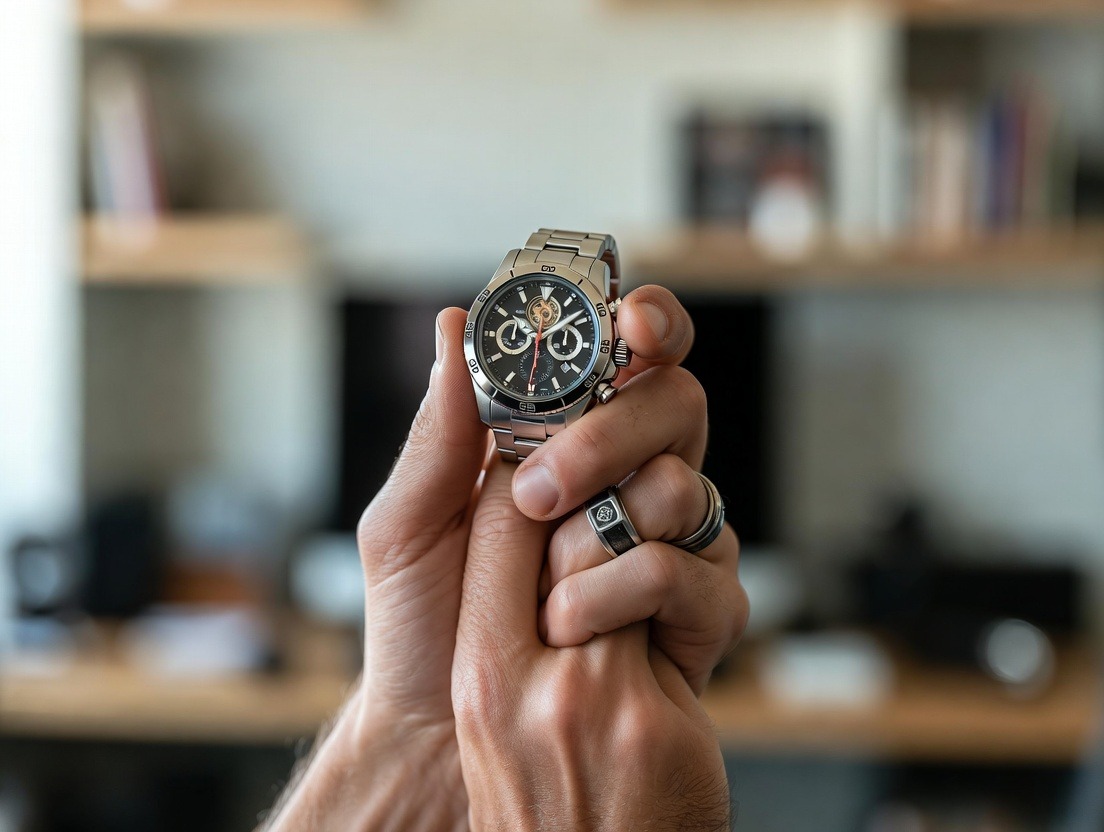
If exercise is the question, recovery is the answer. This phase is not passive; it is a highly active, energy-intensive state of repair and supercompensation. When you provide your body with the right conditions during recovery, it doesn’t just repair the micro-damage—it builds back stronger, denser, and more resilient than before. This is the principle of supercompensation, the holy grail of training.
Recovery operates on multiple interconnected levels, each measurable and influenced by your choices:
1. Metabolic Recovery: This is the replenishment of energy stores. Muscle and liver glycogen, depleted during exercise, are resynthesized. This process is highly dependent on nutrient intake, particularly carbohydrates, in the post-exercise window.
2. Muscular Repair & Protein Synthesis: Satellite cells are activated to repair micro-tears in muscle fibers, fusing to them and donating nuclei to facilitate the synthesis of new contractile proteins (actin and myosin). This is where muscle growth (hypertrophy) occurs. Adequate dietary protein and amino acids are the essential building blocks here.
3. Neurological Recovery: Your central nervous system needs time to restore its optimal function. Neurotransmitters are replenished, and the sensitivity of motor neurons is reset. This is why you can feel “brain fog” or have poor coordination after an extremely demanding CNS workout. Deep sleep is particularly crucial for this.
4. Hormonal Rebalancing: The stress hormones cortisol and adrenaline must return to baseline. The anabolic, repair-focused hormones like testosterone, growth hormone, and IGF-1 take center stage to direct resources toward tissue repair. This hormonal shift is powerfully facilitated by high-quality sleep.
5. Parasympathetic Rebound (“Rest and Digest”): This is where your wellness ring becomes an invaluable window into your recovery quality. After the “fight or flight” (sympathetic) dominance of exercise, optimal recovery requires a strong shift toward the “rest and digest” (parasympathetic) state. This is best measured by Heart Rate Variability (HRV).
HRV is the subtle variation in time between each heartbeat. A higher HRV (in context) generally indicates a robust parasympathetic tone and good adaptability—your heart can quickly respond to changes. A suppressed or lower-than-normal HRV suggests your nervous system is still under stress, prioritizing resources for alarm over repair. By tracking your HRV trend each night, a wellness ring gives you a direct, objective readout of your autonomic nervous system’s recovery status. It’s like having a daily report card on your body’s repair operations.
Other key recovery metrics from a ring include:
Understanding these pillars transforms recovery from an abstract concept into a tangible, manageable process. It allows you to see if your “rest day” was truly restful or if a poor night’s sleep has left you in a deeper recovery debt than you were before. For a deeper exploration of how foundational sleep is to this entire process, our blog delves into how sleep quality became the foundation of healthy aging. With a clear picture of recovery science, we can now explore the pivotal tool that connects your exercise stress to your recovery status: the Readiness Score.
Imagine waking up and, instead of guessing how you feel, having a personalized, data-driven recommendation for how to approach your day. This is the power of the Readiness Score—a composite metric synthesized by advanced wellness rings like OxyZen from several key nocturnal biomarkers. It’s not just a number; it’s a conversation with your physiology, a summary of your body’s preparedness to handle physical, mental, and emotional stress.
A typical Readiness Score algorithm synthesizes data from:
The score is usually presented on a simple scale (e.g., 1-100 or Poor/Good/Excellent) with contextual insights. A “High Readiness” score suggests your body has recovered well and is primed for a challenging workout or a demanding day. A “Low Readiness” score is a clear signal that your resources are depleted; your system is asking for gentleness—perhaps a restorative walk, yoga, or a true rest day.
The revolutionary shift here is moving from prescriptive planning to responsive adaptation. For decades, workout plans were set in stone on Sunday for the entire week. But your body doesn’t operate on a 7-day calendar. It operates in cycles of stress and adaptation that are influenced by sleep, diet, work stress, and even social interactions. A rigid plan forces you to ignore your body’s signals. A responsive plan, guided by a Readiness Score, teaches you to honor them.
How to Use Your Readiness Score: A Practical Framework
The true education comes from observing the trends. Is your score chronically low despite easy weeks? That could point to non-exercise stressors (work, relationships, poor nutrition) or an underlying health issue. Does it consistently peak two days after a hard workout? That reveals your personal supercompensation window.
This daily feedback loop transforms you from a passive follower of generic plans into an active participant in your own biomechanics. You begin to learn your unique patterns, how different stressors affect you, and what truly constitutes recovery for your body. To see how real people use this data to guide their lives, you can read their experiences in our collection of user testimonials. The next step in mastering this balance is applying this daily readiness to the very foundation of your movement: your workout structure.
The concept of periodization—structuring training into cycles of varying intensity and volume—has been a gold standard in athletic coaching for over half a century. Traditional models break down a season into macrocycles (yearly), mesocycles (monthly), and microcycles (weekly), with planned peaks and tapers. While effective, this approach is inherently top-down and assumes a predictable response to planned stress. For the everyday wellness seeker or aging athlete, life is not so predictable. Stress, sleep, and recovery are nonlinear.
The integration of daily biometric feedback from a wellness ring allows us to reimagine periodization as a dynamic, responsive, and bottom-up process. We can call this “Bio-Periodization” or “Adaptive Training.” Instead of forcing your body to conform to a pre-written calendar, you let your body’s daily readiness data dictate the flow of stress and recovery within the broader framework of your goals.
How Adaptive Training Works in Practice:
This method offers profound advantages:
This responsive approach is particularly powerful for populations navigating specific life stages, as it respects the body’s changing needs. For instance, those looking to maintain muscle mass after 60 benefit immensely from a strategy that maximizes the quality of fewer strength sessions based on recovery, rather than blindly following a high-frequency plan designed for a 25-year-old.
Adaptive training turns your wellness ring from a reporter into a coach. It provides the critical information needed to make intelligent, real-time adjustments, ensuring your exercise stress is always applied at the right dose and at the right time. Yet, exercise is only one source of stress. To truly master balance, we must widen the lens and see how all of life’s demands interplay with our recovery capacity.
A critical mistake in fitness is viewing exercise stress in a vacuum. Your body has one set of resources—one “recovery budget”—to manage all stressors: physical, mental, emotional, and environmental. A difficult workout, a tense work meeting, poor sleep, digestive issues, and an argument with a loved one all draw from the same account. This is the concept of Allostatic Load: the cumulative wear and tear on the body from chronic stress.
Your wellness ring doesn’t know the source of your stress; it only measures the physiological effect. A low HRV and elevated resting heart rate on a rest day are clear clues that your recovery budget is being spent elsewhere. Learning to decode this is key to sustainable balance.
The actionable insight here is profound: You cannot out-train a stressful life. If your lifestyle is depleting your recovery budget, adding more exercise will only lead to debt, burnout, and regression. Your ring becomes a holistic lifestyle auditor. A string of low readiness scores despite easy training weeks is a powerful prompt to examine other areas of your life.
This holistic view is central to the philosophy at OxyZen, where we see technology as a bridge to greater self-awareness, not just fitness tracking. It encourages you to ask: “Is my stress from my workout, or is my workout adding to my existing stress?” This awareness allows you to make strategic choices—perhaps opting for a calming walk instead of a punishing HIIT session during a high-pressure work week, or prioritizing sleep over a late social event during a heavy training block.
By integrating this full-spectrum stress awareness, you move closer to true balance. And as we’ll see next, one of the most powerful and measurable tools for managing this total load and enhancing recovery is something we all do, but rarely optimize: sleep.
If recovery had a throne, sleep would sit upon it. It is the non-negotiable, fundamental process during which the majority of physiological repair, hormonal rebalancing, and cognitive consolidation occurs. While we’ve long known sleep is important, wellness technology has illuminated precisely why and how it’s critical, moving us far beyond simple duration tracking.
A advanced wellness ring tracks sleep with medical-grade precision, providing a detailed report on the architecture of your night:
How Sleep Data Informs Your Exercise-Recovery Balance:
The relationship is symbiotic. Exercise improves sleep quality by increasing sleep drive and deepening slow-wave sleep. And high-quality sleep, in turn, maximizes the adaptive response to that exercise. Breaking this cycle is detrimental; optimizing it is transformative. For a comprehensive guide on leveraging this connection, our blog offers a deep dive into how sleep quality became the foundation of healthy aging.
Understanding sleep as a measurable, manageable component of recovery shifts it from a passive state to an active tool in your fitness arsenal. With sleep optimized, we can turn to the other levers we can pull throughout the day to actively enhance recovery and tilt our nervous system toward the restorative parasympathetic state.
Rest days are not necessarily days of total sloth. “Active Recovery” refers to low-intensity, low-impact movement performed with the explicit goal of enhancing circulation, promoting mobility, and stimulating the parasympathetic nervous system to accelerate repair. The genius of a wellness ring is that it allows you to test which activities truly serve as “recovery” for you.
The primary goal of active recovery is to increase blood flow to muscles without causing new micro-damage. This delivers nutrients for repair and clears metabolic byproducts like lactate. Equally important is the neurological goal: to shift your autonomic nervous system from sympathetic (stress) dominance to parasympathetic (rest) dominance, a state measurable by an increase in HRV.
Effective Active Recovery Modalities (Test Them with Your Ring):
Your Ring as a Biofeedback Tool for Regulation:
This is where the technology shines. You can use your ring in real-time to measure the impact of these techniques:
This turns abstract wellness advice into concrete, verifiable science. You learn what actually calms your system, making you an expert in your own self-regulation. This skill is invaluable not just for fitness recovery, but for managing overall life stress, a topic we explore in our article on stress management and its connection to longevity.
By intentionally engaging in active recovery and nervous system regulation, you take proactive control of the recovery side of the equation. You are no longer just waiting to feel better; you are actively engineering the conditions for optimal repair. This completes the daily cycle of stress and recovery. But true mastery requires looking at the long-term picture, connecting these daily practices to your overarching life goals, especially as we age.

The pursuit of fitness is often framed in short-term goals: lose 10 pounds for a wedding, train for a spring marathon, build muscle for a summer beach trip. But the most profound impact of mastering the exercise-recovery balance is not measured in weeks or seasons—it’s measured in decades. This daily dance between stress and repair is the fundamental mechanism that directly influences your healthspan: the number of years you live in good health, free from chronic disease and functional decline. Your wellness ring, therefore, becomes more than a fitness gadget; it’s a longevity tool, providing the daily feedback needed to build a resilient biology over a lifetime.
The science of aging reveals that many “age-related” declines are not inevitable but are accelerations of wear-and-tear processes. Chronic inflammation (inflammaging), hormonal dysregulation, loss of muscle mass (sarcopenia), and declining mitochondrial function are all influenced by lifestyle. Exercise is a potent countermeasure to each, but only when applied with recovery in mind. Overtraining and chronic stress, conversely, accelerate these very processes by elevating cortisol, increasing systemic inflammation, and impairing cellular repair mechanisms like autophagy.
How Balanced Training Preserves Your Physiological Capital:
By using a wellness ring to guide this balance daily, you are effectively making micro-investments in your future self. You are not just logging workouts; you are ensuring that each workout yields a positive adaptive return, building a foundation of resilience that compounds over time. This shifts the motivation from aesthetics to vitality, from performance to sustainability. To see how consistent, data-informed habits add up, you can explore stories of long-term healthy aging progress tracked over time.
To translate theory into practice, let’s walk through a hypothetical week for “Alex,” a 45-year-old professional with a goal of maintaining fitness and managing stress. Alex uses an OxyZen ring and follows an adaptive training framework. This log demonstrates how daily data informs real-time decisions, replacing a rigid schedule with intelligent responsiveness.
Day 1 (Monday):
Day 2 (Tuesday):
Day 3 (Wednesday):
Day 4 (Thursday):
Day 5 (Friday):
The Weekly Insight:
By week’s end, Alex completed three quality, purposeful workouts: one strength, one HIIT, one mobility. Two days were dedicated to genuine recovery. This is a far more effective and sustainable pattern than five days of moderate, grinding workouts with no regard for internal state. The ring provided the objective truth, turning subjective feelings into an actionable plan. This responsive approach is how you can start working effectively at any age.
Even with the best intentions, imbalances occur. Your wellness ring is your diagnostic tool, highlighting patterns that signal your exercise-recovery equation is out of sync. Learning to interpret these patterns is key to course-correcting before minor issues become major setbacks.
Pattern 1: Chronically Low Readiness & Suppressed HRV
Pattern 2: Stagnant Performance Despite High Effort
Pattern 3: Good Readiness But Poor Sleep Quality
For more detailed guidance on navigating specific physiological changes, our resource on healthy aging tips for women navigating hormonal changes offers insights into how data can guide training through life transitions.
By becoming a detective of your own data, you move from being a passive recipient of generic advice to an active architect of your own balanced health. This troubleshooting skill is the hallmark of a sophisticated user, turning obstacles into opportunities for deeper understanding. But to fully leverage this understanding, we must connect it to the other powerful lever we control: our nutrition.
While your wellness ring doesn’t track the food on your plate, the consequences of your nutritional choices are written clearly in its biometric data. Nutrition provides the raw materials for both the stress of exercise and the subsequent repair. Getting it wrong can undermine even the most perfectly balanced training plan, leaving your ring’s metrics telling a story of chronic strain. Getting it right can accelerate recovery, improve readiness, and amplify results.
Nutrition for the Stress Phase (Pre/During Exercise):
The goal here is to provide accessible energy and minimize unnecessary physiological strain.
Nutrition for the Repair Phase (Post-Exercise & Daily):
This is where you direct the recovery process. The 45-minute to 2-hour window after exercise is particularly anabolic, but daily consistent intake matters most.
How Your Ring Helps You Connect Food and Recovery:
You can use your ring to run personal n=1 experiments:
Nutrition completes the circle. You use your ring to manage the stress and timing of exercise, and you use nutrition to provide the quality materials for the repair that the ring is tracking. This synergy is a key component of fighting cellular aging, as both exercise and proper nutrition are primary levers for mitochondrial health and reducing oxidative stress. For a comprehensive list of actionable habits that incorporate all these elements, our guide to 50 healthy aging tips a smart ring can help implement daily is an excellent resource.
To truly become fluent in the language of your body, it’s essential to move beyond the composite Readiness Score and understand the individual biomarkers that compose it. These metrics are the raw signals of your autonomic nervous system and immune function. Interpreting them in context gives you a doctoral-level view of your internal state.
Heart Rate Variability (HRV): The Gold Standard of Recovery
Resting Heart Rate (RHR): The Tachometer of Your Engine
Skin Temperature: The Silent Signal of Inflammation & Illness
Mastering these metrics transforms you from a user to an expert. You begin to see the story they tell together: a rising RHR, a dropping HRV, and a rising skin temperature is the “trifecta” signaling your body is actively fighting a bug and needs rest, not exercise. This deep knowledge is empowering, and it’s supported by the science behind HRV monitoring for healthy aging goals. It turns anxiety about how you feel into clarity about what to do.
Technology provides the map, but you are the navigator. The ultimate goal of using a wellness ring is not to become a slave to data, but to use the data to cultivate a deeper, more intuitive connection with your body—a mindset of balanced wellness. This mindset is characterized by curiosity over criticism, adaptation over adherence, and self-compassion over self-punishment.
Key Tenets of the Balanced Wellness Mindset:
This mindset shift is perhaps the most valuable outcome of all. It moves you from a fragmented view of health (exercise here, diet there, sleep somewhere else) to an integrated one, where everything is connected. It fosters a kinder, more collaborative relationship with your body. This philosophy is at the heart of OxyZen’s story and mission: to empower individuals with knowledge that leads to greater self-awareness and sustainable well-being.
As we conclude this portion of our exploration, remember that the journey to mastering exercise and recovery balance is ongoing. It is a practice, not a destination. Your wellness ring is your loyal companion on this journey, providing the objective feedback that turns guesswork into mastery. In the next section of this comprehensive guide, we will delve into specific populations and scenarios—from the aging athlete and the busy professional to the postpartum mother and the endurance enthusiast—exploring how the principles of balance apply uniquely to each. We will also explore advanced integration with other health data and future trends in biometric technology, building on the foundational knowledge we’ve established here.
Your path to sustainable, intelligent, and empowering fitness continues. To explore the tools that can support this journey, visit the OxyZen shop to discover how our technology is designed to be your guide. And for ongoing learning and to dive deeper into any of the topics touched on here, our full resource library on the OxyZen blog awaits you.
The Aging Athlete: Optimizing Performance and Recovery After 50
The term “athlete” transcends age. It is not defined by podium finishes but by a commitment to consistent, purposeful physical activity. For men and women over 50, this commitment is one of the most powerful determinants of quality of life, independence, and longevity. However, the rules of the game change. The exercise-recovery balance becomes not just a performance enhancer but a critical safeguard against injury and decline. A wellness ring shifts from a nice-to-have gadget to an essential physiological dashboard for navigating this new terrain.
The biology of aging introduces specific recovery challenges that a data-informed approach can directly address:
1. Slower Protein Synthesis & Anabolic Resistance:
Muscles become less sensitive to the protein synthesis signal from both exercise and dietary protein. This means the same workout and post-workout meal that built muscle at 35 may only maintain it at 55. Recovery takes longer.
2. Declining Hormonal Support:
Gradual reductions in growth hormone, testosterone (in men), and estrogen (in women) shift the hormonal landscape, making it harder to build and repair tissue and easier to store fat.
3. Increased Systemic Inflammation & Longer Inflammatory Response:
“Inflammaging” — low-grade, chronic inflammation — is a hallmark of aging. Exercise-induced inflammation can take longer to resolve, prolonging recovery windows.
4. Connective Tissue Stiffness & Joint Health:
Tendons and ligaments become less elastic, and joint cartilage can wear, increasing injury risk from high-impact or overly frequent training.
The adaptive training framework, powered by daily readiness, is perfectly suited for the aging athlete. It replaces the brutal “no pain, no gain” ethos with a smarter “listen and adapt” philosophy. The goal shifts from peak performance in a single event to sustainable performance across the decades. For a dedicated exploration of strategies for this critical decade, our article on healthy aging tips for your 50s provides a comprehensive, actionable plan.
By using a wellness ring to navigate these biological shifts, the aging athlete can continue to train with passion and purpose, but with the wisdom and precision that ensures the body remains a willing partner, not a breaking point. The data provides the confidence to push when it’s wise and the permission to rest when it’s necessary.

For the modern professional, time is the ultimate currency. Workouts are often squeezed into lunch hours, slotted before dawn, or crammed in after dusk. In this high-pressure environment, the temptation is to view exercise as another task to check off—an all-or-nothing endeavor where if you can’t do a full hour, it’s not worth doing. This mindset, combined with chronic work stress, is a recipe for burnout and imbalance. For the busy professional, the wellness ring’s primary role is to become an energy management system, helping to strategically deploy physical stress for maximum benefit with minimal collateral damage.
The central challenge is that work stress (mental, emotional) and exercise stress (physical) are additive. They both draw from the same pool of physiological resources and activate the same stress-response pathways (HPA axis). Piling a hard workout onto a day of back-to-back meetings and deadline pressure can push your system into a deficit that ruins sleep and impairs next-day cognitive function—the exact opposite of what you need.
How the Busy Professional Uses a Wellness Ring:
1. To Triage Workout Intensity:
2. To Identify Non-Exercise Stress Overload:
3. To Optimize Cognitive Performance:
4. To Master the Micro-Recovery:
For the professional who can’t take a 2-hour nap, the ring teaches the value of micro-recoveries. Seeing how a 10-minute meditation session lowers your real-time heart rate reinforces the power of these brief resets. It turns recovery from a time-consuming chore into an efficient, data-validated skill.
The ultimate goal for the busy professional is to make exercise a sustainable source of energy, not another drain on it. The ring provides the objective boundary between productive stress and destructive overload. It answers the perennial question: “Do I need to sweat out this stress, or do I need to rest from it?” Making the right call, backed by data, is what separates thriving from burning out. For strategies on integrating movement into a packed schedule at any life stage, our guide on movement strategies for every decade offers adaptable insights.
Endurance training—running, cycling, triathlon—presents a unique balancing challenge. Success traditionally hinges on high volume (mileage, time) and controlled intensity. However, the relentless pursuit of volume, often with inadequate focus on recovery, can lead to the “cardio junkie” paradox: impressive aerobic capacity coupled with chronic fatigue, hormonal disruption, and increased cardiac strain. For the endurance athlete, a wellness ring is vital for injecting precision into a volume-oriented culture, ensuring the heart and nervous system are thriving, not just surviving, the training load.
Critical Metrics for the Endurance Athlete:
1. Resting Heart Rate (RHR) – The Overtraining Sentinel:
While a low RHR is a sign of fitness, a sudden, sustained increase in morning RHR is one of the earliest and most reliable signs of overtraining or “non-functional overreaching” in endurance sports. An elevation of 7+ BPM for several mornings is a red flag to immediately reduce volume and intensity.
2. Heart Rate Variability (HRV) – The Nervous System Barometer:
Endurance training, especially long, slow distance (LSD) work, should ideally promote parasympathetic (rest-and-digest) dominance, reflected in higher HRV. Conversely, chronic high-volume training with insufficient recovery leads to sympathetic dominance and suppressed HRV. Monitoring the HRV trend is essential:
3. Heart Rate During Exercise – Gauging True Effort:
Pairing a wellness ring with a chest strap or optical HR monitor during workouts allows for precise zone training. More importantly, your ring’s recovery data helps interpret those workouts. If your heart rate is abnormally high for a given, easy pace (a sign of cardiac drift or fatigue), and your next-morning readiness is low, it confirms the session was more taxing than planned and calls for a easier follow-up day.
4. Sleep & Recovery – The Foundation of Adaptation:
The physical breakdown from long runs or rides is significant. Deep sleep is where much of the muscular and systemic repair occurs. An endurance athlete with consistently poor deep sleep scores, as shown by their ring, is simply not recovering from their volume, no matter how well they eat or foam roll.
Implementing Data-Driven Endurance Training:
The endurance ring-wearer learns that more miles are not always better. Better-recovered miles are better. The data provides the courage to skip a run when the body says no, and the confidence to push when the body says yes, leading to breakthrough performances without burnout. This principle of listening to your body’s signals is a form of validating effective healthy aging tips through personal data.
The world of strength, power, and hypertrophy training revolves around the Central Nervous System (CNS). Unlike endurance work, which primarily stresses metabolic pathways, heavy lifting, sprinting, and explosive movements place a tremendous demand on the neurological system to recruit high-threshold motor units. This type of fatigue is insidious—you may not feel “muscle soreness” in the traditional sense, but your force output plummets, coordination suffers, and motivation dips. For this athlete, a wellness ring is the primary tool for managing CNS recovery and identifying precise supercompensation windows.
Understanding the CNS Stress Signature:
A maximal effort squat session or a day of plyometrics doesn’t necessarily spike your heart rate for hours, but it can profoundly suppress your Heart Rate Variability (HRV) for 24-72 hours. This is because the neurological “hangover” keeps your sympathetic nervous system subtly engaged as it works to restore neurotransmitter balance and neural efficiency.
How the Strength Athlete Leverages Ring Data:
1. Timing Maximum Effort Days:
The single most important application is to schedule your heaviest (1-5 rep max) or most intense (max velocity sprint) sessions exclusively on High Readiness days. Lifting heavy on a fatigued CNS is not only counterproductive (you won’t hit your numbers), but it dramatically increases the risk of injury due to poor form and impaired motor control. The ring’s readiness score, heavily influenced by HRV, is your direct line to your CNS’s readiness state.
2. Deloading Based on Data, Not the Calendar:
Traditional strength programs often prescribe a deload week every 4th or 8th week. A ring allows for an autoregulated deload. Signs you need a deload include:
3. Differentiating Between Muscle Soreness and Systemic Fatigue:
It’s okay to train with some muscle soreness (DOMS). It is NOT advisable to train with systemic/CNS fatigue. Your ring provides the distinction. If you’re sore but your HRV and readiness are strong, a light, pump-focused session might actually aid recovery. If you’re sore and your readiness is low, you need complete rest.
4. Optimizing for Hypertrophy:
Muscle growth requires not just the stimulus but also the resources for repair. High readiness ensures a good stimulus. But you must then provide recovery. Your ring’s sleep data is critical here. If your deep sleep is poor after a hypertrophy session, you are missing a key window for growth hormone release. This data can push you to prioritize sleep hygiene as seriously as you prioritize your protein intake.
For the strength athlete, patience is a superpower. The ring teaches that the gains are made not when you crush the muscle, but when you allow the nervous system and musculature to fully rebuild. It replaces ego-lifting with intelligent progression. This focus on the critical interplay between stimulus and repair is fundamental for long-term goals like maintaining muscle mass after 60, where quality vastly outweighs quantity.
Women experience distinct physiological chapters that dramatically alter the exercise-recovery equation: postpartum recovery and the perimenopausal transition. During these times, hormonal fluctuations are the dominant variable, influencing energy, metabolism, sleep, inflammation, and connective tissue integrity. Generic advice fails here. A wellness ring becomes an indispensable partner, providing objective data to navigate these transitions with self-compassion and strategic intelligence.
Postpartum: The Ultimate Recovery Project
The postpartum period (the first year after childbirth) is a state of profound physiological repair, nutrient depletion, and hormonal recalibration. The primary goal is not fitness; it is healing. Returning to exercise too soon or too aggressively can delay recovery, worsen diastasis recti, contribute to pelvic floor dysfunction, and deplete already low energy reserves.
Perimenopause: Redefining Balance
The 5-10 year transition leading to menopause (perimenopause) is characterized by erratic estrogen and progesterone fluctuations. Symptoms like sleep disruption, hot flashes, mood swings, and changing body composition are common. Exercise is a powerful mitigator, but the wrong type or timing can exacerbate stress.
For women navigating these transitions, the ring provides validation. It turns vague feelings of being “off” into concrete data: “My HRV is low because my sleep was fragmented by night sweats,” or “My recovery is slow because my body is still healing.” This removes self-blame and fosters a collaborative, curious approach to health. For more targeted insights, our article on healthy aging tips for women navigating hormonal changes delves deeper into this personalized approach.

Injury is the ultimate disruptor of fitness momentum. Often, it is not a single event but the culmination of a series of small imbalances—recovery debt, repetitive strain, and ignored warning signals. A wellness ring’s greatest value in injury management may be prevention, but it also plays a crucial role during rehabilitation, providing objective benchmarks for a safe return.
Prevention: Seeing the Red Flags Before the Breakdown
Most overuse injuries (stress fractures, tendonitis, muscle strains) give subtle physiological warnings before pain becomes acute.
Rehabilitation: The Objective Path Back
During rehab, the emotional urge to return to normal can outpace the body’s actual healing. The ring provides a tether to reality.
The ring brings a scientist’s objectivity to the emotionally charged process of injury. It replaces fear and guesswork with measured, incremental progression. It teaches that healing, like fitness, is a non-linear process that requires balancing stress (rehab exercises) with recovery. This careful, data-informed approach is a key strategy for anyone looking to preserve independence longer by avoiding debilitating setbacks.
Integrating with Other Health Data: Creating a Holistic Dashboard
A wellness ring is a powerhouse of continuous biometric data, but it doesn’t operate in a vacuum. Your health is a mosaic composed of many pieces: blood biomarkers, subjective feelings, menstrual cycle data, and more. The true power user doesn’t just look at ring data in isolation; they learn to correlate it with other health signals to create a holistic, multi-dimensional dashboard of their well-being. This integrated view solves mysteries that single data streams cannot.
1. Correlating with Blood Biomarkers:
If you get regular blood work (annual physical, sports medicine panel), you can create powerful correlations.
2. Syncing with Menstrual Cycle Tracking:
For women who track their cycles, overlaying this data with ring metrics is illuminating. You will likely see a predictable pattern:
3. Logging Subjective Metrics (Mood, Energy, Digestion):
Most ring companion apps allow for subjective logging. The magic happens when you review trends.
4. Connecting with Fitness Platform Data:
Syncing your ring with platforms like Strava, TrainingPeaks, or Apple Health creates a complete performance picture. You can see how a workout with a high “Training Stress Score” (TSS) on Strava actually impacted your body via your ring’s recovery data. This helps you calibrate the accuracy of those external metrics for your personal physiology.
By becoming the integrator of these data streams, you become the CEO of your own health. You move from seeing disconnected dots to drawing a coherent picture. This holistic practice is the epitome of using technology for smart ring support in daily healthy aging monitoring. It empowers you to have informed conversations with healthcare providers and make lifestyle changes with conviction, because you see the cause and effect in your own data.
The technology embodied in today’s advanced wellness rings is not the end point; it is a rapidly accelerating beginning. The future of personalized wellness lies in even more seamless, predictive, and integrated systems that will make today’s capabilities seem foundational. Understanding this trajectory helps us appreciate the current technology and anticipate how it will further revolutionize our approach to health.
1. Continuous, Non-Invasive Blood Biomarker Monitoring:
The holy grail is moving beyond pulse and temperature to direct biochemical sensing. Research is advancing in spectroscopy and biosensors that can estimate glucose, lactate, hydration status, and even certain electrolytes from interstitial fluid or sweat, all from a ring-form device. Imagine your ring alerting you to dehydration before you feel thirsty, or showing how your blood glucose responds to different foods, directly informing your nutrition for recovery.
2. Advanced Sleep Staging & Disorder Detection:
Future algorithms will move beyond “light, deep, REM” to more nuanced sleep architecture analysis, potentially identifying sleep stages with EEG-like precision. More importantly, they will get better at diagnosing sleep disorders. Patterns in blood oxygen saturation (SpO2), respiratory rate, and heart movement could reliably screen for conditions like sleep apnea or restless leg syndrome, prompting earlier medical intervention.
3. AI-Powered Predictive Insights & True Personalization:
Current systems show trends. Future systems, powered by sophisticated AI trained on massive aggregated datasets, will become predictive and prescriptive.
4. Emotional State & Mental Load Detection:
By analyzing subtle patterns in heart rate dynamics (not just HRV), respiratory rate variability, and even finger temperature fluctuations, future devices may be able to infer states of anxiety, focus, or cognitive load. This would close the loop between mental and physical health, suggesting a breathing exercise when it detects stress or recommending a break when cognitive fatigue is high.
5. True Interoperability & The "Health Avatar":
The ring will become a central hub in an ecosystem of health devices, from smart scales and connected workout equipment to medical devices. All this data will populate a unified “health avatar”—a digital twin of your physiology. You and your healthcare providers could run simulations on this avatar: “If I increase my running mileage by 10% a week, what is my predicted injury risk? How will it affect my metabolic markers?”
This future is one of profound empowerment, shifting healthcare from reactive and generic to proactive and hyper-personalized. The foundational habit of paying attention to biometric feedback, which you cultivate today with your current ring, is the essential first step into that future. It is a future that companies like OxyZen are actively working towards, driven by a mission to put actionable, personalized health intelligence directly on your finger.
We have journeyed from the foundational science of stress and recovery, through the practical application of daily readiness, and into the nuanced needs of specific populations and the integration of broader health data. You now possess a comprehensive framework for understanding the exercise-recovery balance. But knowledge without action is merely trivia. The final step is to synthesize this information into a Personalized Protocol—a living, breathing set of guidelines that you will follow, refine, and own.
Your Step-by-Step Protocol Builder:
Step 1: Establish Your Baseline (The First 2 Weeks)
Do not try to change anything yet. Wear your ring consistently for two weeks during a period of your normal routine. Go to your usual workouts, keep your regular sleep schedule. The goal is to collect honest data to answer: What is my baseline HRV? What is my true resting heart rate? How do I sleep on an average night? This establishes your personal “normal.”
Step 2: Define Your “Green, Yellow, Red” Zones
Based on your baseline data and your ring’s scoring system, explicitly define what each readiness level means for you.
Step 3: Plan Adaptively, Not Rigidly
On Sunday, sketch a framework for the week: “I’d like to do two strength sessions, one HIIT session, one long walk, and one yoga session.” Do NOT assign them to days. Each morning, check your readiness and place the appropriate workout into that day’s slot.
Step 4: Conduct N=1 Experiments
Use your curiosity. For one week, add 10 minutes of meditation before bed and note the average impact on your deep sleep. For another week, try eating dinner 3 hours before bed instead of 2. Observe the correlation with your morning RHR. The ring turns you into a scientist of your own life.
Step 5: Schedule Quarterly Reviews
Every 3 months, sit down with your data. Look at the long-term trends in your HRV, RHR, and sleep. Are they improving, stable, or declining? Correlate this with your performance and how you feel. This review informs bigger decisions: Is it time for a deload? Do I need to address a lifestyle stressor? Should I adjust my protein intake?
Embrace the Journey:
This is a practice of lifelong learning. Some days you will ignore a low score and regret it. Other days you will honor a high score and have a breakthrough workout. Each data point, each decision, teaches you more about your unique physiology.
Your wellness ring is the compass for this journey. It provides the objective truth in a world of subjective feelings and conflicting advice. By committing to this protocol, you are not just optimizing your fitness; you are cultivating a deeper relationship with the only body you will ever have. You are moving from a mindset of punishment and pursuit to one of partnership and precision.
To begin implementing this with the right tool, explore the technology designed for this purpose at the OxyZen shop. And remember, the learning never stops. For continuous education and to explore any of these concepts in greater detail, the entire archive of the OxyZen blog is at your fingertips.
Your Trusted Sleep Advocate (Sleep Foundation — https://www.sleepfoundation.org/)
Discover a digital archive of scholarly articles (NIH — https://www.ncbi.nlm.nih.gov/
39 million citations for biomedical literature (PubMed — https://pubmed.ncbi.nlm.nih.gov/)
experts at Harvard Health Publishing covering a variety of health topics — https://www.health.harvard.edu/blog/)
Every life deserves world class care (Cleveland Clinic -
https://my.clevelandclinic.org/health)
Wearable technology and the future of predictive health monitoring. (MIT Technology Review — https://www.technologyreview.com/)
Dedicated to the well-being of all people and guided by science (World Health Organization — https://www.who.int/news-room/)
Psychological science and knowledge to benefit society and improve lives. (APA — https://www.apa.org/monitor/)
Cutting-edge insights on human longevity and peak performance
(Lifespan Research — https://www.lifespan.io/)
Global authority on exercise physiology, sports performance, and human recovery
(American College of Sports Medicine — https://www.acsm.org/)
Neuroscience-driven guidance for better focus, sleep, and mental clarity
(Stanford Human Performance Lab — https://humanperformance.stanford.edu/)
Evidence-based psychology and mind–body wellness resources
(Mayo Clinic — https://www.mayoclinic.org/healthy-lifestyle/)
Data-backed research on emotional wellbeing, stress biology, and resilience
(American Institute of Stress — https://www.stress.org/)


