


The Exercise-Recovery Balance Your Smart Ring Tracks Every Night
How your ring tracks the crucial balance between exercise and recovery.
How your ring tracks the crucial balance between exercise and recovery.
%402x.svg)
In the relentless pursuit of fitness, we have become masters of metrics. We count steps, measure miles, time intervals, lift weights, and monitor our max heart rates with devotional precision. We push, we grind, we sweat, believing that progress is forged solely in the furnace of exertion. But what if the most critical phase of your fitness journey isn’t logged in the gym, on the track, or on the yoga mat? What if the true magic—where muscles rebuild, the nervous system resets, and performance is actually cemented—happens in the silent, dark hours of the night while you sleep?
For decades, recovery was the black box of fitness. An intangible concept, often reduced to a feeling of soreness or fatigue. We guessed at it. We might take an extra rest day if we felt “off,” or push through because the calendar said to train. This approach is akin to flying a plane with no instruments, navigating the complex terrain of physical adaptation on gut feeling alone. The result? Overtraining, burnout, plateaus, injuries, and the frustrating sense of spinning your wheels despite immense effort.
Enter the modern smart ring, a device that has fundamentally changed our relationship with recovery. This unassuming piece of wearable technology, like the Oxyzen ring, is your personal nocturnal scientist, quietly gathering a symphony of physiological data while you rest. It transforms the abstract concept of “recovery” into a precise, measurable, and actionable daily score. It reveals that recovery isn’t merely the absence of work; it’s a complex, active biological process that your body undertakes every single night. The balance between the stress of exercise and the power of this nightly restoration is the single most important determinant of your long-term health, performance, and wellness.
This isn't just about avoiding injury. It's about unlocking sustainable progress, enhancing longevity, and understanding that true fitness is a rhythmic dance between stress and recovery. Your smart ring is the conductor, ensuring neither part of the orchestra overpowers the other. By tracking the nuanced signals of your autonomic nervous system, sleep architecture, and physiological strain, it provides a personalized, data-driven answer to the age-old question: Am I ready to perform today, or does my body need more time to repair?
In this deep exploration, we will journey into the night, guided by the data from your finger. We’ll decode the key metrics that define your recovery score, understand how yesterday’s workout directly influences tonight’s sleep, and learn how to use this information to create a truly personalized, intelligent, and sustainable fitness strategy. This is where the guesswork ends and the era of intelligent training begins.
We live in a culture that glorifies the grind. Social media feeds are filled with “no days off” mantras, extreme workout challenges, and the implicit message that if you’re not pushing to the absolute limit, you’re not trying hard enough. This mindset has seeped into the fitness routines of everyone from elite competitors to everyday wellness enthusiasts. The underlying assumption is linear: more exercise equals more results. However, human physiology stubbornly refuses to follow this simple arithmetic.
The reality is that fitness gains are not achieved during exercise. Exercise is the catalyst, the stimulus that breaks down tissue, depletes energy stores, and creates a state of controlled stress. The actual adaptation—the strengthening of muscles, the improvement in cardiovascular efficiency, the bolstering of metabolic pathways—occurs afterward, during the recovery period. If you constantly re-apply the stressor (exercise) before the adaptation is complete, you don’t supercharge progress; you interrupt it. You move from a state of positive adaptation into a state of accumulating fatigue, known as overreaching, and eventually, overtraining syndrome.
The symptoms of this imbalance are pervasive but often misattributed:
For years, recognizing this state was more art than science. Athletes and coaches relied on training logs, perceived exertion scales, and intuition. But intuition is clouded by motivation, societal pressure, and plain old stubbornness. The body, however, tells no lies. It broadcasts its readiness—or lack thereof—through objective physiological signals. The problem was we lacked a convenient, continuous, and accurate way to listen.
The smart ring solves this dilemma by acting as a 24/7 biofeedback device. It shifts the paradigm from “How hard did I work?” to “How well did I recover from that work?” This is a monumental shift. It empowers you to train smarter, not just harder. It replaces the outdated “push through the pain” ethos with a new, evidence-based principle: “Respond to the data.”
By quantifying recovery, your ring provides the missing half of the exercise equation. It answers whether your body has absorbed the last workout’s lessons and is primed for the next. This allows you to periodize your training not just by a pre-written calendar, but by your personal, daily biological reality. It helps you identify the subtle signs of imbalance long before they manifest as injury or illness. In essence, it gives you a direct line to your body’s operational status, turning the mysterious process of recovery from a guessing game into a guided science. As we explore in our piece on how a wellness ring tracks what truly matters for long-term vitality, this shift in focus is foundational not just for athletic performance, but for lifelong health.

When you wake up and open your companion app, you’re greeted with a number or a color: a Recovery Score. Perhaps it’s 85% (Green - “Go Get It”), 62% (Yellow - “Proceed with Caution”), or 43% (Red - “Prioritize Rest”). This single metric is the distillation of a night’s worth of sophisticated analysis. But what is it actually measuring? Your recovery score is a composite index, a weighted algorithm that synthesizes several core physiological parameters to assess the state of your autonomic nervous system (ANS) and your body’s overall stress load.
Think of your ANS as your body’s automatic pilot. It regulates countless functions without your conscious input: heart rate, digestion, respiration, and, crucially, the balance between stress and relaxation. It has two main branches:
Optimal recovery occurs when your PNS is given the time and space to dominate, undoing the work of the SNS. Your smart ring’s primary job is to measure the activity and balance of these two systems while you sleep, providing a clear window into your internal state of restoration. The core metrics that feed into your score are:
1. Heart Rate Variability (HRV): The Crown Jewel of Recovery Metrics
HRV is not your heart rate. While your heart rate measures the average number of beats per minute, HRV measures the tiny variations in time between each successive heartbeat. These variations are controlled by the constant tug-of-war between your SNS and PNS. A higher HRV (more variability) generally indicates a strong, resilient PNS and a body that is well-recovered, adaptable, and ready for stress. A lower HRV (more monotonous, even beats) suggests SNS dominance, meaning your body is under strain, fatigued, or fighting something off.
Your ring tracks your nightly HRV, establishing a personal baseline over time. The recovery score heavily weighs where your morning HRV sits relative to this baseline. A significant dip is a red flag that your body is allocating resources to repair and defend, not to perform.
2. Resting Heart Rate (RHR): The Body's Idle Speed
Your sleeping RHR is your heart’s most honest baseline, free from the influences of posture, caffeine, or activity. A well-recovered body has a lower, more efficient idle speed. A trend of elevated RHR, especially upon waking, is a classic sign of cumulative fatigue, insufficient recovery, or the onset of illness. Your ring tracks this trend meticulously.
3. Sleep Stages & Quality: The Architecture of Repair
Recovery is not just about being unconscious; it’s about cycling through the correct stages of sleep. Light sleep is for mental processing, Deep Sleep (Slow-Wave Sleep) is for physical repair and growth hormone release, and REM sleep is for cognitive and emotional consolidation. Your ring uses motion and heart rate patterns to estimate these stages. A low recovery score often correlates with disrupted deep sleep, as the body cannot enter its most restorative phases if the nervous system is still in a stressed state.
4. Respiratory Rate: The Quiet Indicator
The number of breaths you take per minute during sleep is a stable vital sign. Significant deviations from your personal norm can signal heightened physiological stress or respiratory issues, impacting overall recovery quality.
5. Body Temperature Trends: The Metabolic Signal
Some advanced rings, like Oxyzen, track subtle shifts in peripheral body temperature throughout the night. Temperature regulation is closely tied to sleep cycles and metabolic recovery. Deviations can indicate your body is working harder than it should be to maintain homeostasis.
Your nightly recovery score is the intelligent synthesis of these data streams. It doesn’t just tell you that you slept poorly; it starts to tell you why. Was it a late-night workout that kept your SNS elevated? A stressful day that bled into your night? The early signs of an immune system battle? By providing this objective readout, the ring removes subjective bias. You may feel fine, but if your HRV is plummeting and your RHR is climbing, the data is suggesting you are depleting your reserves. Heeding this warning can be the difference between a proactive rest day and a forced, injury-induced hiatus. To understand how these metrics interplay over the long term, our analysis on how smart rings support healthy aging through daily monitoring offers valuable insights.
To truly master your exercise-recovery balance, you must become fluent in the language of HRV. It is the most direct, non-invasive window we have into the activity of the autonomic nervous system and is arguably the most important metric your smart ring provides for managing training.
The Science of Variability: Why Irregularity is Good
A healthy heart is not a metronome. The time between beats should vary, even at rest. This is due to the heart’s dual innervation: the SNS speeds it up slightly, the PNS slows it down slightly. This happens with every breath (respiratory sinus arrhythmia—your heart rate increases on the inhale and decreases on the exhale) and in response to countless other subtle internal processes. This dynamic tug-of-war is a sign of a nervous system that is flexible, resilient, and able to respond to changing demands. High HRV indicates a strong “vagal tone” (PNS activity), which is associated with better cardiovascular health, stress resilience, and, for athletes, faster recovery.
How Your Ring Measures It
Smart rings use photoplethysmography (PPG) sensors—tiny lights that measure blood volume changes in the capillaries of your finger—to detect each pulse. Advanced algorithms then calculate the millisecond differences between beats. The most accurate reading comes during stable, undisturbed sleep, which is why your overnight average or morning value is far more meaningful than a spot check during the day. The ring establishes a multi-week rolling baseline for you. Your daily HRV score is meaningful primarily in context: Is it above your baseline (great recovery), within your normal range (good), or significantly below (stressed, fatigued, or potentially ill)?
Interpreting Your HRV Data for Training Decisions
Factors That Influence HRV (Beyond Exercise):
Your ring helps you see the whole picture of stress. A punishing workout is just one type of stressor. HRV is equally affected by:
By making HRV a central part of your daily check-in, you learn to train in harmony with your body, not in conflict with it. You develop a profound respect for the interconnectedness of lifestyle, stress, and performance. For a deeper dive into why HRV is a cornerstone metric for long-term wellness, explore our dedicated resource on how HRV monitoring supports healthy aging goals through ring data.
Your recovery score is deeply dependent on what happens during the specific stages of your sleep. Think of sleep not as a monolithic state, but as a carefully choreographed sequence of 90-minute cycles, each with distinct purposes. Your smart ring’s ability to estimate these stages (Light, Deep, REM) provides critical context for your readiness.
Deep Sleep (Slow-Wave Sleep): The Physical Restoration Phase
This is the non-negotiable, most restorative phase for an athlete or anyone engaged in physical training. During deep sleep:
If your ring shows reduced deep sleep, your physical recovery is fundamentally compromised. Factors that rob deep sleep include: training too close to bedtime (elevated core temperature and SNS activity), alcohol consumption (which fragments sleep architecture), and high life stress.
REM Sleep: The Cognitive and Emotional Recovery Phase
While less directly tied to muscle repair, REM sleep is vital for athletic performance. This is when the brain processes skills and memories, including the motor patterns you practice in the gym or on the field. It’s crucial for consolidating muscle memory and learning new techniques. Furthermore, REM is involved in emotional regulation. A lack of REM can contribute to poor mood, irritability, and reduced motivation—all of which can sabotage training consistency.
Sleep Latency & Efficiency: The Gatekeepers of Recovery
Your smart ring tracks your time in each stage, total sleep time, and efficiency. A high recovery score is nearly impossible without sufficient deep sleep and consolidated cycles. By correlating your daily activities with your sleep data, you can become a detective of your own habits. Did that late evening spin class slash your deep sleep? Did two glasses of wine with dinner cause multiple wake-ups? This feedback loop is empowering, allowing you to make tangible changes that directly boost your body’s nightly repair shop. Understanding this foundation is key, which is why we've detailed how sleep quality became the foundation for actionable healthy aging tips.
Recovery does not exist in a vacuum. It is the necessary response to the strain you placed on your body the previous day. Modern smart rings don’t just track your night; many, including Oxyzen, also track your day through activity and exertion metrics. This creates a powerful cause-and-effect narrative: This was my strain yesterday; this is how my body responded last night.
Key Daytime Metrics That Set the Stage for Recovery:
The Narrative Power of the Data
When you view your daily strain score alongside your morning recovery score, patterns emerge:
This daily feedback loop transforms your relationship with training. Instead of blindly following a pre-set program that says “Tuesday is Leg Day,” you can adopt a flexible framework: If my recovery score is green, I’ll do the planned intense leg workout. If it’s yellow, I’ll modify it to a maintenance or technique-focused session. If it’s red, I’ll swap it for a walk, mobility work, or complete rest. This is called autoregulation, and it is the pinnacle of intelligent, personalized training. By leveraging your ring’s data, you make your body the ultimate coach. To see how this principle applies across a lifetime, our guide on movement strategies for every decade of life explores adjusting activity based on your body's signals.

One of the most profound revelations from consistent smart ring use is that recovery is deeply personal. The outdated, one-size-fits-all advice of “get 8 hours of sleep” is woefully inadequate. Your optimal sleep duration, your ideal timing, and the specific lifestyle factors that impact your recovery are unique. Your ring helps you discover your personal recovery formula.
Finding Your Personal Sleep Sweet Spot
Your ring tracks your sleep duration and correlates it with your morning readiness. You may find that you function optimally with 7 hours and 15 minutes of sleep, while 8.5 hours leaves you groggy (sleep inertia) and 6.5 hours consistently yields a poor recovery score. This data empowers you to tailor your bedtime to your wake-up time with precision.
Chronotype and Sleep Consistency
Are you a natural early bird or night owl? Your ring can help identify your chronotype by tracking when you naturally fall asleep and wake on free days (like weekends). More important than forcing an unnatural early bedtime is sleep consistency. Going to bed and waking at roughly the same time every day, even on weekends, stabilizes your circadian rhythm, leading to more predictable and higher-quality recovery. Your ring’s sleep timeline makes your consistency (or lack thereof) blatantly obvious.
The Impact of Lifestyle Levers
Your recovery data turns lifestyle choices from abstract “good things to do” into quantifiable levers you can pull. You can run personal experiments:
By observing how these variables move your personal metrics, you build a lifestyle uniquely optimized for your recovery needs. This is the essence of biohacking: using data to make informed, incremental changes that compound into significant results. The team at Oxyzen is deeply committed to this personalized approach, a philosophy rooted in our mission and story of empowering individuals with actionable health intelligence.
A critical lesson from recovery tracking is that your body doesn't differentiate between sources of stress. A brutal workout, a high-stakes work presentation, a heated argument, and battling a cold all place a demand on your nervous system and deplete your adaptive reserves. This is why you can have a physically light day but still wake up with a terrible recovery score.
The Non-Exercise Stress Load
Your smart ring is an impartial auditor of total stress. It captures the physiological footprint of your mental and emotional world. Elevated resting heart rate and suppressed HRV can result from:
Recovery-Based Decision Making in Real Life
When your ring shows a low recovery score on a busy workday, it’s not telling you to call in sick (though sometimes that may be wise). It’s providing crucial information for intelligent energy management. On a low-recovery day:
Using your ring in this way fosters resilience. It teaches you to recognize the early signs of overwhelm before they lead to burnout. It validates the need for mental recovery with the same seriousness as physical recovery, promoting a truly holistic view of health. This integrated approach to stress management is a key theme in our discussion on healthy aging tips that emphasize stress management and social connection.
The ultimate goal of integrating recovery data into your life isn’t just to nail your next workout or set a personal record. It’s to build a sustainable, lifelong practice of fitness that enhances, rather than depletes, your vitality. This is where recovery tracking transitions from a performance tool to a longevity tool.
Preventing the Boom-Bust Cycle
Many fitness enthusiasts are familiar with the pattern: start a new program with extreme enthusiasm, push too hard too fast, get injured or burnt out, quit entirely, and lose all progress. This demoralizing cycle is often the result of ignoring recovery. By respecting your recovery data, you learn to apply stress in a dose your body can handle and adapt to, leading to steady, consistent progress without the catastrophic setbacks. This is the principle of minimum effective dose for sustainable results.
Building Resilience, Not Just Fitness
Consistently observing how your body responds to and recovers from stress builds a deep sense of body literacy. You become attuned to subtle signals. You develop a resilient system that can handle life’s varied stressors—physical, mental, and emotional—because you are constantly training your recovery capacity alongside your fitness. High HRV and good recovery metrics are strongly correlated with better cardiovascular health, immune function, and metabolic health.
The Foundation for "Healthspan"
Aging well—maintaining function, independence, and vitality into later decades—is dependent on our body’s ability to recover from insults and maintain homeostasis. The same recovery metrics that guide an athlete (HRV, sleep quality, RHR) are fundamental biomarkers of healthy aging. A trend of declining HRV can be an early indicator of declining resilience. By using your ring to monitor and protect these metrics over years, you are investing directly in your healthspan. You’re not just adding years to your life, but life to your years. For a comprehensive look at this philosophy, explore our blog’s cornerstone article on 50 healthy aging tips a smart ring helps you implement daily.
A Proactive, Preventive Health Model
Instead of waiting for a symptom or injury to tell you something is wrong, your recovery data offers a proactive, daily check-in on your physiological state. A sudden, unexplained dip in recovery scores can be an early warning sign of overtraining, subclinical illness, or unmanaged stress, allowing you to take corrective action before it becomes a major problem. This shifts your health management from reactive to predictive and preventive.
In this first portion of our exploration, we’ve established the fundamental science and framework behind the exercise-recovery balance as illuminated by your smart ring. We’ve seen how metrics like HRV, sleep architecture, and daily strain interact to create a personalized readiness report. We’ve begun to understand how this data empowers smarter daily decisions and fosters a sustainable, long-term approach to fitness and health.
But this is only the beginning. To truly master this balance, we must delve deeper into the practical application. In the next segment, we will explore advanced topics: how to periodize your training based on recovery trends, the critical role of nutrition and hydration in the data, specific breathing and nervous system techniques to actively boost recovery, and how to navigate specific life scenarios like travel, illness, and changing fitness goals. We’ll also address common challenges and FAQs to ensure you can confidently integrate this powerful technology into your lifelong wellness journey.
Ready to transform your data into actionable wisdom? The journey continues as we build your complete personalized recovery protocol. For more resources and in-depth guides on optimizing every aspect of your health, visit our comprehensive blog. And if you're ready to experience this level of personalized insight firsthand, the journey begins at our shop, where you can discover the technology designed to be your 24/7 health companion.
Understanding the metrics is the first step; applying them is where the transformation happens. A recovery score is not just a number to glance at—it’s the cornerstone of a dynamic, responsive daily plan. This is about moving from passive observation to active orchestration of your health. Your smart ring provides the sheet music; you learn to conduct the orchestra of your habits, nutrition, and training to create a symphony of sustainable performance.
Let’s translate those morning insights into a concrete, actionable daily protocol. This system turns raw data into empowered decision-making, ensuring you are always working with your body, not against it.
The Morning Ritual: The 5-Minute Readiness Check
Your first interaction with your data sets the tone for the day. This isn’t about judgment (“Ugh, a red score”); it’s about curiosity and strategy (“My body is signaling high stress; let’s investigate and support it.”).
This ritual replaces vague morning feelings with a precise operational directive. It’s the ultimate tool for autoregulation, allowing you to bend a rigid training plan to fit your biological reality. For those navigating specific life stages, this kind of responsive adjustment is crucial, as detailed in our resource on healthy aging tips for women navigating hormonal changes.
What you eat and drink isn’t just calories; it’s information and building material for your body’s repair processes. Your recovery metrics provide direct feedback on how well your nutrition supports your activity level.
The Post-Workout Window & Sleep Recovery
Evening workouts present a unique challenge: fueling recovery without disrupting sleep. Your ring’s sleep data is the perfect feedback mechanism.
Hydration: The Silent Foundation
Dehydration is a stealthy recovery killer. It increases cardiovascular strain (elevating RHR), reduces blood volume, impairs thermoregulation, and can disrupt sleep. A trend of slightly elevated RHR and lower HRV can sometimes be traced back to chronic under-hydration.
Anti-Inflammatory Nutrition
Systemic inflammation, often driven by a diet high in processed foods, sugars, and certain fats, can manifest as depressed HRV and poor sleep. Your ring can help you identify food sensitivities indirectly. Note if days after consuming certain foods (e.g., dairy, gluten for some, heavy alcohol) consistently lead to poorer recovery scores, even without digestive issues. This biofeedback encourages a more anti-inflammatory, whole-food diet that supports lower physiological stress. The link between cellular health and daily habits is a key focus in our article on healthy aging tips to fight cellular aging.
The concept of a “rest day” is often misunderstood as total inactivity. For the data-informed individual, a true recovery day is active and intentional, focused on practices that stimulate the parasympathetic nervous system and promote circulation without adding significant strain.
What to Do on a “Red” or “Yellow” Recovery Day:
The goal of active recovery is to leave the day feeling better than you started, with a higher readiness score the next morning. This is a stark contrast to a day of complete couch rest, which may not address nervous system dysregulation, or a “light” gym session that turns into an accidental hard workout. For more on structuring movement as you age, our guide on maintaining muscle mass after 60 offers principles that apply at any age.
Traditional periodization plans training in weeks or months, with built-in deload weeks. This is an educated guess. With continuous recovery data, you can practice autoregulatory periodization—letting your body dictate the timing of load and deload.
How to Implement Autoregulatory Periodization:
This method ensures you maximize adaptive gains without slipping into non-functional overreaching. It respects your individual recovery capacity, which varies based on sleep, life stress, and fitness level. It turns a generic plan into a living, breathing dialogue with your physiology.
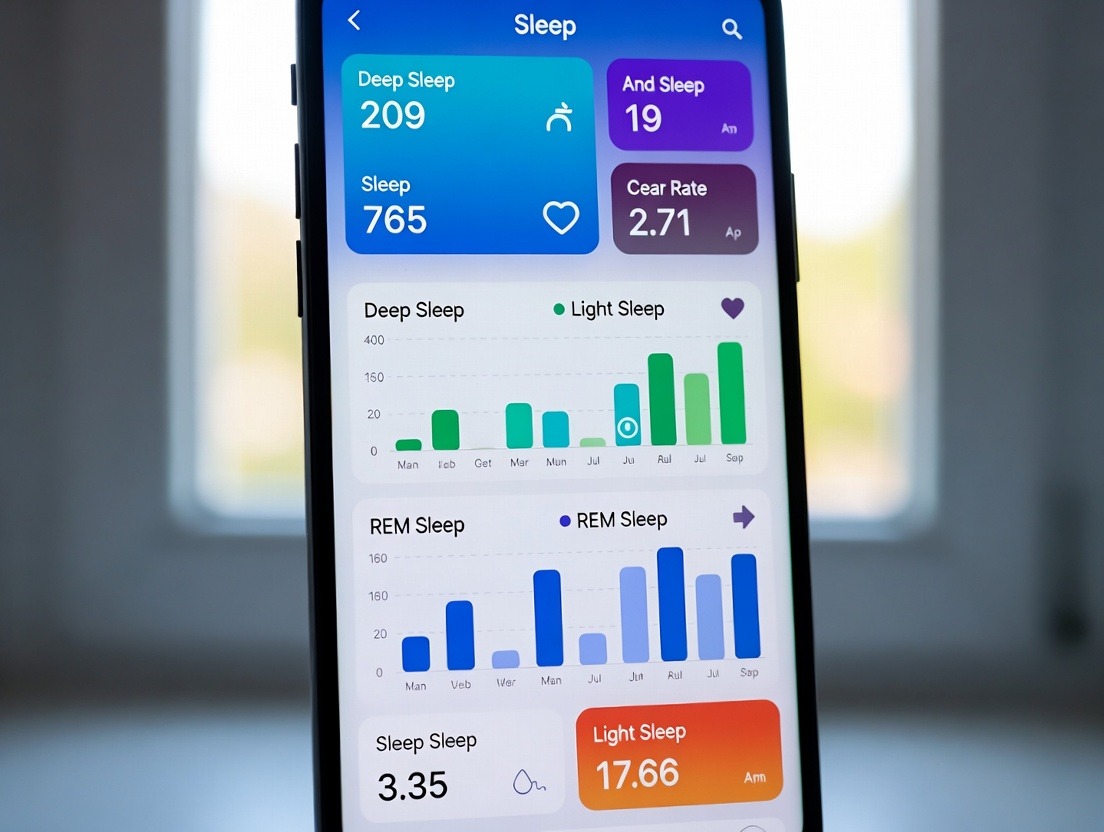
Modern life places a staggering cognitive load on us: constant decision-making, digital multitasking, information overload. This “thinking work” activates the sympathetic nervous system just as surely as physical threat does. Your smart ring captures this exquisitely.
The Desk-Bound Athlete’s Paradox
You may sit all day, but if you’re navigating back-to-back video calls, tight deadlines, and complex problems, you are accumulating significant neural fatigue and SNS activation. This explains why you can be physically sedentary yet utterly drained, with a poor recovery score to match.
Strategies to Mitigate Cognitive Strain for Better Recovery:
Recognizing that mental work depletes the same recovery bucket as physical work is a paradigm shift. It validates the need for mental downtime and provides physiological proof that activities like meditation, reading fiction, or spending time in nature are not luxuries—they are essential recovery practices. This holistic view is central to our discussion on tips that protect cognitive function for the long term.
Your recovery doesn’t happen in a lab; it happens in your bedroom, your home, and your daily environment. Subtle environmental factors can have a measurable impact on your data.
Sleep Environment Tweaks:
The Impact of Travel & Time Zone Changes
Travel is a massive stressor on circadian rhythms and recovery. Your ring becomes an indispensable tool for managing jet lag.
By treating your environment as an extension of your recovery protocol, you create a habitat that is consistently supportive of deep restoration.
Navigating Illness and Injury: Data as an Early Warning and Guide
One of the most valuable uses of recovery tracking is in health management. The body’s response to infection or injury is profound and shows up in your data long before, and after, obvious symptoms.
The Early Warning Signal:
A sudden, unexplained drop in HRV and rise in RHR, coupled with a poor recovery score without a corresponding increase in training load, is a classic signature of your body fighting something off. This could be a virus, a bacterial infection, or even a reaction to a vaccine. Seeing this data can prompt you to:
The Return-to-Play/Activity Guide:
After an illness or injury, the question is always “When am I ready?” Your subjective feeling can be unreliable. Your data provides an objective roadmap.
This data-driven approach prevents the all-too-common cycle of “feeling better,” rushing back, and then suffering a relapse or secondary injury because the body wasn’t fully recovered. It instills patience and provides confidence when you do ramp back up. For more on navigating health transitions, see our insights on the critical decade of prevention in your 50s.
Wearable data can sometimes feel isolating. However, it can also be a powerful tool for connection and shared understanding.
Partner or Team Accountability:
Couples or training partners who both use recovery tracking can create a supportive framework.
Working with a Coach or Practitioner:
Sharing your recovery data with a personal trainer, health coach, or physical therapist elevates their ability to help you.
This shared language of data fosters empathy and removes guilt from the need for rest, framing it as a biological imperative rather than a lack of toughness. The importance of this social component for long-term wellness is explored in our article on the social connection factor in healthy aging.
We have now moved from theory to practice, building a comprehensive protocol that turns nightly data into daily wisdom. You have a framework for morning check-ins, nutritional adjustments, active recovery, intelligent periodization, and environmental tuning. You understand how to listen to the warnings of illness and leverage data for social connection.
Yet, the journey to mastery involves navigating edge cases, troubleshooting challenges, and looking toward the future. In the final portion of this guide, we will address common pitfalls and FAQs, explore advanced biohacking techniques, and examine how the principles of exercise-recovery balance evolve with age and different fitness goals. We will solidify your role as the expert conductor of your own health, using your smart ring as the precise instrument it was designed to be.
To continue deepening your knowledge, our blog is filled with resources that complement this protocol, from science-backed tips that actually work to user stories that validate effective strategies. And if you're seeking a tool to implement this entire system, the journey begins with discovering the right companion at our shop.
Troubleshooting and Mastery: Navigating Pitfalls and Future-Proofing Your Health
You now possess a robust framework for interpreting and acting on your recovery data. But the path to true fluency involves navigating the inevitable challenges, answering lingering questions, and looking toward the horizon. This final segment is about moving from competent user to confident master—troubleshooting common issues, integrating advanced concepts, and understanding how this practice evolves to support you for a lifetime.
Even with the most sophisticated technology, misinterpretation is possible. Being aware of these pitfalls will ensure you get the most accurate and useful insights from your ring.
1. The "Chasing a Number" Trap
It’s easy to become fixated on achieving a high HRV number or a perfect green score every single day. This is counterproductive and can create its own form of stress. Remember: Variability is inherent. The goal is not a perpetually high score, but a responsive, resilient system. A dip after a legitimate stressor is normal and healthy; it means your body is appropriately allocating resources to repair. The pitfall is ignoring clear negative trends or failing to act on consistently low scores. Focus on the narrative and the trends, not the daily vanity metric.
2. Over-Reliance on a Single Metric
While HRV is powerful, it must be viewed in concert with other data. A high HRV with a significantly elevated RHR and poor sleep could be a sign of something amiss. Always consider the full picture: Recovery Score + Sleep Quality + RHR Trend + subjective feeling. This holistic view prevents misinterpretation.
3. Misattributing Data Spikes
A single night of poor data is not a crisis. It could be due to a heavy meal, a single drink, a poor night’s sleep for no apparent reason, or a slight sensor misalignment. Always look for patterns over 3-5 days before making significant changes to your training or lifestyle. One red morning is a curiosity; three in a row is a clear signal.
4. The Placebo/Nocebo Effect of the Data
Be mindful of how the data influences your perception. Seeing a red score can sometimes make you feel more tired than you are (nocebo effect). Conversely, a green score might lead you to ignore genuine feelings of fatigue (placebo effect). Use the data as a consultant, not a dictator. Check in with your subjective energy, mood, and motivation. The most powerful approach is when objective data and subjective feeling align. If they strongly contradict, investigate further—the data is likely picking up something you haven’t yet consciously registered.
5. Sensor Placement and Consistency
For optimal accuracy, ensure a proper fit—snug but not tight. The ring should be worn on your index, middle, or ring finger, where capillary density is high. Consistency in which finger you use can improve data continuity, though advanced algorithms account for this. Clean the sensor window periodically. If data seems wildly off for a night, consider if the ring was unusually loose or you slept in an odd position that restricted blood flow.
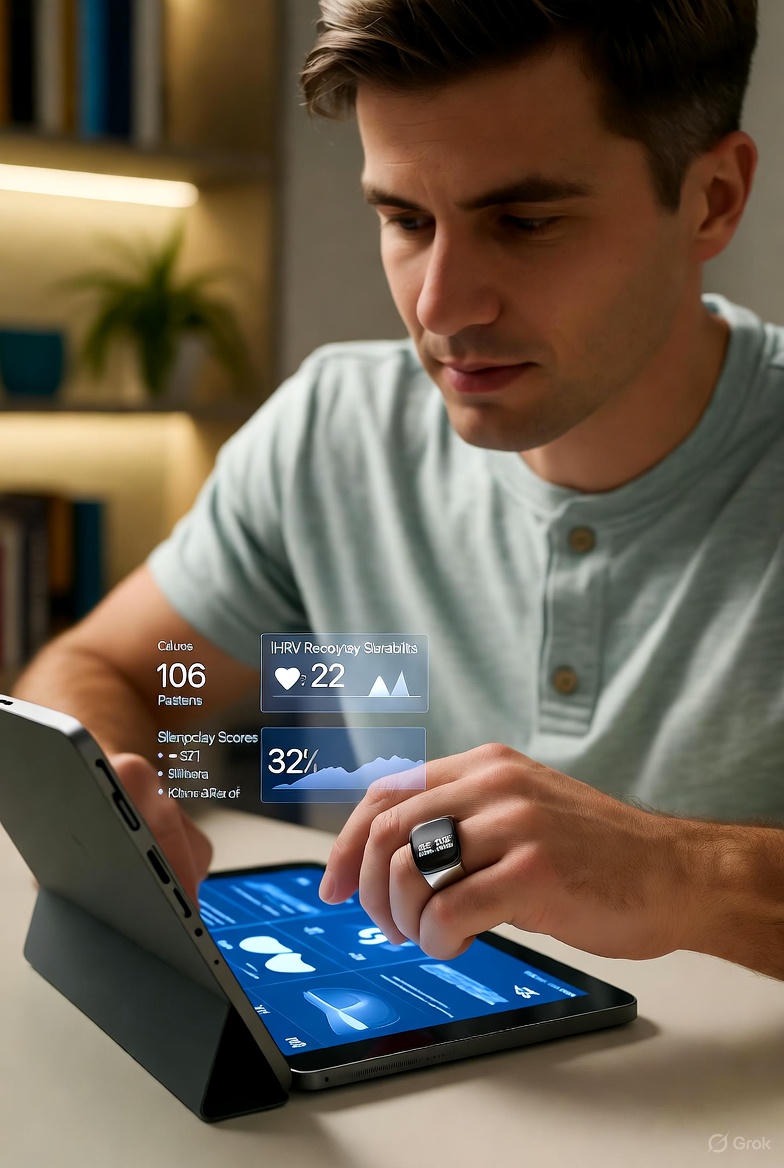
Once you’ve mastered the basics, you can explore proactive techniques to actively boost your recovery metrics and build greater resilience.
1. Purposeful Breathwork Protocols
Deliberate breathing is the fastest way to influence your autonomic nervous system and, subsequently, your HRV.
2. Strategic Cold Exposure
Brief, deliberate cold exposure (e.g., 2-3 minute cold shower at the end of your normal shower) can act as a hormetic stressor. When done correctly—especially in the morning—it can train your nervous system’s resilience, leading to improved HRV over time. It also reduces inflammation and muscle soreness. Crucially: Monitor your data. For some, evening cold exposure can be too stimulating and disrupt sleep. Let your sleep and recovery scores guide timing.
3. Sauna as a Recovery Modality
Regular sauna use (15-20 minutes at 160-190°F) induces a heat stress response that upregulates heat shock proteins, improves cardiovascular function, and promotes relaxation. Post-sauna, you often see a significant rise in HRV as the PNS rebounds. Similar to cold, timing matters. For many, afternoon sauna use is ideal, providing relaxation without impacting sleep.
4. Vagus Nerve Stimulation
The vagus nerve is the main highway of the PNS. Directly stimulating it can enhance recovery tone.
Integrating one or two of these advanced techniques, while tracking their impact on your ring’s data, allows you to build a personalized, high-efficacy recovery toolkit. For a deeper look at the science behind many of these practices, our resource on science-backed healthy aging tips provides a strong foundation.
Your recovery capacity is not static. It evolves with age, lifestyle, and hormonal changes. A smart ring helps you navigate these transitions gracefully, adjusting your expectations and strategies without losing momentum.
In Your 30s & 40s: Building the Foundation
This is often the era of career and family building, where sleep is fragmented and life stress is high. The key insight from your ring will likely be the profound impact of sleep consistency and stress management on recovery. You may still bounce back quickly from workouts, but cumulative life stress can be your biggest limiter. Focus on using data to protect sleep and schedule genuine downtime. The ring validates that “me time” is not selfish; it’s essential for sustaining performance in all life domains.
In Your 50s & 60s: The Precision Decade
Hormonal shifts (menopause, andropause) and a natural, gradual decline in recovery speed become more apparent. The “push through it” mentality becomes increasingly risky. This is where data-driven precision becomes paramount.
In Your 70s and Beyond: The Maintenance & Resilience Phase
The primary goal shifts from building peak performance to maintaining function, mobility, and cognitive health. Recovery metrics become vital signs of overall health. A sustained drop in HRV or a rise in RHR can be an important general health indicator. Activity focus shifts to consistency of movement, balance, and strength preservation. Your ring provides positive reinforcement for daily walks, highlights the importance of social connection on well-being (which can positively influence data), and helps you tune your habits to support cellular health and fight cellular aging. It’s a tool for celebrating maintenance and detecting deviations from your personal baseline that may warrant a conversation with your doctor.
The principles of strain and recovery apply universally, but the expression changes based on your primary objective.
For the Strength Athlete:
For the Endurance Athlete:
For the Weight Management Focus:
For the General Wellness Seeker:
The technology in your smart ring is rapidly evolving. Understanding where it’s headed can help you maximize your use today and anticipate tomorrow’s features.
1. Continuous Glucose Monitoring (CGM) Integration
The next frontier is merging metabolic data with recovery data. Seeing how your blood glucose responds to meals, exercise, and sleep—and how that in turn affects your HRV and recovery—will provide a near-complete picture of your energy metabolism. This could revolutionize personalized nutrition timing.
2. Advanced Biomarkers
Future sensors may non-invasively track markers like cortisol (stress hormone) patterns, lactate, or even specific inflammatory markers, providing even earlier and more specific warnings of imbalance.
3. AI-Powered Predictive Coaching
Instead of just showing you data, your app will evolve into a true AI coach. It will learn your unique patterns and predict, “Based on your current recovery trend and tomorrow’s schedule, we recommend a 42-minute zone 2 run at 9 AM, followed by a protein-rich lunch, to optimize your adaptation for Saturday’s key workout.” This moves from descriptive to prescriptive analytics.
4. True Ecosystem Integration
Your ring’s data will seamlessly integrate with your smart home: triggering a relaxation lighting scene when stress is high, adjusting thermostat settings for optimal sleep based on your temperature trends, or even suggesting calendar blocks for focused work or recovery based on your cognitive readiness predictions.
Embracing this future means staying curious and viewing your current ring as a lifelong learning tool, a sentiment echoed in our foundational story about the Oxyzen vision.
We began by identifying the modern athlete’s dilemma—the blind pursuit of strain without understanding recovery. We’ve journeyed through the science of nightly metrics, built a practical daily protocol, and now equipped you to troubleshoot and look ahead.
The ultimate goal is not to become a slave to your data, but to use it to cultivate a profound and intuitive body literacy. The ring is a teacher. Over time, you’ll start to feel what a low HRV day feels like in your body before you even check the app. You’ll learn to sense the need for an extra hour of sleep. The data validates and refines your intuition.
You are now the conductor of your personal symphony of balance. The stress of exercise is the crescendo—powerful, necessary, and defining. But the recovery—the quiet, deep, restorative passages of the night—is what gives the music its beauty, depth, and sustainability. Without it, there is only noise and eventual breakdown.
Your smart ring is the sheet music, showing you the notes of heart rate variability, the rests of deep sleep, and the tempo of your resting heart rate. By learning to read it, you can perform the masterpiece of your own health and vitality, not just for a season, but for a lifetime.
This is the promise of the exercise-recovery balance: a smarter, more sustainable, more joyful path to achieving your goals, in fitness and in life. It’s a journey of partnership with your own physiology, and it starts every single night.
Your Trusted Sleep Advocate (Sleep Foundation — https://www.sleepfoundation.org/)
Discover a digital archive of scholarly articles (NIH — https://www.ncbi.nlm.nih.gov/
39 million citations for biomedical literature (PubMed — https://pubmed.ncbi.nlm.nih.gov/)
experts at Harvard Health Publishing covering a variety of health topics — https://www.health.harvard.edu/blog/)
Every life deserves world class care (Cleveland Clinic -
https://my.clevelandclinic.org/health)
Wearable technology and the future of predictive health monitoring. (MIT Technology Review — https://www.technologyreview.com/)
Dedicated to the well-being of all people and guided by science (World Health Organization — https://www.who.int/news-room/)
Psychological science and knowledge to benefit society and improve lives. (APA — https://www.apa.org/monitor/)
Cutting-edge insights on human longevity and peak performance
(Lifespan Research — https://www.lifespan.io/)
Global authority on exercise physiology, sports performance, and human recovery
(American College of Sports Medicine — https://www.acsm.org/)
Neuroscience-driven guidance for better focus, sleep, and mental clarity
(Stanford Human Performance Lab — https://humanperformance.stanford.edu/)
Evidence-based psychology and mind–body wellness resources
(Mayo Clinic — https://www.mayoclinic.org/healthy-lifestyle/)
Data-backed research on emotional wellbeing, stress biology, and resilience
(American Institute of Stress — https://www.stress.org/)


