


The Passive Tracking Advantage: How Smart Rings Monitor HRV 24/7
How your wellness ring interprets HRV data for you automatically.
How your wellness ring interprets HRV data for you automatically.
%402x.svg)
Imagine a health metric so profoundly insightful that it can warn you of impending illness days before you feel a symptom, gauge your mental resilience in real-time, and even predict your physical performance for the day ahead. This isn’t science fiction; it’s the reality of Heart Rate Variability (HRV), the silent, rhythmic language of your nervous system. For decades, accessing this data required cumbersome lab equipment and deliberate, stationary measurement. Today, a quiet revolution is happening not in clinics, but on our fingers. The advent of the smart ring has unlocked a paradigm shift: the ability to monitor HRV passively, continuously, and seamlessly throughout the entire arc of your life.
This is the era of passive tracking—a fundamental departure from the active, transactional health monitoring of the past. No longer do you need to remember to strap on a device, initiate a scan, or sit still for a reading. The most intimate physiological signals are now gathered in the background, 24 hours a day, seven days a week, while you work, sleep, exercise, and relax. This continuous data stream paints a dynamic, living portrait of your autonomic nervous system, revealing patterns and insights impossible to capture with spot checks.
At the heart of this revolution is a simple premise: to truly understand health, we must measure it in context, in the flow of real life. This article will explore the transformative power of passive HRV tracking through smart rings. We'll delve into the science of HRV, dissect the ingenious technology packed into a ring, and illuminate how this unassuming piece of wearable tech is redefining personalized wellness. From optimizing sleep and managing stress to preventing burnout and enhancing recovery, the passive tracking advantage is creating a new standard for proactive health management.
The journey begins not with a command, but with simply wearing a ring. The rest—the endless stream of insight—happens automatically.
To appreciate the revolution of passive HRV tracking, we must first understand the profound significance of the signal being tracked. Heart Rate Variability is not your heart rate. While your pulse tells you how many times your heart beats per minute, HRV measures the subtle, millisecond variations between each heartbeat. This nuance is everything. It is the fingerprint of your autonomic nervous system (ANS)—the master control center that operates below your conscious awareness, regulating everything from digestion and breathing to stress response and cellular repair.
Think of your ANS as having two primary branches engaged in a constant, dynamic dance. The sympathetic nervous system (SNS) is your accelerator, preparing you for "fight or flight." It increases heart rate, tenses muscles, and sharpens focus. The parasympathetic nervous system (PNS) is your brake, promoting "rest and digest." It slows the heart, stimulates digestion, and facilitates recovery. HRV is the measurable output of this ongoing conversation. A higher, more variable HRV typically indicates a robust, responsive system where the PNS can effectively apply the brakes, promoting resilience and recovery. A lower, less variable HRV often suggests a system stuck in a state of sympathetic dominance—chronically stressed, fatigued, or overworked.
For a long time, HRV was relegated to the realm of elite athletes and cardiac patients because measurement was complex. It required an electrocardiogram (ECG) to capture the precise electrical timing of each heartbeat. The resulting "R-R intervals" were then analyzed using complex statistical or frequency-domain methods. The insights, however, were staggering. Research has consistently linked higher HRV to:
The critical flaw with traditional HRV measurement was its snapshot nature. A reading taken in a doctor's office—often stressful in itself—or during a morning ritual could be skewed by a hundred immediate factors: a poor night's sleep, a recent argument, a cup of coffee. It provided a data point, not a pattern. True understanding of your nervous system's baseline and its fluctuations requires context—seeing how it behaves during a stressful work meeting, after a meal, in the depths of deep sleep, and during a workout. This is the chasm that smart ring technology has bridged. By moving measurement from the clinic to the finger, and from active to passive, we can finally listen to the silent, continuous language of our nerves as it is spoken throughout the narrative of our daily lives. To understand how this data integrates into a holistic view of health, our blog offers a foundational guide in Sleep Tracking 101: Everything Beginners Need to Know.
The journey to 24/7 HRV monitoring is a story of technological miniaturization, sensor fusion, and a fundamental rethinking of the user experience. The path begins with the Holter monitor—a bulky, wired device of the mid-20th century that recorded a continuous ECG, typically for 24-48 hours. It was clinical, obtrusive, and designed solely for diagnosing arrhythmias. The early 2000s saw the rise of the chest strap heart rate monitor, a tool embraced by athletes. It provided more continuous data during exercise but was uncomfortable for all-day wear and impractical for sleep.
The first true wearable revolution came with the wrist-based fitness tracker and smartwatch. These devices introduced the photoplethysmogram (PPG) sensor to the masses—using flashes of green LED light to detect blood volume changes under the skin, from which heart rate (and later, HRV) could be derived. While a massive leap forward in accessibility, the wrist presents inherent limitations for continuous, high-fidelity data collection. The wrist is a highly mobile joint; hand movements during the day and frequent positional changes at night can create signal noise and "motion artifacts." Furthermore, people often remove watches to charge, shower, or for comfort, creating data gaps precisely when consistent tracking is most valuable—like during sleep, a critical window for recovery and HRV assessment.
The smart ring emerged as the elegant solution to these problems. The finger, specifically the base of the finger, offers a superior physiological vantage point. It has a rich capillary bed, and the bone structure provides a stable platform, minimizing motion artifact compared to the wrist. But the real genius of the ring is not just where it sits, but how it is used. A ring is a passive, always-on device in the truest sense. It is worn continuously—through sleep, showers (with waterproof designs), workouts, and work. There is no need to take it off to charge daily; advanced rings boast 5-7 day battery life, making charging a brief, weekly interruption rather than a daily data-killing ritual.
This evolution represents a shift from intermittent checking to continuous sensing. The goal is no longer to ask your body for a reading, but to have your body continuously whisper its state to a device that is always listening. The ring form factor, by virtue of its wearability and comfort, solves the adherence problem that plagues other wearables. You simply put it on and forget about it, while it diligently gathers the richest possible longitudinal dataset. This seamless integration into life is the foundational pillar of the passive tracking advantage. It allows for the collection of what we might call "ambient physiology"—your body's unbiased signals as you live your life, untouched by the act of measurement itself. This continuous data is what powers the next frontier: contextual awareness. For a deeper look at the sensor technology that makes this possible, explore our detailed explanation on How Sleep Trackers Actually Work: The Technology Explained.
Packing a clinical-grade biometric lab into a sleek, ring-sized package is a feat of modern engineering. The magic happens through a sophisticated array of sensors working in concert, a principle known as sensor fusion. While a smartwatch might prioritize a large screen, a smart ring prioritizes sensor placement and power efficiency for maximal data collection.
The workhorse is the Photoplethysmogram (PPG) sensor. Unlike the green LEDs common in wrist devices, advanced smart rings often employ multi-wavelength PPG, including red and infrared (IR) LEDs alongside green. Here’s why this matters:
These LEDs flash hundreds of times per second, while a photosensor measures the amount of light absorbed by the blood in your finger. With each heartbeat, blood volume surges slightly, absorbing more light. The tiny dips in light reflected back create a waveform—the PPG signal—from which the precise timing between beats (the R-R interval for HRV) can be calculated using advanced algorithms.
But a ring doesn't stop at blood flow. To contextualize the HRV data, it employs a suite of supporting sensors:
The true intelligence lies in the fusion of these data streams. An algorithm doesn't just see a low HRV reading; it sees a low HRV coinciding with a elevated nighttime skin temperature, increased restlessness, and a dip in blood oxygen. This paints a clear picture: your body is fighting an infection. Another day, it might see low HRV with high daytime activity but poor sleep—a sign of inadequate recovery. This sensor symphony, housed in a hypoallergenic casing like titanium, is powered by a tiny but efficient battery and managed by a low-power processor designed for one task: to gather the truest possible physiological portrait, 24/7, without you ever thinking about it. This is the engineered heart of the passive advantage. For a critical analysis of what this technology can truly deliver, read our honest breakdown on Sleep Tracking Accuracy: What Your Device Can and Can't Measure.
The difference between active and passive tracking is not merely one of convenience; it is a difference in data quality, psychological impact, and ultimately, scientific validity. Active tracking—requiring a user to initiate a measurement—suffers from a host of biases that passive tracking elegantly eliminates.
First is the Observer Effect (or "White Coat Syndrome" in medicine). The very act of consciously measuring can alter what you are measuring. When you sit down, focus on your breathing, and actively take an HRV reading, you are likely invoking a degree of parasympathetic (calm) response. This reading may reflect a brief, induced state of relaxation, not your underlying, baseline autonomic tone. A passive ring measurement taken while you are engrossed in a work deadline or lightly asleep captures your authentic, unvarnished physiological state.
Second is Sampling Bias. When do people most often remember to take an active reading? Typically, during a calm morning routine. This systematically misses the most informative parts of the day: the stress of the afternoon, the post-lunch metabolic shift, the winding down period before bed, and the full architecture of sleep. Your nervous system is a dynamic system; a single daily snapshot cannot capture its range. Passive monitoring provides a full spectrum of data, revealing how your body responds to real-world stimuli.
Third is Adherence and Data Gaps. Active tracking relies on user consistency, which is notoriously fragile. People forget, get busy, or lose motivation. This results in sparse, irregular data that is difficult to interpret trend-wise. Passive tracking, by virtue of being effortless, achieves near-perfect adherence. The ring becomes part of you, collecting a complete, uninterrupted timeline. This is essential for detecting subtle, long-term trends and for providing reliable baseline personalization.
This last point is key. With continuous data, your ring isn't comparing you to population averages; it is learning your unique baseline. It understands what a normal nighttime HRV looks like for you. It learns your typical temperature circadian rhythm. It knows your personal activity patterns. From this established personal baseline, it can detect meaningful deviations. A 10% drop in your HRV might be insignificant for someone else but could be a major red flag for your system. This shift from population norms to personal baselines is the cornerstone of truly personalized health insight. It transforms data from a generic report card into a personalized early-warning system and feedback loop. This seamless, unobtrusive approach to gathering data makes a compelling case for its value, which we explore in detail in our article Is Sleep Tracking Worth It? Honest Pros and Cons for 2025.
While passive tracking operates continuously, the single most critical window for HRV and recovery insights is the one when you are completely at rest: your sleep. Nighttime is when your parasympathetic nervous system should be fully in command, orchestrating repair, memory consolidation, and metabolic reset. Monitoring HRV during this period provides the cleanest, most reliable measure of your recovery status, free from the noise of conscious activity.
A smart ring doesn't just record an average "sleep HRV." It maps the nocturnal HRV curve across the entire sleep architecture. Here’s what that reveals:
By correlating HRV with sleep stages (detected via motion and heart rate patterns), a smart ring generates your Recovery Score or Readiness Score. This isn't a random number. It’s a composite metric heavily weighted by your nighttime HRV trends, combined with sleep duration/quality, resting heart rate, and body temperature. A high score indicates your body has successfully recovered and is primed for stress (physical or mental). A low score is a clear recommendation to prioritize rest, dial back intense training, or manage stress.
This nightly "health audit" provides an objective, data-driven starting point for each day. Instead of relying on subjective, often inaccurate feelings of "grogginess," you have a quantified measure of your physiological readiness. This allows for intelligent daily planning: pushing hard on a high-recovery day, and opting for restorative activities like walking, yoga, or meditation on a low-recovery day. The passive, nightly collection of this data makes this powerful daily insight effortless and automatic. To learn how to enhance this critical recovery phase, explore these Deep Sleep Secrets: How to Increase Your Most Restorative Sleep.

The passive tracking advantage shines a powerful light on the hidden physiology of your waking life. While nighttime HRV informs recovery, daytime HRV dynamics reveal your real-time stress resilience and emotional load. This is where the continuous nature of ring data becomes uniquely valuable, mapping your autonomic nervous system's reactions to the minute-by-minute challenges of modern life.
Imagine your workday. A passive smart ring can capture the physiological signature of different events:
This creates a Stress Timeline—not based on your subjective feelings (which you might suppress or rationalize), but on the objective state of your nervous system. Over days and weeks, patterns emerge. You may discover that your HRV plummets every Tuesday at 3 PM, pinpointing a recurring, high-stress meeting. You might see that your afternoon HRV is consistently higher on days you exercise in the morning.
This data empowers micro-interventions. By being aware of these patterns, you can proactively schedule a 2-minute breathing exercise before that Tuesday meeting, or take a walking call after lunch. You can experiment and see the direct, measurable impact of these interventions on your HRV in real-time. Did that 5-minute meditation actually calm your nervous system? The ring provides the unbiased feedback.
This transforms HRV from an abstract wellness metric into a practical biofeedback tool. The goal is not to have a perfectly high HRV all day—that's impossible and unnatural. Stress responses are healthy and necessary. The goal is to see a responsive system: one that can dip appropriately under stress but also recover quickly once the stressor passes. A resilient system shows a "V-shaped" dip and rebound. A system approaching burnout shows a "U-shaped" dip—a crash that takes hours to recover from. Passive, all-day tracking is the only way to visualize and cultivate this resilience. For those looking to optimize their environment for better recovery, our Deep Sleep Formula: Temperature, Timing, and Habits offers actionable strategies that influence daytime stress as well.

Perhaps the most profound implication of passive, longitudinal HRV tracking is its predictive capacity. When you have weeks and months of continuous data, you move from observing your present state to forecasting your future health. Trends in HRV and its contextual partners (temperature, sleep) can serve as a highly sensitive early warning system, often signaling deviations days before overt symptoms appear.
The most common and powerful example is illness prediction. The body's innate immune response begins long before you feel a sore throat or fever. This inflammatory process is orchestrated by the autonomic nervous system and cytokines, which directly affect heart rate and HRV. A consistent pattern observed by users and in research is the "sickness dip":
By alerting you to this pre-symptomatic dip, the data allows for proactive self-care: prioritizing sleep, hydrating, reducing training load, and perhaps even using immune-supporting strategies. This can potentially lessen the severity or duration of the illness.
Beyond illness, trend analysis can reveal:
This predictive power transforms the smart ring from a fitness tracker into a true health guardian. It provides a quantified, objective line of defense against the creeping onset of imbalance, giving you the gift of time and awareness to course-correct. To see how this applies to achieving specific recovery goals, our guide on How to Get More Deep Sleep Tonight: 7 Proven Strategies is an excellent resource for immediate action.
Raw data, even continuous data, is just noise without interpretation. The true genius of the modern smart ring lies in sensor fusion—the sophisticated layering of multiple biometric data streams to create context that gives any single metric, like HRV, its true meaning. An isolated HRV reading is a puzzle piece; combined with skin temperature, movement, and blood oxygen, it becomes a clear picture.
Let's examine real-world scenarios where context is everything:
Scenario 1: Low Nighttime HRV
Scenario 2: Low Nighttime HRV
Scenario 3: Low Daytime HRV
Scenario 4: Low Daytime HRV
This contextual intelligence is what separates advanced smart rings from simple heart rate monitors. The ring's algorithms are built to perform this synthesis automatically, presenting you not with a spreadsheet of numbers, but with a coherent Health Narrative. It tells a story: "Your body was under immune stress last night," or "You recovered well from your workout, but yesterday's late meeting impacted your sleep."
This multi-sensor approach also provides a more complete picture of sleep itself, clarifying the differences between vital stages, as explored in Deep Sleep vs. REM Sleep: What's the Difference and Why It Matters. This fusion turns data into wisdom, empowering you with actionable insights rather than just information.
The culmination of passive tracking, continuous data, and multi-sensor context is the most powerful promise of this technology: hyper-personalized health intelligence. For too long, health metrics have been judged against broad, age-based population averages. These averages are helpful for epidemiological studies but are often meaningless—and can even be misleading—for the individual.
Your body is unique. Your genetics, lifestyle, stress tolerance, and circadian rhythm are yours alone. Therefore, your "healthy" HRV range is personal. A 25-year-old elite athlete might have a waking HRV (RMSSD) of 80ms, while a healthy, sedentary 50-year-old might have a baseline of 30ms. Both are normal for them. Comparing either to a population chart would be futile.
Passive tracking establishes your Personal Physiological Baseline. Over the first few weeks of continuous wear, the ring's algorithms learn your normal:
Once this baseline is established, the system stops comparing you to strangers and starts looking for deviations from your own norm. This is a fundamentally more sensitive and meaningful approach.
This personalization enables:
This shift from generic to personal is the final, crucial piece of the passive tracking advantage. It ensures that the vast ocean of data collected 24/7 is distilled into insights that are relevant, actionable, and uniquely meaningful to your life and your health journey. It transforms a smart ring from a gadget into a personal health companion, learning and adapting alongside you. To see how this personalization applies to understanding your own sleep data, refer to our guide on Deep Sleep Tracking: What Your Numbers Should Look Like.
The true test of any technology is not its sophistication, but its utility. The wealth of data from a passively tracking smart ring is only as valuable as your ability to understand and act upon it. Moving from raw data points to daily wisdom requires a simple framework. The goal is not to become obsessed with every metric but to use key insights to make informed, positive adjustments to your lifestyle.
For most users, the most actionable insights come from two primary sources: the Morning Readiness/Recovery Score and the Daily Stress/Energy Timeline. Here’s how to integrate them:
1. Start Your Day with Your Readiness Score.
Instead of reaching for your phone and diving into emails or social media, first check the app connected to your ring. Your Readiness Score is a synthesized verdict of your night. Look beyond the single number:
2. Use Your Daily Timeline for Micro-Adjustments.
Throughout the day, spot-check your app’s stress or energy graph, which visualizes your HRV and heart rate trends.
3. The Weekly Review: Spot Macro-Trends.
Once a week, spend 5 minutes reviewing your weekly trends. Is your baseline HRV trending up, down, or staying stable? Are you consistently under-recovered? This bird’s-eye view can help you plan the week ahead. A trend of declining scores might prompt you to schedule a lighter training week or a digital detox weekend.
The key principle is data-informed, not data-driven. You are the conscious pilot; the ring is your instrument panel. It provides the facts about your internal state, but you retain the wisdom and agency to choose your response. This partnership between human intuition and objective data is where sustainable, personalized wellness is forged. For those seeking to deepen their recovery through nutrition, our blog explores 10 Foods That Increase Deep Sleep Naturally, a perfect example of a data-informed lifestyle tweak.
The wearable technology market is crowded, with smartwatches, fitness bands, and chest straps all promising advanced health insights. For the specific goal of continuous, high-fidelity HRV tracking, however, the smart ring stands apart. This distinction is rooted in fundamental differences in form, function, and physiological access.
Smartwatches & Fitness Bands (Wrist-Based):
Chest Strap Heart Rate Monitors:
The Smart Ring's Edge:
For HRV—a metric that demands clean, continuous data across all life phases to be meaningful—the ring’s form factor is not just an alternative; it is the optimal solution. It is the only device that truly enables the "passive tracking advantage" for autonomic nervous system insight. For a comprehensive look at how this technology stacks up, our team at Oxyzen has detailed insights available on our main platform at Oxyzen.ai.
While the link between HRV and physical health is well-established, an equally compelling narrative is emerging in the realms of psychology and neuroscience: HRV is a powerful biomarker of mental fitness and emotional regulation. High HRV is associated with the brain's ability to flexibly adapt to changing demands, a concept known as neurovisceral integration.
The prefrontal cortex (PFC)—the brain's executive center responsible for focus, decision-making, and emotional control—is intimately connected to the heart via the vagus nerve, a key component of the parasympathetic system. A state of high HRV reflects strong "vagal tone," indicating that the PFC can effectively apply the brakes on the amygdala (the fear center) and other reactive parts of the brain. In practical terms, this means:
A passively tracking smart ring makes this connection tangible. You can literally see the physiological imprint of your mental state.
This turns the ring into a tool for mental and emotional training. By using the data to identify mental stressors and then employing practices like coherent breathing (breathing at 5-6 breaths per minute, which often maximizes HRV), mindfulness, or even reframing negative thoughts, you can train your nervous system for greater mental calm and clarity. The ring provides the feedback loop, showing you in real-time how your mental practices change your body, and vice-versa. This holistic view of recovery is essential for athletes, as detailed in our article on Deep Sleep Optimization for Athletes: Recovery While You Rest.
As powerful as this technology is, responsible use requires an honest understanding of its limitations. Consumer smart rings are not medical devices, and the HRV they provide is not equivalent to a clinical ECG-derived measurement. Informed users get the most value while avoiding misinterpretation.
Key Limitations to Understand:
Best Practices for Navigating Limitations:
Embracing these realities ensures you harness the technology's power without falling prey to its pitfalls. The goal is enhanced self-awareness, not medical anxiety. For answers to common technical and usage questions, our comprehensive FAQ page is an invaluable resource.
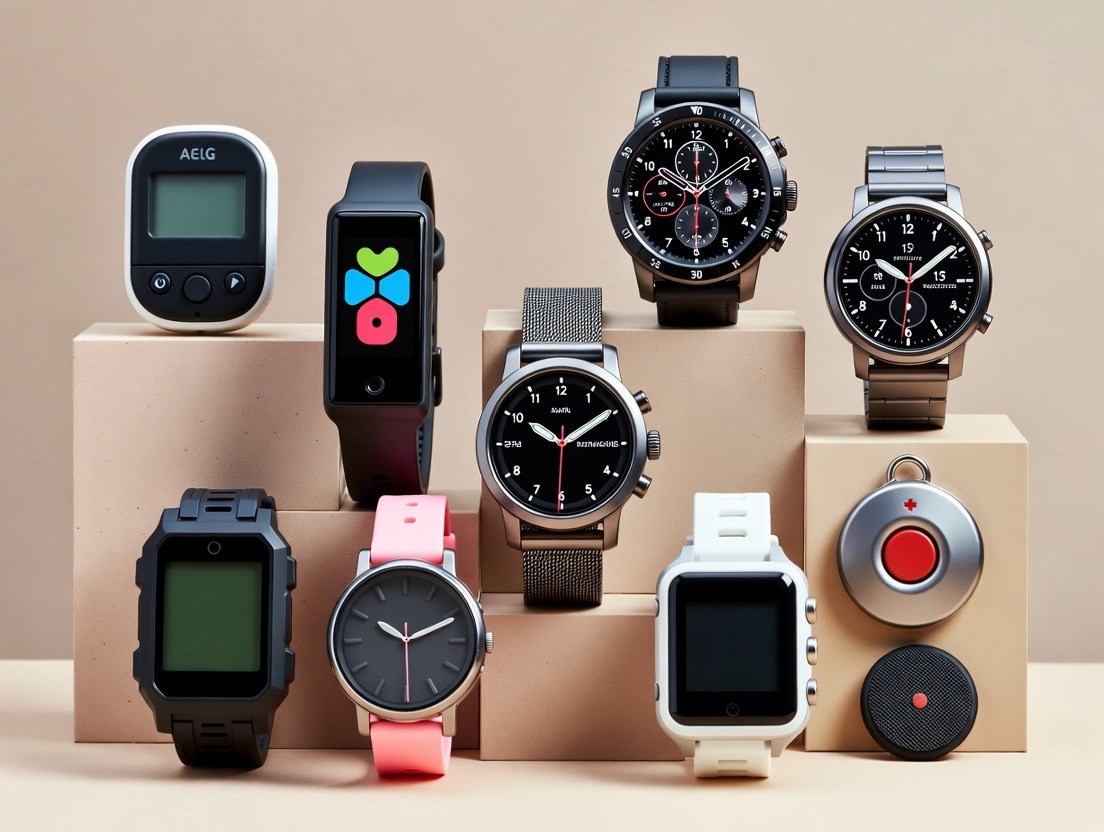
The trajectory of passive HRV monitoring points toward a future where healthcare becomes profoundly more predictive, personalized, and participatory. The smart ring is merely the first mainstream platform for this kind of continuous autonomic sensing. Here’s where the field is heading:
1. Deeper Integration with Healthcare Systems.
The future lies in secure, patient-controlled data sharing. Imagine your longitudinal HRV, sleep, and temperature trends being available as a "digital vital sign" in your electronic health record. A doctor could see that your nervous system resilience began declining weeks before a metabolic issue became clinically apparent, allowing for earlier, lifestyle-based intervention. Platforms like Oxyzen are at the forefront of making this data accessible and meaningful, as outlined in our About Us section.
2. Advanced Predictive Analytics and AI Coaches.
Current algorithms detect deviations. Future AI, trained on massive, anonymized datasets, will move toward prescriptive insights. Your ring’s companion app might not just say "recovery is low," but suggest: "Based on your pattern, a 20-minute nap at 3 PM followed by a light swim has an 85% predicted probability of restoring your HRV baseline by tonight." It will learn what works uniquely for you.
3. Expanded Sensor Fusion.
Future rings may incorporate additional sensors:
4. Population Health and Research.
Passive, large-scale HRV collection has the potential to revolutionize epidemiological studies. Researchers could study the real-world impact of urban design, work schedules, or seasonal changes on population-level nervous system health in ways never before possible.
5. The "Autonomic Dashboard" for Daily Life.
HRV will cease to be a niche metric for biohackers and become a mainstream vital sign, as commonly understood as blood pressure. Your "autonomic dashboard"—showing your real-time balance of stress and recovery—could become as routine to check as the weather, fundamentally changing how we plan our days, manage our energy, and prevent chronic stress-related disease.
This future hinges on the foundation being built today: the normalized, passive, and continuous collection of autonomic data through unobtrusive devices like the smart ring. We are moving from episodic, symptom-driven healthcare to continuous, system-driven health cultivation. For a glimpse into the brand building this future, you can explore Our Story.
The passive tracking advantage offered by smart rings represents more than a technological upgrade; it signifies a cultural shift in our relationship with our own health. We are transitioning from being reactive patients, seeking answers only when something breaks, to becoming proactive custodians of our well-being, equipped with a continuous stream of objective insight into our most fundamental operating system.
This is not about self-quantification for its own sake. It is about re-establishing a feedback loop that modern life has severed. Our bodies are constantly sending signals—of stress, recovery, impending illness, and optimal readiness—but we have been taught to ignore them, to push through fatigue, to numb discomfort, and to outsource our health understanding to annual check-ups. Passive HRV monitoring through a smart ring restores that connection. It translates the subtle language of your autonomic nervous system into a clear, visual narrative you can understand and act upon.
The power lies in the passivity. Because it requires no effort, it reveals truth, not intention. It shows you not how you wish you were recovering, but how you actually are. It doesn't care about your plans; it cares about your physiology. In this honest, unvarnished feedback lies the opportunity for profound change.
You can learn to respect your need for recovery after stress. You can identify the hidden drains on your resilience. You can celebrate the tangible, data-proven benefits of a good night's sleep, a mindful walk, or a disciplined wind-down routine. You can, ultimately, become the expert on your own body, making daily choices that are aligned with its actual state, not your imagined one.
This journey begins with a simple act: putting on a ring. From that moment, the conversation with your inner self becomes continuous, informed, and empowering. The era of guessing is over. The era of knowing—and thriving—has begun. To discover the device that begins this journey, visit the Oxyzen Shop.
To fully grasp the significance of HRV, we must venture beyond the pulse and into the intricate neural highways connecting the heart and brain. This isn't a simple one-way street where the brain issues commands. It's a dynamic, two-way dialogue known as neurocardiac communication, and HRV is its most accessible transcript.
At the center of this dialogue is the vagus nerve—the longest cranial nerve, a meandering superhighway of information running from the brainstem to the heart, lungs, and digestive organs. It is the primary conduit of the parasympathetic nervous system. The strength and efficiency of vagal signaling is termed vagal tone, and it is directly reflected in HRV: higher, more complex HRV generally indicates higher, healthier vagal tone.
Here’s how the conversation flows:
The Heart's Brain: The heart possesses its own intrinsic nervous system, a complex network of neurons called the intrinsic cardiac nervous system, often dubbed the "heart-brain." This system can process information, make decisions, and learn independently of the cranial brain. It constantly sends afferent (ascending) signals up the vagus nerve to the medulla in the brainstem.
The Brain's Reception: These ascending signals directly influence key brain regions:
The Brain's Response: Based on this incoming cardiac report and other sensory input, the brainstem sends efferent (descending) signals back down the vagus and sympathetic chains to adjust heart rate, force of contraction, and vascular tone—ultimately creating the next moment's heart rhythm. This creates a continuous feedback loop.
What Disrupts the Dialogue?
Chronic stress, inflammation, poor sleep, and trauma can dampen vagal tone. This weakens the inhibitory signals to the amygdala (leading to anxiety) and muddles the signals to the PFC (impairing executive function). The heart's rhythm becomes less variable—lower HRV—reflecting a nervous system that is less adaptable, more rigid, and stuck in a defensive, energy-burning mode.
The miracle of passive HRV tracking is that it allows us to monitor the output of this profound, subconscious dialogue 24/7. When you see your HRV dip after a stressful event, you are witnessing the sympathetic nervous system overpowering the vagal brake. When you see it soar during deep sleep, you are seeing the vagus nerve in full command, orchestrating repair. By using practices like paced breathing (which directly stimulates the vagus nerve), you can actively participate in this dialogue, using your conscious breath to send a coherent signal back down the neural pathway, urging the system toward balance. This scientific understanding underscores the brain-boosting power of deep rest, detailed in Deep Sleep and Memory: The Brain-Boosting Connection.
Data and theory come alive through human stories. Here are composite case studies, based on common user experiences, that illustrate the transformative potential of passive HRV tracking.
Case Study 1: The Overtrained Executive (David, 42)
Case Study 2: The Burnout-Bound Caregiver (Maria, 38)
Case Study 3: The Biohacking Optimizer (Alex, 30)
These stories highlight the common thread: passive HRV monitoring provides objective grounding. It cuts through denial, validates intuition, and turns wellbeing from an abstract concept into a manageable, data-informed practice. For more inspiring journeys of transformation, explore real user experiences in our Testimonials section.

HRV is a powerful central metric, but its meaning multiplies when integrated with other streams of health data. The future of personalized health lies in this data convergence, where the smart ring acts as the continuous anchor for autonomic data, syncing with other periodic or input-based metrics.
1. Integration with Nutritional Logging:
2. Syncing with Fitness and Training Platforms:
3. Correlation with Menstrual Cycle Tracking:
4. Combining with Mindfulness and Meditation Apps:
5. The Future: Clinical Data Integration.
The ultimate synergy will be with intermittent clinical data. Imagine your annual bloodwork (inflammatory markers like CRP, metabolic panels) or quarterly Dexa scans being plotted alongside your 365-day HRV trendline. This could reveal how subtle, long-term declines in nervous system resilience precede measurable changes in blood chemistry or body composition, enabling unprecedentedly early interventions.
This holistic, integrated view moves us from fragmented data silos to a unified Personal Health Operating System. The passively collected HRV from your smart ring is the always-on, foundational layer upon which all other health inputs and outputs can be contextualized and understood. For a foundational understanding of how sleep tracking fits into this holistic picture, our blog is an excellent resource for continued learning.
As we embrace devices that record the most intimate rhythms of our life 24/7, we must confront critical ethical questions. The data from a smart ring—your stress patterns, sleep quality, potential illness signs—is arguably more sensitive than your search history or location data. It is the story of your inner life. Protecting this narrative is paramount.
1. Data Privacy: What Are You Sharing and With Whom?
2. Data Security: Fortressing Your Physiological Data.
This data must be protected with bank-level security.
3. Data Ownership and Portability: It's Your Data.
You must retain ultimate ownership and control.
4. The Psychological and Social Implications:
A Call for a "Biometric Bill of Rights": As users, we should advocate for clear standards: ownership, transparency, security, and control. The incredible benefit of passive health monitoring must not come at the cost of our biological privacy. Choosing a brand that is vocal about and transparent in its ethical stance is a critical part of the purchasing decision.
With the market growing, selecting the right smart ring is crucial. It's an investment in your health data, so the choice should be informed by more than aesthetics. Here are the key factors to evaluate, with a specific lens on HRV tracking capabilities.
1. Sensor Suite and HRV Methodology (The Most Important Factor)
2. Battery Life and Charging Solution
3. Design, Fit, and Comfort for 24/7 Wear
4. App Experience and Data Interpretation
5. Waterproofing and Durability
6. Brand Reputation and Support
Making the Decision:
Define your primary goal. If it's the most accurate, continuous HRV and recovery data to optimize performance and health, prioritize sensor quality, battery life, and app intelligence. Visit the Oxyzen Shop to explore a device built specifically with these priorities in mind. Try to engage with user communities and read long-term reviews to understand real-world performance, not just marketing specs.
We have journeyed from the microscopic timing between heartbeats to the vast potential of a health paradigm shift. The passive tracking of HRV via smart rings is more than a feature; it is a foundational tool for a new kind of self-awareness—one that is continuous, objective, and deeply personal.
The ultimate goal is not to live by the numbers, but to let the numbers inform a more graceful, responsive, and resilient way of living. This requires moving from initial fascination to sustainable integration.
Cultivating a Healthy Relationship with Your Data:
Building Your Personalized Practice:
Use the insights to build simple, non-negotiable pillars:
The Larger Vision:
This technology returns agency to us. In a world of endless health advice and fads, passive HRV monitoring gives you a personal benchmark for truth. It answers the question: "Is this working for me?"
As we move forward, the convergence of continuous biometrics, intelligent algorithms, and a growing cultural emphasis on holistic wellbeing promises a future where we are no longer strangers to our own bodies. We will be fluent in their language, responsive to their needs, and empowered to not just avoid illness, but to actively cultivate vitality.
The journey begins with a single, continuous stream of data—the quiet, rhythmic story of your heart, told day and night. All you have to do is listen. And now, you can.
Your Trusted Sleep Advocate (Sleep Foundation — https://www.sleepfoundation.org/)
Discover a digital archive of scholarly articles (NIH — https://www.ncbi.nlm.nih.gov/
39 million citations for biomedical literature (PubMed — https://pubmed.ncbi.nlm.nih.gov/)
experts at Harvard Health Publishing covering a variety of health topics — https://www.health.harvard.edu/blog/)
Every life deserves world class care (Cleveland Clinic -
https://my.clevelandclinic.org/health)
Wearable technology and the future of predictive health monitoring. (MIT Technology Review — https://www.technologyreview.com/)
Dedicated to the well-being of all people and guided by science (World Health Organization — https://www.who.int/news-room/)
Psychological science and knowledge to benefit society and improve lives. (APA — https://www.apa.org/monitor/)
Cutting-edge insights on human longevity and peak performance
(Lifespan Research — https://www.lifespan.io/)
Global authority on exercise physiology, sports performance, and human recovery
(American College of Sports Medicine — https://www.acsm.org/)
Neuroscience-driven guidance for better focus, sleep, and mental clarity
(Stanford Human Performance Lab — https://humanperformance.stanford.edu/)
Evidence-based psychology and mind–body wellness resources
(Mayo Clinic — https://www.mayoclinic.org/healthy-lifestyle/)
Data-backed research on emotional wellbeing, stress biology, and resilience
(American Institute of Stress — https://www.stress.org/)


