


The Correlation Between Daily Activity and Your Smart Ring Sleep Score
A strong correlation is shown between your daily activity metrics and your nightly sleep score.
A strong correlation is shown between your daily activity metrics and your nightly sleep score.
%402x.svg)
You slip off your sleek, unassuming smart ring at the end of another demanding day. As you place it on its charger, you might wonder: "What will my sleep score be tonight?" You likely assume the answer lies solely in the quiet, dark hours ahead—in your bedtime routine, your pillow, the silence of the room. But what if the most critical determinant of your nocturnal performance was already written in the ledger of your day?
For years, we’ve compartmentalized fitness and sleep. One tracked by steps, the other by a mysterious "score." We grind through intense workouts, log 10,000 steps, then expect our bodies to seamlessly shift into a state of perfect, restorative slumber. Conversely, after a sedentary day, we’re often baffled when we lie in bed, exhausted but wide awake, or wake feeling unrefreshed. This disconnect is where modern wearable technology, particularly the advanced sensors in devices like the Oxyzen smart ring, becomes not just a tracker, but a profound interpreter of your body’s bi-directional language.
Your daily activity and your sleep score are not isolated data points on a health dashboard. They are in a constant, intricate dialogue—a feedback loop where each profoundly influences the other. This correlation is the missing link in the quest for holistic wellness. It’s the reason why optimizing your sleep isn't just about what you do at 10 PM, but what you do at 10 AM. It explains why a brisk afternoon walk might be a more potent sleep aid than any herbal tea, and why that late-evening HIIT session could be sabotaging your deep sleep despite your good intentions.
In this deep exploration, we will dismantle the artificial wall between day and night. We will journey through the physiological and neurological pathways that tether your movement to your rest, arming you with the knowledge to hack this powerful connection. This isn't about chasing arbitrary targets; it's about understanding the symphony of your body’s rhythms and learning to conduct them for a lifetime of vitality, starting with the data silently gathered on your finger.
To grasp the profound link between your daily exertions and your nightly restoration, we must first move beyond linear thinking. The relationship is not a simple cause-and-effect chain, but a dynamic, self-regulating cycle—a true symbiosis where each element feeds and regulates the other. Think of it as your body's most vital partnership: Activity and Sleep.
On one side of the loop, physical activity is a primary regulator of sleep architecture. When you engage in moderate-to-vigorous movement, you apply a healthy stressor to multiple bodily systems. This stress creates a homeostatic drive for recovery. Your core body temperature rises during exercise and then experiences a gradual decline in the hours afterward, a drop that is a key signal to your circadian system that it's time to prepare for sleep. Exercise also depletes glycogen stores in your muscles, promotes the release of growth hormone during sleep for repair, and helps to reduce levels of circulating stress hormones like cortisol, particularly when performed earlier in the day. In essence, a well-timed, well-dosed day of activity builds up a natural "sleep pressure"—a physiological need for deep, restorative slumber.
On the reverse side of the loop, sleep is the non-negotiable foundation for effective, safe, and motivated activity. During deep sleep, tissue repair and muscle growth occur. During REM sleep, cognitive functions are consolidated, including motor skill learning. A high sleep score, indicative of sufficient duration, quality, and structure, ensures you wake with restored energy, sharper mental focus, better mood regulation, and a lower perceived effort for physical tasks. It equips your hormonal system for the day: balancing hunger hormones (ghrelin and leptin), optimizing insulin sensitivity for energy use, and priming your adrenal response. When your sleep score suffers, you wake with a deficit. This manifests as reduced physical endurance, slower reaction times, impaired coordination (increasing injury risk), and a significantly diminished willpower to choose activity over sedentariness.
This bi-directional loop explains the vicious and virtuous cycles we often experience. A poor night's sleep leads to fatigue, leading to skipped workouts and low non-exercise activity, which then leads to fragmented, shallow sleep—a downward spiral. Conversely, a day of balanced movement promotes a solid night's rest, which fuels an energetic, active tomorrow—an upward spiral of wellness.
Your smart ring is uniquely positioned to illuminate this loop. Unlike isolated trackers, a device worn 24/7 like the Oxyzen ring captures both sides of the equation seamlessly. It doesn't just see your 30-minute run; it sees the sedentary hours that preceded it and, crucially, the sleep architecture that follows it. By analyzing trends over time, it can begin to reveal your personal patterns: how a day with 12,000 steps and two hours of low-intensity activity impacts your deep sleep percentage, or how a night of restless sleep correlates with your readiness score and next-day activity levels. It transforms from a passive recorder into an active guide, helping you identify the precise levers to pull to strengthen this critical symbiosis and break free from negative cycles. To build a foundational understanding of how this tracking works, our blog offers a detailed primer in Sleep Tracking 101: Everything Beginners Need to Know.
To effectively leverage the activity-sleep connection, we must become fluent in the language of our data. Your smart ring provides a wealth of metrics, but without context, they are just numbers. Let's decode the key indicators on both sides of the loop, moving beyond simple step counts and sleep duration.
On the Activity Side:
On the Sleep Side (The "Sleep Score" Deconstructed):
A single sleep score is a composite grade, but the true insights lie in its components:
The magic happens in the correlation. Does a day with high intensity minutes lead to an increase in your deep sleep percentage? Does a night with low sleep efficiency predict a higher resting heart rate and lower activity the next day? By learning this language, you stop chasing isolated metrics and start managing the interconnected system of your body. For a technical look at how these measurements are captured, the article How Sleep Trackers Actually Work: The Technology Explained provides fascinating insight.
Not all activity is created equal in the eyes of your circadian rhythm. When you move can be as important as how much or how hard you move. The timing of your exertion sends powerful signals to your internal body clock, directly shaping the quality and structure of your sleep.
Morning Activity (Within 1-3 Hours of Waking):
Engaging in moderate to vigorous activity shortly after waking is like giving your circadian clock a firm, confident nudge. Exposure to natural light during a morning walk or run provides the primary zeitgeber (time-giver), while the exercise itself reinforces the signal that "the day has begun." This helps solidify the master clock in your suprachiasmatic nucleus (SCN), promoting a stronger, more predictable release of melatonin roughly 14-16 hours later. Morning exercise is associated with easier sleep onset and can be particularly effective for those struggling with insomnia or delayed sleep phase. It capitalizes on the natural cortisol awakening response, aligning exercise-induced cortisol with its healthy morning peak rather than disrupting its evening decline.
Afternoon & Early Evening (3-7 Hours Before Bed):
This period is often considered the "sweet spot" for exercise to positively impact sleep. Your body temperature, muscle strength, and reaction times are typically at their peak. A workout during this window creates a significant rise in core temperature. The subsequent, gradual cooling over the following hours mimics the body's natural thermoregulatory process that precedes sleep—a drop in core temperature is a key signal for sleep initiation. This thermal rhythm can promote deeper, more consolidated sleep. Furthermore, exercising in this window allows sufficient time for the stimulating effects of neurotransmitters like epinephrine and norepinephrine to subside, while the relaxation-promoting effects of the temperature decline take hold.
Late Evening & Night (Within 1-2 Hours of Bed):
This is the zone of greatest contention and personal variability. High-intensity exercise (HIIT, heavy weightlifting, competitive sports) during this window can be problematic for many. It can cause a sharp spike in core temperature, heart rate, and sympathetic nervous system activity ("fight-or-flight") at a time when the body needs to wind down. This can delay melatonin release, increase sleep latency, and potentially reduce deep sleep. However, the story isn't universal. For some well-conditioned individuals with established routines, evening exercise may not be disruptive. More importantly, gentle, movement-based relaxation is highly beneficial. Activities like yoga, tai chi, stretching, or a leisurely walk can lower cortisol, ease muscular tension, and promote parasympathetic activation without the thermal or stimulatory spike.
Your smart ring is your personal chronobiology lab. By reviewing your data, you can detect patterns: Do nights after evening spin class show a prolonged sleep latency? Do mornings after afternoon strength sessions show a higher deep sleep percentage? This empirical feedback allows you to personalize the "golden hours" for your own physiology. It helps answer the critical question: "Does my 8 PM workout make me a sleep champion or a restless insomniac?" The data doesn't lie. For those looking to fine-tune this timing for optimal recovery, especially athletes, the principles in Deep Sleep Optimization for Athletes: Recovery While You Rest are invaluable.
When we hear "daily activity," our minds often jump to structured exercise—the run, the gym session, the workout class. But for the 23 hours a day you're not formally exercising, your movement pattern, known as Non-Exercise Activity Thermogenesis (NEAT), and its antagonist, prolonged sedentary behavior, play a monumental role in your sleep health.
The Sedentary Trap and Sleep Fragmentation:
Sitting for extended, unbroken periods is not merely an absence of activity; it's a physiologically active state with negative consequences. Prolonged sedentariness is linked to dysregulated blood sugar, increased systemic inflammation, and impaired circulation. From a sleep perspective, it can contribute to a sluggish circadian rhythm and poor sleep quality. A day spent mostly sedentary, even if it includes a 30-minute workout, can lead to a phenomenon where you feel "tired but wired" at night—physically fatigued from inactivity, yet mentally restless. Furthermore, poor posture and muscle stiffness from sitting can manifest as physical discomfort, making it harder to find a relaxing position to fall asleep.
NEAT: The Gentle Rhythm Regulator:
This is where NEAT shines. NEAT encompasses all those low-grade, frequent movements: pacing while on the phone, taking the stairs, walking to a colleague's desk instead of emailing, standing while working, cooking, light gardening. These activities keep your metabolic engine idling at a healthier rate, promote better circulation, and help regulate blood glucose. For sleep, consistent NEAT acts as a gentle, sustained signal to your body that it is in an active phase of the circadian cycle. It helps build a subtle, healthy sleep pressure without the systemic stress of intense exercise. Think of it as laying a steady, calm foundation upon which sleep can be easily built, rather than trying to construct a skyscraper of sleep need on the shaky ground of total inertia.
The Smart Ring as a NEAT Coach:
Your smart ring is the perfect tool to quantify and improve your NEAT. While it tracks your vigorous workouts, its true power for daily wellness lies in its ability to nudge you away from sedentariness. By setting movement reminders for periods of inactivity, you can break up long sitting spells. You can track your total daily steps not as a fitness badge, but as a proxy for general movement volume. Observing the correlation between days of high NEAT (frequent, small movements) and your subsequent sleep score can be revelatory. You may find that a day filled with errands, household chores, and standing meetings—even without a formal workout—leads to faster sleep onset and higher sleep efficiency than a day where you sat for 8 hours, hit the gym hard, and then sat again.
This understanding reframes the goal. The objective isn't just to "get your workout in." It's to create a dynamic day. It's about weaving movement into the fabric of your life, reducing prolonged sedentary bouts, and using NEAT to maintain a healthy physiological rhythm from sunrise to sunset. This rhythmic, active baseline makes the transition to rest not a jarring shift from 0 to 100, but a natural, gradual descent into recovery. For a holistic view of how all these daily elements combine, the principles discussed in Deep Sleep Formula: Temperature, Timing, and Habits directly apply.

Just as timing matters, so does dosage. The intensity of your daily movement acts like a different type of medicine, each with distinct effects on your nervous system, hormones, and subsequent sleep architecture. Understanding this spectrum allows you to "prescribe" the right type of activity for your current state and sleep goals.
Light-Intensity Activity (Walking, Gentle Yoga, Household Tasks):
This is the foundation of the pyramid and arguably the most underrated tool for sleep health. Light activity keeps you moving without significant cardiovascular or muscular stress. Its primary sleep benefits are mediated through:
Moderate-Intensity Activity (Brisk Walking, Jogging, Cycling, Recreational Sports):
This is the "goldilocks" zone for most people seeking to improve sleep. Characterized by an elevated heart rate and breathing where you can still hold a conversation, moderate activity provides a robust stimulus for sleep drive. Benefits include:
Vigorous-Intensity Activity (HIIT, Sprinting, Heavy Weightlifting, Competitive Sports):
This high-stakes category delivers powerful benefits but requires careful timing and recovery. Vigorous activity provides a potent hormonal and metabolic stimulus. For sleep, it can:
Listening to Your Ring's Feedback:
This is where your smart ring's 24/7 monitoring becomes critical. It can help you answer:
By analyzing the type of activity against the granular components of your sleep score, you move from guesswork to precision. You learn whether your body thrives on daily moderate doses or responds better to periodized intensity. This personalized insight is the cornerstone of sustainable training and flawless recovery. For athletes and active individuals focused on maximizing the restorative power of their sleep, the strategies in How to Get More Deep Sleep Tonight: 7 Proven Strategies offer actionable steps.
In our culture of "more is better," the concept of deliberate rest is often mislabeled as laziness. Yet, from a physiological standpoint, rest is not the absence of training; it is an essential, active component of the adaptation process. For your sleep score—the ultimate report card on your recovery—scheduled rest is absolutely non-negotiable.
The Physiology of Overtraining and Sleep Disruption:
When you consistently impose physical stress without adequate recovery, you enter a state of imbalance often called overreaching, which can progress to overtraining syndrome. This state is characterized by a hyper-aroused sympathetic nervous system ("fight-or-flight") and a suppressed parasympathetic system ("rest-and-digest"). Your smart ring will likely tell this story through key biomarkers:
Active Recovery: The Bridge to Restoration
A true rest day does not mean collapsing on the couch for 24 hours (though sometimes that's exactly what's needed). More often, it involves active recovery—very low-intensity movement like walking, gentle cycling, or mobility flows. This promotes blood flow to aid muscle repair without imposing new stress. From a sleep perspective, active recovery on a rest day helps maintain healthy circadian rhythms and NEAT levels, preventing the stiffness and lethargy that can come from total inactivity, which might also harm sleep.
The Smart Ring as Your Recovery Coach:
This is one of the most powerful applications of 24/7 wearables. Your ring provides objective data to guide your rest, moving you away from arbitrary schedules or guilt-based decisions.
By scheduling and respecting rest days informed by your data, you create the conditions for "supercompensation"—where your body not only repairs itself but grows stronger. The sleep on these recovery nights is often the deepest and most valuable, solidifying the gains from your hard work. Ignoring this imperative doesn't make you tougher; it makes you slower, weaker, and primes you for injury and illness. Your ring provides the evidence to make rest as strategic and respected as any workout. For a comprehensive look at what optimal recovery sleep looks like in your data, the guide on Deep Sleep Tracking: What Your Numbers Should Look Like is an essential resource.
Physical activity's impact on sleep extends far beyond simple fatigue. It directly modulates several key physiological variables that your smart ring measures, which are themselves powerful drivers of sleep quality. Understanding these levers turns activity into a precise tool for sleep optimization.
Core Body Temperature Rhythm:
As previously touched on, this is one of the most direct pathways. Exercise, particularly of moderate intensity and duration, elevates your core temperature. The post-exercise drop, facilitated by increased blood flow to the skin, mimics and amplifies the natural decline that occurs in the evening. This decline is a primary signal to the circadian system that it's time for sleep. A well-timed workout essentially "primes" this thermostat, making the transition into sleep more pronounced and efficient. Your smart ring, especially models with a dedicated skin temperature sensor like Oxyzen, can track this nocturnal temperature profile, showing you how days with afternoon activity lead to a smoother, deeper temperature dip compared to sedentary days.
Heart Rate Variability (HRV): The Master Metric of Balance
HRV is the beat-to-beat variation in your heart rate and is the single best non-invasive indicator of your autonomic nervous system (ANS) balance. High HRV indicates a strong, resilient parasympathetic ("rest-and-digest") tone and good adaptability. Regular, consistent aerobic exercise is one of the most potent ways to increase baseline HRV. However, the relationship is dose-dependent. A single acute exercise session will temporarily lower HRV (as stress dominates), but with proper recovery, your baseline rises. This elevated baseline means your body can more easily shift into the parasympathetic state required for sleep initiation and maintenance. Your ring's nighttime HRV average is a direct report on this. A day of balanced activity should, over time, lead to higher, more stable nighttime HRV readings—a cornerstone of a high sleep score.
Cortisol and The Stress Response:
Physical activity is a hormetic stressor—a beneficial challenge that trains your stress response systems. Regular exercise improves the efficiency of your hypothalamic-pituitary-adrenal (HPA) axis, leading to a sharper cortisol spike in the morning (promoting alertness) and a steeper, more complete decline in the evening (promoting relaxation). It also helps "burn off" excess circulating stress hormones and nervous energy from psychological stressors. Conversely, a sedentary lifestyle is associated with a flatter, dysregulated cortisol rhythm, which can manifest as evening anxiety and difficulty unwinding. By tracking your daily stress through metrics like HRV and combining it with activity logs, you can see how a brisk walk can literally lower your measured stress levels, setting the stage for a calm evening.
The Interconnected Feedback:
These factors don't operate in isolation. A day with a good mix of activity:
We've explored the science, the metrics, the timing, and the intensity. Now we arrive at the most critical step: synthesis. The universal principles must be filtered through the lens of your individuality—your age, fitness level, stress load, chronotype, and personal physiology. There is no one-size-fits-all prescription. Your mission, aided by your smart ring, is to discover your unique activity "sweet spot"—the daily movement pattern that consistently yields your highest sleep scores and morning readiness.
Start with Your Baseline and Chronotype:
Are you a natural early bird or a night owl? Your chronotype influences your ideal activity timing. A night owl might find morning exercise jarring and see better sleep results from afternoon sessions, while an early bird might thrive on a sunrise routine. Use your ring's sleep data to identify your natural rhythm. Also, establish a baseline: what do your activity and sleep metrics look like during a "normal," non-experimental week?
Apply the "Test and Learn" Framework:
Become a scientist of your own body. Introduce one variable at a time and observe the effects over 3-7 days in your ring's data.
Listen to the Synergistic Signals:
Don't view sleep score in isolation. Cross-reference it with your morning readiness score (if your app has one), your RHR, and your subjective feeling.
Account for Life Stress:
Your activity sweet spot is not static. During periods of high work stress, emotional strain, or illness, your recovery capacity shrinks. The activity that fueled great sleep last month might now be excessive. In these times, your smart ring's physiological data (rising RHR, falling HRV) is a crucial guide to scale back intensity and volume, perhaps prioritizing light activity and NEAT until your baseline resilience returns.
The goal is to find a sustainable, flexible pattern—a personal movement signature that weaves activity into your life in a way that consistently rewards you with the gift of profound, restorative sleep. This is the pinnacle of personalized wellness, moving you from generic advice to a self-optimized life. For guidance on how this sweet spot naturally shifts over a lifetime, the research summarized in How Age Affects Deep Sleep and How to Compensate provides crucial context.
Theory and physiology are essential, but they come alive through real-world examples. Let's examine a few anonymized, illustrative "data stories" that showcase the powerful and sometimes surprising correlations between daily activity and sleep scores. These scenarios, made visible through the continuous tracking of a smart ring, highlight patterns you might recognize in your own life.
Case Study 1: The "Weekend Warrior" vs. The "Consistent Mover"
Case Study 2: The Late-Night Gym Goer
Case Study 3: The Stressful Project & Activity Collapse
These stories demonstrate that the correlation is not always linear or obvious. Sometimes "more" activity hurts sleep, and sometimes a "little" activity protects it. Your smart ring provides the narrative thread, transforming disjointed days and nights into a coherent story of your body's response. By reviewing your own data with this curious, detective-like mindset, you can write your own optimal story. To see how others have used these insights with their Oxyzen rings, explore the real experiences shared in our Testimonials section.

In our pursuit of wellness, we often operate on a simple equation: more movement equals better health equals better sleep. This instinct drives us to push harder, go longer, and close every activity ring with fervor. However, the sophisticated data from a 24/7 smart ring often reveals a more nuanced and sometimes counterintuitive truth: certain patterns of "healthy" activity can silently sabotage the very recovery they're meant to enhance. Understanding these stealthy saboteurs is crucial to moving from well-intentioned effort to truly effective optimization.
1. The Compensatory Sedentary Trap:
This is one of the most common and insidious patterns. You complete a grueling 60-minute spin class or a 10K run, logging impressive "active minutes" and calorie burn. Satisfied, you spend the rest of the day largely inactive—driving home, sitting at a desk, lounging on the couch. Your wearable celebrates your workout achievement, but your body experiences the day as one of extreme polarization: one hour of high stress followed by 10+ hours of stagnation. This pattern confuses your circadian system and metabolic regulators. The prolonged sedentary period can blunt the healthy thermoregulatory response from the workout, contribute to glucose dysregulation, and leave you feeling "wired" from the exercise stressor but without the gentle, all-day movement rhythm that facilitates a smooth transition to sleep. Your sleep score may reflect this with difficulty falling asleep or unexplained mid-night awakenings, as your body struggles to process the conflicting signals.
2. Chronic High-Intensity, Low-Recovery Cycling:
The glorification of "hardcore" daily training, often seen on social media, is a recipe for sleep disruption when not matched with monastic recovery habits. Engaging in vigorous activity (HIIT, heavy strength sessions, competitive sports) day after day without interspersed low-intensity days or full rest creates a sustained state of sympathetic nervous system dominance. Your smart ring biomarkers will sound the alarm: a creeping elevation in resting heart rate, a stubborn decline or stagnation in heart rate variability (HRV), and a rising breathing rate. Sleep becomes a casualty. Instead of deep, restorative slow-wave sleep, your nights may be dominated by light, fragmented sleep as your body remains in a heightened state of alert, prioritizing systemic inflammation management and stress hormone regulation over physical repair. The sleep score will be persistently mediocre despite Herculean daily efforts, a clear sign of imbalance.
3. The "Sleep Debt Workout" Fallacy:
Pushing through a high-intensity workout on a severe sleep deficit is a profound physiological error. When your sleep score is low, your cognitive function, motor coordination, pain tolerance, and hormonal balance are impaired. Exercising in this state not only increases injury risk but also imposes a massive stress on a system already begging for repair. The cortisol spike from the workout, atop already dysregulated cortisol from poor sleep, can further disrupt your circadian rhythm. The workout feels harder, yields fewer gains, and the subsequent night's sleep is often worse—not better—as your overwhelmed system fails to properly initiate recovery. Your ring will show a "double penalty": a poor readiness score in the morning ignored, followed by a punishing workout, resulting in an even poorer sleep score the next night.
4. Late-Evening Exercise for Non-Habituated Individuals:
While some adapt to evening workouts, for most, engaging in moderate-to-vigorous activity within 90 minutes of bedtime is a direct assault on sleep initiation. Beyond core temperature, it floods the system with neurotransmitters like dopamine and norepinephrine, which are antagonistic to the state of quiet wakefulness that precedes sleep. For those not genetically inclined or thoroughly adapted to this schedule, the result is a long, frustrating period of lying awake with a busy mind—high sleep latency—even if physical exhaustion is present. The smart ring quantifies this struggle precisely, showing the clear correlation between late workout completion time and the clock reading at which your "sleep" phase actually began.
Identifying Your Personal Saboteurs:
Your smart ring is your detective agency for these patterns. To audit your own habits, ask your data:
By bringing these silent saboteurs into the light, you can refine your approach. It might mean adding a 10-minute walk every hour after a big workout, replacing a third weekly HIIT session with yoga or swimming, or vowing never to train vigorously after a poor night's sleep. This isn't about doing less; it's about doing smarter, ensuring your noble activity efforts translate directly into the pinnacle of recovery: a flawless night's sleep. For a deeper examination of the pros and cons of tracking technology itself, which frames how we interpret this data, the article Is Sleep Tracking Worth It? Honest Pros and Cons for 2025 offers a balanced perspective.
The conversation around activity and sleep often focuses on the physical: aching muscles, elevated heart rate, depleted glycogen. Yet, the most powerful pathways connecting your daytime movement to your nighttime rest may well be those that run through your brain and nervous system. Exercise is a potent neuromodulator, and its psychological and neurological effects lay the groundwork for—or actively dismantle—the architecture of sleep.
The Anxiety & Rumination Circuit-Breaker:
Physical activity is one of the most effective, immediate non-pharmacological interventions for anxiety and repetitive, negative thought patterns (rumination). Aerobic exercise, in particular, has been shown to decrease the amygdala's reactivity (the brain's fear center) and increase activity in the prefrontal cortex, which governs executive function and emotional regulation. It also promotes the release of endorphins and endocannabinoids, which induce short-term euphoria and calm. From a sleep perspective, this is revolutionary. The quiet of the night is when unresolved anxiety and racing thoughts often stage a takeover, leading to prolonged sleep latency and frequent awakenings. A day containing exercise that successfully "breaks the circuit" of rumination provides a psychological buffer, creating a calmer mental landscape as you approach bedtime. Your smart ring may not measure thoughts directly, but it captures the output: lower stress scores and a physiological state (via HRV) conducive to sleep on days you move effectively.
BDNF: The Brain's Fertilizer and Sleep's Ally:
Brain-Derived Neurotrophic Factor (BDNF) is a protein that supports the survival of existing neurons and encourages the growth of new synapses. It is essential for learning, memory, and cognitive flexibility. Exercise is a powerful trigger for BDNF release. Here’s the sleep connection: BDNF levels naturally rise during slow-wave sleep. Think of exercise as depositing BDNF "capital" into your brain's bank, and deep sleep as the process of investing that capital into neural repair and consolidation. More daytime activity (especially varied, skill-based movement) can increase the demand and capacity for this nocturnal investment, potentially driving a need for deeper, more abundant slow-wave sleep. A low-activity, sedentary day may provide less "raw material" for this essential overnight brain maintenance.
The Prefrontal Cortex Reboot:
The prefrontal cortex (PFC), responsible for decision-making, willpower, and focus, fatigues over the course of a demanding day. This "ego depletion" can make it harder to resist evening distractions (endless scrolling, poor food choices) and to stick to a wind-down routine—both critical for sleep hygiene. Physical activity, particularly in nature ("green exercise"), has a restorative effect on directed attention fatigue. It allows the PFC to rest and recover its capacity for self-regulation. A lunchtime walk or post-work cycling session can therefore reboot the very part of your brain you need to consciously choose and execute the behaviors that lead to great sleep.
The Sense of Achievement and Self-Efficacy:
Completing a workout or simply hitting your movement goals provides a concrete sense of accomplishment. This boosts self-efficacy—the belief in your ability to execute behaviors to produce desired outcomes. This psychological state is a powerful sleep promoter. When you feel in control of your day and your health, anxiety diminishes. You approach your bedtime routine with a sense of agency rather than helplessness. This positive feedback loop—activity leading to accomplishment, leading to reduced sleep-disrupting anxiety, leading to better sleep, leading to more energy for activity—is a core psychological engine of the activity-sleep symbiosis.
Neurological Wind-Down vs. Wind-Up:
Finally, the type of activity influences neurological arousal. A calming, mindful movement like yoga, tai chi, or even a slow walk in nature actively engages the parasympathetic nervous system, lowering heart rate and breathing, and promoting a state of present-moment awareness. This is a direct neurological "wind-down" that can flow seamlessly into a sleep state. In contrast, competitive sports, intense video gaming, or stressful last-minute work activities trigger sympathetic arousal and cognitive vigilance, creating a neurological "wind-up" that takes hours to dissipate.
Your smart ring, by tracking your all-day stress and readiness, gives you clues about these neurological states. A day that includes a mix of stimulating and calming activities will show a more balanced HRV profile than a day of constant cognitive stress or late-night stimulation. By intentionally using activity not just to tire your body, but to regulate your mind and nervous system, you build the perfect internal environment for sleep to flourish. The profound neurological events of the night are detailed in The Science of Deep Sleep: What Happens to Your Body.
You cannot discuss the high-performance loop of activity and recovery without addressing the fuel that powers it: nutrition. What you eat, and critically when you eat, acts as a powerful moderator in the conversation between your daily movement and your sleep score. It can either facilitate a seamless transition from exertion to restoration or create metabolic confusion that disrupts both.
The Energy Availability Principle:
For your body to effectively perform activity and dedicate resources to overnight repair, it must have sufficient energy available. Low energy availability (consuming fewer calories than expended through basal metabolism and activity) forces the body into a triage state. It will prioritize immediate survival functions over "non-essential" repairs like muscle growth, immune function, and even certain aspects of sleep architecture. Athletes and active individuals in a chronic calorie deficit often experience a reduction in deep sleep, increased awakenings, and suppressed HRV, as their bodies cannot afford the luxurious process of full restoration. Your smart ring can hint at this: consistently low sleep scores and poor recovery metrics despite adequate training could be a signal to examine nutritional intake.
Macronutrient Timing & Sleep Architecture:
The Circadian Rhythm of Eating:
Your digestive system has its own circadian clock. Eating late at night, when your body expects to be fasting and preparing for sleep, sends conflicting signals. It can raise core body temperature through the thermic effect of food, stimulate insulin and digestive processes, and potentially disrupt the release of melatonin. This misalignment is a common culprit behind reduced sleep quality and efficiency. The smart ring's skin temperature sensor can be particularly revealing here, showing a blunted or disrupted nocturnal temperature drop on nights following late, heavy meals.
Key Sleep-Promoting Nutrients:
Certain nutrients act as direct co-factors for sleep physiology:
Hydration: The Double-Edged Sword:
Proper hydration is non-negotiable for performance and recovery. Even mild dehydration can elevate cortisol and make sleep more fragmented. However, consuming large volumes of fluids right before bed guarantees sleep interruptions for bathroom trips, crushing your sleep efficiency score. The key is front-loading hydration earlier in the day and tapering off 60-90 minutes before bedtime.
Using Your Ring to Connect Nutrition to Sleep:
Become an experimenter. Use your ring's data to observe:
By viewing nutrition as the essential fuel for the activity-sleep loop, you move beyond counting calories to strategic nourishment. You eat to support not just the workout, but the critical recovery that follows. For specific dietary strategies to enhance your most restorative sleep, our blog details 10 Foods That Increase Deep Sleep Naturally.
Our movement does not occur in a sterile vacuum. It happens within environmental contexts—under specific light conditions, at certain temperatures, and often (ideally) in natural settings. These environmental factors are not mere backdrops; they are active participants that can amplify or diminish the sleep-promoting benefits of your activity. By consciously engineering these synergies, you can turn a simple walk into a powerful circadian therapy session.
Light: The Primary Zeitgeber and Activity's Amplifier
Light exposure is the most potent signal for your master circadian clock. When you combine movement with light exposure, you create a one-two punch for circadian alignment.
Temperature: The Conductor of the Thermoregulatory Symphony
As established, exercise influences core body temperature. The environment in which you exercise modifies this effect.
Nature: The "Green Exercise" Effect on Stress and Sleep
A growing body of research confirms that physical activity in natural environments ("green" or "blue" spaces like parks, forests, or near water) provides benefits beyond the same activity performed indoors. This "green exercise" effect includes greater reductions in cortisol, lower ratings of perceived stress and rumination, and increased feelings of revitalization. The mechanisms likely involve a combination of factors: phytoncides (airborne chemicals from plants), fractal patterns in nature that engage the brain restfully, and the simple psychological shift away from urban stressors.
For sleep, the implications are clear: a 30-minute walk in a park is likely to have a more potent stress-reducing, sleep-preparing effect than 30 minutes on a treadmill staring at a screen or a wall. The enhanced parasympathetic activation and mental quiet achieved in nature directly counter the neurological arousal that inhibits sleep.
The Indoor Environment: Crafting Your Recovery Space
Finally, the environment you return to after activity matters immensely. A cool (65-68°F or 18-20°C), dark, and quiet bedroom is the non-negotiable destination for the thermoregulatory journey your activity started. Your activity raises the temperature; your sleep environment must facilitate its drop. Blackout curtains, a fan or cool mattress, and sound management ensure that the sleep drive you built through movement isn't squandered by a disruptive sleeping space.
By strategically pairing your activity with pro-sleep environmental cues—seeking morning light, embracing nature when possible, and managing evening light and temperature—you engineer a holistic daily rhythm that culminates in effortless, high-quality sleep. Your smart ring helps you validate these choices, showing the tangible improvement in sleep metrics when your movement and your environment work in harmony. To explore how to set up every aspect of your environment and routine for optimal sleep, the strategies in our Deep Sleep Formula: Temperature, Timing, and Habits guide are comprehensive.
The daily sleep score and activity rings offer immediate feedback, but the true transformative power of a smart ring lies in its ability to reveal long-term trends. This longitudinal view moves you beyond reacting to last night's poor sleep or yesterday's missed steps, and into the realm of strategic lifestyle management. Learning to interpret these trends is the key to sustainable, lifelong optimization of the activity-sleep cycle.
Moving Beyond Daily Volatility:
Daily data is noisy. A poor sleep score can be caused by a one-off late dinner, a stressful work email before bed, or a neighbor's noisy dog. A low-activity day might be due to travel or illness. If you obsess over each daily fluctuation, you'll exhaust yourself. Instead, zoom out. Look at weekly averages, monthly trends, and correlations over 90-day periods. This smooths out the noise and reveals the true signal: the direction your health is moving.
Key Long-Term Correlations to Analyze:
Using Trends for Course Correction:
Long-term trends provide an early warning system and a validation tool.
The Power of Personal Bests (PBs):
In fitness, we celebrate PBs for lifts or race times. In recovery, celebrate PBs for sleep and readiness. Your ring likely stores your best sleep scores. Notice the conditions surrounding those personal best nights. What was the activity pattern that day? The timing? The nutrition? The stress level? Reverse-engineering your personal best recovery days provides the ultimate personalized blueprint for success.
Embracing the Journey, Not the Daily Number:
The goal is not a perfect sleep score every single night—that's an unrealistic and stressful target. The goal is a positive, sustainable trend in your resilience: a lower RHR, a higher HRV baseline, and a strong, stable correlation between your active days and your restorative nights. This is the story of a well-managed system. Your smart ring provides the chapters and verses of that story, allowing you to write a narrative of health that lasts for decades, not days. To understand what your ideal sleep numbers should be as you track these trends, the guide on Deep Sleep Tracking: What Your Numbers Should Look Like provides essential benchmarks.
You've studied the principles. You're tracking consistently. You're putting in the work. And yet, sometimes, the data seems to defy logic. You have a fantastically active day, but your sleep score is mediocre. Or, you have a lazy Sunday, yet you sleep like a baby. These apparent disconnects can be frustrating, but they are not failures—they are some of the most valuable learning opportunities your data can provide. They force you to look deeper at the hidden variables influencing the activity-sleep dialogue.
Scenario 1: The "Great Day, Poor Sleep" Paradox
Scenario 2: The "Lazy Day, Great Sleep" Surprise
Scenario 3: The "Inconsistent Correlation" Problem
Some days activity helps sleep, other days it seems to hurt. No clear pattern emerges.
The Role of Alcohol and Medications:
This is a major confounder. Alcohol is a sedative that may help you fall asleep faster, but it notoriously wrecks sleep architecture—severely suppressing REM and deep sleep in the second half of the night. A day of activity followed by evening drinks can show a deceptively "okay" sleep score (due to good efficiency early in the night) but mask terrible sleep quality. Similarly, certain medications (SSRIs, steroids, beta-agonists) can directly impact sleep stages and autonomic function, altering the expected activity-sleep relationship.
When to Consult a Professional:
If you've ruled out lifestyle factors and still experience persistent, unexplained poor sleep (chronic low scores, never feeling rested) despite good activity, it may be time to seek help. Underlying conditions like sleep apnea, thyroid disorders, or clinical anxiety can create a hard ceiling on your sleep quality that no amount of optimized activity can breach. Your long-term ring data—showing consistent disturbances, elevated nighttime heart rate, or low blood oxygen—can be a valuable tool to show your doctor.
Remember, the correlation between activity and sleep is a powerful rule, but it exists within a complex system. Apparent exceptions are not evidence that the rule is false, but an invitation to become a more sophisticated systems thinker. Your smart ring gives you the data to be that thinker, transforming confusion into clarity and random results into a personalized roadmap. For further support and answers to common questions, our comprehensive FAQ is always available.

We have journeyed through the intricate, bi-directional pathways that link the exertion of your day to the restoration of your night. We've moved from broad symbiosis to granular metrics, from timing and intensity to the hidden influences of nutrition, environment, and psychology. We've learned to spot saboteurs, interpret trends, and troubleshoot disconnects. Now, we arrive at the most critical juncture: synthesis. How do you translate this wealth of knowledge into a simple, sustainable, daily practice that reliably produces vibrant days and restorative nights?
1. Establish Your Non-Negotiables (The Pillars):
Based on your self-experimentation and trend analysis, identify 2-3 foundational habits that form the non-negotiable pillars of your activity-sleep loop. These should be simple, controllable, and high-impact. Examples:
2. Implement the "Review & Refine" Weekly Ritual:
Once a week (Sunday evening works well), spend 10 minutes with your smart ring app. Don't just glance—analyze.
3. Adopt a "Readiness-First" Mindset:
Let your morning metrics guide your day's activity type, not just its existence. Let's define a simple framework:
4. Embrace the 80/20 Principle:
Aim for consistency, not perfection. If 80% of your days follow your pillars and are guided by your readiness, you will build incredible momentum. The 20%—the travel days, the celebrations, the sick days, the surprises—are part of a rich life. They provide contrast and data. Don't let them derail you; simply return to your pillars at the next opportunity.
5. View Your Ring as a Compassionate Guide, Not a Judge:
The data is feedback, not a verdict. A low sleep score is not a "failure"; it's a message saying, "Hey, something was off last night. Let's figure out why so we can do better." This shift in perspective—from self-judgment to curious investigation—is the key to long-term engagement and success. Your ring is your partner in a lifelong journey toward understanding your unique physiology.
The correlation between daily activity and your smart ring sleep score is more than a fascinating biological fact. It is a practical, empowering framework for taking control of your energy, health, and well-being. By moving with intention, recovering with purpose, and listening to the data your body provides, you don't just improve your sleep—you optimize your entire life's rhythm. You learn to dance gracefully between effort and ease, building a resilient system that thrives on challenge and deepens in rest.
This understanding forms the core of a modern, data-informed wellness practice. To see how this philosophy is embodied in the technology designed to support it, you can learn more about our approach at Oxyzen's About Us page.
You’ve mastered the fundamentals. You understand the symbiosis, you track the metrics, and you’ve built consistent pillars. Now, we enter the realm of precision. This is where we move from broad-stroke principles to nuanced, advanced strategies that fine-tune the feedback loop between your daily movements and your nocturnal restoration. Here, we leverage cutting-edge insights to solve specific challenges and squeeze every last drop of potential from your body’s innate recovery systems.
The Concept of “Sleep Credit” and “Sleep Debt” Dynamics
Think of your sleep need not as a nightly fixed amount, but as a dynamic bank account. A perfect night of 8 hours with high efficiency and abundant deep sleep is a substantial deposit. A night of 6 hours with fragmentation is a withdrawal. Your activity level for any given day is an investment you intend to make, and the required “sleep capital” to fund that investment profitably varies.
Periodization for Sleep: Aligning Activity Cycles with Recovery Cycles
Athletes periodize their training—cycles of building intensity (loading), recovery (deloading), and peaking. This concept is profoundly applicable to sleep optimization for anyone.
By intentionally structuring your activity in multi-week cycles instead of a monotonous grind, you create predictable rhythms that your sleep system can sync with, leading to better long-term adaptation and avoiding the plateau of chronic, unrecovered stress.
Targeted Heart Rate Zone Training for Sleep Enhancement
While any movement is beneficial, targeting specific heart rate zones can have directed effects on your nervous system and, by extension, your sleep.
Your smart ring, which provides continuous heart rate monitoring, is the perfect tool to ensure you are spending time in these targeted zones, not just working out “hard” or “easy” based on feel.
The Emerging Role of Breathwork and Respiratory Metrics
Breathing is the direct bridge between the voluntary and autonomic nervous systems. Newer smart rings and wearables are beginning to track respiratory rate, a vital sign with deep implications for the activity-sleep loop.
By incorporating mindful breathing practices after activity and before bed, you actively steer your physiology toward the recovery state, making the data captured by your ring a self-fulfilling prophecy of restoration. For a deeper exploration of the stages of sleep and their unique functions, which this fine-tuning ultimately enhances, see Deep Sleep vs. REM Sleep: What’s the Difference and Why It Matters.
Nutrition’s role extends beyond what you eat into the powerful dimension of when you eat. The timing of your meals interacts directly with your activity schedule and your circadian biology, creating a tripartite rhythm that can either harmonize or create discord. This practice, often called circadian or time-restricted eating, is a potent lever for optimizing the activity-sleep loop.
The Principles of Circadian Alignment
Your digestive system, liver, and metabolism have their own daily rhythms, synchronized by the master clock in your brain. These rhythms are primed for food intake during the daylight hours and for fasting, repair, and detoxification at night.
Designing Your Feeding Window Around Activity
The goal is not just to restrict hours, but to strategically align eating with your movement to fuel performance and accelerate recovery without hindering sleep.
Special Considerations: Morning Trainers
For those who train fasted first thing in the morning, the post-workout meal becomes breakfast and is non-negotiable. The key for sleep is then managing the evening: ensuring dinner isn’t too late or too large. Your last meal might need to be a bit earlier (e.g., 7:00 PM) to preserve a 3-4 hour pre-sleep fast.
What Your Smart Ring Can Reveal
Your ring’s skin temperature and resting heart rate data are excellent proxies for how well your meal timing is working.
Flexibility and Individuality
Circadian fasting is a template, not a dogma. Social events, changing schedules, and personal preference matter. The 80/20 rule applies: if you can align your eating with your activity and sleep 80% of the time, you will reap most of the benefits. The data from your ring allows you to be your own experimenter, finding the meal timing rhythm that gives you energy for your activity and the deepest, most uninterrupted sleep. To understand how your nutritional needs and sleep architecture evolve over time, the insights in How Age Affects Deep Sleep and How to Compensate are crucial.
Even with a perfect diet, active individuals place unique demands on their bodies. Strategic supplementation can fill nutritional gaps, support recovery pathways, and directly enhance sleep quality, acting as a force multiplier for the activity-sleep loop. It’s crucial to view supplements as supplements to a solid foundation, not substitutes for good habits.
Recovery Catalysts (Post-Activity & Daily)
These support the repair processes that culminate in sleep.
Sleep-Specific Support (Pre-Bed)
These nutrients directly facilitate the initiation, depth, and maintenance of sleep.
The Caveats and the Smart Ring’s Role
The Foundation First
No supplement can outrun a poor diet, insufficient sleep, or unmanaged stress. They are the fine-tuning adjustments. Your smart ring helps validate their efficacy for you. By tracking the impact of a new supplement on your specific recovery metrics, you move from generic recommendations to a personalized, evidence-based regimen that directly supports your unique activity-sleep cycle. For natural dietary sources that can enhance your sleep, our guide on 10 Foods That Increase Deep Sleep Naturally is an excellent resource.
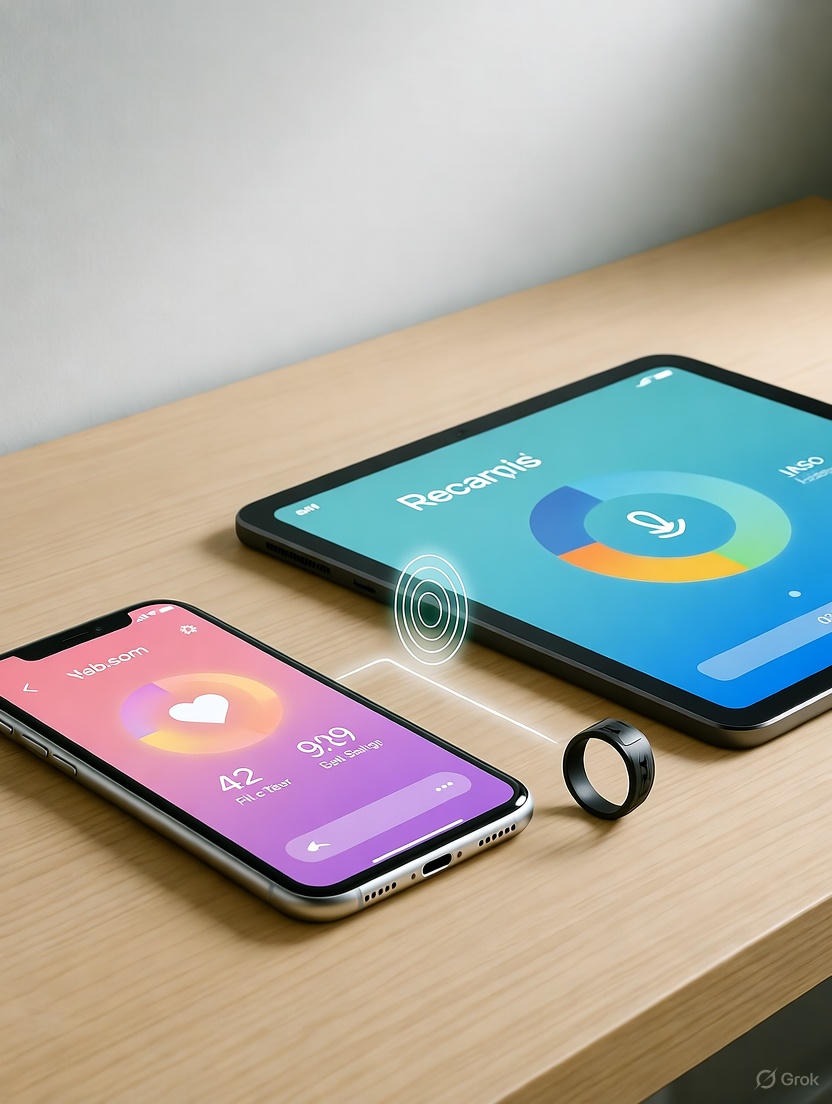
One of the ultimate tests of your understanding of the activity-sleep loop is when your external environment is forcibly scrambled. Travel—especially across time zones—disconnects your internal circadian rhythms from local time. Social jet lag (the chronic mismatch between your biological clock and social/work schedules on weekends) creates a weekly mini-disruption. Here’s how to use activity strategically to mitigate these shocks and protect your sleep score.
Pre-Travel Preparation (The Proactive Phase)
Activity as a Reset Tool During Travel
Managing Social Jet Lag
The common pattern of staying up late and sleeping in on weekends creates a Monday-morning hangover that isn’t from alcohol, but from circadian misalignment.
The Smart Ring as Your Travel Companion
Your ring is invaluable during disruption. It provides objective data so you can track your adjustment.
Hydration and the Flight Factor
Air travel is incredibly dehydrating, which directly stresses the body and disrupts sleep. Make hydration a militant pre-, during, and post-flight priority. This simple act reduces jet lag symptoms and supports every other adjustment strategy.
By viewing activity not just as exercise but as a circadian reset button, you transform it into your most powerful tool for maintaining sleep integrity amidst life’s inevitable disruptions. For more on establishing foundational sleep habits that make you more resilient to such disruptions, Sleep Tracking 101: Everything Beginners Need to Know covers the basics.
The journey to optimize your activity-sleep loop can sometimes feel solitary, confined to the private data on your phone. However, human connection and guided interpretation can dramatically accelerate your progress and provide motivation. Modern wellness technology is increasingly social and supportive.
The Power of Community Challenges & Groups
Many smart ring and wearable apps feature community aspects—group challenges, leaderboards, or shared goal-tracking. While competition has its place, the deeper value is in shared purpose and normalization.
The Role of a Coach or Expert Interpretation
Data is abundant; wisdom is scarce. A certified sleep coach, fitness trainer versed in recovery, or health professional can provide expert interpretation of your long-term trends.
Comparative Data: Percentiles and Population Norms
Most apps place your data (sleep duration, deep sleep %, RHR, HRV) within percentile ranges compared to others of your age and gender. This is a double-edged sword that must be used wisely.
Creating Your Personal “Advisory Board”
You can informally create this support system:
This multi-layered approach ensures you are never truly alone in your optimization journey. The data informs you, the community supports you, and expert guidance steers you, creating a robust ecosystem for sustainable success. To see how others have integrated technology and community into their wellness journey, visit our Testimonials page.
The smart ring on your finger represents not an end point, but a rapidly evolving beginning. The field of personal biometrics is accelerating, promising even deeper, more predictive, and more actionable insights into the activity-sleep symbiosis. Understanding these frontiers helps contextualize your current device and anticipate the powerful tools on the horizon.
Continuous Glucose Monitoring (CGM) Integration
The dynamic relationship between blood glucose levels, activity, and sleep is a frontier of personalized health. Imagine your smart ring data correlated with a CGM’s readouts:
Advanced Nervous System Mapping
Beyond HRV, future sensors may provide more direct assessment of autonomic nervous system (ANS) balance.
Predictive Analytics and AI-Powered Coaching
Current devices are largely descriptive (telling you what happened). The future is predictive and prescriptive.
Non-Invasive Blood Biomarkers
Research is fervently exploring ways to derive biomarkers like cortisol, CRP (for inflammation), and electrolytes from sweat or interstitial fluid using optical sensors. This would move tracking from “metrics of effect” (heart rate, movement) to “metrics of cause” (hormones, chemicals), providing an unprecedented window into the molecular drivers of your recovery state.
The Ethical and Personal Frontier
As data becomes more intimate and predictions more accurate, questions of privacy, data ownership, and psychological impact become paramount. The goal of this technology should remain empowerment, not anxiety. The most advanced device is useless if it causes obsessive checking or undermines your intrinsic listening to your body’s signals.
Your current smart ring is the gateway into this future. By engaging with it thoughtfully now, you are building the literacy and habits to harness these coming advancements wisely. They won’t replace the core principles of the activity-sleep loop—movement, recovery, rhythm—but they will illuminate them with stunning clarity, offering a personalized roadmap to a life of sustained energy and health. To stay abreast of these technological developments and their applications, our blog is consistently updated with the latest insights.
Theory, advanced strategies, and future gazing are essential, but they must land in the practical reality of your weekly schedule. Here, we synthesize everything into a flexible, customizable template. This is not a rigid prescription, but a thinking framework—a canvas upon which you can paint your own ideal week, informed by your data and self-knowledge.
The Foundational Principles of the Template:
Daily Anchors (Non-Negotiables):
Weekly Schedule:
Monday (Green Light / Focus: Strength & System Reset)
Tuesday (Green/Yellow Light / Focus: Active Recovery & NEAT)
Wednesday (Green Light / Focus: High-Intensity Intervals)
Thursday (Yellow Light / Focus: Skill & Mobility)
Friday (Green Light / Focus: Social & Fun Activity)
Saturday (Variable / Focus: Adventure or Complete Rest)
Sunday (Yellow Light / Focus: Restoration & Preparation)
How to Customize This Template:
This template embodies the entire philosophy: intelligent stress, strategic recovery, and a deep respect for the data that guides the balance between them. It’s a living system, designed to evolve as you do. For more inspiration on structuring your habits, the principles in Deep Sleep Formula: Temperature, Timing, and Habits are directly applicable.
Your Trusted Sleep Advocate (Sleep Foundation — https://www.sleepfoundation.org/)
Discover a digital archive of scholarly articles (NIH — https://www.ncbi.nlm.nih.gov/
39 million citations for biomedical literature (PubMed — https://pubmed.ncbi.nlm.nih.gov/)
experts at Harvard Health Publishing covering a variety of health topics — https://www.health.harvard.edu/blog/)
Every life deserves world class care (Cleveland Clinic -
https://my.clevelandclinic.org/health)
Wearable technology and the future of predictive health monitoring. (MIT Technology Review — https://www.technologyreview.com/)
Dedicated to the well-being of all people and guided by science (World Health Organization — https://www.who.int/news-room/)
Psychological science and knowledge to benefit society and improve lives. (APA — https://www.apa.org/monitor/)
Cutting-edge insights on human longevity and peak performance
(Lifespan Research — https://www.lifespan.io/)
Global authority on exercise physiology, sports performance, and human recovery
(American College of Sports Medicine — https://www.acsm.org/)
Neuroscience-driven guidance for better focus, sleep, and mental clarity
(Stanford Human Performance Lab — https://humanperformance.stanford.edu/)
Evidence-based psychology and mind–body wellness resources
(Mayo Clinic — https://www.mayoclinic.org/healthy-lifestyle/)
Data-backed research on emotional wellbeing, stress biology, and resilience
(American Institute of Stress — https://www.stress.org/)


