


How Smart Rings Made Fitness Tracking Effortless and Accurate
Made accurate fitness tracking effortless through continuous, passive monitoring.
Made accurate fitness tracking effortless through continuous, passive monitoring.
%402x.svg)
Imagine a world where your most powerful health insights aren’t strapped to your wrist, buzzing incessantly, or forgotten on a charger, but simply live on your finger. A world where tracking your wellness is as subconscious and constant as wearing a wedding band. This is no longer a futuristic fantasy; it’s the present reality ushered in by the smart ring. These unassuming, sleek pieces of wearable technology have quietly revolutionized the landscape of personal health monitoring, shifting the paradigm from conspicuous effort to seamless integration.
For years, the fitness tracker and smartwatch dominated the market, promising a quantified self. Yet, for many, they introduced friction: bulky designs that snag on sleeves, screens that demand constant attention, nightly charging routines that break continuous data collection, and the simple fact of not wanting to wear a watch. The smart ring elegantly solves these pain points. By moving the technology to the finger—a part of the body with rich, consistent vascular access—it enables a level of effortless, 24/7 tracking that was previously unattainable. The result isn't just more data; it's better data. Longer, uninterrupted biometric streams lead to more accurate baselines, more meaningful trends, and insights that feel less like a chore and more like a natural extension of living.
This article explores the profound shift smart rings represent. We will dissect the technology that makes them so precise, analyze the unique benefits of 24/7 wearability, and unveil how this constant stream of data is transforming our understanding of fitness, recovery, and holistic health. From professional athletes to everyday wellness seekers, the smart ring is proving that the most powerful tool for health optimization might just be the one you forget you’re wearing.
The journey to the smart ring is a story of miniaturization, user-centric design, and a deepening understanding of what we truly need from our health technology. To appreciate the ring’s significance, we must first look back at the path it paved.
The first generation of popular wearables were glorified pedometers. Clunky clip-on devices or basic wristbands that counted steps with simple accelerometers. Their value was primarily motivational, turning a basic activity metric into a game. The explosion of the smartwatch, pioneered by companies like Fitbit and later dominated by Apple, marked a second phase. These devices became dashboard companions, offering notifications, heart rate monitoring, and GPS tracking. They were powerful, but they created a new problem: digital overload. The wrist transformed into a source of constant interruption, with every email, message, and achievement buzz pulling at our attention. Fitness tracking became entangled with digital stress.
Furthermore, the form factor presented inherent limitations for health sensing. Wrist-based photoplethysmography (PPG) sensors, which use light to measure blood flow, are highly susceptible to motion noise and the "wrist gap"—the natural space between the device and skin that varies with movement. Sleep tracking often required users to remember to switch to a specific mode, and the bulk of a watch made it uncomfortable for many to wear overnight, creating data gaps precisely when crucial recovery metrics are captured.
The seeds of the smart ring were sown in specialized niches. Early versions focused on simple contactless payments (like the NFC ring) or targeted security. The true breakthrough came when innovators asked: what if we put advanced medical-grade sensors in the most discreet, continuously worn location? The finger, specifically the base of the finger, offers a superior physiological vantage point. It has a denser capillary network and less variable tissue than the wrist, allowing for stronger, cleaner PPG signals for heart rate, heart rate variability (HRV), and blood oxygen saturation (SpO2).
Pioneering companies like Oura Ring brought this vision to the consumer market, demonstrating that a ring could not only match but surpass the accuracy of wrist-worn devices for specific metrics, especially during sleep. The success sparked a renaissance. Today, the market includes a diverse range from brands like Oxyzen, each refining the formula with unique designs, advanced algorithms, and focused wellness philosophies. The evolution is clear: wearables are moving from obvious tech gadgets to unobtrusive wellness guardians. The goal is no longer to command your attention, but to quietly gather intelligence in the background, providing insights only when you seek them. This shift from the wrist to the finger isn't just a change of location; it's a fundamental rethinking of the relationship between human and health technology, a topic we explore in depth on our blog.
At the core of the smart ring’s value proposition is a simple, powerful truth: the finger is a biomechanical and physiological sweet spot for biometric sensing. This isn't a marketing claim; it's rooted in human anatomy and the physics of sensor technology. To understand why smart rings are so accurate, we must delve into the science behind their chosen home.
1. Vascular Access and Signal Strength: The primary sensors in most smart rings are optical, using PPG. This method works by shining LED light (usually green and red/infrared) into the skin and measuring the amount of light reflected back. Blood absorbs light, so as your heart pumps and blood volume pulses through your capillaries, the reflected light creates a waveform. The finger pad, particularly the palmar digital arteries running along the sides, provides exceptionally dense and superficial blood flow. This proximity yields a stronger, less "noisy" PPG signal compared to the wrist, where arteries are deeper and surrounded by more bone and tendon. A stronger signal means cleaner data, which is the raw material for accurate calculations of heart rate, HRV, and even blood oxygen.
2. Reduced Motion Artifact: This is perhaps the most significant advantage for fitness and sleep tracking. The wrist is a highly mobile joint, constantly bending and rotating. Every hand movement can create a "motion artifact"—false signals in the sensor data that mimic a heartbeat or obscure the true pulse. Advanced algorithms in watches try to filter this out, but it's a constant battle, especially during activities like weightlifting or typing. The finger, while still mobile, has a more consistent orientation relative to the hand during many activities. More importantly, during sleep—a critical data collection period—the finger moves far less than the wrist. This results in remarkably clean nocturnal data, which is gold standard for establishing resting heart rate, HRV baseline, and detailed sleep architecture. For a deep dive into how these sensors translate light into sleep stages, see our article on how sleep trackers actually work.
3. Optimal Temperature Tracking: Core body temperature and its subtle circadian fluctuations are a vital biomarker for metabolic health, illness onset, ovulation cycles, and sleep quality. While wrist-based temperature sensors exist, they are heavily influenced by external ambient temperature and local blood flow changes in the hand. The finger, however, provides a more stable and internally correlated temperature reading. By using multiple sensors on the inner band of the ring (the part touching the underside of your finger), smart rings can detect minute, trend-based shifts in peripheral temperature that reflect your body's central circadian rhythm. This allows for highly accurate period predictions, fever onset alerts, and insights into sleep readiness that a wrist device simply cannot match reliably.
4. Consistent Skin Contact: A smartwatch must be worn snugly to function well, and even then, the fit can shift. A properly fitted smart ring essentially becomes part of your finger. It maintains constant, uniform contact with the skin without needing to be uncomfortably tight, thanks to the bony structure of the finger. This consistent interface ensures the sensors are always in the optimal position, eliminating data dropouts. This 24/7 consistency is what transforms sporadic data points into a meaningful, continuous health narrative. It allows the device to learn your unique baseline, making deviations from your norm—not population averages—the most powerful indicator of changes in your health, fitness, or recovery status.
The most touted feature of a smart ring is its simplicity: you put it on and, for days or weeks, you forget about it. This isn't just a convenience; it's the foundational element that unlocks a deeper, more nuanced understanding of your health. The power of uninterrupted, 24/7 biometric monitoring cannot be overstated, as it fundamentally changes the type and quality of insights you receive.
From Snapshots to a Continuous Film: Traditional fitness trackers offer glimpses—a workout session, a night's sleep, a walking heart rate. These are like individual photographs. They capture a moment, but they lack context. Why was your resting heart rate high this morning? Was it because of a poor night's sleep, an intense workout two days ago, a looming illness, or simply stress at work? Without the preceding and following data, it's guesswork. A smart ring, worn continuously, records a full, unabridged film of your physiology. It sees the gradual rise in your resting heart rate the evening before you feel sick. It captures the drop in your HRV after a stressful meeting. It maps the exact impact of that late-night coffee on your sleep depth. This continuity turns isolated data points into a coherent story with cause and effect.
The Primacy of Recovery and Readiness: Modern sports science and wellness understanding have moved beyond just measuring output (steps, active minutes, calories burned) to prioritizing input and recovery. How well are you recovering from stress, exercise, and life? The best indicators of this are nocturnal metrics: Heart Rate Variability (HRV), Resting Heart Rate (RHR), and sleep stages. These metrics are most accurately and meaningfully captured during undisturbed sleep. A device you have to remember to put on at night or one that's uncomfortable to sleep in will fail at this critical task. A smart ring, by its nature, is always on the job. It provides a nightly, objective scorecard of your recovery, allowing you to answer the essential question each morning: "Is my body ready to perform, or does it need a gentler day?" This approach to training and lifestyle, guided by 24/7 data, helps prevent overtraining, burnout, and injury. Athletes can learn more about this in our guide to deep sleep optimization for recovery.
Building a Personal Baseline: Health is personal. What's a "good" HRV for one person might be a sign of strain for another. The only way to know what's normal for you is to observe your body over an extended period under various conditions. A smart ring, through constant wear, builds a rich, personalized baseline across seasons, stress cycles, training blocks, and daily life. It learns your unique patterns. This personalized baseline makes its alerts and insights incredibly powerful. Instead of generic warnings ("your sleep was poor"), it can offer specific, contextual insights ("your deep sleep was 25% lower than your personal baseline last night, and your nighttime heart rate was elevated, suggesting your body is working harder to recover—consider a lighter workout today"). This shift from generic to personal is the true promise of wearable technology, finally realized through effortless, always-on wearability.
In the world of competitive athletics and high-performance training, margins of victory are slim. Gains are sought not just in grueling workouts, but in the precise science of recovery and adaptation. Here, the smart ring has transitioned from a consumer wellness gadget to an indispensable secret weapon for fitness professionals, coaches, and serious athletes. It provides the objective, physiological data needed to move coaching from an art form to a precise science.
Personalized Periodization and Load Management: Periodization—the strategic planning of training cycles—is fundamental to athletic progress. Coaches design macrocycles (annual plans), mesocycles (monthly blocks), and microcycles (weekly schedules) of stress and recovery. The smart ring provides the granular, daily feedback to validate and adjust these plans in real-time. If an athlete's HRV plummets and RHR spikes mid-week during a supposed "loading" phase, it's a clear signal they are not recovering adequately. A coach can immediately adjust the next day's session from high-intensity to active recovery, preventing overreaching. Conversely, if an athlete's metrics show superb readiness during a deload week, the coach might add a small stimulus to capitalize on the supercompensation effect. This dynamic adjustment, known as autoregulatory training, optimizes every single training day.
Objective Overtraining Prevention: Overtraining syndrome is a coach's and athlete's nightmare—a state of prolonged fatigue and performance decline caused by excessive training without adequate recovery. Its early signs are subtle and subjective: feeling "flat," irritable, or unmotivated. The smart ring offers the objective early-warning system. A sustained downward trend in HRV, coupled with an elevated resting heart rate and disrupted sleep, is a classic physiological signature of excessive stress. Catching this trend early allows for immediate intervention—extra rest days, nutrition focus, stress reduction—long before performance crashes or injury occurs. This protects the athlete's health and preserves months of hard work.
Injury Rehabilitation and Return-to-Play Protocols: After an injury, the rehabilitation process is delicate. Push too hard, too soon, and you risk re-injury. Be too cautious, and you delay recovery. Smart ring data provides a window into the athlete's systemic recovery from rehab sessions. Is the inflammation from yesterday's physiotherapy session affecting their sleep and elevating their RHR? Is their nervous system calm enough (high HRV) to safely introduce a new movement? This data allows physiotherapists and coaches to tailor the rehab load with unprecedented precision, ensuring the athlete's entire body is ready for each progressive step.
Sleep Optimization as a Competitive Advantage: Elite athletes now treat sleep as a non-negotiable part of their training regimen. The smart ring is their sleep lab at home. Coaches and sports scientists analyze athletes' sleep data to identify issues: are they getting enough deep sleep for physical repair? Is their REM sleep sufficient for motor skill consolidation? They then implement targeted interventions—adjusting travel schedules, optimizing bedroom environment, managing blue light exposure—based on hard data. The goal is to maximize the quality of the 8-10 hours they spend in bed, turning passive rest into active recovery. Teams have begun to use this data to make strategic decisions about player availability and travel, recognizing that a well-rested athlete is a faster, stronger, and more resilient athlete. The science of deep sleep is particularly critical in this high-stakes context.
By providing this continuous stream of objective biometrics, the smart ring empowers a new era of coaching. It facilitates a dialogue between coach and athlete based not on "how do you feel?" (which can be unreliable) but on "what does your body's data say?" This partnership leads to smarter training, fewer injuries, and ultimately, peak performance when it matters most.

As with any emerging technology, smart rings are surrounded by questions, misconceptions, and legitimate concerns. For someone considering integrating one into their life, it's crucial to separate fact from fiction. Let's address some of the most common myths head-on.
Myth 1: "A ring can't be as accurate as a chest strap or medical device."
Myth 2: "They're too fragile for real life or the gym."
Myth 3: "The data will make me anxious or obsessive."
Myth 4: "It's just a sleep tracker; I have a watch for fitness."
By addressing these concerns directly, we can see that the smart ring isn't a perfect, all-replacing device, but rather a uniquely optimized tool for a specific and profoundly important aspect of health: understanding your body's internal state and rhythms, effortlessly and accurately.
The smart ring market is flourishing, with options ranging from minimalist health monitors to feature-rich powerhouses. Choosing the right one is a personal decision that hinges on your primary goals, lifestyle, and aesthetic preferences. This guide will help you navigate the key considerations to find the perfect ring for your finger and your life.
1. Define Your "Why": Before looking at specs, ask yourself what you want to achieve.
2. Sensor Suite and Accuracy: This is the engine. Don't just count sensors; research the reputation of the ring's accuracy, especially for sleep and recovery metrics. Look for rings that use multiple LEDs (green/red/infrared) for better SpO2 and heart rate accuracy. A temperature sensor is non-negotiable for advanced insights. Read independent reviews and studies where available. The experiences of other users can be invaluable, which is why exploring real testimonials is always recommended.
3. The App & Algorithm: Where Insights Are Born: The hardware collects data; the software delivers wisdom. Download the app before you buy the ring, if possible. Evaluate:
4. Design, Fit, and Comfort:
5. Battery Life and Ecosystem: Expect 4-7 days. Consider your charging habits. Does the ring come with a convenient charging dock? Also, check compatibility with your smartphone (iOS/Android) and any other health ecosystems (Apple Health, Google Fit, Samsung Health) you use.
6. Price and Subscription Model: Smart rings are an investment, typically ranging from $250 to $450+. Be aware of ongoing costs. Some brands lock advanced insights or historical data behind a monthly subscription fee. Others offer all features for a one-time purchase. Determine the total cost of ownership. For a transparent look at what a brand offers, visiting their main shop and their about page can provide clarity on value and philosophy.
The raw biometrics collected by a smart ring—the pulses of light, the subtle temperature shifts, the minute movements—are merely the raw ingredients. The true magic, the transformation of data into actionable wisdom, happens within the sophisticated algorithms that power the companion app. These algorithms are the unseen brain of the system, interpreting the symphony of your physiology to compose a coherent story about your health. Understanding how they work demystifies the process and builds trust in the insights you receive.
The Foundation: Establishing Your Personal Baseline. Before a smart ring can tell you anything meaningful, it must learn what is normal for you. This is the critical first step that generic fitness trackers often skip. Over an initial period, typically 7-14 days of continuous wear, the device's algorithms quietly observe. They calculate your average resting heart rate, your typical HRV range, your normal sleep duration and composition, and your circadian temperature rhythm. This period establishes your personalized baseline, not a population average. This baseline is your health fingerprint. Every piece of future data is then contextualized against this unique signature. A heart rate of 60 BPM might be high for Athlete A (baseline 48) but low for Individual B (baseline 68). This personalization is what makes smart ring insights so powerful and relevant.
Synthesizing Multi-Modal Data: A single metric can be misleading. An elevated heart rate could mean illness, a hard workout yesterday, stress, or dehydration. The algorithm's job is to cross-reference. It looks at clusters of data. For example:
This multi-modal synthesis mimics how a skilled doctor would assess symptoms—not in isolation, but as a pattern. The algorithm weighs each signal, filters out noise (like a single night of poor sleep due to external factors), and identifies the dominant trend.
Trend Analysis Over Spot Measurements: Smart ring algorithms are designed to be "trend-aware," not reactive to blips. They use statistical methods and machine learning to smooth daily volatility and reveal the underlying direction of your metrics. This is why a single day of low HRV isn't a cause for alarm in the app; but a 5-day downward trend will trigger a notification and a suggestion to prioritize rest. This focus on trends teaches users to think long-term about their health, reducing anxiety over daily fluctuations and fostering a more sustainable, big-picture view of wellness. For those wanting to understand their own trends better, resources like our blog post on deep sleep and memory show how long-term patterns have real cognitive impacts.
Predictive and Prescriptive Analytics: The most advanced algorithms are moving beyond descriptive ("you slept poorly") to predictive and prescriptive insights.
The sophistication of these algorithms is what you're ultimately investing in. The ring is the sensor; the algorithm is the expert interpreter. It turns a bewildering array of numbers into a simple, personalized narrative: "Your body is asking for rest," "You're adapting well to your new training," or "Pay attention, something might be brewing." This translation from data to wisdom is the core value proposition that makes the smart ring an intelligent partner in health, not just a passive recorder.

If the smart ring has a single domain where its impact is most revolutionary, it is sleep. For decades, understanding our sleep required expensive, intrusive lab polysomnography (PSG). Consumer wearables offered a glimpse, but were plagued by the "wrist gap" in accuracy and the hassle of nightly wear. The smart ring, with its superior nocturnal biometric capture and effortless wearability, has democratized detailed sleep analysis. It hasn't just made sleep tracking easier; it has fundamentally redefined our cultural and personal relationship with rest, elevating it from a passive state to an active pillar of performance and health.
From Duration to Architecture: The old paradigm asked, "Did you get 8 hours?" The smart ring-driven paradigm asks, "What was the quality of those hours?" By estimating sleep stages (light, deep, REM), it reveals the architecture of your night. You might discover you're getting a solid 7.5 hours, but only 45 minutes of deep sleep—far below your personal need for physical repair. Or you might see abundant deep sleep but fragmented REM, affecting memory and mood. This architectural insight is transformative. It moves the conversation from a single, often unachievable, number to a nuanced understanding of sleep's components. You can now track specific goals, like increasing your deep sleep, with tangible data. Our guide on how to get more deep sleep tonight is a direct response to this new, actionable focus.
Uncovering Sleep Stealers: The continuous data stream acts like a detective, correlating your daily life with your sleep outcomes. The app might reveal patterns you never noticed:
These aren't guesses; they are data-driven correlations. By making the invisible visible, the smart ring empowers you to conduct your own experiments and make informed lifestyle trade-offs.
Chronotype and Circadian Alignment: Not everyone is wired for a 10 p.m. to 6 a.m. schedule. Your smart ring, by tracking your body temperature minimum and the timing of your melatonin onset (inferred from HRV and temperature drops), can help identify your natural chronotype—are you a wolf, bear, lion, or dolphin? This isn't just interesting trivia. It allows you to strategically align your sleep window, workout times, and mentally demanding work with your body's innate energy rhythms. Forcing an evening workout when your body is winding down might be counterproductive, as shown by poor subsequent sleep metrics. The ring provides the evidence to advocate for a schedule that works with your biology, not against it.
Sleep as a Diagnostic Tool: Because sleep is when your body is most focused on repair and regulation, disturbances in your sleep metrics are often the earliest sign of other issues. A smart ring can act as an early-warning system:
This positions sleep not as an isolated activity, but as the ultimate nightly biometric screening, providing a holistic check-up on your physical and mental state. The importance of this restorative phase is explored in our article on what deep sleep is and why you're not getting enough.
By making advanced sleep science accessible, comfortable, and continuous, smart rings have sparked a sleep revolution. They have shifted sleep from the bottom of our wellness priority list to the top, proving that optimizing our rest is the most effective way to enhance every waking hour that follows.
The term "fitness tracking" often conjures images of running routes, lifting sessions, and spin classes. But for the smart ring, fitness is a 24-hour endeavor. Its true power for the active individual lies in its ability to illuminate the 23 hours outside the gym—the recovery, the daily movement, and the lifestyle factors that ultimately determine performance outcomes. It becomes a companion not just for your workout, but for your entire active lifestyle.
NEAT: The Unsung Hero of Metabolic Health. Non-Exercise Activity Thermogenesis (NEAT)—the energy you burn from fidgeting, walking to your car, taking the stairs, standing at your desk—accounts for a surprisingly large portion of your daily calorie expenditure. For many, it can dwarf a 45-minute workout. Smart rings excel at capturing this all-day movement through their accelerometers and heart rate data, providing an estimate of your total daily energy expenditure (TDEE) and highlighting your NEAT levels. This insight is crucial. On a rest day, seeing a low NEAT score can motivate you to take a walk. On a cut or weight maintenance phase, it provides a more complete picture of your calorie balance than workout stats alone. It reframes fitness as a all-day mindset of movement, not just isolated bursts of sweat.
Workout Heart Rate & Cardio Insights: While a chest strap remains the gold standard for high-dynamic intensity training, smart rings provide excellent heart rate data for steady-state cardio like running, cycling, hiking, and elliptical sessions. The finger's strong PPG signal, combined with advanced algorithms that filter out arm swing motion, yields reliable trends. You can track your average and peak heart rate for a run, observe your heart rate drift over a long session (a sign of fatigue or heat stress), and monitor your cardio recovery—how quickly your heart rate drops in the first minute after exercise, a key indicator of cardiovascular fitness. This data, integrated with your readiness score, helps you answer: "Was my body truly ready for that hard run today, and how well did it handle it?"
The Impact of "Life Stress" on Performance: An athlete's training plan is executed not in a vacuum, but amidst the stress of work, relationships, and life events. The smart ring quantifies this. You might be perfectly following your running plan, but if a major work project is causing your daytime HRV to plummet and your sleep to suffer, your effective recovery capacity is being diverted. The ring makes this invisible drain visible. It allows you (or your coach) to see that a "light training week" on paper might need to be even lighter because life stress is already consuming your adaptation energy. This holistic view prevents the common pitfall of only managing workout stress while ignoring other, equally potent, stressors.
Recovery Validation and Pacing: After a hard workout, the ring provides objective validation of your recovery strategies. Did that post-workout protein shake, foam rolling, and early bedtime actually move the needle? Check your deep sleep duration and morning HRV. This creates a positive feedback loop, reinforcing good recovery habits. Furthermore, for endurance athletes, the ring can be a pacing guide. Starting a long run with an already-elevated resting heart rate (from poor sleep or dehydration) is a signal to dial back the intensity from the start to avoid bonking later.
Environmental and Altitude Adaptation: For outdoor enthusiasts, some advanced rings offer environmental sensors or integrations. Tracking SpO2 during a high-altitude hike can provide insights into your acclimatization. Noticing a higher resting heart rate and poorer sleep at a hotter, more humid climate can explain perceived exertion changes. The ring contextualizes your performance within your environment.
By seamlessly blending into an active life—worn during rock climbing, swimming, or while typing at a standing desk—the smart ring builds a complete picture of what it means to be "fit." It ties together the dots between intentional exercise, incidental movement, disciplined recovery, and life's demands, proving that fitness is a full-spectrum lifestyle, and the ring is its most observant chronicler. For those building this lifestyle, our blog offers a wealth of resources on balancing activity with holistic wellness.
One of the most profound and personalized applications of smart ring technology is in the realm of women's health. For decades, wearable tech was designed with a largely gender-neutral (often male-default) approach, overlooking the fundamental cyclic nature of the female physiology. Smart rings, with their continuous temperature and biometric monitoring, have changed this narrative entirely. They have become powerful tools for hormonal intelligence, offering women unprecedented insight into their menstrual cycles, fertility, and the intricate interplay between hormones and overall wellbeing.
Basal Body Temperature (BBT) Tracking, Perfected: The principle of tracking basal body temperature to predict ovulation is well-established, but traditional oral thermometers are fraught with challenges: they require rigid timing (immediately upon waking, before any movement), are prone to user error, and provide a single, easily-missed data point. The smart ring automates and revolutionizes this process. By measuring peripheral temperature continuously throughout the night, it identifies the most stable, reliable reading (typically during the core of sleep) to serve as your BBT. It then charts these values over your cycle, clearly showing the sustained temperature shift that occurs after ovulation due to rising progesterone. This hands-off, automated tracking is a game-changer for accuracy and convenience.
Cycle Mapping and Phase-Based Insights: Beyond just pinpointing ovulation, the smart ring paints a full picture of the entire menstrual cycle—follicular phase, ovulation, luteal phase, and menstruation. Each phase has distinct physiological signatures:
By visualizing this cycle alongside other metrics like sleep, HRV, and activity, women can understand their body's changing needs. They might see that their sleep is more fragile in the luteal phase, that their HRV tends to dip pre-menstrually, or that their exercise performance peaks during the follicular phase. This allows for cycle-syncing—adapting training, nutrition, and work demands to align with natural hormonal energy rhythms, potentially reducing PMS symptoms and optimizing performance and mood throughout the month.
Fertility Awareness and Family Planning: For women using fertility awareness methods (FAM) for either achieving or avoiding pregnancy, the smart ring provides a superior level of data confidence. The clear temperature shift, combined with heart rate data (some apps also integrate manual cervical mucus observations), creates a multi-modal confirmation of the fertile window and post-ovulatory infertile phase. This data-driven approach empowers women with greater knowledge and agency over their reproductive health.
Pregnancy and Postpartum Monitoring: The application extends into pregnancy and beyond. The ring can track the profound physiological changes of pregnancy, such as the elevated resting heart rate and increased blood volume. Postpartum, it becomes a vital tool for monitoring recovery. Sleep is inevitably fragmented with a newborn, but the ring can help new mothers identify when their own physiological recovery is trending positively (HRV improving, RHR slowly returning to pre-pregnancy baselines) amidst the chaos, and signal when they might be pushing themselves too hard.
Menopause Transition: For women in perimenopause, the ring can help track the often erratic hormonal fluctuations. Irregular cycles, sleep disturbances, and hot flashes (which may show as sharp, brief temperature spikes) can all be monitored, providing objective data to discuss with a healthcare provider and helping to distinguish between menopause-related changes and other health issues.
By honoring the cyclical nature of female biology, smart rings move women's health technology from an afterthought to a forefront application. They provide a private, continuous, and deeply personal dashboard that validates women's experiences with data, turning subjective sensations into objective patterns. This fosters a deeper connection with one's body and provides the tools to navigate hormonal health with intelligence and grace. Understanding these patterns is part of a holistic health strategy, much like understanding the impact of age on deep sleep.
The current capabilities of smart rings are impressive, but they represent just the beginning. As sensor miniaturization, battery technology, and artificial intelligence continue to advance at a breakneck pace, the future of what a ring on your finger can tell you is nothing short of astounding. We are moving from monitoring to true predictive and preventative health management. Let's explore the emerging technologies that will define the next generation of these powerful devices.
Non-Invasive Blood Glucose Monitoring (NIBGM): This is the holy grail of continuous health sensing. The ability to track glucose trends without finger-prick blood draws would revolutionize management for diabetics and provide immense metabolic insight for everyone. Several companies are pioneering optical (using Raman spectroscopy or mid-infrared light) and other methods to attempt this feat in a ring form factor. While not yet commercially available in a consumer ring, the finger is a prime candidate site due to its vascularity. Success here would allow users to see the real-time impact of food choices on their metabolic health, optimizing energy, weight management, and long-term wellness.
Continuous Blood Pressure (cBP) Tracking: Hypertension is a silent killer. A device that could provide frequent, casual blood pressure readings throughout the day would be a massive public health tool. Research into using PPG waveform analysis and pulse transit time (the speed at which the pressure pulse travels from the heart to the finger) to estimate blood pressure is ongoing. A smart ring, with its consistent fit and high-quality PPG signal, is an ideal platform for this technology once the algorithms are validated.
Advanced Electrolyte and Hydration Sensing: Dehydration and electrolyte imbalance severely impact performance and cognition. Future rings may incorporate impedance sensors or advanced optical analysis to estimate hydration status or key electrolyte levels like sodium. This would be a game-changer for athletes, outdoor workers, and anyone in hot climates, providing a direct, physiological reminder to hydrate.
Advanced Stress and Emotional AI: Beyond HRV, future algorithms may analyze the micromovements of your finger (via ultra-sensitive accelerometers) for signs of tremor associated with anxiety or analyze subtle changes in heart rate patterns linked to specific emotional states. Coupled with voice analysis (through a connected phone) or even galvanic skin response sensors, the ring could provide a more nuanced picture of your emotional wellbeing and stress triggers.
EEG and Cognitive Readiness: Embedding tiny electroencephalogram (EEG) sensors to detect brainwave patterns is a more distant but tantalizing possibility. This could move "readiness" from a physical to a cognitive metric. Are your brainwaves showing signs of focus or fatigue? This could help optimize work sessions, signal the need for a mental break, or even track sleep stages with neural-level accuracy.
Seamless Authentication and Digital Identity: The future smart ring will likely become a central hub for your digital identity. Beyond just contactless payments (NFC), it could use a combination of your unique heart rate pattern, vascular signature, or other biometrics for seamless, ultra-secure authentication. Imagine walking up to your car, home door, or computer, and it unlocks automatically because it recognizes you—the unique biological signature verified by your ring.
The Integrated Health Ecosystem: The ring won't exist in a vacuum. It will be the primary data hub that seamlessly communicates with a constellation of other smart devices—connected scales, smart clothing, glucose monitors, even your bathroom mirror. Your AI health assistant, powered by the ring's continuous data stream, will synthesize information from all these sources to provide hyper-personalized, proactive health guidance. It might say, "Your weight is down, your resting heart rate is up, and your sleep was light—you might be getting sick. Let's schedule a lighter day and increase your vitamin C intake."
The trajectory is clear: the smart ring is evolving from a fitness and sleep tracker into a comprehensive health guardian. It aims to be an always-on, preventative health screening device that lives on your body, detecting anomalies early, guiding daily choices, and ultimately, helping you live a longer, healthier, and more optimized life. Staying informed about these developments is key, and platforms dedicated to explaining the technology, like our blog on wellness tech, will be essential for users navigating this exciting future.
We have journeyed from the evolution of wearables to the speculative future of health technology, all through the lens of a device small enough to circle a finger. The central thesis is clear: smart rings have made fitness tracking effortless and accurate by removing friction, choosing a superior physiological vantage point, and leveraging continuous data to reveal holistic truth.
The revolution is not in adding more complexity to our lives, but in subtracting it. By designing a device you can forget you're wearing, the smart ring solves the primary problem of all previous wearables: user compliance. Its accuracy, born from the science of the finger, provides a level of trust in the data that empowers real change. And its 24/7 perspective shifts the focus from isolated workouts to the entire ecosystem of health—sleep, recovery, stress, circadian rhythm, and hormonal cycles.
This is not about biohacking for the sake of optimization; it's about bio-awareness for the sake of empowerment. It's about giving you an objective, personalized conversation with your own body. The ring doesn't judge; it observes. It provides the clues—the elevated heart rate, the dipping HRV, the fragmented sleep—and allows you to become the detective in your own health story. It turns abstract wellness advice into personalized, data-informed experiments. Should I skip coffee after 2 p.m.? How does a 10-minute meditation affect my nervous system? What is the real impact of that late-night screen time? The ring provides the answers.
For the athlete, it's a recovery coach. For the busy professional, it's a stress barometer. For the health-conscious individual, it's a preventative early-warning system. For women, it's a cycle-syncing companion. In all cases, it is a tool that fosters mindfulness and intentionality about how we live our one precious life.
As we look ahead to the integration of even more advanced sensors and AI, the potential grows. But the core value remains unchanged: the smart ring offers a path to better health that is quiet, constant, and uniquely yours. It proves that the most profound insights often come not from loud declarations, but from the subtle, effortless, and accurate whisper of data gathered while you simply live your life. It is, in every sense, the invisible path to a healthier, more aware, and more vibrant you.

The true power of any technology is revealed not in its specifications, but in its impact on real lives. Smart rings are moving from niche curiosities to central tools in the health and performance strategies of diverse individuals. By examining specific, anonymized case studies, we can see how the effortless, accurate data from these devices catalyzes profound personal transformation, turning abstract biometrics into concrete, life-changing decisions.
Case Study 1: The Overtrained Executive (David, 42)
Case Study 2: The Perimenopausal Professional (Maria, 49)
Case Study 3: The Endurance Athlete Seeking Marginal Gains (Alex, 31)
These cases illustrate a common theme: the smart ring acts as a translator. It translates the body's subtle, often-ignored signals into a clear, objective language. For David, it translated fatigue into overtraining metrics. For Maria, it translated confusing symptoms into hormonal and sleep patterns. For Alex, it translated a generic training plan into a personalized adaptation curve. This translation empowers individuals to move from guessing about their health to knowing, and from knowing to acting with precision. It’s the bridge between how we feel and what is truly happening beneath the skin.
The wearable ecosystem is diverse, with each device optimized for different primary functions. Choosing the right tool requires understanding their complementary strengths and weaknesses. This comparative analysis moves beyond marketing to a functional breakdown, helping you decide where a smart ring fits in your personal health-tech arsenal.
The Smart Ring: The Holistic Baseline & Recovery Specialist
The Chest Strap (ECG): The Gold-Standard Performance Tool
The Synergistic Stack: How They Work Together
The most data-empowered individuals often use a combination, leveraging the unique strength of each:
The Verdict: The smart ring is not a direct replacement for a smartwatch or chest strap; it’s a paradigm shift towards a recovery-first, holistic health model. It fills the critical gap that other devices miss: the quality of the time you spend not exercising. For a comprehensive understanding of how different sleep tracking technologies compare, our analysis of sleep tracking accuracy provides a deeper look. For many, starting with a ring provides the most transformative insights because it addresses the foundational element of all health: recovery.
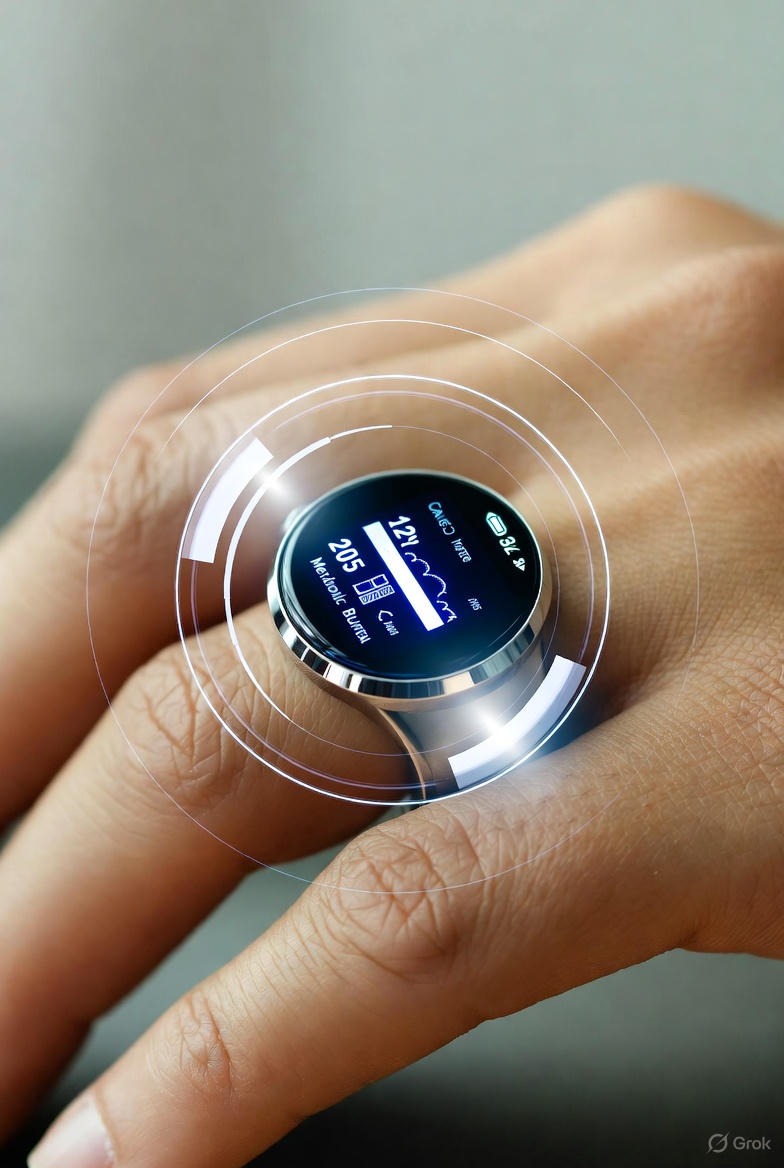
The flood of data from a 24/7 health monitor can be empowering, but for some, it risks tipping into anxiety or unhealthy obsession—a condition sometimes called "orthosomnia," the preoccupation with perfect sleep data. The key to reaping the benefits of a smart ring lies in cultivating a healthy, informed, and non-reactive relationship with your metrics. This requires a shift from chasing perfect numbers to understanding personal trends and context.
Adopt a "Trends Over Points" Mindset: This is the cardinal rule. A single day of low HRV, high resting heart rate, or poor sleep score is meaningless noise. Bodies are dynamic systems influenced by countless daily variables: a stressful conversation, a spicy meal, a change in weather, a minor immune system battle. Do not make lifestyle changes based on a single data point. Instead, open your app looking for patterns over one week, two weeks, and a full month. Is there a sustained downward trend in HRV? Is your deep sleep consistently lower this month than last? Trends reveal the signal through the noise and guide meaningful, sustained action.
Context is King: Log Your Life. The most powerful feature of any smart ring app is the manual journal or tag function. Your biometrics are questions; your lifestyle is the answer. Make it a habit to log key factors:
After a few weeks, you can review your trends and filter by these tags. You’ll see, empirically, that "alcohol" correlates with a 40% reduction in your deep sleep, or that "yoga" days are followed by higher HRV. This turns the ring into a personal science lab, providing evidence-based answers about what works for your unique biology.
Understand Your Personal Ranges, Not Population Averages. The app may color-code your HRV as "below average." Ignore this in favor of your personal baseline. If your normal, healthy range is 30-50 ms, a reading of 25 ms is significant for you, even if the app says it's "average" for a 60-year-old. Focus on deviations from your own normal. The ring’s greatest gift is teaching you what is normal for you, freeing you from unhelpful comparisons. Learning about your personal deep sleep sweet spot is a perfect example of this personalized approach.
Use Scores as Guidance, Not Gospel. The readiness or recovery score is a helpful summary, but it’s an algorithm’s interpretation. If you wake up feeling fantastic but your score is low, don’t let it dictate your mood. Investigate why: maybe your temperature is elevated from a hard workout (a positive stress), not illness. Conversely, if your score is high but you feel tired, listen to your body. The data is an advisor, not an authoritarian. You are still the CEO of your health.
Schedule Your Check-Ins, Don't Constantly Check. To prevent obsessive checking, designate specific times to review your data—perhaps once in the morning to see your readiness and sleep, and once on Sunday evening for a weekly review. Avoid opening the app reactively throughout the day. This scheduled reflection turns data review into a mindful practice, not a compulsive tic.
Embrace the "Why" Behind the "What." When you see a negative trend, approach it with curiosity, not criticism. Instead of thinking, "My sleep is terrible, I'm failing," ask, "I wonder what's causing my sleep to be lighter this week? Let me look at my tags." This reframes the data from a report card into a diagnostic tool for compassionate self-inquiry.
By following these principles, you harness the smart ring’s power for awareness and empowerment, while avoiding the pitfalls of anxiety and fixation. The goal is not to live by the numbers, but to use the numbers to live better. For those seeking balance, our article on the honest pros and cons of sleep tracking addresses this very challenge.
The impact of smart rings is extending beyond individual consumers into the realm of organizational health. Forward-thinking companies are recognizing that employee well-being is not just a perk, but a strategic imperative linked to productivity, creativity, retention, and healthcare costs. Smart rings, with their focus on objective recovery and stress data, are emerging as powerful tools in corporate wellness programs, moving them beyond step challenges and into the science of sustainable performance.
From Activity to Recovery: A Paradigm Shift in Workplace Wellness. Traditional corporate wellness has often focused on activity (step counts, gym memberships) and biometric screenings (annual cholesterol checks). These are snapshot metrics that miss the daily dynamics of employee health. Smart rings introduce the concept of recovery and resilience tracking. Companies are beginning to understand that an employee who is well-recovered is more focused, collaborative, and innovative, while also being less prone to burnout and illness. By providing insights into sleep quality and stress load, rings address the root causes of presenteeism and attrition.
Pilot Programs and Ethical Implementation. Leading companies in tech, finance, and professional services are running pilot programs, offering smart rings to employees as part of comprehensive well-being initiatives. The critical factor is ethical implementation:
Quantifying the Impact of Workplace Stress. For the first time, companies can get an objective, aggregated measure of how workplace practices affect physiological well-being. Does "crunch time" before a product launch decimate sleep scores across a team? Do late-night emails correlate with next-day reductions in readiness? This data empowers leaders to make structural changes—like implementing "right to disconnect" policies or redesigning workload distribution—based on hard evidence of human impact.
Personalized Benefits and Healthcare Cost Mitigation. On an individual, opt-in level, employees can use their ring data to engage more proactively with their health. They might spot a trend of rising resting heart rate and consult a doctor earlier, potentially averting a more serious condition. Over time, a workforce that is more in tune with its health and better at managing stress could lead to reduced insurance claims and healthcare costs for the employer. It fosters a culture of prevention over cure.
The Future of Work-Life Integration: As remote and hybrid work solidify, the line between work and home blurs. The smart ring can act as a personal boundary guardian for employees. Seeing their own data deteriorate from overwork can be the nudge they need to log off. Companies that champion this mindset—equipping employees with tools to protect their recovery—will attract and retain top talent who value sustainable performance.
The integration of smart rings into corporate wellness marks a maturation of the field. It moves from incentivizing activity to building a culture of recovery and resilience. It treats employees not as resources to be depleted, but as whole humans whose peak professional output is intrinsically linked to their holistic health. This alignment of individual and organizational well-being, powered by effortless, accurate data, may well define the future of healthy, high-performing companies. Brands like Oxyzen are exploring these very applications, focusing on how technology can support human potential in all spheres of life.
The promise of the smart ring—a continuous, intimate window into our most private biological functions—is accompanied by profound ethical questions. As we invite these devices into our lives, we must critically examine the implications for data privacy, security, and the very nature of self-knowledge. Navigating this landscape responsibly is crucial for both users and manufacturers.
The Data Goldmine: What’s at Stake? A smart ring collects what is arguably the most sensitive data possible: a continuous, timestamped record of your heart, sleep, temperature, and location (via paired phone). This isn't just "data"; it's a biometric diary that can reveal:
This data, if aggregated and analyzed, could be used to infer things about your health, productivity, and personal life that you may not wish to share.
Privacy Imperatives for Manufacturers: Reputable smart ring companies must adhere to the highest standards. Users should look for and demand:
The Employer/Insurance Dilemma: This is the most contentious frontier. While voluntary corporate wellness programs can be positive, the potential for coercion is real. It must be illegal for employers or health/life insurance companies to require smart ring data or to use it for making hiring, promotion, or coverage decisions. The line between voluntary wellness incentive and mandatory surveillance is thin and must be guarded by strong legislation and ethical corporate pledges. The data must remain a tool for personal empowerment, not institutional judgment.
Psychological and Societal Considerations:
A Path Forward: Informed and Empowered Users. The ethical future of smart rings depends on informed consent. Users must understand what they are sharing. They should regularly review privacy settings, use strong passwords, and purchase from companies with a clear ethical track record. As a community, we must advocate for strong data protection laws that treat biometric data with the gravity it deserves.
The smart ring is a powerful mirror. Used ethically, it can reflect back knowledge that leads to healthier, more balanced lives. Used carelessly, it could expose our most intimate selves to unknown risks. The choice, ultimately, lies in the hands of consumers who demand transparency and companies, like those behind Oxyzen, that build their story on trust, putting user well-being and privacy at the core of their mission. For any user with questions, a robust and clear FAQ is an essential resource.
Beyond the headline features of sleep and readiness scores, the daily, passive data collection of a smart ring often leads to unexpected, serendipitous discoveries. These are the subtle correlations and personal "aha!" moments that no generalized health advice could ever provide. They represent the deeply personalized value of continuous self-tracking, revealing how small, data-informed tweaks can lead to significant improvements in daily well-being.
The "Hidden" Food Sensitivities: While not a medical diagnostic tool, the ring can highlight non-celiac food sensitivities. A user might log a "pizza night" and notice that, despite falling asleep quickly, their deep sleep plummets and their resting heart rate stays elevated by 10-15 BPM throughout the night—a clear sign of systemic inflammation and the body working hard to digest. Another might see that dairy causes a subtle but consistent reduction in HRV the next day. This biofeedback allows for personal experimentation, helping individuals identify foods that disrupt their personal recovery, not just cause gastrointestinal distress.
Optimal Caffeine Timing, Personalized: General advice says "no caffeine after 2 p.m." But what if your metabolism is slower? A smart ring user can conduct a self-experiment: have coffee at 3 p.m. for a week, and at 1 p.m. the next week. The data often reveals the truth. The 3 p.m. coffee might show a longer sleep latency (time to fall asleep) and a higher proportion of light sleep compared to the 1 p.m. week. This concrete evidence makes it easier to adjust a habit than a vague recommendation ever could.
The Impact of "Micro-Stressors": We often dismiss small daily hassles, but the body keeps score. The ring might reveal that your weekly two-hour commute in heavy traffic consistently results in a lower HRV reading that evening. Or that contentious weekly team meetings leave a signature of elevated heart rate for hours afterward. Recognizing these patterns allows you to deploy countermeasures—listening to an audiobook to make the commute enjoyable, or taking a walk after a stressful meeting—and actually see the physiological benefit in your recovery metrics.
Exercise Type and Recovery Signature: Beyond just "did I work out?", the ring shows how different workouts affect you. You may discover that a heavy leg day in the gym devastates your deep sleep that night (due to the massive inflammatory repair process), while a 5k run or a swim improves it. This can guide how you schedule your week—placing the most taxing workouts on nights before your least demanding days.
The Power of Wind-Down Routines: Many try to have a "wind-down" routine, but is it effective? Your ring provides the proof. You can test different pre-sleep rituals: reading a physical book vs. scrolling on a tablet; a hot shower 90 minutes before bed vs. right before; a 10-minute meditation vs. journaling. The impact will be visible in your sleep onset latency, heart rate drop, and HRV during the first sleep cycles. This turns sleep hygiene from a list of rules into an optimized, personal ceremony. For inspiration on building such routines, our guide on the deep sleep formula of temperature, timing, and habits is an excellent starting point.
Social Connection and Physiology: The data can even reflect positive emotional states. A night spent laughing with close friends might show a faster drop into deep sleep. A relaxing weekend in nature might result in the highest HRV readings of the month. These discoveries reinforce the profound connection between mental/emotional well-being and physical health, encouraging you to prioritize nourishing social and environmental factors.
These serendipitous discoveries are the "secret sauce" of long-term smart ring use. They move the device from a passive reporter to an active partner in self-experimentation. They democratize the process of n-of-1 research, allowing every individual to become the world's leading expert on their own body. It’s in these small, personalized insights—uncovered not by a doctor or an article, but by your own consistent data—that the smart ring delivers its most quietly transformative value. Sharing and learning from these experiences is part of a community journey, often highlighted in user testimonials and discussions on our blog.
As we conclude this deep exploration into the first two-thirds of the smart ring revolution, a cohesive picture has emerged. We have moved from the macro—the evolution of wearables and the science of the finger—to the micro: the serendipitous personal discoveries and the ethical frameworks required to navigate this new world.
The smart ring’s promise is elegantly simple: to make the profound actionable, and the complex effortless. It has done this by solving the core problems of previous health tech: friction, inaccuracy in key recovery metrics, and a disruptive presence. By becoming an invisible advisor, it grants us a form of biological literacy previously reserved for laboratories.
This literacy manifests in multiple dimensions:
The journey does not end here. The final portion of this comprehensive article will look ahead, exploring the cutting-edge sensor technologies on the horizon, the integration of smart rings with broader digital health ecosystems and telemedicine, and their potential role in preventative public health. We will also provide a definitive, practical guide for selecting, sizing, and living with your first smart ring, ensuring you can embark on this journey of discovery with confidence.
The ultimate conclusion of this middle section is one of empowerment through awareness. The smart ring proves that the most significant improvements in our health and performance often come not from grand, sweeping changes, but from the cumulative impact of small, informed tweaks—tweaks made possible by listening to the gentle, accurate, and effortless whisper of data from a device we forget we’re wearing. It is not a product that demands our attention; it is a tool that rewards our curiosity.
Your Trusted Sleep Advocate (Sleep Foundation — https://www.sleepfoundation.org/)
Discover a digital archive of scholarly articles (NIH — https://www.ncbi.nlm.nih.gov/
39 million citations for biomedical literature (PubMed — https://pubmed.ncbi.nlm.nih.gov/)
experts at Harvard Health Publishing covering a variety of health topics — https://www.health.harvard.edu/blog/)
Every life deserves world class care (Cleveland Clinic -
https://my.clevelandclinic.org/health)
Wearable technology and the future of predictive health monitoring. (MIT Technology Review — https://www.technologyreview.com/)
Dedicated to the well-being of all people and guided by science (World Health Organization — https://www.who.int/news-room/)
Psychological science and knowledge to benefit society and improve lives. (APA — https://www.apa.org/monitor/)
Cutting-edge insights on human longevity and peak performance
(Lifespan Research — https://www.lifespan.io/)
Global authority on exercise physiology, sports performance, and human recovery
(American College of Sports Medicine — https://www.acsm.org/)
Neuroscience-driven guidance for better focus, sleep, and mental clarity
(Stanford Human Performance Lab — https://humanperformance.stanford.edu/)
Evidence-based psychology and mind–body wellness resources
(Mayo Clinic — https://www.mayoclinic.org/healthy-lifestyle/)
Data-backed research on emotional wellbeing, stress biology, and resilience
(American Institute of Stress — https://www.stress.org/)


