


How to Practice Restoration Wellness on a Budget
How to practice restoration wellness without a large financial investment.
How to practice restoration wellness without a large financial investment.
%402x.svg)
In a world that glorifies "the grind," where burnout is a badge of honor and exhaustion is the norm, a quiet revolution is taking root. It’s the revolution of restoration—the intentional, mindful practice of not just doing less, but being more. Restoration wellness isn't about another expensive spa weekend, a luxury retreat, or a cabinet full of costly supplements. It’s the fundamental, daily practice of reconnecting with your body’s innate rhythms and giving it the resources it needs to heal, recharge, and thrive.
Yet, for many, the concept of "wellness" feels like a premium subscription service—out of reach, confusing, and financially draining. The messaging is clear: to be well, you must buy this gadget, subscribe to that app, or enroll in this exclusive program. This creates a paralyzing paradox. The very people who need restoration most—those stressed by financial pressures, demanding jobs, and life’s constant demands—feel locked out by the very industry promising relief.
This article dismantles that myth. True restoration is your birthright, not a commodity. It’s about leveraging ancient wisdom and modern, accessible tools to create a sustainable practice of well-being that fits your life and, crucially, your budget. We will explore how the most powerful tools for restoration are often free or low-cost, and how strategic, affordable technology can act as a force multiplier, giving you the data and insights to make every restorative effort count.
We are entering an era where personalized health is being democratized. Devices like smart rings are no longer just for elite athletes or the wealthy; they are becoming accessible guides for everyday people seeking to understand their sleep, stress, and recovery. By combining these intelligent tools with timeless, no-cost practices, you can build a restoration protocol that is profoundly effective without being expensive.
This is your guide to reclaiming your energy, calm, and vitality. Let's begin the journey to deep restoration, where the ultimate currency is not money, but mindful attention.
We often frame wellness as an expense—another line item in an already stretched budget. But what if we flipped the script? The real, staggering cost is in not practicing restoration. Chronic stress and systemic burnout aren't just feelings; they are physiological states with measurable impacts on our health, productivity, and finances.
When we operate in a perpetual state of "fight or flight," our bodies pay a tax known as allostatic load. This is the cumulative wear and tear from chronic stress. The bill comes due in the form of compromised immune function, skyrocketing inflammation, hormonal imbalances, cognitive fog, and increased risk for chronic conditions like hypertension, anxiety disorders, and heart disease. The financial downstream effects are real: more frequent doctor visits, lost workdays, decreased efficiency, and a diminished capacity to earn and create.
Think of your personal energy and focus as your most valuable assets. Burnout is like constantly withdrawing from this account without ever making a deposit. You might keep going by overdrawing—using stimulants like caffeine, pushing on adrenaline, and neglecting sleep—but eventually, the account hits zero. The "overdraft fees" are exhaustion, illness, and disconnection.
Restoration, therefore, is not a frivolous luxury; it is essential maintenance. It’s the practice of making consistent, small deposits back into your energy account. This transforms wellness from a cost center into the ultimate ROI (Return on Investment) strategy. By investing time and intention into recovery, you protect your greatest asset: yourself.
Modern tools can help us quantify this cost-benefit analysis in a way never before possible. A device like a smart ring acts as a personal auditor for your energy account. It doesn’t just track steps; it monitors your readiness, sleep quality, and nervous system balance (through heart rate variability). It can show you, in clear data, the direct correlation between a poor night's sleep and a day of low focus, or between a mindful breathing session and a calmer physiological state. This turns abstract concepts like "I should relax" into actionable, personalized insights: "My body needs 30 minutes of quiet tonight to recover from today's stress."
Understanding this foundational truth is the first step. Restoration is the ultimate preventive healthcare—a way to avoid the far greater costs of physical and mental breakdown. To explore how technology has evolved to make this kind of personal auditing accessible, you can read about the evolution of health tracking from manual logs to smart rings. Now, let's move from understanding the "why" to mastering the "how," starting with the most fundamental pillar of restoration.
If restoration wellness had a cornerstone, sleep would be it. It is the single most effective, completely free performance-enhancing, beauty, and health tool at your disposal. During sleep, your brain cleans metabolic waste, memories are consolidated, hormones are balanced (including those that regulate hunger and stress), and tissues are repaired. Skimping on sleep is like refusing to let a construction crew clean up and repair your house at night—eventually, things start to break down.
Mastering sleep on a budget is about optimizing behavior and environment, not buying expensive mattresses (though a good one is a worthy long-term investment). Here’s how to become a sleep artisan without spending a fortune.
Craft Your Sleep Sanctuary for Free:
Establish a Ritual, Not a Routine:
A wind-down ritual signals to your nervous system that it’s safe to shift from "doing" to "being."
Leverage Low-Cost Tech for Insight:
This is where a modest investment in a tool like a smart ring pays dividends. Guessing about sleep is ineffective. A wellness ring provides objective data on what’s actually happening.
Sleep mastery is the bedrock. When this pillar is strong, every other restorative practice becomes more effective. For a deeper dive into how this technology enables personalized wellness, including sleep optimization, explore how health tracking enables personalized wellness plans.
Your breath is the remote control for your nervous system. It’s the only autonomic function you can easily consciously override, making it a direct gateway from stress (sympathetic state) to calm (parasympathetic state). You carry this powerful restoration tool with you everywhere, and it requires no subscription, no equipment, and just minutes a day.
When stressed, our breathing becomes shallow and rapid, centered in the chest. This reinforces the anxiety loop. Conscious breathing reverses this, signaling safety to the brain. The science is robust: practices like diaphragmatic breathing can lower cortisol, reduce blood pressure, improve heart rate variability, and decrease feelings of anxiety.
Budget-Friendly Breathing Techniques to Integrate Today:
1. Diaphragmatic (Belly) Breathing – The Foundation:
2. Box Breathing (4-4-4-4) – For Focus and Panic Interruption:
3. The Physiological Sigh – The Instant Reset:
Making It a Measurable Practice:
The challenge with breathing is its subtlety. How do you know it’s working? This is where technology bridges the gap. By wearing a device that measures heart rate variability (HRV)—a key metric of your nervous system balance—you can get real-time biofeedback.
Breathing is the thread that connects all restoration practices. You can use it to enhance sleep, to cool down after movement, or to find center amidst chaos. It is the ultimate budget wellness tool.

The fitness industry wants you to believe that effective movement requires a $40/month gym membership, a peloton, or a wardrobe of branded activewear. But restoration-focused movement is different. It’s not about burning maximum calories or achieving peak performance; it’s about mobilizing your body, relieving tension, boosting circulation, and building resilient, pain-free function. This can be achieved for little to no cost.
The Budget Movement Philosophy: Listen and Liberate.
Forget "no pain, no gain." Restoration movement follows a "listen and respond" model. The goal is to feel better after the movement than you did before. This includes:
Free and Low-Cost Movement Modalities:
1. "Non-Exercise" Activity Thermogenesis (NEAT):
This is the energy you burn for everything that isn’t sleeping, eating, or sports-like exercise. It’s the most overlooked tool for metabolic health and daily vitality.
2. YouTube University:
The internet is a treasure trove of free, expert-led movement classes.
3. Nature as Your Gym:
Walking, hiking, or doing bodyweight exercises in a park is free. The added benefits of fresh air, sunlight, and "forest bathing" (exposure to phytoncides from trees) compound the restorative effects, reducing stress hormones profoundly.
4. The Foam Roller & Massage Ball Duo:
For under $30, these tools are lifelong investments in tissue health. Five minutes of rolling your back, glutes, and legs can release tension that hours of stretching can't touch.
Using Data to Move Smarter, Not Harder:
This is where a smart wearable prevents you from undermining your restoration goals. Overtraining is a common form of stress. If you’re already physiologically stressed (indicated by a low HRV or poor sleep), a high-intensity workout might do more harm than good.
Movement should serve your restoration, not detract from it. By choosing intentional, accessible forms of movement and letting your body’s data guide intensity, you build a sustainable, cost-free practice of physical vitality.
Nutritional wellness is a minefield of expensive trends: adaptogenic potions, collagen powders, and exotic superfoods. While some have value, restoration nutrition is far more fundamental. It’s about providing your body with the consistent, basic building blocks it needs to repair itself and run optimally, without breaking the bank. It’s eating to lower inflammation, balance blood sugar, and support gut health—all key to energy and recovery.
Budget-Friendly Principles of Restorative Eating:
1. Prioritize Plants (Especially the Cheap Ones):
Fiber from plants feeds your gut microbiome, which is central to immune function, mood, and inflammation. You don't need rare berries.
2. Master the Art of Batch Cooking & Leftovers:
Restoration fails when you’re "hangry" and reach for expensive, unhealthy takeout.
3. Hydrate with Intention (Not Fancy Water):
Chronic, low-level dehydration is a major but silent energy drainer and stressor on the body.
4. Embrace Simple Food Pairings for Stable Energy:
Avoid blood sugar spikes and crashes that mimic and exacerbate stress.
Let Your Body Be Your Guide (With Data Backup):
How do you know what foods truly work for you? Beyond elimination diets, technology offers clues.
Restoration nutrition is about consistency, not perfection. It’s about making the next best choice with the resources you have. By focusing on foundational, whole foods and using your body's signals—amplified by smart tracking—you can nourish yourself deeply without a lavish budget. For those interested in how this plays into long-term vitality, our blog offers 50 healthy aging tips a smart ring can help you implement daily.
Our digital devices are not just tools; they are environments we inhabit for hours each day. And for most, it’s a polluted environment—a chaotic stream of notifications, comparison, information overload, and algorithmic anger designed to capture attention, not support well-being. Digital restoration is the practice of deliberately cleaning up this environment to reduce cognitive load and emotional stress. It’s one of the most impactful and completely free restoration practices available.
The Cost of Digital Chaos:
Constant notifications create micro-interruptions that fracture focus and keep your nervous system on high alert. Social media scrolling often leads to comparison ("compare and despair") and activates the brain's threat/reward circuits. The blue light after sunset disrupts circadian rhythms, as discussed earlier. This digital burden is a significant, often unrecognized, tax on your mental restoration capacity.
Budget-Friendly Digital Decluttering Strategies:
1. Conduct a Notification Audit (The Single Best Free Action):
Go through every app on your phone and ask: "Does this notification truly serve my priorities or peace?" Turn off all non-essential notifications (social media, news, most email). Allow only mission-critical alerts (phone calls, texts from family, calendar appointments).
2. Create "App Geography":
Use your phone's built-in features to create friction for time-wasting apps.
3. Schedule "Do Not Disturb" as a Non-Negotiable:
This isn't just for sleep. Schedule DND for 60-90 minutes in the morning for a focused start to your day, and for 60 minutes in the evening for proper wind-down. Treat this time as sacred for your deep work, family connection, or personal rituals.
4. Curate Your Inputs:
Unfollow, mute, or unsubscribe from any account, channel, or newsletter that leaves you feeling anxious, inadequate, or angry. Actively follow accounts that inspire, educate, or bring calm (nature photography, artists, educational science pages). Your feed is a choice.
Use Technology to Tame Technology:
Paradoxically, your wellness wearable can be the guardian of your digital boundaries.
Your attention is the most precious resource you have. Defending it from digital pollution is a supreme act of self-care that costs nothing but yields immense restorative returns. For more on managing your personal data in this connected world, consider reading about wellness ring privacy settings and data security.
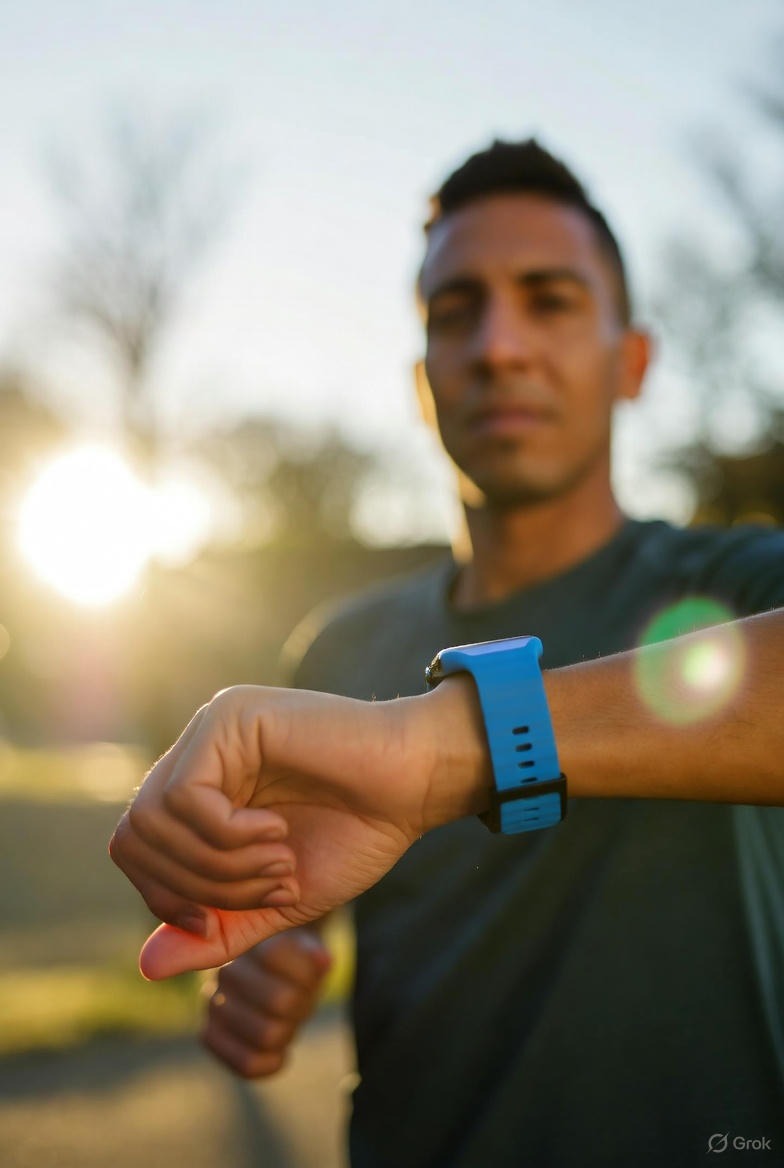
Human beings are not designed for fluorescent lighting, air-conditioned boxes, and digital isolation. We are biologically wired to connect with the natural world and with each other. These connections are potent, often-free medicines for a depleted nervous system. Restoration isn't just an internal process; it’s about re-integrating into the larger ecosystems we are part of.
Nature's Protocol (Free of Charge):
Exposure to natural environments, or "biophilia," has measurable restorative effects:
Budget Implementation:
The Power of Pro-Social Connection:
Loneliness and social isolation are profound stressors, as damaging to health as smoking. Positive social connection, conversely, releases oxytocin, buffers against stress, and increases feelings of safety.
Quantifying the Unquantifiable (Almost):
While you can't put a number on a feeling of awe from a sunset, you can track the downstream physiological effects of these practices.
Investing in nature and community is investing in your biological and psychological heritage. It’s a return to the fundamental conditions in which humans are designed to flourish, and it is available to almost everyone, regardless of budget.
In our productivity-obsessed culture, rest is often viewed as the absence of work—lazy, unproductive time. But from a restoration perspective, strategic rest is an active and essential state of being. It’s when growth, repair, and integration happen. Similarly, personal rituals are not superstitions; they are predictable, comforting sequences that signal safety to the brain, lowering the cognitive load of constant decision-making. Together, they create pockets of renewal throughout your day and week.
Redefining Rest: It's Not Just Doing Nothing.
Rest can be active and come in many forms, most of which cost nothing:
Budget-Friendly Micro-Rest Practices:
The Role of Personal Ritual:
Rituals reduce anxiety by creating predictability. A morning ritual sets the tone for the day; an evening ritual prepares you for sleep. They don’t need to be elaborate.
Using Data to Respect Your Rhythms and Validate Rest:
This is where a personal tracking device becomes your rest coach. It helps you move from guessing to knowing when you need rest.
Strategic rest and ritual are the art of weaving restoration into the fabric of your daily life. They are the deliberate pauses that prevent burnout and the comforting rhythms that make life feel stable and manageable. To see how others have successfully integrated technology into their wellness rituals, you can browse real customer testimonials and user experiences.
Restoration is as much a mental game as a physical one. You can have the perfect sleep environment, the cleanest diet, and a dedicated movement practice, but if your inner dialogue is one of constant criticism, worry, and resistance, you are undermining your foundation. Cultivating a restorative mindset—one of self-compassion, acceptance, and intentional focus—is the software that runs all the other hardware. Best of all, it’s a practice that is fundamentally free, requiring only your attention and commitment.
The High Cost of a Negative Inner Narrative:
A mind stuck in loops of past regret or future anxiety is in a perpetual state of psychological stress. This "rumination" activates the same physiological stress pathways as a real, present threat, keeping cortisol elevated and preventing true nervous system recovery. The financial and energetic cost is a life lived half-present, missing opportunities for joy and connection, and depleting your reserves for no tangible gain.
1. Practice Conscious Thought Labeling:
This is a powerful, immediate technique from mindfulness-based cognitive therapy. Instead of getting swept away by a thought ("I'm going to fail at this"), you create a small space of observation.
2. Implement a "Worry Window":
If anxious thoughts are plaguing you throughout the day, contain them. Schedule a specific, limited time (e.g., 10 minutes at 5:00 PM) as your official "worry time."
3. Cultivate a "Done" List (Not Just a "To-Do" List):
Our brains have a negativity bias, wired to notice what's unfinished or threatening. We bulldoze through accomplishments to immediately focus on the next task. This creates a chronic feeling of inadequacy.
4. Engage in Purposeful Positive Absorption:
Counter the brain's negativity bias by deliberately immersing yourself in positive experiences for 20-30 seconds at a time. This helps the experience "sink in" and rewire neural pathways.
Using Biometric Feedback for Mind-Body Connection:
Your emotional state isn't abstract; it has a physiological signature. A smart ring or wearable makes this connection visible, turning mindset work into a tangible science.
Mastering your mindset is the ultimate internal restoration. It’s about cleaning the lens through which you view your world and your self. By combining these free cognitive tools with the concrete feedback from your body’s data, you build an unshakable foundation of inner stability that no external circumstance can take away. For those navigating specific health goals where mindset is key, our resources on how wellness rings support different health goals can provide further guidance.

At this point, a theme has emerged: the profound synergy between timeless, no-cost wellness practices and modern, accessible data. This is the new paradigm of budget-friendly restoration. A device like an advanced, yet affordable, smart ring is not a replacement for the pillars we've discussed; it is the integrating force that makes them exponentially more effective. Think of it not as an expense, but as an investment in the ROI of all your other free efforts—a 24/7 personal restoration coach.
How a Smart Ring Maximizes Your Budget-Friendly Efforts:
1. It Provides Objective Baselines and Personal Norms:
Without data, you're guessing. "I feel tired" could be due to poor sleep, low-grade dehydration, emotional stress, or an oncoming illness. A smart ring measures key biomarkers like sleep stages, resting heart rate (RHR), heart rate variability (HRV), and body temperature variation.
2. It Offers Actionable Feedback, Not Just Information:
The magic is in the interpretation. The best devices don't just show numbers; they provide context and guidance.
3. It Uncovers Hidden Patterns and Personal Triggers:
We are terrible at subjective correlation. Did that second cup of coffee at 3 PM really affect your sleep? Does your weekly team meeting actually cause a measurable stress response? Your ring tracks your physiology continuously, allowing you to log daily activities (caffeine, meals, work events, meditation) and then see their direct impact on your charts days or weeks later. This is personalized science.
4. It Motivates Through Tangible Progress:
Restoration is a long-game, and motivation can wane. Seeing your average HRV trend upward over three months of consistent meditation, or watching your deep sleep percentage improve as you stick to your digital sunset, provides powerful positive reinforcement. It turns invisible healing into a visible journey, keeping you committed to the free practices that matter most.
Choosing the Right Tool for Your Budget:
The wearable market has expanded dramatically. When selecting a device, especially a smart ring known for its unobtrusive, continuous tracking, consider:
Technology, when chosen wisely, is the great democratizer of personalized health. It puts the power of a biofeedback lab on your finger, ensuring that every free breath, every walk in the park, and every early night is optimized for maximum restorative return. To understand the full scope of what modern devices can monitor, explore the concepts of continuous versus periodic health monitoring.
Now comes the integration. You have the pillars—sleep, breath, movement, nourishment, digital hygiene, nature, ritual, and mindset. You understand the enabling role of strategic technology. This section is your blueprint for weaving them into a sustainable, personalized plan that respects your financial and time constraints. The goal is not a rigid, overwhelming regime, but a flexible, resilient framework.
Step 1: The Honest Self-Assessment (The Free Audit)
Before adding anything, take stock. For one week, simply observe without judgment. Use a simple notebook or notes app to track:
Step 2: Identify Your "Restoration Priority" and "Budget Anchor"
You cannot overhaul everything at once. Based on your self-assessment, choose ONE primary pillar to focus on for the next 3-4 weeks. Choose the area that, if improved, would have the greatest ripple effect. For most people, this is Sleep or Digital Hygiene, as they underpin everything else.
Step 3: Design "Minimum Viable" Rituals
Create tiny, non-negotiable daily actions for your priority area. The bar must be so low you can't fail.
Step 4: Implement, Track, and Tweak with Data
This is where your budget anchor (e.g., your smart ring) earns its keep.
Step 5: The "Add One, Secure One" Method for Expansion
After 3-4 weeks, your first ritual should feel automatic. Now, you can expand without overwhelm.
Sample 3-Month Budget Restoration Plan:
This iterative, data-informed approach prevents burnout and ensures lasting change. It builds a personalized system that is uniquely responsive to your body's signals. For inspiration on how to personalize the device itself to fit your life, see our article on personalizing your wellness ring to your body and style.

Once your foundational restoration plan is humming along, you can explore "next-level" techniques that amplify your results. The term "biohacking" often conjures images of expensive red light panels and cryotherapy chambers. But true biohacking is simply the practice of making deliberate, informed changes to your lifestyle to improve your biology. Many of the most powerful levers are free or very low-cost.
1. Chronobiology - Aligning with Your Natural Clock:
Your body runs on a 24-hour circadian rhythm, influencing hormone release, digestion, and cognitive function. Aligning your activities with this rhythm is free biohacking at its best.
2. Thermal Therapy - Using Temperature for Recovery:
3. The Power of Pausing (Intermittent Everything):
Validating Your Biohacks with Data:
This is where your smart ring transforms from a tracker to a biohacking validation tool.
Advanced budget biohacking is about being a curious scientist of your own biology. By using these free levers and employing your wearable as a measurement device, you can discover the precise combinations that make you feel and function at your absolute best. To see how these principles intersect with long-term health, learn how this technology is changing the landscape of preventive medicine.
The journey of restoration is not a linear path to a fixed destination. It is a lifelong practice of returning to balance. There will be weeks of stellar sleep and vibrant energy, and there will be periods of stress, travel, illness, or life events that throw everything off. The goal is not perfection, but resilience—the ability to bend without breaking and to return to your center with grace and efficiency. This final pillar is about the meta-skills of sustaining your wellness on a budget.
Anticipating and Navigating Plateaus:
A plateau—where you feel your progress has stalled—is not a failure; it's feedback. It means your current protocol has taken you as far as it can, and it's time for a subtle shift.
Building a Resilience Toolkit for Stressful Times:
Life happens. The power of your plan is tested not when things are easy, but when they are hard.
The Role of Community and Accountability:
Sustaining a practice in isolation is harder. Leverage free social structures for support.
Celebrating the ROI: Reflecting on Your Investment
Periodically, take time to reflect on the return on your minimal financial investment.
Your journey is unique. By building on these pillars, using technology as your guide, and embracing the non-linear path, you have equipped yourself not with a temporary fix, but with a permanent, adaptable capacity for renewal. The art of restoration, mastered on a budget, is the art of living well.
Knowledge is power, but implementation is transformation. This section moves from theory to practice with actionable tools you can use immediately. These worksheets and plans are designed to be budget-friendly and adaptable, helping you build your personalized restoration protocol step-by-step.
Worksheet 1: The Honest Self-Assessment & Energy Audit
Instructions: For one week, fill this out each evening. No judgment, just observation. This is your foundational data.
Day
Morning Energy (1-5)
Afternoon Energy (1-5)
Evening Energy (1-5)
Primary Mood
Sleep Duration (Hrs)
Key Habit Note (Meal, Stress, Screen Time)
"Wellness" Spending Leak
Mon
Tue
Wed
Thu
Fri
Sat
Sun
Analysis Questions (At Week's End):
Worksheet 2: The Minimum Viable Ritual (MVR) Builder
Choose ONE pillar from your assessment to start with. Design your MVR using the SMART framework.
My MVR Statement:
"I will _________________________________________________________________________________
for the next 21 days, and I will track my success by __________________________________________."
Data Connection: If using a smart ring, which one metric will I watch to see the impact? (e.g., "Deep Sleep duration" for a sleep MVR, or "Daytime Stress Average" for a breathing MVR).
My key metric: _________________________
Worksheet 3: The "Add One, Secure One" Expansion Calendar
Use this to plan your gradual, sustainable habit expansion over 90 days.
Month
Pillar Focus
My Minimum Viable Ritual (MVR)
Budget Required
Data Metric to Watch
Secured? (Y/N at month's end)
Month 1
Month 2
Month 3
Example Fill-Out:
Month
Pillar Focus
My Minimum Viable Ritual (MVR)
Budget Required
Data Metric to Watch
Secured?
1
Sleep & Digital Hygiene
Lights out by 10:30 PM, phone in kitchen.
$0
Sleep Score & Deep Sleep
2
Nourishment
Eat a protein+ fiber breakfast within 1 hr of waking.
$5/wk for eggs/oats
Morning resting heart rate
3
Movement & Nature
20-min walk outside, 4 days/week.
$0
Daily Readiness Score
The Budget Restoration Resource Directory
A curated list of free and low-cost tools to support every pillar.
Sleep & Relaxation:
Movement & Mobility:
Nourishment:
Mindset & Education:
Technology & Tracking:
Even with the best plan, you'll hit snags. Here’s how to solve common problems without derailing your progress or your budget.
Obstacle 1: "I don't have time."
Obstacle 2: "It's too expensive to eat healthy / get a device / etc."
Obstacle 3: "I'm inconsistent. I do well for a week, then fall off."
Obstacle 4: "My family/roommates/workplace isn't supportive."
Obstacle 5: "The data from my device is stressing me out."
We stand at the precipice of a democratized health revolution. The convergence of affordable sensor technology, sophisticated algorithms, and a growing cultural emphasis on holistic well-being is making personalized restoration not just a luxury for the few, but a viable reality for the many. The journey we've outlined—combining timeless practices with modern insight—is the blueprint for this new era.
What's Next for Budget-Friendly Biohacking?
The trajectory is toward greater personalization, earlier intervention, and seamless integration.
Your Role in This Future:
You are not a passive consumer in this shift. You are an active participant—a citizen scientist of your own life. By mindfully adopting and using these technologies, you contribute to the collective understanding of human health. Your anonymized, aggregated data helps researchers identify larger trends, and your demand for ethical, affordable, and effective tools drives the market toward better solutions for everyone.
A Final Reflection: Restoration as a Radical Act
In a culture that extracts your time, attention, and energy, choosing to restore yourself is a radical act of reclaiming your sovereignty. Doing it on a budget is a statement that well-being is not for sale; it is cultivated. It is a return to agency, using both the wisdom of the ages and the tools of the future to craft a life of vitality and resilience.
You now hold the map and the compass. The pillars are your guideposts. The worksheets are your plans. The technology is your lens. The journey is yours. Start small, be consistent, listen to your data, but more importantly, listen to yourself. The goal is not a perfect score on an app, but a profound sense of being alive, present, and resilient in the face of life's beautiful, challenging flow.
Begin today. Choose one tiny thing. Breathe. Observe. Restore.
Your Trusted Sleep Advocate (Sleep Foundation — https://www.sleepfoundation.org/)
Discover a digital archive of scholarly articles (NIH — https://www.ncbi.nlm.nih.gov/
39 million citations for biomedical literature (PubMed — https://pubmed.ncbi.nlm.nih.gov/)
experts at Harvard Health Publishing covering a variety of health topics — https://www.health.harvard.edu/blog/)
Every life deserves world class care (Cleveland Clinic -
https://my.clevelandclinic.org/health)
Wearable technology and the future of predictive health monitoring. (MIT Technology Review — https://www.technologyreview.com/)
Dedicated to the well-being of all people and guided by science (World Health Organization — https://www.who.int/news-room/)
Psychological science and knowledge to benefit society and improve lives. (APA — https://www.apa.org/monitor/)
Cutting-edge insights on human longevity and peak performance
(Lifespan Research — https://www.lifespan.io/)
Global authority on exercise physiology, sports performance, and human recovery
(American College of Sports Medicine — https://www.acsm.org/)
Neuroscience-driven guidance for better focus, sleep, and mental clarity
(Stanford Human Performance Lab — https://humanperformance.stanford.edu/)
Evidence-based psychology and mind–body wellness resources
(Mayo Clinic — https://www.mayoclinic.org/healthy-lifestyle/)
Data-backed research on emotional wellbeing, stress biology, and resilience
(American Institute of Stress — https://www.stress.org/)


