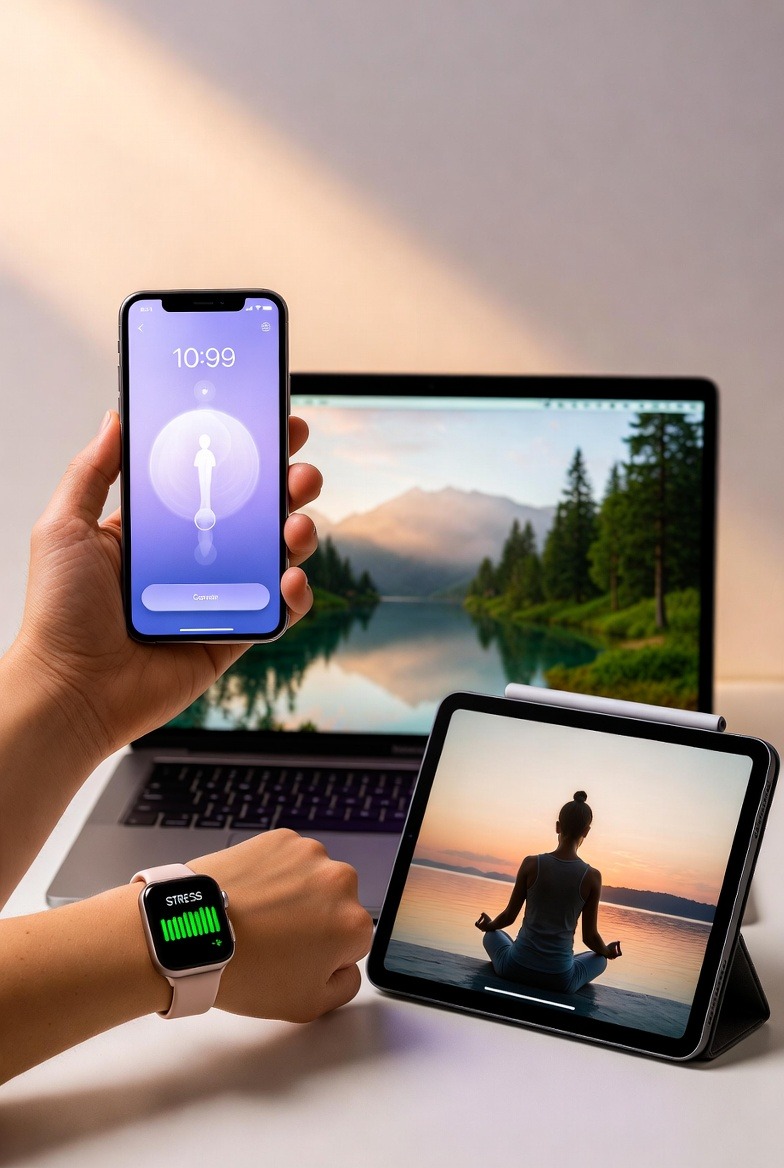
How to use essential oils safely and effectively to support restoration.
How to Use Essential Oils in Restoration Wellness: A Modern Guide to Nature's Apothecary
The air fills with the crisp, calming scent of lavender, the invigorating zing of peppermint, or the warm, grounding aroma of sandalwood. For millennia, humanity has turned to the distilled essence of plants—essential oils—not just for fragrance, but as profound tools for healing, restoration, and spiritual connection. Today, in our hyper-connected, stress-saturated world, this ancient wisdom is experiencing a profound renaissance. But how do we move beyond simply liking a smell to strategically harnessing these potent botanicals for tangible, restorative wellness?
This is where modern restoration wellness begins: a deliberate, data-informed, and holistic practice of returning the mind and body to a state of equilibrium and vitality. It’s about proactive recovery, not reactive fixing. And in this symphony of restorative practices—from quality sleep and mindful movement to nutritional balance—essential oils serve as a powerful, accessible, and deeply personal instrument.
Yet, the modern journey has a crucial new ally: objective, personalized data. Imagine intuitively reaching for Frankincense to quell your evening anxiety, but also having concrete data showing your heart rate variability (HRV) has been low for days, indicating a deeper need for nervous system support. This is the fusion of ancient essence and modern insight. Tools like the advanced smart rings from Oxyzen provide a continuous, unobtrusive stream of physiological data—sleep stages, stress indicators, recovery scores, and body temperature trends. This information transforms essential oil use from a generalized practice to a targeted, personal protocol. You’re no longer just hoping the oil works; you can observe how your body responds to it, creating a feedback loop of self-knowledge.
This comprehensive guide is your masterclass in that fusion. We will delve deep into the science and soul of essential oils, exploring how to safely and effectively integrate them into a 21st-century restorative lifestyle. You’ll learn to decode your body’s signals, both felt and measured, and match them with nature’s most potent remedies. From mastering foundational application methods to building personalized routines for sleep, stress, focus, and physical recovery, we will equip you with the knowledge to craft your own sanctuary of restoration.
The Core Philosophy: Synergy Over Silver Bullets
Restoration wellness acknowledges that true vitality comes from a symphony of aligned practices, not a single magic potion. Essential oils are a brilliant conductor in that symphony, enhancing and amplifying other elements. They can make your meditation deeper, your sleep more regenerative, your workout recovery faster, and your focused work sessions more productive. By pairing their use with the insights from a device like the Oxyzen ring, which helps you build healthy habits through consistent tracking, you create a self-reinforcing cycle of awareness and improvement.
Consider this your invitation to a more fragrant, more aware, and deeply restorative way of living. Let’s begin by understanding the very essence of these powerful tools.
The Science of Scent: How Essential Oils Actually Work on Mind and Body
To wield essential oils effectively, we must first move beyond mystical thinking and understand the compelling, evidence-based mechanisms by which these volatile compounds interact with our biology. Their power lies at the intersection of biochemistry, neurophysiology, and psychology.
The Direct Pathway: The Olfactory System and the Limbic Brain
When you inhale the aroma of an essential oil, its molecules travel up the nasal passages to the olfactory epithelium. Here, they bind to specialized receptors, sending electrical signals directly to the olfactory bulb. This bulb is part of the brain’s limbic system—the ancient seat of emotion, memory, and behavior. Unlike other sensory data, smell bypasses the thalamic "relay station" and has an immediate, unmediated line to our emotional core.
Amygdala: Processes emotional reactions, particularly fear and pleasure. Oils like Lavender or Bergamot can directly soothe an overactive amygdala, dampening the stress response.
Hippocampus: Central to memory formation. This is why a scent can instantly trigger a vivid, long-forgotten memory, and why we can use scents like Rosemary (shown in studies to enhance memory recall) to create positive cognitive associations.
Hypothalamus: The master regulator, influencing the endocrine system (hormones) and the autonomic nervous system (fight-or-flight vs. rest-and-digest). Peppermint’s invigorating scent can stimulate the hypothalamus, promoting alertness, while Clary Sage can help modulate hormonal responses.
This direct line is why a whiff of lavender can induce calm within seconds, or why the smell of citrus can instantly elevate mood. It’s not "just in your head"—it's a profound neurochemical event.
The Indirect Pathways: Topical and Systemic Effects
When diluted and applied to the skin, essential oil molecules are small enough to pass through the dermal layers and enter the bloodstream. From there, they circulate throughout the body.
Pharmacological Effects: Certain oil constituents have measurable physiological actions. For example, the menthol in Peppermint oil acts on cold-sensitive receptors, creating a cooling sensation and potentially easing muscle tension. The chemical 1,8-cineole in Eucalyptus is a known expectorant and anti-inflammatory agent.
Localized Action: Applying oils diluted in a carrier oil to specific areas (like diluted Peppermint on temples for head tension, or diluted Ginger on the abdomen) allows for targeted support where it’s needed most.
It’s crucial to understand that essential oils are not magic cures; they are bioactive compounds that support the body’s own innate healing and regulatory processes. Their potency demands respect—which leads us to the non-negotiable foundation of safe practice.
The Foundational Rules: Safety, Quality, and Dilution Mastery
Navigating the world of essential oils requires a compass of safety and discernment. Misuse can lead to adverse reactions, from mild skin irritation to more serious systemic issues. Let’s establish the cardinal rules for a safe and effective practice.
1. The Paramount Importance of Quality Not all essential oils are created equal. The market is flooded with adulterated, synthetic, or poorly distilled products that are ineffective at best and harmful at worst. Seek out reputable suppliers who provide:
Botanical Name: The Latin name (e.g., Lavandula angustifolia for true lavender) ensures you’re getting the correct plant species.
Purity: Look for terms like "100% pure essential oil," not "fragrance oil" or "perfume oil."
Origin: Knowing where the plant was grown can indicate quality (e.g., Bulgarian vs. French lavender).
Extraction Method: Steam distillation and cold pressing (for citrus oils) are standard for true essentials.
GC/MS Reports: Reputable companies make Gas Chromatography/Mass Spectrometry reports available, which detail the exact chemical composition of the oil batch.
2. The Golden Rule: Dilution is Not Optional With rare exceptions (like applying a drop of pure lavender or tea tree to a small blemish), essential oils must be diluted in a carrier oil before topical application. Carrier oils (like fractionated coconut, jojoba, sweet almond, or argan oil) "carry" the essential oil onto the skin, preventing irritation and ensuring slow, safe absorption.
General Adult Dilution Guide:
1% Dilution (Gentle): 5-6 drops of essential oil per 1 ounce (30 mL) of carrier oil. Ideal for daily use, sensitive skin, and facial applications.
2% Dilution (Standard): 10-12 drops per ounce. Perfect for most body applications for general wellness.
3-5% Dilution (Targeted/Short-term): 15-30 drops per ounce. Reserved for acute issues like muscle aches, under the guidance of an experienced practitioner, and for limited duration.
Special Populations: Dilutions for children, the elderly, and pregnant/breastfeeding individuals are significantly lower (often 0.5-1%) and require careful research and professional consultation. Some oils are contraindicated entirely for these groups.
3. Key Safety Contraindications
Phototoxicity: Citrus oils (especially bergamot, lemon, lime) can cause severe skin burns when exposed to UV light. Avoid sun exposure for 12-24 hours after topical use.
Skin Sensitivity: Always perform a patch test on a small area of skin (like the inner forearm) before widespread use.
Internal Use: This is a highly debated and advanced practice. Never ingest essential oils unless under the direct supervision of a qualified medical professional trained in aromatic medicine. The risks of mucosal damage and toxicity are significant.
Medical Conditions & Medications: Essential oils can interact with medications (e.g., anticoagulants, chemotherapy drugs) and medical conditions (e.g., asthma, epilepsy, high blood pressure). Consult your healthcare provider.
4. Storage and Shelf Life Store oils in dark glass bottles (amber or cobalt blue) in a cool, dark place, away from heat and sunlight. Citrus oils have a shorter shelf life (1-2 years), while most others last 3-5 years or longer when stored properly.
Mastering safety is your first act of self-care. With this foundation, you can confidently explore the diverse methods of application. For more on creating a safe, personalized wellness ecosystem, consider how modern tools can provide additional layers of insight, as discussed in our guide on how a wellness ring enables preventive health monitoring.
Methodologies of Application: From Diffusion to Topical Blends
With safety as our bedrock, we can explore the versatile toolkit of application methods. Each method offers distinct benefits and is suited to different restorative goals.
1. Aromatic Diffusion: The Ambient Influence This is the most common and accessible method, perfect for influencing the mood and atmosphere of a space.
Ultrasonic Diffusers: Use water and ultrasonic vibrations to create a fine, cool mist. They also act as humidifiers.
Nebulizing Diffusers: Use pressurized air to disperse a pure, undiluted oil mist without heat or water, offering the most potent aromatic experience but using oil more quickly.
Passive Diffusion: A few drops on a porous surface like a clay pendant, wooden bead, or even a cotton ball placed nearby.
Restorative Use: Diffuse calming oils like Lavender or Cedarwood in the bedroom 30 minutes before sleep. Use uplifting blends with Citrus or Peppermint in your home office to combat afternoon slumps. A nebulizer with Frankincense can create a profoundly grounding environment for meditation.
2. Topical Application: Targeted Support As outlined in the safety section, topical application involves diluting essential oils in a carrier oil and applying them to the skin. This method allows for both localized and systemic effects.
Pulse Points: The wrists, temples, and behind the ears are warm areas where oils absorb quickly and you can easily enjoy the scent.
Reflexology & Massage: Applying diluted blends to the soles of the feet (which have large pores and less sensitive skin) is an effective method for systemic absorption. Full-body or targeted massage combines the benefits of the oils with the therapeutic power of touch.
Compresses: Add a few drops of oil to a bowl of warm or cold water, soak a cloth, wring it out, and apply to the affected area (e.g., peppermint on the forehead, ginger on the lower back).
3. Personal Inhalation: Direct and Portable This method provides an immediate, personal aromatic hit without affecting the whole room.
Direct Palm Inhalation: Place 1-2 drops in your palms, rub them together, cup over your nose and mouth, and inhale deeply.
Personal Inhaler Sticks: These small, portable devices contain an absorbent wick that holds the oil. They’re discreet and perfect for managing anxiety during travel, staying focused in meetings, or curbing cravings.
4. Bathing Rituals: Immersive Restoration Adding oils to a bath creates a multi-sensory, immersive experience. Crucial: Always mix the essential oils with a dispersant first—like 1-2 tablespoons of full-fat milk, honey, or a carrier oil—before adding to the bathwater. This prevents the undiluted oils from sitting on top of the water and potentially causing skin irritation.
Restorative Blend Example: For a stress-melting bath, mix 5 drops Lavender, 3 drops Bergamot, and 2 drops Ylang Ylang with a cup of Epsom salts before dissolving in warm bathwater.
Choosing the right method depends on your intention, context, and the specific oils used. By mastering these techniques, you become the architect of your aromatic environment. To deepen this personalization, integrating biometric feedback can be transformative. For instance, using a smart ring to track your sleep after a new bedtime diffusion ritual provides concrete data on its efficacy, a topic explored in our article on the science behind modern health tracking technology.
The Restorative Pantheon: Key Oils for Sleep, Stress, Focus, and Recovery
Now, let’s meet the stars of the restorative arsenal. This is not an exhaustive list, but a curated selection of powerhouse oils, each with a distinct personality and proven affinity for supporting specific states of restoration.
For Deep Sleep and Nervous System Sedation
Lavender (Lavandula angustifolia): The quintessential calming oil. Studies show it can lower heart rate and blood pressure, promote relaxation, and improve sleep quality. It’s a gentle, versatile nervine.
Cedarwood (Cedrus atlantica): Rich in sesquiterpenes, it has a warm, woody scent that grounds racing thoughts and encourages a sense of safety and stillness, ideal for meditation and sleep.
Vetiver (Vetiveria zizanioides): Often called "the oil of tranquility," its deep, earthy, rooty aroma is profoundly anchoring. It’s excellent for those whose stress manifests as mental chatter or hyperactivity.
Roman Chamomile (Chamaemelum nobile): A gentle, apple-like scent that soothes emotional irritability, tantrums (in children, with extreme dilution), and promotes peaceful sleep.
For Stress Relief and Anxiety Management
Bergamot (Citrus bergamia): A unique citrus that is both uplifting and calming. It’s renowned for alleviating anxiety and stress, particularly the kind that sits in the solar plexus. (Note: Use FCF (furanocoumarin-free) type topically to avoid phototoxicity).
Frankincense (Boswellia carterii): The "king of oils." Its rich, balsamic aroma slows and deepens the breath, making it a cornerstone for meditation, prayer, and easing feelings of overwhelm. It promotes a sense of spiritual connection and perspective.
Clary Sage (Salvia sclarea): A euphoric and hormone-balancing oil. It can effectively reduce cortisol levels and induce a sense of well-being, particularly useful for stress tied to hormonal cycles.
Ylang Ylang (Cananga odorata): A sweet, floral, and slightly exotic oil known to lower blood pressure and rapid heartbeat associated with acute anxiety. It opens the heart and eases emotional tension.
For Mental Clarity, Focus, and Energy
Peppermint (Mentha piperita): The ultimate mental stimulant. Its high menthol content clears brain fog, boosts alertness, and can even help with headache tension. Diffuse during work or study sessions.
Rosemary (Rosmarinus officinalis): Historically associated with memory. Research indicates that inhaling rosemary cineole can improve cognitive performance and alertness. A great study aid.
Lemon (Citrus limon): Bright, purifying, and energetically clearing. Its scent promotes mental focus, positivity, and a sense of cleanliness. It’s a powerful mood enhancer.
Basil (Ocimum basilicum): A herbal, clarifying oil that combats mental fatigue, confusion, and exhaustion. It helps sharpen concentration during long mental tasks.
For Physical Recovery and Inflammation
Ginger (Zingiber officinale): A warming, stimulating oil excellent for soothing sore muscles, aiding digestion, and reducing feelings of nausea. Its anti-inflammatory properties are well-regarded.
Helichrysum (Helichrysum italicum): Often called "the oil of regeneration," it is prized in skincare for its restorative properties and can help with the healing of bruises and sore tissues.
Eucalyptus (Eucalyptus globulus or Eucalyptus radiata): Clearing, decongesting, and anti-inflammatory. Ideal for steam inhalation during respiratory congestion or added to a muscle rub for its cooling, analgesic effect.
Marjoram (Origanum majorana): A "warming blanket" for the muscles. It relieves muscle spasms, stiffness, and arthritic pain, promoting relaxation and comfort.
This pantheon provides your palette. The art lies in blending them to create synergies greater than the sum of their parts. Learning to craft these personalized blends is where your restorative practice becomes truly your own. And to truly personalize your approach, understanding your unique physiological baselines is key. Devices like the Oxyzen ring offer insights into your personal activity and movement patterns, which can inform when your body needs recovery-focused oils like Ginger or Marjoram most.
The Art of the Blend: Crafting Your Personal Synergies
While single oils are powerful, blending is where the true magic and personalization of aromatherapy happens. A well-crafted blend creates a synergistic effect—where the combined oils produce a result more potent or balanced than any single constituent. It’s also an intuitive, creative process that connects you deeply to your needs.
Understanding Notes: The Perfumer’s Framework Blends are often composed with a balance of top, middle, and base notes, which evaporate at different rates, creating a harmonious scent that evolves over time.
Top Notes: Light, fresh, and stimulating. They are the first scent you perceive but evaporate quickly (within 1-2 hours). Examples: Citrus oils (Lemon, Orange), Eucalyptus, Peppermint.
Middle Notes: The "heart" of the blend, providing body and balancing the formula. They typically last 2-4 hours. Examples: Lavender, Rosemary, Geranium, Chamomile.
Base Notes: Deep, heavy, and grounding. They are slow to evaporate, fix the blend, and provide a lasting foundation (up to several days). Examples: Sandalwood, Vetiver, Cedarwood, Frankincense.
A simple structure for a 10-drop blend could be: 3 drops Top Note, 5 drops Middle Note, 2 drops Base Note.
Intentional Blending: A Step-by-Step Process
Define Your Purpose: Is this for evening calm, morning energy, emotional balance, or muscle recovery? Your intention guides your selection.
Select Your Oils: Choose 2-4 oils that align with your purpose. Don’t overcomplicate it. Refer to the Pantheon section for candidates.
Consider the Scent Profile: Do you prefer herbal, floral, woody, or citrusy? Trust your nose. A blend must be aromatically pleasing to you to be effective.
Test in a Small Vial: Use a glass dropper bottle. Add your drops according to your note structure. Write down your formula! Swirl the bottle gently (don’t shake) to combine.
Let it Synergize: Allow your blend to rest for at least 24 hours, preferably a few days. The molecules will intermingle, and the scent will mature and soften.
Dilute for Use: After synergizing, dilute your blend in a carrier oil at your desired percentage (e.g., add 10 drops of your synergy to 1 oz carrier oil for a 2% dilution).
Sample Restorative Blends:
"Sanctuary Sleep" Blend (3% for a roller bottle): 8 drops Lavender (Middle), 5 drops Cedarwood (Base), 3 drops Bergamot FCF (Top). Add to a 10ml roller bottle and top with fractionated coconut oil. Apply to wrists and soles of feet before bed.
"Mental Clarity" Diffuser Blend: 3 drops Rosemary, 2 drops Lemon, 1 drop Peppermint. Add to water in your ultrasonic diffuser during work hours.
"Anxiety Anchor" Personal Inhaler: 5 drops Frankincense, 3 drops Vetiver, 2 drops Bergamot FCF. Add to the cotton wick of an inhaler stick. Inhale as needed during stressful moments.
"Post-Workout Recovery" Massage Oil (5% for targeted use): 6 drops Ginger, 6 drops Marjoram, 3 drops Helichrysum. Add to 1 oz of Arnica-infused carrier oil. Massage into sore muscles after cooling down.
Blending is a practice of self-dialogue. It asks, "What do I need today?" and empowers you to create the answer. To support this practice with deeper self-awareness, exploring the personalization capabilities of modern wellness tech can help you fine-tune your blends based on concrete recovery data.
Integrating Oils with Biofeedback: The Data-Driven Aromatic Practice
This is the frontier of modern restoration wellness: marrying the intuitive, sensory art of essential oils with the objective, quantitative data of biometric tracking. This integration creates a powerful feedback loop, transforming anecdotal experience into personalized protocol.
The Feedback Loop in Action: From Intuition to Insight Imagine this scenario:
Observation: You feel persistently tired and unfocused. You intuitively start diffusing an energizing blend with Peppermint and Citrus.
Data Input: Your Oxyzen smart ring shows your resting heart rate has been elevated for three nights, and your heart rate variability (HRV) is trending downward—clear biometric signs of accumulated stress and poor recovery, not just simple fatigue.
Protocol Pivot: Instead of just stimulating with energizing oils, you now understand your body needs nervous system restoration. You shift your evening routine: a warm bath with Lavender and Cedarwood, followed by a topical "Sleep Synergy" rollerball applied at least an hour before bed.
Result Validation: Over the next few nights, your ring data shows your resting heart rate decreasing, your HRV rising, and your deep sleep increasing. The data validates the efficacy of your oil protocol, reinforcing the habit.
Key Biometric Markers to Inform Your Aromatic Choices:
Heart Rate Variability (HRV): Your body’s ultimate "readiness" score. A low HRV indicates stress, fatigue, or poor recovery. Oils to Support: Frankincense, Vetiver, Lavender, grounding base notes.
Resting Heart Rate (RHR): An elevated RHR can signal stress, illness, or lack of recovery. Oils to Support: Relaxing, calming oils like Ylang Ylang, Clary Sage, Marjoram.
Sleep Stages (Deep & REM): Poor quality or insufficient deep/REM sleep hampers physical and cognitive restoration. Oils to Support: Cedarwood, Vetiver, Roman Chamomile for deep sleep; Frankincense, Sandalwood for overall sleep architecture.
Body Temperature: Tracking basal body temperature can reveal menstrual cycle phases or early signs of illness, guiding supportive care. Oils to Support: For low-grade tension, immune-supportive oils like Eucalyptus or Tea Tree in a diffuser; for menstrual support, Clary Sage or Ginger in a warm abdominal compress.
Activity & Recovery Scores: Use data on workout strain to time your recovery protocols. After a high-strain day, a muscle-soothing blend with Ginger and Marjoram becomes a data-informed necessity, not a guess.
This approach demystifies wellness. You’re no longer just "trying" lavender for sleep; you’re deploying a targeted intervention and measuring its impact on your physiology. For a deeper dive into how this technology empowers personalized health, explore how health tracking enables personalized wellness. By consulting resources like the Oxyzen blog, you can continually refine this synergy between nature’s remedies and modern metrics.
Creating Rituals: Building Restorative Routines for Morning, Day, and Night
Knowledge of oils and data is operationalized through ritual. Rituals transform sporadic actions into consistent, impactful practices that anchor your day and signal to your nervous system that it is time to shift states. Here is a framework for building aromatic rituals around the natural rhythms of your day.
The Morning Ritual: Invigoration and Intention Goal: Transition from sleep to wakefulness, set a positive tone, and sharpen mental focus.
Shower Shock: Before stepping in, place 2-3 drops of Eucalyptus or Peppermint oil on the shower floor (away from direct water flow). The steam will create an invigorating, sinus-clearing spa experience.
Post-Shower Pulse: Apply a pre-diluted citrus-based rollerball (e.g., a blend of Lemon, Grapefruit, and a hint of Rosemary) to your wrists and chest. Inhale deeply as you get dressed.
Diffuser for Focus: Start your work or morning routine with a diffuser blend of Rosemary, Lemon, and a drop of Frankincense for clarity and grounded focus.
The Daytime Anchor: Sustained Energy and Stress Management Goal: Maintain balance, manage stress spikes, and avoid the afternoon crash.
Personal Inhaler On-The-Go: Keep your custom "Anxiety Anchor" or "Mental Clarity" inhaler in your bag or desk. Use it before a big meeting, during a commute, or when you feel overwhelm creeping in.
Desk Diffuser Reset: If possible, run a diffuser in your workspace. A midday blend of Bergamot and Cedarwood can alleviate stress without causing drowsiness.
Wrist Re-application: Reapply your morning citrus roller or a new blend like a harmonizing Geranium and Bergamot mix to re-center during a midday slump.
The Evening Wind-Down: The Sacred Transition Goal: Initiate the parasympathetic (rest-and-digest) response, process the day, and prepare for restorative sleep. This is the most critical ritual for restoration.
The "Technology Curfew" Scent Signal: 60-90 minutes before bed, start diffusing your "Sanctuary Sleep" blend. Let this scent become a non-negotiable signal to your brain that the day is ending. This pairs powerfully with insights from tracking your sleep patterns to optimize timing.
Restorative Bath or Foot Massage: 2-3 times a week, take a bath with magnesium flakes and a calming oil blend, or give yourself a slow foot massage with your diluted sleep synergy oil.
Topical Application for Sleep: Apply your sleep rollerball to the soles of your feet, wrists, and even on the back of your neck. The act of massaging it in is a meditation in itself.
Pillow Mist: Spritz a linen spray (made with distilled water, a dispersant like vodka, and Lavender/Chamomile oils) lightly on your pillowcase.
The Weekend Reset: Deeper Restoration Goal: Dedicate time for a more profound physical and emotional reset.
Self-Massage for Muscle Recovery: After a workout or a long week, use your "Post-Workout Recovery" massage oil blend. Spend 10-15 minutes mindfully massaging areas of tension.
Meditation Amplification: Apply a drop of diluted Frankincense or Sandalwood to your third eye (between eyebrows) or heart center before meditation to deepen the contemplative state.
Home Sanctuary Diffusion: Run your diffuser with purifying, uplifting oils like Lemon, Pine, and Tea Tree while you clean or simply relax, resetting the energy of your living space.
Rituals provide the structure; your oils provide the sensory language. Together, they create a sanctuary in time. For inspiration on building other pillars of a restorative lifestyle, our collection of 50 healthy aging tips offers a wealth of complementary strategies.
Beyond the Basics: Advanced Applications and Considerations
As your confidence grows, you can explore more nuanced applications and understand the broader context of essential oils within holistic wellness.
Emotional & Energetic Blending This moves beyond purely physiological symptoms to address emotional states. It draws on the traditional energetics of plants (hot/cool, dry/moist) and their historical emotional associations.
For Grief or Heartache: Rose Otto (Rosa damascena) is unparalleled for soothing heart-centered sorrow. Combine with Sandalwood for comfort.
For Confidence & Courage: Black Spruce (Picea mariana) is grounding and strengthening, evoking the stability of a towering tree. Blend with a small amount of citrus for uplift.
For Letting Go of Anger or Resentment: German Chamomile (Matricaria recutita) has a deep blue color from azulene, a powerful anti-inflammatory that can cool "hot" emotions.
Support for Seasonal Transitions
Fall/Winter (Immune & Respiratory Support): Create a "Guardian" diffuser blend with Rosemary, Eucalyptus, Clove, and Cinnamon (use spices sparingly, they are potent skin sensitizers). Dilute Tea Tree and Lemon in a carrier oil for a chest rub.
Spring (Allergies & Renewal): A diffuser blend of Lemon, Lavender, and Peppermint (the "Allergy Trio") can help clear airways and reduce histamine response. Always consult a doctor for serious allergies.
Integrating with Other Modalities Essential oils shine when paired with other wellness practices:
Yoga & Movement: Apply grounding oils like Vetiver or Frankincense before a practice to enhance mind-body connection. Use cooling Peppermint on the temples after a hot session.
Journaling: Diffuse memory-enhancing Rosemary or emotionally clarifying Grapefruit while writing to access deeper thoughts.
Healthy Nutrition: Add a single drop of food-grade Lemon or Peppermint oil (from a trusted, certified-for-ingestion brand, with extreme caution) to your water or tea for a flavor and digestive boost. This is an advanced practice requiring specific, verified oils.
Sustainability and Ethical Sourcing As stewards of plant medicine, we must consider our impact. Seek companies committed to sustainable farming, fair trade practices, and ethical wild-harvesting. The potency of an oil is tied to the health of the land and the well-being of the people who cultivate it.
This advanced understanding positions you not just as a user, but as a knowledgeable practitioner in your own right. It’s a lifelong journey of learning—a sentiment echoed in the continuous innovation of health tech, as seen in the evolution of tracking technology from manual to smart rings. For any questions that arise on this journey, from product specifics to wellness protocols, the Oxyzen FAQ is a valuable resource.
Now that we have established a robust foundation in the science, safety, and application of essential oils, and explored how to create potent blends and daily rituals, we move into the realm of specialized, targeted restoration. This section delves into creating sophisticated protocols for specific, high-impact areas of modern life where essential oils, combined with biometric awareness, can deliver transformative results.
Protocol 1: The Sleep Optimization Stack – From Restless to Restorative
Sleep is the non-negotiable cornerstone of restoration. It’s when the body repairs tissues, consolidates memories, and resets hormonal and nervous systems. Poor sleep undermines every other wellness effort. An effective sleep protocol uses essential oils not as a standalone cure, but as a powerful sensory cue within a holistic "sleep stack" designed to coax the nervous system into its restorative parasympathetic state.
Understanding the Sleep Architecture with Data Before blending a single oil, understanding your personal sleep architecture is key. This is where a device like the Oxyzen ring becomes indispensable. It moves you past subjective feelings of "I slept okay" to objective metrics:
Sleep Latency: How long it takes you to fall asleep. A protocol goal is to reduce this.
Sleep Stages: The balance of light, deep, and REM sleep. Deep sleep is for physical restoration; REM for cognitive and emotional processing.
Restlessness & Awakenings: Frequency of disturbances.
HRV During Sleep: A higher nighttime HRV indicates better recovery and resilience.
Your oil choices can be tailored based on this data. For example, if your data shows sufficient total sleep time but low deep sleep, you might focus on oils known to promote deeper, more stable sleep stages.
The Multi-Layer Aromatic Sleep Protocol This protocol layers different application methods to create a cumulative, enveloping effect.
Layer 1: The Environmental Cue (60-90 mins before bed)
Action: Begin diffusing a blend high in sedative monoterpenols and esters. A classic: 3 drops Lavender, 2 drops Cedarwood, 1 drop Vetiver. This scent association, consistently used, becomes a powerful classical conditioning tool for your brain. The moment you smell it, your physiology begins to downshift.
Tech Synergy: Set a "Wind Down" reminder on your Oxyzen app to coincide with starting your diffuser. This pairs a digital notification with a sensory one, reinforcing the habit.
Layer 2: The Topical Nervous System Anchor (30 mins before bed)
Action: Apply a pre-diluted "Sleep Synergy" rollerball to major pulse points and the soles of your feet. A potent blend for this purpose could be: 4 drops Roman Chamomile (soothes irritability), 3 drops Bergamot FCF (alleviates ruminating thoughts), 3 drops Sandalwood (promotes spiritual calm). Diluted in a 10ml rollerball with fractionated coconut oil.
The Ritual: The act of slow, mindful application is a mini-meditation. Massage the oil into your feet, focusing on the sensation. This combines the pharmacological absorption of the oils with the stress-relieving benefits of self-massage.
Layer 3: The Direct Inhalation for Sleep Onset (In bed)
Action: Keep a personal inhaler stick with a deeply sedative blend on your nightstand. If you find yourself tossing and turning or your mind racing, take 3-4 long, slow breaths from the inhaler. A great blend here is straight Frankincense or a mix of Frankincense and Vetiver.
Data Feedback: Observe your "Sleep Latency" metric over time. Does it decrease as you consistently use this protocol? The data provides objective validation and motivation.
Layer 4: The Pillow and Linen Support
Action: Use a linen spray on your pillowcase and sheets. Create a spray with distilled water, a small amount of witch hazel or vodka as an emulsifier, and Lavender and Ylang Ylang oils. The subtle scent throughout the night provides continuous support.
Safety Note: Never apply undiluted oils directly to linens, as they can stain and may be too potent for direct, prolonged inhalation.
Troubleshooting with Oils Based on Sleep Data:
High Restlessness: Focus on heavier base notes. Increase Vetiver or add a drop of Valerian (strong scent, use sparingly) to your diffuser blend.
Difficulty Falling Asleep (High Sleep Latency): Incorporate more calming middle notes in your pre-bed ritual, like Marjoram or Clary Sage, which help ease the transition from sympathetic to parasympathetic dominance.
Early Morning Awakenings: This can be linked to cortisol spikes or anxiety. Consider applying your rollerball blend if you wake up, and diffuse a very light, calming scent like Lavender or Chamomile until you fall back asleep.
By stacking these aromatic layers within a consistent pre-sleep routine, you build a fortress of relaxation cues that guide your nervous system into the deep, restorative sleep it craves. For more foundational tips on building a sleep-supportive lifestyle, our guide on how a wellness ring helps build healthy habits offers complementary strategies.
Protocol 2: The Stress Resilience Matrix – Rewiring the Stress Response
Modern stress is often chronic, low-grade, and insidious—a constant drip of emails, notifications, and obligations that keeps the sympathetic nervous system subtly engaged. The goal of a stress resilience protocol isn’t to eliminate stress (an impossibility) but to increase your capacity to handle it and, most importantly, to actively and efficiently trigger the "brake"—the parasympathetic recovery response. Essential oils are exceptional tools for this, acting as fast-acting switches for your emotional state.
Biomarkers of Stress: Knowing Your Baselines To manage stress, you must first measure it. Key metrics from a smart ring like Oxyzen provide an objective window into your stress load:
Heart Rate Variability (HRV): The single most important metric for stress and recovery status. A higher HRV indicates good adaptability and resilience; a low or dropping HRV is a clear sign of accumulated stress or poor recovery.
Resting Heart Rate (RHR): An elevated RHR over your personal baseline often indicates systemic stress or inflammation.
Stress Score/ANS Balance: Many devices provide a derived metric estimating the balance of your sympathetic (SNS) and parasympathetic (PNS) nervous systems throughout the day.
The Aromatic Stress Toolkit: Acute vs. Chronic Support Your oil strategy should differ for acute stress moments versus managing chronic stress load.
For Acute Stress Moments (The "Fire Drill"): These are sudden spikes of anxiety, panic, or overwhelm.
Immediate Inhalation is Key: The fastest pathway to the limbic brain. Have a ready-made personal inhaler for these moments.
Blend for Panic/Overwhelm: Frankincense. Its ability to deepen and slow the breath is immediate. Inhale it directly from the bottle or an inhaler.
Blend for Frustration/Anger: Bergamot FCF & Patchouli. Bergamot alleviates anxiety seated in the gut, while Patchouli is profoundly grounding for volatile emotions.
Blend for Mental Overload/Scatter: Vetiver & Peppermint. Vetiver grounds the mental chatter, while a touch of Peppermint clears the fog and re-focuses.
Action: At the first sign of an acute stress spike, remove yourself if possible, take out your designated inhaler, and take 4-5 long, slow, deep breaths with your eyes closed. This 30-second intervention can halt a cortisol cascade.
For Chronic Stress Load (The "Drip"): This is about building daily resilience and lowering your overall stress floor.
Daily Adaptive Diffuser Blend: Create a blend that supports the adrenal glands and promotes calm focus. Try: 3 drops Siberian Fir (adaptogenic, forest-bathing effect), 2 drops Lavender (general calm), 1 drop Wild Orange (uplift). Diffuse this during your workday to maintain a balanced baseline.
Evening Recovery Ritual: This is non-negotiable. Chronic stress requires deliberate daily recovery. Follow a wind-down protocol similar to the sleep stack, but with a focus on oils known to lower cortisol, like Lavender, Clary Sage, and Myrrh.
Weekly Nervous System Reset: Once a week, take a prolonged bath with magnesium flakes and 5 drops of Clary Sage, 3 drops of Ylang Ylang. Clary Sage has been studied for its cortisol-reducing effects, and this immersive practice signals deep safety to the body.
Creating a Stress-Response Feedback Loop:
Identify: Your Oxyzen app sends a "high stress" notification during a busy work period.
Intervene: You pause, use your "Frankincense" inhaler for 60 seconds, and do a brief box-breathing exercise.
Observe: You check the app's real-time stress graph and see the indicator return to a "balanced" or "calm" state within 5-10 minutes.
Reinforce: This positive feedback teaches your mind-body connection that you have agency over your stress response. The oil becomes the anchor for that learned skill.
This protocol moves you from being a victim of stress to becoming an active architect of your own calm. For a broader perspective on how technology is revolutionizing our approach to stress and preventive health, read about how health tracking technology has changed preventive medicine.
Protocol 3: The Cognitive Performance Enhancer – Focus, Flow, and Memory
In the knowledge economy, cognitive clarity is a premium asset. Essential oils can enhance mental performance by increasing alertness, improving concentration, boosting memory, and even helping you achieve a state of "flow." This protocol is about strategic stimulation and neuro-protection.
The Neuroscience of Scent and Cognition As covered, scent molecules directly influence the limbic system and hypothalamus. For cognition, we target oils that:
Stimulate the acetylcholine system, involved in memory and learning (e.g., Rosemary, Sage).
Reduce mental fatigue and brain fog by providing a clarifying "shock" (e.g., Citrus oils, Eucalyptus).
Promote a calm, focused state by reducing background anxiety (e.g., Frankincense, Vetiver).
The Focus Stack: Tailoring to Your Task Different mental tasks benefit from different aromatic supports.
For Deep, Analytical Work or Study (Sustained Concentration):
Diffuser Blend: "The Scholar's Study." 3 drops Rosemary (for memory retention), 2 drops Lemon (for mental clarity and positivity), 1 drop Peppermint (for alertness). Diffuse throughout your work session.
Topical Application: Apply a diluted rollerball of Rosemary and Basil (1:1 ratio) to the back of your neck and temples at the start of a long study period. Basil is specifically known for combating mental fatigue and confusion.
Data Synergy: Use your Oxyzen ring to track your daytime HRV and stress levels during focused work. If you see stress spiking, it might indicate frustration or overload—time to pause and use a calming inhaler like Frankincense for 2 minutes to reset, rather than pushing through with stimulants.
For Creative, Divergent Thinking (Brainstorming, Writing):
Diffuser Blend: "The Innovator's Grove." 3 drops Grapefruit (energizing, emotionally freeing), 2 drops Frankincense (grounding, expands perspective), 1 drop Black Spruce (connects to inspiration, resilience).
Ambient Scent: Creativity can be stifled by over-stimulation. A simpler option is just Sandalwood or Cedarwood in a passive diffuser. Their warm, woody scents promote a sense of spaciousness and calm, allowing ideas to surface.
For Memorization and Recall:
Direct Inhalation During Learning: Research has shown that smelling Rosemary while learning information and then again while needing to recall it can improve performance. Use a personal inhaler with Rosemary oil during your study session and again right before a test or presentation.
The Context-Dependent Memory Hack: Use a unique blend only when studying for a specific exam or project. Then, wear that same blend as a personal scent (diluted) on the day of the test. The familiar scent can trigger the memories encoded alongside it.
Managing Mental Fatigue and The Afternoon Slump:
The Instant Reset: When fatigue hits, avoid more caffeine. Instead, try this: Place 1 drop of Peppermint and 1 drop of Wild Orange in your palms, rub them together, cup over your nose, and inhale vigorously. Follow with a glass of cold water. This is a sensory system reboot.
Preventative Diffusion: To avoid the slump altogether, start diffusing an invigorating blend like Lemon and Ginger after lunch.
By thoughtfully applying these aromatic tools, you can sculpt your cognitive environment, enhancing both the quality and the sustainability of your mental output. To ensure your overall wellness tech ecosystem supports these cognitive goals, it's worth understanding how devices can integrate with other health apps for a unified dashboard of your mind-body state.
Protocol 4: The Physical Recovery Accelerator – From Soreness to Suppleness
Physical restoration—the repair of muscles, reduction of inflammation, and soothing of aches—is a prime arena for topical essential oil application. When combined with data on workout strain and recovery metrics, oils can be used not just for relief, but for proactive optimization of your body’s repair processes.
Data-Informed Recovery: Listening to Your Body’s Signals Post-activity, your wearable provides critical insights:
Activity Strain/Exercise Load: How intense was your session?
Recovery Time/Readiness Score: An estimate of how long your body needs to fully recover.
Resting Heart Rate & HRV: Elevated RHR and suppressed HRV post-exercise are normal, but their return to baseline speed is a marker of recovery quality.
Sleep Data: The night after a hard workout is when most physical repair occurs. Poor sleep sabotages recovery.
Your recovery oil protocol should scale with these metrics. A high-strain day with a poor readiness score the next morning demands a more intensive protocol than a light activity day.
The Post-Activity Recovery Protocol: A Step-by-Step Approach
Phase 1: Immediate Cool-Down (Within 30 mins of finishing) Goal: Begin reducing inflammation and initiate the parasympathetic shift.
Diffusion: Start diffusing a blend that is both uplifting and anti-inflammatory, such as Eucalyptus and Lemon. This helps clear the respiratory system and provides a refreshing, "job well done" scent cue.
Hydration Support: Add 1 drop of a food-grade Lemon or Grapefruit oil (from a trusted brand, only if certified pure and for dietary use) to your post-workout water. The citrus can aid in detoxification and provide antioxidants. This is an advanced practice; when in doubt, skip it.
Phase 2: Topical Application for Repair (After showering, when pores are clean) Goal: Deliver anti-inflammatory and analgesic compounds directly to fatigued muscles and joints.
The Base Carrier: Use a carrier oil known for its own anti-inflammatory properties, such as Arnica-infused oil, St. John’s Wort oil, or even simple fractionated coconut oil.
The Essential Oil Synergy: Create a "Recovery Synergy" blend in a 2oz bottle. A powerful combination is:
6 drops Ginger: Warming, analgesic, excellent for sore muscles.
6 drops Marjoram: The "warming blanket" oil, relieves stiffness and spasms.
4 drops Helichrysum: The regenerative superstar, supports healing of tissues and reduces bruising.
4 drops Lavender: Universal anti-inflammatory and calming.
Application Method: Add your synergy blend to your carrier oil for a 3-5% dilution (for a 2oz/60ml bottle, a 3% dilution would be ~36 total drops of synergy). Massage it deeply into the areas of greatest exertion—quads, hamstrings, shoulders, lower back. Use effleurage (long, gliding) strokes toward the heart to support lymphatic drainage. The massage itself is a crucial part of the recovery process.
Phase 3: Evening Support for Deep Repair (Before bed) Goal: Leverage sleep for maximum physical restoration.
Bath Soak (1-2 times per week for heavy training): Dissolve 1-2 cups of Epsom salts (magnesium sulfate) and 5 drops of Marjoram, 3 drops of Lavender in a warm bath. Soak for 20 minutes. The magnesium is absorbed transdermally to relax muscles, enhanced by the oils.
Targeted Re-application: Before bed, reapply a small amount of your diluted recovery blend to any particularly sore spots. This ensures the oils are working during your deepest sleep phases.
Protocol for Acute Injury (Sprains, Strains, Bruises) Note: This is for minor, non-emergency injuries. Always seek professional medical advice for serious injuries.
The R.I.C.E. Method + Oils: Rest, Ice, Compression, Elevation remain first-line. Oils can be added to the compression and later stages.
Cooling Compress: For the first 24-48 hours (acute inflammation phase), add 2-3 drops of Peppermint and 2-3 drops of Helichrysum to a bowl of cold water. Soak a cloth, wring, and apply as a compress. The Peppermint provides cooling relief, Helichrysum addresses bruising and tissue trauma.
Post-Inflammation Massage Blend: After swelling subsides, promote healing with a gentle 2% dilution blend of Helichrysum, Frankincense (reduces inflammation), and Cypress (supports circulation).
By aligning your aromatic recovery practices with your body’s biometric signals, you transition from guessing to knowing, providing targeted support exactly when and where it’s needed most. For a deeper exploration of the technology that makes this precision possible, learn about the sensors and AI behind modern health tracking.
Protocol 5: The Emotional Balance Blueprint – Navigating Mood and Energy Cycles
Our emotional landscape is not static; it ebbs and flows with our hormones, external events, seasons, and even the time of day. Essential oils offer a gentle, non-invasive way to navigate these cycles, providing support for low mood, emotional volatility, and energy slumps. This protocol focuses on using oils to smooth out the rough edges and nurture emotional resilience.
Mapping Your Emotional Terrain with Data While emotions are subjective, their physiological correlates are not. Your wearable can reveal patterns:
Daily/Weekly Energy Trends: Look at your activity, resting heart rate, and sleep consistency. Do you crash every Wednesday afternoon? Is your RHR higher in the days leading up to your menstrual cycle (for those who menstruate)?
Stress Patterns: Are there specific times or days that consistently trigger a high-stress response?
Sleep and Mood Connection: Correlate nights of poor sleep (low deep/REM) with self-reported mood the next day. The link is often stark.
This data helps you move from reactive emotional coping ("I feel sad, I'll try some oil") to proactive emotional support ("My data shows my recovery is low this week, making me vulnerable to low mood. I'll use uplifting oils preventively.").
Aromatic Support for Common Emotional States:
For Low Mood, Lethargy, and Mild Apathy: Goal: Gentle uplift without overstimulation, which can lead to a crash.
Citrus & Mint Morning Diffusion: Start your day with a diffuser blend of 2 drops Grapefruit (joyful), 2 drops Lemon (clarity), 1 drop Peppermint (alertness). Citrus oils, particularly Bergamot and Lemon, have demonstrated mood-elevating properties in studies.
Topical Heart Center Blend: Create a 2% dilution rollerball with Bergamot FCF (anxiety-relieving citrus), Ylang Ylang (heart-opening, euphoric), and a base of Sandalwood (grounding). Apply over your heart center and on wrists several times a day. The act of self-application is a caring gesture in itself.
Midday Pick-Me-Up Inhaler: For the afternoon energy dip, an inhaler with Wild Orange and Ginger is warming, stimulating, and emotionally brightening.
For Emotional Volatility, Irritability, and Overwhelm: Goal: Grounding, cooling, and stabilizing.
The Grounding Diffuser Blend: When emotions feel scattered or chaotic, diffuse Vetiver, Cedarwood, and a tiny drop of Patchouli. These deep, earthy base notes act like an emotional anchor, pulling you down from a state of frantic energy.
The Cooling Compress for "Hot" Emotions: For anger, frustration, or heated anxiety, use a cool cloth with 1-2 drops of German Chamomile (the blue oil, exceptional for inflammation and "hot" emotional states) or Peppermint on the back of the neck.
Pulse Point Calm: Keep a rollerball of Lavender and Frankincense (a classic for serenity) handy. Apply to temples and wrists when you feel irritability rising.
For Grief, Heartache, and Emotional Numbness: Goal: To soothe profound sadness and gently re-open the heart.
The Supreme Heart Oil: Rose Otto. It is unparalleled for consoling grief and healing emotional wounds. It is also extremely expensive. Use it sparingly and with reverence.
A Ritual for Heartache: In a personal inhaler, combine 1 drop Rose Otto, 2 drops Frankincense, 1 drop Sandalwood. Use this only when needed for deep, contemplative breaths during moments of sorrow. The blend honors the pain while providing spiritual perspective and comfort.
Nurturing Bath: In a bath, mix 2 drops Rose absolute (a more affordable, though less nuanced, alternative to Otto), 3 drops Bergamot, and 2 drops Cedarwood with milk or salts. Allow the warm water and sacred scent to hold you.
Hormonal Cycle Support (For Menstruating Individuals):
Follicular/Ovulatory Phase (Rising Energy): Support with uplifting, clarifying oils like Citrus, Rosemary, and Jasmine.
Luteal Phase (Potential for PMS): Focus on calming, grounding, and hormone-balancing oils. Clary Sage is the premier oil for balancing estrogen, easing cramps, and lifting mood. Blend with Lavender and Geranium in a rollerball for abdominal application (diluted!).
Menstrual Phase (Release): Use comforting, antispasmodic oils. A warm abdominal compress with Marjoram, Clary Sage, and Ginger can be deeply soothing.
This emotional blueprint empowers you to be your own compassionate apothecary, meeting your inner state with a tailored, nurturing response. For those navigating the complex journey of aging and wellness, integrating these emotional supports with broader lifestyle strategies, like those found in our resource on 50 healthy aging tips, can be profoundly beneficial.
Having mastered protocols for targeted restoration, we now enter the realm of integration, personalization, and sustainability. This final section of our comprehensive guide is about weaving essential oils seamlessly into the fabric of your life, evolving your practice with wisdom, and ensuring it is grounded in both personal efficacy and planetary responsibility.
Curating Your Personal Restorative Sanctuary: The Home Apothecary
Your collection of essential oils is more than a set of bottles; it's a personalized toolkit for well-being. Building and maintaining an effective home apothecary is about intentionality, not accumulation. It’s about having the right tools for your unique needs, organized for ease and inspiration.
The Principles of a Minimalist, Maximalist, or Modular Apothecary Your approach should reflect your personality and lifestyle.
The Minimalist (The Essential 10): For the beginner or those who prefer simplicity, focus on versatile, broad-spectrum oils that can be blended for multiple purposes. A core collection could include: Lavender (calm/sleep), Peppermint (energy/focus), Lemon (cleanse/mood), Frankincense (grounding/meditation), Tea Tree (purifying), Eucalyptus (respiratory), Roman Chamomile (gentle calm), Ginger (digestion/recovery), Cedarwood (sleep/grounding), and Bergamot FCF (stress/mood). With these ten, you can address 90% of common restorative goals.
The Maximalist (The Connoisseur's Collection): This is for the dedicated enthusiast who enjoys the nuances of different species and rare oils. It includes multiple varieties of the same plant (e.g., Lavender angustifolia from Bulgaria, France, and Tasmania), rare oils like Helichrysum, Neroli, or Rose Otto, and a wide array of carriers and blending accessories. The key here is deep knowledge and respectful use of these precious resources.
The Modular (The Protocol-Based System): This is arguably the most effective and modern approach. You organize oils not by type, but by intended use, often informed by your biometric data. You have a "Sleep Module" box or shelf with your sleep diffuser blends, rollerballs, and linen spray ingredients. A "Focus & Work" module with stimulating diffuser oils and personal inhalers. A "Recovery & Soothe" module with muscle rub ingredients and anti-inflammatory oils. This makes your daily rituals frictionless.
Storage as Sanctuary: Organization for Inspiration and Safety
The Container: Use a dedicated box, cabinet, or shelf. Wooden essential oil cases with cut-outs or tiered storage boxes are popular. Ensure it's stored in a cool, dark place away from direct sunlight and heat sources.
Labeling is Non-Negotiable: Every blend you create must be labeled with: 1) Blend Name, 2) Date Created, 3) Ingredients (including # of drops for each oil), 4) Dilution Percentage, 5) Intended Use (e.g., "2% Sleep Rollerball for soles of feet"). Use waterproof labels. This is crucial for safety, replication, and tracking what works.
Carrier Oil Station: Have your primary carrier oils (jojoba, fractionated coconut, sweet almond) easily accessible, along with empty rollerball bottles, diffuser bottles, and measuring tools (pipettes, glass beakers).
The Inspiration Corner: Include a notebook or digital app for logging your blends, journaling about their effects, and correlating them with notes from your Oxyzen app (e.g., "Used new 'Deep Rest' blend last night. Oxyzen showed 22% increase in deep sleep. Success!").
Maintaining Your Toolkit:
Regular Audits: Every 6 months, review your collection. Check for oils past their shelf life (citrus oils oxidize first). Discard any that smell "off" (sour, rancid, or chemically).
Inventory List: Keep a simple list of what you have to avoid duplicates and identify gaps in your protocol modules.
Creating this physical space dedicated to your restoration is a profound act of self-care. It declares that your well-being is a priority worthy of time, space, and resources. For those who appreciate the design and functionality of their wellness tools, you might find synergy in learning about the color and style options available in modern wearables, ensuring your tech aligns with your personal aesthetic.
Synergistic Systems: Pairing Essential Oils with Other Wellness Modalities
Essential oils are powerful conductors, but they are part of a larger orchestra of wellness. Their effects are magnified when integrated intentionally with other evidence-based practices. This is the heart of a holistic restoration lifestyle.
1. Essential Oils + Mindful Movement (Yoga, Tai Chi, Stretching)
Pre-Practice Intention Setting: Apply a grounding oil like Vetiver or Sandalwood to your wrists or third eye before beginning. Inhale deeply to set your intention for the practice—stability, flexibility, presence.
Enhancing the Environment: Diffuse oils that match the practice's energy. For a vigorous Vinyasa flow, try Rosemary and Lemon for clarity. For a gentle Yin or Restorative practice, use Lavender and Frankincense to deepen relaxation.
Post-Practice Savasana/Self-Massage: Incorporate your recovery blend into a brief self-massage during cool-down or final relaxation, locking in the physical and mental benefits of the movement.
2. Essential Oils + Meditation and Breathwork
Anchoring the Meditative State: The direct limbic pathway makes oils perfect for meditation. Frankincense, Cedarwood, and Myrrh have been used in contemplative practices for millennia to quiet the mind and elevate consciousness.
Breathwork Amplification: For practices like box breathing or diaphragmatic breathing, hold a personal inhaler with Peppermint (for energizing breaths) or Lavender (for calming breaths) under your nose. The scent gives the brain a focal point and enhances the physiological effect of the breath pattern.
Creating a Sacred Space: Consistently diffuse the same blend in your meditation space. The scent becomes a powerful trigger, telling your brain it's time to drop into a quieter state almost instantly.
3. Essential Oils + Nutritional Awareness
Supporting Digestion: While internal use is advanced and risky, aromatic support for digestion is safe and effective. Inhaling Ginger, Peppermint, or Fennel oils before or after a meal can stimulate digestive enzymes and soothe the gut-brain connection. Diffuse them in the dining area.
Curbing Cravings & Emotional Eating: When a sugar or stress-eating craving hits, first pause and inhale a blend of Grapefruit and Peppermint from an inhaler. Grapefruit is often associated with curbing cravings, and the act of conscious inhalation creates a space between impulse and action.
Enhancing Hydration: As mentioned, a single drop of food-grade Lemon or Wild Orange oil in a large water bottle can make hydration more appealing, aiding detoxification and cellular function. This requires absolute certainty of oil purity and sourcing.
4. Essential Oils + Digital Detox & Sleep Hygiene
The Pre-Screen Ritual: An hour before bed, turn off screens, start your sleep diffusion protocol, and apply your sleep rollerball. The oils provide a sensory-rich alternative to digital stimulation, making the detox more appealing.
Journaling with Scent: Diffuse Frankincense or Sandalwood while journaling in the evening. These scents promote introspection and can help you process the day's events, clearing mental clutter for better sleep.
The synergy lies in the conscious combination. You are not just doing yoga and using oils; you are creating a scent-anchored movement practice. This layered approach builds neural pathways that associate specific scents with specific beneficial states, making it easier to access calm, focus, or restoration over time. For a deeper look at the technology that can help you track the efficacy of these combined modalities, explore how the accuracy revolution in health tracking provides the feedback needed to optimize your routines.
The Ethical and Sustainable Practitioner: Sourcing, Ecology, and Community
As we deepen our relationship with plant medicines, we must also deepen our responsibility to the plants, the people who cultivate them, and the planet. Ethical aromatherapy considers the entire lifecycle of the bottle in your hand.
The Impact of Essential Oil Production:
Land Use & Biodiversity: Producing essential oils is land and resource-intensive. It can take thousands of pounds of plant material (e.g., over 5,000 lbs of rose petals for 1 lb of oil) to produce a small amount of oil. Sustainable farming practices, crop rotation, and wild-crafting (ethical harvesting of wild plants) are crucial to prevent ecosystem degradation.
Water Usage: Distillation requires significant water. Responsible producers implement water recycling and conservation methods.
Social Equity & Fair Trade: Many oils come from developing nations. It is imperative to support companies that engage in fair trade practices, ensuring farmers and distillers receive living wages and work in safe conditions. Look for certifications like Fair Trade, Fair for Life, or companies with transparent supply chains.
How to Be an Ethical Consumer:
Research Brands Deeply: Don't just buy based on price or marketing. Visit brand websites. Do they discuss their sourcing? Do they name their distillers or growing regions? Do they have sustainability reports or ethical commitments? Companies that are transparent about their challenges are often the most trustworthy.
Prioritize Quality Over Quantity: It is better to have a small collection of high-quality, ethically sourced oils than a large cabinet of cheap, adulterated ones. The potency and therapeutic value will be higher, so you'll use less per application.
Value Native and Wild-Crafted Oils: Some oils, like Frankincense (Boswellia) or Sandalwood, are from trees that are threatened by overharvesting. Support companies that are actively involved in replanting initiatives (e.g., do they have a "one bottle planted" program?) and that use sustainable tapping methods that don't harm the trees.
Use Oils Mindfully and Sparingly: Respect the potency. Using 2 drops where 1 will do is wasteful. Proper dilution extends the life of your oil and is safer. Create blends with intention.
Proper Disposal: Do not pour essential oils down the drain. They can harm aquatic ecosystems. To dispose of old or unwanted oils, mix them with an absorbent material like coffee grounds or kitty litter in a sealed container and dispose of it with your regular trash.
Building Community Knowledge:
Share with Integrity: When sharing your love of oils with friends, emphasize safety, dilution, and quality. Direct them to reputable educational resources, not just a sales site.
Support Education: Consider taking courses from accredited aromatherapy schools (like NAHA or IFPA in the US) to deepen your knowledge beyond social media trends.
Respect Traditional Knowledge: Acknowledge the indigenous and traditional cultures from which much of this plant wisdom originated.
Being an ethical practitioner completes the circle of restoration—it ensures that the practice that heals you does not harm the world. It aligns your personal wellness with planetary wellness, a core value for many modern consumers. To understand how one brand approaches its mission with similar values, you can read Oxyzen's story.
Troubleshooting and Evolving Your Practice: The Lifelong Learner’s Guide
Your journey with essential oils is not static. Your body changes, your life circumstances shift, and new research emerges. A sustainable practice is an adaptive one. Here’s how to troubleshoot common issues and continue evolving.
Common Challenges and Solutions:
"I don't smell the oil anymore (Olfactory Fatigue)." This is normal. Your nose adapts. For diffusers, use intermittent settings (e.g., 30 minutes on, 30 minutes off). Rotate the oils you use daily. For personal scents, switch your blends every few weeks.
"This oil that used to work doesn't seem to anymore." The body's needs change. An oil that helped with acute anxiety may not be what you need for chronic, low-grade stress. Re-assess your current state. Consult your biometric data—has your baseline changed? You may need a different oil or a different application method.
"I had a skin reaction." Stop using the oil immediately. Wash the area with a carrier oil (not water, as oil repels water) and then with soap. It could be a sensitivity to that specific oil, using an old/oxidized oil, or using an undiluted oil. Re-evaluate your dilution ratios and always patch test new blends.
"I'm overwhelmed by all the choices." Return to the Minimalist 10 list. Master those. Follow one simple protocol (like the sleep stack) consistently for a month. Use your Oxyzen data to track its impact. Depth before breadth.
Using Data to Evolve Your Protocols: This is the key to a modern, personalized practice. Your wearable is your personal clinical trial device.
Establish a Baseline: For 1-2 weeks, use your Oxyzen ring to establish your normal ranges for sleep, HRV, RHR, and stress without introducing new oil protocols.
Introduce One Change: Start a single new protocol (e.g., the evening sleep diffusion ritual). Maintain it consistently for at least 7-10 days.
Analyze the Correlation: Look at your weekly data report. Did your average sleep score improve? Did your nighttime HRV trend upward? Did your time to fall asleep decrease? Look for trends, not just single-night changes.
Iterate: Based on the data, adjust. If deep sleep improved but you’re still waking up at 3 AM, add a grounding topical application (Layer 2 from the sleep protocol). Track for another week.
Document Your Findings: In your apothecary notebook, note: "Week of April 10: Started 'Sanctuary Sleep' diffuser blend. Result: Avg. Sleep Score increased from 78 to 84. Latency decreased by 12 mins. Next step: Add vetiver rollerball to feet."
When to Seek Professional Guidance:
For serious medical or mental health conditions.
If you are pregnant, breastfeeding, or have a complex medical history (cancer, epilepsy, severe allergies).
If you wish to explore internal use. Only do so under the guidance of a qualified aromatherapist or integrative medical doctor with specific training in clinical aromatherapy.
Staying Informed: Science evolves. Follow peer-reviewed journals, accredited aromatherapy organizations, and critical thinkers in the field. Be wary of hyperbolic claims and "one oil cures all" marketing. For ongoing learning about the intersection of technology and wellness that can inform your practice, the Oxyzen blog is a continually updated resource.
Conclusion of This Portion: Your Personalized Path to Restoration
We have journeyed from the fundamental biochemistry of scent to the creation of sophisticated, data-informed protocols for every facet of restoration. You now hold the knowledge to:
Safely select and apply potent plant essences.
Intentionally create blends that resonate with your emotional and physical needs.
Ritualistically embed these oils into daily routines that signal safety and repair to your nervous system.
Synergistically combine them with movement, meditation, and mindfulness.
Empirically validate their effects using the objective lens of biometric data.
Ethically engage with these gifts from the plant kingdom.
This is not the end, but a beginning—the start of a deeply personal, ever-evolving dialogue between you, the plants, and the wisdom of your own body. Essential oils are keys that can unlock states of calm, focus, and vitality. The data from devices like your Oxyzen ring provides the map, showing you which doors are most in need of opening.
Restoration wellness is the art of coming home to yourself, again and again. It is the deliberate practice of rebuilding your reserves so you can engage with life from a place of abundance, not depletion. In this practice, the ancient wisdom of aromatic plants and the modern intelligence of health technology are not at odds; they are perfect partners. One speaks the language of the soul and the senses; the other translates the whispers of your physiology. Together, they guide you toward your most balanced, resilient, and vibrant self.
Let your practice be gentle, curious, and kind. Start with a single oil, a single ritual. Observe, feel, and measure. Let the journey itself be the restoration.
To continue exploring how technology can support every step of your wellness journey, from choosing the right tools to understanding their full potential, visit Oxyzen to discover how our approach integrates seamlessly with practices like the one you've just learned. For direct user experiences that highlight this integration, our testimonials page shares real stories of transformation. And remember, for any questions on your path, our comprehensive FAQ is always available.



%402x.svg)