


How HRV Acts as Your Body's Recovery Signal Amplifier
Recovery signals that indicate you are optimally ready for training.
Recovery signals that indicate you are optimally ready for training.
%402x.svg)
Imagine a secret language your body uses to communicate its deepest needs—a subtle, biological Morse code that whispers whether you're thriving or merely surviving. This isn't science fiction; it's the reality of a single, powerful metric that modern technology has finally allowed us to decode: Heart Rate Variability (HRV).
For decades, HRV was a tool confined to elite athletic labs and cardiology clinics. Today, with the advent of sleek, intelligent wearables like smart rings, this vital sign has moved from the esoteric to the essential. It represents the ultimate biofeedback loop, a real-time report card on your nervous system's balance and your body's readiness to perform, recover, and adapt. Think of HRV not as a simple heart rate, but as the nuanced conversation between each heartbeat—a measure of your system's resilience, flexibility, and capacity to handle stress.
This article will serve as your definitive guide to understanding HRV as your body's primary recovery signal amplifier. We’ll journey from the fundamental biology to practical application, exploring how this single number can cut through the noise of modern wellness advice and give you an unambiguous signal about what your body truly needs. Whether you're an athlete chasing a performance edge, a professional battling burnout, or simply someone seeking a more harmonious state of health, mastering the message of your HRV is the key to optimizing your recovery and unlocking your potential. Let's begin by tuning in to the most important broadcast station of all: your own body.
To understand why HRV is so revolutionary, we must first dismantle a common misconception: a healthy heart does not beat with the metronomic regularity of a drum machine. In fact, the opposite is true. A robust, resilient heart beats with subtle, complex variations in the time intervals between consecutive beats. This is Heart Rate Variability.
If you measure the milliseconds between one heartbeat (an R-wave, for the technically inclined) and the next, you'll find a constant, slight ebb and flow. One interval might be 850 milliseconds, the next 820, the next 870. This variance is not an error; it is a sophisticated feature of your autonomic nervous system (ANS) in action. The ANS is the autopilot of your body, managing countless unconscious processes. It has two primary branches engaged in a constant, dynamic tug-of-war:
HRV is the tangible output of this conversation. A higher HRV generally indicates a dominant parasympathetic tone—your body is in a state of calm, recovery, and readiness to adapt. Your system is flexible. A lower HRV suggests sympathetic dominance—your body is under stress, whether from exercise, psychological pressure, illness, or poor sleep. Your system is strained and less resilient.
Crucially, it's not as simple as "high HRV = good, low HRV = bad." Context is everything. A hard training session will purposefully lower your HRV as your body experiences stress. The true power of HRV lies in its trend over time. Is your baseline HRV gradually rising, indicating improved fitness and resilience? Or is it trending downward despite adequate rest, signaling potential overtraining, illness, or chronic stress? This is where HRV transforms from a simple data point into a profound recovery signal.
Modern devices, particularly smart rings like those from Oxyzen, are uniquely positioned to measure HRV accurately. Because they are worn on the finger, they can capture data through the night via photoplethysmography (PPG) sensors. Nighttime measurement is considered the gold standard for establishing a baseline, as it minimizes the noise of daily movement, eating, and talking, providing a pure read on your autonomic state during a period of mandated rest. For a deeper dive into the technology that makes this possible, you can explore our detailed explanation on how sleep trackers actually work.
By tracking this nuanced metric, you gain access to a direct line into your nervous system's status. It’s the foundational beat upon which the entire symphony of your recovery is built.
To fully appreciate HRV as a signal, we need to step into the control room: the intricate wiring of your autonomic nervous system and its command center, the heart. The heart possesses its own intrinsic network of neurons, often called the "heart-brain" or intrinsic cardiac nervous system. This complex system is in constant, bidirectional communication with the brain in your head via the vagus nerve—the primary superhighway of the parasympathetic system.
The mechanism controlling your heart's rhythm is elegant. Your sinoatrial (SA) node, the heart's natural pacemaker, doesn't fire at a fixed rate. Instead, it receives a barrage of neural inputs from both the sympathetic and parasympathetic branches. Imagine two musicians—one playing a steady, accelerating drumbeat (SNS), and the other playing a complex, slowing melody (PNS). The heart's rhythm is the combined composition.
When you are relaxed and safe, the parasympathetic system, via the vagus nerve, releases acetylcholine. This neurotransmitter acts as a brake on the SA node, slowing the heart rate and, importantly, increasing the variability between beats. The heart can respond dynamically to each breath (a phenomenon called respiratory sinus arrhythmia, where heart rate increases on inhalation and decreases on exhalation).
During stress, the sympathetic system releases norepinephrine. This acts as an accelerator on the SA node, increasing heart rate and reducing the beat-to-beat variability, preparing the body for unified, decisive action. In a healthy system, this is a temporary, beneficial state.
HRV, therefore, is a direct measure of your neurocardiac fitness—the agility and balance of this system. High HRV reflects a strong vagal tone, meaning the "brake" is effective, and your system can quickly return to calm after stress. It signifies cardiovascular fitness, emotional regulation, and adaptive capacity. Low HRV indicates a system stuck in "go" mode, with dampened parasympathetic activity. This is associated with fatigue, anxiety, inflammation, and a higher risk of cardiovascular events.
This biological interplay explains why HRV is such a potent amplifier. It doesn't just measure how fast your heart is beating; it measures how well your entire system is listening and responding to the environment. It tells you if your body is in a state where it can effectively repair tissues, consolidate memories, regulate hormones, and fortify the immune system—all the hallmarks of true recovery. When you see a sustained dip in your HRV, it’s not just a number; it’s your nervous system broadcasting a clear, prioritized signal: "Recovery resources are depleted. Prioritize rest." Understanding this signal is the first step to heeding it, a principle that guides the design and mission behind tools developed by companies like ours, which you can learn about on our About Us page.
While athletes were among the first to harness HRV for training optimization, its most profound application for the modern individual is as a universal, holistic stress barometer. Your nervous system does not discriminate between types of stress. A hard workout, a tense work deadline, a poor night's sleep, an argument, digestive discomfort, or a brewing cold—all are processed as demands on your system that require an adaptive response. HRV aggregates the total load.
This is where HRV becomes an unparalleled tool for self-awareness. You may feel fine, pushing through a busy period fueled by caffeine and adrenaline. But your HRV often tells the precursor story. A consistent downward trend can be an early warning system, revealing accumulated strain long before it manifests as burnout, illness, or injury.
Consider these real-world scenarios where HRV acts as a critical signal:
By tracking HRV, you move from guessing about your stress state to knowing it. It quantifies the invisible. It answers the question, "Is this just in my head?" with a definitive, physiological "No, it's in your entire body." This holistic view empowers you to make smarter decisions. Should you take that high-intensity class today, or would a walk in nature be more beneficial? Your HRV trend can guide you. For those new to interpreting such data, our FAQ page offers helpful guidance on getting the most from your wellness metrics.
This ability to integrate all forms of stress makes HRV the ultimate recovery signal amplifier. It doesn't just reflect physical recovery from exercise; it amplifies the body's need for recovery from life. By learning its language, you gain a powerful ally in navigating the complexities of modern well-being. To see how others have integrated this understanding into their lives, you can read their experiences in our collection of real customer testimonials.

If HRV is the broadcast of your recovery status, then sleep is its prime-time channel. Measuring HRV during sleep provides the cleanest, most consistent, and most actionable signal. Awake, your HRV is a reactive stream, fluctuating wildly with posture, activity, emotional stimuli, and breathing. Asleep, particularly during deep, non-REM sleep, your body enters a state of mandatory physiological rest, offering a stabilized baseline.
During the deep sleep stages, your parasympathetic nervous system takes the driver's seat. This is when the most profound physical recovery occurs: tissue repair, muscle growth, bone building, and immune system strengthening. Correspondingly, this is often when your HRV reaches its highest nightly values. Your heart rate slows, and the variability between beats increases, reflecting this deep state of internal restoration and vagal dominance.
Monitoring your nightly average HRV and, even more importantly, your HRV during deep sleep phases, gives you an objective scorecard on the quality of your recovery. It tells you not just how long you slept, but how effectively your nervous system recovered during that time.
Here’s what your nightly HRV can reveal:
By prioritizing and optimizing sleep for HRV, you amplify your body's most powerful recovery signal. It’s the foundation upon which all other resilience is built. Improving your sleep is the single most effective way to boost your HRV and, by extension, your overall health. For a comprehensive guide on beginning this journey, our Sleep Tracking 101 article is an excellent starting point. Furthermore, understanding the critical role of deep sleep in this process is essential, which is explored in depth in our article on the science of deep sleep and what happens to your body.
One of the biggest mistakes newcomers make with HRV is obsessing over a single day's number or comparing their absolute value to others. This is meaningless and counterproductive. HRV is highly individual. A value of 45 ms might be dangerously low for one person and a personal best for another. Genetics, age, gender, and fitness level all influence your absolute range. The true intelligence lies in the trend.
Think of it like investing: you care about the direction of the market over time, not the daily ticker price. Your personal HRV journey is about understanding your own "market" and what moves it.
Here is a practical framework for interpreting your HRV data:
By reading trends and context, you transform HRV from a confusing number into a daily conversation with your body. It removes guesswork and emotional decision-making from your wellness routine. For more on how to interpret specific sleep-stage data that influences these trends, you might find our guide on deep sleep tracking and what your numbers should look like particularly useful.
Once you can interpret your HRV signal, the next step is learning how to influence it positively. Think of these as dials you can adjust to tune your nervous system for greater resilience and recovery capacity. Pulling these levers doesn't just improve a metric; it enhances your fundamental well-being.
Sleep quality is the most potent influencer of HRV. Prioritizing 7-9 hours of quality, consistent sleep is non-negotiable.
Exercise is a hormetic stressor—it challenges the system to grow stronger. The key is balancing stress with recovery.
What you eat directly impacts inflammation, gut health, and nervous system function.
Chronic psychological stress is a primary suppressor of HRV. Direct nervous system training is crucial.
Your nervous system thrives on predictability.
Pulling these levers consistently creates a positive feedback loop: better habits → higher HRV → greater resilience → more capacity to maintain good habits. It’s the ultimate self-reinforcing cycle of health. For athletes looking to specialize their recovery, our resource on deep sleep optimization for athletes offers targeted strategies.
Collecting data is only the first step. The transformative power of HRV lies in closing the loop—using the signal to make informed, daily decisions that compound into massive long-term health benefits. This is the process of turning data into wisdom, and numbers into intuition.
Start by building a simple, sustainable morning ritual centered on your HRV reading:
Over weeks and months, this practice does something remarkable: it rebuilds your connection to your body's subtle cues. You'll start to feel the "yellow" state before you even check the data—a slight edginess, lower patience, a feeling of being less resilient. The data trains your intuition.
Furthermore, use your HRV trends for longer-term planning:
This journey from data to wisdom is at the heart of the modern wellness revolution, a journey that devices like the Oxyzen smart ring are designed to facilitate. To understand the vision behind creating such a tool, you can read about our story and mission.
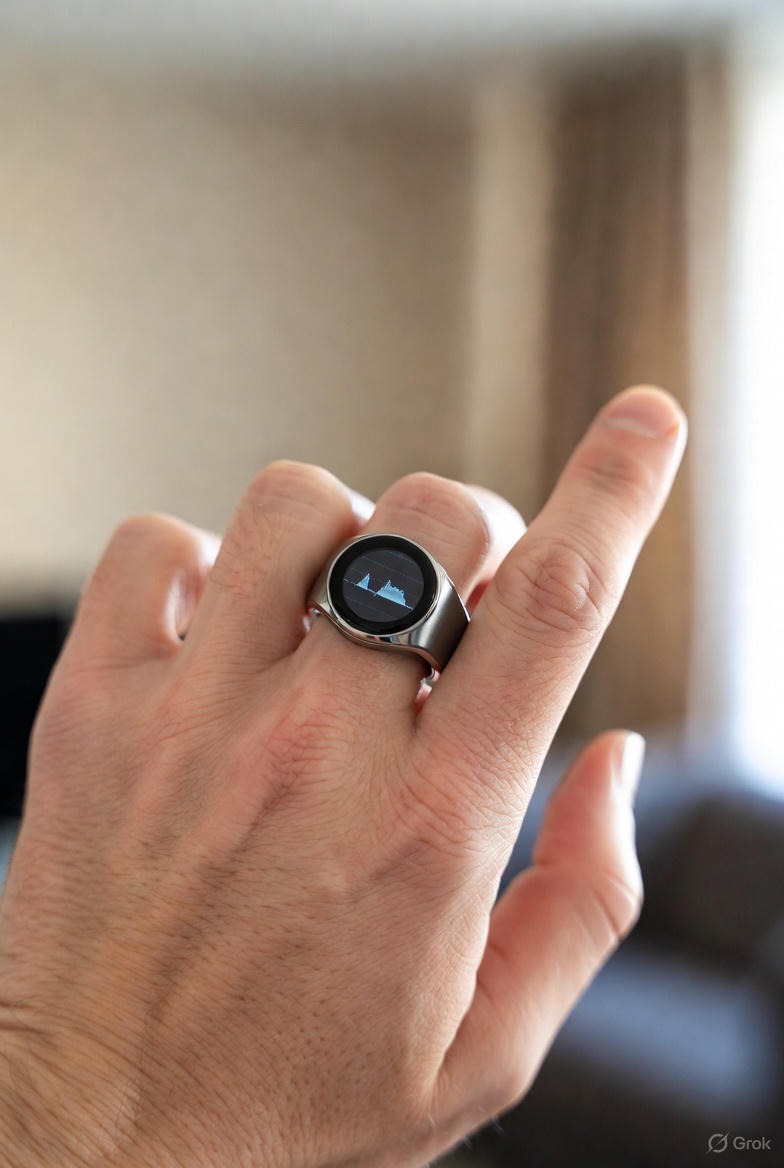
In the quest for accurate, actionable HRV data, not all wearables are created equal. While wrist-based fitness trackers and smartwatches are ubiquitous, a new class of device—the smart ring—has emerged as the superior form factor for continuous, clinical-grade physiological monitoring, especially for recovery metrics like HRV.
The reasons are both anatomical and practical:
Devices like the Oxyzen smart ring leverage this ideal form factor to provide users with a clear, amplified recovery signal. By housing advanced sensors in a minimalist ring, they turn your body's subtle whispers into readable, actionable insights. For those curious about the accuracy and capabilities of such technology, our article on sleep tracking accuracy provides an honest look at what modern wearables can and cannot do. To explore the features and design of such a device firsthand, the Oxyzen shop is the place to start your discovery.
While we have focused intensely on HRV as a recovery signal, its implications extend far beyond deciding whether to take a rest day. Elevated, stable HRV is not merely an indicator of being rested; it is a biomarker of overall system integrity and a powerful predictor of future performance and long-term health—a concept often referred to as "healthspan."
In the realm of performance, HRV is a crystal ball. Studies on athletes consistently show that those with higher baseline HRV tend to have greater performance improvements over a training season. They adapt better to training loads, exhibit better endurance, and even display superior decision-making and reaction times under pressure. A high HRV reflects a nervous system that is agile—able to ramp up sympathetically for explosive effort and then quickly downshift into recovery mode. This agility translates directly to speed, power, and resilience in competition.
In the broader context of healthspan, HRV is equally prophetic. Epidemiological research has linked low HRV to a staggering array of negative health outcomes:
Conversely, high HRV is associated with longevity, emotional regulation, cognitive flexibility, and robust immune function. It is a marker of a system that can withstand, adapt to, and recover from the myriad insults of life.
Therefore, the daily practice of monitoring and nurturing your HRV is an investment far greater than optimizing your workout schedule. It is a fundamental practice in preventive, personalized medicine. You are training the resilience of your autonomic nervous system, which is the foundational regulator of nearly every process in your body.
By using HRV as your guide, you are not just chasing better recovery; you are actively building a more resilient, adaptive, and longer-lived version of yourself. You are shifting from a model of reacting to illness to one of proactively cultivating vitality. This paradigm shift is at the core of why tools that provide this data are so valuable, and why we are passionate about sharing this knowledge through resources on our blog.
The journey with HRV is one of deepening partnership with your own biology. In the next portion of this comprehensive guide, we will delve into advanced topics: navigating the complex relationship between HRV and specific training modalities, understanding its connection to mental and emotional health, exploring cutting-edge biohacking techniques to stimulate vagal tone, and building a complete, integrated lifestyle protocol that turns high HRV from a occasional reading into your default state of being. The signal is broadcasting. Now you know how to listen.
For the athlete, whether professional or dedicated amateur, HRV is the ultimate secret weapon. It moves training from a pre-written, rigid schedule to a dynamic, responsive dialogue between coach and athlete, or between an athlete and their own physiology. This paradigm, known as HRV-Guided Training, is revolutionizing how top performers structure their workloads to maximize adaptation while minimizing the risk of overtraining and injury.
The traditional model of periodization relies on planned cycles of stress and recovery. The flaw is that it assumes everyone recovers at the same rate. We know this isn't true. Stress from life, sleep quality, nutrition, and individual genetic makeup all influence recovery capacity. HRV provides the missing variable, making training truly personalized.
Here's how elite athletes and coaches are implementing it:
1. The Daily Decision Point: Each morning, an athlete takes a reading (or reviews their overnight HRV from a device like a smart ring). This reading is compared to their personal rolling baseline. The resultant "readiness score" dictates the day's training prescription.
2. Predicting the Adaptation Curve: A fascinating phenomenon observed in HRV-guided training is the "HRV rebound." After a correctly dosed training stimulus, an athlete's HRV will dip temporarily (the stress response) and then, with adequate recovery, rebound to a level higher than the pre-training baseline. This overshoot is a direct biomarker of positive adaptation—the body has not just recovered; it has grown more resilient. Monitoring for this rebound confirms that the training load is effective. A lack of rebound suggests the load was too high or recovery was insufficient.
3. The Macro View: Preventing Overtraining Syndrome (OTS): Overtraining isn't something that happens in a day; it's a slow creep of accumulated, unrecovered fatigue. A sustained, progressive decline in baseline HRV over 7-14 days, despite adequate sleep, is one of the earliest and most objective warnings of impending OTS. Catching this trend early allows for a proactive "deload" week or active rest period, potentially saving weeks or months of lost progress due to forced downtime. This is where the predictive power of HRV is truly invaluable, acting as an early-warning radar for systemic breakdown.
The outcome of this data-driven approach is not just better performance, but a more sustainable athletic career. It replaces guesswork with physiological certainty, fostering a culture where rest is as respected as work. For athletes focused on the critical recovery that happens after the workout, understanding the role of deep sleep is paramount, as detailed in our article on deep sleep optimization for athletes.
The conversation between your heart and brain is a two-way street. While your brain sends signals to influence your heart rate, the state of your heart sends powerful signals back to your brain, particularly to centers involved in emotion, perception, and decision-making. This is why HRV is now recognized as a critical biomarker for mental and emotional fitness.
High HRV is associated with a stronger prefrontal cortex—the brain's executive center responsible for focus, impulse control, and emotional regulation. Low HRV is linked to a more dominant amygdala—the fear and reactivity center. In practical terms, this means:
The revolutionary implication here is that we can use HRV not just as a measure of mental state, but as a tool to directly improve it. This is the principle behind HRV Biofeedback Training.
How HRV Biofeedback Works: Using a sensor (often a chest strap or finger sensor) connected to an app, you can see your HRV in real-time on a screen. The app typically uses a metric derived from HRV called "coherence." Through paced breathing exercises (usually at a rate of 5-6 breaths per minute), you learn to increase your coherence score. As you breathe rhythmically, you see the immediate impact on your physiology—your heart rhythm becomes more ordered and harmonious. This visual feedback trains your nervous system to self-regulate.
Practicing this for just 10-20 minutes a day has been shown in clinical studies to:
By engaging in this practice, you are literally doing reps for your vagus nerve, strengthening your parasympathetic "brake" and increasing your emotional resilience. It turns the abstract concept of "managing stress" into a tangible, trainable skill with a clear physiological metric. For those experiencing the mental fatigue that often accompanies poor sleep, understanding the connection between deep sleep and cognitive function, as explained in deep sleep and memory: the brain-boosting connection, is equally vital.

If HRV is the signal, the vagus nerve is the primary cable it travels on. This meandering "wandering nerve" is the longest cranial nerve, connecting your brainstem to your heart, lungs, gut, and other major organs. It is the command channel for the parasympathetic nervous system. Vagal tone—the strength and reactivity of this nerve—is directly reflected in your HRV. High vagal tone equals high HRV and superior recovery capacity.
Therefore, one of the most direct paths to amplifying your body's recovery signals is to actively stimulate and strengthen your vagus nerve. These are not passive strategies; they are active "biohacks" that require engagement but yield powerful returns.
1. The Ultimate Hack: Slow, Diaphragmatic Breathing
This is the most accessible and immediate tool. Breathing at a rate of 4.5 to 6.5 breaths per minute (typically a 5-second inhale, 5-second exhale rhythm) creates a phenomenon called Respiratory Sinus Arrhythmia (RSA). This perfect sync between breath and heart rhythm maximizes HRV and powerfully stimulates the vagus nerve. Doing this for just 5-10 minutes upon waking or before bed can reset your nervous system.
2. Cold Exposure
A brief, acute cold stress—like a 30-60 second cold shower blast or ice-cold face immersion—triggers the "diving reflex." This evolutionary mechanism conserves oxygen and immediately stimulates the vagus nerve, causing a sharp drop in heart rate and an increase in HRV. The adaptation to regular cold exposure leads to a sustained increase in baseline vagal tone.
3. Humming, Chanting, and Gargling
The vagus nerve passes through the vocal cords and the muscles in the back of your throat. Activities that vibrate these areas provide direct mechanical stimulation. Humming a song, chanting "Om," or even vigorously gargling water for 30 seconds can activate the nerve. It's a simple, weird, but effective trick.
4. Probiotics and Gut Health: The Gut-Brain-Vagus Axis
A significant portion of vagus nerve fibers are dedicated to bidirectional communication with the gut. An inflamed, unhealthy gut microbiome sends stress signals up the vagus nerve to the brain. Cultivating a healthy gut with fermented foods (sauerkraut, kimchi, kefir), prebiotic fiber, and potentially probiotic supplements can improve this communication, reducing systemic inflammation and supporting higher HRV.
5. Social Connection and Laughter
Positive social engagement and genuine, hearty laughter are potent vagus nerve stimulants. They trigger the release of oxytocin and endorphins while engaging the parasympathetic system. Isolation and loneliness, conversely, are linked to low HRV. Prioritizing positive relationships is not just good for the soul; it's a direct biohack for your nervous system.
Integrating one or two of these practices into your daily routine can profoundly shift your autonomic balance. They are levers you can pull to directly amplify your recovery signal, moving you from a state of stress to a state of growth and repair. For a deeper exploration of how foundational habits impact your nervous system, our blog features numerous resources, such as the deep sleep formula: temperature, timing, and habits.
As powerful as HRV is, it is not a magic number that provides infallible wisdom. Misinterpreting the signal can lead to confusion, anxiety, or poor decisions. To wield this tool effectively, you must learn to separate the true signal from the noise and avoid common traps.
Pitfall 1: Comparing Your Absolute Number to Others
This cannot be overstated: Do not do this. An HRV of 60 ms might be spectacular for a 50-year-old and low for a 25-year-old elite endurance athlete. Individual differences are vast due to age, genetics, fitness type (endurance athletes often have higher HRV than power athletes), and even the measurement device itself. The only valid comparison is you vs. you over time.
Pitfall 2: Overreacting to a Single-Day Dip
A low reading on a single day is usually noise, not a trend. It could be due to a poor night's sleep, dehydration, alcohol, a heavy meal, a hard workout the day before, or even the measurement being taken at a different time or in a different posture. Always look at the multi-day trend (a 7-day rolling average is ideal) before making significant changes to your plan.
Pitfall 3: The "Healthy User" Anxiety
This is a paradox of self-tracking: becoming anxious about your data, which itself lowers your HRV. Checking your HRV app obsessively and feeling disappointment or stress about a "bad" number creates a negative feedback loop. Remember, the data is a servant, not a master. Check it once daily, ideally in the morning, make a calm assessment, and then move on with your day.
Pitfall 4: Ignoring Contextual Data (The "Why")
HRV tells you the "what"—your autonomic state is elevated or depressed. It rarely tells you the "why." This is why logging is non-negotiable. Without notes on training, sleep quality, stress, diet, and mood, you're trying to solve a puzzle with half the pieces. Did your HRV drop because you're getting sick, or because you had three cups of coffee yesterday? Only context provides the answer.
Pitfall 5: Expecting Linear Improvement
Your HRV baseline will not climb in a straight line upward. It will have plateaus, dips, and surges. Life is not linear. Seasonal changes, life events, and training cycles will all affect it. The goal is a gradual upward trajectory over months and years, not weeks. Viewing the data with a long-term perspective prevents frustration.
Pitfall 6: Device Inconsistency
If you measure with different devices (a chest strap in the morning, a smart ring at night, a wrist-based tracker during the day), you will get different absolute numbers. They use different algorithms and sensor locations. For trend tracking, consistency is key. Stick with one primary device and method (e.g., overnight HRV from a single smart ring) for the most reliable longitudinal data. For an honest look at the capabilities and limitations of tracking technology, our article on what your sleep tracker can and can't measure is essential reading.
By steering clear of these pitfalls, you ensure that HRV remains a clarifying tool, not a confounding one. It should reduce decision fatigue, not add to it. If you ever find yourself confused by your data, our comprehensive FAQ page is a great place to find clear answers to common questions.
Understanding HRV in isolation is helpful, but its true transformative power is unlocked when it becomes the central feedback mechanism for a holistic lifestyle system. This protocol integrates the levers, hacks, and wisdom we've discussed into a cohesive daily, weekly, and monthly practice.
This protocol turns HRV from a passive metric into an active management system for your human biology. It creates a closed loop: Action → Measurement → Insight → Adjusted Action. For those seeking to deepen their knowledge and find supporting strategies, our blog is continually updated with resources, such as our analysis of the deep sleep sweet spot by age.
We are standing at the frontier of a health revolution, and HRV is poised to be one of its cornerstone biomarkers. The future of HRV extends far beyond daily readiness scores. With advances in artificial intelligence, machine learning, and continuous sensing, we are moving towards a world of predictive, personalized health insights.
1. Disease Risk Prediction and Early Intervention: Imagine your smart ring or wearable not only tracking your HRV but analyzing its ultra-short-term fluctuations and patterns in conjunction with sleep data, skin temperature, and activity. AI algorithms could identify subtle signatures that precede migraines, autoimmune flares, or even episodes of anxiety or depression. This would allow for pre-emptive action—hydration, meditation, medication adjustment—potentially stopping the event before it fully manifests. Research is already exploring HRV patterns as predictors of septic shock in hospitals and hypoglycemia in diabetics.
2. Personalized Nutrition and Supplementation: Future apps could correlate your HRV response with food logs, identifying not just foods that cause inflammation (lowering HRV), but foods that boost your personal resilience (raising HRV). Supplement protocols could be dynamically adjusted based on your nervous system's response, moving beyond generic recommendations to truly personalized nutraceutical plans.
3. Mental Health Monitoring and Treatment Efficacy: For individuals managing mental health conditions, continuous HRV monitoring could provide objective data on emotional state trends, supplementing subjective mood journals. It could also measure the physiological impact of therapy or medication, providing psychiatrists and therapists with a new dimension of feedback to tailor treatment.
4. The "Healthspan Dashboard": HRV will likely be integrated into a composite score alongside other biomarkers like resting metabolic rate, VO2 max, and inflammatory markers. This "Resilience Score" or "Biological Age" metric will give individuals a clear, actionable picture of their overall system integrity, motivating long-term lifestyle investments.
The smart ring, worn continuously, will be the ideal platform for this future. Its passive, unobtrusive nature allows for the collection of the massive, longitudinal datasets needed to train these powerful AI models. Companies at the forefront of this technology, like Oxyzen, are building the hardware and software infrastructure to make this personalized health future a reality. To see how this vision is being realized through user experiences, explore the stories shared in our testimonials section.
This future is not about more data for data's sake; it's about actionable wisdom. It's about amplifying the body's subtle signals so loudly and clearly that we can no longer ignore them, empowering each individual to become the architect of their own vitality and longevity. The journey to that future begins with understanding the most fundamental signal of all: the variable space between your heartbeats.
While the fundamental principles of HRV apply to all humans, the "normal" range and the interpretation of trends must be nuanced for different populations. A one-size-fits-all approach can lead to misinterpretation. Understanding these differences is crucial for applying HRV wisdom effectively across a lifespan and diverse health contexts.
Age: The Natural Decline and How to Compensate
HRV has a well-documented, non-linear relationship with age. It is highest in childhood and adolescence, peaks in young adulthood, and begins a gradual, natural decline from around age 30-40 onward. This decline is associated with reduced parasympathetic (vagal) tone and a general decrease in autonomic flexibility.
Gender: Hormonal Rhythms and Autonomic Balance
Biological sex influences HRV, with pre-menopausal women typically showing higher resting HRV than men of the same age, likely due to cardioprotective effects of estrogen. However, the female hormonal cycle adds a fascinating layer of complexity.
Health Status: Navigating Chronic Conditions
For individuals managing chronic conditions (e.g., cardiovascular disease, diabetes, autoimmune disorders, anxiety/depression), HRV takes on a dual role: a monitoring tool and a therapeutic target.
Recognizing these population-specific nuances ensures that HRV serves as a personalized guide, respectful of the unique biological journey of each individual.
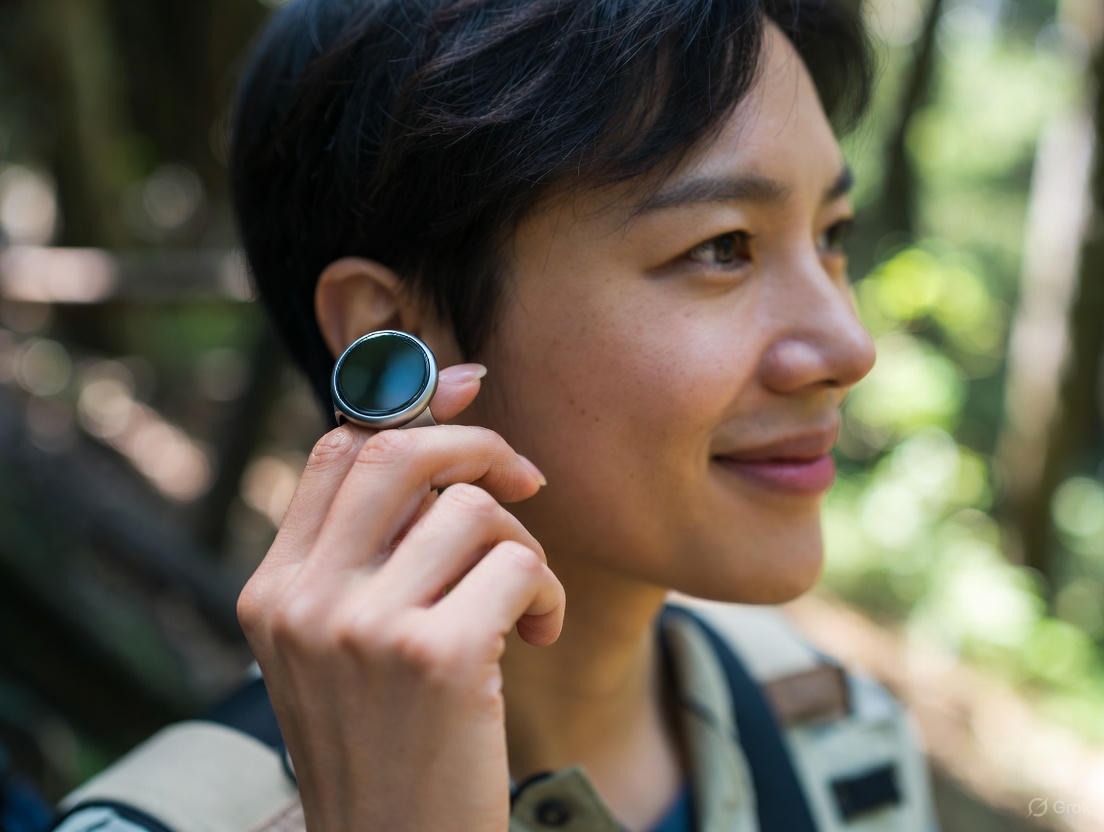
We've touched on the importance of sleep for HRV, but the relationship between deep sleep (Slow-Wave Sleep) and HRV is so profound and reciprocal that it deserves its own spotlight. This isn't a simple correlation; it's a powerful symbiosis where each enhances the other, creating the ultimate recovery feedback loop.
Deep Sleep Fuels High HRV:
During deep sleep, your brain waves slow to a synchronized delta rhythm. This state is commanded by the parasympathetic nervous system. It's a period of intense physical restoration: human growth hormone (HGH) is released, cellular repair processes peak, and the brain's glymphatic system activates to clear metabolic waste. In this state of profound internal focus, your heart rate is at its lowest, and HRV is typically at its highest nightly amplitude. Think of deep sleep as the "charging station" for your autonomic resilience. A night rich in deep sleep provides a strong vagal recharge, resulting in a higher morning HRV reading and a greater capacity to handle stress the next day.
High HRV Facilitates Deep Sleep:
Conversely, a nervous system that is balanced and has strong vagal tone (high HRV) is better equipped to initiate and maintain deep sleep. When you lie down to sleep, a system stuck in sympathetic overdrive (low HRV) is like a computer with too many programs running—it can't smoothly transition into its essential maintenance mode. You may experience difficulty falling asleep, frequent awakenings, or restless, light sleep. High HRV reflects a system that can efficiently downshift, allowing you to glide more easily into the deep, restorative stages.
Breaking a Negative Cycle, Building a Positive One:
This creates two potential cycles:
Your focus, therefore, should be on nurturing this symbiosis. The most effective strategies target both sides of the equation:
By optimizing for this symbiosis, you don't just improve a sleep score or a heart metric; you turbocharge your body's fundamental recovery engine. For a targeted guide on enhancing this critical sleep stage, our article on deep sleep secrets: how to increase your most restorative sleep offers a wealth of practical strategies.
The utility of your HRV journey is entirely dependent on the quality and consistency of your data. With a market flooded with wearables, apps, and gadgets, making an informed choice is critical. Here’s a breakdown of the current technology landscape for HRV measurement.
1. Electrocardiogram (ECG/Chest Strap) – The Clinical Gold Standard
2. Photoplethysmography (PPG) – The Wearable Standard
3. Choosing Your Tool: Key Questions
4. Best Practices for Measurement (Regardless of Device)
Investing in the right tool and using it correctly transforms HRV from an interesting concept into a cornerstone of your personal health intelligence. To discover a device built with this precise purpose in mind, visit the Oxyzen shop.
As HRV enters the mainstream wellness lexicon, it's inevitably accompanied by oversimplifications and myths. Let's clear the air and ground our understanding in evidence.
Myth 1: "The Higher Your HRV, The Better – Always."
Reality: Context is king. While a higher baseline over time is a great sign of improving resilience, an unusually sharp, acute spike in HRV can sometimes be a sign of distress. For example, in the initial stages of a severe infection, the body can mount a massive parasympathetic response, leading to a high HRV reading preceding a crash. Furthermore, certain cardiac conditions can cause high but chaotic HRV. The trend relative to your norm is what matters.
Myth 2: "You Can 'Boost' Your HRV Permanently with a Single Supplement or Hack."
Reality: HRV is a reflection of your overall system integrity. There is no silver bullet. While acute practices like breathwork can temporarily elevate it, and supplements like omega-3s or magnesium can support the underlying biology, a sustained increase in baseline HRV is the result of consistent, holistic lifestyle habits—quality sleep, regular exercise, good nutrition, and stress management—applied over months and years.
Myth 3: "HRV is Only for Elite Athletes."
Reality: While athletes were early adopters, the applications for everyday wellness are arguably more profound. For the office worker facing burnout, the parent managing chronic sleep deprivation, or the individual navigating mental health challenges, HRV provides an objective measure of total stress load and recovery need that transcends subjective feeling. It's a democratized tool for anyone seeking to better manage their energy and health.
Myth 4: "If Your HRV is Low, You Just Need to Relax More."
Reality: This is a dangerous oversimplification. Chronically low HRV can be a symptom of underlying issues: overtraining, poor sleep hygiene, nutritional deficiencies (e.g., low iron, B12), hormonal imbalances (e.g., thyroid dysfunction), or clinical conditions like sleep apnea or depression. While relaxation techniques are part of the solution, a persistently low HRV trend warrants a broader investigation into root causes, potentially with a healthcare professional.
Myth 5: "All HRV Measurements Are Created Equal."
Reality: As discussed in the tech section, an ECG chest strap, a smart ring, and a wrist-based fitness tracker can and will give you different absolute numbers. They measure from different locations and use different algorithms. You cannot compare a score from one device type to a score from another. You must track your trend within a single, consistent measurement ecosystem.
By dispelling these myths, we empower ourselves to use HRV as a sophisticated, nuanced tool, free from the distortions of hype. For more honest, science-backed discussions on the value and limits of wellness tech, our article is sleep tracking worth it? provides a balanced perspective.
We have traversed the science, the levers, the pitfalls, and the tools. Now, it's time to synthesize everything into a actionable, personalized plan. This is your blueprint for turning knowledge into transformation.
Phase 1: The Foundation Month (Weeks 1-4)
Phase 2: The Experimentation & Learning Phase (Months 2-3)
Phase 3: The Integration & Mastery Phase (Months 4+)
Your action plan is a living document. It will evolve as you age, as your life changes, and as you learn more about your unique biology. The goal is not to become a slave to a graph, but to develop a deep, responsive partnership with your body, using HRV as the primary language of that partnership. For ongoing support and new insights as you embark on this journey, remember that our blog is a continually updated resource, with articles like our comparison of deep sleep vs. REM sleep and why it matters.
We began by imagining a secret language. We end by recognizing that the language was never secret—it was simply waiting for us to develop the tools and the wisdom to listen. Heart Rate Variability is that language. It is the unfiltered, unbiased broadcast from the core of your being, reporting on the balance of your nervous system, the depth of your recovery, and the totality of your stress.
In a world saturated with external noise—conflicting health advice, social media comparisons, endless notifications—HRV provides an internal anchor. It is a truth-teller. It cuts through the story you tell yourself ("I'm fine, I can push through") and reveals the physiological reality. It amplifies the subtle signals of strain that we are so adept at ignoring until they become shouts in the form of burnout, illness, or injury.
Mastering this signal is not about optimization for its own sake. It is about sustainable vitality. It is about having the energy for what matters most—for your passions, your work, your loved ones, and your own growth. It is about moving from a reactive state of putting out health fires to a proactive state of building a fireproof foundation of resilience.
The journey with HRV is a lifelong practice of curiosity and self-care. It teaches patience, as trends unfold over weeks, not days. It teaches self-compassion, as you learn to respond to a "red" day not with frustration, but with the respect your body is demanding. It ultimately teaches you to trust yourself, because the data is, quite literally, coming from your heart.
As you move forward, equipped with this knowledge, remember that the most advanced technology is merely an extension of your own innate wisdom. Devices like the Oxyzen smart ring are designed not to replace your intuition, but to refine and validate it. They are the translators for your body's broadcast, helping you write the next, most vibrant chapters of your health story. To learn more about how this technology can serve your journey, we invite you to explore our story and vision.
The broadcast is live. You are now tuned in. Listen closely, respond wisely, and thrive.
Your Trusted Sleep Advocate (Sleep Foundation — https://www.sleepfoundation.org/)
Discover a digital archive of scholarly articles (NIH — https://www.ncbi.nlm.nih.gov/
39 million citations for biomedical literature (PubMed — https://pubmed.ncbi.nlm.nih.gov/)
experts at Harvard Health Publishing covering a variety of health topics — https://www.health.harvard.edu/blog/)
Every life deserves world class care (Cleveland Clinic -
https://my.clevelandclinic.org/health)
Wearable technology and the future of predictive health monitoring. (MIT Technology Review — https://www.technologyreview.com/)
Dedicated to the well-being of all people and guided by science (World Health Organization — https://www.who.int/news-room/)
Psychological science and knowledge to benefit society and improve lives. (APA — https://www.apa.org/monitor/)
Cutting-edge insights on human longevity and peak performance
(Lifespan Research — https://www.lifespan.io/)
Global authority on exercise physiology, sports performance, and human recovery
(American College of Sports Medicine — https://www.acsm.org/)
Neuroscience-driven guidance for better focus, sleep, and mental clarity
(Stanford Human Performance Lab — https://humanperformance.stanford.edu/)
Evidence-based psychology and mind–body wellness resources
(Mayo Clinic — https://www.mayoclinic.org/healthy-lifestyle/)
Data-backed research on emotional wellbeing, stress biology, and resilience
(American Institute of Stress — https://www.stress.org/)


