


The Recovery Signals That Appear in Your Morning HRV Reading
Sleep recovery signals measured by your smart ring.
Sleep recovery signals measured by your smart ring.
%402x.svg)
You wake up. Before your first sip of coffee, before you check your phone, your body has already delivered its most crucial report of the day. It’s not a thought or a feeling, but a precise, physiological signal captured by the silent sentinel on your finger: your morning Heart Rate Variability (HRV) reading.
For decades, this metric was confined to cardiology clinics and sports science labs, a complex waveform understood by few. Today, with the advent of sophisticated, accessible wearables like smart rings, that single number—and the story behind it—is available to anyone serious about understanding their body’s inner workings. Your morning HRV isn't just a data point; it's a direct translation of your nervous system's status. It’s your body whispering, sometimes shouting, about how well it recovered from yesterday’s stresses and how prepared it is for today’s demands.
Think of it as your central bank’s overnight balance sheet for recovery. A high balance (a higher HRV relative to your baseline) signals that your body is well-capitalized with resilience, ready to invest energy, focus, and adaptation into your day. A low balance (a depressed HRV) is a warning of potential overdraft—your resources are depleted, your stress systems are overactive, and your margin for error is thin.
This article is your definitive guide to interpreting those whispers. We will move beyond simply “higher is better” to decode the nuanced language of your autonomic nervous system. We’ll explore what specific patterns in your morning HRV are telling you about sleep quality, training load, mental stress, and even your immune system. We’ll connect the dots between the silent, restorative processes that occurred while you slept and the tangible readiness you feel (or don’t feel) upon waking.
Whether you're an athlete optimizing performance, a professional managing burnout, or simply a health-conscious individual seeking a deeper connection to your body’s rhythms, understanding your morning HRV is the master key. This is where quantified self meets qualified insight. It’s time to learn the language of your recovery. Let’s begin.
To truly grasp the significance of your morning Heart Rate Variability (HRV), you must first meet the maestro orchestrating your body’s every unconscious function: the Autonomic Nervous System (ANS). Imagine a brilliant, behind-the-scenes conductor who never sleeps, meticulously balancing two powerful sections of the biological orchestra to create the symphony of your life.
The ANS operates entirely without your conscious thought, regulating everything from your heartbeat and digestion to your breath and body temperature. It is divided into two primary branches that work in a dynamic, push-pull harmony:
The Sympathetic Nervous System (SNS): Your "Gas Pedal" or "Fight-or-Flight" System. This is your body's accelerator. When activated—by a work deadline, a hard workout, or a sudden loud noise—the SNS releases stress hormones like cortisol and adrenaline. Your heart rate increases, blood flow redirects to muscles, pupils dilate, and digestion slows. It's the system of action, mobilization, and survival. In modern life, the SNS is often chronically nudged by non-life-threatening stressors: inbox notifications, traffic, financial worries, and intense training sessions.
The Parasympathetic Nervous System (PNS): Your "Brake Pedal" or "Rest-and-Digest" System. This is your body's decelerator and restorative engine. Led primarily by the vagus nerve (the longest cranial nerve in the body), the PNS promotes calm, recovery, and repair. When it’s dominant, your heart rate slows, digestion and nutrient absorption optimize, tissues heal, and energy is stored. This is the state of growth, immune function, and deep recovery. It’s most active during quality sleep, meditation, and periods of genuine relaxation.
HRV is the direct, measurable expression of this tug-of-war. It quantifies the fine-tuned interplay between the SNS's "go" signals and the PNS's "slow" signals sent to your heart. A higher HRV indicates a strong, resilient ANS that can swiftly and effectively apply the brakes after a stressor, returning you to a calm, recovered state. It signifies a system with high "tonal" balance and flexibility. A lower HRV suggests the SNS is dominating the conversation, the brakes are less effective, and your system is stuck in a state of higher stress or fatigue.
Your morning reading is particularly precious because it’s taken at a controlled, consistent time—ideally right upon waking, before the chaos of the day begins. It reflects the net outcome of last night's recovery processes. Did the PNS dominate overnight, allowing for deep restoration? Or was your sleep fragmented, your body fighting inflammation, or your mind still churning, leaving the SNS subtly engaged? The morning HRV score is the ANS’s honest report card on that overnight shift.
Understanding this foundational principle transforms HRV from a mysterious number into a logical insight. It’s not magic; it’s physiology. As you learn to influence your ANS balance through lifestyle, you directly influence your HRV and, by extension, your capacity for health and performance. For a deeper look into how wearables capture these subtle physiological signals, you can explore our detailed post on how sleep trackers actually work.

You might wonder, why is the morning reading held in such high regard? Can’t you just check your HRV throughout the day? While daytime trends have value, the morning measurement is considered the "gold standard" for tracking recovery and readiness for one critical reason: it aims to capture a basal state—your body’s physiological baseline, minimally contaminated by the day’s external stimuli.
Think of it like weighing yourself. You wouldn’t get a consistent, comparable reading by stepping on the scale at random times—after a large meal, after a workout, or while carrying a backpack. The standard practice is to weigh yourself first thing in the morning, after using the bathroom, before eating or drinking. This controls for variables and provides a clean, daily datapoint you can track over time. Your morning HRV functions under the same principle.
The Controlled Environment of Sleep: During sleep, particularly during deep sleep, your external world fades. You are (ideally) not eating, moving, digesting a heavy meal, or actively engaging in stressful cognitive tasks. This provides a semi-standardized window where your body’s primary job is internal maintenance and recovery. While factors like sleep quality, room temperature, and late-night alcohol consumption certainly influence this state, it is still far more controlled than your waking hours.
The Post-Waking Window: By taking the reading immediately upon waking—often while still lying in bed—you capture your ANS state before the "sympathetic shock" of the day begins. That first email check, the mental planning of your schedule, the caffeine, the commute—all of these rapidly engage the Sympathetic Nervous System. Measuring before this onslaught gives you the purest snapshot of your recovery from the previous 24 hours. Many experts recommend a 60- to 90-second reading during this quiet transition.
The Circadian Rhythm Factor: Your HRV follows a distinct circadian pattern. It typically peaks during the night in sync with deep sleep and reaches its lowest point in the late afternoon. Taking your reading at a consistent time (morning) controls for this natural rhythm, allowing you to compare apples to apples, day-to-day. A reading taken at 3 p.m. on a busy Tuesday is incomparable to one taken at 10 a.m. on a relaxed Saturday; the circadian and activity confounders are too great.
What Your Morning HRV Summarizes: This single, well-timed number integrates a multitude of recovery factors from the previous day and night:
In essence, the morning HRV is your body's most honest, unedited status update. It hasn't yet been filtered through the lens of your conscious optimism or denial. It tells you what you need to know, not necessarily what you want to hear. By establishing a reliable personal baseline from these morning readings, you create the most sensitive tool for detecting meaningful deviations—the signals we will decode in the following sections. To understand what constitutes quality sleep that fuels this recovery, our guide on sleep tracking for beginners offers an excellent starting point.
The first and most encouraging signal you might see in your data is a sustained upward trend in your morning HRV. This isn't just a single high day, which can sometimes be a fluke or anomaly. Rather, it's a consistent climb over several days or weeks where your HRV values settle comfortably above your established personal baseline.
This pattern is the hallmark of positive adaptation, often called supercompensation. It’s the physiological "reward" for getting the stress-recovery equation right. Here’s what’s happening under the surface:
The Supercompensation Cycle: When you apply a controlled stressor to your body—like a well-structured exercise program, a new mindfulness practice, or improved sleep hygiene—you create a micro-level disruption. Your body perceives this as a challenge. If you then provide adequate recovery (through sleep, nutrition, and rest), your body doesn't just repair itself to its previous level. It overcompensates, building itself back slightly stronger, more resilient, and more efficient to better handle that same stress in the future. This "overbuilding" is supercompensation, and a rising HRV trend is one of its clearest biomarkers.
What a Sustained Uptrend Is Telling You:
How to Respond to This Signal:
An upward HRV trend is the ultimate positive feedback loop. It provides objective evidence that your body is thriving, building resilience, and operating at a higher level. It’s the signal that you are, quite literally, growing stronger at a fundamental level. For athletes specifically, this state of peak recovery is where performance gains are solidified; learn more in our resource on deep sleep optimization for athletes.
Conversely, one of the most common signals is the acute, significant dip—a morning HRV reading that falls well below your recent rolling average or personal baseline. A single low reading is the most frequent alert your body sends. While it’s easy to dismiss it as a "bad night," the true power lies in becoming a detective and identifying the specific cause.
An acute dip is a clear sign that your Sympathetic Nervous System was more active overnight or that your recovery processes were impaired. It’s your body saying, "Yesterday was taxing." The key is to learn the signature of different stressors.
Common Culprits Behind an Acute HRV Dip:
How to Respond to an Acute Dip:
By learning to differentiate between the "good stress" dip of a hard workout and the "bad stress" dip of impending illness or burnout, you move from being a passive data collector to an active manager of your health.
While an acute dip is a single yellow light, a sustained downtrend—where your morning HRV consistently trends below your baseline for five to seven days or more—is a flashing red siren. This pattern indicates that the stress-recovery balance has tipped negatively, and you are likely in a state of cumulative stress or functional overreaching, which, if unaddressed, can slide into overtraining or burnout.
This signal is about volume and persistence. The individual stressors (workouts, work deadlines, poor sleep) may not seem catastrophic on their own, but their effects are compounding. Your recovery systems are being chronically outpaced.
What a Sustained Downtrend Is Telling You:
How to Respond to This Critical Signal:
A sustained HRV downtrend is your body’s most emphatic request for a change. Ignoring it leads to a dead end of fatigue, injury, illness, and lost motivation. Heeding it, though difficult, is an act of long-term wisdom that protects your most important asset: your capacity to perform and feel well over the long haul. For those struggling with sleep during stressful periods, our article on the silent signs of deep sleep deprivation can be illuminating.
This signal is more nuanced and often misunderstood: an unusually or paradoxically high HRV. While we’ve established that a rising trend is positive, a single, sudden spike that sits far outside your normal range—especially if you don't feel correspondingly great—can sometimes be a signal worth investigating, not just celebrating.
The common assumption is "higher is always better." In a chronic sense, that's true. But acute, extreme deviations can have multiple interpretations.
Potential Meanings Behind a Paradoxical High HRV:
How to Interpret and Respond:
Understanding this paradox prevents you from misinterpreting data and pushing too hard on a day when your body might be fighting something off or is in a state of fragile fatigue. It underscores the principle that biofeedback is a dialogue, not a monologue. The numbers inform you, but your conscious awareness completes the story.

Your morning Heart Rate Variability never tells its story alone. Its most important co-star is your morning Resting Heart Rate (RHR). Analyzing these two metrics together creates a far more powerful and nuanced picture of your recovery status than either could alone. They are the dynamic duo of autonomic nervous system feedback.
RHR is simply the number of times your heart beats per minute (bpm) while you are completely at rest. Like HRV, it's heavily influenced by the ANS balance. Generally, a lower RHR indicates higher cardiovascular fitness and stronger parasympathetic (resting) tone. However, its relationship with HRV in response to stress is key.
The Classic Recovery Patterns:
How to Use This Correlation:
By becoming fluent in the language of this dynamic duo, you gain a sophisticated, two-dimensional view of your inner state, allowing for more precise and effective daily decisions about training, work, and recovery. To see how these metrics fit into the bigger picture of sleep tracking, you might be interested in the honest pros and cons of sleep tracking.
Of all the factors influencing your morning HRV, sleep is the undisputed heavyweight champion. But not just any sleep—the specific architecture of your sleep, particularly the amount and quality of deep sleep (Slow-Wave Sleep), has a profound and direct causal relationship with your HRV reading.
Sleep is not a uniform state. It cycles through light sleep, deep sleep, and REM (Rapid Eye Movement) sleep roughly every 90 minutes. Each stage serves a distinct purpose, but deep sleep is the cornerstone of physical restoration and autonomic nervous system reset.
The Deep Sleep & HRV Connection:
During deep sleep, your body enters its most potent anabolic (building) state. Growth hormone is released, tissue repair accelerates, and the brain clears metabolic waste. Crucially for HRV, this is also the period of maximal parasympathetic nervous system dominance. Your heart rate reaches its nightly nadir, and heart rate variability typically reaches its peak. It’s when your body’s "brakes" are most fully applied, and recovery is most active.
Therefore, the quantity and undisturbed quality of your deep sleep directly fuel a higher morning HRV. Conversely, disruptions in deep sleep sabotage it.
How Sleep Issues Manifest in Morning HRV:
Actionable Steps from This Signal:
Your morning HRV is, in many ways, the receipt for your night's recovery work. By understanding its intimate link with deep sleep, you can stop guessing about sleep quality and start managing it with precision to directly fuel your resilience.
Your body’s recovery report card is graded based on the inputs you provide. Beyond sleep and exercise, your daily lifestyle choices and nutrition act as powerful levers, pulling your morning HRV up or down with remarkable consistency. These are the factors you control in your waking hours that set the stage for overnight recovery.
Understanding these influences allows you to make intentional, data-informed choices that support your nervous system resilience.
Key Lifestyle & Nutritional Factors:
1. Alcohol Consumption:
This is one of the most potent HRV suppressants. Alcohol is a neurotoxin and a metabolic stressor. It fragments sleep (particularly demolishing deep sleep in the second half of the night), causes dehydration, and forces the liver into detoxification mode. The result is almost always a significant dip in morning HRV, often accompanied by a raised RHR. The effect is dose-dependent and can last into a second night.
2. Hydration Status:
Your blood volume and electrolyte balance are crucial for cardiovascular function. Chronic underhydration increases sympathetic nervous system activity as your body works harder to maintain blood pressure and circulation. Even mild dehydration can lead to a measurable decrease in HRV. A morning reading after a night of poor hydration often reflects this strain.
3. Caffeine Timing & Sensitivity:
Caffeine is an adenosine antagonist and a sympathetic stimulant. While acute doses can sometimes increase HRV in some individuals by increasing alertness without stress, its impact on sleep is the primary concern. Caffeine consumed too late in the day can delay sleep onset and reduce sleep quality, indirectly leading to a lower morning HRV. Know your own sensitivity and cutoff time.
4. Meal Timing & Composition:
A large, heavy, or high-fat meal close to bedtime forces your body to prioritize digestion over restoration. This metabolic work can keep core temperature elevated and sympathetic activity higher, impairing the parasympathetic shift needed for deep sleep and recovery. Conversely, going to bed overly hungry can also be a stressor. A balanced meal 2-3 hours before bed is generally ideal. For foods that can positively influence your sleep physiology, check out our list of 10 foods that increase deep sleep naturally.
5. Psychological Stress & Mindfulness:
Chronic mental and emotional stress keeps cortisol elevated and the SNS engaged. This tonal shift doesn't magically switch off at bedtime. Practices that actively promote the PNS—such as meditation, deep breathing, gratitude journaling, or spending time in nature—have been shown to increase HRV over time. They train your nervous system to "downshift" more effectively.
6. Training Timing:
Intense exercise too close to bedtime can elevate core temperature, stimulate the sympathetic system, and make it harder to fall asleep, potentially impacting next-morning HRV. For most, finishing strenuous activity at least 2-3 hours before bed is beneficial.
How to Use This Knowledge:
By viewing your lifestyle through the lens of HRV impact, you move from following generic rules to crafting a personalized, sustainable protocol that actively builds your biological resilience day by day.
In the linear world, we often expect cause and effect to be immediate. You have a hard day, you sleep, you wake up recovered. But the human body operates on a more complex, sometimes delayed, timeline. One of the most instructive HRV signals is the delayed recovery pattern.
This occurs when your morning HRV does not dip the day after a major stressor (like an intense workout or a very taxing day) but instead dips sharply on the second morning after (or sometimes even the third). It’s as if your body processes the stress and only then signals the full cost of recovery.
The Physiology of the Delay:
The initial stressor causes immediate physiological damage (micro-tears in muscle, glycogen depletion, inflammatory cascades) and a sympathetic response. However, the body’s most intense inflammatory and repair processes often peak 24-48 hours later. This is familiar to athletes as Delayed Onset Muscle Soreness (DOMS), which typically peaks 48 hours post-exercise. During this peak repair phase, the body’s resources are heavily diverted, systemic inflammation is higher, and the autonomic nervous system is again challenged, leading to the observed HRV dip on day two.
Why Recognizing This Pattern is Crucial:
How to Identify and Manage Delayed Recovery:
Mastering the interpretation of delayed recovery transforms you from a reactive manager of fatigue to a predictive architect of resilience. You learn to listen not just to your body's immediate shout, but also to its quieter, echoed request for more time.
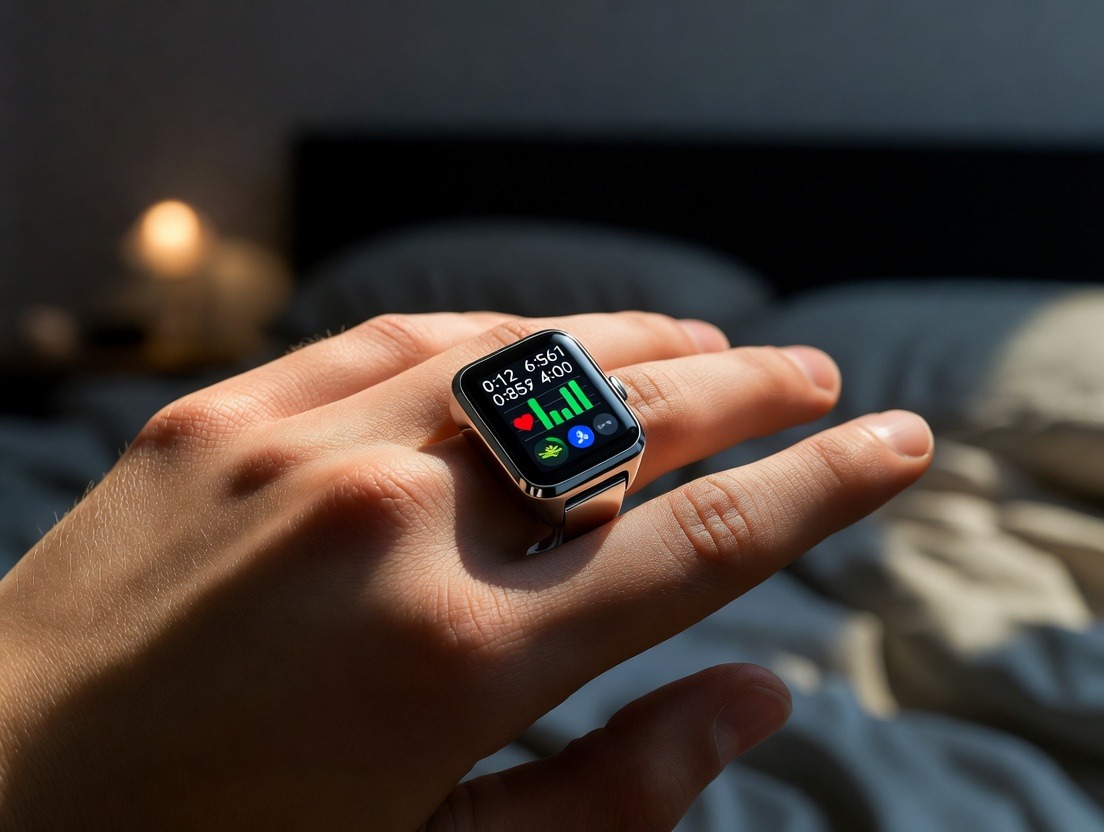
Amidst the drama of spikes and crashes, one signal is deceptively simple yet profoundly meaningful: the return to your personal baseline. This is when, after a period of disturbance—be it a planned training block, a bout of travel, or a stressful life event—your morning HRV stabilizes back within your normal, individual range.
This signal is the cornerstone of sustainable progress. It confirms that your body has successfully adapted to the stressor and re-established homeostasis at a new, similar level. It is the "all clear" that says your recovery systems are once again in equilibrium with your life's demands.
Why Returning to Baseline is Critical:
The Dynamic Nature of Your Baseline:
It’s vital to understand that your baseline is not a static, lifelong number. It should be a rolling, dynamic average (often a 3-4 week rolling average is used) that evolves with you.
How to Honor the Return to Baseline:
The return to baseline is the quiet, triumphant conclusion of every recovery story. It’s the signal that the system is stable, resilient, and ready for the next chapter. By learning to recognize and respect it, you build not just fitness or productivity, but lasting, data-verified vitality. For a deeper dive into how your body achieves this nightly reset, explore the intricate brain-boosting connection between deep sleep and memory.
Beyond the individual spikes and dips, the most powerful, long-term signal embedded in your HRV data is the signal of consistency itself. This isn't about a single reading, but the overall shape and stability of your data over weeks and months. A consistent, rhythmic pattern—even if your numbers aren't "elite" high—is one of the strongest indicators of robust health and effective life management.
Think of it as the difference between a calm lake and a stormy ocean. The lake has small, predictable ripples (daily variations). The ocean has huge, chaotic waves (wild HRV swings). While the ocean might have higher peaks, the lake represents a far more stable, resilient, and life-supporting system. Your nervous system thrives on rhythmic predictability.
The Power of Circadian and Lifestyle Rhythm:
Your body is a collection of circadian clocks anticipating events: sleep, food, light, activity. When you provide consistent cues, these systems synchronize efficiently, reducing metabolic and autonomic stress. This synchronization fosters a stable HRV pattern.
What Inconsistency (High Variability in HRV) Can Signal:
How to Cultivate the Signal of Consistency:
In the end, the ultimate signal of recovery readiness isn't necessarily the highest peak you can reach, but the most stable plateau you can maintain. Consistency in your lifestyle breeds consistency in your physiology, and that is the bedrock of sustainable high performance and well-being. Discover the core habits that support this stability in our post on the deep sleep formula of temperature, timing, and habits.
Your body does not exist in a vacuum. The final layer of signals in your morning HRV reading comes from the world around you. Environmental factors and seasonal changes imprint themselves on your autonomic nervous system, creating patterns that are crucial to recognize so you don't misattribute them to personal failing.
These external inputs act as systemic stressors or supporters, modulating your baseline recovery capacity.
Key Environmental & Seasonal Influencers:
1. Ambient Temperature & Thermoregulation:
Sleeping in a room that is too warm is a major, underappreciated HRV suppressor. Your body needs to drop its core temperature by about 1-2 degrees Fahrenheit to initiate and maintain deep sleep. A hot room forces your body to work harder to shed heat (through sweating and increased blood flow to the skin), elevating sympathetic nervous system activity and fragmenting sleep. The result? A lower morning HRV. Conversely, a cool room (around 65-68°F or 18-20°C) supports the thermal drop for sleep, promoting parasympathetic activity. Sudden heatwaves or cold snaps can trigger noticeable dips as your body works to acclimatize.
2. Allergens & Air Quality:
Seasonal allergies create a state of low-grade systemic inflammation as your immune system reacts to pollen. This inflammatory load is a direct stressor on the ANS, often leading to a suppressed HRV during peak allergy seasons. Similarly, poor indoor air quality (high VOCs, dust, mold) can have a chronic, negative impact.
3. Daylight & Seasonal Changes (Seasonal Affective Rhythm):
The length and quality of daylight powerfully regulate circadian rhythms. In winter, with shorter days and less bright light exposure, some people experience a natural, slight down-regulation in HRV, correlating with lower energy and the well-documented "winter blues." The lack of morning sunlight can delay circadian phase and weaken the amplitude of your daily cortisol and HRV rhythms. In summer, with abundant light and often more social activity, HRV might show a naturally higher baseline for some, while the heat might counteract it for others.
4. Altitude:
Traveling to or living at high altitude presents a hypoxic (low oxygen) stress. The body compensates by increasing sympathetic drive (raising heart rate and breathing) initially. This almost always causes a significant acute drop in HRV. Over days to weeks, as the body acclimatizes (producing more red blood cells), HRV may slowly improve but often stabilizes at a lower baseline than at sea level.
5. Social & Travel Stress:
While not "environmental" in the climate sense, travel is a massive cocktail of environmental stressors: disrupted circadian rhythms (jet lag), unfamiliar sleeping environments, dehydration from dry airplane air, and the mental load of logistics. This combination typically produces one of the most dramatic and prolonged HRV suppressions, reflecting the total systemic cost of adaptation.
How to Decode and Adapt to These Signals:
By recognizing the environmental signature in your data, you move from blaming yourself for every dip to understanding your body's intelligent adaptation to its surroundings. It fosters self-compassion and provides actionable levers (like adjusting your thermostat) to support your nervous system through external challenges. For more on the interplay between environment and restorative sleep, see our breakdown of deep sleep vs. REM sleep and why both matter.
You’ve now been equipped with a decoder ring for eleven critical HRV signals. But information alone isn't power. The power is forged in the daily practice of translating these signals into personalized, actionable wisdom. This final step is about moving from passive observation to active co-creation with your body. It's about building your own, unique HRV lexicon.
The Three Pillars of Your Personal Lexicon:
1. Establish Your True Baseline & Range.
Stop comparing your HRV to anyone else's. Your number is your number. Use the first month of consistent tracking (taken in a relatively normal period of life) to establish your initial baseline range. Calculate the average and note your typical high and low bounds. Remember, this is a dynamic baseline—re-calculate this rolling average every few months to see your long-term trajectory.
2. Identify Your Personal Triggers & Buffers.
This is your N=1 research project. Through careful observation, you will learn:
3. Develop Your Decision Framework.
Create a simple, personalized protocol based on your morning reading. For example:
The Tools for Your Journey:
While any consistent practice is valuable, the right tool can make the journey seamless and more insightful. A device worn on the finger, like a smart ring, is uniquely positioned for this task. It captures data from the rich vascular bed of the finger throughout the night, providing a comfortable, unobtrusive way to gather the critical morning reading without any extra thought or action. To explore a device designed with this holistic recovery insight in mind, you can discover how Oxyzen works.
Embracing the Journey:
Your relationship with your HRV data should be curious and compassionate, not anxious and controlling. Some days, the data won't make immediate sense, and that's okay. The goal is not to achieve a perfect, high line every day—that's neither possible nor desirable, as stress is a necessary part of growth. The goal is to understand the conversation, to recognize when your body is asking for a break, celebrating an adaptation, or struggling with an unseen burden.
By building your personal HRV lexicon, you gain something far more valuable than optimized performance: you gain self-awareness. You become the expert on the one subject that matters most—your own vitality. You move from guessing about your energy and readiness to knowing, with a degree of physiological certainty, what you need to thrive.
This is the promise of modern biofeedback: not to turn you into a robot chasing numbers, but to reconnect you, with profound clarity, to the ancient wisdom of your own body. Your morning HRV reading is that daily reconnection. Listen closely.
For roughly half the population, a critical, predictable, and often overlooked layer of influence shapes the landscape of Heart Rate Variability: the hormonal fluctuations of the menstrual cycle. For women and individuals with cycles, ignoring this signal is like trying to navigate a city using a map from a different country. The rhythmic rise and fall of estrogen and progesterone don't just govern reproduction; they exert a powerful, measurable influence on the autonomic nervous system, body temperature, metabolism, and therefore, HRV.
Understanding this pattern is essential for accurate interpretation. A dip in HRV during the luteal phase isn't necessarily a sign of poor recovery or overtraining; it's often a normal, physiological adaptation. Failing to recognize this can lead to frustration and misdirected interventions.
The Hormonal HRV Rhythm Across the Cycle:
What This Means for Training and Recovery Interpretation:
Beyond the Menstrual Cycle: Perimenopause and Menopause:
The transition through perimenopause into menopause represents a significant shift in the hormonal-HRV relationship. As estrogen production becomes erratic and then declines, the stabilizing, parasympathetic-promoting effect of estrogen diminishes. This often leads to a lower overall HRV baseline and increased variability (more "spiky" data) as the ANS loses one of its modulating influences. Symptoms like hot flashes are profound sympathetic activations that can crater HRV overnight. Recognizing this new normal is key. Interventions like stress reduction, consistent sleep hygiene, and temperature management become even more critical for supporting ANS resilience during this transition.
Actionable Insight:
If you have a menstrual cycle, make cycle phase your first lens for interpreting a weekly HRV trend. It provides a compassionate, scientific framework for understanding your body's natural rhythms, allowing you to work with your physiology, not against it. This empowers you to plan, perform, and recover smarter across the entire month.

Just as your hormonal landscape shifts, so too does your autonomic nervous system's baseline function across your lifespan. The signal of aging is not a dramatic daily fluctuation, but a slow, gradual transformation of your HRV landscape over decades. Understanding this is critical for maintaining realistic expectations and focusing on what is optimally achievable at each life stage.
The broad, well-established trend is that HRV tends to be highest in youth, peaks in early adulthood, and gradually declines with advancing age. This decline is a normal part of the autonomic aging process, but its rate is not fixed. Lifestyle has a profound impact on the slope of this decline.
Why Does HRV Decline with Age?
What This Means for You:
How to Optimize Your Age-Related HRV Trajectory:
Embracing the age-related shift in HRV frees you from unfair comparisons and redirects your energy toward the factors you can control. The goal shifts from chasing an absolute number to cultivating a resilient, responsive nervous system that supports your vitality for decades to come.
Perhaps the most profound demonstration of the mind-body connection is how non-physical stress—worry, anxiety, rumination, and emotional turmoil—manifests in your morning HRV. This signal can be particularly potent because, unlike a hard workout, you can't always "feel" the muscular fatigue of a stressful day, yet the physiological tax is very real. Your ANS does not differentiate between a physical threat and a psychological one; a looming deadline or a personal conflict can trigger the same sympathetic cascade as a near-miss accident, just at a lower, more sustained volume.
How Mental-Emotional Stress Creates an HRV Signature:
Distinguishing Mental Load from Physical Load:
This is where the HRV/RHR correlation is essential.
Seeing this "dissociation" pattern is a strong clue that your nervous system is depleted by cognitive or emotional strain, not metabolic debt.
The Impact of Positive Emotions:
The flip side is equally important. Positive emotional states—like joy, gratitude, connection, and awe—have been shown to increase HRV. They are associated with increased parasympathetic activity and coherence in heart rhythm patterns. A day filled with meaningful social connection, a sense of accomplishment, or immersive flow states can positively influence your next morning's reading.
How to Respond to the Signal of Mental Load:
Recognizing your HRV's sensitivity to your inner world transforms it from a simple fitness metric into a tool for emotional intelligence and mental health maintenance. It provides an objective check-in, asking: "Is my mind as recovered as my body needs it to be?"
Modern wearable technology rarely presents HRV as a standalone number. Instead, it is synthesized with other metrics into a composite Readiness or Recovery Score. This is a crucial evolution, as it aims to tell a more complete story by weighting HRV alongside other key signals like sleep, activity, and RHR. Understanding how your device creates this score is essential for interpreting its final recommendation.
A readiness score is an algorithm's attempt to answer the simple question: "How prepared is my body for stress today?" While the exact formulas are proprietary, they generally incorporate data from three pillars:
1. Sleep Analysis: This isn't just duration. The algorithm considers:
2. Activity/Strain from Previous Day(s): The device looks at your recent exertion, often using metrics like:
3. Physiological Stress (HRV & RHR): This is the core of the score. The algorithm examines:
How to Use (and Not Misuse) Your Readiness Score:
The readiness score is a powerful tool for simplifying complex data, but your ultimate "readiness" is a dialogue between this objective synthesis and your subjective, conscious awareness. It's the final, integrated signal before you step out of bed and into your day. For a comprehensive look at how all these metrics come together, our blog offers extensive resources on wellness tracking.
Your Trusted Sleep Advocate (Sleep Foundation — https://www.sleepfoundation.org/)
Discover a digital archive of scholarly articles (NIH — https://www.ncbi.nlm.nih.gov/
39 million citations for biomedical literature (PubMed — https://pubmed.ncbi.nlm.nih.gov/)
experts at Harvard Health Publishing covering a variety of health topics — https://www.health.harvard.edu/blog/)
Every life deserves world class care (Cleveland Clinic -
https://my.clevelandclinic.org/health)
Wearable technology and the future of predictive health monitoring. (MIT Technology Review — https://www.technologyreview.com/)
Dedicated to the well-being of all people and guided by science (World Health Organization — https://www.who.int/news-room/)
Psychological science and knowledge to benefit society and improve lives. (APA — https://www.apa.org/monitor/)
Cutting-edge insights on human longevity and peak performance
(Lifespan Research — https://www.lifespan.io/)
Global authority on exercise physiology, sports performance, and human recovery
(American College of Sports Medicine — https://www.acsm.org/)
Neuroscience-driven guidance for better focus, sleep, and mental clarity
(Stanford Human Performance Lab — https://humanperformance.stanford.edu/)
Evidence-based psychology and mind–body wellness resources
(Mayo Clinic — https://www.mayoclinic.org/healthy-lifestyle/)
Data-backed research on emotional wellbeing, stress biology, and resilience
(American Institute of Stress — https://www.stress.org/)


