


The Longevity Essentials That Protect Cognitive Function
Longevity essentials that protect your brain as you age.
Longevity essentials that protect your brain as you age.
%402x.svg)
In the quiet hum of a modern morning, you reach for your phone to check the weather, only to find yourself momentarily grasping for a word. You walk into a room with a clear purpose that evaporates upon entry. You read a paragraph three times, and the meaning skitters away like a drop of water on a hot pan. These moments, often dismissed as “senior moments” or the inevitable fog of a busy life, are not merely inconveniences. They are whispers from your future self, faint but urgent signals on the dashboard of your brain.
For generations, cognitive decline was viewed as a tragic but unavoidable companion to longevity—a fixed price for extra years. We believed our brain’s fate was locked in genetic code, a slow-motion destiny we could witness but not alter. That narrative is shattering. A revolution in neuroscience, longevity research, and biometric technology is revealing a profound new truth: the trajectory of your cognitive health is not a predetermined path. It is a landscape shaped daily, moment by moment, by the intricate interplay of sleep, movement, nutrition, stress, and connection.
This is the new frontier of wellness: moving beyond merely living longer to thinking longer. It’s about preserving the vibrancy, clarity, and agility of your mind so that your extended years are rich with insight, creativity, and presence. It’s about protecting the essence of who you are.
But how do you navigate this landscape? The advice is often overwhelming and contradictory. Exercise more. Sleep better. Eat this, not that. Meditate. Socialize. The list is endless, and tracking your progress feels like a full-time job. This is where the paradigm shifts from guesswork to precision, from hoping you’re on the right track to knowing you are. The advent of sophisticated, wearable health technology, like the advanced smart rings now available, provides a continuous, personalized stream of data about the very pillars of cognitive longevity. This isn't about gadgetry; it's about gaining a real-time owner's manual for your brain's operating system.
In this comprehensive guide, we will embark on a deep exploration of the non-negotiable, science-backed essentials that fortify your cognitive fortress. We will move beyond surface-level tips to understand the why and the how, arming you with actionable strategies. And we will illuminate how modern tools seamlessly integrate into this mission, turning intention into measurable, sustainable action. Your journey to a sharper, more resilient mind begins here.
The old adage “healthy body, healthy mind” is more than folk wisdom; it is a fundamental biological truth. Your brain is not an isolated command center floating in a vacuum. It is an insatiably hungry organ, making up only 2% of your body weight but consuming 20% of its energy and oxygen. Every beat of your heart, every breath you take, and every metabolic process in your body is in service to this incredible three-pound universe. Therefore, the first pillar of cognitive longevity is understanding and optimizing the physical systems that fuel and protect your brain.
Consider your cardiovascular system as the brain’s lifeline. The network of arteries and capillaries delivers oxygen and vital nutrients—primarily glucose and ketones—while hauling away toxic waste products like amyloid-beta, which is implicated in Alzheimer's disease. Research is unequivocal: what’s good for the heart is good for the head. Hypertension, high cholesterol, and atherosclerosis don’t just risk heart attack and stroke; they slowly strangle the brain’s blood supply, leading to vascular cognitive impairment, a major contributor to dementia.
Similarly, chronic systemic inflammation, often stemming from poor diet, obesity, or autoimmune conditions, is a silent arsonist in the brain. Inflammatory molecules can cross the blood-brain barrier, activating the brain’s immune cells (microglia). While acute inflammation is a necessary healing response, a constant, low-grade inflammatory state causes these microglia to become overactive, damaging healthy neurons and synapses—the very connections that hold your memories and thoughts.
This is where the power of continuous health tracking moves from a fitness novelty to a cognitive essential. You cannot manage what you do not measure. Spot-checking your blood pressure at a pharmacy once a month or getting annual lab work provides a snapshot, but it misses the story unfolding every hour of every day. How does your resting heart rate respond to a poor night's sleep? How does your heart rate variability (HRV)—a key marker of your nervous system's resilience and recovery capacity—dip after a stressful work meeting? These real-time biomarkers are the early-warning signals of the systemic strain that precedes cognitive wear and tear.
A device like the Oxyzen smart ring operates in this crucial space of prevention. By wearing it 24/7, it builds a comprehensive, personalized baseline of your physiology. It doesn’t just tell you you had a “bad night’s sleep”; it shows you the objective data—disrupted sleep stages, elevated nighttime heart rate, low HRV—that explains why you feel foggy. This continuous feedback loop transforms abstract health goals into concrete, daily stewardship of the very systems your brain depends on for survival. For a deeper dive into how this technology enables a proactive approach, our article on how health tracking technology enables personalized wellness explores this paradigm shift in detail.
The takeaway is foundational: protecting your cognitive future starts with honoring the profound connection between your body and brain. It demands a holistic view of health, supported by data that illuminates the cause and effect we too often miss.
If you think of sleep as merely a period of rest, you are underestimating its most critical function. Sleep is perhaps the single most potent, non-negotiable cognitive longevity essential at your disposal. During sleep, your brain shifts from processing mode to deep maintenance, repair, and reorganization. It is a period of intense biological activity that is utterly irreplaceable.
The process begins with the glymphatic system, the brain’s unique waste-clearance network. Think of it as a microscopic power-washing system that kicks into high gear during deep, non-REM sleep. Cerebrospinal fluid floods the spaces between brain cells, flushing out metabolic debris that has accumulated throughout the day, including the toxic proteins like tau and amyloid-beta linked to neurodegenerative diseases. Skimping on sleep is like skipping the nightly trash collection; the waste piles up, creating a toxic environment for neurons.
Simultaneously, sleep is when memory consolidation occurs. The hippocampus, your brain’s short-term memory filing cabinet, replays the day’s events. Through a process of neural replay, important memories are transferred to the neocortex—the brain’s hard drive—for long-term storage, while irrelevant information is pruned away. This is why “sleeping on a problem” often yields a solution; your brain is actively integrating and connecting new information with old knowledge, strengthening the neural pathways of learning.
Each stage of sleep plays a distinct role:
Disrupting this architecture—through insomnia, sleep apnea, or simply cutting sleep short—has immediate and long-term consequences. A single night of poor sleep impairs attention, working memory, and emotional regulation. Chronic sleep deprivation is a major risk factor for depression, anxiety, and a significantly heightened risk for Alzheimer’s disease and other dementias.
Optimizing sleep, therefore, is not a luxury; it is cognitive defense. This goes beyond just aiming for 7-9 hours. It’s about sleep quality—maximizing the proportion of deep and REM sleep. This is where subjective feeling (“I slept okay”) meets objective truth. Advanced sleep tracking via a wearable like Oxyzen provides unprecedented insight. You can see not just total sleep time, but your sleep stages, disturbances, resting heart rate, and blood oxygen saturation variations (which can indicate sleep apnea). This data moves you from guessing to strategically refining your sleep hygiene: dialing in consistent bedtimes, optimizing bedroom temperature and darkness, managing evening blue light exposure, and understanding how late meals or alcohol—which may help you fall asleep but devastate sleep quality—truly affect your brain’s recovery.
For practical strategies on implementing a rock-solid sleep routine, alongside other daily habits for vibrant aging, our resource on 50 healthy aging tips a smart ring helps implement daily offers a wealth of actionable guidance.

You are, quite literally, what you eat—and this is nowhere more true than in your brain. Every morsel of food you consume is broken down, absorbed into your bloodstream, and carried across the blood-brain barrier to become the raw material for neurotransmitters, cell membranes, and the energy that fuels every single thought. The modern Western diet, high in refined sugars, processed foods, and unhealthy fats, is increasingly recognized as a primary driver of systemic inflammation and oxidative stress, creating a hostile environment for neurons. Conversely, a strategic, nutrient-dense diet is one of the most powerful tools for building cognitive resilience.
The core principle of neuroprotective nutrition is shifting from a diet that causes metabolic chaos to one that promotes metabolic flexibility and stability. This means:
Moving from theory to practice requires personalization. How does your body respond to different foods? How does a high-carb meal affect your energy levels and focus three hours later? While food journals are helpful, they lack physiological data. This is another frontier where continuous monitoring provides a missing link. By observing how different meals and eating windows affect biomarkers like continuous glucose levels (if using a CGM in tandem), resting heart rate, and even sleep quality, you can move from generic diet advice to a personalized nutritional plan that optimally fuels your brain. For instance, you might discover that a late dinner, even if it’s healthy, disrupts your sleep architecture and leads to next-day brain fog—a direct, data-driven insight to guide your habits.
For most of human history, our survival depended on movement—hunting, gathering, building, fleeing. Our brains evolved in an active body. It should be no surprise, then, that sedentarism is catastrophic for cognitive health, while regular physical activity is one of the most potent neuroprotective interventions ever studied. Exercise is not just about building muscle or burning calories; it is a growth hormone for the brain itself.
The cognitive benefits of movement are orchestrated through multiple, powerful biological mechanisms:
The optimal “prescription” for the brain includes a blend of activities:
The challenge for many is consistency and intensity. Was today’s walk enough to trigger a cognitive benefit? How is your training affecting your body’s ability to recover? A smart wellness ring transforms this guesswork into a guided practice. It automatically tracks your active minutes, workout duration, and—critically—your heart rate zones. You can see if you spent enough time in that moderate-to-vigorous zone needed to boost BDNF. More importantly, it tracks your recovery through metrics like HRV and resting heart rate. Overtraining leads to systemic stress and inflammation, which counteracts the benefits of exercise. By ensuring you are active enough to stimulate growth but also recovering adequately, you create the perfect cycle for building not just a stronger body, but a more resilient, adaptable brain. To understand how activity tracking has evolved into this nuanced, essential tool, explore the evolution of health tracking technology from manual logs to smart rings.
In our fast-paced, always-on world, stress is often worn as a badge of honor. But from your brain’s perspective, chronic stress is not a sign of productivity; it is a slow-acting neurotoxin. The human stress response, centered on the hormone cortisol, is a brilliant survival mechanism for acute threats—the “fight or flight” that helped our ancestors evade predators. However, when this system is perpetually activated by psychological stressors like work deadlines, financial worries, or social friction, it becomes pathological, eroding the very structures of the brain responsible for memory, emotional regulation, and rational thought.
The cortisol cascade damages the brain in several insidious ways:
Therefore, managing stress is not about achieving a state of perpetual zen; it is about building resilience—the ability to encounter stressors and return to baseline quickly. This is where the nervous system metric of Heart Rate Variability (HRV) becomes a critical biomarker. HRV is the subtle variation in time between each heartbeat. A higher HRV indicates a flexible, resilient autonomic nervous system that can smoothly transition between the sympathetic (“fight or flight”) and parasympathetic (“rest and digest”) states. A low, rigid HRV is a sign of a nervous system stuck in stress mode, and it is a powerful predictor of burnout, poor recovery, and long-term health risks.
The goal of stress management for cognitive longevity is to cultivate practices that actively engage the parasympathetic nervous system, lower baseline cortisol, and improve HRV. These include:
A device like Oxyzen makes your stress and recovery visible. By providing daily HRV readings, often combined with a “stress score” based on heart rate and activity data, it tells you the objective state of your nervous system. You can run experiments: does a 10-minute meditation before bed improve your HRV and sleep score? Does a chaotic workday show up as a measurable dip in resilience? This feedback is invaluable for learning which practices truly work for you and for catching a downward trend in resilience before it manifests as burnout or cognitive fog. For more on how the technology behind these metrics works, our explainer on the science behind modern health tracking technology delves into the sensors and algorithms that make this possible.

Imagine two individuals with the same degree of age-related brain changes or even the same early pathology of Alzheimer’s disease. One experiences severe memory loss and functional decline, while the other remains sharp, functional, and symptom-free for years longer. What explains this difference? The concept of Cognitive Reserve.
Cognitive reserve is not a physical entity you can point to on a brain scan. It is a functional model—the brain’s resilience, its ability to improvise and find alternative ways to get a job done when standard neural pathways are damaged. Think of it as your brain’s “savings account” of neural connections, problem-solving strategies, and efficient networks. The more reserve you have built up over a lifetime, the longer you can withstand the insults of aging or disease before showing clinical symptoms.
This is a profoundly empowering idea. While we cannot yet completely prevent the accumulation of amyloid plaques or tau tangles, we can actively build a cognitive fortress so robust that these pathologies cause minimal functional disruption for as long as possible. Building reserve is about creating a rich, complex, and interconnected neural landscape.
The pillars of building cognitive reserve are:
The synergy here is critical. A lifestyle that combines physical vigor, mental challenge, and social vitality creates a multiplicative effect on cognitive reserve. This is the holistic essence of the longevity lifestyle. And while building reserve is a lifelong project, it is never too late to start. The brain retains neuroplasticity—the ability to reorganize and form new connections—throughout life.
The Quantified Self: Using Data to Personalize Your Cognitive Longevity Plan
We have now explored the core pillars: systemic health, sleep, nutrition, movement, stress, and cognitive engagement. The modern challenge is no longer a lack of information, but an overload of generic advice. The critical question becomes: How do these universal principles apply to you, with your unique genetics, lifestyle, and physiology? What is your optimal sleep duration? What type of exercise truly improves your HRV? Which foods cause you inflammatory spikes that cloud your thinking?
This is the promise of the “Quantified Self” movement, powered by modern health technology. It moves us from a one-size-fits-all model to a precision, N-of-1 approach to wellness. By collecting continuous, personalized data, you become the subject of your own lifelong experiment, able to make incremental, evidence-based adjustments that yield outsized results for your cognitive health.
A sophisticated wellness tracker, like a smart ring, acts as your 24/7 biometric data hub. It seamlessly integrates insights across all the domains we’ve discussed:
The power is in the correlation. You can review your data and see clear patterns: “On nights my deep sleep is below 1 hour, my next-day resting heart rate is 5 bpm higher and I feel foggy.” Or, “When I eat after 8 PM, my sleep latency increases and my HRV drops 15%.” Or, “My stress score remains elevated for hours after difficult meetings, but a 20-minute walk brings it back to baseline.”
This feedback loop is transformative. It replaces willpower and guesswork with knowledge and strategy. It provides positive reinforcement when you see a new habit improving your biomarkers. Perhaps most importantly, it fosters a sense of agency. You are no longer a passive passenger in your health journey; you are the pilot, with a detailed instrument panel guiding your decisions. For those curious about the journey of wearable tech and how it empowers this personal agency, the story of how health tracking technology changed preventive medicine offers a compelling historical perspective.
Of course, data is only as good as the action it inspires. The final step is integrating these insights into a sustainable, personalized system—a topic we will explore in depth as we continue.
While the pillars we’ve established form the bedrock of brain health, the frontier of longevity science is rapidly expanding, revealing new, promising avenues for intervention. These emerging fields highlight that cognitive protection is a multi-system endeavor, involving everything from our cellular power plants to the very rhythms of our daily lives.
Circadian Rhythms: The Master Clock of the Brain
Your brain doesn’t just sleep at night; it operates on a precise 24-hour cycle known as the circadian rhythm, governed by a “master clock” in the hypothalamus. This clock regulates not only sleep-wake cycles but also hormone release (cortisol, melatonin), body temperature, metabolism, and even gene expression. When this rhythm is disrupted—by irregular sleep schedules, excessive nighttime light exposure (especially blue light), or jet lag—it creates a state of “circadian misalignment.” This has been linked to impaired memory, reduced neurogenesis, increased neuroinflammation, and a higher risk for neurodegenerative diseases. Protecting your circadian rhythm through strict light hygiene (morning sunlight, limiting screens at night) and consistent meal and sleep times is now seen as a foundational cognitive longevity strategy.
Mitochondrial Health: The Neuronal Power Grid
Each neuron contains thousands of mitochondria, tiny organelles that act as cellular power plants, generating the energy (ATP) required for every synaptic firing and cellular repair process. As we age, mitochondrial function declines, leading to energy deficits and increased production of reactive oxygen species (ROS), which damage cells. This “mitochondrial dysfunction” is a central player in brain aging and neurodegenerative diseases. Strategies to support mitochondria include:
The Promise of Biomarkers and Early Detection
The future of cognitive longevity lies in prevention, and prevention requires early detection. Researchers are actively identifying blood-based biomarkers (like p-tau181, NfL) that can indicate Alzheimer’s pathology years before symptoms appear. While these are primarily in the clinical research sphere, they point to a future where personalized risk assessments will be routine. In the present, the biomarkers we can track continuously—HRV, resting heart rate, sleep architecture, activity levels—serve as our own personal early-warning system for systemic imbalances that, left unchecked, pave the way for cognitive decline.
Integrating awareness of these frontiers—honoring your circadian biology, supporting your cellular energy, and leveraging the biomarkers available to you—represents the cutting edge of a proactive brain health strategy. It’s about optimizing the entire system in which your brain resides.
Adopting a dozen new habits based on complex science can feel daunting. The final piece of the puzzle is integration—making these practices effortless, automatic, and personalized. This is where a purpose-built wellness device transitions from a simple tracker to an indispensable cognitive longevity partner.
A modern smart ring, like Oxyzen, is uniquely positioned for this role due to its form factor and functionality. Worn on the finger, it is unobtrusive, comfortable for 24/7 wear (including during sleep), and socially discreet. This continuous wear is non-negotiable; it’s what builds that rich, personalized baseline and captures the full picture of your daily rhythms. The ring’s sensors—optical heart rate, temperature, accelerometer—work in concert to provide a holistic view of your health pillars.
Let’s visualize how this integration works in daily life:
Choosing the right tool is part of the strategy. It should be accurate, comfortable for constant wear, privacy-focused, and designed to support a holistic view of wellness. For those beginning their search, our comprehensive wellness ring basics guide for beginners is an excellent starting point. Furthermore, understanding how to personalize such a device to your body and goals is key, which is covered in our guide on how to personalize your wellness ring for your body.
The ultimate goal is for the technology to fade into the background, while the insights it provides move to the foreground of your decision-making. It becomes a silent guardian of your cognitive capital, empowering you to live each day in a way that actively invests in the clarity and vitality of your future mind. To explore the full potential of such a device and see how it can become part of your journey, you can visit the main Oxyzen shop to discover the features designed for this very purpose.
This concludes the first third of our deep exploration into the longevity essentials that protect cognitive function. We have laid the essential groundwork, moving from the fundamental biology linking body and brain, through the core pillars of sleep, nutrition, movement, and stress management, into the concepts of cognitive reserve and the power of personalized data. We have seen how modern technology seamlessly integrates into this mission, transforming principles into practice. In the next portion, we will delve even deeper into advanced nutritional strategies, the specifics of exercise protocols for the brain, the profound impact of environment and community, and the practical steps to building your own personalized, sustainable cognitive longevity protocol. The journey to a sharper, more resilient mind continues.

Having established the non-negotiable foundations—the deep symbiosis of body and brain, the restorative power of sleep, the neuroprotective quality of nutrition, the transformative effect of movement, the destructive nature of chronic stress, and the resilience built through cognitive reserve—we now move from defense to optimization. This next phase of our exploration is about architectural refinement. It’s about fine-tuning the systems, exploring advanced protocols, and building a lifestyle so inherently supportive of brain function that cognitive clarity becomes your default state, not an occasional prize.
The journey thus far has equipped you with the “what” and the “why.” Now, we focus on the “how” at a master level. We will dissect the nuances of what you eat, how you move, and how you structure your life to create an environment where neurons not only survive but thrive. This involves understanding the cutting-edge science behind hormesis (the beneficial stress that makes us stronger), the critical role of our sensory environment, and the art of creating sustainable, personalized systems. The goal is no longer just to avoid decline, but to actively cultivate a state of cognitive vibrancy—a mind that is agile, creative, focused, and resilient, regardless of the calendar.
This section is dedicated to the practitioner who is ready to move beyond basics. We will integrate the continuous, personalized feedback from technology like the Oxyzen smart ring not as a novelty, but as an essential compass, guiding these advanced adjustments with precision. Let’s build the architecture of your ageless mind.
We’ve established that food is information for your brain. Now, let’s decode that information at a biochemical level. Advanced cognitive longevity nutrition moves beyond general categories (“eat vegetables”) to understanding how specific nutrients interact with your brain’s cellular machinery, influence gene expression, and modulate inflammation.
The Fats of Intelligence: Beyond Omega-3s
While DHA from fatty fish remains paramount, the landscape of brain-healthy fats is richer. Medium-Chain Triglycerides (MCTs), found in coconut oil and MCT oil, are a unique fuel source. They are rapidly converted by the liver into ketones, which provide an efficient, clean-burning alternative energy for neurons, particularly useful in aging brains where glucose metabolism can become impaired. Emerging research suggests ketones may not just fuel neurons but also reduce oxidative stress and improve mitochondrial function.
Phospholipids, like phosphatidylserine and phosphatidylcholine, are the literal building blocks of neuronal cell membranes. They enhance membrane fluidity, facilitating better communication between brain cells. Sources include eggs (especially the yolks), organ meats, and soy lecithin.
The Cholesterol Connection: The brain contains about 25% of the body’s cholesterol, essential for forming synapses and maintaining myelin sheaths. Demonizing dietary cholesterol, especially from whole foods like eggs and shellfish, may be counterproductive for brain health, though individual responses vary.
The Polyphenol Pharmacy: Plant Compounds as Neuro-Modulators
The vibrant colors in plants signal the presence of polyphenols—potent antioxidants and signaling molecules.
The Gut-Brain Axis in Action: Prebiotics and Postbiotics
Feeding your microbiome with a diverse array of prebiotic fibers (onions, garlic, asparagus, Jerusalem artichokes, oats) is like investing in a probiotic factory. These fibers ferment in the gut, producing postbiotics like short-chain fatty acids (SCFAs), notably butyrate. Butyrate is a primary energy source for colon cells but also has potent anti-inflammatory effects that resonate systemically, including in the brain. A diet lacking in diverse fiber starves this beneficial ecosystem, potentially contributing to systemic inflammation and a leaky gut, which can exacerbate neuroinflammation.
Personalized Nutrition through Data
This is where generic diet plans fail. Does a high-fat meal leave you mentally sharp or sluggish? Does a portion of rice at dinner disrupt your sleep? Continuous monitoring provides clues. By pairing dietary logs with biometric data from a tool like Oxyzen, you can observe correlations. You might find that on days your meals are centered on leafy greens and salmon, your resting heart rate is lower and your HRV (Heart Rate Variability) is higher the next morning—objective signs of reduced systemic stress. Conversely, you might see that processed snacks correlate with poorer sleep scores and next-day brain fog. This N-of-1 experimentation, guided by your body’s unique responses, is the pinnacle of neuroprotective nutrition. For those looking to understand how this data translates into daily habits, our resource on how a wellness ring helps build healthy habits provides practical frameworks.
Exercise is medicine, and like any powerful medicine, the dose, type, and timing matter. The advanced protocol for cognitive longevity involves strategically periodizing different forms of movement to maximize their unique neurological benefits.
The BDNF Boost: Strategic Aerobic Training
To maximize Brain-Derived Neurotrophic Factor (BDNF), we need to move beyond casual walking. Research indicates that moderate-to-vigorous intensity aerobic exercise is most effective. This is where heart rate zone training, easily monitored with a wearable, becomes essential.
The Strength of the Mind: Resistance Training’s Cognitive Impact
Lifting weights does more than build muscle; it builds brain resilience. Strength training:
The Coordination Challenge: Complex Movement for Neural Connectivity
Activities that require coordination, rhythm, balance, and split-second decision-making create dense, complex neural networks. They engage the cerebellum and motor cortex, forcing communication across brain regions.
The Critical Variable: Recovery and Adaptation
The brain (and body) does not grow during the stress of exercise; it grows during the recovery that follows. Overtraining is a state of chronic systemic stress and inflammation, which is catabolic to the brain. This is why recovery metrics are not optional for a cognitive longevity protocol. Your wearable’s readiness score, based on HRV, sleep, and activity, is your daily guide. A low readiness score is your brain’s signal that it needs repair, not more stress. Pushing through consistently leads to burnout, injury, and counterproductive hormonal shifts. Learning to honor rest—active recovery, quality sleep, stress management—is what allows the positive adaptations from exercise to solidify. This delicate balance is at the heart of modern training, a topic explored in our look at the accuracy revolution in health tracking technology.
Hormesis is a fundamental biological concept: a low-dose stressor that triggers a beneficial adaptive response, making the organism more resilient to future, larger stressors. For cognitive longevity, strategically applying hormetic stressors is like weightlifting for your cellular defense systems.
Thermal Stress: Heat and Cold Exposure
Metabolic Hormesis: Intermittent Fasting and Time-Restricted Eating
Challenging your metabolism by extending the period between meals does more than aid weight management.
Cognitive Hormesis: The Value of Difficult Learning
As mentioned with cognitive reserve, the brain needs challenge. Hormesis applies here too. Struggling to learn a complex new skill (a language, a musical instrument, a mathematical concept) creates a beneficial “stress” on neural networks, forcing them to create new connections and strengthen existing pathways. The frustration of being a beginner is the stimulus for growth.
Implementing Hormesis Safely
Hormesis is about the right dose. Too little, no effect. Too much, harmful stress. Personalization is critical. Someone with high chronic stress (consistently low HRV) may need to stabilize their baseline with excellent sleep and gentle movement before adding sauna or fasting. A wellness ring provides the guardrails. You can try a 16-hour fast and see how it affects your sleep and next-day readiness score. You can monitor your heart rate response to a cold shower and your recovery afterward. This data-driven approach prevents you from blindly following a trend that might be counterproductive for your unique physiology.
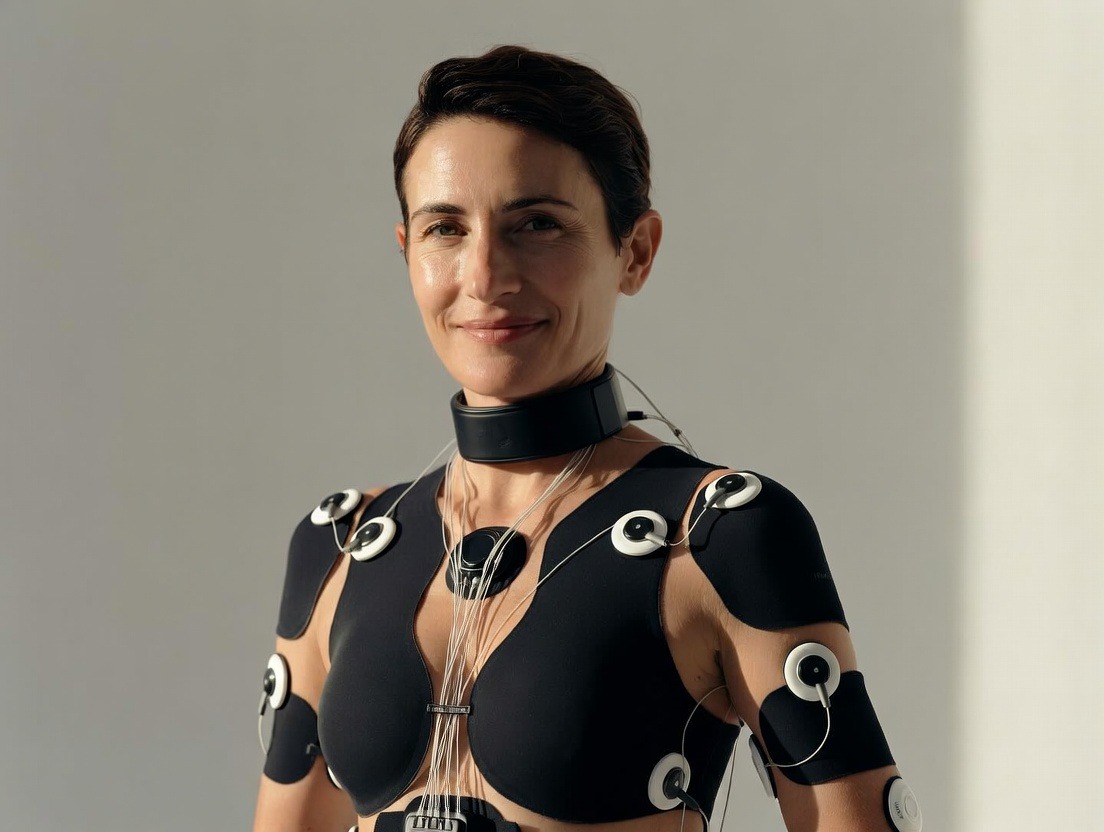
Your brain is in constant conversation with your environment through your senses. The quality of this sensory input has a profound, often underappreciated, impact on cognitive function, stress levels, and long-term brain health.
Light: The Master Zeitgeber
Light is the primary cue for your circadian rhythm. The wrong light at the wrong time is one of the most pervasive disruptors of brain health.
Sound: Auditory Nutrition and Pollution
Sound is a constant input that your brain must process.
Air Quality: The Invisible Cognitive Toxin
The air you breathe directly affects your brain. Fine particulate matter (PM2.5) and other pollutants can cross the blood-brain barrier, inducing neuroinflammation and oxidative stress. Studies link long-term exposure to air pollution with smaller brain volumes, accelerated cognitive decline, and a higher risk of dementia. Ensuring good ventilation, using high-quality air purifiers (especially in bedrooms), and being mindful of outdoor air quality on high-pollution days are tangible ways to protect your brain.
Creating a Cognitive Sanctuary
Your home, especially your bedroom, should be designed as a cognitive sanctuary. This means:
Managing this sensory environment is a proactive form of cognitive hygiene, reducing the daily burden on your brain’s stress and detoxification systems.
Social Biochemistry: The Neurobiology of Connection and Loneliness
Humans are a profoundly social species. Our brains are wired to connect, and this wiring has direct biochemical consequences for our cognitive health. Social interaction isn’t just pleasant; it’s a complex cognitive exercise that regulates our nervous system and protects our brain from decline.
Loneliness: A Neurotoxic State
Chronic loneliness and social isolation are not just feelings; they are recognized health risks on par with smoking and obesity. From a brain health perspective, loneliness:
Connection: The Neurochemical Cocktail of Wellness
Meaningful social interaction, in contrast, releases a cascade of beneficial neurochemicals:
The Cognitive Workout of Socializing
Every conversation is a fast-paced cognitive exercise. You must: listen, interpret verbal and nonverbal cues, access memory to contextualize information, formulate a response, regulate your own emotional expression, and sometimes resolve conflict or express empathy. This engages the prefrontal cortex, temporal lobes, and limbic system simultaneously, keeping these networks active and agile.
Building a Neuroprotective Social Network
Quality trumps quantity. A few deep, trustworthy relationships are more beneficial than numerous superficial ones. Strategies include:
In a world that can often feel digitally connected yet personally isolated, intentionally nurturing real-world social ties is a direct investment in your brain’s structural and biochemical health.
In our achievement-oriented culture, the focus is often on the “work”—the workout, the work project, the cognitive effort. However, the magic of adaptation, growth, and repair happens in the recovery phase. For cognitive longevity, mastering recovery is not passive; it is an active, strategic process. It’s when the brain consolidates memories, clears metabolic waste, repairs cellular damage, and rebuilds energy stores.
Sleep: The Non-Negotiable Foundation (Revisited with Nuance)
We’ve covered sleep’s critical functions. The advanced perspective is about sleep consistency and architecture optimization. Going to bed and waking up at vastly different times each day (social jetlag) is as disruptive as travel-related jetlag, confusing your circadian system. Furthermore, using your biometric data, you can work to maximize the specific stages of sleep. For example, if your tracker shows consistently low deep sleep, you might experiment with: cooler room temperature, avoiding alcohol entirely (a known deep sleep disruptor), or incorporating mindfulness practices to calm an overactive mind before bed.
Active Recovery: The Art of Doing Nothing Strenuously
Active recovery involves low-intensity movement that promotes blood flow without imposing metabolic stress. This could be:
On days your readiness score is low, these activities are far more beneficial than complete sedentarism or intense training.
Nervous System Down-Regulation: The Off-Switch
Chronic stress keeps the sympathetic nervous system (“fight or flight”) engaged. Recovery requires activating its counterpart: the parasympathetic nervous system (“rest and digest”). Techniques to trigger this include:
The Role of Technology in Guiding Recovery
This is where a device like Oxyzen transitions from a fitness tracker to a recovery coach. Its algorithms synthesize heart rate, HRV, sleep, and temperature data to provide a daily readiness assessment. This objective metric helps you override the subjective urge to “push through.” It teaches you to recognize that feeling “wired but tired” is often a sign of sympathetic overdrive, not true readiness. By following its guidance, you learn to periodize stress and recovery, creating a sustainable rhythm that prevents burnout and promotes long-term adaptation. For a look at how this integrated data is shaping even clinical spaces, see our article on health tracking technology in hospitals.
With a deep understanding of the pillars, advanced protocols, and the critical role of recovery, the final task is synthesis. How do you weave these myriad threads into a cohesive, sustainable, and personalized lifestyle? The answer lies in building systems, not chasing goals. Goals are endpoints; systems are the daily processes that make success inevitable.
Step 1: Establish Your Non-Negotiables (The Keystone Habits)
Identify 2-3 foundational habits that have the greatest ripple effect across all other domains. For cognitive longevity, these are almost always:
Getting these right automatically improves stress resilience, energy, and inflammation levels, making other positive choices easier.
Step 2: Use Data for Iteration, Not Judgment
Your biometric data is feedback, not a report card. The purpose is not to achieve a “perfect” score every day but to observe patterns and make informed adjustments. Create a weekly review ritual:
Step 3: Design Your Environment for Success
Make the right choices the easy choices.
Step 4: Embrace Seasonality and Fluidity
Your protocol is not a rigid law. It must adapt to life’s seasons—periods of high work stress, travel, illness, or family demands. During these times, your “system” may shrink to just the keystone habits. The data from your wearable is especially valuable here, helping you navigate these periods without derailment. It tells you when you need to pull back and when you can afford to push forward. Understanding the support available for different phases is key, as discussed in our guide on how wellness rings support different health goals.
Step 5: Connect to a Deeper “Why”
Ultimately, sustainability comes from meaning. Protecting your cognitive function is not a vanity project. It’s about preserving your ability to engage deeply with loved ones, contribute your unique gifts to the world, enjoy life’s experiences with full presence, and maintain your independence and dignity as you age. Reconnect with this “why” regularly. It is the fuel that will keep you committed to your systems long after initial motivation fades.
By approaching cognitive longevity as a dynamic, personalized system supported by data and grounded in foundational habits, you transform it from a daunting project into an integrated way of living. It becomes the backdrop of your life, quietly ensuring that your most valuable asset—your mind—remains vibrant, sharp, and resilient for all the years to come.
This portion has built upon the essential foundations, diving into the advanced strategies and systematic integration needed for peak cognitive performance. We have explored the biochemical nuances of nutrition, the periodization of exercise, the strategic application of hormesis, the shaping of our sensory world, the vital chemistry of connection, the active science of recovery, and the art of building a personalized protocol. In the final portion, we will look ahead to the future of cognitive enhancement, address common obstacles and myths, and provide a comprehensive roadmap for putting this entire body of knowledge into immediate, lifelong practice. The blueprint for your ageless mind is now fully drafted; the final step is to begin construction.
The Future of the Mind: Integrating Tomorrow’s Science Into Today’s Practice
We have journeyed from the fundamental biological truths linking body and brain, through the deep science of sleep, nutrition, movement, and stress, and into the advanced architecture of hormesis, sensory optimization, and personalized systems. You now possess a robust, evidence-based framework for protecting and enhancing cognitive function. But the landscape of brain health is not static. It is a frontier of relentless discovery. The final phase of our exploration looks beyond the horizon—to the emerging technologies, pharmacological frontiers, and philosophical shifts that will redefine what it means to cultivate an ageless mind. More importantly, we will tackle the practical realities of implementation: overcoming inevitable obstacles, dismantling pervasive myths, and creating a resilient mindset for lifelong adherence.
This section is about future-proofing your cognitive longevity practice. It’s about understanding the tools that are transitioning from lab to life, while solidifying the unshakable daily habits that will serve you regardless of what the future holds. We will move from being informed to being empowered, equipped not just with knowledge, but with a pragmatic, adaptable plan of action.
The evolution from step counters to comprehensive physiological monitors has been staggering. But the next decade will see health wearables, particularly discreet devices like smart rings, evolve from descriptive tools (telling you what happened) to diagnostic and prescriptive partners. This will bring brain health monitoring from the clinic directly into your daily life.
Beyond Heart Rate: The Rise of Multimodal Sensing
Future devices will incorporate a broader array of non-invasive sensors, painting a near-continuous picture of your metabolic and neurological state:
Biomarkers from a Drop of Blood: The Home Lab Revolution
The convergence of wearables with at-home blood testing will create a powerful feedback loop. Imagine a future where you periodically use a finger-prick test (like those from companies like Quest or LetsGetChecked) to measure:
You could then correlate these lab results with the weeks of continuous sleep, HRV, and activity data from your ring. Did a period of high HRV and excellent sleep correlate with lower inflammation on your blood test? Did a month of poor sleep align with higher fasting insulin? This creates a powerful, closed-loop system for validating that your lifestyle interventions are moving your internal biochemistry in the right direction. To understand the foundation of this data-driven future, our article on health tracking technology in 2025 and what's possible explores these emerging trends.
AI-Powered Predictive Insights and Personalized Coaching
Raw data is useless without interpretation. Artificial Intelligence and machine learning will transform wearable data from charts you review into an AI health coach. This coach will:
This future isn’t about replacing human judgment; it’s about augmenting it with superhuman pattern recognition, turning your wearable into a true partner in preventive cognitive healthcare.
While lifestyle is the bedrock, scientific exploration into compounds that can enhance neuroprotection, remove senescent (“zombie”) cells, and boost cellular repair is advancing rapidly. This is a complex and nuanced field—not a substitute for foundational habits, but a potential adjunct for those seeking an optimized protocol.
Enhanced Neuroprotection: Next-Generation Nutraceuticals
Beyond the basic vitamins and polyphenols, several compounds show significant promise in robust preclinical and some clinical studies:
The Dawn of Senolytics
One of the hallmarks of aging is cellular senescence—cells that have stopped dividing but refuse to die, secreting inflammatory signals that damage neighboring healthy cells (the Senescence-Associated Secretory Phenotype, or SASP). These “zombie cells” accumulate in the brain and contribute to neuroinflammation and dysfunction.
Senolytics are a class of drugs and compounds (e.g., Dasatinib + Quercetin, Fisetin) being researched for their ability to selectively induce apoptosis (cell death) in senescent cells. Early research is promising for improving tissue function, including in the brain. However, this is very early-stage human research and should only be considered under strict medical supervision.
The NAD+ Precursor Conversation
Nicotinamide adenine dinucleotide (NAD+) is a vital coenzyme in every cell, essential for energy production, DNA repair, and sirtuin activity. NAD+ levels decline dramatically with age. Precursors like Nicotinamide Riboside (NR) and Nicotinamide Mononucleotide (NMN) aim to boost NAD+ levels. Some studies show improvements in vascular function, reduced inflammation, and enhanced mitochondrial health—all beneficial for the brain. The field is active, with debates about bioavailability and long-term effects.
A Critical Caveat: The Primacy of Lifestyle
It is tempting to look for a “smart pill.” However, no supplement can compensate for poor sleep, a Standard American Diet, sedentarism, or chronic stress. The foundational lifestyle protocol outlined in this article is responsible for 80-90% of the cognitive benefit. Think of these advanced compounds as the fine-tuning—the last 10-20%—that can only work effectively on a body and brain that are already being cared for through disciplined, daily habits. Furthermore, the supplement industry is poorly regulated. Any foray into this space should be done cautiously, with high-quality products, and ideally, in consultation with a healthcare professional who understands longevity medicine.
Knowledge is powerless without application. The greatest threat to your cognitive longevity is not a lack of information, but the psychological and practical obstacles that derail consistency. Let’s dismantle the most common myths and build a mindset for resilience.
Myth 1: “I Don’t Have the Time.”
Reality: You don’t have time not to. Cognitive decline and chronic disease are the ultimate time thieves, robbing you of decades of functional, independent life. The strategies herein are not additions to your life; they are a reorganization of your priorities.
Myth 2: “It’s Too Late For Me / I’m Too Old.”
Reality: Neuroplasticity—the brain’s ability to reorganize and form new connections—persists throughout life. The brain responds to positive stimuli at any age. Studies on exercise, cognitive training, and dietary interventions show benefits even in older adults with mild cognitive impairment. The best day to start was yesterday; the second-best day is today. Every positive choice creates a better neural environment.
Myth 3: “I Have Bad Genes, So It’s Inevitable.”
Reality: Genetics loads the gun, but lifestyle pulls the trigger. Except for rare deterministic genes, most genetic risk factors (like the ApoE4 allele for Alzheimer’s) confer susceptibility, not destiny. A brain-healthy lifestyle can delay onset by a decade or more, essentially allowing you to outlive the pathology. Your epigenetics—how your genes are expressed—are overwhelmingly influenced by your daily choices.
Myth 4: “This Is Overwhelming and Too Complex.”
Reality: You do not need to do everything at once, and perfection is the enemy of progress. This is precisely why we began with Keystone Habits.
Myth 5: “I’ll Start When…” (I’m less busy, after the holidays, on Monday).
Reality: This is the procrastination trap. Your brain is aging with every second you delay. The “perfect” time will never arrive. Start now, even if it’s small.
Building the Identity: From “Someone Who Diets” to “A Healthy Person”
The most powerful psychological shift is moving from goal-based actions to identity-based habits. Don’t just “go on a brain-healthy diet.” See yourself as “a person who eats to nourish their brain.” Don’t just “exercise.” Be “an active person who moves their body joyfully.” This identity reframe makes choices automatic. You don’t debate whether to order fries; it’s simply not what a person like you does. This identity is reinforced every time you make a choice aligned with it, and tools that provide positive feedback—like seeing your HRV trend upward—powerfully reinforce this new self-image.
The Community & Coaching Layer: Why We Succeed Together
Humans are tribal. Our ability to adhere to long-term practices is dramatically enhanced by community and guidance. The loneliness myth applies to behavioral change as much as to health.
The Power of Shared Pursuit
Joining a group—a running club, a meditation circle, a healthy cooking class, or even an online community focused on longevity—provides:
The Role of the Coach (Human or Digital)
A coach, whether a personal trainer, nutritionist, or health coach, provides:
In the future, your AI health coach, informed by your continuous biometrics, will act as a 24/7 digital guide. But even today, combining human community with the objective guidance from a sophisticated wearable creates a powerful support structure. Reading real customer testimonials can provide a sense of this community and the shared experiences of those using technology to enhance their wellness journey.
Theory is complete. Now, let’s build your launch plan. This 90-day roadmap is designed to create sustainable momentum, turning knowledge into ingrained habit.
Phase 1: Foundation & Awareness (Days 1-30)
Phase 2: Optimization & Experimentation (Days 31-60)
Phase 3: Integration & Mastery (Days 61-90)
Beyond 90 days, this system becomes your lifestyle. You will periodically reassess, set new challenges (learn a language, train for an event), and stay curious about new science. Your wearable remains your constant feedback partner.
The quest to protect and enhance cognitive function is not a sprint to a finish line, nor is it a desperate battle against an inevitable foe. It is a lifelong project—a gentle, consistent, and deeply rewarding practice of stewardship over the most remarkable entity in the known universe: your own consciousness.
We have traversed a vast landscape together:
The through-line is empowerment. The science is clear: you are not a passive bystander in the aging of your brain. Every meal, every night of sleep, every step, every moment of mindful breath, and every genuine connection is a vote for the kind of mind you will have in the decades to come.
The tools available to us today, like sophisticated health wearables, remove the guesswork and provide the gentle accountability needed to make those votes count, day after day. They turn the abstract concept of “brain health” into a tangible, daily dialogue with your own physiology.
This journey is not about fear of decline, but about the love of possibility. It’s about preserving the clarity to savor a sunset, the memory to relish a story, the focus to master a new skill, the creativity to solve problems, and the presence to connect deeply with those you love. It is about ensuring that your longevity is a gift of added life, not just added years.
Begin today. Start small. Be consistent. Be kind to yourself when you stumble. Use your data as a guide, not a critic. Connect with others on the same path. Remember the “why” that fuels you.
Your vibrant, ageless mind awaits your commitment. The essentials are now in your hands. The future is yours to shape.
For continued learning and to explore specific topics in greater depth, visit our comprehensive resource hub at the Oxyzen blog. To begin your journey with the tool designed to guide you, explore the full collection at the Oxyzen shop. And to understand the mission behind this work, you can learn more about us.
Your Trusted Sleep Advocate (Sleep Foundation — https://www.sleepfoundation.org/)
Discover a digital archive of scholarly articles (NIH — https://www.ncbi.nlm.nih.gov/
39 million citations for biomedical literature (PubMed — https://pubmed.ncbi.nlm.nih.gov/)
experts at Harvard Health Publishing covering a variety of health topics — https://www.health.harvard.edu/blog/)
Every life deserves world class care (Cleveland Clinic -
https://my.clevelandclinic.org/health)
Wearable technology and the future of predictive health monitoring. (MIT Technology Review — https://www.technologyreview.com/)
Dedicated to the well-being of all people and guided by science (World Health Organization — https://www.who.int/news-room/)
Psychological science and knowledge to benefit society and improve lives. (APA — https://www.apa.org/monitor/)
Cutting-edge insights on human longevity and peak performance
(Lifespan Research — https://www.lifespan.io/)
Global authority on exercise physiology, sports performance, and human recovery
(American College of Sports Medicine — https://www.acsm.org/)
Neuroscience-driven guidance for better focus, sleep, and mental clarity
(Stanford Human Performance Lab — https://humanperformance.stanford.edu/)
Evidence-based psychology and mind–body wellness resources
(Mayo Clinic — https://www.mayoclinic.org/healthy-lifestyle/)
Data-backed research on emotional wellbeing, stress biology, and resilience
(American Institute of Stress — https://www.stress.org/)


