


Longevity Essentials: The Daily Habits That Compound Over Decades
How small daily habits compound over decades to extend life.
How small daily habits compound over decades to extend life.
%402x.svg)
In a world obsessed with quick fixes and overnight transformations, the most profound truth of human health is often the most overlooked: longevity is not a sudden event, but a slow, daily accrual. It is the quiet product of infinitesimal choices, repeated over mornings and evenings, seasons and years. We chase dramatic biohacks and miracle supplements, while the real magic unfolds in the mundane—the consistency of our sleep, the composition of our meals, the rhythm of our movement, and the quality of our stillness.
Modern science and ancient wisdom are now converging on a singular point: our lifespan, and more importantly, our healthspan—the number of years we live in vitality—is predominantly shaped by modifiable behaviors. Landmark studies, like the famous Framingham Heart Study and more recent epigenetic research, reveal that up to 70-80% of our aging trajectory is environmental and behavioral. Our genes are not a rigid destiny; they are a sophisticated orchestra, and our daily habits are the conductor.
This shifts the paradigm from one of fate to one of agency. The journey toward a longer, healthier life is not a distant mountain to be scaled someday; it is the path we walk every single day. It's about the power of compounding, a principle as true for biology as it is for finance. A single night of good sleep doesn't transform you, but a decade of quality sleep fundamentally rewires your brain, bolsters your immune system, and repairs your cells. One nutrient-dense meal is a drop in the ocean, but a lifetime of mindful eating builds a resilient, disease-resistant physiology.
Yet, in this journey, we have historically been blindfolded. We guessed at our sleep quality, estimated our activity, and wondered about our stress. No longer. The advent of precise, personal health technology, like advanced smart rings, has given us a lens to see the invisible. These devices translate the subtle whispers of our physiology—heart rate variability, body temperature trends, blood oxygen levels, and restorative sleep phases—into a clear, actionable language. They turn the abstract concept of "healthy living" into a personalized, data-driven narrative. For those embarking on this lifelong journey, a tool like the Oxyzen smart ring can be an invaluable companion, offering the insights needed to make those daily compounding choices with confidence. You can explore the technology that makes this possible at Oxyzen’s official site.
This article is the first part of a deep, comprehensive exploration of the daily essentials that build decades of health. We will move beyond the superficial "tips and tricks" to examine the foundational pillars of longevity, understanding not just the what, but the profound why and how behind each habit. This is the map for the long game, where patience, consistency, and intelligent feedback are your greatest assets.
We intuitively understand compound interest in finance: a small, consistent investment grows exponentially over time because you earn returns on your returns. Your health operates on an identical principle, albeit with even higher stakes. Every positive action—a walk, a plate of vegetables, an hour of deep sleep—is a deposit into your "biological wealth" account. Conversely, every chronic stressor, night of poor sleep, or inflammatory meal is a withdrawal.
The magic—and the menace—lies in the invisibility of immediate effects. Smoking one cigarette doesn't give you lung cancer. Eating one fast-food meal doesn't cause a heart attack. Missing one night of sleep doesn't trigger cognitive decline. This delayed feedback loop is why unhealthy habits are so easy to form and healthy ones so easy to neglect. The consequences are deferred, accumulating silently in the background through mechanisms like:
The flip side is the profound power of positive compounding. When you sleep well, your body performs cellular cleanup (autophagy). Do it nightly, and you systematically reduce the accumulation of toxic cellular debris linked to neurodegeneration. When you exercise, you stimulate the release of brain-derived neurotrophic factor (BDNF), a fertilizer for brain cells. Do it regularly, and you don't just get fitter today—you build a more resilient, cognitively robust brain for your 70s and 80s.
This is where modern tools transition from novelty to necessity. To harness the power of compounding, you need to measure your principal—your baseline physiology. A device that provides continuous, passive feedback, like a well-designed wellness ring, acts as your daily financial statement for health. It shows you the direct, albeit small, returns on your investments: how your deep sleep increased after your wind-down routine, how your resting heart rate dropped after eight weeks of consistent cardio, how your heart rate variability (a key marker of resilience) improves with meditation. This transforms an abstract, long-term goal into a series of rewarding, short-term wins. It makes the invisible compounding visible. For a deeper look at how this technology empowers personalized, daily habit formation, consider reading how wellness rings help build healthy habits.
The journey to longevity, therefore, begins with a shift in perspective: from seeking dramatic, unsustainable overhauls to committing to slight, sustainable tweaks to your daily routine. It's about choosing the stairs today, and every day, knowing that over a decade, you've climbed the equivalent of Mount Everest. The following sections detail the specific domains where your daily deposits matter most.

If you could only optimize one habit for longevity, the scientific consensus is clear: prioritize sleep. It is the ultimate pillar of prevention, a nightly reboot for nearly every system in your body. Nobel Prize-winning research on circadian rhythms and the more recent discovery of the brain's glymphatic system (a waste-clearing process that is most active during deep sleep) have cemented sleep's role as the cornerstone of healthspan.
During sleep, particularly during deep (Slow-Wave Sleep) and REM stages, your body shifts from performance mode to repair and restoration mode:
Merely being in bed for 7-9 hours is not enough. Quality is paramount. This is measured by sleep architecture (the balance of light, deep, and REM sleep), restfulness (how often you wake), and consistency (going to bed and waking at the same time, even on weekends).
This is the first domain where a smart ring becomes an indispensable bio-feedback tool. While you're unconscious, it's working, tracking not just duration but the nuances of your sleep stages through heart rate and movement data. It can reveal if your late-afternoon coffee is truncating your deep sleep, if alcohol is disrupting your REM cycles, or if stress is elevating your resting heart rate throughout the night. This data moves you from guessing ("I slept okay") to knowing ("My deep sleep was 15% lower than my baseline, and my nighttime HRV was depressed").
Armed with this insight, you can implement targeted, non-pharmacological sleep hygiene protocols:
By treating sleep not as lost time but as the most productive healing session of your day, you make the single most powerful daily deposit into your longevity account. For a comprehensive list of actionable strategies that pair with this kind of tracking, explore our resource on 50 healthy aging tips a smart ring helps implement daily.
Nutrition for longevity is not about fad diets or extreme restriction. It's about two interconnected concepts: the density of nutrients in your food and the timing of your meals. Together, they form a strategy to reduce cellular aging, manage inflammation, and optimize metabolic function over a lifetime.
Nutrient Density means choosing foods that deliver the maximum vitamins, minerals, antioxidants, and phytonutrients per calorie. Think of it as upgrading your biological fuel from low-grade to premium. The centenarians of the world's Blue Zones—places with extraordinary longevity—consistently eat diets rich in plants, legumes, whole grains, and healthy fats. The key actions include:
Eating Rhythm, or chrono-nutrition, is the when. Our metabolism is exquisitely tuned to our circadian rhythm. Eating late at night, when the body expects to be fasting and repairing, can misalign these clocks, leading to poor blood sugar control and weight gain.
Tracking technology supports this pillar by moving nutrition from guesswork to insight. While rings don't track calories, they provide the metabolic outcomes of your dietary choices. You can see how a high-sugar meal impacts your nighttime heart rate and sleep quality, or how consistent TRE improves your morning resting heart rate and heart rate variability. This creates a powerful feedback loop, connecting the cause (diet) with the physiological effect (body response), fostering more mindful and intentional eating patterns that serve your long-term health. To understand how this data can be part of a broader preventive health strategy, see our guide on how to enable preventive health monitoring.
Exercise is the closest thing we have to a miracle drug for longevity. But the goal shifts from "working out" to "moving frequently and with purpose" throughout life. The longevity exercise prescription is not just about intense gym sessions; it's a layered approach that builds resilience, maintains function, and prevents decline.
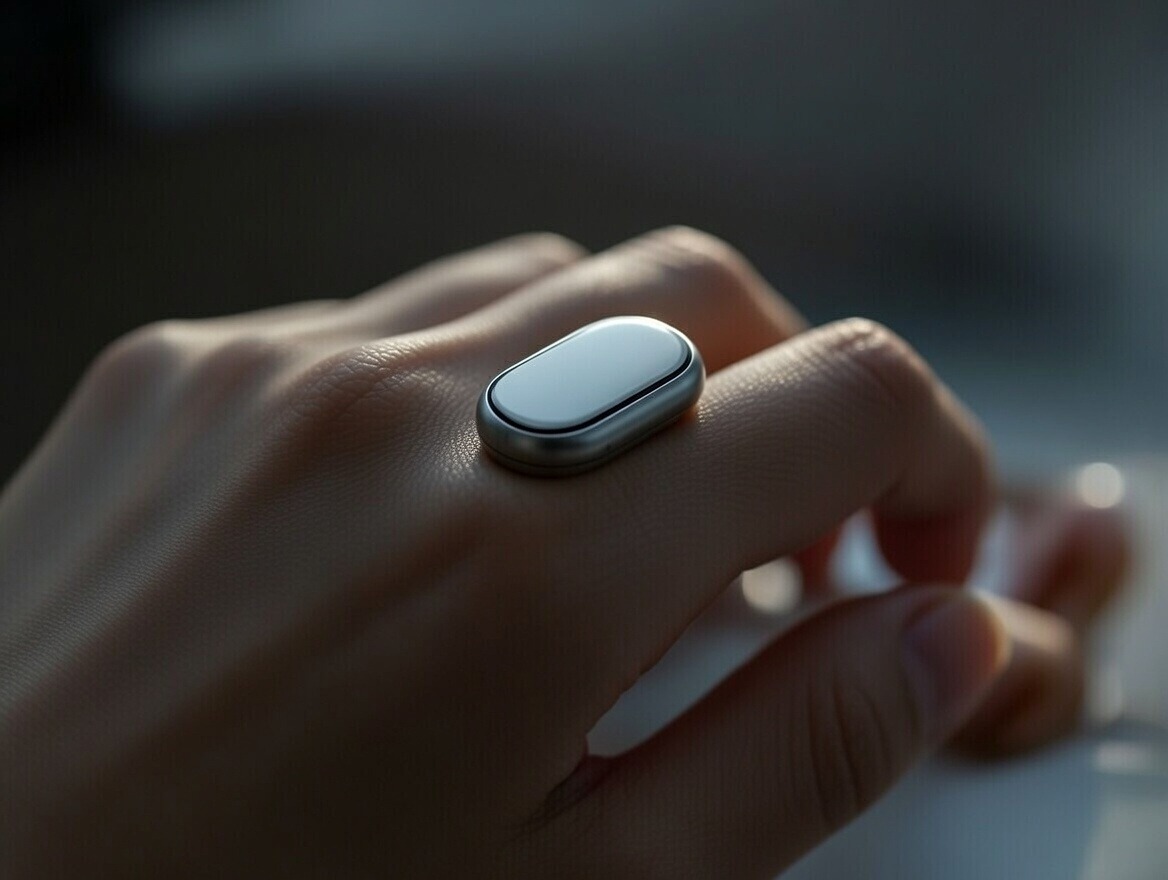
A smart ring excels at quantifying this entire spectrum of movement. It tracks your active minutes, heart-rate-based exercise intensity, and calorie expenditure. More importantly, it reminds you to move if you've been sedentary and celebrates when you hit your personalized activity targets. It turns abstract fitness goals into daily, achievable metrics, providing the positive reinforcement needed to make movement a lifelong, compounding habit. For beginners looking to start this journey with the right support, our blog offers guidance on how a wellness ring can be perfect for beginners.
Stress is not the enemy; it's an essential, evolutionary survival mechanism. The enemy is chronic, unchecked stress—the kind that keeps your sympathetic nervous system (the "fight-or-flight" response) perpetually idling in the "on" position. This constant state floods your body with cortisol and adrenaline, leading to systemic inflammation, high blood pressure, suppressed immunity, digestive issues, and brain fog. Building resilience is about enhancing your ability to switch off the stress response and activate your parasympathetic nervous system (the "rest-and-digest" state).
Key strategies for daily nervous system training include:
This is perhaps the most subtle pillar to measure, which is why biometric feedback is revolutionary. The gold-standard metric for nervous system resilience is Heart Rate Variability (HRV)—the slight, millisecond variations in time between your heartbeats. A higher HRV generally indicates a more resilient, adaptable system that can smoothly transition between stress and recovery. A smart ring that tracks HRV provides an objective, daily readout of your internal state. You can see in real time how a stressful meeting tanks your HRV, and how a 10-minute meditation or walk in the park brings it back up. This teaches you, on a visceral level, which activities are truly restorative for you, allowing you to deliberately craft a lifestyle that builds resilience day by day. To dive deeper into the science of how these devices capture such nuanced data, you might be interested in the science behind modern health tracking technology.
A long life loses its luster if the mind fades. Cognitive health is a "use-it-or-lose-it" proposition, driven by the concept of neuroplasticity—the brain's ability to form new neural connections throughout life. Building cognitive reserve is like having a savings account for your brain; it provides a buffer against age-related decline and pathology.
While a smart ring doesn't track your chess rating, it supports cognitive health indirectly by optimizing its prerequisites. It ensures you get the restorative sleep necessary for memory consolidation. It monitors stress levels, as chronic high cortisol is toxic to the hippocampus, the brain's memory center. By safeguarding the physiological foundation of brain health, it creates the optimal conditions for a sharp, engaged mind for decades. The integration of this data into a holistic view of your health is key, a topic covered in our article on wellness ring integration with other health apps.
Our biology does not exist in a vacuum. It is in constant dialogue with our environment—the air we breathe, the water we drink, the chemicals we encounter, the light we see, and the sounds we hear. Proactively shaping this environment is a powerful, daily longevity lever.
A wellness device aids here by showing you the downstream effects of your environment. Did your sleep score plummet after a day spent in a stuffy, poorly ventilated office? Did your HRV improve after a week of daily morning sunlight walks? Did a sauna session lead to a deeper sleep that night? This biofeedback helps you identify and double down on the environmental tweaks that yield the greatest personal benefit, allowing you to curate a living space that actively promotes health.
Harvard's Study of Adult Development, one of the longest-running studies on happiness and health, has yielded one of the most consistent findings: high-quality relationships are the strongest predictor of a long, happy, and healthy life. They are as predictive of longevity as smoking or obesity. Similarly, having a strong sense of purpose—a reason to get out of bed in the morning—is linked to a lower risk of cognitive decline and cardiovascular events.
While technology can sometimes isolate us, it can also be harnessed to support this pillar. Sharing your wellness journey with a trusted friend or in a supportive community (like those often formed around brands with a strong mission, such as Oxyzen's community) can provide accountability and shared motivation. Furthermore, the time and energy you free up by optimizing other pillars (better sleep, more efficient workouts) can be reinvested into nurturing the relationships that matter most.
Longevity medicine is shifting from reactive sick-care to proactive, preventive healthcare. This means not waiting for symptoms to appear, but regularly monitoring key biomarkers to catch deviations from your personal optimal baseline early, when they are most easily corrected.
This is the domain where continuous health tracking devices truly shine, acting as a bridge between annual doctor visits. A smart ring provides a 24/7 stream of physiological data—resting heart rate, HRV, respiratory rate, and skin temperature variation. It can detect subtle anomalies, like a creeping elevation in your resting heart rate or a dip in HRV, which may be early signs of illness, overtraining, or excessive stress. This empowers you to take preemptive action—to rest, hydrate, or consult a healthcare professional—before a minor imbalance becomes a major problem. It fosters a partnership with your doctor, as you can bring concrete, longitudinal data about your daily physiology to your appointments. To see how real users have integrated this into their health management, browse through real customer reviews and experiences.

The final pillar is the meta-habit that binds all others together: consistency. Knowledge is powerless without application. The difference between a person who ages well and one who doesn't is rarely a secret piece of information; it's the relentless, daily application of the fundamentals.
The human brain is a creature of habit, wired to automate repeated behaviors to conserve cognitive energy. The goal, therefore, is to strategically build rituals—consistent, contextual routines—that make healthy choices the default, automatic option.
This is where the gentle, always-on presence of a smart ring serves as your consistency coach. It provides non-judgmental, objective feedback. It doesn't scold you for a poor night's sleep; it simply shows you the data, allowing you to connect it to your choices and adjust. It celebrates streaks and progress, turning the abstract goal of "living longer" into a satisfying game of daily deposits. It helps you see, in undeniable metrics, that your rituals are working, reinforcing the very behavior you seek to sustain for a lifetime. For those ready to take the next step in implementing these principles with the right tool, the journey often begins at the main storefront for product discovery.
We have established the bedrock: longevity is an architecture built daily, brick by brick, through the consistent practice of foundational habits. Understanding the why and what of sleep, nutrition, movement, and stress modulation is the crucial first step. But the journey from knowledge to a lived century of vitality requires a deeper layer of mastery. It involves understanding the nuanced biological principles that turn actions into outcomes, navigating the complex landscape of modern interventions, and crafting a personalized plan that is both scientifically sound and joyfully sustainable.
This next section moves from the pillars to the finer tools and blueprints. We will explore the paradoxical principle of hormesis—where small stresses make you stronger—dive into the targeted world of advanced nutrition and supplementation, and demystify the key biomarkers that serve as your dashboard to internal health. We will then tackle the practical art of habit engineering and environmental design, ensuring your daily choices are effortless and aligned. Finally, we will cast our gaze forward to the emerging frontiers of longevity science and the technology that will propel it, equipping you not just for the present, but for a future where optimizing healthspan is the norm.
The goal here is integration and personalization. This is where you move from following general advice to becoming the expert of your own biology, capable of making informed, nuanced decisions that compound into a lifetime of robust health.
If chronic, unrelenting stress is toxic, then acute, targeted, and recoverable stress is therapeutic. This is the cornerstone concept of hormesis—a biological phenomenon where exposure to a low-dose stressor triggers an adaptive response that makes the organism more resilient to future, potentially larger, stressors. It’s the reason vaccines work, the reason muscles grow after lifting weights, and it is a powerful, underutilized lever in the longevity toolkit.
The hormetic response works by upregulating cellular defense and repair pathways. The mild stress acts as a signal, telling your body: "The environment is challenging; we need to bolster our defenses." Key pathways activated include:
Practical, daily hormetic practices you can incorporate include:
1. Thermo-Hormesis: Harnessing Heat and Cold
2. Exercise: The Quintessential Hormetic Stressor
Every workout is a calculated dose of stress—micro-tears in muscle fibers, oxidative stress, and metabolic demand. The recovery period is where the magic happens: the body overcompensates, repairing tissues to be stronger and more resilient than before. This applies to both cardiovascular and resistance training.
3. Phyto-Nutrient Hormesis: The Power of Plant "Toxins"
Many of the most potent health-promoting compounds in plants are actually mild toxins the plants produce for their own defense. When we consume them, they trigger beneficial stress responses in our cells. This includes:
4. Hypoxic (Oxygen) Training
Intermittent, controlled oxygen deprivation, such as that achieved with controlled breathwork (like the Wim Hof Method) or training at altitude, can stimulate erythropoietin (EPO) production, enhancing oxygen-carrying capacity and improving mitochondrial efficiency.
A smart ring provides critical feedback for safe and effective hormetic practice. It answers the essential question: Did I recover? You can see if a sauna session improved your deep sleep that night, or if an ice bath led to a sustained elevation in HRV the next day, indicating a positive adaptive response. Conversely, it can warn you if you’re overdoing it—if your resting heart rate is chronically elevated and your HRV is tanked, it’s a signal to dial back the stress and prioritize recovery. This data-driven approach ensures you stay on the right side of the fine line between hormesis and harm. For those curious about how this precise data is captured, the article on health tracking sensors, algorithms, and AI explained offers a fascinating deep dive.
Once a foundation of whole-food, nutrient-dense eating is established, we can explore the next layer: using targeted nutritional strategies and evidence-based supplements to address specific longevity pathways. This is not about replacing food with pills; it’s about filling potential gaps and providing therapeutic doses of compounds difficult to obtain from diet alone.
Key Longevity-Focused Dietary Strategies:
Evidence-Based Supplementation for Healthspan:
The supplement world is a minefield of hype. The following have the strongest emerging evidence for supporting longevity mechanisms:
Tracking can help you gauge the effectiveness of these interventions. For example, after starting a high-quality magnesium supplement, you might observe an increase in your deep sleep percentage on your ring’s sleep report. After optimizing omega-3 intake, you might see a gradual improvement in your HRV baseline. This turns supplementation from an act of faith into a data-informed experiment. For more on how to personalize such approaches for different goals, our post on how wellness rings support different health goals is a valuable resource.
To navigate the longevity journey effectively, you need instruments—a dashboard of key metrics that tell you not just if you’re sick, but how well you are aging. These biomarkers move beyond standard "within normal range" lab values to identify your personal optimal zones.
1. Blood Biomarkers (The Gold Standard):
2. Functional Biomarkers (Measured at Home or Clinically):
3. Epigenetic Clocks:
The cutting edge of longevity measurement. These tests (like Horvath’s or GrimAge clock) analyze DNA methylation patterns to estimate your biological age—how old your cells appear compared to your chronological age. They are the most comprehensive snapshot of your aging rate.
Here, the synergy between discrete blood tests and continuous wearable data is powerful. Your smart ring provides the trend lines for functional biomarkers like HRV and RHR, while annual blood tests provide the snapshots of internal chemistry. Together, they give you a multidimensional view of your health. Seeing your biological data can also empower more productive conversations with healthcare providers. Many are now seeing the value of this integrated data, as discussed in our piece on what doctors find most useful about wellness rings.
Willpower is a finite resource, easily depleted by decision fatigue. The most successful longevity practitioners don’t rely on it. Instead, they use behavioral psychology to design their environment and routines so that healthy behaviors flow automatically.
Principles of Habit Engineering (The Cue-Routine-Reward Loop):
Environmental Design for Longevity:
The Role of Accountability & Community:
We are social creatures. Sharing goals with a friend, joining a fitness class, or participating in an online community (like the one centered around a shared interest in health technology) dramatically increases adherence. A smart ring can facilitate this through friendly competition or simple sharing of achievements, turning a personal journey into a socially supported one.
Navigating Social & Lifestyle Obstacles
A longevity-focused lifestyle doesn’t exist in a vacuum. It intersects with social dinners, work travel, cultural traditions, and family obligations. Rigidity leads to burnout and social isolation. The key is developing flexible strategies.
The field of longevity science is moving at a breathtaking pace. What seems like science fiction today will be mainstream preventative medicine tomorrow. Understanding these horizons helps contextualize today’s daily habits as the essential foundation upon which future breakthroughs will build.
Near-Future Wearable Tech (Next 3-5 Years):
Mid-Future Biomedical Interventions (Next 5-15 Years):
The Integration Point:
The ultimate future is the seamless integration of daily habit data (from your wearables), periodic deep biomarker data (from advanced home tests or clinics), and personalized interventions (from nutraceuticals to prescribed senolytics). Your wearable will be the constant feedback loop, monitoring how your body responds to these interventions and adjusting them in real-time. This is the vision of truly proactive, personalized medicine. To glimpse where this technology is headed, our exploration of health tracking technology in 2025 and beyond discusses these exciting possibilities.
Now, we synthesize everything into an actionable, personalized plan. This is not a one-size-fits-all prescription, but a framework for self-experimentation.
Step 1: Establish Your Baseline.
Step 2: Implement Foundational Pillars (Months 1-3).
Choose ONE pillar to master at a time.
Step 3: Introduce Hormetic Practices & Advanced Strategies (Months 4-6).
Step 4: Refine with Biomarker Tracking (Ongoing, Quarterly/Annually).
Step 5: Cultivate Flexibility & Enjoyment (The Lifelong Mindset).
We have traversed the landscape of the physical and tactical: the pillars of daily habit, the science of hormesis, the dashboard of biomarkers, and the strategy of environmental design. We have equipped ourselves with the knowledge and tools to build a body and biology capable of sustaining a century of life. But a crucial, often unspoken, question remains: To what end?
A long life is a remarkable opportunity, but it is not an inherent good. The final, and perhaps most profound, dimension of longevity is not measured in years or biomarkers, but in meaning, connection, and the quality of our consciousness. This concluding section addresses the essential "software" that must be installed on the resilient "hardware" we've built. We will explore the psychology of a long-term mindset, the practicalities of planning for a multi-decade future, the art of cultivating wisdom and confronting mortality, and the ultimate goal: not just a long life, but a life long on purpose, growth, and joy.
This is the synthesis of the longevity journey—where science meets soul, and where the daily habits we've cultivated become the foundation for a legacy.
Our behavior is an expression of our identity. The thought "I am someone who values vitality" is far more powerful than "I should go to the gym." The psychology of successful longevity hinges on a fundamental shift from a short-term, consumptive identity to a long-term, generative one. It's about moving from having a body to being a steward of a complex, lifelong biological project.
Key Psychological Shifts:
Cultivating this psychology is a daily practice in itself. It’s the silent conversation you have with yourself when you choose the healthier option, not out of deprivation, but out of self-respect. It’s the narrative you build, supported by the objective data from your health tracking, that tells the story of a person actively investing in their future self.
A robust biological healthspan can be tragically undermined by a bankrupt "wealthspan" or an isolated "socialspan." True longevity planning is holistic, encompassing the resources you’ll need to thrive in your extended prime.
Financial Resilience for Healthspan:
Living longer means your money needs to last longer, and healthcare costs can become a significant burden. Proactive planning is key.
Social Infrastructure & Community:
The Harvard Study of Adult Development’s lesson is clear: relationships are life-saving. As we age, our social networks can naturally shrink. We must be intentional about building and maintaining our "social portfolio."
Your daily health habits directly support this social longevity. The energy, vitality, and positive mood that come from good sleep and exercise make you a more engaged friend and community member. Furthermore, the data and confidence from managing your health can empower you to advocate for yourself in medical and social settings as you age. For stories of how others have integrated wellness technology into their holistic lives, our testimonials page shares real user experiences.
A long life offers a unique gift: the potential for the development of deep wisdom. Wisdom is not mere knowledge; it’s the integrated application of experience, emotional regulation, perspective-taking, and compassion. It’s what gives the extra years depth and value.
Cultivating Wisdom Through Practice:
Legacy Beyond Material Wealth:
Consider what you want to leave behind. Your legacy can be:
The quiet moments of reflection, the conversations with loved ones about what matters, the choice to be present—these are the daily "habits of meaning" that compound into a wise and legacy-rich life. Your wellness technology, by safeguarding the physiological capacity for clear thought and emotional regulation, supports this deeper work.
Paradoxically, a life well-lived for longevity requires a clear-eyed acceptance of mortality. Denying death leads to poor end-of-life planning and can create anxiety. Embracing it as a natural part of the cycle provides clarity and motivation to live fully now.
Practical Mortality Planning (A Gift to Your Loved Ones):
Philosophical Mortality Integration:
The awareness of life’s finitude is the very thing that can make it so precious. The "death awareness" movement and practices like "memento mori" (remember you must die) are not morbid; they are tools for prioritizing. They ask: If you knew your time was limited, how would you spend today? This perspective cuts through procrastination and trivial concerns, aligning your daily actions with your deepest values. The energy and health you cultivate are not for an indefinite postponement of death, but for the full, conscious engagement with the life you have.
Integrating Technology & Human Wisdom: The Balanced Path Forward
As we stand at the frontier of a new era in health technology, a critical balance must be struck. The goal is to use technology as a tool for empowerment, not as a source of anxiety or a replacement for innate body wisdom.
Principles for Balanced Tech Integration:
The most advanced technology in the world is useless without the human wisdom to interpret it within the broader context of a meaningful life. The ideal is a partnership: your conscious intentions and lived experience direct the inquiry, and the technology provides the feedback to refine your path. This is the future of personalized wellness. For those considering how different technologies compare, our comparison chart of top brands can provide helpful context.
We began with the principle of compounding—the quiet, exponential power of small, repeated actions. As we conclude, we see that this principle applies to the totality of the human experience.
Your daily deposit into sleep compounds into decades of cellular repair and cognitive clarity.
Your daily deposit into nutrient-dense food compounds into a resilient, inflammation-resistant physiology.
Your daily deposit into movement compounds into a body capable of adventure and independence.
Your daily deposit into stress modulation compounds into a nervous system of profound resilience and peace.
Your daily deposit into learning compounds into a mind rich with wisdom and perspective.
Your daily deposit into relationships compounds into a life cradled in love and support.
Your daily deposit into purpose compounds into a legacy that outlives you.
These streams do not flow separately. They converge. The physical vitality supports the social engagement. The emotional resilience supports the pursuit of purpose. The cognitive clarity supports the cultivation of wisdom. Each reinforces the other in a virtuous, compounding cycle.
The journey of longevity, therefore, is the ultimate creative act. You are both the artist and the canvas. The daily habits are your brushstrokes. The data from tools like a smart ring is your lighting, helping you see the emerging masterpiece clearly. The decades are your timeframe.
It is not a journey of perfection, but of persistent, compassionate direction. It is about showing up for your future self, day after day, with the simple, profound trust that these choices matter. They are the essentials. And over the decades, they compound into something far greater than the sum of their parts: a long, vibrant, and deeply meaningful life.
Your Trusted Sleep Advocate (Sleep Foundation — https://www.sleepfoundation.org/)
Discover a digital archive of scholarly articles (NIH — https://www.ncbi.nlm.nih.gov/
39 million citations for biomedical literature (PubMed — https://pubmed.ncbi.nlm.nih.gov/)
experts at Harvard Health Publishing covering a variety of health topics — https://www.health.harvard.edu/blog/)
Every life deserves world class care (Cleveland Clinic -
https://my.clevelandclinic.org/health)
Wearable technology and the future of predictive health monitoring. (MIT Technology Review — https://www.technologyreview.com/)
Dedicated to the well-being of all people and guided by science (World Health Organization — https://www.who.int/news-room/)
Psychological science and knowledge to benefit society and improve lives. (APA — https://www.apa.org/monitor/)
Cutting-edge insights on human longevity and peak performance
(Lifespan Research — https://www.lifespan.io/)
Global authority on exercise physiology, sports performance, and human recovery
(American College of Sports Medicine — https://www.acsm.org/)
Neuroscience-driven guidance for better focus, sleep, and mental clarity
(Stanford Human Performance Lab — https://humanperformance.stanford.edu/)
Evidence-based psychology and mind–body wellness resources
(Mayo Clinic — https://www.mayoclinic.org/healthy-lifestyle/)
Data-backed research on emotional wellbeing, stress biology, and resilience
(American Institute of Stress — https://www.stress.org/)


