


Making Daily Recovery Tracking Fun and Engaging
Make daily tracking engaging and fun to ensure long-term consistency.
Make daily tracking engaging and fun to ensure long-term consistency.
%402x.svg)
In the relentless pursuit of productivity, we have become masters of tracking our output. We count steps, log calories, monitor active minutes, and obsess over sleep duration. But in this grand ledger of daily achievement, we’ve consistently overlooked the most critical column: recovery. Recovery isn’t merely the absence of activity; it’s the active, essential process where the magic happens—where muscles repair, the nervous system calms, the mind consolidates memories, and resilience is built. It’s the foundation upon which all performance, health, and well-being are built.
Yet, for most, tracking recovery feels like a chore. It’s the wellness equivalent of eating your vegetables—you know it’s good for you, but it lacks the immediate dopamine hit of a new personal best or a closed activity ring. This is where the paradigm needs to shift. What if your daily recovery check-in was the most engaging, insightful, and even fun part of your day? What if you looked forward to understanding your body’s signals with the same curiosity you bring to your social media feed?
The advent of sophisticated, user-centric wearable technology, particularly the modern smart ring, is making this not only possible but incredibly intuitive. No longer clunky wrist-based screens that buzz with notifications, these discrete devices focus purely on you—collecting a symphony of physiological data (heart rate variability, skin temperature, respiratory rate, blood oxygen) to compose a clear, daily picture of your readiness. But data alone is boring. The future, and the true secret to lasting wellness, lies in transforming that data into a compelling, gamified, and deeply personal narrative about your own body.
This guide is your deep dive into that future. We’re moving beyond simple monitoring and into the realm of engaging, sustainable recovery tracking. We’ll explore the science of why recovery matters, the technology that decodes it, and—most importantly—the creative strategies, behavioral psychology, and modern toolkits that can make nurturing your recovery a daily habit you actually enjoy. Welcome to a new era of wellness, where listening to your body is the most rewarding game you’ll ever play.
We live in a culture that celebrates the grind. "Hustle," "no days off," and "burn the midnight oil" are mantras worn as badges of honor. But this narrative glorifies a dangerous oversight: the systematic neglect of our biological need for restoration. Recovery isn't optional downtime; it's the non-negotiable, silent foundation of every aspect of your health, performance, and cognitive function. To make tracking it engaging, we must first understand its profound, multifaceted importance.
Think of your body as a high-performance bank account. Every stressor—a tough workout, a demanding work project, an argument, poor sleep, even digesting a heavy meal—makes a withdrawal. This stress isn't inherently bad; it's the stimulus for growth and adaptation. However, the adaptation doesn't happen during the stress. It happens during the recovery period that follows, when your body makes a "deposit" to repair, rebuild, and come back stronger. If you continuously withdraw without sufficient deposits, you end up in a state of overdraft: burnout, injury, illness, and chronic fatigue.
The Physiology of Repair: More Than Just Rest
Physiologically, recovery is when the real work happens. During sleep and true rest, your body enters an anabolic state. Human Growth Hormone (HGH) is released, facilitating tissue repair and muscle growth. Your parasympathetic nervous system (the "rest and digest" system) takes the reins, lowering your heart rate and blood pressure, and promoting digestion and immune function. This is also when your brain flushes out metabolic waste via the glymphatic system, a process crucial for memory consolidation and long-term cognitive health. Without dedicated recovery, these essential processes are short-changed.
The Performance Paradox: Less Can Truly Be More
For athletes and fitness enthusiasts, this is the critical performance paradox. A 2018 study in the Journal of Strength and Conditioning Research found that athletes who monitored and prioritized recovery showed significantly greater improvements in strength and power output over a training cycle compared to those who just trained hard. Overtraining syndrome, marked by plateau or decline in performance, irritability, and persistent fatigue, is a direct result of inadequate recovery. Your fitness gains are literally forged on your rest days.
Mental and Emotional Resilience
The impact extends far beyond the physical. Chronic stress without adequate recovery keeps your cortisol levels elevated, which can impair prefrontal cortex function—the area of your brain responsible for decision-making, focus, and emotional regulation. This is why, when you're run down, you're more likely to make poor food choices, snap at a loved one, or feel overwhelmed by a simple task. Prioritizing recovery is the cornerstone of mental clarity, emotional stability, and creativity. It’s the practice that allows you to show up as your best self, not just a depleted version.
By shifting your mindset to see recovery not as lost productive time, but as the essential, active process of building a stronger, more resilient you, you lay the groundwork for meaningful tracking. When you understand that your recovery score is a direct measure of your body’s readiness to thrive, checking it becomes an act of empowerment, not a chore. In the next section, we'll explore how modern technology, specifically the smart ring, has evolved to give us an unprecedented, personalized window into this complex process.
To understand how far we've come in quantifying the once-intangible, explore the evolution of health tracking technology from manual logs to smart rings.
For decades, consumer wearables focused on external metrics: steps taken, distance traveled, floors climbed. These are measures of output. While valuable, they tell only half the story—and often the louder, more obvious half. The quiet, internal story of how well you are recovering from that output required a more sophisticated, intimate, and continuous form of sensing. This is the revolution ushered in by the latest generation of health technology, with the smart ring leading the charge as the ideal form factor for recovery-focused biometrics.
The Form Factor Advantage: Why a Ring?
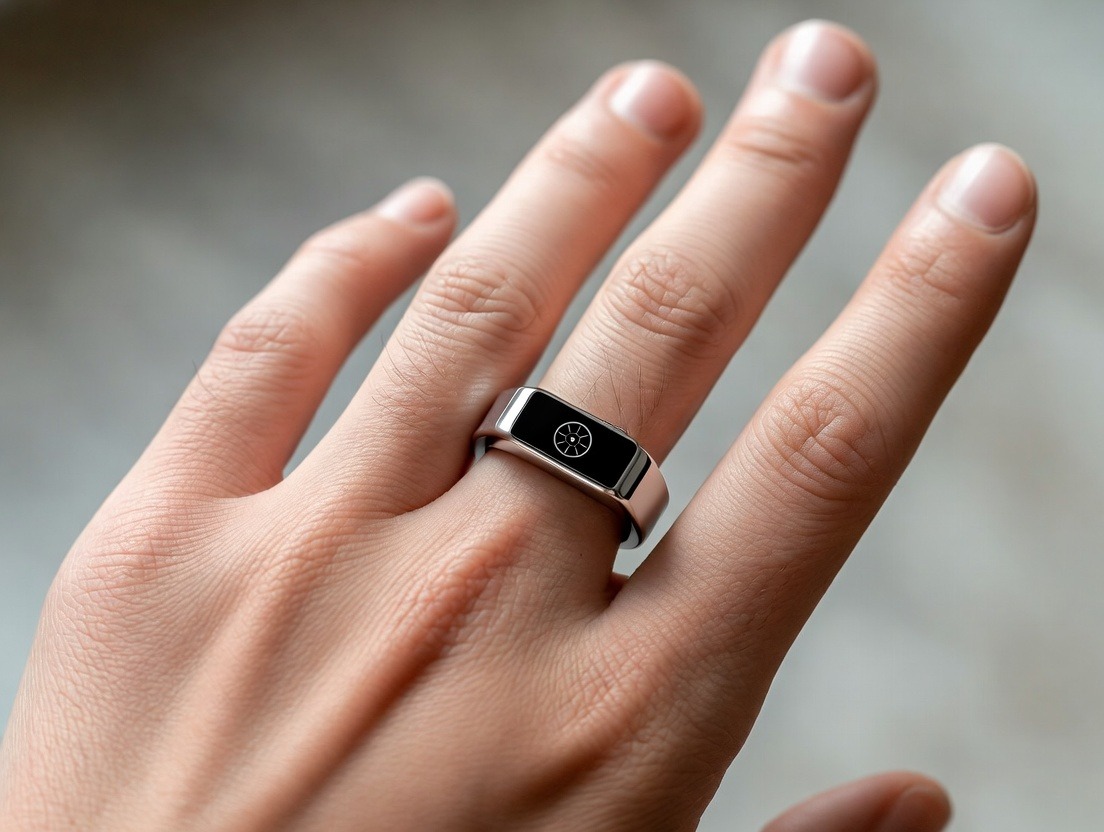
The wrist is a dynamic location. Watches and wristbands can shift, be worn too loose or tight, and are often removed for activities like typing, washing hands, or weightlifting. This can lead to gaps in data. The finger, however, particularly the base near the palm, hosts a rich network of capillaries and provides a stable, snug fit with minimal movement artifact. This position allows for a consistent, medical-grade photoplethysmogram (PPG) sensor reading—the core technology for measuring blood volume pulses. A smart ring like those developed by Oxyzen is less obtrusive, worn 24/7 (even during sleep and most sports), and becomes a seamless part of you, enabling truly continuous monitoring. For a deep dive into the sensors and AI that make this possible, our article on the science behind modern health tracking technology breaks it down.
The Key Recovery Metrics: Your Body's Secret Language
So, what exactly is a smart ring measuring while you sleep, work, and relax? It’s translating your autonomic nervous system’s activity into a language you can understand. Here are the core biomarkers for recovery:
From Data to Insight: The Readiness Score
The true magic happens in the synthesis. Advanced algorithms, like those powering the Oxyzen ecosystem, ingest this constellation of nocturnal data each morning and distill it into a single, easy-to-understand "Readiness" or "Recovery" score. This isn't a random number; it's a personalized algorithm weighing your HRV, RHR, sleep quality, and temperature against your own historical baselines. A high score is a green light—your body is primed for challenge. A moderate score suggests a need for balance. A low score is a clear recommendation to prioritize rest, hydration, and stress management. This translation of complex physiology into a simple, actionable insight is what makes daily tracking immediately meaningful.
For those curious about how this personalized data can be leveraged for long-term health, our resource on how health tracking enables personalized wellness offers further perspective.

Understanding the "why" and the "how" is crucial, but the ultimate challenge lies in the "doing." How do you move from sporadic curiosity to a consistent, daily practice of checking and acting on your recovery data? The answer lies not in willpower alone, but in smart design—leveraging the fundamental principles of behavioral psychology and habit formation to make the process intrinsically rewarding. The goal is to make your daily recovery check-in as automatic and looked-forward-to as brushing your teeth or having your morning coffee.
The Habit Loop: Cue, Routine, Reward
Charles Duhigg, in his book The Power of Habit, outlines the neurological loop that drives every habit: Cue, Routine, Reward. To build a strong recovery-tracking habit, we need to design a compelling loop.
Designing the Reward: From Data to Delight
A raw number or graph is rarely a powerful reward for most people. The magic happens when the data is transformed. This is where modern wellness platforms excel by providing:
Overcoming the Friction Point
Every habit has a point of friction—the small resistance you must overcome to perform the routine. For recovery tracking, the friction was historically high: remembering to wear a device, charging it frequently, syncing data, and interpreting complex charts. The smart ring, by its always-on, continuous nature, eliminates almost all of this friction. The data is collected passively. You simply live your life. The only active step required is the rewarding one: opening the app to receive your daily insights. By minimizing friction and maximizing reward, the habit becomes self-sustaining.
The Power of Identity-Based Habits
James Clear, in Atomic Habits, emphasizes the power of building habits based on identity. Instead of "I need to check my recovery score," the mindset becomes "I am the kind of person who listens to my body and acts on its signals." Each time you complete your morning check-in and adjust your day accordingly, you are casting a vote for this new identity. The daily ritual reinforces the belief that you are someone who values and understands holistic well-being. This shift from a task to a trait is where the practice becomes truly enduring and integrated into your sense of self.
Building these foundational habits is just the start. For beginners looking to establish their practice, our guide on wellness ring basics for perfect beginners is an essential companion on this journey.
Gamification isn't about turning life into a trivial game. It's about strategically applying the engaging elements of game design—points, levels, challenges, and rewards—to non-game contexts to motivate participation and loyalty. When applied to recovery tracking, gamification transforms the abstract goal of "being well" into a tangible, progressive, and visually rewarding journey. It taps into our innate desires for mastery, achievement, and status, making the daily discipline of self-care feel like an exciting quest.
Core Game Mechanics for Wellness
The most effective wellness platforms incorporate several key game mechanics:
Personalization: Your Game, Your Rules
For gamification to work long-term, it must avoid feeling patronizing or one-size-fits-all. The system should adapt to your personal goals. A marathon trainer's "game" might involve unlocking badges for optimal pre-race recovery cycles, while a new parent's game might focus on achievements for maximizing sleep quality in shorter durations. The Oxyzen.ai platform, for instance, allows you to set primary wellness goals, theoretically shaping the insights and challenges it prioritizes, making the "game" uniquely relevant to your life chapter.
The Balance: Motivation Without Anxiety
A critical caveat in wellness gamification is avoiding the pitfall of turning recovery into a source of performance anxiety. The goal is awareness and improvement, not perfectionism. A well-designed system will celebrate positive trends and offer compassionate guidance on low-score days, not punishment. It might offer a "Rest Day" badge for wisely choosing recovery after a low score, reinforcing that listening to your body is always a "win." The tone should be that of a supportive coach, not a demanding drill sergeant.
The Social Layer: Friendly Competition and Support
While recovery is deeply personal, a light social layer can amplify motivation. Opt-in challenges with friends or a partner to see who can maintain the longest "sleep consistency" streak or achieve the highest average weekly readiness can add a layer of friendly accountability. Sharing a "Recovery Win" badge (like "Nailed My Sleep Goal!") within a small, trusted community can provide positive reinforcement. However, this must be fully optional and privacy-focused, ensuring users feel in complete control. For those concerned about data, understanding wellness ring privacy settings and data security is paramount.
By framing your daily recovery check-in as the first move in a personalized game where you are both the player and the protagonist, you inject a sense of playfulness and purpose into the routine. You're not just reading numbers; you're progressing on a journey, collecting evidence of your growing self-awareness, and earning rewards for treating yourself with care. This psychological framework makes the practice infinitely more engaging and sustainable.
Your morning sets the tone for your entire day. A frantic, screen-filled, reactive start often leads to a scattered, stress-prone day. Conversely, an intentional, recovery-informed morning ritual creates a foundation of calm, focus, and purposeful energy. This is where your daily recovery data transitions from passive information to an active guidebook for designing your day. Your morning ritual becomes a dynamic conversation with your body, informed by hard data.
Step 1: The Conscious Check-In (The Data Download)
Before reaching for the news or email, grant yourself 60-90 seconds of pure self-connection. Open your recovery app. Look at your Readiness Score first. Don't judge it—just observe it. Then, scan the key contributors: How was your deep sleep? What was your overnight HRV trend? Was your skin temperature elevated? This isn't about generating anxiety; it's about gathering intelligence. Think of yourself as a CEO reviewing the previous night's performance reports before setting the day's strategy.
Step 2: The Insightful Interpretation (From Number to Narrative)
Now, translate the data into a simple narrative. A high readiness score with great sleep might tell the story: "My body is fully charged and resilient. Today is a day for challenging projects, intense training, or social engagement." A moderate score with slightly low deep sleep might narrate: "My system did some heavy repair work last night. I'm ready for a solid day, but I should prioritize a proper lunch break and maybe opt for a brisk walk instead of heavy weights." A low score with high resting heart rate whispers: "My body is fighting something or is under residual stress. Today's priority is gentleness: hydrate well, eat nourishing foods, keep exercise very light, and get to bed early."
Step 3: The Adaptive Action Plan (Designing Your Day)
This is where the ritual becomes truly powerful. Use your personalized narrative to make intentional choices for the next 24 hours.
Step 4: The Anchoring Practice (Beyond the Screen)
Close the app. The data has served its purpose. Now, anchor your intention with a brief, screen-free practice that aligns with your day's needs. This could be:
This entire ritual, from data check to anchoring practice, should take no more than 5-10 minutes. But its impact is profound. You move from being a passive recipient of your day's events to an active, informed architect of your energy, focus, and well-being. You stop forcing a one-size-fits-all routine and start practicing what we might call Dynamic Wellness—adapting your inputs (exercise, stress, nutrition) based on your body's real-time outputs (recovery metrics).
For more ideas on building a holistic routine that supports long-term vitality, our compilation of 50 healthy aging tips a smart ring helps implement daily is filled with actionable strategies that complement this data-driven approach.
If daily recovery is the foundation, sleep is the bedrock. It is the most potent, non-negotiable recovery tool at your disposal. During sleep, the body performs its most critical repair work, the brain cleans itself, and hormones essential for growth, appetite regulation, and stress management are balanced. Yet, for many, sleep is a mere afterthought—a collapsed state at the end of an exhausting day. To make recovery tracking engaging, we must reclaim sleep as the main event, the daily power-up that determines our next "level" of functioning. Modern tracking helps us do just that, moving beyond duration into the rich world of sleep quality.
Beyond Hours: The Architecture of Quality Sleep
Telling someone to "get 8 hours of sleep" is as useful as telling a chef to "cook good food." The structure matters. Sleep occurs in cyclical stages:
A good night's sleep isn't just long; it has sufficient, uninterrupted cycles of deep and REM sleep. This is what a smart ring tracks—not just that you were in bed for 8 hours, but how that time was architecturally distributed.
What Your Sleep Data Is Really Telling You
Your morning sleep report is a treasure trove of insights when you know how to read it:
Gamifying Your Sleep Hygiene
This is where tracking becomes fun. You can set up personal challenges based on your data:
By treating sleep as a skill to be optimized—with clear, trackable metrics and personal experiments—you transform it from a passive state into an active performance strategy. The act of reviewing your sleep data each morning becomes a fascinating detective game: "What did I do yesterday that led to this excellent deep sleep score?" or "My REM was low; did I have that glass of wine too late?"
Creating Your Personalized Sleep Sanctuary
Data informs action. Use your insights to iteratively design a sleep environment and routine that works for your biology. This might involve blackout curtains, a white noise machine, a strict digital curfew, or tweaking your dinner timing. The smart ring provides the feedback loop to see what actually moves the needle for you, not just generic advice. For a comprehensive look at how this technology integrates into broader health management, see how it enables preventive health monitoring.
Stress is not the enemy. In fact, it's an essential biological mechanism—the "load" that triggers adaptation and growth. The enemy is chronic, unmanaged stress without adequate recovery—the state where your body's stress response (cortisol, adrenaline) is constantly idling in the "on" position. This chronic strain directly sabotages recovery by keeping your nervous system in a sympathetic ("fight or flight") dominant state, suppressing HRV, disrupting sleep, and hindering repair. Therefore, a crucial part of engaging recovery tracking is monitoring not just your physical restoration, but your nervous system's resilience and response to daily psychological and emotional loads.
HRV: The North Star of Nervous System Balance
As mentioned, Heart Rate Variability (HRV) is your most direct metric for autonomic nervous system balance. Think of it as a real-time indicator of your body's flexibility. A higher HRV suggests your system can easily switch between energetic engagement (sympathetic) and calm restoration (parasympathetic). A lower, or dipping, HRV suggests it's stuck in a stressed state, struggling to downshift. By tracking your HRV trends—not just the absolute number, but its direction—you get an objective read on your cumulative stress load and resilience.
Tracking Stress Through Recovery, Not in the Moment
The genius of using a smart ring for stress management is that it measures the residue of stress, not the transient emotion itself. You might feel "fine" during a hectic work week, but if your nightly HRV is on a steady decline and your resting heart rate is creeping up, your physiology is telling a different story: you are accumulating strain. This objective feedback is often a wake-up call, prompting you to intervene before reaching a state of burnout or illness. It externalizes internal pressure, making it visible and therefore manageable.
The Practice of "Stress-Effort" Correlation
Make your tracking interactive. At the end of each day, briefly journal or mentally note your subjective stress level (on a scale of 1-10). Then, over time, correlate this with your next morning's recovery metrics. You'll start to see patterns: "When I have back-to-back meetings (subjective 8/10 stress), my next-day HRV drops by 15%." Or, crucially, "Even though my day felt stressful, because I took a 10-minute walk at lunch and did a breathing exercise, my recovery score held steady." This turns you into a scientist of your own well-being, identifying not just stressors, but more importantly, the stress buffers that work for you.
Building Resilience with Data-Informed Practices
Your recovery data guides you toward practices that build resilience. If you see a pattern of low HRV, it's a signal to incorporate more parasympathetic-activating activities into your routine:
By framing stress management through the lens of recovery data, it moves from being a vague concept of "self-care" to a precise, feedback-driven skill. You learn to "spend" your stress wisely, pairing challenging periods with intentional recovery practices, and you get direct, physiological confirmation of what helps you bounce back. This makes the process of managing mental and emotional well-being tangible, proactive, and deeply engaging. For real-world examples of how this plays out, exploring customer reviews and user experiences can provide powerful social proof and inspiration.
You are not just what you eat; you are how, when, and what your body does with what you eat. Nutrition is the raw material for recovery—the amino acids that rebuild muscle, the antioxidants that combat inflammation, the carbohydrates that replenish glycogen, and the micronutrients that co-factor every enzymatic process in repair. Yet, nutrition advice is often generic and conflicting. Personalized recovery tracking offers a revolutionary feedback loop: your body's physiological response to your dietary choices, giving you clues about what truly fuels your unique system for optimal restoration.
The Overnight Report Card: How Food Shows Up in Your Metrics
Your evening meal and overall daily nutrition pattern send signals that reverberate through your nocturnal physiology. By paying attention to correlations, you can become your own nutrition detective.
Strategic Fueling for Different Recovery Scenarios
Your recovery score can guide not just if you train, but how you fuel.
Gamifying Nutritional Awareness
Turn meal logging into a discovery game, not a calorie-counting chore.
This approach moves nutrition away from dogma and towards curiosity. Instead of following a rigid diet, you are conducting N=1 experiments, using your own recovery metrics as the outcome measure. The data provides non-judgmental feedback, helping you build a personalized eating pattern that genuinely supports your energy, sleep, and resilience. To see how this personalization extends to other aspects of your wellness journey, learn how these tools can support different health goals.
Exercise is a potent, intentional stressor—a "withdrawal" from your recovery bank account that, when followed by adequate deposit, yields the high return of improved fitness, strength, and metabolic health. The art of sustainable fitness lies not in maximizing daily effort, but in optimizing the dance between stress (exercise) and recovery. This is where daily recovery tracking becomes your most intelligent training partner, helping you match your workout's intensity and volume to your body's actual readiness, thereby maximizing results while minimizing injury and burnout risk.
Moving From Prescription to Responsiveness
Traditional training plans are prescriptive: "Monday: Heavy Squats, Wednesday: Interval Run, Friday: Long Distance." They assume your body is equally ready for each session. A recovery-informed approach is responsive. It uses your daily readiness score as a filter for your planned workout.
Preventing Overtraining and Injury
Overtraining isn't an event; it's a creeping accumulation of imbalance. By tracking your HRV and resting heart rate trends, you get an early-warning system. A consistent downward trend in HRV over a week, despite "sticking to the plan," is a glaring red flag that you are not recovering adequately. Ignoring it leads to performance plateau, irritability, disrupted sleep, and heightened injury risk. Adjusting your plan based on this feedback—taking an extra rest day, deloading a week—is the hallmark of intelligent, long-term training. It’s the difference between grinding yourself into the ground and building lasting, resilient fitness.
The final rep of your workout is not the finish line; it's the starting pistol for the recovery race. What you do—or don't do—in the hours immediately following exercise profoundly influences how effectively your body repairs, adapts, and ultimately becomes stronger. This "golden window" is where recovery tracking shifts from being predictive to being instructional, offering insights into whether your post-exercise rituals are working or need refinement. Making this process engaging means turning post-workout recovery into a series of satisfying, data-validated mini-rituals.
Understanding the Physiological Cascade
After you stop exercising, your body enters a heightened state of repair. Inflammation is initially elevated to clear damaged tissue, glycogen stores are depleted, fluids and electrolytes need replenishing, and the nervous system is often in a sympathetically charged state. Your job is not to halt these processes, but to guide and support them efficiently toward restoration.
How Your Ring Tells the Story of Your Recovery Strategy
Your smart ring data from the night after a workout is your report card on how well you managed the golden window. Here’s what to look for:
Gamifying Your Post-Workout Protocol
Transform the science into a series of trackable, rewarding missions. After your workout, complete your "Recovery Protocol" checklist and observe the correlation with your next-day score.
By framing these actions as immediate, post-workout "quests" that have a direct and visible impact on your coveted recovery score, you create a powerful, satisfying feedback loop. You're not just going through the motions; you're conducting experiments whose results appear in your data the next morning. This transforms passive rest into active, engaging recovery engineering.
For those integrating multiple devices, understanding how to sync your efforts is key. Learn about wellness ring integration with other health apps to create a seamless data ecosystem.

Recovery is inherently personal, but human motivation is inherently social. While you alone must sleep, eat, and breathe, the journey doesn't have to feel lonely. The final layer of making recovery tracking fun and engaging involves tapping into the power of community, shared experience, and friendly connection. This isn't about public leaderboards that breed comparison anxiety; it's about curated, opt-in social features that provide support, accountability, and shared celebration.
The Power of Shared Witness
There’s a profound motivation in being seen and understood. Sharing your wellness journey—the highs and the lows—within a small, trusted group or with a single accountability partner creates a "shared witness" effect. Telling a friend, "My recovery score is low today, so I'm taking a walk instead of joining the spin class," validates your choice and reinforces your commitment. It turns a private decision into a publicly stated value.
Opt-In Challenges: Cooperation Over Competition
Well-designed wellness platforms can facilitate positive social interaction. Imagine opt-in challenges that focus on collective achievement rather than individual ranking:
Storytelling with Data: Your Personal Narrative
Your recovery data over time tells a story—a narrative of resilience, learning, and growth. Sharing snippets of this story ("I finally connected the dots that late coffee destroys my deep sleep," or "After a month of prioritizing sleep, my average HRV trend is finally climbing!") within a community provides relatable inspiration. It moves the conversation from abstract advice ("get more sleep") to tangible, data-backed personal testimony. Reading real user testimonials and experiences on platforms like Oxyzen’s can provide this exact sense of camaraderie and proof-of-concept.
Accountability Partnerships: The 1:1 Connection
Pairing up with a single accountability partner who also values recovery can be incredibly effective. Your daily check-in can include a quick text exchange: "My readiness is 85 today—going for that PR!" or "Score is 62. I'm taking it easy. Hold me accountable for an early bedtime!" This simple act of externalizing your intention dramatically increases your likelihood of following through. The partnership is a safe space for honesty without judgment, rooted in mutual support.
The Critical Boundary: Privacy and Positive Pressure
For social features to work, they must be built on a foundation of user control and psychological safety. The ability to be completely private is paramount. Any social sharing must be opt-in, granular, and reversible. The pressure should feel like a supportive nudge from a teammate, not a shaming comparison to a stranger. The focus should always be on self-improvement and group support, not on winning at the expense of well-being.
By thoughtfully incorporating a social layer, recovery tracking transcends the individual. It becomes a shared journey of discovery, where you can learn from others' patterns, celebrate each other's wins, and offer support during slumps. This connection adds a rich layer of meaning and enjoyment to the daily practice, reminding you that while the path to better health is personal, you don't have to walk it alone. To understand the philosophy behind tools designed for this kind of holistic journey, you can explore Oxyzen's mission and company story.
Daily recovery scores offer a snapshot, but the true transformation lies in the album, not the single photo. The shift from daily reactivity to long-term, strategic wisdom is where recovery tracking evolves from a fun habit into a profound tool for self-mastery. This involves moving beyond the morning's single number to analyze weekly, monthly, and seasonal trends, transforming raw data into a coherent narrative about your unique physiology and its response to the rhythm of your life.
From Data Points to Data Stories: Identifying Your Personal Patterns
The power of continuous wear is the accumulation of a massive, personal dataset. This is your biological fingerprint. Start looking beyond daily fluctuations for these powerful patterns:
Correlation vs. Causation: Becoming Your Own Biologist
This is the most engaging intellectual puzzle of recovery tracking. Your app shows a correlation, and you get to investigate the cause.
This process cultivates a deep, intuitive body awareness. Over time, you begin to feel a low HRV day as a subtle sense of being "wired but tired," or a high-readiness day as a spring in your step, before you even check your score. The data trains your intuition.
Embracing the Plateau and the Setback
Not all trends will be upward. A key part of long-term engagement is re-framing plateaus and setbacks not as failures, but as essential data. A plateau in your HRV trend might mean your current routine has taken you as far as it can; it's time to introduce a new stimulus or recovery modality. A setback—a week of poor scores due to illness or life stress—is a crucial part of your resilience map. It shows you how low you go, but more importantly, it charts your rebound rate. How quickly do your metrics return to baseline after a stressor? Improving your rebound rate is a more meaningful goal than chasing a perpetually high score.
The Annual Review: Your Health's Year in Retrospect
At the end of the year, review your data aggregates. What was your average sleep duration versus the year before? What was your highest and lowest readiness score, and what life events surrounded them? This annual review isn't for self-critique; it's for awe and understanding. It provides undeniable proof of your resilience through challenges and shows the tangible impact of positive habit changes. It’s the ultimate report card on the life you’ve lived, written in the language of your own physiology. This longitudinal analysis is at the heart of how health tracking technology is changing preventive medicine, shifting the focus from treating illness to understanding and optimizing individual health patterns.
A smart ring provides an unparalleled window into your autonomic nervous system and sleep, but it is not an omniscient oracle. True, engaging recovery is holistic. The most fulfilling approach weaves quantitative data from your wearable with qualitative practices and other complementary modalities that address different layers of your being—physical, mental, and emotional. This integration turns recovery into a rich, multi-sensory practice rather than a single-screen check-in.
The Physical Layer: Manual Therapies and Sensation Tracking
Your ring can tell you that you’re physically stressed (via HRV, RHR), but it can’t pinpoint where. Pair your data with body-aware practices.
The Mental & Emotional Layer: Journaling and Mindfulness
Your physiological data often reflects your mental and emotional state before you’re consciously aware of it. Create a feedback loop between your internal and external worlds.
The Environmental Layer: Optimizing Your Spaces
Your recovery doesn't happen in a vacuum. Use your data to audit and improve your environments.
By creating this rich tapestry of practices around the core of your biometric data, recovery becomes a creative, explorative process. You are no longer a passive recipient of a score, but an active architect of your own well-being, using both cutting-edge technology and timeless human practices. You can discover how others have combined these modalities by exploring related articles and resources on the Oxyzen blog.
The principle of recovery is universal, but its application is not. A 25-year-old athlete training for a marathon, a 40-year-old parent with young children, a 60-year-old professional managing a chronic condition, and a 70-year-old focused on healthy aging all have vastly different recovery capacities, stressors, and goals. An engaging recovery practice must be personally relevant. It must adapt to your life’s current chapter, making you feel seen and guided, not forced into a one-size-fits-all model.
The Athlete & High-Performer: Optimizing for Adaptation
For this group, recovery is the direct pathway to improved performance. The focus is on precision.
The Busy Professional & Parent: Managing Cumulative Stress
Here, recovery is about sustainability and resilience against non-exercise stressors (mental load, emotional labor, sleep disruption).
The Health-Conscious Individual & Healthy Ager: Focusing on Prevention and Vitality
For this group, recovery is the cornerstone of longevity, disease prevention, and maintaining a high quality of life.
A Tool for All Phases: The Smart Ring's Versatility
The beauty of a device like an Oxyzen smart ring is its ability to scale its relevance. For the athlete, it's a performance lab. For the parent, it's a stress barometer and sleep guardian. For the person focused on aging well, it's an early-warning system and a motivator. By tailoring your engagement with the data to your current life stage, you ensure the practice remains not just fun, but fundamentally useful and empowering. For those considering how this technology fits into their specific situation, our FAQ section can address common questions and concerns.
The current state of recovery tracking is impressive, but it is merely the opening chapter. The convergence of advanced sensor technology, artificial intelligence, and human-centered design is poised to make the experience more seamless, predictive, and deeply immersive. The future of recovery tracking isn't just about better data; it's about creating a truly intuitive, ambient, and proactive partnership between you and your technology.
Predictive Analytics and AI Coaching
Today's apps are largely descriptive (telling you what happened) and diagnostic (suggesting why). Tomorrow's will be predictive and prescriptive.
Multimodal Sensing and Ecosystem Integration
The smart ring will not exist in isolation. It will be the hub of a personal area network of health sensing.
Immersive Feedback and Haptic Guidance
The feedback will move beyond the screen to become ambient and tactile.
Ethical Design and The Focus on "Human-First"
As these technologies advance, the most crucial trend will be a commitment to ethical, human-first design. The goal must be empowerment, not addiction; insight, not anxiety. This means:
The future of recovery tracking is a shift from a tool you use to an intelligent, ambient layer of your life that supports you. It’s about technology that fades into the background while bringing your well-being into the foreground in ways that feel natural, helpful, and yes—fun. To glimpse what’s on the horizon, our analysis of health tracking technology in 2025 explores these emerging possibilities.
We've journeyed through the science, the technology, the psychology, and the future. Now, it's time to synthesize these elements into a living, breathing practice that is uniquely yours. This isn't about implementing every single idea from this guide at once. That's a recipe for overwhelm. It's about intentional, gradual experimentation—building your personalized recovery protocol one engaging block at a time. Think of yourself as an artist, and these strategies as your palette.
Phase 1: The Foundation (Weeks 1-2) – Awareness Without Judgment
Phase 2: The Connection (Weeks 3-5) – Playful Experimentation
Phase 3: The Integration (Month 2+) – Strategic Habit Stacking
Phase 4: The Mastery (Ongoing) – Long-Term Trend Analysis and Community
Your Essential Mindset Toolkit:
This personalized practice is the culmination of making recovery tracking fun and engaging. It transforms it from a task into a journey—a journey of self-discovery, playful experimentation, and empowered living. It’s about using the best of modern technology not to optimize yourself like a machine, but to reconnect with your humanity more deeply, with more energy, and with more joy.
Ready to begin your journey? The first step is finding the right tool to be your guide. Explore the Oxyzen.shop to discover the smart ring designed from the ground up to enable this exact type of engaging, recovery-focused wellness practice.
Your Trusted Sleep Advocate (Sleep Foundation — https://www.sleepfoundation.org/)
Discover a digital archive of scholarly articles (NIH — https://www.ncbi.nlm.nih.gov/
39 million citations for biomedical literature (PubMed — https://pubmed.ncbi.nlm.nih.gov/)
experts at Harvard Health Publishing covering a variety of health topics — https://www.health.harvard.edu/blog/)
Every life deserves world class care (Cleveland Clinic -
https://my.clevelandclinic.org/health)
Wearable technology and the future of predictive health monitoring. (MIT Technology Review — https://www.technologyreview.com/)
Dedicated to the well-being of all people and guided by science (World Health Organization — https://www.who.int/news-room/)
Psychological science and knowledge to benefit society and improve lives. (APA — https://www.apa.org/monitor/)
Cutting-edge insights on human longevity and peak performance
(Lifespan Research — https://www.lifespan.io/)
Global authority on exercise physiology, sports performance, and human recovery
(American College of Sports Medicine — https://www.acsm.org/)
Neuroscience-driven guidance for better focus, sleep, and mental clarity
(Stanford Human Performance Lab — https://humanperformance.stanford.edu/)
Evidence-based psychology and mind–body wellness resources
(Mayo Clinic — https://www.mayoclinic.org/healthy-lifestyle/)
Data-backed research on emotional wellbeing, stress biology, and resilience
(American Institute of Stress — https://www.stress.org/)


