


Preventive Wellness Guide: The Inflammation-Disease Connection
The connection between chronic inflammation and disease.
The connection between chronic inflammation and disease.
%402x.svg)
You wake up feeling a bit off. Not sick, exactly, but not vibrant. There’s a low hum of fatigue behind your eyes, a stiffness in your joints that wasn’t there a few years ago, maybe a digestive system that’s become unpredictably temperamental. You dismiss it as stress, aging, or just the pace of modern life. But beneath the surface of these vague, non-specific symptoms, a fundamental biological process might be smoldering out of control: chronic inflammation.
For decades, inflammation was largely discussed in the context of acute injury—the red, hot, swollen ankle after a sprain. That’s your body’s heroic, life-saving immune response in action. However, a revolutionary shift in medical science over the last twenty years has unveiled a far more sinister counterpart: silent, systemic, chronic inflammation. This isn’t a localized fire; it’s a slow-burning blaze throughout your entire system, implicated as the root cause and common link behind our most feared modern diseases.
From heart disease and diabetes to Alzheimer's, depression, and even cancer, chronic inflammation is the treacherous common thread. The good news? This connection represents the most powerful opportunity in preventive wellness today. By understanding this invisible force, you can learn to measure it, manage it, and ultimately, build a resilient biology that resists disease not by chance, but by design.
This guide is your deep dive into the inflammation-disease connection. We’ll move beyond theory into actionable strategy, exploring how you can use modern tools—including the discreet power of advanced wellness wearables like smart rings from innovators like Oxyzen—to transition from passive patient to active architect of your long-term health.
To master your health, you must first understand this fundamental force. Inflammation is not inherently bad. In fact, without it, you would die from a simple paper cut. It is your immune system's precise, coordinated response to injury, infection, or toxins.
Acute Inflammation: The Heroic Firefighter
Imagine you slice your finger while chopping vegetables. Instantly, your body launches a flawless emergency response. Blood vessels dilate to increase blood flow (causing redness and heat). They become more permeable, allowing immune cells like neutrophils and macrophages to flood the tissue (causing swelling). These cells release chemicals to destroy invaders and initiate repair (causing pain, a signal to protect the area). This process is localized, rapid, and self-limiting. Once the threat is neutralized and healing begins, anti-inflammatory signals dampen the response, and the system returns to baseline. This is acute inflammation—a masterpiece of biological defense.
Chronic Inflammation: The Arsonist in Your Basement
Now, imagine a small electrical fire starts in the walls of your home. It doesn’t burst into flames but smolders day after day, month after month, filling the structure with toxic smoke, weakening beams, and corroding wiring. There’s no blaring alarm, just a faint, persistent smell you might learn to ignore. This is the analogy for chronic, low-grade systemic inflammation.
Here, the immune system’s alarm bells don’t shut off. A low level of inflammatory immune cells and proteins, like C-reactive protein (CRP), interleukin-6 (IL-6), and tumor necrosis factor-alpha (TNF-α), constantly circulate throughout the body. This isn't a response to an acute injury; it's often a misguided response to perceived, continuous threats. The "fire" isn't in one location; it's a systemic haze damaging tissues, organs, and blood vessels over years and decades.
The Key Molecular Players: Cytokines and CRP
To track this silent fire, scientists look for biomarkers. Cytokines are signaling proteins released by immune cells. Pro-inflammatory cytokines like IL-6 and TNF-α are the "attack" signals. In chronic inflammation, their levels remain subtly elevated. C-reactive protein (CRP), produced by the liver, is a classic overall marker of inflammation. A high-sensitivity CRP (hs-CRP) test can reveal low-grade inflammation long before disease symptoms appear.
The transition from lifesaver to lifelong threat hinges on one factor: time. Acute inflammation is measured in hours and days. Chronic inflammation is measured in years. It’s this persistent, invisible assault that creates the fertile ground for cellular dysfunction and disease.
From Smoldering Embers to Disease: How Chronic Inflammation Breaks the Body Down
How does this background haze of immune activity translate into concrete diseases? The mechanisms are complex and interconnected, but they follow several destructive pathways that erode your health from the inside out.
The Endothelial Assault: Heart Disease and Stroke
Your endothelium is the delicate, single-cell-thick lining of your entire circulatory system. It’s the gateway between your blood and your tissues, responsible for regulating blood pressure, preventing clotting, and maintaining vessel flexibility. Chronic inflammation directly injures these cells. Think of it as pouring a mild acid continuously over a silk sheet.
In response to inflammatory cytokines, the endothelium becomes "sticky," attracting LDL cholesterol (the "bad" kind). Inflamed, this cholesterol oxidizes and is consumed by immune cells, which then burrow into the arterial wall, forming fatty streaks and eventually, hardened plaques (atherosclerosis). This process is now understood to be fundamentally inflammatory, not merely a plumbing problem of cholesterol buildup. When a plaque becomes unstable and ruptures, it triggers an acute clot—the direct cause of most heart attacks and strokes. Inflammation is the igniter.
Metabolic Mayhem: Insulin Resistance and Type 2 Diabetes
Your fat tissue, especially visceral fat deep in your abdomen, is not an inert storage depot. It’s a metabolically active endocrine organ that, when overfilled, pumps out a stream of pro-inflammatory cytokines. This inflammation directly interferes with insulin signaling.
Insulin is the key that allows glucose (sugar) to enter your cells for energy. Inflammatory molecules like TNF-α jam this lock-and-key mechanism. The pancreas responds by pumping out more insulin (hyperinsulinemia), trying to force glucose into resistant cells. This exhausting tug-of-war leads to chronically high blood sugar and, eventually, the burnout of pancreatic beta cells: the definition of Type 2 Diabetes. The disease is a state of profound metabolic dysfunction fueled by inflammatory fire from excess fat.
Neurological Corrosion: The Alzheimer's and Depression Link
Perhaps one of the most profound discoveries is the role of inflammation in brain health. The brain has its own resident immune cells, called microglia. Under normal conditions, they act as janitors, clearing cellular debris. Under chronic systemic inflammation, however, they become persistently activated, releasing their own inflammatory cytokines within the brain.
In Alzheimer's disease, this neuroinflammation is not just a side effect; it’s a driver. Activated microglia fail to properly clear toxic proteins like beta-amyloid plaques and tau tangles, and their inflammatory secretions directly damage neurons. Similarly, in depression, elevated inflammatory markers can cross the blood-brain barrier, disrupting the production and signaling of critical neurotransmitters like serotonin and dopamine. This is why individuals with chronic inflammatory conditions (like rheumatoid arthritis) have a significantly higher risk of depression. The brain is not immune to the body's inflammatory storm.
Cellular Sabotage: The Cancer Connection
Cancer begins with DNA damage. While some damage is random, inflammation creates an environment ripe for its initiation and promotion. Inflammatory cells produce free radicals—unstable molecules that can directly damage DNA, leading to mutations.
Worse, the inflammatory microenvironment around pre-cancerous cells acts as a "fertilizer." It promotes angiogenesis (the growth of new blood vessels to feed a tumor), enhances cancer cell proliferation, and even helps tumors evade the immune system. Cancers of the colon, liver, pancreas, and lungs have particularly strong links to underlying chronic inflammatory conditions (like inflammatory bowel disease or chronic hepatitis). Inflammation is the match and the fuel.
The pattern is clear: chronic inflammation is the common soil in which the seeds of diverse modern diseases grow. It’s the biological bridge between lifestyle choices and pathological outcomes.
If chronic inflammation is the arsonist, what are the matches? Our 21st-century environment and lifestyle are pouring gasoline on this biological fire. The shift from acute infectious threats to chronic lifestyle-induced threats is at the core of the epidemic.
The Dietary Inferno: Processed Foods, Sugars, and Bad Fats
The modern Western diet is arguably the primary driver. It’s pro-inflammatory by design:
The Metabolic Trigger: Obesity and Visceral Fat
As mentioned, fat tissue, especially the visceral fat wrapped around your abdominal organs, is an inflammation factory. It’s not a passive storage unit but an active endocrine organ secreting adipokines—many of which, like leptin and resistin, are pro-inflammatory. The more visceral fat you carry, the more you exist in a state of constant, low-grade inflammation. This creates a vicious cycle: inflammation promotes insulin resistance, which promotes further fat storage, which creates more inflammation.
The Silent Accelerant: Chronic Stress and Cortisol Dysregulation
Your stress response, governed by the HPA axis (hypothalamic-pituitary-adrenal) and the hormone cortisol, is meant for short-term emergencies. Cortisol is actually a potent anti-inflammatory in the acute phase. However, when stress becomes unrelenting—from work, relationships, financial worry, or even the constant ping of digital notifications—the system breaks down.
Cortisol levels can become chronically elevated or, conversely, the body can become "cortisol resistant," where tissues stop responding to its calming signals. The result is the unbridled activity of inflammatory pathways. Psychological stress has been shown in studies to reliably increase levels of IL-6 and CRP. Your mind’s perceived threats are translated directly into inflammatory chemistry.
The Stealthy Invaders: Environmental Toxins and Gut Disruption
We live in a sea of low-level environmental toxins: air pollution (fine particulate matter), heavy metals, pesticides, and endocrine-disrupting chemicals in plastics (like BPA). These xenobiotics place a constant detoxification burden on the body, often generating inflammatory free radicals in the process.
Perhaps the most personal frontier is the gut. Your intestinal lining, a surface area the size of a tennis court, is your largest interface with the external environment. An imbalance in gut bacteria (dysbiosis) or a "leaky gut" (increased intestinal permeability) can allow bacterial fragments (like LPS) to leak into the bloodstream, triggering a persistent, systemic immune response. The gut is ground zero for immune regulation, and its disruption is a direct line to inflammation.
The Missing Spark: Sleep Deprivation and Sedentary Behavior
Poor sleep isn’t just about feeling tired. During deep, restorative sleep, your body releases anti-inflammatory cytokines and performs critical repair. Disrupt this, and you wake up with measurably higher levels of inflammatory markers. Just one night of poor sleep can spike CRP.
Conversely, while chronic excessive exercise can be inflammatory, physical inactivity is a major pro-inflammatory state. Muscle tissue is an endocrine organ that, when used, releases anti-inflammatory myokines. A sedentary life leaves this powerful anti-inflammatory pump untapped.
Understanding these sources is empowering. It means the invisible fire is not a mysterious fate, but a measurable outcome of inputs we can identify and change.
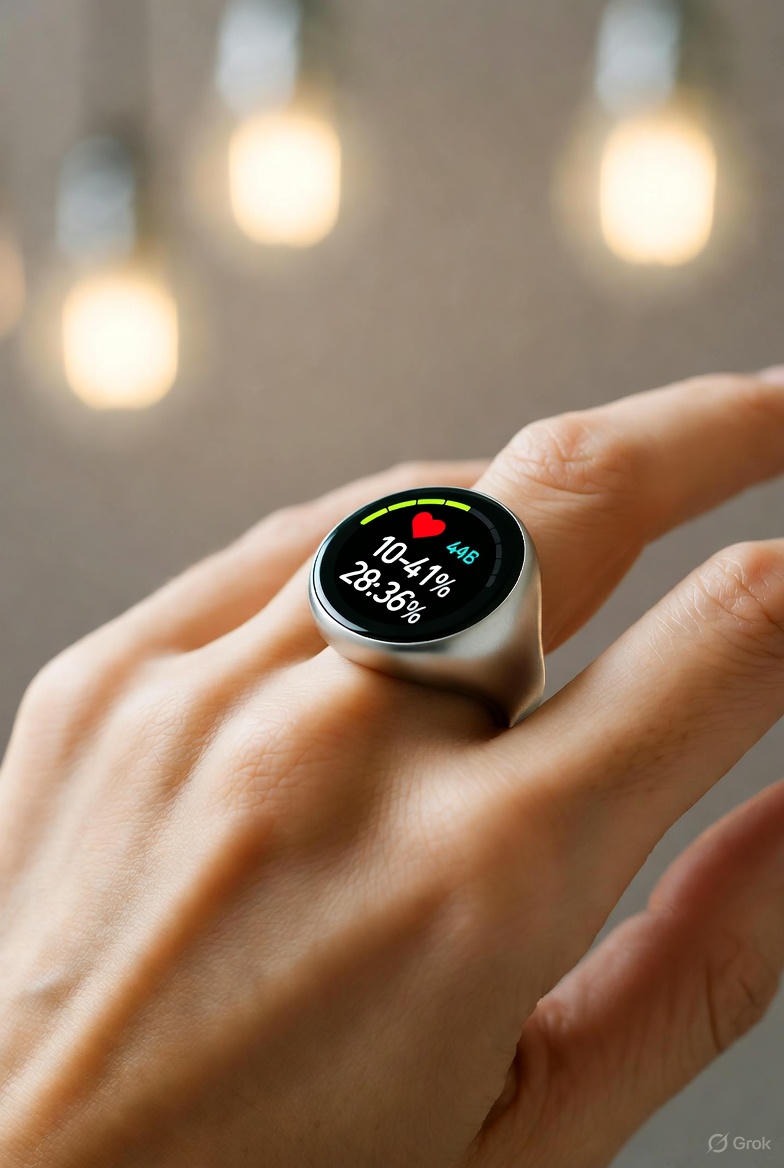
Chronic inflammation is often silent at a clinical level, but your body sends subtle, persistent signals long before a disease diagnosis. Learning to recognize this "biological smoke alarm" is the first step in preventive action. These symptoms are frequently dismissed as normal aging or everyday stress, but together, they paint a telling picture.
The Cardinal Signs: Fatigue, Pain, and Brain Fog
The External Manifestations: Skin, Weight, and Digestion
The Silent Laboratory Signals
While symptoms are clues, objective data confirms the suspicion. Key biomarkers your doctor can test include:
The challenge with these lab tests is that they are typically episodic—a single snapshot in time. Inflammation can fluctuate daily based on sleep, diet, stress, and infection. This is where the modern paradigm of continuous, personalized monitoring begins to change the game, a concept we'll explore in depth.
Beyond the Blood Test: The New Frontier of Real-Time, Personalized Inflammation Tracking
The traditional medical model offers a crucial, but limited, snapshot. You feel unwell, get a blood test that shows elevated CRP, and are advised on lifestyle changes. But how do you know if those changes are working next week? How do you connect the dots between a poor night of sleep, a stressful meeting, and the ache in your joints two days later? This is the gap between episodic medicine and true preventive wellness.
The Limitation of Single-Point Data
A blood test is a historical document. It tells you what was happening in your body days or weeks ago when the sample was taken. Inflammation is dynamic, ebbing and flowing with your daily choices and exposures. To truly manage it, you need a flowing stream of data, not a stagnant pond.
Vital Signs as Inflammatory Proxies: The Power of Correlation
While we can't yet measure cytokines continuously from a wearable, we can track physiological signals that are intimately correlated with inflammatory states and stress on the body. This is the revolutionary insight of modern health technology. By monitoring these proxies in real-time, you gain an actionable window into your inflammatory load.
The Rise of the Discontinuous Stream: Why Wellness Rings Are a Paradigm Shift
This is where the form factor of a device becomes critical. Smartwatches have their place, but for 24/7, non-invasive biometric tracking, the smart ring is emerging as the optimal tool. Worn on the finger, it has unique access to the rich vascular bed in the finger, allowing for clinical-grade photoplethysmography (PPG) sensor readings of heart rate, HRV, and SpO2. It's unobtrusive, comfortable for all-day and all-night wear, and designed for the singular purpose of health monitoring.
A platform like Oxyzen leverages this technology not to just collect data, but to translate it into a Personalized Inflammation Index—a synthesized score that trends your body's stress and recovery signals. Imagine seeing a dip in your score after a week of poor sleep and high stress, and a steady climb as you implement anti-inflammatory nutrition and mindfulness practices. This turns an invisible process into a manageable, daily metric. You can explore the science behind this continuous monitoring technology to understand how it transforms data into insight.
This real-time feedback loop is the cornerstone of modern preventive wellness. It moves you from guessing to knowing.
Now that we can see the impact, we can strategically intervene. Your diet is the most potent lever you can pull to directly modulate your inflammatory biochemistry. This isn't about short-term fads; it's about adopting a foundational, nutrient-dense, anti-inflammatory eating pattern for life.
The Pillars of an Anti-Inflammatory Plate
Forget complicated rules. Build your meals around these core principles:
The Inflammatory Culprits to Eliminate or Drastically Reduce
Gut Health as the Foundation: Fiber, Fermented Foods, and Bone Broth
Your gut microbiome metabolizes the food you eat into compounds that can either calm or ignite inflammation. Feed it well:
Adopting this way of eating is a direct, daily intervention in your inflammatory pathways. For practical tips on making these habits stick, our guide on how a wellness ring can help build healthy habits offers a tech-assisted approach to lasting change.

If diet is the fuel, movement is the mechanic. Physical activity is one of the most potent, naturally anti-inflammatory "treatments" available, but its effects are exquisitely dose-dependent. The right amount repairs and strengthens; the wrong amount can break and inflame.
The Goldilocks Principle: Finding the "Just Right" Zone
The relationship between exercise and inflammation is a hormetic curve—a beneficial adaptive response to a moderate stressor. Acute, intense exercise actually causes a short-term spike in inflammatory markers and free radicals. This is a healthy signal that triggers your body's repair and adaptation systems, leading to stronger muscles, better mitochondrial function, and, crucially, a boost in your body's endogenous antioxidant and anti-inflammatory defenses.
However, chronic overtraining without adequate recovery flips this benefit. It leads to persistently high cortisol, suppressed immunity, elevated inflammatory markers (like IL-6), and a state of systemic breakdown. The goal is to apply the right stress, then allow for the supercompensation.
The Anti-Inflammatory Effects of Regular, Moderate Exercise
Consistent, balanced movement works through multiple channels:
Building Your Anti-Inflammatory Movement Protocol
The Critical Role of Recovery
You don't get fitter during the workout; you get fitter during the repair that follows. This is where tracking becomes non-negotiable. A device like the Oxyzen ring can show you if your HRV is depressed or your resting heart rate is elevated—clear signs you need a recovery day (more LISS, walking, or complete rest) instead of another punishing workout. This personalized approach prevents the pro-inflammatory state of overtraining. Learn more about how activity and movement tracking can be optimized with real-time data.
You can eat perfectly and exercise diligently, but if your mind is in a constant state of emergency and your sleep is poor, you are pouring inflammatory gasoline on your metabolic fire. The mind-body connection is not a metaphor; it's a biochemical highway.
Chronic Stress: The Cortisol Rollercoaster
As outlined, chronic stress leads to HPA-axis dysregulation. The outcome is either constant, low-grade cortisol elevation or cortisol resistance. Both states leave the inflammatory brakes off. Furthermore, stress directly impacts behavior, driving cravings for sugary, fatty comfort foods and disrupting sleep—a double whammy.
Sleep: The Non-Negotiable Anti-Inflammatory Reset
During deep (slow-wave) sleep, your brain's glymphatic system activates, clearing metabolic waste like beta-amyloid. Growth hormone is released, facilitating tissue repair. Critically, the production of pro-inflammatory cytokines is suppressed, while anti-inflammatory molecules are released. Skimping on sleep—even for one night—immediately increases inflammatory markers like IL-6 and TNF-α, and reduces insulin sensitivity. It is impossible to manage inflammation without prioritizing sleep.
Practical Strategies for Nervous System Regulation
This is about moving from a sympathetic-dominant (fight-or-flight) state to a parasympathetic-dominant (rest-and-digest) state.
By managing your stress and guarding your sleep, you are not just improving your mood—you are directly downregulating the production of inflammatory molecules at their source. For a deeper exploration of how technology can support these pillars of health, our article on enabling preventive health monitoring provides a comprehensive look.
The journey to quelling chronic inflammation is not about a single magic bullet, but about weaving multiple, synergistic threads into a cohesive tapestry of daily habits. When diet, movement, stress management, and sleep align, they create a powerful, self-reinforcing cycle of healing and resilience. This integrated protocol is your blueprint for turning knowledge into sustained action.
The Synergy of Daily Anti-Inflammatory Habits
Imagine your body as a complex system where each positive input amplifies the others. A nutrient-dense meal not only reduces inflammatory mediators directly but also stabilizes your blood sugar, which improves your energy for a walk. That walk, in turn, reduces stress and improves your sleep depth. Better sleep enhances your willpower to choose healthy food the next day and lowers cortisol. This is the virtuous cycle you are engineering. Disrupting one element (like poor sleep) weakens the entire structure, making you more vulnerable to stress and poor food choices. The goal is to build enough momentum in this positive cycle that it becomes your default state.
Creating Your Personalized Daily Rhythm
Structure is freedom. A consistent daily rhythm signals safety to your nervous system and optimizes circadian biology, which regulates inflammation.
Tracking Progress: Beyond the Scale
Shift your success metrics from weight alone (a lagging indicator) to leading indicators of health:
This integrated approach makes you the active conductor of your health orchestra. Every choice is a note; consistency creates the symphony of well-being. For those beginning this journey, our resource on wellness ring basics for beginners can help you start with the right tools and mindset.
The Tech-Enabled Human: How Wearable Data Creates Unprecedented Self-Awareness
We have entered a new era of hyper-personalized health, moving from population-based guidelines ("eat this, exercise that much") to individualized insights based on your body's unique, real-time responses. This is the true power of wearable technology—it externalizes your internal state, transforming intuition into information.
From Guesswork to Guided Insight
Before continuous biometric tracking, understanding your body's reactions was largely anecdotal. "I feel tired." "I'm stressed." "I slept poorly." Now, data provides the context. Did your HRV plummet the day before you felt exhausted, perhaps signaling overtraining or an oncoming illness? Did your resting heart rate stay elevated after a difficult conversation, showing you the physiological footprint of emotional stress? This feedback loop collapses the time between cause and effect, enabling proactive adjustments.
Case Study: Connecting the Dots with Data
Sarah, a 42-year-old professional, noticed she often felt bloated and achy. Her single-point CRP test was mildly elevated. With her wellness ring, she began observing patterns. She saw her overnight heart rate was consistently higher and her HRV lower on nights after she had her "healthy" whole-wheat pasta dinner. Intrigued, she experimented. She replaced the pasta dinner with a salmon and vegetable meal. The following morning, her HRV was 12% higher, her resting heart rate was lower, and she subjectively felt less stiff. The data helped her identify a personal inflammatory trigger (gluten or high-glycemic carbs) that standard advice had masked. This is n=1 medicine in action.
Key Wearable Metrics for Inflammation Management
This level of self-awareness was unimaginable a decade ago. It empowers you to have informed conversations with your healthcare provider and to take validated, personalized action every single day. To dive deeper into how this technology personalizes your approach, see our analysis on how health tracking enables personalized wellness.
With the wellness wearable market expanding, selecting the right device is crucial. It's not just about features; it's about accuracy, comfort, and an ecosystem that translates data into meaningful, actionable health insights. Here’s what to prioritize when making your choice.
Non-Negotiable #1: Clinical-Grade Sensor Accuracy
The core value is reliable data. Look for devices that use medical-grade PPG (photoplethysmography) sensors and have undergone validation studies. Key metrics to verify:
Non-Negotiable #2: A Focus on Health Intelligence, Not Just Notifications
A wellness ring is not a smartwatch. Its purpose is singular: to be your 24/7 health guardian. The accompanying app should prioritize health insights over social notifications. Look for platforms that:
Non-Negotiable #3: All-Day, All-Night Comfort and Durability
You must forget you're wearing it. This requires:
The Oxyzen Difference: Built for the Preventive Health Journey
While many devices track data, the ecosystem built by Oxyzen is designed from the ground up for the individual on a preventive wellness path. It moves beyond fitness tracking to health sensing, with algorithms focused on detecting deviations from your personal baseline that may signal stress, poor recovery, or the onset of illness. Its clean, intuitive dashboard is designed to reduce anxiety, not create data obsession, offering gentle, evidence-based nudges toward healthier choices. You can explore the Oxyzen shop to see how form and function unite in a device crafted for this specific purpose.
Making an Informed Decision
Read reviews focused on health insights and accuracy, not just tech specs. Check the company's testimonials and user experiences to see real-world results. Ensure their FAQ and support are robust, as you are investing in a long-term health partnership. Ultimately, the right ring is the one you'll wear consistently, whose insights you trust, and whose guidance helps you build a less inflamed, more resilient life.
The most advanced personal data is only as powerful as the clinical partnership it informs. You are not replacing your doctor; you are becoming a prepared, proactive partner with a rich dataset that can transform the clinical encounter from reactive to collaborative preventive care.
Preparing for the Appointment: Curating Your Data Story
Walking into your doctor's office with a year's worth of raw data graphs is overwhelming. The key is to curate and summarize.
The New Language of Collaborative Care
Present your findings not as a self-diagnosis, but as observations. Phrase it as: "My wearable data has given me some clues about my patterns. I'd value your clinical perspective on what this might mean and what steps we could take together to investigate." This fosters a team-based approach. A forward-thinking practitioner will view this data as a goldmine—a continuous record far more informative than a snapshot from an annual physical.
How Progressive Medical Professionals Are Using This Data
Leading-edge clinicians in functional and integrative medicine are already leveraging patient-generated health data (PGHD) to:
Bridging the Gap
If your current provider is unfamiliar with this technology, come prepared with simple explanations. Share articles on how doctors find this data most useful. The goal is to build a bridge. Your data empowers you to advocate for your health with evidence, moving the conversation from "I don't feel well" to "Here is a detailed pattern of my physiology that correlates with when I don't feel well."
This partnership represents the future of medicine: a continuous feedback loop where lived experience, biometric data, and clinical expertise converge to create a truly personalized health roadmap.

We are on the cusp of a seismic shift in preventive health. The convergence of advanced sensor technology, artificial intelligence, and a growing understanding of systems biology is creating tools that won't just track our health—they will predict, personalize, and preemptively guide us toward optimal resilience.
Beyond Heart Rate: The Next Generation of Non-Invasive Biomarkers
Research is exploding in the field of extracting biochemical data from wearable sensors. The future wellness ring may incorporate:
AI as Your Personal Health Sherpa
Raw data is inert. AI and machine learning will become the transformative layer, moving from description to prescription.
The Fully Integrated, Proactive Health Ecosystem
The future lies in seamless integration. Your wellness ring will talk to your smart kitchen scale, your DNA report from a service like 23andMe, and your electronic health record (with your permission). Imagine:
This is not science fiction; the foundational technologies exist today. Companies at the forefront, like those driven by a mission to demystify health (you can learn about such missions at Oxyzen's Our Story), are building the platforms that will make this integrated future a daily reality. We are moving from a world of sick care to one of true, continuous, and participatory health care.
The journey through understanding the inflammation-disease connection brings us here: to a point of unprecedented personal power. You are no longer a passenger in your body, subject to genetic fate or mysterious illness. You are the pilot, equipped with a sophisticated dashboard, a map of the terrain, and a growing suite of tools to navigate toward a long, vibrant, and resilient life. The silent fire of inflammation can be seen, measured, and managed. The era of preventive wellness is yours to claim.
If chronic inflammation is a smoldering, indiscriminate fire, autoimmune disease is that fire fueled by a critical error: the immune system mistakenly identifies the body’s own tissues as foreign invaders and launches a sustained attack. This represents the most direct and devastating manifestation of inflammation gone awry. Understanding this connection is crucial, as autoimmune conditions—from rheumatoid arthritis and lupus to Hashimoto’s thyroiditis and multiple sclerosis—are rising at an alarming rate, now affecting an estimated 1 in 10 people.
The Perfect Storm: Genetics, Triggers, and a "Leaky" Defense
Autoimmunity doesn’t typically strike from a single cause. It arises from a triad of factors, with inflammation acting as the common thread:
Inflammatory Cytokines as the Weapons of Destruction
In autoimmune conditions, specific inflammatory pathways go into overdrive. For example:
The Role of Wellness Tech in Autoimmune Management
For those navigating autoimmunity, a wellness ring becomes more than a fitness tracker; it’s a symptom and flare predictor. Because these conditions are profoundly influenced by stress, sleep, and diet, continuous biometrics offer invaluable insights:
Managing autoimmunity is a lifelong journey of calming the immune system. It requires removing inflammatory triggers, healing the gut, and modulating the stress response—all areas where real-time biometric feedback is revolutionary. This personalized data empowers individuals to move from being victims of unpredictable flares to being managers of their immune stability.
The paradigm of heart disease has undergone a radical transformation. We have moved from a simplistic "plumbing model" of cholesterol clogging pipes to a dynamic "inflammatory model" where the stability of arterial plaque is everything. This shift places chronic inflammation at the center of atherosclerosis, heart attacks, and strokes, offering new, powerful avenues for prevention.
The Endothelium: The Battlefield
The story begins with the endothelium. This single-cell layer is not inert tubing; it’s a responsive, bioactive organ. Chronic inflammation—from poor diet, smoking, hypertension, or visceral fat—dysfunctions the endothelium. It becomes less able to dilate (leading to high blood pressure) and more "sticky."
LDL Cholesterol: The Innocent Bystander?
Low-density lipoprotein (LDL) cholesterol particles are necessary. The problem arises when they become oxidized by free radicals in an inflammatory environment. This oxidized LDL is now recognized as "dangerous" by the immune system.
The Inflammatory Plaque: A Ticking Time Bomb
Here’s the critical sequence:
hs-CRP: The Predictive Powerhouse
This is why high-sensitivity C-reactive protein (hs-CRP) has become such an important biomarker. It doesn’t measure cholesterol; it measures the inflammatory fire that makes cholesterol dangerous. Individuals with high LDL and high hs-CRP have a vastly greater risk of cardiovascular events than those with high LDL alone. Statin drugs, it turns out, are not just cholesterol-lowering; they are potent anti-inflammatory agents for the arteries, which may explain a significant part of their benefit.
A New Prevention Strategy: Cooling Arterial Fire
This model expands our preventive toolkit far beyond just lowering LDL:
This reimagined view empowers you to protect your heart not just by watching a cholesterol number, but by cultivating a lifestyle that actively cools the inflammatory flames within your arteries.
The separation between mind and body is a medical illusion. Nowhere is this more evident than in the powerful link between systemic inflammation and brain health. The field of psychoneuroimmunology has proven that inflammatory cytokines can cross the blood-brain barrier, directly influencing neurotransmitter systems, neural plasticity, and even brain structure. This connection reshapes our understanding of mental health and neurodegenerative disease.
Cytokines as Drivers of "Sickness Behavior"
Think about the last time you had the flu. Beyond the fever and aches, you likely felt profoundly sad, anxious, irritable, and foggy. This is not a psychological reaction to being ill; it’s a direct biological effect. Your immune cells release pro-inflammatory cytokines (IL-1, IL-6, TNF-alpha) to fight the infection, and these molecules signal the brain to induce sickness behavior—withdrawing from activity to conserve energy for healing. In chronic inflammation, this state becomes a lingering background condition, manifesting as treatment-resistant depression or anxiety.
The Biological Pathways to a Depressed Mood
How does inflammation cause depression?
From Depression to Dementia: The Neurodegenerative Link
The same inflammatory processes that contribute to mood disorders, when sustained over decades, contribute to cognitive decline and Alzheimer’s disease.
Lifestyle as Neuroprotective Medicine
This grim picture has a profoundly hopeful implication: the same anti-inflammatory lifestyle that protects your heart also protects your brain.
Tracking Your Brain's Environment
While we can’t yet measure BDNF or cytokines at home, we can track their most influential modulators. A wellness ring provides a proxy report:
By viewing mental and cognitive health through an inflammatory lens, we gain a powerful, integrated framework for prevention. Caring for your body’s inflammatory state is, unequivocally, caring for your mind. For practical strategies to implement these brain-healthy habits at any age, our collection of 50 healthy aging tips offers actionable guidance.
Metabolic health is the bedrock of systemic inflammation, and vice versa. The relationship between insulin resistance and inflammation is a classic "chicken or egg" scenario, but it ultimately forms a vicious, self-perpetuating cycle that underlies not only Type 2 Diabetes but also a vast array of other conditions. Breaking this cycle is a central goal of anti-inflammatory living.
Visceral Fat: The Master Inflammation Organ
The cycle often starts with the accumulation of visceral fat. This deep abdominal fat is not a passive storage depot; it’s an endocrine organ pumping out a constant stream of pro-inflammatory cytokines (like TNF-alpha and IL-6) and adipokines (like leptin and resistin). This creates a state of chronic, low-grade inflammation.
Inflammation Jams the Insulin Signal
Insulin is the key that unlocks the door of your muscle, fat, and liver cells to allow glucose to enter for energy. Inflammatory cytokines, particularly TNF-alpha and others, activate a series of enzymes (like JNK and IKK) that interfere with insulin signaling. They essentially gum up the lock. This is insulin resistance.
The Pancreas Fights a Losing Battle
In response to rising blood sugar (because glucose can’t get into cells), the pancreas’s beta cells work overtime, pumping out more and more insulin. This stage, hyperinsulinemia, is a critical warning sign that often precedes diabetes by years. It drives further fat storage, especially visceral fat, and contributes to hypertension. Eventually, the overworked beta cells become exhausted and die, leading to an absolute insulin deficiency: Type 2 Diabetes.
The Vicious Cycle: A Feedback Loop of Dysfunction
This cycle also drives dyslipidemia (high triglycerides, low HDL, small dense LDL particles) and hypertension, completing the deadly cluster known as Metabolic Syndrome.
Breaking the Cycle: Diet and Movement as Precision Tools
Intervention must be multifaceted and simultaneous:
The Role of Continuous Monitoring
For those managing or preventing metabolic dysfunction, data is transformational:
By understanding metabolism as an inflammatory process, you can use targeted lifestyle changes to cool the fire, restore insulin sensitivity, and reclaim your energy. This is proactive healthcare at its most effective.
Your Environment, Your Inflammation: Toxins, EMFs, and Social Connections
Our bodies do not exist in a vacuum. The invisible environment we inhabit—from the chemicals in our homes to the radiation from our devices and the quality of our relationships—profoundly influences our inflammatory set point. True preventive wellness requires auditing and optimizing this external landscape.
The Chemical Body Burden: Toxins as Inflammatory Triggers
We are exposed to thousands of synthetic chemicals daily—in our food, water, air, and personal care products. Many of these are xenobiotics (foreign to biology) and place a constant detoxification burden on the liver.
Actionable Steps for a Less Toxic Home:
Electromagnetic Fields (EMFs) and Oxidative Stress

The research on non-ionizing radiation from cell phones, Wi-Fi, and Bluetooth is evolving, but a growing body of evidence suggests that chronic EMF exposure can increase oxidative stress and inflammatory markers in some individuals. The precautionary principle is wise:
The Social Dimension: Loneliness as an Inflammatory State
Perhaps the most profound environmental factor is psychosocial. Chronic loneliness and social isolation are not just feelings; they are biologically toxic. Studies show they elevate pro-inflammatory cytokines (like IL-6) and CRP as much as physical stress or poor diet.
Cultivating an Anti-Inflammatory Social Ecology:
Bringing It All Together: The Holistic Audit
Your wellness ring can help you experiment. Notice if your HRV improves after a weekend spent hiking in nature (reduced EMFs, clean air, social connection) versus a weekend spent indoors binge-watching with your phone. Use the data to identify which environmental factors are the most significant inflammatory triggers for you, and create a personal habitat that promotes calm and resilience. For more on creating a holistic, supportive environment for your health journey, our blog offers further reading and resources.
While a whole-food, anti-inflammatory diet is the non-negotiable foundation, specific nutritional compounds and eating patterns can act as powerful, targeted adjuvants in cooling systemic fire. This is the realm of nutraceuticals—where food and supplements intersect with therapeutic intent.
Key Anti-Inflammatory Supplements (With Caveats)
Always consult a healthcare provider before starting new supplements, especially if on medication.
The Power of Phytochemicals: Nature’s Pharmacy
Beyond supplements, prioritize a rainbow of plants:
Intermittent Fasting and Time-Restricted Eating (TRE)
Fasting is not starvation; it’s a metabolic switch from glucose-burning to fat-burning (ketosis) that triggers profound cellular cleanup (autophagy) and reduces inflammation.
Using Your Ring to Personalize and Validate
Wellness technology shines here. Use it to:
Advanced nutrition is about layering precision tools on a solid foundation. It turns your diet from mere sustenance into a daily therapeutic protocol for managing inflammation and building resilience. For those curious about how technology integrates with these protocols, our article on health tracking technology sensors, algorithms, and AI explained delves into the science behind the insights.
Winning a battle against inflammation is one thing; winning the war requires a strategy for lifelong sustainability. This final section is about moving from a short-term "protocol" to a lasting, joyful, and integrated way of living. It’s about avoiding burnout, finding support, and framing health not as a destination, but as a continuous, enriching journey.
The Pitfall of Perfectionism and the "80/20 Rule"
The quest for perfect health can become a source of inflammation in itself—stressful, isolating, and joyless. The goal is progress, not perfection. Adopt the 80/20 Principle: if you make nourishing, anti-inflammatory choices 80% of the time, your body has ample resilience to handle the 20% that includes social meals, travel, holidays, and life’s inevitable curveballs. A wellness ring helps enforce this balance; seeing that your metrics remain strong despite an occasional indulgence reinforces sustainable flexibility and reduces anxiety.
Building Your Wellness Community: The Power of Shared Purpose
We are social creatures, and behavior change is contagious. Going it alone is the hardest path.
Cultivating Joy and Purpose as Anti-Inflammatory Agents
Purpose and positive emotions are not just "nice to have"; they buffer stress and inflammation.
Adapting Your Plan Through Life's Seasons
Your body’s needs at 25, 45, and 65 are different. A sustainable approach adapts.
The Legacy of Prevention
This journey is an act of profound self-respect and a gift to your future self and your loved ones. By mastering the inflammation-disease connection, you are not merely adding years to your life; you are adding life to your years—vitality, clarity, and the capacity to engage fully in what matters most. The tools, knowledge, and technology now exist to make this a reality for anyone willing to take the first step.
The story of inflammation is the story of modern health. It is the thread that connects our lifestyle to our longevity. By seeing it, measuring it, and managing it with the integrated strategies laid out in this guide, you reclaim authorship of your health narrative. The fire within can be the spark of disease or the light that guides you to a longer, healthier, and more vibrant life. The choice, and the power, is yours.
Your Trusted Sleep Advocate (Sleep Foundation — https://www.sleepfoundation.org/)
Discover a digital archive of scholarly articles (NIH — https://www.ncbi.nlm.nih.gov/
39 million citations for biomedical literature (PubMed — https://pubmed.ncbi.nlm.nih.gov/)
experts at Harvard Health Publishing covering a variety of health topics — https://www.health.harvard.edu/blog/)
Every life deserves world class care (Cleveland Clinic -
https://my.clevelandclinic.org/health)
Wearable technology and the future of predictive health monitoring. (MIT Technology Review — https://www.technologyreview.com/)
Dedicated to the well-being of all people and guided by science (World Health Organization — https://www.who.int/news-room/)
Psychological science and knowledge to benefit society and improve lives. (APA — https://www.apa.org/monitor/)
Cutting-edge insights on human longevity and peak performance
(Lifespan Research — https://www.lifespan.io/)
Global authority on exercise physiology, sports performance, and human recovery
(American College of Sports Medicine — https://www.acsm.org/)
Neuroscience-driven guidance for better focus, sleep, and mental clarity
(Stanford Human Performance Lab — https://humanperformance.stanford.edu/)
Evidence-based psychology and mind–body wellness resources
(Mayo Clinic — https://www.mayoclinic.org/healthy-lifestyle/)
Data-backed research on emotional wellbeing, stress biology, and resilience
(American Institute of Stress — https://www.stress.org/)


